• Peter Obi Allegedly Recruited Bwala via Obasanjo to Join 2023 Presidential Campaign – Tinubu Adviser Speaks

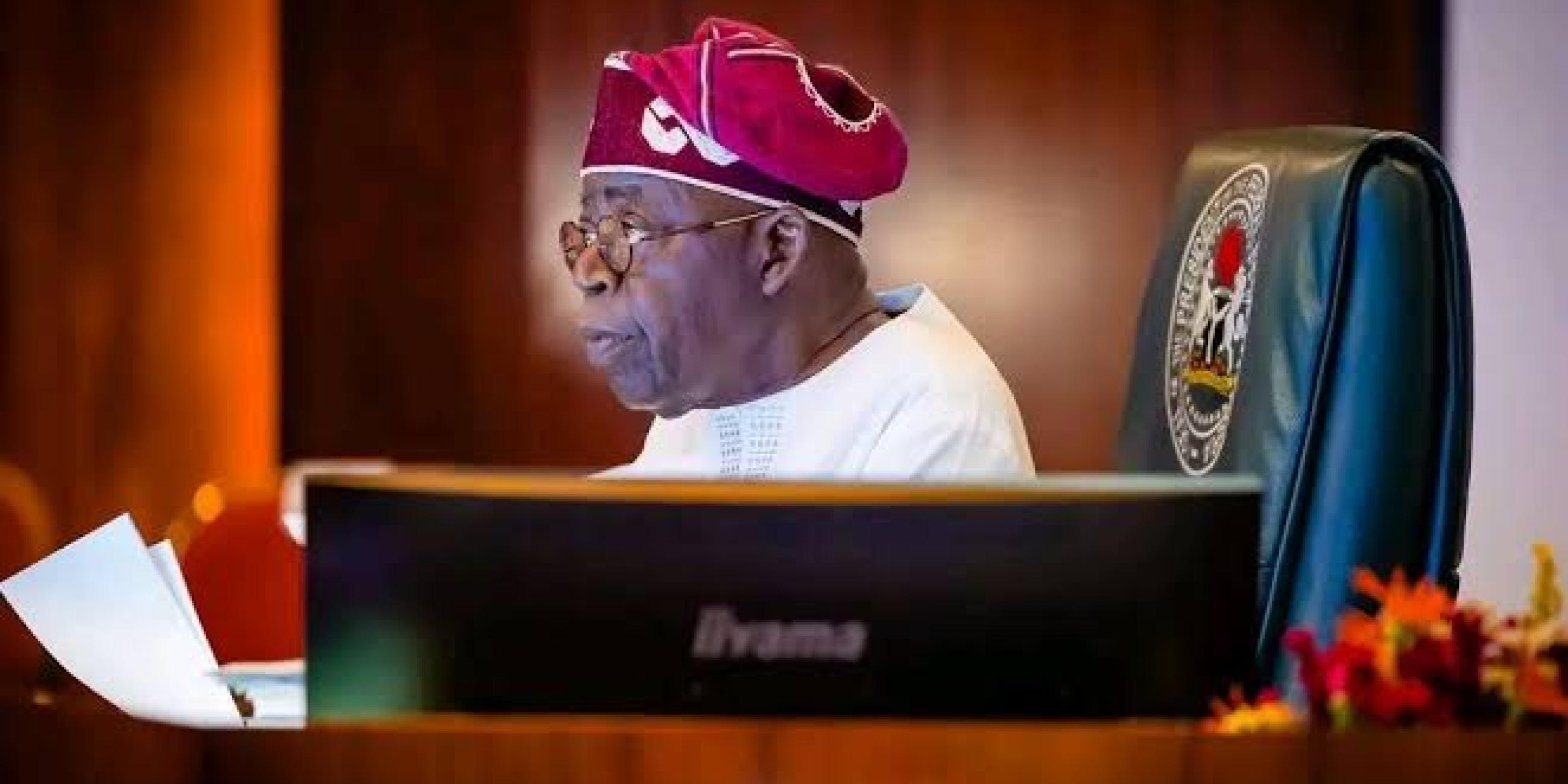
    Daniel Bwala, Special Adviser to President Bola Tinubu on Policy Communication, has revealed that Peter Obi, the Labour Party’s 2023 presidential candidate, reportedly reached out to former President Olusegun Obasanjo to persuade him to join Obi’s campaign. Bwala made the disclosure during an interview on The Clarity Zone podcast while responding to remarks allegedly made by Obi, who had reportedly described Bwala as a “character.”

    Bwala dismissed the description as inoffensive, turning it around to describe Obi himself as the “character-in-chief,” accusing the former Anambra State governor of political theatrics. He further alleged that Obi’s supporters became disillusioned after the 2023 elections when their “fantasy” of his leadership collapsed, leading to aggressive social media attacks on critics.

    Criticizing Obi’s record as governor, Bwala claimed that doctors in Anambra State went on strike due to poor funding and working conditions, and accused Obi of prioritizing personal financial savings over infrastructure development. He also alleged that Obi avoided clarifying whether he benefitted from dividends from a bank where he served as chairman.

    On the claim that he had never visited Anambra, Bwala insisted he was well-acquainted with the area, naming roads and communities in the South-East to prove his familiarity. He detailed that Obasanjo had personally contacted him while he was abroad in London, urging him to join Obi’s campaign, with the communication facilitated by a named ambassador.

    Bwala concluded that his claims were verifiable and that he remained unbothered by Obi’s remarks, emphasizing that his criticisms were based on substantive facts rather than personal attacks.

    This revelation highlights lingering tensions and controversies from Nigeria’s 2023 elections, providing insight into behind-the-scenes political maneuvers and the dynamics between major political figures in the country.
    Peter Obi Allegedly Recruited Bwala via Obasanjo to Join 2023 Presidential Campaign – Tinubu Adviser Speaks Daniel Bwala, Special Adviser to President Bola Tinubu on Policy Communication, has revealed that Peter Obi, the Labour Party’s 2023 presidential candidate, reportedly reached out to former President Olusegun Obasanjo to persuade him to join Obi’s campaign. Bwala made the disclosure during an interview on The Clarity Zone podcast while responding to remarks allegedly made by Obi, who had reportedly described Bwala as a “character.” Bwala dismissed the description as inoffensive, turning it around to describe Obi himself as the “character-in-chief,” accusing the former Anambra State governor of political theatrics. He further alleged that Obi’s supporters became disillusioned after the 2023 elections when their “fantasy” of his leadership collapsed, leading to aggressive social media attacks on critics. Criticizing Obi’s record as governor, Bwala claimed that doctors in Anambra State went on strike due to poor funding and working conditions, and accused Obi of prioritizing personal financial savings over infrastructure development. He also alleged that Obi avoided clarifying whether he benefitted from dividends from a bank where he served as chairman. On the claim that he had never visited Anambra, Bwala insisted he was well-acquainted with the area, naming roads and communities in the South-East to prove his familiarity. He detailed that Obasanjo had personally contacted him while he was abroad in London, urging him to join Obi’s campaign, with the communication facilitated by a named ambassador. Bwala concluded that his claims were verifiable and that he remained unbothered by Obi’s remarks, emphasizing that his criticisms were based on substantive facts rather than personal attacks. This revelation highlights lingering tensions and controversies from Nigeria’s 2023 elections, providing insight into behind-the-scenes political maneuvers and the dynamics between major political figures in the country.
    0 Commentaires ·0 Parts ·2KB Vue
  • Trump Bombs Farmlands in Sokoto, Tinubu Travels Abroad as Defence Minister Musa Goes Silent: A Scathing Review of Nigeria’s Security Crisis by Dr. Nasiru Aminu

    In this hard-hitting opinion piece, Dr. Nasiru Aminu delivers a blistering critique of Nigeria’s leadership and security architecture following the controversial US airstrikes on Christmas night, which reportedly bombed farmlands in Sokoto rather than confirmed terrorist hideouts. He argues that the strikes were justified by former US President Donald Trump using claims of a “Christian genocide” in Nigeria—claims the author describes as exaggerated, misleading and rooted in Trump’s polarising, post-truth political style.

    Dr. Aminu questions why Sokoto was targeted instead of known terror hotspots in the North-East, noting that no credible evidence has emerged to confirm that ISIS or other terrorists were neutralised. He criticises Trump for belittling Nigeria publicly while simultaneously imposing visa restrictions on Nigerians, including Christians he claims to defend.

    The article further examines the Nigerian government’s response, highlighting conflicting narratives from officials. While the Ministers of Foreign Affairs and Information publicly supported the US action, Tinubu’s policy communication adviser, Daniel Bwala, openly described the situation as “sketchy.” Other ministers offered what the author calls unhelpful or misplaced commentary, while President Bola Tinubu himself remained silent and left the country on an end-of-year trip days after the bombing.

    A major focus of the piece is the silence of the Minister of Defence, General Christopher Musa, whom Dr. Aminu accuses of failing in his responsibility at a critical national moment. Despite widespread public anxiety, Musa did not address the nation or clarify whether he was involved in, or even informed about, the bombing. Instead, media reports showed him attending personal celebrations and ceremonial events, behaviour the author describes as unprofessional and insensitive during a national security crisis.

    Dr. Aminu concludes that the absence of leadership, accountability and clear communication following the bombing reflects deeper systemic failures in Nigeria’s security management. He warns that unless this pattern changes, Nigerians should brace for continued mediocrity, insecurity and public disillusionment in the year ahead.
    Trump Bombs Farmlands in Sokoto, Tinubu Travels Abroad as Defence Minister Musa Goes Silent: A Scathing Review of Nigeria’s Security Crisis by Dr. Nasiru Aminu In this hard-hitting opinion piece, Dr. Nasiru Aminu delivers a blistering critique of Nigeria’s leadership and security architecture following the controversial US airstrikes on Christmas night, which reportedly bombed farmlands in Sokoto rather than confirmed terrorist hideouts. He argues that the strikes were justified by former US President Donald Trump using claims of a “Christian genocide” in Nigeria—claims the author describes as exaggerated, misleading and rooted in Trump’s polarising, post-truth political style. Dr. Aminu questions why Sokoto was targeted instead of known terror hotspots in the North-East, noting that no credible evidence has emerged to confirm that ISIS or other terrorists were neutralised. He criticises Trump for belittling Nigeria publicly while simultaneously imposing visa restrictions on Nigerians, including Christians he claims to defend. The article further examines the Nigerian government’s response, highlighting conflicting narratives from officials. While the Ministers of Foreign Affairs and Information publicly supported the US action, Tinubu’s policy communication adviser, Daniel Bwala, openly described the situation as “sketchy.” Other ministers offered what the author calls unhelpful or misplaced commentary, while President Bola Tinubu himself remained silent and left the country on an end-of-year trip days after the bombing. A major focus of the piece is the silence of the Minister of Defence, General Christopher Musa, whom Dr. Aminu accuses of failing in his responsibility at a critical national moment. Despite widespread public anxiety, Musa did not address the nation or clarify whether he was involved in, or even informed about, the bombing. Instead, media reports showed him attending personal celebrations and ceremonial events, behaviour the author describes as unprofessional and insensitive during a national security crisis. Dr. Aminu concludes that the absence of leadership, accountability and clear communication following the bombing reflects deeper systemic failures in Nigeria’s security management. He warns that unless this pattern changes, Nigerians should brace for continued mediocrity, insecurity and public disillusionment in the year ahead.
    0 Commentaires ·0 Parts ·2KB Vue
  • Benin Failed Coup Is a Warning to Tinubu to Address Nigeria’s Hardship — Yoruba Union

    The Yoruba Union Ìgbìnmó Májékóbájé Ilé-Yorùbá has warned President Bola Tinubu that the failed coup in the Republic of Benin should serve as a serious wake-up call for Nigeria’s leadership. The group says widespread corruption, insecurity, poverty, collapsing healthcare, and decaying infrastructure have left Nigerians disillusioned with democracy. They caution that continued neglect and suppression of citizens’ rights could push the public toward supporting undemocratic alternatives. The Union urged the government to urgently restore accountability, improve living conditions, and address rising social inequalities to prevent instability in Nigeria.
    Benin Failed Coup Is a Warning to Tinubu to Address Nigeria’s Hardship — Yoruba Union The Yoruba Union Ìgbìnmó Májékóbájé Ilé-Yorùbá has warned President Bola Tinubu that the failed coup in the Republic of Benin should serve as a serious wake-up call for Nigeria’s leadership. The group says widespread corruption, insecurity, poverty, collapsing healthcare, and decaying infrastructure have left Nigerians disillusioned with democracy. They caution that continued neglect and suppression of citizens’ rights could push the public toward supporting undemocratic alternatives. The Union urged the government to urgently restore accountability, improve living conditions, and address rising social inequalities to prevent instability in Nigeria.
    0 Commentaires ·0 Parts ·526 Vue
  • Self-Defence Won’t End Insecurity in Nigeria, Bishop Kukah Warns Government

    Catholic Bishop Matthew Hassan Kukah has cautioned that arming communities for self-defence will not resolve Nigeria’s worsening insecurity. Speaking at a national dialogue in Abuja, Kukah said distributing weapons creates only an illusion of safety and contradicts moral and religious principles. He argued that Nigeria’s real problems lie in broken homes, weakened values, and fragmented communities that fuel violence. Kukah urged a collective, whole-of-society approach to rebuilding trust, combating extremism, and promoting justice, compassion, and unity across religious and ethnic divides.
    Self-Defence Won’t End Insecurity in Nigeria, Bishop Kukah Warns Government Catholic Bishop Matthew Hassan Kukah has cautioned that arming communities for self-defence will not resolve Nigeria’s worsening insecurity. Speaking at a national dialogue in Abuja, Kukah said distributing weapons creates only an illusion of safety and contradicts moral and religious principles. He argued that Nigeria’s real problems lie in broken homes, weakened values, and fragmented communities that fuel violence. Kukah urged a collective, whole-of-society approach to rebuilding trust, combating extremism, and promoting justice, compassion, and unity across religious and ethnic divides.
    0 Commentaires ·0 Parts ·1KB Vue
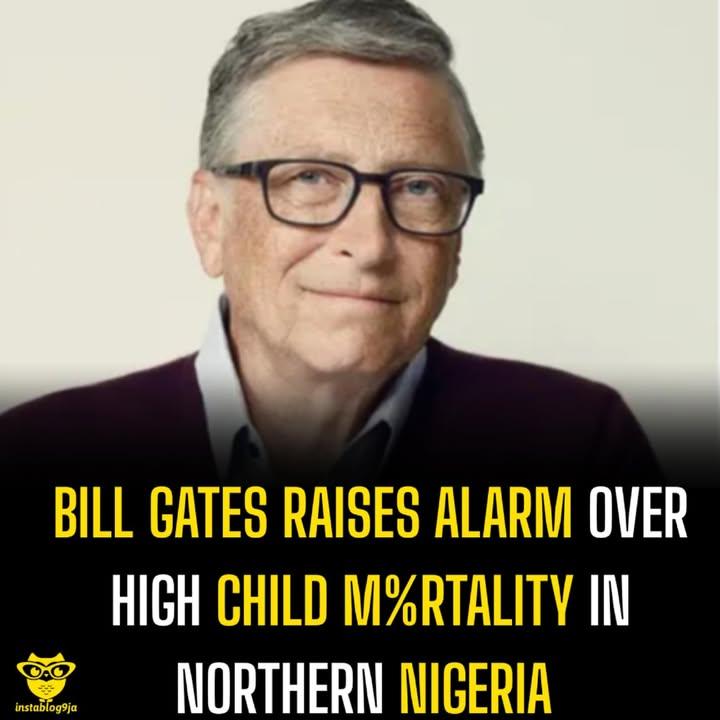
  • Bill Gates Raises Alarm Over High Child Mortality in Northern Nigeria.

    Philanthropist Bill Gates has sounded the alarm over child mortality in northern Nigeria, revealing that “a kid born in northern Nigeria has a 15% chance of dying before the age of five.”

    Speaking at a Reuters Newsmaker event in New York on Monday, Gates said the situation highlights the urgency of reversing cuts in global health aid. “The world is at a crossroads, with millions of children at risk of dy+ng if funding drops too steeply. You can either be part of improving that or act like that doesn’t matter,” he warned.

    Ahead of the Bill & Melinda Gates Foundation’s annual Goalkeepers event, Gates pledged $912 million to the Global Fund to Fight AIDS, Tuberculosis, and Malaria. But he stressed that private philanthropy cannot fully cover government shortfalls: “I am not capable of making up what the government cuts, and I don’t want to create an illusion of that.”

    Global health funding has dropped sharply, with assistance falling 21% between 2024 and 2025, according to the Institute for Health Metrics and Evaluation. Gates warned that without urgent action, progress achieved since 2000 which halved child mortality and saved about five million lives each year could be reversed.

    Still, he expressed optimism that the right investments could save millions of lives by 2045, when he plans to have given away almost his entire $200 billion fortune. This, he noted, would require sustained support for organisations like the Global Fund and Gavi, the Vaccine Alliance, as well as rapid adoption of new innovations such as the long-acting HIV prevention drug, lenacapavir.

    “What’s happening to the health of the world’s children is worse than most people realise, but our long-term prospects are better than most people can imagine,” Gates said.

    While many countries have reduced support, Spain increased its contributions this year—raising its donation to the Global Fund by 12% and to Gavi by 30%.
    Bill Gates Raises Alarm Over High Child Mortality in Northern Nigeria. Philanthropist Bill Gates has sounded the alarm over child mortality in northern Nigeria, revealing that “a kid born in northern Nigeria has a 15% chance of dying before the age of five.” Speaking at a Reuters Newsmaker event in New York on Monday, Gates said the situation highlights the urgency of reversing cuts in global health aid. “The world is at a crossroads, with millions of children at risk of dy+ng if funding drops too steeply. You can either be part of improving that or act like that doesn’t matter,” he warned. Ahead of the Bill & Melinda Gates Foundation’s annual Goalkeepers event, Gates pledged $912 million to the Global Fund to Fight AIDS, Tuberculosis, and Malaria. But he stressed that private philanthropy cannot fully cover government shortfalls: “I am not capable of making up what the government cuts, and I don’t want to create an illusion of that.” Global health funding has dropped sharply, with assistance falling 21% between 2024 and 2025, according to the Institute for Health Metrics and Evaluation. Gates warned that without urgent action, progress achieved since 2000 which halved child mortality and saved about five million lives each year could be reversed. Still, he expressed optimism that the right investments could save millions of lives by 2045, when he plans to have given away almost his entire $200 billion fortune. This, he noted, would require sustained support for organisations like the Global Fund and Gavi, the Vaccine Alliance, as well as rapid adoption of new innovations such as the long-acting HIV prevention drug, lenacapavir. “What’s happening to the health of the world’s children is worse than most people realise, but our long-term prospects are better than most people can imagine,” Gates said. While many countries have reduced support, Spain increased its contributions this year—raising its donation to the Global Fund by 12% and to Gavi by 30%.
    0 Commentaires ·0 Parts ·2KB Vue

  • According to a report by Viable TV, Jonah Bonet, a former special adviser on stakeholders’ engagement to ex-Kaduna State Governor Nasir El-Rufai, has harshly criticized Labour Party’s 2023 presidential candidate, Peter Obi, in a recently circulated video. Bonet, speaking with visible anger, accused Obi of betraying the trust of his supporters.


    In the viral clip, Bonet declared, “We believed in you but we will never vote you again. Seeing you with Nasir El-Rufai, you have insulted us.”

    His statement underscores growing frustration among some former Obi loyalists who feel disillusioned by his political choices. For Bonet, the issue goes beyond ordinary political alliances—it represents what he described as a disregard for the sacrifices of Nigerians who rallied behind Obi during the 2023 elections.

    This attack is the latest in a series of confrontational remarks from Bonet. In previous videos, he had targeted his former principal, El-Rufai, accusing him of disrespecting respected political and religious figures. Now, by shifting his focus to Obi, Bonet highlights the lingering mistrust surrounding El-Rufai’s political reputation.

    Observers believe Bonet’s comments reflect a broader unease among sections of Obi’s base, who worry that partnerships with divisive figures could undermine the image of transparency and reform Obi built during his campaign. The phrase “you have insulted us,” directed at Obi, underscores just how personal this discontent feels for some of his supporters.

    With the 2027 general elections on the horizon, the outburst raises questions about whether Obi can maintain the loyalty of his grassroots following while navigating Nigeria’s complex political landscape.
    According to a report by Viable TV, Jonah Bonet, a former special adviser on stakeholders’ engagement to ex-Kaduna State Governor Nasir El-Rufai, has harshly criticized Labour Party’s 2023 presidential candidate, Peter Obi, in a recently circulated video. Bonet, speaking with visible anger, accused Obi of betraying the trust of his supporters. In the viral clip, Bonet declared, “We believed in you but we will never vote you again. Seeing you with Nasir El-Rufai, you have insulted us.” His statement underscores growing frustration among some former Obi loyalists who feel disillusioned by his political choices. For Bonet, the issue goes beyond ordinary political alliances—it represents what he described as a disregard for the sacrifices of Nigerians who rallied behind Obi during the 2023 elections. This attack is the latest in a series of confrontational remarks from Bonet. In previous videos, he had targeted his former principal, El-Rufai, accusing him of disrespecting respected political and religious figures. Now, by shifting his focus to Obi, Bonet highlights the lingering mistrust surrounding El-Rufai’s political reputation. Observers believe Bonet’s comments reflect a broader unease among sections of Obi’s base, who worry that partnerships with divisive figures could undermine the image of transparency and reform Obi built during his campaign. The phrase “you have insulted us,” directed at Obi, underscores just how personal this discontent feels for some of his supporters. With the 2027 general elections on the horizon, the outburst raises questions about whether Obi can maintain the loyalty of his grassroots following while navigating Nigeria’s complex political landscape.
    0 Commentaires ·0 Parts ·711 Vue
  • #OpEd: Why Guns Should Be Legalised For Human Rights Activists In Nigeria, By Comrade Ufezime Nelson Ubi

    Comrade Ufezime Nelson Ubi argues that Nigeria has become too dangerous for unarmed human rights defenders, as activists face harassment, abductions, and killings while criminals, bandits, and political thugs operate freely with weapons.

    He insists that legalising guns for activists is not a call to violence but a matter of survival, deterrence, and democracy protection, comparing Nigeria’s situation to apartheid South Africa, the US Black Panthers, and African liberation struggles.

    According to him, without the right to self-defense, freedom of expression is an illusion, as peaceful protesters risk death each time they speak truth to power. He concludes that arming activists would restore balance, deter oppression, and safeguard democracy from collapse.

    #HumanRights #Nigeria #GunRights #Democracy
    #OpEd: Why Guns Should Be Legalised For Human Rights Activists In Nigeria, By Comrade Ufezime Nelson Ubi Comrade Ufezime Nelson Ubi argues that Nigeria has become too dangerous for unarmed human rights defenders, as activists face harassment, abductions, and killings while criminals, bandits, and political thugs operate freely with weapons. He insists that legalising guns for activists is not a call to violence but a matter of survival, deterrence, and democracy protection, comparing Nigeria’s situation to apartheid South Africa, the US Black Panthers, and African liberation struggles. According to him, without the right to self-defense, freedom of expression is an illusion, as peaceful protesters risk death each time they speak truth to power. He concludes that arming activists would restore balance, deter oppression, and safeguard democracy from collapse. #HumanRights #Nigeria #GunRights #Democracy
    love
    1
    · 0 Commentaires ·0 Parts ·2KB Vue

  • News Brief: Michael Jackson’s Gravity-Defying Lean Explained

    In 1987, Michael Jackson stunned the world in Smooth Criminal, leaning 45° forward without falling — an apparent defiance of physics.

    For decades, fans and scientists puzzled over the move. In 2018, a team of neurosurgeons finally revealed the secret: Jackson and his team patented special shoes that locked into pegs on stage, allowing the star to achieve the impossible lean while using his core strength to hold the position.

    The illusion became one of his most iconic dance moves, blending biomechanics, innovation, and artistry in a way no performer had done before.

    #MichaelJackson #SmoothCriminal #DanceInnovation
    News Brief: Michael Jackson’s Gravity-Defying Lean Explained In 1987, Michael Jackson stunned the world in Smooth Criminal, leaning 45° forward without falling — an apparent defiance of physics. For decades, fans and scientists puzzled over the move. In 2018, a team of neurosurgeons finally revealed the secret: Jackson and his team patented special shoes that locked into pegs on stage, allowing the star to achieve the impossible lean while using his core strength to hold the position. The illusion became one of his most iconic dance moves, blending biomechanics, innovation, and artistry in a way no performer had done before. #MichaelJackson #SmoothCriminal #DanceInnovation
    0 Commentaires ·0 Parts ·1KB Vue
  • “We’re Tired of Living in Fear!” — Katsina Communities Block Highway in Fiery Protest Against Bandit Attacks

    Frustration turned to fury in Katsina State as residents of Kwantamawa and Kudewa communities in Kurfi LGA stormed the streets, blocking the Dutsinma-Katsina highway at Tashar Barau, lighting tires ablaze and demanding urgent government action over relentless bandit attacks.

    Tired of living under constant threat of abduction, violence, and displacement, the villagers staged a massive protest, crying out for the attention their region has been denied for years.

    > “For us to be living this life, it’s better for them to kill us all,”
    — A grieving resident told journalist Rukayyah Jibia of News Central TV.

    Jibia, who witnessed the chaos firsthand, described the mood as “a community on edge, crying out for survival.” One boy even ran to warn her during the coverage: “The bandits are coming!”

    Despite countless appeals to authorities, security presence remains inadequate, leaving residents defenseless and deeply disillusioned.

    Local leaders are calling for immediate and decisive intervention to prevent the situation from spiraling further out of control.

    #KatsinaProtest #StopTheBandits #RuralVoicesMatter #KwantamawaCrisis

    “We’re Tired of Living in Fear!” — Katsina Communities Block Highway in Fiery Protest Against Bandit Attacks Frustration turned to fury in Katsina State as residents of Kwantamawa and Kudewa communities in Kurfi LGA stormed the streets, blocking the Dutsinma-Katsina highway at Tashar Barau, lighting tires ablaze and demanding urgent government action over relentless bandit attacks. Tired of living under constant threat of abduction, violence, and displacement, the villagers staged a massive protest, crying out for the attention their region has been denied for years. > “For us to be living this life, it’s better for them to kill us all,” — A grieving resident told journalist Rukayyah Jibia of News Central TV. Jibia, who witnessed the chaos firsthand, described the mood as “a community on edge, crying out for survival.” One boy even ran to warn her during the coverage: “The bandits are coming!” Despite countless appeals to authorities, security presence remains inadequate, leaving residents defenseless and deeply disillusioned. Local leaders are calling for immediate and decisive intervention to prevent the situation from spiraling further out of control. #KatsinaProtest #StopTheBandits #RuralVoicesMatter #KwantamawaCrisis
    0 Commentaires ·0 Parts ·1KB Vue
  • Enough is enough” – Youths begin mobilization against PDP governor’s 2027 re-election bid.

    A northern youth advocacy group, Arewa Youths for Democracy and Development (AYDD), has launched a scathing attack on Zamfara State Governor Dauda Lawal, accusing him of gross underperformance and warning that his administration’s failures will not be tolerated beyond 2027.

    In a statement issued in Gusau on Sunday, the group declared the beginning of a grassroots mobilization campaign to unseat the Peoples Democratic Party (PDP) governor in the next election cycle, citing what it described as a dramatic collapse of governance under Lawal’s leadership.

    Comrade Ibrahim Danladi Gwaska, president of the group said: “Enough is enough. Zamfara cannot afford another lost decade.

    “What we have seen over the past two years is a tragic abdication of responsibility. Governor Lawal has failed across every key sector—security, education, healthcare, infrastructure, and youth development.”

    AYDD said the optimism that greeted Lawal’s emergence in May 2023 has quickly turned to disillusionment, accusing the administration of reversing the modest progress achieved by the previous government.

    “Zamfara is far worse off today than it was before Lawal took office.

    “Bandits continue to terrorize communities in Maru, Zurmi, Anka, Shinkafi, and Tsafe, and the government offers no visible strategy or protection. Rural Zamfara is burning, and the governor is silent,” Gwaska said.

    The group described the state’s education system as “a disaster,” with collapsing infrastructure, unpaid teachers, and students learning in inhumane conditions.

    “Primary and secondary schools in Bakura and Bungudu lack basic amenities. Children sit on bare floors, and teachers are owed salaries. Yet the governor boasts at international conferences,” Gwaska stated.
    Enough is enough” – Youths begin mobilization against PDP governor’s 2027 re-election bid. A northern youth advocacy group, Arewa Youths for Democracy and Development (AYDD), has launched a scathing attack on Zamfara State Governor Dauda Lawal, accusing him of gross underperformance and warning that his administration’s failures will not be tolerated beyond 2027. In a statement issued in Gusau on Sunday, the group declared the beginning of a grassroots mobilization campaign to unseat the Peoples Democratic Party (PDP) governor in the next election cycle, citing what it described as a dramatic collapse of governance under Lawal’s leadership. Comrade Ibrahim Danladi Gwaska, president of the group said: “Enough is enough. Zamfara cannot afford another lost decade. “What we have seen over the past two years is a tragic abdication of responsibility. Governor Lawal has failed across every key sector—security, education, healthcare, infrastructure, and youth development.” AYDD said the optimism that greeted Lawal’s emergence in May 2023 has quickly turned to disillusionment, accusing the administration of reversing the modest progress achieved by the previous government. “Zamfara is far worse off today than it was before Lawal took office. “Bandits continue to terrorize communities in Maru, Zurmi, Anka, Shinkafi, and Tsafe, and the government offers no visible strategy or protection. Rural Zamfara is burning, and the governor is silent,” Gwaska said. The group described the state’s education system as “a disaster,” with collapsing infrastructure, unpaid teachers, and students learning in inhumane conditions. “Primary and secondary schools in Bakura and Bungudu lack basic amenities. Children sit on bare floors, and teachers are owed salaries. Yet the governor boasts at international conferences,” Gwaska stated.
    0 Commentaires ·0 Parts ·1KB Vue
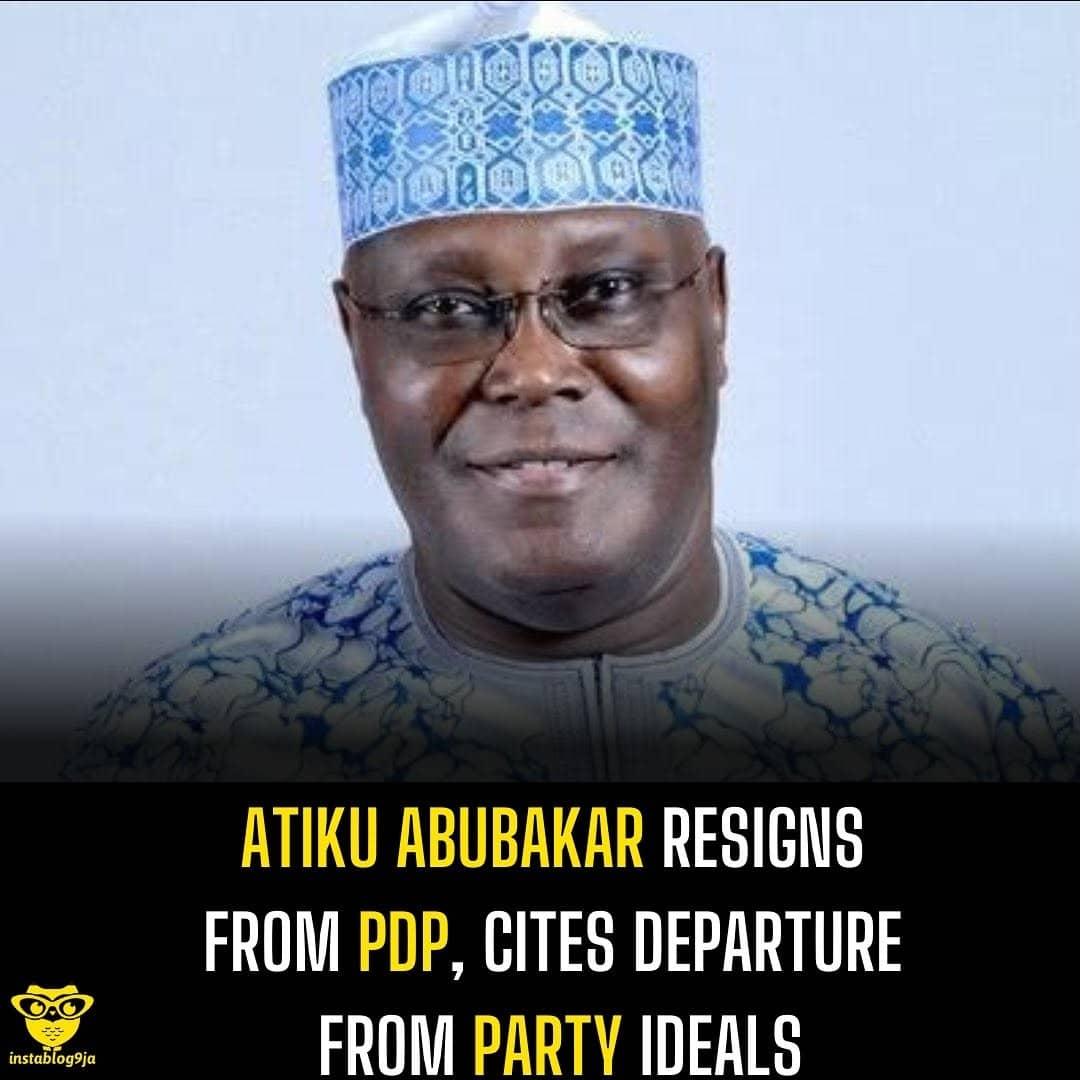
  • Atiku Abubakar Resigns from PDP, Cites Departure from Party Ideals.

    Former Vice President Atiku Abubakar has resigned from the Peoples Democratic Party (PDP), a platform he helped found in 1998. In a letter dated July 14 and addressed to the party chairman in his Jada 1 Ward, Adamawa State, Atiku said his decision takes immediate effect.

    “I find it necessary to part ways due to the current trajectory the Party has taken, which I believe diverges from the foundational principles we stood for,” he wrote. “It is with a heavy heart that I resign, recognizing the irreconcilable differences that have emerged.”

    Atiku, who served as Nigeria’s Vice President from 1999 to 2007, thanked the PDP for offering him the platform to serve and to contest the presidency in 2019 and 2023. He also ran for president under the Action Congress in 2007 and has switched political parties several times during his career.

    His exit marks another chapter in his long quest for the presidency, having contested six times under the SDP, PDP, AC, and APC.

    Though he returned to the PDP in 2017, Atiku grew increasingly frustrated with the party’s internal crises, poor post-election strategies, and unresolved zoning disputes following its 2023 loss to the APC. Insiders say Atiku had become disillusioned with the leadership’s inability to reposition the PDP as a credible opposition.

    In 2024, he began building alliances across party lines, leading to the formation of a new opposition coalition. While he hasn’t officially joined the African Democratic Congress (ADC), he is seen as the coalition’s central figure, pushing for electoral reforms and party democracy. The PDP has yet to respond officially, but senior officials admit the resignation is a blow and could trigger further defections ahead of 2027.

    At 78, Atiku remains one of Nigeria’s most enduring political figures, known for his influence, wealth, and persistent ambition to lead the nation.
    Atiku Abubakar Resigns from PDP, Cites Departure from Party Ideals. Former Vice President Atiku Abubakar has resigned from the Peoples Democratic Party (PDP), a platform he helped found in 1998. In a letter dated July 14 and addressed to the party chairman in his Jada 1 Ward, Adamawa State, Atiku said his decision takes immediate effect. “I find it necessary to part ways due to the current trajectory the Party has taken, which I believe diverges from the foundational principles we stood for,” he wrote. “It is with a heavy heart that I resign, recognizing the irreconcilable differences that have emerged.” Atiku, who served as Nigeria’s Vice President from 1999 to 2007, thanked the PDP for offering him the platform to serve and to contest the presidency in 2019 and 2023. He also ran for president under the Action Congress in 2007 and has switched political parties several times during his career. His exit marks another chapter in his long quest for the presidency, having contested six times under the SDP, PDP, AC, and APC. Though he returned to the PDP in 2017, Atiku grew increasingly frustrated with the party’s internal crises, poor post-election strategies, and unresolved zoning disputes following its 2023 loss to the APC. Insiders say Atiku had become disillusioned with the leadership’s inability to reposition the PDP as a credible opposition. In 2024, he began building alliances across party lines, leading to the formation of a new opposition coalition. While he hasn’t officially joined the African Democratic Congress (ADC), he is seen as the coalition’s central figure, pushing for electoral reforms and party democracy. The PDP has yet to respond officially, but senior officials admit the resignation is a blow and could trigger further defections ahead of 2027. At 78, Atiku remains one of Nigeria’s most enduring political figures, known for his influence, wealth, and persistent ambition to lead the nation.
    0 Commentaires ·0 Parts ·2KB Vue
  • Survey Reveals 83% of Nigerians Have Little or No Trust in Tinubu Administration

    A newly released national survey has revealed that 83% of Nigerians express little to no trust in the administration of President Bola Ahmed Tinubu. The findings highlight growing public dissatisfaction with the government's handling of critical issues such as the economy, insecurity, unemployment, and cost of living.

    The survey, conducted by a reputable research body, indicates a widening trust gap between the government and the citizens, especially amid rising inflation, fuel subsidy removal, and currency devaluation. Respondents cited unmet campaign promises, lack of transparency, and perceived insensitivity to the plight of ordinary Nigerians as key reasons for their disillusionment.

    As the 2027 elections draw closer, analysts say the Tinubu government will need to rebuild public confidence through concrete actions, reforms, and visible improvements in the lives of Nigerians.

    Do you think the government can regain public trust?
    A. Yes
    B. No
    Survey Reveals 83% of Nigerians Have Little or No Trust in Tinubu Administration A newly released national survey has revealed that 83% of Nigerians express little to no trust in the administration of President Bola Ahmed Tinubu. The findings highlight growing public dissatisfaction with the government's handling of critical issues such as the economy, insecurity, unemployment, and cost of living. The survey, conducted by a reputable research body, indicates a widening trust gap between the government and the citizens, especially amid rising inflation, fuel subsidy removal, and currency devaluation. Respondents cited unmet campaign promises, lack of transparency, and perceived insensitivity to the plight of ordinary Nigerians as key reasons for their disillusionment. As the 2027 elections draw closer, analysts say the Tinubu government will need to rebuild public confidence through concrete actions, reforms, and visible improvements in the lives of Nigerians. Do you think the government can regain public trust? A. Yes B. No
    0 Commentaires ·0 Parts ·805 Vue
  • Oshiomhole Blames Buhari-Era Excessive Money Printing for Naira Collapse.
    Senator Adams Oshiomhole has attributed the sharp decline of the naira to excessive money printing under former President Muhammadu Buhari’s administration. Speaking at a Progressives Governors Forum event in Benin City, the Edo North senator criticized the Central Bank’s use of the Ways and Means provision, saying it led to unchecked currency printing and the naira’s subsequent devaluation.

    Under the Ways and Means policy, the federal government is allowed to borrow from the Central Bank of Nigeria (CBN) to manage fiscal shortfalls. However, Oshiomhole alleged the Buhari government abused this by printing over ₦31 trillion, not backed by revenue or resources.

    He likened the practice to the economic mismanagement seen in Zimbabwe and Idi Amin’s Uganda, where excessive currency printing led to hyperinflation and the collapse of national currencies.

    “They called it ‘Ways and Means’—but in reality, it was just printing money to meet illusionary needs,” Oshiomhole said. “This reckless policy is why the naira collapsed.”

    He added that the root causes of today’s inflation and exchange rate crisis stem from this fiscal mismanagement, a burden now left for President Bola Tinubu to resolve.

    Oshiomhole also criticized Nigeria’s unsustainable borrowing habits, saying, “We were borrowing like fish drinks water,” and praised the current administration for halting the practice.

    In 2024, the Senate set up an ad-hoc committee to probe the CBN’s use of Ways and Means and its Anchor Borrowers Programme.
    Oshiomhole Blames Buhari-Era Excessive Money Printing for Naira Collapse. Senator Adams Oshiomhole has attributed the sharp decline of the naira to excessive money printing under former President Muhammadu Buhari’s administration. Speaking at a Progressives Governors Forum event in Benin City, the Edo North senator criticized the Central Bank’s use of the Ways and Means provision, saying it led to unchecked currency printing and the naira’s subsequent devaluation. Under the Ways and Means policy, the federal government is allowed to borrow from the Central Bank of Nigeria (CBN) to manage fiscal shortfalls. However, Oshiomhole alleged the Buhari government abused this by printing over ₦31 trillion, not backed by revenue or resources. He likened the practice to the economic mismanagement seen in Zimbabwe and Idi Amin’s Uganda, where excessive currency printing led to hyperinflation and the collapse of national currencies. “They called it ‘Ways and Means’—but in reality, it was just printing money to meet illusionary needs,” Oshiomhole said. “This reckless policy is why the naira collapsed.” He added that the root causes of today’s inflation and exchange rate crisis stem from this fiscal mismanagement, a burden now left for President Bola Tinubu to resolve. Oshiomhole also criticized Nigeria’s unsustainable borrowing habits, saying, “We were borrowing like fish drinks water,” and praised the current administration for halting the practice. In 2024, the Senate set up an ad-hoc committee to probe the CBN’s use of Ways and Means and its Anchor Borrowers Programme.
    like
    1
    · 0 Commentaires ·0 Parts ·1KB Vue
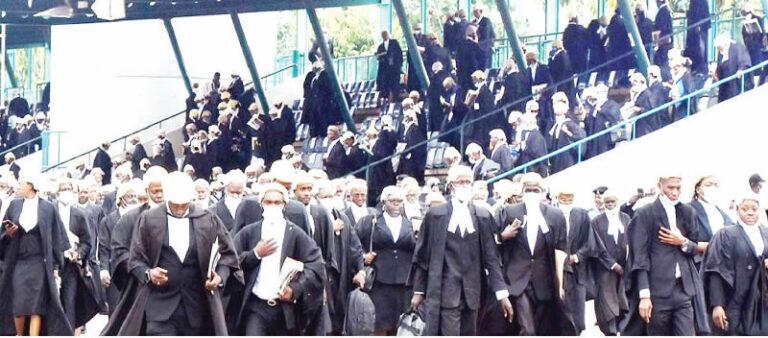
  • Noble profession, harsh beginnings: The plight of Nigeria’s young legal professionals.

    In this report, DEBORAH MUSA delves into the experiences of junior lawyers navigating the early years of practice years often characterised by long hours, minimal pay, and a workplace culture shaped by hierarchy, exploitation, and disillusionment

    Law has long been regarded as one of the most esteemed professions one that parents not only admire but often encourage their children to pursue. In Nigeria, it remains among the most competitive courses in higher education, with exceptionally high cut-off marks and thousands of applicants each year. Despite this fierce demand, and the soaring cost of legal education, many who finally make it through the university and the Nigerian Law School find that their dreams soon collide with a harsh professional reality.

    Findings show that young lawyers, after investing six grueling years into their legal education, often enter a profession marked by low remuneration, poor welfare conditions, and, in many cases, toxic work environments. The early years at the Bar particularly in private chambers are frequently marred by meagre pay, unreasonable workloads, and strained relationships with senior colleagues. What should be a period of professional growth and mentorship too often becomes one of exploitation and disillusionment.

    Globally, the legal profession is associated with prestige and excellence. Lawyers are not only respected in society, but they also carry the title “learned” with pride a reflection of their training, intellectual rigor, and public responsibility. Ironically, in Nigeria, this perceived prestige seldom translates into financial security or job satisfaction for young practitioners.
    Noble profession, harsh beginnings: The plight of Nigeria’s young legal professionals. In this report, DEBORAH MUSA delves into the experiences of junior lawyers navigating the early years of practice years often characterised by long hours, minimal pay, and a workplace culture shaped by hierarchy, exploitation, and disillusionment Law has long been regarded as one of the most esteemed professions one that parents not only admire but often encourage their children to pursue. In Nigeria, it remains among the most competitive courses in higher education, with exceptionally high cut-off marks and thousands of applicants each year. Despite this fierce demand, and the soaring cost of legal education, many who finally make it through the university and the Nigerian Law School find that their dreams soon collide with a harsh professional reality. Findings show that young lawyers, after investing six grueling years into their legal education, often enter a profession marked by low remuneration, poor welfare conditions, and, in many cases, toxic work environments. The early years at the Bar particularly in private chambers are frequently marred by meagre pay, unreasonable workloads, and strained relationships with senior colleagues. What should be a period of professional growth and mentorship too often becomes one of exploitation and disillusionment. Globally, the legal profession is associated with prestige and excellence. Lawyers are not only respected in society, but they also carry the title “learned” with pride a reflection of their training, intellectual rigor, and public responsibility. Ironically, in Nigeria, this perceived prestige seldom translates into financial security or job satisfaction for young practitioners.
    0 Commentaires ·0 Parts ·576 Vue
Fintter https://fintter.com