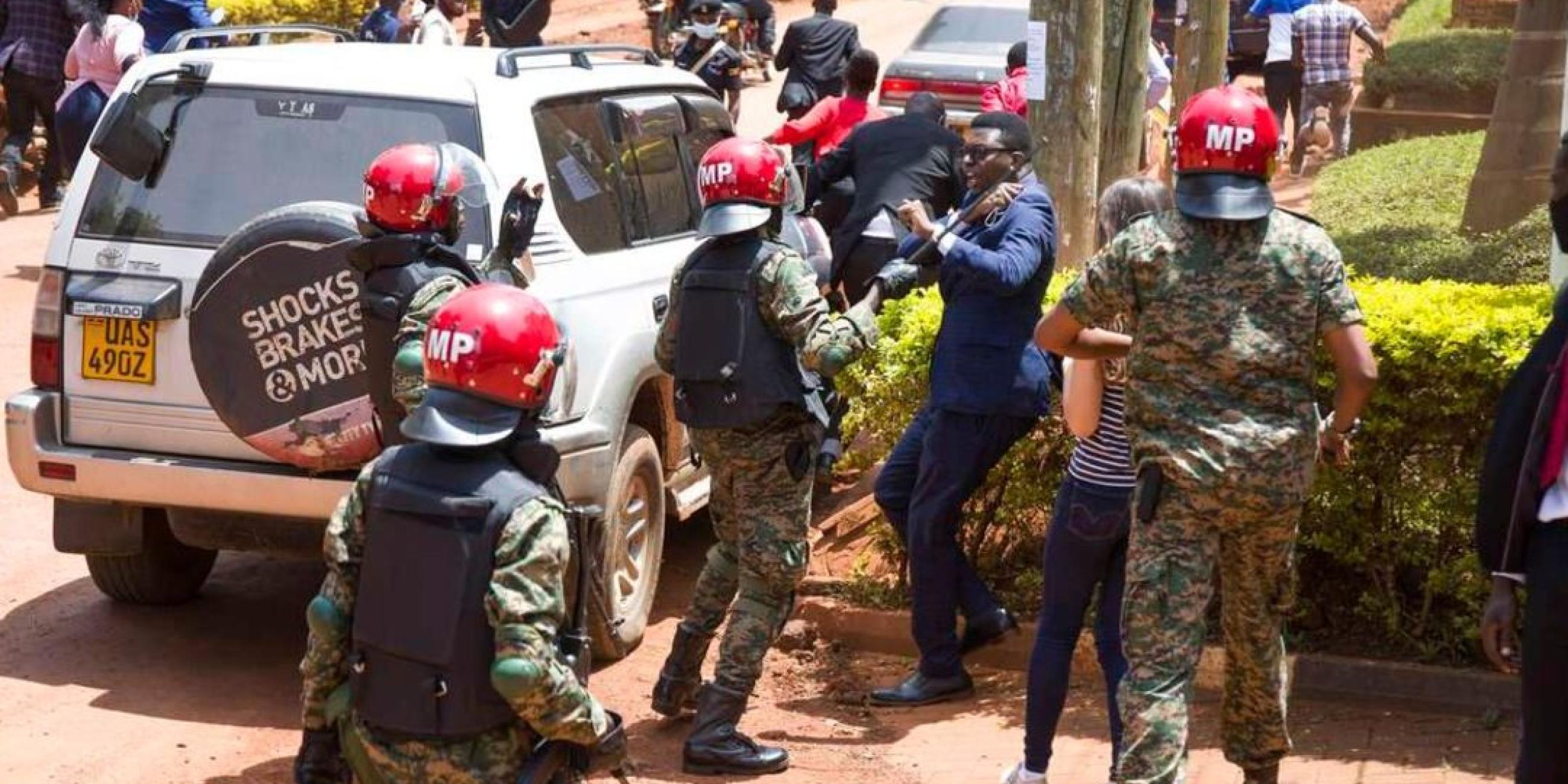
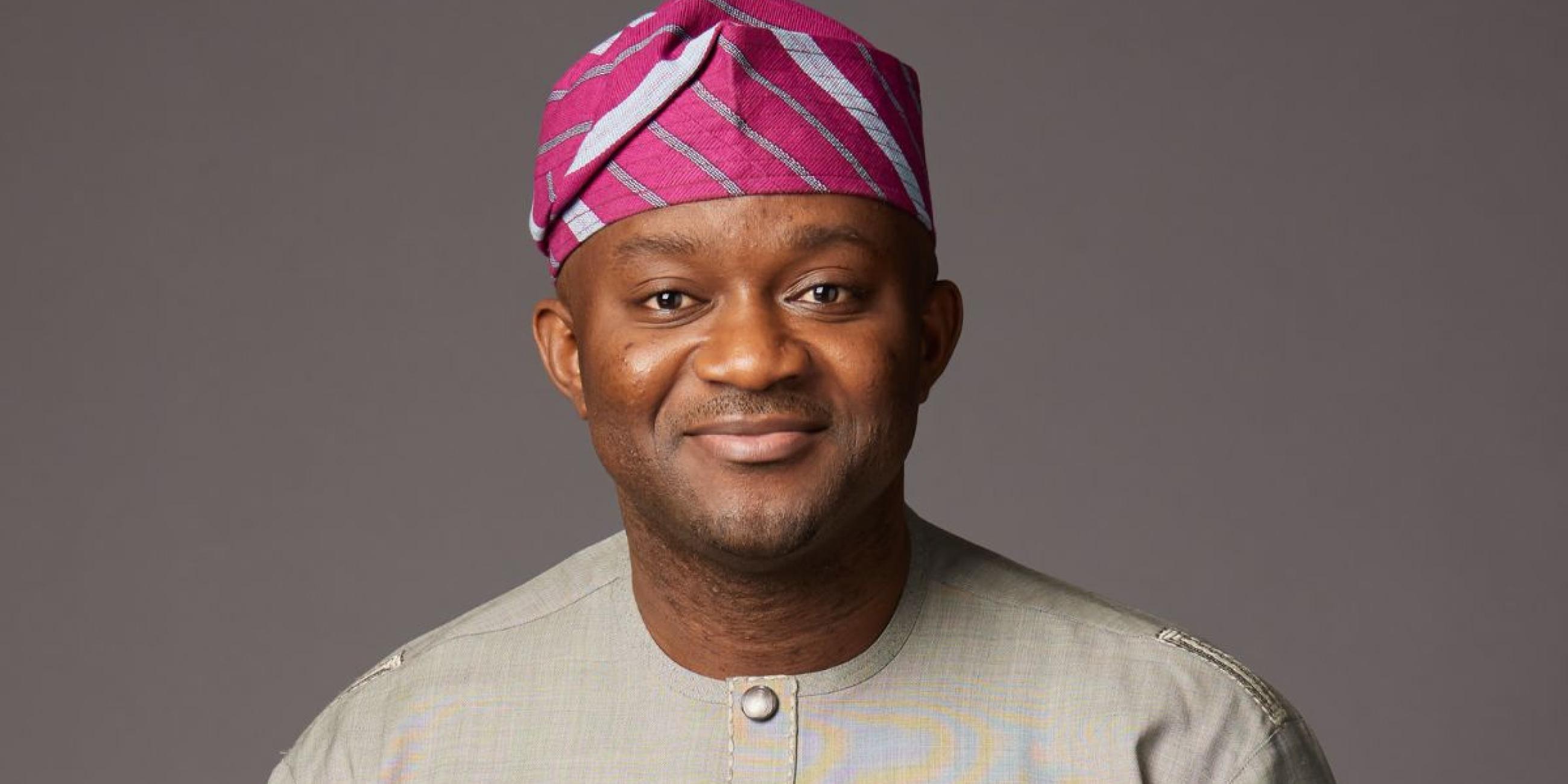
• Omoyele Sowore was an active participant of the Pro-Democracy Movement in the early 90s.

    In this old video, Yele protests against a military take over of MKO Abiola’s burial ceremony

    #Yoruba

    Source: Yele Sowore DL
    Omoyele Sowore was an active participant of the Pro-Democracy Movement in the early 90s. In this old video, Yele protests against a military take over of MKO Abiola’s burial ceremony #Yoruba Source: Yele Sowore DL
    0 Kommentare ·0 Geteilt ·493 Ansichten ·3 Plays
  • Hope Uzodimma Sponsors Imo INEC Officials’ Jerusalem Pilgrimage, Sparks Controversy

    Imo State Governor Hope Uzodimma has sponsored the Resident Electoral Commissioner, seven INEC department heads, and 27 electoral officers on a pilgrimage to Jerusalem, scheduled to begin January 20, 2026. Sources confirmed the officials will be prayed for and formally sent off from the Government House Chapel before departing Owerri for Israel. The development has raised concerns over political patronage and the independence of electoral officials amid Nigeria’s fragile democracy.

    #BreakingNews #INEC #ImoPolitics #HopeUzodimma #ElectoralIntegrity #NigeriaPolitics
    Hope Uzodimma Sponsors Imo INEC Officials’ Jerusalem Pilgrimage, Sparks Controversy Imo State Governor Hope Uzodimma has sponsored the Resident Electoral Commissioner, seven INEC department heads, and 27 electoral officers on a pilgrimage to Jerusalem, scheduled to begin January 20, 2026. Sources confirmed the officials will be prayed for and formally sent off from the Government House Chapel before departing Owerri for Israel. The development has raised concerns over political patronage and the independence of electoral officials amid Nigeria’s fragile democracy. #BreakingNews #INEC #ImoPolitics #HopeUzodimma #ElectoralIntegrity #NigeriaPolitics
    love
    1
    · 0 Kommentare ·0 Geteilt ·1KB Ansichten
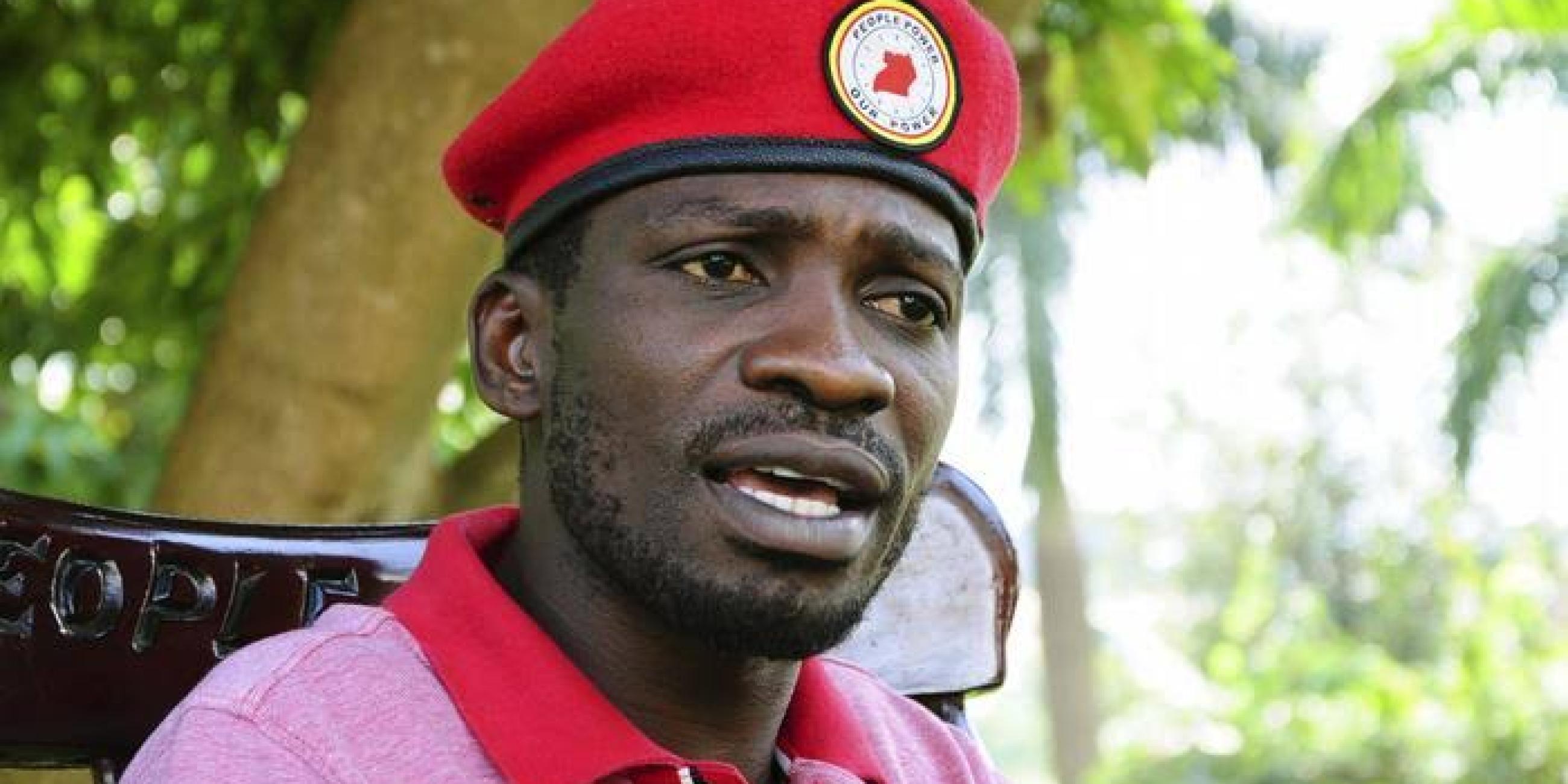
  • Take-It-Back Movement Rejects Uganda Election Results, Slams Repression, Killings, Bobi Wine Raid

    Nigeria’s Take-It-Back Movement has rejected Uganda’s election results, condemning what it calls widespread repression, militarisation, fraud, and killings. The group cited opposition leader Bobi Wine’s claim that security forces raided his home, cut electricity, disabled CCTV, and placed his family under siege, forcing him into hiding. Describing the process as illegitimate, the movement accused authorities of ballot stuffing, mass arrests, internet shutdowns, and targeting opposition candidates. It warned that Uganda’s crisis reflects a wider African pattern of stolen elections and urged the African Union and global community to take firm action against state violence.

    #UgandaElection #BobiWine #DemocracyUnderAttack
    Take-It-Back Movement Rejects Uganda Election Results, Slams Repression, Killings, Bobi Wine Raid Nigeria’s Take-It-Back Movement has rejected Uganda’s election results, condemning what it calls widespread repression, militarisation, fraud, and killings. The group cited opposition leader Bobi Wine’s claim that security forces raided his home, cut electricity, disabled CCTV, and placed his family under siege, forcing him into hiding. Describing the process as illegitimate, the movement accused authorities of ballot stuffing, mass arrests, internet shutdowns, and targeting opposition candidates. It warned that Uganda’s crisis reflects a wider African pattern of stolen elections and urged the African Union and global community to take firm action against state violence. #UgandaElection #BobiWine #DemocracyUnderAttack
    love
    Dislike
    3
    · 1 Kommentare ·0 Geteilt ·793 Ansichten

  • Yusuf’s APC Defection Hits Deadlock Over 2027 Ticket Demands

    Kano State politics is at a crossroads as negotiations over Governor Abba Kabir Yusuf’s rumored defection from the NNPP to the APC hit a deadlock. Yusuf is demanding a written guarantee of the APC’s 2027 governorship ticket, influence over federal appointments, and control of Kano’s political machinery. The APC leadership has rejected these conditions, insisting on internal democracy and no automatic tickets. Power struggles involving APC National Chairman Abdullahi Ganduje, Deputy Senate President Barau Jibrin, and the Presidency have further complicated talks. With 2027 approaching, Yusuf faces a risky choice between staying with NNPP or joining APC without firm assurances.
    Yusuf’s APC Defection Hits Deadlock Over 2027 Ticket Demands Kano State politics is at a crossroads as negotiations over Governor Abba Kabir Yusuf’s rumored defection from the NNPP to the APC hit a deadlock. Yusuf is demanding a written guarantee of the APC’s 2027 governorship ticket, influence over federal appointments, and control of Kano’s political machinery. The APC leadership has rejected these conditions, insisting on internal democracy and no automatic tickets. Power struggles involving APC National Chairman Abdullahi Ganduje, Deputy Senate President Barau Jibrin, and the Presidency have further complicated talks. With 2027 approaching, Yusuf faces a risky choice between staying with NNPP or joining APC without firm assurances.
    love
    1
    · 0 Kommentare ·0 Geteilt ·960 Ansichten
  • 2027 Elections: How Elite Politics, Insecurity and Weak Institutions Threaten Nigeria’s Democracy

    As Nigeria moves toward the 2027 general elections, democratic institutions are coming under growing strain from early campaigns, elite bargaining, party defections, and rising insecurity. Despite INEC’s pledge to deliver credible polls, public trust remains low due to past electoral flaws, security interference, and judicial inconsistencies. With key elections scheduled in 2026, the conduct of INEC, the neutrality of security agencies, and citizens’ vigilance will determine whether Nigeria strengthens its democracy or slides toward electoral authoritarianism.

    #2027Elections #NigeriaDemocracy #INEC
    2027 Elections: How Elite Politics, Insecurity and Weak Institutions Threaten Nigeria’s Democracy As Nigeria moves toward the 2027 general elections, democratic institutions are coming under growing strain from early campaigns, elite bargaining, party defections, and rising insecurity. Despite INEC’s pledge to deliver credible polls, public trust remains low due to past electoral flaws, security interference, and judicial inconsistencies. With key elections scheduled in 2026, the conduct of INEC, the neutrality of security agencies, and citizens’ vigilance will determine whether Nigeria strengthens its democracy or slides toward electoral authoritarianism. #2027Elections #NigeriaDemocracy #INEC
    love
    1
    · 1 Kommentare ·0 Geteilt ·814 Ansichten
  • Uganda Election Wahala: Bobi Wine Cries Vote Theft, Says Soldiers Lock Him Inside House After Voting

    Ugandan opposition leader and presidential candidate, Robert Kyagulanyi (Bobi Wine), has accused the military of placing him under house arrest shortly after he voted in the presidential election. In a statement on X, he said armed soldiers surrounded his home, jumped his fence and blocked all movement in and out of his compound. Bobi Wine claimed the action was meant to suppress public anger over alleged vote rigging, describing it as fear by authorities after “stealing the people’s votes.” He added that the siege remains in place, calling it another attack on democracy.

    #UgandaElection #BobiWine #AfricanPolitics
    Uganda Election Wahala: Bobi Wine Cries Vote Theft, Says Soldiers Lock Him Inside House After Voting Ugandan opposition leader and presidential candidate, Robert Kyagulanyi (Bobi Wine), has accused the military of placing him under house arrest shortly after he voted in the presidential election. In a statement on X, he said armed soldiers surrounded his home, jumped his fence and blocked all movement in and out of his compound. Bobi Wine claimed the action was meant to suppress public anger over alleged vote rigging, describing it as fear by authorities after “stealing the people’s votes.” He added that the siege remains in place, calling it another attack on democracy. #UgandaElection #BobiWine #AfricanPolitics
    0 Kommentare ·0 Geteilt ·903 Ansichten
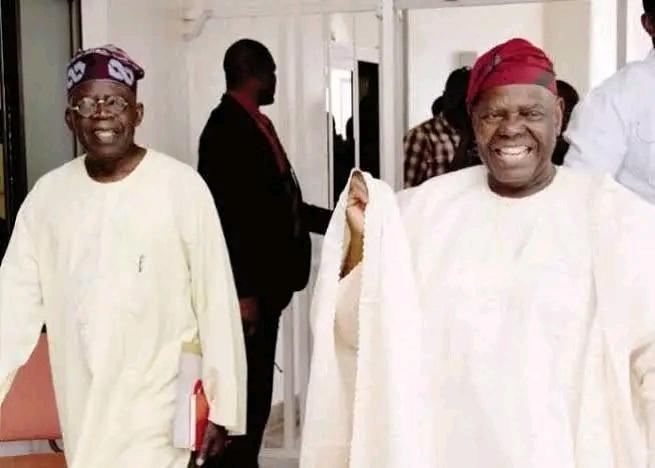
  • President Tinubu Celebrates Chief Bisi Akande at 87, Praises His Role in Nigeria’s Democracy and APC Success

    President Bola Tinubu has paid a special tribute to elder statesman Chief Bisi Akande on his 87th birthday, recognizing his immense contributions to Nigeria’s democracy and the All Progressives Congress (APC). Tinubu highlighted Akande’s journey from accountant to Deputy Governor of old Oyo State, Governor of Osun, and first Interim APC Chairman, praising his leadership in helping unseat an incumbent in 2015. He lauded Akande’s integrity, mentorship, and unwavering support for the Renewed Hope Agenda, describing him as a tireless advocate for democracy, social justice, and good governance even at 87.
    President Tinubu Celebrates Chief Bisi Akande at 87, Praises His Role in Nigeria’s Democracy and APC Success President Bola Tinubu has paid a special tribute to elder statesman Chief Bisi Akande on his 87th birthday, recognizing his immense contributions to Nigeria’s democracy and the All Progressives Congress (APC). Tinubu highlighted Akande’s journey from accountant to Deputy Governor of old Oyo State, Governor of Osun, and first Interim APC Chairman, praising his leadership in helping unseat an incumbent in 2015. He lauded Akande’s integrity, mentorship, and unwavering support for the Renewed Hope Agenda, describing him as a tireless advocate for democracy, social justice, and good governance even at 87.
    0 Kommentare ·0 Geteilt ·821 Ansichten
  • PRESS RELEASE

    Gov. Ododo Mourns Yakubu Mohammed, Co-Founder of Newswatch Magazine

    Kogi State, 14 January 2026 – Kogi State Governor Alhaji Ahmed Usman Ododo has expressed heartfelt condolences to the family of the late Alhaji Yakubu Mohammed, co-founder of Newswatch Magazine, and to the Nigerian Union of Journalists over the passing of the veteran journalist and elder statesman.

    In a statement issued by his Special Adviser on Media, Hon. Ismaila Isah, Governor Ododo described Mohammed as a pioneer of modern investigative journalism in Nigeria and a proud son of Dekina Local Government Area, whose contributions to nation-building went beyond the media space.

    “As a co-founder of the iconic Newswatch Magazine, Alhaji Yakubu Mohammed belonged to a rare generation of journalists who redefined courage, professionalism, and integrity in Nigerian journalism. He was a man whose influence shaped public discourse and strengthened accountability in our democracy,” the Governor said.

    Governor Ododo highlighted Mohammed’s instrumental role in establishing Newswatch in the mid-1980s alongside Dele Giwa, Ray Ekpu, and Dan Agbese, noting that the magazine marked a turning point in Nigerian media history by setting enduring standards for investigative reporting and editorial independence.

    The Governor also acknowledged Mohammed’s distinguished public service record, including his tenure as Pro-Chancellor and Chairman of the Governing Council of Ahmadu Bello University, Zaria, and his invaluable contributions to the development of Kogi State.

    “His love for Kogi State was evident in his commitment to its growth and his willingness to serve in different capacities. He was a bridge-builder, a mentor to many, and a voice of conscience in national affairs,” Governor Ododo added.

    He prayed that Almighty Allah grants the departed soul eternal rest and comforts his family and all who mourn his loss.

    PRESS RELEASE Gov. Ododo Mourns Yakubu Mohammed, Co-Founder of Newswatch Magazine Kogi State, 14 January 2026 – Kogi State Governor Alhaji Ahmed Usman Ododo has expressed heartfelt condolences to the family of the late Alhaji Yakubu Mohammed, co-founder of Newswatch Magazine, and to the Nigerian Union of Journalists over the passing of the veteran journalist and elder statesman. In a statement issued by his Special Adviser on Media, Hon. Ismaila Isah, Governor Ododo described Mohammed as a pioneer of modern investigative journalism in Nigeria and a proud son of Dekina Local Government Area, whose contributions to nation-building went beyond the media space. “As a co-founder of the iconic Newswatch Magazine, Alhaji Yakubu Mohammed belonged to a rare generation of journalists who redefined courage, professionalism, and integrity in Nigerian journalism. He was a man whose influence shaped public discourse and strengthened accountability in our democracy,” the Governor said. Governor Ododo highlighted Mohammed’s instrumental role in establishing Newswatch in the mid-1980s alongside Dele Giwa, Ray Ekpu, and Dan Agbese, noting that the magazine marked a turning point in Nigerian media history by setting enduring standards for investigative reporting and editorial independence. The Governor also acknowledged Mohammed’s distinguished public service record, including his tenure as Pro-Chancellor and Chairman of the Governing Council of Ahmadu Bello University, Zaria, and his invaluable contributions to the development of Kogi State. “His love for Kogi State was evident in his commitment to its growth and his willingness to serve in different capacities. He was a bridge-builder, a mentor to many, and a voice of conscience in national affairs,” Governor Ododo added. He prayed that Almighty Allah grants the departed soul eternal rest and comforts his family and all who mourn his loss.
    0 Kommentare ·0 Geteilt ·868 Ansichten
  • Is Democracy Under Threat in Rivers State? Pro-Democracy Group NDF Demands Recall of Lawmakers Over Impeachment Move Against Governor Fubara

    Is the impeachment attempt against Rivers State Governor Siminalayi Fubara a genuine constitutional process—or a politically driven effort that could destabilize the state? The Nigeria Democratic Front (NDF) has strongly condemned the move by some members of the Rivers State House of Assembly to impeach the governor and his deputy, describing it as anti-democratic, self-serving, and dangerous to political stability.

    In a statement signed by its National Coordinator, Ikenna Ellis-Ezenekwe, the pro-democracy group accused the lawmakers behind the impeachment proceedings of abandoning the interests of their constituents in favour of what it called personal political loyalty to the Minister of the Federal Capital Territory (FCT), Nyesom Wike. According to the NDF, the action represents a “shameful display of political thuggery” rather than a lawful attempt to uphold accountability.

    The group went further to call on political stakeholders within Rivers State and the All Progressives Congress (APC) to initiate a recall process against the lawmakers involved, arguing that their conduct shows they no longer represent the will of the people. “Their action clearly shows that they no longer represent their constituents but their political paymaster,” the statement declared.

    The NDF also alleged that the impeachment move is part of a broader attempt to plunge the oil-rich state into prolonged political instability for personal and factional gain. It urged residents of Rivers State to resist what it described as the politics of godfatherism, greed, and elite control, insisting that such practices undermine democratic governance and development.

    Expressing firm support for Governor Fubara, the group called on him to remain resolute and unyielding in the face of political pressure, asserting that the governor enjoys widespread public backing. “Rivers State is ready for people-oriented development, not Wike-oriented destruction,” the NDF said, maintaining that the current administration should not be intimidated by forces seeking to derail governance through legislative conflict.

    In a direct appeal to the federal government, the group urged President Bola Ahmed Tinubu to intervene by calling the FCT minister to order, warning that failure to do so could deepen political tensions and erode democratic stability in the state.

    As of the time of reporting, neither the Rivers State House of Assembly nor the FCT Minister, Nyesom Wike, had responded to the allegations.

    The unfolding crisis raises pressing questions: Is the impeachment move truly about accountability or about political control? Will Rivers lawmakers face recall from their constituents? And can democratic institutions withstand the growing influence of political godfatherism in Nigeria’s state politics?

    Is Democracy Under Threat in Rivers State? Pro-Democracy Group NDF Demands Recall of Lawmakers Over Impeachment Move Against Governor Fubara Is the impeachment attempt against Rivers State Governor Siminalayi Fubara a genuine constitutional process—or a politically driven effort that could destabilize the state? The Nigeria Democratic Front (NDF) has strongly condemned the move by some members of the Rivers State House of Assembly to impeach the governor and his deputy, describing it as anti-democratic, self-serving, and dangerous to political stability. In a statement signed by its National Coordinator, Ikenna Ellis-Ezenekwe, the pro-democracy group accused the lawmakers behind the impeachment proceedings of abandoning the interests of their constituents in favour of what it called personal political loyalty to the Minister of the Federal Capital Territory (FCT), Nyesom Wike. According to the NDF, the action represents a “shameful display of political thuggery” rather than a lawful attempt to uphold accountability. The group went further to call on political stakeholders within Rivers State and the All Progressives Congress (APC) to initiate a recall process against the lawmakers involved, arguing that their conduct shows they no longer represent the will of the people. “Their action clearly shows that they no longer represent their constituents but their political paymaster,” the statement declared. The NDF also alleged that the impeachment move is part of a broader attempt to plunge the oil-rich state into prolonged political instability for personal and factional gain. It urged residents of Rivers State to resist what it described as the politics of godfatherism, greed, and elite control, insisting that such practices undermine democratic governance and development. Expressing firm support for Governor Fubara, the group called on him to remain resolute and unyielding in the face of political pressure, asserting that the governor enjoys widespread public backing. “Rivers State is ready for people-oriented development, not Wike-oriented destruction,” the NDF said, maintaining that the current administration should not be intimidated by forces seeking to derail governance through legislative conflict. In a direct appeal to the federal government, the group urged President Bola Ahmed Tinubu to intervene by calling the FCT minister to order, warning that failure to do so could deepen political tensions and erode democratic stability in the state. As of the time of reporting, neither the Rivers State House of Assembly nor the FCT Minister, Nyesom Wike, had responded to the allegations. The unfolding crisis raises pressing questions: Is the impeachment move truly about accountability or about political control? Will Rivers lawmakers face recall from their constituents? And can democratic institutions withstand the growing influence of political godfatherism in Nigeria’s state politics?
    0 Kommentare ·0 Geteilt ·2KB Ansichten
  • Is Governor Fubara Really Facing Impeachment? Why Rivers Assembly Insists the Process Is Ongoing, Denies Suspension Reports, and Cites the Constitution

    Is the impeachment of Rivers State Governor Siminalayi Fubara actually underway—or has the process been quietly halted? The Rivers State House of Assembly has moved to clear the air, insisting that the impeachment proceedings against the governor and his deputy, Prof. Ngozi Nma Odu, are active, constitutional, and ongoing, despite widespread reports suggesting the exercise has been suspended.

    In a statement released on Friday and signed by Dr. Enemi Alabo George, Chairman of the House Committee on Information, Petitions and Complaints, the Assembly said the process formally began on Thursday, January 8, 2026, and is being conducted strictly in line with Section 188 of the 1999 Constitution of the Federal Republic of Nigeria (as amended).

    According to the lawmakers, two separate notices of allegations of gross misconduct have already been prepared and transmitted to Governor Fubara and Deputy Governor Odu by the Speaker of the House. The Assembly disclosed that it is now awaiting their formal responses, which is a mandatory step before proceeding to the next phase of the constitutional impeachment process.

    The House stressed that it is acting within its constitutional authority to check executive infractions and safeguard democratic governance in the state. It emphasized that the legislature is empowered by law to intervene where there are alleged violations by the governor, deputy governor, or any other state official.

    Dismissing reports that the process has been suspended, the Assembly accused unnamed individuals and media platforms of deliberately spreading false and misleading narratives aimed at confusing the public and creating tension between the House and citizens. Dr. George said such claims were designed to cause disaffection and undermine the credibility of the legislature.

    Calling on the public to disregard the reports, the House reaffirmed that the impeachment process remains “on track” and would not be derailed by what it described as blackmail, threats, or external pressure. The lawmakers vowed to remain focused on their constitutional responsibilities, insisting that they would not be intimidated by forces they believe do not have the best interests of Rivers State or Nigeria’s democracy at heart.

    At the same time, the Assembly expressed gratitude to residents of Rivers State for their prayers and support since the process began and thanked political leaders and stakeholders for their engagement. The statement concluded with a message of appreciation to “all democrats who believe in the Nigerian project.”

    As political tension continues to mount in the state, the key questions remain: Will the governor and his deputy respond to the allegations? Will the process advance to the investigative stage outlined in the Constitution—or could political negotiations alter the outcome? For now, the Rivers State House of Assembly says the impeachment of Governor Fubara is neither paused nor abandoned—and Nigerians are watching closely as the constitutional process unfolds.

    Is Governor Fubara Really Facing Impeachment? Why Rivers Assembly Insists the Process Is Ongoing, Denies Suspension Reports, and Cites the Constitution Is the impeachment of Rivers State Governor Siminalayi Fubara actually underway—or has the process been quietly halted? The Rivers State House of Assembly has moved to clear the air, insisting that the impeachment proceedings against the governor and his deputy, Prof. Ngozi Nma Odu, are active, constitutional, and ongoing, despite widespread reports suggesting the exercise has been suspended. In a statement released on Friday and signed by Dr. Enemi Alabo George, Chairman of the House Committee on Information, Petitions and Complaints, the Assembly said the process formally began on Thursday, January 8, 2026, and is being conducted strictly in line with Section 188 of the 1999 Constitution of the Federal Republic of Nigeria (as amended). According to the lawmakers, two separate notices of allegations of gross misconduct have already been prepared and transmitted to Governor Fubara and Deputy Governor Odu by the Speaker of the House. The Assembly disclosed that it is now awaiting their formal responses, which is a mandatory step before proceeding to the next phase of the constitutional impeachment process. The House stressed that it is acting within its constitutional authority to check executive infractions and safeguard democratic governance in the state. It emphasized that the legislature is empowered by law to intervene where there are alleged violations by the governor, deputy governor, or any other state official. Dismissing reports that the process has been suspended, the Assembly accused unnamed individuals and media platforms of deliberately spreading false and misleading narratives aimed at confusing the public and creating tension between the House and citizens. Dr. George said such claims were designed to cause disaffection and undermine the credibility of the legislature. Calling on the public to disregard the reports, the House reaffirmed that the impeachment process remains “on track” and would not be derailed by what it described as blackmail, threats, or external pressure. The lawmakers vowed to remain focused on their constitutional responsibilities, insisting that they would not be intimidated by forces they believe do not have the best interests of Rivers State or Nigeria’s democracy at heart. At the same time, the Assembly expressed gratitude to residents of Rivers State for their prayers and support since the process began and thanked political leaders and stakeholders for their engagement. The statement concluded with a message of appreciation to “all democrats who believe in the Nigerian project.” As political tension continues to mount in the state, the key questions remain: Will the governor and his deputy respond to the allegations? Will the process advance to the investigative stage outlined in the Constitution—or could political negotiations alter the outcome? For now, the Rivers State House of Assembly says the impeachment of Governor Fubara is neither paused nor abandoned—and Nigerians are watching closely as the constitutional process unfolds.
    0 Kommentare ·0 Geteilt ·1KB Ansichten
  • Is Nigeria Criminalising Dissent? Police Arraign Activist Salim Abubakar Over Anti-Government Posts, Court Remands Him Till January 13

    The Nigeria Police Force has arraigned activist Salim Abubakar following a petition filed against him at the Central Police Station in Abuja, raising fresh questions about freedom of expression, digital rights, and the growing tension between civic activism and law enforcement in Nigeria.

    According to police authorities, the petition was received on December 19, 2025, after which Abubakar was repeatedly invited for questioning. Police spokesperson, Benjamin Hundeyin, stated that the activist allegedly ignored several invitations and was subsequently arrested, investigated, and arraigned in court on January 8, 2026. The court, he added, adjourned the matter and ordered that Abubakar be remanded in custody until January 13.

    However, the arrest has drawn sharp criticism from Amnesty International, which insists that the case is connected to Abubakar’s social media posts criticising government officials. The human rights organisation has described the detention as an abuse of power, arguing that no citizen should be punished for expressing opinions about public office holders. Amnesty said Abubakar committed no crime and demanded his immediate and unconditional release.

    The organisation further warned that detaining individuals for online criticism undermines the rule of law and violates constitutional guarantees of free expression. It noted that young Nigerians increasingly face threats, harassment, arrests, and detention simply for speaking out on digital platforms—an alarming trend, it said, in a democratic society.

    While police maintain that the arrest followed due process based on a formal petition and non-compliance with invitations, rights groups argue that the broader issue is whether dissent is being criminalised under the guise of investigation. The case has therefore reignited national debate over the limits of state authority, the protection of civil liberties, and the shrinking civic space for activists and critics in Nigeria.

    As the court prepares to reconvene on January 13, observers are closely watching whether the judiciary will reinforce constitutional rights or endorse what many fear is a dangerous precedent—one in which social media criticism can lead to detention. The outcome of Salim Abubakar’s case could become a defining moment for digital freedom, youth activism, and the future of dissent in Nigeria’s democracy.

    Is Nigeria Criminalising Dissent? Police Arraign Activist Salim Abubakar Over Anti-Government Posts, Court Remands Him Till January 13 The Nigeria Police Force has arraigned activist Salim Abubakar following a petition filed against him at the Central Police Station in Abuja, raising fresh questions about freedom of expression, digital rights, and the growing tension between civic activism and law enforcement in Nigeria. According to police authorities, the petition was received on December 19, 2025, after which Abubakar was repeatedly invited for questioning. Police spokesperson, Benjamin Hundeyin, stated that the activist allegedly ignored several invitations and was subsequently arrested, investigated, and arraigned in court on January 8, 2026. The court, he added, adjourned the matter and ordered that Abubakar be remanded in custody until January 13. However, the arrest has drawn sharp criticism from Amnesty International, which insists that the case is connected to Abubakar’s social media posts criticising government officials. The human rights organisation has described the detention as an abuse of power, arguing that no citizen should be punished for expressing opinions about public office holders. Amnesty said Abubakar committed no crime and demanded his immediate and unconditional release. The organisation further warned that detaining individuals for online criticism undermines the rule of law and violates constitutional guarantees of free expression. It noted that young Nigerians increasingly face threats, harassment, arrests, and detention simply for speaking out on digital platforms—an alarming trend, it said, in a democratic society. While police maintain that the arrest followed due process based on a formal petition and non-compliance with invitations, rights groups argue that the broader issue is whether dissent is being criminalised under the guise of investigation. The case has therefore reignited national debate over the limits of state authority, the protection of civil liberties, and the shrinking civic space for activists and critics in Nigeria. As the court prepares to reconvene on January 13, observers are closely watching whether the judiciary will reinforce constitutional rights or endorse what many fear is a dangerous precedent—one in which social media criticism can lead to detention. The outcome of Salim Abubakar’s case could become a defining moment for digital freedom, youth activism, and the future of dissent in Nigeria’s democracy.
    love
    1
    · 0 Kommentare ·0 Geteilt ·773 Ansichten
  • Is the U.S. Turning Its Back on the United Nations? Why UN Chief Guterres Regrets Trump’s Withdrawal From Dozens of Global Bodies and What It Means for World Governance

    United Nations Secretary-General Antonio Guterres has expressed strong regret over the United States’ decision to withdraw from multiple international organisations, warning that financial obligations to the UN remain legally binding under international law. The reaction follows a sweeping policy directive signed by U.S. President Donald Trump, ordering American withdrawal from 66 international bodies, including 31 United Nations entities and 35 non-UN organisations.

    In a statement delivered by UN Spokesman Stéphane Dujarric, the Secretary-General described the decision as “regrettable” and stressed that assessed contributions to the UN’s regular and peacekeeping budgets are mandatory under the UN Charter for all member states, including the United States. “Assessed contributions… are a legal obligation under the UN Charter,” Dujarric said, adding that all UN agencies would continue implementing their mandates despite political or financial challenges.

    While the UN statement did not specify which bodies would be affected or the immediate financial consequences, officials have long warned that funding shortfalls could undermine peacekeeping operations, humanitarian assistance, development programmes, and human-rights initiatives worldwide.

    The development stems from a Presidential Memorandum issued by Trump, declaring that continued U.S. participation in the listed organisations no longer serves American interests. The directive follows a comprehensive review ordered under Executive Order 14199 in February 2025, which assessed U.S. involvement in all international organisations, treaties, and conventions receiving American funding or support. After reviewing the findings with his Cabinet, Trump ordered federal agencies to take “immediate steps” to withdraw, where legally permissible.

    Among the non-UN organisations affected are bodies dealing with climate change, energy, environmental protection, democracy promotion, cybersecurity, and regional cooperation, including the Intergovernmental Panel on Climate Change (IPCC), the International Renewable Energy Agency (IRENA), the International Union for Conservation of Nature (IUCN), and the Freedom Online Coalition. The order also targets several security and justice-focused groups, such as the Global Counterterrorism Forum and the International Institute for Justice and the Rule of Law.

    On the UN side, the memorandum directs the United States to cease participation in or funding for multiple agencies and programmes, including UN Women, the UN Population Fund (UNFPA), UN Conference on Trade and Development (UNCTAD), the UN Framework Convention on Climate Change (UNFCCC), and offices focused on peacebuilding, development, oceans, water, international law, and human rights. It also affects entities such as the Peacebuilding Fund, UN Water, UN Oceans, and the UN University system.

    Despite the decision, the UN leadership insists its mission will continue. “All United Nations entities will go on with the implementation of their mandates as given by Member States,” the statement said, underscoring the organisation’s responsibility to people worldwide who rely on its work.

    The move has intensified global debate: Can the United States legally withdraw while still bound to financial obligations? Will UN programmes suffer operational setbacks? Does this signal a broader retreat from multilateralism—or a recalibration of U.S. foreign policy priorities? As the review process remains ongoing, with more organisations potentially targeted, the episode raises urgent questions about the future of international cooperation, global governance, and the stability of multilateral institutions.

    Is the U.S. Turning Its Back on the United Nations? Why UN Chief Guterres Regrets Trump’s Withdrawal From Dozens of Global Bodies and What It Means for World Governance United Nations Secretary-General Antonio Guterres has expressed strong regret over the United States’ decision to withdraw from multiple international organisations, warning that financial obligations to the UN remain legally binding under international law. The reaction follows a sweeping policy directive signed by U.S. President Donald Trump, ordering American withdrawal from 66 international bodies, including 31 United Nations entities and 35 non-UN organisations. In a statement delivered by UN Spokesman Stéphane Dujarric, the Secretary-General described the decision as “regrettable” and stressed that assessed contributions to the UN’s regular and peacekeeping budgets are mandatory under the UN Charter for all member states, including the United States. “Assessed contributions… are a legal obligation under the UN Charter,” Dujarric said, adding that all UN agencies would continue implementing their mandates despite political or financial challenges. While the UN statement did not specify which bodies would be affected or the immediate financial consequences, officials have long warned that funding shortfalls could undermine peacekeeping operations, humanitarian assistance, development programmes, and human-rights initiatives worldwide. The development stems from a Presidential Memorandum issued by Trump, declaring that continued U.S. participation in the listed organisations no longer serves American interests. The directive follows a comprehensive review ordered under Executive Order 14199 in February 2025, which assessed U.S. involvement in all international organisations, treaties, and conventions receiving American funding or support. After reviewing the findings with his Cabinet, Trump ordered federal agencies to take “immediate steps” to withdraw, where legally permissible. Among the non-UN organisations affected are bodies dealing with climate change, energy, environmental protection, democracy promotion, cybersecurity, and regional cooperation, including the Intergovernmental Panel on Climate Change (IPCC), the International Renewable Energy Agency (IRENA), the International Union for Conservation of Nature (IUCN), and the Freedom Online Coalition. The order also targets several security and justice-focused groups, such as the Global Counterterrorism Forum and the International Institute for Justice and the Rule of Law. On the UN side, the memorandum directs the United States to cease participation in or funding for multiple agencies and programmes, including UN Women, the UN Population Fund (UNFPA), UN Conference on Trade and Development (UNCTAD), the UN Framework Convention on Climate Change (UNFCCC), and offices focused on peacebuilding, development, oceans, water, international law, and human rights. It also affects entities such as the Peacebuilding Fund, UN Water, UN Oceans, and the UN University system. Despite the decision, the UN leadership insists its mission will continue. “All United Nations entities will go on with the implementation of their mandates as given by Member States,” the statement said, underscoring the organisation’s responsibility to people worldwide who rely on its work. The move has intensified global debate: Can the United States legally withdraw while still bound to financial obligations? Will UN programmes suffer operational setbacks? Does this signal a broader retreat from multilateralism—or a recalibration of U.S. foreign policy priorities? As the review process remains ongoing, with more organisations potentially targeted, the episode raises urgent questions about the future of international cooperation, global governance, and the stability of multilateral institutions.
    0 Kommentare ·0 Geteilt ·1KB Ansichten
  • Rivers APC Rejects Impeachment of Governor Fubara Amid Political Crisis and PDP Pressure

    The All Progressives Congress (APC) in Rivers State has formally rejected ongoing impeachment moves against Governor Siminalayi Fubara and Deputy Governor Ngozi Oduh, warning that such action could destabilize the state and tarnish the party’s image. The impeachment effort, reportedly signed by 26 lawmakers, alleges gross misconduct by the state executive.

    In a statement, the Rivers APC acknowledged the legislature’s constitutional independence but stressed that it cannot support removing a governor elected on its platform. The party linked the impeachment threat to internal disputes within the Peoples Democratic Party (PDP) and cautioned against external pressures influencing APC lawmakers.

    The APC also addressed claims that the move was related to budgetary issues, highlighting that the ₦1.485 trillion budget for 2025–2026 had been approved and that the governor has constitutional leeway in its execution. The party urged lawmakers to discontinue the impeachment process to preserve governance, democracy, and political stability in Rivers State.

    The political tension follows a lingering rift between Governor Fubara and his predecessor, Nyesom Wike, which continues to polarize the state’s political landscape. APC officials have emphasized that leadership positions are tied to current officeholders, underscoring the party’s commitment to defending its elected executives and maintaining internal cohesion.

    This development adds to the ongoing narrative of political turbulence in Nigerian states, highlighting party loyalty, legislative tensions, and the complexities of state governance under partisan pressures.

    Rivers APC Rejects Impeachment of Governor Fubara Amid Political Crisis and PDP Pressure The All Progressives Congress (APC) in Rivers State has formally rejected ongoing impeachment moves against Governor Siminalayi Fubara and Deputy Governor Ngozi Oduh, warning that such action could destabilize the state and tarnish the party’s image. The impeachment effort, reportedly signed by 26 lawmakers, alleges gross misconduct by the state executive. In a statement, the Rivers APC acknowledged the legislature’s constitutional independence but stressed that it cannot support removing a governor elected on its platform. The party linked the impeachment threat to internal disputes within the Peoples Democratic Party (PDP) and cautioned against external pressures influencing APC lawmakers. The APC also addressed claims that the move was related to budgetary issues, highlighting that the ₦1.485 trillion budget for 2025–2026 had been approved and that the governor has constitutional leeway in its execution. The party urged lawmakers to discontinue the impeachment process to preserve governance, democracy, and political stability in Rivers State. The political tension follows a lingering rift between Governor Fubara and his predecessor, Nyesom Wike, which continues to polarize the state’s political landscape. APC officials have emphasized that leadership positions are tied to current officeholders, underscoring the party’s commitment to defending its elected executives and maintaining internal cohesion. This development adds to the ongoing narrative of political turbulence in Nigerian states, highlighting party loyalty, legislative tensions, and the complexities of state governance under partisan pressures.
    0 Kommentare ·0 Geteilt ·955 Ansichten
  • Why Is the ADC Inaugurating Zonal Congress Committees, Why Is It Rejecting Any Alliance With Atiku, Obi, Kwankwaso, and Jonathan, and What Does This Signal for Nigeria’s 2027 Politics?

    A faction of the African Democratic Congress (ADC) has moved to strengthen its internal structure by inaugurating Zonal Congress Committees across three geopolitical zones, while firmly rejecting widespread speculation that the party is aligning with major political figures such as Atiku Abubakar, Peter Obi, Rabiu Kwankwaso, and Goodluck Jonathan.

    In a communique signed by the party’s National Chairman, Hon. Nafiu Bala Gombe, the ADC said the exercise was part of efforts to entrench internal democracy, transparency, and strict adherence to the party’s constitution ahead of future elections.

    According to the statement, the South-West Zonal Congress Committee was inaugurated in Ekiti State on January 7, 2026, with Hon. Bala Sani named Chairman and Hon. Kyauta Yakubu heading the Appeal Committee. The ceremony was conducted by the National Chairman himself.

    In the South-East, a similar inauguration took place in Enugu State on the same date. Barrister Adamu Ado Dauda was appointed Chairman of the Congress Committee, while Mrs. Iyabo Salami Alibi was named head of the Appeal Committee. The event was presided over by the Secretary of the party’s Board of Trustees (BoT), Chief Rufus Ekenmi.

    Earlier, on January 5, 2026, the party inaugurated its North-Central Zonal Congress Committee, appointing Hon. Lolo Ehirudu as Chairman of the Congress Committee and Hon. Sa’ad Aboki as head of the Appeal Committee.

    Beyond organisational matters, the ADC used the occasion to directly address growing rumours of a possible political alliance with prominent national figures. The party categorically dismissed claims linking it to Atiku Abubakar, Labour Party’s 2023 presidential candidate Peter Obi, former Kano State Governor Rabiu Kwankwaso, and former President Goodluck Jonathan.

    “The National Leadership reiterates its unwavering commitment to the principles of internal democracy, transparency, and strict adherence to the party’s constitution,” the communique stated, urging members and the public to “disregard and ignore” all reports of external political alignments. The party stressed that its focus remains on building “a strong, independent, and ideologically driven platform.”

    The ADC also emphasised that only duly registered and financially up-to-date members would be eligible to vote or contest in its congresses and internal elections, reinforcing its claim of commitment to internal order and party discipline.

    By distancing itself from Nigeria’s most recognisable political heavyweights, the party appears determined to project itself as an independent alternative within the country’s democratic space—one that is not defined by elite coalitions or personality-driven politics.

    As speculation continues over emerging alliances ahead of future elections, observers are asking: Why is the ADC rejecting any association with established political figures? Is the party positioning itself as a third-force movement, or is this a strategic move to consolidate its base before engaging in broader negotiations? And could this internal reorganisation reshape opposition politics in Nigeria ahead of 2027?

    The ADC insists its direction is clear: no external alliances, strict internal democracy, and a people-centred political platform—a stance that may test both its independence and its appeal in Nigeria’s highly competitive political landscape.
    Why Is the ADC Inaugurating Zonal Congress Committees, Why Is It Rejecting Any Alliance With Atiku, Obi, Kwankwaso, and Jonathan, and What Does This Signal for Nigeria’s 2027 Politics? A faction of the African Democratic Congress (ADC) has moved to strengthen its internal structure by inaugurating Zonal Congress Committees across three geopolitical zones, while firmly rejecting widespread speculation that the party is aligning with major political figures such as Atiku Abubakar, Peter Obi, Rabiu Kwankwaso, and Goodluck Jonathan. In a communique signed by the party’s National Chairman, Hon. Nafiu Bala Gombe, the ADC said the exercise was part of efforts to entrench internal democracy, transparency, and strict adherence to the party’s constitution ahead of future elections. According to the statement, the South-West Zonal Congress Committee was inaugurated in Ekiti State on January 7, 2026, with Hon. Bala Sani named Chairman and Hon. Kyauta Yakubu heading the Appeal Committee. The ceremony was conducted by the National Chairman himself. In the South-East, a similar inauguration took place in Enugu State on the same date. Barrister Adamu Ado Dauda was appointed Chairman of the Congress Committee, while Mrs. Iyabo Salami Alibi was named head of the Appeal Committee. The event was presided over by the Secretary of the party’s Board of Trustees (BoT), Chief Rufus Ekenmi. Earlier, on January 5, 2026, the party inaugurated its North-Central Zonal Congress Committee, appointing Hon. Lolo Ehirudu as Chairman of the Congress Committee and Hon. Sa’ad Aboki as head of the Appeal Committee. Beyond organisational matters, the ADC used the occasion to directly address growing rumours of a possible political alliance with prominent national figures. The party categorically dismissed claims linking it to Atiku Abubakar, Labour Party’s 2023 presidential candidate Peter Obi, former Kano State Governor Rabiu Kwankwaso, and former President Goodluck Jonathan. “The National Leadership reiterates its unwavering commitment to the principles of internal democracy, transparency, and strict adherence to the party’s constitution,” the communique stated, urging members and the public to “disregard and ignore” all reports of external political alignments. The party stressed that its focus remains on building “a strong, independent, and ideologically driven platform.” The ADC also emphasised that only duly registered and financially up-to-date members would be eligible to vote or contest in its congresses and internal elections, reinforcing its claim of commitment to internal order and party discipline. By distancing itself from Nigeria’s most recognisable political heavyweights, the party appears determined to project itself as an independent alternative within the country’s democratic space—one that is not defined by elite coalitions or personality-driven politics. As speculation continues over emerging alliances ahead of future elections, observers are asking: Why is the ADC rejecting any association with established political figures? Is the party positioning itself as a third-force movement, or is this a strategic move to consolidate its base before engaging in broader negotiations? And could this internal reorganisation reshape opposition politics in Nigeria ahead of 2027? The ADC insists its direction is clear: no external alliances, strict internal democracy, and a people-centred political platform—a stance that may test both its independence and its appeal in Nigeria’s highly competitive political landscape.
    0 Kommentare ·0 Geteilt ·1KB Ansichten
  • Why Is Bayelsa Government House Budgeting ₦1.2 Billion for Foreign Trips, ₦500 Million for VIP Hosting, and ₦100 Million for Christmas Decorations in 2026 While Hospitals Remain Underfunded?

    Fresh scrutiny has been placed on the Bayelsa State Government following revelations from the 2026 budget estimates showing massive allocations for luxury and administrative spending at the Government House, even as critical public institutions, particularly the healthcare sector, remain severely underfunded.

    A review of the budget by SaharaReporters indicates that ₦100 million has been earmarked for Christmas decorations at the Government House alone. In addition, ₦500 million is allocated for hosting VIPs throughout the year, while an even more staggering ₦1.2 billion is budgeted for international travel by the Governor’s office in 2026.

    These figures have triggered public debate over priorities, especially in a state facing infrastructure gaps, rising cost of living, and fragile healthcare services.

    The spending plan appears even more controversial when placed beside Bayelsa’s health-sector allocations. Budget performance documents reveal that between January and September 2025, ₦401 million was spent on international medical trips, yet only ₦5.5 million was allocated to capital expenditure for the state-owned Niger Delta University Teaching Hospital (NDUTH) within the same period.

    A similar pattern was recorded in previous years. In 2024, the state reportedly spent ₦306 million on foreign medical treatment between January and September, while just ₦71 million went into capital projects at NDUTH, despite a total annual budget of ₦780 million for the hospital. In 2023 alone, Bayelsa reportedly spent ₦872.8 million on overseas medical care, reinforcing concerns that public funds are being channelled abroad instead of strengthening local health infrastructure.

    Critics argue that the 2026 allocations for foreign travel, VIP hospitality, and festive décor reflect a continued culture of elite comfort over public welfare. They say the government’s financial choices raise serious questions about governance priorities in a state where public hospitals struggle with outdated equipment, limited facilities, and underfunding.

    The controversy also revives earlier national debates on medical tourism by public officials. In 2022, lawmakers at the federal level attempted to amend the National Health Act 2014 with a bill proposing a ₦500 million fine or seven years’ imprisonment for public officers who fund overseas medical treatment with public resources. Although the bill failed after intense debate, its intent was clear: to force leaders to invest in Nigeria’s healthcare system rather than abandoning it.

    With Bayelsa’s 2026 budget now in focus, many citizens are asking whether the state government is prioritising public service or political comfort. Should billions be spent on foreign trips, VIP entertainment, and decorations while hospitals lack basic equipment and capital funding? And at what point does official spending become a symbol of misplaced priorities?

    As economic pressures mount and calls for fiscal responsibility grow louder, the Bayelsa budget has become a test case for accountability, transparency, and the true meaning of governance in a democracy.
    Why Is Bayelsa Government House Budgeting ₦1.2 Billion for Foreign Trips, ₦500 Million for VIP Hosting, and ₦100 Million for Christmas Decorations in 2026 While Hospitals Remain Underfunded? Fresh scrutiny has been placed on the Bayelsa State Government following revelations from the 2026 budget estimates showing massive allocations for luxury and administrative spending at the Government House, even as critical public institutions, particularly the healthcare sector, remain severely underfunded. A review of the budget by SaharaReporters indicates that ₦100 million has been earmarked for Christmas decorations at the Government House alone. In addition, ₦500 million is allocated for hosting VIPs throughout the year, while an even more staggering ₦1.2 billion is budgeted for international travel by the Governor’s office in 2026. These figures have triggered public debate over priorities, especially in a state facing infrastructure gaps, rising cost of living, and fragile healthcare services. The spending plan appears even more controversial when placed beside Bayelsa’s health-sector allocations. Budget performance documents reveal that between January and September 2025, ₦401 million was spent on international medical trips, yet only ₦5.5 million was allocated to capital expenditure for the state-owned Niger Delta University Teaching Hospital (NDUTH) within the same period. A similar pattern was recorded in previous years. In 2024, the state reportedly spent ₦306 million on foreign medical treatment between January and September, while just ₦71 million went into capital projects at NDUTH, despite a total annual budget of ₦780 million for the hospital. In 2023 alone, Bayelsa reportedly spent ₦872.8 million on overseas medical care, reinforcing concerns that public funds are being channelled abroad instead of strengthening local health infrastructure. Critics argue that the 2026 allocations for foreign travel, VIP hospitality, and festive décor reflect a continued culture of elite comfort over public welfare. They say the government’s financial choices raise serious questions about governance priorities in a state where public hospitals struggle with outdated equipment, limited facilities, and underfunding. The controversy also revives earlier national debates on medical tourism by public officials. In 2022, lawmakers at the federal level attempted to amend the National Health Act 2014 with a bill proposing a ₦500 million fine or seven years’ imprisonment for public officers who fund overseas medical treatment with public resources. Although the bill failed after intense debate, its intent was clear: to force leaders to invest in Nigeria’s healthcare system rather than abandoning it. With Bayelsa’s 2026 budget now in focus, many citizens are asking whether the state government is prioritising public service or political comfort. Should billions be spent on foreign trips, VIP entertainment, and decorations while hospitals lack basic equipment and capital funding? And at what point does official spending become a symbol of misplaced priorities? As economic pressures mount and calls for fiscal responsibility grow louder, the Bayelsa budget has become a test case for accountability, transparency, and the true meaning of governance in a democracy.
    like
    1
    · 0 Kommentare ·0 Geteilt ·791 Ansichten
  • Did Wike Admit Using the Judiciary for APC’s Political Battles? Why the FCT Minister Says He Helped Kill Osun’s LG Funds Case—and What It Means for Democracy in Nigeria

    Nigeria’s political space was thrown into controversy after Minister of the Federal Capital Territory (FCT), Nyesom Wike, openly claimed that he helped influential figures within the ruling All Progressives Congress (APC) use the judiciary to frustrate the Osun State local government funds lawsuit. Speaking in a video circulating online, Wike boasted that the court actions that led to the withholding of Osun’s local government allocations were not accidental but carefully engineered by powerful political actors working behind the scenes.

    Addressing a crowd in Port Harcourt, the former Rivers State governor accused APC National Secretary, Senator Ajibola Basiru, of enjoying the political benefits of judicial decisions against the Osun State Government without acknowledging those who made them possible. According to Wike, the lawsuit—widely viewed as targeting Governor Ademola Adeleke’s administration—was part of a broader political strategy rather than a purely legal process.

    Wike warned APC leaders against what he described as ingratitude, insisting that their current advantage in Osun was the result of unseen political manoeuvres. “Today, you are enjoying in Osun. You don’t know those who did the work,” he said, cautioning party leaders not to “take our support for Mr President for granted.” His remarks appeared to be a direct response to Basiru’s criticism of his involvement in Rivers State politics.

    The political clash follows Basiru’s demand that Wike resign as FCT minister, arguing that he is not a member of the APC and therefore has no standing to interfere in the party’s internal affairs. Basiru maintained that his comments were aimed at defending party structure and respecting sitting governors, adding that Wike’s response was inappropriate for a member of the Federal Executive Council.

    The controversy also reopens debate surrounding the Supreme Court’s December 2025 ruling on the Osun local government funds dispute. While the Court faulted the Federal Government for withholding funds, it also ruled that the Osun Attorney General lacked the authority to sue on behalf of the local councils without proper authorisation. A minority judgment, however, criticised the Federal Government’s action as harmful to local governance.

    Wike’s admission has triggered intense reactions across political and civil society circles, raising troubling questions about judicial independence, political influence over court processes, and the weaponisation of legal institutions for partisan gain. If court outcomes can be “worked out” through political connections, critics ask, what does this mean for democracy, federalism, and the rule of law in Nigeria?

    As tensions escalate between Wike and APC leadership, the episode underscores a deeper struggle over power, loyalty, and accountability within Nigeria’s political system—one that could reshape party alliances, governance in Osun and Rivers States, and public trust in the judiciary.


    Did Wike Admit Using the Judiciary for APC’s Political Battles? Why the FCT Minister Says He Helped Kill Osun’s LG Funds Case—and What It Means for Democracy in Nigeria Nigeria’s political space was thrown into controversy after Minister of the Federal Capital Territory (FCT), Nyesom Wike, openly claimed that he helped influential figures within the ruling All Progressives Congress (APC) use the judiciary to frustrate the Osun State local government funds lawsuit. Speaking in a video circulating online, Wike boasted that the court actions that led to the withholding of Osun’s local government allocations were not accidental but carefully engineered by powerful political actors working behind the scenes. Addressing a crowd in Port Harcourt, the former Rivers State governor accused APC National Secretary, Senator Ajibola Basiru, of enjoying the political benefits of judicial decisions against the Osun State Government without acknowledging those who made them possible. According to Wike, the lawsuit—widely viewed as targeting Governor Ademola Adeleke’s administration—was part of a broader political strategy rather than a purely legal process. Wike warned APC leaders against what he described as ingratitude, insisting that their current advantage in Osun was the result of unseen political manoeuvres. “Today, you are enjoying in Osun. You don’t know those who did the work,” he said, cautioning party leaders not to “take our support for Mr President for granted.” His remarks appeared to be a direct response to Basiru’s criticism of his involvement in Rivers State politics. The political clash follows Basiru’s demand that Wike resign as FCT minister, arguing that he is not a member of the APC and therefore has no standing to interfere in the party’s internal affairs. Basiru maintained that his comments were aimed at defending party structure and respecting sitting governors, adding that Wike’s response was inappropriate for a member of the Federal Executive Council. The controversy also reopens debate surrounding the Supreme Court’s December 2025 ruling on the Osun local government funds dispute. While the Court faulted the Federal Government for withholding funds, it also ruled that the Osun Attorney General lacked the authority to sue on behalf of the local councils without proper authorisation. A minority judgment, however, criticised the Federal Government’s action as harmful to local governance. Wike’s admission has triggered intense reactions across political and civil society circles, raising troubling questions about judicial independence, political influence over court processes, and the weaponisation of legal institutions for partisan gain. If court outcomes can be “worked out” through political connections, critics ask, what does this mean for democracy, federalism, and the rule of law in Nigeria? As tensions escalate between Wike and APC leadership, the episode underscores a deeper struggle over power, loyalty, and accountability within Nigeria’s political system—one that could reshape party alliances, governance in Osun and Rivers States, and public trust in the judiciary.
    0 Kommentare ·0 Geteilt ·1KB Ansichten
  • Trump Orders U.S. Withdrawal From 66 International Organizations, Including 31 UN Bodies

    U.S. President Donald J. Trump has signed a Presidential Memorandum directing the United States to withdraw from 66 international organizations, including 31 United Nations bodies and 35 non-UN entities. The decision, part of Trump’s “America First” foreign policy, follows a review mandated under Executive Order 14199 on February 4, 2025, which tasked the Secretary of State with evaluating U.S. participation in all international intergovernmental organizations, conventions, and treaties receiving American support.

    According to the memorandum, the Secretary of State submitted findings, which were reviewed by the president and Cabinet, leading to the determination that continued membership in these organizations no longer aligns with U.S. interests. The memorandum instructs all executive departments and agencies to take “immediate steps” to implement withdrawals where legally permissible, including ceasing participation or funding for affected UN bodies.

    The withdrawal list encompasses a wide array of policy areas, from climate change, energy, and environmental conservation to human rights, peacebuilding, democracy promotion, and cybersecurity. Notable non-UN organizations affected include the Intergovernmental Panel on Climate Change, International Renewable Energy Agency, International Union for Conservation of Nature, and the Global Counterterrorism Forum.

    UN entities affected include major offices and programs such as the UN Framework Convention on Climate Change, UN Women, UN Population Fund, UN Conference on Trade and Development, UN Peacebuilding Fund, UN Oceans, and the UN University system.

    Trump emphasized that the review is ongoing, and additional organizations or agreements may be targeted in the future. The memorandum clarifies that this directive does not override existing legal authorities or budgetary controls and does not create enforceable legal rights for any party.

    The announcement marks one of the largest U.S. withdrawals from international institutions in modern history, reflecting a strategic pivot toward national sovereignty, cost reduction, and reevaluation of multilateral commitments. The State Department will oversee implementation and provide additional guidance to federal agencies.
    Trump Orders U.S. Withdrawal From 66 International Organizations, Including 31 UN Bodies U.S. President Donald J. Trump has signed a Presidential Memorandum directing the United States to withdraw from 66 international organizations, including 31 United Nations bodies and 35 non-UN entities. The decision, part of Trump’s “America First” foreign policy, follows a review mandated under Executive Order 14199 on February 4, 2025, which tasked the Secretary of State with evaluating U.S. participation in all international intergovernmental organizations, conventions, and treaties receiving American support. According to the memorandum, the Secretary of State submitted findings, which were reviewed by the president and Cabinet, leading to the determination that continued membership in these organizations no longer aligns with U.S. interests. The memorandum instructs all executive departments and agencies to take “immediate steps” to implement withdrawals where legally permissible, including ceasing participation or funding for affected UN bodies. The withdrawal list encompasses a wide array of policy areas, from climate change, energy, and environmental conservation to human rights, peacebuilding, democracy promotion, and cybersecurity. Notable non-UN organizations affected include the Intergovernmental Panel on Climate Change, International Renewable Energy Agency, International Union for Conservation of Nature, and the Global Counterterrorism Forum. UN entities affected include major offices and programs such as the UN Framework Convention on Climate Change, UN Women, UN Population Fund, UN Conference on Trade and Development, UN Peacebuilding Fund, UN Oceans, and the UN University system. Trump emphasized that the review is ongoing, and additional organizations or agreements may be targeted in the future. The memorandum clarifies that this directive does not override existing legal authorities or budgetary controls and does not create enforceable legal rights for any party. The announcement marks one of the largest U.S. withdrawals from international institutions in modern history, reflecting a strategic pivot toward national sovereignty, cost reduction, and reevaluation of multilateral commitments. The State Department will oversee implementation and provide additional guidance to federal agencies.
    0 Kommentare ·0 Geteilt ·857 Ansichten
  • “Why Was PDP’s Ekiti Governorship Candidate Oluyede Excluded From INEC List? Is Nigeria’s Electoral Process Transparent?”

    Supporters of the Peoples Democratic Party (PDP) in Ekiti State have taken to the streets, staging a peaceful protest at the INEC state office in Ado-Ekiti, over the removal of their governorship candidate, Dr Wole Oluyede, from the official candidate list for the 2026 election. The protest highlights growing concerns about transparency, accountability, and fairness in Nigeria’s electoral process.
    Dr Oluyede, officially declared the PDP flagbearer by the party’s National Working Committee led by Tanimu Turaki (SAN), was shocked to find his name missing from INEC’s portal despite INEC previously supervising and confirming his emergence during party primaries. Supporters insist that the exclusion raises serious questions about due process and the integrity of the electoral system.
    INEC officials in Ekiti stated that only the national headquarters can provide an official explanation, leaving party members and voters anxious and frustrated. The incident has sparked widespread debate about whether powerful party factions and bureaucratic lapses are undermining the rightful representation of voters.
    This situation begs urgent questions: Why was Dr Oluyede removed despite legal recognition as PDP’s candidate? Is the electoral body acting transparently? What does this mean for democracy in Ekiti and across Nigeria?
    Fintter readers, we want to hear from you: Should INEC be more accountable to voters in situations like this? How can Nigeria ensure that party candidates are not unfairly excluded? Join the conversation in the comments and share your thoughts.
    “Why Was PDP’s Ekiti Governorship Candidate Oluyede Excluded From INEC List? Is Nigeria’s Electoral Process Transparent?” Supporters of the Peoples Democratic Party (PDP) in Ekiti State have taken to the streets, staging a peaceful protest at the INEC state office in Ado-Ekiti, over the removal of their governorship candidate, Dr Wole Oluyede, from the official candidate list for the 2026 election. The protest highlights growing concerns about transparency, accountability, and fairness in Nigeria’s electoral process. Dr Oluyede, officially declared the PDP flagbearer by the party’s National Working Committee led by Tanimu Turaki (SAN), was shocked to find his name missing from INEC’s portal despite INEC previously supervising and confirming his emergence during party primaries. Supporters insist that the exclusion raises serious questions about due process and the integrity of the electoral system. INEC officials in Ekiti stated that only the national headquarters can provide an official explanation, leaving party members and voters anxious and frustrated. The incident has sparked widespread debate about whether powerful party factions and bureaucratic lapses are undermining the rightful representation of voters. This situation begs urgent questions: Why was Dr Oluyede removed despite legal recognition as PDP’s candidate? Is the electoral body acting transparently? What does this mean for democracy in Ekiti and across Nigeria? Fintter readers, we want to hear from you: Should INEC be more accountable to voters in situations like this? How can Nigeria ensure that party candidates are not unfairly excluded? Join the conversation in the comments and share your thoughts.
    like
    1
    · 0 Kommentare ·0 Geteilt ·576 Ansichten
  • Atiku Abubakar Refuses to Step Down from ADC Presidential Race, Calls Tinubu a ‘National Liability’ Ahead of 2027 Elections

    Former Vice President Atiku Abubakar has emphatically ruled out stepping aside from the African Democratic Congress (ADC) presidential race, accusing President Bola Ahmed Tinubu of attempting to weaken opposition parties and establish a de facto one-party state.
    In a statement issued through his media adviser, Paul Ibe, on January 7, 2026, Atiku dismissed calls for him to relinquish his ambition in favor of a southern candidate, describing such pressure as serving Tinubu’s interests rather than those of Nigerians.
    Atiku accused the APC-led government of punishing economic policies, shrinking democratic space, and systematically undermining opposition parties. He emphasized that the ADC is on a “national rescue mission” to restore democracy and build strong structures nationwide, and warned that no intimidation, manipulation, or sabotage would derail the party’s plans.
    He also referenced Peter Obi’s recent formal entry into the ADC as a sign of the ruling party’s fear of a united opposition, reinforcing his stance that if anyone should step aside in 2027, it should be President Tinubu.
    Atiku Abubakar Refuses to Step Down from ADC Presidential Race, Calls Tinubu a ‘National Liability’ Ahead of 2027 Elections Former Vice President Atiku Abubakar has emphatically ruled out stepping aside from the African Democratic Congress (ADC) presidential race, accusing President Bola Ahmed Tinubu of attempting to weaken opposition parties and establish a de facto one-party state. In a statement issued through his media adviser, Paul Ibe, on January 7, 2026, Atiku dismissed calls for him to relinquish his ambition in favor of a southern candidate, describing such pressure as serving Tinubu’s interests rather than those of Nigerians. Atiku accused the APC-led government of punishing economic policies, shrinking democratic space, and systematically undermining opposition parties. He emphasized that the ADC is on a “national rescue mission” to restore democracy and build strong structures nationwide, and warned that no intimidation, manipulation, or sabotage would derail the party’s plans. He also referenced Peter Obi’s recent formal entry into the ADC as a sign of the ruling party’s fear of a united opposition, reinforcing his stance that if anyone should step aside in 2027, it should be President Tinubu.
    like
    1
    · 0 Kommentare ·0 Geteilt ·827 Ansichten
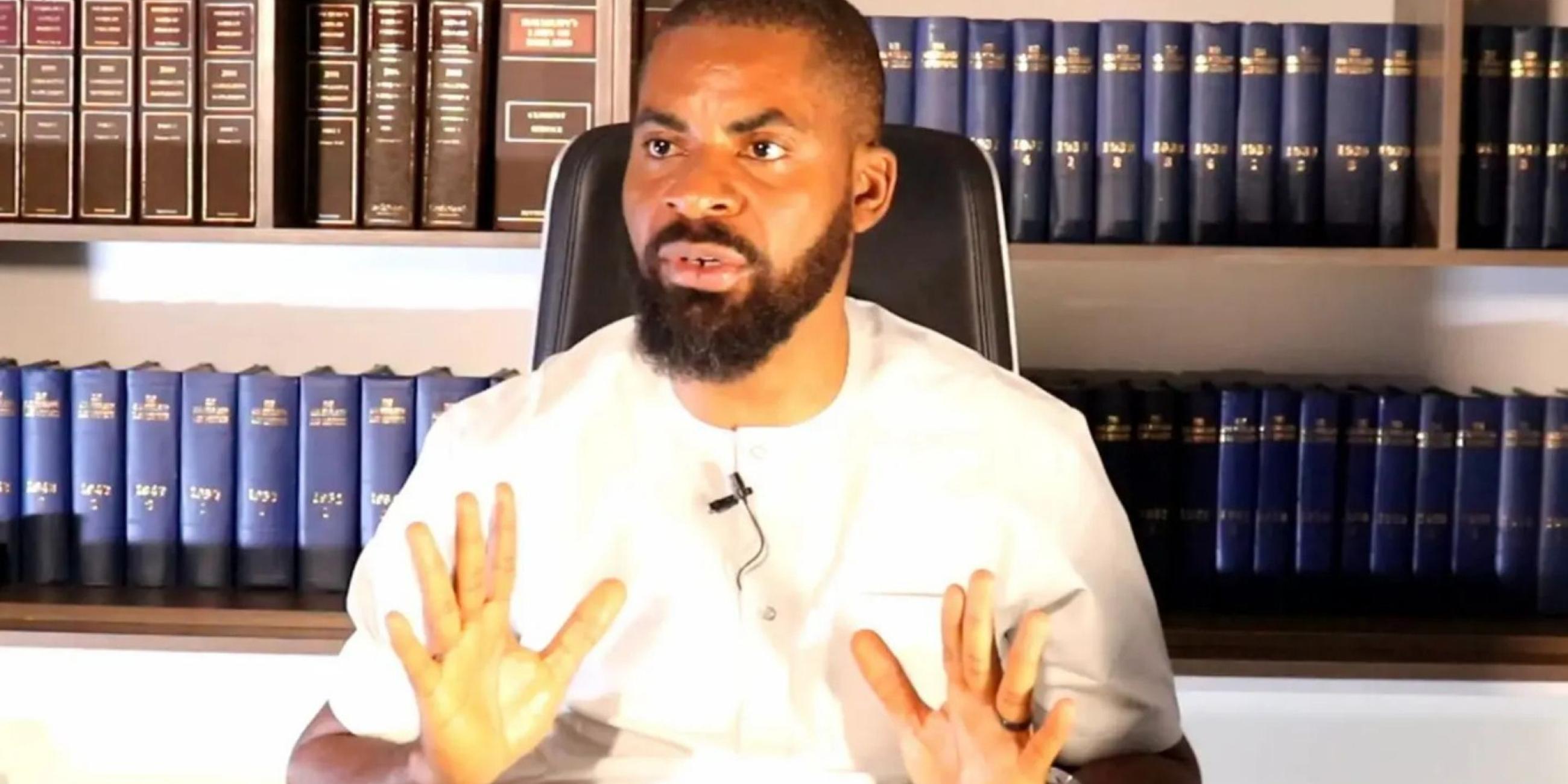
  • Lawyer Deji Adeyanju Blasts Former AGF Abubakar Malami for Flouting Court Orders, Warns Against Arrogance in Power

    Nigerian human rights lawyer, Deji Adeyanju, has criticized former Attorney General of the Federation (AGF) and Minister of Justice, Abubakar Malami (SAN), accusing him of repeatedly disobeying court orders while holding office. Adeyanju described Malami’s actions as shameful and dangerous to democracy, highlighting that even as a Senior Advocate of Nigeria, he ignored the rule of law.
    Speaking on Tuesday, Adeyanju noted that Malami’s fall from influence after leaving office was a consequence of his disregard for legal procedures and accountability. He warned current leaders against arrogance and impunity, stressing that political authority is temporary and accountability is inevitable.
    Malami, who served under former President Muhammadu Buhari, is currently facing prosecution by the Economic and Financial Crimes Commission (EFCC) over alleged money laundering offenses totaling over ₦8.7 billion. He, alongside his wife and son, is being held at Kuje Correctional Centre pending a bail ruling in a 16-count charge of conspiracy, procuring, disguising, and laundering proceeds of unlawful activities under the Money Laundering (Prevention and Prohibition) Act, 2022.
    The matter has drawn attention to the accountability of public officers in Nigeria and the consequences of ignoring judicial authority, with civil society and rights groups monitoring developments closely.
    Lawyer Deji Adeyanju Blasts Former AGF Abubakar Malami for Flouting Court Orders, Warns Against Arrogance in Power Nigerian human rights lawyer, Deji Adeyanju, has criticized former Attorney General of the Federation (AGF) and Minister of Justice, Abubakar Malami (SAN), accusing him of repeatedly disobeying court orders while holding office. Adeyanju described Malami’s actions as shameful and dangerous to democracy, highlighting that even as a Senior Advocate of Nigeria, he ignored the rule of law. Speaking on Tuesday, Adeyanju noted that Malami’s fall from influence after leaving office was a consequence of his disregard for legal procedures and accountability. He warned current leaders against arrogance and impunity, stressing that political authority is temporary and accountability is inevitable. Malami, who served under former President Muhammadu Buhari, is currently facing prosecution by the Economic and Financial Crimes Commission (EFCC) over alleged money laundering offenses totaling over ₦8.7 billion. He, alongside his wife and son, is being held at Kuje Correctional Centre pending a bail ruling in a 16-count charge of conspiracy, procuring, disguising, and laundering proceeds of unlawful activities under the Money Laundering (Prevention and Prohibition) Act, 2022. The matter has drawn attention to the accountability of public officers in Nigeria and the consequences of ignoring judicial authority, with civil society and rights groups monitoring developments closely.
    like
    1
    · 0 Kommentare ·0 Geteilt ·676 Ansichten
Weitere Ergebnisse
Fintter https://fintter.com