• Story of the Ikeja Bomb Blast — January 27, 2002

    On a day like this, 27 January 2002, a devastating explosion rocked the Ikeja Military Cantonment in Lagos, changing Nigeria forever.

    What started as a fire outbreak inside the military armory triggered a series of massive explosions, throwing the city into chaos and fear. Many residents thought Nigeria was under attack or that a coup was underway.

    The blast was heard and felt up to 30 miles away. Tremors collapsed homes and shattered windows as far as 10 miles from the epicenter.

    According to the Red Cross, at least 1,000 bodies were recovered, while many others were reported missing and never found.
    Over 5,000 people were injured, and more than 12,000 residents were left homeless, with entire neighborhoods destroyed.

    In panic, about 20,000 people fled Lagos on the night of the explosion. Survivors gradually returned over the following week to scenes of loss and devastation.

    Military reports later stated that the disaster was caused by a bomb that detonated inside the armory, setting off other stored explosives.

    In a moment that remains unforgettable, President Olusegun Obasanjo visited the Ikeja Cantonment barefoot, addressing victims and assessing the damage firsthand.

    The Ikeja Bomb Blast remains one of the deadliest peacetime disasters in Nigerian history.

    Read. Remember. Retweet to educate someone.

    #IkejaBombBlast
    #January27
    #NeverForget
    #NigerianHistory
    #Lagos
    #NigeriaStories

    If you want, I can also make it short
    Story of the Ikeja Bomb Blast — January 27, 2002 On a day like this, 27 January 2002, a devastating explosion rocked the Ikeja Military Cantonment in Lagos, changing Nigeria forever. What started as a fire outbreak inside the military armory triggered a series of massive explosions, throwing the city into chaos and fear. Many residents thought Nigeria was under attack or that a coup was underway. The blast was heard and felt up to 30 miles away. Tremors collapsed homes and shattered windows as far as 10 miles from the epicenter. According to the Red Cross, at least 1,000 bodies were recovered, while many others were reported missing and never found. Over 5,000 people were injured, and more than 12,000 residents were left homeless, with entire neighborhoods destroyed. In panic, about 20,000 people fled Lagos on the night of the explosion. Survivors gradually returned over the following week to scenes of loss and devastation. Military reports later stated that the disaster was caused by a bomb that detonated inside the armory, setting off other stored explosives. In a moment that remains unforgettable, President Olusegun Obasanjo visited the Ikeja Cantonment barefoot, addressing victims and assessing the damage firsthand. The Ikeja Bomb Blast remains one of the deadliest peacetime disasters in Nigerian history. Read. Remember. Retweet to educate someone. #IkejaBombBlast #January27 #NeverForget #NigerianHistory #Lagos #NigeriaStories If you want, I can also make it short
    love
    1
    · 0 Comments ·0 Shares ·2K Views ·3 Plays
  • Nigerian Lady in UK Transforms Family’s Life in Two Years……

    A Nigerian woman living in the United Kingdom has inspired many online after her story of changing her family’s fortunes just two years after leaving Nigeria. According to reports shared on social media, she moved abroad in search of better opportunities and, within a short time, was able to support her family financially and improve their standard of living. Her journey has sparked praise, with many hailing her as a symbol of hope and resilience for young Nigerians.#fintternews
    Nigerian Lady in UK Transforms Family’s Life in Two Years…… A Nigerian woman living in the United Kingdom has inspired many online after her story of changing her family’s fortunes just two years after leaving Nigeria. According to reports shared on social media, she moved abroad in search of better opportunities and, within a short time, was able to support her family financially and improve their standard of living. Her journey has sparked praise, with many hailing her as a symbol of hope and resilience for young Nigerians.#fintternews
    love
    1
    · 0 Comments ·0 Shares ·735 Views
  • May God forgive his shortcomings and protect his wife with the little boy he left behind Rip to Destiny Boy
    May God forgive his shortcomings and protect his wife with the little boy he left behind 😭 Rip to Destiny Boy 💔💔💔
    like
    1
    · 0 Comments ·0 Shares ·506 Views
  • The Imam of Umar Ibn Al-Khattab Masjid in Morocco passed away on a blessed Friday while delivering the Khutbah, speaking profoundly about the reality of the afterlife and the certainty of death. In a moment that deeply moved worshippers, he paused his sermon, appeared to sense his final moments, and began reciting the Kalimah-e-Shahada, the ultimate declaration of faith for every Muslim. His passing in the house of Allah, during worship, stands as a powerful reminder of life’s purpose and the truth of the Hereafter. May Allah forgive his shortcomings, elevate his ranks, and grant him Jannat-ul-Firdaus. Ameen. #islamic #islam #Muslims #muslim
    The Imam of Umar Ibn Al-Khattab Masjid in Morocco passed away on a blessed Friday while delivering the Khutbah, speaking profoundly about the reality of the afterlife and the certainty of death. In a moment that deeply moved worshippers, he paused his sermon, appeared to sense his final moments, and began reciting the Kalimah-e-Shahada, the ultimate declaration of faith for every Muslim. His passing in the house of Allah, during worship, stands as a powerful reminder of life’s purpose and the truth of the Hereafter. May Allah forgive his shortcomings, elevate his ranks, and grant him Jannat-ul-Firdaus. Ameen. #islamic #islam #Muslims #muslim
    love
    1
    · 1 Comments ·0 Shares ·717 Views
  • DSS Rearrests Malami’s Son at Kuje Prison After Alleged Attempt to Sneak Him Out

    Operatives of the Department of State Services (DSS) have rearrested Abdulaziz Malami, son of former Attorney-General Abubakar Malami, at Kuje Correctional Centre, Abuja, after an alleged attempt to quietly move him out despite completed bail papers. Security sources said heightened surveillance was ordered following intelligence reports of irregular release plans. Abdulaziz was intercepted shortly after being handed over by court bailiffs. The incident deepens controversy surrounding the Malami family, who are facing EFCC charges over alleged ₦8.7bn money laundering, with investigations and trial ongoing.

    #Malami
    #DSS
    #NigeriaCorruption
    DSS Rearrests Malami’s Son at Kuje Prison After Alleged Attempt to Sneak Him Out Operatives of the Department of State Services (DSS) have rearrested Abdulaziz Malami, son of former Attorney-General Abubakar Malami, at Kuje Correctional Centre, Abuja, after an alleged attempt to quietly move him out despite completed bail papers. Security sources said heightened surveillance was ordered following intelligence reports of irregular release plans. Abdulaziz was intercepted shortly after being handed over by court bailiffs. The incident deepens controversy surrounding the Malami family, who are facing EFCC charges over alleged ₦8.7bn money laundering, with investigations and trial ongoing. #Malami #DSS #NigeriaCorruption
    love
    1
    · 0 Comments ·0 Shares ·814 Views
  • The CBN has finally shut the window to a particular loan it has been offering to Nigerian banks for years.

    The Central Bank of Nigeria (CBN) has officially closed a long-running loan window it had made available to commercial banks for several years. The facility, which provided short-term liquidity support to financial institutions, was withdrawn as part of the apex bank’s broader reforms to tighten monetary policy and strengthen financial discipline. Analysts say the move signals the CBN’s intent to curb excess liquidity, encourage banks to rely more on market-based funding, and stabilize the financial system amid ongoing economic adjustments. Banks are now expected to adapt to the new funding environment.
    #fintternews
    The CBN has finally shut the window to a particular loan it has been offering to Nigerian banks for years. The Central Bank of Nigeria (CBN) has officially closed a long-running loan window it had made available to commercial banks for several years. The facility, which provided short-term liquidity support to financial institutions, was withdrawn as part of the apex bank’s broader reforms to tighten monetary policy and strengthen financial discipline. Analysts say the move signals the CBN’s intent to curb excess liquidity, encourage banks to rely more on market-based funding, and stabilize the financial system amid ongoing economic adjustments. Banks are now expected to adapt to the new funding environment. #fintternews
    love
    1
    · 0 Comments ·0 Shares ·573 Views
  • Nigeria Faces Worst Hunger Crisis in a Decade as Aid Cuts Hit Northeast — UN

    Nigeria is facing its worst hunger crisis in nearly a decade as aid cuts deepen food shortages in the northeast, the UN has warned. The World Food Programme (WFP) said funding shortfalls in 2025 forced it to scale back nutrition programmes, affecting over 300,000 children. The agency warned that nearly 35 million people could face hunger as resources ran out in December, with thousands now at risk of catastrophic food shortages for the first time in years.

    #NigeriaHunger #FoodCrisis #UN #NortheastNigeria
    Nigeria Faces Worst Hunger Crisis in a Decade as Aid Cuts Hit Northeast — UN Nigeria is facing its worst hunger crisis in nearly a decade as aid cuts deepen food shortages in the northeast, the UN has warned. The World Food Programme (WFP) said funding shortfalls in 2025 forced it to scale back nutrition programmes, affecting over 300,000 children. The agency warned that nearly 35 million people could face hunger as resources ran out in December, with thousands now at risk of catastrophic food shortages for the first time in years. #NigeriaHunger #FoodCrisis #UN #NortheastNigeria
    0 Comments ·0 Shares ·681 Views
  • 19-Year-Old Driver Arrested After Injuring Three Police Officers in Edo State
    A 19-year-old driver, Nsikak Okon, has been arrested in Edo State after injuring three police officers during a series of reckless driving incidents.

    According to CSP Benjamin Hundeyin, who disclosed the development on X, the arrest followed the circulation of a viral video showing the suspect being apprehended. Reports by Punch stated that Okon was driving a heavily tinted vehicle without number plates when he first encountered police officers and sped past them dangerously.

    On his return, the suspect allegedly nearly knocked down one officer before deliberately ramming into three others shortly afterward. Two of the injured officers have since been treated and discharged, while the third remains under medical care.

    Okon is currently in custody as investigations continue.
    #EdoState #BreakingNews #NigeriaPolice #RecklessDriving #TrafficOffence
    19-Year-Old Driver Arrested After Injuring Three Police Officers in Edo State A 19-year-old driver, Nsikak Okon, has been arrested in Edo State after injuring three police officers during a series of reckless driving incidents. According to CSP Benjamin Hundeyin, who disclosed the development on X, the arrest followed the circulation of a viral video showing the suspect being apprehended. Reports by Punch stated that Okon was driving a heavily tinted vehicle without number plates when he first encountered police officers and sped past them dangerously. On his return, the suspect allegedly nearly knocked down one officer before deliberately ramming into three others shortly afterward. Two of the injured officers have since been treated and discharged, while the third remains under medical care. Okon is currently in custody as investigations continue. #EdoState #BreakingNews #NigeriaPolice #RecklessDriving #TrafficOffence
    love
    1
    · 0 Comments ·0 Shares ·808 Views ·21 Plays
  • Uganda Election Wahala: Bobi Wine Cries Vote Theft, Says Soldiers Lock Him Inside House After Voting

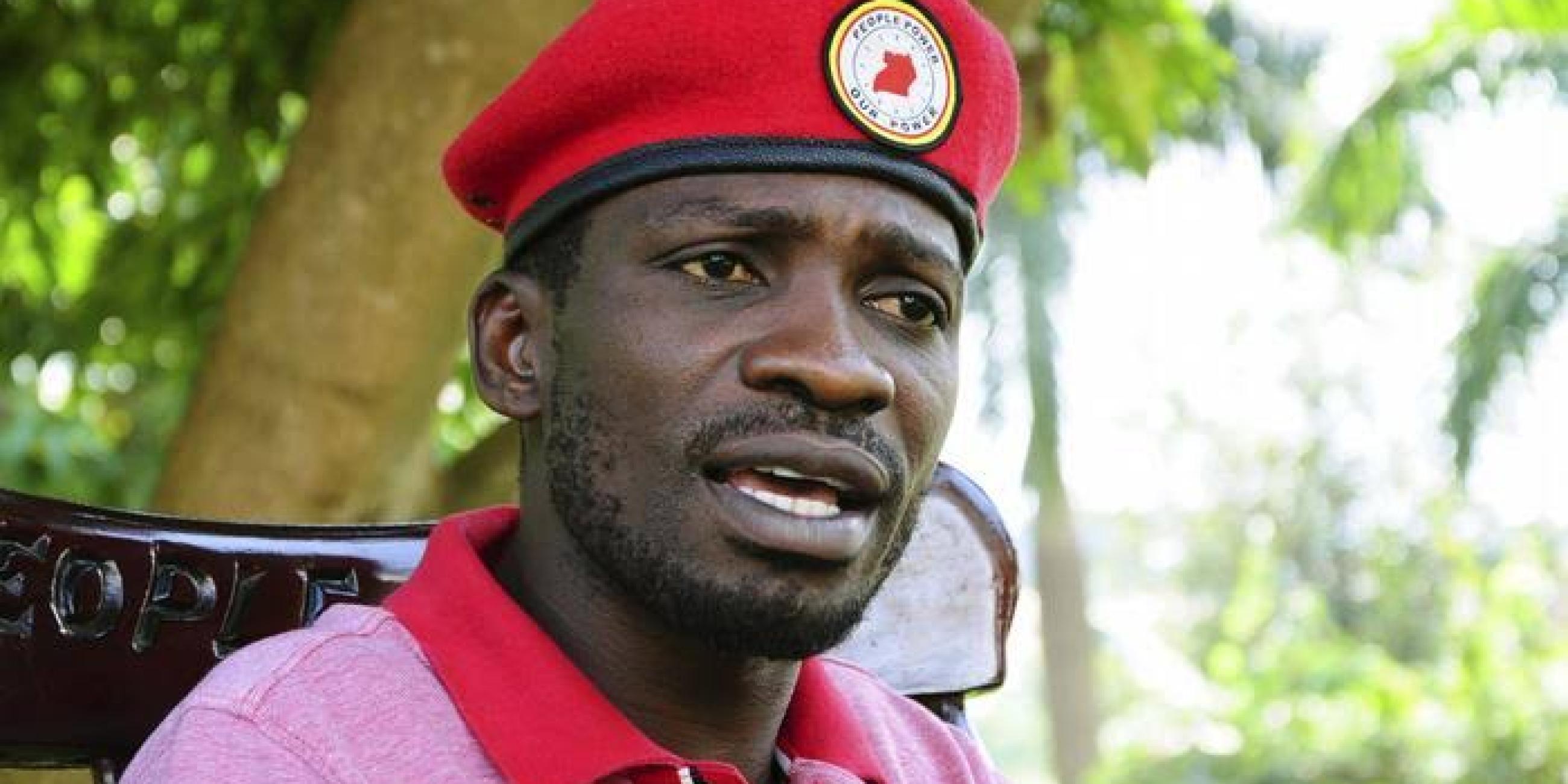
    Ugandan opposition leader and presidential candidate, Robert Kyagulanyi (Bobi Wine), has accused the military of placing him under house arrest shortly after he voted in the presidential election. In a statement on X, he said armed soldiers surrounded his home, jumped his fence and blocked all movement in and out of his compound. Bobi Wine claimed the action was meant to suppress public anger over alleged vote rigging, describing it as fear by authorities after “stealing the people’s votes.” He added that the siege remains in place, calling it another attack on democracy.

    #UgandaElection #BobiWine #AfricanPolitics
    Uganda Election Wahala: Bobi Wine Cries Vote Theft, Says Soldiers Lock Him Inside House After Voting Ugandan opposition leader and presidential candidate, Robert Kyagulanyi (Bobi Wine), has accused the military of placing him under house arrest shortly after he voted in the presidential election. In a statement on X, he said armed soldiers surrounded his home, jumped his fence and blocked all movement in and out of his compound. Bobi Wine claimed the action was meant to suppress public anger over alleged vote rigging, describing it as fear by authorities after “stealing the people’s votes.” He added that the siege remains in place, calling it another attack on democracy. #UgandaElection #BobiWine #AfricanPolitics
    0 Comments ·0 Shares ·1K Views
  • Sowore Foundation Awards 250 Scholarships, Empowers 45 Artisans; Hosts 2026 #ComeToKiribo Festival in Ondo

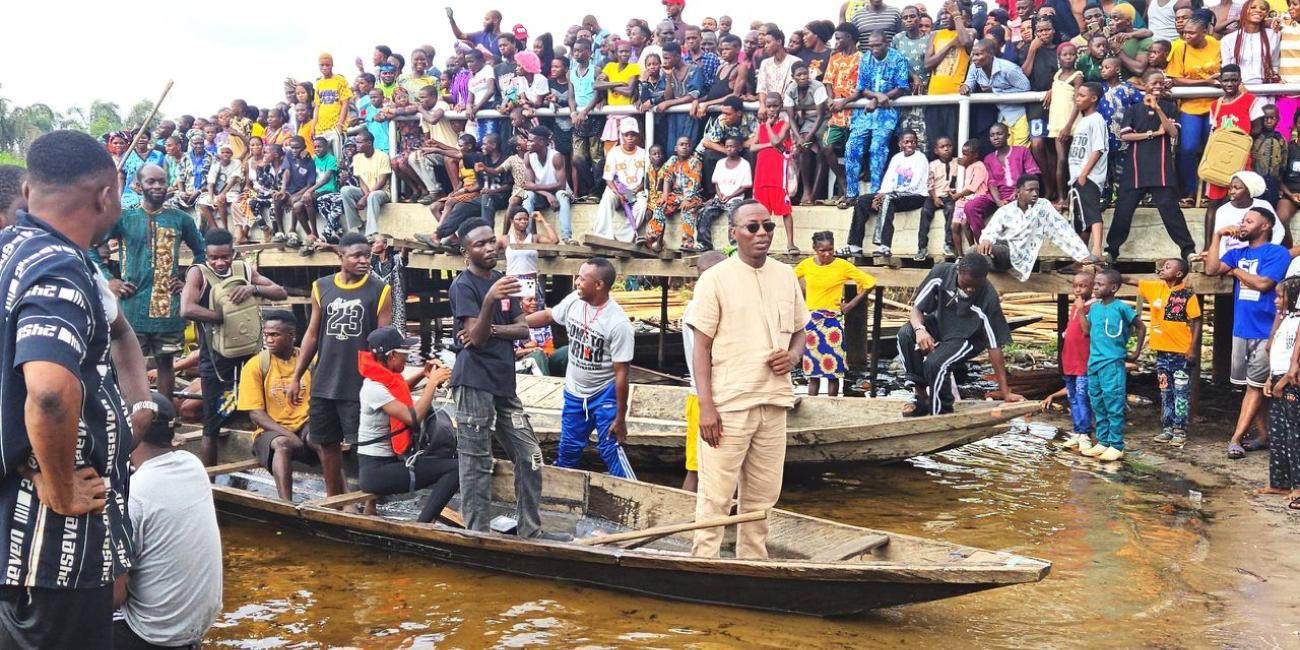
    The Sowore Foundation, founded by human rights activist and former presidential candidate Omoyele Sowore, has awarded scholarships to 250 students studying Medicine, Nursing, Law, and other disciplines, while also empowering 45 artisans and vulnerable individuals.

    The interventions coincided with the 2026 edition of the annual #ComeToKiribo Festival, held on January 1, 2026, in Kiribo, Ondo State. Speaking at the event, Sowore described the Kiribo Road Race as both symbolic and historic, noting that it is the first marathon race anywhere in the world held every year on January 1.

    Beyond celebration, the festival served as a platform for education, empowerment, and community development, drawing attention to grassroots support initiatives often missing from mainstream governance efforts.

    Question: Should community-driven initiatives like this play a bigger role where government support falls short?

    #ComeToKiribo #SoworeFoundation #OndoState #EducationAndEmpowerment
    Sowore Foundation Awards 250 Scholarships, Empowers 45 Artisans; Hosts 2026 #ComeToKiribo Festival in Ondo The Sowore Foundation, founded by human rights activist and former presidential candidate Omoyele Sowore, has awarded scholarships to 250 students studying Medicine, Nursing, Law, and other disciplines, while also empowering 45 artisans and vulnerable individuals. The interventions coincided with the 2026 edition of the annual #ComeToKiribo Festival, held on January 1, 2026, in Kiribo, Ondo State. Speaking at the event, Sowore described the Kiribo Road Race as both symbolic and historic, noting that it is the first marathon race anywhere in the world held every year on January 1. Beyond celebration, the festival served as a platform for education, empowerment, and community development, drawing attention to grassroots support initiatives often missing from mainstream governance efforts. Question: Should community-driven initiatives like this play a bigger role where government support falls short? #ComeToKiribo #SoworeFoundation #OndoState #EducationAndEmpowerment
    love
    2
    · 0 Comments ·0 Shares ·924 Views
  • Wahala Don Burst for Abuja Oo! Police Arrest ‘One-Chance’ Gang Over Brutal Killing Of Lawyer Princess Chigbo

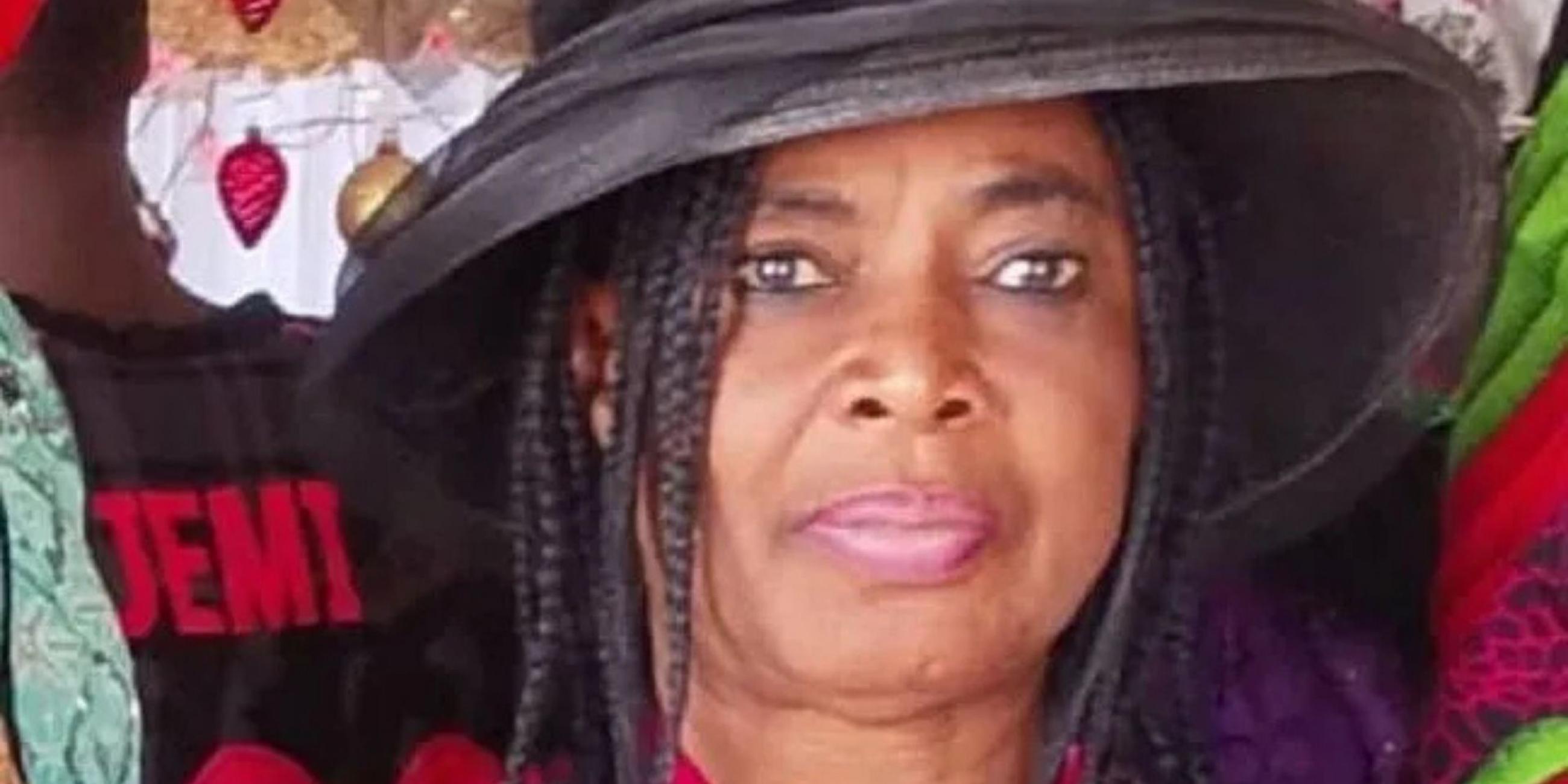
    Wahala don sup for Abuja oo! The Federal Capital Territory (FCT) Police Command has finally arrested three notorious “one-chance” armed robbery suspects linked to the gruesome killing of legal practitioner Barrister Chigbo Princess Nwamaka Mediatrix, a tragedy that shook the entire nation.

    The suspects—described by police as members of a violent criminal syndicate—were picked up in Dei-Dei, Dakwa, and Dan-Tata communities in Kubwa, Abuja, following an intensive manhunt ordered by the FCT Commissioner of Police, CP Miller Dantawaye.

    According to a statement released on Sunday, January 11, 2026, by the Police Public Relations Officer, SP Josephine Adeh, the arrests were carried out as part of a renewed crackdown on “one-chance” operations that have returned to terrorise residents of the nation’s capital.

    Who Are The Suspects?

    Police identified the suspects as:

    Saifullahi Yusuf (22) – from Kaduna State

    Ishau Yusuf (24) – also from Kaduna State and biological brother to Saifullahi

    Minka’ilu Jibril (a.k.a Dan-Hajia) – also from Kaduna State


    Investigations revealed that the trio are members of a well-known “one-chance” robbery network that has reportedly operated in the FCT for years, especially during festive periods when unsuspecting commuters are most vulnerable.

    How The Lawyer Was Killed

    SP Adeh explained that the tragic incident occurred on January 5, 2026, at about 5:50 p.m., when Barrister Chigbo boarded a black Volkswagen Golf 3 along the Kubwa Expressway, believing it to be a normal commercial vehicle.

    “Upon entry into the vehicle, the suspects wound up the tinted windows and threatened the victim with weapons in an attempt to force her to pay ransom for her own release,” the police said.

    When the lawyer allegedly resisted, she was physically assaulted and pushed out of the moving vehicle, leading to her death.

    Na so life just end like that oo.

    The suspects also reportedly stole her Android phone and later sold it in Dei-Dei for ₦120,000. According to police:

    Minka’ilu Jibril received ₦30,000,

    Saifullahi Yusuf got ₦15,000,

    While Ishau Yusuf shared the balance with another accomplice who is still on the run.


    Dangerous Weapons Recovered

    During the arrests, police recovered several weapons allegedly used by the gang, including:

    Five pairs of scissors

    Two sharp dagger knives

    Two other knives

    A long chain used to restrain victims

    A plier


    Police said investigations are ongoing and efforts are being intensified to arrest the remaining suspect and dismantle other criminal networks linked to the syndicate.

    NBA Reacts: “Abuja Is No Longer Safe”

    The killing of Princess Chigbo sparked outrage across the country, with the Nigerian Bar Association (NBA) raising alarm over what it described as the dangerous return of “one-chance” crimes in Abuja.

    In a statement signed by its President, Mazi Afam Osigwe, SAN, the NBA lamented that the capital city had once again been plunged into fear and mourning.

    According to the association, Princess Chigbo was not the only victim. Another professional, Ms. Chinemerem Pascalina Chuwumeziem, a nurse, was also killed in a similar “one-chance” attack.

    “What appears to be the disturbing return of ‘one-chance’ criminal operations in the Federal Capital Territory has once again plunged Abuja into grief,” the NBA said.

    Family’s Painful Account

    The late lawyer’s family revealed heartbreaking details of her final moments. Before her abduction, Princess Chigbo was reportedly on a phone call with her sister, Anthonia, when she suddenly cried out in distress and the call cut off.

    The family later received a ransom demand of ₦3 million, but before any arrangement could be concluded, subsequent calls captured her screaming in pain.

    On January 6, the family was informed that a badly injured woman had been taken to a specialist hospital. When her sister arrived, she found Princess Chigbo’s lifeless body in the mortuary, bearing signs of severe torture, including swollen eyes, bruises, and a cracked skull.

    Police Issue Warning To Residents

    Commending his officers, CP Miller Dantawaye reassured residents that the FCT Police Command remains committed to flushing out criminal elements from Abuja.

    SP Adeh urged members of the public to:

    Avoid boarding unregistered or suspicious vehicles

    Remain vigilant at all times

    Report suspicious activity using police emergency numbers: 08032003913, 07057337653


    Wahala don really burst for Abuja oo!
    From lawyer to nurse, innocent lives are being cut short by “one-chance” criminals. Nigerians are now asking: how many more must die before this menace finally ends?

    Wahala Don Burst for Abuja Oo! Police Arrest ‘One-Chance’ Gang Over Brutal Killing Of Lawyer Princess Chigbo Wahala don sup for Abuja oo! The Federal Capital Territory (FCT) Police Command has finally arrested three notorious “one-chance” armed robbery suspects linked to the gruesome killing of legal practitioner Barrister Chigbo Princess Nwamaka Mediatrix, a tragedy that shook the entire nation. The suspects—described by police as members of a violent criminal syndicate—were picked up in Dei-Dei, Dakwa, and Dan-Tata communities in Kubwa, Abuja, following an intensive manhunt ordered by the FCT Commissioner of Police, CP Miller Dantawaye. According to a statement released on Sunday, January 11, 2026, by the Police Public Relations Officer, SP Josephine Adeh, the arrests were carried out as part of a renewed crackdown on “one-chance” operations that have returned to terrorise residents of the nation’s capital. Who Are The Suspects? Police identified the suspects as: Saifullahi Yusuf (22) – from Kaduna State Ishau Yusuf (24) – also from Kaduna State and biological brother to Saifullahi Minka’ilu Jibril (a.k.a Dan-Hajia) – also from Kaduna State Investigations revealed that the trio are members of a well-known “one-chance” robbery network that has reportedly operated in the FCT for years, especially during festive periods when unsuspecting commuters are most vulnerable. How The Lawyer Was Killed SP Adeh explained that the tragic incident occurred on January 5, 2026, at about 5:50 p.m., when Barrister Chigbo boarded a black Volkswagen Golf 3 along the Kubwa Expressway, believing it to be a normal commercial vehicle. “Upon entry into the vehicle, the suspects wound up the tinted windows and threatened the victim with weapons in an attempt to force her to pay ransom for her own release,” the police said. When the lawyer allegedly resisted, she was physically assaulted and pushed out of the moving vehicle, leading to her death. Na so life just end like that oo. The suspects also reportedly stole her Android phone and later sold it in Dei-Dei for ₦120,000. According to police: Minka’ilu Jibril received ₦30,000, Saifullahi Yusuf got ₦15,000, While Ishau Yusuf shared the balance with another accomplice who is still on the run. Dangerous Weapons Recovered During the arrests, police recovered several weapons allegedly used by the gang, including: Five pairs of scissors Two sharp dagger knives Two other knives A long chain used to restrain victims A plier Police said investigations are ongoing and efforts are being intensified to arrest the remaining suspect and dismantle other criminal networks linked to the syndicate. NBA Reacts: “Abuja Is No Longer Safe” The killing of Princess Chigbo sparked outrage across the country, with the Nigerian Bar Association (NBA) raising alarm over what it described as the dangerous return of “one-chance” crimes in Abuja. In a statement signed by its President, Mazi Afam Osigwe, SAN, the NBA lamented that the capital city had once again been plunged into fear and mourning. According to the association, Princess Chigbo was not the only victim. Another professional, Ms. Chinemerem Pascalina Chuwumeziem, a nurse, was also killed in a similar “one-chance” attack. “What appears to be the disturbing return of ‘one-chance’ criminal operations in the Federal Capital Territory has once again plunged Abuja into grief,” the NBA said. Family’s Painful Account The late lawyer’s family revealed heartbreaking details of her final moments. Before her abduction, Princess Chigbo was reportedly on a phone call with her sister, Anthonia, when she suddenly cried out in distress and the call cut off. The family later received a ransom demand of ₦3 million, but before any arrangement could be concluded, subsequent calls captured her screaming in pain. On January 6, the family was informed that a badly injured woman had been taken to a specialist hospital. When her sister arrived, she found Princess Chigbo’s lifeless body in the mortuary, bearing signs of severe torture, including swollen eyes, bruises, and a cracked skull. Police Issue Warning To Residents Commending his officers, CP Miller Dantawaye reassured residents that the FCT Police Command remains committed to flushing out criminal elements from Abuja. SP Adeh urged members of the public to: Avoid boarding unregistered or suspicious vehicles Remain vigilant at all times Report suspicious activity using police emergency numbers: 08032003913, 07057337653 Wahala don really burst for Abuja oo! From lawyer to nurse, innocent lives are being cut short by “one-chance” criminals. Nigerians are now asking: how many more must die before this menace finally ends?
    like
    2
    · 0 Comments ·0 Shares ·973 Views
  • Wahala Don Sup for Abuja! Residents Wake to Dusty, Smelly Air as Sudden Weather Change Sparks Health Fears

    Wahala don burst for Abuja as residents of Nigeria’s capital woke up on Sunday morning to a strange and uncomfortable weather condition. Thick fog, dusty air and an unpleasant smell filled the atmosphere, leaving many people coughing, squinting their eyes and struggling to breathe properly.

    From early hours, the city felt different. Churchgoers and early risers said the air was heavy and irritating, with many complaining of peppery eyes, burning sensations in the nose and throat, and difficulty breathing normally. For some residents, stepping outside felt like walking into smoke.

    The sudden change in weather has raised serious concerns about air quality and public health, with many asking: wetin really dey happen for Abuja sky?

    Experts say the condition is most likely linked to dry season weather patterns, especially the movement of dust-laden winds from the Sahara Desert—popularly known as the harmattan effect. According to them, these winds carry fine particles of sand, smoke and other pollutants into the atmosphere, drastically reducing air quality and visibility.

    Health professionals are warning that inhaling dusty and polluted air can pose serious risks, especially for vulnerable groups such as children, the elderly and people with asthma or other respiratory conditions. They explained that tiny dust particles can easily enter the lungs, irritating the throat, eyes and skin, and making breathing difficult.

    “For many people, the air may just feel uncomfortable,” one doctor said, “but for those with breathing problems, it can trigger serious complications.”

    Doctors are advising residents to take precautions during this period. People are encouraged to limit outdoor activities where possible, drink plenty of water to keep the throat and lungs hydrated, and seek medical attention if they experience persistent coughing, chest pain, shortness of breath or severe eye irritation. Wearing face masks when outdoors may also help reduce the amount of dust inhaled.

    For now, Abuja residents can only hope that the skies will clear and the air will return to normal in the coming days. But as it stands, one thing is clear: this sudden weather shift don cause serious wahala, and everybody dey feel am.
    Wahala Don Sup for Abuja! Residents Wake to Dusty, Smelly Air as Sudden Weather Change Sparks Health Fears Wahala don burst for Abuja as residents of Nigeria’s capital woke up on Sunday morning to a strange and uncomfortable weather condition. Thick fog, dusty air and an unpleasant smell filled the atmosphere, leaving many people coughing, squinting their eyes and struggling to breathe properly. From early hours, the city felt different. Churchgoers and early risers said the air was heavy and irritating, with many complaining of peppery eyes, burning sensations in the nose and throat, and difficulty breathing normally. For some residents, stepping outside felt like walking into smoke. The sudden change in weather has raised serious concerns about air quality and public health, with many asking: wetin really dey happen for Abuja sky? Experts say the condition is most likely linked to dry season weather patterns, especially the movement of dust-laden winds from the Sahara Desert—popularly known as the harmattan effect. According to them, these winds carry fine particles of sand, smoke and other pollutants into the atmosphere, drastically reducing air quality and visibility. Health professionals are warning that inhaling dusty and polluted air can pose serious risks, especially for vulnerable groups such as children, the elderly and people with asthma or other respiratory conditions. They explained that tiny dust particles can easily enter the lungs, irritating the throat, eyes and skin, and making breathing difficult. “For many people, the air may just feel uncomfortable,” one doctor said, “but for those with breathing problems, it can trigger serious complications.” Doctors are advising residents to take precautions during this period. People are encouraged to limit outdoor activities where possible, drink plenty of water to keep the throat and lungs hydrated, and seek medical attention if they experience persistent coughing, chest pain, shortness of breath or severe eye irritation. Wearing face masks when outdoors may also help reduce the amount of dust inhaled. For now, Abuja residents can only hope that the skies will clear and the air will return to normal in the coming days. But as it stands, one thing is clear: this sudden weather shift don cause serious wahala, and everybody dey feel am.
    0 Comments ·0 Shares ·851 Views
  • Bandits in Kano and Katsina Force Farmers to Pay ₦50,000 Levy, Establish Parallel ‘Government’ in Forest Communities

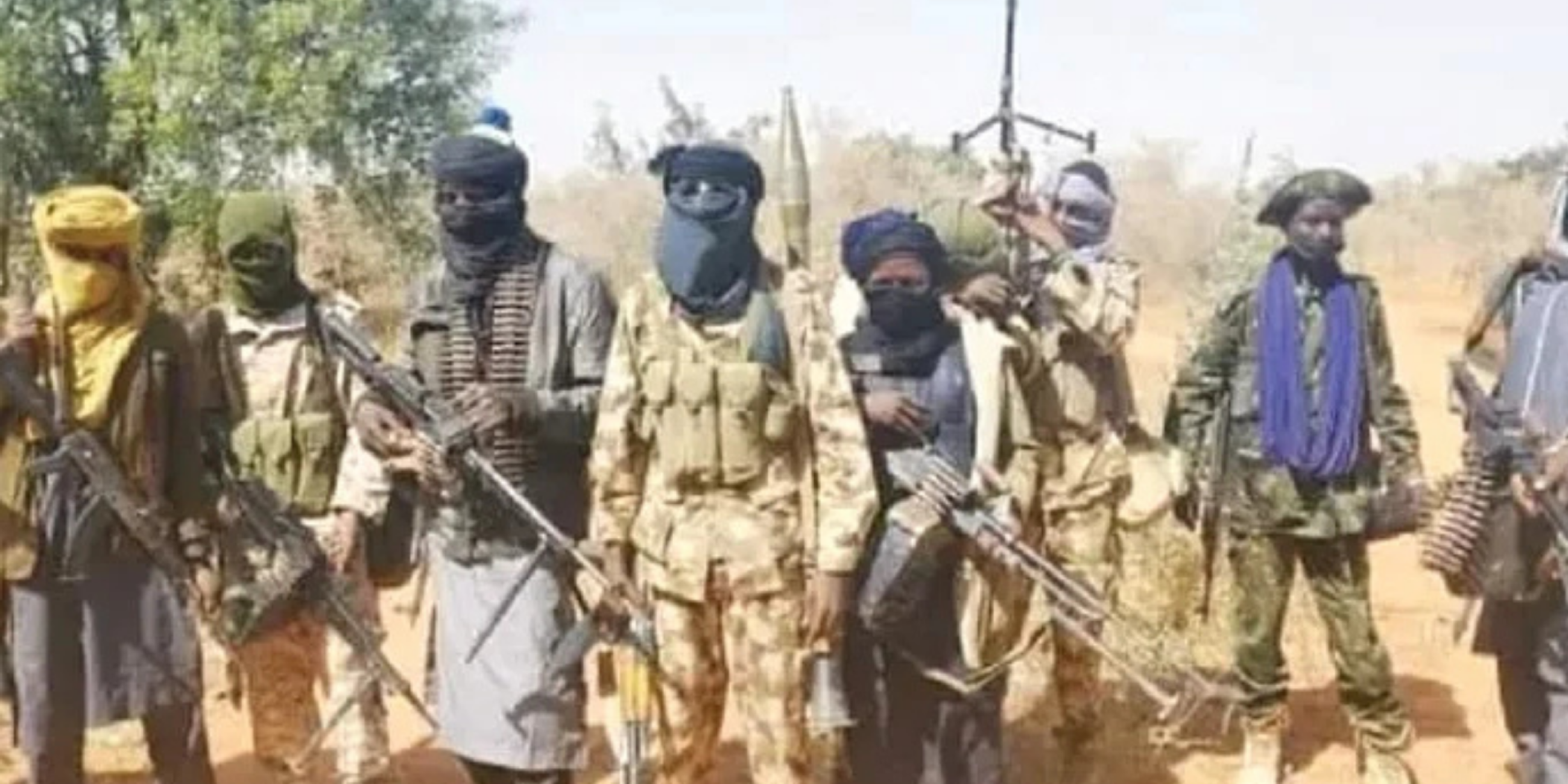
    Armed groups in Kano and Katsina states are reportedly imposing ₦50,000 per acre levies on farmers, primarily targeting sugarcane and maize growers, as they enforce a parallel governance system within the Rugu and Falgore Forest reserves. Farmers who refuse to comply face threats, destruction of crops, and the risk of violent attacks, forcing many to abandon their farmlands entirely.

    The affected areas are part of the Kano–Katsina food belt, a key agricultural corridor supplying major markets such as Dawanau Market in Kano. Activists warn that ongoing disruptions could lead to food shortages and rising prices across northern Nigeria, raising serious concerns about regional food security.

    Despite military and police checkpoints along key access roads, armed groups are operating within close proximity, highlighting potential gaps in security enforcement. Local residents report that the bandits are increasingly controlling daily economic activities, collecting levies, and imposing rules without resistance.

    The situation has intensified calls for urgent intervention by state and federal security agencies to dismantle these parallel structures and safeguard the livelihoods of farmers, who are essential to the nation’s agricultural stability. As of reporting, no official response has been issued by the Kano or Katsina state governments or federal security authorities.
    Bandits in Kano and Katsina Force Farmers to Pay ₦50,000 Levy, Establish Parallel ‘Government’ in Forest Communities Armed groups in Kano and Katsina states are reportedly imposing ₦50,000 per acre levies on farmers, primarily targeting sugarcane and maize growers, as they enforce a parallel governance system within the Rugu and Falgore Forest reserves. Farmers who refuse to comply face threats, destruction of crops, and the risk of violent attacks, forcing many to abandon their farmlands entirely. The affected areas are part of the Kano–Katsina food belt, a key agricultural corridor supplying major markets such as Dawanau Market in Kano. Activists warn that ongoing disruptions could lead to food shortages and rising prices across northern Nigeria, raising serious concerns about regional food security. Despite military and police checkpoints along key access roads, armed groups are operating within close proximity, highlighting potential gaps in security enforcement. Local residents report that the bandits are increasingly controlling daily economic activities, collecting levies, and imposing rules without resistance. The situation has intensified calls for urgent intervention by state and federal security agencies to dismantle these parallel structures and safeguard the livelihoods of farmers, who are essential to the nation’s agricultural stability. As of reporting, no official response has been issued by the Kano or Katsina state governments or federal security authorities.
    0 Comments ·0 Shares ·791 Views
  • Why Is Oyo Police Cracking Down on Unmarked Vehicles, Fake Number Plates and Face-Concealing Motorcyclists—Is This the End of Crime Through Disguise in the State?

    Is Oyo State entering a new phase of security enforcement—and will it finally curb crimes committed through disguise and anonymity? The Oyo State Police Command has announced a statewide operation targeting unmarked vehicles, fake or defaced number plates, and motorcyclists who conceal their faces, as part of what it describes as a proactive and intelligence-led policing strategy.

    Approved by the Commissioner of Police, Femi Haruna, the operation is scheduled to commence on Monday and will focus on vehicles without valid registration numbers, those using covered, blinded, defaced, fake, dealer’s, or unauthorized plates, as well as motorcyclists who wear hoods or masks to obscure their identities while riding.

    According to the police, offenders will face arrest, vehicle impoundment, and prosecution following investigations. The Command explained that the crackdown is driven by intelligence reports showing that criminals increasingly exploit unmarked vehicles and concealed identities to evade detection, carry out robberies, kidnappings, and other violent crimes, and escape law enforcement scrutiny.

    The announcement follows earlier engagements by CP Haruna with commercial motorcyclists across the state, where he issued warnings that any motorcycle linked to criminal activity would attract severe penalties. He also urged riders and residents to provide timely intelligence, assuring them of confidentiality and swift police response.

    Beyond this specific enforcement drive, the police reaffirmed that routine stop-and-search operations, checkpoints, and intelligence-based patrols remain central to crime prevention in Oyo State. Residents were advised to stay vigilant, comply with vehicle and traffic regulations, and report suspicious movements or activities to the nearest police station.

    As security challenges continue to evolve, the operation raises key questions: Will the removal of fake plates and masked riding close a major loophole criminals use to operate? Can stricter enforcement improve public safety without disrupting legitimate transport and commercial activity? For many residents, the coming weeks will determine whether this strategy marks a turning point in the fight against crime—or merely another short-term security campaign.


    Why Is Oyo Police Cracking Down on Unmarked Vehicles, Fake Number Plates and Face-Concealing Motorcyclists—Is This the End of Crime Through Disguise in the State? Is Oyo State entering a new phase of security enforcement—and will it finally curb crimes committed through disguise and anonymity? The Oyo State Police Command has announced a statewide operation targeting unmarked vehicles, fake or defaced number plates, and motorcyclists who conceal their faces, as part of what it describes as a proactive and intelligence-led policing strategy. Approved by the Commissioner of Police, Femi Haruna, the operation is scheduled to commence on Monday and will focus on vehicles without valid registration numbers, those using covered, blinded, defaced, fake, dealer’s, or unauthorized plates, as well as motorcyclists who wear hoods or masks to obscure their identities while riding. According to the police, offenders will face arrest, vehicle impoundment, and prosecution following investigations. The Command explained that the crackdown is driven by intelligence reports showing that criminals increasingly exploit unmarked vehicles and concealed identities to evade detection, carry out robberies, kidnappings, and other violent crimes, and escape law enforcement scrutiny. The announcement follows earlier engagements by CP Haruna with commercial motorcyclists across the state, where he issued warnings that any motorcycle linked to criminal activity would attract severe penalties. He also urged riders and residents to provide timely intelligence, assuring them of confidentiality and swift police response. Beyond this specific enforcement drive, the police reaffirmed that routine stop-and-search operations, checkpoints, and intelligence-based patrols remain central to crime prevention in Oyo State. Residents were advised to stay vigilant, comply with vehicle and traffic regulations, and report suspicious movements or activities to the nearest police station. As security challenges continue to evolve, the operation raises key questions: Will the removal of fake plates and masked riding close a major loophole criminals use to operate? Can stricter enforcement improve public safety without disrupting legitimate transport and commercial activity? For many residents, the coming weeks will determine whether this strategy marks a turning point in the fight against crime—or merely another short-term security campaign.
    0 Comments ·0 Shares ·603 Views
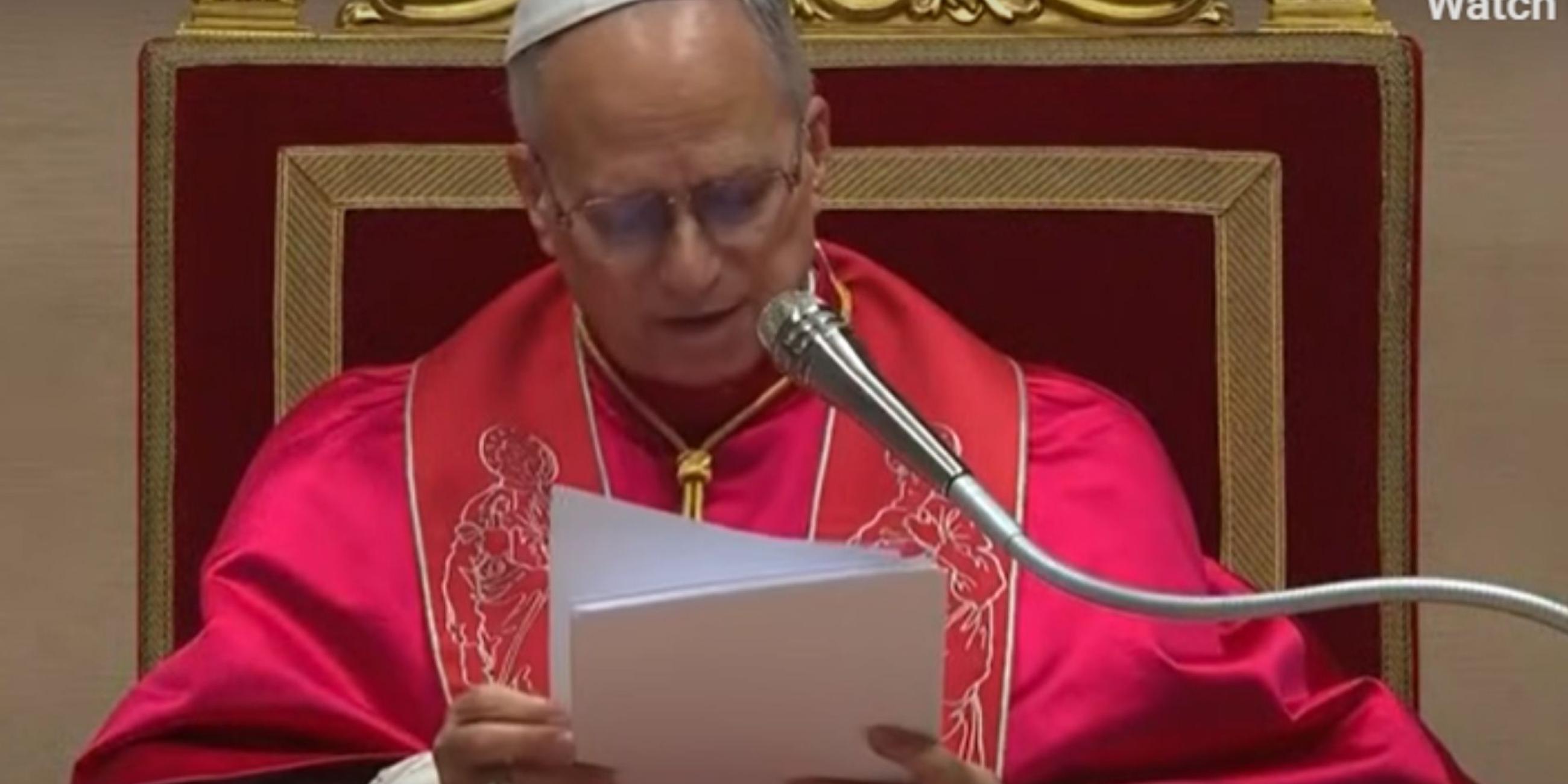
  • Is Abortion ‘Fake Compassion’? Why Pope Leo’s First Major Vatican Speech Condemning Abortion, Surrogacy and Euthanasia Is Reigniting a Global Moral Debate

    Is the world redefining compassion in a way that undermines human dignity? In his first major address at the Vatican, Pope Leo has taken a firm stance against abortion, surrogacy, and euthanasia, branding them as practices that distort the true meaning of compassion and threaten the sanctity of human life.

    Speaking on issues ranging from justice and prisoners’ rights to family life and the protection of vulnerable groups, the new pontiff described abortion as a direct rejection of life, stating that it “cuts short a growing life and refuses to welcome the gift of life.” He warned against what he called “deceptive forms of compassion” promoted by modern societies, arguing that true compassion must defend life rather than eliminate it.

    Pope Leo framed his message within a broader reflection on human dignity, emphasizing that human beings are created in the image and likeness of God and are called to love. According to him, this calling finds its clearest expression within the family—an institution he said is now under sustained pressure worldwide. He identified two major challenges facing families today: neglect by international systems and the rise of fragile, broken households afflicted by internal struggles, including domestic violence.

    Stressing the moral responsibility toward unborn children, the Pope said the union between a man and a woman carries an ethical obligation to protect life. He condemned growing international efforts to expand access to abortion across borders, expressing deep concern over projects that fund “cross-border mobility” for what he described as the “so-called right to safe abortion.” He called it “deplorable” that public resources are used to suppress life rather than support mothers and families, insisting that governments should prioritize protecting unborn children while providing concrete assistance to women facing difficult pregnancies.

    Beyond abortion, Pope Leo also denounced surrogacy, describing it as a practice that strips both women and children of dignity by turning pregnancy into a negotiable service. He argued that such arrangements reduce children to commodities and exploit women’s bodies, distorting the natural and relational foundation of the family.

    The pontiff further criticized euthanasia, again labeling it a misleading form of compassion, and urged states to invest in palliative care and authentic solidarity instead of policies that hasten death. In the same address, he spoke out on prisoners’ rights, political detainees, migrants, and the abolition of the death penalty, which he described as a punishment that “destroys all hope of forgiveness and renewal.”

    The speech marks the clearest articulation yet of Pope Leo’s moral priorities and signals what many observers see as a continuation—and possible intensification—of the Vatican’s opposition to abortion, surrogacy, and euthanasia. As governments, activists, and faith communities worldwide remain sharply divided on reproductive rights and end-of-life policies, the Pope’s remarks have reignited a global conversation: Is modern society redefining compassion in ways that contradict the protection of life, or is the Vatican standing against changing realities of human rights and personal choice?


    Is Abortion ‘Fake Compassion’? Why Pope Leo’s First Major Vatican Speech Condemning Abortion, Surrogacy and Euthanasia Is Reigniting a Global Moral Debate Is the world redefining compassion in a way that undermines human dignity? In his first major address at the Vatican, Pope Leo has taken a firm stance against abortion, surrogacy, and euthanasia, branding them as practices that distort the true meaning of compassion and threaten the sanctity of human life. Speaking on issues ranging from justice and prisoners’ rights to family life and the protection of vulnerable groups, the new pontiff described abortion as a direct rejection of life, stating that it “cuts short a growing life and refuses to welcome the gift of life.” He warned against what he called “deceptive forms of compassion” promoted by modern societies, arguing that true compassion must defend life rather than eliminate it. Pope Leo framed his message within a broader reflection on human dignity, emphasizing that human beings are created in the image and likeness of God and are called to love. According to him, this calling finds its clearest expression within the family—an institution he said is now under sustained pressure worldwide. He identified two major challenges facing families today: neglect by international systems and the rise of fragile, broken households afflicted by internal struggles, including domestic violence. Stressing the moral responsibility toward unborn children, the Pope said the union between a man and a woman carries an ethical obligation to protect life. He condemned growing international efforts to expand access to abortion across borders, expressing deep concern over projects that fund “cross-border mobility” for what he described as the “so-called right to safe abortion.” He called it “deplorable” that public resources are used to suppress life rather than support mothers and families, insisting that governments should prioritize protecting unborn children while providing concrete assistance to women facing difficult pregnancies. Beyond abortion, Pope Leo also denounced surrogacy, describing it as a practice that strips both women and children of dignity by turning pregnancy into a negotiable service. He argued that such arrangements reduce children to commodities and exploit women’s bodies, distorting the natural and relational foundation of the family. The pontiff further criticized euthanasia, again labeling it a misleading form of compassion, and urged states to invest in palliative care and authentic solidarity instead of policies that hasten death. In the same address, he spoke out on prisoners’ rights, political detainees, migrants, and the abolition of the death penalty, which he described as a punishment that “destroys all hope of forgiveness and renewal.” The speech marks the clearest articulation yet of Pope Leo’s moral priorities and signals what many observers see as a continuation—and possible intensification—of the Vatican’s opposition to abortion, surrogacy, and euthanasia. As governments, activists, and faith communities worldwide remain sharply divided on reproductive rights and end-of-life policies, the Pope’s remarks have reignited a global conversation: Is modern society redefining compassion in ways that contradict the protection of life, or is the Vatican standing against changing realities of human rights and personal choice?
    0 Comments ·0 Shares ·1K Views
  • CAPTI Declines Nigeria Police Meeting Over Human Rights Violations by Imo ‘Tiger Base’ Unit

    The Coalition Against Police Tigerbase Impunity (CAPTI) has declined a scheduled meeting with the Nigeria Police Force’s Police Monitoring Unit at Force Headquarters, Abuja. The coalition cited practical, logistical, and substantive constraints, emphasizing that the short notice and travel requirements made attendance impossible.

    In a letter signed by Sanyaolu Juwon, CAPTI Coordinator, the group acknowledged the police’s willingness to engage but stressed that any meeting must include victims and their families, many of whom reside in Imo State or are held at Owerri Correctional Centre. CAPTI noted that meaningful engagement requires proper planning, sufficient notice, and clear mechanisms for victim testimonies and accountability.

    The coalition remains open to dialogue but requested a mutually convenient date with arrangements allowing for inclusive participation of victims and civil society observers. CAPTI has been vocal about alleged abuses by the Tiger Base anti-kidnapping unit, advocating for transparency, accountability, and respect for human rights in Nigerian policing.

    #CAPTI #TigerBase #HumanRights”
    CAPTI Declines Nigeria Police Meeting Over Human Rights Violations by Imo ‘Tiger Base’ Unit The Coalition Against Police Tigerbase Impunity (CAPTI) has declined a scheduled meeting with the Nigeria Police Force’s Police Monitoring Unit at Force Headquarters, Abuja. The coalition cited practical, logistical, and substantive constraints, emphasizing that the short notice and travel requirements made attendance impossible. In a letter signed by Sanyaolu Juwon, CAPTI Coordinator, the group acknowledged the police’s willingness to engage but stressed that any meeting must include victims and their families, many of whom reside in Imo State or are held at Owerri Correctional Centre. CAPTI noted that meaningful engagement requires proper planning, sufficient notice, and clear mechanisms for victim testimonies and accountability. The coalition remains open to dialogue but requested a mutually convenient date with arrangements allowing for inclusive participation of victims and civil society observers. CAPTI has been vocal about alleged abuses by the Tiger Base anti-kidnapping unit, advocating for transparency, accountability, and respect for human rights in Nigerian policing. #CAPTI #TigerBase #HumanRights”
    0 Comments ·0 Shares ·1K Views
  • Nigeria Police Summon Rights Group CAPTI Over Alleged Human Rights Abuses by Imo ‘Tiger Base’ Operatives

    The Nigeria Police Force, through its Police Monitoring Unit at Force Headquarters, Abuja, has summoned the Coalition Against Police Tigerbase Impunity (CAPTI) following a petition detailing alleged torture and human rights abuses by operatives of the Imo State Tiger Base Anti-Kidnapping Unit.

    The invitation, issued under Reference No: CR: 3000/1GP.SEC/PMU/OPS/ABJ/VOL:/261/78 on January 8, 2026, requested CAPTI representatives and victims’ relatives to attend an interview on January 12, 2026, to provide further details on the allegations.

    CAPTI, citing short notice, logistical constraints, and the need for adequate preparation, informed the police that it could not attend the scheduled meeting. The rights group, headquartered in Lagos, expressed its commitment to constructive engagement with the Nigeria Police Force while highlighting challenges in mobilizing stakeholders on short notice for a meeting in Abuja.

    The coalition emphasized the importance of accountability, justice, and protection of citizens’ fundamental rights, while acknowledging the police’s willingness to engage with civil society on matters of public concern.

    #NigeriaPolice #HumanRights #CAPTI”


    Nigeria Police Summon Rights Group CAPTI Over Alleged Human Rights Abuses by Imo ‘Tiger Base’ Operatives The Nigeria Police Force, through its Police Monitoring Unit at Force Headquarters, Abuja, has summoned the Coalition Against Police Tigerbase Impunity (CAPTI) following a petition detailing alleged torture and human rights abuses by operatives of the Imo State Tiger Base Anti-Kidnapping Unit. The invitation, issued under Reference No: CR: 3000/1GP.SEC/PMU/OPS/ABJ/VOL:/261/78 on January 8, 2026, requested CAPTI representatives and victims’ relatives to attend an interview on January 12, 2026, to provide further details on the allegations. CAPTI, citing short notice, logistical constraints, and the need for adequate preparation, informed the police that it could not attend the scheduled meeting. The rights group, headquartered in Lagos, expressed its commitment to constructive engagement with the Nigeria Police Force while highlighting challenges in mobilizing stakeholders on short notice for a meeting in Abuja. The coalition emphasized the importance of accountability, justice, and protection of citizens’ fundamental rights, while acknowledging the police’s willingness to engage with civil society on matters of public concern. #NigeriaPolice #HumanRights #CAPTI”
    0 Comments ·0 Shares ·1K Views

  • Enugu Doctor Killed After Kidnapping and Shooting, Raising Alarm Over Medical Professionals’ Safety

    Dr. Andrew Orovwigho, a consultant neuro-psychiatrist at the Federal Neuro-Psychiatric Hospital, Enugu, has died following a harrowing sequence of attacks, highlighting growing security risks for medical professionals in Nigeria.

    According to reports, Dr. Orovwigho was first abducted on December 30, 2025, outside his residence and shot during the kidnapping. He was released by his captors on January 1, 2026, but tragically, he was attacked again shortly afterward. The assailants allegedly shot him a second time and abandoned him by the roadside.

    A passerby rushed him to a nearby hospital, where he succumbed to his injuries on January 2, 2026. Colleagues described Dr. Orovwigho as a dedicated mental health specialist committed to the care of vulnerable patients. His death has sent shockwaves through the medical community in Enugu and nationwide.

    Dr. Sunny Ken Okafor, Chairman of the Nigerian Medical Association, Enugu State chapter, confirmed the incident and said an emergency meeting of doctors had been scheduled to address the escalating threats to healthcare professionals. Many in the medical community have expressed concern that doctors and nurses are increasingly becoming targets of violent attacks, making their work environment highly dangerous.

    Tributes have poured in from colleagues, patients, and professional organizations, mourning what they describe as a devastating and preventable loss in the fight against mental health challenges in Nigeria.


    #NigeriaNews #DoctorsUnderThreat #EnuguTragedy”


    Enugu Doctor Killed After Kidnapping and Shooting, Raising Alarm Over Medical Professionals’ Safety Dr. Andrew Orovwigho, a consultant neuro-psychiatrist at the Federal Neuro-Psychiatric Hospital, Enugu, has died following a harrowing sequence of attacks, highlighting growing security risks for medical professionals in Nigeria. According to reports, Dr. Orovwigho was first abducted on December 30, 2025, outside his residence and shot during the kidnapping. He was released by his captors on January 1, 2026, but tragically, he was attacked again shortly afterward. The assailants allegedly shot him a second time and abandoned him by the roadside. A passerby rushed him to a nearby hospital, where he succumbed to his injuries on January 2, 2026. Colleagues described Dr. Orovwigho as a dedicated mental health specialist committed to the care of vulnerable patients. His death has sent shockwaves through the medical community in Enugu and nationwide. Dr. Sunny Ken Okafor, Chairman of the Nigerian Medical Association, Enugu State chapter, confirmed the incident and said an emergency meeting of doctors had been scheduled to address the escalating threats to healthcare professionals. Many in the medical community have expressed concern that doctors and nurses are increasingly becoming targets of violent attacks, making their work environment highly dangerous. Tributes have poured in from colleagues, patients, and professional organizations, mourning what they describe as a devastating and preventable loss in the fight against mental health challenges in Nigeria. #NigeriaNews #DoctorsUnderThreat #EnuguTragedy”
    0 Comments ·0 Shares ·746 Views
  • Is Iran’s Supreme Leader Blaming Protesters to Please Trump as Deadly Unrest, Internet Blackouts and Calls for Regime Change Shake Tehran?

    Iran’s Supreme Leader, Ayatollah Ali Khamenei, has accused anti-government protesters of “ruining their own streets to make the president of another country happy,” as nationwide unrest continues to grip Tehran and other major cities despite an unprecedented internet and telephone shutdown. His remarks come amid escalating demonstrations that began over economic hardship but have rapidly evolved into the most serious challenge to Iran’s leadership in years.

    Short videos circulating on social media before the blackout showed protesters chanting around bonfires, blocking roads, and leaving streets strewn with debris. Iranian state television later blamed the violence on “terrorist agents” backed by the United States and Israel, reporting unspecified “casualties” while offering few details. During a televised address, Khamenei warned of a hardline response, as crowds in the studio chanted “Death to America,” underscoring the regime’s narrative of foreign interference.

    According to analysts, the protests gained momentum after public appeals by exiled Crown Prince Reza Pahlavi, who urged Iranians to take to the streets at coordinated times. Holly Dagres of the Washington Institute for Near East Policy said the calls had a decisive impact, transforming scattered demonstrations into a nationwide movement aimed at toppling the Islamic Republic. Witnesses in Tehran reported chants of “Death to the dictator,” “Death to the Islamic Republic,” and slogans calling for the return of the Pahlavi monarchy.

    Pahlavi condemned the government’s decision to shut down communications, warning that cutting internet and landlines was intended to silence the protesters and prevent the world from seeing what was happening inside Iran. He urged international leaders to use “technical, financial, and diplomatic resources” to restore connectivity so that the voices of Iranians could be heard globally.

    Human rights groups report a growing toll. The U.S.-based Human Rights Activists News Agency says at least 42 people have been killed and more than 2,270 detained since the protests began. State media acknowledged that private vehicles, public transport, metro stations, and emergency vehicles had been set ablaze during demonstrations, reinforcing claims of widespread unrest.

    Former U.S. President Donald Trump has also weighed in, warning Tehran against violently suppressing peaceful protesters and threatening severe consequences if the crackdown continues. His comments have fueled speculation that Iran’s leadership is framing the protests as a foreign-backed campaign to delegitimize domestic dissent.

    As the internet blackout persists and security forces tighten their grip, questions remain: Are Iran’s leaders confronting a genuine popular uprising driven by economic despair and demands for freedom, or will the government succeed in recasting the movement as an externally orchestrated plot? With mounting deaths, mass arrests, and growing international attention, the unfolding crisis could redefine Iran’s political future.


    Is Iran’s Supreme Leader Blaming Protesters to Please Trump as Deadly Unrest, Internet Blackouts and Calls for Regime Change Shake Tehran? Iran’s Supreme Leader, Ayatollah Ali Khamenei, has accused anti-government protesters of “ruining their own streets to make the president of another country happy,” as nationwide unrest continues to grip Tehran and other major cities despite an unprecedented internet and telephone shutdown. His remarks come amid escalating demonstrations that began over economic hardship but have rapidly evolved into the most serious challenge to Iran’s leadership in years. Short videos circulating on social media before the blackout showed protesters chanting around bonfires, blocking roads, and leaving streets strewn with debris. Iranian state television later blamed the violence on “terrorist agents” backed by the United States and Israel, reporting unspecified “casualties” while offering few details. During a televised address, Khamenei warned of a hardline response, as crowds in the studio chanted “Death to America,” underscoring the regime’s narrative of foreign interference. According to analysts, the protests gained momentum after public appeals by exiled Crown Prince Reza Pahlavi, who urged Iranians to take to the streets at coordinated times. Holly Dagres of the Washington Institute for Near East Policy said the calls had a decisive impact, transforming scattered demonstrations into a nationwide movement aimed at toppling the Islamic Republic. Witnesses in Tehran reported chants of “Death to the dictator,” “Death to the Islamic Republic,” and slogans calling for the return of the Pahlavi monarchy. Pahlavi condemned the government’s decision to shut down communications, warning that cutting internet and landlines was intended to silence the protesters and prevent the world from seeing what was happening inside Iran. He urged international leaders to use “technical, financial, and diplomatic resources” to restore connectivity so that the voices of Iranians could be heard globally. Human rights groups report a growing toll. The U.S.-based Human Rights Activists News Agency says at least 42 people have been killed and more than 2,270 detained since the protests began. State media acknowledged that private vehicles, public transport, metro stations, and emergency vehicles had been set ablaze during demonstrations, reinforcing claims of widespread unrest. Former U.S. President Donald Trump has also weighed in, warning Tehran against violently suppressing peaceful protesters and threatening severe consequences if the crackdown continues. His comments have fueled speculation that Iran’s leadership is framing the protests as a foreign-backed campaign to delegitimize domestic dissent. As the internet blackout persists and security forces tighten their grip, questions remain: Are Iran’s leaders confronting a genuine popular uprising driven by economic despair and demands for freedom, or will the government succeed in recasting the movement as an externally orchestrated plot? With mounting deaths, mass arrests, and growing international attention, the unfolding crisis could redefine Iran’s political future.
    0 Comments ·0 Shares ·1K Views
  • Why Is Tinubu Budgeting Another ₦7bn for Aso Rock Solar While Nigerians Face Blackouts? After ₦10bn in 2025, Is the Presidency Prioritising Itself Over the National Power Crisis?

    Amid worsening electricity shortages across Nigeria, the Bola Tinubu-led federal government has allocated another ₦7 billion in the 2026 budget for the solarisation of the Presidential Villa, Aso Rock, raising fresh questions about priorities, equity, and governance. The new allocation—listed by the Budget Office of the Federation under State House expenditures as “provision of solarisation of Villa with solar mini grid”—comes just a year after ₦10 billion was set aside for the same project in 2025.

    The decision has reignited public debate because it contrasts sharply with the everyday reality of millions of Nigerians who continue to endure persistent blackouts, business disruptions, and rising energy costs. Critics argue that while the Presidency secures reliable power through a premium solar project, households and small enterprises remain at the mercy of an unstable national grid.

    In April 2025, when the initial ₦10 billion allocation triggered public outrage, the Presidency defended the project as a long-term investment in sustainability and energy efficiency. Presidential spokesman Bayo Onanuga said the move follows “global standards,” citing the White House’s use of solar power and insisting the administration was not “reinventing the wheel” but adopting a tested model for powering critical institutions. Supporters of the project also frame it as a smart hedge against grid failures and a step toward cleaner energy.

    Yet the timing has kept the controversy alive. The latest budget increase coincides with a series of national grid collapses that have plunged much of the country into darkness. According to data from the Nigerian Independent System Operator (NISO), one major disturbance saw total power generation crash from 2,052.37MW to just 139.92MW within one hour, leaving only three of the country’s 11 distribution companies able to take any load. At different points, major DisCos—including Eko, Ikeja, Enugu, Jos, Kaduna, Kano, Port Harcourt and Yola—recorded zero allocation, underscoring the fragility of the system.

    Independent monitoring confirmed that even hours after such collapses, national supply remained severely constrained, with total available power far below what is needed to sustain homes, hospitals, businesses, and critical services. Similar incidents in March and September 2025 followed earlier government celebrations of rising generation, only for output to plunge again below sustainable levels.

    Against this backdrop, many Nigerians question whether investing billions to guarantee uninterrupted electricity for the seat of power—while the wider grid remains unreliable—signals a two-tier energy policy. Some see the solar project as an admission that government itself no longer trusts the national power system it oversees. Others argue that the Presidency’s energy security should not come at a time when ordinary citizens face daily outages, rising fuel costs for generators, and an economy already under strain.

    The debate now centres on urgent questions: Is the Tinubu administration protecting Aso Rock while the country stays in the dark? Should scarce public funds be channelled first into stabilising the national grid rather than insulating the Presidency? And does repeated spending—₦17 billion across two years—reflect forward-looking sustainability or misplaced priorities in the middle of a power crisis? As Nigeria’s electricity infrastructure continues to falter, the Aso Rock solar budget has become a powerful symbol in a wider argument about leadership, accountability, and who truly benefits from government policy.


    Why Is Tinubu Budgeting Another ₦7bn for Aso Rock Solar While Nigerians Face Blackouts? After ₦10bn in 2025, Is the Presidency Prioritising Itself Over the National Power Crisis? Amid worsening electricity shortages across Nigeria, the Bola Tinubu-led federal government has allocated another ₦7 billion in the 2026 budget for the solarisation of the Presidential Villa, Aso Rock, raising fresh questions about priorities, equity, and governance. The new allocation—listed by the Budget Office of the Federation under State House expenditures as “provision of solarisation of Villa with solar mini grid”—comes just a year after ₦10 billion was set aside for the same project in 2025. The decision has reignited public debate because it contrasts sharply with the everyday reality of millions of Nigerians who continue to endure persistent blackouts, business disruptions, and rising energy costs. Critics argue that while the Presidency secures reliable power through a premium solar project, households and small enterprises remain at the mercy of an unstable national grid. In April 2025, when the initial ₦10 billion allocation triggered public outrage, the Presidency defended the project as a long-term investment in sustainability and energy efficiency. Presidential spokesman Bayo Onanuga said the move follows “global standards,” citing the White House’s use of solar power and insisting the administration was not “reinventing the wheel” but adopting a tested model for powering critical institutions. Supporters of the project also frame it as a smart hedge against grid failures and a step toward cleaner energy. Yet the timing has kept the controversy alive. The latest budget increase coincides with a series of national grid collapses that have plunged much of the country into darkness. According to data from the Nigerian Independent System Operator (NISO), one major disturbance saw total power generation crash from 2,052.37MW to just 139.92MW within one hour, leaving only three of the country’s 11 distribution companies able to take any load. At different points, major DisCos—including Eko, Ikeja, Enugu, Jos, Kaduna, Kano, Port Harcourt and Yola—recorded zero allocation, underscoring the fragility of the system. Independent monitoring confirmed that even hours after such collapses, national supply remained severely constrained, with total available power far below what is needed to sustain homes, hospitals, businesses, and critical services. Similar incidents in March and September 2025 followed earlier government celebrations of rising generation, only for output to plunge again below sustainable levels. Against this backdrop, many Nigerians question whether investing billions to guarantee uninterrupted electricity for the seat of power—while the wider grid remains unreliable—signals a two-tier energy policy. Some see the solar project as an admission that government itself no longer trusts the national power system it oversees. Others argue that the Presidency’s energy security should not come at a time when ordinary citizens face daily outages, rising fuel costs for generators, and an economy already under strain. The debate now centres on urgent questions: Is the Tinubu administration protecting Aso Rock while the country stays in the dark? Should scarce public funds be channelled first into stabilising the national grid rather than insulating the Presidency? And does repeated spending—₦17 billion across two years—reflect forward-looking sustainability or misplaced priorities in the middle of a power crisis? As Nigeria’s electricity infrastructure continues to falter, the Aso Rock solar budget has become a powerful symbol in a wider argument about leadership, accountability, and who truly benefits from government policy.
    0 Comments ·0 Shares ·1K Views
More Results
Fintter https://fintter.com