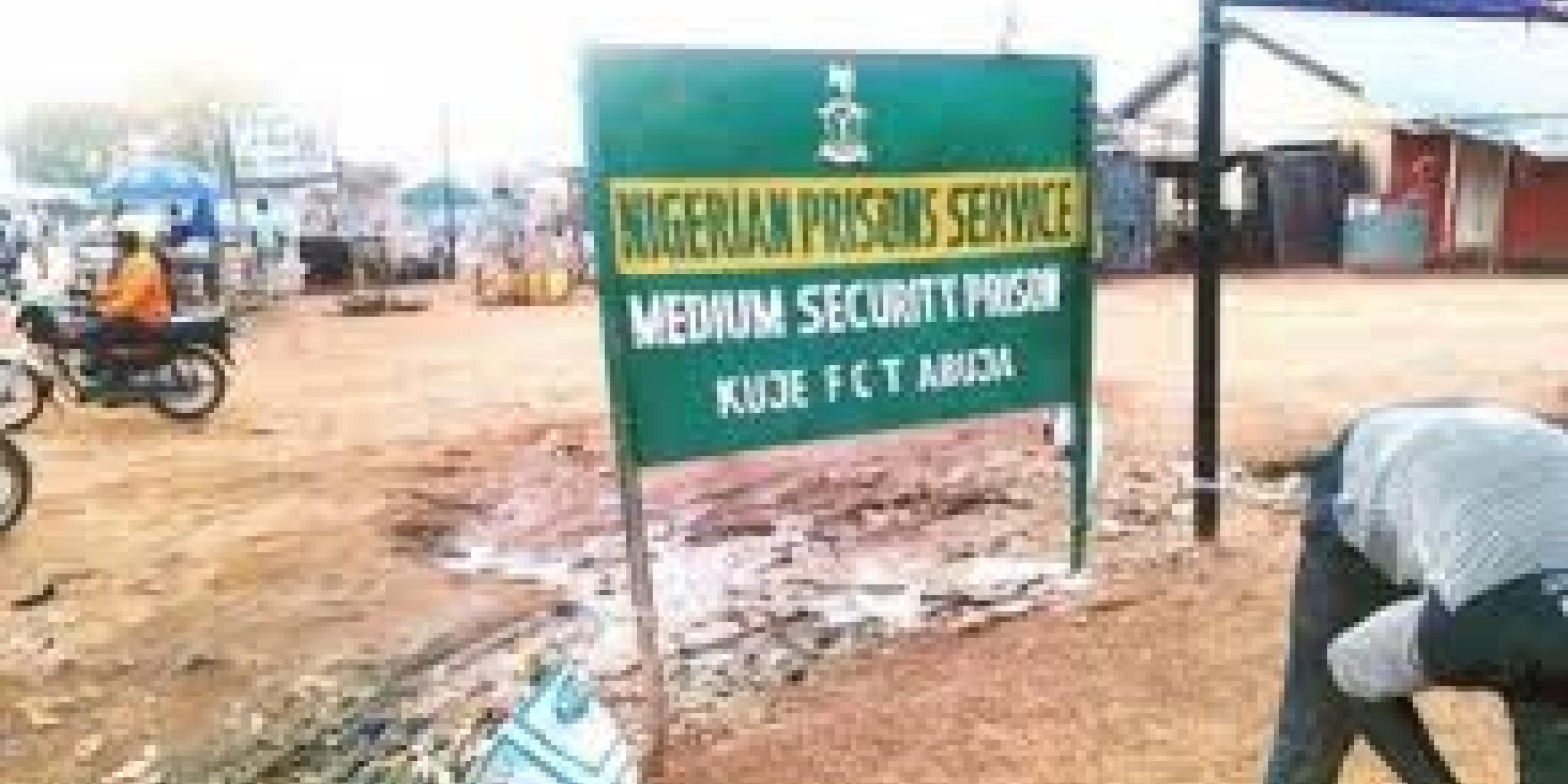
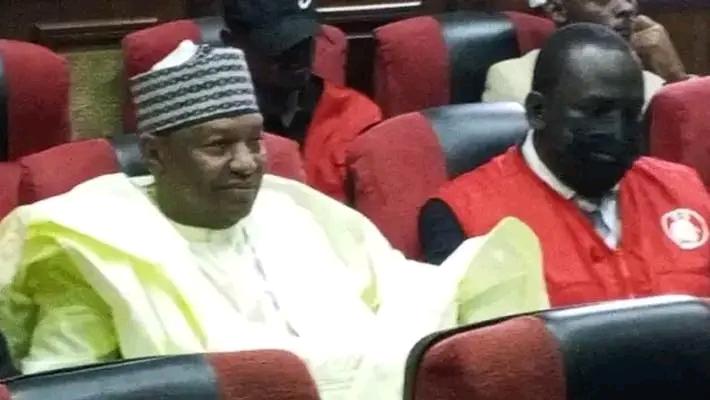
• DSS Rearrests Malami’s Son at Kuje Prison After Alleged Attempt to Sneak Him Out

    Operatives of the Department of State Services (DSS) have rearrested Abdulaziz Malami, son of former Attorney-General Abubakar Malami, at Kuje Correctional Centre, Abuja, after an alleged attempt to quietly move him out despite completed bail papers. Security sources said heightened surveillance was ordered following intelligence reports of irregular release plans. Abdulaziz was intercepted shortly after being handed over by court bailiffs. The incident deepens controversy surrounding the Malami family, who are facing EFCC charges over alleged ₦8.7bn money laundering, with investigations and trial ongoing.

    #Malami
    #DSS
    #NigeriaCorruption
    DSS Rearrests Malami’s Son at Kuje Prison After Alleged Attempt to Sneak Him Out Operatives of the Department of State Services (DSS) have rearrested Abdulaziz Malami, son of former Attorney-General Abubakar Malami, at Kuje Correctional Centre, Abuja, after an alleged attempt to quietly move him out despite completed bail papers. Security sources said heightened surveillance was ordered following intelligence reports of irregular release plans. Abdulaziz was intercepted shortly after being handed over by court bailiffs. The incident deepens controversy surrounding the Malami family, who are facing EFCC charges over alleged ₦8.7bn money laundering, with investigations and trial ongoing. #Malami #DSS #NigeriaCorruption
    love
    1
    · 0 Σχόλια ·0 Μοιράστηκε ·747 Views
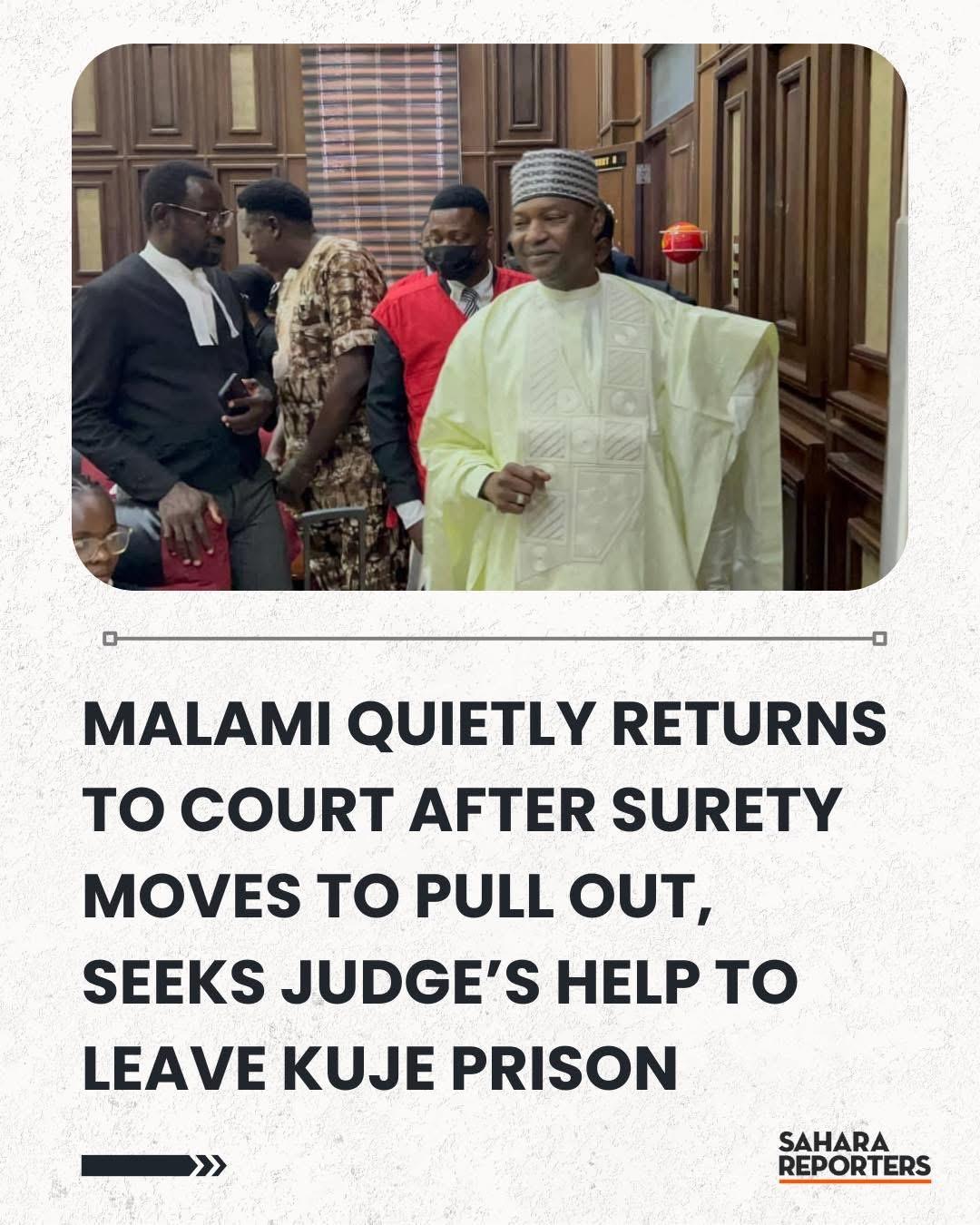
  • EXCLUSIVE: Ex-AGF Malami Quietly Returns To Court After Surety Moves To Pull Out, Seeks Judge’s Help To Leave Kuje Prison
    EXCLUSIVE: Ex-AGF Malami Quietly Returns To Court After Surety Moves To Pull Out, Seeks Judge’s Help To Leave Kuje Prison
    0 Σχόλια ·0 Μοιράστηκε ·349 Views
  • 'Karma at work Malami is in same cell with Nnamdi Kanu brother" - Sowore
    'Karma at work Malami is in same cell with Nnamdi Kanu brother" - Sowore
    love
    1
    · 0 Σχόλια ·0 Μοιράστηκε ·383 Views ·14 Plays
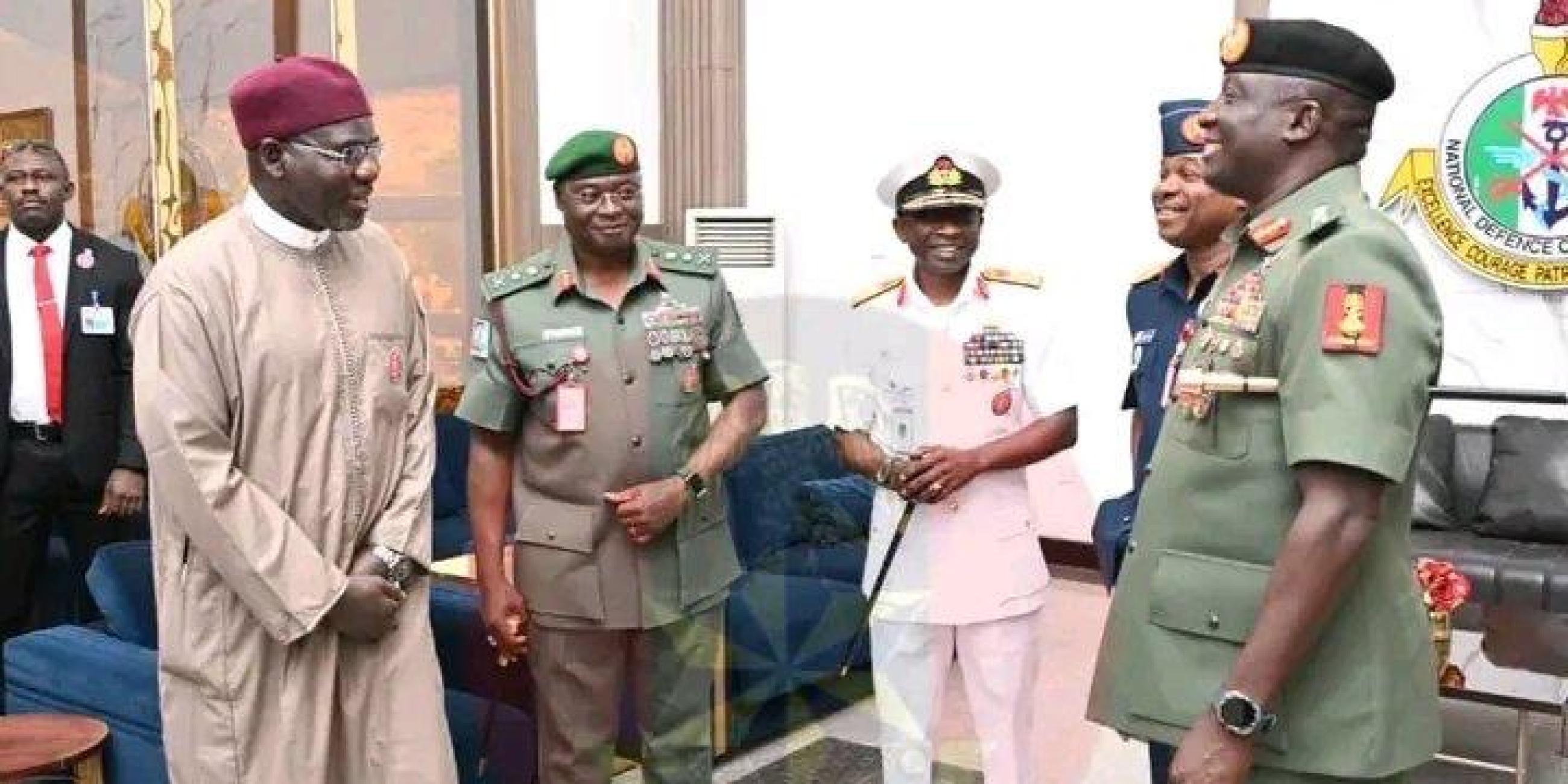
  • Brigadier General Archibong Don Dey Detain Over Links To Retired Gen. Ali-Keffi, Weh Don Blow Buratai Case

    Na serious gbege dey oo! Brig. Gen. Gabriel Archibong don dey held incommunicado for over 10 days by Army. Him family and lawyers no fit see am. Sources yan say e arrest connect with how Archibong dey gist plenty with retired Gen. Ali-Keffi, wey don expose wahala of terrorists finance wey involve Buratai and other top oga dem.

    Ali-Keffi head Operation Service Wide (OSW), wey dey track terrorist financiers, yan say some big suspects wey dem arrest dey linked to Buratai, Emefiele, Malami, and Yahaya. But dem all release under “suspicious circumstances.” Archibong allegedly no dey cooperate with Army, so dem carry am go Army Special Investigation Bureau, seize him laptop and phone, even search him house.

    Military sources dey fear say this fit spoil Archibong career and wellbeing. Dem yan say Buratai dey behind the gbege, dey use Army protect himself, make e no face wahala for his past. Ali-Keffi don sue Army for billions over unlawful detention, torture, and forced retirement. Na serious power play between retired and serving generals dem dey oo!

    Brigadier General Archibong Don Dey Detain Over Links To Retired Gen. Ali-Keffi, Weh Don Blow Buratai Case Na serious gbege dey oo! Brig. Gen. Gabriel Archibong don dey held incommunicado for over 10 days by Army. Him family and lawyers no fit see am. Sources yan say e arrest connect with how Archibong dey gist plenty with retired Gen. Ali-Keffi, wey don expose wahala of terrorists finance wey involve Buratai and other top oga dem. Ali-Keffi head Operation Service Wide (OSW), wey dey track terrorist financiers, yan say some big suspects wey dem arrest dey linked to Buratai, Emefiele, Malami, and Yahaya. But dem all release under “suspicious circumstances.” Archibong allegedly no dey cooperate with Army, so dem carry am go Army Special Investigation Bureau, seize him laptop and phone, even search him house. Military sources dey fear say this fit spoil Archibong career and wellbeing. Dem yan say Buratai dey behind the gbege, dey use Army protect himself, make e no face wahala for his past. Ali-Keffi don sue Army for billions over unlawful detention, torture, and forced retirement. Na serious power play between retired and serving generals dem dey oo!
    like
    1
    · 0 Σχόλια ·0 Μοιράστηκε ·515 Views
  • Wahala Don Set for Judiciary! ‘Mr Justice Steppin’ Razor’ Drama Sparks Outrage Over Judges, Bribes and Malami Case

    Wahala don set for Nigeria judiciary as a fiery opinion by human rights lawyer Chidi Anselm Odinkalu don scatter the internet, exposing what many now call the rise of “Mr Justice Steppin’ Razor” inside Nigerian courts.

    The article, inspired by legendary reggae singer Peter Tosh’s song Steppin’ Razor, takes aim at judges who, instead of quietly doing their jobs, now mount the courtroom like a stage—boasting, threatening and performing toughness while serious allegations of bribery and influence quietly pass without action.

    According to Odinkalu, some judges in Nigeria are beginning to see themselves as untouchable strongmen—“dangerous judges”—who talk tough but refuse to use the powers the law has already given them to deal with corruption.

    The writer recalled how in August 2023, a senior judge, Justice Flora Azinge, publicly complained in court that lawyers had allegedly tried to bribe her with ₦10 million. Rather than naming the culprit, reporting the matter or punishing the offenders, she reportedly chose to issue public warnings and threats—without taking concrete action.

    Fast forward to this past week, and history appears to be repeating itself.

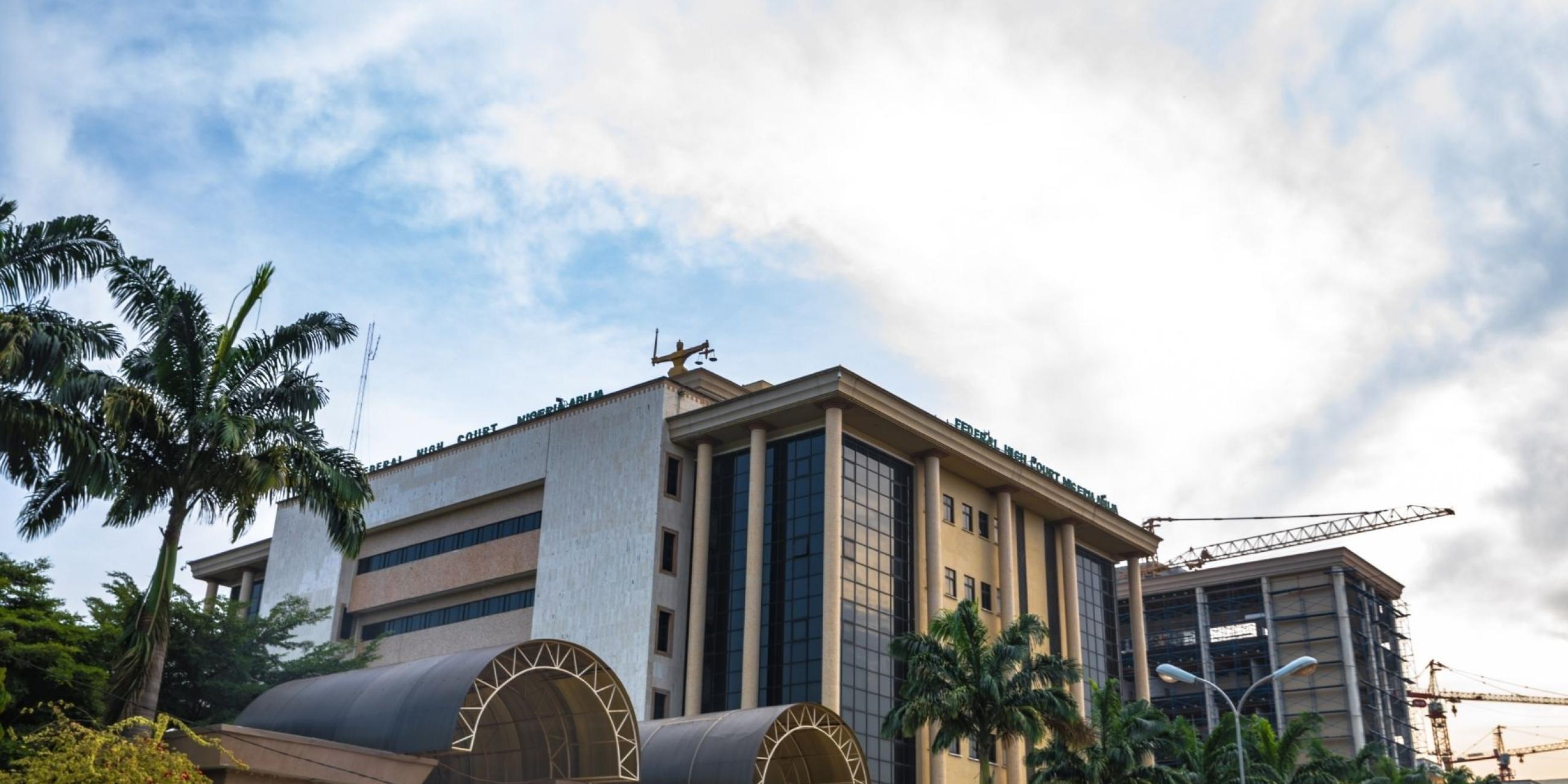
    At the Federal High Court in Abuja, Justice Polycarp Nwite, while ruling on the bail application of former Attorney-General of the Federation, Abubakar Malami, his wife and son over money laundering and corruption charges, reportedly declared himself “dangerous.” He warned lawyers not to approach him or attempt to influence his decisions, insisting that any such move would be “vehemently resisted.”

    But Odinkalu no gree.

    According to him, this kind of courtroom performance is nothing but noise if the judge refuses to take the legal steps available to him. Under Nigerian law and international judicial standards, judges are expected to be independent, impartial and firm. Any attempt to influence a judge is a crime—and there are clear options: report to the police, punish for contempt, refer lawyers for disciplinary action, or openly name and shame the offenders.

    Instead, the author says, some judges prefer drama to discipline.

    “This kind of talk without action,” Odinkalu argues, “does more harm than good. It makes the judiciary look weak, compromised and unserious.” In his words, a judge who complains about being approached but refuses to identify or sanction the culprits is not defending justice—he is advertising that he can be tested again.

    In the Malami case, the judge neither named the lawyers allegedly trying to influence him nor recused himself from the matter. To Odinkalu, that is a serious failure of judicial responsibility.

    For many Nigerians already frustrated with corruption, selective justice and political interference in the courts, this write-up only confirms their worst fears: say judges dey shout ‘I be dangerous’, but when e reach time to act, everywhere just go silent.

    As reactions continue online, one thing is clear—this is not just about one judge or one court case. It is about the credibility of Nigeria’s justice system itself.

    And as Nigerians would say:
    If judges dey fear to act, who go protect justice? Wahala don really set for this country judiciary.
    Wahala Don Set for Judiciary! ‘Mr Justice Steppin’ Razor’ Drama Sparks Outrage Over Judges, Bribes and Malami Case Wahala don set for Nigeria judiciary as a fiery opinion by human rights lawyer Chidi Anselm Odinkalu don scatter the internet, exposing what many now call the rise of “Mr Justice Steppin’ Razor” inside Nigerian courts. The article, inspired by legendary reggae singer Peter Tosh’s song Steppin’ Razor, takes aim at judges who, instead of quietly doing their jobs, now mount the courtroom like a stage—boasting, threatening and performing toughness while serious allegations of bribery and influence quietly pass without action. According to Odinkalu, some judges in Nigeria are beginning to see themselves as untouchable strongmen—“dangerous judges”—who talk tough but refuse to use the powers the law has already given them to deal with corruption. The writer recalled how in August 2023, a senior judge, Justice Flora Azinge, publicly complained in court that lawyers had allegedly tried to bribe her with ₦10 million. Rather than naming the culprit, reporting the matter or punishing the offenders, she reportedly chose to issue public warnings and threats—without taking concrete action. Fast forward to this past week, and history appears to be repeating itself. At the Federal High Court in Abuja, Justice Polycarp Nwite, while ruling on the bail application of former Attorney-General of the Federation, Abubakar Malami, his wife and son over money laundering and corruption charges, reportedly declared himself “dangerous.” He warned lawyers not to approach him or attempt to influence his decisions, insisting that any such move would be “vehemently resisted.” But Odinkalu no gree. According to him, this kind of courtroom performance is nothing but noise if the judge refuses to take the legal steps available to him. Under Nigerian law and international judicial standards, judges are expected to be independent, impartial and firm. Any attempt to influence a judge is a crime—and there are clear options: report to the police, punish for contempt, refer lawyers for disciplinary action, or openly name and shame the offenders. Instead, the author says, some judges prefer drama to discipline. “This kind of talk without action,” Odinkalu argues, “does more harm than good. It makes the judiciary look weak, compromised and unserious.” In his words, a judge who complains about being approached but refuses to identify or sanction the culprits is not defending justice—he is advertising that he can be tested again. In the Malami case, the judge neither named the lawyers allegedly trying to influence him nor recused himself from the matter. To Odinkalu, that is a serious failure of judicial responsibility. For many Nigerians already frustrated with corruption, selective justice and political interference in the courts, this write-up only confirms their worst fears: say judges dey shout ‘I be dangerous’, but when e reach time to act, everywhere just go silent. As reactions continue online, one thing is clear—this is not just about one judge or one court case. It is about the credibility of Nigeria’s justice system itself. And as Nigerians would say: If judges dey fear to act, who go protect justice? Wahala don really set for this country judiciary.
    0 Σχόλια ·0 Μοιράστηκε ·1χλμ. Views
  • Malami Delays Bail as DSS Besiege Kuje Prison Over Terrorism Financing Probe – Inside the High-Stakes Showdown

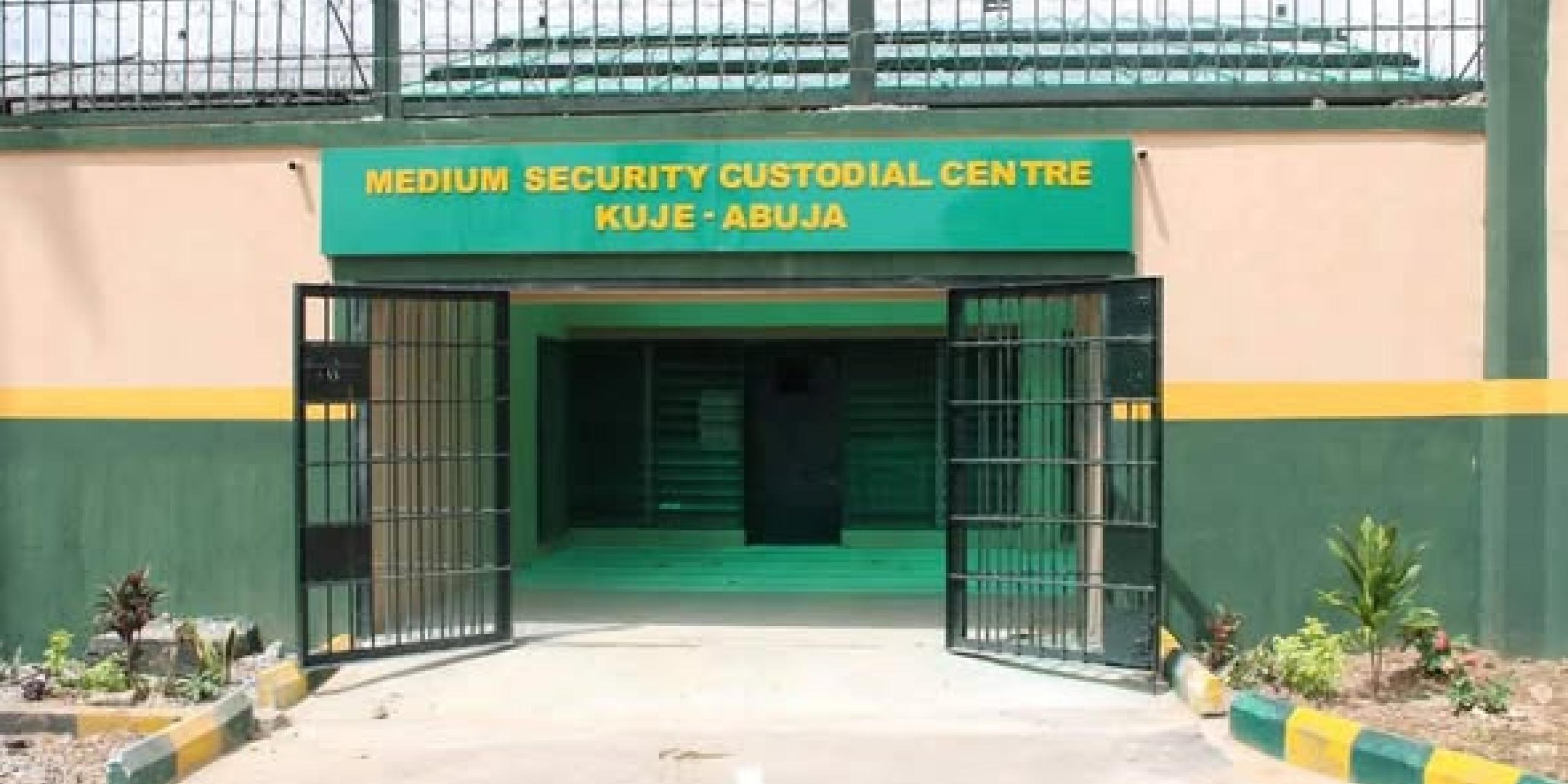
    Former Attorney General of the Federation, Abubakar Malami (SAN), has reportedly slowed the processing of his bail following a heavy deployment of Department of State Services (DSS) operatives at the Kuje Medium Security Custodial Centre (MSCC) in Abuja. Sources indicate that over 50 DSS officers established a perimeter around the prison, arriving in a convoy of approximately six Toyota Hilux vans, amid fears that Malami could be immediately rearrested in connection with an ongoing terrorism financing investigation.

    Malami, who was granted bail by the Federal High Court in Abuja in his N8.7 billion money laundering case, instructed his legal team to delay the release process, remaining in the VIP segregation cell of the prison, a section previously refurbished by former police intelligence chief Abba Kyari and known for housing high-profile detainees. His son, Abubakar Abdulaziz, and fourth wife, Hajia Bashir Asabe, remain at the facility, with Abdulaziz reportedly admitted to the prison clinic for observation after falling ill.

    The EFCC had arraigned Malami, Asabe, and Abdulaziz on a 16-count charge involving conspiracy, laundering, and concealment of unlawful proceeds totaling ₦8,713,923,759.49 under the Money Laundering (Prevention and Prohibition) Act, 2022. While terrorism financing is not part of the formal charges, security sources link ongoing investigations to Malami and other high-profile figures regarding the flow of Abacha loot recovered from Switzerland and the UK.

    Retired Army General Danjuma Ali-Keffi, former head of counter-terrorism Task Force Operation Service Wide (OSW), revealed that investigations into Boko Haram financiers exposed networks allegedly connected to senior military officers, top financial officials, and government figures, including Malami. Ali-Keffi claimed Malami interfered with these investigations by removing key prosecutors and influencing the release of certain suspects, actions that undermined anti-terrorism operations.

    This unfolding situation underscores heightened tensions between Nigerian law enforcement agencies and high-profile figures, highlighting the complex interplay of money laundering, terrorism financing probes, and political influence. Authorities remain on high alert as Malami’s legal maneuvering continues amid nationwide scrutiny of his activities.


    Malami Delays Bail as DSS Besiege Kuje Prison Over Terrorism Financing Probe – Inside the High-Stakes Showdown Former Attorney General of the Federation, Abubakar Malami (SAN), has reportedly slowed the processing of his bail following a heavy deployment of Department of State Services (DSS) operatives at the Kuje Medium Security Custodial Centre (MSCC) in Abuja. Sources indicate that over 50 DSS officers established a perimeter around the prison, arriving in a convoy of approximately six Toyota Hilux vans, amid fears that Malami could be immediately rearrested in connection with an ongoing terrorism financing investigation. Malami, who was granted bail by the Federal High Court in Abuja in his N8.7 billion money laundering case, instructed his legal team to delay the release process, remaining in the VIP segregation cell of the prison, a section previously refurbished by former police intelligence chief Abba Kyari and known for housing high-profile detainees. His son, Abubakar Abdulaziz, and fourth wife, Hajia Bashir Asabe, remain at the facility, with Abdulaziz reportedly admitted to the prison clinic for observation after falling ill. The EFCC had arraigned Malami, Asabe, and Abdulaziz on a 16-count charge involving conspiracy, laundering, and concealment of unlawful proceeds totaling ₦8,713,923,759.49 under the Money Laundering (Prevention and Prohibition) Act, 2022. While terrorism financing is not part of the formal charges, security sources link ongoing investigations to Malami and other high-profile figures regarding the flow of Abacha loot recovered from Switzerland and the UK. Retired Army General Danjuma Ali-Keffi, former head of counter-terrorism Task Force Operation Service Wide (OSW), revealed that investigations into Boko Haram financiers exposed networks allegedly connected to senior military officers, top financial officials, and government figures, including Malami. Ali-Keffi claimed Malami interfered with these investigations by removing key prosecutors and influencing the release of certain suspects, actions that undermined anti-terrorism operations. This unfolding situation underscores heightened tensions between Nigerian law enforcement agencies and high-profile figures, highlighting the complex interplay of money laundering, terrorism financing probes, and political influence. Authorities remain on high alert as Malami’s legal maneuvering continues amid nationwide scrutiny of his activities.
    0 Σχόλια ·0 Μοιράστηκε ·867 Views
  • DSS Deploys 50+ Operatives to Kuje Prison Amid Malami Bail in N8.7B Money Laundering Case

    The Department of State Services (DSS) has deployed more than 50 operatives to the Kuje Medium Security Custodial Centre (MSCC) in Abuja, following the granting of bail to former Attorney General of the Federation (AGF) Abubakar Malami. The deployment, which involved a convoy of six Toyota Hilux vans, reportedly aims to prevent Malami from evading ongoing investigations linked to terrorism financing, despite the Economic and Financial Crimes Commission (EFCC) charging him primarily with money laundering.

    Justice Emeka Nwite of the Federal High Court in Abuja granted Malami bail on Wednesday, January 8, 2026, with conditions including ₦500 million surety bonds, ownership of landed property in highbrow Abuja districts such as Asokoro, Maitama, or Gwarinpa, and deposit of travel documents with the court. Malami, his son Abdulaziz Malami, and his wife Bashir Asabe face a 16-count charge for allegedly laundering ₦8.7 billion. He was barred from leaving the country without prior court approval.

    Sources described a tense atmosphere at Kuje Prison, with DSS operatives taking strategic positions around the facility, monitoring all entries and exits, and enforcing heightened security measures. The intense deployment indicates the sensitive nature of the case and the perceived risks surrounding Malami’s custody.

    Background context reveals that Malami’s legal and financial activities have previously intersected with terrorism financing investigations under Operation Service Wide (OSW), led by retired Army General Danjuma Ali-Keffi. Launched in 2021, OSW sought to dismantle financial networks supporting Boko Haram. The operation identified alleged links between some high-profile Nigerians—including former Army Chiefs Tukur Yusuf Buratai and Faruk Yahaya, former CBN Governor Godwin Emefiele, and Malami—and suspects connected to terrorism financing.

    Ali-Keffi clarified that his revelations did not accuse Malami or others of terrorism financing but highlighted connections identified during investigations. He alleged that Malami interfered with OSW by removing a senior prosecution lawyer who refused to compromise on evidence against 48 terrorism financing suspects, potentially redirecting cases toward money laundering charges under the EFCC’s supervision.

    The DSS deployment at Kuje Prison, combined with strict bail conditions, underscores the high stakes surrounding Malami’s trial. The case exemplifies the intersection of corruption, terrorism financing, and accountability in Nigeria, with multiple agencies maintaining vigilance over proceedings involving senior political and security figures.

    DSS Deploys 50+ Operatives to Kuje Prison Amid Malami Bail in N8.7B Money Laundering Case The Department of State Services (DSS) has deployed more than 50 operatives to the Kuje Medium Security Custodial Centre (MSCC) in Abuja, following the granting of bail to former Attorney General of the Federation (AGF) Abubakar Malami. The deployment, which involved a convoy of six Toyota Hilux vans, reportedly aims to prevent Malami from evading ongoing investigations linked to terrorism financing, despite the Economic and Financial Crimes Commission (EFCC) charging him primarily with money laundering. Justice Emeka Nwite of the Federal High Court in Abuja granted Malami bail on Wednesday, January 8, 2026, with conditions including ₦500 million surety bonds, ownership of landed property in highbrow Abuja districts such as Asokoro, Maitama, or Gwarinpa, and deposit of travel documents with the court. Malami, his son Abdulaziz Malami, and his wife Bashir Asabe face a 16-count charge for allegedly laundering ₦8.7 billion. He was barred from leaving the country without prior court approval. Sources described a tense atmosphere at Kuje Prison, with DSS operatives taking strategic positions around the facility, monitoring all entries and exits, and enforcing heightened security measures. The intense deployment indicates the sensitive nature of the case and the perceived risks surrounding Malami’s custody. Background context reveals that Malami’s legal and financial activities have previously intersected with terrorism financing investigations under Operation Service Wide (OSW), led by retired Army General Danjuma Ali-Keffi. Launched in 2021, OSW sought to dismantle financial networks supporting Boko Haram. The operation identified alleged links between some high-profile Nigerians—including former Army Chiefs Tukur Yusuf Buratai and Faruk Yahaya, former CBN Governor Godwin Emefiele, and Malami—and suspects connected to terrorism financing. Ali-Keffi clarified that his revelations did not accuse Malami or others of terrorism financing but highlighted connections identified during investigations. He alleged that Malami interfered with OSW by removing a senior prosecution lawyer who refused to compromise on evidence against 48 terrorism financing suspects, potentially redirecting cases toward money laundering charges under the EFCC’s supervision. The DSS deployment at Kuje Prison, combined with strict bail conditions, underscores the high stakes surrounding Malami’s trial. The case exemplifies the intersection of corruption, terrorism financing, and accountability in Nigeria, with multiple agencies maintaining vigilance over proceedings involving senior political and security figures.
    0 Σχόλια ·0 Μοιράστηκε ·802 Views
  • DSS Deploys 50+ Operatives to Kuje Prison Amid Abubakar Malami Bail in N8.7B Money Laundering Case

    The Department of State Services (DSS) has deployed over 50 operatives to Kuje Medium Security Custodial Centre (MSCC) in Abuja, placing the prison under heavy security following the bail granted to former Attorney General of the Federation (AGF) Abubakar Malami. The move is reportedly a precautionary measure to ensure Malami does not evade investigations related to terrorism financing, despite the fact that the charges filed by the Economic and Financial Crimes Commission (EFCC) focus on money laundering.

    Malami, currently remanded at Kuje Prison, was granted bail on Wednesday, January 8, 2026, by Justice Emeka Nwite of the Federal High Court in Abuja. Bail conditions include ₦500 million surety bonds, ownership of landed property in highbrow districts such as Asokoro, Maitama, or Gwarinpa, deposit of travel documents, and an absolute ban on leaving Nigeria without prior court permission. The bail hearing was part of a 16-count charge filed against Malami, his son Abdulaziz Malami, and his wife Bashir Asabe, collectively accused of laundering ₦8.7 billion.

    Sources describe a tense atmosphere at Kuje, with DSS operatives stationed strategically, monitoring all entries and exits, using approximately six Toyota Hilux vans to maintain control over the prison perimeter. The deployment highlights the critical nature of the ongoing investigation.

    Background reports indicate that Malami’s legal and financial activities have previously intersected with broader terrorism financing investigations led by retired Nigerian Army General Danjuma Ali-Keffi under Operation Service Wide (OSW). The operation, initiated in 2021, aimed to track financial networks linked to Boko Haram and uncovered alleged links between some high-profile officials—including former Army Chiefs Tukur Yusuf Buratai and Faruk Yahaya, as well as Malami and former CBN Governor Godwin Emefiele—and suspects arrested for terrorism financing.

    Ali-Keffi clarified that he was not accusing these officials of terrorism financing but stated that investigations revealed connections between them and some suspects. He also alleged that Malami had interfered with the OSW investigation by removing a senior prosecution lawyer who had resisted compromises on cases involving 48 terrorism financing suspects.

    The DSS deployment, combined with the stringent bail conditions, reflects the high stakes and sensitivity surrounding Malami’s ongoing trial and the broader investigations into the alleged misuse of funds tied to insurgent activities.

    The unfolding situation has drawn attention to the intersection of high-level corruption, terrorism financing, and law enforcement accountability in Nigeria, signaling the continued involvement of multiple agencies in overseeing cases with national security implications.
    DSS Deploys 50+ Operatives to Kuje Prison Amid Abubakar Malami Bail in N8.7B Money Laundering Case The Department of State Services (DSS) has deployed over 50 operatives to Kuje Medium Security Custodial Centre (MSCC) in Abuja, placing the prison under heavy security following the bail granted to former Attorney General of the Federation (AGF) Abubakar Malami. The move is reportedly a precautionary measure to ensure Malami does not evade investigations related to terrorism financing, despite the fact that the charges filed by the Economic and Financial Crimes Commission (EFCC) focus on money laundering. Malami, currently remanded at Kuje Prison, was granted bail on Wednesday, January 8, 2026, by Justice Emeka Nwite of the Federal High Court in Abuja. Bail conditions include ₦500 million surety bonds, ownership of landed property in highbrow districts such as Asokoro, Maitama, or Gwarinpa, deposit of travel documents, and an absolute ban on leaving Nigeria without prior court permission. The bail hearing was part of a 16-count charge filed against Malami, his son Abdulaziz Malami, and his wife Bashir Asabe, collectively accused of laundering ₦8.7 billion. Sources describe a tense atmosphere at Kuje, with DSS operatives stationed strategically, monitoring all entries and exits, using approximately six Toyota Hilux vans to maintain control over the prison perimeter. The deployment highlights the critical nature of the ongoing investigation. Background reports indicate that Malami’s legal and financial activities have previously intersected with broader terrorism financing investigations led by retired Nigerian Army General Danjuma Ali-Keffi under Operation Service Wide (OSW). The operation, initiated in 2021, aimed to track financial networks linked to Boko Haram and uncovered alleged links between some high-profile officials—including former Army Chiefs Tukur Yusuf Buratai and Faruk Yahaya, as well as Malami and former CBN Governor Godwin Emefiele—and suspects arrested for terrorism financing. Ali-Keffi clarified that he was not accusing these officials of terrorism financing but stated that investigations revealed connections between them and some suspects. He also alleged that Malami had interfered with the OSW investigation by removing a senior prosecution lawyer who had resisted compromises on cases involving 48 terrorism financing suspects. The DSS deployment, combined with the stringent bail conditions, reflects the high stakes and sensitivity surrounding Malami’s ongoing trial and the broader investigations into the alleged misuse of funds tied to insurgent activities. The unfolding situation has drawn attention to the intersection of high-level corruption, terrorism financing, and law enforcement accountability in Nigeria, signaling the continued involvement of multiple agencies in overseeing cases with national security implications.
    0 Σχόλια ·0 Μοιράστηκε ·933 Views
  • Did Anyone Try to Bribe the Judge in Malami’s ₦8.7 Billion Money Laundering Trial? Why the Former AGF Is Denying Influence Claims, Accusing EFCC of a ‘Media Trial,’ and Insisting on Judicial Integrity

    Did anyone attempt to bribe or improperly influence the judge handling Abubakar Malami’s high-profile ₦8.7 billion money laundering case? Why did the former Attorney-General of the Federation feel compelled to issue a public denial? And is the Economic and Financial Crimes Commission (EFCC) conducting a legitimate prosecution—or, as Malami claims, waging a “media trial” aimed at damaging his reputation?

    Following a Federal High Court ruling in Maitama, Abuja, which granted bail to Malami, his wife, and their son, reports circulated suggesting that the presiding judge, Justice Emeka Nwite, had raised concerns about attempts to compromise the court. In response, Malami strongly rejected any insinuation that he—or anyone acting on his behalf—sought to influence the judge in any form.

    In a statement signed by his media aide, Mohammed Bello Doka, Malami described the allegation as “mischievous, false, and deliberately misleading.” He categorically stated that no member of his legal team, family, or associates approached or contemplated approaching the court for any favour. Any suggestion otherwise, he said, was reckless and intended to tarnish his public image.

    But what exactly did the judge say? According to Malami, Justice Nwite’s remarks were a routine judicial warning delivered to all counsel and litigants appearing before the court—not a statement directed at him or his co-defendants. He noted that the judge is known for consistently cautioning lawyers against any attempt to contact him outside formal proceedings, as part of his commitment to judicial probity.

    Why then did the controversy erupt? Malami accused the EFCC of “weaponising” a standard courtroom admonition and presenting it to the public as evidence of attempted interference. He argued that this narrative was crafted to prejudice public opinion and undermine due process rather than allow the case to be determined strictly on evidence.

    “The proper place to prove allegations is in the courtroom, not in the media,” Malami said, reiterating that neither he nor his family had offered any bribe or sought any special treatment. He maintained that he respects the sanctity of the judiciary, emphasising both his status as a Senior Advocate of Nigeria and his past role as the nation’s chief law officer.

    What is at stake? The case involves serious allegations of money laundering running into billions of naira against Malami, his wife, Hajia Bashir Asabe, and their son, Abubakar Abdulaziz Malami. During proceedings, Justice Nwite openly warned all parties not to attempt any personal approaches, stressing that legal representation—not backdoor contacts—is the only acceptable means of advocacy before his court.

    As the trial continues, a critical question remains for Nigerians: is this a straightforward judicial caution being misrepresented for headlines, or does the dispute reflect a deeper battle between a former top legal official and the country’s anti-graft agency over credibility, due process, and public perception?
    Did Anyone Try to Bribe the Judge in Malami’s ₦8.7 Billion Money Laundering Trial? Why the Former AGF Is Denying Influence Claims, Accusing EFCC of a ‘Media Trial,’ and Insisting on Judicial Integrity Did anyone attempt to bribe or improperly influence the judge handling Abubakar Malami’s high-profile ₦8.7 billion money laundering case? Why did the former Attorney-General of the Federation feel compelled to issue a public denial? And is the Economic and Financial Crimes Commission (EFCC) conducting a legitimate prosecution—or, as Malami claims, waging a “media trial” aimed at damaging his reputation? Following a Federal High Court ruling in Maitama, Abuja, which granted bail to Malami, his wife, and their son, reports circulated suggesting that the presiding judge, Justice Emeka Nwite, had raised concerns about attempts to compromise the court. In response, Malami strongly rejected any insinuation that he—or anyone acting on his behalf—sought to influence the judge in any form. In a statement signed by his media aide, Mohammed Bello Doka, Malami described the allegation as “mischievous, false, and deliberately misleading.” He categorically stated that no member of his legal team, family, or associates approached or contemplated approaching the court for any favour. Any suggestion otherwise, he said, was reckless and intended to tarnish his public image. But what exactly did the judge say? According to Malami, Justice Nwite’s remarks were a routine judicial warning delivered to all counsel and litigants appearing before the court—not a statement directed at him or his co-defendants. He noted that the judge is known for consistently cautioning lawyers against any attempt to contact him outside formal proceedings, as part of his commitment to judicial probity. Why then did the controversy erupt? Malami accused the EFCC of “weaponising” a standard courtroom admonition and presenting it to the public as evidence of attempted interference. He argued that this narrative was crafted to prejudice public opinion and undermine due process rather than allow the case to be determined strictly on evidence. “The proper place to prove allegations is in the courtroom, not in the media,” Malami said, reiterating that neither he nor his family had offered any bribe or sought any special treatment. He maintained that he respects the sanctity of the judiciary, emphasising both his status as a Senior Advocate of Nigeria and his past role as the nation’s chief law officer. What is at stake? The case involves serious allegations of money laundering running into billions of naira against Malami, his wife, Hajia Bashir Asabe, and their son, Abubakar Abdulaziz Malami. During proceedings, Justice Nwite openly warned all parties not to attempt any personal approaches, stressing that legal representation—not backdoor contacts—is the only acceptable means of advocacy before his court. As the trial continues, a critical question remains for Nigerians: is this a straightforward judicial caution being misrepresented for headlines, or does the dispute reflect a deeper battle between a former top legal official and the country’s anti-graft agency over credibility, due process, and public perception?
    0 Σχόλια ·0 Μοιράστηκε ·591 Views
  • How Did Ex-AGF Abubakar Malami, His Sons Amass 57 Luxury Homes, Hotels, University Assets Worth ₦213 Billion? Inside the EFCC Money Laundering Case, Court Forfeiture Order, and Full Property List Shaking Nigeria

    How did a former Attorney-General of the Federation and Minister of Justice allegedly acquire 57 high-value properties across Abuja, Kebbi, Kano, and Kaduna? What explains the sudden emergence of luxury hotels, vast landed estates, factories, schools, filling stations, shopping complexes, and an entire private university tied to Abubakar Malami (SAN) and his two sons? And why has a Federal High Court now ordered the interim forfeiture of assets valued at a staggering ₦213.2 billion?

    In a dramatic legal move that has reignited national debate on corruption and elite wealth in Nigeria, Justice Emeka Nwite of the Federal High Court, Abuja, granted an ex-parte application filed by the Economic and Financial Crimes Commission (EFCC), authorising the temporary seizure of 57 properties allegedly linked to Malami and his sons, Abdulaziz and Abiru-Rahman. The court ruled that the assets are reasonably suspected to be proceeds of unlawful activity and should be preserved pending full investigation and trial.

    What exactly did investigators uncover? The forfeited properties include luxury duplexes in Maitama and Asokoro, high-end hotels in Abuja and Kano, shopping malls, warehouses, petrol stations, plazas, and sprawling estates across Kebbi State. Among the most striking assets are massive institutional holdings under the “Rayhaan” brand: Rayhaan University with multiple sites reportedly worth tens of billions of naira, agro-allied factories with heavy machinery, staff quarters, mosques, media outlets, model academies, and large commercial hubs such as Azbir Arena and Zeennoor Hotel in Kano.

    Why are these properties raising alarm? According to the EFCC, the scale, speed, and structure of the acquisitions—many made while Malami served as Nigeria’s chief law officer—point to potential money laundering and abuse of office. Several assets were allegedly purchased at relatively low values and later upgraded into multi-billion-naira developments. Others are held through foundations, companies, and educational or religious fronts, prompting questions about whether public office was leveraged to build a vast private empire.

    What happens next? The interim forfeiture does not yet mean permanent confiscation. The court has ordered that the assets be preserved while legal proceedings continue. Interested parties may be invited to show cause why the properties should not be finally forfeited to the Federal Government. Meanwhile, civil society groups and anti-corruption advocates are asking: will this case mark a turning point in Nigeria’s fight against high-level corruption, or will it join the long list of stalled elite prosecutions?

    As Nigerians digest the full list of 57 properties—ranging from luxury residences and hotels to universities, factories, schools, filling stations, and commercial plazas—the central question remains: how did a public official and his immediate family come to control assets worth over ₦213 billion, and will the courts finally provide answers that restore public trust?

    How Did Ex-AGF Abubakar Malami, His Sons Amass 57 Luxury Homes, Hotels, University Assets Worth ₦213 Billion? Inside the EFCC Money Laundering Case, Court Forfeiture Order, and Full Property List Shaking Nigeria How did a former Attorney-General of the Federation and Minister of Justice allegedly acquire 57 high-value properties across Abuja, Kebbi, Kano, and Kaduna? What explains the sudden emergence of luxury hotels, vast landed estates, factories, schools, filling stations, shopping complexes, and an entire private university tied to Abubakar Malami (SAN) and his two sons? And why has a Federal High Court now ordered the interim forfeiture of assets valued at a staggering ₦213.2 billion? In a dramatic legal move that has reignited national debate on corruption and elite wealth in Nigeria, Justice Emeka Nwite of the Federal High Court, Abuja, granted an ex-parte application filed by the Economic and Financial Crimes Commission (EFCC), authorising the temporary seizure of 57 properties allegedly linked to Malami and his sons, Abdulaziz and Abiru-Rahman. The court ruled that the assets are reasonably suspected to be proceeds of unlawful activity and should be preserved pending full investigation and trial. What exactly did investigators uncover? The forfeited properties include luxury duplexes in Maitama and Asokoro, high-end hotels in Abuja and Kano, shopping malls, warehouses, petrol stations, plazas, and sprawling estates across Kebbi State. Among the most striking assets are massive institutional holdings under the “Rayhaan” brand: Rayhaan University with multiple sites reportedly worth tens of billions of naira, agro-allied factories with heavy machinery, staff quarters, mosques, media outlets, model academies, and large commercial hubs such as Azbir Arena and Zeennoor Hotel in Kano. Why are these properties raising alarm? According to the EFCC, the scale, speed, and structure of the acquisitions—many made while Malami served as Nigeria’s chief law officer—point to potential money laundering and abuse of office. Several assets were allegedly purchased at relatively low values and later upgraded into multi-billion-naira developments. Others are held through foundations, companies, and educational or religious fronts, prompting questions about whether public office was leveraged to build a vast private empire. What happens next? The interim forfeiture does not yet mean permanent confiscation. The court has ordered that the assets be preserved while legal proceedings continue. Interested parties may be invited to show cause why the properties should not be finally forfeited to the Federal Government. Meanwhile, civil society groups and anti-corruption advocates are asking: will this case mark a turning point in Nigeria’s fight against high-level corruption, or will it join the long list of stalled elite prosecutions? As Nigerians digest the full list of 57 properties—ranging from luxury residences and hotels to universities, factories, schools, filling stations, and commercial plazas—the central question remains: how did a public official and his immediate family come to control assets worth over ₦213 billion, and will the courts finally provide answers that restore public trust?
    0 Σχόλια ·0 Μοιράστηκε ·757 Views
  • EFCC Lawyer Okutepa Urges Sanctions After Alleged Attempts to Influence Malami Money Laundering Trial
    January 7, 2026 – Abuja, Nigeria

    Senior Advocate of Nigeria (SAN) Jibrin Samuel Okutepa, lead prosecuting counsel for the EFCC, has called for decisive sanctions—including “naming and shaming”—against any lawyer or litigant who attempts to improperly influence judges.

    The call follows Federal High Court Justice Emeka Nwite’s revelation that he had been privately approached to compromise proceedings in the ongoing N8.7 billion money laundering case involving former Attorney-General of the Federation Abubakar Malami (SAN), his wife Hajia Bashir Asabe, and their son Abubakar Abdulaziz.

    Okutepa emphasized:

    Ethical conduct must be upheld by all legal practitioners.

    Judicial officers should arrest anyone attempting to gain favors improperly.

    Such misconduct threatens the integrity of Nigeria’s justice system.


    Case Overview:

    The defendants face 16-count charges of money laundering between 2015–2025.

    Allegations include using multiple bank accounts and property acquisitions across Abuja, Kano, and Kebbi to conceal the origin of funds.

    One count alleges the family directed Metropolitan Auto Tech Ltd to conceal over ₦1 billion in a Sterling Bank account.

    57 properties have been placed under interim forfeiture pending trial.

    Malami has consistently denied the allegations and was granted ₦500 million bail.

    Trial is set to commence February 17, 2026.


    The situation has sparked widespread calls within the legal community for the Legal Practitioners Disciplinary Committee (LPDC) to investigate and sanction any lawyer found culpable. Social media reactions highlight concerns about the potential politicization of high-profile corruption trials.

    EFCC Lawyer Okutepa Urges Sanctions After Alleged Attempts to Influence Malami Money Laundering Trial January 7, 2026 – Abuja, Nigeria Senior Advocate of Nigeria (SAN) Jibrin Samuel Okutepa, lead prosecuting counsel for the EFCC, has called for decisive sanctions—including “naming and shaming”—against any lawyer or litigant who attempts to improperly influence judges. The call follows Federal High Court Justice Emeka Nwite’s revelation that he had been privately approached to compromise proceedings in the ongoing N8.7 billion money laundering case involving former Attorney-General of the Federation Abubakar Malami (SAN), his wife Hajia Bashir Asabe, and their son Abubakar Abdulaziz. Okutepa emphasized: Ethical conduct must be upheld by all legal practitioners. Judicial officers should arrest anyone attempting to gain favors improperly. Such misconduct threatens the integrity of Nigeria’s justice system. Case Overview: The defendants face 16-count charges of money laundering between 2015–2025. Allegations include using multiple bank accounts and property acquisitions across Abuja, Kano, and Kebbi to conceal the origin of funds. One count alleges the family directed Metropolitan Auto Tech Ltd to conceal over ₦1 billion in a Sterling Bank account. 57 properties have been placed under interim forfeiture pending trial. Malami has consistently denied the allegations and was granted ₦500 million bail. Trial is set to commence February 17, 2026. The situation has sparked widespread calls within the legal community for the Legal Practitioners Disciplinary Committee (LPDC) to investigate and sanction any lawyer found culpable. Social media reactions highlight concerns about the potential politicization of high-profile corruption trials.
    0 Σχόλια ·0 Μοιράστηκε ·498 Views
  • BREAKING: Abuja Court Orders Interim Forfeiture of 57 Properties Linked to Former AGF Malami
    January 7, 2026 – Legal / Nigeria

    The Federal High Court in Abuja has ordered the interim forfeiture of 57 properties linked to former Attorney-General of the Federation, Abubakar Malami, SAN, following an ex-parte application by the EFCC.

    Justice Emeka Nwite granted the order, temporarily vesting control of the multi-billion-naira real estate assets in the Federal Government. The properties, spread across Abuja, Kebbi, Kano, and Kaduna, include luxury hotels, duplexes, plazas, warehouses, shopping units, and residential estates.

    The EFCC suspects these assets are proceeds of unlawful activities carried out between 2015 and 2025 during Malami’s tenure as AGF. The court has directed that the forfeiture order be published in a national newspaper to allow third parties to contest the action within 14 days.

    This interim forfeiture is linked to ongoing criminal proceedings against Malami, his wife, and son, who face a N8.7 billion money laundering charge. The EFCC alleges that they used bank accounts and extensive property acquisitions to conceal illicit funds.

    Malami has denied any wrongdoing and was granted N500 million bail.

    BREAKING: Abuja Court Orders Interim Forfeiture of 57 Properties Linked to Former AGF Malami January 7, 2026 – Legal / Nigeria The Federal High Court in Abuja has ordered the interim forfeiture of 57 properties linked to former Attorney-General of the Federation, Abubakar Malami, SAN, following an ex-parte application by the EFCC. Justice Emeka Nwite granted the order, temporarily vesting control of the multi-billion-naira real estate assets in the Federal Government. The properties, spread across Abuja, Kebbi, Kano, and Kaduna, include luxury hotels, duplexes, plazas, warehouses, shopping units, and residential estates. The EFCC suspects these assets are proceeds of unlawful activities carried out between 2015 and 2025 during Malami’s tenure as AGF. The court has directed that the forfeiture order be published in a national newspaper to allow third parties to contest the action within 14 days. This interim forfeiture is linked to ongoing criminal proceedings against Malami, his wife, and son, who face a N8.7 billion money laundering charge. The EFCC alleges that they used bank accounts and extensive property acquisitions to conceal illicit funds. Malami has denied any wrongdoing and was granted N500 million bail.
    0 Σχόλια ·0 Μοιράστηκε ·704 Views
  • Don’t Approach Me To Bend The Law Judge Warns Lawyers In Ex-AGF Malami’s ₦8.7Billion Money Laundering Trial
    January 7, 2026 – Abuja

    Justice Emeka Nwite of the Federal High Court, Maitama, Abuja, issued a stern warning to lawyers and litigants involved in the high-profile trial of former Attorney General of the Federation (AGF) and Minister of Justice, Abubakar Malami, SAN, his wife Hajia Bashir Asabe, and their son, Abubakar Abdulaziz Malami. The case, instituted by the Economic and Financial Crimes Commission (EFCC), concerns alleged money laundering involving over ₦8.7 billion.

    Justice Nwite cautioned that any attempt to approach him for personal favours or undue influence would be resisted. “All judges are not the same. Irrespective of my familiarity with you, when I am dealing with any case, do not approach me. The law cannot be bent as far as this court is concerned,” he said, stressing that proper legal representation, not backdoor contacts, is the legitimate way for lawyers to serve clients. He further warned that attempts to compromise the court’s integrity or tarnish his name would be firmly dealt with, emphasizing, “I warned, I warned, and I warned!”

    The EFCC accused Malami, his wife, and son of conspiring to procure, disguise, conceal, and launder proceeds of unlawful activities, contrary to the Money Laundering (Prevention and Prohibition) Act, 2022. They face a 16-count charge involving conspiracy and multiple forms of money laundering.

    Among the allegations, the EFCC claimed that between July 2022 and June 2025, Malami and his son used Metropolitan Auto Tech Limited to conceal ₦1,014,848,500 lodged in a Sterling Bank account, funds allegedly known to be proceeds of unlawful activities. Another charge alleges that the trio conspired in September 2024 to disguise the origin of ₦1,049,173,926.13 paid through the Union Bank account of Meethaq Hotels Limited, Jabi. The agency also alleged that Malami and his son indirectly controlled ₦1,362,887,872.96 paid into the same company’s Union Bank savings account between November 2022 and October 2025.

    Earlier, Justice Nwite granted the defendants bail of ₦500 million each, with two sureties each. The sureties were required to submit affidavits of means.

    This trial has drawn attention not only because of the substantial sums involved but also due to Malami’s prominent former position as AGF and Minister of Justice, which amplified public scrutiny over corruption and the integrity of Nigeria’s judicial processes. Observers note the judge’s firm admonition reflects ongoing efforts to maintain judicial independence and prevent interference in politically sensitive cases.

    Malami’s legal team is expected to proceed with formal defense submissions while adhering strictly to court procedure. The EFCC, meanwhile, continues its investigation into the flow and management of the alleged laundered funds, signaling a prolonged and closely monitored trial. The outcome is likely to influence public discourse on accountability for top government officials, money laundering enforcement, and the integrity of Nigeria’s anti-graft agencies.
    Don’t Approach Me To Bend The Law Judge Warns Lawyers In Ex-AGF Malami’s ₦8.7Billion Money Laundering Trial January 7, 2026 – Abuja Justice Emeka Nwite of the Federal High Court, Maitama, Abuja, issued a stern warning to lawyers and litigants involved in the high-profile trial of former Attorney General of the Federation (AGF) and Minister of Justice, Abubakar Malami, SAN, his wife Hajia Bashir Asabe, and their son, Abubakar Abdulaziz Malami. The case, instituted by the Economic and Financial Crimes Commission (EFCC), concerns alleged money laundering involving over ₦8.7 billion. Justice Nwite cautioned that any attempt to approach him for personal favours or undue influence would be resisted. “All judges are not the same. Irrespective of my familiarity with you, when I am dealing with any case, do not approach me. The law cannot be bent as far as this court is concerned,” he said, stressing that proper legal representation, not backdoor contacts, is the legitimate way for lawyers to serve clients. He further warned that attempts to compromise the court’s integrity or tarnish his name would be firmly dealt with, emphasizing, “I warned, I warned, and I warned!” The EFCC accused Malami, his wife, and son of conspiring to procure, disguise, conceal, and launder proceeds of unlawful activities, contrary to the Money Laundering (Prevention and Prohibition) Act, 2022. They face a 16-count charge involving conspiracy and multiple forms of money laundering. Among the allegations, the EFCC claimed that between July 2022 and June 2025, Malami and his son used Metropolitan Auto Tech Limited to conceal ₦1,014,848,500 lodged in a Sterling Bank account, funds allegedly known to be proceeds of unlawful activities. Another charge alleges that the trio conspired in September 2024 to disguise the origin of ₦1,049,173,926.13 paid through the Union Bank account of Meethaq Hotels Limited, Jabi. The agency also alleged that Malami and his son indirectly controlled ₦1,362,887,872.96 paid into the same company’s Union Bank savings account between November 2022 and October 2025. Earlier, Justice Nwite granted the defendants bail of ₦500 million each, with two sureties each. The sureties were required to submit affidavits of means. This trial has drawn attention not only because of the substantial sums involved but also due to Malami’s prominent former position as AGF and Minister of Justice, which amplified public scrutiny over corruption and the integrity of Nigeria’s judicial processes. Observers note the judge’s firm admonition reflects ongoing efforts to maintain judicial independence and prevent interference in politically sensitive cases. Malami’s legal team is expected to proceed with formal defense submissions while adhering strictly to court procedure. The EFCC, meanwhile, continues its investigation into the flow and management of the alleged laundered funds, signaling a prolonged and closely monitored trial. The outcome is likely to influence public discourse on accountability for top government officials, money laundering enforcement, and the integrity of Nigeria’s anti-graft agencies.
    0 Σχόλια ·0 Μοιράστηκε ·553 Views
  • Why Was Former AGF Malami Granted ₦500m Bail? Is Justice Really Blind in Nigeria?”

    In a dramatic development, Justice Emeka Nwite of the Federal High Court in Abuja has granted ₦500 million bail to former Attorney General of the Federation, Abubakar Malami, along with his wife, Bashir Asabe, and son, Abdulaziz Malami. The court imposed strict conditions: the sureties must own property in highbrow Abuja districts such as Asokoro, Maitama, or Gwarinpa, and travel documents must be deposited and verified.
    Malami, currently remanded at the Kuje Correctional Centre, faces 16-count charges from the EFCC over alleged money laundering of ₦8.7 billion. Despite the seriousness of the allegations, the court allowed bail with stringent financial and procedural guarantees, while barring Malami from leaving the country without prior court approval.
    The case raises critical questions about accountability, fairness, and public perception of justice in Nigeria. Critics may ask: Why are high-profile defendants often granted huge bail while ordinary citizens face harsher restrictions? Does wealth and influence tilt the scales of justice? How does this decision impact public confidence in anti-corruption efforts?
    Fintter readers, we want your opinion: Is this bail a sign that the judicial system works fairly, or does it highlight systemic privilege? Should Nigeria reform bail and pre-trial policies to ensure equality before the law? Share your thoughts in the comments and join the conversation.
    Why Was Former AGF Malami Granted ₦500m Bail? Is Justice Really Blind in Nigeria?” In a dramatic development, Justice Emeka Nwite of the Federal High Court in Abuja has granted ₦500 million bail to former Attorney General of the Federation, Abubakar Malami, along with his wife, Bashir Asabe, and son, Abdulaziz Malami. The court imposed strict conditions: the sureties must own property in highbrow Abuja districts such as Asokoro, Maitama, or Gwarinpa, and travel documents must be deposited and verified. Malami, currently remanded at the Kuje Correctional Centre, faces 16-count charges from the EFCC over alleged money laundering of ₦8.7 billion. Despite the seriousness of the allegations, the court allowed bail with stringent financial and procedural guarantees, while barring Malami from leaving the country without prior court approval. The case raises critical questions about accountability, fairness, and public perception of justice in Nigeria. Critics may ask: Why are high-profile defendants often granted huge bail while ordinary citizens face harsher restrictions? Does wealth and influence tilt the scales of justice? How does this decision impact public confidence in anti-corruption efforts? Fintter readers, we want your opinion: Is this bail a sign that the judicial system works fairly, or does it highlight systemic privilege? Should Nigeria reform bail and pre-trial policies to ensure equality before the law? Share your thoughts in the comments and join the conversation.
    like
    1
    · 0 Σχόλια ·0 Μοιράστηκε ·473 Views
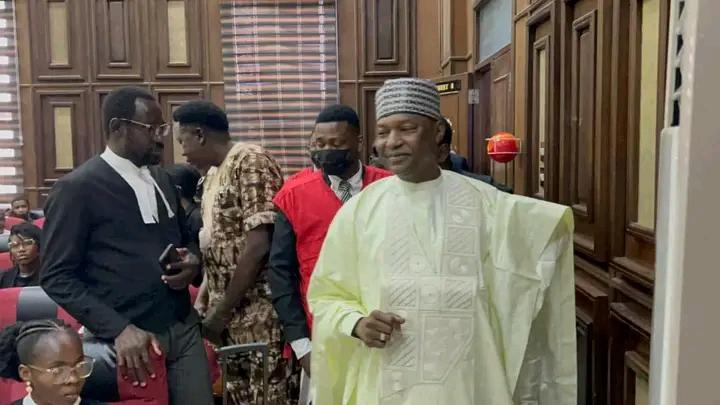
  • Court grants former Attorney General of the Federation and Minister of Justice, Abubakar Malami and two others bail.
    Court grants former Attorney General of the Federation and Minister of Justice, Abubakar Malami and two others bail.
    0 Σχόλια ·0 Μοιράστηκε ·259 Views
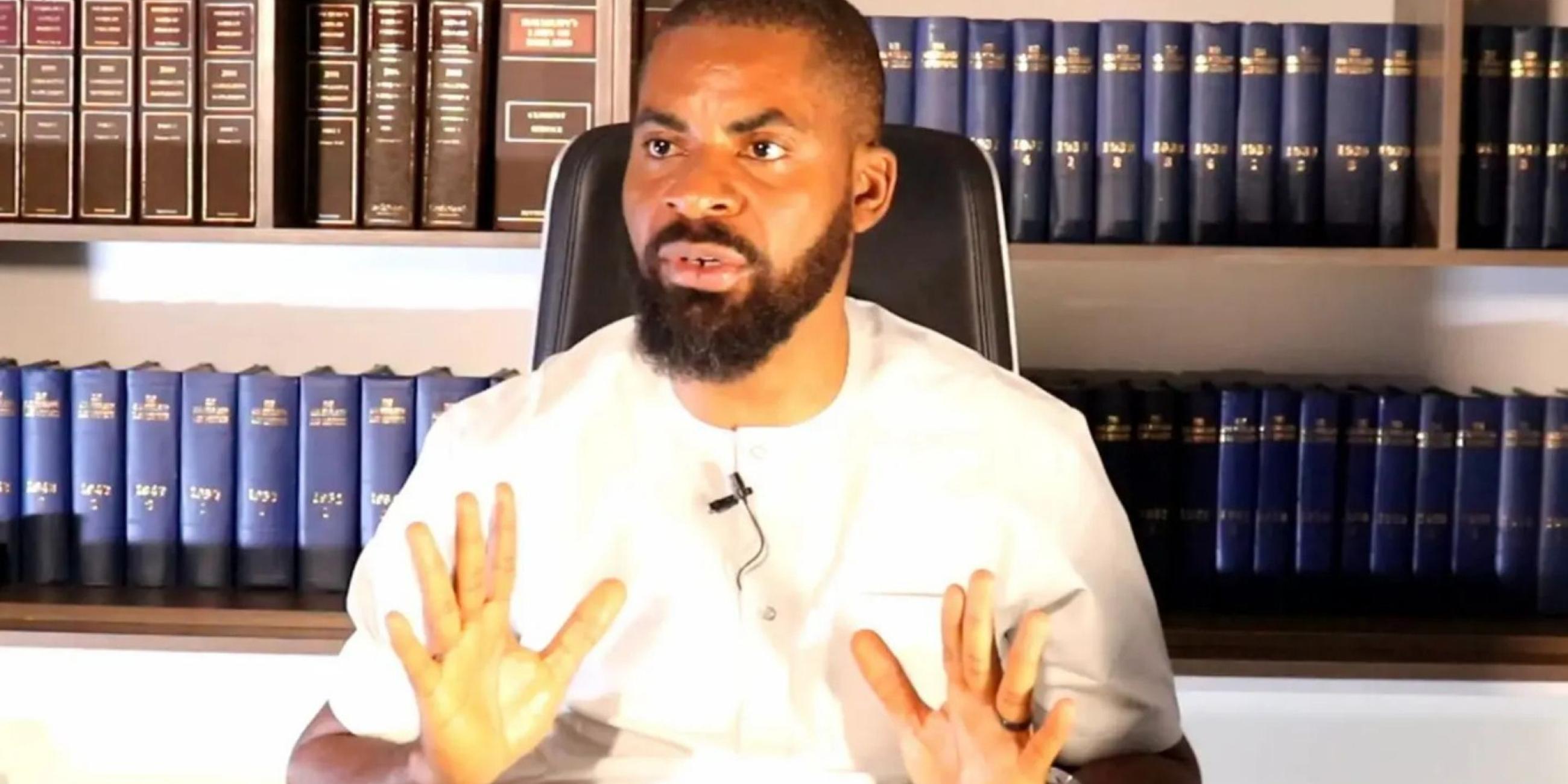
  • Lawyer Deji Adeyanju Blasts Former AGF Abubakar Malami for Flouting Court Orders, Warns Against Arrogance in Power

    Nigerian human rights lawyer, Deji Adeyanju, has criticized former Attorney General of the Federation (AGF) and Minister of Justice, Abubakar Malami (SAN), accusing him of repeatedly disobeying court orders while holding office. Adeyanju described Malami’s actions as shameful and dangerous to democracy, highlighting that even as a Senior Advocate of Nigeria, he ignored the rule of law.
    Speaking on Tuesday, Adeyanju noted that Malami’s fall from influence after leaving office was a consequence of his disregard for legal procedures and accountability. He warned current leaders against arrogance and impunity, stressing that political authority is temporary and accountability is inevitable.
    Malami, who served under former President Muhammadu Buhari, is currently facing prosecution by the Economic and Financial Crimes Commission (EFCC) over alleged money laundering offenses totaling over ₦8.7 billion. He, alongside his wife and son, is being held at Kuje Correctional Centre pending a bail ruling in a 16-count charge of conspiracy, procuring, disguising, and laundering proceeds of unlawful activities under the Money Laundering (Prevention and Prohibition) Act, 2022.
    The matter has drawn attention to the accountability of public officers in Nigeria and the consequences of ignoring judicial authority, with civil society and rights groups monitoring developments closely.
    Lawyer Deji Adeyanju Blasts Former AGF Abubakar Malami for Flouting Court Orders, Warns Against Arrogance in Power Nigerian human rights lawyer, Deji Adeyanju, has criticized former Attorney General of the Federation (AGF) and Minister of Justice, Abubakar Malami (SAN), accusing him of repeatedly disobeying court orders while holding office. Adeyanju described Malami’s actions as shameful and dangerous to democracy, highlighting that even as a Senior Advocate of Nigeria, he ignored the rule of law. Speaking on Tuesday, Adeyanju noted that Malami’s fall from influence after leaving office was a consequence of his disregard for legal procedures and accountability. He warned current leaders against arrogance and impunity, stressing that political authority is temporary and accountability is inevitable. Malami, who served under former President Muhammadu Buhari, is currently facing prosecution by the Economic and Financial Crimes Commission (EFCC) over alleged money laundering offenses totaling over ₦8.7 billion. He, alongside his wife and son, is being held at Kuje Correctional Centre pending a bail ruling in a 16-count charge of conspiracy, procuring, disguising, and laundering proceeds of unlawful activities under the Money Laundering (Prevention and Prohibition) Act, 2022. The matter has drawn attention to the accountability of public officers in Nigeria and the consequences of ignoring judicial authority, with civil society and rights groups monitoring developments closely.
    like
    1
    · 0 Σχόλια ·0 Μοιράστηκε ·679 Views
  • Nigerian Scholars Abandoned in Morocco Lament Hunger, Unpaid Rents, Medical Neglect, Urge Tinubu Government to Disburse Stipends

    Nigerian students on federal government scholarships in Morocco have accused the Tinubu administration of abandoning them to extreme hardship, hunger, unpaid rents, and medical neglect. Social media activist Martins Otse, known as VeryDarkMan, released a video highlighting the plight of these students, who say they have gone without promised monthly stipends for years.
    Students claim the scholarship prohibits them from working, leaving many stranded without income. One student suffered a broken thigh bone while secretly seeking work, while another recounted the death of a fellow scholar, Bashir Malami, due to untreated tuberculosis. Cases of life-threatening medical emergencies, unpaid hospital bills, and eviction threats were reported.
    The scholars appealed to the Federal Government to urgently intervene, warning that their academic futures and lives are at risk. As of the report, the Nigerian government has not responded.
    Nigerian Scholars Abandoned in Morocco Lament Hunger, Unpaid Rents, Medical Neglect, Urge Tinubu Government to Disburse Stipends Nigerian students on federal government scholarships in Morocco have accused the Tinubu administration of abandoning them to extreme hardship, hunger, unpaid rents, and medical neglect. Social media activist Martins Otse, known as VeryDarkMan, released a video highlighting the plight of these students, who say they have gone without promised monthly stipends for years. Students claim the scholarship prohibits them from working, leaving many stranded without income. One student suffered a broken thigh bone while secretly seeking work, while another recounted the death of a fellow scholar, Bashir Malami, due to untreated tuberculosis. Cases of life-threatening medical emergencies, unpaid hospital bills, and eviction threats were reported. The scholars appealed to the Federal Government to urgently intervene, warning that their academic futures and lives are at risk. As of the report, the Nigerian government has not responded.
    like
    1
    · 0 Σχόλια ·0 Μοιράστηκε ·463 Views
  • Ex-AGF Malami, Son, Wife Remanded as Abuja Court Adjourns Bail Hearing to January 7

    A Federal High Court in Maitama, Abuja, on January 2, 2026, adjourned ruling on the bail applications of former Attorney-General of the Federation Abubakar Malami (SAN), his son Abubakar Abdulaziz Malami, and wife Hajia Bashir Asabe to January 7. The three were further remanded at Kuje Correctional Centre. They face 16-count charges of money laundering totaling ₦8.7 billion under the Money Laundering (Prevention and Prohibition) Act, 2022. The court adjourned after both defence and prosecution filed multiple affidavits, with the defence urging bail on liberal terms and the prosecution citing risks of witness interference and the need to study new filings. The judge assured that justice would be served promptly.
    Ex-AGF Malami, Son, Wife Remanded as Abuja Court Adjourns Bail Hearing to January 7 A Federal High Court in Maitama, Abuja, on January 2, 2026, adjourned ruling on the bail applications of former Attorney-General of the Federation Abubakar Malami (SAN), his son Abubakar Abdulaziz Malami, and wife Hajia Bashir Asabe to January 7. The three were further remanded at Kuje Correctional Centre. They face 16-count charges of money laundering totaling ₦8.7 billion under the Money Laundering (Prevention and Prohibition) Act, 2022. The court adjourned after both defence and prosecution filed multiple affidavits, with the defence urging bail on liberal terms and the prosecution citing risks of witness interference and the need to study new filings. The judge assured that justice would be served promptly.
    0 Σχόλια ·0 Μοιράστηκε ·425 Views
  • Former AGF Malami and two others to be remanded in Kuje

    The Federal High Court Abuja Division has adjourned to the 7th of January, 2026 to rule on the bail application filed by former Attorney General of the Federation and Minister of Justice, Abubakar Malami, SAN and two others.

    Malami is standing trial alongside two others for alleged money laundering and illicit possession of assets valued at more than eight billion naira.

    After hearing both parties the court adjourned the case to Wednesday next week to rule on the bail application.

    Meanwhile, Justice Nwite has granted bail to the Bauchi State Finance Commissioner, Yakubu Adamu.

    The defendant, along with one Ayab Agro Products Company, face charges of alleged conspiracy, and laundering of 4.65 Billion Naira.

    He pleads not guilty to the charge.

    The court granted him bail of five hundred million naira and two sureties, who must provide landed property in Gwarinpa, Maitama or Asokoro, Abuja.

    The defendant is remain in Kuje Correctional custody till his bail is perfected.

    The matter is adjourned to 23rd January, 2026 for continuation of trial.
    Former AGF Malami and two others to be remanded in Kuje The Federal High Court Abuja Division has adjourned to the 7th of January, 2026 to rule on the bail application filed by former Attorney General of the Federation and Minister of Justice, Abubakar Malami, SAN and two others. Malami is standing trial alongside two others for alleged money laundering and illicit possession of assets valued at more than eight billion naira. After hearing both parties the court adjourned the case to Wednesday next week to rule on the bail application. Meanwhile, Justice Nwite has granted bail to the Bauchi State Finance Commissioner, Yakubu Adamu. The defendant, along with one Ayab Agro Products Company, face charges of alleged conspiracy, and laundering of 4.65 Billion Naira. He pleads not guilty to the charge. The court granted him bail of five hundred million naira and two sureties, who must provide landed property in Gwarinpa, Maitama or Asokoro, Abuja. The defendant is remain in Kuje Correctional custody till his bail is perfected. The matter is adjourned to 23rd January, 2026 for continuation of trial.
    0 Σχόλια ·0 Μοιράστηκε ·516 Views
  • Abuja Court Adjourns Former AGF Abubakar Malami’s Bail Hearing to January 7 Over ₦8.7 Billion Money Laundering Case

    The Federal High Court in Abuja has adjourned the bail hearing of former Attorney General of the Federation, Abubakar Malami, SAN, to January 7, 2026. Malami, currently remanded at Kuje Correctional Centre, faces alleged money laundering charges alongside his son, Abdulaziz Malami, SAN, and one of his wives, Bashir Asabe.

    The defendants are accused of laundering ₦8.7 billion through various accounts and corporate entities, using some of the funds to acquire multiple high-value properties in Abuja, Kano, and Birnin Kebbi. The EFCC alleges that the offences occurred between 2015 and 2025, largely during Malami’s tenure as Attorney General.

    The case, marked FHC/ABJ/CR/700/2025, includes allegations of concealing and retaining proceeds of unlawful activities, with the EFCC citing the Money Laundering (Prevention and Prohibition) Act, 2022. The court initially scheduled the hearing for January 2 but later adjourned it for procedural reasons.
    Abuja Court Adjourns Former AGF Abubakar Malami’s Bail Hearing to January 7 Over ₦8.7 Billion Money Laundering Case The Federal High Court in Abuja has adjourned the bail hearing of former Attorney General of the Federation, Abubakar Malami, SAN, to January 7, 2026. Malami, currently remanded at Kuje Correctional Centre, faces alleged money laundering charges alongside his son, Abdulaziz Malami, SAN, and one of his wives, Bashir Asabe. The defendants are accused of laundering ₦8.7 billion through various accounts and corporate entities, using some of the funds to acquire multiple high-value properties in Abuja, Kano, and Birnin Kebbi. The EFCC alleges that the offences occurred between 2015 and 2025, largely during Malami’s tenure as Attorney General. The case, marked FHC/ABJ/CR/700/2025, includes allegations of concealing and retaining proceeds of unlawful activities, with the EFCC citing the Money Laundering (Prevention and Prohibition) Act, 2022. The court initially scheduled the hearing for January 2 but later adjourned it for procedural reasons.
    0 Σχόλια ·0 Μοιράστηκε ·503 Views
Αναζήτηση αποτελεσμάτων
Fintter https://fintter.com