• breaking

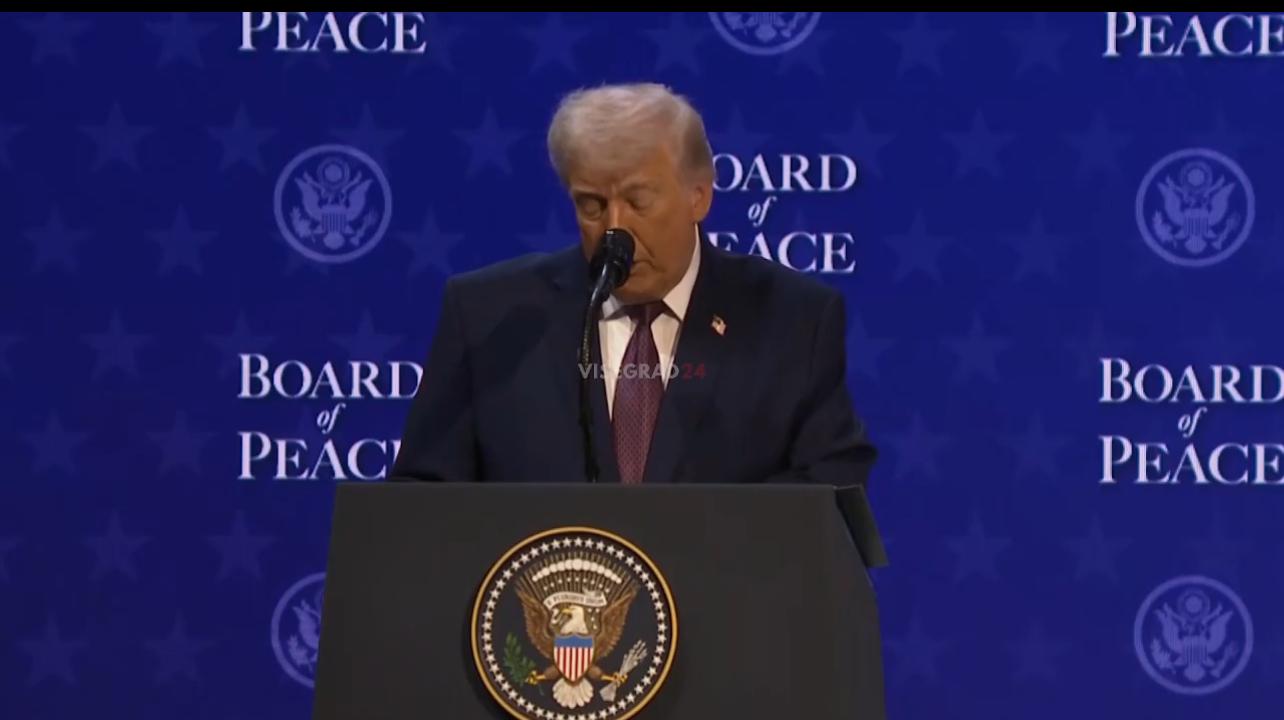
    “Thousands and thousands of Christians are being massacred in Nigeria by terrorists,” — Trump says again.

    But an honest question: what about the Muslims who are also being killed daily?
    Insecurity in Nigeria does not choose religion. Christians, Muslims, and even traditional worshippers have all been victims of terrorism, banditry, and violence.

    So why single out Christians only, when the problem affects everyone?
    This is a national tragedy, not a religious competition.

    #NigeriaSecurity #Insecurity #StopTheKillings #OneNigeria
    🚨 breaking 🚨 “Thousands and thousands of Christians are being massacred in Nigeria by terrorists,” — Trump says again. But an honest question: what about the Muslims who are also being killed daily? Insecurity in Nigeria does not choose religion. Christians, Muslims, and even traditional worshippers have all been victims of terrorism, banditry, and violence. So why single out Christians only, when the problem affects everyone? This is a national tragedy, not a religious competition. #NigeriaSecurity #Insecurity #StopTheKillings #OneNigeria
    like
    1
    · 1 Kommentare ·0 Geteilt ·1KB Ansichten
  • The Imam of Umar Ibn Al-Khattab Masjid in Morocco passed away on a blessed Friday while delivering the Khutbah, speaking profoundly about the reality of the afterlife and the certainty of death. In a moment that deeply moved worshippers, he paused his sermon, appeared to sense his final moments, and began reciting the Kalimah-e-Shahada, the ultimate declaration of faith for every Muslim. His passing in the house of Allah, during worship, stands as a powerful reminder of life’s purpose and the truth of the Hereafter. May Allah forgive his shortcomings, elevate his ranks, and grant him Jannat-ul-Firdaus. Ameen. #islamic #islam #Muslims #muslim
    The Imam of Umar Ibn Al-Khattab Masjid in Morocco passed away on a blessed Friday while delivering the Khutbah, speaking profoundly about the reality of the afterlife and the certainty of death. In a moment that deeply moved worshippers, he paused his sermon, appeared to sense his final moments, and began reciting the Kalimah-e-Shahada, the ultimate declaration of faith for every Muslim. His passing in the house of Allah, during worship, stands as a powerful reminder of life’s purpose and the truth of the Hereafter. May Allah forgive his shortcomings, elevate his ranks, and grant him Jannat-ul-Firdaus. Ameen. #islamic #islam #Muslims #muslim
    love
    1
    · 1 Kommentare ·0 Geteilt ·621 Ansichten
  • How Unverified Onitsha Claims Fueled Trump’s “Christian Genocide” Narrative and US Airstrikes in Nigeria

    This report exposes how unverified data from Emeka Umeagbalasi, an Onitsha-based screwdriver seller and activist, influenced powerful US politicians and former President Donald Trump’s claims of a “Christian genocide” in Nigeria. Despite relying largely on secondary sources, assumptions, and Google searches, his figures were cited by US lawmakers and echoed in rhetoric that helped justify US airstrikes in Nigeria. Investigations by The New York Times and experts reveal major flaws, confirmation bias, and exaggerated statistics, noting that Nigeria’s insecurity affects both Christians and Muslims. Critics warn that such misinformation fuels ethnic tension, global misunderstanding, and dangerous foreign policy decisions.

    #NigeriaSecurity
    #Misinformation
    #ChristianGenocideDebate
    How Unverified Onitsha Claims Fueled Trump’s “Christian Genocide” Narrative and US Airstrikes in Nigeria This report exposes how unverified data from Emeka Umeagbalasi, an Onitsha-based screwdriver seller and activist, influenced powerful US politicians and former President Donald Trump’s claims of a “Christian genocide” in Nigeria. Despite relying largely on secondary sources, assumptions, and Google searches, his figures were cited by US lawmakers and echoed in rhetoric that helped justify US airstrikes in Nigeria. Investigations by The New York Times and experts reveal major flaws, confirmation bias, and exaggerated statistics, noting that Nigeria’s insecurity affects both Christians and Muslims. Critics warn that such misinformation fuels ethnic tension, global misunderstanding, and dangerous foreign policy decisions. #NigeriaSecurity #Misinformation #ChristianGenocideDebate
    love
    1
    · 0 Kommentare ·0 Geteilt ·983 Ansichten
  • India Shuts Medical College Amid Hindu Protests Over Muslim Students

    Shri Mata Vaishno Devi Medical Institute in Reasi, Kashmir, has been shut down after Hindu groups protested the admission of a predominantly Muslim first-year MBBS class. The National Medical Commission revoked the college’s recognition, citing alleged technical deficiencies, though critics argue the move was politically and communally motivated. Students and parents contest the claims, saying facilities were adequate and admissions merit-based via NEET. Authorities plan to relocate affected students to other colleges, but the closure has sparked debates over secular education, minority rights, and communalism in India’s education system.
    #IndiaEducationCrisis #MedicalCollegeClosure #MinorityRights


    India Shuts Medical College Amid Hindu Protests Over Muslim Students Shri Mata Vaishno Devi Medical Institute in Reasi, Kashmir, has been shut down after Hindu groups protested the admission of a predominantly Muslim first-year MBBS class. The National Medical Commission revoked the college’s recognition, citing alleged technical deficiencies, though critics argue the move was politically and communally motivated. Students and parents contest the claims, saying facilities were adequate and admissions merit-based via NEET. Authorities plan to relocate affected students to other colleges, but the closure has sparked debates over secular education, minority rights, and communalism in India’s education system. #IndiaEducationCrisis #MedicalCollegeClosure #MinorityRights
    love
    1
    · 0 Kommentare ·0 Geteilt ·548 Ansichten
  • Is the ‘Christian Genocide’ in Nigeria a Political Narrative? Why Trump Admits Muslims Are Also Killed as Sowore Accuses the U.S. of Using Religion to Justify Power, Oil, and Military Influence

    Is the narrative of a “Christian genocide” in Nigeria an honest reflection of the country’s security crisis—or a political tool shaped by foreign interests? United States President Donald Trump has made a partial shift in his long-standing rhetoric on religious violence in Nigeria, acknowledging that Muslims are also being killed, even while maintaining that Christians remain the primary victims.

    Trump made the remarks during an interview with The New York Times following questions about Washington’s Christmas Day military strike in northwest Nigeria. The U.S. military said the operation, carried out at the request of the Nigerian government, targeted Islamic State West Africa Province (ISWAP), a Boko Haram splinter group responsible for years of deadly attacks across northern Nigeria.

    When asked about earlier comments from his own Africa adviser—who had stated that extremist groups in Nigeria kill more Muslims than Christians—Trump responded: “I think that Muslims are being killed also in Nigeria. But it’s mostly Christians.” The statement marked a rare acknowledgment that Nigeria’s victims of terrorism cut across religious lines, even as Trump continued to frame the conflict primarily through a Christian persecution lens.

    The comments immediately drew a sharp response from Omoyele Sowore, former Nigerian presidential candidate and prominent human rights activist. In a series of posts on X (formerly Twitter), Sowore dismissed the “Christian genocide” narrative as a calculated political construct, arguing that it is designed to stir emotion, mobilize conservative audiences abroad, and provide moral cover for foreign military, economic, and geopolitical agendas.

    Sowore accused Trump of using religion as a rhetorical device while pursuing what he described as imperial interests tied to oil, rare earth minerals, and strategic dominance. “The narrative used to justify it is secondary,” Sowore wrote, adding that such framing only needs to “match the gullibility of the intended audience.” According to him, claims of systematic religious genocide in Nigeria are not grounded in objective reality but are deliberately shaped to occupy a powerful emotional space in Western political discourse.

    He further challenged Trump’s moral authority to speak on Christian values, asserting that the former U.S. president does not embody the compassion, humility, or solidarity central to the faith he frequently invokes. Sowore argued that Trump’s selective concern for religious identity masks a broader indifference to human suffering—both abroad and at home—unless it aligns with his political interests.

    The controversy highlights a deeper question: Is Nigeria’s complex security crisis being oversimplified into a religious conflict for international consumption? While jihadist groups like ISWAP and Boko Haram have undeniably targeted Christian communities, they have also killed thousands of Muslims, including traditional leaders, clerics, villagers, and security personnel. Analysts have long warned that framing the violence as exclusively anti-Christian risks distorting reality, inflaming sectarian tensions, and obscuring the political, economic, and territorial dimensions of the conflict.

    Trump’s admission that Muslims are also victims, even if partial, challenges his earlier absolutist framing. Yet his insistence that Christians remain the main targets continues to fuel debate about whether U.S. policy toward Nigeria is being shaped by faith-based narratives rather than nuanced security analysis.

    As Nigeria battles insurgency, banditry, and transnational terrorism, the exchange between Trump and Sowore underscores how global power politics, religious identity, and media narratives intersect in shaping international responses to African conflicts. The key question remains: is the world seeing Nigeria’s crisis as it truly is—or as it is most politically useful to portray?


    Is the ‘Christian Genocide’ in Nigeria a Political Narrative? Why Trump Admits Muslims Are Also Killed as Sowore Accuses the U.S. of Using Religion to Justify Power, Oil, and Military Influence Is the narrative of a “Christian genocide” in Nigeria an honest reflection of the country’s security crisis—or a political tool shaped by foreign interests? United States President Donald Trump has made a partial shift in his long-standing rhetoric on religious violence in Nigeria, acknowledging that Muslims are also being killed, even while maintaining that Christians remain the primary victims. Trump made the remarks during an interview with The New York Times following questions about Washington’s Christmas Day military strike in northwest Nigeria. The U.S. military said the operation, carried out at the request of the Nigerian government, targeted Islamic State West Africa Province (ISWAP), a Boko Haram splinter group responsible for years of deadly attacks across northern Nigeria. When asked about earlier comments from his own Africa adviser—who had stated that extremist groups in Nigeria kill more Muslims than Christians—Trump responded: “I think that Muslims are being killed also in Nigeria. But it’s mostly Christians.” The statement marked a rare acknowledgment that Nigeria’s victims of terrorism cut across religious lines, even as Trump continued to frame the conflict primarily through a Christian persecution lens. The comments immediately drew a sharp response from Omoyele Sowore, former Nigerian presidential candidate and prominent human rights activist. In a series of posts on X (formerly Twitter), Sowore dismissed the “Christian genocide” narrative as a calculated political construct, arguing that it is designed to stir emotion, mobilize conservative audiences abroad, and provide moral cover for foreign military, economic, and geopolitical agendas. Sowore accused Trump of using religion as a rhetorical device while pursuing what he described as imperial interests tied to oil, rare earth minerals, and strategic dominance. “The narrative used to justify it is secondary,” Sowore wrote, adding that such framing only needs to “match the gullibility of the intended audience.” According to him, claims of systematic religious genocide in Nigeria are not grounded in objective reality but are deliberately shaped to occupy a powerful emotional space in Western political discourse. He further challenged Trump’s moral authority to speak on Christian values, asserting that the former U.S. president does not embody the compassion, humility, or solidarity central to the faith he frequently invokes. Sowore argued that Trump’s selective concern for religious identity masks a broader indifference to human suffering—both abroad and at home—unless it aligns with his political interests. The controversy highlights a deeper question: Is Nigeria’s complex security crisis being oversimplified into a religious conflict for international consumption? While jihadist groups like ISWAP and Boko Haram have undeniably targeted Christian communities, they have also killed thousands of Muslims, including traditional leaders, clerics, villagers, and security personnel. Analysts have long warned that framing the violence as exclusively anti-Christian risks distorting reality, inflaming sectarian tensions, and obscuring the political, economic, and territorial dimensions of the conflict. Trump’s admission that Muslims are also victims, even if partial, challenges his earlier absolutist framing. Yet his insistence that Christians remain the main targets continues to fuel debate about whether U.S. policy toward Nigeria is being shaped by faith-based narratives rather than nuanced security analysis. As Nigeria battles insurgency, banditry, and transnational terrorism, the exchange between Trump and Sowore underscores how global power politics, religious identity, and media narratives intersect in shaping international responses to African conflicts. The key question remains: is the world seeing Nigeria’s crisis as it truly is—or as it is most politically useful to portray?
    0 Kommentare ·0 Geteilt ·2KB Ansichten
  • Why Is the UAE Cutting Scholarships for UK Universities? Is Fear of Islamist Radicalisation on British Campuses Redefining Emirati Foreign Policy, Student Mobility, and UK–Gulf Relations?

    Is the United Arab Emirates quietly reshaping global student mobility—and sending a political message to Britain in the process? The UAE has begun restricting state-funded scholarships for students seeking to study in the United Kingdom, citing concerns that some British university campuses are being influenced or “radicalised” by Islamist groups.

    Officials in Abu Dhabi confirmed to the Financial Times and The Times that federal funding for Emirati citizens planning to enrol in UK universities has been curtailed. The move reflects deepening unease within the UAE over what it views as the growing ideological presence of Islamist networks on British campuses, particularly those allegedly linked to the Muslim Brotherhood, which the UAE designates as a terrorist organisation.

    While the UAE has not imposed an outright ban on studying in the UK, the policy change marks a significant shift. Wealthier families can still send students abroad using private funds, and government scholarships remain available for studies in other countries. However, the restriction is already affecting numbers: UK student visa data show a sharp decline in Emirati enrolment, with only 213 UAE students granted UK study visas in the year ending September 2025—a 27% drop from the previous year and a 55% fall compared to 2022. This is particularly striking given that the Emirati student population in the UK had doubled between 2017 and 2024 to around 8,500 students, with major concentrations at institutions such as King’s College London, University College London, the University of Manchester, the University of Leeds, and the University of Central Lancashire.

    At the heart of the decision lies long-standing political tension between Abu Dhabi and London. The UAE has repeatedly urged Britain to ban the Muslim Brotherhood, a group it considers a security threat. However, successive UK governments have declined to proscribe the organisation. A 2014 inquiry ordered by then-Prime Minister David Cameron, led by former ambassador Sir John Jenkins, concluded that the Brotherhood’s beliefs were incompatible with British values but found insufficient legal grounds for a ban. More recently, Reform UK leader Nigel Farage has said he would proscribe the group if elected, underscoring how the issue has become embedded in British political debate.

    Concerns in Britain about alleged Islamist influence on university campuses have also fueled controversy. Student organisations have faced scrutiny for hosting speakers accused of promoting extremist ideologies, with critics warning that academic spaces may be vulnerable to ideological recruitment. For the UAE, which has previously jailed suspected Brotherhood members and strongly supported Egypt’s 2013 military ouster of President Mohammed Morsi, the presence of any perceived Brotherhood influence abroad is seen as a direct security risk.

    A Middle East expert quoted by The Times suggested that the Emirati leadership is “obsessed” with the Brotherhood, describing it as more of an ideological movement than a tightly organised group. According to the source, the scholarship restrictions function as a “warning shot” to students, signalling that engagement with Islamist networks abroad could carry consequences back home.

    Beyond education policy, the move raises broader geopolitical questions. Is the UAE using scholarships as a diplomatic lever to pressure the UK? Will other Gulf states follow suit? And what does this mean for Britain’s position as a global education hub, especially at a time when international student numbers are critical to university funding?

    As Emirati students increasingly turn to alternative destinations, the policy may reshape academic exchange, economic ties, and cultural diplomacy between the Gulf and the UK. More fundamentally, it highlights how security concerns, ideological conflict, and foreign policy priorities are now directly influencing where young people are allowed—or encouraged—to study abroad.


    Why Is the UAE Cutting Scholarships for UK Universities? Is Fear of Islamist Radicalisation on British Campuses Redefining Emirati Foreign Policy, Student Mobility, and UK–Gulf Relations? Is the United Arab Emirates quietly reshaping global student mobility—and sending a political message to Britain in the process? The UAE has begun restricting state-funded scholarships for students seeking to study in the United Kingdom, citing concerns that some British university campuses are being influenced or “radicalised” by Islamist groups. Officials in Abu Dhabi confirmed to the Financial Times and The Times that federal funding for Emirati citizens planning to enrol in UK universities has been curtailed. The move reflects deepening unease within the UAE over what it views as the growing ideological presence of Islamist networks on British campuses, particularly those allegedly linked to the Muslim Brotherhood, which the UAE designates as a terrorist organisation. While the UAE has not imposed an outright ban on studying in the UK, the policy change marks a significant shift. Wealthier families can still send students abroad using private funds, and government scholarships remain available for studies in other countries. However, the restriction is already affecting numbers: UK student visa data show a sharp decline in Emirati enrolment, with only 213 UAE students granted UK study visas in the year ending September 2025—a 27% drop from the previous year and a 55% fall compared to 2022. This is particularly striking given that the Emirati student population in the UK had doubled between 2017 and 2024 to around 8,500 students, with major concentrations at institutions such as King’s College London, University College London, the University of Manchester, the University of Leeds, and the University of Central Lancashire. At the heart of the decision lies long-standing political tension between Abu Dhabi and London. The UAE has repeatedly urged Britain to ban the Muslim Brotherhood, a group it considers a security threat. However, successive UK governments have declined to proscribe the organisation. A 2014 inquiry ordered by then-Prime Minister David Cameron, led by former ambassador Sir John Jenkins, concluded that the Brotherhood’s beliefs were incompatible with British values but found insufficient legal grounds for a ban. More recently, Reform UK leader Nigel Farage has said he would proscribe the group if elected, underscoring how the issue has become embedded in British political debate. Concerns in Britain about alleged Islamist influence on university campuses have also fueled controversy. Student organisations have faced scrutiny for hosting speakers accused of promoting extremist ideologies, with critics warning that academic spaces may be vulnerable to ideological recruitment. For the UAE, which has previously jailed suspected Brotherhood members and strongly supported Egypt’s 2013 military ouster of President Mohammed Morsi, the presence of any perceived Brotherhood influence abroad is seen as a direct security risk. A Middle East expert quoted by The Times suggested that the Emirati leadership is “obsessed” with the Brotherhood, describing it as more of an ideological movement than a tightly organised group. According to the source, the scholarship restrictions function as a “warning shot” to students, signalling that engagement with Islamist networks abroad could carry consequences back home. Beyond education policy, the move raises broader geopolitical questions. Is the UAE using scholarships as a diplomatic lever to pressure the UK? Will other Gulf states follow suit? And what does this mean for Britain’s position as a global education hub, especially at a time when international student numbers are critical to university funding? As Emirati students increasingly turn to alternative destinations, the policy may reshape academic exchange, economic ties, and cultural diplomacy between the Gulf and the UK. More fundamentally, it highlights how security concerns, ideological conflict, and foreign policy priorities are now directly influencing where young people are allowed—or encouraged—to study abroad.
    0 Kommentare ·0 Geteilt ·995 Ansichten
  • Can Datti Baba-Ahmed Really Replace Peter Obi? LP’s 2023 Running Mate Declares 2027 Presidential Ambition Amid Party Crisis

    Is a new political battle for Nigeria’s presidency already taking shape within the opposition—and could Senator Datti Baba-Ahmed be positioning himself as the next major contender? These are the questions dominating political discussions after the former Labour Party (LP) vice-presidential candidate in the 2023 election formally declared his intention to contest the 2027 presidency.

    Baba-Ahmed made the announcement at a rally at the Labour Party’s national secretariat in Abuja, at a time when the party is grappling with internal realignments following the high-profile exit of its 2023 presidential candidate, Peter Obi, to the African Democratic Congress (ADC). His declaration comes barely days after Obi’s departure, instantly igniting debate about the future direction of the Labour Party and the broader opposition ahead of the next general election.

    Addressing party members and supporters, Baba-Ahmed was quick to dismiss any suggestion that his ambition was a reaction to Obi’s political move. Instead, he insisted that his presidential aspiration predates his alliance with Obi, stressing that he was not “following anybody’s trajectory” or attempting to step into anyone’s political space. According to him, records clearly show that he had sought the presidency even before Obi entered the 2023 race.

    He recalled his participation in the 2018 presidential primaries of the Peoples Democratic Party (PDP) in Port Harcourt, noting that his eventual decision to serve as Obi’s running mate was driven by what he described as a rare opportunity for national unity rather than personal ambition. For Baba-Ahmed, aligning with Obi was not a surrender of his own political vision but a strategic choice aimed at offering Nigerians an alternative leadership model.

    Beyond ambition, his speech touched on sensitive but unavoidable themes in Nigerian politics—religion and ethnicity. Baba-Ahmed openly acknowledged his identity as a practising Muslim and a Hausa man, but maintained that the Nigerian Constitution guarantees every qualified citizen the right to seek elective office. According to him, his decision to run is rooted in what he described as a genuine desire to help rescue Nigeria from its many challenges, rather than sectional or personal interests.

    However, he also struck a cautious tone, emphasizing that he would respect due process within the Labour Party and the electoral framework. While affirming his intention, he stated that he would not formally pursue the ticket until the Independent National Electoral Commission (INEC) releases its timetable and the party leadership officially calls for aspirants. To him, this approach reflects both loyalty to party structures and adherence to democratic norms.

    His declaration has added a new layer of complexity to an already evolving opposition landscape. With Peter Obi now outside the Labour Party, questions are being raised about who will command the loyalty of the party’s grassroots supporters, many of whom were mobilized by the “Obidient” movement in 2023. Can Datti Baba-Ahmed inherit that momentum, or will the party struggle to redefine itself without its most visible figure?

    Reacting to the announcement, Labour Party National Chairman Julius Abure praised Baba-Ahmed for remaining within the party despite speculation that he might defect following Obi’s exit. For party loyalists, his decision to stay is being interpreted as a signal of continuity and internal stability. For critics, however, it raises deeper questions: does the Labour Party still have a unified ideological direction, or is it entering a phase of leadership contest and fragmentation?

    As 2027 approaches, Baba-Ahmed’s declaration invites broader national reflection. Is Nigeria’s opposition finally preparing early for the next election, or is this the beginning of another cycle of internal rivalry that could weaken alternative voices? Can Baba-Ahmed’s experience, ideology, and personal narrative convince Nigerians that he offers something fundamentally different from the political establishment? And perhaps most importantly, can he fill the vacuum left by Peter Obi’s departure—or will the Labour Party need a complete reinvention to remain politically relevant?

    On Fintter, this development is more than a headline. It is a conversation about leadership, loyalty, and the future of opposition politics in Nigeria. Is Datti Baba-Ahmed the natural successor within the Labour Party, or is his ambition likely to deepen internal divisions? Can he rally young voters and reform-minded citizens the way Obi once did?

    What do you think? Is Datti Baba-Ahmed the right figure to lead the Labour Party into 2027—or is the party losing its political identity? Share your views and join the debate on Fintter.

    Can Datti Baba-Ahmed Really Replace Peter Obi? LP’s 2023 Running Mate Declares 2027 Presidential Ambition Amid Party Crisis Is a new political battle for Nigeria’s presidency already taking shape within the opposition—and could Senator Datti Baba-Ahmed be positioning himself as the next major contender? These are the questions dominating political discussions after the former Labour Party (LP) vice-presidential candidate in the 2023 election formally declared his intention to contest the 2027 presidency. Baba-Ahmed made the announcement at a rally at the Labour Party’s national secretariat in Abuja, at a time when the party is grappling with internal realignments following the high-profile exit of its 2023 presidential candidate, Peter Obi, to the African Democratic Congress (ADC). His declaration comes barely days after Obi’s departure, instantly igniting debate about the future direction of the Labour Party and the broader opposition ahead of the next general election. Addressing party members and supporters, Baba-Ahmed was quick to dismiss any suggestion that his ambition was a reaction to Obi’s political move. Instead, he insisted that his presidential aspiration predates his alliance with Obi, stressing that he was not “following anybody’s trajectory” or attempting to step into anyone’s political space. According to him, records clearly show that he had sought the presidency even before Obi entered the 2023 race. He recalled his participation in the 2018 presidential primaries of the Peoples Democratic Party (PDP) in Port Harcourt, noting that his eventual decision to serve as Obi’s running mate was driven by what he described as a rare opportunity for national unity rather than personal ambition. For Baba-Ahmed, aligning with Obi was not a surrender of his own political vision but a strategic choice aimed at offering Nigerians an alternative leadership model. Beyond ambition, his speech touched on sensitive but unavoidable themes in Nigerian politics—religion and ethnicity. Baba-Ahmed openly acknowledged his identity as a practising Muslim and a Hausa man, but maintained that the Nigerian Constitution guarantees every qualified citizen the right to seek elective office. According to him, his decision to run is rooted in what he described as a genuine desire to help rescue Nigeria from its many challenges, rather than sectional or personal interests. However, he also struck a cautious tone, emphasizing that he would respect due process within the Labour Party and the electoral framework. While affirming his intention, he stated that he would not formally pursue the ticket until the Independent National Electoral Commission (INEC) releases its timetable and the party leadership officially calls for aspirants. To him, this approach reflects both loyalty to party structures and adherence to democratic norms. His declaration has added a new layer of complexity to an already evolving opposition landscape. With Peter Obi now outside the Labour Party, questions are being raised about who will command the loyalty of the party’s grassroots supporters, many of whom were mobilized by the “Obidient” movement in 2023. Can Datti Baba-Ahmed inherit that momentum, or will the party struggle to redefine itself without its most visible figure? Reacting to the announcement, Labour Party National Chairman Julius Abure praised Baba-Ahmed for remaining within the party despite speculation that he might defect following Obi’s exit. For party loyalists, his decision to stay is being interpreted as a signal of continuity and internal stability. For critics, however, it raises deeper questions: does the Labour Party still have a unified ideological direction, or is it entering a phase of leadership contest and fragmentation? As 2027 approaches, Baba-Ahmed’s declaration invites broader national reflection. Is Nigeria’s opposition finally preparing early for the next election, or is this the beginning of another cycle of internal rivalry that could weaken alternative voices? Can Baba-Ahmed’s experience, ideology, and personal narrative convince Nigerians that he offers something fundamentally different from the political establishment? And perhaps most importantly, can he fill the vacuum left by Peter Obi’s departure—or will the Labour Party need a complete reinvention to remain politically relevant? On Fintter, this development is more than a headline. It is a conversation about leadership, loyalty, and the future of opposition politics in Nigeria. Is Datti Baba-Ahmed the natural successor within the Labour Party, or is his ambition likely to deepen internal divisions? Can he rally young voters and reform-minded citizens the way Obi once did? 💬 What do you think? Is Datti Baba-Ahmed the right figure to lead the Labour Party into 2027—or is the party losing its political identity? Share your views and join the debate on Fintter.
    like
    1
    · 0 Kommentare ·0 Geteilt ·1KB Ansichten
  • INSECURITY: FARMER GOVERNOR UMARU BAGO EXPRESSES SADNESS OVER TERRORIST ATTACK ON COMMUNITIES IN BORGU LGA.

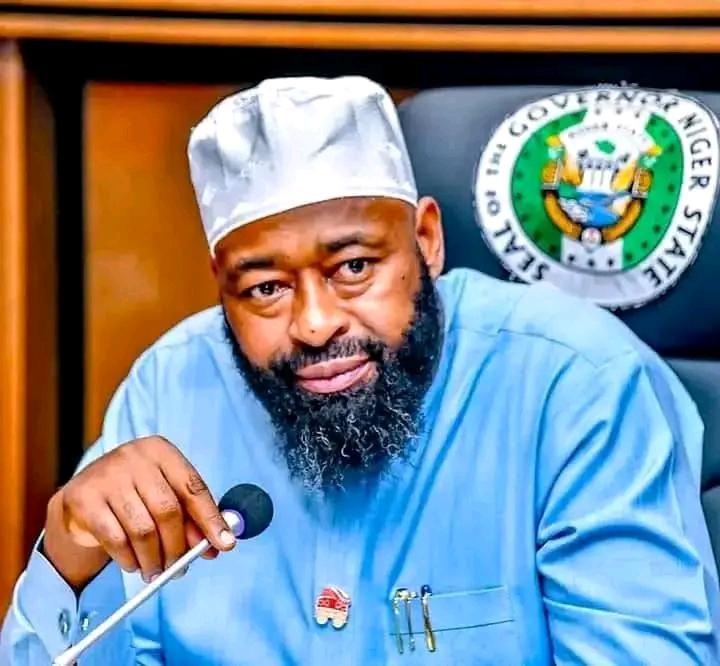
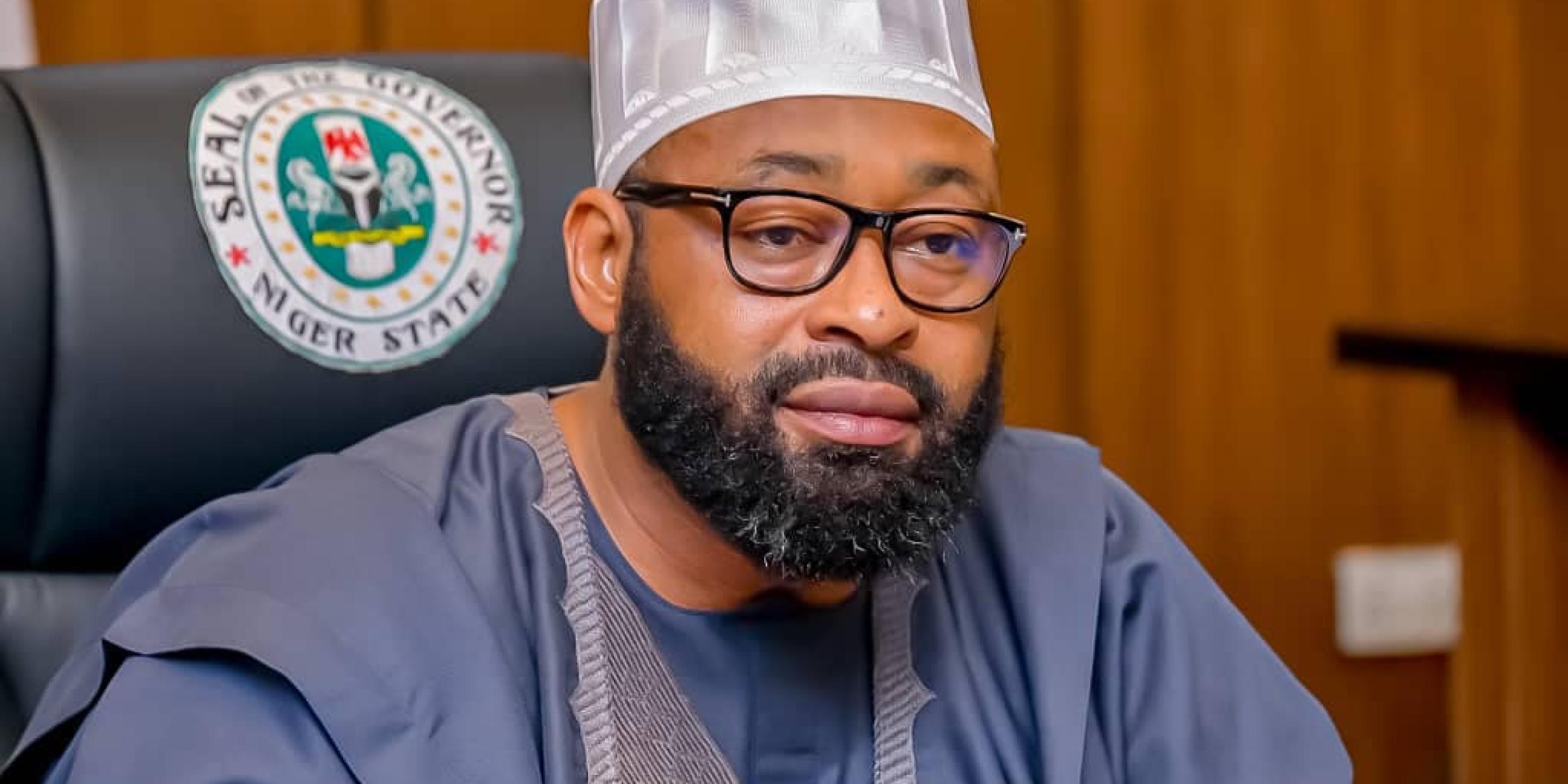
    Niger State Governor, farmer Mohammed Umaru Bago expresses sadness over the terrorist attack on communities in the Borgu local government area of the state.

    The farmer governor, through his Chief Press Secretary, Bologi Ibrahim, describes as cruel and nefarious the terrorist attack that led to the death of many people, the kidnapping of several others, and the destruction of livelihoods.

    He extends his deepest sympathy to the people of the affected communities, especially the victims and their families.

    The victims of the attack at the Kasuwan Daji, Market, Sukumbara Village, are both Muslims and Christians drawn from different communities in Borgu local government area of the state

    The farmer governor, who notes that it is disturbing and worrying to start the year with such unfortunate incidents, however enjoined the people to remain resolute in God and that his administration is collaborating with the federal government and security agencies to improve the security of the affected areas.

    He said a joint security team is trailing the terrorists with the view to rescuing the kidnapped victims.

    The farmer governor prays that God will repose the souls of the departed, rescue the kidnapped victims, and grant healing to the injured as well as restore livelihoods that were destroyed.
    INSECURITY: FARMER GOVERNOR UMARU BAGO EXPRESSES SADNESS OVER TERRORIST ATTACK ON COMMUNITIES IN BORGU LGA. Niger State Governor, farmer Mohammed Umaru Bago expresses sadness over the terrorist attack on communities in the Borgu local government area of the state. The farmer governor, through his Chief Press Secretary, Bologi Ibrahim, describes as cruel and nefarious the terrorist attack that led to the death of many people, the kidnapping of several others, and the destruction of livelihoods. He extends his deepest sympathy to the people of the affected communities, especially the victims and their families. The victims of the attack at the Kasuwan Daji, Market, Sukumbara Village, are both Muslims and Christians drawn from different communities in Borgu local government area of the state The farmer governor, who notes that it is disturbing and worrying to start the year with such unfortunate incidents, however enjoined the people to remain resolute in God and that his administration is collaborating with the federal government and security agencies to improve the security of the affected areas. He said a joint security team is trailing the terrorists with the view to rescuing the kidnapped victims. The farmer governor prays that God will repose the souls of the departed, rescue the kidnapped victims, and grant healing to the injured as well as restore livelihoods that were destroyed.
    like
    1
    · 0 Kommentare ·0 Geteilt ·421 Ansichten
  • Fire Destroys Traditionalist’s Home in Ilorin, Arson Alleged Amid Controversy

    A fire on January 1, 2026, razed a residential building on Sanu-Shehu Street, Isale Koko, Ilorin, destroying eight rooms. The resident, a known traditionalist, was away at the time, and some sources allege that irate Muslims deliberately set the blaze.

    The Kwara State Fire Service confirmed the fire, attributing it preliminarily to a power surge that ignited combustible materials. Firefighters contained the blaze, preventing its spread to nearby buildings. The Fire Service advised residents on electrical safety and urged vigilance to prevent similar incidents in the future.
    Fire Destroys Traditionalist’s Home in Ilorin, Arson Alleged Amid Controversy A fire on January 1, 2026, razed a residential building on Sanu-Shehu Street, Isale Koko, Ilorin, destroying eight rooms. The resident, a known traditionalist, was away at the time, and some sources allege that irate Muslims deliberately set the blaze. The Kwara State Fire Service confirmed the fire, attributing it preliminarily to a power surge that ignited combustible materials. Firefighters contained the blaze, preventing its spread to nearby buildings. The Fire Service advised residents on electrical safety and urged vigilance to prevent similar incidents in the future.
    0 Kommentare ·0 Geteilt ·458 Ansichten
  • Israel Announces ‘New Front’ to Protect Christian Communities in Africa and Middle East, Names Nigeria Among Key Focus Areas

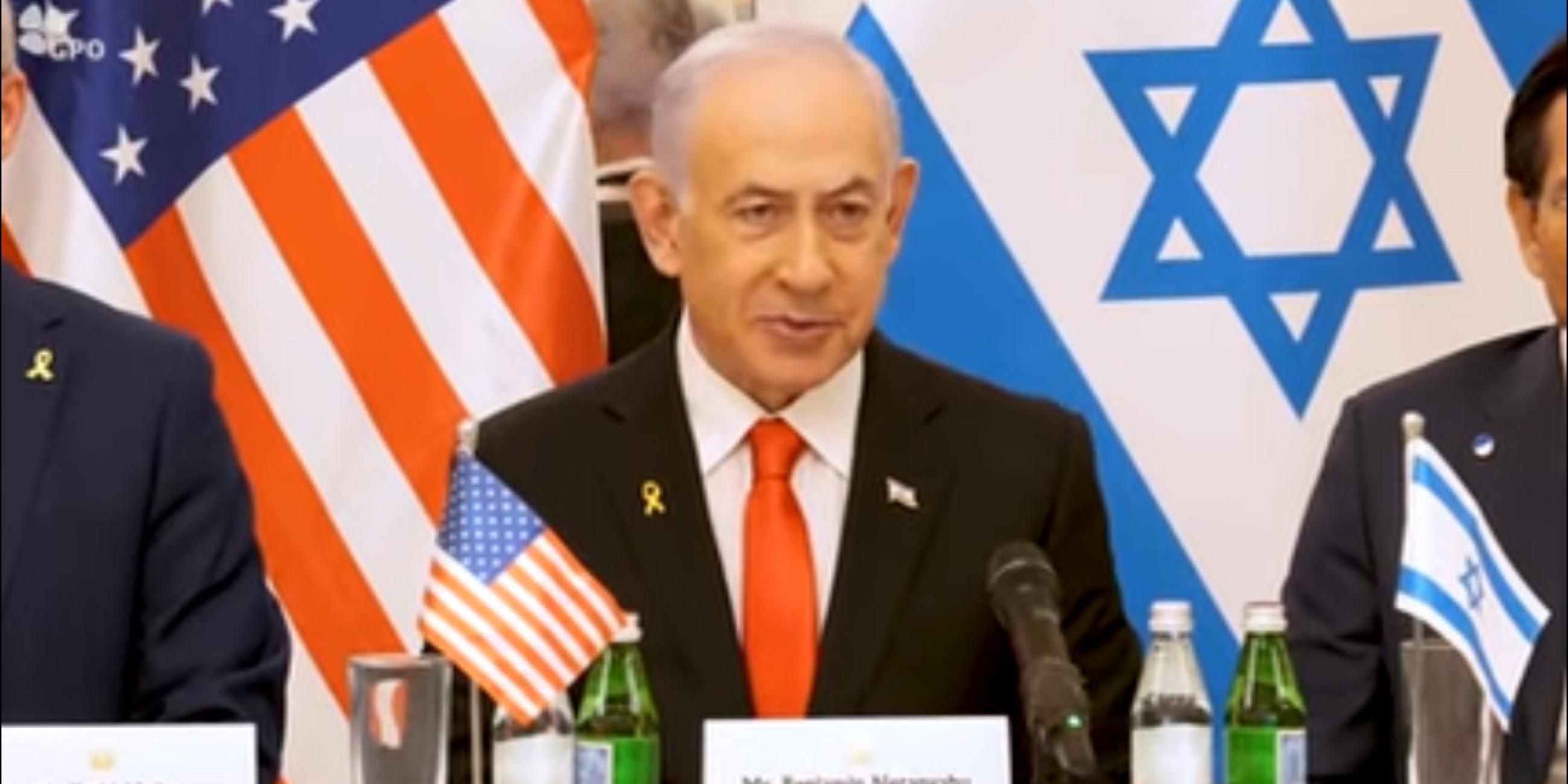
    Israeli Prime Minister Benjamin Netanyahu has announced the opening of what he described as a “new front” dedicated to protecting Christian communities across Africa and the Middle East, including Nigeria. Speaking to an audience of Christian Zionists in a speech published on the Israeli Prime Minister’s official YouTube channel, Netanyahu said Israel was responding to growing global threats against what he termed the “Judeo-Christian civilization.”

    He credited Christian Zionists with playing a crucial role in the emergence and survival of Israel and described the partnership as enduring and strategic. Netanyahu claimed Israel had recently fought and survived a “seven-front war” but insisted an “eighth front” had emerged—one focused on influencing hearts and minds, especially of young people.

    According to him, the struggle extends beyond Israel to the United States and its allies, framing it as a broader battle for Western civilization. He identified radical Shiite and Sunni Islamist groups, naming Iran and the Muslim Brotherhood, as major threats, alleging their influence stretches across Europe, the U.S., Africa, and Nigeria.

    Netanyahu also highlighted what he described as widespread persecution of Christians in countries such as Nigeria, Syria, Lebanon, Turkey, and others, asserting that Israel is the only country actively protecting and enabling Christian communities to thrive. He announced Israel’s intention to join efforts to form a global coalition—likened to a “United Nations” for Christian community protection—offering intelligence and other forms of support, particularly in Africa and the Middle East.

    He concluded by reaffirming Israel’s commitment to defending Christian communities worldwide and extended New Year and Christmas greetings, expressing hope for peace, security, and prosperity, especially for persecuted Christians.
    Israel Announces ‘New Front’ to Protect Christian Communities in Africa and Middle East, Names Nigeria Among Key Focus Areas Israeli Prime Minister Benjamin Netanyahu has announced the opening of what he described as a “new front” dedicated to protecting Christian communities across Africa and the Middle East, including Nigeria. Speaking to an audience of Christian Zionists in a speech published on the Israeli Prime Minister’s official YouTube channel, Netanyahu said Israel was responding to growing global threats against what he termed the “Judeo-Christian civilization.” He credited Christian Zionists with playing a crucial role in the emergence and survival of Israel and described the partnership as enduring and strategic. Netanyahu claimed Israel had recently fought and survived a “seven-front war” but insisted an “eighth front” had emerged—one focused on influencing hearts and minds, especially of young people. According to him, the struggle extends beyond Israel to the United States and its allies, framing it as a broader battle for Western civilization. He identified radical Shiite and Sunni Islamist groups, naming Iran and the Muslim Brotherhood, as major threats, alleging their influence stretches across Europe, the U.S., Africa, and Nigeria. Netanyahu also highlighted what he described as widespread persecution of Christians in countries such as Nigeria, Syria, Lebanon, Turkey, and others, asserting that Israel is the only country actively protecting and enabling Christian communities to thrive. He announced Israel’s intention to join efforts to form a global coalition—likened to a “United Nations” for Christian community protection—offering intelligence and other forms of support, particularly in Africa and the Middle East. He concluded by reaffirming Israel’s commitment to defending Christian communities worldwide and extended New Year and Christmas greetings, expressing hope for peace, security, and prosperity, especially for persecuted Christians.
    like
    1
    · 0 Kommentare ·0 Geteilt ·667 Ansichten
  • MURIC Demands Arrest of Nigerian for Inciting Kidnap and Kill of Igbo Muslims

    The Muslim Rights Concern (MURIC) has called for the immediate arrest and prosecution of Maazi Kanayo over alleged incitement against Igbo Muslims in Southeastern Nigeria. According to MURIC Executive Director, Professor Ishaq Akintola, Kanayo circulated an audio clip on TikTok urging the kidnapping and killing of Igbo Muslims in Enugu, Ebonyi, and Imo states.

    MURIC highlighted that some Igbo Muslims are traditional rulers, raising concerns about potential communal unrest. The organisation urged security agencies, including the DSS and Nigerian Police, to act swiftly to protect lives, emphasizing that every minute counts in preventing harm.
    MURIC Demands Arrest of Nigerian for Inciting Kidnap and Kill of Igbo Muslims The Muslim Rights Concern (MURIC) has called for the immediate arrest and prosecution of Maazi Kanayo over alleged incitement against Igbo Muslims in Southeastern Nigeria. According to MURIC Executive Director, Professor Ishaq Akintola, Kanayo circulated an audio clip on TikTok urging the kidnapping and killing of Igbo Muslims in Enugu, Ebonyi, and Imo states. MURIC highlighted that some Igbo Muslims are traditional rulers, raising concerns about potential communal unrest. The organisation urged security agencies, including the DSS and Nigerian Police, to act swiftly to protect lives, emphasizing that every minute counts in preventing harm.
    0 Kommentare ·0 Geteilt ·618 Ansichten
  • Is Anthony Joshua a Muslim? Viral Mosque Photo Sparks Debate, Facts Confirm Boxer’s Faith

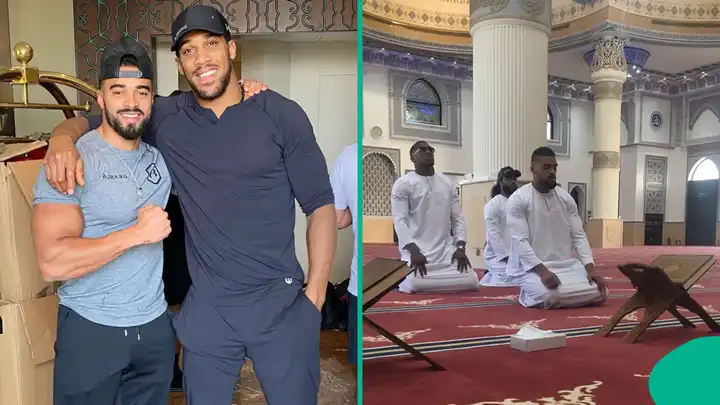
    A photo of British heavyweight champion Anthony Joshua praying in a mosque has resurfaced online, reigniting debates about his religious beliefs. The image, featuring Joshua with his late friend Latif Ayodele, sparked speculation, but reports confirm that Joshua is not a practicing Muslim. Born a Christian, he has openly stated that he does not adhere to a single religion, emphasizing personal faith over formal religious affiliation. The viral photo illustrates his openness to diverse spiritual practices rather than a conversion, highlighting how public figures’ faith often sparks widespread discussion online.

    #AnthonyJoshua #ReligionDebate #MosquePhoto #FaithJourney #CelebrityNews #NigeriaNews
    Is Anthony Joshua a Muslim? Viral Mosque Photo Sparks Debate, Facts Confirm Boxer’s Faith A photo of British heavyweight champion Anthony Joshua praying in a mosque has resurfaced online, reigniting debates about his religious beliefs. The image, featuring Joshua with his late friend Latif Ayodele, sparked speculation, but reports confirm that Joshua is not a practicing Muslim. Born a Christian, he has openly stated that he does not adhere to a single religion, emphasizing personal faith over formal religious affiliation. The viral photo illustrates his openness to diverse spiritual practices rather than a conversion, highlighting how public figures’ faith often sparks widespread discussion online. #AnthonyJoshua #ReligionDebate #MosquePhoto #FaithJourney #CelebrityNews #NigeriaNews
    0 Kommentare ·0 Geteilt ·531 Ansichten
  • Muslim Students Ask Niger Governor Umaru Bago to Cancel New Year Crossover Party Amid Rising Insecurity, Mourning Families and Calls for Statewide Prayers

    The Muslim Students’ Society of Nigeria (MSSN), Niger State Area Unit, has urged Governor Umaru Bago to suspend the planned New Year Crossover Night Party scheduled to hold at the Idris Legbo Kutigi International Conference Centre, citing growing security concerns across the state. The students’ body said the timing of the celebration is inappropriate, as many communities are grappling with insecurity, loss of lives, and ongoing mourning.
    In a statement, MSSN noted that families across Niger State are currently engaging in fasting and prayers, seeking divine intervention for peace and stability. According to the group, hosting a public party at such a sensitive time could be perceived as insensitive and may send the wrong message to grieving families and communities affected by violence.
    The organisation also highlighted that religious scholars and faith leaders are leading special prayer sessions statewide, warning that a large social event could disrupt the solemn and sacred atmosphere. MSSN further alleged that the event is being organised and funded by the Deputy Chief of Staff to the Governor, Sadiq Yusuf, and the Vice Chairperson of Chanchaga Local Government Area, Hajiya Safiya Tanimu Nasidi.
    As an alternative, the students’ body proposed a statewide interfaith night of prayer to promote unity, reflection, and collective supplication for peace. The statement concluded with prayers for Governor Bago’s leadership and for lasting peace and prosperity in Niger State and Nigeria as a whole.
    Muslim Students Ask Niger Governor Umaru Bago to Cancel New Year Crossover Party Amid Rising Insecurity, Mourning Families and Calls for Statewide Prayers The Muslim Students’ Society of Nigeria (MSSN), Niger State Area Unit, has urged Governor Umaru Bago to suspend the planned New Year Crossover Night Party scheduled to hold at the Idris Legbo Kutigi International Conference Centre, citing growing security concerns across the state. The students’ body said the timing of the celebration is inappropriate, as many communities are grappling with insecurity, loss of lives, and ongoing mourning. In a statement, MSSN noted that families across Niger State are currently engaging in fasting and prayers, seeking divine intervention for peace and stability. According to the group, hosting a public party at such a sensitive time could be perceived as insensitive and may send the wrong message to grieving families and communities affected by violence. The organisation also highlighted that religious scholars and faith leaders are leading special prayer sessions statewide, warning that a large social event could disrupt the solemn and sacred atmosphere. MSSN further alleged that the event is being organised and funded by the Deputy Chief of Staff to the Governor, Sadiq Yusuf, and the Vice Chairperson of Chanchaga Local Government Area, Hajiya Safiya Tanimu Nasidi. As an alternative, the students’ body proposed a statewide interfaith night of prayer to promote unity, reflection, and collective supplication for peace. The statement concluded with prayers for Governor Bago’s leadership and for lasting peace and prosperity in Niger State and Nigeria as a whole.
    like
    1
    · 0 Kommentare ·0 Geteilt ·427 Ansichten
  • Kizz Daniel Sparks Islam Conversion Speculation After “Mashallah” Comment, Reconnects with Muslim Heritage

    Nigerian singer Kizz Daniel, born Oluwatobiloba Daniel Anidugbe, has sparked speculation of converting from Christianity to Islam after reacting to a viral video of a Muslim call to prayer with the comment “Mashallah .” Fans highlighted that he was born into a Muslim family, with his birth name revealed as Dhikrullah, and his younger brother, Uthman Anidugbe, is openly Muslim.

    The post comes amid other personal developments, including Kizz Daniel paying tribute to late celebrities such as Mohbad and Dagrin during a recent concert, and deleting pictures of his wife from Instagram, fueling further public intrigue. The singer’s engagement with his faith and career has captured significant attention from fans and media alike.
    Kizz Daniel Sparks Islam Conversion Speculation After “Mashallah” Comment, Reconnects with Muslim Heritage Nigerian singer Kizz Daniel, born Oluwatobiloba Daniel Anidugbe, has sparked speculation of converting from Christianity to Islam after reacting to a viral video of a Muslim call to prayer with the comment “Mashallah ❤️.” Fans highlighted that he was born into a Muslim family, with his birth name revealed as Dhikrullah, and his younger brother, Uthman Anidugbe, is openly Muslim. The post comes amid other personal developments, including Kizz Daniel paying tribute to late celebrities such as Mohbad and Dagrin during a recent concert, and deleting pictures of his wife from Instagram, fueling further public intrigue. The singer’s engagement with his faith and career has captured significant attention from fans and media alike.
    like
    1
    · 0 Kommentare ·0 Geteilt ·618 Ansichten


  • Trump Says U.S. Delayed Nigeria Airstr+kes to Deliver ‘Christmas Present’ to ISIS U.S.

    President Donald Trump has disclosed that American airstr+kes against suspected Islamic State (IS) militants in northwest Nigeria were intentionally delayed so they could be carried out around Christmas.

    Trump announced late Thursday that the United States had launched a “powerful and d+adly str+ke” against IS fighters. In an interview with Politico, he said the decision on timing was his. “They were going to do it earlier,” Trump said. “And I said, ‘Nope, let’s give a Christmas present.’”

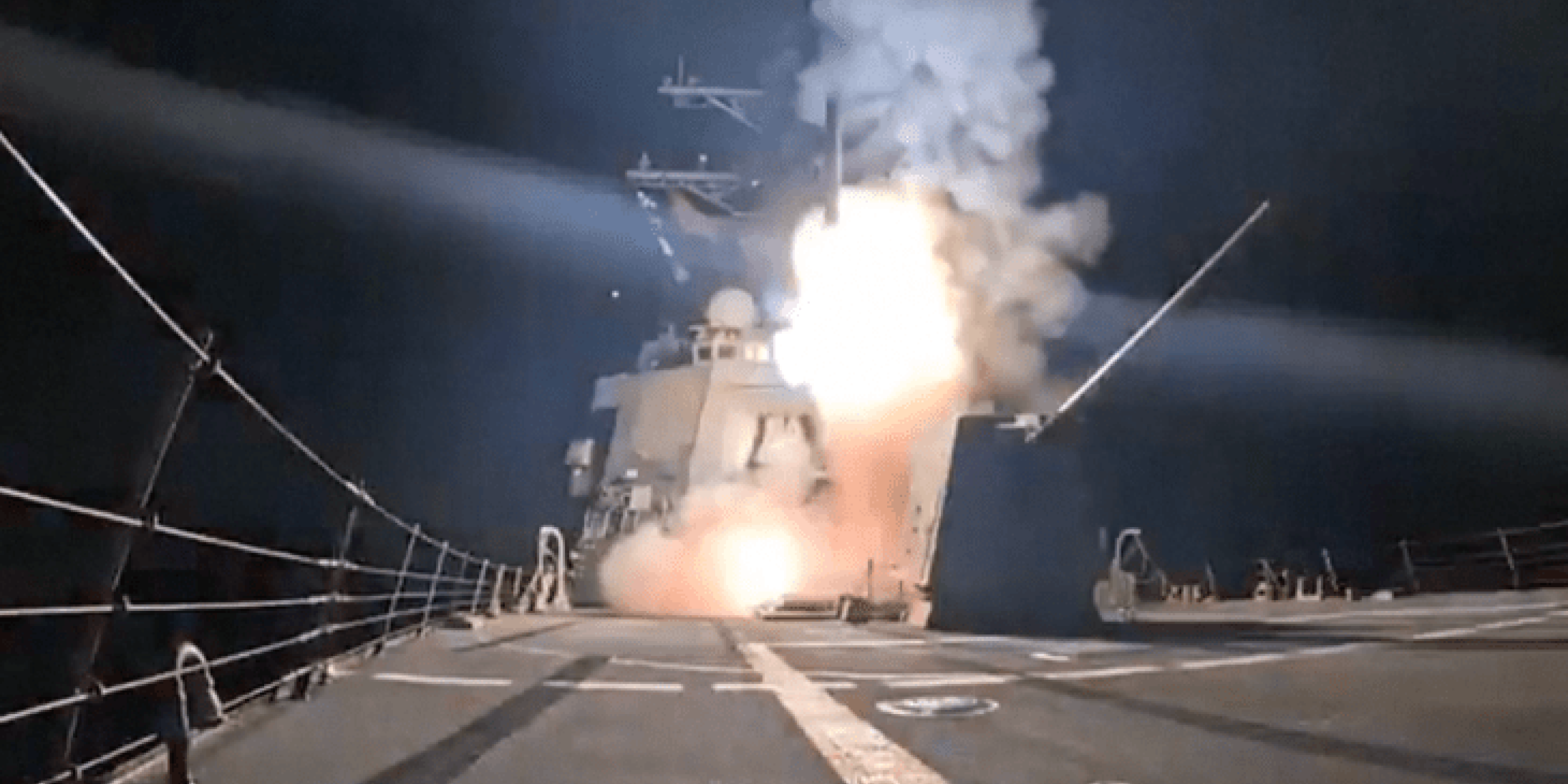
    The Nigerian government confirmed it cooperated with the United States on the operation through intelligence sharing and strategic coordination. Government spokesperson Mohammed Idris said the strikes were launched shortly after midnight from the Gulf of Guinea and involved “16 GPS-guided precision” missiles and MQ-9 Reaper drones.

    The airstr+kes, which targeted an alleged IS camp in Sokoto State, were felt by nearby communities. In Jabo village, residents said the explosions shook homes and lit up the sky. Sanusi Madabo, a 40-year-old farmer, said he initially thought a plane had cr@shed.

    “The light b¥rned bright for hours,” Madabo said. “It was almost like daytime.” Trump said the militants targeted were “targeting and viciously k+lling, primarily, innocent Christians.”

    However, residents and security analysts have noted that Nigeria’s prolonged security crisis affects both Christians and Muslims across the country. The full impact of the str+kes, including casualties and d+mage, has yet to be independently confirmed.
    Trump Says U.S. Delayed Nigeria Airstr+kes to Deliver ‘Christmas Present’ to ISIS U.S. President Donald Trump has disclosed that American airstr+kes against suspected Islamic State (IS) militants in northwest Nigeria were intentionally delayed so they could be carried out around Christmas. Trump announced late Thursday that the United States had launched a “powerful and d+adly str+ke” against IS fighters. In an interview with Politico, he said the decision on timing was his. “They were going to do it earlier,” Trump said. “And I said, ‘Nope, let’s give a Christmas present.’” The Nigerian government confirmed it cooperated with the United States on the operation through intelligence sharing and strategic coordination. Government spokesperson Mohammed Idris said the strikes were launched shortly after midnight from the Gulf of Guinea and involved “16 GPS-guided precision” missiles and MQ-9 Reaper drones. The airstr+kes, which targeted an alleged IS camp in Sokoto State, were felt by nearby communities. In Jabo village, residents said the explosions shook homes and lit up the sky. Sanusi Madabo, a 40-year-old farmer, said he initially thought a plane had cr@shed. “The light b¥rned bright for hours,” Madabo said. “It was almost like daytime.” Trump said the militants targeted were “targeting and viciously k+lling, primarily, innocent Christians.” However, residents and security analysts have noted that Nigeria’s prolonged security crisis affects both Christians and Muslims across the country. The full impact of the str+kes, including casualties and d+mage, has yet to be independently confirmed.
    0 Kommentare ·0 Geteilt ·405 Ansichten
  • US Attack in Sokoto: Resident Accuses Trump of Targeting Innocent Civilians in Alleged ISIS Airstrike, Questions Terror Claims

    A Sokoto resident, Jamilu Umar Jabbi, has strongly condemned the recent United States airstrike on alleged ISIS bases in Sokoto State, ordered by former US President Donald Trump. Speaking via a Facebook post, Jabbi questioned the existence of ISIS in Sokoto and accused the US of targeting innocent civilians rather than terrorists. He argued that areas with documented terrorist activities, such as Zamfara, Katsina, and parts of eastern Sokoto, were ignored, while Jabo—an area he claims has no history of terrorism—was struck at night.
    Jabbi further alleged that the attack reflects injustice and a hidden agenda against Muslims, calling on Nigerian leaders to speak out and urging divine intervention. His comments have sparked mixed reactions online, with some supporting the US action as a counterterrorism effort and others insisting that innocent lives were lost. The incident continues to fuel national debate over the legitimacy, intelligence basis, and humanitarian impact of the reported US airstrikes in northern Nigeria.
    US Attack in Sokoto: Resident Accuses Trump of Targeting Innocent Civilians in Alleged ISIS Airstrike, Questions Terror Claims A Sokoto resident, Jamilu Umar Jabbi, has strongly condemned the recent United States airstrike on alleged ISIS bases in Sokoto State, ordered by former US President Donald Trump. Speaking via a Facebook post, Jabbi questioned the existence of ISIS in Sokoto and accused the US of targeting innocent civilians rather than terrorists. He argued that areas with documented terrorist activities, such as Zamfara, Katsina, and parts of eastern Sokoto, were ignored, while Jabo—an area he claims has no history of terrorism—was struck at night. Jabbi further alleged that the attack reflects injustice and a hidden agenda against Muslims, calling on Nigerian leaders to speak out and urging divine intervention. His comments have sparked mixed reactions online, with some supporting the US action as a counterterrorism effort and others insisting that innocent lives were lost. The incident continues to fuel national debate over the legitimacy, intelligence basis, and humanitarian impact of the reported US airstrikes in northern Nigeria.
    0 Kommentare ·0 Geteilt ·517 Ansichten
  • US Attack on ISIS: Man Recounts Terrifying Encounter With Armed Men on Sokoto–Kebbi Road

    A Nigerian man has sparked widespread reactions online after sharing a chilling account of his encounter with armed men while travelling from Sokoto to Kebbi State, days after the United States confirmed airstrikes on ISIS terrorist bases in the region. According to the man, gunmen dressed like soldiers stopped their commercial bus, claimed to be Muslims, and warned they were fighting only “infidels” and enemies of Allah. His viral account has reignited concerns over insecurity, religious targeting, and the true extent of terrorist activities in northern Nigeria.
    US Attack on ISIS: Man Recounts Terrifying Encounter With Armed Men on Sokoto–Kebbi Road A Nigerian man has sparked widespread reactions online after sharing a chilling account of his encounter with armed men while travelling from Sokoto to Kebbi State, days after the United States confirmed airstrikes on ISIS terrorist bases in the region. According to the man, gunmen dressed like soldiers stopped their commercial bus, claimed to be Muslims, and warned they were fighting only “infidels” and enemies of Allah. His viral account has reignited concerns over insecurity, religious targeting, and the true extent of terrorist activities in northern Nigeria.
    love
    1
    · 0 Kommentare ·0 Geteilt ·400 Ansichten
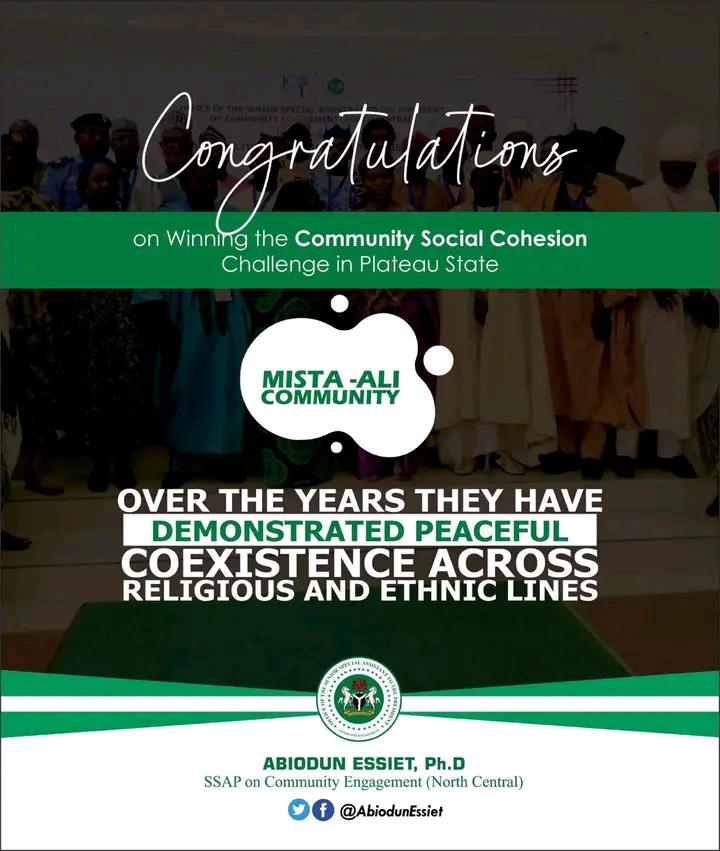
  • PRESIDENCY REWARDS MISTA-ALI FOR COMMITMENT TO PEACE

    The Presidency has awarded with a cash prize award to Mista - Ali community leader, Bassa local government area of Plateau state, Sarki Danladi in recognition of their commitment to peace.

    The award is in recognition of his outstanding performance in the Community Social Cohesion challenge by demonstrating peaceful coexistence across religious and ethnic lines, while jointly addressing security challenges.

    The challenge was organised by the Senior Special Assistant to the President on community engagement, North Central, Abiodun Essiet.

    Sarki Danladi received a cash prize of #500,000 In addition to an intervention project to be channeled to the community to further support and sustain their efforts.

    By the judgement of the organisers,
    Mista Ali Community, Bassa LGA stands out for its remarkable interfaith solidarity.

    During periods of unrest in surrounding areas, Christian youths voluntarily protect mosques, while Muslim youths safeguard churches. This practice of mutual protection continues to this day.
    PRESIDENCY REWARDS MISTA-ALI FOR COMMITMENT TO PEACE The Presidency has awarded with a cash prize award to Mista - Ali community leader, Bassa local government area of Plateau state, Sarki Danladi in recognition of their commitment to peace. The award is in recognition of his outstanding performance in the Community Social Cohesion challenge by demonstrating peaceful coexistence across religious and ethnic lines, while jointly addressing security challenges. The challenge was organised by the Senior Special Assistant to the President on community engagement, North Central, Abiodun Essiet. Sarki Danladi received a cash prize of #500,000 In addition to an intervention project to be channeled to the community to further support and sustain their efforts. By the judgement of the organisers, Mista Ali Community, Bassa LGA stands out for its remarkable interfaith solidarity. During periods of unrest in surrounding areas, Christian youths voluntarily protect mosques, while Muslim youths safeguard churches. This practice of mutual protection continues to this day.
    0 Kommentare ·0 Geteilt ·430 Ansichten
  • Gunmen Attack Church During Service in South-West Niger Republic, Kill Married Couple

    Gunmen attacked a church in Mailo village, Dosso region, Niger Republic, during a late-night Christian service, killing a husband and wife. Witnesses reported that the attackers opened fire while worshippers were attending mass, causing panic and forcing some to flee to neighboring villages or hide in the surrounding bush. The assailants also stole cattle before fleeing. Niger Republic has faced long-standing insurgency from armed groups linked to Al-Qaeda and ISIS, with nearly 2,000 conflict-related deaths reported this year alone. Despite generally peaceful Christian-Muslim relations, western regions of Niger, including Tillaberi, have previously experienced deadly attacks on places of worship.
    Gunmen Attack Church During Service in South-West Niger Republic, Kill Married Couple Gunmen attacked a church in Mailo village, Dosso region, Niger Republic, during a late-night Christian service, killing a husband and wife. Witnesses reported that the attackers opened fire while worshippers were attending mass, causing panic and forcing some to flee to neighboring villages or hide in the surrounding bush. The assailants also stole cattle before fleeing. Niger Republic has faced long-standing insurgency from armed groups linked to Al-Qaeda and ISIS, with nearly 2,000 conflict-related deaths reported this year alone. Despite generally peaceful Christian-Muslim relations, western regions of Niger, including Tillaberi, have previously experienced deadly attacks on places of worship.
    0 Kommentare ·0 Geteilt ·324 Ansichten
  • CONFIRMED

    The US Air Force allegedly used just 2 mins to neutralize the ISIS based in Nigeria. No one saw them coming, they did not know what hit them. That was the craziest Christmas gift ever.

    The Federal government just confirmed that they collaborated with America on the attack.

    America did not att*ck Muslims, they att*cked the Islamic t*rrorists who have been k*dnapping and doing terrible things to Christians and Muslims.
    CONFIRMED ❤️❤️❤️ The US🇺🇸 Air Force allegedly used just 2 mins to neutralize the ISIS based in Nigeria🇳🇬. No one saw them coming, they did not know what hit them. That was the craziest Christmas gift ever. The Federal government just confirmed that they collaborated with America on the attack. America did not att*ck Muslims, they att*cked the Islamic t*rrorists who have been k*dnapping and doing terrible things to Christians and Muslims.
    0 Kommentare ·0 Geteilt ·322 Ansichten
Weitere Ergebnisse
Fintter https://fintter.com