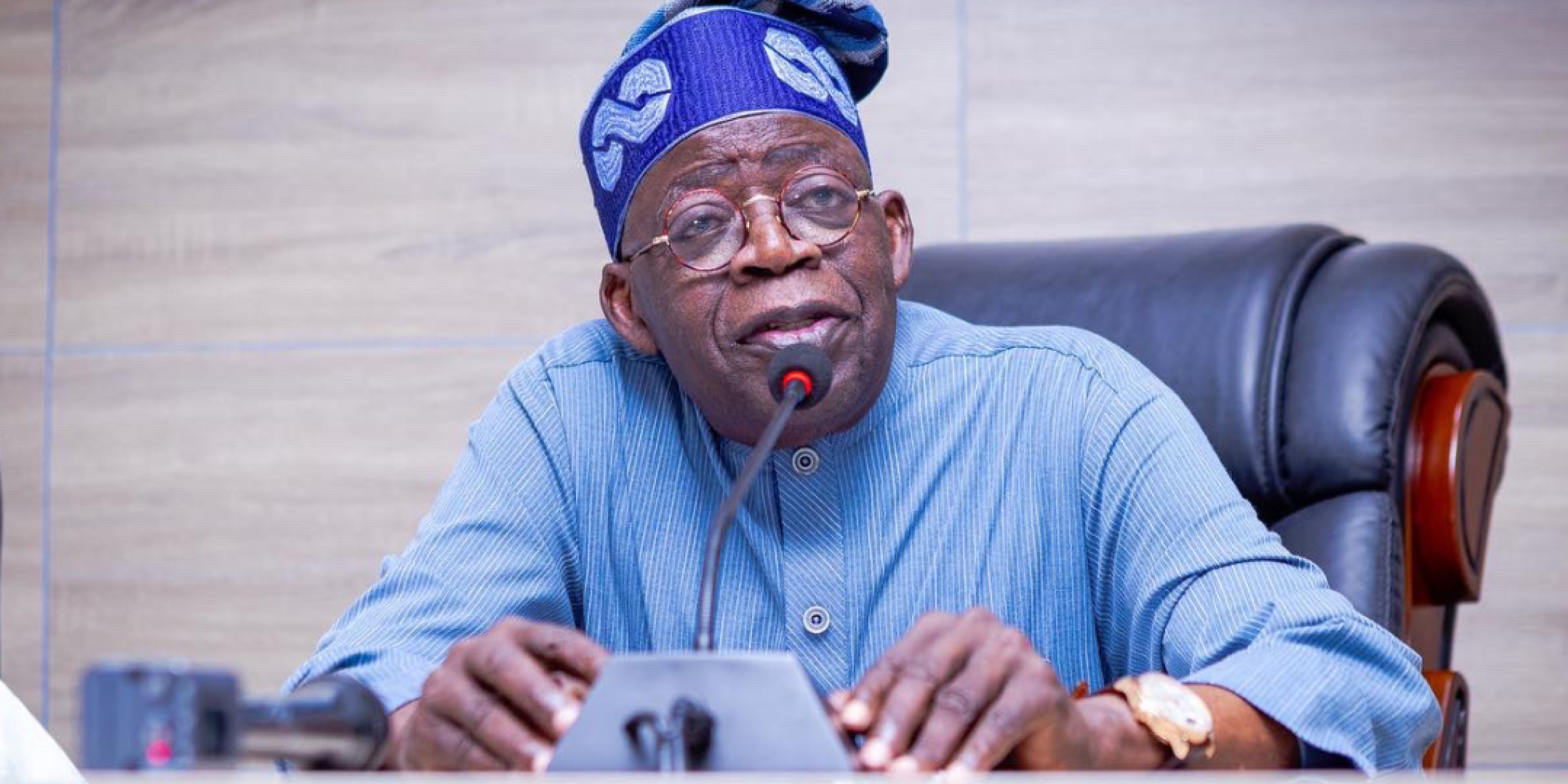
• Sowore in Court Over Alleged False Posts Against Tinubu….


    Activist and Sahara Reporters publisher, Omoyele Sowore, has appeared in court to face trial over alleged false online posts against President Bola Tinubu. The Department of State Services (DSS) filed five charges against him, including cybercrimes, defamation and incitement. Authorities claim his publications were intended to mislead the public and provoke unrest, while Sowore maintains that his actions fall within press freedom and political expression.#Fintter news

    Sowore in Court Over Alleged False Posts Against Tinubu…. Activist and Sahara Reporters publisher, Omoyele Sowore, has appeared in court to face trial over alleged false online posts against President Bola Tinubu. The Department of State Services (DSS) filed five charges against him, including cybercrimes, defamation and incitement. Authorities claim his publications were intended to mislead the public and provoke unrest, while Sowore maintains that his actions fall within press freedom and political expression.#Fintter news
    love
    2
    · 0 Comments ·0 Shares ·472 Views
  • DSS Rearrests Malami’s Son at Kuje Prison After Alleged Attempt to Sneak Him Out

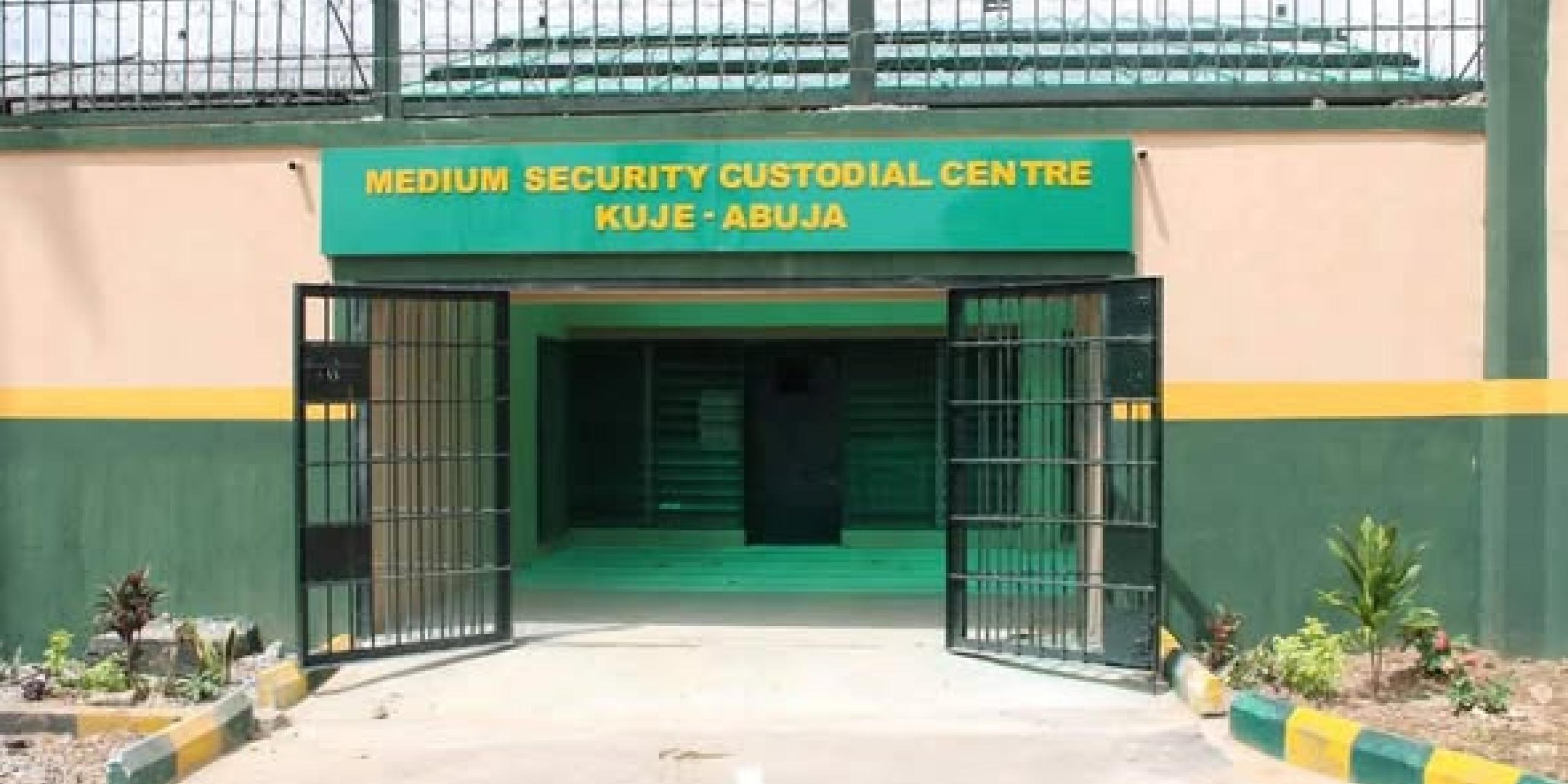
    Operatives of the Department of State Services (DSS) have rearrested Abdulaziz Malami, son of former Attorney-General Abubakar Malami, at Kuje Correctional Centre, Abuja, after an alleged attempt to quietly move him out despite completed bail papers. Security sources said heightened surveillance was ordered following intelligence reports of irregular release plans. Abdulaziz was intercepted shortly after being handed over by court bailiffs. The incident deepens controversy surrounding the Malami family, who are facing EFCC charges over alleged ₦8.7bn money laundering, with investigations and trial ongoing.

    #Malami
    #DSS
    #NigeriaCorruption
    DSS Rearrests Malami’s Son at Kuje Prison After Alleged Attempt to Sneak Him Out Operatives of the Department of State Services (DSS) have rearrested Abdulaziz Malami, son of former Attorney-General Abubakar Malami, at Kuje Correctional Centre, Abuja, after an alleged attempt to quietly move him out despite completed bail papers. Security sources said heightened surveillance was ordered following intelligence reports of irregular release plans. Abdulaziz was intercepted shortly after being handed over by court bailiffs. The incident deepens controversy surrounding the Malami family, who are facing EFCC charges over alleged ₦8.7bn money laundering, with investigations and trial ongoing. #Malami #DSS #NigeriaCorruption
    love
    1
    · 0 Comments ·0 Shares ·492 Views
  • DSS Rescues Two Pastors Abducted by Bandits in Kaduna Forest

    The Department of State Services (DSS) has rescued two pastors and a church member who were abducted by armed bandits in Kaduna State. The victims — Idi Buhari, Emmanuel Jacob, and Suleiman Adamu — were kidnapped on January 9, 2026, in the Gwagwada area of Chikun Local Government Area while travelling from Kugosi to Sarkin Pawa in Niger State to officiate a wedding ceremony. The Chairman of the Christian Association of Nigeria in Kaduna State, Rev. Joseph John Hayab, commended the DSS for what he described as a courageous, timely, and selfless operation, saying it brought relief to the church and the families.

    #DSS #Kaduna #Banditry #NigeriaSecurity
    DSS Rescues Two Pastors Abducted by Bandits in Kaduna Forest The Department of State Services (DSS) has rescued two pastors and a church member who were abducted by armed bandits in Kaduna State. The victims — Idi Buhari, Emmanuel Jacob, and Suleiman Adamu — were kidnapped on January 9, 2026, in the Gwagwada area of Chikun Local Government Area while travelling from Kugosi to Sarkin Pawa in Niger State to officiate a wedding ceremony. The Chairman of the Christian Association of Nigeria in Kaduna State, Rev. Joseph John Hayab, commended the DSS for what he described as a courageous, timely, and selfless operation, saying it brought relief to the church and the families. #DSS #Kaduna #Banditry #NigeriaSecurity
    love
    1
    · 0 Comments ·0 Shares ·561 Views
  • Lawyer Ejiofor Drag Katsina Govt Over Release Of 70 Suspected Terrorists, Warn Say Na ‘Institutionalised Insecurity

    Na wah oo! Human rights lawyer Ifeanyi Ejiofor don condemn Katsina State government for reportedly releasing 70 suspected bandits and terrorists under “peace accord.” Ejiofor yan say this kain move na dangerous policy wey fit scatter Naija stability, especially for North. E talk say to dey negotiate with armed gangs and dey give dem legitimacy na like to reward violence, and e go dey teach say blood and guns fit settle matter.

    Ejiofor also drag Nigerian govt and security agencies, say dem dey silent, like dem dey tacitly support the release. E use am compare the wahala to DSS wey confirm say Mrs. Calista Ifedi die for detention without trial, alongside many Igbo youths wey dey held unlawfully. E yan say South-East leaders must rise, demand accountability, and prosecute guilty persons properly.

    Ejiofor warn say if terror appeasement continue, Nigeria fit dey sit “on top keg of gunpowder,” as more areas fit dey ceded to jihadist terror. Na serious gbege oo!

    Lawyer Ejiofor Drag Katsina Govt Over Release Of 70 Suspected Terrorists, Warn Say Na ‘Institutionalised Insecurity Na wah oo! Human rights lawyer Ifeanyi Ejiofor don condemn Katsina State government for reportedly releasing 70 suspected bandits and terrorists under “peace accord.” Ejiofor yan say this kain move na dangerous policy wey fit scatter Naija stability, especially for North. E talk say to dey negotiate with armed gangs and dey give dem legitimacy na like to reward violence, and e go dey teach say blood and guns fit settle matter. Ejiofor also drag Nigerian govt and security agencies, say dem dey silent, like dem dey tacitly support the release. E use am compare the wahala to DSS wey confirm say Mrs. Calista Ifedi die for detention without trial, alongside many Igbo youths wey dey held unlawfully. E yan say South-East leaders must rise, demand accountability, and prosecute guilty persons properly. Ejiofor warn say if terror appeasement continue, Nigeria fit dey sit “on top keg of gunpowder,” as more areas fit dey ceded to jihadist terror. Na serious gbege oo!
    0 Comments ·0 Shares ·544 Views
  • DSS Kill Enugu Woman for Custody, RULAAC Dey Call for Justice

    Gobe don burst oo! Mrs. Calista Ifedi, wey DSS carry go Wawa Barracks, Abuja, don die while in their custody. RULAAC yan say dis na serious abuse of power and clear violation of Constitution, because na DSS suppose protect life, no be destroy am.

    Calista arrest together with her husband, Sunday Ifedi, for Enugu on 23 Nov 2021. Reason? People from IPOB reportedly buy food for her restaurant. She dey detained without charge, denied court access, and husband never see her again from March 2022 till her death.

    RULAAC talk say she dey complain chest pain many times, but DSS just dey give small medicine, dey mock her, no proper medical care. Even when civil society dey ask, DSS deny say dem dey hold her. Husband reportedly dey warned make e no talk publicly.

    RULAAC dey demand immediate investigation, free autopsy, closure of Wawa Barracks as detention centre, and protection for Ifedi family. As dem talk, “Justice delayed no go mean justice denied.”


    DSS Kill Enugu Woman for Custody, RULAAC Dey Call for Justice Gobe don burst oo! Mrs. Calista Ifedi, wey DSS carry go Wawa Barracks, Abuja, don die while in their custody. RULAAC yan say dis na serious abuse of power and clear violation of Constitution, because na DSS suppose protect life, no be destroy am. Calista arrest together with her husband, Sunday Ifedi, for Enugu on 23 Nov 2021. Reason? People from IPOB reportedly buy food for her restaurant. She dey detained without charge, denied court access, and husband never see her again from March 2022 till her death. RULAAC talk say she dey complain chest pain many times, but DSS just dey give small medicine, dey mock her, no proper medical care. Even when civil society dey ask, DSS deny say dem dey hold her. Husband reportedly dey warned make e no talk publicly. RULAAC dey demand immediate investigation, free autopsy, closure of Wawa Barracks as detention centre, and protection for Ifedi family. As dem talk, “Justice delayed no go mean justice denied.”
    0 Comments ·0 Shares ·321 Views
  • Wahala Don Set for Ipele! Youths Accuse Monarch of Hosting Gunmen Before Police Station Was Attacked

    Wahala don really set for Ipele town in Ondo State as angry youths have petitioned Governor Lucky Aiyedatiwa, accusing their traditional ruler, the Olupele of Ipele, Oba Samuel Oluwashola Adesanmi Daramola, of harbouring hooded gunmen who allegedly fired shots inside his palace just hours before the Ipele Police Station was attacked and burnt.

    In a strongly worded petition dated January 2026 and sent to the Governor’s Office, the concerned youths said they were alarmed by what they described as the monarch’s conduct, which they believe is threatening peace and security in the community.

    The youths first praised the state government for its intervention after the New Year’s Eve attack on the Ipele Police Station on December 31, 2025. But they warned that deeper issues within the town, allegedly linked to the palace, could make things worse if urgent action is not taken.

    According to the petition, the Olupele has barely stayed in Ipele since he was crowned over a year ago, frequently travelling to Lagos and the United Kingdom, where he lived before becoming king. The youths said this absence has weakened traditional leadership and damaged cooperation between the community and security agencies.

    They further alleged that the monarch is constantly at war with local youths and even elites in the diaspora, creating tension and slowing down the town’s socio-economic development. “Kabiyesi is not at peace with the majority of youths,” the petitioners claimed, adding that he often quarrels with people he sees as enemies.

    The youths also raised allegations of financial misconduct, accusing the monarch of removing or suspending chiefs without clear reasons and being overly interested in money matters. They cited a case where a ₦1 million donation meant for electricity restoration was allegedly diverted to a project that residents cannot verify.

    Market disputes were also mentioned. The petition said the Olupele was recently attacked at Joks Market after allegedly trying to take over revenue collection, a role normally handled by the local government. His agents were also accused of collecting money from tipper drivers, nearly leading to violent clashes.

    More disturbing allegations followed. The youths claimed that a young woman accused the monarch of impregnating her and pressuring her to abort the pregnancy, allegedly out of fear that his wife in the UK would react violently. They insisted that “cogent evidence is available.”

    But the most explosive accusation was about security. The youths alleged that the monarch parades armed men, fires gunshots inside his palace whenever he is in town, and has previously used gunmen to threaten residents. They said a matter involving these armed men is already under investigation at the office of the Assistant Inspector General of Police in Akure.

    They further claimed that during a palace party on the night of December 31, 2025, hooded gunmen were allegedly firing shots “at the pleasure of the kabiyesi.” Shockingly, about two hours later, armed men reportedly stormed and set the Ipele Police Station ablaze.

    To many in the town, the timing raised serious questions.

    The New Year’s Eve attack, carried out by about 20 to 30 gunmen using rifles and explosives, left the police station badly damaged and threw the community into panic. Residents fled their homes, church services were disrupted, and fear spread across Ipele, although no casualties were recorded.

    The youths described the monarch’s alleged actions as “unbecoming of a first-class Oba in Ondo State” and appealed to Governor Aiyedatiwa to urgently order a discreet but full-scale investigation into the matter. They also asked that the Olupele be cautioned to prevent further breakdown of law and order.

    The petition was signed by Ibrahim Japheth and Olorunfunmi Oladotun on behalf of the Concerned Youths of Ipele, with copies sent to the Ministry of Local Government and Chieftaincy Affairs, the police, DSS, and other security agencies.

    As Nigerians digest these shocking claims, one thing is clear:
    This matter no be small one. If even half of these allegations be true, then wahala don truly set for Ipele—and Ondo State government must act fast before things spoil pass this.
    Wahala Don Set for Ipele! Youths Accuse Monarch of Hosting Gunmen Before Police Station Was Attacked Wahala don really set for Ipele town in Ondo State as angry youths have petitioned Governor Lucky Aiyedatiwa, accusing their traditional ruler, the Olupele of Ipele, Oba Samuel Oluwashola Adesanmi Daramola, of harbouring hooded gunmen who allegedly fired shots inside his palace just hours before the Ipele Police Station was attacked and burnt. In a strongly worded petition dated January 2026 and sent to the Governor’s Office, the concerned youths said they were alarmed by what they described as the monarch’s conduct, which they believe is threatening peace and security in the community. The youths first praised the state government for its intervention after the New Year’s Eve attack on the Ipele Police Station on December 31, 2025. But they warned that deeper issues within the town, allegedly linked to the palace, could make things worse if urgent action is not taken. According to the petition, the Olupele has barely stayed in Ipele since he was crowned over a year ago, frequently travelling to Lagos and the United Kingdom, where he lived before becoming king. The youths said this absence has weakened traditional leadership and damaged cooperation between the community and security agencies. They further alleged that the monarch is constantly at war with local youths and even elites in the diaspora, creating tension and slowing down the town’s socio-economic development. “Kabiyesi is not at peace with the majority of youths,” the petitioners claimed, adding that he often quarrels with people he sees as enemies. The youths also raised allegations of financial misconduct, accusing the monarch of removing or suspending chiefs without clear reasons and being overly interested in money matters. They cited a case where a ₦1 million donation meant for electricity restoration was allegedly diverted to a project that residents cannot verify. Market disputes were also mentioned. The petition said the Olupele was recently attacked at Joks Market after allegedly trying to take over revenue collection, a role normally handled by the local government. His agents were also accused of collecting money from tipper drivers, nearly leading to violent clashes. More disturbing allegations followed. The youths claimed that a young woman accused the monarch of impregnating her and pressuring her to abort the pregnancy, allegedly out of fear that his wife in the UK would react violently. They insisted that “cogent evidence is available.” But the most explosive accusation was about security. The youths alleged that the monarch parades armed men, fires gunshots inside his palace whenever he is in town, and has previously used gunmen to threaten residents. They said a matter involving these armed men is already under investigation at the office of the Assistant Inspector General of Police in Akure. They further claimed that during a palace party on the night of December 31, 2025, hooded gunmen were allegedly firing shots “at the pleasure of the kabiyesi.” Shockingly, about two hours later, armed men reportedly stormed and set the Ipele Police Station ablaze. To many in the town, the timing raised serious questions. The New Year’s Eve attack, carried out by about 20 to 30 gunmen using rifles and explosives, left the police station badly damaged and threw the community into panic. Residents fled their homes, church services were disrupted, and fear spread across Ipele, although no casualties were recorded. The youths described the monarch’s alleged actions as “unbecoming of a first-class Oba in Ondo State” and appealed to Governor Aiyedatiwa to urgently order a discreet but full-scale investigation into the matter. They also asked that the Olupele be cautioned to prevent further breakdown of law and order. The petition was signed by Ibrahim Japheth and Olorunfunmi Oladotun on behalf of the Concerned Youths of Ipele, with copies sent to the Ministry of Local Government and Chieftaincy Affairs, the police, DSS, and other security agencies. As Nigerians digest these shocking claims, one thing is clear: This matter no be small one. If even half of these allegations be true, then wahala don truly set for Ipele—and Ondo State government must act fast before things spoil pass this.
    0 Comments ·0 Shares ·807 Views
  • Jigawa Court Orders Arrest of DSS Officer Over Alleged Abduction, Sexual Exploitation, and Forced Conversion of 16-Year-Old Girl

    A Magistrate Court sitting in Hadejia, Jigawa State, has ordered the arrest of a serving officer of Nigeria’s Department of State Services (DSS), Ifeanyi Festus, over allegations of child abduction, sexual exploitation, unlawful detention, and forcible religious conversion involving a 16-year-old girl, Walida Abdulhadi.

    The directive was issued by His Worship, Sadisu Musa Esq., in Suit No: DCC/01/2026, following a petition filed by Abuja-based law firm Gamji Lawchain on behalf of Walida’s father, Alhaji Abdulhadi Ibrahim. The court ordered the Jigawa State Commissioner of Police or senior DSS officials to arrest the officer and discreetly investigate the allegations under Sections 125 and 102(5) of the Jigawa State Administration of Criminal Justice Law (ACJL). It also directed the DSS to immediately release and reunite the girl with her parents.

    According to the petition dated January 4, 2026, Walida was allegedly abducted from Hadejia over two years ago when she was still a minor and legally incapable of consenting to any sexual relationship. The family reportedly searched for her for years, and the prolonged trauma is said to have contributed to the death of her mother.

    The case reportedly resurfaced on January 1, 2026, when the accused officer allegedly contacted the girl’s father, claiming Walida had been living with him, had given birth to his child, and that he was now prepared to marry her. When a family representative was sent to Abuja, he was allegedly taken to a DSS facility at Karmajiji, where officials reportedly confirmed that Walida had been living within the DSS estate. Requests for her release were allegedly refused.

    The petition further claims that while under this custody, the teenager was allegedly converted from Islam to Christianity without parental consent and subjected to sexual exploitation that resulted in pregnancy and childbirth while she was still underage. The lawyers alleged that the acts could not have occurred without the knowledge or tacit approval of other officers, describing the matter as potential institutional complicity rather than isolated misconduct.

    In its ruling, the court emphasized the need for immediate investigation and ordered that Walida be released and reunited with her family. The case has since generated widespread public attention, raising serious questions about child protection, abuse of power, religious freedom, and accountability within Nigeria’s security agencies.


    Jigawa Court Orders Arrest of DSS Officer Over Alleged Abduction, Sexual Exploitation, and Forced Conversion of 16-Year-Old Girl A Magistrate Court sitting in Hadejia, Jigawa State, has ordered the arrest of a serving officer of Nigeria’s Department of State Services (DSS), Ifeanyi Festus, over allegations of child abduction, sexual exploitation, unlawful detention, and forcible religious conversion involving a 16-year-old girl, Walida Abdulhadi. The directive was issued by His Worship, Sadisu Musa Esq., in Suit No: DCC/01/2026, following a petition filed by Abuja-based law firm Gamji Lawchain on behalf of Walida’s father, Alhaji Abdulhadi Ibrahim. The court ordered the Jigawa State Commissioner of Police or senior DSS officials to arrest the officer and discreetly investigate the allegations under Sections 125 and 102(5) of the Jigawa State Administration of Criminal Justice Law (ACJL). It also directed the DSS to immediately release and reunite the girl with her parents. According to the petition dated January 4, 2026, Walida was allegedly abducted from Hadejia over two years ago when she was still a minor and legally incapable of consenting to any sexual relationship. The family reportedly searched for her for years, and the prolonged trauma is said to have contributed to the death of her mother. The case reportedly resurfaced on January 1, 2026, when the accused officer allegedly contacted the girl’s father, claiming Walida had been living with him, had given birth to his child, and that he was now prepared to marry her. When a family representative was sent to Abuja, he was allegedly taken to a DSS facility at Karmajiji, where officials reportedly confirmed that Walida had been living within the DSS estate. Requests for her release were allegedly refused. The petition further claims that while under this custody, the teenager was allegedly converted from Islam to Christianity without parental consent and subjected to sexual exploitation that resulted in pregnancy and childbirth while she was still underage. The lawyers alleged that the acts could not have occurred without the knowledge or tacit approval of other officers, describing the matter as potential institutional complicity rather than isolated misconduct. In its ruling, the court emphasized the need for immediate investigation and ordered that Walida be released and reunited with her family. The case has since generated widespread public attention, raising serious questions about child protection, abuse of power, religious freedom, and accountability within Nigeria’s security agencies.
    0 Comments ·0 Shares ·519 Views
  • Jigawa Court Orders Arrest of DSS Officer Over Alleged Crimes Against Minor, Directs Police Investigation

    A Magistrate Court in Hadejia, Jigawa State, has ordered the arrest of a Department of State Services (DSS) officer, Ifeanyi Festus, and directed the Nigeria Police Force to investigate alleged offences against a minor, following a petition filed by Abdulhadi Ibrahim. The court’s order, issued in Suit No: DCC/01/2026 and signed by His Worship Sadisu Musa Esq., signals the seriousness of the allegations and underscores the judiciary’s commitment to protecting vulnerable citizens.

    The application for the arrest and investigation was moved by Mr. Kabiru Adamu Esq., alongside Babangida Garba Esq., acting as counsel to the applicant. They urged the court to invoke its powers under Section 125 and Section 102(5) of the Administration of Criminal Justice Law (ACJL) to compel immediate action against the DSS officer.

    In granting the application, the court directed the Commissioner of Police, Jigawa State Police Command, or the Deputy Director-General of the DSS to arrest the respondent. It also specifically mandated the Nigeria Police Force, Jigawa State Command, to conduct a discreet investigation into the alleged offences.

    The court further issued an urgent directive to the DSS to immediately release the victim, identified as Walida Abdulhadi, and reunite her with her parents, emphasizing the protection of the minor as a matter of priority. The ruling highlights the legal mechanisms available to hold security personnel accountable when allegations of misconduct arise, even against agencies with high-level authority like the DSS.

    Observers say the case raises critical questions about accountability, child protection, and oversight of security agencies in Nigeria. It also demonstrates the judiciary’s willingness to intervene in sensitive matters involving minors and ensure adherence to the law, regardless of the accused’s position or rank.

    As of the time of reporting, there has been no official statement from the DSS or the Jigawa State Police Command regarding the implementation of the arrest or investigation orders. Legal analysts suggest that swift compliance with the court’s directives will be a litmus test for both the DSS and police in upholding justice in cases involving vulnerable citizens.

    The case continues to attract public attention, underlining the growing demand for transparency, rule of law, and protection of minors in Nigeria’s criminal justice system.

    Jigawa Court Orders Arrest of DSS Officer Over Alleged Crimes Against Minor, Directs Police Investigation A Magistrate Court in Hadejia, Jigawa State, has ordered the arrest of a Department of State Services (DSS) officer, Ifeanyi Festus, and directed the Nigeria Police Force to investigate alleged offences against a minor, following a petition filed by Abdulhadi Ibrahim. The court’s order, issued in Suit No: DCC/01/2026 and signed by His Worship Sadisu Musa Esq., signals the seriousness of the allegations and underscores the judiciary’s commitment to protecting vulnerable citizens. The application for the arrest and investigation was moved by Mr. Kabiru Adamu Esq., alongside Babangida Garba Esq., acting as counsel to the applicant. They urged the court to invoke its powers under Section 125 and Section 102(5) of the Administration of Criminal Justice Law (ACJL) to compel immediate action against the DSS officer. In granting the application, the court directed the Commissioner of Police, Jigawa State Police Command, or the Deputy Director-General of the DSS to arrest the respondent. It also specifically mandated the Nigeria Police Force, Jigawa State Command, to conduct a discreet investigation into the alleged offences. The court further issued an urgent directive to the DSS to immediately release the victim, identified as Walida Abdulhadi, and reunite her with her parents, emphasizing the protection of the minor as a matter of priority. The ruling highlights the legal mechanisms available to hold security personnel accountable when allegations of misconduct arise, even against agencies with high-level authority like the DSS. Observers say the case raises critical questions about accountability, child protection, and oversight of security agencies in Nigeria. It also demonstrates the judiciary’s willingness to intervene in sensitive matters involving minors and ensure adherence to the law, regardless of the accused’s position or rank. As of the time of reporting, there has been no official statement from the DSS or the Jigawa State Police Command regarding the implementation of the arrest or investigation orders. Legal analysts suggest that swift compliance with the court’s directives will be a litmus test for both the DSS and police in upholding justice in cases involving vulnerable citizens. The case continues to attract public attention, underlining the growing demand for transparency, rule of law, and protection of minors in Nigeria’s criminal justice system.
    0 Comments ·0 Shares ·502 Views
  • Malami Delays Bail as DSS Besiege Kuje Prison Over Terrorism Financing Probe – Inside the High-Stakes Showdown

    Former Attorney General of the Federation, Abubakar Malami (SAN), has reportedly slowed the processing of his bail following a heavy deployment of Department of State Services (DSS) operatives at the Kuje Medium Security Custodial Centre (MSCC) in Abuja. Sources indicate that over 50 DSS officers established a perimeter around the prison, arriving in a convoy of approximately six Toyota Hilux vans, amid fears that Malami could be immediately rearrested in connection with an ongoing terrorism financing investigation.

    Malami, who was granted bail by the Federal High Court in Abuja in his N8.7 billion money laundering case, instructed his legal team to delay the release process, remaining in the VIP segregation cell of the prison, a section previously refurbished by former police intelligence chief Abba Kyari and known for housing high-profile detainees. His son, Abubakar Abdulaziz, and fourth wife, Hajia Bashir Asabe, remain at the facility, with Abdulaziz reportedly admitted to the prison clinic for observation after falling ill.

    The EFCC had arraigned Malami, Asabe, and Abdulaziz on a 16-count charge involving conspiracy, laundering, and concealment of unlawful proceeds totaling ₦8,713,923,759.49 under the Money Laundering (Prevention and Prohibition) Act, 2022. While terrorism financing is not part of the formal charges, security sources link ongoing investigations to Malami and other high-profile figures regarding the flow of Abacha loot recovered from Switzerland and the UK.

    Retired Army General Danjuma Ali-Keffi, former head of counter-terrorism Task Force Operation Service Wide (OSW), revealed that investigations into Boko Haram financiers exposed networks allegedly connected to senior military officers, top financial officials, and government figures, including Malami. Ali-Keffi claimed Malami interfered with these investigations by removing key prosecutors and influencing the release of certain suspects, actions that undermined anti-terrorism operations.

    This unfolding situation underscores heightened tensions between Nigerian law enforcement agencies and high-profile figures, highlighting the complex interplay of money laundering, terrorism financing probes, and political influence. Authorities remain on high alert as Malami’s legal maneuvering continues amid nationwide scrutiny of his activities.


    Malami Delays Bail as DSS Besiege Kuje Prison Over Terrorism Financing Probe – Inside the High-Stakes Showdown Former Attorney General of the Federation, Abubakar Malami (SAN), has reportedly slowed the processing of his bail following a heavy deployment of Department of State Services (DSS) operatives at the Kuje Medium Security Custodial Centre (MSCC) in Abuja. Sources indicate that over 50 DSS officers established a perimeter around the prison, arriving in a convoy of approximately six Toyota Hilux vans, amid fears that Malami could be immediately rearrested in connection with an ongoing terrorism financing investigation. Malami, who was granted bail by the Federal High Court in Abuja in his N8.7 billion money laundering case, instructed his legal team to delay the release process, remaining in the VIP segregation cell of the prison, a section previously refurbished by former police intelligence chief Abba Kyari and known for housing high-profile detainees. His son, Abubakar Abdulaziz, and fourth wife, Hajia Bashir Asabe, remain at the facility, with Abdulaziz reportedly admitted to the prison clinic for observation after falling ill. The EFCC had arraigned Malami, Asabe, and Abdulaziz on a 16-count charge involving conspiracy, laundering, and concealment of unlawful proceeds totaling ₦8,713,923,759.49 under the Money Laundering (Prevention and Prohibition) Act, 2022. While terrorism financing is not part of the formal charges, security sources link ongoing investigations to Malami and other high-profile figures regarding the flow of Abacha loot recovered from Switzerland and the UK. Retired Army General Danjuma Ali-Keffi, former head of counter-terrorism Task Force Operation Service Wide (OSW), revealed that investigations into Boko Haram financiers exposed networks allegedly connected to senior military officers, top financial officials, and government figures, including Malami. Ali-Keffi claimed Malami interfered with these investigations by removing key prosecutors and influencing the release of certain suspects, actions that undermined anti-terrorism operations. This unfolding situation underscores heightened tensions between Nigerian law enforcement agencies and high-profile figures, highlighting the complex interplay of money laundering, terrorism financing probes, and political influence. Authorities remain on high alert as Malami’s legal maneuvering continues amid nationwide scrutiny of his activities.
    0 Comments ·0 Shares ·684 Views
  • Was Ondo Governor’s Security Compromised? Protocol Chiefs Accused of Swapping Convoy Drivers Without Clearance Amid Rising Safety Fears

    A serious security controversy has emerged within the Ondo State Government following allegations that top protocol officials authorized a change of drivers in the governor’s convoy without security clearance, a move insiders describe as a dangerous breach of established procedure. The incident has reportedly heightened tension inside Government House and raised concerns about vulnerabilities in the governor’s protective arrangements.

    According to multiple security sources, the Chief of Protocol (CoP), Mr. Olasanya Abayomi, and the Director of Protocol (DoP), Barr. Asonja George, allegedly ordered the replacement of convoy drivers without informing the Chief Security Officer (CSO) or the Aide-de-Camp (ADC)—the two officers legally responsible for coordinating the governor’s personal security.

    Security experts within the government described the action as a “grave breach of protocol,” stressing that no driver attached to the governor’s convoy should be changed without clearance from the CSO and ADC. One senior official told SaharaReporters that bypassing this chain of command constitutes a serious security violation, especially at a time of heightened national security concerns.

    The development is said to have unsettled junior officers and deepened mistrust among senior officials, with insiders warning that internal lapses of this nature could weaken confidence in the state’s security architecture. Some officials expressed fears that overlapping authority between protocol and security units could create confusion and expose the governor to potential risks.

    More troubling are allegations that the Chief of Protocol may be acting in concert with unnamed individuals to politically undermine the governor’s security structure. Although no concrete evidence has been made public, the claims have intensified calls for an independent investigation, with sources insisting that the governor’s safety must not be subjected to internal power struggles or administrative shortcuts.

    Stakeholders are now urging the Ondo State Commissioner of Police and the Department of State Services (DSS) to urgently probe the incident, determine accountability, and restore confidence in the state’s protective operations. Civil society actors have also called for the two officials involved to step aside pending investigations, arguing that doing so would reassure the public and demonstrate institutional accountability.

    However, the state government has pushed back against claims of a security breach. The governor’s Chief Press Secretary, Mr. Ebenezer Adeniyan, denied that the governor’s safety was compromised, confirming instead that the driver changes were part of a routine annual reshuffle. He explained that all drivers fall under the supervision of the Chief of Protocol and that similar reassignments also affected other units, including the media and ambulance services.

    Despite this official explanation, security analysts argue that the episode highlights a deeper structural issue: the need for clear coordination between protocol and security departments. Experts warn that when protocol functions override established security procedures, it can create vulnerabilities that may be exploited.

    As the controversy continues, one key question remains: Was the governor’s security genuinely compromised, or was this merely an administrative routine that was misinterpreted? The answer may depend on the outcome of any investigation and whether the state government moves to review and strengthen its internal security and protocol processes.
    Was Ondo Governor’s Security Compromised? Protocol Chiefs Accused of Swapping Convoy Drivers Without Clearance Amid Rising Safety Fears A serious security controversy has emerged within the Ondo State Government following allegations that top protocol officials authorized a change of drivers in the governor’s convoy without security clearance, a move insiders describe as a dangerous breach of established procedure. The incident has reportedly heightened tension inside Government House and raised concerns about vulnerabilities in the governor’s protective arrangements. According to multiple security sources, the Chief of Protocol (CoP), Mr. Olasanya Abayomi, and the Director of Protocol (DoP), Barr. Asonja George, allegedly ordered the replacement of convoy drivers without informing the Chief Security Officer (CSO) or the Aide-de-Camp (ADC)—the two officers legally responsible for coordinating the governor’s personal security. Security experts within the government described the action as a “grave breach of protocol,” stressing that no driver attached to the governor’s convoy should be changed without clearance from the CSO and ADC. One senior official told SaharaReporters that bypassing this chain of command constitutes a serious security violation, especially at a time of heightened national security concerns. The development is said to have unsettled junior officers and deepened mistrust among senior officials, with insiders warning that internal lapses of this nature could weaken confidence in the state’s security architecture. Some officials expressed fears that overlapping authority between protocol and security units could create confusion and expose the governor to potential risks. More troubling are allegations that the Chief of Protocol may be acting in concert with unnamed individuals to politically undermine the governor’s security structure. Although no concrete evidence has been made public, the claims have intensified calls for an independent investigation, with sources insisting that the governor’s safety must not be subjected to internal power struggles or administrative shortcuts. Stakeholders are now urging the Ondo State Commissioner of Police and the Department of State Services (DSS) to urgently probe the incident, determine accountability, and restore confidence in the state’s protective operations. Civil society actors have also called for the two officials involved to step aside pending investigations, arguing that doing so would reassure the public and demonstrate institutional accountability. However, the state government has pushed back against claims of a security breach. The governor’s Chief Press Secretary, Mr. Ebenezer Adeniyan, denied that the governor’s safety was compromised, confirming instead that the driver changes were part of a routine annual reshuffle. He explained that all drivers fall under the supervision of the Chief of Protocol and that similar reassignments also affected other units, including the media and ambulance services. Despite this official explanation, security analysts argue that the episode highlights a deeper structural issue: the need for clear coordination between protocol and security departments. Experts warn that when protocol functions override established security procedures, it can create vulnerabilities that may be exploited. As the controversy continues, one key question remains: Was the governor’s security genuinely compromised, or was this merely an administrative routine that was misinterpreted? The answer may depend on the outcome of any investigation and whether the state government moves to review and strengthen its internal security and protocol processes.
    0 Comments ·0 Shares ·401 Views
  • DSS Deploys 50+ Operatives to Kuje Prison Amid Malami Bail in N8.7B Money Laundering Case

    The Department of State Services (DSS) has deployed more than 50 operatives to the Kuje Medium Security Custodial Centre (MSCC) in Abuja, following the granting of bail to former Attorney General of the Federation (AGF) Abubakar Malami. The deployment, which involved a convoy of six Toyota Hilux vans, reportedly aims to prevent Malami from evading ongoing investigations linked to terrorism financing, despite the Economic and Financial Crimes Commission (EFCC) charging him primarily with money laundering.

    Justice Emeka Nwite of the Federal High Court in Abuja granted Malami bail on Wednesday, January 8, 2026, with conditions including ₦500 million surety bonds, ownership of landed property in highbrow Abuja districts such as Asokoro, Maitama, or Gwarinpa, and deposit of travel documents with the court. Malami, his son Abdulaziz Malami, and his wife Bashir Asabe face a 16-count charge for allegedly laundering ₦8.7 billion. He was barred from leaving the country without prior court approval.

    Sources described a tense atmosphere at Kuje Prison, with DSS operatives taking strategic positions around the facility, monitoring all entries and exits, and enforcing heightened security measures. The intense deployment indicates the sensitive nature of the case and the perceived risks surrounding Malami’s custody.

    Background context reveals that Malami’s legal and financial activities have previously intersected with terrorism financing investigations under Operation Service Wide (OSW), led by retired Army General Danjuma Ali-Keffi. Launched in 2021, OSW sought to dismantle financial networks supporting Boko Haram. The operation identified alleged links between some high-profile Nigerians—including former Army Chiefs Tukur Yusuf Buratai and Faruk Yahaya, former CBN Governor Godwin Emefiele, and Malami—and suspects connected to terrorism financing.

    Ali-Keffi clarified that his revelations did not accuse Malami or others of terrorism financing but highlighted connections identified during investigations. He alleged that Malami interfered with OSW by removing a senior prosecution lawyer who refused to compromise on evidence against 48 terrorism financing suspects, potentially redirecting cases toward money laundering charges under the EFCC’s supervision.

    The DSS deployment at Kuje Prison, combined with strict bail conditions, underscores the high stakes surrounding Malami’s trial. The case exemplifies the intersection of corruption, terrorism financing, and accountability in Nigeria, with multiple agencies maintaining vigilance over proceedings involving senior political and security figures.

    DSS Deploys 50+ Operatives to Kuje Prison Amid Malami Bail in N8.7B Money Laundering Case The Department of State Services (DSS) has deployed more than 50 operatives to the Kuje Medium Security Custodial Centre (MSCC) in Abuja, following the granting of bail to former Attorney General of the Federation (AGF) Abubakar Malami. The deployment, which involved a convoy of six Toyota Hilux vans, reportedly aims to prevent Malami from evading ongoing investigations linked to terrorism financing, despite the Economic and Financial Crimes Commission (EFCC) charging him primarily with money laundering. Justice Emeka Nwite of the Federal High Court in Abuja granted Malami bail on Wednesday, January 8, 2026, with conditions including ₦500 million surety bonds, ownership of landed property in highbrow Abuja districts such as Asokoro, Maitama, or Gwarinpa, and deposit of travel documents with the court. Malami, his son Abdulaziz Malami, and his wife Bashir Asabe face a 16-count charge for allegedly laundering ₦8.7 billion. He was barred from leaving the country without prior court approval. Sources described a tense atmosphere at Kuje Prison, with DSS operatives taking strategic positions around the facility, monitoring all entries and exits, and enforcing heightened security measures. The intense deployment indicates the sensitive nature of the case and the perceived risks surrounding Malami’s custody. Background context reveals that Malami’s legal and financial activities have previously intersected with terrorism financing investigations under Operation Service Wide (OSW), led by retired Army General Danjuma Ali-Keffi. Launched in 2021, OSW sought to dismantle financial networks supporting Boko Haram. The operation identified alleged links between some high-profile Nigerians—including former Army Chiefs Tukur Yusuf Buratai and Faruk Yahaya, former CBN Governor Godwin Emefiele, and Malami—and suspects connected to terrorism financing. Ali-Keffi clarified that his revelations did not accuse Malami or others of terrorism financing but highlighted connections identified during investigations. He alleged that Malami interfered with OSW by removing a senior prosecution lawyer who refused to compromise on evidence against 48 terrorism financing suspects, potentially redirecting cases toward money laundering charges under the EFCC’s supervision. The DSS deployment at Kuje Prison, combined with strict bail conditions, underscores the high stakes surrounding Malami’s trial. The case exemplifies the intersection of corruption, terrorism financing, and accountability in Nigeria, with multiple agencies maintaining vigilance over proceedings involving senior political and security figures.
    0 Comments ·0 Shares ·593 Views
  • DSS Deploys 50+ Operatives to Kuje Prison Amid Abubakar Malami Bail in N8.7B Money Laundering Case

    The Department of State Services (DSS) has deployed over 50 operatives to Kuje Medium Security Custodial Centre (MSCC) in Abuja, placing the prison under heavy security following the bail granted to former Attorney General of the Federation (AGF) Abubakar Malami. The move is reportedly a precautionary measure to ensure Malami does not evade investigations related to terrorism financing, despite the fact that the charges filed by the Economic and Financial Crimes Commission (EFCC) focus on money laundering.

    Malami, currently remanded at Kuje Prison, was granted bail on Wednesday, January 8, 2026, by Justice Emeka Nwite of the Federal High Court in Abuja. Bail conditions include ₦500 million surety bonds, ownership of landed property in highbrow districts such as Asokoro, Maitama, or Gwarinpa, deposit of travel documents, and an absolute ban on leaving Nigeria without prior court permission. The bail hearing was part of a 16-count charge filed against Malami, his son Abdulaziz Malami, and his wife Bashir Asabe, collectively accused of laundering ₦8.7 billion.

    Sources describe a tense atmosphere at Kuje, with DSS operatives stationed strategically, monitoring all entries and exits, using approximately six Toyota Hilux vans to maintain control over the prison perimeter. The deployment highlights the critical nature of the ongoing investigation.

    Background reports indicate that Malami’s legal and financial activities have previously intersected with broader terrorism financing investigations led by retired Nigerian Army General Danjuma Ali-Keffi under Operation Service Wide (OSW). The operation, initiated in 2021, aimed to track financial networks linked to Boko Haram and uncovered alleged links between some high-profile officials—including former Army Chiefs Tukur Yusuf Buratai and Faruk Yahaya, as well as Malami and former CBN Governor Godwin Emefiele—and suspects arrested for terrorism financing.

    Ali-Keffi clarified that he was not accusing these officials of terrorism financing but stated that investigations revealed connections between them and some suspects. He also alleged that Malami had interfered with the OSW investigation by removing a senior prosecution lawyer who had resisted compromises on cases involving 48 terrorism financing suspects.

    The DSS deployment, combined with the stringent bail conditions, reflects the high stakes and sensitivity surrounding Malami’s ongoing trial and the broader investigations into the alleged misuse of funds tied to insurgent activities.

    The unfolding situation has drawn attention to the intersection of high-level corruption, terrorism financing, and law enforcement accountability in Nigeria, signaling the continued involvement of multiple agencies in overseeing cases with national security implications.
    DSS Deploys 50+ Operatives to Kuje Prison Amid Abubakar Malami Bail in N8.7B Money Laundering Case The Department of State Services (DSS) has deployed over 50 operatives to Kuje Medium Security Custodial Centre (MSCC) in Abuja, placing the prison under heavy security following the bail granted to former Attorney General of the Federation (AGF) Abubakar Malami. The move is reportedly a precautionary measure to ensure Malami does not evade investigations related to terrorism financing, despite the fact that the charges filed by the Economic and Financial Crimes Commission (EFCC) focus on money laundering. Malami, currently remanded at Kuje Prison, was granted bail on Wednesday, January 8, 2026, by Justice Emeka Nwite of the Federal High Court in Abuja. Bail conditions include ₦500 million surety bonds, ownership of landed property in highbrow districts such as Asokoro, Maitama, or Gwarinpa, deposit of travel documents, and an absolute ban on leaving Nigeria without prior court permission. The bail hearing was part of a 16-count charge filed against Malami, his son Abdulaziz Malami, and his wife Bashir Asabe, collectively accused of laundering ₦8.7 billion. Sources describe a tense atmosphere at Kuje, with DSS operatives stationed strategically, monitoring all entries and exits, using approximately six Toyota Hilux vans to maintain control over the prison perimeter. The deployment highlights the critical nature of the ongoing investigation. Background reports indicate that Malami’s legal and financial activities have previously intersected with broader terrorism financing investigations led by retired Nigerian Army General Danjuma Ali-Keffi under Operation Service Wide (OSW). The operation, initiated in 2021, aimed to track financial networks linked to Boko Haram and uncovered alleged links between some high-profile officials—including former Army Chiefs Tukur Yusuf Buratai and Faruk Yahaya, as well as Malami and former CBN Governor Godwin Emefiele—and suspects arrested for terrorism financing. Ali-Keffi clarified that he was not accusing these officials of terrorism financing but stated that investigations revealed connections between them and some suspects. He also alleged that Malami had interfered with the OSW investigation by removing a senior prosecution lawyer who had resisted compromises on cases involving 48 terrorism financing suspects. The DSS deployment, combined with the stringent bail conditions, reflects the high stakes and sensitivity surrounding Malami’s ongoing trial and the broader investigations into the alleged misuse of funds tied to insurgent activities. The unfolding situation has drawn attention to the intersection of high-level corruption, terrorism financing, and law enforcement accountability in Nigeria, signaling the continued involvement of multiple agencies in overseeing cases with national security implications.
    0 Comments ·0 Shares ·688 Views
  • Where Is Sheikh Khalifa? Family Alleges Weeks-Long Detention — What Really Happened in Abuja?”

    For over 25 days, the family of Sheikh Khalifa Sani Abdulkadir, a respected Islamic scholar and leader of the Tijaniyya sect Fityanul Islam in Zaria, has been desperate for answers. According to reports, Sheikh Khalifa traveled to Abuja to resolve issues surrounding a blocked bank account, but since that day, he has reportedly been detained by the Department of State Services (DSS).
    His wife, Hajiya Ramatu Khalifa, describes a life now filled with anxiety, sleepless nights, and fear, raising their children alone while not knowing her husband’s whereabouts or well-being. The family claims to have received only a single brief call from Sheikh Khalifa, leaving more questions than answers.
    Reports suggest that the matter may involve a sum of N2 million and, disturbingly, that authorities have classified it as a military case, making transparency even harder. Meanwhile, rumors linking Sheikh Khalifa to allegations of receiving money for prayers related to a coup remain unconfirmed, with the family completely unaware of such claims.
    This raises urgent questions for the public: Why has Sheikh Khalifa been detained for so long? What exactly is the connection between his bank account and the military case? Should families be left in the dark about the detention of religious leaders?
    We want to hear from you, Fintter readers: What do you think is happening in Abuja, and how should authorities handle cases like this? Share your thoughts in the comments and join the conversation.
    Where Is Sheikh Khalifa? Family Alleges Weeks-Long Detention — What Really Happened in Abuja?” For over 25 days, the family of Sheikh Khalifa Sani Abdulkadir, a respected Islamic scholar and leader of the Tijaniyya sect Fityanul Islam in Zaria, has been desperate for answers. According to reports, Sheikh Khalifa traveled to Abuja to resolve issues surrounding a blocked bank account, but since that day, he has reportedly been detained by the Department of State Services (DSS). His wife, Hajiya Ramatu Khalifa, describes a life now filled with anxiety, sleepless nights, and fear, raising their children alone while not knowing her husband’s whereabouts or well-being. The family claims to have received only a single brief call from Sheikh Khalifa, leaving more questions than answers. Reports suggest that the matter may involve a sum of N2 million and, disturbingly, that authorities have classified it as a military case, making transparency even harder. Meanwhile, rumors linking Sheikh Khalifa to allegations of receiving money for prayers related to a coup remain unconfirmed, with the family completely unaware of such claims. This raises urgent questions for the public: Why has Sheikh Khalifa been detained for so long? What exactly is the connection between his bank account and the military case? Should families be left in the dark about the detention of religious leaders? We want to hear from you, Fintter readers: What do you think is happening in Abuja, and how should authorities handle cases like this? Share your thoughts in the comments and join the conversation.
    0 Comments ·0 Shares ·382 Views
  • NCC Staff Allege Abuse, Corruption, Irregular Recruitment Under EVC Dr. Aminu Maida, Call for Probe

    Some staff members of the Nigerian Communications Commission (NCC) have accused Executive Vice Chairman and CEO Dr. Aminu Maida of widespread corruption, abuse of power, staff victimisation, and intimidation. Operating under the name Concerned Staff of the NCC, they allege management has refused to promote existing employees citing “no vacancies” while approving the recruitment of over 50 new staff.
    The workers further claimed that the introduction of a voluntary redundancy scheme is being used to force out existing employees to create vacancies for preferred candidates, amid alleged board interference and staff intimidation, including involvement of the Department of State Services (DSS).
    Sources also allege that Maida frequently travels abroad, particularly to the UK, without handing over responsibilities, leaving oversight to close associates. Staff warned that no individual is above the law and called on the Minister of Communications, anti-corruption agencies, the National Assembly, and the media to investigate irregular recruitment, the redundancy scheme, intimidation practices, and alleged declining service quality at the NCC.

    #NCCCorruption #AminuMaida #NigerianTelecoms #StaffAbuse #IrregularRecruitment
    NCC Staff Allege Abuse, Corruption, Irregular Recruitment Under EVC Dr. Aminu Maida, Call for Probe Some staff members of the Nigerian Communications Commission (NCC) have accused Executive Vice Chairman and CEO Dr. Aminu Maida of widespread corruption, abuse of power, staff victimisation, and intimidation. Operating under the name Concerned Staff of the NCC, they allege management has refused to promote existing employees citing “no vacancies” while approving the recruitment of over 50 new staff. The workers further claimed that the introduction of a voluntary redundancy scheme is being used to force out existing employees to create vacancies for preferred candidates, amid alleged board interference and staff intimidation, including involvement of the Department of State Services (DSS). Sources also allege that Maida frequently travels abroad, particularly to the UK, without handing over responsibilities, leaving oversight to close associates. Staff warned that no individual is above the law and called on the Minister of Communications, anti-corruption agencies, the National Assembly, and the media to investigate irregular recruitment, the redundancy scheme, intimidation practices, and alleged declining service quality at the NCC. #NCCCorruption #AminuMaida #NigerianTelecoms #StaffAbuse #IrregularRecruitment
    0 Comments ·0 Shares ·661 Views
  • Tinubu Orders Security Agencies to Intensify Operations Around Forest Communities After Deadly Niger State Market Attack That Killed Over 40

    President Bola Ahmed Tinubu has directed Nigeria’s security agencies to intensify operations around vulnerable communities, particularly those located near forests, following a deadly terrorist attack in Niger State that left more than 40 people dead and many women and children abducted. The attack occurred at Kasuwa Daji market along the Sokobara–Tunga Demo axis in Borgu Local Government Area, sparking outrage among residents who accused security forces of responding only after victims’ bodies were being evacuated.

    In a statement personally issued on January 4, 2026, President Tinubu said he had ordered the Minister of Defence, the Chief of Defence Staff, the Service Chiefs, the Inspector-General of Police, and the Director-General of the Department of State Services (DSS) to hunt down those responsible for the attack and ensure they are swiftly brought to justice. He described the attackers as terrorists who had tested the resolve of the nation and warned that they would face the full weight of the law.

    The President also cautioned that anyone found aiding, abetting, or enabling the attackers would be prosecuted, regardless of their status or intent. He further instructed security agencies to urgently rescue all abducted victims and strengthen security presence in at-risk areas across the country, with particular focus on communities near forests that have increasingly become targets of violent attacks.

    Calling for national unity, Tinubu urged Nigerians to confront insecurity collectively and deny criminal elements any safe haven. He expressed condolences to the families of those killed in the attack and reaffirmed his administration’s commitment to restoring peace and security to affected communities, stressing that Nigeria must stand together to defeat terrorism and reclaim safety for its citizens.
    Tinubu Orders Security Agencies to Intensify Operations Around Forest Communities After Deadly Niger State Market Attack That Killed Over 40 President Bola Ahmed Tinubu has directed Nigeria’s security agencies to intensify operations around vulnerable communities, particularly those located near forests, following a deadly terrorist attack in Niger State that left more than 40 people dead and many women and children abducted. The attack occurred at Kasuwa Daji market along the Sokobara–Tunga Demo axis in Borgu Local Government Area, sparking outrage among residents who accused security forces of responding only after victims’ bodies were being evacuated. In a statement personally issued on January 4, 2026, President Tinubu said he had ordered the Minister of Defence, the Chief of Defence Staff, the Service Chiefs, the Inspector-General of Police, and the Director-General of the Department of State Services (DSS) to hunt down those responsible for the attack and ensure they are swiftly brought to justice. He described the attackers as terrorists who had tested the resolve of the nation and warned that they would face the full weight of the law. The President also cautioned that anyone found aiding, abetting, or enabling the attackers would be prosecuted, regardless of their status or intent. He further instructed security agencies to urgently rescue all abducted victims and strengthen security presence in at-risk areas across the country, with particular focus on communities near forests that have increasingly become targets of violent attacks. Calling for national unity, Tinubu urged Nigerians to confront insecurity collectively and deny criminal elements any safe haven. He expressed condolences to the families of those killed in the attack and reaffirmed his administration’s commitment to restoring peace and security to affected communities, stressing that Nigeria must stand together to defeat terrorism and reclaim safety for its citizens.
    0 Comments ·0 Shares ·467 Views
  • Physically Challenged Edo Artisan Alleges DSS Seized His Car for Writing ‘Nigerians Are Hungry, Tinubu Is the Worst President’ in Benin City

    A physically challenged artisan, Solomon Umudi, has accused operatives of the Department of State Services (DSS) of unlawfully seizing his car in Benin City, Edo State, over political messages he wrote on the vehicle criticising the Nigerian government and President Bola Ahmed Tinubu. According to Umudi, the inscriptions included statements such as “Nigerians are hungry,” “Tinubu is the worst President,” “No judiciary in Nigeria,” and “Nigerian pastors have failed us,” which he said reflected his personal experiences and the widespread hardship facing ordinary citizens.

    Narrating his ordeal, Umudi said DSS operatives did not invite him for questioning or follow due process before taking his car. He alleged that the officers used deception around the Akezuwa and Stadium Road areas of Benin City, pretending to cause an accident before forcefully seizing the vehicle and driving away with it. He insisted that the car was not obstructing traffic and that he was never informed where it was taken.

    Umudi, who earns a living making car seats, lamented what he described as increasing suppression of small business owners, youths, and vulnerable citizens amid worsening economic conditions and insecurity. He said he often carries a generator in his car to power his work due to the lack of electricity and recounted how he previously paid ransom to secure the release of a kidnapped student, highlighting the impact of insecurity on everyday Nigerians.

    Describing the seizure of his car as an attempt to silence him, Umudi insisted that freedom of expression is a fundamental right in a democratic society and vowed to continue speaking out against hardship, poor governance, and what he sees as government failure. He called on authorities to listen to citizens’ concerns rather than intimidate or suppress dissent, warning that actions taken against him would not deter his resolve to keep expressing his views.
    Physically Challenged Edo Artisan Alleges DSS Seized His Car for Writing ‘Nigerians Are Hungry, Tinubu Is the Worst President’ in Benin City A physically challenged artisan, Solomon Umudi, has accused operatives of the Department of State Services (DSS) of unlawfully seizing his car in Benin City, Edo State, over political messages he wrote on the vehicle criticising the Nigerian government and President Bola Ahmed Tinubu. According to Umudi, the inscriptions included statements such as “Nigerians are hungry,” “Tinubu is the worst President,” “No judiciary in Nigeria,” and “Nigerian pastors have failed us,” which he said reflected his personal experiences and the widespread hardship facing ordinary citizens. Narrating his ordeal, Umudi said DSS operatives did not invite him for questioning or follow due process before taking his car. He alleged that the officers used deception around the Akezuwa and Stadium Road areas of Benin City, pretending to cause an accident before forcefully seizing the vehicle and driving away with it. He insisted that the car was not obstructing traffic and that he was never informed where it was taken. Umudi, who earns a living making car seats, lamented what he described as increasing suppression of small business owners, youths, and vulnerable citizens amid worsening economic conditions and insecurity. He said he often carries a generator in his car to power his work due to the lack of electricity and recounted how he previously paid ransom to secure the release of a kidnapped student, highlighting the impact of insecurity on everyday Nigerians. Describing the seizure of his car as an attempt to silence him, Umudi insisted that freedom of expression is a fundamental right in a democratic society and vowed to continue speaking out against hardship, poor governance, and what he sees as government failure. He called on authorities to listen to citizens’ concerns rather than intimidate or suppress dissent, warning that actions taken against him would not deter his resolve to keep expressing his views.
    0 Comments ·0 Shares ·381 Views
  • UPDATE :Tinubu Orders Military, Police, DSS To Hunt Down Terrorists Behind Niger State Attack

    President Bola Tinubu has directed the Minister of Defence, the Chief of Defence Staff, the service chiefs, the Inspector-General of Police, and the Director-General of the Department of State Services (DSS) to track down and apprehend the perpetrators of the Kasuwan Daji attack in Niger State.
    UPDATE :Tinubu Orders Military, Police, DSS To Hunt Down Terrorists Behind Niger State Attack President Bola Tinubu has directed the Minister of Defence, the Chief of Defence Staff, the service chiefs, the Inspector-General of Police, and the Director-General of the Department of State Services (DSS) to track down and apprehend the perpetrators of the Kasuwan Daji attack in Niger State.
    0 Comments ·0 Shares ·405 Views
  • Tinubu Orders Military, Police, DSS to Hunt Kasuwan Daji Terrorists, Rescue Abducted Women and Children in Niger State

    President Bola Ahmed Tinubu has directed Nigeria’s security agencies, including the military, police, and the Department of State Services (DSS), to intensify operations to track down and apprehend the terrorists behind the deadly attack on Kasuwan Daji community in Niger State. The directive was issued on Sunday and conveyed in a statement signed on January 4, 2026, by the President’s Special Adviser on Information and Strategy, Bayo Onanuga.

    The President ordered the Minister of Defence, the Chief of Defence Staff, Service Chiefs, the Inspector-General of Police, and the DSS Director-General to urgently locate the attackers and rescue all abducted victims, particularly women and children. The Kasuwan Daji attack, which occurred amid a surge in terrorist activities in Niger State, led to the killing of villagers and mass abductions.

    According to the presidency, the assailants are suspected to be fleeing from Sokoto and Zamfara states following a U.S. airstrike carried out on Christmas Eve. President Tinubu condemned the killings, described the attack as a test of Nigeria’s resolve, and vowed that the perpetrators and anyone aiding them would be hunted down and brought to justice.

    He also extended condolences to the families of the victims and the people of Niger State, while assuring that security operations would be strengthened around vulnerable communities, especially those near forest areas used as criminal hideouts. The President urged Nigerians to remain united and avoid divisive rhetoric, stressing that collective resolve is crucial to defeating terrorism and restoring peace to affected communities.
    Tinubu Orders Military, Police, DSS to Hunt Kasuwan Daji Terrorists, Rescue Abducted Women and Children in Niger State President Bola Ahmed Tinubu has directed Nigeria’s security agencies, including the military, police, and the Department of State Services (DSS), to intensify operations to track down and apprehend the terrorists behind the deadly attack on Kasuwan Daji community in Niger State. The directive was issued on Sunday and conveyed in a statement signed on January 4, 2026, by the President’s Special Adviser on Information and Strategy, Bayo Onanuga. The President ordered the Minister of Defence, the Chief of Defence Staff, Service Chiefs, the Inspector-General of Police, and the DSS Director-General to urgently locate the attackers and rescue all abducted victims, particularly women and children. The Kasuwan Daji attack, which occurred amid a surge in terrorist activities in Niger State, led to the killing of villagers and mass abductions. According to the presidency, the assailants are suspected to be fleeing from Sokoto and Zamfara states following a U.S. airstrike carried out on Christmas Eve. President Tinubu condemned the killings, described the attack as a test of Nigeria’s resolve, and vowed that the perpetrators and anyone aiding them would be hunted down and brought to justice. He also extended condolences to the families of the victims and the people of Niger State, while assuring that security operations would be strengthened around vulnerable communities, especially those near forest areas used as criminal hideouts. The President urged Nigerians to remain united and avoid divisive rhetoric, stressing that collective resolve is crucial to defeating terrorism and restoring peace to affected communities.
    0 Comments ·0 Shares ·581 Views
  • MURIC Demands Arrest of Nigerian for Inciting Kidnap and Kill of Igbo Muslims

    The Muslim Rights Concern (MURIC) has called for the immediate arrest and prosecution of Maazi Kanayo over alleged incitement against Igbo Muslims in Southeastern Nigeria. According to MURIC Executive Director, Professor Ishaq Akintola, Kanayo circulated an audio clip on TikTok urging the kidnapping and killing of Igbo Muslims in Enugu, Ebonyi, and Imo states.

    MURIC highlighted that some Igbo Muslims are traditional rulers, raising concerns about potential communal unrest. The organisation urged security agencies, including the DSS and Nigerian Police, to act swiftly to protect lives, emphasizing that every minute counts in preventing harm.
    MURIC Demands Arrest of Nigerian for Inciting Kidnap and Kill of Igbo Muslims The Muslim Rights Concern (MURIC) has called for the immediate arrest and prosecution of Maazi Kanayo over alleged incitement against Igbo Muslims in Southeastern Nigeria. According to MURIC Executive Director, Professor Ishaq Akintola, Kanayo circulated an audio clip on TikTok urging the kidnapping and killing of Igbo Muslims in Enugu, Ebonyi, and Imo states. MURIC highlighted that some Igbo Muslims are traditional rulers, raising concerns about potential communal unrest. The organisation urged security agencies, including the DSS and Nigerian Police, to act swiftly to protect lives, emphasizing that every minute counts in preventing harm.
    0 Comments ·0 Shares ·500 Views
  • Nnamdi Kanu: IPOB Leader’s International Lawyer Accuses UK of Ignoring Illegal Abduction, Torture and Detention, Urges Prime Minister Keir Starmer to Intervene

    The international lawyer and spokesperson for the detained leader of the Indigenous People of Biafra (IPOB), Mazi Nnamdi Kanu, has accused the United Kingdom of deliberately ignoring what he described as Kanu’s illegal abduction, torture and continued imprisonment in Nigeria. In a strongly worded letter addressed to British Prime Minister Keir Starmer at 10 Downing Street, Kanu’s counsel, Bruce Fein, called for urgent diplomatic intervention to secure the release of the British citizen.

    Fein alleged that Kanu was kidnapped in Nairobi, Kenya, in 2021, tortured and extraordinarily renditioned to Nigeria by Nigerian security agents, actions he said violated international law and multiple human rights conventions. According to the lawyer, Kanu has since been held in prolonged solitary confinement without adequate medical care under Nigeria’s security services.

    The letter recalled a July 2022 ruling by the United Nations Working Group on Arbitrary Detention, which found that Nigeria violated 16 international human rights covenants in Kanu’s arrest and detention. The UN body ordered his immediate and unconditional release and payment of reparations—directives Fein said the Nigerian government has ignored for more than three years.

    Fein also condemned Kanu’s life sentence handed down by a Federal High Court in Abuja on November 20, 2025, describing the trial as a “show trial” and insisting that Kanu’s advocacy for Biafran self-determination was pursued through peaceful means. He accused successive UK governments of failing to act despite Kanu’s British citizenship and questioned whether Britain’s silence was motivated by political interests, oil diplomacy or racial bias.

    Drawing comparisons with the UK’s recent intervention in securing the release of British-Egyptian activist Alaa Abd el-Fattah, Fein described the contrasting response as a troubling double standard. He urged Prime Minister Starmer to use diplomatic channels to negotiate Kanu’s release, arguing that doing so would reinforce Britain’s commitment to human rights and correct what he called a historic injustice tied to colonial-era decisions and Britain’s role during the Biafran Civil War.

    Kanu remains in the custody of Nigeria’s Department of State Services (DSS), as calls from rights groups, lawyers and supporters intensify for his release amid growing international scrutiny of Nigeria’s handling of the case.
    Nnamdi Kanu: IPOB Leader’s International Lawyer Accuses UK of Ignoring Illegal Abduction, Torture and Detention, Urges Prime Minister Keir Starmer to Intervene The international lawyer and spokesperson for the detained leader of the Indigenous People of Biafra (IPOB), Mazi Nnamdi Kanu, has accused the United Kingdom of deliberately ignoring what he described as Kanu’s illegal abduction, torture and continued imprisonment in Nigeria. In a strongly worded letter addressed to British Prime Minister Keir Starmer at 10 Downing Street, Kanu’s counsel, Bruce Fein, called for urgent diplomatic intervention to secure the release of the British citizen. Fein alleged that Kanu was kidnapped in Nairobi, Kenya, in 2021, tortured and extraordinarily renditioned to Nigeria by Nigerian security agents, actions he said violated international law and multiple human rights conventions. According to the lawyer, Kanu has since been held in prolonged solitary confinement without adequate medical care under Nigeria’s security services. The letter recalled a July 2022 ruling by the United Nations Working Group on Arbitrary Detention, which found that Nigeria violated 16 international human rights covenants in Kanu’s arrest and detention. The UN body ordered his immediate and unconditional release and payment of reparations—directives Fein said the Nigerian government has ignored for more than three years. Fein also condemned Kanu’s life sentence handed down by a Federal High Court in Abuja on November 20, 2025, describing the trial as a “show trial” and insisting that Kanu’s advocacy for Biafran self-determination was pursued through peaceful means. He accused successive UK governments of failing to act despite Kanu’s British citizenship and questioned whether Britain’s silence was motivated by political interests, oil diplomacy or racial bias. Drawing comparisons with the UK’s recent intervention in securing the release of British-Egyptian activist Alaa Abd el-Fattah, Fein described the contrasting response as a troubling double standard. He urged Prime Minister Starmer to use diplomatic channels to negotiate Kanu’s release, arguing that doing so would reinforce Britain’s commitment to human rights and correct what he called a historic injustice tied to colonial-era decisions and Britain’s role during the Biafran Civil War. Kanu remains in the custody of Nigeria’s Department of State Services (DSS), as calls from rights groups, lawyers and supporters intensify for his release amid growing international scrutiny of Nigeria’s handling of the case.
    0 Comments ·0 Shares ·549 Views
More Results
Fintter https://fintter.com