• Advanced Functional Materials Low Carbon Market Policy Outlook 2026–2034: Regulatory Impact & Sustainable Innovation

    Explore the full report: https://www.openpr.com/news/4463905/advanced-functional-materials-low-carbon-market-policy

    #lowcarbonmaterials #advancedmaterials #sustainability #greeninnovation #markettrends
    Advanced Functional Materials Low Carbon Market Policy Outlook 2026–2034: Regulatory Impact & Sustainable Innovation Explore the full report: https://www.openpr.com/news/4463905/advanced-functional-materials-low-carbon-market-policy #lowcarbonmaterials #advancedmaterials #sustainability #greeninnovation #markettrends
    0 Kommentare ·0 Geteilt ·3KB Ansichten
  • Tinubu Returns to Abuja After Weeks Away, Seals Major Nigeria–UAE Trade Deal in Abu Dhabi

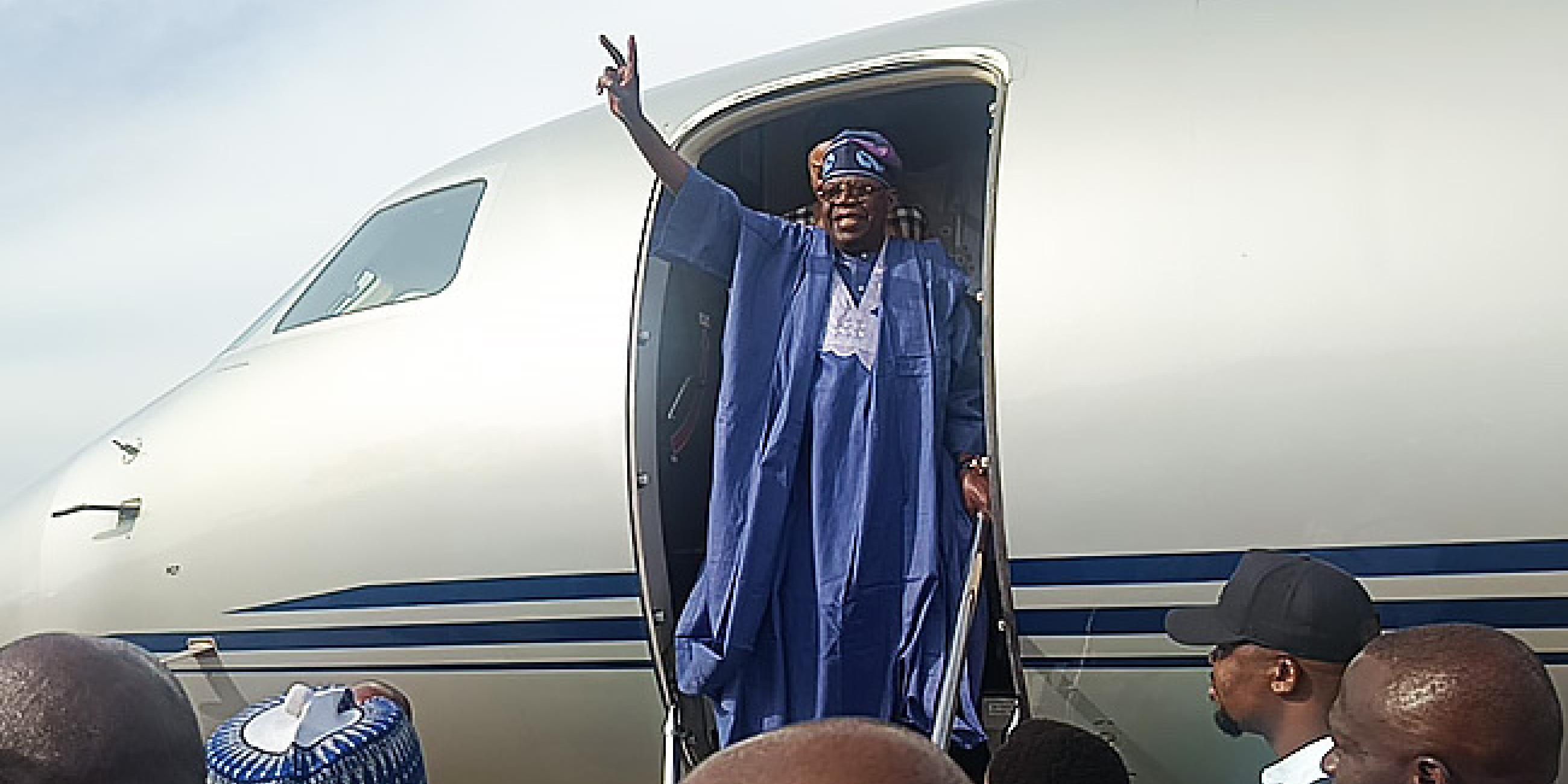
    President Bola Tinubu has returned to Abuja after weeks abroad, following his participation in the 2026 Abu Dhabi Sustainability Week. During the summit, Nigeria and the United Arab Emirates signed a landmark Economic Partnership Agreement aimed at boosting trade, investment, and technology transfer. The deal grants duty-free access for thousands of Nigerian products into the UAE market and covers key sectors such as energy, agriculture, infrastructure, mining, and renewables. Tinubu’s trip, which began with a stay in Paris, underscores his administration’s push to attract foreign investment, expand non-oil exports, and reposition Nigeria in the global economy.


    #TinubuReturns #NigeriaUAEDeal #NaijaEconomy
    Tinubu Returns to Abuja After Weeks Away, Seals Major Nigeria–UAE Trade Deal in Abu Dhabi President Bola Tinubu has returned to Abuja after weeks abroad, following his participation in the 2026 Abu Dhabi Sustainability Week. During the summit, Nigeria and the United Arab Emirates signed a landmark Economic Partnership Agreement aimed at boosting trade, investment, and technology transfer. The deal grants duty-free access for thousands of Nigerian products into the UAE market and covers key sectors such as energy, agriculture, infrastructure, mining, and renewables. Tinubu’s trip, which began with a stay in Paris, underscores his administration’s push to attract foreign investment, expand non-oil exports, and reposition Nigeria in the global economy. #TinubuReturns #NigeriaUAEDeal #NaijaEconomy
    love
    2
    · 0 Kommentare ·0 Geteilt ·3KB Ansichten
  • PRESIDENT TINUBU RETURNS TO NIGERIA AFTER ABU DHABI TRIP……

    President Bola Ahmed Tinubu has returned to Nigeria after participating in the 2026 Abu Dhabi Sustainability Week (ADSW2026) alongside key ministers. According to a statement by his Special Adviser, Bayo Onanuga, Nigeria signed a Comprehensive Economic Partnership Agreement (CEPA) with the United Arab Emirates to deepen economic cooperation. The deal targets increased trade, investment, technology transfer, and collaboration in energy, infrastructure, agriculture, mining, and renewables. Tinubu also announced a Nigeria–UAE INVESTOPIA in Lagos this February and said Nigeria plans to mobilise up to $30bn yearly for climate and green industrial finance.
    #fintternews
    PRESIDENT TINUBU RETURNS TO NIGERIA AFTER ABU DHABI TRIP…… President Bola Ahmed Tinubu has returned to Nigeria after participating in the 2026 Abu Dhabi Sustainability Week (ADSW2026) alongside key ministers. According to a statement by his Special Adviser, Bayo Onanuga, Nigeria signed a Comprehensive Economic Partnership Agreement (CEPA) with the United Arab Emirates to deepen economic cooperation. The deal targets increased trade, investment, technology transfer, and collaboration in energy, infrastructure, agriculture, mining, and renewables. Tinubu also announced a Nigeria–UAE INVESTOPIA in Lagos this February and said Nigeria plans to mobilise up to $30bn yearly for climate and green industrial finance. #fintternews
    love
    2
    · 0 Kommentare ·0 Geteilt ·3KB Ansichten
  • Nigeria Questions President Tinubu’s Whereabouts Amid Activist Sowore’s Demand for Clarity on Leadership, Public Absence Sparks Concern

    Concerns over President Bola Tinubu’s public absence have intensified as prominent activist and former presidential candidate Omoyele Sowore called on the government to clarify the president’s whereabouts. Sowore described Nigeria as effectively “operating without a president”, citing Tinubu’s extended absence from public engagements during a period of economic challenges, rising insecurity, and widespread public discontent.

    According to the Presidency, Tinubu departed Lagos for Europe to continue his end-of-year break ahead of an official trip to Abu Dhabi for the Abu Dhabi Sustainability Week Summit (ADSW 2026), where he is set to engage global leaders on sustainable development initiatives. Presidential aides confirmed he will return after the summit.

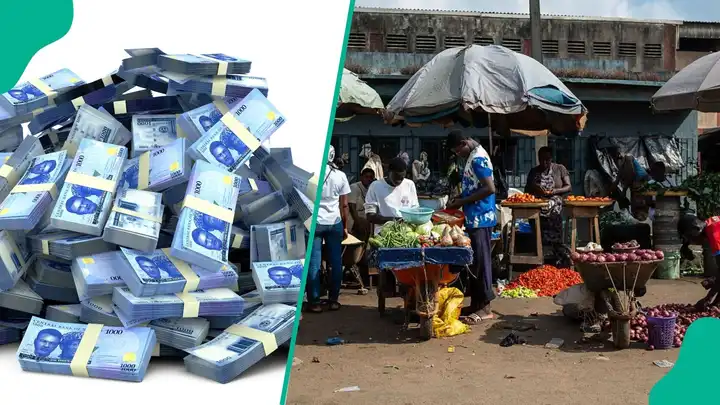
    The situation has drawn scrutiny over government transparency, leadership accountability, and budget allocations. Review of the 2026 Nigerian budget shows N6.1 billion earmarked for Tinubu’s international travels and N873 million for local travels, while Vice President Kashim Shettima plans to spend N1.3 billion on foreign trips, bringing the total for top leadership travel to N7.4 billion.

    Civil society groups and opposition figures echo Sowore’s call for clarity, insisting that Nigerians deserve reassurance about the president’s health, governance engagement, and leadership presence. The ongoing debate underscores concerns about executive transparency, fiscal responsibility, and citizen confidence in the highest office of Nigeria.
    Nigeria Questions President Tinubu’s Whereabouts Amid Activist Sowore’s Demand for Clarity on Leadership, Public Absence Sparks Concern Concerns over President Bola Tinubu’s public absence have intensified as prominent activist and former presidential candidate Omoyele Sowore called on the government to clarify the president’s whereabouts. Sowore described Nigeria as effectively “operating without a president”, citing Tinubu’s extended absence from public engagements during a period of economic challenges, rising insecurity, and widespread public discontent. According to the Presidency, Tinubu departed Lagos for Europe to continue his end-of-year break ahead of an official trip to Abu Dhabi for the Abu Dhabi Sustainability Week Summit (ADSW 2026), where he is set to engage global leaders on sustainable development initiatives. Presidential aides confirmed he will return after the summit. The situation has drawn scrutiny over government transparency, leadership accountability, and budget allocations. Review of the 2026 Nigerian budget shows N6.1 billion earmarked for Tinubu’s international travels and N873 million for local travels, while Vice President Kashim Shettima plans to spend N1.3 billion on foreign trips, bringing the total for top leadership travel to N7.4 billion. Civil society groups and opposition figures echo Sowore’s call for clarity, insisting that Nigerians deserve reassurance about the president’s health, governance engagement, and leadership presence. The ongoing debate underscores concerns about executive transparency, fiscal responsibility, and citizen confidence in the highest office of Nigeria.
    0 Kommentare ·0 Geteilt ·3KB Ansichten

  • Tinubu Govt Allocates N6B for Presidential Jet Engine Overhaul, N1.5B for Aviation Fuel in 2026 Budget

    The Tinubu-led Nigerian government has earmarked N6 billion for overhauling aircraft engines in the Presidential Air Fleet under the 2026 budget. A breakdown of the expenditure reveals that the presidential jet, 5N-FGW (Gulfstream G550), will cost N3.859 billion for engine overhaul, while two Falcon 7X aircraft will require N2.19 billion for maintenance.

    In addition, N1.2 billion is budgeted for general aircraft maintenance, and N1.5 billion is allocated for aviation fuel. Other allocations include N375 million for foodstuffs and catering supplies for presidential operations.

    The budget review also highlights planned travel expenses: President Bola Tinubu has set aside N6.1 billion for international trips, while Vice President Kashim Shettima plans to spend N1.3 billion on foreign travels, totaling N7.4 billion. The President is scheduled to attend the Abu Dhabi Sustainability Week Summit (ADSW 2026) following his European break.

    Historical data shows the Tinubu administration spent N36.3 billion on international travel in 2024 and significant sums on local transport, underscoring the continued high cost of State House operations.

    #NigeriaBudget2026 #Tinubu #PresidentialAirFleet”

    Tinubu Govt Allocates N6B for Presidential Jet Engine Overhaul, N1.5B for Aviation Fuel in 2026 Budget The Tinubu-led Nigerian government has earmarked N6 billion for overhauling aircraft engines in the Presidential Air Fleet under the 2026 budget. A breakdown of the expenditure reveals that the presidential jet, 5N-FGW (Gulfstream G550), will cost N3.859 billion for engine overhaul, while two Falcon 7X aircraft will require N2.19 billion for maintenance. In addition, N1.2 billion is budgeted for general aircraft maintenance, and N1.5 billion is allocated for aviation fuel. Other allocations include N375 million for foodstuffs and catering supplies for presidential operations. The budget review also highlights planned travel expenses: President Bola Tinubu has set aside N6.1 billion for international trips, while Vice President Kashim Shettima plans to spend N1.3 billion on foreign travels, totaling N7.4 billion. The President is scheduled to attend the Abu Dhabi Sustainability Week Summit (ADSW 2026) following his European break. Historical data shows the Tinubu administration spent N36.3 billion on international travel in 2024 and significant sums on local transport, underscoring the continued high cost of State House operations. #NigeriaBudget2026 #Tinubu #PresidentialAirFleet”
    0 Kommentare ·0 Geteilt ·2KB Ansichten
  • Why Is Tinubu Budgeting ₦6.1 Billion for Foreign Trips in 2026? What Nigeria’s Travel Spending Reveals About Presidential Priorities

    A review of Nigeria’s 2026 budget has revealed that President Bola Tinubu plans to spend ₦6.1 billion on foreign travels in the coming fiscal year, raising fresh questions about government priorities amid economic strain. The figure, listed under “State House operations – President,” also shows an additional ₦873 million earmarked for local travel. When combined with the Vice President’s projected foreign travel costs of ₦1.3 billion, total international trip spending by the Presidency in 2026 is expected to reach ₦7.4 billion.

    The budget breakdown comes as Nigerians continue to grapple with rising living costs and fiscal pressures. According to the documents, travel expenses remain a major component of State House spending, with another ₦375 million allocated for foodstuffs and catering materials alone. While the Presidency has not released a detailed justification for the travel budget, officials insist the trips are essential for diplomacy, investment, and international engagement.

    Recent movements by the President have already drawn public attention. President Tinubu recently departed Lagos for Europe before heading to Abu Dhabi at the invitation of UAE President Sheikh Mohamed bin Zayed Al Nahyan to attend the Abu Dhabi Sustainability Week Summit (ADSW 2026). The Presidency described the summit as a high-level global forum bringing together leaders from government, business, and civil society to discuss sustainable development. Officials also confirmed that the President would return to Nigeria after the event.

    However, critics argue that the scale of spending on foreign trips is difficult to justify, especially in light of past expenditure. Although comprehensive 2025 data is unavailable, records from the Open Treasury Portal show that in 2024 alone, the State House spent over ₦36.3 billion on international travel. This included ₦12.2 billion for “international travel and transport (training)” and ₦24.19 billion for “international travel and transport (others).” Local travel was even more costly, with ₦47 billion spent on training and other domestic trips. In total, travel expenses—both local and foreign—amounted to approximately ₦83 billion in 2024.

    Further reports revealed that between February and July 2024, the Presidency spent about ₦2.3 billion on foreign trips, while an additional ₦2.9 billion went toward foreign exchange for trips involving the President, Vice President, and First Lady across several countries. Payments running into hundreds of millions of naira were also recorded in individual months, fueling debate over transparency and fiscal discipline.

    Opposition figures, including former presidential candidate Peter Obi, have questioned the frequency and cost of the President’s travels. At the same time, government officials have defended the expenditure. Nigeria’s Minister of Foreign Affairs, Ambassador Yusuf Maitama Tuggar, has argued that the President should even travel more to advance Nigeria’s diplomatic and economic interests globally.

    With the 2026 budget now in focus, the key questions remain: Does the ₦6.1 billion allocation reflect necessary diplomacy or excessive spending? How does such expenditure align with Nigeria’s current economic challenges? And will the government provide clearer accountability for the rising cost of presidential travel? As public scrutiny intensifies, the debate over leadership priorities and fiscal responsibility is likely to continue.


    Why Is Tinubu Budgeting ₦6.1 Billion for Foreign Trips in 2026? What Nigeria’s Travel Spending Reveals About Presidential Priorities A review of Nigeria’s 2026 budget has revealed that President Bola Tinubu plans to spend ₦6.1 billion on foreign travels in the coming fiscal year, raising fresh questions about government priorities amid economic strain. The figure, listed under “State House operations – President,” also shows an additional ₦873 million earmarked for local travel. When combined with the Vice President’s projected foreign travel costs of ₦1.3 billion, total international trip spending by the Presidency in 2026 is expected to reach ₦7.4 billion. The budget breakdown comes as Nigerians continue to grapple with rising living costs and fiscal pressures. According to the documents, travel expenses remain a major component of State House spending, with another ₦375 million allocated for foodstuffs and catering materials alone. While the Presidency has not released a detailed justification for the travel budget, officials insist the trips are essential for diplomacy, investment, and international engagement. Recent movements by the President have already drawn public attention. President Tinubu recently departed Lagos for Europe before heading to Abu Dhabi at the invitation of UAE President Sheikh Mohamed bin Zayed Al Nahyan to attend the Abu Dhabi Sustainability Week Summit (ADSW 2026). The Presidency described the summit as a high-level global forum bringing together leaders from government, business, and civil society to discuss sustainable development. Officials also confirmed that the President would return to Nigeria after the event. However, critics argue that the scale of spending on foreign trips is difficult to justify, especially in light of past expenditure. Although comprehensive 2025 data is unavailable, records from the Open Treasury Portal show that in 2024 alone, the State House spent over ₦36.3 billion on international travel. This included ₦12.2 billion for “international travel and transport (training)” and ₦24.19 billion for “international travel and transport (others).” Local travel was even more costly, with ₦47 billion spent on training and other domestic trips. In total, travel expenses—both local and foreign—amounted to approximately ₦83 billion in 2024. Further reports revealed that between February and July 2024, the Presidency spent about ₦2.3 billion on foreign trips, while an additional ₦2.9 billion went toward foreign exchange for trips involving the President, Vice President, and First Lady across several countries. Payments running into hundreds of millions of naira were also recorded in individual months, fueling debate over transparency and fiscal discipline. Opposition figures, including former presidential candidate Peter Obi, have questioned the frequency and cost of the President’s travels. At the same time, government officials have defended the expenditure. Nigeria’s Minister of Foreign Affairs, Ambassador Yusuf Maitama Tuggar, has argued that the President should even travel more to advance Nigeria’s diplomatic and economic interests globally. With the 2026 budget now in focus, the key questions remain: Does the ₦6.1 billion allocation reflect necessary diplomacy or excessive spending? How does such expenditure align with Nigeria’s current economic challenges? And will the government provide clearer accountability for the rising cost of presidential travel? As public scrutiny intensifies, the debate over leadership priorities and fiscal responsibility is likely to continue.
    0 Kommentare ·0 Geteilt ·3KB Ansichten
  • Why Is Tinubu Budgeting Another ₦7bn for Aso Rock Solar While Nigerians Face Blackouts? After ₦10bn in 2025, Is the Presidency Prioritising Itself Over the National Power Crisis?

    Amid worsening electricity shortages across Nigeria, the Bola Tinubu-led federal government has allocated another ₦7 billion in the 2026 budget for the solarisation of the Presidential Villa, Aso Rock, raising fresh questions about priorities, equity, and governance. The new allocation—listed by the Budget Office of the Federation under State House expenditures as “provision of solarisation of Villa with solar mini grid”—comes just a year after ₦10 billion was set aside for the same project in 2025.

    The decision has reignited public debate because it contrasts sharply with the everyday reality of millions of Nigerians who continue to endure persistent blackouts, business disruptions, and rising energy costs. Critics argue that while the Presidency secures reliable power through a premium solar project, households and small enterprises remain at the mercy of an unstable national grid.

    In April 2025, when the initial ₦10 billion allocation triggered public outrage, the Presidency defended the project as a long-term investment in sustainability and energy efficiency. Presidential spokesman Bayo Onanuga said the move follows “global standards,” citing the White House’s use of solar power and insisting the administration was not “reinventing the wheel” but adopting a tested model for powering critical institutions. Supporters of the project also frame it as a smart hedge against grid failures and a step toward cleaner energy.

    Yet the timing has kept the controversy alive. The latest budget increase coincides with a series of national grid collapses that have plunged much of the country into darkness. According to data from the Nigerian Independent System Operator (NISO), one major disturbance saw total power generation crash from 2,052.37MW to just 139.92MW within one hour, leaving only three of the country’s 11 distribution companies able to take any load. At different points, major DisCos—including Eko, Ikeja, Enugu, Jos, Kaduna, Kano, Port Harcourt and Yola—recorded zero allocation, underscoring the fragility of the system.

    Independent monitoring confirmed that even hours after such collapses, national supply remained severely constrained, with total available power far below what is needed to sustain homes, hospitals, businesses, and critical services. Similar incidents in March and September 2025 followed earlier government celebrations of rising generation, only for output to plunge again below sustainable levels.

    Against this backdrop, many Nigerians question whether investing billions to guarantee uninterrupted electricity for the seat of power—while the wider grid remains unreliable—signals a two-tier energy policy. Some see the solar project as an admission that government itself no longer trusts the national power system it oversees. Others argue that the Presidency’s energy security should not come at a time when ordinary citizens face daily outages, rising fuel costs for generators, and an economy already under strain.

    The debate now centres on urgent questions: Is the Tinubu administration protecting Aso Rock while the country stays in the dark? Should scarce public funds be channelled first into stabilising the national grid rather than insulating the Presidency? And does repeated spending—₦17 billion across two years—reflect forward-looking sustainability or misplaced priorities in the middle of a power crisis? As Nigeria’s electricity infrastructure continues to falter, the Aso Rock solar budget has become a powerful symbol in a wider argument about leadership, accountability, and who truly benefits from government policy.


    Why Is Tinubu Budgeting Another ₦7bn for Aso Rock Solar While Nigerians Face Blackouts? After ₦10bn in 2025, Is the Presidency Prioritising Itself Over the National Power Crisis? Amid worsening electricity shortages across Nigeria, the Bola Tinubu-led federal government has allocated another ₦7 billion in the 2026 budget for the solarisation of the Presidential Villa, Aso Rock, raising fresh questions about priorities, equity, and governance. The new allocation—listed by the Budget Office of the Federation under State House expenditures as “provision of solarisation of Villa with solar mini grid”—comes just a year after ₦10 billion was set aside for the same project in 2025. The decision has reignited public debate because it contrasts sharply with the everyday reality of millions of Nigerians who continue to endure persistent blackouts, business disruptions, and rising energy costs. Critics argue that while the Presidency secures reliable power through a premium solar project, households and small enterprises remain at the mercy of an unstable national grid. In April 2025, when the initial ₦10 billion allocation triggered public outrage, the Presidency defended the project as a long-term investment in sustainability and energy efficiency. Presidential spokesman Bayo Onanuga said the move follows “global standards,” citing the White House’s use of solar power and insisting the administration was not “reinventing the wheel” but adopting a tested model for powering critical institutions. Supporters of the project also frame it as a smart hedge against grid failures and a step toward cleaner energy. Yet the timing has kept the controversy alive. The latest budget increase coincides with a series of national grid collapses that have plunged much of the country into darkness. According to data from the Nigerian Independent System Operator (NISO), one major disturbance saw total power generation crash from 2,052.37MW to just 139.92MW within one hour, leaving only three of the country’s 11 distribution companies able to take any load. At different points, major DisCos—including Eko, Ikeja, Enugu, Jos, Kaduna, Kano, Port Harcourt and Yola—recorded zero allocation, underscoring the fragility of the system. Independent monitoring confirmed that even hours after such collapses, national supply remained severely constrained, with total available power far below what is needed to sustain homes, hospitals, businesses, and critical services. Similar incidents in March and September 2025 followed earlier government celebrations of rising generation, only for output to plunge again below sustainable levels. Against this backdrop, many Nigerians question whether investing billions to guarantee uninterrupted electricity for the seat of power—while the wider grid remains unreliable—signals a two-tier energy policy. Some see the solar project as an admission that government itself no longer trusts the national power system it oversees. Others argue that the Presidency’s energy security should not come at a time when ordinary citizens face daily outages, rising fuel costs for generators, and an economy already under strain. The debate now centres on urgent questions: Is the Tinubu administration protecting Aso Rock while the country stays in the dark? Should scarce public funds be channelled first into stabilising the national grid rather than insulating the Presidency? And does repeated spending—₦17 billion across two years—reflect forward-looking sustainability or misplaced priorities in the middle of a power crisis? As Nigeria’s electricity infrastructure continues to falter, the Aso Rock solar budget has become a powerful symbol in a wider argument about leadership, accountability, and who truly benefits from government policy.
    0 Kommentare ·0 Geteilt ·3KB Ansichten
  • Is This Crazy or Inspirational? Why Did T-Pain Buy a Private Jet for His Family—and What Does It Say About His Comeback? | Fintter

    Is buying a private jet for your family a bold celebration of success—or a risky flex in an industry known for financial crashes?

    Grammy-winning American rapper and singer T-Pain has set social media ablaze after surprising his mother and family with a private jet, in an emotional moment captured on video. The clip, shared on his official pages on January 6, 2026, shows the artist—real name Faheem Rashad Najm—leading his loved ones toward a sleek blue-and-white aircraft on an airport tarmac before casually revealing: he bought it for them.

    His mother’s stunned reaction said it all.
    “You just bought the plane?! This is crazy!” she exclaimed, as the family broke into celebration, boarding the jet and enjoying snacks and drinks inside the cabin. For T-Pain, the moment symbolised more than luxury—it was victory after years of struggle.

    But the big question remains: Is this a powerful story of redemption, or a financial gamble dressed as success?

    From Financial Struggles to a Private Jet

    T-Pain’s lavish gift comes nearly a year after a major financial turning point. In February 2025, the rapper sold his music publishing catalogue and select master rights to HarbourView Equity Partners. He described the deal as one that would “secure wealth for generations,” marking a dramatic shift in his financial trajectory.

    This move followed a difficult chapter in his career. In the late 2000s, T-Pain revealed that mismanagement of a $40 million advance had led to serious financial setbacks, despite his global fame. For years, fans watched as one of music’s most influential hitmakers appeared to fade from the spotlight.

    Now, the private jet is being seen as a symbol of resurgence, redemption, and smart long-term strategy.

    A Celebration—or a Warning Sign?

    Online reactions have been mixed but emotional. Many fans praised T-Pain for making his mother proud and reclaiming his place at the top. Others offered words of caution, urging him to protect his wealth, avoid unnecessary spending, and ensure the jet is used strategically—through chartering, tax planning, or business operations.

    Some observers even called the purchase a “tax-savvy power move”, suggesting that with proper management, private aircraft ownership can reduce operating costs and generate income when leased.

    But critics ask: In an industry filled with stories of stars who went broke after extravagant spending, is buying a private jet truly wise? Or is it a dangerous symbol of excess?

    What Does This Say About Success in Music Today?

    Beyond the headlines, T-Pain’s story raises deeper questions about modern celebrity wealth:

    Is selling a music catalogue the smartest way for artists to secure long-term financial freedom?

    Does luxury spending reflect success—or does real wealth lie in investments and sustainability?

    Should public figures be celebrated for lavish displays, or for financial discipline?


    Interestingly, the debate echoes comments made by Nigerian music mogul Don Jazzy, who recently said he would never buy a private jet despite being able to afford one. He emphasised investments, personal growth, and long-term impact over flashy purchases.

    So where does T-Pain’s decision fall—visionary or risky?

    A Moment of Pride, a Test of Legacy

    For T-Pain and his family, the jet is more than a machine—it is a symbol of perseverance, recovery, and gratitude. His declaration in the video, “We fing did it,”* reflects the emotional weight of overcoming past mistakes and reclaiming success.

    Yet, for fans and critics alike, the story invites a broader conversation:
    Is this the ultimate example of “making it,” or a reminder that wealth must be handled with extreme care?


    ---

    Discussion Starters for Fintter Readers

    Is buying a private jet a smart business move or unnecessary luxury?

    Did T-Pain make the right choice selling his music catalogue?

    Should artists prioritise investments over high-profile purchases?

    Would you rather own a jet—or build long-term passive income?


    Join the conversation on Fintter:
    Is T-Pain’s private jet purchase inspirational—or is it a risky flex in an industry that has seen too many stars fall?

    Is This Crazy or Inspirational? Why Did T-Pain Buy a Private Jet for His Family—and What Does It Say About His Comeback? | Fintter Is buying a private jet for your family a bold celebration of success—or a risky flex in an industry known for financial crashes? Grammy-winning American rapper and singer T-Pain has set social media ablaze after surprising his mother and family with a private jet, in an emotional moment captured on video. The clip, shared on his official pages on January 6, 2026, shows the artist—real name Faheem Rashad Najm—leading his loved ones toward a sleek blue-and-white aircraft on an airport tarmac before casually revealing: he bought it for them. His mother’s stunned reaction said it all. “You just bought the plane?! This is crazy!” she exclaimed, as the family broke into celebration, boarding the jet and enjoying snacks and drinks inside the cabin. For T-Pain, the moment symbolised more than luxury—it was victory after years of struggle. But the big question remains: Is this a powerful story of redemption, or a financial gamble dressed as success? From Financial Struggles to a Private Jet T-Pain’s lavish gift comes nearly a year after a major financial turning point. In February 2025, the rapper sold his music publishing catalogue and select master rights to HarbourView Equity Partners. He described the deal as one that would “secure wealth for generations,” marking a dramatic shift in his financial trajectory. This move followed a difficult chapter in his career. In the late 2000s, T-Pain revealed that mismanagement of a $40 million advance had led to serious financial setbacks, despite his global fame. For years, fans watched as one of music’s most influential hitmakers appeared to fade from the spotlight. Now, the private jet is being seen as a symbol of resurgence, redemption, and smart long-term strategy. A Celebration—or a Warning Sign? Online reactions have been mixed but emotional. Many fans praised T-Pain for making his mother proud and reclaiming his place at the top. Others offered words of caution, urging him to protect his wealth, avoid unnecessary spending, and ensure the jet is used strategically—through chartering, tax planning, or business operations. Some observers even called the purchase a “tax-savvy power move”, suggesting that with proper management, private aircraft ownership can reduce operating costs and generate income when leased. But critics ask: In an industry filled with stories of stars who went broke after extravagant spending, is buying a private jet truly wise? Or is it a dangerous symbol of excess? What Does This Say About Success in Music Today? Beyond the headlines, T-Pain’s story raises deeper questions about modern celebrity wealth: Is selling a music catalogue the smartest way for artists to secure long-term financial freedom? Does luxury spending reflect success—or does real wealth lie in investments and sustainability? Should public figures be celebrated for lavish displays, or for financial discipline? Interestingly, the debate echoes comments made by Nigerian music mogul Don Jazzy, who recently said he would never buy a private jet despite being able to afford one. He emphasised investments, personal growth, and long-term impact over flashy purchases. So where does T-Pain’s decision fall—visionary or risky? A Moment of Pride, a Test of Legacy For T-Pain and his family, the jet is more than a machine—it is a symbol of perseverance, recovery, and gratitude. His declaration in the video, “We fing did it,”* reflects the emotional weight of overcoming past mistakes and reclaiming success. Yet, for fans and critics alike, the story invites a broader conversation: Is this the ultimate example of “making it,” or a reminder that wealth must be handled with extreme care? --- 💬 Discussion Starters for Fintter Readers Is buying a private jet a smart business move or unnecessary luxury? Did T-Pain make the right choice selling his music catalogue? Should artists prioritise investments over high-profile purchases? Would you rather own a jet—or build long-term passive income? 👉 Join the conversation on Fintter: Is T-Pain’s private jet purchase inspirational—or is it a risky flex in an industry that has seen too many stars fall?
    0 Kommentare ·0 Geteilt ·3KB Ansichten
  • Taraba Schools Overcrowded, Classrooms Collapsing, Students Sit on Bare Floors as Governor Kefas’ Free Education Policy Falters

    Two years after Governor Agbu Kefas introduced a free and compulsory education policy in Taraba State, many public schools are struggling with severe infrastructural decay, overcrowding, and lack of basic learning facilities. While the policy initially boosted school enrollment and was celebrated as a major social intervention, the necessary support systems—classrooms, furniture, teachers, learning materials, and adequate funding—failed to keep pace.

    Across the state, classrooms designed for about 30 pupils now accommodate more than 70, forcing many students to sit on bare floors. Laboratories are largely non-functional due to lack of equipment, teachers are overstretched, discipline is deteriorating, and school safety has become a growing concern, highlighted by the killing of a teacher, Mr. Bassey Sardauna. Parents and educators describe the situation as “organised suffering,” arguing that children attend school but gain little meaningful learning.

    The government’s promise to build 60 model schools has largely stalled, with many projects abandoned at early construction stages. Compounding the crisis, schools have lost internally generated revenue from fees under the free education policy and now depend on government subventions widely described as inadequate. As a result, head teachers ration basic items like chalk, cancel science practicals, and lower academic expectations just to keep schools operating.

    Despite the policy’s lofty rhetoric, the reality in Taraba classrooms paints a grim picture of neglect and poor planning, raising serious questions about the sustainability and effectiveness of the state’s free education programme.
    Taraba Schools Overcrowded, Classrooms Collapsing, Students Sit on Bare Floors as Governor Kefas’ Free Education Policy Falters Two years after Governor Agbu Kefas introduced a free and compulsory education policy in Taraba State, many public schools are struggling with severe infrastructural decay, overcrowding, and lack of basic learning facilities. While the policy initially boosted school enrollment and was celebrated as a major social intervention, the necessary support systems—classrooms, furniture, teachers, learning materials, and adequate funding—failed to keep pace. Across the state, classrooms designed for about 30 pupils now accommodate more than 70, forcing many students to sit on bare floors. Laboratories are largely non-functional due to lack of equipment, teachers are overstretched, discipline is deteriorating, and school safety has become a growing concern, highlighted by the killing of a teacher, Mr. Bassey Sardauna. Parents and educators describe the situation as “organised suffering,” arguing that children attend school but gain little meaningful learning. The government’s promise to build 60 model schools has largely stalled, with many projects abandoned at early construction stages. Compounding the crisis, schools have lost internally generated revenue from fees under the free education policy and now depend on government subventions widely described as inadequate. As a result, head teachers ration basic items like chalk, cancel science practicals, and lower academic expectations just to keep schools operating. Despite the policy’s lofty rhetoric, the reality in Taraba classrooms paints a grim picture of neglect and poor planning, raising serious questions about the sustainability and effectiveness of the state’s free education programme.
    like
    1
    · 0 Kommentare ·0 Geteilt ·945 Ansichten
  • 10 Nigerian States Plan N4.28tn Borrowing to Fund 2026 Budgets Amid Fiscal Concerns

    Ten Nigerian states—including Lagos, Ogun, Abia, Enugu, Osun, Delta, Sokoto, Edo, Bayelsa, and Gombe—plan to raise a combined N4.287 trillion through loans, bonds, grants, and public-private partnerships to fund their 2026 budgets. The states’ total budgets amount to N14.174 trillion, highlighting growing reliance on non-recurring funds beyond federal allocations and internally generated revenue. Lagos, Ogun, and Abia are leading in borrowing for capital projects. Analysts warn that excessive reliance on debt could strain fiscal sustainability and increase debt servicing costs. Experts also emphasize the need for improved revenue management and fiscal discipline to reduce dependence on borrowing.

    #NigeriaEconomy #StateBudgets2026 #FiscalSustainability #Borrowing #InfrastructureFunding
    10 Nigerian States Plan N4.28tn Borrowing to Fund 2026 Budgets Amid Fiscal Concerns Ten Nigerian states—including Lagos, Ogun, Abia, Enugu, Osun, Delta, Sokoto, Edo, Bayelsa, and Gombe—plan to raise a combined N4.287 trillion through loans, bonds, grants, and public-private partnerships to fund their 2026 budgets. The states’ total budgets amount to N14.174 trillion, highlighting growing reliance on non-recurring funds beyond federal allocations and internally generated revenue. Lagos, Ogun, and Abia are leading in borrowing for capital projects. Analysts warn that excessive reliance on debt could strain fiscal sustainability and increase debt servicing costs. Experts also emphasize the need for improved revenue management and fiscal discipline to reduce dependence on borrowing. #NigeriaEconomy #StateBudgets2026 #FiscalSustainability #Borrowing #InfrastructureFunding
    like
    1
    · 0 Kommentare ·0 Geteilt ·2KB Ansichten
  • Nigeria Governed by Sick People’: Sowore Alleges Tinubu Was Flown to Europe for Medical Reasons, Raises Fresh Concerns Over Akpabio’s Health

    Human rights activist and former presidential candidate Omoyele Sowore has alleged that President Bola Ahmed Tinubu is unwell and was hurriedly flown to Europe for medical treatment. In a post on X, Sowore claimed the president had been “managing himself” before the sudden trip and also questioned the health of Senate President Godswill Akpabio, alleging he is seriously ill. Sowore criticised what he described as a pattern of Nigerian leaders seeking medical care abroad while governing the country. The presidency, however, said Tinubu’s trip was part of his end-of-year break and ahead of his scheduled participation in the 2026 Abu Dhabi Sustainability Week Summit. Akpabio has also previously denied reports of ill health, insisting he remains fit and active in his duties.
    Nigeria Governed by Sick People’: Sowore Alleges Tinubu Was Flown to Europe for Medical Reasons, Raises Fresh Concerns Over Akpabio’s Health Human rights activist and former presidential candidate Omoyele Sowore has alleged that President Bola Ahmed Tinubu is unwell and was hurriedly flown to Europe for medical treatment. In a post on X, Sowore claimed the president had been “managing himself” before the sudden trip and also questioned the health of Senate President Godswill Akpabio, alleging he is seriously ill. Sowore criticised what he described as a pattern of Nigerian leaders seeking medical care abroad while governing the country. The presidency, however, said Tinubu’s trip was part of his end-of-year break and ahead of his scheduled participation in the 2026 Abu Dhabi Sustainability Week Summit. Akpabio has also previously denied reports of ill health, insisting he remains fit and active in his duties.
    0 Kommentare ·0 Geteilt ·1KB Ansichten
  • President Bola Ahmed Tinubu has departed Lagos for Europe, according to the Presidency.

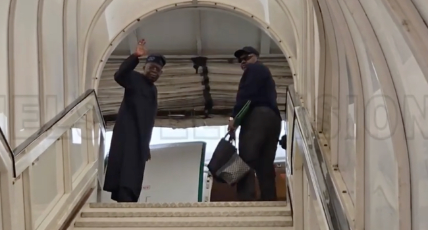
    The disclosure was made on Sunday by the Special Adviser to the President on Information and Strategy, Bayo Onanuga. He said the President is proceeding to Europe to continue his end-of-year break, ahead of an official engagement in the Middle East.

    From Europe, President Tinubu will travel to Abu Dhabi, United Arab Emirates, following an invitation from the UAE President, His Highness Sheikh Mohamed bin Zayed Al Nahyan. The Nigerian leader is expected to participate in the 2026 edition of the Abu Dhabi Sustainability Week (ADSW 2026) Summit, scheduled to hold in early January.

    The summit is a global platform focused on sustainability, climate action, and economic development.

    #Tinubu #NigeriaPolitics #Presidency #ADSW2026
    President Bola Ahmed Tinubu has departed Lagos for Europe, according to the Presidency. The disclosure was made on Sunday by the Special Adviser to the President on Information and Strategy, Bayo Onanuga. He said the President is proceeding to Europe to continue his end-of-year break, ahead of an official engagement in the Middle East. From Europe, President Tinubu will travel to Abu Dhabi, United Arab Emirates, following an invitation from the UAE President, His Highness Sheikh Mohamed bin Zayed Al Nahyan. The Nigerian leader is expected to participate in the 2026 edition of the Abu Dhabi Sustainability Week (ADSW 2026) Summit, scheduled to hold in early January. The summit is a global platform focused on sustainability, climate action, and economic development. #Tinubu #NigeriaPolitics #Presidency #ADSW2026
    like
    1
    · 0 Kommentare ·0 Geteilt ·2KB Ansichten
  • Breaking: President Tinubu Departs Lagos for Europe Ahead of Abu Dhabi Sustainability Week 2026 Summit

    President Bola Ahmed Tinubu has departed Lagos for Europe as part of his end-of-year break and in preparation for his official trip to Abu Dhabi, United Arab Emirates. The presidency confirmed that Tinubu was invited by UAE President Sheikh Mohamed bin Zayed AlNahyan to attend the 2026 Abu Dhabi Sustainability Week (ADSW) Summit scheduled for early January. The weeklong global summit will bring together leaders from government, business, and civil society to discuss sustainable development, innovation, and finance, after which the president is expected to return to Nigeria.
    Breaking: President Tinubu Departs Lagos for Europe Ahead of Abu Dhabi Sustainability Week 2026 Summit President Bola Ahmed Tinubu has departed Lagos for Europe as part of his end-of-year break and in preparation for his official trip to Abu Dhabi, United Arab Emirates. The presidency confirmed that Tinubu was invited by UAE President Sheikh Mohamed bin Zayed AlNahyan to attend the 2026 Abu Dhabi Sustainability Week (ADSW) Summit scheduled for early January. The weeklong global summit will bring together leaders from government, business, and civil society to discuss sustainable development, innovation, and finance, after which the president is expected to return to Nigeria.
    0 Kommentare ·0 Geteilt ·824 Ansichten
  • Breaking: President Tinubu Departs Lagos for Europe Ahead of Abu Dhabi Sustainability Week 2026 Summit

    President Bola Ahmed Tinubu has departed Lagos for Europe as part of his end-of-year break and in preparation for his official trip to Abu Dhabi, United Arab Emirates. The presidency confirmed that Tinubu was invited by UAE President Sheikh Mohamed bin Zayed AlNahyan to attend the 2026 Abu Dhabi Sustainability Week (ADSW) Summit scheduled for early January. The weeklong global summit will bring together leaders from government, business, and civil society to discuss sustainable development, innovation, and finance, after which the president is expected to return to Nigeria.
    Breaking: President Tinubu Departs Lagos for Europe Ahead of Abu Dhabi Sustainability Week 2026 Summit President Bola Ahmed Tinubu has departed Lagos for Europe as part of his end-of-year break and in preparation for his official trip to Abu Dhabi, United Arab Emirates. The presidency confirmed that Tinubu was invited by UAE President Sheikh Mohamed bin Zayed AlNahyan to attend the 2026 Abu Dhabi Sustainability Week (ADSW) Summit scheduled for early January. The weeklong global summit will bring together leaders from government, business, and civil society to discuss sustainable development, innovation, and finance, after which the president is expected to return to Nigeria.
    0 Kommentare ·0 Geteilt ·703 Ansichten
  • President Tinubu Departs Lagos for Europe Ahead of Abu Dhabi Sustainability Week 2026 Summit

    President Bola Ahmed Tinubu departed Lagos on Sunday for a European trip, the destination of which has been officially withheld. According to his Special Adviser on Information & Strategy, Bayo Onanuga, the trip continues the President’s end-of-year break and precedes his official visit to Abu Dhabi, United Arab Emirates. Tinubu has been invited by UAE President Sheikh Mohamed bin Zayed AlNahyan to attend the 2026 edition of Abu Dhabi Sustainability Week (ADSW 2026) Summit, scheduled for early January. The summit aims to bring together leaders from government, business, and society to promote sustainable development under the theme “The Nexus of Next: All Systems Go.” Tinubu is expected to return to Nigeria after the weeklong event.
    President Tinubu Departs Lagos for Europe Ahead of Abu Dhabi Sustainability Week 2026 Summit President Bola Ahmed Tinubu departed Lagos on Sunday for a European trip, the destination of which has been officially withheld. According to his Special Adviser on Information & Strategy, Bayo Onanuga, the trip continues the President’s end-of-year break and precedes his official visit to Abu Dhabi, United Arab Emirates. Tinubu has been invited by UAE President Sheikh Mohamed bin Zayed AlNahyan to attend the 2026 edition of Abu Dhabi Sustainability Week (ADSW 2026) Summit, scheduled for early January. The summit aims to bring together leaders from government, business, and society to promote sustainable development under the theme “The Nexus of Next: All Systems Go.” Tinubu is expected to return to Nigeria after the weeklong event.
    like
    1
    · 0 Kommentare ·0 Geteilt ·734 Ansichten
  • Nigeria Set to Spend N54.3 Trillion on Debt Servicing Between 2026–2028 as Domestic and External Obligations Soar

    A review of Nigeria’s Medium Term Expenditure Framework (MTEF) for 2026–2028 shows that debt servicing will consume N54.3 trillion of the country’s revenue, with N15.5 trillion earmarked for 2026 and N19.4 trillion each for 2027 and 2028. Recent data from the Central Bank of Nigeria reveal that the Tinubu administration has already spent $9.9 billion on external debt between June 2023 and August 2025. The rising trend in both domestic and external debt payments highlights growing fiscal pressure and raises concerns about the sustainability of Nigeria’s public finances.
    Nigeria Set to Spend N54.3 Trillion on Debt Servicing Between 2026–2028 as Domestic and External Obligations Soar A review of Nigeria’s Medium Term Expenditure Framework (MTEF) for 2026–2028 shows that debt servicing will consume N54.3 trillion of the country’s revenue, with N15.5 trillion earmarked for 2026 and N19.4 trillion each for 2027 and 2028. Recent data from the Central Bank of Nigeria reveal that the Tinubu administration has already spent $9.9 billion on external debt between June 2023 and August 2025. The rising trend in both domestic and external debt payments highlights growing fiscal pressure and raises concerns about the sustainability of Nigeria’s public finances.
    0 Kommentare ·0 Geteilt ·368 Ansichten

  • JRB Abolishes All Road Stickers, Calls for End to Illegal Roadblocks and Non-State Revenue Collection

    In a communiqué issued at the conclusion of its 158th meeting held December 9-10 at Transcorp Hilton, Abuja, the Joint Revenue Board (JRB) outlined strong measures against unauthorized revenue practices and support for national tax reforms.

    The communiqué reads:

    “The Board commends the Federal Government for the far-reaching fiscal policy and tax reforms, noting their potential for enhanced revenue mobilization, promotion of economic competitiveness, improvement of ease of doing business, and deepened fiscal sustainability across the federation.

    ”The Board lauded the transition of the Joint Tax Board into the Joint Revenue Board, noting that it represents a bold step towards a more coordinated, efficient and coherent national revenue administration framework.

    “The Joint Revenue Board is expected to strengthen collaboration among revenue authorities, enhance information sharing, and improve tax compliance nationwide.

    ”The Board affirmed that the future of tax administration hinges on accurate, comprehensive and interoperable data, and resolved that strengthening data sharing frameworks and deploying analytics tools for revenue administration purposes will promote streamlined processes and harmonization of revenue practices.

    “The Board restates its commitment to eradicating the menace of non-state actors in the nation's revenue administration value-chain, and calls on the Office of the National Security Adviser, Nigeria Police Force, and all relevant security agencies to take immediate steps towards eliminating illegal road-blocks mounted and operated along the nation's road transport corridors for the purpose of collection of taxes, levies, rates and charges, while ensuring the integrity of the nation's tax administration process, especially at the sub-national level.

    “The Board re-emphasizes the outright abolition of the design, production, issuance and enforcement of all manner of road stickers and related instruments by both state and non-state actors, and encourages the resistance of such by Nigerians, and the reporting of all such promoters of the issuance of stickers and related instruments to security authorities for appropriate sanctions.

    “The Board calls on all States to expedite action in the passage of the Harmonized Taxes and Levies (Approved List for Collection) Bill into Law, for uniform application of taxes, rates, and levies at the sub-national level, in line with the national objectives of the ongoing tax reforms.”
    JRB Abolishes All Road Stickers, Calls for End to Illegal Roadblocks and Non-State Revenue Collection In a communiqué issued at the conclusion of its 158th meeting held December 9-10 at Transcorp Hilton, Abuja, the Joint Revenue Board (JRB) outlined strong measures against unauthorized revenue practices and support for national tax reforms. The communiqué reads: “The Board commends the Federal Government for the far-reaching fiscal policy and tax reforms, noting their potential for enhanced revenue mobilization, promotion of economic competitiveness, improvement of ease of doing business, and deepened fiscal sustainability across the federation. ”The Board lauded the transition of the Joint Tax Board into the Joint Revenue Board, noting that it represents a bold step towards a more coordinated, efficient and coherent national revenue administration framework. “The Joint Revenue Board is expected to strengthen collaboration among revenue authorities, enhance information sharing, and improve tax compliance nationwide. ”The Board affirmed that the future of tax administration hinges on accurate, comprehensive and interoperable data, and resolved that strengthening data sharing frameworks and deploying analytics tools for revenue administration purposes will promote streamlined processes and harmonization of revenue practices. “The Board restates its commitment to eradicating the menace of non-state actors in the nation's revenue administration value-chain, and calls on the Office of the National Security Adviser, Nigeria Police Force, and all relevant security agencies to take immediate steps towards eliminating illegal road-blocks mounted and operated along the nation's road transport corridors for the purpose of collection of taxes, levies, rates and charges, while ensuring the integrity of the nation's tax administration process, especially at the sub-national level. “The Board re-emphasizes the outright abolition of the design, production, issuance and enforcement of all manner of road stickers and related instruments by both state and non-state actors, and encourages the resistance of such by Nigerians, and the reporting of all such promoters of the issuance of stickers and related instruments to security authorities for appropriate sanctions. “The Board calls on all States to expedite action in the passage of the Harmonized Taxes and Levies (Approved List for Collection) Bill into Law, for uniform application of taxes, rates, and levies at the sub-national level, in line with the national objectives of the ongoing tax reforms.”
    0 Kommentare ·0 Geteilt ·469 Ansichten

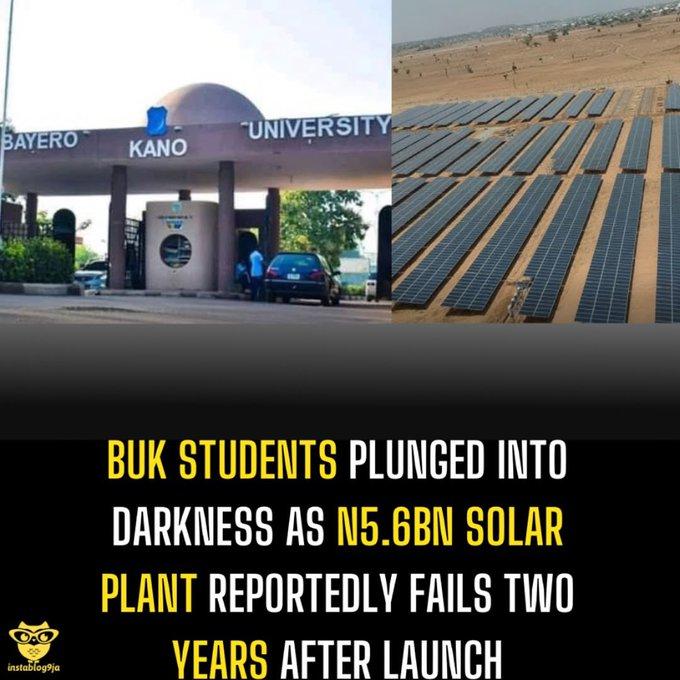
  • BUK Students Plunged Into Darkness as N5.6bn Solar Plant Reportedly Fails Two Years After Launch

    Barely two years after its commissioning, the N5.6 billion solar hybrid power plant at Bayero University, Kano (BUK), has collapsed, throwing students and staff into erratic electricity supply and rising energy costs. The 3.5-megawatt facility, inaugurated in September 2019 by then Vice President Yaptor Yemi Osinbajo, was hailed as Africa’s largest off-grid solar plant.

    Executed by the Rural Electrification Agency (REA) under the Energising Education Programme and handled by Greek firm METKA, the project powered lecture halls, offices, hostels and staff quarters during the day, cutting the university’s energy costs by over 60 percent. By 2021, however, the plant developed faults and was shut down, forcing the institution back to diesel generators and the national grid.

    Staff and students said the collapse ended a period of uninterrupted daytime power that improved learning, security and productivity across the campus. University workers attributed the failure to overuse, lack of storage facilities, rising maintenance costs and the absence of adequate technical involvement from BUK during implementation.

    Inflation and prolonged inactivity reportedly worsened the d+mage, while electricity materials depreciated over time. The REA has now announced plans to revive and expand the plant to 6MW under a N100 billion federal solarisation programme. Speaking at the launch of the upgrade on November 20, 2025, REA Managing Director, Dr Abba Aliyu Abubakar, said the project would undergo a complete overhaul to deliver 24-hour power supply.

    BUK Vice-Chancellor, Professor Haruna Musa, said the new phase would fully involve the university’s experts to ensure sustainability, noting that the school currently spends over N130 million monthly on electricity alone. Staff and students welcomed the intervention but urged strict accountability to prevent a repeat of the failure.
    BUK Students Plunged Into Darkness as N5.6bn Solar Plant Reportedly Fails Two Years After Launch Barely two years after its commissioning, the N5.6 billion solar hybrid power plant at Bayero University, Kano (BUK), has collapsed, throwing students and staff into erratic electricity supply and rising energy costs. The 3.5-megawatt facility, inaugurated in September 2019 by then Vice President Yaptor Yemi Osinbajo, was hailed as Africa’s largest off-grid solar plant. Executed by the Rural Electrification Agency (REA) under the Energising Education Programme and handled by Greek firm METKA, the project powered lecture halls, offices, hostels and staff quarters during the day, cutting the university’s energy costs by over 60 percent. By 2021, however, the plant developed faults and was shut down, forcing the institution back to diesel generators and the national grid. Staff and students said the collapse ended a period of uninterrupted daytime power that improved learning, security and productivity across the campus. University workers attributed the failure to overuse, lack of storage facilities, rising maintenance costs and the absence of adequate technical involvement from BUK during implementation. Inflation and prolonged inactivity reportedly worsened the d+mage, while electricity materials depreciated over time. The REA has now announced plans to revive and expand the plant to 6MW under a N100 billion federal solarisation programme. Speaking at the launch of the upgrade on November 20, 2025, REA Managing Director, Dr Abba Aliyu Abubakar, said the project would undergo a complete overhaul to deliver 24-hour power supply. BUK Vice-Chancellor, Professor Haruna Musa, said the new phase would fully involve the university’s experts to ensure sustainability, noting that the school currently spends over N130 million monthly on electricity alone. Staff and students welcomed the intervention but urged strict accountability to prevent a repeat of the failure.
    0 Kommentare ·0 Geteilt ·1KB Ansichten
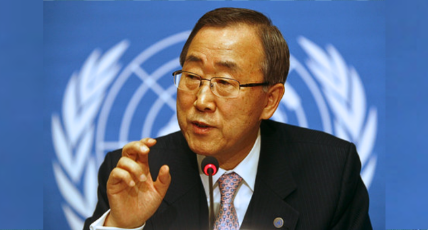
  • Ban Ki-moon Says Africa Holds Solutions to Global Climate and Development Challenges

    Former United Nations Secretary-General, Ban Ki-moon, says Africa possesses the key to resolving several major global challenges, especially in the areas of climate change, sustainability, and economic development.

    Speaking at the Imo State Economic Summit 2025, Ban Ki-moon noted that the world cannot achieve true global sustainability without confronting the unique issues facing the African continent.

    He emphasized that Africa’s youthful population, natural resources, renewable energy potential, and innovation capacity make the continent central to solving worldwide environmental and developmental problems.
    Ban Ki-moon Says Africa Holds Solutions to Global Climate and Development Challenges Former United Nations Secretary-General, Ban Ki-moon, says Africa possesses the key to resolving several major global challenges, especially in the areas of climate change, sustainability, and economic development. Speaking at the Imo State Economic Summit 2025, Ban Ki-moon noted that the world cannot achieve true global sustainability without confronting the unique issues facing the African continent. He emphasized that Africa’s youthful population, natural resources, renewable energy potential, and innovation capacity make the continent central to solving worldwide environmental and developmental problems.
    0 Kommentare ·0 Geteilt ·851 Ansichten
Fintter https://fintter.com