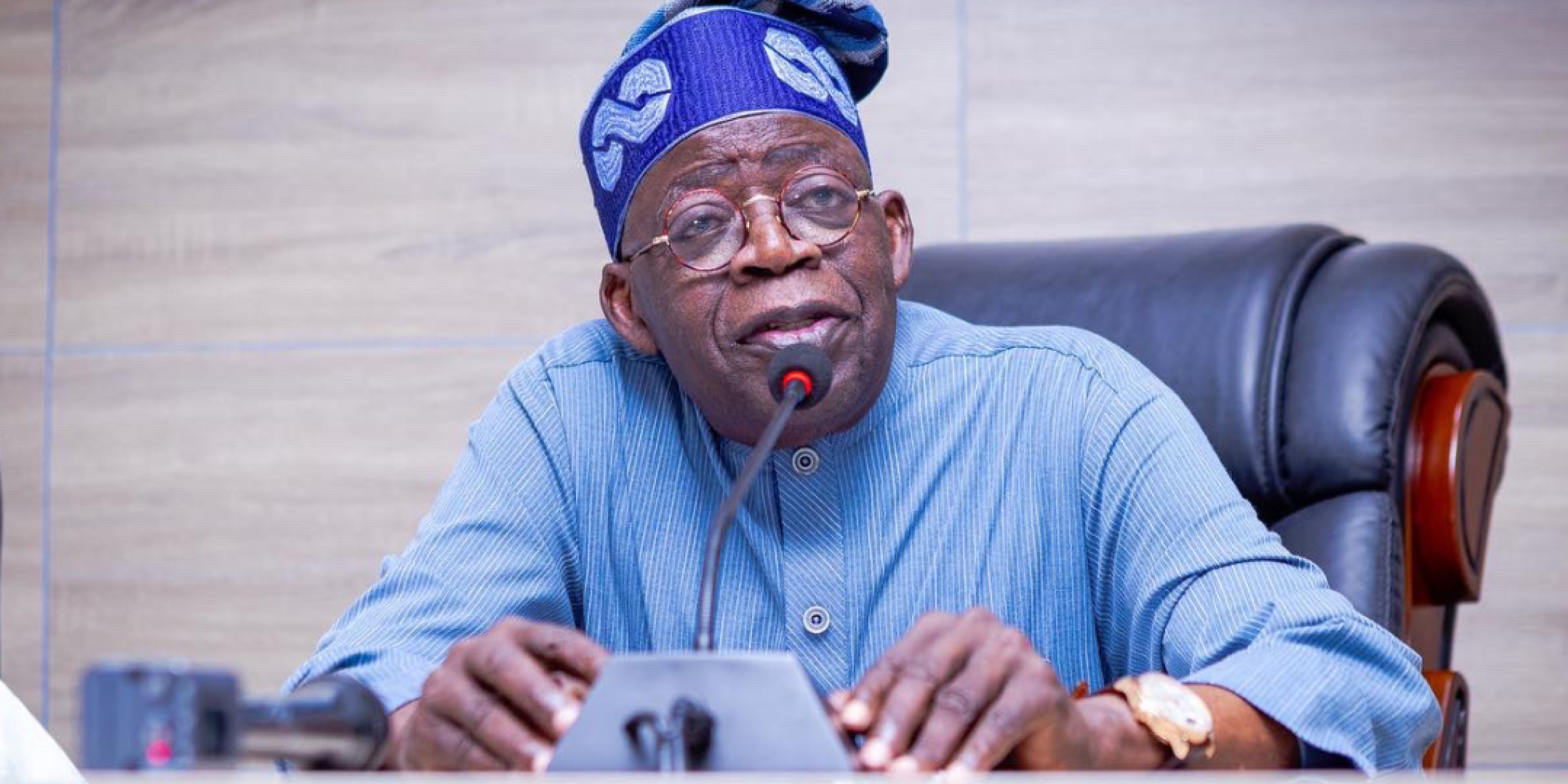
• EXCLUSIVE: IGP Egbetokun Defies Tinubu, Approves Police Escorts for INEC Officials Nationwide

    Inspector-General of Police, Usman Alkali Egbetokun, has reportedly approved police escorts for all INEC officials, including National Commissioners, Resident Electoral Commissioners (RECs), the Acting Director-General of the Electoral Institute, and other Directors of the Commission across the country.

    The approval comes despite a directive from President Bola Tinubu ordering the withdrawal of police security personnel from VIPs and government officials. The decision has raised questions about protocol, security, and the independence of law enforcement in electoral matters, especially as preparations for upcoming elections intensify.

    Documents obtained by SaharaReporters confirm that the continued deployment of police officers to INEC officials has been officially sanctioned by the IGP. No statement has yet been issued by the IGP’s office or the presidency regarding the matter.

    #IGPControversy #Tinubu #INECSecurity #NigeriaPolitics
    EXCLUSIVE: IGP Egbetokun Defies Tinubu, Approves Police Escorts for INEC Officials Nationwide Inspector-General of Police, Usman Alkali Egbetokun, has reportedly approved police escorts for all INEC officials, including National Commissioners, Resident Electoral Commissioners (RECs), the Acting Director-General of the Electoral Institute, and other Directors of the Commission across the country. The approval comes despite a directive from President Bola Tinubu ordering the withdrawal of police security personnel from VIPs and government officials. The decision has raised questions about protocol, security, and the independence of law enforcement in electoral matters, especially as preparations for upcoming elections intensify. Documents obtained by SaharaReporters confirm that the continued deployment of police officers to INEC officials has been officially sanctioned by the IGP. No statement has yet been issued by the IGP’s office or the presidency regarding the matter. #IGPControversy #Tinubu #INECSecurity #NigeriaPolitics
    0 Σχόλια ·0 Μοιράστηκε ·1χλμ. Views

  • Yusuf’s APC Defection Hits Deadlock Over 2027 Ticket Demands

    Kano State politics is at a crossroads as negotiations over Governor Abba Kabir Yusuf’s rumored defection from the NNPP to the APC hit a deadlock. Yusuf is demanding a written guarantee of the APC’s 2027 governorship ticket, influence over federal appointments, and control of Kano’s political machinery. The APC leadership has rejected these conditions, insisting on internal democracy and no automatic tickets. Power struggles involving APC National Chairman Abdullahi Ganduje, Deputy Senate President Barau Jibrin, and the Presidency have further complicated talks. With 2027 approaching, Yusuf faces a risky choice between staying with NNPP or joining APC without firm assurances.
    Yusuf’s APC Defection Hits Deadlock Over 2027 Ticket Demands Kano State politics is at a crossroads as negotiations over Governor Abba Kabir Yusuf’s rumored defection from the NNPP to the APC hit a deadlock. Yusuf is demanding a written guarantee of the APC’s 2027 governorship ticket, influence over federal appointments, and control of Kano’s political machinery. The APC leadership has rejected these conditions, insisting on internal democracy and no automatic tickets. Power struggles involving APC National Chairman Abdullahi Ganduje, Deputy Senate President Barau Jibrin, and the Presidency have further complicated talks. With 2027 approaching, Yusuf faces a risky choice between staying with NNPP or joining APC without firm assurances.
    love
    1
    · 0 Σχόλια ·0 Μοιράστηκε ·958 Views
  • Wahala at CAC: Private Jet Video, Emeka Offor Link Throw Registrar-General Magaji Into Fresh Controversy

    Controversy is rocking the Corporate Affairs Commission as its Registrar-General, Ishaq Hussaini Magaji, comes under fire over social media posts showing him on a private jet allegedly sponsored by the Emeka Ufor Foundation. Insiders say the CAC has gone silent despite public backlash. The development revives earlier allegations that Magaji lifted a court restriction on OML 40-linked corporate filings tied to billionaire Emeka Offor. Critics question his accountability, lifestyle and possible conflicts of interest as neither the CAC, supervising ministry nor the Presidency has issued any official clarification.
    Wahala at CAC: Private Jet Video, Emeka Offor Link Throw Registrar-General Magaji Into Fresh Controversy Controversy is rocking the Corporate Affairs Commission as its Registrar-General, Ishaq Hussaini Magaji, comes under fire over social media posts showing him on a private jet allegedly sponsored by the Emeka Ufor Foundation. Insiders say the CAC has gone silent despite public backlash. The development revives earlier allegations that Magaji lifted a court restriction on OML 40-linked corporate filings tied to billionaire Emeka Offor. Critics question his accountability, lifestyle and possible conflicts of interest as neither the CAC, supervising ministry nor the Presidency has issued any official clarification.
    0 Σχόλια ·0 Μοιράστηκε ·607 Views
  • South Africa Condemns Violence in Iran, Calls for Respect of Protesters’ Rights

    South Africa has expressed deep concern over ongoing unrest in Iran, urging all parties to exercise restraint and respect universal human rights, including peaceful protest, freedom of expression, and association. The Presidency emphasized that sustainable peace depends on solutions reflecting the Iranian people’s aspirations. Amid reports of deaths and an internet shutdown, the U.S. also warned of possible strong responses while prioritizing diplomacy. Pretoria stressed dialogue and non-violence as essential to resolving the crisis.

    #IranProtests #SouthAfrica #HumanRights
    South Africa Condemns Violence in Iran, Calls for Respect of Protesters’ Rights South Africa has expressed deep concern over ongoing unrest in Iran, urging all parties to exercise restraint and respect universal human rights, including peaceful protest, freedom of expression, and association. The Presidency emphasized that sustainable peace depends on solutions reflecting the Iranian people’s aspirations. Amid reports of deaths and an internet shutdown, the U.S. also warned of possible strong responses while prioritizing diplomacy. Pretoria stressed dialogue and non-violence as essential to resolving the crisis. #IranProtests #SouthAfrica #HumanRights
    love
    1
    · 0 Σχόλια ·0 Μοιράστηκε ·725 Views
  • Nigeria Questions President Tinubu’s Whereabouts Amid Activist Sowore’s Demand for Clarity on Leadership, Public Absence Sparks Concern

    Concerns over President Bola Tinubu’s public absence have intensified as prominent activist and former presidential candidate Omoyele Sowore called on the government to clarify the president’s whereabouts. Sowore described Nigeria as effectively “operating without a president”, citing Tinubu’s extended absence from public engagements during a period of economic challenges, rising insecurity, and widespread public discontent.

    According to the Presidency, Tinubu departed Lagos for Europe to continue his end-of-year break ahead of an official trip to Abu Dhabi for the Abu Dhabi Sustainability Week Summit (ADSW 2026), where he is set to engage global leaders on sustainable development initiatives. Presidential aides confirmed he will return after the summit.

    The situation has drawn scrutiny over government transparency, leadership accountability, and budget allocations. Review of the 2026 Nigerian budget shows N6.1 billion earmarked for Tinubu’s international travels and N873 million for local travels, while Vice President Kashim Shettima plans to spend N1.3 billion on foreign trips, bringing the total for top leadership travel to N7.4 billion.

    Civil society groups and opposition figures echo Sowore’s call for clarity, insisting that Nigerians deserve reassurance about the president’s health, governance engagement, and leadership presence. The ongoing debate underscores concerns about executive transparency, fiscal responsibility, and citizen confidence in the highest office of Nigeria.
    Nigeria Questions President Tinubu’s Whereabouts Amid Activist Sowore’s Demand for Clarity on Leadership, Public Absence Sparks Concern Concerns over President Bola Tinubu’s public absence have intensified as prominent activist and former presidential candidate Omoyele Sowore called on the government to clarify the president’s whereabouts. Sowore described Nigeria as effectively “operating without a president”, citing Tinubu’s extended absence from public engagements during a period of economic challenges, rising insecurity, and widespread public discontent. According to the Presidency, Tinubu departed Lagos for Europe to continue his end-of-year break ahead of an official trip to Abu Dhabi for the Abu Dhabi Sustainability Week Summit (ADSW 2026), where he is set to engage global leaders on sustainable development initiatives. Presidential aides confirmed he will return after the summit. The situation has drawn scrutiny over government transparency, leadership accountability, and budget allocations. Review of the 2026 Nigerian budget shows N6.1 billion earmarked for Tinubu’s international travels and N873 million for local travels, while Vice President Kashim Shettima plans to spend N1.3 billion on foreign trips, bringing the total for top leadership travel to N7.4 billion. Civil society groups and opposition figures echo Sowore’s call for clarity, insisting that Nigerians deserve reassurance about the president’s health, governance engagement, and leadership presence. The ongoing debate underscores concerns about executive transparency, fiscal responsibility, and citizen confidence in the highest office of Nigeria.
    0 Σχόλια ·0 Μοιράστηκε ·1χλμ. Views
  • Why Is the Tinubu Presidency Planning to Spend N3.3 Billion on Vehicles and N115 Million on Tyres in 2026 Amid Calls for Government Prudence?

    A review of Nigeria’s 2026 budget reveals that the Tinubu Presidency intends to spend N3.3 billion on vehicle procurement and replacements, with N115 million specifically allocated for tyres. According to the budget proposal, N2.5 billion is earmarked for the acquisition of State House operational vehicles, while N758 million is designated for replacing SUVs. Tyres for bullet-proof vehicles, ambulances, SUVs, and other operational vehicles are budgeted at N115 million, though comparisons with 2025 spending are difficult due to incomplete public data.

    In 2025, N3.6 billion was set aside for operational vehicle purchases, and another N1 billion for SUV replacements. Reports from the Govspend public payments portal reveal that in 2024, the Presidency spent N366 million on tyres over three days, highlighting continued high expenditures on State House vehicles. Notably, N5.1 billion was spent on vehicle procurement between August 18 and September 9, 2024, including N3.4 billion for sixteen Toyota Prado vehicles and N1.7 billion for ten Toyota Camry V4 models, implying costs of N212 million per Prado.

    This ongoing spending on SUVs and operational vehicles comes amid growing calls for fiscal prudence and transparency in government resource management. Analysts and civil society groups have raised concerns over the prioritization of luxurious vehicle procurement in a period of economic challenges, especially when compared to other critical areas of national expenditure.

    The 2026 budget allocations for State House vehicles and tyres underscore a continued trend of heavy expenditure on presidential mobility and security infrastructure, reflecting both operational needs and ongoing debate over cost-effectiveness and accountability in Nigeria’s federal spending.


    #TinubuBudget #NigeriaSpending #StateHouseVehicles

    Why Is the Tinubu Presidency Planning to Spend N3.3 Billion on Vehicles and N115 Million on Tyres in 2026 Amid Calls for Government Prudence? A review of Nigeria’s 2026 budget reveals that the Tinubu Presidency intends to spend N3.3 billion on vehicle procurement and replacements, with N115 million specifically allocated for tyres. According to the budget proposal, N2.5 billion is earmarked for the acquisition of State House operational vehicles, while N758 million is designated for replacing SUVs. Tyres for bullet-proof vehicles, ambulances, SUVs, and other operational vehicles are budgeted at N115 million, though comparisons with 2025 spending are difficult due to incomplete public data. In 2025, N3.6 billion was set aside for operational vehicle purchases, and another N1 billion for SUV replacements. Reports from the Govspend public payments portal reveal that in 2024, the Presidency spent N366 million on tyres over three days, highlighting continued high expenditures on State House vehicles. Notably, N5.1 billion was spent on vehicle procurement between August 18 and September 9, 2024, including N3.4 billion for sixteen Toyota Prado vehicles and N1.7 billion for ten Toyota Camry V4 models, implying costs of N212 million per Prado. This ongoing spending on SUVs and operational vehicles comes amid growing calls for fiscal prudence and transparency in government resource management. Analysts and civil society groups have raised concerns over the prioritization of luxurious vehicle procurement in a period of economic challenges, especially when compared to other critical areas of national expenditure. The 2026 budget allocations for State House vehicles and tyres underscore a continued trend of heavy expenditure on presidential mobility and security infrastructure, reflecting both operational needs and ongoing debate over cost-effectiveness and accountability in Nigeria’s federal spending. #TinubuBudget #NigeriaSpending #StateHouseVehicles
    0 Σχόλια ·0 Μοιράστηκε ·673 Views
  • Why Is Tinubu Budgeting ₦6.1 Billion for Foreign Trips in 2026? What Nigeria’s Travel Spending Reveals About Presidential Priorities

    A review of Nigeria’s 2026 budget has revealed that President Bola Tinubu plans to spend ₦6.1 billion on foreign travels in the coming fiscal year, raising fresh questions about government priorities amid economic strain. The figure, listed under “State House operations – President,” also shows an additional ₦873 million earmarked for local travel. When combined with the Vice President’s projected foreign travel costs of ₦1.3 billion, total international trip spending by the Presidency in 2026 is expected to reach ₦7.4 billion.

    The budget breakdown comes as Nigerians continue to grapple with rising living costs and fiscal pressures. According to the documents, travel expenses remain a major component of State House spending, with another ₦375 million allocated for foodstuffs and catering materials alone. While the Presidency has not released a detailed justification for the travel budget, officials insist the trips are essential for diplomacy, investment, and international engagement.

    Recent movements by the President have already drawn public attention. President Tinubu recently departed Lagos for Europe before heading to Abu Dhabi at the invitation of UAE President Sheikh Mohamed bin Zayed Al Nahyan to attend the Abu Dhabi Sustainability Week Summit (ADSW 2026). The Presidency described the summit as a high-level global forum bringing together leaders from government, business, and civil society to discuss sustainable development. Officials also confirmed that the President would return to Nigeria after the event.

    However, critics argue that the scale of spending on foreign trips is difficult to justify, especially in light of past expenditure. Although comprehensive 2025 data is unavailable, records from the Open Treasury Portal show that in 2024 alone, the State House spent over ₦36.3 billion on international travel. This included ₦12.2 billion for “international travel and transport (training)” and ₦24.19 billion for “international travel and transport (others).” Local travel was even more costly, with ₦47 billion spent on training and other domestic trips. In total, travel expenses—both local and foreign—amounted to approximately ₦83 billion in 2024.

    Further reports revealed that between February and July 2024, the Presidency spent about ₦2.3 billion on foreign trips, while an additional ₦2.9 billion went toward foreign exchange for trips involving the President, Vice President, and First Lady across several countries. Payments running into hundreds of millions of naira were also recorded in individual months, fueling debate over transparency and fiscal discipline.

    Opposition figures, including former presidential candidate Peter Obi, have questioned the frequency and cost of the President’s travels. At the same time, government officials have defended the expenditure. Nigeria’s Minister of Foreign Affairs, Ambassador Yusuf Maitama Tuggar, has argued that the President should even travel more to advance Nigeria’s diplomatic and economic interests globally.

    With the 2026 budget now in focus, the key questions remain: Does the ₦6.1 billion allocation reflect necessary diplomacy or excessive spending? How does such expenditure align with Nigeria’s current economic challenges? And will the government provide clearer accountability for the rising cost of presidential travel? As public scrutiny intensifies, the debate over leadership priorities and fiscal responsibility is likely to continue.


    Why Is Tinubu Budgeting ₦6.1 Billion for Foreign Trips in 2026? What Nigeria’s Travel Spending Reveals About Presidential Priorities A review of Nigeria’s 2026 budget has revealed that President Bola Tinubu plans to spend ₦6.1 billion on foreign travels in the coming fiscal year, raising fresh questions about government priorities amid economic strain. The figure, listed under “State House operations – President,” also shows an additional ₦873 million earmarked for local travel. When combined with the Vice President’s projected foreign travel costs of ₦1.3 billion, total international trip spending by the Presidency in 2026 is expected to reach ₦7.4 billion. The budget breakdown comes as Nigerians continue to grapple with rising living costs and fiscal pressures. According to the documents, travel expenses remain a major component of State House spending, with another ₦375 million allocated for foodstuffs and catering materials alone. While the Presidency has not released a detailed justification for the travel budget, officials insist the trips are essential for diplomacy, investment, and international engagement. Recent movements by the President have already drawn public attention. President Tinubu recently departed Lagos for Europe before heading to Abu Dhabi at the invitation of UAE President Sheikh Mohamed bin Zayed Al Nahyan to attend the Abu Dhabi Sustainability Week Summit (ADSW 2026). The Presidency described the summit as a high-level global forum bringing together leaders from government, business, and civil society to discuss sustainable development. Officials also confirmed that the President would return to Nigeria after the event. However, critics argue that the scale of spending on foreign trips is difficult to justify, especially in light of past expenditure. Although comprehensive 2025 data is unavailable, records from the Open Treasury Portal show that in 2024 alone, the State House spent over ₦36.3 billion on international travel. This included ₦12.2 billion for “international travel and transport (training)” and ₦24.19 billion for “international travel and transport (others).” Local travel was even more costly, with ₦47 billion spent on training and other domestic trips. In total, travel expenses—both local and foreign—amounted to approximately ₦83 billion in 2024. Further reports revealed that between February and July 2024, the Presidency spent about ₦2.3 billion on foreign trips, while an additional ₦2.9 billion went toward foreign exchange for trips involving the President, Vice President, and First Lady across several countries. Payments running into hundreds of millions of naira were also recorded in individual months, fueling debate over transparency and fiscal discipline. Opposition figures, including former presidential candidate Peter Obi, have questioned the frequency and cost of the President’s travels. At the same time, government officials have defended the expenditure. Nigeria’s Minister of Foreign Affairs, Ambassador Yusuf Maitama Tuggar, has argued that the President should even travel more to advance Nigeria’s diplomatic and economic interests globally. With the 2026 budget now in focus, the key questions remain: Does the ₦6.1 billion allocation reflect necessary diplomacy or excessive spending? How does such expenditure align with Nigeria’s current economic challenges? And will the government provide clearer accountability for the rising cost of presidential travel? As public scrutiny intensifies, the debate over leadership priorities and fiscal responsibility is likely to continue.
    0 Σχόλια ·0 Μοιράστηκε ·1χλμ. Views
  • Why Is Tinubu Budgeting Another ₦7bn for Aso Rock Solar While Nigerians Face Blackouts? After ₦10bn in 2025, Is the Presidency Prioritising Itself Over the National Power Crisis?

    Amid worsening electricity shortages across Nigeria, the Bola Tinubu-led federal government has allocated another ₦7 billion in the 2026 budget for the solarisation of the Presidential Villa, Aso Rock, raising fresh questions about priorities, equity, and governance. The new allocation—listed by the Budget Office of the Federation under State House expenditures as “provision of solarisation of Villa with solar mini grid”—comes just a year after ₦10 billion was set aside for the same project in 2025.

    The decision has reignited public debate because it contrasts sharply with the everyday reality of millions of Nigerians who continue to endure persistent blackouts, business disruptions, and rising energy costs. Critics argue that while the Presidency secures reliable power through a premium solar project, households and small enterprises remain at the mercy of an unstable national grid.

    In April 2025, when the initial ₦10 billion allocation triggered public outrage, the Presidency defended the project as a long-term investment in sustainability and energy efficiency. Presidential spokesman Bayo Onanuga said the move follows “global standards,” citing the White House’s use of solar power and insisting the administration was not “reinventing the wheel” but adopting a tested model for powering critical institutions. Supporters of the project also frame it as a smart hedge against grid failures and a step toward cleaner energy.

    Yet the timing has kept the controversy alive. The latest budget increase coincides with a series of national grid collapses that have plunged much of the country into darkness. According to data from the Nigerian Independent System Operator (NISO), one major disturbance saw total power generation crash from 2,052.37MW to just 139.92MW within one hour, leaving only three of the country’s 11 distribution companies able to take any load. At different points, major DisCos—including Eko, Ikeja, Enugu, Jos, Kaduna, Kano, Port Harcourt and Yola—recorded zero allocation, underscoring the fragility of the system.

    Independent monitoring confirmed that even hours after such collapses, national supply remained severely constrained, with total available power far below what is needed to sustain homes, hospitals, businesses, and critical services. Similar incidents in March and September 2025 followed earlier government celebrations of rising generation, only for output to plunge again below sustainable levels.

    Against this backdrop, many Nigerians question whether investing billions to guarantee uninterrupted electricity for the seat of power—while the wider grid remains unreliable—signals a two-tier energy policy. Some see the solar project as an admission that government itself no longer trusts the national power system it oversees. Others argue that the Presidency’s energy security should not come at a time when ordinary citizens face daily outages, rising fuel costs for generators, and an economy already under strain.

    The debate now centres on urgent questions: Is the Tinubu administration protecting Aso Rock while the country stays in the dark? Should scarce public funds be channelled first into stabilising the national grid rather than insulating the Presidency? And does repeated spending—₦17 billion across two years—reflect forward-looking sustainability or misplaced priorities in the middle of a power crisis? As Nigeria’s electricity infrastructure continues to falter, the Aso Rock solar budget has become a powerful symbol in a wider argument about leadership, accountability, and who truly benefits from government policy.


    Why Is Tinubu Budgeting Another ₦7bn for Aso Rock Solar While Nigerians Face Blackouts? After ₦10bn in 2025, Is the Presidency Prioritising Itself Over the National Power Crisis? Amid worsening electricity shortages across Nigeria, the Bola Tinubu-led federal government has allocated another ₦7 billion in the 2026 budget for the solarisation of the Presidential Villa, Aso Rock, raising fresh questions about priorities, equity, and governance. The new allocation—listed by the Budget Office of the Federation under State House expenditures as “provision of solarisation of Villa with solar mini grid”—comes just a year after ₦10 billion was set aside for the same project in 2025. The decision has reignited public debate because it contrasts sharply with the everyday reality of millions of Nigerians who continue to endure persistent blackouts, business disruptions, and rising energy costs. Critics argue that while the Presidency secures reliable power through a premium solar project, households and small enterprises remain at the mercy of an unstable national grid. In April 2025, when the initial ₦10 billion allocation triggered public outrage, the Presidency defended the project as a long-term investment in sustainability and energy efficiency. Presidential spokesman Bayo Onanuga said the move follows “global standards,” citing the White House’s use of solar power and insisting the administration was not “reinventing the wheel” but adopting a tested model for powering critical institutions. Supporters of the project also frame it as a smart hedge against grid failures and a step toward cleaner energy. Yet the timing has kept the controversy alive. The latest budget increase coincides with a series of national grid collapses that have plunged much of the country into darkness. According to data from the Nigerian Independent System Operator (NISO), one major disturbance saw total power generation crash from 2,052.37MW to just 139.92MW within one hour, leaving only three of the country’s 11 distribution companies able to take any load. At different points, major DisCos—including Eko, Ikeja, Enugu, Jos, Kaduna, Kano, Port Harcourt and Yola—recorded zero allocation, underscoring the fragility of the system. Independent monitoring confirmed that even hours after such collapses, national supply remained severely constrained, with total available power far below what is needed to sustain homes, hospitals, businesses, and critical services. Similar incidents in March and September 2025 followed earlier government celebrations of rising generation, only for output to plunge again below sustainable levels. Against this backdrop, many Nigerians question whether investing billions to guarantee uninterrupted electricity for the seat of power—while the wider grid remains unreliable—signals a two-tier energy policy. Some see the solar project as an admission that government itself no longer trusts the national power system it oversees. Others argue that the Presidency’s energy security should not come at a time when ordinary citizens face daily outages, rising fuel costs for generators, and an economy already under strain. The debate now centres on urgent questions: Is the Tinubu administration protecting Aso Rock while the country stays in the dark? Should scarce public funds be channelled first into stabilising the national grid rather than insulating the Presidency? And does repeated spending—₦17 billion across two years—reflect forward-looking sustainability or misplaced priorities in the middle of a power crisis? As Nigeria’s electricity infrastructure continues to falter, the Aso Rock solar budget has become a powerful symbol in a wider argument about leadership, accountability, and who truly benefits from government policy.
    0 Σχόλια ·0 Μοιράστηκε ·1χλμ. Views
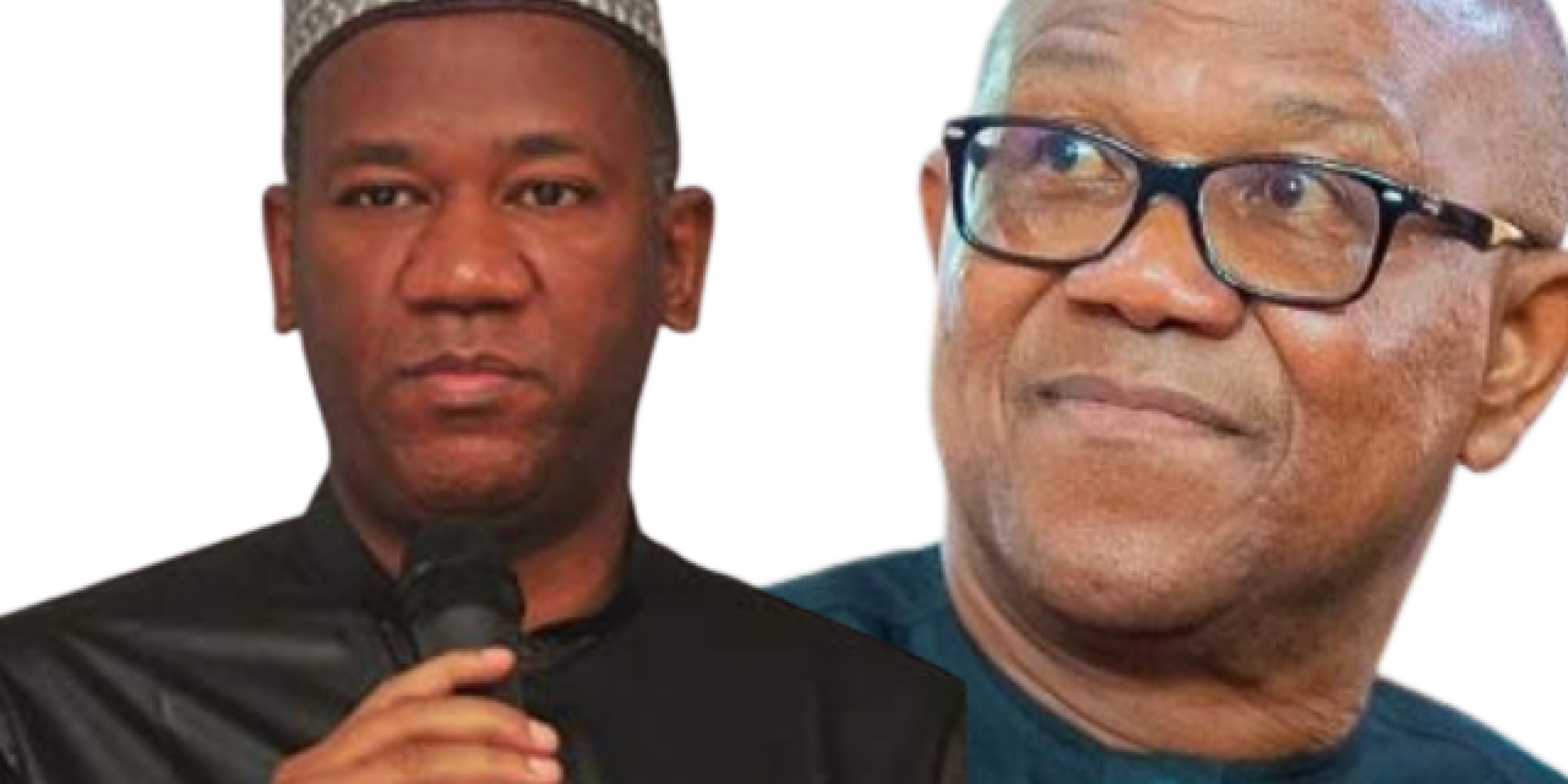
  • Is Peter Obi a ‘Political Traveller’ Gifted a Presidential Ticket? Why Labour Party VP Candidate Datti Baba-Ahmed Is Challenging Obi’s ADC Move and Declaring His Own 2027 Ambition

    Former Labour Party vice-presidential candidate Yusuf Datti Baba-Ahmed has launched a pointed political broadside that appears directed at his former principal, Peter Obi, following Obi’s decision to join the African Democratic Congress (ADC) coalition. Without naming him directly, Baba-Ahmed described Obi and other defecting politicians as “political travellers” who were “gifted a presidential ticket,” igniting fresh debate over loyalty, leadership, and the future of Nigeria’s opposition ahead of 2027.

    Speaking while declaring his intention to run for president, Baba-Ahmed insisted that he remains firmly within the Labour Party (LP), arguing that the party already “won a presidential election” and still represents a credible alternative to Nigeria’s dominant political blocs. He dismissed the ADC coalition as a gathering of “disgruntled politicians” who failed to properly challenge alleged constitutional breaches in the 2023 elections, questioning whether such alliances truly offer reform or merely recycle old power structures.

    At the heart of his message was a bold economic promise: Baba-Ahmed said that by June 2027, salaries of public servants—especially security personnel and teachers—would be quadrupled, insisting that “Nigeria can afford it.” He framed this pledge as a moral obligation to workers often overlooked despite their critical role in national stability and development.

    Positioning himself as a political outlier, Baba-Ahmed challenged rivals to produce “just one” major presidential aspirant who has never belonged to a ruling party. “I am that one,” he declared, stressing his independence and rejecting what he described as opportunistic movement between power centres. He added that he has no intention of joining any ruling party—except one he hopes to lead through the ballot.

    The former LP vice-presidential candidate also pushed back against claims that defections are weakening the Labour Party, saying neither he nor the party is responsible. According to him, individuals welcomed into LP in 2022 “with a presidential ticket” merely continued their political journey elsewhere. He urged supporters to “use the truth” amid what he called increasingly hostile online narratives.

    Recounting political history, Baba-Ahmed asserted that he aspired to the presidency before Peter Obi, citing events from 2018 when he contested in the PDP primaries and personally sought Obi’s support. While he spoke respectfully of Obi’s character, the implication was clear: leadership ambition, he argued, did not originate with his former running mate.

    Baba-Ahmed also highlighted Labour Party’s achievements despite financial constraints and what he termed “an era of perfected electoral fraud,” pointing to the party’s electoral gains—one state governor, eight senators, and around 40 House of Representatives members—as proof of its growing national footprint.

    The controversy now raises pressing political questions: Is Peter Obi abandoning the movement that propelled him in 2023? Does the ADC coalition represent a genuine opposition realignment or a gathering of familiar political actors? And can Datti Baba-Ahmed’s pledge of economic reform, party loyalty, and outsider status reshape Nigeria’s 2027 presidential race? As realignments continue, the Labour Party faces a defining moment over identity, leadership, and the path forward in Nigeria’s evolving political landscape.
    Is Peter Obi a ‘Political Traveller’ Gifted a Presidential Ticket? Why Labour Party VP Candidate Datti Baba-Ahmed Is Challenging Obi’s ADC Move and Declaring His Own 2027 Ambition Former Labour Party vice-presidential candidate Yusuf Datti Baba-Ahmed has launched a pointed political broadside that appears directed at his former principal, Peter Obi, following Obi’s decision to join the African Democratic Congress (ADC) coalition. Without naming him directly, Baba-Ahmed described Obi and other defecting politicians as “political travellers” who were “gifted a presidential ticket,” igniting fresh debate over loyalty, leadership, and the future of Nigeria’s opposition ahead of 2027. Speaking while declaring his intention to run for president, Baba-Ahmed insisted that he remains firmly within the Labour Party (LP), arguing that the party already “won a presidential election” and still represents a credible alternative to Nigeria’s dominant political blocs. He dismissed the ADC coalition as a gathering of “disgruntled politicians” who failed to properly challenge alleged constitutional breaches in the 2023 elections, questioning whether such alliances truly offer reform or merely recycle old power structures. At the heart of his message was a bold economic promise: Baba-Ahmed said that by June 2027, salaries of public servants—especially security personnel and teachers—would be quadrupled, insisting that “Nigeria can afford it.” He framed this pledge as a moral obligation to workers often overlooked despite their critical role in national stability and development. Positioning himself as a political outlier, Baba-Ahmed challenged rivals to produce “just one” major presidential aspirant who has never belonged to a ruling party. “I am that one,” he declared, stressing his independence and rejecting what he described as opportunistic movement between power centres. He added that he has no intention of joining any ruling party—except one he hopes to lead through the ballot. The former LP vice-presidential candidate also pushed back against claims that defections are weakening the Labour Party, saying neither he nor the party is responsible. According to him, individuals welcomed into LP in 2022 “with a presidential ticket” merely continued their political journey elsewhere. He urged supporters to “use the truth” amid what he called increasingly hostile online narratives. Recounting political history, Baba-Ahmed asserted that he aspired to the presidency before Peter Obi, citing events from 2018 when he contested in the PDP primaries and personally sought Obi’s support. While he spoke respectfully of Obi’s character, the implication was clear: leadership ambition, he argued, did not originate with his former running mate. Baba-Ahmed also highlighted Labour Party’s achievements despite financial constraints and what he termed “an era of perfected electoral fraud,” pointing to the party’s electoral gains—one state governor, eight senators, and around 40 House of Representatives members—as proof of its growing national footprint. The controversy now raises pressing political questions: Is Peter Obi abandoning the movement that propelled him in 2023? Does the ADC coalition represent a genuine opposition realignment or a gathering of familiar political actors? And can Datti Baba-Ahmed’s pledge of economic reform, party loyalty, and outsider status reshape Nigeria’s 2027 presidential race? As realignments continue, the Labour Party faces a defining moment over identity, leadership, and the path forward in Nigeria’s evolving political landscape.
    0 Σχόλια ·0 Μοιράστηκε ·1χλμ. Views
  • Trump Claims He Boosted NATO Spending, Prevented Russia from Taking Ukraine, and Deserves Nobel Peace Prize
    January 7, 2026 – International News

    U.S. President Donald Trump sparked controversy on Truth Social, claiming that before his presidency, most NATO members were failing to meet financial obligations, leaving the United States to shoulder the burden.

    Key points from his post:

    He allegedly pushed NATO allies to raise defense spending to 5% of GDP, insisting they now pay promptly.

    Trump claimed his leadership prevented a total Russian takeover of Ukraine, without providing detailed evidence.

    He boasted that he ended eight wars during his presidency.

    Expressed frustration that Norway did not award him the Nobel Peace Prize, describing it as “foolish.”

    He credited himself with rebuilding the U.S. military, which he says is the only force respected by Russia and China.

    Despite skepticism about NATO’s loyalty, he affirmed that the U.S. will continue supporting the alliance.


    Trump framed these achievements as central to saving millions of lives and ensuring NATO’s relevance in global security.

    Trump Claims He Boosted NATO Spending, Prevented Russia from Taking Ukraine, and Deserves Nobel Peace Prize January 7, 2026 – International News U.S. President Donald Trump sparked controversy on Truth Social, claiming that before his presidency, most NATO members were failing to meet financial obligations, leaving the United States to shoulder the burden. Key points from his post: He allegedly pushed NATO allies to raise defense spending to 5% of GDP, insisting they now pay promptly. Trump claimed his leadership prevented a total Russian takeover of Ukraine, without providing detailed evidence. He boasted that he ended eight wars during his presidency. Expressed frustration that Norway did not award him the Nobel Peace Prize, describing it as “foolish.” He credited himself with rebuilding the U.S. military, which he says is the only force respected by Russia and China. Despite skepticism about NATO’s loyalty, he affirmed that the U.S. will continue supporting the alliance. Trump framed these achievements as central to saving millions of lives and ensuring NATO’s relevance in global security.
    like
    1
    · 0 Σχόλια ·0 Μοιράστηκε ·613 Views
  • Can Datti Baba-Ahmed Really Replace Peter Obi? LP’s 2023 Running Mate Declares 2027 Presidential Ambition Amid Party Crisis

    Is a new political battle for Nigeria’s presidency already taking shape within the opposition—and could Senator Datti Baba-Ahmed be positioning himself as the next major contender? These are the questions dominating political discussions after the former Labour Party (LP) vice-presidential candidate in the 2023 election formally declared his intention to contest the 2027 presidency.

    Baba-Ahmed made the announcement at a rally at the Labour Party’s national secretariat in Abuja, at a time when the party is grappling with internal realignments following the high-profile exit of its 2023 presidential candidate, Peter Obi, to the African Democratic Congress (ADC). His declaration comes barely days after Obi’s departure, instantly igniting debate about the future direction of the Labour Party and the broader opposition ahead of the next general election.

    Addressing party members and supporters, Baba-Ahmed was quick to dismiss any suggestion that his ambition was a reaction to Obi’s political move. Instead, he insisted that his presidential aspiration predates his alliance with Obi, stressing that he was not “following anybody’s trajectory” or attempting to step into anyone’s political space. According to him, records clearly show that he had sought the presidency even before Obi entered the 2023 race.

    He recalled his participation in the 2018 presidential primaries of the Peoples Democratic Party (PDP) in Port Harcourt, noting that his eventual decision to serve as Obi’s running mate was driven by what he described as a rare opportunity for national unity rather than personal ambition. For Baba-Ahmed, aligning with Obi was not a surrender of his own political vision but a strategic choice aimed at offering Nigerians an alternative leadership model.

    Beyond ambition, his speech touched on sensitive but unavoidable themes in Nigerian politics—religion and ethnicity. Baba-Ahmed openly acknowledged his identity as a practising Muslim and a Hausa man, but maintained that the Nigerian Constitution guarantees every qualified citizen the right to seek elective office. According to him, his decision to run is rooted in what he described as a genuine desire to help rescue Nigeria from its many challenges, rather than sectional or personal interests.

    However, he also struck a cautious tone, emphasizing that he would respect due process within the Labour Party and the electoral framework. While affirming his intention, he stated that he would not formally pursue the ticket until the Independent National Electoral Commission (INEC) releases its timetable and the party leadership officially calls for aspirants. To him, this approach reflects both loyalty to party structures and adherence to democratic norms.

    His declaration has added a new layer of complexity to an already evolving opposition landscape. With Peter Obi now outside the Labour Party, questions are being raised about who will command the loyalty of the party’s grassroots supporters, many of whom were mobilized by the “Obidient” movement in 2023. Can Datti Baba-Ahmed inherit that momentum, or will the party struggle to redefine itself without its most visible figure?

    Reacting to the announcement, Labour Party National Chairman Julius Abure praised Baba-Ahmed for remaining within the party despite speculation that he might defect following Obi’s exit. For party loyalists, his decision to stay is being interpreted as a signal of continuity and internal stability. For critics, however, it raises deeper questions: does the Labour Party still have a unified ideological direction, or is it entering a phase of leadership contest and fragmentation?

    As 2027 approaches, Baba-Ahmed’s declaration invites broader national reflection. Is Nigeria’s opposition finally preparing early for the next election, or is this the beginning of another cycle of internal rivalry that could weaken alternative voices? Can Baba-Ahmed’s experience, ideology, and personal narrative convince Nigerians that he offers something fundamentally different from the political establishment? And perhaps most importantly, can he fill the vacuum left by Peter Obi’s departure—or will the Labour Party need a complete reinvention to remain politically relevant?

    On Fintter, this development is more than a headline. It is a conversation about leadership, loyalty, and the future of opposition politics in Nigeria. Is Datti Baba-Ahmed the natural successor within the Labour Party, or is his ambition likely to deepen internal divisions? Can he rally young voters and reform-minded citizens the way Obi once did?

    What do you think? Is Datti Baba-Ahmed the right figure to lead the Labour Party into 2027—or is the party losing its political identity? Share your views and join the debate on Fintter.

    Can Datti Baba-Ahmed Really Replace Peter Obi? LP’s 2023 Running Mate Declares 2027 Presidential Ambition Amid Party Crisis Is a new political battle for Nigeria’s presidency already taking shape within the opposition—and could Senator Datti Baba-Ahmed be positioning himself as the next major contender? These are the questions dominating political discussions after the former Labour Party (LP) vice-presidential candidate in the 2023 election formally declared his intention to contest the 2027 presidency. Baba-Ahmed made the announcement at a rally at the Labour Party’s national secretariat in Abuja, at a time when the party is grappling with internal realignments following the high-profile exit of its 2023 presidential candidate, Peter Obi, to the African Democratic Congress (ADC). His declaration comes barely days after Obi’s departure, instantly igniting debate about the future direction of the Labour Party and the broader opposition ahead of the next general election. Addressing party members and supporters, Baba-Ahmed was quick to dismiss any suggestion that his ambition was a reaction to Obi’s political move. Instead, he insisted that his presidential aspiration predates his alliance with Obi, stressing that he was not “following anybody’s trajectory” or attempting to step into anyone’s political space. According to him, records clearly show that he had sought the presidency even before Obi entered the 2023 race. He recalled his participation in the 2018 presidential primaries of the Peoples Democratic Party (PDP) in Port Harcourt, noting that his eventual decision to serve as Obi’s running mate was driven by what he described as a rare opportunity for national unity rather than personal ambition. For Baba-Ahmed, aligning with Obi was not a surrender of his own political vision but a strategic choice aimed at offering Nigerians an alternative leadership model. Beyond ambition, his speech touched on sensitive but unavoidable themes in Nigerian politics—religion and ethnicity. Baba-Ahmed openly acknowledged his identity as a practising Muslim and a Hausa man, but maintained that the Nigerian Constitution guarantees every qualified citizen the right to seek elective office. According to him, his decision to run is rooted in what he described as a genuine desire to help rescue Nigeria from its many challenges, rather than sectional or personal interests. However, he also struck a cautious tone, emphasizing that he would respect due process within the Labour Party and the electoral framework. While affirming his intention, he stated that he would not formally pursue the ticket until the Independent National Electoral Commission (INEC) releases its timetable and the party leadership officially calls for aspirants. To him, this approach reflects both loyalty to party structures and adherence to democratic norms. His declaration has added a new layer of complexity to an already evolving opposition landscape. With Peter Obi now outside the Labour Party, questions are being raised about who will command the loyalty of the party’s grassroots supporters, many of whom were mobilized by the “Obidient” movement in 2023. Can Datti Baba-Ahmed inherit that momentum, or will the party struggle to redefine itself without its most visible figure? Reacting to the announcement, Labour Party National Chairman Julius Abure praised Baba-Ahmed for remaining within the party despite speculation that he might defect following Obi’s exit. For party loyalists, his decision to stay is being interpreted as a signal of continuity and internal stability. For critics, however, it raises deeper questions: does the Labour Party still have a unified ideological direction, or is it entering a phase of leadership contest and fragmentation? As 2027 approaches, Baba-Ahmed’s declaration invites broader national reflection. Is Nigeria’s opposition finally preparing early for the next election, or is this the beginning of another cycle of internal rivalry that could weaken alternative voices? Can Baba-Ahmed’s experience, ideology, and personal narrative convince Nigerians that he offers something fundamentally different from the political establishment? And perhaps most importantly, can he fill the vacuum left by Peter Obi’s departure—or will the Labour Party need a complete reinvention to remain politically relevant? On Fintter, this development is more than a headline. It is a conversation about leadership, loyalty, and the future of opposition politics in Nigeria. Is Datti Baba-Ahmed the natural successor within the Labour Party, or is his ambition likely to deepen internal divisions? Can he rally young voters and reform-minded citizens the way Obi once did? 💬 What do you think? Is Datti Baba-Ahmed the right figure to lead the Labour Party into 2027—or is the party losing its political identity? Share your views and join the debate on Fintter.
    like
    1
    · 0 Σχόλια ·0 Μοιράστηκε ·1χλμ. Views
  • Broken Promise? Why Has Tinubu’s Government Failed to Give Ex-Corps Members the Jobs It Promised Since July? | Fintter

    Was the promise of “automatic employment” for ex-corps members a genuine commitment—or just another political announcement that has quietly faded away?

    Five months after President Bola Ahmed Tinubu’s administration publicly announced automatic employment, scholarships, and financial rewards for 210 honoured ex-corps members, the promised jobs are yet to materialise. What was once celebrated as a bold gesture of appreciation for young Nigerians who “went beyond the call of duty” has now become a painful reminder of unfulfilled government pledges.

    In a statement released by the National Youth Service Corps (NYSC) on July 29, the Tinubu government announced that 210 ex-corps members from the 2020–2023 service years would receive automatic employment in the Federal Civil Service, scholarships up to doctoral level within Nigeria, and cash awards of ₦250,000 each. Among them were individuals who had demonstrated exceptional service—and others who had suffered life-changing injuries while serving the nation.

    For many of the beneficiaries, the announcement was more than symbolic recognition. It represented hope, stability, and a long-awaited breakthrough after years of struggle, unemployment, and sacrifice. But today, that hope has turned into frustration, exhaustion, and a deep sense of betrayal.

    According to affected ex-corps members who spoke anonymously for fear of victimisation, no job placements have been made, no official communication has followed, and no clear explanation has been given by either the government or the NYSC. Although the promised cash award was reportedly paid, the most critical aspect of the pledge—automatic employment—remains unfulfilled.

    In October 2025, after public pressure intensified following investigative reports, the ex-corps members were invited to Abuja and instructed to submit documents for “urgent processing.” Many travelled long distances, spending scarce resources they could barely afford. Some arrived without accommodation or support, driven only by the hope that the long-promised jobs were finally becoming a reality.

    Yet, weeks turned into months—and no one contacted them again.

    One affected ex-corps member described borrowing money to make the trip, only to return home with nothing. Another said he slept in a religious centre, enduring discomfort and mosquito-infested nights, believing the government was finally about to fulfil its word. Instead, they were met with silence.

    Even more troubling are the stories of ex-corps members who sustained permanent injuries during national service. For them, the promise of government employment was not merely an opportunity—it was a lifeline. Many say private employers now reject them because of their disabilities. The government’s pledge had restored their sense of dignity and belonging, if only briefly.

    One injured ex-corps member said:
    “When they promised automatic employment, I believed there was still a place for me in this country despite my condition. Today, nobody has even called or sent an email.”

    The emotional toll has been devastating. Beneficiaries say the process left them financially drained, psychologically exhausted, and feeling used for public relations. What was once a moment of national praise has become a story of disappointment, neglect, and broken trust.

    The situation raises serious questions about government accountability, youth unemployment, and the credibility of public promises. If young Nigerians who risked their lives in service of the nation can be publicly honoured—and then quietly ignored—what message does that send to millions of other youths struggling for opportunity?

    Now, the affected ex-corps members are appealing directly to the federal government to redeem its word. They insist they do not want sympathy or publicity—they want action.

    As one of them put it:
    “We don’t want to be used as tools for government promotion. We only ask that the promises made to us be fulfilled.”


    ---

    Conversation Starters for Fintter Readers

    Should government promises come with legal consequences when they are not fulfilled?

    Is this another example of young Nigerians being used for political image-building?

    Why has there been no official explanation from the Presidency or the NYSC?

    What does this mean for trust in future government youth empowerment programmes?


    Join the discussion on Fintter:
    Do you believe the Tinubu administration will still honour this promise—or has it already been abandoned?


    Broken Promise? Why Has Tinubu’s Government Failed to Give Ex-Corps Members the Jobs It Promised Since July? | Fintter Was the promise of “automatic employment” for ex-corps members a genuine commitment—or just another political announcement that has quietly faded away? Five months after President Bola Ahmed Tinubu’s administration publicly announced automatic employment, scholarships, and financial rewards for 210 honoured ex-corps members, the promised jobs are yet to materialise. What was once celebrated as a bold gesture of appreciation for young Nigerians who “went beyond the call of duty” has now become a painful reminder of unfulfilled government pledges. In a statement released by the National Youth Service Corps (NYSC) on July 29, the Tinubu government announced that 210 ex-corps members from the 2020–2023 service years would receive automatic employment in the Federal Civil Service, scholarships up to doctoral level within Nigeria, and cash awards of ₦250,000 each. Among them were individuals who had demonstrated exceptional service—and others who had suffered life-changing injuries while serving the nation. For many of the beneficiaries, the announcement was more than symbolic recognition. It represented hope, stability, and a long-awaited breakthrough after years of struggle, unemployment, and sacrifice. But today, that hope has turned into frustration, exhaustion, and a deep sense of betrayal. According to affected ex-corps members who spoke anonymously for fear of victimisation, no job placements have been made, no official communication has followed, and no clear explanation has been given by either the government or the NYSC. Although the promised cash award was reportedly paid, the most critical aspect of the pledge—automatic employment—remains unfulfilled. In October 2025, after public pressure intensified following investigative reports, the ex-corps members were invited to Abuja and instructed to submit documents for “urgent processing.” Many travelled long distances, spending scarce resources they could barely afford. Some arrived without accommodation or support, driven only by the hope that the long-promised jobs were finally becoming a reality. Yet, weeks turned into months—and no one contacted them again. One affected ex-corps member described borrowing money to make the trip, only to return home with nothing. Another said he slept in a religious centre, enduring discomfort and mosquito-infested nights, believing the government was finally about to fulfil its word. Instead, they were met with silence. Even more troubling are the stories of ex-corps members who sustained permanent injuries during national service. For them, the promise of government employment was not merely an opportunity—it was a lifeline. Many say private employers now reject them because of their disabilities. The government’s pledge had restored their sense of dignity and belonging, if only briefly. One injured ex-corps member said: “When they promised automatic employment, I believed there was still a place for me in this country despite my condition. Today, nobody has even called or sent an email.” The emotional toll has been devastating. Beneficiaries say the process left them financially drained, psychologically exhausted, and feeling used for public relations. What was once a moment of national praise has become a story of disappointment, neglect, and broken trust. The situation raises serious questions about government accountability, youth unemployment, and the credibility of public promises. If young Nigerians who risked their lives in service of the nation can be publicly honoured—and then quietly ignored—what message does that send to millions of other youths struggling for opportunity? Now, the affected ex-corps members are appealing directly to the federal government to redeem its word. They insist they do not want sympathy or publicity—they want action. As one of them put it: “We don’t want to be used as tools for government promotion. We only ask that the promises made to us be fulfilled.” --- 💬 Conversation Starters for Fintter Readers Should government promises come with legal consequences when they are not fulfilled? Is this another example of young Nigerians being used for political image-building? Why has there been no official explanation from the Presidency or the NYSC? What does this mean for trust in future government youth empowerment programmes? 👉 Join the discussion on Fintter: Do you believe the Tinubu administration will still honour this promise—or has it already been abandoned?
    0 Σχόλια ·0 Μοιράστηκε ·842 Views
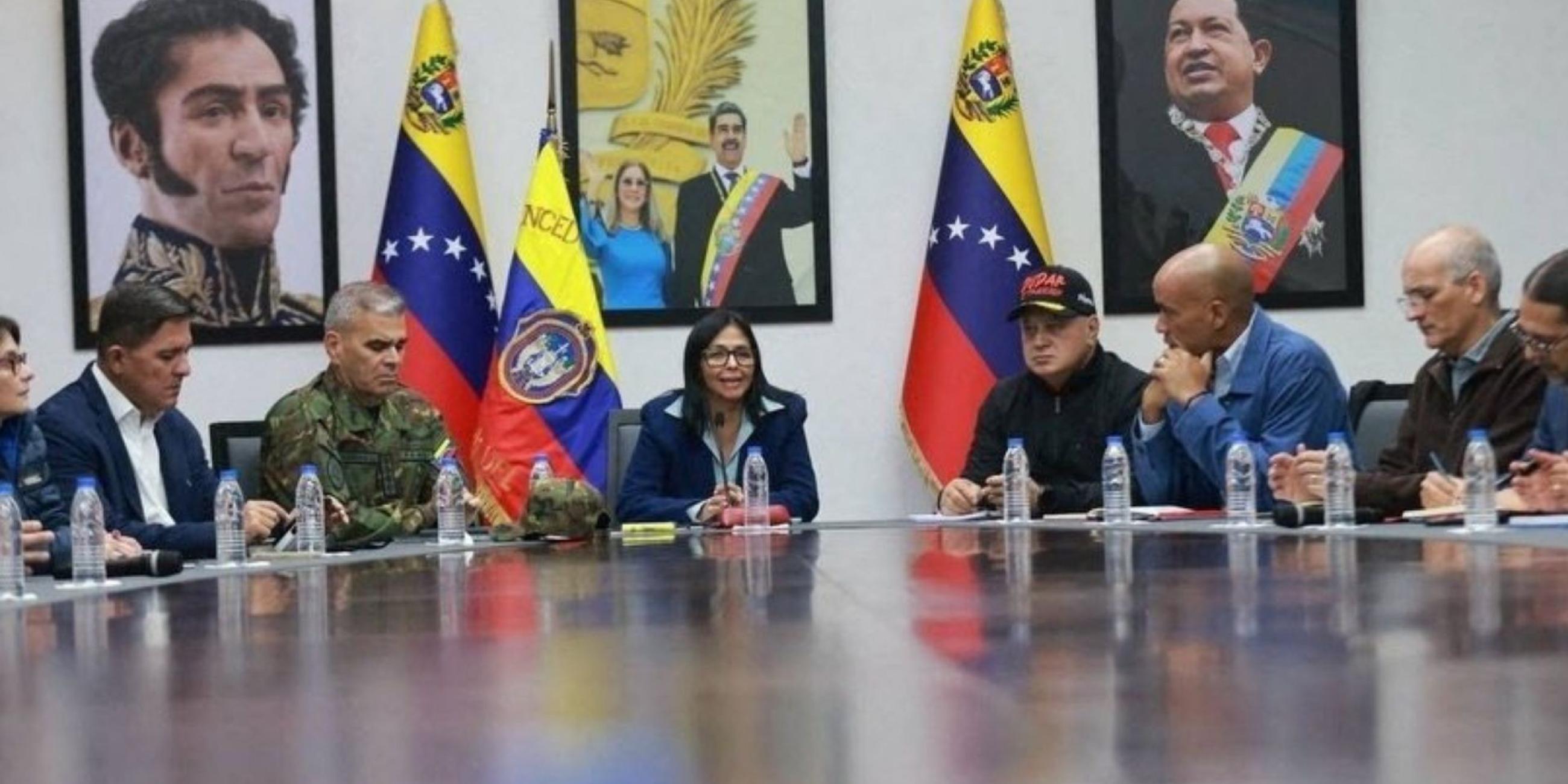
  • Delcy Rodriguez Sworn In as Interim President of Venezuela After US Capture of Nicolas Maduro and Wife, Signals Conditional Cooperation With Washington

    Venezuela’s former Vice President Delcy Rodriguez has been sworn in as interim president following the capture of President Nicolas Maduro and his wife, Cilia Flores, by United States forces. The swearing-in ceremony took place on Monday at the National Assembly in Caracas, drawing global attention amid rising diplomatic tensions and cautious signals of possible engagement with Washington, according to AFP.

    Rodriguez, who took the oath “in the name of all Venezuelans,” expressed sorrow over the detention of Maduro and Flores, describing them as “hostages in the United States.” While condemning the US operation, the National Assembly pledged full support for Rodriguez’s interim leadership. Lawmakers also re-elected her brother, Jorge Rodriguez, as parliamentary speaker, consolidating the family’s grip on both the executive and legislative arms of government.

    During the session, legislators chanted slogans linked to Maduro’s controversial 2024 re-election campaign, which was widely criticised by opposition groups and foreign governments, including the United States, as fraudulent. Senior lawmakers accused President Donald Trump of overstepping international norms, vowing to pursue all avenues to secure Maduro’s return to power.

    Venezuela’s Supreme Court authorised Rodriguez to assume the presidency in an acting capacity, a move later endorsed by the military. Maduro’s son, Nicolas Maduro Guerra, and the ruling United Socialist Party of Venezuela (PSUV) also threw their weight behind Rodriguez, insisting the country remains stable under her leadership. The PSUV and its allies currently control 256 of the 286 seats in parliament following elections boycotted by much of the opposition.

    Despite insisting that Maduro remains Venezuela’s “only legitimate president,” Rodriguez extended a conditional offer of cooperation to Washington, which has indicated willingness to work with Caracas if its demands on political reforms and oil access are met. However, Trump warned that Rodriguez could face consequences similar to or worse than Maduro’s if she failed to comply with US directives.

    The unfolding developments mark a dramatic turning point in Venezuela’s political crisis, deepening internal power consolidation while reshaping the country’s already strained relationship with the United States.
    Delcy Rodriguez Sworn In as Interim President of Venezuela After US Capture of Nicolas Maduro and Wife, Signals Conditional Cooperation With Washington Venezuela’s former Vice President Delcy Rodriguez has been sworn in as interim president following the capture of President Nicolas Maduro and his wife, Cilia Flores, by United States forces. The swearing-in ceremony took place on Monday at the National Assembly in Caracas, drawing global attention amid rising diplomatic tensions and cautious signals of possible engagement with Washington, according to AFP. Rodriguez, who took the oath “in the name of all Venezuelans,” expressed sorrow over the detention of Maduro and Flores, describing them as “hostages in the United States.” While condemning the US operation, the National Assembly pledged full support for Rodriguez’s interim leadership. Lawmakers also re-elected her brother, Jorge Rodriguez, as parliamentary speaker, consolidating the family’s grip on both the executive and legislative arms of government. During the session, legislators chanted slogans linked to Maduro’s controversial 2024 re-election campaign, which was widely criticised by opposition groups and foreign governments, including the United States, as fraudulent. Senior lawmakers accused President Donald Trump of overstepping international norms, vowing to pursue all avenues to secure Maduro’s return to power. Venezuela’s Supreme Court authorised Rodriguez to assume the presidency in an acting capacity, a move later endorsed by the military. Maduro’s son, Nicolas Maduro Guerra, and the ruling United Socialist Party of Venezuela (PSUV) also threw their weight behind Rodriguez, insisting the country remains stable under her leadership. The PSUV and its allies currently control 256 of the 286 seats in parliament following elections boycotted by much of the opposition. Despite insisting that Maduro remains Venezuela’s “only legitimate president,” Rodriguez extended a conditional offer of cooperation to Washington, which has indicated willingness to work with Caracas if its demands on political reforms and oil access are met. However, Trump warned that Rodriguez could face consequences similar to or worse than Maduro’s if she failed to comply with US directives. The unfolding developments mark a dramatic turning point in Venezuela’s political crisis, deepening internal power consolidation while reshaping the country’s already strained relationship with the United States.
    0 Σχόλια ·0 Μοιράστηκε ·666 Views
  • Venezuelan President Nicolás Maduro Pleads Not Guilty in U.S. Court, Declares “I Am Still President” Amid Drug Trafficking and Weapons Charges

    Venezuelan leader Nicolás Maduro has pleaded not guilty to multiple criminal charges during his first appearance in a New York courtroom, using the moment to reaffirm his claim to the presidency. Facing allegations of narco-terrorism conspiracy, cocaine importation, and illegal possession of weapons, Maduro rejected the accusations, insisting on his innocence and political legitimacy.

    According to reports, the indictment includes four major counts, marking one of the most serious criminal cases ever brought against a sitting foreign leader in the United States. Outside the courthouse, supporters and protesters gathered, turning the proceedings into a political spectacle highlighting tensions over sovereignty, accountability, and international justice.

    Maduro’s wife, Cilia Flores, who was apprehended alongside him, also entered a not guilty plea to similar drug trafficking and weapons charges. The case follows an announcement by U.S. Attorney General Pamela Bondi, who confirmed that both were indicted in the Southern District of New York. As the trial moves forward, the case is set to test the reach of U.S. law while deepening the global political controversy surrounding Venezuela’s embattled leadership.
    Venezuelan President Nicolás Maduro Pleads Not Guilty in U.S. Court, Declares “I Am Still President” Amid Drug Trafficking and Weapons Charges Venezuelan leader Nicolás Maduro has pleaded not guilty to multiple criminal charges during his first appearance in a New York courtroom, using the moment to reaffirm his claim to the presidency. Facing allegations of narco-terrorism conspiracy, cocaine importation, and illegal possession of weapons, Maduro rejected the accusations, insisting on his innocence and political legitimacy. According to reports, the indictment includes four major counts, marking one of the most serious criminal cases ever brought against a sitting foreign leader in the United States. Outside the courthouse, supporters and protesters gathered, turning the proceedings into a political spectacle highlighting tensions over sovereignty, accountability, and international justice. Maduro’s wife, Cilia Flores, who was apprehended alongside him, also entered a not guilty plea to similar drug trafficking and weapons charges. The case follows an announcement by U.S. Attorney General Pamela Bondi, who confirmed that both were indicted in the Southern District of New York. As the trial moves forward, the case is set to test the reach of U.S. law while deepening the global political controversy surrounding Venezuela’s embattled leadership.
    like
    1
    · 0 Σχόλια ·0 Μοιράστηκε ·348 Views
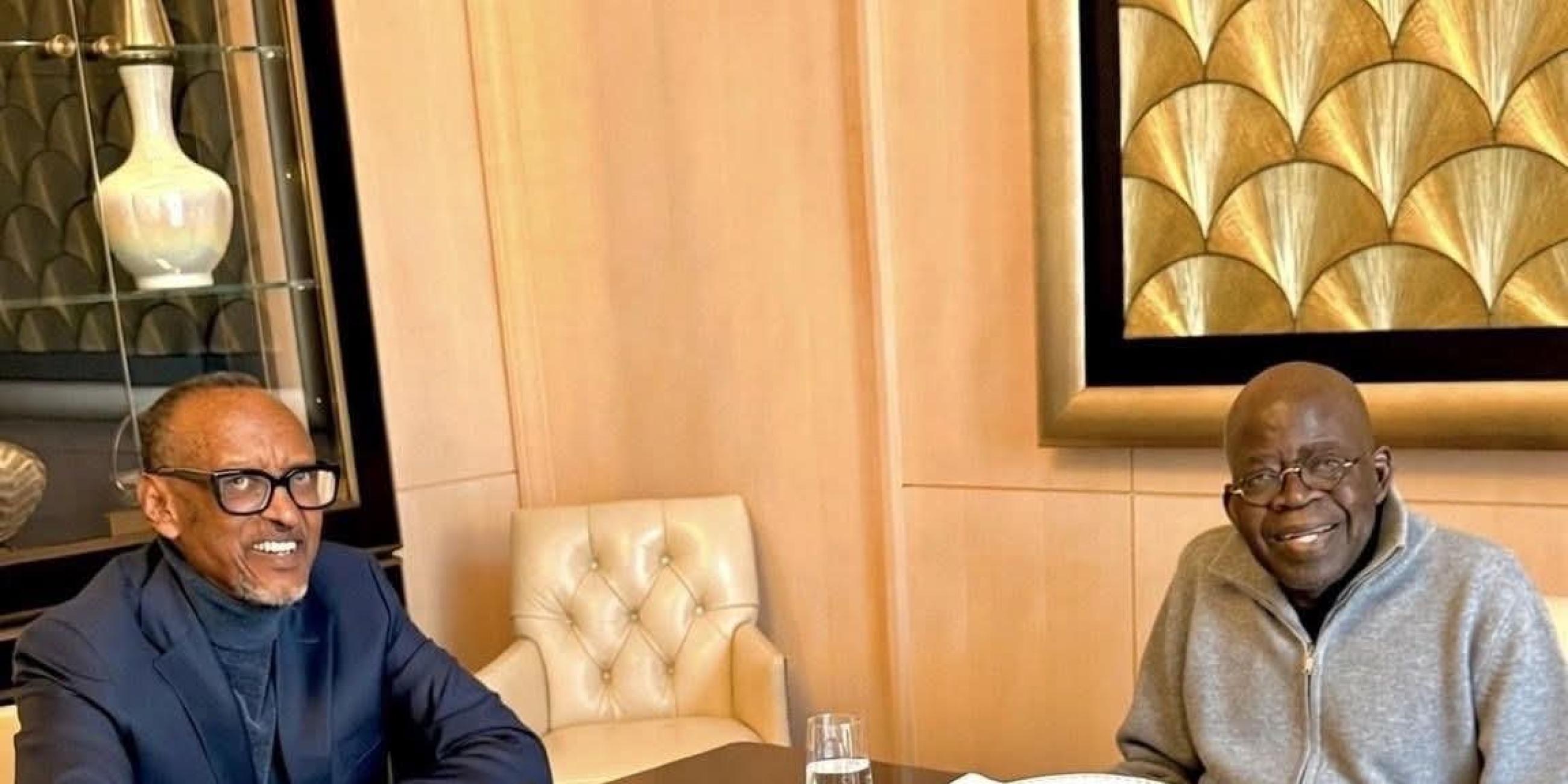
  • Presidency Clarifies Tinubu-Kagame Photo Was Enhanced, Not AI-Generated, Following Social Media Controversy

    The Nigerian Presidency has dismissed claims that a recently released photograph of President Bola Ahmed Tinubu with Rwandan President Paul Kagame in Paris was AI-generated. Temitope Ajayi, Senior Special Assistant to the President on Media and Publicity, explained that the photo’s poor quality, taken on a phone during the meeting, led to the misunderstanding.

    Ajayi clarified that the image was later enhanced using the AI-based editing tool Grok to improve clarity, not to create or fabricate the photograph. Both leaders had met for lunch in Paris and later joined French President Emmanuel Macron for dinner.

    The photograph, initially of low resolution, sparked social media speculation after the visible “Grok” watermark was detected. The Presidency emphasized that enhancing images for clarity does not constitute artificial generation.

    Topics: #Politics, #Nigeria, #Tinubu, #Rwanda, #InternationalRelations, #AITechnology.
    Presidency Clarifies Tinubu-Kagame Photo Was Enhanced, Not AI-Generated, Following Social Media Controversy The Nigerian Presidency has dismissed claims that a recently released photograph of President Bola Ahmed Tinubu with Rwandan President Paul Kagame in Paris was AI-generated. Temitope Ajayi, Senior Special Assistant to the President on Media and Publicity, explained that the photo’s poor quality, taken on a phone during the meeting, led to the misunderstanding. Ajayi clarified that the image was later enhanced using the AI-based editing tool Grok to improve clarity, not to create or fabricate the photograph. Both leaders had met for lunch in Paris and later joined French President Emmanuel Macron for dinner. The photograph, initially of low resolution, sparked social media speculation after the visible “Grok” watermark was detected. The Presidency emphasized that enhancing images for clarity does not constitute artificial generation. Topics: #Politics, #Nigeria, #Tinubu, #Rwanda, #InternationalRelations, #AITechnology.
    0 Σχόλια ·0 Μοιράστηκε ·544 Views
  • Opinion: SKC Ogbonnia Exposes Tinubu’s Indifference to Nigeria’s Security Crisis Amid Trump Threat

    In a compelling opinion piece titled “Nigeria Is Dead”, political analyst Bayo Oluwasanmi and commentator SKC Ogbonnia criticize President Bola Ahmed Tinubu’s handling of Nigeria’s ongoing security crisis. The authors highlight widespread atrocities by Boko Haram, Fulani terrorists, and bandits, including reports of civilians witnessing family members being murdered.

    According to Ogbonnia, Tinubu prioritized politics over national security, focusing on propaganda, foreign trips, and protection of VIPs while neglecting citizens’ safety. The regime allegedly displayed complicity in the insurgency, with high-budget allocations failing to curb insecurity.

    The narrative shifted only after U.S. President Donald Trump threatened military action against Nigeria for failing to address terrorism effectively. Following Trump’s warning, Tinubu reportedly redirected resources, ordered redeployment of security personnel from VIP protection to national security duties, and initiated plans to tackle insurgent hideouts.

    Ogbonnia concludes that Tinubu’s prior inaction, political calculation, and indifference amount to a gross abuse of office, making his continued presidency an existential threat to Nigeria. The piece warns that without electoral reforms and accountability, the 2027 elections may favor Tinubu despite the country’s deep-seated crises.

    Author: SKC Ogbonnia, former APC Presidential Aspirant, Ugbo, Enugu State, Nigeria.
    Opinion: SKC Ogbonnia Exposes Tinubu’s Indifference to Nigeria’s Security Crisis Amid Trump Threat In a compelling opinion piece titled “Nigeria Is Dead”, political analyst Bayo Oluwasanmi and commentator SKC Ogbonnia criticize President Bola Ahmed Tinubu’s handling of Nigeria’s ongoing security crisis. The authors highlight widespread atrocities by Boko Haram, Fulani terrorists, and bandits, including reports of civilians witnessing family members being murdered. According to Ogbonnia, Tinubu prioritized politics over national security, focusing on propaganda, foreign trips, and protection of VIPs while neglecting citizens’ safety. The regime allegedly displayed complicity in the insurgency, with high-budget allocations failing to curb insecurity. The narrative shifted only after U.S. President Donald Trump threatened military action against Nigeria for failing to address terrorism effectively. Following Trump’s warning, Tinubu reportedly redirected resources, ordered redeployment of security personnel from VIP protection to national security duties, and initiated plans to tackle insurgent hideouts. Ogbonnia concludes that Tinubu’s prior inaction, political calculation, and indifference amount to a gross abuse of office, making his continued presidency an existential threat to Nigeria. The piece warns that without electoral reforms and accountability, the 2027 elections may favor Tinubu despite the country’s deep-seated crises. Author: SKC Ogbonnia, former APC Presidential Aspirant, Ugbo, Enugu State, Nigeria.
    0 Σχόλια ·0 Μοιράστηκε ·890 Views
  • Presidency Sparks Controversy After Sharing AI-Watermarked Image of Tinubu–Kagame Paris Meeting

    Nigeria’s presidency faced public backlash after sharing a photograph on President Bola Ahmed Tinubu’s official X (formerly Twitter) account, purportedly showing a private meeting with Rwandan President Paul Kagame in Paris. Observers noticed that the image bore a “Grok” watermark, indicating it was created or altered using Elon Musk’s AI tool, Grok.

    The official post claimed the meeting took place on January 4, 2026, to discuss “world affairs and advancing Africa,” confirmed by the President’s Special Adviser on Information and Strategy, Bayo Onanuga. Despite this, the watermark’s presence has raised questions about the photo’s authenticity and whether an original, unedited version exists.

    The incident has reignited concerns about digital manipulation, transparency, and the use of AI in official government communications, particularly as public trust in state institutions remains fragile. As of now, the presidency has not provided clarification regarding the AI-generated image.

    Presidency Sparks Controversy After Sharing AI-Watermarked Image of Tinubu–Kagame Paris Meeting Nigeria’s presidency faced public backlash after sharing a photograph on President Bola Ahmed Tinubu’s official X (formerly Twitter) account, purportedly showing a private meeting with Rwandan President Paul Kagame in Paris. Observers noticed that the image bore a “Grok” watermark, indicating it was created or altered using Elon Musk’s AI tool, Grok. The official post claimed the meeting took place on January 4, 2026, to discuss “world affairs and advancing Africa,” confirmed by the President’s Special Adviser on Information and Strategy, Bayo Onanuga. Despite this, the watermark’s presence has raised questions about the photo’s authenticity and whether an original, unedited version exists. The incident has reignited concerns about digital manipulation, transparency, and the use of AI in official government communications, particularly as public trust in state institutions remains fragile. As of now, the presidency has not provided clarification regarding the AI-generated image.
    0 Σχόλια ·0 Μοιράστηκε ·537 Views
  • Tinubu Orders Military, Police, DSS to Hunt Kasuwan Daji Terrorists, Rescue Abducted Women and Children in Niger State

    President Bola Ahmed Tinubu has directed Nigeria’s security agencies, including the military, police, and the Department of State Services (DSS), to intensify operations to track down and apprehend the terrorists behind the deadly attack on Kasuwan Daji community in Niger State. The directive was issued on Sunday and conveyed in a statement signed on January 4, 2026, by the President’s Special Adviser on Information and Strategy, Bayo Onanuga.

    The President ordered the Minister of Defence, the Chief of Defence Staff, Service Chiefs, the Inspector-General of Police, and the DSS Director-General to urgently locate the attackers and rescue all abducted victims, particularly women and children. The Kasuwan Daji attack, which occurred amid a surge in terrorist activities in Niger State, led to the killing of villagers and mass abductions.

    According to the presidency, the assailants are suspected to be fleeing from Sokoto and Zamfara states following a U.S. airstrike carried out on Christmas Eve. President Tinubu condemned the killings, described the attack as a test of Nigeria’s resolve, and vowed that the perpetrators and anyone aiding them would be hunted down and brought to justice.

    He also extended condolences to the families of the victims and the people of Niger State, while assuring that security operations would be strengthened around vulnerable communities, especially those near forest areas used as criminal hideouts. The President urged Nigerians to remain united and avoid divisive rhetoric, stressing that collective resolve is crucial to defeating terrorism and restoring peace to affected communities.
    Tinubu Orders Military, Police, DSS to Hunt Kasuwan Daji Terrorists, Rescue Abducted Women and Children in Niger State President Bola Ahmed Tinubu has directed Nigeria’s security agencies, including the military, police, and the Department of State Services (DSS), to intensify operations to track down and apprehend the terrorists behind the deadly attack on Kasuwan Daji community in Niger State. The directive was issued on Sunday and conveyed in a statement signed on January 4, 2026, by the President’s Special Adviser on Information and Strategy, Bayo Onanuga. The President ordered the Minister of Defence, the Chief of Defence Staff, Service Chiefs, the Inspector-General of Police, and the DSS Director-General to urgently locate the attackers and rescue all abducted victims, particularly women and children. The Kasuwan Daji attack, which occurred amid a surge in terrorist activities in Niger State, led to the killing of villagers and mass abductions. According to the presidency, the assailants are suspected to be fleeing from Sokoto and Zamfara states following a U.S. airstrike carried out on Christmas Eve. President Tinubu condemned the killings, described the attack as a test of Nigeria’s resolve, and vowed that the perpetrators and anyone aiding them would be hunted down and brought to justice. He also extended condolences to the families of the victims and the people of Niger State, while assuring that security operations would be strengthened around vulnerable communities, especially those near forest areas used as criminal hideouts. The President urged Nigerians to remain united and avoid divisive rhetoric, stressing that collective resolve is crucial to defeating terrorism and restoring peace to affected communities.
    0 Σχόλια ·0 Μοιράστηκε ·721 Views
  • US Congresswoman Melanie Stansbury Slams Trump Over ‘Illegal’ Military Strikes in Venezuela, Demands Congress Take Action to Rein in President

    United States lawmaker, Rep. Melanie Stansbury, has strongly condemned President Donald Trump’s reported military operations in Venezuela, calling them unconstitutional and illegal. Stansbury, a Democratic representative from New Mexico, stated that the U.S. Constitution clearly vests war-making powers in Congress, not the presidency, and urged lawmakers to immediately intervene to prevent further executive overreach.

    Her remarks came shortly after the White House confirmed that U.S. forces were conducting operations in Venezuela. Stansbury criticized the strikes as a dangerous abuse of power, warning that Trump was acting beyond his constitutional authority.

    The condemnation followed Trump’s extraordinary claim on Truth Social that U.S. forces had captured Venezuelan President Nicolás Maduro and his wife during a “large-scale strike” and flown them out of the country — though no evidence was provided to support the claim. Trump announced that further details would be shared in a press conference at his Mar-a-Lago residence.

    The incident has sparked intense political backlash and revived debate over presidential war powers, with lawmakers like Stansbury calling for Congress to reassert its constitutional authority and ensure checks on the executive branch.
    US Congresswoman Melanie Stansbury Slams Trump Over ‘Illegal’ Military Strikes in Venezuela, Demands Congress Take Action to Rein in President United States lawmaker, Rep. Melanie Stansbury, has strongly condemned President Donald Trump’s reported military operations in Venezuela, calling them unconstitutional and illegal. Stansbury, a Democratic representative from New Mexico, stated that the U.S. Constitution clearly vests war-making powers in Congress, not the presidency, and urged lawmakers to immediately intervene to prevent further executive overreach. Her remarks came shortly after the White House confirmed that U.S. forces were conducting operations in Venezuela. Stansbury criticized the strikes as a dangerous abuse of power, warning that Trump was acting beyond his constitutional authority. The condemnation followed Trump’s extraordinary claim on Truth Social that U.S. forces had captured Venezuelan President Nicolás Maduro and his wife during a “large-scale strike” and flown them out of the country — though no evidence was provided to support the claim. Trump announced that further details would be shared in a press conference at his Mar-a-Lago residence. The incident has sparked intense political backlash and revived debate over presidential war powers, with lawmakers like Stansbury calling for Congress to reassert its constitutional authority and ensure checks on the executive branch.
    love
    1
    · 0 Σχόλια ·0 Μοιράστηκε ·382 Views
  • Nigerian Students Set January 14 for Nationwide Mass Protest as NANS Moves to Resist Tinubu’s Controversial Tax Reform Laws Amid Growing Opposition

    The National Association of Nigerian Students (NANS) has fixed January 14, 2026, as a National Day of Action to stage a mass protest against the implementation of the President Bola Tinubu-led administration’s new tax laws, which came into effect on January 1, 2026. The student body has begun nationwide mobilisation, warning that it will lead large-scale demonstrations unless the government suspends the controversial Tax Reform Law.

    The planned protest comes amid increasing resistance to the new tax regime, following claims of discrepancies between the versions of the tax bills passed by the National Assembly and those later gazetted. Several stakeholders, including the Nigerian Bar Association (NBA), the Nigeria Labour Congress (NLC), and the minority caucus of the House of Representatives, have called on the federal government to halt the implementation pending clarification.

    Despite these concerns, President Tinubu has dismissed calls for suspension, insisting that no major issues have been identified to warrant stopping the reform process. Reacting to the government’s stance, NANS President Olushola Oladoja criticised the decision to proceed with enforcement while key issues remain unresolved, describing it as dismissive of public concerns and democratic engagement.

    Oladoja argued that enforcing the tax law without addressing widespread objections undermines transparency and public trust, particularly for policies that significantly affect ordinary Nigerians. He further faulted the Presidency for reaffirming the January 1 commencement date, saying it sidelines citizens most impacted by the reforms.

    As part of its action plan, NANS has instructed its structures nationwide to prepare for a peaceful protest in Abuja, with students expected to converge at the Unity Fountain and march to the Presidential Villa. The association is demanding an immediate suspension of the tax law’s implementation to allow for proper review and resolution of the alleged inconsistencies.

    NANS warned that failure to heed its demand could trigger sustained student-led protests across the country, adding to mounting pressure on the federal government over the contentious tax reforms.
    Nigerian Students Set January 14 for Nationwide Mass Protest as NANS Moves to Resist Tinubu’s Controversial Tax Reform Laws Amid Growing Opposition The National Association of Nigerian Students (NANS) has fixed January 14, 2026, as a National Day of Action to stage a mass protest against the implementation of the President Bola Tinubu-led administration’s new tax laws, which came into effect on January 1, 2026. The student body has begun nationwide mobilisation, warning that it will lead large-scale demonstrations unless the government suspends the controversial Tax Reform Law. The planned protest comes amid increasing resistance to the new tax regime, following claims of discrepancies between the versions of the tax bills passed by the National Assembly and those later gazetted. Several stakeholders, including the Nigerian Bar Association (NBA), the Nigeria Labour Congress (NLC), and the minority caucus of the House of Representatives, have called on the federal government to halt the implementation pending clarification. Despite these concerns, President Tinubu has dismissed calls for suspension, insisting that no major issues have been identified to warrant stopping the reform process. Reacting to the government’s stance, NANS President Olushola Oladoja criticised the decision to proceed with enforcement while key issues remain unresolved, describing it as dismissive of public concerns and democratic engagement. Oladoja argued that enforcing the tax law without addressing widespread objections undermines transparency and public trust, particularly for policies that significantly affect ordinary Nigerians. He further faulted the Presidency for reaffirming the January 1 commencement date, saying it sidelines citizens most impacted by the reforms. As part of its action plan, NANS has instructed its structures nationwide to prepare for a peaceful protest in Abuja, with students expected to converge at the Unity Fountain and march to the Presidential Villa. The association is demanding an immediate suspension of the tax law’s implementation to allow for proper review and resolution of the alleged inconsistencies. NANS warned that failure to heed its demand could trigger sustained student-led protests across the country, adding to mounting pressure on the federal government over the contentious tax reforms.
    0 Σχόλια ·0 Μοιράστηκε ·654 Views
Αναζήτηση αποτελεσμάτων
Fintter https://fintter.com