• 10 Nigerian States Plan N4.28tn Borrowing to Fund 2026 Budgets Amid Fiscal Concerns

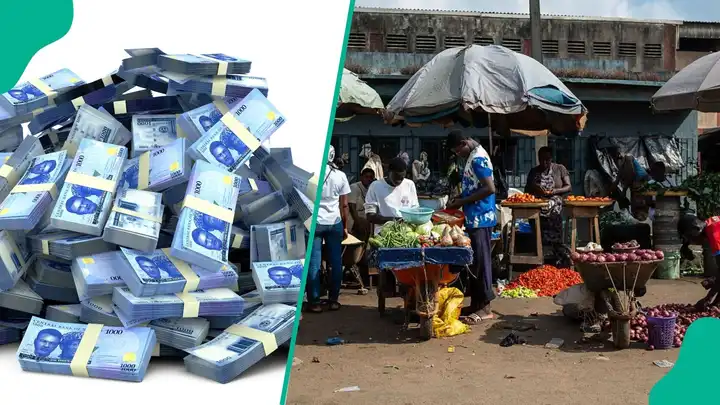
    Ten Nigerian states—including Lagos, Ogun, Abia, Enugu, Osun, Delta, Sokoto, Edo, Bayelsa, and Gombe—plan to raise a combined N4.287 trillion through loans, bonds, grants, and public-private partnerships to fund their 2026 budgets. The states’ total budgets amount to N14.174 trillion, highlighting growing reliance on non-recurring funds beyond federal allocations and internally generated revenue. Lagos, Ogun, and Abia are leading in borrowing for capital projects. Analysts warn that excessive reliance on debt could strain fiscal sustainability and increase debt servicing costs. Experts also emphasize the need for improved revenue management and fiscal discipline to reduce dependence on borrowing.

    #NigeriaEconomy #StateBudgets2026 #FiscalSustainability #Borrowing #InfrastructureFunding
    10 Nigerian States Plan N4.28tn Borrowing to Fund 2026 Budgets Amid Fiscal Concerns Ten Nigerian states—including Lagos, Ogun, Abia, Enugu, Osun, Delta, Sokoto, Edo, Bayelsa, and Gombe—plan to raise a combined N4.287 trillion through loans, bonds, grants, and public-private partnerships to fund their 2026 budgets. The states’ total budgets amount to N14.174 trillion, highlighting growing reliance on non-recurring funds beyond federal allocations and internally generated revenue. Lagos, Ogun, and Abia are leading in borrowing for capital projects. Analysts warn that excessive reliance on debt could strain fiscal sustainability and increase debt servicing costs. Experts also emphasize the need for improved revenue management and fiscal discipline to reduce dependence on borrowing. #NigeriaEconomy #StateBudgets2026 #FiscalSustainability #Borrowing #InfrastructureFunding
    0 Comments ·0 Shares ·116 Views
  • Kaduna State Plans N659 Billion Borrowing Between 2025–2028, Budgets N275 Billion for Debt Servicing While Spending More on Lawmakers’ Luxury Projects

    A review of Kaduna State’s Medium-Term Fiscal Framework reveals plans to borrow a total of N659 billion between 2025 and 2028, alongside spending N275 billion on debt servicing within the same period. Despite heavy reliance on loans, the state budget prioritises lawmakers’ luxury items, including N3.8 billion for 36 Toyota Camry XLE vehicles and N1.5 billion for the construction of the Speaker and Deputy Speaker’s residences. This comes amid severe social challenges, with high rates of educational deprivation, poor access to clean water, and inadequate sanitation facilities across the state, raising concerns about misplaced spending priorities.
    Kaduna State Plans N659 Billion Borrowing Between 2025–2028, Budgets N275 Billion for Debt Servicing While Spending More on Lawmakers’ Luxury Projects A review of Kaduna State’s Medium-Term Fiscal Framework reveals plans to borrow a total of N659 billion between 2025 and 2028, alongside spending N275 billion on debt servicing within the same period. Despite heavy reliance on loans, the state budget prioritises lawmakers’ luxury items, including N3.8 billion for 36 Toyota Camry XLE vehicles and N1.5 billion for the construction of the Speaker and Deputy Speaker’s residences. This comes amid severe social challenges, with high rates of educational deprivation, poor access to clean water, and inadequate sanitation facilities across the state, raising concerns about misplaced spending priorities.
    0 Comments ·0 Shares ·83 Views
  • ADC Warns Tinubu’s 2026 Budget Will Burden Future Nigerians With Unsustainable Debt

    The African Democratic Congress (ADC) has criticized President Bola Tinubu’s 2026 budget proposal, describing it as fiscally reckless and a potential debt trap that mortgages Nigeria’s future. The opposition party argues the budget repeats failed patterns from 2024 and 2025, with unrealistic revenue projections and excessive borrowing. ADC warns that planned debt servicing and deficits could worsen economic hardship, constrain development spending, and place an undue financial burden on the next generation of Nigerians.
    ADC Warns Tinubu’s 2026 Budget Will Burden Future Nigerians With Unsustainable Debt The African Democratic Congress (ADC) has criticized President Bola Tinubu’s 2026 budget proposal, describing it as fiscally reckless and a potential debt trap that mortgages Nigeria’s future. The opposition party argues the budget repeats failed patterns from 2024 and 2025, with unrealistic revenue projections and excessive borrowing. ADC warns that planned debt servicing and deficits could worsen economic hardship, constrain development spending, and place an undue financial burden on the next generation of Nigerians.
    0 Comments ·0 Shares ·195 Views
  • Nigeria Plans N54.7 Trillion Borrowing Over 2026–2028 Amid Rising Public Debt

    Nigeria is set to borrow a cumulative total of N54.7 trillion over the next three fiscal years, according to the recently approved Medium Term Expenditure Framework (MTEF) for 2026–2028. The plan includes N17.8 trillion for 2026, N21.1 trillion for 2027, and N15.8 trillion for 2028, split between domestic and international sources. This comes as Nigeria’s public debt continues to rise, reaching N149.3 trillion as of March 2025, up from N144.6 trillion in December 2024. Domestic debt remains the primary source of borrowing, reflecting the government’s reliance on local financing amid economic challenges and growing fiscal pressures.
    Nigeria Plans N54.7 Trillion Borrowing Over 2026–2028 Amid Rising Public Debt Nigeria is set to borrow a cumulative total of N54.7 trillion over the next three fiscal years, according to the recently approved Medium Term Expenditure Framework (MTEF) for 2026–2028. The plan includes N17.8 trillion for 2026, N21.1 trillion for 2027, and N15.8 trillion for 2028, split between domestic and international sources. This comes as Nigeria’s public debt continues to rise, reaching N149.3 trillion as of March 2025, up from N144.6 trillion in December 2024. Domestic debt remains the primary source of borrowing, reflecting the government’s reliance on local financing amid economic challenges and growing fiscal pressures.
    0 Comments ·0 Shares ·142 Views
  • Conflicting Revenue Figures Under Tinubu Government Raise Concerns Over Fiscal Transparency in Nigeria

    Concerns are mounting over Nigeria’s fiscal transparency following conflicting revenue figures reported under President Bola Tinubu’s administration. While the Medium-Term Expenditure Framework (MTEF) indicates the government had generated ₦13.6 trillion as of July 2025, Finance Minister statements report only ₦10.7 trillion in revenue. Analysts warn that the discrepancy raises questions about budget accuracy, deficit financing, and long-term economic implications. Civil society groups, including BudgIT and MonITNG, have called for reconciled, transparent, and timely disclosure of revenue, borrowing, and expenditure data to ensure accountability and public trust.
    Conflicting Revenue Figures Under Tinubu Government Raise Concerns Over Fiscal Transparency in Nigeria Concerns are mounting over Nigeria’s fiscal transparency following conflicting revenue figures reported under President Bola Tinubu’s administration. While the Medium-Term Expenditure Framework (MTEF) indicates the government had generated ₦13.6 trillion as of July 2025, Finance Minister statements report only ₦10.7 trillion in revenue. Analysts warn that the discrepancy raises questions about budget accuracy, deficit financing, and long-term economic implications. Civil society groups, including BudgIT and MonITNG, have called for reconciled, transparent, and timely disclosure of revenue, borrowing, and expenditure data to ensure accountability and public trust.
    0 Comments ·0 Shares ·361 Views
  • Tinubu to Present 2026 Nigerian Budget to National Assembly Friday, Proposes N17.8 Trillion Fresh Borrowings as Budget Hits N54.46 Trillion

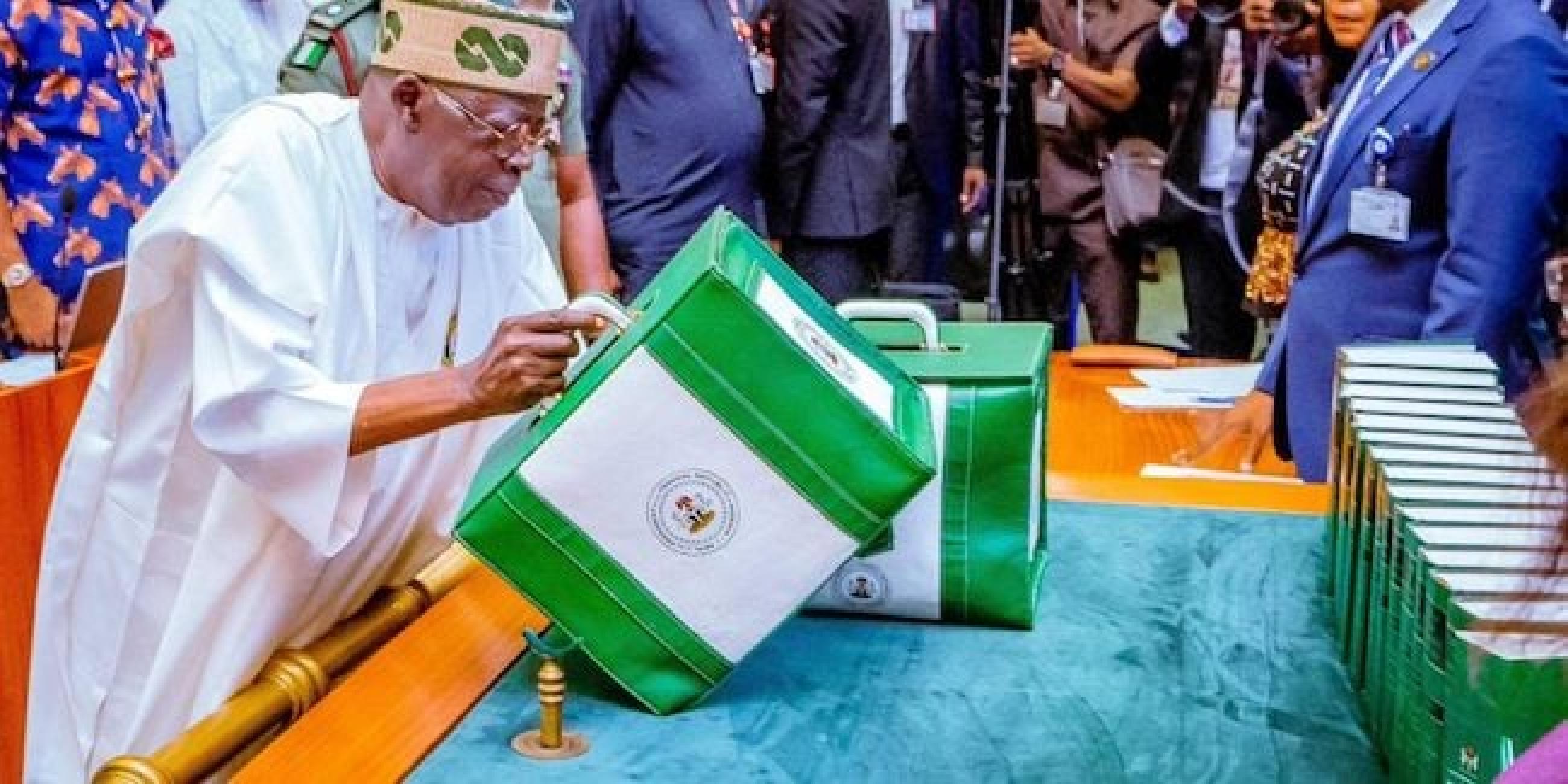
    President Bola Tinubu has formally requested permission from the House of Representatives to appear before a joint session of the National Assembly on Friday, December 19, 2025, to present the 2026 Appropriation Bill. The request, conveyed in a letter read by Speaker Abbas Tajudeen, comes as lawmakers deliberate on the 2026–2028 Medium-Term Expenditure Framework and Fiscal Strategy Paper. The proposed 2026 budget is estimated at N54.46 trillion, with retained revenue projected at N34.33 trillion and new borrowings of about N17.88 trillion from domestic and foreign sources. Debt servicing is projected at N15.52 trillion, while capital expenditure stands at N20.13 trillion amid a fiscal deficit of N20.13 trillion.
    Tinubu to Present 2026 Nigerian Budget to National Assembly Friday, Proposes N17.8 Trillion Fresh Borrowings as Budget Hits N54.46 Trillion President Bola Tinubu has formally requested permission from the House of Representatives to appear before a joint session of the National Assembly on Friday, December 19, 2025, to present the 2026 Appropriation Bill. The request, conveyed in a letter read by Speaker Abbas Tajudeen, comes as lawmakers deliberate on the 2026–2028 Medium-Term Expenditure Framework and Fiscal Strategy Paper. The proposed 2026 budget is estimated at N54.46 trillion, with retained revenue projected at N34.33 trillion and new borrowings of about N17.88 trillion from domestic and foreign sources. Debt servicing is projected at N15.52 trillion, while capital expenditure stands at N20.13 trillion amid a fiscal deficit of N20.13 trillion.
    0 Comments ·0 Shares ·188 Views
  • Peter Obi Slams Tinubu Govt Over Fresh ₦20trillion Loan Plan Despite Claimed Revenue Growth

    Peter Obi has criticised the Tinubu administration for proposing a ₦20trillion loan to fund the 2026 budget, warning that Nigeria is nearing fiscal collapse. He questioned the government’s transparency on 2025 revenue figures despite claims of surpassing targets, and condemned borrowing that does not support productive sectors. Obi said Nigeria cannot develop by consuming more than it produces and urged the government to adopt a sustainable, production-driven economic model. He warned that rising debt, shrinking production, and worsening hardship threaten the nation’s future.
    Peter Obi Slams Tinubu Govt Over Fresh ₦20trillion Loan Plan Despite Claimed Revenue Growth Peter Obi has criticised the Tinubu administration for proposing a ₦20trillion loan to fund the 2026 budget, warning that Nigeria is nearing fiscal collapse. He questioned the government’s transparency on 2025 revenue figures despite claims of surpassing targets, and condemned borrowing that does not support productive sectors. Obi said Nigeria cannot develop by consuming more than it produces and urged the government to adopt a sustainable, production-driven economic model. He warned that rising debt, shrinking production, and worsening hardship threaten the nation’s future.
    0 Comments ·0 Shares ·343 Views
  • New Tax Law: Nigerian Man Breaks Down After Seeing 2026 Salary Deductions

    A Nigerian man, Onyedika Justice, has gone viral after revealing he burst into tears upon calculating how much the federal government’s new tax law will deduct from his salary starting January 2026. His reaction comes amid growing public outrage over the revised tax bill, which Legit.ng recently explained along with exemptions. Onyedika warned that the policy will “unite all tribes,” as everyone—regardless of ethnicity—will feel its impact. Social media users also expressed frustration, criticising rising taxes, borrowing, and economic hardship under President Tinubu’s administration.
    New Tax Law: Nigerian Man Breaks Down After Seeing 2026 Salary Deductions A Nigerian man, Onyedika Justice, has gone viral after revealing he burst into tears upon calculating how much the federal government’s new tax law will deduct from his salary starting January 2026. His reaction comes amid growing public outrage over the revised tax bill, which Legit.ng recently explained along with exemptions. Onyedika warned that the policy will “unite all tribes,” as everyone—regardless of ethnicity—will feel its impact. Social media users also expressed frustration, criticising rising taxes, borrowing, and economic hardship under President Tinubu’s administration.
    0 Comments ·0 Shares ·247 Views
  • ADC Coalition Slams Tinubu: You Deceive Nigerians With 'Increased Revenue' But Keep Borrowing
    ADC Coalition Slams Tinubu: You Deceive Nigerians With 'Increased Revenue' But Keep Borrowing
    0 Comments ·0 Shares ·290 Views
  • Tinubu Seeks Approval for Fresh N1.15trn Domestic Loan Despite Rising Debts.

    President Bola Tinubu has requested the National Assembly’s approval to borrow a fresh N1.15 trillion from the domestic debt market to help fund the deficit in the 2025 budget.

    The request was conveyed in a letter read on the floor of the Senate during plenary on Tuesday.

    According to the letter, the proposed borrowing aims to bridge the funding gap and ensure the full implementation of government programmes and projects under the 2025 fiscal plan.

    Senate President Godswill Akpabio has referred the request to the Senate Committee on Local and Foreign Debt, instructing it to report back within one week for further legislative action.
    Tinubu Seeks Approval for Fresh N1.15trn Domestic Loan Despite Rising Debts. President Bola Tinubu has requested the National Assembly’s approval to borrow a fresh N1.15 trillion from the domestic debt market to help fund the deficit in the 2025 budget. The request was conveyed in a letter read on the floor of the Senate during plenary on Tuesday. According to the letter, the proposed borrowing aims to bridge the funding gap and ensure the full implementation of government programmes and projects under the 2025 fiscal plan. Senate President Godswill Akpabio has referred the request to the Senate Committee on Local and Foreign Debt, instructing it to report back within one week for further legislative action.
    0 Comments ·0 Shares ·509 Views
  • President tinubu requests senate approval for new ₦1.15trn domestic loan to bridge 2025 budget gap.

    President Bola Tinubu has requested the National Assembly’s approval for a fresh ₦1.15 trillion domestic loan to bridge the deficit in the 2025 national budget. The request, contained in a letter read by Senate President Godswill Akpabio during Tuesday’s plenary, is part of measures to sustain key government programmes and projects.

    Tinubu explained that the loan would ensure smooth implementation of the 2025 budget and compliance with the Fiscal Responsibility Act 2007 and relevant executive orders requiring legislative approval for new borrowings. The Senate referred the proposal to the Committee on Local and Foreign Debt, which has one week to submit its report.

    The latest borrowing plan comes just days after the Senate approved Tinubu’s request for a $2.847 billion external loan, including a $500 million debut Sovereign Sukuk, aimed at funding the budget deficit and refinancing maturing Eurobonds.

    Earlier in May, Tinubu sought approval for a $21.5 billion external loan for infrastructure, health, education, and water projects, as well as a ₦758 billion domestic bond to clear outstanding pension arrears under the Contributory Pension Scheme.

    According to the Debt Management Office, Nigeria’s total public debt rose to ₦152.40 trillion as of June 2025, up from ₦149.39 trillion in March — an increase of ₦3.01 trillion within three months. In dollar terms, the debt stands at $99.66 billion, underscoring the country’s growing reliance on borrowing to fund fiscal shortfalls amid ongoing revenue reforms and foreign exchange liberalization.
    President tinubu requests senate approval for new ₦1.15trn domestic loan to bridge 2025 budget gap. President Bola Tinubu has requested the National Assembly’s approval for a fresh ₦1.15 trillion domestic loan to bridge the deficit in the 2025 national budget. The request, contained in a letter read by Senate President Godswill Akpabio during Tuesday’s plenary, is part of measures to sustain key government programmes and projects. Tinubu explained that the loan would ensure smooth implementation of the 2025 budget and compliance with the Fiscal Responsibility Act 2007 and relevant executive orders requiring legislative approval for new borrowings. The Senate referred the proposal to the Committee on Local and Foreign Debt, which has one week to submit its report. The latest borrowing plan comes just days after the Senate approved Tinubu’s request for a $2.847 billion external loan, including a $500 million debut Sovereign Sukuk, aimed at funding the budget deficit and refinancing maturing Eurobonds. Earlier in May, Tinubu sought approval for a $21.5 billion external loan for infrastructure, health, education, and water projects, as well as a ₦758 billion domestic bond to clear outstanding pension arrears under the Contributory Pension Scheme. According to the Debt Management Office, Nigeria’s total public debt rose to ₦152.40 trillion as of June 2025, up from ₦149.39 trillion in March — an increase of ₦3.01 trillion within three months. In dollar terms, the debt stands at $99.66 billion, underscoring the country’s growing reliance on borrowing to fund fiscal shortfalls amid ongoing revenue reforms and foreign exchange liberalization.
    0 Comments ·0 Shares ·746 Views
  • Reps Approve Pres. Tinubu’s $2.35bn Loan Request, $500m International Sukuk for 2025 Budget

    The House of Representatives has approved President Bola Tinubu’s request to secure $2.35 billion in external loans to help finance part of Nigeria’s 2025 budget deficit. 

    The House also approved the issuance of a $500 million sovereign sukuk in the international market to support infrastructure development & diversify government funding sources.

    The approvals followed the adoption of a report by the House Committee on Aids, Loans & Debt Management during plenary on Wednesday.

    In line with the 2025 Appropriation Act, the House endorsed the implementation of N1.84 trillion in new external borrowing at a budget exchange rate of N1,500/$1, to partly fund the projected N9.28 trillion federal deficit.

    President Tinubu had earlier written to the National Assembly requesting approval, citing Sections 21(1) & 27(1) of the Debt Management Office Act, which require legislative consent for external borrowing.

    The President stated that the loans may be raised through Eurobonds, syndicated loans, or bridge financing, depending on market conditions. He noted that interest rates would likely align with current yields on Nigeria’s existing international bonds, which range from 6.8% to 9.3%.

    On the $500 million international sukuk, Tinubu explained that it would attract new investor groups, deepen Nigeria’s securities market, and fund critical infrastructure. 

    He added that Nigeria has already raised over N1.39 trillion through domestic sukuk issuances since 2017 for major road and capital projects, and the international sukuk would complement these efforts. Up to 25% of the funds may be used to refinance existing high-cost debt.

    The approvals clear the way for the Federal Government to proceed with the financing plans.
    Reps Approve Pres. Tinubu’s $2.35bn Loan Request, $500m International Sukuk for 2025 Budget The House of Representatives has approved President Bola Tinubu’s request to secure $2.35 billion in external loans to help finance part of Nigeria’s 2025 budget deficit.  The House also approved the issuance of a $500 million sovereign sukuk in the international market to support infrastructure development & diversify government funding sources. The approvals followed the adoption of a report by the House Committee on Aids, Loans & Debt Management during plenary on Wednesday. In line with the 2025 Appropriation Act, the House endorsed the implementation of N1.84 trillion in new external borrowing at a budget exchange rate of N1,500/$1, to partly fund the projected N9.28 trillion federal deficit. President Tinubu had earlier written to the National Assembly requesting approval, citing Sections 21(1) & 27(1) of the Debt Management Office Act, which require legislative consent for external borrowing. The President stated that the loans may be raised through Eurobonds, syndicated loans, or bridge financing, depending on market conditions. He noted that interest rates would likely align with current yields on Nigeria’s existing international bonds, which range from 6.8% to 9.3%. On the $500 million international sukuk, Tinubu explained that it would attract new investor groups, deepen Nigeria’s securities market, and fund critical infrastructure.  He added that Nigeria has already raised over N1.39 trillion through domestic sukuk issuances since 2017 for major road and capital projects, and the international sukuk would complement these efforts. Up to 25% of the funds may be used to refinance existing high-cost debt. The approvals clear the way for the Federal Government to proceed with the financing plans.
    0 Comments ·0 Shares ·601 Views
  • Former CBN governor & 16th Emir of Kano, Muhammadu Sanusi II has criticized the FG for continued borrowing despite removing fuel subsidy.

    Speaking at the Oxford Global Think Tank Leadership Conference in Abuja, Sanusi said the subsidy removal had already increased revenue & questioned why the Bola Tinubu administration was still taking loans.

    He praised the removal of fuel subsidy & exchange rate unification as “painful but necessary,” but warned that reckless spending could erase the gains. “If you stop paying subsidies but continue borrowing, it means you’ve filled one hole only to dig another,” he said.

    Sanusi blamed the nation’s economic woes on years of poor fiscal management & populist policies. He urged the government to cut waste, asking, “Why do we need 48 ministers & long convoys?”

    He also condemned the culture of praise-singing in governance, noting that sycophancy prevents leaders from hearing the truth. According to him, leaders must seek honest advisers rather than those who flatter them.
    Former CBN governor & 16th Emir of Kano, Muhammadu Sanusi II has criticized the FG for continued borrowing despite removing fuel subsidy. Speaking at the Oxford Global Think Tank Leadership Conference in Abuja, Sanusi said the subsidy removal had already increased revenue & questioned why the Bola Tinubu administration was still taking loans. He praised the removal of fuel subsidy & exchange rate unification as “painful but necessary,” but warned that reckless spending could erase the gains. “If you stop paying subsidies but continue borrowing, it means you’ve filled one hole only to dig another,” he said. Sanusi blamed the nation’s economic woes on years of poor fiscal management & populist policies. He urged the government to cut waste, asking, “Why do we need 48 ministers & long convoys?” He also condemned the culture of praise-singing in governance, noting that sycophancy prevents leaders from hearing the truth. According to him, leaders must seek honest advisers rather than those who flatter them.
    0 Comments ·0 Shares ·566 Views
  • "Nigeria’s Debt has Climbed to just ₦152.4 trillion" — DMO informs Nigerians.

    Nigeria’s total public debt stock has surged to ₦152.40 trillion as of June 30, 2025, according to fresh data released by the Debt Management Office (DMO) on Saturday.

    This marks an increase of ₦3.01 trillion from the ₦149.39 trillion recorded in March 2025 —a 2.01% rise within just three months. In dollar terms, the figure rose from $97.24 billion to $99.66 billion, reflecting a 2.49% uptick.

    The DMO attributed the rise to increased borrowing both locally and internationally to fund fiscal gaps, despite ongoing revenue reforms and foreign exchange liberalisation.

    A breakdown shows external debt grew from $45.98 billion in March to $46.98 billion (₦71.85tn) by June.
    The World Bank remains Nigeria’s largest external creditor with $18.04 billion outstanding, representing 38% of total external obligations, mostly through the International Development Association.

    Multilateral lenders collectively hold $23.19 billion (49.4%), including the African Development Bank, IMF, and Islamic Development Bank. Bilateral loans stood at $6.20 billion, led by China’s Exim Bank at $4.91 billion, followed by France, Japan, India, and Germany.

    Commercial loans, primarily Eurobonds, amounted to $17.32 billion, representing 36.9% of external debt, while $268.9 million came from syndicated facilities and commercial bank loans. Analysts warn that Nigeria’s heavy Eurobond exposure increases its vulnerability to global market volatility.

    On the domestic front, total debt climbed from ₦78.76 trillion in March to ₦80.55 trillion in June, an increase of ₦1.79 trillion or 2.27%. Federal Government bonds dominated with ₦60.65 trillion, representing 79.2% of local debt. This includes ₦36.52 trillion in naira bonds, ₦22.72 trillion in securitised Ways and Means advances from the CBN, and ₦1.40 trillion in dollar bonds.

    Other instruments comprised Treasury bills (₦12.76tn), Sukuk bonds (₦1.29tn), savings bonds (₦91.53bn), green bonds (₦62.36bn), and promissory notes (₦1.73tn).
    "Nigeria’s Debt has Climbed to just ₦152.4 trillion" — DMO informs Nigerians. Nigeria’s total public debt stock has surged to ₦152.40 trillion as of June 30, 2025, according to fresh data released by the Debt Management Office (DMO) on Saturday. This marks an increase of ₦3.01 trillion from the ₦149.39 trillion recorded in March 2025 —a 2.01% rise within just three months. In dollar terms, the figure rose from $97.24 billion to $99.66 billion, reflecting a 2.49% uptick. The DMO attributed the rise to increased borrowing both locally and internationally to fund fiscal gaps, despite ongoing revenue reforms and foreign exchange liberalisation. A breakdown shows external debt grew from $45.98 billion in March to $46.98 billion (₦71.85tn) by June. The World Bank remains Nigeria’s largest external creditor with $18.04 billion outstanding, representing 38% of total external obligations, mostly through the International Development Association. Multilateral lenders collectively hold $23.19 billion (49.4%), including the African Development Bank, IMF, and Islamic Development Bank. Bilateral loans stood at $6.20 billion, led by China’s Exim Bank at $4.91 billion, followed by France, Japan, India, and Germany. Commercial loans, primarily Eurobonds, amounted to $17.32 billion, representing 36.9% of external debt, while $268.9 million came from syndicated facilities and commercial bank loans. Analysts warn that Nigeria’s heavy Eurobond exposure increases its vulnerability to global market volatility. On the domestic front, total debt climbed from ₦78.76 trillion in March to ₦80.55 trillion in June, an increase of ₦1.79 trillion or 2.27%. Federal Government bonds dominated with ₦60.65 trillion, representing 79.2% of local debt. This includes ₦36.52 trillion in naira bonds, ₦22.72 trillion in securitised Ways and Means advances from the CBN, and ₦1.40 trillion in dollar bonds. Other instruments comprised Treasury bills (₦12.76tn), Sukuk bonds (₦1.29tn), savings bonds (₦91.53bn), green bonds (₦62.36bn), and promissory notes (₦1.73tn).
    0 Comments ·0 Shares ·826 Views
  • Tinubu declines assent to two bills passed by National Assembly.

    ABUJA – PRESIDENT Bola Tinubu has declined assent to two bills that were passed by the National Assembly.

    In a letter addressed to the President of the Senate, Godswill Akpabio, and read on Tuesday during plenary, President Tinubu explained that he could not sign them into law because of fundamental defects and inconsistencies with existing financial and constitutional provisions.

    In the letter dated July 30, 2025, the President conveyed his decision to withhold assent to the Nigerian Institute of Transport Technology (Establishment) Bill, 2025, as he explained that several clauses in the bill conflicted with extant laws and posed risks of financial abuse if allowed to stand.

    President Tinubu said, “Under Section 58(4) of the Constitution of the Federal Republic of Nigeria, 1999 (as amended), I hereby convey to the Senate my decision to decline assent to the Nigerian Institute of Transport Technology Establishment Bill, 2025.”

    Explaining his reasons for not signing them into law, the President noted that Section 18(4a) of the proposed law sought to expand the institute’s funding sources to include one percent of every import and export levy from Nigeria, a provision he said was inserted without the approval of the Federal Executive Council.

    According to him, such a levy, especially when the institute was already to be funded by the Federal Government, would create what he termed “a duplication of revenue sources and unnecessary financial burden.”

    Explaining further, President Tinubu faulted Section 21(2) of the bill, which empowers the institute to borrow funds or obtain overdrafts without the consent of the President, except where the amount exceeds ₦50 million.

    He said, “In the extant Acts, borrowing can only be done with the approval of the President. The removal of presidential consent has not been explained or justified. This could be abused, as the institute may request to borrow ₦50 million or less repeatedly to avoid approval,” Tinubu warned, describing the clause as one that could “lead to serious financial abuse.”

    Tinubu declines assent to two bills passed by National Assembly. ABUJA – PRESIDENT Bola Tinubu has declined assent to two bills that were passed by the National Assembly. In a letter addressed to the President of the Senate, Godswill Akpabio, and read on Tuesday during plenary, President Tinubu explained that he could not sign them into law because of fundamental defects and inconsistencies with existing financial and constitutional provisions. In the letter dated July 30, 2025, the President conveyed his decision to withhold assent to the Nigerian Institute of Transport Technology (Establishment) Bill, 2025, as he explained that several clauses in the bill conflicted with extant laws and posed risks of financial abuse if allowed to stand. President Tinubu said, “Under Section 58(4) of the Constitution of the Federal Republic of Nigeria, 1999 (as amended), I hereby convey to the Senate my decision to decline assent to the Nigerian Institute of Transport Technology Establishment Bill, 2025.” Explaining his reasons for not signing them into law, the President noted that Section 18(4a) of the proposed law sought to expand the institute’s funding sources to include one percent of every import and export levy from Nigeria, a provision he said was inserted without the approval of the Federal Executive Council. According to him, such a levy, especially when the institute was already to be funded by the Federal Government, would create what he termed “a duplication of revenue sources and unnecessary financial burden.” Explaining further, President Tinubu faulted Section 21(2) of the bill, which empowers the institute to borrow funds or obtain overdrafts without the consent of the President, except where the amount exceeds ₦50 million. He said, “In the extant Acts, borrowing can only be done with the approval of the President. The removal of presidential consent has not been explained or justified. This could be abused, as the institute may request to borrow ₦50 million or less repeatedly to avoid approval,” Tinubu warned, describing the clause as one that could “lead to serious financial abuse.”
    0 Comments ·0 Shares ·375 Views
  • Pres. Tinubu Seeks Lawmakers’ Approval to Raise $2.8bn for Budget and Infrastructure.

    President Bola Ahmed Tinubu has written to the House of Representatives seeking approval to raise $2.347 billion from the international capital market to finance part of the 2025 budget deficit and refinance Nigeria’s maturing Eurobonds.

     He also requested authorization to issue a $500 million debut sovereign Sukuk to fund critical infrastructure.

    The letter, read by Speaker Abbas Tajudeen during Tuesday’s plenary, stated that the request aligns with Sections 21(1) and 27(1) of the Debt Management Office (Establishment, Etc.) Act, 2003.

    Tinubu explained that the borrowing would fund provisions in the 2025 Appropriation Act, refinance the $1.118 billion Eurobond due in November 2025, and expand access to diversified external financing. The 2025 budget includes N9.28 trillion in new borrowings to cover the fiscal deficit, with N1.84 trillion ($1.229 billion) set aside for external loans.

    The President asked the House to approve raising the funds through options such as Eurobond issuance, bridge financing, loan syndication, or borrowing from international financial institutions. He said the plan would help “avoid default” and align with global best practices.

    Tinubu noted that the external capital to be raised—$1.229 billion for new borrowing and $1.118 billion for refinancing—totals $2.347 billion. He added that the government’s primary strategy is to issue Eurobonds, with terms determined by prevailing market conditions.

    The Finance Ministry and Debt Management Office would work with transaction advisers to secure favorable terms.
    In a separate request, Tinubu sought approval to issue a $500 million international Sukuk, modeled after Nigeria’s domestic Sukuk programme that has raised over N1.39 trillion since 2017 for infrastructure. He said the debut Sukuk would attract new investors, diversify funding sources, and deepen Nigeria’s sovereign securities market.
    Pres. Tinubu Seeks Lawmakers’ Approval to Raise $2.8bn for Budget and Infrastructure. President Bola Ahmed Tinubu has written to the House of Representatives seeking approval to raise $2.347 billion from the international capital market to finance part of the 2025 budget deficit and refinance Nigeria’s maturing Eurobonds.  He also requested authorization to issue a $500 million debut sovereign Sukuk to fund critical infrastructure. The letter, read by Speaker Abbas Tajudeen during Tuesday’s plenary, stated that the request aligns with Sections 21(1) and 27(1) of the Debt Management Office (Establishment, Etc.) Act, 2003. Tinubu explained that the borrowing would fund provisions in the 2025 Appropriation Act, refinance the $1.118 billion Eurobond due in November 2025, and expand access to diversified external financing. The 2025 budget includes N9.28 trillion in new borrowings to cover the fiscal deficit, with N1.84 trillion ($1.229 billion) set aside for external loans. The President asked the House to approve raising the funds through options such as Eurobond issuance, bridge financing, loan syndication, or borrowing from international financial institutions. He said the plan would help “avoid default” and align with global best practices. Tinubu noted that the external capital to be raised—$1.229 billion for new borrowing and $1.118 billion for refinancing—totals $2.347 billion. He added that the government’s primary strategy is to issue Eurobonds, with terms determined by prevailing market conditions. The Finance Ministry and Debt Management Office would work with transaction advisers to secure favorable terms. In a separate request, Tinubu sought approval to issue a $500 million international Sukuk, modeled after Nigeria’s domestic Sukuk programme that has raised over N1.39 trillion since 2017 for infrastructure. He said the debut Sukuk would attract new investors, diversify funding sources, and deepen Nigeria’s sovereign securities market.
    0 Comments ·0 Shares ·301 Views
  • Nigeria’s Debt Rises as World Bank Approves $750m Loan.

    The World Bank is set to approve two loans worth $750 million for Nigeria on Tuesday, September 30, 2025, aimed at boosting healthcare security and digital infrastructure.

    According to the bank’s website, the package includes $500m for the Building Resilient Digital Infrastructure for Growth in Nigeria (BRIDGE) project and $250m for the Health Security Programme in Western and Central Africa, Nigeria – Phase II.

    The BRIDGE project, led by the Ministry of Communications, Innovation and Digital Economy, seeks to expand broadband access to rural and underserved areas. With a total cost of $1.6bn, $500m will come from the World Bank while the rest will be sourced from private investors and multilateral lenders. 

    Plans include laying fibre-optic cables nationwide, linking all six geopolitical zones to Lagos, and building city loops, regional networks, and data centres. Implementation will be through a Special Purpose Vehicle, with the Federal Government holding 51% equity and private partners 49%.

    The $250m health loan will be managed by the Nigeria Centre for Disease Control and Prevention under the Ministry of Finance. It aims to strengthen Nigeria’s capacity to prevent and respond to health emergencies, drawing lessons from COVID-19 and other outbreaks.

    Between June 2023 and August 2025, Nigeria secured $8.4bn in World Bank loans for energy, education, health, rural development, and governance. The bank remains Nigeria’s largest creditor, holding about 40% of external debt as of March 2025.

    Experts remain divided on the impact of borrowing. Some argue concessional loans tied to growth projects can benefit the economy, while others warn Nigeria’s debt—now around N149 trillion, up from N87 trillion at the end of Buhari’s tenure—is becoming unsustainable.
    Nigeria’s Debt Rises as World Bank Approves $750m Loan. The World Bank is set to approve two loans worth $750 million for Nigeria on Tuesday, September 30, 2025, aimed at boosting healthcare security and digital infrastructure. According to the bank’s website, the package includes $500m for the Building Resilient Digital Infrastructure for Growth in Nigeria (BRIDGE) project and $250m for the Health Security Programme in Western and Central Africa, Nigeria – Phase II. The BRIDGE project, led by the Ministry of Communications, Innovation and Digital Economy, seeks to expand broadband access to rural and underserved areas. With a total cost of $1.6bn, $500m will come from the World Bank while the rest will be sourced from private investors and multilateral lenders.  Plans include laying fibre-optic cables nationwide, linking all six geopolitical zones to Lagos, and building city loops, regional networks, and data centres. Implementation will be through a Special Purpose Vehicle, with the Federal Government holding 51% equity and private partners 49%. The $250m health loan will be managed by the Nigeria Centre for Disease Control and Prevention under the Ministry of Finance. It aims to strengthen Nigeria’s capacity to prevent and respond to health emergencies, drawing lessons from COVID-19 and other outbreaks. Between June 2023 and August 2025, Nigeria secured $8.4bn in World Bank loans for energy, education, health, rural development, and governance. The bank remains Nigeria’s largest creditor, holding about 40% of external debt as of March 2025. Experts remain divided on the impact of borrowing. Some argue concessional loans tied to growth projects can benefit the economy, while others warn Nigeria’s debt—now around N149 trillion, up from N87 trillion at the end of Buhari’s tenure—is becoming unsustainable.
    0 Comments ·0 Shares ·381 Views
  • We are in Full Support of Pres Tinubu’s Borrowing Plan – House of Reps Speaker , Tajudeen Abbas.

    The Speaker of the House of Representatives, Tajudeen Abbas, has reaffirmed that the Green Chamber fully supports President Bola Ahmed Tinubu’s borrowing plan, describing it as vital for Nigeria’s economic growth and poverty reduction.

    Speaking in Abuja on Monday at the 8th Annual African Network of Parliamentary Budget Offices (AN-PBO) Conference, Abbas dismissed claims that lawmakers were against the President’s borrowing policy, calling such reports “mischievous and misleading.”

    According to him, a recent statement by the House Leader at the West African Parliamentary Conference (WAPC) was wrongly reported, creating the false impression that the House opposed Tinubu’s borrowing approach.

    “The 10th House and the National Assembly have consistently maintained that, given our urgent developmental needs, strategic and responsible borrowing is a necessary fiscal tool. Like other modern economies, Nigeria must at times rely on credit to fund critical infrastructure, drive growth, and protect vulnerable groups. What matters, and what the President has assured, is that borrowing remains targeted, transparent, and sustainable under Nigeria’s Medium-Term Debt Strategy and in line with global best practices,” he explained.

    Abbas stressed that under President Tinubu, borrowed funds are being channelled into transformative projects in sectors like power, transport, and agriculture to boost revenue generation rather than consumption. He noted that the House fully supports Tinubu’s vision of using prudent borrowing as a catalyst for growth and poverty reduction, while also ensuring strong oversight to guarantee accountability.
    We are in Full Support of Pres Tinubu’s Borrowing Plan – House of Reps Speaker , Tajudeen Abbas. The Speaker of the House of Representatives, Tajudeen Abbas, has reaffirmed that the Green Chamber fully supports President Bola Ahmed Tinubu’s borrowing plan, describing it as vital for Nigeria’s economic growth and poverty reduction. Speaking in Abuja on Monday at the 8th Annual African Network of Parliamentary Budget Offices (AN-PBO) Conference, Abbas dismissed claims that lawmakers were against the President’s borrowing policy, calling such reports “mischievous and misleading.” According to him, a recent statement by the House Leader at the West African Parliamentary Conference (WAPC) was wrongly reported, creating the false impression that the House opposed Tinubu’s borrowing approach. “The 10th House and the National Assembly have consistently maintained that, given our urgent developmental needs, strategic and responsible borrowing is a necessary fiscal tool. Like other modern economies, Nigeria must at times rely on credit to fund critical infrastructure, drive growth, and protect vulnerable groups. What matters, and what the President has assured, is that borrowing remains targeted, transparent, and sustainable under Nigeria’s Medium-Term Debt Strategy and in line with global best practices,” he explained. Abbas stressed that under President Tinubu, borrowed funds are being channelled into transformative projects in sectors like power, transport, and agriculture to boost revenue generation rather than consumption. He noted that the House fully supports Tinubu’s vision of using prudent borrowing as a catalyst for growth and poverty reduction, while also ensuring strong oversight to guarantee accountability.
    0 Comments ·0 Shares ·444 Views
  • Petrol Subsidy Removal Rescued Nigeria From Bankruptcy – Emir of Kano Muhammad Sanusi.

    Muhammad Sanusi II, Emir of Kano and former Central Bank of Nigeria (CBN) governor, says scrapping petrol subsidy saved Nigeria from imminent bankruptcy.

    Speaking at the second edition of the Kano International Poetry Festival on Saturday, Sanusi described the subsidy system as wasteful and unsustainable, noting that it drained government finances through oil price fluctuations, exchange rate pressures, transport costs, and refining expenses.

    “Subsidy meant if petrol was N100, Nigerians paid N70 and government covered N30,” he explained. “But government went further, fixing petrol at N65 per litre regardless of global oil prices. Who paid the difference? Government. And that was always going to bankrupt Nigeria.”

    He faulted past governments for neglecting local refineries while spending billions on subsidies that enriched foreign refineries and cost Nigerians jobs. According to him, those funds should have been invested in production rather than consumption.

    The emir recalled warning as CBN governor in 2012 that the policy was like “a man running towards a ditch.” He said Nigeria eventually began borrowing to pay subsidies and later to service debts, making the arrangement unsustainable.

    Sanusi stressed that subsidy removal should be seen not just as an economic reform but also as a chance to rebuild a more resilient and self-reliant nation.
    Petrol Subsidy Removal Rescued Nigeria From Bankruptcy – Emir of Kano Muhammad Sanusi. Muhammad Sanusi II, Emir of Kano and former Central Bank of Nigeria (CBN) governor, says scrapping petrol subsidy saved Nigeria from imminent bankruptcy. Speaking at the second edition of the Kano International Poetry Festival on Saturday, Sanusi described the subsidy system as wasteful and unsustainable, noting that it drained government finances through oil price fluctuations, exchange rate pressures, transport costs, and refining expenses. “Subsidy meant if petrol was N100, Nigerians paid N70 and government covered N30,” he explained. “But government went further, fixing petrol at N65 per litre regardless of global oil prices. Who paid the difference? Government. And that was always going to bankrupt Nigeria.” He faulted past governments for neglecting local refineries while spending billions on subsidies that enriched foreign refineries and cost Nigerians jobs. According to him, those funds should have been invested in production rather than consumption. The emir recalled warning as CBN governor in 2012 that the policy was like “a man running towards a ditch.” He said Nigeria eventually began borrowing to pay subsidies and later to service debts, making the arrangement unsustainable. Sanusi stressed that subsidy removal should be seen not just as an economic reform but also as a chance to rebuild a more resilient and self-reliant nation.
    0 Comments ·0 Shares ·1K Views
  • Emir Sanusi: Nigeria Still Debating Tribe, Religion While Others Discuss AI, Climate Change

    The Emir of Kano, Muhammadu Sanusi II, has criticized Nigeria’s political leadership and societal focus, saying the country remains stuck in divisive debates on tribe and religion while the rest of the world addresses pressing global issues such as artificial intelligence and climate change.

    Speaking on Saturday at the second Kano International Poetry Festival (KAPFEST), organized by the Poetic Wednesdays Initiative, Sanusi said Nigeria has suffered from “lousy leadership” for decades.

    “You rise and fall with the quality of your leadership and Nigeria has had lousy leadership for a long time,” the emir said. “While other countries are discussing climate change and artificial intelligence, we are still talking about Yoruba, Igbo, Hausa, North, South, Muslim, Christian — the same conversations we had in the 1960s.”

    He urged Nigerian youths to take charge of the nation’s future, insisting they have the power to retire the current political class. Sanusi also warned that reckless borrowing and wasteful spending by government would have dire consequences for the country’s economy.

    The festival, themed “Poetry in a Time of Crisis,” was aimed at encouraging poets and artists to use creativity as a tool for peace and advocacy in Northern Nigeria.

    #Sanusi #Nigeria #Leadership
    Emir Sanusi: Nigeria Still Debating Tribe, Religion While Others Discuss AI, Climate Change The Emir of Kano, Muhammadu Sanusi II, has criticized Nigeria’s political leadership and societal focus, saying the country remains stuck in divisive debates on tribe and religion while the rest of the world addresses pressing global issues such as artificial intelligence and climate change. Speaking on Saturday at the second Kano International Poetry Festival (KAPFEST), organized by the Poetic Wednesdays Initiative, Sanusi said Nigeria has suffered from “lousy leadership” for decades. “You rise and fall with the quality of your leadership and Nigeria has had lousy leadership for a long time,” the emir said. “While other countries are discussing climate change and artificial intelligence, we are still talking about Yoruba, Igbo, Hausa, North, South, Muslim, Christian — the same conversations we had in the 1960s.” He urged Nigerian youths to take charge of the nation’s future, insisting they have the power to retire the current political class. Sanusi also warned that reckless borrowing and wasteful spending by government would have dire consequences for the country’s economy. The festival, themed “Poetry in a Time of Crisis,” was aimed at encouraging poets and artists to use creativity as a tool for peace and advocacy in Northern Nigeria. #Sanusi #Nigeria #Leadership
    0 Comments ·0 Shares ·699 Views
More Results
Fintter https://fintter.com