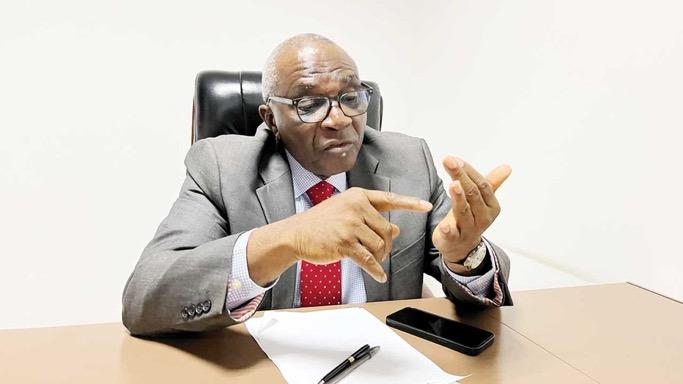
• 10 Nigerian States Plan N4.28tn Borrowing to Fund 2026 Budgets Amid Fiscal Concerns

    Ten Nigerian states—including Lagos, Ogun, Abia, Enugu, Osun, Delta, Sokoto, Edo, Bayelsa, and Gombe—plan to raise a combined N4.287 trillion through loans, bonds, grants, and public-private partnerships to fund their 2026 budgets. The states’ total budgets amount to N14.174 trillion, highlighting growing reliance on non-recurring funds beyond federal allocations and internally generated revenue. Lagos, Ogun, and Abia are leading in borrowing for capital projects. Analysts warn that excessive reliance on debt could strain fiscal sustainability and increase debt servicing costs. Experts also emphasize the need for improved revenue management and fiscal discipline to reduce dependence on borrowing.

    #NigeriaEconomy #StateBudgets2026 #FiscalSustainability #Borrowing #InfrastructureFunding
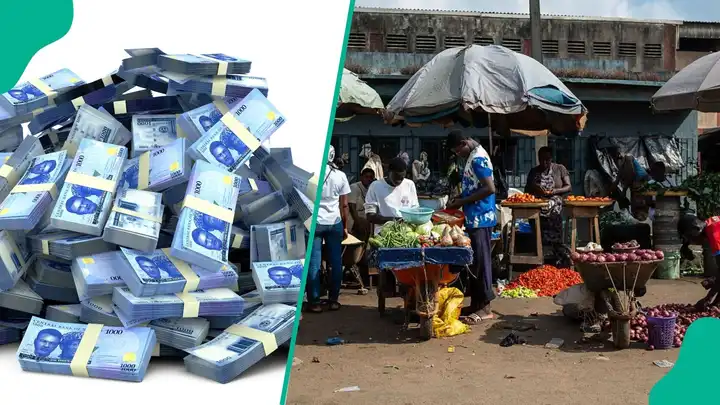
    10 Nigerian States Plan N4.28tn Borrowing to Fund 2026 Budgets Amid Fiscal Concerns Ten Nigerian states—including Lagos, Ogun, Abia, Enugu, Osun, Delta, Sokoto, Edo, Bayelsa, and Gombe—plan to raise a combined N4.287 trillion through loans, bonds, grants, and public-private partnerships to fund their 2026 budgets. The states’ total budgets amount to N14.174 trillion, highlighting growing reliance on non-recurring funds beyond federal allocations and internally generated revenue. Lagos, Ogun, and Abia are leading in borrowing for capital projects. Analysts warn that excessive reliance on debt could strain fiscal sustainability and increase debt servicing costs. Experts also emphasize the need for improved revenue management and fiscal discipline to reduce dependence on borrowing. #NigeriaEconomy #StateBudgets2026 #FiscalSustainability #Borrowing #InfrastructureFunding
    0 Comments ·0 Shares ·116 Views
  • “No Sin in Borrowing”: Presidency Defends Nigeria’s Debt Strategy

    In a recent statement, the Nigerian Presidency has asserted that borrowing is a necessary instrument for driving economic development. Special Adviser to the President on Information and Strategy, Bayo Onanuga, emphasized that when loans are utilized responsibly, borrowing should not be viewed negatively. He stated, “It is not a sin to borrow. Even developed nations like the United States of America and the United Kingdom borrow beyond their GDP. The issue is not borrowing; it is what you do with the borrowed funds.” 

    This clarification comes amid discussions surrounding President Bola Tinubu’s recent request to the National Assembly for approval of fresh external and domestic loans amounting to ₦34.15 trillion. The administration maintains that such borrowing is essential for funding large-scale development projects, such as highways and infrastructure, which are pivotal for economic growth. 

    The Central Bank of Nigeria (CBN) has previously echoed similar sentiments, stating that borrowing is part of fiscal responsibility. CBN Governor Godwin Emefiele noted, “Debt is never a crime or a sin. The private entity also borrows to survive. What matters most is the debt’s quantum and the debt usage.” 

    However, concerns persist regarding Nigeria’s rising debt profile and the nation’s ability to service these debts. Critics argue that while borrowing can be a tool for development, it must be managed prudently to avoid long-term economic challenges. 


    #NigeriaEconomy
    #GovernmentBorrowing
    #DebtManagement
    #EconomicDevelopment
    #InfrastructureFunding
    💰 “No Sin in Borrowing”: Presidency Defends Nigeria’s Debt Strategy In a recent statement, the Nigerian Presidency has asserted that borrowing is a necessary instrument for driving economic development. Special Adviser to the President on Information and Strategy, Bayo Onanuga, emphasized that when loans are utilized responsibly, borrowing should not be viewed negatively. He stated, “It is not a sin to borrow. Even developed nations like the United States of America and the United Kingdom borrow beyond their GDP. The issue is not borrowing; it is what you do with the borrowed funds.”  This clarification comes amid discussions surrounding President Bola Tinubu’s recent request to the National Assembly for approval of fresh external and domestic loans amounting to ₦34.15 trillion. The administration maintains that such borrowing is essential for funding large-scale development projects, such as highways and infrastructure, which are pivotal for economic growth.  The Central Bank of Nigeria (CBN) has previously echoed similar sentiments, stating that borrowing is part of fiscal responsibility. CBN Governor Godwin Emefiele noted, “Debt is never a crime or a sin. The private entity also borrows to survive. What matters most is the debt’s quantum and the debt usage.”  However, concerns persist regarding Nigeria’s rising debt profile and the nation’s ability to service these debts. Critics argue that while borrowing can be a tool for development, it must be managed prudently to avoid long-term economic challenges.  #NigeriaEconomy #GovernmentBorrowing #DebtManagement #EconomicDevelopment #InfrastructureFunding
    Like
    1
    · 0 Comments ·0 Shares ·2K Views
Fintter https://fintter.com