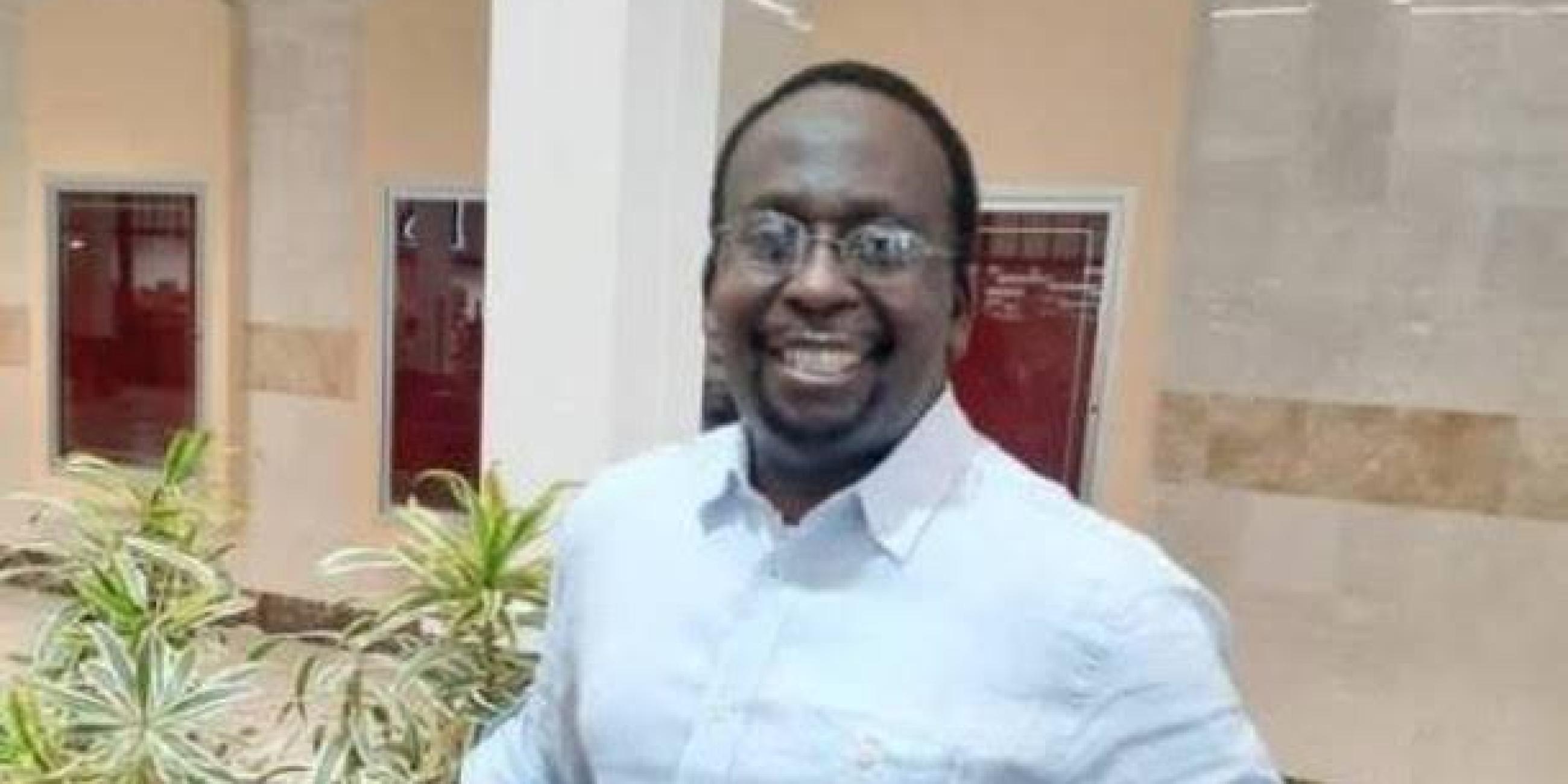
• Bandits Kidnap Four in Kaduna Days After Mass Abduction of Worshippers…..

    Barely five days after the abduction of 177 Christian worshippers in Kurmin Wali community, bandits have launched another attack in Kajuru Local Government Area of Kaduna State. In the fresh incident, four persons were reportedly kidnapped, heightening fear among residents. Security agencies have begun investigations as communities call for urgent action to curb the rising wave of kidnappings.


    Bandits Kidnap Four in Kaduna Days After Mass Abduction of Worshippers….. Barely five days after the abduction of 177 Christian worshippers in Kurmin Wali community, bandits have launched another attack in Kajuru Local Government Area of Kaduna State. In the fresh incident, four persons were reportedly kidnapped, heightening fear among residents. Security agencies have begun investigations as communities call for urgent action to curb the rising wave of kidnappings.
    love
    3
    0 Reacties 0 aandelen 3K Views
  • breaking

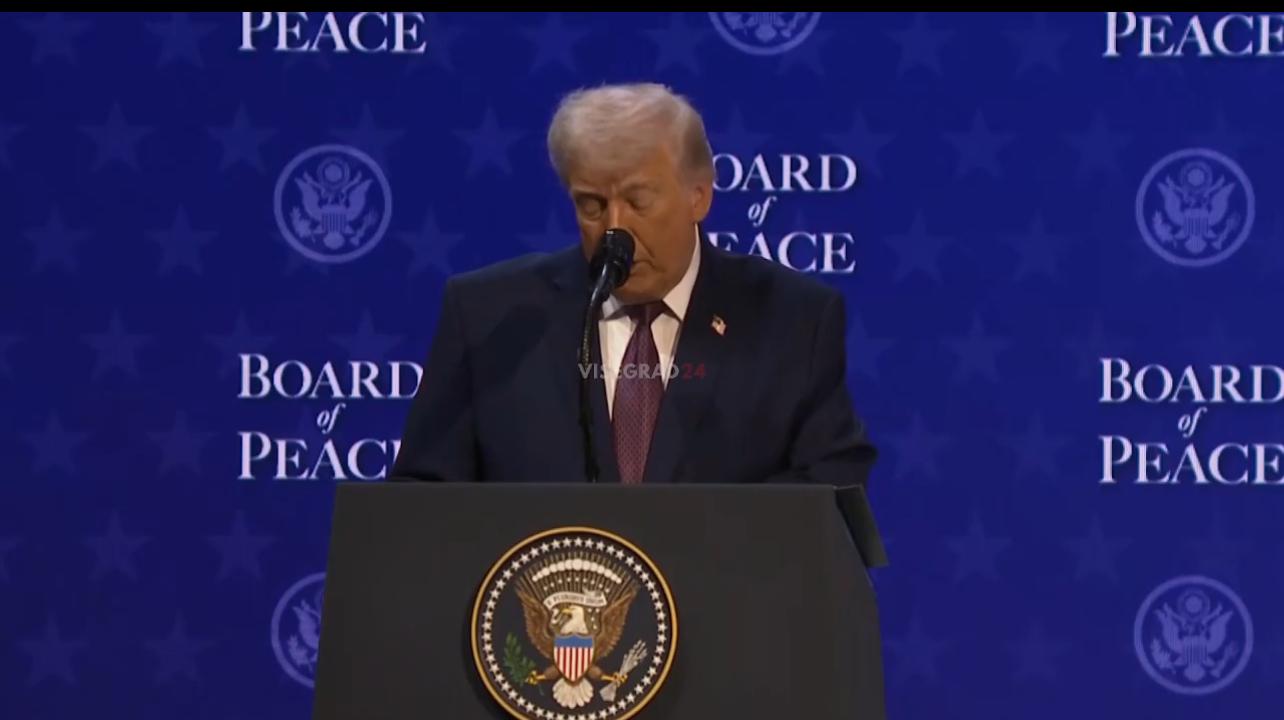
    “Thousands and thousands of Christians are being massacred in Nigeria by terrorists,” — Trump says again.

    But an honest question: what about the Muslims who are also being killed daily?
    Insecurity in Nigeria does not choose religion. Christians, Muslims, and even traditional worshippers have all been victims of terrorism, banditry, and violence.

    So why single out Christians only, when the problem affects everyone?
    This is a national tragedy, not a religious competition.

    #NigeriaSecurity #Insecurity #StopTheKillings #OneNigeria
    馃毃 breaking 馃毃 “Thousands and thousands of Christians are being massacred in Nigeria by terrorists,” — Trump says again. But an honest question: what about the Muslims who are also being killed daily? Insecurity in Nigeria does not choose religion. Christians, Muslims, and even traditional worshippers have all been victims of terrorism, banditry, and violence. So why single out Christians only, when the problem affects everyone? This is a national tragedy, not a religious competition. #NigeriaSecurity #Insecurity #StopTheKillings #OneNigeria
    like
    1
    1 Reacties 0 aandelen 5K Views
  • Kaduna Abductions: US Urges Nigeria To Strengthen Protection For Christians

    The United States has called on the Nigerian government to step up efforts to protect Christian communities amid continued abductions and attacks, particularly in parts of Kaduna State.

    Reacting to the concerns, the National Security Adviser, Nuhu Ribadu, said the Federal Government has taken deliberate and decisive actions to tackle insecurity. According to him, security agencies are carrying out intensified joint operations across affected areas to restore safety and prevent further attacks.

    The call by the US comes as pressure mounts on authorities to ensure the safety of vulnerable communities and bring perpetrators to justice.

    #Kaduna #InsecurityInNigeria #USNigeriaRelations #NationalSecurity
    Kaduna Abductions: US Urges Nigeria To Strengthen Protection For Christians The United States has called on the Nigerian government to step up efforts to protect Christian communities amid continued abductions and attacks, particularly in parts of Kaduna State. Reacting to the concerns, the National Security Adviser, Nuhu Ribadu, said the Federal Government has taken deliberate and decisive actions to tackle insecurity. According to him, security agencies are carrying out intensified joint operations across affected areas to restore safety and prevent further attacks. The call by the US comes as pressure mounts on authorities to ensure the safety of vulnerable communities and bring perpetrators to justice. #Kaduna #InsecurityInNigeria #USNigeriaRelations #NationalSecurity
    love
    2
    1 Reacties 0 aandelen 3K Views
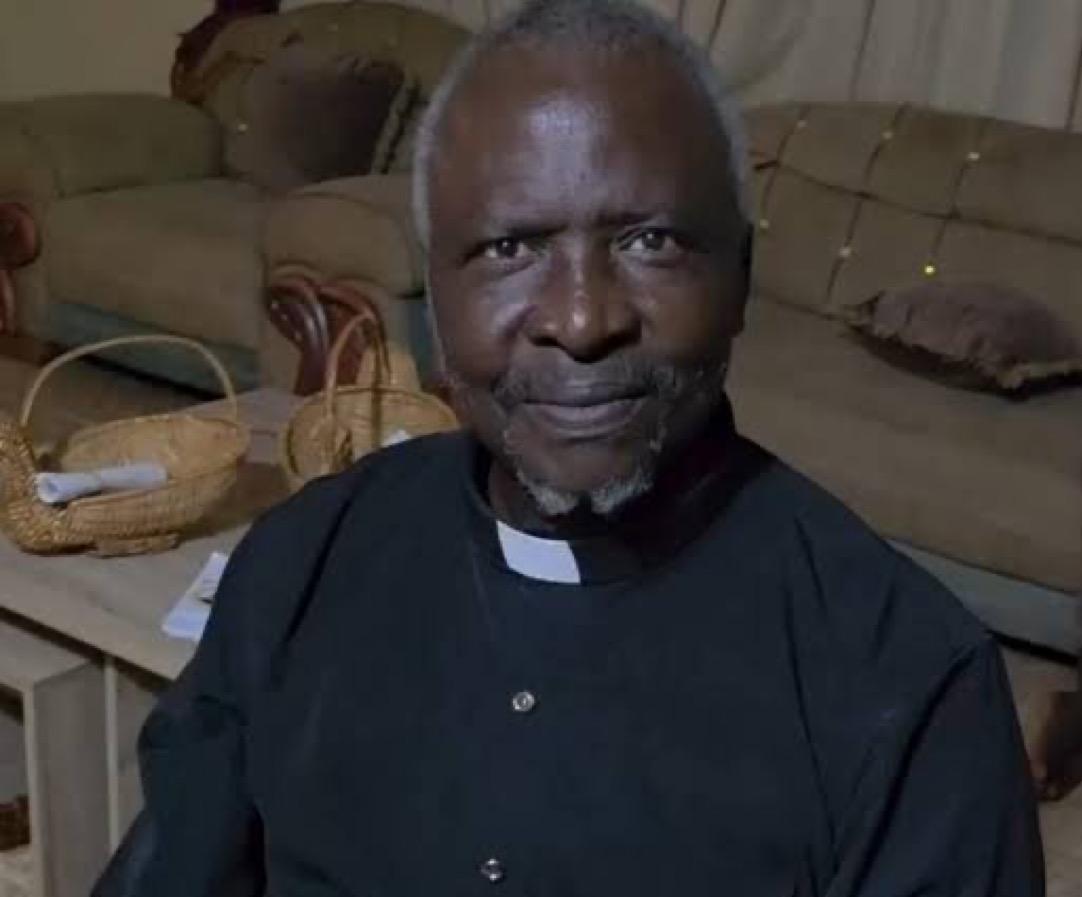
  • BREAKING: viral Reverend father Ezekiel Dachomo who called on US president Donald Trump to help save Christian’s in Nigeria is reportedly battling with liver disease and requiring urgent overseas medical attention.
    BREAKING: viral Reverend father Ezekiel Dachomo who called on US president Donald Trump to help save Christian’s in Nigeria 馃嚦馃嚞 is reportedly battling with liver disease and requiring urgent overseas medical attention.
    love
    haha
    2
    0 Reacties 0 aandelen 2K Views
  • No, Coca-Cola Did Not Invent Christmas — Here’s the Real Story

    Christmas was not created by one person. It developed over time as a Christian celebration of the birth of Jesus Christ. In the early days, Christians did not celebrate Jesus’ birthday. It was around the 4th century (about AD 336) that Christian leaders in Rome chose December 25 as the date to mark His birth. The date likely aligned with popular Roman festivals at the time, helping Christianity gain wider acceptance.

    Coca-Cola came much later, in 1886. What the company influenced was the modern image of Santa Claus, especially the red-and-white outfit made popular through advertisements in the 1930s. Coca-Cola did not invent Christmas.

    Simply put, Jesus Christ is the reason for Christmas. The Church formally established the celebration, and no individual or company created it.

    #ChristmasFacts #FaithAndHistory #TruthMatters #Culture
    No, Coca-Cola Did Not Invent Christmas — Here’s the Real Story Christmas was not created by one person. It developed over time as a Christian celebration of the birth of Jesus Christ. In the early days, Christians did not celebrate Jesus’ birthday. It was around the 4th century (about AD 336) that Christian leaders in Rome chose December 25 as the date to mark His birth. The date likely aligned with popular Roman festivals at the time, helping Christianity gain wider acceptance. Coca-Cola came much later, in 1886. What the company influenced was the modern image of Santa Claus, especially the red-and-white outfit made popular through advertisements in the 1930s. Coca-Cola did not invent Christmas. Simply put, Jesus Christ is the reason for Christmas. The Church formally established the celebration, and no individual or company created it. #ChristmasFacts #FaithAndHistory #TruthMatters #Culture
    love
    1
    0 Reacties 0 aandelen 2K Views
  • How Unverified Onitsha Claims Fueled Trump’s “Christian Genocide” Narrative and US Airstrikes in Nigeria

    This report exposes how unverified data from Emeka Umeagbalasi, an Onitsha-based screwdriver seller and activist, influenced powerful US politicians and former President Donald Trump’s claims of a “Christian genocide” in Nigeria. Despite relying largely on secondary sources, assumptions, and Google searches, his figures were cited by US lawmakers and echoed in rhetoric that helped justify US airstrikes in Nigeria. Investigations by The New York Times and experts reveal major flaws, confirmation bias, and exaggerated statistics, noting that Nigeria’s insecurity affects both Christians and Muslims. Critics warn that such misinformation fuels ethnic tension, global misunderstanding, and dangerous foreign policy decisions.

    #NigeriaSecurity
    #Misinformation
    #ChristianGenocideDebate
    How Unverified Onitsha Claims Fueled Trump’s “Christian Genocide” Narrative and US Airstrikes in Nigeria This report exposes how unverified data from Emeka Umeagbalasi, an Onitsha-based screwdriver seller and activist, influenced powerful US politicians and former President Donald Trump’s claims of a “Christian genocide” in Nigeria. Despite relying largely on secondary sources, assumptions, and Google searches, his figures were cited by US lawmakers and echoed in rhetoric that helped justify US airstrikes in Nigeria. Investigations by The New York Times and experts reveal major flaws, confirmation bias, and exaggerated statistics, noting that Nigeria’s insecurity affects both Christians and Muslims. Critics warn that such misinformation fuels ethnic tension, global misunderstanding, and dangerous foreign policy decisions. #NigeriaSecurity #Misinformation #ChristianGenocideDebate
    love
    1
    0 Reacties 0 aandelen 3K Views
  • DSS Rescues Two Pastors Abducted by Bandits in Kaduna Forest

    The Department of State Services (DSS) has rescued two pastors and a church member who were abducted by armed bandits in Kaduna State. The victims — Idi Buhari, Emmanuel Jacob, and Suleiman Adamu — were kidnapped on January 9, 2026, in the Gwagwada area of Chikun Local Government Area while travelling from Kugosi to Sarkin Pawa in Niger State to officiate a wedding ceremony. The Chairman of the Christian Association of Nigeria in Kaduna State, Rev. Joseph John Hayab, commended the DSS for what he described as a courageous, timely, and selfless operation, saying it brought relief to the church and the families.

    #DSS #Kaduna #Banditry #NigeriaSecurity
    DSS Rescues Two Pastors Abducted by Bandits in Kaduna Forest The Department of State Services (DSS) has rescued two pastors and a church member who were abducted by armed bandits in Kaduna State. The victims — Idi Buhari, Emmanuel Jacob, and Suleiman Adamu — were kidnapped on January 9, 2026, in the Gwagwada area of Chikun Local Government Area while travelling from Kugosi to Sarkin Pawa in Niger State to officiate a wedding ceremony. The Chairman of the Christian Association of Nigeria in Kaduna State, Rev. Joseph John Hayab, commended the DSS for what he described as a courageous, timely, and selfless operation, saying it brought relief to the church and the families. #DSS #Kaduna #Banditry #NigeriaSecurity
    love
    1
    0 Reacties 0 aandelen 3K Views
  • Chief Imam Abdullahi Abubakar, Hero Who Sheltered Christians During 2018 Plateau Killings, Dies at 92

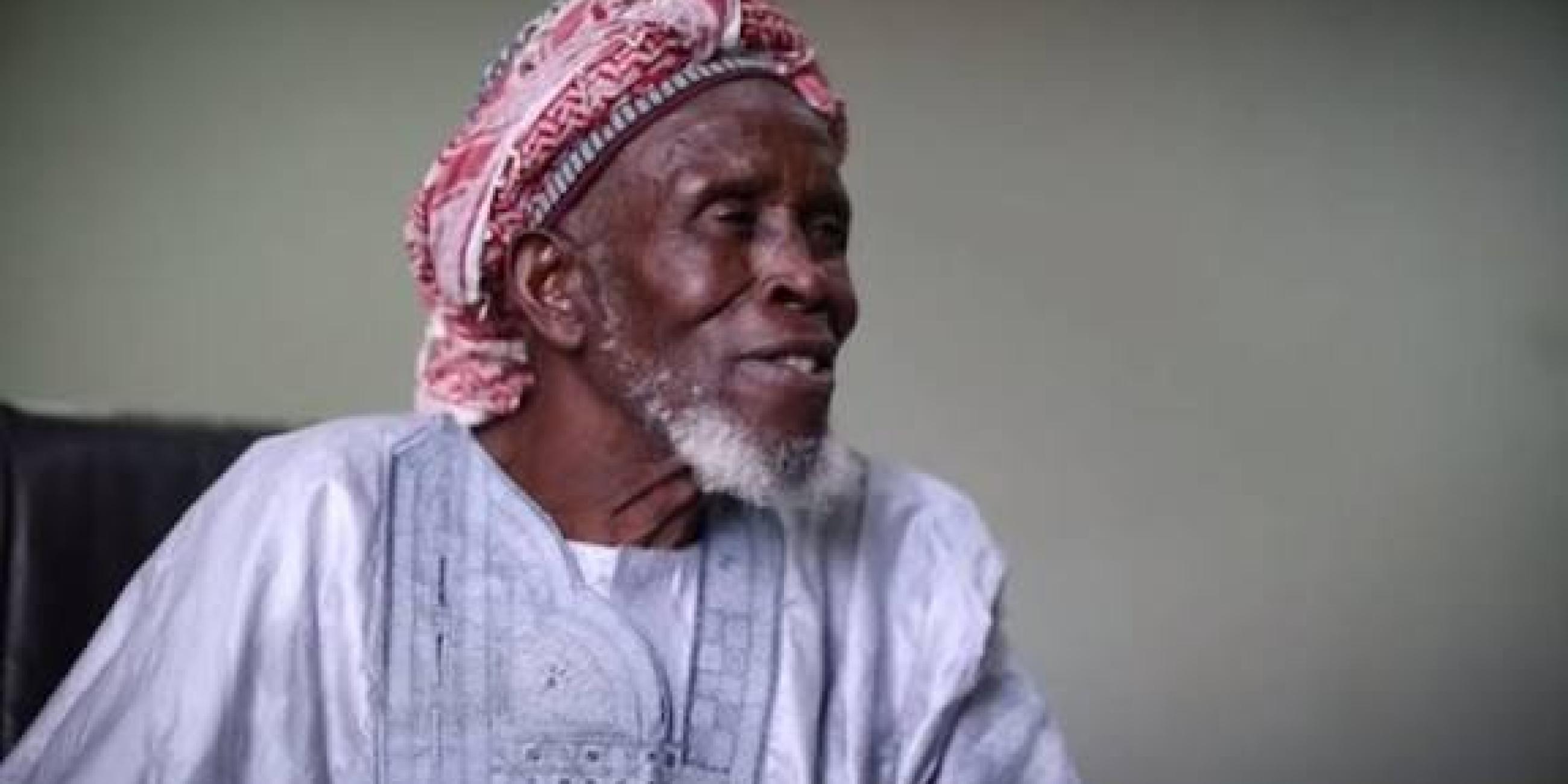
    Chief Imam Abdullahi Abubakar of Nghar village, Barkin Ladi LGA, Plateau State, has died at 92. The cleric gained national and international recognition for courageously sheltering over 260 Christians during the deadly 2018 attacks, protecting them from armed assailants. Honoured with Nigeria’s Member of the Order of the Niger (MON) and the US International Religious Freedom Award, Abubakar became a symbol of interfaith unity and humanity. Plateau Governor Caleb Mutfwang described his death as a significant loss, urging residents to uphold his legacy of compassion, peace, and solidarity.
    Chief Imam Abdullahi Abubakar, Hero Who Sheltered Christians During 2018 Plateau Killings, Dies at 92 Chief Imam Abdullahi Abubakar of Nghar village, Barkin Ladi LGA, Plateau State, has died at 92. The cleric gained national and international recognition for courageously sheltering over 260 Christians during the deadly 2018 attacks, protecting them from armed assailants. Honoured with Nigeria’s Member of the Order of the Niger (MON) and the US International Religious Freedom Award, Abubakar became a symbol of interfaith unity and humanity. Plateau Governor Caleb Mutfwang described his death as a significant loss, urging residents to uphold his legacy of compassion, peace, and solidarity.
    1 Reacties 0 aandelen 3K Views
  • Sowore says: "Tinubu understands the USA very well. He lived there as a criminal selling drugs. He knows what they want. That’s why he didn’t speak publicly when they were harassing him. I’m sure they have a whole lot of dossiers on him that have kept him grounded."

    This comes as Nigeria signs a $9 million contract with the DCI Group to help communicate its efforts on protecting Christians to the US government.

    #Tinubu #Sowore #NigeriaPolitics #USALobbying #DCIGroup #BreakingNews #NigeriaNews #PoliticalControversy #ChristiansInNigeria
    Sowore says: "Tinubu understands the USA very well. He lived there as a criminal selling drugs. He knows what they want. That’s why he didn’t speak publicly when they were harassing him. I’m sure they have a whole lot of dossiers on him that have kept him grounded." This comes as Nigeria signs a $9 million contract with the DCI Group to help communicate its efforts on protecting Christians to the US government. #Tinubu #Sowore #NigeriaPolitics #USALobbying #DCIGroup #BreakingNews #NigeriaNews #PoliticalControversy #ChristiansInNigeria
    love
    1
    0 Reacties 0 aandelen 2K Views 7 Plays
  • Today Is My Last Day as a Christian Catholic Man Reacts to Ifeanyi Ubah’s Omission at Nnewi Cathedral Dedication

    A Catholic man from Nnewi, James Louise Okoye, has sparked intense debate after publicly renouncing Christianity over the Catholic Church’s failure to acknowledge the late Senator Ifeanyi Ubah during the dedication of the Nnewi Catholic Diocese Cathedral.

    In a viral video recorded within the church compound, Okoye expressed deep anger and disappointment, questioning why Ubah—whom he described as a major contributor and pioneer supporter of the cathedral project—was not mentioned during prayers for the faithful departed.

    “Did you hear them say, ‘May the soul of Ifeanyi Ubah rest in peace’?” he asked those around him.

    According to Okoye, the omission was unfair and painful, especially given Ubah’s alleged role in supporting the cathedral before his death. He described the silence as injustice, repeatedly saying, “Evil is evil.”

    Visibly emotional, Okoye apologised to Ubah’s spirit in Igbo, repeatedly saying, “Ifeanyi Ubah, sorry.”
    He then made a shocking declaration:
    “I’m done with religion. Today is my last day as a Christian.”

    Should the Church have acknowledged Ifeanyi Ubah?
    Was this a justified protest or an emotional overreaction?

    #IfeanyiUbah #CatholicChurch #Nnewi #NigeriaNews
    Today Is My Last Day as a Christian Catholic Man Reacts to Ifeanyi Ubah’s Omission at Nnewi Cathedral Dedication A Catholic man from Nnewi, James Louise Okoye, has sparked intense debate after publicly renouncing Christianity over the Catholic Church’s failure to acknowledge the late Senator Ifeanyi Ubah during the dedication of the Nnewi Catholic Diocese Cathedral. In a viral video recorded within the church compound, Okoye expressed deep anger and disappointment, questioning why Ubah—whom he described as a major contributor and pioneer supporter of the cathedral project—was not mentioned during prayers for the faithful departed. “Did you hear them say, ‘May the soul of Ifeanyi Ubah rest in peace’?” he asked those around him. According to Okoye, the omission was unfair and painful, especially given Ubah’s alleged role in supporting the cathedral before his death. He described the silence as injustice, repeatedly saying, “Evil is evil.” Visibly emotional, Okoye apologised to Ubah’s spirit in Igbo, repeatedly saying, “Ifeanyi Ubah, sorry.” He then made a shocking declaration: “I’m done with religion. Today is my last day as a Christian.” 馃憠 Should the Church have acknowledged Ifeanyi Ubah? 馃憠 Was this a justified protest or an emotional overreaction? #IfeanyiUbah #CatholicChurch #Nnewi #NigeriaNews
    love
    1
    0 Reacties 0 aandelen 2K Views
  • PDP Slams Tinubu Govt Over ‘Shameful’ $9m U.S. Lobbying Deal, Says Citizens Need Protection—Not PR

    The Peoples Democratic Party (PDP) has condemned the Tinubu-led Federal Government over a reported $9 million contract with U.S. lobbying firm, DCI Group, aimed at influencing the Trump administration and U.S. lawmakers on Nigeria’s insecurity challenges.

    The deal, allegedly facilitated through Aster Legal, is said to focus on convincing U.S. authorities that Nigeria is taking concrete steps to curb insecurity, particularly the killings of Christians in the northern region.

    In a statement dated Wednesday, January 14, 2026, and signed by its National Publicity Secretary, Comrade Ini Ememobong, the PDP described the contract as “defective and deceptive,” arguing that the government should prioritise protecting lives at home rather than spending millions on foreign image management.

    Question: Should Nigeria be paying $9 million for lobbying abroad while citizens remain unsafe at home?

    #NigeriaPolitics #Tinubu #PDP #Insecurity
    PDP Slams Tinubu Govt Over ‘Shameful’ $9m U.S. Lobbying Deal, Says Citizens Need Protection—Not PR The Peoples Democratic Party (PDP) has condemned the Tinubu-led Federal Government over a reported $9 million contract with U.S. lobbying firm, DCI Group, aimed at influencing the Trump administration and U.S. lawmakers on Nigeria’s insecurity challenges. The deal, allegedly facilitated through Aster Legal, is said to focus on convincing U.S. authorities that Nigeria is taking concrete steps to curb insecurity, particularly the killings of Christians in the northern region. In a statement dated Wednesday, January 14, 2026, and signed by its National Publicity Secretary, Comrade Ini Ememobong, the PDP described the contract as “defective and deceptive,” arguing that the government should prioritise protecting lives at home rather than spending millions on foreign image management. Question: Should Nigeria be paying $9 million for lobbying abroad while citizens remain unsafe at home? #NigeriaPolitics #Tinubu #PDP #Insecurity
    love
    1
    0 Reacties 0 aandelen 2K Views
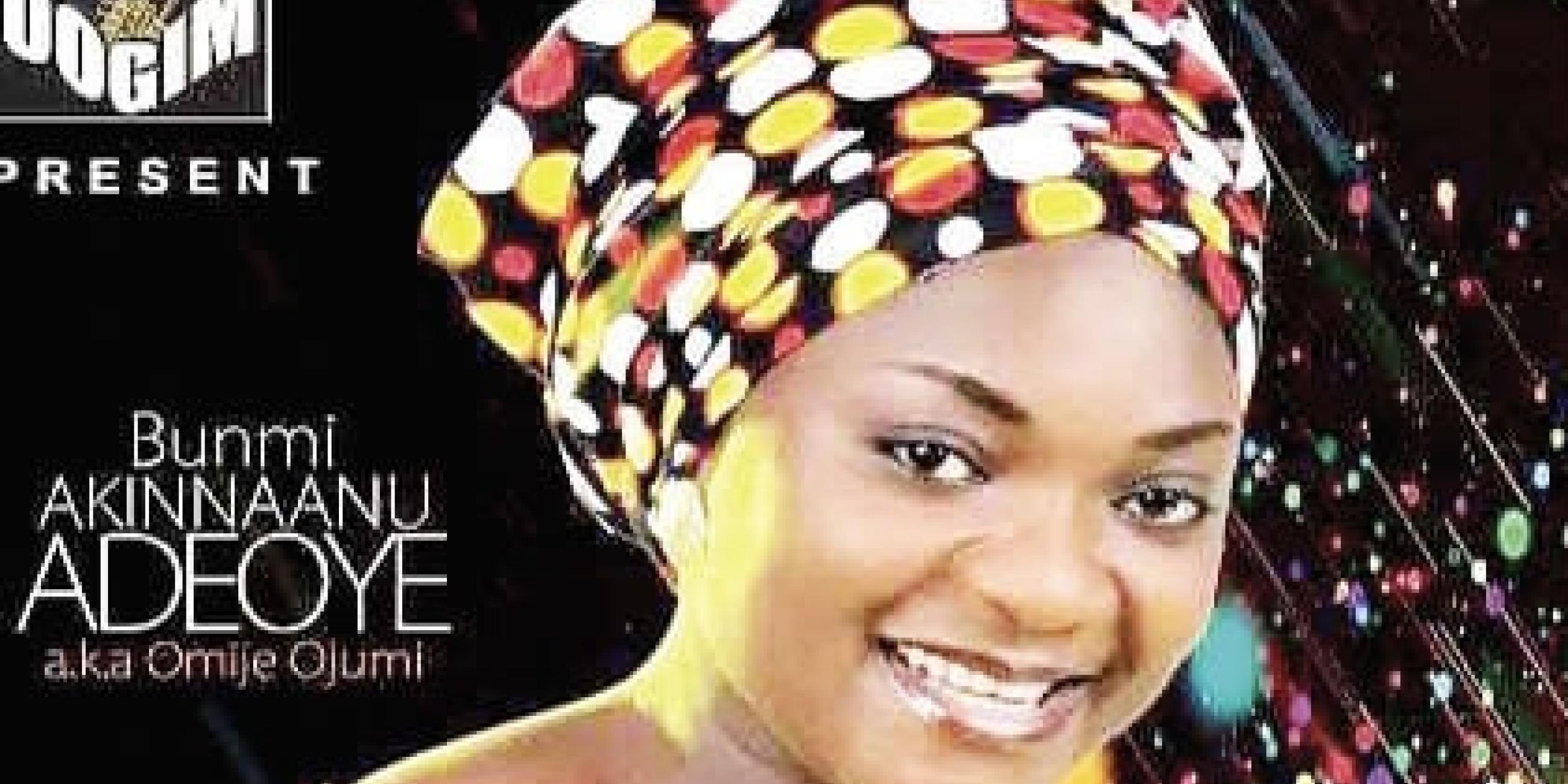
  • Omo, Gospel World Don Lose! Omije Ojumi Don Pass On Lagos – Fans In Total Shock

    Na serious gbege for Nigerian gospel music community as Evangelist Olubunmi Akinnaanu Adeoye, popularly known as Omije Ojumi, don die. She waka go her rest on Monday, January 12, 2026, at a Lagos hospital after small illness, aged 46 years.

    Omije Ojumi na correct gospel singer and evangelist wey her songs dey inspire hope, faith, perseverance, and pure reliance on God. Hits like Dabira and Alatilehin don touch plenty lives, especially among Yoruba Christian congregations.

    Plenty gospel artistes, church leaders, and fans don dey social media dey mourn her, remember her ministry and the way she dey use music win souls. Family don appreciate all prayers and support during this difficult time.

    Her death na big loss, but her music and ministry go still dey live for hearts of those she touch.

    Omo, Gospel World Don Lose! Omije Ojumi Don Pass On Lagos – Fans In Total Shock Na serious gbege for Nigerian gospel music community as Evangelist Olubunmi Akinnaanu Adeoye, popularly known as Omije Ojumi, don die. She waka go her rest on Monday, January 12, 2026, at a Lagos hospital after small illness, aged 46 years. Omije Ojumi na correct gospel singer and evangelist wey her songs dey inspire hope, faith, perseverance, and pure reliance on God. Hits like Dabira and Alatilehin don touch plenty lives, especially among Yoruba Christian congregations. Plenty gospel artistes, church leaders, and fans don dey social media dey mourn her, remember her ministry and the way she dey use music win souls. Family don appreciate all prayers and support during this difficult time. Her death na big loss, but her music and ministry go still dey live for hearts of those she touch.
    love
    1
    0 Reacties 0 aandelen 2K Views
  • Tragedy for Epe: 6 RCCG Worshippers Killed as Truck Slam Church, Others Injured

    Gobe don happen for Lagos oo! For Epe area, six people don die and plenty others injure after one truck wey carry sharp sand ram into Redeemed Christian Church of God (RCCG) around 8:30pm on Monday night. Di church don just finish evening service, some people still dey pray inside, as truck lose control, come crash inside building.

    Eyewitness talk say di truck brakes fail as e dey descend Hospital Road. Di driver try shout, honk, avoid people and other cars, but na so e still crash inside church. Another resident yan say if e happen earlier, wahala go pass.

    Emergency responders rush injured go hospital, while Lagos Fire Service and security agencies carry out rescue. Police confirm say truck no get registration and driver don run. Bodies of di six deceased don dey morgue, investigation dey go on.

    People dey mourn di victims and dey beg authorities make dem do something to prevent similar tragedy.

    Tragedy for Epe: 6 RCCG Worshippers Killed as Truck Slam Church, Others Injured Gobe don happen for Lagos oo! For Epe area, six people don die and plenty others injure after one truck wey carry sharp sand ram into Redeemed Christian Church of God (RCCG) around 8:30pm on Monday night. Di church don just finish evening service, some people still dey pray inside, as truck lose control, come crash inside building. Eyewitness talk say di truck brakes fail as e dey descend Hospital Road. Di driver try shout, honk, avoid people and other cars, but na so e still crash inside church. Another resident yan say if e happen earlier, wahala go pass. Emergency responders rush injured go hospital, while Lagos Fire Service and security agencies carry out rescue. Police confirm say truck no get registration and driver don run. Bodies of di six deceased don dey morgue, investigation dey go on. People dey mourn di victims and dey beg authorities make dem do something to prevent similar tragedy.
    love
    1
    0 Reacties 0 aandelen 1K Views
  • Nigeria Approves $9m US Lobbying Deal To Ease Tensions With Trump Administration Over Christian Killings, Insecurity, and Travel Restrictions

    The administration of President Bola Tinubu has approved a controversial $9 million lobbying contract with Washington-based DCI Group to persuade the Trump administration and key U.S. lawmakers that Nigeria is taking concrete action against insecurity, including the killings of Christians in northern Nigeria. U.S. Justice Department filings show an initial $4.5 million payment was made in December 2025, with another $4.5 million due by July 2026. The deal follows Trump’s redesignation of Nigeria as a “country of particular concern,” a partial U.S. travel ban, and a U.S. military airstrike in Sokoto targeting insurgent hideouts. The lobbying effort, facilitated by National Security Adviser Nuhu Ribadu through Aster Legal, aims to maintain U.S. support against jihadist groups and improve strained diplomatic relations. Additional outreach included a letter from Senate President Godswill Akpabio inviting U.S. lawmakers to visit Abuja. Analysts say the contract signals urgency by Tinubu’s government to reset ties with Washington.
    Nigeria Approves $9m US Lobbying Deal To Ease Tensions With Trump Administration Over Christian Killings, Insecurity, and Travel Restrictions The administration of President Bola Tinubu has approved a controversial $9 million lobbying contract with Washington-based DCI Group to persuade the Trump administration and key U.S. lawmakers that Nigeria is taking concrete action against insecurity, including the killings of Christians in northern Nigeria. U.S. Justice Department filings show an initial $4.5 million payment was made in December 2025, with another $4.5 million due by July 2026. The deal follows Trump’s redesignation of Nigeria as a “country of particular concern,” a partial U.S. travel ban, and a U.S. military airstrike in Sokoto targeting insurgent hideouts. The lobbying effort, facilitated by National Security Adviser Nuhu Ribadu through Aster Legal, aims to maintain U.S. support against jihadist groups and improve strained diplomatic relations. Additional outreach included a letter from Senate President Godswill Akpabio inviting U.S. lawmakers to visit Abuja. Analysts say the contract signals urgency by Tinubu’s government to reset ties with Washington.
    love
    1
    0 Reacties 0 aandelen 2K Views
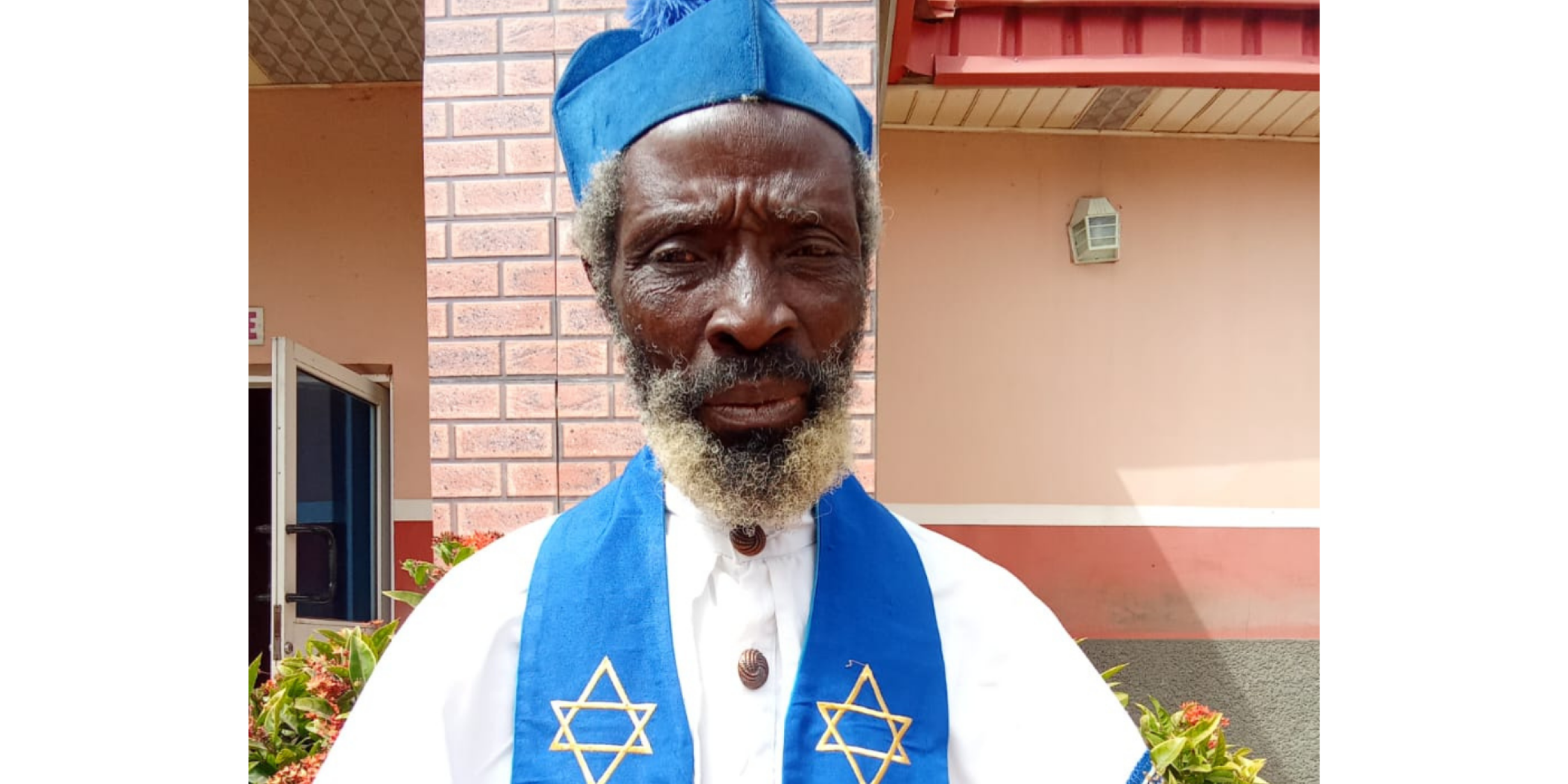
  • Is Nnamdi Kanu Being Illegally Detained? Nigerian Jewish Leader Visits IPOB Founder in Sokoto Prison, Rejects Terrorism Label and Demands His Immediate Release

    Is the continued detention of Mazi Nnamdi Kanu, leader of the Indigenous People of Biafra (IPOB), legally justified—or is it a violation of justice and human rights? This question has been reignited following a high-profile prison visit by Kohen Daniel Onuoha, a Nigerian Jewish cleric and spiritual leader of the Peace of Yahweh Synagogue and founder of Eastern Judaism, who met Kanu at the Sokoto Correctional Facility on January 10, 2026.

    Describing the visit as an act of spiritual and moral solidarity, Onuoha said he was accompanied by his wife and representatives of Jewish congregations in Nigeria’s former Eastern Region, whom he said “faithfully observe the Ten Commandments.” According to him, the visit symbolised years of prayers and sacrifices by his community for Kanu’s freedom.

    “For over five years, we have remained steadfast in daily sacrifices and prayers to Elohim without interruption,” Onuoha said, adding that the prison visit reaffirmed his commitment to justice and liberty.

    During the visit, the cleric directly challenged the legal foundation of Kanu’s continued incarceration, urging the international community, legal experts, and human rights organisations to examine what he described as questionable legal grounds for the case. He argued that Kanu’s prosecution was based on a repealed law, making the detention unlawful.

    Onuoha also rejected the designation of Kanu and IPOB as terrorists, insisting that neither the separatist leader nor the movement had committed violent acts. “Mazi Nnamdi Kanu is not a terrorist, and IPOB is not a terrorist organisation,” he declared, adding that Kanu’s ordeal stemmed from the peaceful exercise of self-determination and his public criticism of alleged abuses by political elites, foreign interests, and local power structures.

    He further contended that speech alone cannot justify criminal conviction, stressing that verbal expressions or broadcasts without evidence of violence should not result in imprisonment. Calling for Kanu’s “immediate and unconditional release,” the Jewish leader said such action was necessary to uphold justice and the rule of law.

    Beyond Kanu’s case, Onuoha appealed for broader international intervention, arguing that Biafrans continue to face marginalisation, oppression, and violence. He commended U.S. President Donald Trump for what he described as efforts to protect Christians in Nigeria and urged increased global pressure on Nigerian authorities over alleged human rights violations.

    In his closing remarks, Onuoha called on Kanu’s supporters, Biafrans, Jews, and human rights advocates to remain peaceful, resilient, and steadfast, expressing confidence that justice would ultimately prevail.

    The visit raises urgent questions: Is Nnamdi Kanu’s detention legally valid? Has the terrorism label been misapplied? And will international scrutiny finally force a reassessment of one of Nigeria’s most controversial political prosecutions?

    Is Nnamdi Kanu Being Illegally Detained? Nigerian Jewish Leader Visits IPOB Founder in Sokoto Prison, Rejects Terrorism Label and Demands His Immediate Release Is the continued detention of Mazi Nnamdi Kanu, leader of the Indigenous People of Biafra (IPOB), legally justified—or is it a violation of justice and human rights? This question has been reignited following a high-profile prison visit by Kohen Daniel Onuoha, a Nigerian Jewish cleric and spiritual leader of the Peace of Yahweh Synagogue and founder of Eastern Judaism, who met Kanu at the Sokoto Correctional Facility on January 10, 2026. Describing the visit as an act of spiritual and moral solidarity, Onuoha said he was accompanied by his wife and representatives of Jewish congregations in Nigeria’s former Eastern Region, whom he said “faithfully observe the Ten Commandments.” According to him, the visit symbolised years of prayers and sacrifices by his community for Kanu’s freedom. “For over five years, we have remained steadfast in daily sacrifices and prayers to Elohim without interruption,” Onuoha said, adding that the prison visit reaffirmed his commitment to justice and liberty. During the visit, the cleric directly challenged the legal foundation of Kanu’s continued incarceration, urging the international community, legal experts, and human rights organisations to examine what he described as questionable legal grounds for the case. He argued that Kanu’s prosecution was based on a repealed law, making the detention unlawful. Onuoha also rejected the designation of Kanu and IPOB as terrorists, insisting that neither the separatist leader nor the movement had committed violent acts. “Mazi Nnamdi Kanu is not a terrorist, and IPOB is not a terrorist organisation,” he declared, adding that Kanu’s ordeal stemmed from the peaceful exercise of self-determination and his public criticism of alleged abuses by political elites, foreign interests, and local power structures. He further contended that speech alone cannot justify criminal conviction, stressing that verbal expressions or broadcasts without evidence of violence should not result in imprisonment. Calling for Kanu’s “immediate and unconditional release,” the Jewish leader said such action was necessary to uphold justice and the rule of law. Beyond Kanu’s case, Onuoha appealed for broader international intervention, arguing that Biafrans continue to face marginalisation, oppression, and violence. He commended U.S. President Donald Trump for what he described as efforts to protect Christians in Nigeria and urged increased global pressure on Nigerian authorities over alleged human rights violations. In his closing remarks, Onuoha called on Kanu’s supporters, Biafrans, Jews, and human rights advocates to remain peaceful, resilient, and steadfast, expressing confidence that justice would ultimately prevail. The visit raises urgent questions: Is Nnamdi Kanu’s detention legally valid? Has the terrorism label been misapplied? And will international scrutiny finally force a reassessment of one of Nigeria’s most controversial political prosecutions?
    love
    1
    0 Reacties 0 aandelen 3K Views
  • Is the ‘Christian Genocide’ in Nigeria a Political Narrative? Why Trump Admits Muslims Are Also Killed as Sowore Accuses the U.S. of Using Religion to Justify Power, Oil, and Military Influence

    Is the narrative of a “Christian genocide” in Nigeria an honest reflection of the country’s security crisis—or a political tool shaped by foreign interests? United States President Donald Trump has made a partial shift in his long-standing rhetoric on religious violence in Nigeria, acknowledging that Muslims are also being killed, even while maintaining that Christians remain the primary victims.

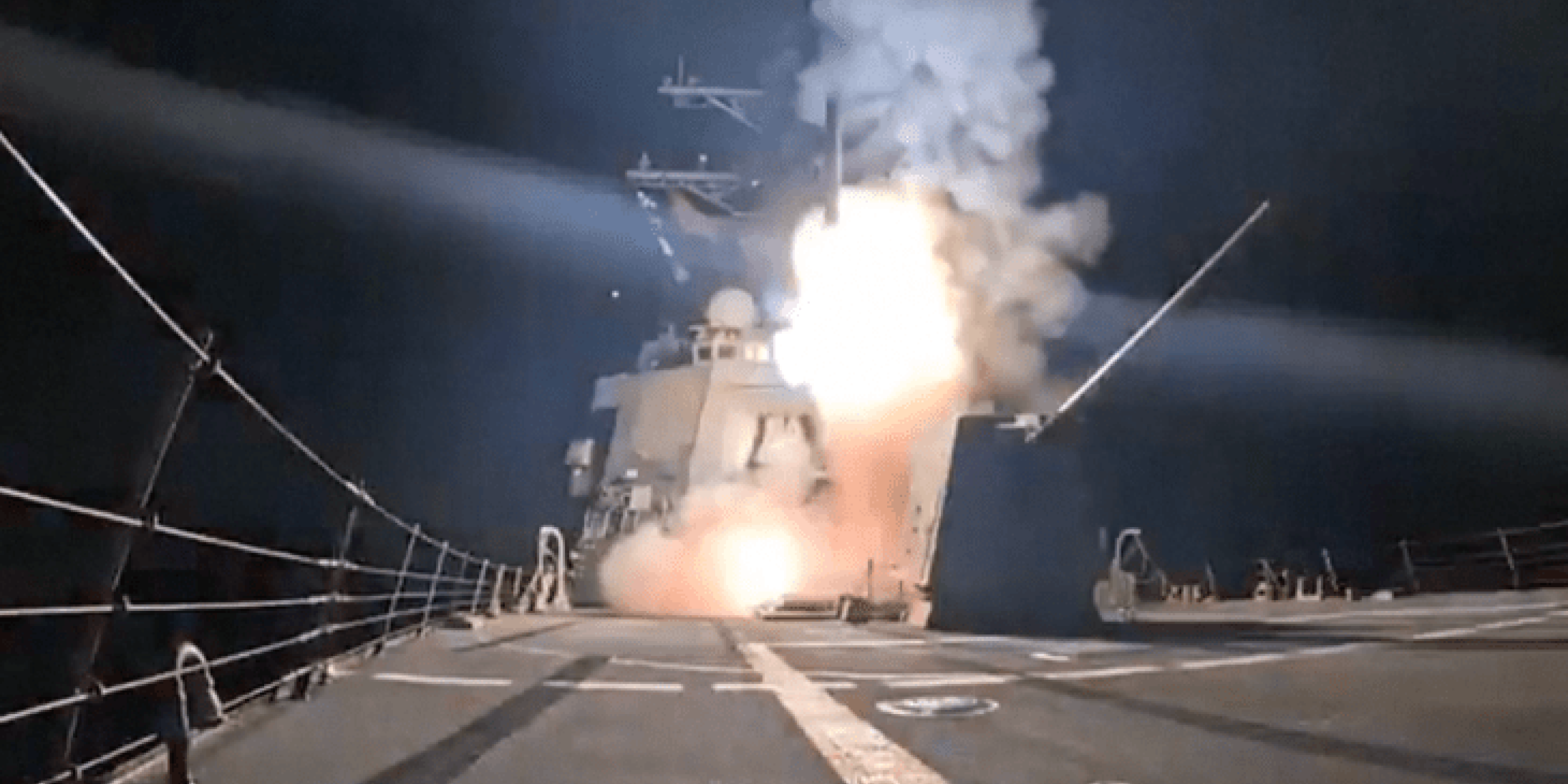
    Trump made the remarks during an interview with The New York Times following questions about Washington’s Christmas Day military strike in northwest Nigeria. The U.S. military said the operation, carried out at the request of the Nigerian government, targeted Islamic State West Africa Province (ISWAP), a Boko Haram splinter group responsible for years of deadly attacks across northern Nigeria.

    When asked about earlier comments from his own Africa adviser—who had stated that extremist groups in Nigeria kill more Muslims than Christians—Trump responded: “I think that Muslims are being killed also in Nigeria. But it’s mostly Christians.” The statement marked a rare acknowledgment that Nigeria’s victims of terrorism cut across religious lines, even as Trump continued to frame the conflict primarily through a Christian persecution lens.

    The comments immediately drew a sharp response from Omoyele Sowore, former Nigerian presidential candidate and prominent human rights activist. In a series of posts on X (formerly Twitter), Sowore dismissed the “Christian genocide” narrative as a calculated political construct, arguing that it is designed to stir emotion, mobilize conservative audiences abroad, and provide moral cover for foreign military, economic, and geopolitical agendas.

    Sowore accused Trump of using religion as a rhetorical device while pursuing what he described as imperial interests tied to oil, rare earth minerals, and strategic dominance. “The narrative used to justify it is secondary,” Sowore wrote, adding that such framing only needs to “match the gullibility of the intended audience.” According to him, claims of systematic religious genocide in Nigeria are not grounded in objective reality but are deliberately shaped to occupy a powerful emotional space in Western political discourse.

    He further challenged Trump’s moral authority to speak on Christian values, asserting that the former U.S. president does not embody the compassion, humility, or solidarity central to the faith he frequently invokes. Sowore argued that Trump’s selective concern for religious identity masks a broader indifference to human suffering—both abroad and at home—unless it aligns with his political interests.

    The controversy highlights a deeper question: Is Nigeria’s complex security crisis being oversimplified into a religious conflict for international consumption? While jihadist groups like ISWAP and Boko Haram have undeniably targeted Christian communities, they have also killed thousands of Muslims, including traditional leaders, clerics, villagers, and security personnel. Analysts have long warned that framing the violence as exclusively anti-Christian risks distorting reality, inflaming sectarian tensions, and obscuring the political, economic, and territorial dimensions of the conflict.

    Trump’s admission that Muslims are also victims, even if partial, challenges his earlier absolutist framing. Yet his insistence that Christians remain the main targets continues to fuel debate about whether U.S. policy toward Nigeria is being shaped by faith-based narratives rather than nuanced security analysis.

    As Nigeria battles insurgency, banditry, and transnational terrorism, the exchange between Trump and Sowore underscores how global power politics, religious identity, and media narratives intersect in shaping international responses to African conflicts. The key question remains: is the world seeing Nigeria’s crisis as it truly is—or as it is most politically useful to portray?


    Is the ‘Christian Genocide’ in Nigeria a Political Narrative? Why Trump Admits Muslims Are Also Killed as Sowore Accuses the U.S. of Using Religion to Justify Power, Oil, and Military Influence Is the narrative of a “Christian genocide” in Nigeria an honest reflection of the country’s security crisis—or a political tool shaped by foreign interests? United States President Donald Trump has made a partial shift in his long-standing rhetoric on religious violence in Nigeria, acknowledging that Muslims are also being killed, even while maintaining that Christians remain the primary victims. Trump made the remarks during an interview with The New York Times following questions about Washington’s Christmas Day military strike in northwest Nigeria. The U.S. military said the operation, carried out at the request of the Nigerian government, targeted Islamic State West Africa Province (ISWAP), a Boko Haram splinter group responsible for years of deadly attacks across northern Nigeria. When asked about earlier comments from his own Africa adviser—who had stated that extremist groups in Nigeria kill more Muslims than Christians—Trump responded: “I think that Muslims are being killed also in Nigeria. But it’s mostly Christians.” The statement marked a rare acknowledgment that Nigeria’s victims of terrorism cut across religious lines, even as Trump continued to frame the conflict primarily through a Christian persecution lens. The comments immediately drew a sharp response from Omoyele Sowore, former Nigerian presidential candidate and prominent human rights activist. In a series of posts on X (formerly Twitter), Sowore dismissed the “Christian genocide” narrative as a calculated political construct, arguing that it is designed to stir emotion, mobilize conservative audiences abroad, and provide moral cover for foreign military, economic, and geopolitical agendas. Sowore accused Trump of using religion as a rhetorical device while pursuing what he described as imperial interests tied to oil, rare earth minerals, and strategic dominance. “The narrative used to justify it is secondary,” Sowore wrote, adding that such framing only needs to “match the gullibility of the intended audience.” According to him, claims of systematic religious genocide in Nigeria are not grounded in objective reality but are deliberately shaped to occupy a powerful emotional space in Western political discourse. He further challenged Trump’s moral authority to speak on Christian values, asserting that the former U.S. president does not embody the compassion, humility, or solidarity central to the faith he frequently invokes. Sowore argued that Trump’s selective concern for religious identity masks a broader indifference to human suffering—both abroad and at home—unless it aligns with his political interests. The controversy highlights a deeper question: Is Nigeria’s complex security crisis being oversimplified into a religious conflict for international consumption? While jihadist groups like ISWAP and Boko Haram have undeniably targeted Christian communities, they have also killed thousands of Muslims, including traditional leaders, clerics, villagers, and security personnel. Analysts have long warned that framing the violence as exclusively anti-Christian risks distorting reality, inflaming sectarian tensions, and obscuring the political, economic, and territorial dimensions of the conflict. Trump’s admission that Muslims are also victims, even if partial, challenges his earlier absolutist framing. Yet his insistence that Christians remain the main targets continues to fuel debate about whether U.S. policy toward Nigeria is being shaped by faith-based narratives rather than nuanced security analysis. As Nigeria battles insurgency, banditry, and transnational terrorism, the exchange between Trump and Sowore underscores how global power politics, religious identity, and media narratives intersect in shaping international responses to African conflicts. The key question remains: is the world seeing Nigeria’s crisis as it truly is—or as it is most politically useful to portray?
    0 Reacties 0 aandelen 5K Views
  • Jigawa Court Orders Arrest of DSS Officer Over Alleged Abduction, Sexual Exploitation, and Forced Conversion of 16-Year-Old Girl

    A Magistrate Court sitting in Hadejia, Jigawa State, has ordered the arrest of a serving officer of Nigeria’s Department of State Services (DSS), Ifeanyi Festus, over allegations of child abduction, sexual exploitation, unlawful detention, and forcible religious conversion involving a 16-year-old girl, Walida Abdulhadi.

    The directive was issued by His Worship, Sadisu Musa Esq., in Suit No: DCC/01/2026, following a petition filed by Abuja-based law firm Gamji Lawchain on behalf of Walida’s father, Alhaji Abdulhadi Ibrahim. The court ordered the Jigawa State Commissioner of Police or senior DSS officials to arrest the officer and discreetly investigate the allegations under Sections 125 and 102(5) of the Jigawa State Administration of Criminal Justice Law (ACJL). It also directed the DSS to immediately release and reunite the girl with her parents.

    According to the petition dated January 4, 2026, Walida was allegedly abducted from Hadejia over two years ago when she was still a minor and legally incapable of consenting to any sexual relationship. The family reportedly searched for her for years, and the prolonged trauma is said to have contributed to the death of her mother.

    The case reportedly resurfaced on January 1, 2026, when the accused officer allegedly contacted the girl’s father, claiming Walida had been living with him, had given birth to his child, and that he was now prepared to marry her. When a family representative was sent to Abuja, he was allegedly taken to a DSS facility at Karmajiji, where officials reportedly confirmed that Walida had been living within the DSS estate. Requests for her release were allegedly refused.

    The petition further claims that while under this custody, the teenager was allegedly converted from Islam to Christianity without parental consent and subjected to sexual exploitation that resulted in pregnancy and childbirth while she was still underage. The lawyers alleged that the acts could not have occurred without the knowledge or tacit approval of other officers, describing the matter as potential institutional complicity rather than isolated misconduct.

    In its ruling, the court emphasized the need for immediate investigation and ordered that Walida be released and reunited with her family. The case has since generated widespread public attention, raising serious questions about child protection, abuse of power, religious freedom, and accountability within Nigeria’s security agencies.


    Jigawa Court Orders Arrest of DSS Officer Over Alleged Abduction, Sexual Exploitation, and Forced Conversion of 16-Year-Old Girl A Magistrate Court sitting in Hadejia, Jigawa State, has ordered the arrest of a serving officer of Nigeria’s Department of State Services (DSS), Ifeanyi Festus, over allegations of child abduction, sexual exploitation, unlawful detention, and forcible religious conversion involving a 16-year-old girl, Walida Abdulhadi. The directive was issued by His Worship, Sadisu Musa Esq., in Suit No: DCC/01/2026, following a petition filed by Abuja-based law firm Gamji Lawchain on behalf of Walida’s father, Alhaji Abdulhadi Ibrahim. The court ordered the Jigawa State Commissioner of Police or senior DSS officials to arrest the officer and discreetly investigate the allegations under Sections 125 and 102(5) of the Jigawa State Administration of Criminal Justice Law (ACJL). It also directed the DSS to immediately release and reunite the girl with her parents. According to the petition dated January 4, 2026, Walida was allegedly abducted from Hadejia over two years ago when she was still a minor and legally incapable of consenting to any sexual relationship. The family reportedly searched for her for years, and the prolonged trauma is said to have contributed to the death of her mother. The case reportedly resurfaced on January 1, 2026, when the accused officer allegedly contacted the girl’s father, claiming Walida had been living with him, had given birth to his child, and that he was now prepared to marry her. When a family representative was sent to Abuja, he was allegedly taken to a DSS facility at Karmajiji, where officials reportedly confirmed that Walida had been living within the DSS estate. Requests for her release were allegedly refused. The petition further claims that while under this custody, the teenager was allegedly converted from Islam to Christianity without parental consent and subjected to sexual exploitation that resulted in pregnancy and childbirth while she was still underage. The lawyers alleged that the acts could not have occurred without the knowledge or tacit approval of other officers, describing the matter as potential institutional complicity rather than isolated misconduct. In its ruling, the court emphasized the need for immediate investigation and ordered that Walida be released and reunited with her family. The case has since generated widespread public attention, raising serious questions about child protection, abuse of power, religious freedom, and accountability within Nigeria’s security agencies.
    love
    1
    0 Reacties 0 aandelen 3K Views
  • Is Superstition Holding Nigerian Communities Hostage? How Fear of ‘Poison,’ Rituals, and Dog Poop Is Fueling Paranoia, Poverty, and Exploitation – By Leo Igwe

    Is superstition silently destroying communities in Nigeria—and why are fear, paranoia, and ritual beliefs still shaping how people interpret illness, death, and misfortune?

    In this powerful and unsettling account, Leo Igwe recounts his return to his hometown in southeastern Nigeria after decades away, where he encountered what he describes as the toxic grip of superstition and irrational fear on everyday life. From the moment he arrived, Igwe says he witnessed how ordinary health issues were being interpreted as the work of unseen enemies using “poison,” spiritual attacks, or occult forces.

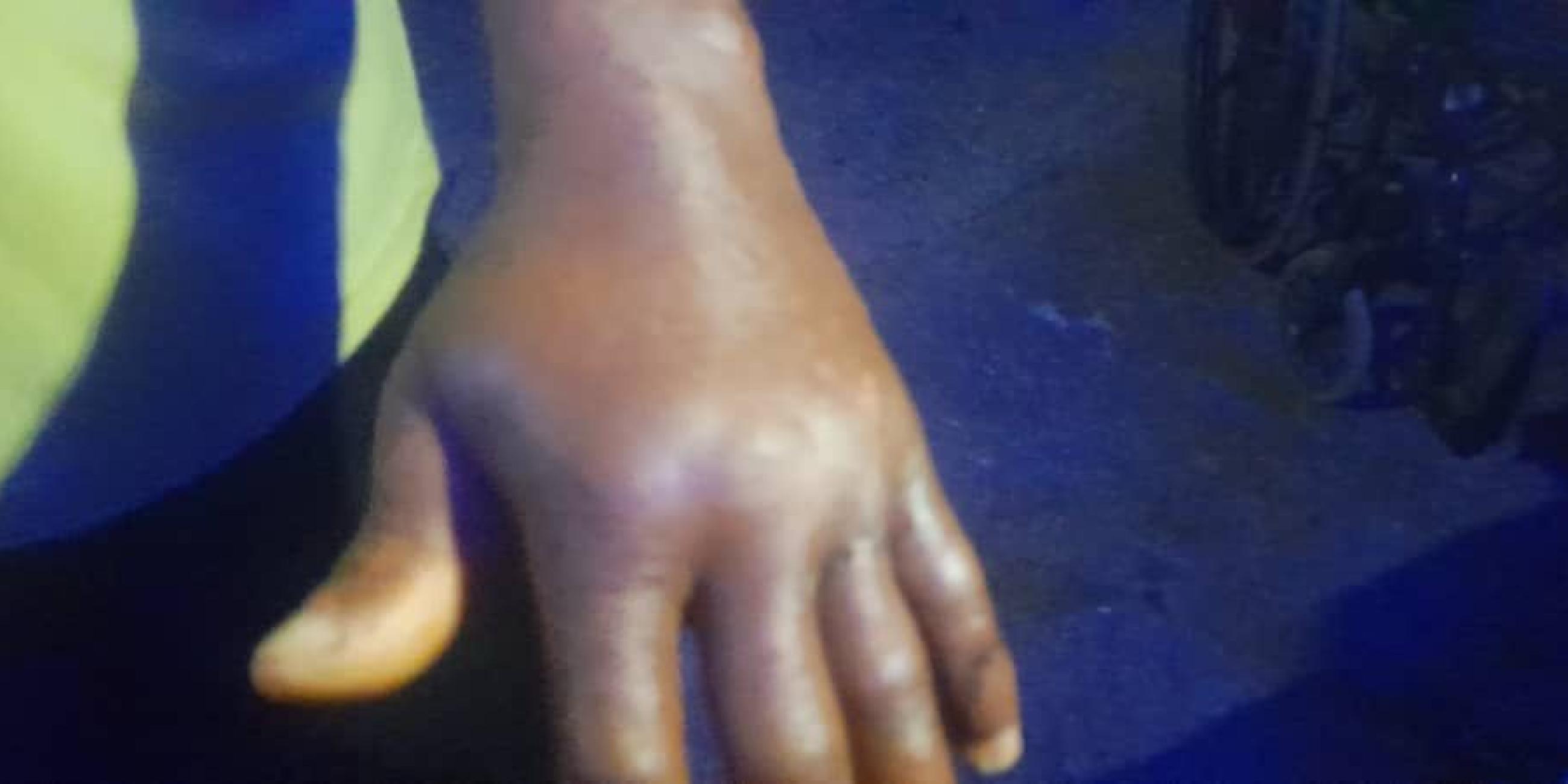
    A family housekeeper with a swollen hand claimed he had “picked up poison” while farming—an explanation widely accepted by community members, despite no one being able to describe what the poison was, how it worked, or where it came from. Rather than seeking medical help, the man was subjected to prayers, spiritual pressing, and ritual interventions, which only worsened the condition. For Igwe, this was a troubling reminder of how medical problems are often rebranded as spiritual attacks, delaying proper treatment and deepening fear.

    But why does this mindset persist? Igwe explains that in his community, no one is believed to die naturally. Death, illness, stroke, or paralysis are frequently attributed to enemies—often relatives or neighbors—who are accused of using occult means. Phrases like “they have killed him” or “they have finally gotten him” dominate conversations, reinforcing suspicion and tearing families apart. People live in constant fear that someone has planted spiritual “poisons” that they might step on or touch.

    Despite identifying as Christians, many residents, Igwe notes, move between churches, prophets, pastors, traditional priests, and ritual specialists. They pray to Jesus, invoke ancestors, hire “prayer warriors,” and perform sacrifices in an endless cycle of spiritual protection. But does this offer safety—or does it deepen exploitation? Igwe argues that this climate has created fertile ground for con artists, fake prophets, and self-styled spiritual practitioners who extract money in exchange for deliverance, exorcism, and supposed protection.

    One striking episode involved a roaming prayer man who went from house to house, collecting food or money after loud, theatrical prayers. In another home, Igwe witnessed a dramatic ritual in which sand was placed in people’s hands while God was commanded to “open doors,” even instructing someone to physically open the living room door to symbolize prosperity. To Igwe, this performance illustrated how faith is manipulated into spectacle while poverty remains unchanged.

    Perhaps the most disturbing moment came when a neighbor reported that dog feces found in their compound was not ordinary waste but a weapon of spiritual harm. The family believed it had been ritually placed to bring sickness or death—just as, they claimed, their parents had previously been killed. The response? Olive oil poured on it, urine used as a neutralizer, and the case escalated to village authorities. To Igwe, this episode captured how fear transforms harmless events into imagined threats, driving communities deeper into paranoia.

    Addressing a village meeting, Igwe warned of the dangerous consequences of baseless accusations, superstition, and occult blame, citing how such beliefs have destroyed families and communities across the region. He urged residents to free themselves from irrational fear and confront the social damage caused by suspicion, exploitation, and magical thinking.

    So what is the real cost of these beliefs? According to Igwe, communities trapped in superstition remain locked in poverty, fear, and manipulation, unable to address real health, economic, and social challenges. The essay ultimately asks a haunting question: Can communities break free from the cycle of fear before superstition consumes trust, development, and human dignity?

    Is Superstition Holding Nigerian Communities Hostage? How Fear of ‘Poison,’ Rituals, and Dog Poop Is Fueling Paranoia, Poverty, and Exploitation – By Leo Igwe Is superstition silently destroying communities in Nigeria—and why are fear, paranoia, and ritual beliefs still shaping how people interpret illness, death, and misfortune? In this powerful and unsettling account, Leo Igwe recounts his return to his hometown in southeastern Nigeria after decades away, where he encountered what he describes as the toxic grip of superstition and irrational fear on everyday life. From the moment he arrived, Igwe says he witnessed how ordinary health issues were being interpreted as the work of unseen enemies using “poison,” spiritual attacks, or occult forces. A family housekeeper with a swollen hand claimed he had “picked up poison” while farming—an explanation widely accepted by community members, despite no one being able to describe what the poison was, how it worked, or where it came from. Rather than seeking medical help, the man was subjected to prayers, spiritual pressing, and ritual interventions, which only worsened the condition. For Igwe, this was a troubling reminder of how medical problems are often rebranded as spiritual attacks, delaying proper treatment and deepening fear. But why does this mindset persist? Igwe explains that in his community, no one is believed to die naturally. Death, illness, stroke, or paralysis are frequently attributed to enemies—often relatives or neighbors—who are accused of using occult means. Phrases like “they have killed him” or “they have finally gotten him” dominate conversations, reinforcing suspicion and tearing families apart. People live in constant fear that someone has planted spiritual “poisons” that they might step on or touch. Despite identifying as Christians, many residents, Igwe notes, move between churches, prophets, pastors, traditional priests, and ritual specialists. They pray to Jesus, invoke ancestors, hire “prayer warriors,” and perform sacrifices in an endless cycle of spiritual protection. But does this offer safety—or does it deepen exploitation? Igwe argues that this climate has created fertile ground for con artists, fake prophets, and self-styled spiritual practitioners who extract money in exchange for deliverance, exorcism, and supposed protection. One striking episode involved a roaming prayer man who went from house to house, collecting food or money after loud, theatrical prayers. In another home, Igwe witnessed a dramatic ritual in which sand was placed in people’s hands while God was commanded to “open doors,” even instructing someone to physically open the living room door to symbolize prosperity. To Igwe, this performance illustrated how faith is manipulated into spectacle while poverty remains unchanged. Perhaps the most disturbing moment came when a neighbor reported that dog feces found in their compound was not ordinary waste but a weapon of spiritual harm. The family believed it had been ritually placed to bring sickness or death—just as, they claimed, their parents had previously been killed. The response? Olive oil poured on it, urine used as a neutralizer, and the case escalated to village authorities. To Igwe, this episode captured how fear transforms harmless events into imagined threats, driving communities deeper into paranoia. Addressing a village meeting, Igwe warned of the dangerous consequences of baseless accusations, superstition, and occult blame, citing how such beliefs have destroyed families and communities across the region. He urged residents to free themselves from irrational fear and confront the social damage caused by suspicion, exploitation, and magical thinking. So what is the real cost of these beliefs? According to Igwe, communities trapped in superstition remain locked in poverty, fear, and manipulation, unable to address real health, economic, and social challenges. The essay ultimately asks a haunting question: Can communities break free from the cycle of fear before superstition consumes trust, development, and human dignity?
    0 Reacties 0 aandelen 3K Views
  • Is Nigeria Now Leading the War in the Air? Why the U.S. Is Shifting to Intelligence Support After Christmas Day Strikes—and What This Means for Terrorism, Banditry, and Security in the North

    Is Nigeria taking full control of the aerial war against terrorism and banditry? Why has the United States stepped back from direct airstrikes to an intelligence and reconnaissance role? And what does this new security arrangement mean for the fight against jihadist groups and armed gangs across the country’s troubled regions?

    Following U.S. airstrikes carried out on Christmas Day in Sokoto State, the Nigerian Air Force is set to lead subsequent military air operations, as Washington shifts its role to intelligence, surveillance, and reconnaissance support. A Nigerian official familiar with the new Nigeria–U.S. security framework confirmed that while the United States will now rely mainly on reconnaissance flights, Nigeria remains open to further American strikes if necessary.

    What triggered the change? The Christmas night strikes targeted what U.S. officials described as Islamic State–linked sites in northwestern Nigeria. According to Nigerian authorities, the operation was aimed at militants cooperating with the Lakurawa jihadist group and criminal “bandit” networks that have destabilised large parts of the northwest and north-central regions. Both countries reported that an unspecified number of fighters were killed.

    But why is the U.S. stepping back now? In the weeks before the strikes, analysts had already noted increased American surveillance flights over Nigeria—activity that has continued since. However, U.S. officials later described the bombing as a “one-off event,” signalling a strategic shift away from direct military action toward intelligence-sharing and operational support for Nigerian forces.

    What role did diplomacy play? The strikes came after a tense period in bilateral relations, sparked by U.S. President Donald Trump’s claims in October that violence in Nigeria amounted to the “persecution” and “genocide” of Christians—assertions rejected by Abuja and independent analysts. Although Nigeria later said the dispute had been resolved and that the partnership had been “strengthened,” the unilateral announcement of the strikes by Trump reportedly caused unease in Abuja. Nigeria’s Foreign Minister, Yusuf Tuggar, subsequently described the operation as a joint effort.

    What does this new arrangement mean for Nigeria’s security strategy? Nigeria has battled jihadist insurgency since 2009, mainly in the northeast, while heavily armed criminal gangs have entrenched themselves in rural communities across the northwest and north-central regions. By assuming full responsibility for air operations—with U.S. intelligence support—Nigeria appears to be asserting greater operational sovereignty while maintaining strategic cooperation with Washington.

    However, critical questions remain: will intelligence-backed Nigerian air power be enough to contain Islamic State–linked fighters and bandit networks? Could the U.S. return to direct strikes if the threat escalates? And does this shift mark a long-term change in America’s military posture in West Africa—or merely a tactical pause?

    As reconnaissance flights continue and Nigeria leads future air operations, the evolving partnership signals both a test of Nigeria’s military capacity and a recalibration of U.S. involvement in the region’s counterterrorism fight.


    Is Nigeria Now Leading the War in the Air? Why the U.S. Is Shifting to Intelligence Support After Christmas Day Strikes—and What This Means for Terrorism, Banditry, and Security in the North Is Nigeria taking full control of the aerial war against terrorism and banditry? Why has the United States stepped back from direct airstrikes to an intelligence and reconnaissance role? And what does this new security arrangement mean for the fight against jihadist groups and armed gangs across the country’s troubled regions? Following U.S. airstrikes carried out on Christmas Day in Sokoto State, the Nigerian Air Force is set to lead subsequent military air operations, as Washington shifts its role to intelligence, surveillance, and reconnaissance support. A Nigerian official familiar with the new Nigeria–U.S. security framework confirmed that while the United States will now rely mainly on reconnaissance flights, Nigeria remains open to further American strikes if necessary. What triggered the change? The Christmas night strikes targeted what U.S. officials described as Islamic State–linked sites in northwestern Nigeria. According to Nigerian authorities, the operation was aimed at militants cooperating with the Lakurawa jihadist group and criminal “bandit” networks that have destabilised large parts of the northwest and north-central regions. Both countries reported that an unspecified number of fighters were killed. But why is the U.S. stepping back now? In the weeks before the strikes, analysts had already noted increased American surveillance flights over Nigeria—activity that has continued since. However, U.S. officials later described the bombing as a “one-off event,” signalling a strategic shift away from direct military action toward intelligence-sharing and operational support for Nigerian forces. What role did diplomacy play? The strikes came after a tense period in bilateral relations, sparked by U.S. President Donald Trump’s claims in October that violence in Nigeria amounted to the “persecution” and “genocide” of Christians—assertions rejected by Abuja and independent analysts. Although Nigeria later said the dispute had been resolved and that the partnership had been “strengthened,” the unilateral announcement of the strikes by Trump reportedly caused unease in Abuja. Nigeria’s Foreign Minister, Yusuf Tuggar, subsequently described the operation as a joint effort. What does this new arrangement mean for Nigeria’s security strategy? Nigeria has battled jihadist insurgency since 2009, mainly in the northeast, while heavily armed criminal gangs have entrenched themselves in rural communities across the northwest and north-central regions. By assuming full responsibility for air operations—with U.S. intelligence support—Nigeria appears to be asserting greater operational sovereignty while maintaining strategic cooperation with Washington. However, critical questions remain: will intelligence-backed Nigerian air power be enough to contain Islamic State–linked fighters and bandit networks? Could the U.S. return to direct strikes if the threat escalates? And does this shift mark a long-term change in America’s military posture in West Africa—or merely a tactical pause? As reconnaissance flights continue and Nigeria leads future air operations, the evolving partnership signals both a test of Nigeria’s military capacity and a recalibration of U.S. involvement in the region’s counterterrorism fight.
    0 Reacties 0 aandelen 2K Views
  • Nigeria Divided: Why It’s Time for a Peaceful ‘Velvet Divorce’ — Bayo Oluwasanmi”

    In a compelling opinion piece, Bayo Oluwasanmi argues that Nigeria is no longer a united country but a collection of diverse ethnic nationalities with conflicting cultures, religions, histories, and languages. Citing Nigeria’s history of military coups, a 30-month civil war, and ongoing Christian-targeted violence, Oluwasanmi contends that attempts to maintain national unity by force have failed, leading to heightened secessionist and separatist movements such as Biafra, Oduduwa, and Arewa.
    Oluwasanmi highlights the rise of Boko Haram and Fulani terrorist attacks as evidence of the government’s inability to protect citizens, particularly Christians. He underscores that universal human rights guarantee the right to life, liberty, and security, which are currently under threat across Nigeria. The article criticizes the ruling elite for profiting from societal chaos while ordinary citizens face abductions, massacres, and widespread insecurity.
    The author draws a parallel with the “Velvet Divorce” of Czechoslovakia in 1993, advocating for a peaceful, non-violent separation of Nigeria into autonomous nations where citizens can live safely and govern themselves according to their values and priorities. He argues that a structured, peaceful split is preferable to continued bloodshed, lawlessness, and an ungovernable state.
    Oluwasanmi’s piece is a call for urgent action, urging Nigeria’s leaders and citizens to recognize the deep divisions and seek a solution that preserves life, dignity, and freedom, rather than perpetuating ongoing violence and insecurity.
    Nigeria Divided: Why It’s Time for a Peaceful ‘Velvet Divorce’ — Bayo Oluwasanmi” In a compelling opinion piece, Bayo Oluwasanmi argues that Nigeria is no longer a united country but a collection of diverse ethnic nationalities with conflicting cultures, religions, histories, and languages. Citing Nigeria’s history of military coups, a 30-month civil war, and ongoing Christian-targeted violence, Oluwasanmi contends that attempts to maintain national unity by force have failed, leading to heightened secessionist and separatist movements such as Biafra, Oduduwa, and Arewa. Oluwasanmi highlights the rise of Boko Haram and Fulani terrorist attacks as evidence of the government’s inability to protect citizens, particularly Christians. He underscores that universal human rights guarantee the right to life, liberty, and security, which are currently under threat across Nigeria. The article criticizes the ruling elite for profiting from societal chaos while ordinary citizens face abductions, massacres, and widespread insecurity. The author draws a parallel with the “Velvet Divorce” of Czechoslovakia in 1993, advocating for a peaceful, non-violent separation of Nigeria into autonomous nations where citizens can live safely and govern themselves according to their values and priorities. He argues that a structured, peaceful split is preferable to continued bloodshed, lawlessness, and an ungovernable state. Oluwasanmi’s piece is a call for urgent action, urging Nigeria’s leaders and citizens to recognize the deep divisions and seek a solution that preserves life, dignity, and freedom, rather than perpetuating ongoing violence and insecurity.
    0 Reacties 0 aandelen 2K Views
Zoekresultaten
Fintter https://fintter.com