• breaking

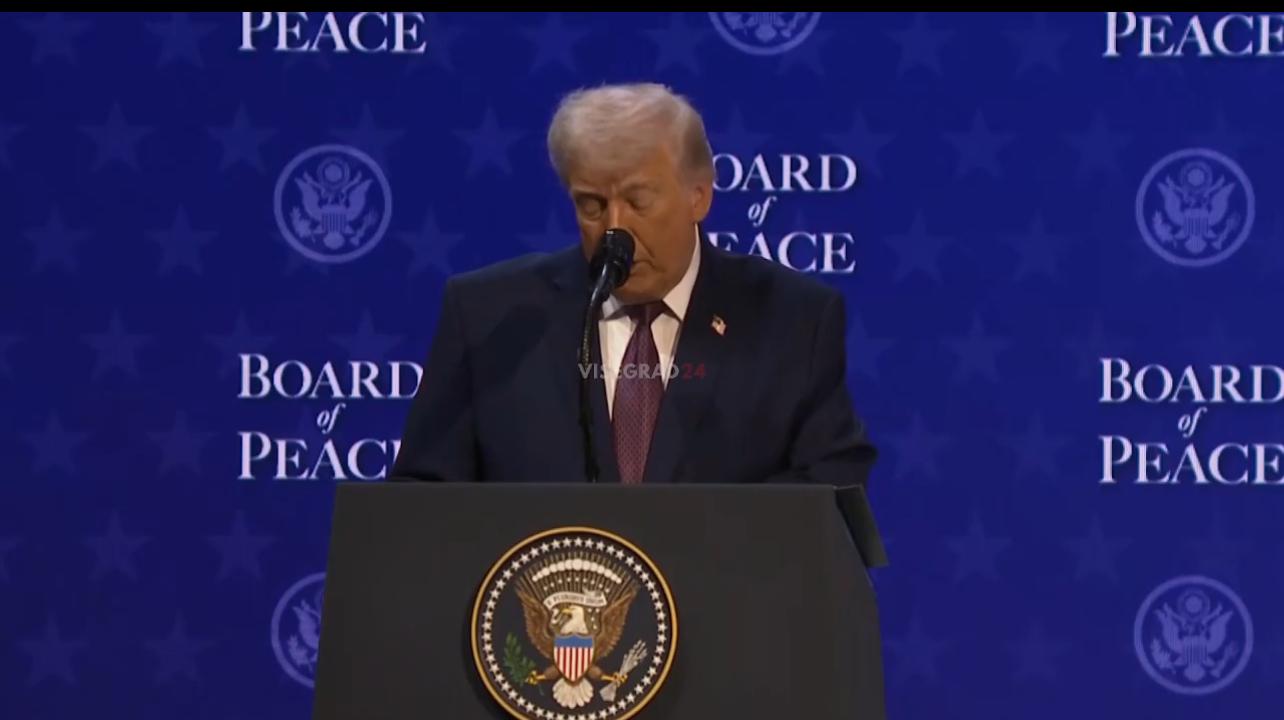
    “Thousands and thousands of Christians are being massacred in Nigeria by terrorists,” — Trump says again.

    But an honest question: what about the Muslims who are also being killed daily?
    Insecurity in Nigeria does not choose religion. Christians, Muslims, and even traditional worshippers have all been victims of terrorism, banditry, and violence.

    So why single out Christians only, when the problem affects everyone?
    This is a national tragedy, not a religious competition.

    #NigeriaSecurity #Insecurity #StopTheKillings #OneNigeria
    🚨 breaking 🚨 “Thousands and thousands of Christians are being massacred in Nigeria by terrorists,” — Trump says again. But an honest question: what about the Muslims who are also being killed daily? Insecurity in Nigeria does not choose religion. Christians, Muslims, and even traditional worshippers have all been victims of terrorism, banditry, and violence. So why single out Christians only, when the problem affects everyone? This is a national tragedy, not a religious competition. #NigeriaSecurity #Insecurity #StopTheKillings #OneNigeria
    0 Комментарии ·0 Поделились ·932 Просмотры
  • Bandits have killed an Islamic cleric, Malam Zainu AB Mada, in Zamfara State after collecting ₦2 million ransom, two phones, and ₦70,000 airtime from his family.

    Malam Zainu was abducted along the Kwatarkwashi–Mada highway, a road now known for frequent bandit attacks. Despite his family meeting all the demands, the bandits still brutally killed him.

    His funeral prayer was held on Thursday.

    This tragic killing shows a painful reality: paying ransom no longer guarantees safety. Zamfara residents continue to live in fear as kidnappings, killings, and attacks on major roads persist, despite government assurances.

    How many more lives will be lost before real action is taken?

    #Zamfara #Banditry #Insecurity #Kidnapping #NigeriaNews #StopTheKillings
    Bandits have killed an Islamic cleric, Malam Zainu AB Mada, in Zamfara State after collecting ₦2 million ransom, two phones, and ₦70,000 airtime from his family. Malam Zainu was abducted along the Kwatarkwashi–Mada highway, a road now known for frequent bandit attacks. Despite his family meeting all the demands, the bandits still brutally killed him. His funeral prayer was held on Thursday. This tragic killing shows a painful reality: paying ransom no longer guarantees safety. Zamfara residents continue to live in fear as kidnappings, killings, and attacks on major roads persist, despite government assurances. How many more lives will be lost before real action is taken? 💔🇳🇬 #Zamfara #Banditry #Insecurity #Kidnapping #NigeriaNews #StopTheKillings
    0 Комментарии ·0 Поделились ·905 Просмотры
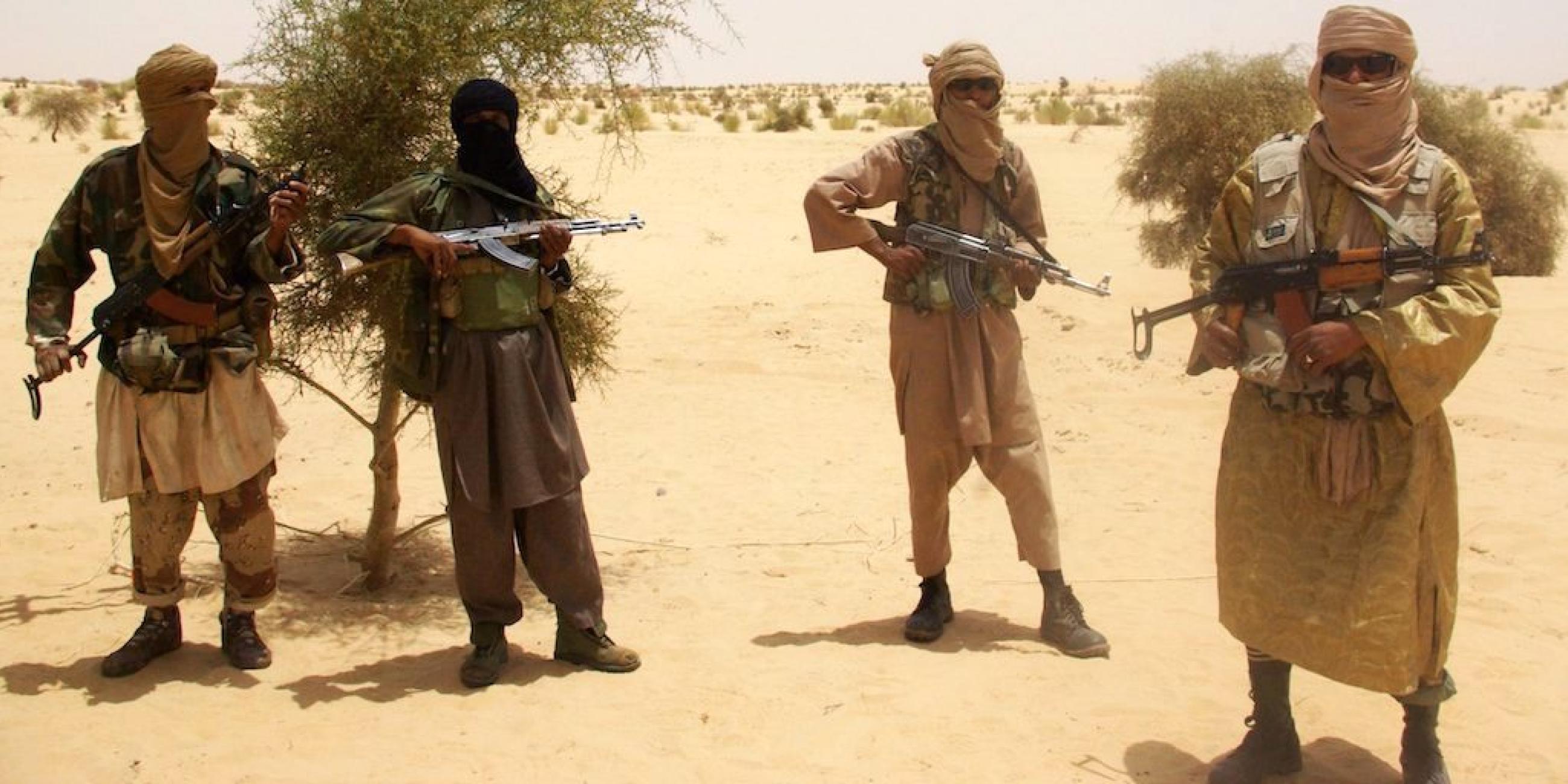
  • Zamfara Attack: Terrorists Ambush Troops, Kill Five Soldiers, Police Inspector

    At least five Nigerian soldiers and a police inspector, Aliyu Ibrahim of 1 PMF Kaduna, were killed after terrorists ambushed security personnel travelling to Gusau in Zamfara State. The attack occurred near Gidan Goni village, Kwatarkwashi LGA, while the officers were on pass. Several others sustained injuries and were rushed to Yeriman Bakura Specialist Hospital. Authorities have urged residents to remain calm as investigations continue amid rising insecurity in the North-West.

    #ZamfaraAttack #BreakingNews #NigeriaInsecurity #Banditry #OperationFansanYamma #SecurityCrisis
    Zamfara Attack: Terrorists Ambush Troops, Kill Five Soldiers, Police Inspector At least five Nigerian soldiers and a police inspector, Aliyu Ibrahim of 1 PMF Kaduna, were killed after terrorists ambushed security personnel travelling to Gusau in Zamfara State. The attack occurred near Gidan Goni village, Kwatarkwashi LGA, while the officers were on pass. Several others sustained injuries and were rushed to Yeriman Bakura Specialist Hospital. Authorities have urged residents to remain calm as investigations continue amid rising insecurity in the North-West. #ZamfaraAttack #BreakingNews #NigeriaInsecurity #Banditry #OperationFansanYamma #SecurityCrisis
    love
    1
    · 0 Комментарии ·0 Поделились ·913 Просмотры
  • DSS Rescues Two Pastors Abducted by Bandits in Kaduna Forest

    The Department of State Services (DSS) has rescued two pastors and a church member who were abducted by armed bandits in Kaduna State. The victims — Idi Buhari, Emmanuel Jacob, and Suleiman Adamu — were kidnapped on January 9, 2026, in the Gwagwada area of Chikun Local Government Area while travelling from Kugosi to Sarkin Pawa in Niger State to officiate a wedding ceremony. The Chairman of the Christian Association of Nigeria in Kaduna State, Rev. Joseph John Hayab, commended the DSS for what he described as a courageous, timely, and selfless operation, saying it brought relief to the church and the families.

    #DSS #Kaduna #Banditry #NigeriaSecurity
    DSS Rescues Two Pastors Abducted by Bandits in Kaduna Forest The Department of State Services (DSS) has rescued two pastors and a church member who were abducted by armed bandits in Kaduna State. The victims — Idi Buhari, Emmanuel Jacob, and Suleiman Adamu — were kidnapped on January 9, 2026, in the Gwagwada area of Chikun Local Government Area while travelling from Kugosi to Sarkin Pawa in Niger State to officiate a wedding ceremony. The Chairman of the Christian Association of Nigeria in Kaduna State, Rev. Joseph John Hayab, commended the DSS for what he described as a courageous, timely, and selfless operation, saying it brought relief to the church and the families. #DSS #Kaduna #Banditry #NigeriaSecurity
    love
    1
    · 0 Комментарии ·0 Поделились ·654 Просмотры
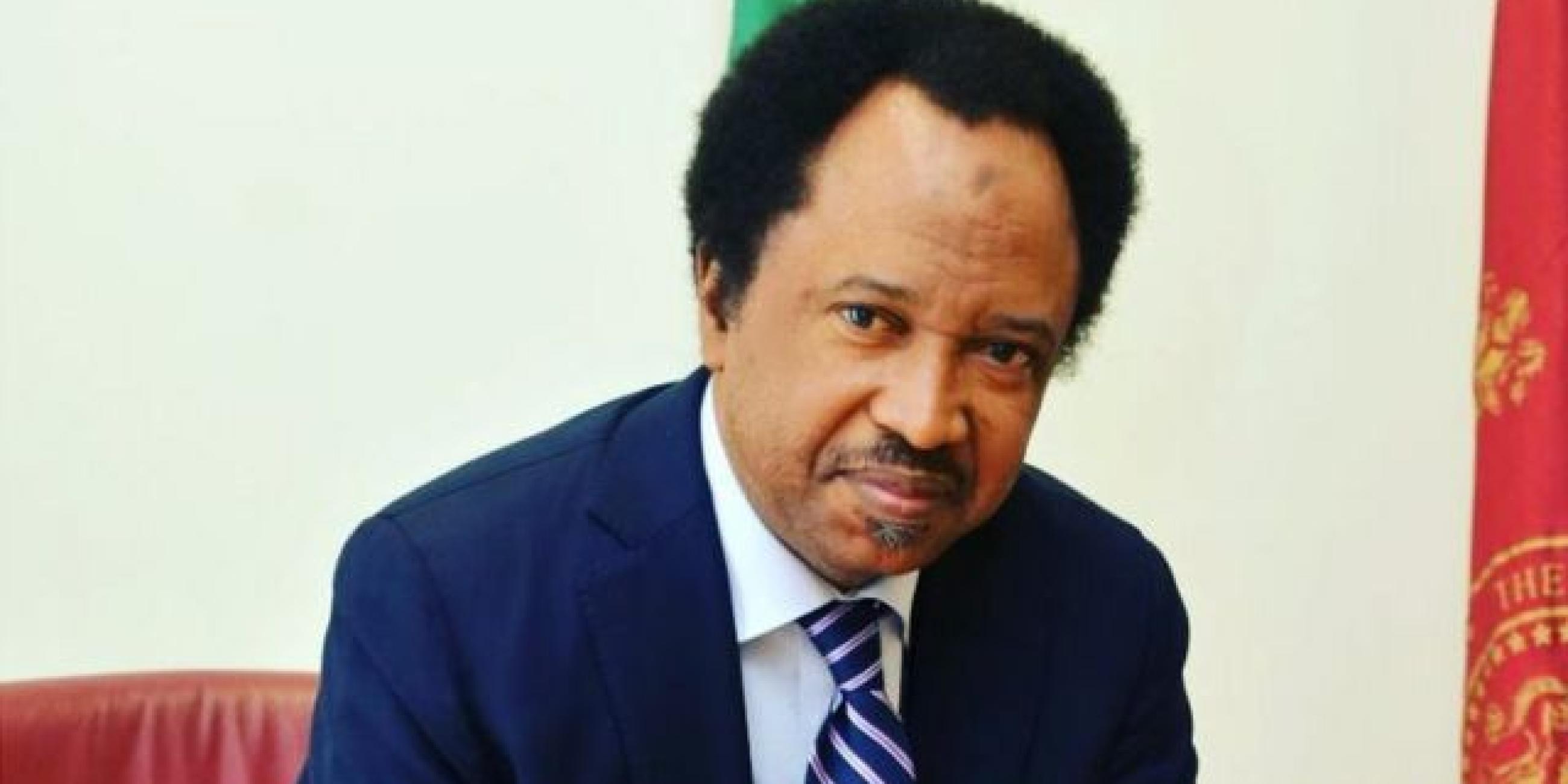
  • Shehu Sani Urges Northern Nigerians to Protect Themselves Amid Rising Banditry and Insecurity

    Former Senator Shehu Sani has urged citizens in Northern Nigeria to take security into their own hands amid persistent banditry and terrorism. Speaking during the launch of his books and stageplay in Abuja, Sani highlighted attacks by ISWAP, Boko Haram, and other armed groups, which have displaced millions, killed, and kidnapped civilians. He stressed community vigilance, accountability, and local intelligence as vital to dismantling criminal networks. His works also address irregular migration, human trafficking, and the need for African leaders to create local opportunities to curb youth exploitation abroad.
    Shehu Sani Urges Northern Nigerians to Protect Themselves Amid Rising Banditry and Insecurity Former Senator Shehu Sani has urged citizens in Northern Nigeria to take security into their own hands amid persistent banditry and terrorism. Speaking during the launch of his books and stageplay in Abuja, Sani highlighted attacks by ISWAP, Boko Haram, and other armed groups, which have displaced millions, killed, and kidnapped civilians. He stressed community vigilance, accountability, and local intelligence as vital to dismantling criminal networks. His works also address irregular migration, human trafficking, and the need for African leaders to create local opportunities to curb youth exploitation abroad.
    0 Комментарии ·0 Поделились ·689 Просмотры
  • FG Doesn’t Pay Ransom for Kidnapped Victims – Defence Minister

    The Minister of Defence, General Christopher Musa (rtd.), has insisted that the Federal Government does not pay ransom to free kidnapped victims. Speaking in an interview, Musa said security agencies rely on military pressure and intelligence operations to rescue abducted persons, including schoolchildren. He warned that paying ransom only strengthens criminal groups and encourages more kidnappings. The minister urged families and communities to report cases to security agencies instead of negotiating with abductors. He also advised Nigerians to stop supplying bandits with food or support, stressing that public cooperation is vital to ending banditry nationwide.

    #DefenceMinister #Kidnapping #NigeriaSecurity
    FG Doesn’t Pay Ransom for Kidnapped Victims – Defence Minister The Minister of Defence, General Christopher Musa (rtd.), has insisted that the Federal Government does not pay ransom to free kidnapped victims. Speaking in an interview, Musa said security agencies rely on military pressure and intelligence operations to rescue abducted persons, including schoolchildren. He warned that paying ransom only strengthens criminal groups and encourages more kidnappings. The minister urged families and communities to report cases to security agencies instead of negotiating with abductors. He also advised Nigerians to stop supplying bandits with food or support, stressing that public cooperation is vital to ending banditry nationwide. #DefenceMinister #Kidnapping #NigeriaSecurity
    Dislike
    1
    · 0 Комментарии ·0 Поделились ·774 Просмотры
  • BREAKING: Bandits Kill Islamic Cleric in Kaduna’s Birnin Gwari, Abduct Seven Villagers

    Bandits on Wednesday killed an Islamic cleric in Birnin Gwari, Kaduna State, casting fresh doubt on recent claims that peace has returned to the area.

    The attack took place in Layin Danauta, Kuyello Ward, where the victim, Mallam Muhammad Bello Abubakar, an Assistant Imam at the local Izala Mosque, was attacked and killed. During the same incident, seven villagers were reportedly abducted and taken to an unknown location.

    The killing has heightened fears among residents, who say insecurity remains a daily threat despite official assurances of improved safety.

    Question: Can claims of restored peace be trusted when attacks like this continue unchecked?

    #KadunaState #Insecurity #Banditry #NigeriaNews
    BREAKING: Bandits Kill Islamic Cleric in Kaduna’s Birnin Gwari, Abduct Seven Villagers Bandits on Wednesday killed an Islamic cleric in Birnin Gwari, Kaduna State, casting fresh doubt on recent claims that peace has returned to the area. The attack took place in Layin Danauta, Kuyello Ward, where the victim, Mallam Muhammad Bello Abubakar, an Assistant Imam at the local Izala Mosque, was attacked and killed. During the same incident, seven villagers were reportedly abducted and taken to an unknown location. The killing has heightened fears among residents, who say insecurity remains a daily threat despite official assurances of improved safety. Question: Can claims of restored peace be trusted when attacks like this continue unchecked? #KadunaState #Insecurity #Banditry #NigeriaNews
    love
    1
    · 0 Комментарии ·0 Поделились ·423 Просмотры
  • Tinubu Dey Wash Image for Oyibo While Insecurity Dey Kill Us: Yoruba Group Slam $9m US Lobby Deal

    Wahala don burst as pan-Yoruba group Ìgbìnmó Májékóbájé Ilé-Yorùbá accuse President Bola Tinubu of wrong priority after report say Federal Government commit $9 million to hire US lobbyists while insecurity dey scatter Nigeria.

    For statement wey Olusola Badero sign, the group say the money wey government allegedly pay foreign lobbyists fit use fight banditry, kidnapping and killings wey don claim thousands of lives across the country. Dem accuse Tinubu of caring more about foreign image laundering and 2027 politics than the suffering of ordinary Nigerians.

    According to dem, APC government dey waste taxpayers’ money to paint Nigeria fine for abroad, while people dey die every day for villages, highways and even Abuja. Dem say terrorists full almost all states, yet government dey pretend say everywhere safe and even dey give amnesty to criminals.

    The group react to report say NSA Nuhu Ribadu arrange deal with US firm DCI Group, with initial $4.5m paid and another $4.5m to follow, making am $750k per month. Dem question why Tinubu go dey “appease Trump” instead of fixing security, economy and governance.

    Dem demand accountability, urge Nigerians to hold government responsible, and insist say $9m fit rebuild communities, support victims and strengthen security—not to polish Nigeria image for abroad while citizens dey suffer.
    Tinubu Dey Wash Image for Oyibo While Insecurity Dey Kill Us: Yoruba Group Slam $9m US Lobby Deal Wahala don burst as pan-Yoruba group Ìgbìnmó Májékóbájé Ilé-Yorùbá accuse President Bola Tinubu of wrong priority after report say Federal Government commit $9 million to hire US lobbyists while insecurity dey scatter Nigeria. For statement wey Olusola Badero sign, the group say the money wey government allegedly pay foreign lobbyists fit use fight banditry, kidnapping and killings wey don claim thousands of lives across the country. Dem accuse Tinubu of caring more about foreign image laundering and 2027 politics than the suffering of ordinary Nigerians. According to dem, APC government dey waste taxpayers’ money to paint Nigeria fine for abroad, while people dey die every day for villages, highways and even Abuja. Dem say terrorists full almost all states, yet government dey pretend say everywhere safe and even dey give amnesty to criminals. The group react to report say NSA Nuhu Ribadu arrange deal with US firm DCI Group, with initial $4.5m paid and another $4.5m to follow, making am $750k per month. Dem question why Tinubu go dey “appease Trump” instead of fixing security, economy and governance. Dem demand accountability, urge Nigerians to hold government responsible, and insist say $9m fit rebuild communities, support victims and strengthen security—not to polish Nigeria image for abroad while citizens dey suffer.
    0 Комментарии ·0 Поделились ·939 Просмотры
  • Police Repel Bandit Attack in Kaduna, Kill Two Suspects, Recover Arms

    The Kaduna State Police Command says it has repelled an attempted bandit attack in Giwa Local Government Area, killing two suspected bandits and recovering firearms and ammunition.

    Police said the operation followed credible intelligence indicating that armed bandits were planning to attack Idisu village in Bayan Kogi ward. Intelligence revealed the group, allegedly led by a notorious kingpin identified as Kachalla Sanusi Bajira, was mobilising after residents refused to pay an illegal levy.

    According to the Command’s spokesperson, DSP Mansir Hassan, the Commissioner of Police ordered operatives of the anti-kidnapping unit, in collaboration with the Civilian Joint Task Force, to move into the area.

    On arrival, the security team encountered the bandits who had set an ambush, leading to a gun battle. Police operatives overpowered the attackers, killing two suspects, while others escaped into nearby bushes.

    Two firearms and five rounds of live ammunition were recovered during the operation.

    The Commissioner of Police, Rabiu Muhammad, commended the operatives for their professionalism and assured residents of continued intelligence-led operations against banditry, kidnapping, and other violent crimes. He warned that Kaduna State will not serve as a safe haven for criminals.
    Police Repel Bandit Attack in Kaduna, Kill Two Suspects, Recover Arms The Kaduna State Police Command says it has repelled an attempted bandit attack in Giwa Local Government Area, killing two suspected bandits and recovering firearms and ammunition. Police said the operation followed credible intelligence indicating that armed bandits were planning to attack Idisu village in Bayan Kogi ward. Intelligence revealed the group, allegedly led by a notorious kingpin identified as Kachalla Sanusi Bajira, was mobilising after residents refused to pay an illegal levy. According to the Command’s spokesperson, DSP Mansir Hassan, the Commissioner of Police ordered operatives of the anti-kidnapping unit, in collaboration with the Civilian Joint Task Force, to move into the area. On arrival, the security team encountered the bandits who had set an ambush, leading to a gun battle. Police operatives overpowered the attackers, killing two suspects, while others escaped into nearby bushes. Two firearms and five rounds of live ammunition were recovered during the operation. The Commissioner of Police, Rabiu Muhammad, commended the operatives for their professionalism and assured residents of continued intelligence-led operations against banditry, kidnapping, and other violent crimes. He warned that Kaduna State will not serve as a safe haven for criminals.
    0 Комментарии ·0 Поделились ·507 Просмотры
  • Ahhhh wahala don set oo! Northern Nigeria don scatter. bandits don turn wahala full ground, from cattle rustling to kidnapping, village burnings, even sex slavery. Samuel Aruwan don break am down say this one no be small small grievance matter again—na full-blown criminal enterprise wey dey make money, control land, weapons, and even terror networks cross borders.

    E don reach point wey dialogue dey soft for some, but bandits dey exploit am for cash. North-West dey record over 400 kidnapping cases, ransom don reach trillions, people dey die by hundreds of thousands.

    E get two sides of the story:
    1️⃣ Low-risk actors wey na just defend themselves, maybe small dialogue fit work.
    2️⃣ High-risk, AK-47 carrying bandit networks wey dey profit from terror—these ones na target-only matter, force plus intelligence, no time for political drama.

    If state no sharp, these criminal networks fit turn full-scale terrorist groups, like Boko Haram round two. Nigeria must classify the threat, cut their cash flow, enforce law, and no dey play emotional card.

    TL;DR: Banditry don change level! Na criminal economy, not ethnic fight. Dialogue dey place, but only for those wey no dey kidnap, kill, or enslave people. For serious bandits, force + intelligence + law dey mandatory.

    Ahhhh wahala don set oo! 😱 Northern Nigeria don scatter. bandits don turn wahala full ground, from cattle rustling to kidnapping, village burnings, even sex slavery. Samuel Aruwan don break am down say this one no be small small grievance matter again—na full-blown criminal enterprise wey dey make money, control land, weapons, and even terror networks cross borders. E don reach point wey dialogue dey soft for some, but bandits dey exploit am for cash. North-West dey record over 400 kidnapping cases, ransom don reach trillions, people dey die by hundreds of thousands. 😬 E get two sides of the story: 1️⃣ Low-risk actors wey na just defend themselves, maybe small dialogue fit work. 2️⃣ High-risk, AK-47 carrying bandit networks wey dey profit from terror—these ones na target-only matter, force plus intelligence, no time for political drama. If state no sharp, these criminal networks fit turn full-scale terrorist groups, like Boko Haram round two. Nigeria must classify the threat, cut their cash flow, enforce law, and no dey play emotional card. TL;DR: Banditry don change level! Na criminal economy, not ethnic fight. Dialogue dey place, but only for those wey no dey kidnap, kill, or enslave people. For serious bandits, force + intelligence + law dey mandatory.
    0 Комментарии ·0 Поделились ·907 Просмотры
  • Is Kogi Safe for Travelers Anymore? Bandits Abduct FCE Okene Lecturer on Kabba–Okene Road as Daylight Kidnappings and Highway Attacks Spread Across Yagba West

    How safe are Nigeria’s highways, and can commuters still travel through Kogi State without fear? These questions have returned to the forefront following the abduction of a lecturer from the Federal College of Education (FCE), Okene, by armed bandits along the Kabba–Okene Road on January 9, 2026.

    According to reports, gunmen ambushed commuters on the busy highway in a coordinated attack that left travelers in panic. Although Nigerian Army personnel stationed in Kabba responded swiftly and rescued several victims, the abductors succeeded in taking the FCE lecturer away. As of the time of reporting, the victim’s identity had not been officially disclosed.

    The incident has further intensified fear among students, residents, and regular road users, many of whom rely on the Kabba–Okene route for daily travel. The road has become increasingly notorious for violent attacks, prompting renewed calls for stronger security measures from both the Kogi State Government and the Federal Government.

    This latest abduction is not an isolated case. Earlier the same day, bandits reportedly struck along the Egbe–Okoloke Road in Yagba West Local Government Area, abducting a man identified as Lanlege in a daylight attack. Local sources said the victim was intercepted while going about his routine activities and forcibly taken away.

    Residents also recall multiple kidnappings along the Omi-Odo Ara Road in Yagba West on December 30, 2025, where several people were reportedly abducted, though the exact number of victims remains unclear. These repeated incidents point to a troubling pattern of highway insecurity, daylight abductions, and the growing boldness of armed groups.

    Community leaders and road users are once again demanding a heavier security presence on major highways, warning that continued inaction could cripple education, commerce, and mobility across the region. The abduction of a lecturer has also raised alarms within academic circles, with fears that insecurity may begin to disrupt schooling and professional life.

    As banditry expands across key transport routes, many Nigerians are asking: Who is protecting travelers on these highways? Why are attacks increasing despite military presence? And how many more kidnappings must occur before decisive action is taken?

    Is Kogi Safe for Travelers Anymore? Bandits Abduct FCE Okene Lecturer on Kabba–Okene Road as Daylight Kidnappings and Highway Attacks Spread Across Yagba West How safe are Nigeria’s highways, and can commuters still travel through Kogi State without fear? These questions have returned to the forefront following the abduction of a lecturer from the Federal College of Education (FCE), Okene, by armed bandits along the Kabba–Okene Road on January 9, 2026. According to reports, gunmen ambushed commuters on the busy highway in a coordinated attack that left travelers in panic. Although Nigerian Army personnel stationed in Kabba responded swiftly and rescued several victims, the abductors succeeded in taking the FCE lecturer away. As of the time of reporting, the victim’s identity had not been officially disclosed. The incident has further intensified fear among students, residents, and regular road users, many of whom rely on the Kabba–Okene route for daily travel. The road has become increasingly notorious for violent attacks, prompting renewed calls for stronger security measures from both the Kogi State Government and the Federal Government. This latest abduction is not an isolated case. Earlier the same day, bandits reportedly struck along the Egbe–Okoloke Road in Yagba West Local Government Area, abducting a man identified as Lanlege in a daylight attack. Local sources said the victim was intercepted while going about his routine activities and forcibly taken away. Residents also recall multiple kidnappings along the Omi-Odo Ara Road in Yagba West on December 30, 2025, where several people were reportedly abducted, though the exact number of victims remains unclear. These repeated incidents point to a troubling pattern of highway insecurity, daylight abductions, and the growing boldness of armed groups. Community leaders and road users are once again demanding a heavier security presence on major highways, warning that continued inaction could cripple education, commerce, and mobility across the region. The abduction of a lecturer has also raised alarms within academic circles, with fears that insecurity may begin to disrupt schooling and professional life. As banditry expands across key transport routes, many Nigerians are asking: Who is protecting travelers on these highways? Why are attacks increasing despite military presence? And how many more kidnappings must occur before decisive action is taken?
    0 Комментарии ·0 Поделились ·706 Просмотры
  • Are Nigeria’s Airstrikes Finally Turning the Tide? Nigerian Air Force Bombs Terrorist Hideouts in Borno’s Timbuktu Triangle Under Operation Hadin Kai

    Is Nigeria’s intensified air campaign beginning to weaken terrorist strongholds in the North-East? The Nigerian Air Force (NAF) has confirmed a major air interdiction operation targeting terrorist locations at AbbagaJiri in the Timbuktu Triangle of Borno State, carried out under the joint task force Operation Hadin Kai.

    According to a statement by the NAF Director of Public Relations and Information, Air Commodore Ehimen Ejodame, the mission followed multi-source intelligence that confirmed active terrorist presence, fortified structures, and concealed logistics facilities in the area. Based on this intelligence, NAF air assets were deployed for integrated surveillance and precision strikes on identified targets.

    The Air Force said the operation was carefully designed to degrade terrorist capabilities, deny them sanctuary, and shape the battlespace for advancing ground forces, while strictly adhering to rules of engagement and protecting non-combatants. Targeted structures believed to be used by terrorist elements were destroyed, while a follow-up strike neutralised armed fighters observed converging on the location.

    Speaking on the mission, the Chief of the Air Staff, Air Marshal Sunday Aneke, described the operation as evidence of the Air Force’s determination to deliver precise and decisive airpower in support of ground troops. He stated that NAF would continue to deny terrorists freedom of movement, hideouts, and logistics wherever they attempt to regroup.

    “Our operations are intelligence-led and carefully planned to achieve maximum impact on hostile elements while safeguarding innocent civilians,” Aneke said, reaffirming that pressure will be sustained until terrorist networks are completely dismantled. Ground troops who later advanced into the area reportedly confirmed the effectiveness of the airstrikes, validating the success of the joint air-land operation.

    The Borno operation follows a similar strike in December 2025, when NAF targeted bandit camps in Tsafe Local Government Area of Zamfara State under Operation Fansan Yamma, destroying positions linked to a notorious bandit leader, Kachalla Dogo Sule. Those strikes were also based on what NAF described as credible, multi-source intelligence.

    As Nigeria continues to battle insurgency and banditry across multiple regions, the latest operation raises key questions: Are precision airstrikes beginning to weaken terrorist networks? Can sustained intelligence-driven operations finally deny extremists safe havens? And will joint air-ground campaigns restore security to communities long terrorised by violence?

    Are Nigeria’s Airstrikes Finally Turning the Tide? Nigerian Air Force Bombs Terrorist Hideouts in Borno’s Timbuktu Triangle Under Operation Hadin Kai Is Nigeria’s intensified air campaign beginning to weaken terrorist strongholds in the North-East? The Nigerian Air Force (NAF) has confirmed a major air interdiction operation targeting terrorist locations at AbbagaJiri in the Timbuktu Triangle of Borno State, carried out under the joint task force Operation Hadin Kai. According to a statement by the NAF Director of Public Relations and Information, Air Commodore Ehimen Ejodame, the mission followed multi-source intelligence that confirmed active terrorist presence, fortified structures, and concealed logistics facilities in the area. Based on this intelligence, NAF air assets were deployed for integrated surveillance and precision strikes on identified targets. The Air Force said the operation was carefully designed to degrade terrorist capabilities, deny them sanctuary, and shape the battlespace for advancing ground forces, while strictly adhering to rules of engagement and protecting non-combatants. Targeted structures believed to be used by terrorist elements were destroyed, while a follow-up strike neutralised armed fighters observed converging on the location. Speaking on the mission, the Chief of the Air Staff, Air Marshal Sunday Aneke, described the operation as evidence of the Air Force’s determination to deliver precise and decisive airpower in support of ground troops. He stated that NAF would continue to deny terrorists freedom of movement, hideouts, and logistics wherever they attempt to regroup. “Our operations are intelligence-led and carefully planned to achieve maximum impact on hostile elements while safeguarding innocent civilians,” Aneke said, reaffirming that pressure will be sustained until terrorist networks are completely dismantled. Ground troops who later advanced into the area reportedly confirmed the effectiveness of the airstrikes, validating the success of the joint air-land operation. The Borno operation follows a similar strike in December 2025, when NAF targeted bandit camps in Tsafe Local Government Area of Zamfara State under Operation Fansan Yamma, destroying positions linked to a notorious bandit leader, Kachalla Dogo Sule. Those strikes were also based on what NAF described as credible, multi-source intelligence. As Nigeria continues to battle insurgency and banditry across multiple regions, the latest operation raises key questions: Are precision airstrikes beginning to weaken terrorist networks? Can sustained intelligence-driven operations finally deny extremists safe havens? And will joint air-ground campaigns restore security to communities long terrorised by violence?
    0 Комментарии ·0 Поделились ·824 Просмотры
  • Is the ‘Christian Genocide’ in Nigeria a Political Narrative? Why Trump Admits Muslims Are Also Killed as Sowore Accuses the U.S. of Using Religion to Justify Power, Oil, and Military Influence

    Is the narrative of a “Christian genocide” in Nigeria an honest reflection of the country’s security crisis—or a political tool shaped by foreign interests? United States President Donald Trump has made a partial shift in his long-standing rhetoric on religious violence in Nigeria, acknowledging that Muslims are also being killed, even while maintaining that Christians remain the primary victims.

    Trump made the remarks during an interview with The New York Times following questions about Washington’s Christmas Day military strike in northwest Nigeria. The U.S. military said the operation, carried out at the request of the Nigerian government, targeted Islamic State West Africa Province (ISWAP), a Boko Haram splinter group responsible for years of deadly attacks across northern Nigeria.

    When asked about earlier comments from his own Africa adviser—who had stated that extremist groups in Nigeria kill more Muslims than Christians—Trump responded: “I think that Muslims are being killed also in Nigeria. But it’s mostly Christians.” The statement marked a rare acknowledgment that Nigeria’s victims of terrorism cut across religious lines, even as Trump continued to frame the conflict primarily through a Christian persecution lens.

    The comments immediately drew a sharp response from Omoyele Sowore, former Nigerian presidential candidate and prominent human rights activist. In a series of posts on X (formerly Twitter), Sowore dismissed the “Christian genocide” narrative as a calculated political construct, arguing that it is designed to stir emotion, mobilize conservative audiences abroad, and provide moral cover for foreign military, economic, and geopolitical agendas.

    Sowore accused Trump of using religion as a rhetorical device while pursuing what he described as imperial interests tied to oil, rare earth minerals, and strategic dominance. “The narrative used to justify it is secondary,” Sowore wrote, adding that such framing only needs to “match the gullibility of the intended audience.” According to him, claims of systematic religious genocide in Nigeria are not grounded in objective reality but are deliberately shaped to occupy a powerful emotional space in Western political discourse.

    He further challenged Trump’s moral authority to speak on Christian values, asserting that the former U.S. president does not embody the compassion, humility, or solidarity central to the faith he frequently invokes. Sowore argued that Trump’s selective concern for religious identity masks a broader indifference to human suffering—both abroad and at home—unless it aligns with his political interests.

    The controversy highlights a deeper question: Is Nigeria’s complex security crisis being oversimplified into a religious conflict for international consumption? While jihadist groups like ISWAP and Boko Haram have undeniably targeted Christian communities, they have also killed thousands of Muslims, including traditional leaders, clerics, villagers, and security personnel. Analysts have long warned that framing the violence as exclusively anti-Christian risks distorting reality, inflaming sectarian tensions, and obscuring the political, economic, and territorial dimensions of the conflict.

    Trump’s admission that Muslims are also victims, even if partial, challenges his earlier absolutist framing. Yet his insistence that Christians remain the main targets continues to fuel debate about whether U.S. policy toward Nigeria is being shaped by faith-based narratives rather than nuanced security analysis.

    As Nigeria battles insurgency, banditry, and transnational terrorism, the exchange between Trump and Sowore underscores how global power politics, religious identity, and media narratives intersect in shaping international responses to African conflicts. The key question remains: is the world seeing Nigeria’s crisis as it truly is—or as it is most politically useful to portray?


    Is the ‘Christian Genocide’ in Nigeria a Political Narrative? Why Trump Admits Muslims Are Also Killed as Sowore Accuses the U.S. of Using Religion to Justify Power, Oil, and Military Influence Is the narrative of a “Christian genocide” in Nigeria an honest reflection of the country’s security crisis—or a political tool shaped by foreign interests? United States President Donald Trump has made a partial shift in his long-standing rhetoric on religious violence in Nigeria, acknowledging that Muslims are also being killed, even while maintaining that Christians remain the primary victims. Trump made the remarks during an interview with The New York Times following questions about Washington’s Christmas Day military strike in northwest Nigeria. The U.S. military said the operation, carried out at the request of the Nigerian government, targeted Islamic State West Africa Province (ISWAP), a Boko Haram splinter group responsible for years of deadly attacks across northern Nigeria. When asked about earlier comments from his own Africa adviser—who had stated that extremist groups in Nigeria kill more Muslims than Christians—Trump responded: “I think that Muslims are being killed also in Nigeria. But it’s mostly Christians.” The statement marked a rare acknowledgment that Nigeria’s victims of terrorism cut across religious lines, even as Trump continued to frame the conflict primarily through a Christian persecution lens. The comments immediately drew a sharp response from Omoyele Sowore, former Nigerian presidential candidate and prominent human rights activist. In a series of posts on X (formerly Twitter), Sowore dismissed the “Christian genocide” narrative as a calculated political construct, arguing that it is designed to stir emotion, mobilize conservative audiences abroad, and provide moral cover for foreign military, economic, and geopolitical agendas. Sowore accused Trump of using religion as a rhetorical device while pursuing what he described as imperial interests tied to oil, rare earth minerals, and strategic dominance. “The narrative used to justify it is secondary,” Sowore wrote, adding that such framing only needs to “match the gullibility of the intended audience.” According to him, claims of systematic religious genocide in Nigeria are not grounded in objective reality but are deliberately shaped to occupy a powerful emotional space in Western political discourse. He further challenged Trump’s moral authority to speak on Christian values, asserting that the former U.S. president does not embody the compassion, humility, or solidarity central to the faith he frequently invokes. Sowore argued that Trump’s selective concern for religious identity masks a broader indifference to human suffering—both abroad and at home—unless it aligns with his political interests. The controversy highlights a deeper question: Is Nigeria’s complex security crisis being oversimplified into a religious conflict for international consumption? While jihadist groups like ISWAP and Boko Haram have undeniably targeted Christian communities, they have also killed thousands of Muslims, including traditional leaders, clerics, villagers, and security personnel. Analysts have long warned that framing the violence as exclusively anti-Christian risks distorting reality, inflaming sectarian tensions, and obscuring the political, economic, and territorial dimensions of the conflict. Trump’s admission that Muslims are also victims, even if partial, challenges his earlier absolutist framing. Yet his insistence that Christians remain the main targets continues to fuel debate about whether U.S. policy toward Nigeria is being shaped by faith-based narratives rather than nuanced security analysis. As Nigeria battles insurgency, banditry, and transnational terrorism, the exchange between Trump and Sowore underscores how global power politics, religious identity, and media narratives intersect in shaping international responses to African conflicts. The key question remains: is the world seeing Nigeria’s crisis as it truly is—or as it is most politically useful to portray?
    0 Комментарии ·0 Поделились ·1Кб Просмотры
  • Bandits Kill Two, Loot Homes in Katsina Community Despite Peace Deal

    Bandits attacked Kwatangiri community in Funtua LGA, Katsina State, on Thursday night, killing at least two residents and looting multiple homes, SaharaReporters has learned. The incident has left the community in fear, highlighting the vulnerability of rural areas even amid ongoing peace initiatives.

    The attack raises questions about the effectiveness of a recent peace deal reportedly brokered between local officials and some bandit groups. Security expert Malam Bakatsine confirmed the attack, noting the sparse security presence in the region.

    Earlier reports revealed controversy surrounding the Katsina State government’s attempt to secure the release of detained bandits as a condition for sustaining peace. A “SECRET” letter dated January 2, 2026, from the Ministry of Justice to the Chief Judge disclosed that 48 suspects facing various banditry-related charges had been proposed for release under the peace accord. Another list of 22 inmates awaiting High Court trials was also included.

    The Ministry of Justice argued that these actions fall under the powers of the Criminal Justice Monitoring Committee as outlined in the Katsina State Administration of Criminal Justice Law, 2021. As of the report, no official statement had been issued by the Katsina State government or security agencies regarding the attack.

    #KatsinaInsecurity #NigeriaNews #Banditry”

    Bandits Kill Two, Loot Homes in Katsina Community Despite Peace Deal Bandits attacked Kwatangiri community in Funtua LGA, Katsina State, on Thursday night, killing at least two residents and looting multiple homes, SaharaReporters has learned. The incident has left the community in fear, highlighting the vulnerability of rural areas even amid ongoing peace initiatives. The attack raises questions about the effectiveness of a recent peace deal reportedly brokered between local officials and some bandit groups. Security expert Malam Bakatsine confirmed the attack, noting the sparse security presence in the region. Earlier reports revealed controversy surrounding the Katsina State government’s attempt to secure the release of detained bandits as a condition for sustaining peace. A “SECRET” letter dated January 2, 2026, from the Ministry of Justice to the Chief Judge disclosed that 48 suspects facing various banditry-related charges had been proposed for release under the peace accord. Another list of 22 inmates awaiting High Court trials was also included. The Ministry of Justice argued that these actions fall under the powers of the Criminal Justice Monitoring Committee as outlined in the Katsina State Administration of Criminal Justice Law, 2021. As of the report, no official statement had been issued by the Katsina State government or security agencies regarding the attack. #KatsinaInsecurity #NigeriaNews #Banditry”
    0 Комментарии ·0 Поделились ·675 Просмотры
  • How Were an Elderly Woman and Her Granddaughter Freed by Bandits in Southern Kaduna After a Ransom Payment?

    In a dramatic turn of events in Southern Kaduna, an elderly woman, Mrs. Averik Arak, and her granddaughter were released by bandits after their family paid an undisclosed ransom. The victims had been abducted earlier this week in Arak village, Sanga Local Government Area, following a violent attack in which Mrs. Arak’s son, Kefas Habila Averik, and another resident were killed.

    The release occurred on Wednesday night, after negotiations between the family and the abductors. The victims were immediately taken to an undisclosed hospital for medical examinations, and they are reportedly in stable condition.

    A family member, Racheal Averik, confirmed the ordeal on social media, expressing deep gratitude for the prayers and support received during the challenging period. She revealed that the abduction occurred just 48 hours after her mother’s son was killed, and that the elderly woman, already in mourning, was particularly vulnerable when the bandits struck.

    This incident highlights the growing security challenges in Southern Kaduna, where banditry, kidnappings, and violent attacks have become increasingly frequent. Local authorities and security agencies continue to face pressure to protect vulnerable communities and prevent similar tragedies.

    The Kaduna kidnapping saga underscores the human cost of insecurity, showing how families are forced to pay ransoms while mourning lost loved ones, and raises urgent questions about government measures to tackle banditry and protect civilians in Nigeria’s most affected regions.

    How Were an Elderly Woman and Her Granddaughter Freed by Bandits in Southern Kaduna After a Ransom Payment? In a dramatic turn of events in Southern Kaduna, an elderly woman, Mrs. Averik Arak, and her granddaughter were released by bandits after their family paid an undisclosed ransom. The victims had been abducted earlier this week in Arak village, Sanga Local Government Area, following a violent attack in which Mrs. Arak’s son, Kefas Habila Averik, and another resident were killed. The release occurred on Wednesday night, after negotiations between the family and the abductors. The victims were immediately taken to an undisclosed hospital for medical examinations, and they are reportedly in stable condition. A family member, Racheal Averik, confirmed the ordeal on social media, expressing deep gratitude for the prayers and support received during the challenging period. She revealed that the abduction occurred just 48 hours after her mother’s son was killed, and that the elderly woman, already in mourning, was particularly vulnerable when the bandits struck. This incident highlights the growing security challenges in Southern Kaduna, where banditry, kidnappings, and violent attacks have become increasingly frequent. Local authorities and security agencies continue to face pressure to protect vulnerable communities and prevent similar tragedies. The Kaduna kidnapping saga underscores the human cost of insecurity, showing how families are forced to pay ransoms while mourning lost loved ones, and raises urgent questions about government measures to tackle banditry and protect civilians in Nigeria’s most affected regions.
    0 Комментарии ·0 Поделились ·534 Просмотры
  • Oyo Bandit Attack: Governor Makinde Confirms Killing of Five Forest Guards in Cross-Border Operation

    Tragedy struck Oyo State as five National Park Service Forest Guard officers were killed in what authorities are calling a cross-border attack by suspected bandits. The incident occurred at the National Park Office in Oloka Village, according to a statement personally issued by Governor Seyi Makinde on Wednesday, January 7, 2026.

    Governor Makinde described the attack as a criminal act and mourned the loss of the officers, who were killed while performing their official duties. In his statement posted on social media, he said: “Earlier today, there was a criminal attack by bandits at the National Park Office, Oloka Village which resulted in the death of five National Park Service Forest Guard Officers. This is a devastating loss… May their souls rest in peace.”

    Preliminary investigations by security agencies indicate that the incident was a cross-border operation, suggesting that armed groups exploited forest corridors along Nigeria’s borders to carry out the attack. Governor Makinde assured residents that security agencies are already coordinating efforts to address the situation and have deployed additional personnel to prevent further incidents.

    He appealed to residents of Oriire Local Government Area and other border communities to remain calm and cooperate with security agencies in intelligence gathering, emphasizing that “our administration will leave no stone unturned to respond decisively to prevent a recurrence of such attacks.”

    The killing has heightened concerns about insecurity in border and forest-adjacent communities across Nigeria. Authorities have warned of the increasing frequency of attacks by armed groups exploiting vulnerable forest corridors, raising questions about regional security, cross-border collaboration, and the protection of personnel responsible for safeguarding national parks and natural resources.

    The attack has also caused uncertainty and fear among local residents, highlighting the urgent need for enhanced intelligence, community engagement, and stronger law enforcement responses to banditry and criminal incursions in vulnerable areas.

    This tragic event serves as a stark reminder of the risks faced by forest guards and the broader challenge of combating cross-border criminal activity in Nigeria’s forested regions.

    Oyo Bandit Attack: Governor Makinde Confirms Killing of Five Forest Guards in Cross-Border Operation Tragedy struck Oyo State as five National Park Service Forest Guard officers were killed in what authorities are calling a cross-border attack by suspected bandits. The incident occurred at the National Park Office in Oloka Village, according to a statement personally issued by Governor Seyi Makinde on Wednesday, January 7, 2026. Governor Makinde described the attack as a criminal act and mourned the loss of the officers, who were killed while performing their official duties. In his statement posted on social media, he said: “Earlier today, there was a criminal attack by bandits at the National Park Office, Oloka Village which resulted in the death of five National Park Service Forest Guard Officers. This is a devastating loss… May their souls rest in peace.” Preliminary investigations by security agencies indicate that the incident was a cross-border operation, suggesting that armed groups exploited forest corridors along Nigeria’s borders to carry out the attack. Governor Makinde assured residents that security agencies are already coordinating efforts to address the situation and have deployed additional personnel to prevent further incidents. He appealed to residents of Oriire Local Government Area and other border communities to remain calm and cooperate with security agencies in intelligence gathering, emphasizing that “our administration will leave no stone unturned to respond decisively to prevent a recurrence of such attacks.” The killing has heightened concerns about insecurity in border and forest-adjacent communities across Nigeria. Authorities have warned of the increasing frequency of attacks by armed groups exploiting vulnerable forest corridors, raising questions about regional security, cross-border collaboration, and the protection of personnel responsible for safeguarding national parks and natural resources. The attack has also caused uncertainty and fear among local residents, highlighting the urgent need for enhanced intelligence, community engagement, and stronger law enforcement responses to banditry and criminal incursions in vulnerable areas. This tragic event serves as a stark reminder of the risks faced by forest guards and the broader challenge of combating cross-border criminal activity in Nigeria’s forested regions.
    0 Комментарии ·0 Поделились ·492 Просмотры
  • Is Nigeria Now Leading the War in the Air? Why the U.S. Is Shifting to Intelligence Support After Christmas Day Strikes—and What This Means for Terrorism, Banditry, and Security in the North

    Is Nigeria taking full control of the aerial war against terrorism and banditry? Why has the United States stepped back from direct airstrikes to an intelligence and reconnaissance role? And what does this new security arrangement mean for the fight against jihadist groups and armed gangs across the country’s troubled regions?

    Following U.S. airstrikes carried out on Christmas Day in Sokoto State, the Nigerian Air Force is set to lead subsequent military air operations, as Washington shifts its role to intelligence, surveillance, and reconnaissance support. A Nigerian official familiar with the new Nigeria–U.S. security framework confirmed that while the United States will now rely mainly on reconnaissance flights, Nigeria remains open to further American strikes if necessary.

    What triggered the change? The Christmas night strikes targeted what U.S. officials described as Islamic State–linked sites in northwestern Nigeria. According to Nigerian authorities, the operation was aimed at militants cooperating with the Lakurawa jihadist group and criminal “bandit” networks that have destabilised large parts of the northwest and north-central regions. Both countries reported that an unspecified number of fighters were killed.

    But why is the U.S. stepping back now? In the weeks before the strikes, analysts had already noted increased American surveillance flights over Nigeria—activity that has continued since. However, U.S. officials later described the bombing as a “one-off event,” signalling a strategic shift away from direct military action toward intelligence-sharing and operational support for Nigerian forces.

    What role did diplomacy play? The strikes came after a tense period in bilateral relations, sparked by U.S. President Donald Trump’s claims in October that violence in Nigeria amounted to the “persecution” and “genocide” of Christians—assertions rejected by Abuja and independent analysts. Although Nigeria later said the dispute had been resolved and that the partnership had been “strengthened,” the unilateral announcement of the strikes by Trump reportedly caused unease in Abuja. Nigeria’s Foreign Minister, Yusuf Tuggar, subsequently described the operation as a joint effort.

    What does this new arrangement mean for Nigeria’s security strategy? Nigeria has battled jihadist insurgency since 2009, mainly in the northeast, while heavily armed criminal gangs have entrenched themselves in rural communities across the northwest and north-central regions. By assuming full responsibility for air operations—with U.S. intelligence support—Nigeria appears to be asserting greater operational sovereignty while maintaining strategic cooperation with Washington.

    However, critical questions remain: will intelligence-backed Nigerian air power be enough to contain Islamic State–linked fighters and bandit networks? Could the U.S. return to direct strikes if the threat escalates? And does this shift mark a long-term change in America’s military posture in West Africa—or merely a tactical pause?

    As reconnaissance flights continue and Nigeria leads future air operations, the evolving partnership signals both a test of Nigeria’s military capacity and a recalibration of U.S. involvement in the region’s counterterrorism fight.


    Is Nigeria Now Leading the War in the Air? Why the U.S. Is Shifting to Intelligence Support After Christmas Day Strikes—and What This Means for Terrorism, Banditry, and Security in the North Is Nigeria taking full control of the aerial war against terrorism and banditry? Why has the United States stepped back from direct airstrikes to an intelligence and reconnaissance role? And what does this new security arrangement mean for the fight against jihadist groups and armed gangs across the country’s troubled regions? Following U.S. airstrikes carried out on Christmas Day in Sokoto State, the Nigerian Air Force is set to lead subsequent military air operations, as Washington shifts its role to intelligence, surveillance, and reconnaissance support. A Nigerian official familiar with the new Nigeria–U.S. security framework confirmed that while the United States will now rely mainly on reconnaissance flights, Nigeria remains open to further American strikes if necessary. What triggered the change? The Christmas night strikes targeted what U.S. officials described as Islamic State–linked sites in northwestern Nigeria. According to Nigerian authorities, the operation was aimed at militants cooperating with the Lakurawa jihadist group and criminal “bandit” networks that have destabilised large parts of the northwest and north-central regions. Both countries reported that an unspecified number of fighters were killed. But why is the U.S. stepping back now? In the weeks before the strikes, analysts had already noted increased American surveillance flights over Nigeria—activity that has continued since. However, U.S. officials later described the bombing as a “one-off event,” signalling a strategic shift away from direct military action toward intelligence-sharing and operational support for Nigerian forces. What role did diplomacy play? The strikes came after a tense period in bilateral relations, sparked by U.S. President Donald Trump’s claims in October that violence in Nigeria amounted to the “persecution” and “genocide” of Christians—assertions rejected by Abuja and independent analysts. Although Nigeria later said the dispute had been resolved and that the partnership had been “strengthened,” the unilateral announcement of the strikes by Trump reportedly caused unease in Abuja. Nigeria’s Foreign Minister, Yusuf Tuggar, subsequently described the operation as a joint effort. What does this new arrangement mean for Nigeria’s security strategy? Nigeria has battled jihadist insurgency since 2009, mainly in the northeast, while heavily armed criminal gangs have entrenched themselves in rural communities across the northwest and north-central regions. By assuming full responsibility for air operations—with U.S. intelligence support—Nigeria appears to be asserting greater operational sovereignty while maintaining strategic cooperation with Washington. However, critical questions remain: will intelligence-backed Nigerian air power be enough to contain Islamic State–linked fighters and bandit networks? Could the U.S. return to direct strikes if the threat escalates? And does this shift mark a long-term change in America’s military posture in West Africa—or merely a tactical pause? As reconnaissance flights continue and Nigeria leads future air operations, the evolving partnership signals both a test of Nigeria’s military capacity and a recalibration of U.S. involvement in the region’s counterterrorism fight.
    0 Комментарии ·0 Поделились ·693 Просмотры
  • Bandits Kill Kogi Man After Collecting Over ₦1 Million Ransom, Motorcycle and Phone in Yagba West Kidnapping Case

    Gunmen have reportedly killed a man identified as Agba in Egbe community, Yagba West Local Government Area of Kogi State, despite collecting over ₦1 million in ransom, a Bajaj motorcycle, and a brand-new Samsung phone from the community. Agba was one of two emissaries sent to deliver the ransom for the release of a kidnapped resident, Mabe, who was abducted along the Egbe–Ogbe Road in December 2025. Although the kidnappers collected all demanded items and later freed Mabe, Agba was allegedly killed while in their custody after attempting to escape. The incident has heightened fears over rising insecurity in the area, following recent attacks in nearby communities that left residents dead and injured.

    #KogiState #YagbaWest #Banditry #KidnappingInNigeria #Insecurity #BreakingNews #NigeriaNews #Ransom
    Bandits Kill Kogi Man After Collecting Over ₦1 Million Ransom, Motorcycle and Phone in Yagba West Kidnapping Case Gunmen have reportedly killed a man identified as Agba in Egbe community, Yagba West Local Government Area of Kogi State, despite collecting over ₦1 million in ransom, a Bajaj motorcycle, and a brand-new Samsung phone from the community. Agba was one of two emissaries sent to deliver the ransom for the release of a kidnapped resident, Mabe, who was abducted along the Egbe–Ogbe Road in December 2025. Although the kidnappers collected all demanded items and later freed Mabe, Agba was allegedly killed while in their custody after attempting to escape. The incident has heightened fears over rising insecurity in the area, following recent attacks in nearby communities that left residents dead and injured. #KogiState #YagbaWest #Banditry #KidnappingInNigeria #Insecurity #BreakingNews #NigeriaNews #Ransom
    0 Комментарии ·0 Поделились ·548 Просмотры
  • Kwara Police Clear, Release Six ‘Armed Men’ Initially Linked to Miyetti Allah After Investigation, Say They Are Legitimate Vigilantes in Federal Security Operation Against Banditry

    The Kwara State Police Command has confirmed the investigation and release of six armed men earlier alleged to be members of Miyetti Allah, stating that the individuals were legitimate vigilante operatives working with recognised security agencies in a federal security operation.

    The men were initially arrested by Nigerian Army personnel along the Auchi–Ikpeshi Road in Akoko-Edo Local Government Area of Edo State while travelling in a vehicle belonging to Ifelodun Local Government Area of Kwara State. Their interception, reportedly with AK-47 rifles, triggered widespread concern and speculation over possible links to armed groups operating across the North-Central region.

    In a statement by the Police Public Relations Officer, SP Adetoun Ejire-Adeyemi, the suspects were formally handed over to the Kwara Police Command by the 22 Armoured Brigade for investigation and profiling. According to police findings, the men were exonerated of any criminal wrongdoing and identified as members of a vigilante group collaborating with security agencies in efforts to combat banditry and other criminal activities. They were subsequently released to their leaders.

    Earlier, the Kwara State Government had clarified that the men were part of a federal security initiative coordinated through the Office of the National Security Adviser (NSA). This followed public outrage after reports suggested soldiers had intercepted armed individuals believed to be bandits, who allegedly claimed sponsorship by the “Ilorin government.”

    Further explanations by state officials revealed that the individuals were members of Miyetti Allah incorporated into a Joint Task Force–style security arrangement after deadly attacks in Ifelodun Local Government Area in September 2025. According to the governor’s aides, the operation involved recognised security officers alongside local vigilantes and Miyetti Allah members, with logistical support provided through local government channels.

    Officials also disclosed that after completing their assignment, the men allegedly absconded with a patrol vehicle, prompting security agencies to track and arrest them in Edo State. The state government later requested the return of the vehicle. Authorities clarified that the suspects were neither arrested within Kwara nor linked to any bandit activity.

    The police reaffirmed their commitment to inter-agency collaboration and lawful community-based security operations, assuring residents that security agencies remain focused on safeguarding lives and property across Kwara State.
    Kwara Police Clear, Release Six ‘Armed Men’ Initially Linked to Miyetti Allah After Investigation, Say They Are Legitimate Vigilantes in Federal Security Operation Against Banditry The Kwara State Police Command has confirmed the investigation and release of six armed men earlier alleged to be members of Miyetti Allah, stating that the individuals were legitimate vigilante operatives working with recognised security agencies in a federal security operation. The men were initially arrested by Nigerian Army personnel along the Auchi–Ikpeshi Road in Akoko-Edo Local Government Area of Edo State while travelling in a vehicle belonging to Ifelodun Local Government Area of Kwara State. Their interception, reportedly with AK-47 rifles, triggered widespread concern and speculation over possible links to armed groups operating across the North-Central region. In a statement by the Police Public Relations Officer, SP Adetoun Ejire-Adeyemi, the suspects were formally handed over to the Kwara Police Command by the 22 Armoured Brigade for investigation and profiling. According to police findings, the men were exonerated of any criminal wrongdoing and identified as members of a vigilante group collaborating with security agencies in efforts to combat banditry and other criminal activities. They were subsequently released to their leaders. Earlier, the Kwara State Government had clarified that the men were part of a federal security initiative coordinated through the Office of the National Security Adviser (NSA). This followed public outrage after reports suggested soldiers had intercepted armed individuals believed to be bandits, who allegedly claimed sponsorship by the “Ilorin government.” Further explanations by state officials revealed that the individuals were members of Miyetti Allah incorporated into a Joint Task Force–style security arrangement after deadly attacks in Ifelodun Local Government Area in September 2025. According to the governor’s aides, the operation involved recognised security officers alongside local vigilantes and Miyetti Allah members, with logistical support provided through local government channels. Officials also disclosed that after completing their assignment, the men allegedly absconded with a patrol vehicle, prompting security agencies to track and arrest them in Edo State. The state government later requested the return of the vehicle. Authorities clarified that the suspects were neither arrested within Kwara nor linked to any bandit activity. The police reaffirmed their commitment to inter-agency collaboration and lawful community-based security operations, assuring residents that security agencies remain focused on safeguarding lives and property across Kwara State.
    0 Комментарии ·0 Поделились ·504 Просмотры
  • Terrorists Kill Two in Southern Kaduna, Abduct 32 Including Elderly Woman and Children in Fresh Wave of Attacks Across Sanga, Kauru, and Kajuru

    At least two residents have been killed and 32 others abducted in a renewed wave of terrorist attacks across Southern Kaduna, with victims including an elderly woman, children, and other vulnerable villagers. In Arak village, Sanga Local Government Area, bandits returned barely 48 hours after killing a man and another resident, abducting Mrs. Averik Arak and her granddaughter. Mrs. Arak had been mourning her son—killed in her presence—along with his wife and daughter, and was reportedly ill when the attackers struck again.

    Simultaneously, in Kajuru LGA, at least 15 villagers, mostly minors, were kidnapped from Unguwan Sarki Maro, while in Kadage village, Kauru LGA, 16 people were abducted and one person killed. A local source said more than 100 residents from seven surrounding villages in Kauru have been taken between December 1, 2025, and January 4, 2026, lamenting what he described as a media blackout on the escalating violence.

    The latest incidents follow previous deadly attacks in Kachia, where four members of a family were killed during an overnight raid, and residents reported that gunmen arrived in large numbers, injuring others who were rushed to hospital. Despite repeated assaults near major institutions and security formations, no official statement had been issued by the Kaduna State Police at the time of reporting.

    Southern Kaduna continues to face persistent banditry, killings, and mass kidnappings, prompting renewed calls from residents for stronger security measures by federal and state authorities to protect communities and curb the growing humanitarian crisis.
    Terrorists Kill Two in Southern Kaduna, Abduct 32 Including Elderly Woman and Children in Fresh Wave of Attacks Across Sanga, Kauru, and Kajuru At least two residents have been killed and 32 others abducted in a renewed wave of terrorist attacks across Southern Kaduna, with victims including an elderly woman, children, and other vulnerable villagers. In Arak village, Sanga Local Government Area, bandits returned barely 48 hours after killing a man and another resident, abducting Mrs. Averik Arak and her granddaughter. Mrs. Arak had been mourning her son—killed in her presence—along with his wife and daughter, and was reportedly ill when the attackers struck again. Simultaneously, in Kajuru LGA, at least 15 villagers, mostly minors, were kidnapped from Unguwan Sarki Maro, while in Kadage village, Kauru LGA, 16 people were abducted and one person killed. A local source said more than 100 residents from seven surrounding villages in Kauru have been taken between December 1, 2025, and January 4, 2026, lamenting what he described as a media blackout on the escalating violence. The latest incidents follow previous deadly attacks in Kachia, where four members of a family were killed during an overnight raid, and residents reported that gunmen arrived in large numbers, injuring others who were rushed to hospital. Despite repeated assaults near major institutions and security formations, no official statement had been issued by the Kaduna State Police at the time of reporting. Southern Kaduna continues to face persistent banditry, killings, and mass kidnappings, prompting renewed calls from residents for stronger security measures by federal and state authorities to protect communities and curb the growing humanitarian crisis.
    0 Комментарии ·0 Поделились ·441 Просмотры
Расширенные страницы
Fintter https://fintter.com