• Terrorists Demand ₦250m, 20 Motorcycles for Release of 166 Abducted Worshippers in Kaduna

    Suspected terrorists who abducted at least 166 worshippers in Kajuru Local Government Area of Kaduna State have raised their ransom demand to ₦250 million and 20 motorcycles.

    The village head of Kurmin Wali, Mr. Ishaku Dan’azumi, disclosed this on Tuesday while speaking about the worsening plight of the community, days after armed men carried out one of the largest mass abductions in recent times.

    According to Dan’azumi, the attack occurred on January 18, 2026, when gunmen stormed Kurmin Wali village during a religious gathering. The assailants reportedly invaded three churches in the area and abducted men, women, and youths indiscriminately before fleeing into the surrounding forest.

    He said the kidnappers initially made contact with the community with a lower demand but later increased it to ₦250 million alongside 20 motorcycles, a figure far beyond the capacity of the affected families.

    Residents have appealed to the government and security agencies to intensify rescue efforts, warning that the community is traumatized and living in fear as the abductees remain in captivity.

    #Kaduna #Insecurity #MassAbduction #NigeriaNews
    Terrorists Demand ₦250m, 20 Motorcycles for Release of 166 Abducted Worshippers in Kaduna Suspected terrorists who abducted at least 166 worshippers in Kajuru Local Government Area of Kaduna State have raised their ransom demand to ₦250 million and 20 motorcycles. The village head of Kurmin Wali, Mr. Ishaku Dan’azumi, disclosed this on Tuesday while speaking about the worsening plight of the community, days after armed men carried out one of the largest mass abductions in recent times. According to Dan’azumi, the attack occurred on January 18, 2026, when gunmen stormed Kurmin Wali village during a religious gathering. The assailants reportedly invaded three churches in the area and abducted men, women, and youths indiscriminately before fleeing into the surrounding forest. He said the kidnappers initially made contact with the community with a lower demand but later increased it to ₦250 million alongside 20 motorcycles, a figure far beyond the capacity of the affected families. Residents have appealed to the government and security agencies to intensify rescue efforts, warning that the community is traumatized and living in fear as the abductees remain in captivity. #Kaduna #Insecurity #MassAbduction #NigeriaNews
    love
    1
    · 0 Commenti ·0 condivisioni ·2K Views
  • Bandits Kidnap Four in Kaduna Days After Mass Abduction of Worshippers…..

    Barely five days after the abduction of 177 Christian worshippers in Kurmin Wali community, bandits have launched another attack in Kajuru Local Government Area of Kaduna State. In the fresh incident, four persons were reportedly kidnapped, heightening fear among residents. Security agencies have begun investigations as communities call for urgent action to curb the rising wave of kidnappings.


    Bandits Kidnap Four in Kaduna Days After Mass Abduction of Worshippers….. Barely five days after the abduction of 177 Christian worshippers in Kurmin Wali community, bandits have launched another attack in Kajuru Local Government Area of Kaduna State. In the fresh incident, four persons were reportedly kidnapped, heightening fear among residents. Security agencies have begun investigations as communities call for urgent action to curb the rising wave of kidnappings.
    love
    3
    · 0 Commenti ·0 condivisioni ·897 Views
  • Kaduna Abductions: US Urges Nigeria To Strengthen Protection For Christians

    The United States has called on the Nigerian government to step up efforts to protect Christian communities amid continued abductions and attacks, particularly in parts of Kaduna State.

    Reacting to the concerns, the National Security Adviser, Nuhu Ribadu, said the Federal Government has taken deliberate and decisive actions to tackle insecurity. According to him, security agencies are carrying out intensified joint operations across affected areas to restore safety and prevent further attacks.

    The call by the US comes as pressure mounts on authorities to ensure the safety of vulnerable communities and bring perpetrators to justice.

    #Kaduna #InsecurityInNigeria #USNigeriaRelations #NationalSecurity
    Kaduna Abductions: US Urges Nigeria To Strengthen Protection For Christians The United States has called on the Nigerian government to step up efforts to protect Christian communities amid continued abductions and attacks, particularly in parts of Kaduna State. Reacting to the concerns, the National Security Adviser, Nuhu Ribadu, said the Federal Government has taken deliberate and decisive actions to tackle insecurity. According to him, security agencies are carrying out intensified joint operations across affected areas to restore safety and prevent further attacks. The call by the US comes as pressure mounts on authorities to ensure the safety of vulnerable communities and bring perpetrators to justice. #Kaduna #InsecurityInNigeria #USNigeriaRelations #NationalSecurity
    love
    2
    · 1 Commenti ·0 condivisioni ·967 Views
  • Zamfara Attack: Terrorists Ambush Troops, Kill Five Soldiers, Police Inspector

    At least five Nigerian soldiers and a police inspector, Aliyu Ibrahim of 1 PMF Kaduna, were killed after terrorists ambushed security personnel travelling to Gusau in Zamfara State. The attack occurred near Gidan Goni village, Kwatarkwashi LGA, while the officers were on pass. Several others sustained injuries and were rushed to Yeriman Bakura Specialist Hospital. Authorities have urged residents to remain calm as investigations continue amid rising insecurity in the North-West.

    #ZamfaraAttack #BreakingNews #NigeriaInsecurity #Banditry #OperationFansanYamma #SecurityCrisis
    Zamfara Attack: Terrorists Ambush Troops, Kill Five Soldiers, Police Inspector At least five Nigerian soldiers and a police inspector, Aliyu Ibrahim of 1 PMF Kaduna, were killed after terrorists ambushed security personnel travelling to Gusau in Zamfara State. The attack occurred near Gidan Goni village, Kwatarkwashi LGA, while the officers were on pass. Several others sustained injuries and were rushed to Yeriman Bakura Specialist Hospital. Authorities have urged residents to remain calm as investigations continue amid rising insecurity in the North-West. #ZamfaraAttack #BreakingNews #NigeriaInsecurity #Banditry #OperationFansanYamma #SecurityCrisis
    love
    1
    · 0 Commenti ·0 condivisioni ·1K Views
  • BREAKING: Bandits Abduct Over 100 Church Worshippers During Sunday Service In Kaduna

    Over 100 church worshippers have been abducted by bandits in a coordinated Sunday attack on multiple churches in the Kurmin Wali area of Kajuru Local Government Area, Kaduna State. Sources told SaharaReporters that the armed attackers stormed churches during ongoing services and forcefully took congregants away, sending shockwaves across the community. About ten vulnerable victims were reportedly released by the bandits. Security agencies have been alerted as investigations begin. The incident adds to a growing wave of violent bandit attacks in Southern Kaduna, where residents continue to face deadly assaults despite the presence of security formations.
    BREAKING: Bandits Abduct Over 100 Church Worshippers During Sunday Service In Kaduna Over 100 church worshippers have been abducted by bandits in a coordinated Sunday attack on multiple churches in the Kurmin Wali area of Kajuru Local Government Area, Kaduna State. Sources told SaharaReporters that the armed attackers stormed churches during ongoing services and forcefully took congregants away, sending shockwaves across the community. About ten vulnerable victims were reportedly released by the bandits. Security agencies have been alerted as investigations begin. The incident adds to a growing wave of violent bandit attacks in Southern Kaduna, where residents continue to face deadly assaults despite the presence of security formations.
    love
    1
    · 0 Commenti ·0 condivisioni ·789 Views
  • DSS Rescues Two Pastors Abducted by Bandits in Kaduna Forest

    The Department of State Services (DSS) has rescued two pastors and a church member who were abducted by armed bandits in Kaduna State. The victims — Idi Buhari, Emmanuel Jacob, and Suleiman Adamu — were kidnapped on January 9, 2026, in the Gwagwada area of Chikun Local Government Area while travelling from Kugosi to Sarkin Pawa in Niger State to officiate a wedding ceremony. The Chairman of the Christian Association of Nigeria in Kaduna State, Rev. Joseph John Hayab, commended the DSS for what he described as a courageous, timely, and selfless operation, saying it brought relief to the church and the families.

    #DSS #Kaduna #Banditry #NigeriaSecurity
    DSS Rescues Two Pastors Abducted by Bandits in Kaduna Forest The Department of State Services (DSS) has rescued two pastors and a church member who were abducted by armed bandits in Kaduna State. The victims — Idi Buhari, Emmanuel Jacob, and Suleiman Adamu — were kidnapped on January 9, 2026, in the Gwagwada area of Chikun Local Government Area while travelling from Kugosi to Sarkin Pawa in Niger State to officiate a wedding ceremony. The Chairman of the Christian Association of Nigeria in Kaduna State, Rev. Joseph John Hayab, commended the DSS for what he described as a courageous, timely, and selfless operation, saying it brought relief to the church and the families. #DSS #Kaduna #Banditry #NigeriaSecurity
    love
    1
    · 0 Commenti ·0 condivisioni ·884 Views
  • Kaduna Priest’s Family Freed by Kidnappers Weeks After His Death in Captivity

    The wife and daughter of the late Anglican priest, Venerable Edwin Achi, have regained their freedom after over two months in captivity in Kaduna State. The priest died while in the hands of his abductors in late 2025. Details of their release, including whether a ransom was paid, remain unclear. The Anglican Diocese of Kaduna had mourned Achi’s death, while prayers continued for the safe release of his remaining family members.

    #KadunaKidnapping #AnglicanChurch #NigeriaNews
    Kaduna Priest’s Family Freed by Kidnappers Weeks After His Death in Captivity The wife and daughter of the late Anglican priest, Venerable Edwin Achi, have regained their freedom after over two months in captivity in Kaduna State. The priest died while in the hands of his abductors in late 2025. Details of their release, including whether a ransom was paid, remain unclear. The Anglican Diocese of Kaduna had mourned Achi’s death, while prayers continued for the safe release of his remaining family members. #KadunaKidnapping #AnglicanChurch #NigeriaNews
    0 Commenti ·0 condivisioni ·710 Views
  • Wife, Daughter Of Late Kaduna Anglican Priest Regain Freedom After Two Months With Bandits
    Wife, Daughter Of Late Kaduna Anglican Priest Regain Freedom After Two Months With Bandits
    0 Commenti ·0 condivisioni ·525 Views
  • BREAKING: Bandits Kill Islamic Cleric in Kaduna’s Birnin Gwari, Abduct Seven Villagers

    Bandits on Wednesday killed an Islamic cleric in Birnin Gwari, Kaduna State, casting fresh doubt on recent claims that peace has returned to the area.

    The attack took place in Layin Danauta, Kuyello Ward, where the victim, Mallam Muhammad Bello Abubakar, an Assistant Imam at the local Izala Mosque, was attacked and killed. During the same incident, seven villagers were reportedly abducted and taken to an unknown location.

    The killing has heightened fears among residents, who say insecurity remains a daily threat despite official assurances of improved safety.

    Question: Can claims of restored peace be trusted when attacks like this continue unchecked?

    #KadunaState #Insecurity #Banditry #NigeriaNews
    BREAKING: Bandits Kill Islamic Cleric in Kaduna’s Birnin Gwari, Abduct Seven Villagers Bandits on Wednesday killed an Islamic cleric in Birnin Gwari, Kaduna State, casting fresh doubt on recent claims that peace has returned to the area. The attack took place in Layin Danauta, Kuyello Ward, where the victim, Mallam Muhammad Bello Abubakar, an Assistant Imam at the local Izala Mosque, was attacked and killed. During the same incident, seven villagers were reportedly abducted and taken to an unknown location. The killing has heightened fears among residents, who say insecurity remains a daily threat despite official assurances of improved safety. Question: Can claims of restored peace be trusted when attacks like this continue unchecked? #KadunaState #Insecurity #Banditry #NigeriaNews
    love
    2
    · 0 Commenti ·0 condivisioni ·555 Views
  • Nigerian SGF George Akume Plans to Spend N496 Million on Photocopiers and Office Furniture in 2026

    The Office of the Secretary to the Government of the Federation (OSGF), headed by George Akume, has earmarked ₦496 million in the 2026 budget for the purchase and installation of three heavy-duty photocopy machines and office furniture for the Cabinet Affairs Office.

    In context, Akume’s office has previously allocated substantial funds for empowerment initiatives:

    ₦100 million for grinding machines in Ifako-Ijaiye, Lagos State, and another ₦100 million for Bonny/Degema, Rivers State, in 2025.

    ₦200 million for grinding machines in Kaduna South Federal Constituency.

    Totaling ₦400 million for empowerment via grinding machines in 2025.


    Additionally, the Nigerian Institute of Transport Technology budgeted ₦195 million for grinding machines in Kebbi, Aliero, and Maiyama.

    The SGF’s office also drew attention in 2023 for spending ₦9.6 million on branded towels for Akume’s 70th birthday celebration, raising concerns over budget priorities and public fund usage.

    Meanwhile, civil society groups like Voice of the Voiceless Nigerian have called for Akume’s suspension, citing allegations of involvement in an N80 billion fraud, highlighting growing scrutiny of government spending practices.

    Nigerian SGF George Akume Plans to Spend N496 Million on Photocopiers and Office Furniture in 2026 The Office of the Secretary to the Government of the Federation (OSGF), headed by George Akume, has earmarked ₦496 million in the 2026 budget for the purchase and installation of three heavy-duty photocopy machines and office furniture for the Cabinet Affairs Office. In context, Akume’s office has previously allocated substantial funds for empowerment initiatives: ₦100 million for grinding machines in Ifako-Ijaiye, Lagos State, and another ₦100 million for Bonny/Degema, Rivers State, in 2025. ₦200 million for grinding machines in Kaduna South Federal Constituency. Totaling ₦400 million for empowerment via grinding machines in 2025. Additionally, the Nigerian Institute of Transport Technology budgeted ₦195 million for grinding machines in Kebbi, Aliero, and Maiyama. The SGF’s office also drew attention in 2023 for spending ₦9.6 million on branded towels for Akume’s 70th birthday celebration, raising concerns over budget priorities and public fund usage. Meanwhile, civil society groups like Voice of the Voiceless Nigerian have called for Akume’s suspension, citing allegations of involvement in an N80 billion fraud, highlighting growing scrutiny of government spending practices.
    like
    1
    · 0 Commenti ·0 condivisioni ·670 Views
  • Police Repel Bandit Attack in Kaduna, Kill Two Suspects, Recover Arms

    The Kaduna State Police Command says it has repelled an attempted bandit attack in Giwa Local Government Area, killing two suspected bandits and recovering firearms and ammunition.

    Police said the operation followed credible intelligence indicating that armed bandits were planning to attack Idisu village in Bayan Kogi ward. Intelligence revealed the group, allegedly led by a notorious kingpin identified as Kachalla Sanusi Bajira, was mobilising after residents refused to pay an illegal levy.

    According to the Command’s spokesperson, DSP Mansir Hassan, the Commissioner of Police ordered operatives of the anti-kidnapping unit, in collaboration with the Civilian Joint Task Force, to move into the area.

    On arrival, the security team encountered the bandits who had set an ambush, leading to a gun battle. Police operatives overpowered the attackers, killing two suspects, while others escaped into nearby bushes.

    Two firearms and five rounds of live ammunition were recovered during the operation.

    The Commissioner of Police, Rabiu Muhammad, commended the operatives for their professionalism and assured residents of continued intelligence-led operations against banditry, kidnapping, and other violent crimes. He warned that Kaduna State will not serve as a safe haven for criminals.
    Police Repel Bandit Attack in Kaduna, Kill Two Suspects, Recover Arms The Kaduna State Police Command says it has repelled an attempted bandit attack in Giwa Local Government Area, killing two suspected bandits and recovering firearms and ammunition. Police said the operation followed credible intelligence indicating that armed bandits were planning to attack Idisu village in Bayan Kogi ward. Intelligence revealed the group, allegedly led by a notorious kingpin identified as Kachalla Sanusi Bajira, was mobilising after residents refused to pay an illegal levy. According to the Command’s spokesperson, DSP Mansir Hassan, the Commissioner of Police ordered operatives of the anti-kidnapping unit, in collaboration with the Civilian Joint Task Force, to move into the area. On arrival, the security team encountered the bandits who had set an ambush, leading to a gun battle. Police operatives overpowered the attackers, killing two suspects, while others escaped into nearby bushes. Two firearms and five rounds of live ammunition were recovered during the operation. The Commissioner of Police, Rabiu Muhammad, commended the operatives for their professionalism and assured residents of continued intelligence-led operations against banditry, kidnapping, and other violent crimes. He warned that Kaduna State will not serve as a safe haven for criminals.
    0 Commenti ·0 condivisioni ·653 Views
  • Wahala Don Burst for Abuja Oo! Police Arrest ‘One-Chance’ Gang Over Brutal Killing Of Lawyer Princess Chigbo

    Wahala don sup for Abuja oo! The Federal Capital Territory (FCT) Police Command has finally arrested three notorious “one-chance” armed robbery suspects linked to the gruesome killing of legal practitioner Barrister Chigbo Princess Nwamaka Mediatrix, a tragedy that shook the entire nation.

    The suspects—described by police as members of a violent criminal syndicate—were picked up in Dei-Dei, Dakwa, and Dan-Tata communities in Kubwa, Abuja, following an intensive manhunt ordered by the FCT Commissioner of Police, CP Miller Dantawaye.

    According to a statement released on Sunday, January 11, 2026, by the Police Public Relations Officer, SP Josephine Adeh, the arrests were carried out as part of a renewed crackdown on “one-chance” operations that have returned to terrorise residents of the nation’s capital.

    Who Are The Suspects?

    Police identified the suspects as:

    Saifullahi Yusuf (22) – from Kaduna State

    Ishau Yusuf (24) – also from Kaduna State and biological brother to Saifullahi

    Minka’ilu Jibril (a.k.a Dan-Hajia) – also from Kaduna State


    Investigations revealed that the trio are members of a well-known “one-chance” robbery network that has reportedly operated in the FCT for years, especially during festive periods when unsuspecting commuters are most vulnerable.

    How The Lawyer Was Killed

    SP Adeh explained that the tragic incident occurred on January 5, 2026, at about 5:50 p.m., when Barrister Chigbo boarded a black Volkswagen Golf 3 along the Kubwa Expressway, believing it to be a normal commercial vehicle.

    “Upon entry into the vehicle, the suspects wound up the tinted windows and threatened the victim with weapons in an attempt to force her to pay ransom for her own release,” the police said.

    When the lawyer allegedly resisted, she was physically assaulted and pushed out of the moving vehicle, leading to her death.

    Na so life just end like that oo.

    The suspects also reportedly stole her Android phone and later sold it in Dei-Dei for ₦120,000. According to police:

    Minka’ilu Jibril received ₦30,000,

    Saifullahi Yusuf got ₦15,000,

    While Ishau Yusuf shared the balance with another accomplice who is still on the run.


    Dangerous Weapons Recovered

    During the arrests, police recovered several weapons allegedly used by the gang, including:

    Five pairs of scissors

    Two sharp dagger knives

    Two other knives

    A long chain used to restrain victims

    A plier


    Police said investigations are ongoing and efforts are being intensified to arrest the remaining suspect and dismantle other criminal networks linked to the syndicate.

    NBA Reacts: “Abuja Is No Longer Safe”

    The killing of Princess Chigbo sparked outrage across the country, with the Nigerian Bar Association (NBA) raising alarm over what it described as the dangerous return of “one-chance” crimes in Abuja.

    In a statement signed by its President, Mazi Afam Osigwe, SAN, the NBA lamented that the capital city had once again been plunged into fear and mourning.

    According to the association, Princess Chigbo was not the only victim. Another professional, Ms. Chinemerem Pascalina Chuwumeziem, a nurse, was also killed in a similar “one-chance” attack.

    “What appears to be the disturbing return of ‘one-chance’ criminal operations in the Federal Capital Territory has once again plunged Abuja into grief,” the NBA said.

    Family’s Painful Account

    The late lawyer’s family revealed heartbreaking details of her final moments. Before her abduction, Princess Chigbo was reportedly on a phone call with her sister, Anthonia, when she suddenly cried out in distress and the call cut off.

    The family later received a ransom demand of ₦3 million, but before any arrangement could be concluded, subsequent calls captured her screaming in pain.

    On January 6, the family was informed that a badly injured woman had been taken to a specialist hospital. When her sister arrived, she found Princess Chigbo’s lifeless body in the mortuary, bearing signs of severe torture, including swollen eyes, bruises, and a cracked skull.

    Police Issue Warning To Residents

    Commending his officers, CP Miller Dantawaye reassured residents that the FCT Police Command remains committed to flushing out criminal elements from Abuja.

    SP Adeh urged members of the public to:

    Avoid boarding unregistered or suspicious vehicles

    Remain vigilant at all times

    Report suspicious activity using police emergency numbers: 08032003913, 07057337653


    Wahala don really burst for Abuja oo!
    From lawyer to nurse, innocent lives are being cut short by “one-chance” criminals. Nigerians are now asking: how many more must die before this menace finally ends?

    Wahala Don Burst for Abuja Oo! Police Arrest ‘One-Chance’ Gang Over Brutal Killing Of Lawyer Princess Chigbo Wahala don sup for Abuja oo! The Federal Capital Territory (FCT) Police Command has finally arrested three notorious “one-chance” armed robbery suspects linked to the gruesome killing of legal practitioner Barrister Chigbo Princess Nwamaka Mediatrix, a tragedy that shook the entire nation. The suspects—described by police as members of a violent criminal syndicate—were picked up in Dei-Dei, Dakwa, and Dan-Tata communities in Kubwa, Abuja, following an intensive manhunt ordered by the FCT Commissioner of Police, CP Miller Dantawaye. According to a statement released on Sunday, January 11, 2026, by the Police Public Relations Officer, SP Josephine Adeh, the arrests were carried out as part of a renewed crackdown on “one-chance” operations that have returned to terrorise residents of the nation’s capital. Who Are The Suspects? Police identified the suspects as: Saifullahi Yusuf (22) – from Kaduna State Ishau Yusuf (24) – also from Kaduna State and biological brother to Saifullahi Minka’ilu Jibril (a.k.a Dan-Hajia) – also from Kaduna State Investigations revealed that the trio are members of a well-known “one-chance” robbery network that has reportedly operated in the FCT for years, especially during festive periods when unsuspecting commuters are most vulnerable. How The Lawyer Was Killed SP Adeh explained that the tragic incident occurred on January 5, 2026, at about 5:50 p.m., when Barrister Chigbo boarded a black Volkswagen Golf 3 along the Kubwa Expressway, believing it to be a normal commercial vehicle. “Upon entry into the vehicle, the suspects wound up the tinted windows and threatened the victim with weapons in an attempt to force her to pay ransom for her own release,” the police said. When the lawyer allegedly resisted, she was physically assaulted and pushed out of the moving vehicle, leading to her death. Na so life just end like that oo. The suspects also reportedly stole her Android phone and later sold it in Dei-Dei for ₦120,000. According to police: Minka’ilu Jibril received ₦30,000, Saifullahi Yusuf got ₦15,000, While Ishau Yusuf shared the balance with another accomplice who is still on the run. Dangerous Weapons Recovered During the arrests, police recovered several weapons allegedly used by the gang, including: Five pairs of scissors Two sharp dagger knives Two other knives A long chain used to restrain victims A plier Police said investigations are ongoing and efforts are being intensified to arrest the remaining suspect and dismantle other criminal networks linked to the syndicate. NBA Reacts: “Abuja Is No Longer Safe” The killing of Princess Chigbo sparked outrage across the country, with the Nigerian Bar Association (NBA) raising alarm over what it described as the dangerous return of “one-chance” crimes in Abuja. In a statement signed by its President, Mazi Afam Osigwe, SAN, the NBA lamented that the capital city had once again been plunged into fear and mourning. According to the association, Princess Chigbo was not the only victim. Another professional, Ms. Chinemerem Pascalina Chuwumeziem, a nurse, was also killed in a similar “one-chance” attack. “What appears to be the disturbing return of ‘one-chance’ criminal operations in the Federal Capital Territory has once again plunged Abuja into grief,” the NBA said. Family’s Painful Account The late lawyer’s family revealed heartbreaking details of her final moments. Before her abduction, Princess Chigbo was reportedly on a phone call with her sister, Anthonia, when she suddenly cried out in distress and the call cut off. The family later received a ransom demand of ₦3 million, but before any arrangement could be concluded, subsequent calls captured her screaming in pain. On January 6, the family was informed that a badly injured woman had been taken to a specialist hospital. When her sister arrived, she found Princess Chigbo’s lifeless body in the mortuary, bearing signs of severe torture, including swollen eyes, bruises, and a cracked skull. Police Issue Warning To Residents Commending his officers, CP Miller Dantawaye reassured residents that the FCT Police Command remains committed to flushing out criminal elements from Abuja. SP Adeh urged members of the public to: Avoid boarding unregistered or suspicious vehicles Remain vigilant at all times Report suspicious activity using police emergency numbers: 08032003913, 07057337653 Wahala don really burst for Abuja oo! From lawyer to nurse, innocent lives are being cut short by “one-chance” criminals. Nigerians are now asking: how many more must die before this menace finally ends?
    like
    2
    · 0 Commenti ·0 condivisioni ·851 Views
  • Free Speech Under Threat in Kaduna? Zango-Kataf LGA Chairman Accused of Using Police to Detain Julius Tagwai Over Facebook Post, Residents Allege Abuse of Power

    Is freedom of expression being criminalised in Kaduna State? This question has sparked public outrage following the alleged arrest and detention of Julius Shehu Tagwai, a young resident of Zango-Kataf Local Government Area, over a Facebook post critical of the handling of Christmas welfare packages.

    According to community sources, Tagwai was invited to the Zonkwa Police Station on the evening of January 9, 2026, and went there voluntarily. However, residents claim that upon arrival, he was immediately taken into custody and detained without being informed of any specific offence. They allege that the arrest was carried out on the instruction of the Chairman of Zango-Kataf LGA, Mr. Bege Joseph Gaya, who was said to be the complainant.

    The Facebook post in question reportedly expressed disappointment over the alleged non-distribution of Christmas packages said to have been provided by the Kaduna State Government for residents. Community members insist the post was peaceful and amounted to nothing more than the exercise of the constitutional right to free expression.

    Matters reportedly escalated when Tagwai’s lawyer and younger brother arrived at the station to secure his release, only to be informed that he had already been transferred out of the division. The Divisional Police Officer allegedly disclosed that the transfer to the Kaduna State Police Headquarters was done on the instruction of the local government chairman.

    On January 10, Tagwai was moved to the state police headquarters. His legal counsel later claimed that after examining the police file, no formal written complaint or recognisable criminal offence had been documented against his client. The lawyer further alleged that Tagwai was denied access to his mobile phone, preventing him from contacting family or legal representatives and leaving relatives unaware of his whereabouts for hours.

    As of the time of reporting, Tagwai remained in police custody over an unspecified offence, triggering anger among residents who describe the incident as an abuse of political power and an attempt to intimidate critics and suppress dissent. Locals also referenced a similar recent arrest of another young man, Ayuba Black, raising fears of a growing pattern of targeting outspoken residents.

    Human rights advocates have warned that arresting a citizen over an opinion, denying communication, and holding a person without clear charges may violate Sections 34, 35, and 39 of the 1999 Constitution (as amended), which guarantee dignity of the human person, personal liberty, and freedom of expression.

    Residents are now calling on the Inspector-General of Police, the Police Service Commission, the National Human Rights Commission, and other oversight bodies to urgently investigate the matter and ensure accountability. Attempts to obtain responses from the local government chairman and the Kaduna State Police Command were unsuccessful at the time of filing this report.

    Free Speech Under Threat in Kaduna? Zango-Kataf LGA Chairman Accused of Using Police to Detain Julius Tagwai Over Facebook Post, Residents Allege Abuse of Power Is freedom of expression being criminalised in Kaduna State? This question has sparked public outrage following the alleged arrest and detention of Julius Shehu Tagwai, a young resident of Zango-Kataf Local Government Area, over a Facebook post critical of the handling of Christmas welfare packages. According to community sources, Tagwai was invited to the Zonkwa Police Station on the evening of January 9, 2026, and went there voluntarily. However, residents claim that upon arrival, he was immediately taken into custody and detained without being informed of any specific offence. They allege that the arrest was carried out on the instruction of the Chairman of Zango-Kataf LGA, Mr. Bege Joseph Gaya, who was said to be the complainant. The Facebook post in question reportedly expressed disappointment over the alleged non-distribution of Christmas packages said to have been provided by the Kaduna State Government for residents. Community members insist the post was peaceful and amounted to nothing more than the exercise of the constitutional right to free expression. Matters reportedly escalated when Tagwai’s lawyer and younger brother arrived at the station to secure his release, only to be informed that he had already been transferred out of the division. The Divisional Police Officer allegedly disclosed that the transfer to the Kaduna State Police Headquarters was done on the instruction of the local government chairman. On January 10, Tagwai was moved to the state police headquarters. His legal counsel later claimed that after examining the police file, no formal written complaint or recognisable criminal offence had been documented against his client. The lawyer further alleged that Tagwai was denied access to his mobile phone, preventing him from contacting family or legal representatives and leaving relatives unaware of his whereabouts for hours. As of the time of reporting, Tagwai remained in police custody over an unspecified offence, triggering anger among residents who describe the incident as an abuse of political power and an attempt to intimidate critics and suppress dissent. Locals also referenced a similar recent arrest of another young man, Ayuba Black, raising fears of a growing pattern of targeting outspoken residents. Human rights advocates have warned that arresting a citizen over an opinion, denying communication, and holding a person without clear charges may violate Sections 34, 35, and 39 of the 1999 Constitution (as amended), which guarantee dignity of the human person, personal liberty, and freedom of expression. Residents are now calling on the Inspector-General of Police, the Police Service Commission, the National Human Rights Commission, and other oversight bodies to urgently investigate the matter and ensure accountability. Attempts to obtain responses from the local government chairman and the Kaduna State Police Command were unsuccessful at the time of filing this report.
    0 Commenti ·0 condivisioni ·852 Views


  • Why Did Uba Sani’s Campaign Director-General Quit APC for ADC? Does Prof Muhammad Sani Bello’s Resignation Signal a Growing Crack in Kaduna Politics Ahead of Future Elections?

    Is the All Progressives Congress (APC) beginning to lose key political figures in Kaduna State? That question has taken center stage following the resignation of Prof. Muhammad Sani Bello, the former Director-General of Governor Uba Sani’s 2023 Campaign Council, who has formally defected from the APC to the African Democratic Congress (ADC).

    Bello, a respected academic and former Commissioner of Education and Commissioner of Communications in Kaduna State, announced his decision in a resignation letter dated January 7, 2026, addressed to the APC Chairman of Dogarawa Ward, Sabon Gari Local Government Area. In the letter, he stated unequivocally: “This is to let you know of my decision to withdraw my membership of the APC with immediate effect.”

    Despite his exit, Bello maintained a diplomatic tone, expressing appreciation for his time in the party and describing his relationship with the APC as “mutually beneficial.” He concluded the letter with formal courtesies, signaling a calculated and orderly departure rather than a public confrontation.

    His defection is politically significant. Bello was not only a former commissioner but also a central strategist in Governor Uba Sani’s 2023 election victory, making his exit one of the most high-profile departures from the ruling party in Kaduna in recent times. Observers see the move as more than a routine party switch—it raises deeper questions about internal cohesion, loyalty, and ideological direction within the APC at the state level.

    Why did such a prominent figure abandon the ruling party for the ADC, a smaller but increasingly vocal opposition platform? While Bello did not publicly disclose his reasons beyond the formal resignation, analysts suggest the move may reflect growing dissatisfaction among some party elites, strategic realignment ahead of future elections, or concerns over political inclusion and governance style.

    The development also underscores the ADC’s quiet efforts to attract influential politicians, potentially reshaping opposition politics in Kaduna. With Bello’s credentials in governance, education, and communications, his presence could strengthen the ADC’s structure and messaging, especially in urban and intellectual circles.

    Politically, the defection fuels speculation about possible cracks within the APC’s power base in the state. Could more high-ranking members follow? Does this mark the beginning of a broader realignment ahead of upcoming electoral cycles? And what impact might this have on Governor Uba Sani’s political machinery?

    As Kaduna’s political landscape continues to evolve, Bello’s resignation from the APC and entry into the ADC signals a moment of uncertainty—and opportunity. Whether this move becomes a catalyst for wider shifts or remains an isolated defection will shape the balance of power in the state’s future political battles.


    Why Did Uba Sani’s Campaign Director-General Quit APC for ADC? Does Prof Muhammad Sani Bello’s Resignation Signal a Growing Crack in Kaduna Politics Ahead of Future Elections? Is the All Progressives Congress (APC) beginning to lose key political figures in Kaduna State? That question has taken center stage following the resignation of Prof. Muhammad Sani Bello, the former Director-General of Governor Uba Sani’s 2023 Campaign Council, who has formally defected from the APC to the African Democratic Congress (ADC). Bello, a respected academic and former Commissioner of Education and Commissioner of Communications in Kaduna State, announced his decision in a resignation letter dated January 7, 2026, addressed to the APC Chairman of Dogarawa Ward, Sabon Gari Local Government Area. In the letter, he stated unequivocally: “This is to let you know of my decision to withdraw my membership of the APC with immediate effect.” Despite his exit, Bello maintained a diplomatic tone, expressing appreciation for his time in the party and describing his relationship with the APC as “mutually beneficial.” He concluded the letter with formal courtesies, signaling a calculated and orderly departure rather than a public confrontation. His defection is politically significant. Bello was not only a former commissioner but also a central strategist in Governor Uba Sani’s 2023 election victory, making his exit one of the most high-profile departures from the ruling party in Kaduna in recent times. Observers see the move as more than a routine party switch—it raises deeper questions about internal cohesion, loyalty, and ideological direction within the APC at the state level. Why did such a prominent figure abandon the ruling party for the ADC, a smaller but increasingly vocal opposition platform? While Bello did not publicly disclose his reasons beyond the formal resignation, analysts suggest the move may reflect growing dissatisfaction among some party elites, strategic realignment ahead of future elections, or concerns over political inclusion and governance style. The development also underscores the ADC’s quiet efforts to attract influential politicians, potentially reshaping opposition politics in Kaduna. With Bello’s credentials in governance, education, and communications, his presence could strengthen the ADC’s structure and messaging, especially in urban and intellectual circles. Politically, the defection fuels speculation about possible cracks within the APC’s power base in the state. Could more high-ranking members follow? Does this mark the beginning of a broader realignment ahead of upcoming electoral cycles? And what impact might this have on Governor Uba Sani’s political machinery? As Kaduna’s political landscape continues to evolve, Bello’s resignation from the APC and entry into the ADC signals a moment of uncertainty—and opportunity. Whether this move becomes a catalyst for wider shifts or remains an isolated defection will shape the balance of power in the state’s future political battles.
    0 Commenti ·0 condivisioni ·858 Views
  • Why Is Tinubu Budgeting Another ₦7bn for Aso Rock Solar While Nigerians Face Blackouts? After ₦10bn in 2025, Is the Presidency Prioritising Itself Over the National Power Crisis?

    Amid worsening electricity shortages across Nigeria, the Bola Tinubu-led federal government has allocated another ₦7 billion in the 2026 budget for the solarisation of the Presidential Villa, Aso Rock, raising fresh questions about priorities, equity, and governance. The new allocation—listed by the Budget Office of the Federation under State House expenditures as “provision of solarisation of Villa with solar mini grid”—comes just a year after ₦10 billion was set aside for the same project in 2025.

    The decision has reignited public debate because it contrasts sharply with the everyday reality of millions of Nigerians who continue to endure persistent blackouts, business disruptions, and rising energy costs. Critics argue that while the Presidency secures reliable power through a premium solar project, households and small enterprises remain at the mercy of an unstable national grid.

    In April 2025, when the initial ₦10 billion allocation triggered public outrage, the Presidency defended the project as a long-term investment in sustainability and energy efficiency. Presidential spokesman Bayo Onanuga said the move follows “global standards,” citing the White House’s use of solar power and insisting the administration was not “reinventing the wheel” but adopting a tested model for powering critical institutions. Supporters of the project also frame it as a smart hedge against grid failures and a step toward cleaner energy.

    Yet the timing has kept the controversy alive. The latest budget increase coincides with a series of national grid collapses that have plunged much of the country into darkness. According to data from the Nigerian Independent System Operator (NISO), one major disturbance saw total power generation crash from 2,052.37MW to just 139.92MW within one hour, leaving only three of the country’s 11 distribution companies able to take any load. At different points, major DisCos—including Eko, Ikeja, Enugu, Jos, Kaduna, Kano, Port Harcourt and Yola—recorded zero allocation, underscoring the fragility of the system.

    Independent monitoring confirmed that even hours after such collapses, national supply remained severely constrained, with total available power far below what is needed to sustain homes, hospitals, businesses, and critical services. Similar incidents in March and September 2025 followed earlier government celebrations of rising generation, only for output to plunge again below sustainable levels.

    Against this backdrop, many Nigerians question whether investing billions to guarantee uninterrupted electricity for the seat of power—while the wider grid remains unreliable—signals a two-tier energy policy. Some see the solar project as an admission that government itself no longer trusts the national power system it oversees. Others argue that the Presidency’s energy security should not come at a time when ordinary citizens face daily outages, rising fuel costs for generators, and an economy already under strain.

    The debate now centres on urgent questions: Is the Tinubu administration protecting Aso Rock while the country stays in the dark? Should scarce public funds be channelled first into stabilising the national grid rather than insulating the Presidency? And does repeated spending—₦17 billion across two years—reflect forward-looking sustainability or misplaced priorities in the middle of a power crisis? As Nigeria’s electricity infrastructure continues to falter, the Aso Rock solar budget has become a powerful symbol in a wider argument about leadership, accountability, and who truly benefits from government policy.


    Why Is Tinubu Budgeting Another ₦7bn for Aso Rock Solar While Nigerians Face Blackouts? After ₦10bn in 2025, Is the Presidency Prioritising Itself Over the National Power Crisis? Amid worsening electricity shortages across Nigeria, the Bola Tinubu-led federal government has allocated another ₦7 billion in the 2026 budget for the solarisation of the Presidential Villa, Aso Rock, raising fresh questions about priorities, equity, and governance. The new allocation—listed by the Budget Office of the Federation under State House expenditures as “provision of solarisation of Villa with solar mini grid”—comes just a year after ₦10 billion was set aside for the same project in 2025. The decision has reignited public debate because it contrasts sharply with the everyday reality of millions of Nigerians who continue to endure persistent blackouts, business disruptions, and rising energy costs. Critics argue that while the Presidency secures reliable power through a premium solar project, households and small enterprises remain at the mercy of an unstable national grid. In April 2025, when the initial ₦10 billion allocation triggered public outrage, the Presidency defended the project as a long-term investment in sustainability and energy efficiency. Presidential spokesman Bayo Onanuga said the move follows “global standards,” citing the White House’s use of solar power and insisting the administration was not “reinventing the wheel” but adopting a tested model for powering critical institutions. Supporters of the project also frame it as a smart hedge against grid failures and a step toward cleaner energy. Yet the timing has kept the controversy alive. The latest budget increase coincides with a series of national grid collapses that have plunged much of the country into darkness. According to data from the Nigerian Independent System Operator (NISO), one major disturbance saw total power generation crash from 2,052.37MW to just 139.92MW within one hour, leaving only three of the country’s 11 distribution companies able to take any load. At different points, major DisCos—including Eko, Ikeja, Enugu, Jos, Kaduna, Kano, Port Harcourt and Yola—recorded zero allocation, underscoring the fragility of the system. Independent monitoring confirmed that even hours after such collapses, national supply remained severely constrained, with total available power far below what is needed to sustain homes, hospitals, businesses, and critical services. Similar incidents in March and September 2025 followed earlier government celebrations of rising generation, only for output to plunge again below sustainable levels. Against this backdrop, many Nigerians question whether investing billions to guarantee uninterrupted electricity for the seat of power—while the wider grid remains unreliable—signals a two-tier energy policy. Some see the solar project as an admission that government itself no longer trusts the national power system it oversees. Others argue that the Presidency’s energy security should not come at a time when ordinary citizens face daily outages, rising fuel costs for generators, and an economy already under strain. The debate now centres on urgent questions: Is the Tinubu administration protecting Aso Rock while the country stays in the dark? Should scarce public funds be channelled first into stabilising the national grid rather than insulating the Presidency? And does repeated spending—₦17 billion across two years—reflect forward-looking sustainability or misplaced priorities in the middle of a power crisis? As Nigeria’s electricity infrastructure continues to falter, the Aso Rock solar budget has become a powerful symbol in a wider argument about leadership, accountability, and who truly benefits from government policy.
    0 Commenti ·0 condivisioni ·999 Views
  • How Were an Elderly Woman and Her Granddaughter Freed by Bandits in Southern Kaduna After a Ransom Payment?

    In a dramatic turn of events in Southern Kaduna, an elderly woman, Mrs. Averik Arak, and her granddaughter were released by bandits after their family paid an undisclosed ransom. The victims had been abducted earlier this week in Arak village, Sanga Local Government Area, following a violent attack in which Mrs. Arak’s son, Kefas Habila Averik, and another resident were killed.

    The release occurred on Wednesday night, after negotiations between the family and the abductors. The victims were immediately taken to an undisclosed hospital for medical examinations, and they are reportedly in stable condition.

    A family member, Racheal Averik, confirmed the ordeal on social media, expressing deep gratitude for the prayers and support received during the challenging period. She revealed that the abduction occurred just 48 hours after her mother’s son was killed, and that the elderly woman, already in mourning, was particularly vulnerable when the bandits struck.

    This incident highlights the growing security challenges in Southern Kaduna, where banditry, kidnappings, and violent attacks have become increasingly frequent. Local authorities and security agencies continue to face pressure to protect vulnerable communities and prevent similar tragedies.

    The Kaduna kidnapping saga underscores the human cost of insecurity, showing how families are forced to pay ransoms while mourning lost loved ones, and raises urgent questions about government measures to tackle banditry and protect civilians in Nigeria’s most affected regions.

    How Were an Elderly Woman and Her Granddaughter Freed by Bandits in Southern Kaduna After a Ransom Payment? In a dramatic turn of events in Southern Kaduna, an elderly woman, Mrs. Averik Arak, and her granddaughter were released by bandits after their family paid an undisclosed ransom. The victims had been abducted earlier this week in Arak village, Sanga Local Government Area, following a violent attack in which Mrs. Arak’s son, Kefas Habila Averik, and another resident were killed. The release occurred on Wednesday night, after negotiations between the family and the abductors. The victims were immediately taken to an undisclosed hospital for medical examinations, and they are reportedly in stable condition. A family member, Racheal Averik, confirmed the ordeal on social media, expressing deep gratitude for the prayers and support received during the challenging period. She revealed that the abduction occurred just 48 hours after her mother’s son was killed, and that the elderly woman, already in mourning, was particularly vulnerable when the bandits struck. This incident highlights the growing security challenges in Southern Kaduna, where banditry, kidnappings, and violent attacks have become increasingly frequent. Local authorities and security agencies continue to face pressure to protect vulnerable communities and prevent similar tragedies. The Kaduna kidnapping saga underscores the human cost of insecurity, showing how families are forced to pay ransoms while mourning lost loved ones, and raises urgent questions about government measures to tackle banditry and protect civilians in Nigeria’s most affected regions.
    0 Commenti ·0 condivisioni ·707 Views
  • How Did Ex-AGF Abubakar Malami, His Sons Amass 57 Luxury Homes, Hotels, University Assets Worth ₦213 Billion? Inside the EFCC Money Laundering Case, Court Forfeiture Order, and Full Property List Shaking Nigeria

    How did a former Attorney-General of the Federation and Minister of Justice allegedly acquire 57 high-value properties across Abuja, Kebbi, Kano, and Kaduna? What explains the sudden emergence of luxury hotels, vast landed estates, factories, schools, filling stations, shopping complexes, and an entire private university tied to Abubakar Malami (SAN) and his two sons? And why has a Federal High Court now ordered the interim forfeiture of assets valued at a staggering ₦213.2 billion?

    In a dramatic legal move that has reignited national debate on corruption and elite wealth in Nigeria, Justice Emeka Nwite of the Federal High Court, Abuja, granted an ex-parte application filed by the Economic and Financial Crimes Commission (EFCC), authorising the temporary seizure of 57 properties allegedly linked to Malami and his sons, Abdulaziz and Abiru-Rahman. The court ruled that the assets are reasonably suspected to be proceeds of unlawful activity and should be preserved pending full investigation and trial.

    What exactly did investigators uncover? The forfeited properties include luxury duplexes in Maitama and Asokoro, high-end hotels in Abuja and Kano, shopping malls, warehouses, petrol stations, plazas, and sprawling estates across Kebbi State. Among the most striking assets are massive institutional holdings under the “Rayhaan” brand: Rayhaan University with multiple sites reportedly worth tens of billions of naira, agro-allied factories with heavy machinery, staff quarters, mosques, media outlets, model academies, and large commercial hubs such as Azbir Arena and Zeennoor Hotel in Kano.

    Why are these properties raising alarm? According to the EFCC, the scale, speed, and structure of the acquisitions—many made while Malami served as Nigeria’s chief law officer—point to potential money laundering and abuse of office. Several assets were allegedly purchased at relatively low values and later upgraded into multi-billion-naira developments. Others are held through foundations, companies, and educational or religious fronts, prompting questions about whether public office was leveraged to build a vast private empire.

    What happens next? The interim forfeiture does not yet mean permanent confiscation. The court has ordered that the assets be preserved while legal proceedings continue. Interested parties may be invited to show cause why the properties should not be finally forfeited to the Federal Government. Meanwhile, civil society groups and anti-corruption advocates are asking: will this case mark a turning point in Nigeria’s fight against high-level corruption, or will it join the long list of stalled elite prosecutions?

    As Nigerians digest the full list of 57 properties—ranging from luxury residences and hotels to universities, factories, schools, filling stations, and commercial plazas—the central question remains: how did a public official and his immediate family come to control assets worth over ₦213 billion, and will the courts finally provide answers that restore public trust?

    How Did Ex-AGF Abubakar Malami, His Sons Amass 57 Luxury Homes, Hotels, University Assets Worth ₦213 Billion? Inside the EFCC Money Laundering Case, Court Forfeiture Order, and Full Property List Shaking Nigeria How did a former Attorney-General of the Federation and Minister of Justice allegedly acquire 57 high-value properties across Abuja, Kebbi, Kano, and Kaduna? What explains the sudden emergence of luxury hotels, vast landed estates, factories, schools, filling stations, shopping complexes, and an entire private university tied to Abubakar Malami (SAN) and his two sons? And why has a Federal High Court now ordered the interim forfeiture of assets valued at a staggering ₦213.2 billion? In a dramatic legal move that has reignited national debate on corruption and elite wealth in Nigeria, Justice Emeka Nwite of the Federal High Court, Abuja, granted an ex-parte application filed by the Economic and Financial Crimes Commission (EFCC), authorising the temporary seizure of 57 properties allegedly linked to Malami and his sons, Abdulaziz and Abiru-Rahman. The court ruled that the assets are reasonably suspected to be proceeds of unlawful activity and should be preserved pending full investigation and trial. What exactly did investigators uncover? The forfeited properties include luxury duplexes in Maitama and Asokoro, high-end hotels in Abuja and Kano, shopping malls, warehouses, petrol stations, plazas, and sprawling estates across Kebbi State. Among the most striking assets are massive institutional holdings under the “Rayhaan” brand: Rayhaan University with multiple sites reportedly worth tens of billions of naira, agro-allied factories with heavy machinery, staff quarters, mosques, media outlets, model academies, and large commercial hubs such as Azbir Arena and Zeennoor Hotel in Kano. Why are these properties raising alarm? According to the EFCC, the scale, speed, and structure of the acquisitions—many made while Malami served as Nigeria’s chief law officer—point to potential money laundering and abuse of office. Several assets were allegedly purchased at relatively low values and later upgraded into multi-billion-naira developments. Others are held through foundations, companies, and educational or religious fronts, prompting questions about whether public office was leveraged to build a vast private empire. What happens next? The interim forfeiture does not yet mean permanent confiscation. The court has ordered that the assets be preserved while legal proceedings continue. Interested parties may be invited to show cause why the properties should not be finally forfeited to the Federal Government. Meanwhile, civil society groups and anti-corruption advocates are asking: will this case mark a turning point in Nigeria’s fight against high-level corruption, or will it join the long list of stalled elite prosecutions? As Nigerians digest the full list of 57 properties—ranging from luxury residences and hotels to universities, factories, schools, filling stations, and commercial plazas—the central question remains: how did a public official and his immediate family come to control assets worth over ₦213 billion, and will the courts finally provide answers that restore public trust?
    0 Commenti ·0 condivisioni ·755 Views
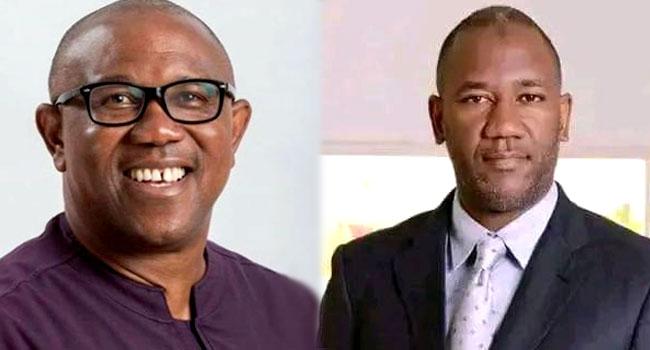
  • Why Is Datti Baba-Ahmed Refusing to Follow Obi Out of Labour Party?
    As Nigeria looks toward the 2027 general elections, Senator Datti Baba-Ahmed has declared he will remain with the Labour Party, distancing himself from the political move made by his former running mate, Peter Obi.

    Baba-Ahmed, who was Obi’s vice-presidential candidate in the 2023 election, said he has no intention of leaving the Labour Party, insisting that loyalty and consistency matter in politics.

    Peter Obi recently exited the Labour Party and aligned with the African Democratic Congress (ADC), a coalition-backed platform aimed at challenging the ruling APC. However, Baba-Ahmed dismissed the ADC, describing its members as “disgruntled politicians” and questioning the credibility of the alliance.

    Speaking at the Labour Party’s national headquarters in Abuja, the former Kaduna North senator also signaled his readiness to play a role in fixing Nigeria ahead of 2027.

    Discussion Questions:

    Is Datti Baba-Ahmed right to stay with the Labour Party despite Obi’s exit?

    Does political loyalty matter more than strategy in Nigerian politics?

    Is the ADC a genuine alternative or just a coalition of unhappy politicians?

    Who stands a better chance in 2027: Labour Party loyalists or the new coalition?

    What do you think?
    Why Is Datti Baba-Ahmed Refusing to Follow Obi Out of Labour Party? As Nigeria looks toward the 2027 general elections, Senator Datti Baba-Ahmed has declared he will remain with the Labour Party, distancing himself from the political move made by his former running mate, Peter Obi. Baba-Ahmed, who was Obi’s vice-presidential candidate in the 2023 election, said he has no intention of leaving the Labour Party, insisting that loyalty and consistency matter in politics. Peter Obi recently exited the Labour Party and aligned with the African Democratic Congress (ADC), a coalition-backed platform aimed at challenging the ruling APC. However, Baba-Ahmed dismissed the ADC, describing its members as “disgruntled politicians” and questioning the credibility of the alliance. Speaking at the Labour Party’s national headquarters in Abuja, the former Kaduna North senator also signaled his readiness to play a role in fixing Nigeria ahead of 2027. Discussion Questions: Is Datti Baba-Ahmed right to stay with the Labour Party despite Obi’s exit? Does political loyalty matter more than strategy in Nigerian politics? Is the ADC a genuine alternative or just a coalition of unhappy politicians? Who stands a better chance in 2027: Labour Party loyalists or the new coalition? What do you think?
    0 Commenti ·0 condivisioni ·840 Views
  • BREAKING: Abuja Court Orders Interim Forfeiture of 57 Properties Linked to Former AGF Malami
    January 7, 2026 – Legal / Nigeria

    The Federal High Court in Abuja has ordered the interim forfeiture of 57 properties linked to former Attorney-General of the Federation, Abubakar Malami, SAN, following an ex-parte application by the EFCC.

    Justice Emeka Nwite granted the order, temporarily vesting control of the multi-billion-naira real estate assets in the Federal Government. The properties, spread across Abuja, Kebbi, Kano, and Kaduna, include luxury hotels, duplexes, plazas, warehouses, shopping units, and residential estates.

    The EFCC suspects these assets are proceeds of unlawful activities carried out between 2015 and 2025 during Malami’s tenure as AGF. The court has directed that the forfeiture order be published in a national newspaper to allow third parties to contest the action within 14 days.

    This interim forfeiture is linked to ongoing criminal proceedings against Malami, his wife, and son, who face a N8.7 billion money laundering charge. The EFCC alleges that they used bank accounts and extensive property acquisitions to conceal illicit funds.

    Malami has denied any wrongdoing and was granted N500 million bail.

    BREAKING: Abuja Court Orders Interim Forfeiture of 57 Properties Linked to Former AGF Malami January 7, 2026 – Legal / Nigeria The Federal High Court in Abuja has ordered the interim forfeiture of 57 properties linked to former Attorney-General of the Federation, Abubakar Malami, SAN, following an ex-parte application by the EFCC. Justice Emeka Nwite granted the order, temporarily vesting control of the multi-billion-naira real estate assets in the Federal Government. The properties, spread across Abuja, Kebbi, Kano, and Kaduna, include luxury hotels, duplexes, plazas, warehouses, shopping units, and residential estates. The EFCC suspects these assets are proceeds of unlawful activities carried out between 2015 and 2025 during Malami’s tenure as AGF. The court has directed that the forfeiture order be published in a national newspaper to allow third parties to contest the action within 14 days. This interim forfeiture is linked to ongoing criminal proceedings against Malami, his wife, and son, who face a N8.7 billion money laundering charge. The EFCC alleges that they used bank accounts and extensive property acquisitions to conceal illicit funds. Malami has denied any wrongdoing and was granted N500 million bail.
    0 Commenti ·0 condivisioni ·702 Views
  • “Southern Kaduna Crisis: 138 Kidnapped, 16 Killed in Less Than Two Months — Communities Petition Governor Sani”

    Communities in Southern Kaduna have submitted an urgent petition to Governor Uba Sani and top Nigerian security officials, highlighting a “silent and neglected crisis” that has left 138 people kidnapped and 16 others killed between late November 2025 and early January 2026. The petition, presented by Comrade Nasiru Jagaba, provides a detailed village-by-village account of the violence in Kauru Local Government Area, underlining the severe human toll on residents.
    The worst-affected village, Kabari (Gobirawa), recorded 53 abductions and four killings, followed by Rumaya (28 kidnapped, 3 killed) and Nasarawan Kadage (29 kidnapped, 2 killed). Other villages, including Kajunga, Fadan Rishiwa, Darmanu, and Ningi Karku, reported similar abductions and deaths. Smaller incidents occurred in Rafin Iwa, Fagen Rawa, Unguwan Baka, and Zaman Chawai, showing the widespread nature of the attacks.
    The petition emphasizes that the victims are not mere statistics but farmers, women, youths, and breadwinners whose lives have been shattered. It draws particular attention to a 30 November 2025 incident, in which the Chawai Youth Leader and six others were killed just meters from a military checkpoint, yet there was no immediate response from security forces.
    The petition criticizes local authorities, highlighting the “continued silence” of the Kauru LGA Chairman and the absence of advocacy from state and national lawmakers, which has deepened the community’s sense of abandonment.
    The community is calling for urgent action, including:
    Immediate deployment of security personnel.
    Intelligence-led operations targeting criminal hideouts.
    A public government plan to address ongoing insecurity.
    An independent investigation into the November killings.
    Accountability from elected officials.
    While Governor Sani has promoted a “whole-of-society approach” to tackle insecurity, at the time of reporting, neither the Kaduna State Government nor federal security agencies had responded to the petition, leaving residents desperate for intervention.
    “Southern Kaduna Crisis: 138 Kidnapped, 16 Killed in Less Than Two Months — Communities Petition Governor Sani” Communities in Southern Kaduna have submitted an urgent petition to Governor Uba Sani and top Nigerian security officials, highlighting a “silent and neglected crisis” that has left 138 people kidnapped and 16 others killed between late November 2025 and early January 2026. The petition, presented by Comrade Nasiru Jagaba, provides a detailed village-by-village account of the violence in Kauru Local Government Area, underlining the severe human toll on residents. The worst-affected village, Kabari (Gobirawa), recorded 53 abductions and four killings, followed by Rumaya (28 kidnapped, 3 killed) and Nasarawan Kadage (29 kidnapped, 2 killed). Other villages, including Kajunga, Fadan Rishiwa, Darmanu, and Ningi Karku, reported similar abductions and deaths. Smaller incidents occurred in Rafin Iwa, Fagen Rawa, Unguwan Baka, and Zaman Chawai, showing the widespread nature of the attacks. The petition emphasizes that the victims are not mere statistics but farmers, women, youths, and breadwinners whose lives have been shattered. It draws particular attention to a 30 November 2025 incident, in which the Chawai Youth Leader and six others were killed just meters from a military checkpoint, yet there was no immediate response from security forces. The petition criticizes local authorities, highlighting the “continued silence” of the Kauru LGA Chairman and the absence of advocacy from state and national lawmakers, which has deepened the community’s sense of abandonment. The community is calling for urgent action, including: Immediate deployment of security personnel. Intelligence-led operations targeting criminal hideouts. A public government plan to address ongoing insecurity. An independent investigation into the November killings. Accountability from elected officials. While Governor Sani has promoted a “whole-of-society approach” to tackle insecurity, at the time of reporting, neither the Kaduna State Government nor federal security agencies had responded to the petition, leaving residents desperate for intervention.
    0 Commenti ·0 condivisioni ·463 Views
Pagine in Evidenza
Fintter https://fintter.com