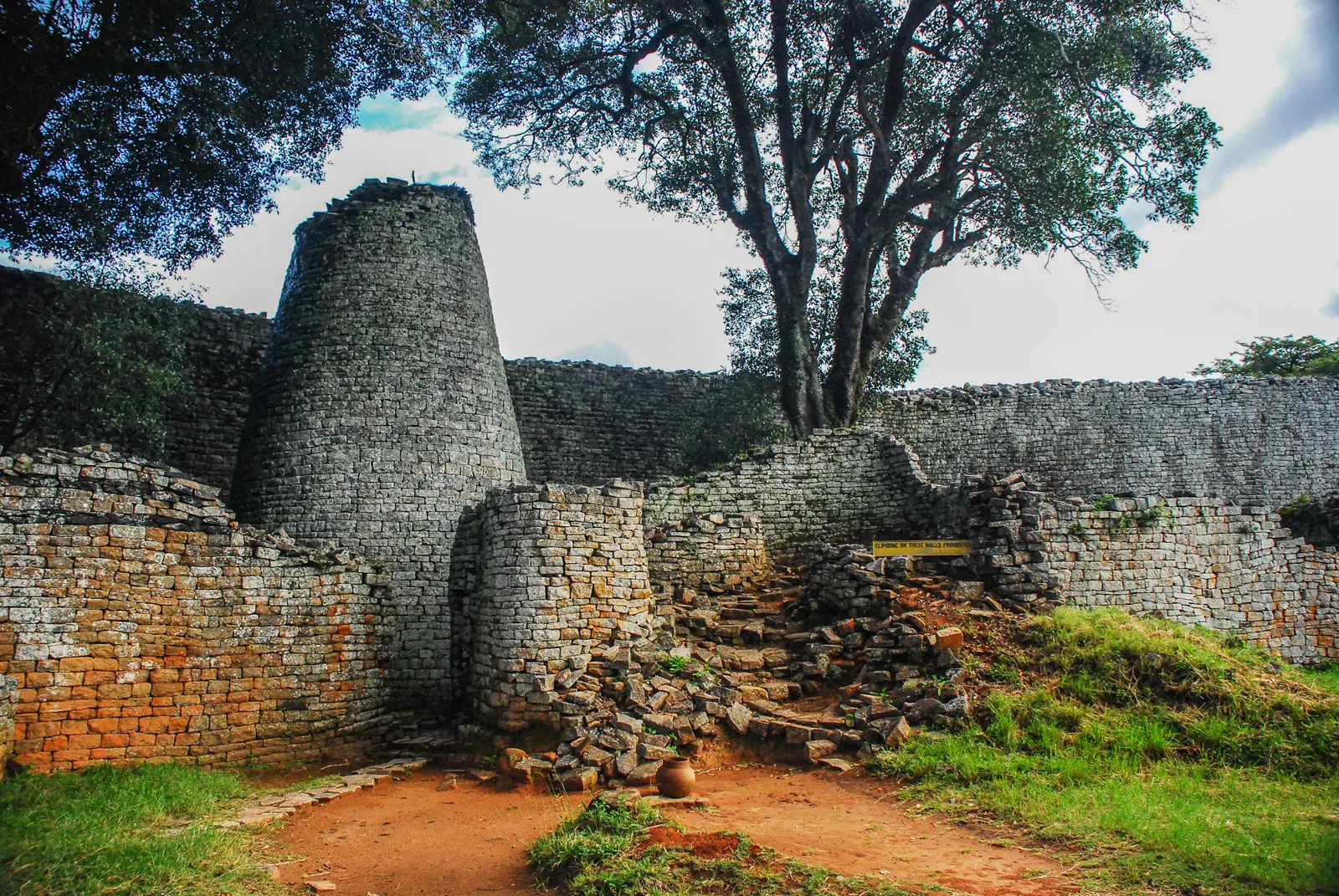
• Great Zimbabwe Ruins in Zimbabwe are one of Africa’s greatest ancient cities. Built with massive stones placed without mortar, it was once a powerful center of trade and royalty. The towering walls and ruins still prove the brilliance, wealth, and history of the people who built it.

    #GreatZimbabwe #Zimbabwe #AfricanHistory #AncientWonders #places
    Great Zimbabwe Ruins in Zimbabwe are one of Africa’s greatest ancient cities. Built with massive stones placed without mortar, it was once a powerful center of trade and royalty. The towering walls and ruins still prove the brilliance, wealth, and history of the people who built it. 🇿🇼✨ #GreatZimbabwe #Zimbabwe #AfricanHistory #AncientWonders #places
    love
    2
    · 0 Commentarii ·0 Distribuiri ·552 Views
  • Nigeria Ranked Fifth-Best English-Speaking Country in Africa, 29th Globally – EF Index Reports High Proficiency Score

    Nigeria has been ranked 29th globally and fifth in Africa for English proficiency, according to the English Proficiency Index (EF Index). The ranking is based on tests conducted on 2.2 million adults across 123 countries and regions.

    On the African continent, South Africa, Zimbabwe, Kenya, and Zambia ranked ahead of Nigeria. Globally, countries like the Philippines, Argentina, Serbia, Malaysia, and Finland outperformed Nigeria.

    The report comes after previous controversies, including a 2022 petition on Change.org urging foreign institutions to stop demanding IELTS tests from Nigerians, arguing that English is the primary language of instruction in the country. Nigerians often face such tests when applying to study abroad, despite exemptions granted to other Anglophone countries.

    The EF Index ranking underscores Nigeria’s strong English language skills while highlighting ongoing discussions about international recognition and language testing standards.
    Nigeria Ranked Fifth-Best English-Speaking Country in Africa, 29th Globally – EF Index Reports High Proficiency Score Nigeria has been ranked 29th globally and fifth in Africa for English proficiency, according to the English Proficiency Index (EF Index). The ranking is based on tests conducted on 2.2 million adults across 123 countries and regions. On the African continent, South Africa, Zimbabwe, Kenya, and Zambia ranked ahead of Nigeria. Globally, countries like the Philippines, Argentina, Serbia, Malaysia, and Finland outperformed Nigeria. The report comes after previous controversies, including a 2022 petition on Change.org urging foreign institutions to stop demanding IELTS tests from Nigerians, arguing that English is the primary language of instruction in the country. Nigerians often face such tests when applying to study abroad, despite exemptions granted to other Anglophone countries. The EF Index ranking underscores Nigeria’s strong English language skills while highlighting ongoing discussions about international recognition and language testing standards.
    like
    1
    · 0 Commentarii ·0 Distribuiri ·395 Views
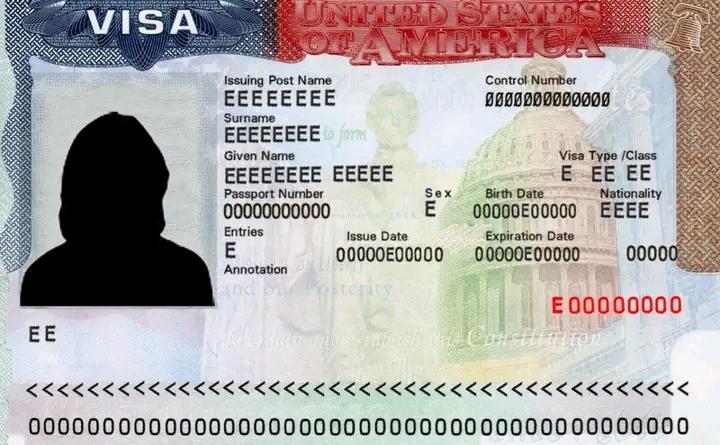
  • U.S. Partially Suspends Visa Issuance for Nationals of 19 Countries Starting January 1

    The U.S. Department of State announced that, effective January 1, 2026, at 12:01 a.m. EST, it will partially suspend the issuance of certain visas to nationals of 19 countries, in accordance with Presidential Proclamation 10998, titled "Restricting and Limiting the Entry of Foreign Nationals to Protect the Security of the United States."

    The affected countries are: Angola, Antigua and Barbuda, Benin, Burundi, Côte d’Ivoire, Cuba, Dominica, Gabon, The Gambia, Malawi, Mauritania, Nigeria, Senegal, Tanzania, Togo, Tonga, Venezuela, Zambia, and Zimbabwe.

    The partial suspension applies to non-immigrant B-1/B-2 visitor visas, F, M, and J student and exchange visitor visas, as well as all immigrant visas.
    Limited exceptions include:
    Immigrant visas for ethnic and religious minorities facing persecution in Iran
    Dual nationals applying with a passport from a country not subject to the suspension
    Special Immigrant Visas (SIVs) for certain U.S. government employees
    Participants in major sporting events
    Lawful permanent residents of the United States
    The measures aim to address deficiencies in screening, vetting, and information-sharing, citing factors such as visa overstay rates and other national security considerations.
    No previously issued visas will be revoked under the proclamation. For more details, visit the U.S. Department of State's website or the relevant U.S. embassy.
    U.S. Partially Suspends Visa Issuance for Nationals of 19 Countries Starting January 1 The U.S. Department of State announced that, effective January 1, 2026, at 12:01 a.m. EST, it will partially suspend the issuance of certain visas to nationals of 19 countries, in accordance with Presidential Proclamation 10998, titled "Restricting and Limiting the Entry of Foreign Nationals to Protect the Security of the United States." The affected countries are: Angola, Antigua and Barbuda, Benin, Burundi, Côte d’Ivoire, Cuba, Dominica, Gabon, The Gambia, Malawi, Mauritania, Nigeria, Senegal, Tanzania, Togo, Tonga, Venezuela, Zambia, and Zimbabwe. The partial suspension applies to non-immigrant B-1/B-2 visitor visas, F, M, and J student and exchange visitor visas, as well as all immigrant visas. Limited exceptions include: Immigrant visas for ethnic and religious minorities facing persecution in Iran Dual nationals applying with a passport from a country not subject to the suspension Special Immigrant Visas (SIVs) for certain U.S. government employees Participants in major sporting events Lawful permanent residents of the United States The measures aim to address deficiencies in screening, vetting, and information-sharing, citing factors such as visa overstay rates and other national security considerations. No previously issued visas will be revoked under the proclamation. For more details, visit the U.S. Department of State's website or the relevant U.S. embassy.
    0 Commentarii ·0 Distribuiri ·392 Views
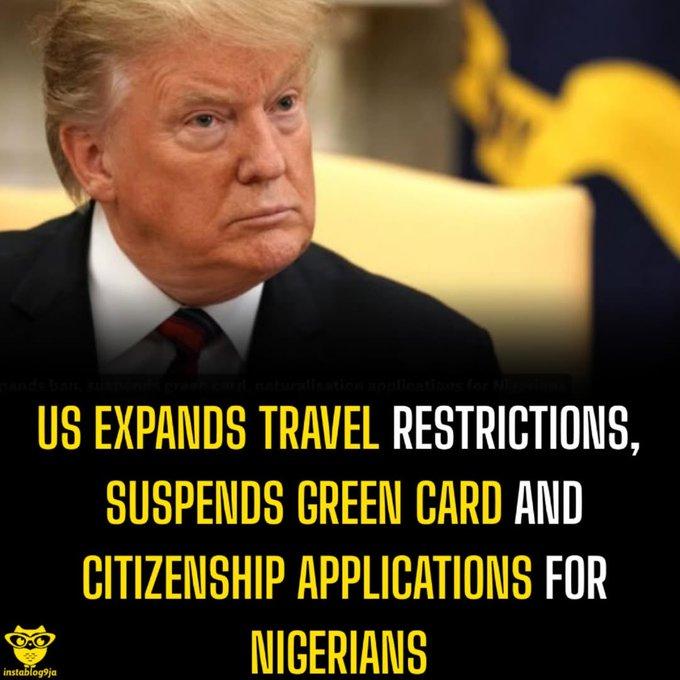
  • US Expands Travel Restrictions, Suspends Green Card and Citizenship Applications for Nigerians

    The United States government has expanded its travel restrictions on Nigerians, now suspending legal immigration applications, including green cards, naturalisation, and other permanent residency pathways. This means Nigerians can no longer submit or have their applications processed for these programs.

    According to CBS News, the US Citizenship and Immigration Services (USCIS) is implementing the suspension in line with President Donald Trump’s recent proclamation, which initially imposed partial travel restrictions on several developing countries, including Nigeria.

    The earlier restrictions affected nationals seeking entry on B‑1, B‑2, B‑1/B‑2, F, M, and J visas. The latest suspension extends beyond Nigeria to include countries such as Burkina Faso, Mali, Niger, South Sudan, Syria, as well as Angola, Antigua and Barbuda, Benin, Côte d’Ivoire, Dominica, Gabon, Gambia, Malawi, Mauritania, Senegal, Tanzania, Tonga, Zambia, and Zimbabwe.

    Nationals of these countries will no longer be able to apply for US citizenship or permanent residency. US authorities cited national security concerns as the reason for the travel bans, explaining that a “general lack of stability and government control” in these countries makes it difficult to properly vet applicants or assess potential security threats.

    USCIS further stated it is “conducting a comprehensive review of anyone from anywhere who poses a threat to the U.S., including those identified in the President’s latest proclamation.” The Nigerian government has yet to respond to the expanded restrictions but has previously expressed its willingness to collaborate with the US in addressing concerns related to immigration and security.
    US Expands Travel Restrictions, Suspends Green Card and Citizenship Applications for Nigerians The United States government has expanded its travel restrictions on Nigerians, now suspending legal immigration applications, including green cards, naturalisation, and other permanent residency pathways. This means Nigerians can no longer submit or have their applications processed for these programs. According to CBS News, the US Citizenship and Immigration Services (USCIS) is implementing the suspension in line with President Donald Trump’s recent proclamation, which initially imposed partial travel restrictions on several developing countries, including Nigeria. The earlier restrictions affected nationals seeking entry on B‑1, B‑2, B‑1/B‑2, F, M, and J visas. The latest suspension extends beyond Nigeria to include countries such as Burkina Faso, Mali, Niger, South Sudan, Syria, as well as Angola, Antigua and Barbuda, Benin, Côte d’Ivoire, Dominica, Gabon, Gambia, Malawi, Mauritania, Senegal, Tanzania, Tonga, Zambia, and Zimbabwe. Nationals of these countries will no longer be able to apply for US citizenship or permanent residency. US authorities cited national security concerns as the reason for the travel bans, explaining that a “general lack of stability and government control” in these countries makes it difficult to properly vet applicants or assess potential security threats. USCIS further stated it is “conducting a comprehensive review of anyone from anywhere who poses a threat to the U.S., including those identified in the President’s latest proclamation.” The Nigerian government has yet to respond to the expanded restrictions but has previously expressed its willingness to collaborate with the US in addressing concerns related to immigration and security.
    0 Commentarii ·0 Distribuiri ·570 Views
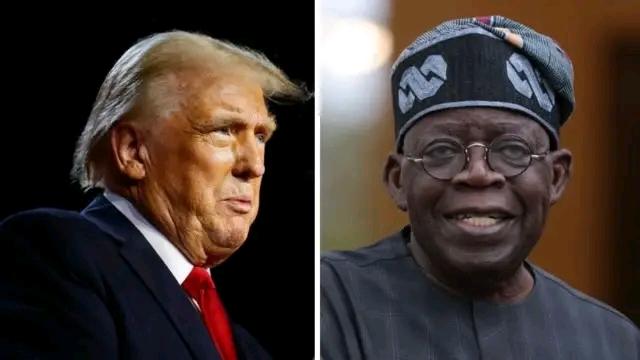
  • Nigerians now banned from travelling to US as Trump expands travel restriction list

    President Donald Trump on Tuesday, December 16, signed a proclamation further restricting entry into the United States for nationals of countries identified as high risk due to what the White House described as persistent and severe deficiencies in screening, vetting and information sharing that threaten national security and public safety.

    Among the 15 additional countries placed under partial entry restrictions is Nigeria. The decision was announced in a fact sheet published on the White House website on December 16, 2025, titled “President Donald J. Trump Further Restricts and Limits the Entry of Foreign Nationals to Protect the Security of the United States”.

    The White House said the move was aimed at strengthening national security through what it called common sense restrictions based on data.

    The proclamation maintains full entry restrictions on nationals from the original 12 countries previously listed under Proclamation 10949. These countries are Afghanistan, Burma, Chad, Republic of the Congo, Equatorial Guinea, Eritrea, Haiti, Iran, Libya, Somalia, Sudan and Yemen.

    It also introduces full restrictions on five additional countries, namely Burkina Faso, Mali, Niger, South Sudan and Syria, as well as individuals holding travel documents issued by the Palestinian Authority. Laos and Sierra Leone, which were previously under partial restrictions, have now been placed under full restrictions.

    Nationals of Burundi, Cuba, Togo and Venezuela remain subject to partial restrictions.

    In addition, the proclamation imposes partial entry restrictions on 15 more countries. These include Angola, Antigua and Barbuda, Benin, Cote d’Ivoire, Dominica, Gabon, The Gambia, Malawi, Mauritania, Nigeria, Senegal, Tanzania, Tonga, Zambia and Zimbabwe.

    The fact sheet states that exemptions remain in place for lawful permanent residents, existing visa holders, certain visa categories such as athletes and diplomats, and individuals whose entry is deemed to serve United States national interests.
    Nigerians now banned from travelling to US as Trump expands travel restriction list President Donald Trump on Tuesday, December 16, signed a proclamation further restricting entry into the United States for nationals of countries identified as high risk due to what the White House described as persistent and severe deficiencies in screening, vetting and information sharing that threaten national security and public safety. Among the 15 additional countries placed under partial entry restrictions is Nigeria. The decision was announced in a fact sheet published on the White House website on December 16, 2025, titled “President Donald J. Trump Further Restricts and Limits the Entry of Foreign Nationals to Protect the Security of the United States”. The White House said the move was aimed at strengthening national security through what it called common sense restrictions based on data. The proclamation maintains full entry restrictions on nationals from the original 12 countries previously listed under Proclamation 10949. These countries are Afghanistan, Burma, Chad, Republic of the Congo, Equatorial Guinea, Eritrea, Haiti, Iran, Libya, Somalia, Sudan and Yemen. It also introduces full restrictions on five additional countries, namely Burkina Faso, Mali, Niger, South Sudan and Syria, as well as individuals holding travel documents issued by the Palestinian Authority. Laos and Sierra Leone, which were previously under partial restrictions, have now been placed under full restrictions. Nationals of Burundi, Cuba, Togo and Venezuela remain subject to partial restrictions. In addition, the proclamation imposes partial entry restrictions on 15 more countries. These include Angola, Antigua and Barbuda, Benin, Cote d’Ivoire, Dominica, Gabon, The Gambia, Malawi, Mauritania, Nigeria, Senegal, Tanzania, Tonga, Zambia and Zimbabwe. The fact sheet states that exemptions remain in place for lawful permanent residents, existing visa holders, certain visa categories such as athletes and diplomats, and individuals whose entry is deemed to serve United States national interests.
    0 Commentarii ·0 Distribuiri ·649 Views

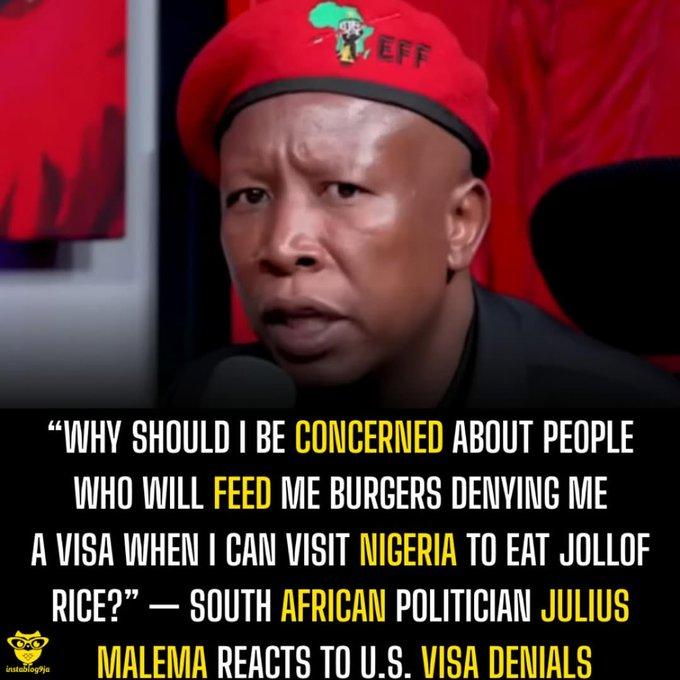
  • “Why Should I Be Concerned About People Who Will Feed Me Burgers Denying Me a Visa When I Can Visit Nigeria to Eat Jollof Rice?” — South African Politician Julius Malema Reacts to U.S. Visa Denials

    Julius Malema, leader of South Africa’s Economic Freedom Fighters (EFF), has said he is unconcerned about being denied entry into countries like the United States or the United Kingdom. In a recent statement, Malema said:

    “Even if America decides that I should no longer enter America, it’s okay. I will enter Zimbabwe. I will enter Botswana, I will enter Nigeria, I will enter Africa, my home. Why should I be concerned about people who are going to feed me burgers, and make me fat when I can go to Nigeria and eat jollof rice with goat pepper soup?”

    He emphasized that Africa offers plenty of opportunities and delights, including its rich cuisine, particularly Nigeria’s jollof rice and goat pepper soup, suggesting that he has no reason to worry about countries that restrict his travel.

    Malema’s remarks underscore his commitment to Africa and reflect his confidence in the continent’s hospitality and culture over Western destinations.
    “Why Should I Be Concerned About People Who Will Feed Me Burgers Denying Me a Visa When I Can Visit Nigeria to Eat Jollof Rice?” — South African Politician Julius Malema Reacts to U.S. Visa Denials Julius Malema, leader of South Africa’s Economic Freedom Fighters (EFF), has said he is unconcerned about being denied entry into countries like the United States or the United Kingdom. In a recent statement, Malema said: “Even if America decides that I should no longer enter America, it’s okay. I will enter Zimbabwe. I will enter Botswana, I will enter Nigeria, I will enter Africa, my home. Why should I be concerned about people who are going to feed me burgers, and make me fat when I can go to Nigeria and eat jollof rice with goat pepper soup?” He emphasized that Africa offers plenty of opportunities and delights, including its rich cuisine, particularly Nigeria’s jollof rice and goat pepper soup, suggesting that he has no reason to worry about countries that restrict his travel. Malema’s remarks underscore his commitment to Africa and reflect his confidence in the continent’s hospitality and culture over Western destinations.
    0 Commentarii ·0 Distribuiri ·339 Views
  • BREAKING NEWS: Africa’s richest man, Aliko Dangote, is preparing to launch a $1 billion investment project in Zimbabwe.

    The project, which will include cement manufacturing, coal mining, and power generation
    BREAKING NEWS: Africa’s richest man, Aliko Dangote, is preparing to launch a $1 billion investment project in Zimbabwe. The project, which will include cement manufacturing, coal mining, and power generation
    0 Commentarii ·0 Distribuiri ·588 Views
  • Super Eagles Get World Cup Hope Alive as FIFA Punishes South Africa Over Player Scandal.

    According to a report from BBC, South Africa’s hopes of qualifying for the 2026 FIFA World Cup have been dealt a major setback after the country’s football association (SAFA) was sanctioned for fielding an ineligible player in the qualifiers.

    The FIFA Disciplinary Committee ruled that midfielder Teboho Mokoena, who had accumulated two yellow cards in earlier matches and was due to serve a one-match suspension, was wrongly included in South Africa’s 2-0 win over Lesotho on March 21.

    His participation was deemed a violation of Article 19 of the FIFA Disciplinary Code and Article 14 of the 2026 World Cup Preliminary Competition Regulations.

    In its decision announced on Monday, September 29, FIFA declared the match forfeited, awarding Lesotho a 3-0 victory.

    SAFA was also fined CHF 10,000, while Mokoena received a formal warning. “The forfeiture decision remains subject to a potential appeal before the FIFA Appeal Committee,” FIFA said in a statement, per Africa Soccer.

    The ruling significantly alters the group standings, with Benin Republic now leading on 14 points (+4 goal difference), ahead of South Africa, also on 14 points but with an inferior goal difference (+3).

    Nigeria follows with 11 points (+2), Rwanda also has 11 (0), Lesotho sits on 9 (-3), and Zimbabwe trails with 4 (-6).

    With only the group winner guaranteed an automatic ticket to the World Cup and the runner-up possibly advancing via inter-confederation play-offs, the October fixtures will be decisive in determining South Africa’s fate.
    Super Eagles Get World Cup Hope Alive as FIFA Punishes South Africa Over Player Scandal. According to a report from BBC, South Africa’s hopes of qualifying for the 2026 FIFA World Cup have been dealt a major setback after the country’s football association (SAFA) was sanctioned for fielding an ineligible player in the qualifiers. The FIFA Disciplinary Committee ruled that midfielder Teboho Mokoena, who had accumulated two yellow cards in earlier matches and was due to serve a one-match suspension, was wrongly included in South Africa’s 2-0 win over Lesotho on March 21. His participation was deemed a violation of Article 19 of the FIFA Disciplinary Code and Article 14 of the 2026 World Cup Preliminary Competition Regulations. In its decision announced on Monday, September 29, FIFA declared the match forfeited, awarding Lesotho a 3-0 victory. SAFA was also fined CHF 10,000, while Mokoena received a formal warning. “The forfeiture decision remains subject to a potential appeal before the FIFA Appeal Committee,” FIFA said in a statement, per Africa Soccer. The ruling significantly alters the group standings, with Benin Republic now leading on 14 points (+4 goal difference), ahead of South Africa, also on 14 points but with an inferior goal difference (+3). Nigeria follows with 11 points (+2), Rwanda also has 11 (0), Lesotho sits on 9 (-3), and Zimbabwe trails with 4 (-6). With only the group winner guaranteed an automatic ticket to the World Cup and the runner-up possibly advancing via inter-confederation play-offs, the October fixtures will be decisive in determining South Africa’s fate.
    0 Commentarii ·0 Distribuiri ·825 Views
  • Man collapses in court and d!es moment before sentencing.

    A man collapsed and died in court in Rusape, Zimbabwe, last week while awaiting sentencing on a negligent driving charge, leaving his case unresolved.

    The deceased, identified as Blessing Kalatala, had earlier pleaded guilty to the offence. He fell ill last Friday during proceedings before Magistrate Babra Mateko, who was preparing to deliver his sentence. Court officials said Kalatala was immediately taken to Rusape Remand Prison for medical attention but passed away later that evening.

    The case stemmed from a traffic accident that occurred on the Harare–Mutare Road in October 2024. Prosecutor Faith Mutukwa told the court that Kalatala, who was driving a Toyota Hiace minibus, made a right-hand turn into the path of an oncoming Nissan AD Van near the 192-kilometre peg in Nyazura.

    The Nissan, driven by Linah Makufa, was carrying three passengers at the time. The impact of the collision caused significant damage to both vehicles and left several people injured. Mutukwa confirmed that all three passengers Estela Salina Sadombo and Lonah Madlayo among them sustained injuries and required medical treatment.

    The Vehicle Inspection Department later assessed the vehicles, reporting damage to the left front passenger door of the Toyota Hiace and severe frontal damage to the Nissan van. These findings formed a key part of the evidence against Kalatala, who had admitted fault.

    The sudden collapse in court shocked officials and observers. “It was a very distressing situation. One moment, the court was in session; the next, there was a medical emergency. Our immediate priority was to ensure he received care,” one court official said on condition of anonymity.

    Authorities have now referred the matter for further investigation to determine the exact cause of death.
    Man collapses in court and d!es moment before sentencing. A man collapsed and died in court in Rusape, Zimbabwe, last week while awaiting sentencing on a negligent driving charge, leaving his case unresolved. The deceased, identified as Blessing Kalatala, had earlier pleaded guilty to the offence. He fell ill last Friday during proceedings before Magistrate Babra Mateko, who was preparing to deliver his sentence. Court officials said Kalatala was immediately taken to Rusape Remand Prison for medical attention but passed away later that evening. The case stemmed from a traffic accident that occurred on the Harare–Mutare Road in October 2024. Prosecutor Faith Mutukwa told the court that Kalatala, who was driving a Toyota Hiace minibus, made a right-hand turn into the path of an oncoming Nissan AD Van near the 192-kilometre peg in Nyazura. The Nissan, driven by Linah Makufa, was carrying three passengers at the time. The impact of the collision caused significant damage to both vehicles and left several people injured. Mutukwa confirmed that all three passengers Estela Salina Sadombo and Lonah Madlayo among them sustained injuries and required medical treatment. The Vehicle Inspection Department later assessed the vehicles, reporting damage to the left front passenger door of the Toyota Hiace and severe frontal damage to the Nissan van. These findings formed a key part of the evidence against Kalatala, who had admitted fault. The sudden collapse in court shocked officials and observers. “It was a very distressing situation. One moment, the court was in session; the next, there was a medical emergency. Our immediate priority was to ensure he received care,” one court official said on condition of anonymity. Authorities have now referred the matter for further investigation to determine the exact cause of death.
    0 Commentarii ·0 Distribuiri ·289 Views
  • If Not For Tinubu, Nigerians Would Have Been Riding Bicycles Now Senator Adeyeye.

    Former Minister of State for Works and leader of the South-West Agenda for Asiwaju (SWAGA), Senator Dayo Adeyeye, has stressed why Nigerians need to endure the pain and watch President Bola Ahmed Tinubu’s reforms transform the country to prevent economic collapse.

    According to Adeyeye, if not for the fact that Tinubu had removed fuel subsidy when he assumed power and floated the Naira, every Nigerian citizen would have been riding a bicycle.

    “If he had not removed fuel subsidy and floated the naira, we would all be riding bicycles now. Buhari already said there was no money to import fuel. We were doing ‘ways and means,’ printing money to pay salaries. Without these reforms, Nigeria would have been another Venezuela or Zimbabwe,” the former Minister said.

    Speaking further on the naira, he argued: “Now people are exporting cassava and precious stones, and the dollar has remained stable at around ₦1,500 for about a year. Stability is what matters.
    If Not For Tinubu, Nigerians Would Have Been Riding Bicycles Now Senator Adeyeye. Former Minister of State for Works and leader of the South-West Agenda for Asiwaju (SWAGA), Senator Dayo Adeyeye, has stressed why Nigerians need to endure the pain and watch President Bola Ahmed Tinubu’s reforms transform the country to prevent economic collapse. According to Adeyeye, if not for the fact that Tinubu had removed fuel subsidy when he assumed power and floated the Naira, every Nigerian citizen would have been riding a bicycle. “If he had not removed fuel subsidy and floated the naira, we would all be riding bicycles now. Buhari already said there was no money to import fuel. We were doing ‘ways and means,’ printing money to pay salaries. Without these reforms, Nigeria would have been another Venezuela or Zimbabwe,” the former Minister said. Speaking further on the naira, he argued: “Now people are exporting cassava and precious stones, and the dollar has remained stable at around ₦1,500 for about a year. Stability is what matters.
    0 Commentarii ·0 Distribuiri ·412 Views
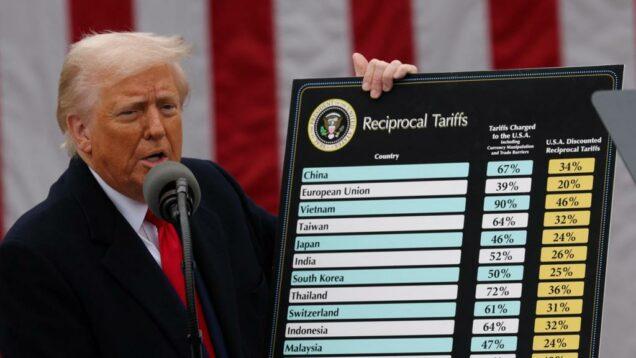
  • Trump Slaps 15% Tariff on Nigeria, Others in Major Trade Shakeup — South Africa, Libya Hit Harder

    In a bold move to recalibrate global trade, U.S. President Donald Trump has officially imposed 15% import tariffs on Nigeria and several African nations, effective August 1.

    The sweeping tariffs — under the Executive Order "Further Modifying the Reciprocal Tariff Rates" — also target Zimbabwe, Zambia, Ghana, Malawi, Madagascar, Uganda, Mozambique, Mauritius, and Lesotho.

    South Africa and Libya face even steeper tariffs of 30%, while Tunisia will pay 25%. Outside Africa, countries like India (25%), Japan (15%), and the UK (10%) are also included.

    > This marks the second round of tariffs on Nigeria this year, following an earlier 14% hike in April.


    According to the White House, the tariffs are part of a broader push to ensure "reciprocal trade terms" with nations benefiting heavily from U.S. markets.

    #TrumpTariffs #NigeriaUSRelations #GlobalTrade #TariffWar #AfricaTrade #USImportDuties #TrumpPolicy
    Trump Slaps 15% Tariff on Nigeria, Others in Major Trade Shakeup — South Africa, Libya Hit Harder In a bold move to recalibrate global trade, U.S. President Donald Trump has officially imposed 15% import tariffs on Nigeria and several African nations, effective August 1. The sweeping tariffs — under the Executive Order "Further Modifying the Reciprocal Tariff Rates" — also target Zimbabwe, Zambia, Ghana, Malawi, Madagascar, Uganda, Mozambique, Mauritius, and Lesotho. South Africa and Libya face even steeper tariffs of 30%, while Tunisia will pay 25%. Outside Africa, countries like India (25%), Japan (15%), and the UK (10%) are also included. > This marks the second round of tariffs on Nigeria this year, following an earlier 14% hike in April. According to the White House, the tariffs are part of a broader push to ensure "reciprocal trade terms" with nations benefiting heavily from U.S. markets. #TrumpTariffs #NigeriaUSRelations #GlobalTrade #TariffWar #AfricaTrade #USImportDuties #TrumpPolicy
    0 Commentarii ·0 Distribuiri ·2K Views
  • Keep your America, Mr Trump, and we’ll keep our Africa
    In trying to shut us out, Trump may be doing what African leaders have long failed to do: Push us to stand on our own.

    On June 16, The New York Times disclosed that United States President Donald Trump is considering broadening his travel ban list to include as many as 36 additional countries, most of them African – including my country, Zimbabwe.

    Twelve days earlier, Trump had enacted a proclamation barring citizens from 12 nations from entering the US. Seven of them – Chad, Congo Republic, Equatorial Guinea, Eritrea, Libya, Somalia, and Sudan – are African.

    He also imposed partial travel restrictions, rather than a complete ban, on individuals from Burundi, Cuba, Laos, Sierra Leone, Togo, Turkmenistan, and Venezuela. Citizens from these nations are barred from permanently relocating to the US or obtaining tourist or student visas.

    As promised on the campaign trail, Trump is cracking down on immigration.

    For the first time in my life, I now face the extraordinary prospect of being barred from travelling to the US – a nation that several of my family members and friends call home.

    My cousin, Dr Anna Mhaka, for example, completed her medical studies and practised exclusively in the US. Spencer Matare, a former classmate, has lived in Indianapolis for more than two decades and is a US citizen.

    Despite the Trump administration’s political grandstanding and vilification of migrants – both legal and undocumented – Anna and Spencer, like millions of others, are industrious, law-abiding members of US society.

    I know many in Africa hope to follow in their footsteps, and are deeply alarmed by the growing barriers to migration that Trump has erected.

    Yet, I am not one of them.
    Keep your America, Mr Trump, and we’ll keep our Africa In trying to shut us out, Trump may be doing what African leaders have long failed to do: Push us to stand on our own. On June 16, The New York Times disclosed that United States President Donald Trump is considering broadening his travel ban list to include as many as 36 additional countries, most of them African – including my country, Zimbabwe. Twelve days earlier, Trump had enacted a proclamation barring citizens from 12 nations from entering the US. Seven of them – Chad, Congo Republic, Equatorial Guinea, Eritrea, Libya, Somalia, and Sudan – are African. He also imposed partial travel restrictions, rather than a complete ban, on individuals from Burundi, Cuba, Laos, Sierra Leone, Togo, Turkmenistan, and Venezuela. Citizens from these nations are barred from permanently relocating to the US or obtaining tourist or student visas. As promised on the campaign trail, Trump is cracking down on immigration. For the first time in my life, I now face the extraordinary prospect of being barred from travelling to the US – a nation that several of my family members and friends call home. My cousin, Dr Anna Mhaka, for example, completed her medical studies and practised exclusively in the US. Spencer Matare, a former classmate, has lived in Indianapolis for more than two decades and is a US citizen. Despite the Trump administration’s political grandstanding and vilification of migrants – both legal and undocumented – Anna and Spencer, like millions of others, are industrious, law-abiding members of US society. I know many in Africa hope to follow in their footsteps, and are deeply alarmed by the growing barriers to migration that Trump has erected. Yet, I am not one of them.
    0 Commentarii ·0 Distribuiri ·677 Views
  • Oshiomhole Blames Buhari-Era Excessive Money Printing for Naira Collapse.
    Senator Adams Oshiomhole has attributed the sharp decline of the naira to excessive money printing under former President Muhammadu Buhari’s administration. Speaking at a Progressives Governors Forum event in Benin City, the Edo North senator criticized the Central Bank’s use of the Ways and Means provision, saying it led to unchecked currency printing and the naira’s subsequent devaluation.

    Under the Ways and Means policy, the federal government is allowed to borrow from the Central Bank of Nigeria (CBN) to manage fiscal shortfalls. However, Oshiomhole alleged the Buhari government abused this by printing over ₦31 trillion, not backed by revenue or resources.

    He likened the practice to the economic mismanagement seen in Zimbabwe and Idi Amin’s Uganda, where excessive currency printing led to hyperinflation and the collapse of national currencies.

    “They called it ‘Ways and Means’—but in reality, it was just printing money to meet illusionary needs,” Oshiomhole said. “This reckless policy is why the naira collapsed.”

    He added that the root causes of today’s inflation and exchange rate crisis stem from this fiscal mismanagement, a burden now left for President Bola Tinubu to resolve.

    Oshiomhole also criticized Nigeria’s unsustainable borrowing habits, saying, “We were borrowing like fish drinks water,” and praised the current administration for halting the practice.

    In 2024, the Senate set up an ad-hoc committee to probe the CBN’s use of Ways and Means and its Anchor Borrowers Programme.
    Oshiomhole Blames Buhari-Era Excessive Money Printing for Naira Collapse. Senator Adams Oshiomhole has attributed the sharp decline of the naira to excessive money printing under former President Muhammadu Buhari’s administration. Speaking at a Progressives Governors Forum event in Benin City, the Edo North senator criticized the Central Bank’s use of the Ways and Means provision, saying it led to unchecked currency printing and the naira’s subsequent devaluation. Under the Ways and Means policy, the federal government is allowed to borrow from the Central Bank of Nigeria (CBN) to manage fiscal shortfalls. However, Oshiomhole alleged the Buhari government abused this by printing over ₦31 trillion, not backed by revenue or resources. He likened the practice to the economic mismanagement seen in Zimbabwe and Idi Amin’s Uganda, where excessive currency printing led to hyperinflation and the collapse of national currencies. “They called it ‘Ways and Means’—but in reality, it was just printing money to meet illusionary needs,” Oshiomhole said. “This reckless policy is why the naira collapsed.” He added that the root causes of today’s inflation and exchange rate crisis stem from this fiscal mismanagement, a burden now left for President Bola Tinubu to resolve. Oshiomhole also criticized Nigeria’s unsustainable borrowing habits, saying, “We were borrowing like fish drinks water,” and praised the current administration for halting the practice. In 2024, the Senate set up an ad-hoc committee to probe the CBN’s use of Ways and Means and its Anchor Borrowers Programme.
    0 Commentarii ·0 Distribuiri ·755 Views
  • PRESS RELEASE

    Tinubu’s Curious Classmate: Nigerians Deserve Answers, Not More Confusion

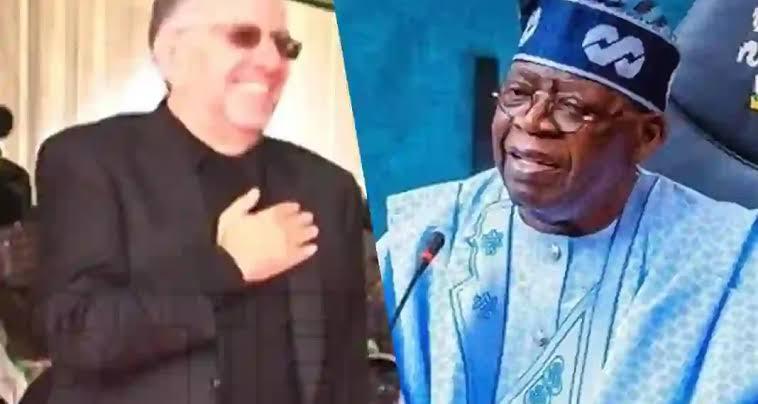
    During the inauguration of the Renewed Hope Mechanisation Programme in Abuja yesterday, President Bola Ahmed Tinubu made what appeared to be a lighthearted revelation — that a certain Mr. Alex Zingman was his classmate at Chicago State University (CSU). But rather than evoke confidence, the claim has triggered more questions than answers, particularly regarding the President’s long-contested academic history.

    A basic review of publicly available information immediately calls the President’s claim into question. Mr. Alex Zingman, a Belarusian businessman whose name features prominently in controversial dealings across Africa — including allegations of arms trafficking and financial improprieties in Zimbabwe and the Democratic Republic of Congo — is listed in various reports as being born in 1966. By the year 1979, when President Tinubu claims to have graduated from CSU, Mr. Zingman would have been only 13 years old.

    Are we now to believe that the Guinness Book of Records missed the story of a 13-year-old Belarusian prodigy graduating from an American university alongside Bola Ahmed Tinubu?

    Even more troubling is the President’s casual association with a man whose international reputation is mired in scandal.

    This leads us to ask, with the solemn weight of patriotism and the urgency of truth:

    Mr. President, Nigerians deserve to know why a man born in 1966 is being paraded as your classmate who graduated in 1979. Were you taught in the same classroom or in different decades?

    Mr. President, Nigerians deserve to know if the Alex Zingman of global infamy — the arms-linked tycoon — shares the same seat in your memories or only in a script of fiction.

    Mr. President, Nigerians deserve to know why the mystery around your academic record deepens with every attempt to clarify it. Who truly walked the halls of Chicago State University with you?

    Mr. President, Nigerians deserve to know why, since you claim to have presented a certificate from Government College, Lagos to gain entry into Richard Daley College in 1973, no classmate from that institution has ever spoken of sharing a desk with you.

    Mr. President, Nigerians deserve to know how a school founded in 1972 could issue you a certificate dated 1970—unless you were a lone prophet of a school yet unborn.

    Mr. President, Nigerians deserve to know why you have not proudly unveiled a single verifiable classmate from your supposed years in Government College, Lagos or Government College, Ibadan or Chicago State University, the way other leaders do with ease and pride.

    Mr. President, your oath of office binds you not just to protect our nation but to honour its truth. The Presidency is not a sanctuary for secrets — it is a platform for integrity. And as such, Nigerians await not tales of Alexes from distant lands but proof, clarity, and the simple dignity of facts.

    Signed:
    Atiku Media Office
    Abuja
    June 24, 2025.
    PRESS RELEASE Tinubu’s Curious Classmate: Nigerians Deserve Answers, Not More Confusion During the inauguration of the Renewed Hope Mechanisation Programme in Abuja yesterday, President Bola Ahmed Tinubu made what appeared to be a lighthearted revelation — that a certain Mr. Alex Zingman was his classmate at Chicago State University (CSU). But rather than evoke confidence, the claim has triggered more questions than answers, particularly regarding the President’s long-contested academic history. A basic review of publicly available information immediately calls the President’s claim into question. Mr. Alex Zingman, a Belarusian businessman whose name features prominently in controversial dealings across Africa — including allegations of arms trafficking and financial improprieties in Zimbabwe and the Democratic Republic of Congo — is listed in various reports as being born in 1966. By the year 1979, when President Tinubu claims to have graduated from CSU, Mr. Zingman would have been only 13 years old. Are we now to believe that the Guinness Book of Records missed the story of a 13-year-old Belarusian prodigy graduating from an American university alongside Bola Ahmed Tinubu? Even more troubling is the President’s casual association with a man whose international reputation is mired in scandal. This leads us to ask, with the solemn weight of patriotism and the urgency of truth: Mr. President, Nigerians deserve to know why a man born in 1966 is being paraded as your classmate who graduated in 1979. Were you taught in the same classroom or in different decades? Mr. President, Nigerians deserve to know if the Alex Zingman of global infamy — the arms-linked tycoon — shares the same seat in your memories or only in a script of fiction. Mr. President, Nigerians deserve to know why the mystery around your academic record deepens with every attempt to clarify it. Who truly walked the halls of Chicago State University with you? Mr. President, Nigerians deserve to know why, since you claim to have presented a certificate from Government College, Lagos to gain entry into Richard Daley College in 1973, no classmate from that institution has ever spoken of sharing a desk with you. Mr. President, Nigerians deserve to know how a school founded in 1972 could issue you a certificate dated 1970—unless you were a lone prophet of a school yet unborn. Mr. President, Nigerians deserve to know why you have not proudly unveiled a single verifiable classmate from your supposed years in Government College, Lagos or Government College, Ibadan or Chicago State University, the way other leaders do with ease and pride. Mr. President, your oath of office binds you not just to protect our nation but to honour its truth. The Presidency is not a sanctuary for secrets — it is a platform for integrity. And as such, Nigerians await not tales of Alexes from distant lands but proof, clarity, and the simple dignity of facts. Signed: Atiku Media Office Abuja June 24, 2025.
    0 Commentarii ·0 Distribuiri ·428 Views
Fintter https://fintter.com