• Cape Coast Castle and Elmina Castle in Ghana are painful but important places in African history. These forts were used during the transatlantic slave trade, where many Africans were held in dark dungeons before being shipped away. Today, they stand as reminders of what happened — and why we must always remember.

    #CapeCoastCastle #ElminaCastle #Ghana #AfricanHistory #places
    Cape Coast Castle and Elmina Castle in Ghana are painful but important places in African history. These forts were used during the transatlantic slave trade, where many Africans were held in dark dungeons before being shipped away. Today, they stand as reminders of what happened — and why we must always remember. 🇬🇭🕊️ #CapeCoastCastle #ElminaCastle #Ghana #AfricanHistory #places
    like
    love
    2
    · 0 Comments ·0 Shares ·719 Views
  • El Jem Amphitheatre in Tunisia is one of the best-preserved Roman arenas in the world. Built for big public shows and gladiator games, it could hold tens of thousands of people and still stands strong today as a reminder of how powerful and advanced the Roman era was in North Africa.

    #ElJem #Tunisia #RomanHistory #AncientWonders #places
    El Jem Amphitheatre in Tunisia is one of the best-preserved Roman arenas in the world. Built for big public shows and gladiator games, it could hold tens of thousands of people and still stands strong today as a reminder of how powerful and advanced the Roman era was in North Africa. 🇹🇳✨ #ElJem #Tunisia #RomanHistory #AncientWonders #places
    like
    love
    2
    · 0 Comments ·0 Shares ·669 Views
  • The ruins of Carthage in Tunisia are the remains of one of the most powerful ancient cities in history. Founded by the Phoenicians, Carthage grew into a mighty empire and later fought Rome in the famous Punic Wars. Today, its ancient ports, temples, and Roman-era ruins still tell the story of greatness, war, and legacy.

    #Carthage #Tunisia #AncientHistory #WorldHeritage #places
    The ruins of Carthage in Tunisia are the remains of one of the most powerful ancient cities in history. Founded by the Phoenicians, Carthage grew into a mighty empire and later fought Rome in the famous Punic Wars. Today, its ancient ports, temples, and Roman-era ruins still tell the story of greatness, war, and legacy. 🇹🇳✨ #Carthage #Tunisia #AncientHistory #WorldHeritage #places
    like
    love
    2
    · 0 Comments ·0 Shares ·700 Views
  • The Great Mosque of Djenné in Mali is one of the most iconic buildings in Africa. Made entirely from mudbrick, it’s the largest mud-built structure in the world and a powerful symbol of West African culture and Islamic history. Every year, the community helps re-plaster it to keep it standing strong.

    #Djenné #Mali #AfricanHistory #Architecture #places
    The Great Mosque of Djenné in Mali is one of the most iconic buildings in Africa. Made entirely from mudbrick, it’s the largest mud-built structure in the world and a powerful symbol of West African culture and Islamic history. Every year, the community helps re-plaster it to keep it standing strong. 🇲🇱✨ #Djenné #Mali #AfricanHistory #Architecture #places
    like
    love
    3
    · 0 Comments ·0 Shares ·682 Views
  • The Timbuktu manuscripts and old libraries in Mali are priceless treasures of African knowledge. For centuries, scholars in Timbuktu wrote and preserved texts on religion, science, medicine, law, astronomy, and poetry—showing the world that Africa had strong centers of learning long ago.

    #Timbuktu #Mali #AfricanHistory #Manuscripts #places
    The Timbuktu manuscripts and old libraries in Mali are priceless treasures of African knowledge. For centuries, scholars in Timbuktu wrote and preserved texts on religion, science, medicine, law, astronomy, and poetry—showing the world that Africa had strong centers of learning long ago. 🇲🇱✨ #Timbuktu #Mali #AfricanHistory #Manuscripts #places
    like
    haha
    3
    · 0 Comments ·0 Shares ·721 Views
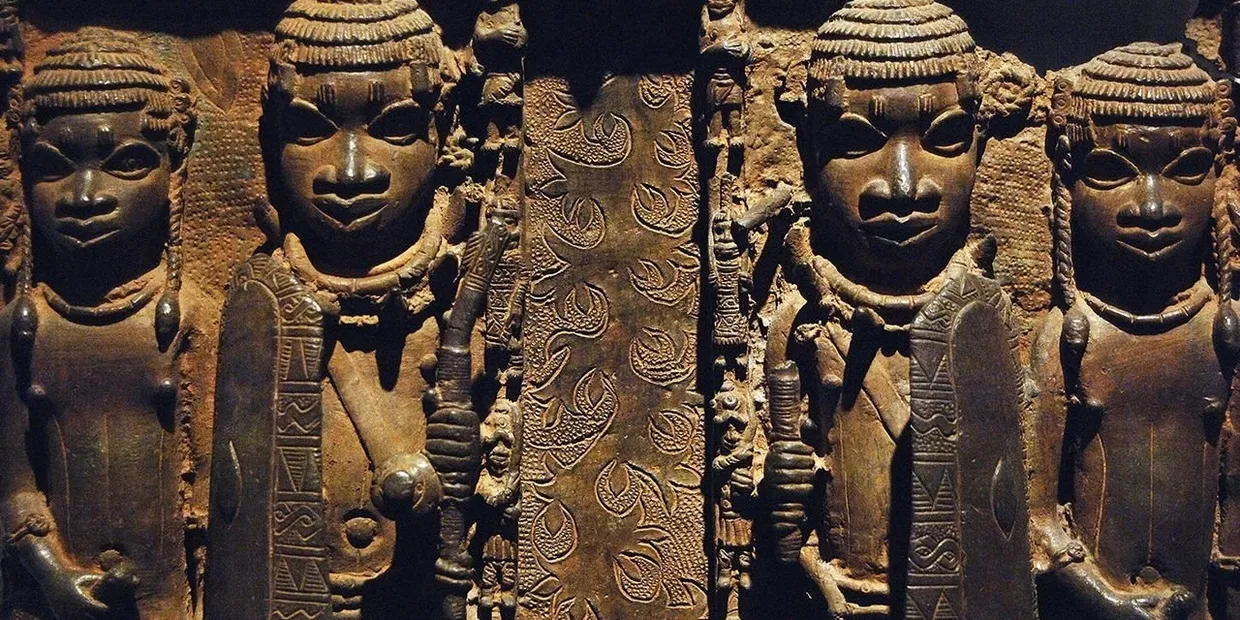
  • Benin Bronzes and royal palace art in Nigeria are some of the finest artworks Africa has ever produced. Made by skilled Edo artists of the Benin Kingdom, these brass and bronze pieces tell real stories of kings, warriors, culture, and power. They are not just art — they are history in metal.

    #BeninBronzes #Nigeria #AfricanArt #History #places
    Benin Bronzes and royal palace art in Nigeria are some of the finest artworks Africa has ever produced. Made by skilled Edo artists of the Benin Kingdom, these brass and bronze pieces tell real stories of kings, warriors, culture, and power. They are not just art — they are history in metal. 🇳🇬✨ #BeninBronzes #Nigeria #AfricanArt #History #places
    love
    2
    · 0 Comments ·0 Shares ·737 Views
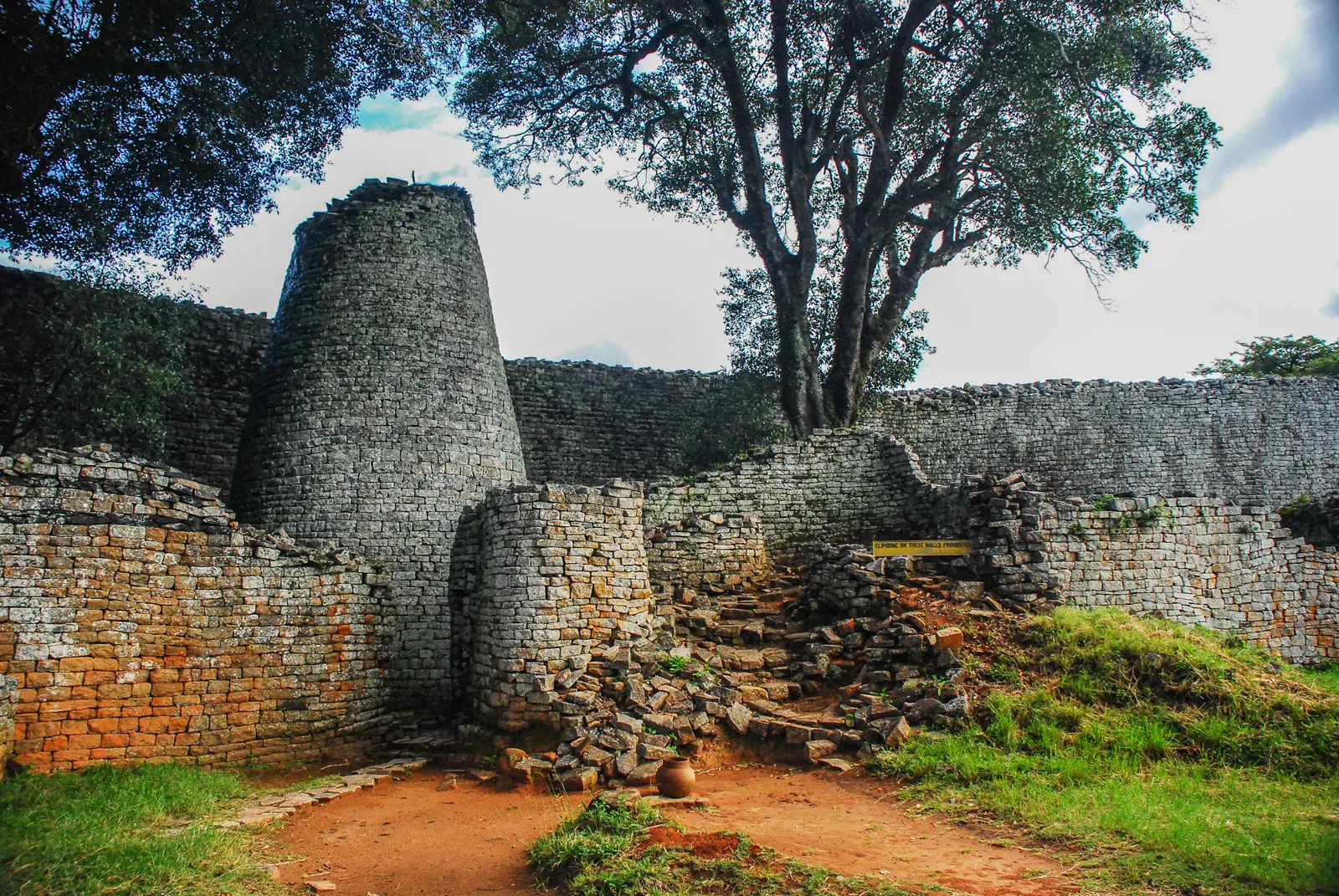
  • Great Zimbabwe Ruins in Zimbabwe are one of Africa’s greatest ancient cities. Built with massive stones placed without mortar, it was once a powerful center of trade and royalty. The towering walls and ruins still prove the brilliance, wealth, and history of the people who built it.

    #GreatZimbabwe #Zimbabwe #AfricanHistory #AncientWonders #places
    Great Zimbabwe Ruins in Zimbabwe are one of Africa’s greatest ancient cities. Built with massive stones placed without mortar, it was once a powerful center of trade and royalty. The towering walls and ruins still prove the brilliance, wealth, and history of the people who built it. 🇿🇼✨ #GreatZimbabwe #Zimbabwe #AfricanHistory #AncientWonders #places
    love
    2
    · 0 Comments ·0 Shares ·533 Views
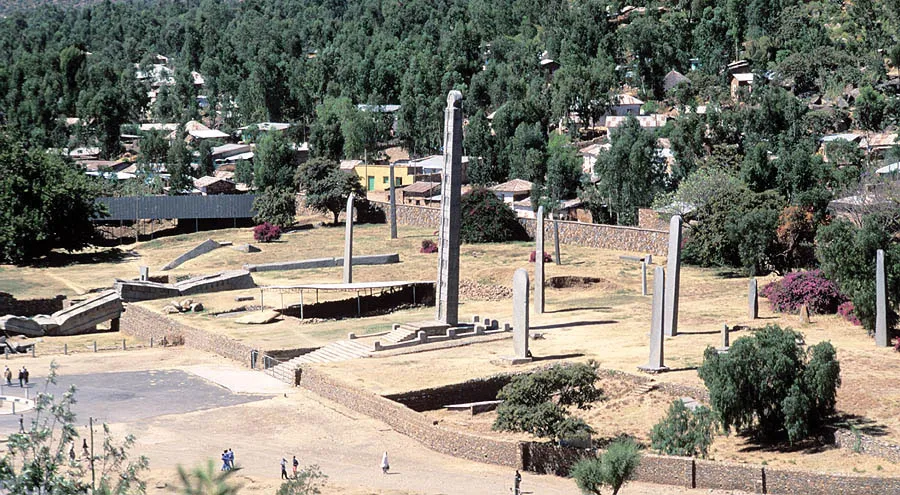
  • The Aksum Stelae (Obelisks) in Ethiopia are powerful symbols of an ancient African empire. These giant stone towers were carved centuries ago and are believed to mark royal tombs in the old Kingdom of Aksum. Standing tall in Aksum, they remind the world of Ethiopia’s deep history and greatness.

    #Aksum #Ethiopia #AfricanHistory #Obelisk #places
    The Aksum Stelae (Obelisks) in Ethiopia are powerful symbols of an ancient African empire. These giant stone towers were carved centuries ago and are believed to mark royal tombs in the old Kingdom of Aksum. Standing tall in Aksum, they remind the world of Ethiopia’s deep history and greatness. 🇪🇹✨ #Aksum #Ethiopia #AfricanHistory #Obelisk #places
    love
    2
    · 0 Comments ·0 Shares ·520 Views
  • The Rock-Hewn Churches of Lalibela in Ethiopia are one of the most amazing spiritual sites in the world. Carved directly into solid rock, these ancient churches were built as a “New Jerusalem” and are still active places of worship today. A true masterpiece of faith, history, and African creativity.

    #Lalibela #Ethiopia #AfricanHistory #WorldHeritage #places
    The Rock-Hewn Churches of Lalibela in Ethiopia are one of the most amazing spiritual sites in the world. Carved directly into solid rock, these ancient churches were built as a “New Jerusalem” and are still active places of worship today. A true masterpiece of faith, history, and African creativity. 🇪🇹✨ #Lalibela #Ethiopia #AfricanHistory #WorldHeritage #places
    love
    3
    · 0 Comments ·0 Shares ·560 Views
  • The Nubian Pyramids at Meroë in Sudan are one of Africa’s most underrated wonders. Built by the ancient Kingdom of Kush, these sharp, beautiful pyramids were royal tombs for kings and queens, standing proudly in the desert as a symbol of Nubian greatness and history.

    #Meroe #NubianPyramids #Sudan #AfricanHistory #places
    The Nubian Pyramids at Meroë in Sudan are one of Africa’s most underrated wonders. Built by the ancient Kingdom of Kush, these sharp, beautiful pyramids were royal tombs for kings and queens, standing proudly in the desert as a symbol of Nubian greatness and history. 🇸🇩✨ #Meroe #NubianPyramids #Sudan #AfricanHistory #places
    love
    2
    · 0 Comments ·0 Shares ·523 Views
  • Abu Simbel Temples in Egypt are breathtaking masterpieces carved into rock by Pharaoh Ramses II. These giant statues and ancient halls were built to show power and honor the gods, and they’re even more famous because they were moved to higher ground to save them from flooding. A true wonder of Africa’s history.

    #AbuSimbel #Egypt #AncientEgypt #History #places
    Abu Simbel Temples in Egypt are breathtaking masterpieces carved into rock by Pharaoh Ramses II. These giant statues and ancient halls were built to show power and honor the gods, and they’re even more famous because they were moved to higher ground to save them from flooding. A true wonder of Africa’s history. 🇪🇬✨ #AbuSimbel #Egypt #AncientEgypt #History #places
    love
    2
    · 0 Comments ·0 Shares ·523 Views
  • Nigeria’s health system is not just underperforming — in many cases, it is dangerously broken.

    As I mourned my mother, I read about the tragic death of Nkanu, one of Chimamanda Ngozi Adichie’s twins. That news reopened wounds that were still raw. My late mother was also a twin, and the loss struck painfully close to home.

    This is no longer just grief. It is anger — and a demand to speak out.

    Over the years, my family and I have narrowly escaped medical disasters:
    • A wrong diagnosis that almost led to my young child undergoing an unnecessary, life-altering surgery.
    • My father’s near-death experience caused by poor coordination, faulty equipment, and a collapsed public hospital system.
    • My own escape from a dangerous misdiagnosis that could have placed me on insulin for life.
    • And finally, my mother’s last battle with cancer — marked not only by illness, but by avoidable pain, procedural neglect, and indignity.

    These experiences are not shared to attack individual hospitals or doctors, but to expose a systemic failure that continues to cost Nigerians their lives quietly and without accountability.

    Broken equipment, obsolete diagnostics, strikes, underpaid health workers, and weak regulation have turned hospitals into places of fear rather than healing. Meanwhile, our best doctors flee abroad, and ordinary Nigerians are left to gamble with their lives.

    Healthcare must be treated as critical national infrastructure — not a budgetary afterthought. Until government acts decisively and accountability is enforced, more families will continue to suffer in silence.

    Silence is no longer an option.

    #NigeriaHealthCrisis #Opinion #HealthcareInNigeria #MedicalNegligence #PatientSafety #HealthReform #NigeriaNews
    Nigeria’s health system is not just underperforming — in many cases, it is dangerously broken. As I mourned my mother, I read about the tragic death of Nkanu, one of Chimamanda Ngozi Adichie’s twins. That news reopened wounds that were still raw. My late mother was also a twin, and the loss struck painfully close to home. This is no longer just grief. It is anger — and a demand to speak out. Over the years, my family and I have narrowly escaped medical disasters: • A wrong diagnosis that almost led to my young child undergoing an unnecessary, life-altering surgery. • My father’s near-death experience caused by poor coordination, faulty equipment, and a collapsed public hospital system. • My own escape from a dangerous misdiagnosis that could have placed me on insulin for life. • And finally, my mother’s last battle with cancer — marked not only by illness, but by avoidable pain, procedural neglect, and indignity. These experiences are not shared to attack individual hospitals or doctors, but to expose a systemic failure that continues to cost Nigerians their lives quietly and without accountability. Broken equipment, obsolete diagnostics, strikes, underpaid health workers, and weak regulation have turned hospitals into places of fear rather than healing. Meanwhile, our best doctors flee abroad, and ordinary Nigerians are left to gamble with their lives. Healthcare must be treated as critical national infrastructure — not a budgetary afterthought. Until government acts decisively and accountability is enforced, more families will continue to suffer in silence. Silence is no longer an option. #NigeriaHealthCrisis #Opinion #HealthcareInNigeria #MedicalNegligence #PatientSafety #HealthReform #NigeriaNews
    0 Comments ·0 Shares ·1K Views
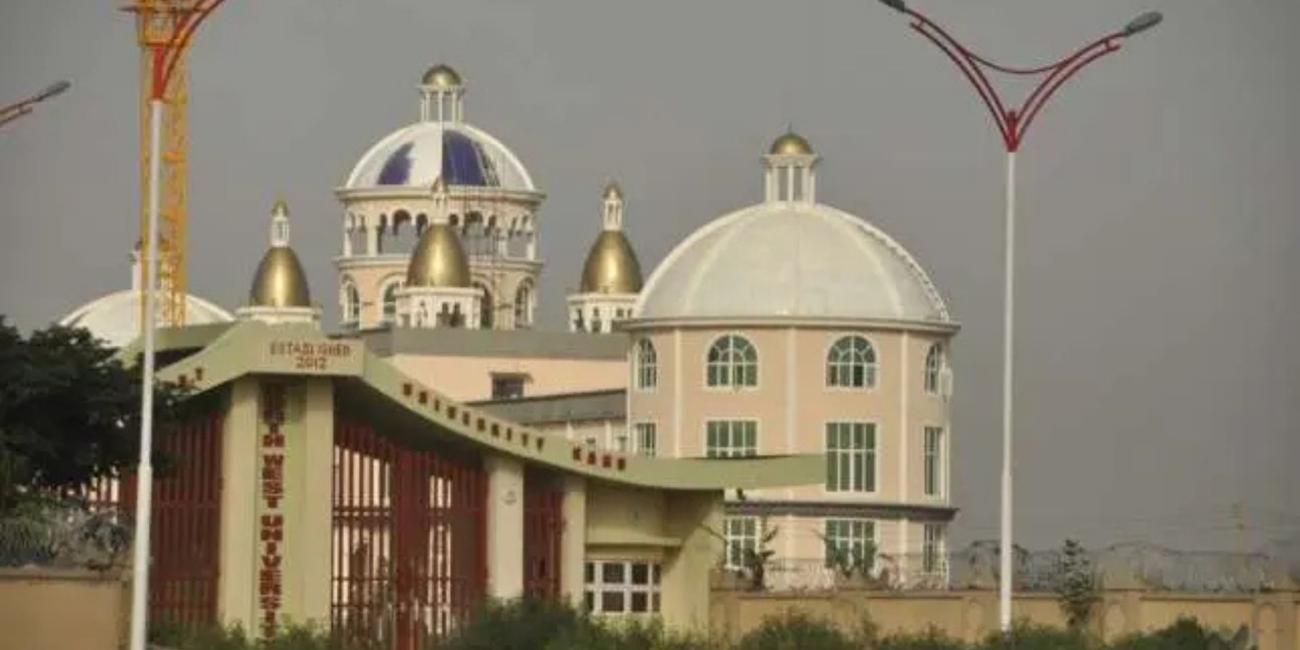
  • Emir Sanusi Lamido Gains Special Admission Into Northwest University Kano Law Programme

    Northwest University, Kano, has granted special admission to the Emir of Kano, Sanusi Lamido Aminu Sanusi, into its LL.B. Common Law and Shariah programme, effective from the 2024/2025 session. The approval, conveyed in a January 12, 2026 letter, places him at Level 200 through direct entry. The university directed him to complete all registration requirements and comply with institutional regulations. NWU emphasized that the admission follows academic standards and administrative protocols.

    #EmirSanusi #NWUKano #LawAdmission #EducationNigeria

    Emir Sanusi Lamido Gains Special Admission Into Northwest University Kano Law Programme Northwest University, Kano, has granted special admission to the Emir of Kano, Sanusi Lamido Aminu Sanusi, into its LL.B. Common Law and Shariah programme, effective from the 2024/2025 session. The approval, conveyed in a January 12, 2026 letter, places him at Level 200 through direct entry. The university directed him to complete all registration requirements and comply with institutional regulations. NWU emphasized that the admission follows academic standards and administrative protocols. #EmirSanusi #NWUKano #LawAdmission #EducationNigeria
    0 Comments ·0 Shares ·575 Views
  • Wahala Don Set Oo! Chimamanda Adichie’s Son Dies, Editors Demand Probe Into Alleged Lagos Hospital Negligence

    Wahala don really set for Nigeria’s healthcare system oo! Literary editors and public intellectuals are mourning the tragic death of Chimamanda Ngozi Adichie’s 21-month-old son, Nnamdi, while demanding a full and transparent investigation into what they describe as possible medical negligence at a Lagos hospital.

    Co-editors of Camouflage: Best of Contemporary Writing from Nigeria, Professors Nduka Otiono and Odoh Diego Okenyodo, described the loss as “profoundly shattering,” joining Nigerians at home and abroad in sympathising with the award-winning author and her husband, Dr. Ivara Esege.

    “Losing a child is a pain no parent should ever experience,” the editors said, expressing deep condolences and standing in solidarity with Adichie in what they called her darkest hour.

    The statement followed Adichie’s emotional public account in which she alleged that her son’s death on January 6, 2026, was avoidable and resulted from negligence during what should have been routine medical procedures at a Lagos-based hospital.

    Quoting her directly, the editors stated: “My son would be alive today if not for an incident at Euracare Hospital on January 6th.”

    This revelation has sparked nationwide outrage, with many Nigerians asking tough questions about the safety of hospitals and accountability in the country’s healthcare system.

    In response to the public outcry, the Lagos State Government has ordered an independent investigation into the incident, promising that anyone found responsible would face justice. The editors, however, insisted that the probe must not be cosmetic.

    “We urge that the investigation be thorough, transparent, and impartial. Every detail must be uncovered so that the truth emerges,” they said.

    But this tragedy, they warned, is not just about one family.

    According to Otiono and Okenyodo, the death of little Nnamdi exposes deeper, long-standing problems in Nigeria’s healthcare sector—ranging from weak accountability to delays in care and unethical practices. They referenced findings from an anti-corruption survey by TAP Initiative and Dataphyte, which highlighted how informal payments and systemic failures often compromise patient safety.

    While clarifying that they were not directly accusing the hospital of such practices, the editors stressed that Nigeria must confront the culture that allows negligence to thrive.

    “It is intolerable that any patient—child or adult—should be denied timely care or placed in danger due to failure, indifference, or greed,” the statement read.

    They called for:

    A comprehensive, independent investigation into all medical and administrative actions surrounding Nnamdi’s death.

    Public disclosure of findings, as promised by the Lagos State Government.

    Immediate reforms in hospital oversight, with strict sanctions for any healthcare worker found guilty of negligence.


    “The people of Lagos have the right to know what happened. If anyone is guilty—whether individual or institution—they must be held fully responsible,” they said.

    Beyond justice for Adichie’s family, the editors said the case should become a turning point for Nigeria.

    “This should catalyse nationwide action. Our hospitals must be places of care and compassion, not sites of preventable tragedy,” they added.

    Paying tribute to the late child, they expressed hope that his death would not be in vain, and that truth, accountability, and reform would emerge from the pain.

    As Nigerians continue to mourn with one of Africa’s most celebrated writers, one thing is clear: wahala don set oo. This case has opened a national conversation about patient safety, hospital accountability, and whether ordinary Nigerians—and even global figures—are truly safe in the country’s healthcare system.


    Wahala Don Set Oo! Chimamanda Adichie’s Son Dies, Editors Demand Probe Into Alleged Lagos Hospital Negligence Wahala don really set for Nigeria’s healthcare system oo! Literary editors and public intellectuals are mourning the tragic death of Chimamanda Ngozi Adichie’s 21-month-old son, Nnamdi, while demanding a full and transparent investigation into what they describe as possible medical negligence at a Lagos hospital. Co-editors of Camouflage: Best of Contemporary Writing from Nigeria, Professors Nduka Otiono and Odoh Diego Okenyodo, described the loss as “profoundly shattering,” joining Nigerians at home and abroad in sympathising with the award-winning author and her husband, Dr. Ivara Esege. “Losing a child is a pain no parent should ever experience,” the editors said, expressing deep condolences and standing in solidarity with Adichie in what they called her darkest hour. The statement followed Adichie’s emotional public account in which she alleged that her son’s death on January 6, 2026, was avoidable and resulted from negligence during what should have been routine medical procedures at a Lagos-based hospital. Quoting her directly, the editors stated: “My son would be alive today if not for an incident at Euracare Hospital on January 6th.” This revelation has sparked nationwide outrage, with many Nigerians asking tough questions about the safety of hospitals and accountability in the country’s healthcare system. In response to the public outcry, the Lagos State Government has ordered an independent investigation into the incident, promising that anyone found responsible would face justice. The editors, however, insisted that the probe must not be cosmetic. “We urge that the investigation be thorough, transparent, and impartial. Every detail must be uncovered so that the truth emerges,” they said. But this tragedy, they warned, is not just about one family. According to Otiono and Okenyodo, the death of little Nnamdi exposes deeper, long-standing problems in Nigeria’s healthcare sector—ranging from weak accountability to delays in care and unethical practices. They referenced findings from an anti-corruption survey by TAP Initiative and Dataphyte, which highlighted how informal payments and systemic failures often compromise patient safety. While clarifying that they were not directly accusing the hospital of such practices, the editors stressed that Nigeria must confront the culture that allows negligence to thrive. “It is intolerable that any patient—child or adult—should be denied timely care or placed in danger due to failure, indifference, or greed,” the statement read. They called for: A comprehensive, independent investigation into all medical and administrative actions surrounding Nnamdi’s death. Public disclosure of findings, as promised by the Lagos State Government. Immediate reforms in hospital oversight, with strict sanctions for any healthcare worker found guilty of negligence. “The people of Lagos have the right to know what happened. If anyone is guilty—whether individual or institution—they must be held fully responsible,” they said. Beyond justice for Adichie’s family, the editors said the case should become a turning point for Nigeria. “This should catalyse nationwide action. Our hospitals must be places of care and compassion, not sites of preventable tragedy,” they added. Paying tribute to the late child, they expressed hope that his death would not be in vain, and that truth, accountability, and reform would emerge from the pain. As Nigerians continue to mourn with one of Africa’s most celebrated writers, one thing is clear: wahala don set oo. This case has opened a national conversation about patient safety, hospital accountability, and whether ordinary Nigerians—and even global figures—are truly safe in the country’s healthcare system.
    0 Comments ·0 Shares ·1K Views
  • Why Did a Nigerian Court Stop Resident Doctors’ Planned Nationwide Strike—Is the Tinubu Government Using Legal Power to Silence Protests Over Salaries, Welfare, and Broken Agreements?

    Is the Nigerian government turning to the courts to prevent another healthcare shutdown—and what does it mean for doctors’ rights to protest? The National Industrial Court in Abuja has issued an interim injunction restraining the National Association of Resident Doctors (NARD) and its members from embarking on any form of industrial action across the country.

    The order, delivered by Justice Emmanuel Danjuma Subilim, followed an ex parte application filed by the Federal Government through the Office of the Attorney General of the Federation and Minister of Justice, Lateef Fagbemi (SAN). The court barred resident doctors from calling, organizing, directing, or participating in strikes, work stoppages, go-slows, picketing, or any other actions capable of disrupting healthcare services nationwide.

    In addition, the court prohibited NARD from taking any steps preparatory to industrial action with effect from January 12, 2026, ruling that the injunction would remain in force pending the hearing and determination of the motion on notice, scheduled for January 21, 2026.

    The ruling comes just days after the association threatened a nationwide strike over unresolved grievances related to welfare, salaries, and working conditions. NARD accused the Bola Tinubu-led administration of failing to honor previous agreements, stating that signed memoranda had been “totally neglected, altered or half implemented,” while earlier gains had been “overtaken by events of the government’s own making.”

    The association maintained that it had exhausted all avenues of dialogue, saying it had engaged respectfully, called attention to the issues, sought advice, and appealed for implementation—yet received no meaningful response. Defending its members against public criticism, NARD rejected portrayals of resident doctors as unpatriotic agitators, insisting that doctors have not committed any wrongdoing by demanding better conditions for healthcare workers who form “the backbone of service delivery in Nigeria.”

    In a strongly worded statement, the group argued that its members were “experienced enough to understand that merit doesn’t fetch a lot in Nigeria” and “militant enough to agitate for our legitimate rights, including signed and agreed MoUs.”

    While the government’s legal move is aimed at preventing disruptions in essential medical services, it raises pressing questions: Is the court order protecting patients—or curtailing workers’ rights to protest unfair conditions? Can judicial intervention resolve deep-rooted problems in Nigeria’s healthcare system, or will it merely postpone a larger confrontation? As the case returns to court later in January, Nigerians will be watching closely to see whether dialogue replaces confrontation—or whether tensions between the government and resident doctors escalate further.


    Why Did a Nigerian Court Stop Resident Doctors’ Planned Nationwide Strike—Is the Tinubu Government Using Legal Power to Silence Protests Over Salaries, Welfare, and Broken Agreements? Is the Nigerian government turning to the courts to prevent another healthcare shutdown—and what does it mean for doctors’ rights to protest? The National Industrial Court in Abuja has issued an interim injunction restraining the National Association of Resident Doctors (NARD) and its members from embarking on any form of industrial action across the country. The order, delivered by Justice Emmanuel Danjuma Subilim, followed an ex parte application filed by the Federal Government through the Office of the Attorney General of the Federation and Minister of Justice, Lateef Fagbemi (SAN). The court barred resident doctors from calling, organizing, directing, or participating in strikes, work stoppages, go-slows, picketing, or any other actions capable of disrupting healthcare services nationwide. In addition, the court prohibited NARD from taking any steps preparatory to industrial action with effect from January 12, 2026, ruling that the injunction would remain in force pending the hearing and determination of the motion on notice, scheduled for January 21, 2026. The ruling comes just days after the association threatened a nationwide strike over unresolved grievances related to welfare, salaries, and working conditions. NARD accused the Bola Tinubu-led administration of failing to honor previous agreements, stating that signed memoranda had been “totally neglected, altered or half implemented,” while earlier gains had been “overtaken by events of the government’s own making.” The association maintained that it had exhausted all avenues of dialogue, saying it had engaged respectfully, called attention to the issues, sought advice, and appealed for implementation—yet received no meaningful response. Defending its members against public criticism, NARD rejected portrayals of resident doctors as unpatriotic agitators, insisting that doctors have not committed any wrongdoing by demanding better conditions for healthcare workers who form “the backbone of service delivery in Nigeria.” In a strongly worded statement, the group argued that its members were “experienced enough to understand that merit doesn’t fetch a lot in Nigeria” and “militant enough to agitate for our legitimate rights, including signed and agreed MoUs.” While the government’s legal move is aimed at preventing disruptions in essential medical services, it raises pressing questions: Is the court order protecting patients—or curtailing workers’ rights to protest unfair conditions? Can judicial intervention resolve deep-rooted problems in Nigeria’s healthcare system, or will it merely postpone a larger confrontation? As the case returns to court later in January, Nigerians will be watching closely to see whether dialogue replaces confrontation—or whether tensions between the government and resident doctors escalate further.
    0 Comments ·0 Shares ·988 Views
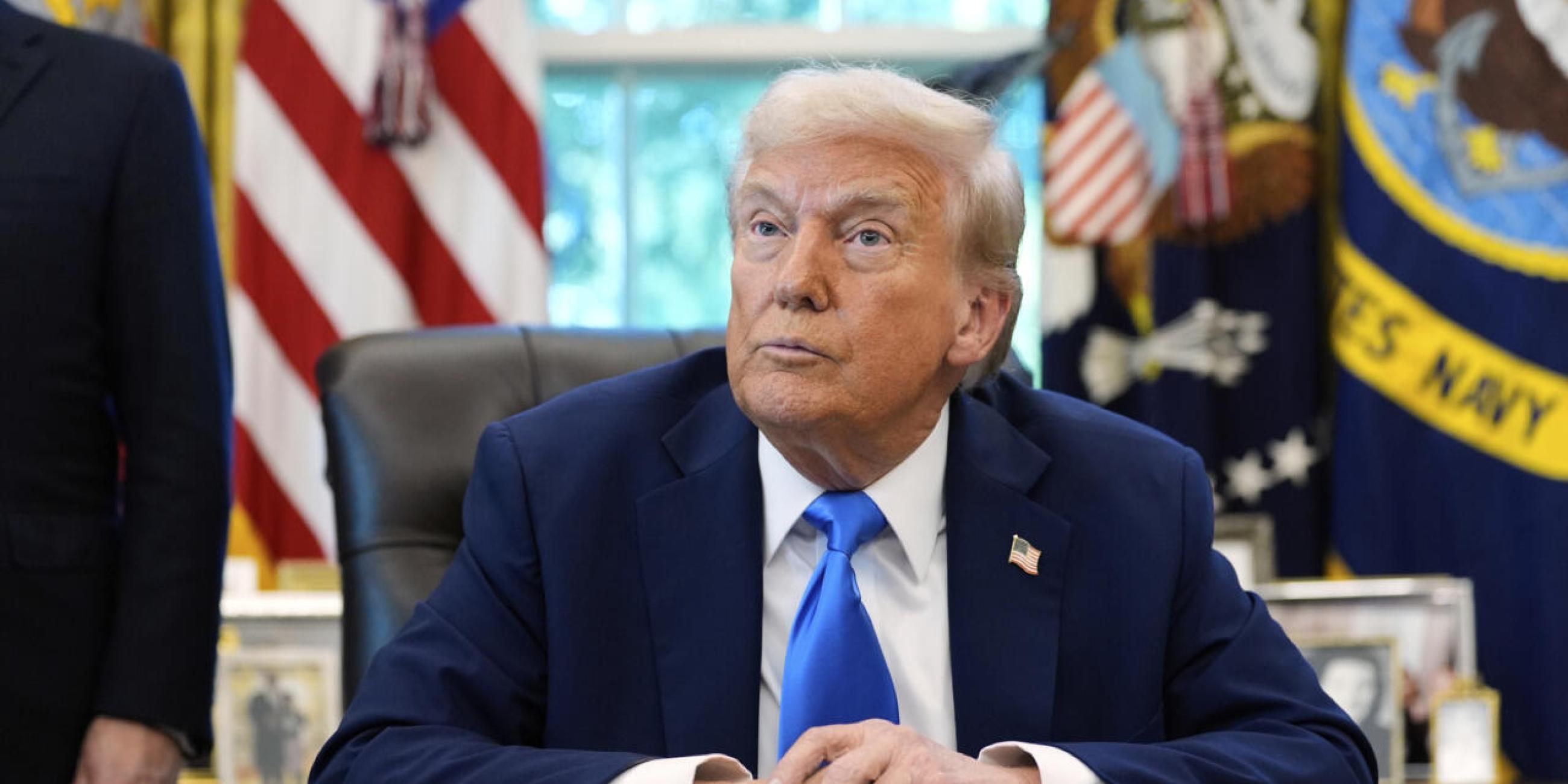
  • Will the U.S. Control Venezuela for Years? Trump Says Washington Will Oversee Venezuela’s Oil, Rebuild the Country and Decide Its Future After Maduro’s Removal

    Is the United States preparing to govern Venezuela for years, and will oil revenues determine the country’s political and economic future?

    U.S. President Donald Trump has said that Washington will take control of Venezuela and oversee its oil sector for a period that will extend far beyond a short-term transition. Speaking in a wide-ranging interview published on January 8, 2026, Trump indicated that American involvement in Venezuela would be long-term, with the country’s vast oil reserves at the center of U.S. strategy.

    When asked how long the United States would remain in control—whether for months, a year, or longer—Trump responded: “Only time will tell… I would say much longer.” The statement signals that U.S. oversight of Venezuela is not envisioned as a brief handover process but one that could last several years.

    Trump said the United States plans to rebuild Venezuela while exerting control over its most valuable resource, oil. “We will rebuild it in a very profitable way,” he said, following the January 3 operation in which U.S. forces seized President Nicolás Maduro. According to Trump, oil will play a central role in the rebuilding effort. “We’re going to be using oil, and we’re going to be taking oil. We’re getting oil prices down, and we’re going to be giving money to Venezuela, which they desperately need,” he stated.

    The president also confirmed that Washington is working closely with Venezuela’s interim government after Maduro’s removal, describing relations with interim president Delcy Rodríguez—a longtime ally and former vice president of Maduro—as cooperative. Trump further appeared to soften earlier rhetoric toward neighboring Colombia, inviting its leftist leader to Washington after previously criticizing him.

    The remarks come amid a broader shift in U.S.–Venezuela relations centered on energy and trade. Trump recently announced that Venezuela would use proceeds from a new oil agreement to purchase only American-made products, including agricultural goods, medicines, medical devices, and equipment for upgrading the country’s electricity grid and energy facilities. He portrayed the move as strengthening bilateral ties and positioning the United States as Venezuela’s principal commercial partner.

    Earlier reports also confirmed a deal allowing Venezuela to export $2 billion worth of crude oil to the United States—an agreement the administration described as a major diplomatic breakthrough. The arrangement is expected to divert Venezuelan oil away from China, ease production pressures, and mark a significant realignment in the region following months of heightened U.S. pressure on Caracas.

    But Trump’s comments raise major questions:
    Will U.S. control of Venezuela become a prolonged political and economic occupation?
    Who will ultimately decide how Venezuela’s oil wealth is managed and distributed?
    And can long-term foreign oversight deliver stability—or deepen regional tensions?

    As Washington places oil revenues at the heart of its strategy, the future of Venezuela appears increasingly tied to U.S. policy, energy markets, and geopolitical interests. Whether this approach leads to reconstruction or controversy, Trump’s statements make one thing clear: American involvement in Venezuela is not temporary, and the country’s oil will shape what comes next.


    Will the U.S. Control Venezuela for Years? Trump Says Washington Will Oversee Venezuela’s Oil, Rebuild the Country and Decide Its Future After Maduro’s Removal Is the United States preparing to govern Venezuela for years, and will oil revenues determine the country’s political and economic future? U.S. President Donald Trump has said that Washington will take control of Venezuela and oversee its oil sector for a period that will extend far beyond a short-term transition. Speaking in a wide-ranging interview published on January 8, 2026, Trump indicated that American involvement in Venezuela would be long-term, with the country’s vast oil reserves at the center of U.S. strategy. When asked how long the United States would remain in control—whether for months, a year, or longer—Trump responded: “Only time will tell… I would say much longer.” The statement signals that U.S. oversight of Venezuela is not envisioned as a brief handover process but one that could last several years. Trump said the United States plans to rebuild Venezuela while exerting control over its most valuable resource, oil. “We will rebuild it in a very profitable way,” he said, following the January 3 operation in which U.S. forces seized President Nicolás Maduro. According to Trump, oil will play a central role in the rebuilding effort. “We’re going to be using oil, and we’re going to be taking oil. We’re getting oil prices down, and we’re going to be giving money to Venezuela, which they desperately need,” he stated. The president also confirmed that Washington is working closely with Venezuela’s interim government after Maduro’s removal, describing relations with interim president Delcy Rodríguez—a longtime ally and former vice president of Maduro—as cooperative. Trump further appeared to soften earlier rhetoric toward neighboring Colombia, inviting its leftist leader to Washington after previously criticizing him. The remarks come amid a broader shift in U.S.–Venezuela relations centered on energy and trade. Trump recently announced that Venezuela would use proceeds from a new oil agreement to purchase only American-made products, including agricultural goods, medicines, medical devices, and equipment for upgrading the country’s electricity grid and energy facilities. He portrayed the move as strengthening bilateral ties and positioning the United States as Venezuela’s principal commercial partner. Earlier reports also confirmed a deal allowing Venezuela to export $2 billion worth of crude oil to the United States—an agreement the administration described as a major diplomatic breakthrough. The arrangement is expected to divert Venezuelan oil away from China, ease production pressures, and mark a significant realignment in the region following months of heightened U.S. pressure on Caracas. But Trump’s comments raise major questions: Will U.S. control of Venezuela become a prolonged political and economic occupation? Who will ultimately decide how Venezuela’s oil wealth is managed and distributed? And can long-term foreign oversight deliver stability—or deepen regional tensions? As Washington places oil revenues at the heart of its strategy, the future of Venezuela appears increasingly tied to U.S. policy, energy markets, and geopolitical interests. Whether this approach leads to reconstruction or controversy, Trump’s statements make one thing clear: American involvement in Venezuela is not temporary, and the country’s oil will shape what comes next.
    0 Comments ·0 Shares ·920 Views
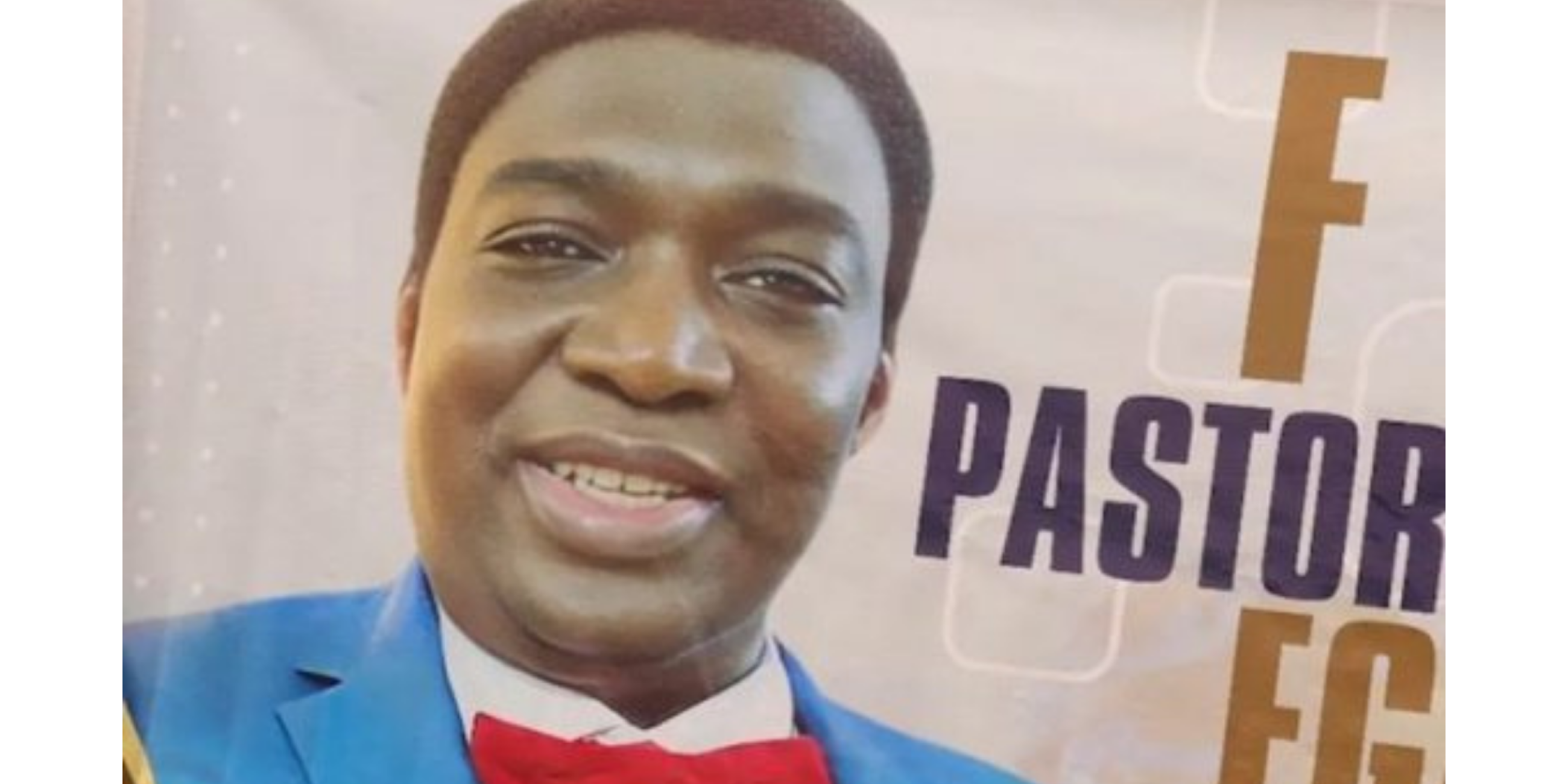
  • Why Did Nigeria Intervene in Benin Republic? How Diplomatic Pressure Secured the Release of Pastor Benjamin Egbaji Jailed for Alleged Rape After Two Years in Detention

    Why did the Nigerian government step in to secure the release of a pastor imprisoned abroad, and what role did diplomacy and humanitarian concerns play in his freedom?

    The Federal Government of Nigeria has confirmed the release of Pastor Benjamin Egbaji, a Nigerian cleric and businessman from Cross River State who had been detained in the Republic of Benin for more than two years over alleged rape. His freedom, announced on January 8, 2026, followed a presidential pardon granted by Benin’s President, Patrice Talon, after sustained diplomatic intervention by Nigerian authorities.

    According to the Minister of State for Foreign Affairs, Ambassador Bianca Odumegwu-Ojukwu, Egbaji was released after what officials described as prolonged detention under “dehumanising conditions.” The amnesty that secured his freedom was formally gazetted on December 17, 2025, and took effect following high-level engagements between both governments.

    Official statements revealed that Egbaji had initially been held in a hospital in Cotonou before being transferred to prison as his health deteriorated. His case attracted widespread attention after a photograph showing him chained to a hospital bed circulated on social media, sparking public outrage and urgent calls for intervention.

    Odumegwu-Ojukwu disclosed that her office maintained consistent diplomatic pressure, including a personal visit to the detained pastor while he was hospitalised in August 2025. She described the release as the outcome of “determined diplomatic action,” adding that Nigeria’s foreign policy places the welfare of its citizens abroad at the centre of international engagement.

    “This release is the result of consistent and determined diplomatic action. We were deeply concerned by his condition and the circumstances of his detention,” the minister said, noting that although Egbaji is in high spirits, he requires extensive medical care after his prolonged incarceration.

    The Ministry of Foreign Affairs had earlier appealed to Beninese authorities to free the pastor on humanitarian grounds or allow him to serve any remaining sentence in Nigeria. The request followed a joint visit by Odumegwu-Ojukwu and Benin’s Foreign Affairs Minister, Olushegun Adjadi Bakari, during which Nigeria emphasized both Egbaji’s failing health and the long-standing diplomatic ties between the two countries.

    In official correspondence, Nigerian authorities cited the humanitarian imperative, stating that the cleric’s health had “deteriorated severely while in detention.” Ultimately, the Beninese government granted a presidential pardon, bringing an end to his imprisonment.

    The development raises critical questions:
    Was Egbaji’s release driven purely by humanitarian concerns?
    How much influence did diplomatic relations between Nigeria and Benin Republic play?
    And what does this case reveal about the treatment of foreign detainees and the protection of citizens abroad?

    While the allegations that led to his imprisonment remain a sensitive issue, the Nigerian government has framed the intervention as a matter of human rights, medical necessity, and diplomatic responsibility. The case has since become a reference point in discussions on how far governments should go to protect nationals facing detention overseas.

    Why Did Nigeria Intervene in Benin Republic? How Diplomatic Pressure Secured the Release of Pastor Benjamin Egbaji Jailed for Alleged Rape After Two Years in Detention Why did the Nigerian government step in to secure the release of a pastor imprisoned abroad, and what role did diplomacy and humanitarian concerns play in his freedom? The Federal Government of Nigeria has confirmed the release of Pastor Benjamin Egbaji, a Nigerian cleric and businessman from Cross River State who had been detained in the Republic of Benin for more than two years over alleged rape. His freedom, announced on January 8, 2026, followed a presidential pardon granted by Benin’s President, Patrice Talon, after sustained diplomatic intervention by Nigerian authorities. According to the Minister of State for Foreign Affairs, Ambassador Bianca Odumegwu-Ojukwu, Egbaji was released after what officials described as prolonged detention under “dehumanising conditions.” The amnesty that secured his freedom was formally gazetted on December 17, 2025, and took effect following high-level engagements between both governments. Official statements revealed that Egbaji had initially been held in a hospital in Cotonou before being transferred to prison as his health deteriorated. His case attracted widespread attention after a photograph showing him chained to a hospital bed circulated on social media, sparking public outrage and urgent calls for intervention. Odumegwu-Ojukwu disclosed that her office maintained consistent diplomatic pressure, including a personal visit to the detained pastor while he was hospitalised in August 2025. She described the release as the outcome of “determined diplomatic action,” adding that Nigeria’s foreign policy places the welfare of its citizens abroad at the centre of international engagement. “This release is the result of consistent and determined diplomatic action. We were deeply concerned by his condition and the circumstances of his detention,” the minister said, noting that although Egbaji is in high spirits, he requires extensive medical care after his prolonged incarceration. The Ministry of Foreign Affairs had earlier appealed to Beninese authorities to free the pastor on humanitarian grounds or allow him to serve any remaining sentence in Nigeria. The request followed a joint visit by Odumegwu-Ojukwu and Benin’s Foreign Affairs Minister, Olushegun Adjadi Bakari, during which Nigeria emphasized both Egbaji’s failing health and the long-standing diplomatic ties between the two countries. In official correspondence, Nigerian authorities cited the humanitarian imperative, stating that the cleric’s health had “deteriorated severely while in detention.” Ultimately, the Beninese government granted a presidential pardon, bringing an end to his imprisonment. The development raises critical questions: Was Egbaji’s release driven purely by humanitarian concerns? How much influence did diplomatic relations between Nigeria and Benin Republic play? And what does this case reveal about the treatment of foreign detainees and the protection of citizens abroad? While the allegations that led to his imprisonment remain a sensitive issue, the Nigerian government has framed the intervention as a matter of human rights, medical necessity, and diplomatic responsibility. The case has since become a reference point in discussions on how far governments should go to protect nationals facing detention overseas.
    0 Comments ·0 Shares ·675 Views
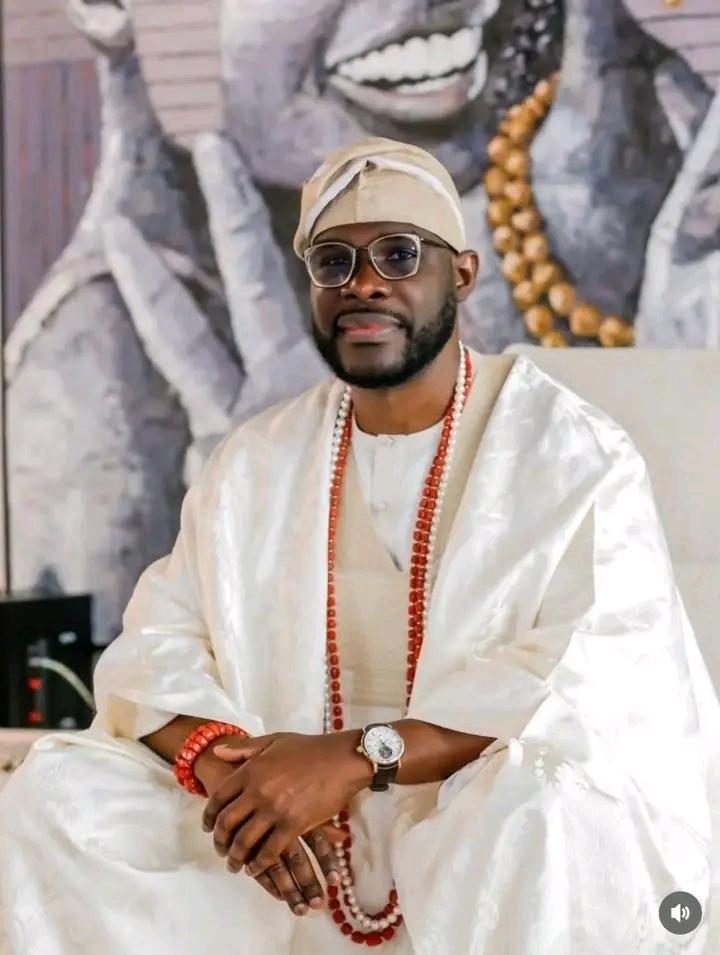
  • From Harvard with love: Why Ijebuland Is Blessed With a Strong Choice.

    Education has long been one of the defining strengths of the Awùjalẹ̀ institution in Ijebuland. The immediate past Awùjalẹ̀, Oba Sikiru Kayode Adetona, was widely respected not only for the length of his reign but also for his intellectual depth, discipline, and exposure. His solid formal education and broad worldview shaped a reign marked by courage, clarity, and principled leadership. Under him, Ijebuland benefited from a ruler who could engage confidently with governments, institutions, and global audiences while remaining firmly rooted in tradition. It is therefore unsurprising that education remains a central consideration as conversations continue about the next Awùjalẹ̀.
    Within this context, Omoọba Abímbọ́lá Onabanjo’s educational background has drawn considerable attention (@omoobagg) . He holds a Bachelor of Science Honours degree in Banking and Finance from Lagos State University, a discipline that provided him with strong foundations in economics, financial systems, and organizational discipline. Beyond this, he pursued advanced executive education at some of the world’s most respected institutions including Harvard Business School, the Wharton School, and Columbia Business School, where he refined his understanding of leadership, international strategy, corporate governance, and global capital markets. This level of exposure places him firmly within the long standing tradition of educated Ijebu leadership.
    From Harvard with love: Why Ijebuland Is Blessed With a Strong Choice. Education has long been one of the defining strengths of the Awùjalẹ̀ institution in Ijebuland. The immediate past Awùjalẹ̀, Oba Sikiru Kayode Adetona, was widely respected not only for the length of his reign but also for his intellectual depth, discipline, and exposure. His solid formal education and broad worldview shaped a reign marked by courage, clarity, and principled leadership. Under him, Ijebuland benefited from a ruler who could engage confidently with governments, institutions, and global audiences while remaining firmly rooted in tradition. It is therefore unsurprising that education remains a central consideration as conversations continue about the next Awùjalẹ̀. Within this context, Omoọba Abímbọ́lá Onabanjo’s educational background has drawn considerable attention (@omoobagg) . He holds a Bachelor of Science Honours degree in Banking and Finance from Lagos State University, a discipline that provided him with strong foundations in economics, financial systems, and organizational discipline. Beyond this, he pursued advanced executive education at some of the world’s most respected institutions including Harvard Business School, the Wharton School, and Columbia Business School, where he refined his understanding of leadership, international strategy, corporate governance, and global capital markets. This level of exposure places him firmly within the long standing tradition of educated Ijebu leadership.
    0 Comments ·0 Shares ·425 Views
  • Why Is Ogun State Experiencing a Surge in Drowning Cases? Police Warn Hotels and Recreational Centres to Enforce Safety Measures

    The Ogun State Police Command has raised alarm over a disturbing rise in drowning incidents across the state, issuing a public advisory to residents, hotel operators, and recreational facility managers to take urgent preventive measures. According to the advisory, dated January 7, 2026, and signed by the Police Public Relations Officer, DSP Oluseyi B. Babaseyi, there is an increasing trend of drowning cases, particularly in rivers, streams, and swimming pools, which poses a serious threat to public safety.

    The police warned that all members of the public must exercise extreme caution when engaging in water-related activities. The advisory places significant responsibility on hotel owners and operators of recreational centres, emphasizing that swimming pools must be properly supervised, clearly marked, and staffed with trained lifeguards at all times. Furthermore, it stressed that essential safety equipment, such as life buoys, rescue hooks, and first aid kits, must be readily accessible to prevent tragic incidents.

    The statement underlined that the Commissioner of Police considers avoidable loss of life unacceptable, adding that all stakeholders, from facility operators to individual swimmers, must take proactive steps to ensure their safety and that of others. “Hotel and recreational facility operators must ensure that all swimming pools are properly supervised, clearly marked, and have trained lifeguards on duty at all times. Safety equipment must also be readily available,” the advisory stated.

    The rise in drowning incidents has reportedly been reported in various parts of Ogun State, prompting the police to take a strong stance on preventive measures. According to the Command, these deaths are largely avoidable, highlighting a need for stronger enforcement of safety regulations at both private and public facilities. The advisory specifically calls on hotels, resorts, and recreational centres to prioritize the implementation of international safety standards in their pools and water recreation areas.

    Experts agree that drowning incidents often occur due to a combination of factors, including poor supervision, lack of trained personnel, absence of safety equipment, and neglect of precautionary measures. In Ogun State, the police noted that the situation is particularly concerning given the popularity of rivers, streams, and man-made swimming pools in residential and commercial areas. Families and young people who frequent these water spots are most at risk if proper precautions are not taken.

    DSP Babaseyi further urged residents to adopt a culture of safety, warning against reckless swimming, especially in unsupervised areas. “Members of the public are urged to exercise extreme caution when swimming in rivers, streams, or swimming pools,” he said. The statement also encouraged hotel and recreational facility operators to develop emergency response plans and conduct regular drills to ensure staff readiness in the event of accidents.

    The advisory highlights that drowning is preventable with a combination of vigilance, safety infrastructure, and proper training. Trained lifeguards, visible signage, marked depth levels, and ready-to-use life-saving equipment can drastically reduce the risk of fatalities. Hotel and recreation centre operators are advised to strictly comply with these guidelines to protect patrons and mitigate liability.

    The police warning comes at a time when families, tourists, and residents increasingly frequent recreational facilities for leisure, particularly over weekends and holidays. Experts suggest that awareness campaigns, coupled with enforcement of safety regulations, are crucial in preventing further loss of lives. “Avoidable loss of life is unacceptable,” the statement emphasized, reflecting the seriousness with which the Ogun State Police are approaching the situation.

    In conclusion, the Ogun State Police Command’s advisory serves as a reminder that water safety is a collective responsibility. Individuals, families, and facility operators must work together to ensure that swimming and other water activities are conducted safely. With rising cases of drowning, the state police are calling for heightened vigilance, strict adherence to safety protocols, and proactive intervention to prevent further tragedies. Residents and visitors are urged to take the advisory seriously, exercise caution around water, and ensure that any swimming activity is supervised and equipped with safety measures.

    By enforcing proper supervision, ensuring lifeguard presence, and maintaining necessary safety equipment, Ogun State can significantly reduce drowning incidents and protect lives. The police advisory serves as a timely call to action, emphasizing that safety must be the priority in all recreational water activities.
    Why Is Ogun State Experiencing a Surge in Drowning Cases? Police Warn Hotels and Recreational Centres to Enforce Safety Measures The Ogun State Police Command has raised alarm over a disturbing rise in drowning incidents across the state, issuing a public advisory to residents, hotel operators, and recreational facility managers to take urgent preventive measures. According to the advisory, dated January 7, 2026, and signed by the Police Public Relations Officer, DSP Oluseyi B. Babaseyi, there is an increasing trend of drowning cases, particularly in rivers, streams, and swimming pools, which poses a serious threat to public safety. The police warned that all members of the public must exercise extreme caution when engaging in water-related activities. The advisory places significant responsibility on hotel owners and operators of recreational centres, emphasizing that swimming pools must be properly supervised, clearly marked, and staffed with trained lifeguards at all times. Furthermore, it stressed that essential safety equipment, such as life buoys, rescue hooks, and first aid kits, must be readily accessible to prevent tragic incidents. The statement underlined that the Commissioner of Police considers avoidable loss of life unacceptable, adding that all stakeholders, from facility operators to individual swimmers, must take proactive steps to ensure their safety and that of others. “Hotel and recreational facility operators must ensure that all swimming pools are properly supervised, clearly marked, and have trained lifeguards on duty at all times. Safety equipment must also be readily available,” the advisory stated. The rise in drowning incidents has reportedly been reported in various parts of Ogun State, prompting the police to take a strong stance on preventive measures. According to the Command, these deaths are largely avoidable, highlighting a need for stronger enforcement of safety regulations at both private and public facilities. The advisory specifically calls on hotels, resorts, and recreational centres to prioritize the implementation of international safety standards in their pools and water recreation areas. Experts agree that drowning incidents often occur due to a combination of factors, including poor supervision, lack of trained personnel, absence of safety equipment, and neglect of precautionary measures. In Ogun State, the police noted that the situation is particularly concerning given the popularity of rivers, streams, and man-made swimming pools in residential and commercial areas. Families and young people who frequent these water spots are most at risk if proper precautions are not taken. DSP Babaseyi further urged residents to adopt a culture of safety, warning against reckless swimming, especially in unsupervised areas. “Members of the public are urged to exercise extreme caution when swimming in rivers, streams, or swimming pools,” he said. The statement also encouraged hotel and recreational facility operators to develop emergency response plans and conduct regular drills to ensure staff readiness in the event of accidents. The advisory highlights that drowning is preventable with a combination of vigilance, safety infrastructure, and proper training. Trained lifeguards, visible signage, marked depth levels, and ready-to-use life-saving equipment can drastically reduce the risk of fatalities. Hotel and recreation centre operators are advised to strictly comply with these guidelines to protect patrons and mitigate liability. The police warning comes at a time when families, tourists, and residents increasingly frequent recreational facilities for leisure, particularly over weekends and holidays. Experts suggest that awareness campaigns, coupled with enforcement of safety regulations, are crucial in preventing further loss of lives. “Avoidable loss of life is unacceptable,” the statement emphasized, reflecting the seriousness with which the Ogun State Police are approaching the situation. In conclusion, the Ogun State Police Command’s advisory serves as a reminder that water safety is a collective responsibility. Individuals, families, and facility operators must work together to ensure that swimming and other water activities are conducted safely. With rising cases of drowning, the state police are calling for heightened vigilance, strict adherence to safety protocols, and proactive intervention to prevent further tragedies. Residents and visitors are urged to take the advisory seriously, exercise caution around water, and ensure that any swimming activity is supervised and equipped with safety measures. By enforcing proper supervision, ensuring lifeguard presence, and maintaining necessary safety equipment, Ogun State can significantly reduce drowning incidents and protect lives. The police advisory serves as a timely call to action, emphasizing that safety must be the priority in all recreational water activities.
    like
    1
    · 0 Comments ·0 Shares ·564 Views
  • IGP Kayode Egbetokun Orders Commissioners to Redeploy Withdrawn VIP Police Escorts to Anti-Crime Operations Nationwide, Places SPU Bases Under State Command Control

    Nigeria’s Inspector-General of Police (IGP), Kayode Egbetokun, has directed all state Commissioners of Police to take immediate control of Special Protection Unit (SPU) bases in their jurisdictions and redeploy officers withdrawn from VIP protection duties to frontline anti-crime operations across the country. The order was conveyed in an internal wireless message issued by the Department of Operations (DOPS) at Force Headquarters, Abuja, dated January 5, 2026, and obtained by SaharaReporters.

    According to the directive, all personnel previously assigned to VIP escort services are to be reassigned to conventional policing roles aimed at crime prevention, detection, and response, reflecting a force-wide strategy to strengthen operational capacity amid rising insecurity nationwide. Commissioners were also instructed to organise training programmes for redeployed officers “where necessary” to ensure effectiveness in their new assignments.

    In addition, each state command is required to submit a comprehensive list of the affected personnel to Force Headquarters for documentation, oversight, and monitoring, while acknowledging receipt of the directive for “strict compliance.”

    The move places SPU bases under the direct command of state police formations and signals a significant policy shift away from elite protection toward bolstering routine policing. Analysts view the decision as part of broader efforts by the police leadership to optimise manpower deployment, curb crime more aggressively, and restore public confidence in internal security operations across Nigeria.
    IGP Kayode Egbetokun Orders Commissioners to Redeploy Withdrawn VIP Police Escorts to Anti-Crime Operations Nationwide, Places SPU Bases Under State Command Control Nigeria’s Inspector-General of Police (IGP), Kayode Egbetokun, has directed all state Commissioners of Police to take immediate control of Special Protection Unit (SPU) bases in their jurisdictions and redeploy officers withdrawn from VIP protection duties to frontline anti-crime operations across the country. The order was conveyed in an internal wireless message issued by the Department of Operations (DOPS) at Force Headquarters, Abuja, dated January 5, 2026, and obtained by SaharaReporters. According to the directive, all personnel previously assigned to VIP escort services are to be reassigned to conventional policing roles aimed at crime prevention, detection, and response, reflecting a force-wide strategy to strengthen operational capacity amid rising insecurity nationwide. Commissioners were also instructed to organise training programmes for redeployed officers “where necessary” to ensure effectiveness in their new assignments. In addition, each state command is required to submit a comprehensive list of the affected personnel to Force Headquarters for documentation, oversight, and monitoring, while acknowledging receipt of the directive for “strict compliance.” The move places SPU bases under the direct command of state police formations and signals a significant policy shift away from elite protection toward bolstering routine policing. Analysts view the decision as part of broader efforts by the police leadership to optimise manpower deployment, curb crime more aggressively, and restore public confidence in internal security operations across Nigeria.
    0 Comments ·0 Shares ·498 Views
More Results
Fintter https://fintter.com