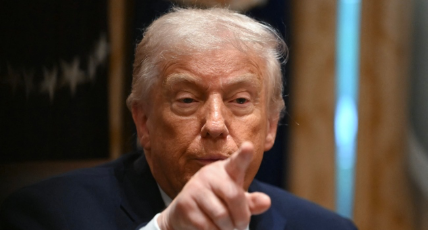
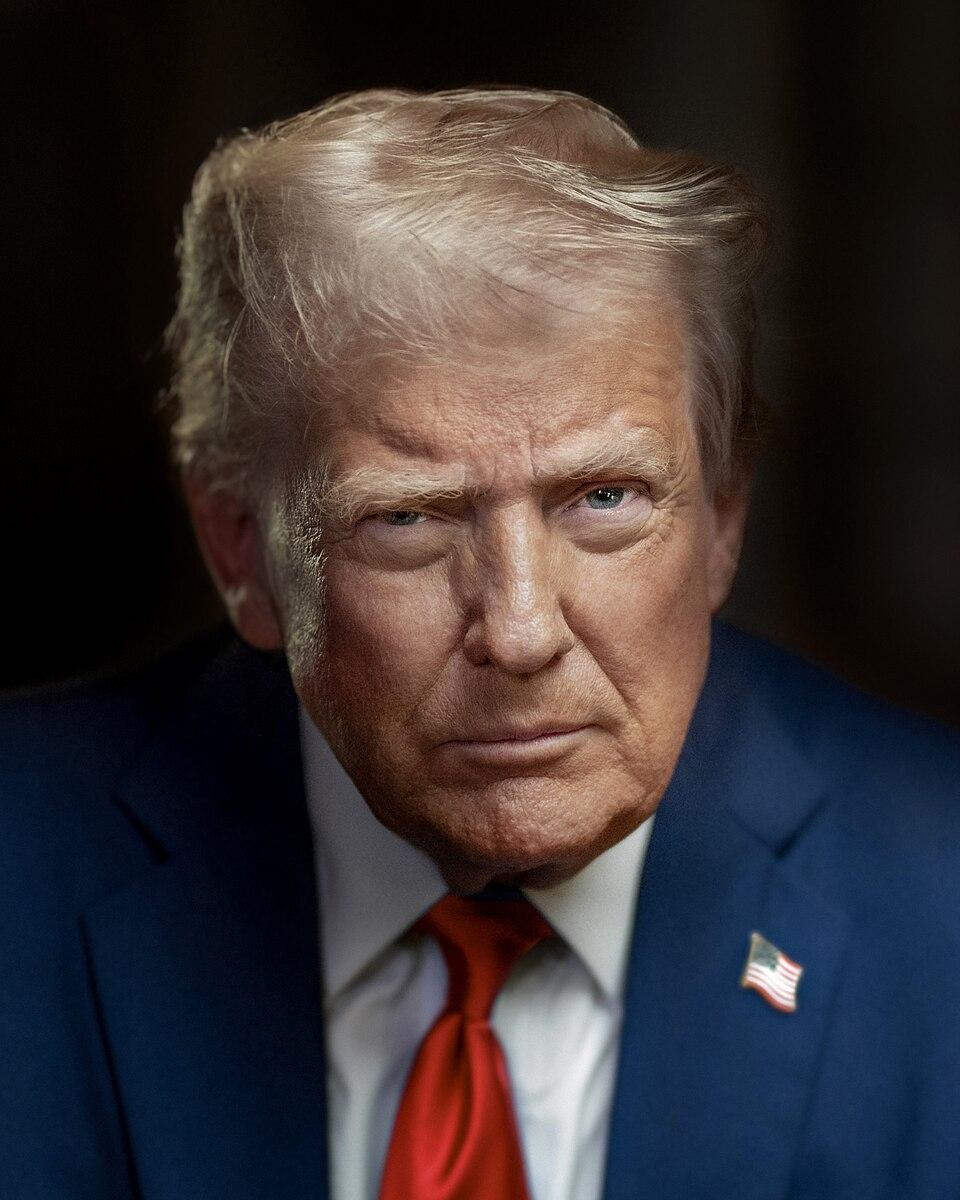
• BREAKING:The U.S. Supreme Court has struck down Donald Trump’s sweeping tariffs on major trading partners, ruling 6–3 on Friday, February 20, 2026 that he overstepped his authority by using the International Emergency Economic Powers Act (IEEPA) to impose broad import duties.

    Chief Justice John Roberts wrote for the majority that tariff power belongs to Congress, not the president, signaling a major setback for Trump’s trade agenda and limiting how far emergency powers can be stretched for big economic moves.

    Justices Clarence Thomas, Samuel Alito, and Brett Kavanaugh dissented. The ruling could also trigger fresh legal battles over what happens to billions in tariffs already collected, including possible refund claims.#BreakingNews, #SCOTUS, #Trump, #Tariffs
    BREAKING:The U.S. Supreme Court has struck down Donald Trump’s sweeping tariffs on major trading partners, ruling 6–3 on Friday, February 20, 2026 that he overstepped his authority by using the International Emergency Economic Powers Act (IEEPA) to impose broad import duties. Chief Justice John Roberts wrote for the majority that tariff power belongs to Congress, not the president, signaling a major setback for Trump’s trade agenda and limiting how far emergency powers can be stretched for big economic moves. Justices Clarence Thomas, Samuel Alito, and Brett Kavanaugh dissented. The ruling could also trigger fresh legal battles over what happens to billions in tariffs already collected, including possible refund claims.#BreakingNews, #SCOTUS, #Trump, #Tariffs

    love
    2
    · 0 Comments ·0 Shares ·676 Views
  • Trump Threatens Tariffs on Countries Opposing US Plan to Take Over Greenland

    US President Donald Trump has warned that his administration may impose trade tariffs on countries that refuse to support America’s plan to take control of Greenland, a territory belonging to NATO ally Denmark. Trump argued that the United States needs mineral-rich Greenland for strategic reasons, accusing the territory of failing to do enough to secure itself against growing influence from rivals Russia and China. The remarks signal a sharp escalation in pressure on allies amid rising geopolitical competition in the Arctic.

    #Trump #Greenland #USTrade #GlobalPolitics
    Trump Threatens Tariffs on Countries Opposing US Plan to Take Over Greenland US President Donald Trump has warned that his administration may impose trade tariffs on countries that refuse to support America’s plan to take control of Greenland, a territory belonging to NATO ally Denmark. Trump argued that the United States needs mineral-rich Greenland for strategic reasons, accusing the territory of failing to do enough to secure itself against growing influence from rivals Russia and China. The remarks signal a sharp escalation in pressure on allies amid rising geopolitical competition in the Arctic. #Trump #Greenland #USTrade #GlobalPolitics
    0 Comments ·0 Shares ·933 Views
  • Trump Attacks Democrats as ‘Radical Left Scum’ in Christmas Message, Claims Economic Boom, Strong Borders and Record Security Gains

    U.S. President Donald Trump sparked controversy on Christmas Day after using his holiday message to sharply attack Democrats, whom he labelled “Radical Left Scum,” while highlighting what he described as major economic, security and policy achievements under his administration. In a post shared on X, Trump wished Americans a Merry Christmas but accused his political opponents of trying—and failing—to destroy the country.

    Trump claimed his government had reversed several policies, insisting the United States no longer has open borders, weak law enforcement, or policies allowing men in women’s sports and widespread transgender inclusion. He boasted of what he called strong economic indicators, citing a record stock market, growth in 401(k) accounts, low crime rates, no inflation, and a reported 4.3 percent GDP growth that exceeded expectations.

    The president also credited tariffs for generating “trillions of dollars” in economic growth and strengthening national security, arguing that the U.S. has regained global respect. He ended his Christmas message with a patriotic sign-off, “God Bless America.”

    The remarks followed a recent year-end national address in which Trump criticized former President Joe Biden, blaming his administration for inflation and immigration problems. Trump claimed he inherited economic and border challenges after the COVID-19 pandemic and accused Democrats of creating “mayhem.” He further asserted that the U.S. is experiencing reverse migration for the first time in decades and claimed he helped resolve multiple international conflicts, a point he has used to support his call for a Nobel Peace Prize.

    Trump Attacks Democrats as ‘Radical Left Scum’ in Christmas Message, Claims Economic Boom, Strong Borders and Record Security Gains U.S. President Donald Trump sparked controversy on Christmas Day after using his holiday message to sharply attack Democrats, whom he labelled “Radical Left Scum,” while highlighting what he described as major economic, security and policy achievements under his administration. In a post shared on X, Trump wished Americans a Merry Christmas but accused his political opponents of trying—and failing—to destroy the country. Trump claimed his government had reversed several policies, insisting the United States no longer has open borders, weak law enforcement, or policies allowing men in women’s sports and widespread transgender inclusion. He boasted of what he called strong economic indicators, citing a record stock market, growth in 401(k) accounts, low crime rates, no inflation, and a reported 4.3 percent GDP growth that exceeded expectations. The president also credited tariffs for generating “trillions of dollars” in economic growth and strengthening national security, arguing that the U.S. has regained global respect. He ended his Christmas message with a patriotic sign-off, “God Bless America.” The remarks followed a recent year-end national address in which Trump criticized former President Joe Biden, blaming his administration for inflation and immigration problems. Trump claimed he inherited economic and border challenges after the COVID-19 pandemic and accused Democrats of creating “mayhem.” He further asserted that the U.S. is experiencing reverse migration for the first time in decades and claimed he helped resolve multiple international conflicts, a point he has used to support his call for a Nobel Peace Prize.
    0 Comments ·0 Shares ·518 Views
  • Power Outage Deepens in Enugu and South-East as EEDC Blames Gas Constraints, Leaving Band A Customers Paying High Tariffs With Poor Supply

    Electricity outages have worsened across Enugu State and the wider South-East, with the Enugu Electricity Distribution Company (EEDC) blaming nationwide generation challenges caused by gas constraints. The company said reduced power generation forced the Transmission Company of Nigeria to shed load, leading to lower energy allocation and erratic supply. Despite these explanations, residents—especially Band A customers paying as much as N209 per kilowatt-hour—have expressed outrage over receiving far less than the minimum 20 hours of electricity mandated by regulators. Consumer groups are now urging NERC and the Enugu State Government to intervene, enforce service-level agreements, and protect consumers from overbilling without commensurate power supply.
    Power Outage Deepens in Enugu and South-East as EEDC Blames Gas Constraints, Leaving Band A Customers Paying High Tariffs With Poor Supply Electricity outages have worsened across Enugu State and the wider South-East, with the Enugu Electricity Distribution Company (EEDC) blaming nationwide generation challenges caused by gas constraints. The company said reduced power generation forced the Transmission Company of Nigeria to shed load, leading to lower energy allocation and erratic supply. Despite these explanations, residents—especially Band A customers paying as much as N209 per kilowatt-hour—have expressed outrage over receiving far less than the minimum 20 hours of electricity mandated by regulators. Consumer groups are now urging NERC and the Enugu State Government to intervene, enforce service-level agreements, and protect consumers from overbilling without commensurate power supply.
    0 Comments ·0 Shares ·312 Views
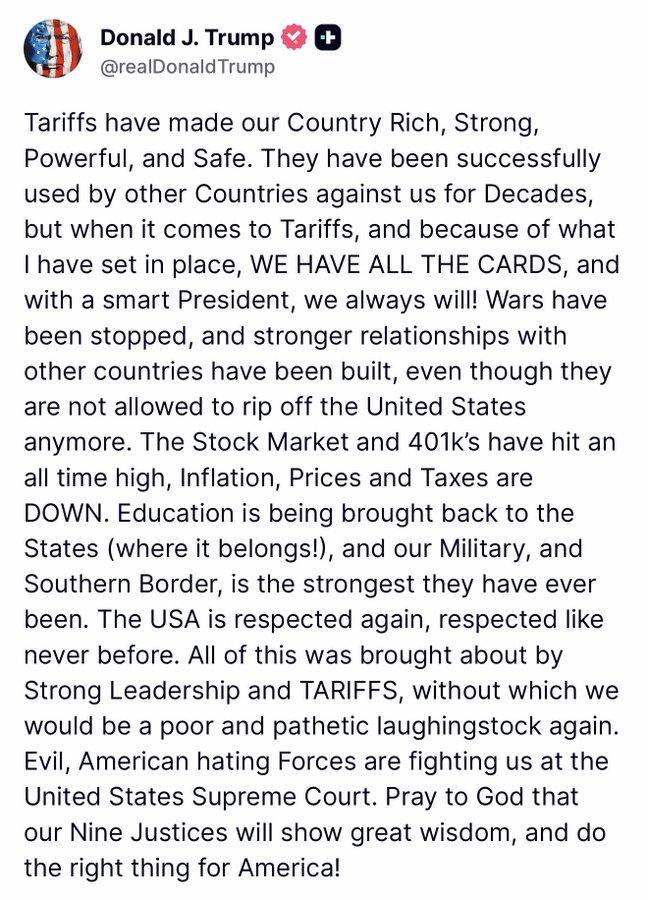
  • BREAKING Donald Trump calls on the Supreme Court to do the right thing on his Successful Tariffs

    Trump: “tariffs have made our Country rich, strong, powerful and safe”

    I AGREE
    BREAKING 🚨 Donald Trump calls on the Supreme Court to do the right thing on his Successful Tariffs Trump: “tariffs have made our Country rich, strong, powerful and safe” I AGREE 💯
    love
    1
    · 0 Comments ·0 Shares ·216 Views
  • Black Friday 2025: Shopper Trends Shift as Inflation, Tariffs, and Early Deals Reshape Holiday Spending

    Black Friday no longer sparks midnight mall crowds and in-store chaos, but it remains the busiest in-store shopping day of the year and marks the unofficial start of the holiday shopping season. This year’s kickoff comes amid weakened consumer confidence tied to inflation, slow hiring, and economic uncertainty following a government shutdown. Shoppers are increasingly price-sensitive but still willing to spend on key occasions.

    Retailers have faced pressure from Trump-era tariffs, prompting many to accelerate shipments or absorb extra import costs. Prices rose sharply in categories like toys, baby products, and housewares, with 83% of toys seeing at least a 5% price increase in September. Despite these challenges, foot traffic at major malls — including the Mall of America — has surpassed pre-pandemic levels, signaling strong momentum.

    Online spending is also surging, with consumers spending $79.7 billion from Nov. 1–23, a 7.5% increase over last year. Forecasts predict moderate overall holiday sales growth, and analysts say shoppers—though uneasy—are still showing up. According to Adobe Analytics, Black Friday offers the deepest discounts on TVs, toys, and appliances, while Cyber Monday will be the best time to buy apparel and computers.
    #black_friday #U.S. retail economy
    #Mall of America foot traffic
    Black Friday 2025: Shopper Trends Shift as Inflation, Tariffs, and Early Deals Reshape Holiday Spending Black Friday no longer sparks midnight mall crowds and in-store chaos, but it remains the busiest in-store shopping day of the year and marks the unofficial start of the holiday shopping season. This year’s kickoff comes amid weakened consumer confidence tied to inflation, slow hiring, and economic uncertainty following a government shutdown. Shoppers are increasingly price-sensitive but still willing to spend on key occasions. Retailers have faced pressure from Trump-era tariffs, prompting many to accelerate shipments or absorb extra import costs. Prices rose sharply in categories like toys, baby products, and housewares, with 83% of toys seeing at least a 5% price increase in September. Despite these challenges, foot traffic at major malls — including the Mall of America — has surpassed pre-pandemic levels, signaling strong momentum. Online spending is also surging, with consumers spending $79.7 billion from Nov. 1–23, a 7.5% increase over last year. Forecasts predict moderate overall holiday sales growth, and analysts say shoppers—though uneasy—are still showing up. According to Adobe Analytics, Black Friday offers the deepest discounts on TVs, toys, and appliances, while Cyber Monday will be the best time to buy apparel and computers. #black_friday #U.S. retail economy #Mall of America foot traffic
    love
    1
    · 0 Comments ·0 Shares ·299 Views
  • Fuel prices will eventually moderate – Tinubu Spokesperson on 15% petrol import duty.

    Spokesperson to President Bola Tinubu, Sunday Dare, has claimed the president’s approval of a 15 per cent import duty on petrol and diesel is a bridge and not a burden on Nigerians.

    Dare made the assertions in a statement on his X account on Friday, while reacting to Tinubu’s approval of a 15 per cent import duty on petrol and diesel.

    Recall that there has been diverse reactions from Nigerians, stakeholders and economists alike over the new tariffs and their possible impact on the price of fuel and diesel.

    In a clarification, Dare said the policy is designed to reverse the fuel and diesel import dependency trend by encouraging local refining, boosting domestic capacity, and ensuring that Nigeria’s oil wealth translates directly into national prosperity.

    He noted that the tariff will mark imported fuel as less competitive and encourage local refineries such as Dangote Refinery.

    He said as local refining ramps up and supply strengthens, prices of petrol are expected to moderate while jobs, investment, and industrial activity expands.

    “It’s no longer news that President Bola Ahmed Tinubu has approved a 15 per cent import duty on petrol and diesel—a bold and strategic move aimed at reshaping Nigeria’s energy landscape.

    “For years, the nation has depended heavily on imported fuel despite being a leading crude oil producer, draining foreign exchange and exporting jobs that should have been created at home
    Fuel prices will eventually moderate – Tinubu Spokesperson on 15% petrol import duty. Spokesperson to President Bola Tinubu, Sunday Dare, has claimed the president’s approval of a 15 per cent import duty on petrol and diesel is a bridge and not a burden on Nigerians. Dare made the assertions in a statement on his X account on Friday, while reacting to Tinubu’s approval of a 15 per cent import duty on petrol and diesel. Recall that there has been diverse reactions from Nigerians, stakeholders and economists alike over the new tariffs and their possible impact on the price of fuel and diesel. In a clarification, Dare said the policy is designed to reverse the fuel and diesel import dependency trend by encouraging local refining, boosting domestic capacity, and ensuring that Nigeria’s oil wealth translates directly into national prosperity. He noted that the tariff will mark imported fuel as less competitive and encourage local refineries such as Dangote Refinery. He said as local refining ramps up and supply strengthens, prices of petrol are expected to moderate while jobs, investment, and industrial activity expands. “It’s no longer news that President Bola Ahmed Tinubu has approved a 15 per cent import duty on petrol and diesel—a bold and strategic move aimed at reshaping Nigeria’s energy landscape. “For years, the nation has depended heavily on imported fuel despite being a leading crude oil producer, draining foreign exchange and exporting jobs that should have been created at home
    0 Comments ·0 Shares ·840 Views
  • "Give President Tinubu Time, He Will Tax the Air We Breathe" —SDP’s Adewole Adebayo.

    The 2023 presidential candidate of the Social Democratic Party (SDP), Adewole Adebayo, has condemned the federal government’s decision to impose a 15 per cent import duty on refined petroleum products. 

    Adebayo described the move as “an anti-people decision” and accused President Bola Tinubu of pushing excessive taxation policies.

    Speaking during an interview on Channels Television’s Politics Today on Thursday, Adebayo argued that the administration is prioritising revenue collection over citizens’ welfare.

    According to him, “President Tinubu is a clever tax collector. He wants to collect taxes from you for everything, including the oxygen tax, very soon.
    If you’re not careful, yes, the air we breathe. Just give him time; he’s going to get there,” he said.

    Adebayo contended that the new import duty contradicts the principles Tinubu once promoted.

    “It is an anti-people decision and a trend in the new Tinubu. Tinubu that used to be in SDP, following Abiola everywhere doing Hope 93, has practically changed to the side of the money people.

    They see you as a customer, not a citizen. If you have twins and triplets in your house, Tinubu is going to think of twins tax or ‘multiple childbirth tax.’ He’s just thinking of how to collect more money. It’s wrong,” he said.

    He warned that the tariff will ultimately fall on ordinary Nigerians, especially given current economic hardships.

    “If you put 15 per cent tariffs on imported petrol, who is going to pay for it? It’s going to be paid by the person who buys the petrol at the filling station,” Adebayo added.
    "Give President Tinubu Time, He Will Tax the Air We Breathe" —SDP’s Adewole Adebayo. The 2023 presidential candidate of the Social Democratic Party (SDP), Adewole Adebayo, has condemned the federal government’s decision to impose a 15 per cent import duty on refined petroleum products.  Adebayo described the move as “an anti-people decision” and accused President Bola Tinubu of pushing excessive taxation policies. Speaking during an interview on Channels Television’s Politics Today on Thursday, Adebayo argued that the administration is prioritising revenue collection over citizens’ welfare. According to him, “President Tinubu is a clever tax collector. He wants to collect taxes from you for everything, including the oxygen tax, very soon. If you’re not careful, yes, the air we breathe. Just give him time; he’s going to get there,” he said. Adebayo contended that the new import duty contradicts the principles Tinubu once promoted. “It is an anti-people decision and a trend in the new Tinubu. Tinubu that used to be in SDP, following Abiola everywhere doing Hope 93, has practically changed to the side of the money people. They see you as a customer, not a citizen. If you have twins and triplets in your house, Tinubu is going to think of twins tax or ‘multiple childbirth tax.’ He’s just thinking of how to collect more money. It’s wrong,” he said. He warned that the tariff will ultimately fall on ordinary Nigerians, especially given current economic hardships. “If you put 15 per cent tariffs on imported petrol, who is going to pay for it? It’s going to be paid by the person who buys the petrol at the filling station,” Adebayo added.
    0 Comments ·0 Shares ·1K Views
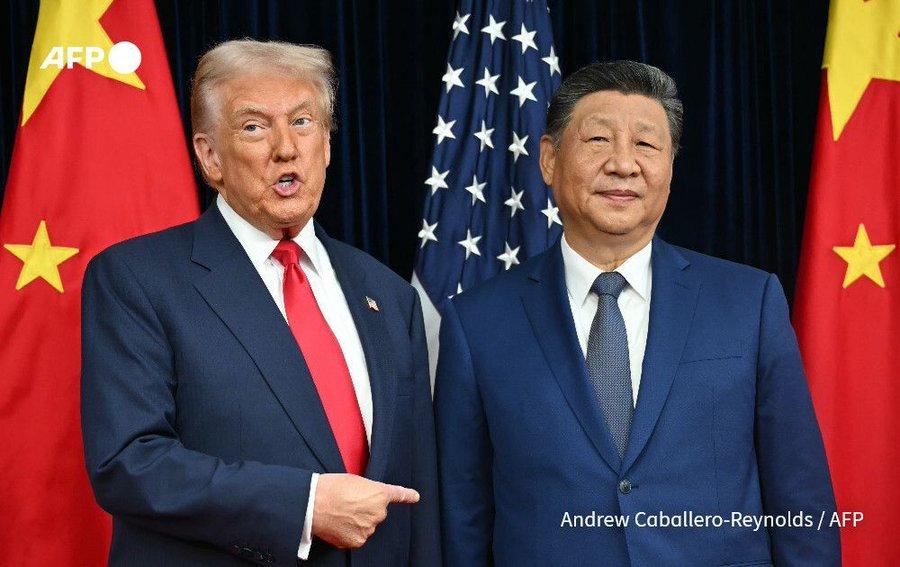
  • #UPDATE Donald Trump and Xi Jinping agreed on Thursday to calm the trade war between China and the United States that has roiled global markets, with Washington cutting some tariffs and Beijing committing to keep supplies of critical rare earths.
    #UPDATE Donald Trump and Xi Jinping agreed on Thursday to calm the trade war between China and the United States that has roiled global markets, with Washington cutting some tariffs and Beijing committing to keep supplies of critical rare earths.
    0 Comments ·0 Shares ·448 Views
  • China Ends Google Probe, Shifts Focus to Nvidia in Trade Talks With U.S.

    China has dropped its antitrust investigation into Google, redirecting attention toward Nvidia as trade negotiations with Washington intensify, the Financial Times reported Thursday.

    The State Administration for Market Regulation launched the probe in February, accusing Google of possible violations of China’s anti-monopoly law. While the regulator has now decided to end the case, Google has not yet been officially notified, according to sources cited in the report.

    Analysts say the move signals a strategic shift by Beijing—easing pressure on Google while ramping up scrutiny of Nvidia to strengthen its bargaining position in ongoing trade talks with the U.S.

    Earlier this week, Chinese authorities accused Nvidia of anti-monopoly violations after a preliminary review of the California chipmaker’s business practices.

    The development comes against the backdrop of heightened U.S.-China tensions. Over the past six months, President Donald Trump imposed steep tariffs on Chinese goods—later reduced to 30%—and threatened to ban TikTok. Beijing responded with 10% tariffs and tighter scrutiny of major U.S. firms, including Google.
    China Ends Google Probe, Shifts Focus to Nvidia in Trade Talks With U.S. China has dropped its antitrust investigation into Google, redirecting attention toward Nvidia as trade negotiations with Washington intensify, the Financial Times reported Thursday. The State Administration for Market Regulation launched the probe in February, accusing Google of possible violations of China’s anti-monopoly law. While the regulator has now decided to end the case, Google has not yet been officially notified, according to sources cited in the report. Analysts say the move signals a strategic shift by Beijing—easing pressure on Google while ramping up scrutiny of Nvidia to strengthen its bargaining position in ongoing trade talks with the U.S. Earlier this week, Chinese authorities accused Nvidia of anti-monopoly violations after a preliminary review of the California chipmaker’s business practices. The development comes against the backdrop of heightened U.S.-China tensions. Over the past six months, President Donald Trump imposed steep tariffs on Chinese goods—later reduced to 30%—and threatened to ban TikTok. Beijing responded with 10% tariffs and tighter scrutiny of major U.S. firms, including Google.
    0 Comments ·0 Shares ·965 Views
  • From Renewed Hope to Renewed Hardship: Life Under Tinubu
    Many Nigerians describe President Bola Ahmed Tinubu’s regime as “the worst” because of the following issues that have hit people hard:

    1. Economic Hardship
    • Fuel Subsidy Removal: The sudden removal of fuel subsidy in May 2023 caused fuel prices to triple, leading to skyrocketing transport and food costs.
    • Naira Depreciation: The naira lost much of its value after Tinubu floated the currency. This made imports more expensive, driving inflation.
    • High Inflation: Inflation has reached record highs, with food inflation especially severe, pushing millions deeper into poverty.

    2. Cost of Living Crisis
    • Rising electricity tariffs, fuel prices, and basic commodity costs have made life extremely difficult for ordinary Nigerians.
    • The middle class is shrinking, and many families can no longer afford essentials like education, healthcare, and even food.

    3. Poor Governance & Corruption Concerns
    • Critics argue Tinubu’s appointments are heavily tilted towards loyalists rather than competence.
    • Perceived lack of transparency in government contracts, loans, and policies has fueled distrust.

    4. Insecurity
    • Banditry, kidnapping, and insurgency continue despite promises of improved security.
    • Many communities in the North and Middle Belt still face regular attacks.

    5. Public Outrage & Protests
    • Widespread protests (like #EndBadGovernance in 2024–2025) have erupted over hardship.
    • Tinubu’s administration has been accused of using excessive force and intimidation against protesters.

    6. Erosion of Trust
    • Many Nigerians feel Tinubu came to power through a controversial election with allegations of rigging and manipulation.
    • Promises of “renewed hope” have turned into what many call “renewed hardship.”


    In short: Nigerians see Tinubu’s government as “the worst” because it combined sharp economic decline, high living costs, insecurity, and governance concerns—with little visible relief for the suffering majority.
    From Renewed Hope to Renewed Hardship: Life Under Tinubu Many Nigerians describe President Bola Ahmed Tinubu’s regime as “the worst” because of the following issues that have hit people hard: 1. Economic Hardship • Fuel Subsidy Removal: The sudden removal of fuel subsidy in May 2023 caused fuel prices to triple, leading to skyrocketing transport and food costs. • Naira Depreciation: The naira lost much of its value after Tinubu floated the currency. This made imports more expensive, driving inflation. • High Inflation: Inflation has reached record highs, with food inflation especially severe, pushing millions deeper into poverty. 2. Cost of Living Crisis • Rising electricity tariffs, fuel prices, and basic commodity costs have made life extremely difficult for ordinary Nigerians. • The middle class is shrinking, and many families can no longer afford essentials like education, healthcare, and even food. 3. Poor Governance & Corruption Concerns • Critics argue Tinubu’s appointments are heavily tilted towards loyalists rather than competence. • Perceived lack of transparency in government contracts, loans, and policies has fueled distrust. 4. Insecurity • Banditry, kidnapping, and insurgency continue despite promises of improved security. • Many communities in the North and Middle Belt still face regular attacks. 5. Public Outrage & Protests • Widespread protests (like #EndBadGovernance in 2024–2025) have erupted over hardship. • Tinubu’s administration has been accused of using excessive force and intimidation against protesters. 6. Erosion of Trust • Many Nigerians feel Tinubu came to power through a controversial election with allegations of rigging and manipulation. • Promises of “renewed hope” have turned into what many call “renewed hardship.” ⸻ 👉 In short: Nigerians see Tinubu’s government as “the worst” because it combined sharp economic decline, high living costs, insecurity, and governance concerns—with little visible relief for the suffering majority.
    0 Comments ·0 Shares ·2K Views
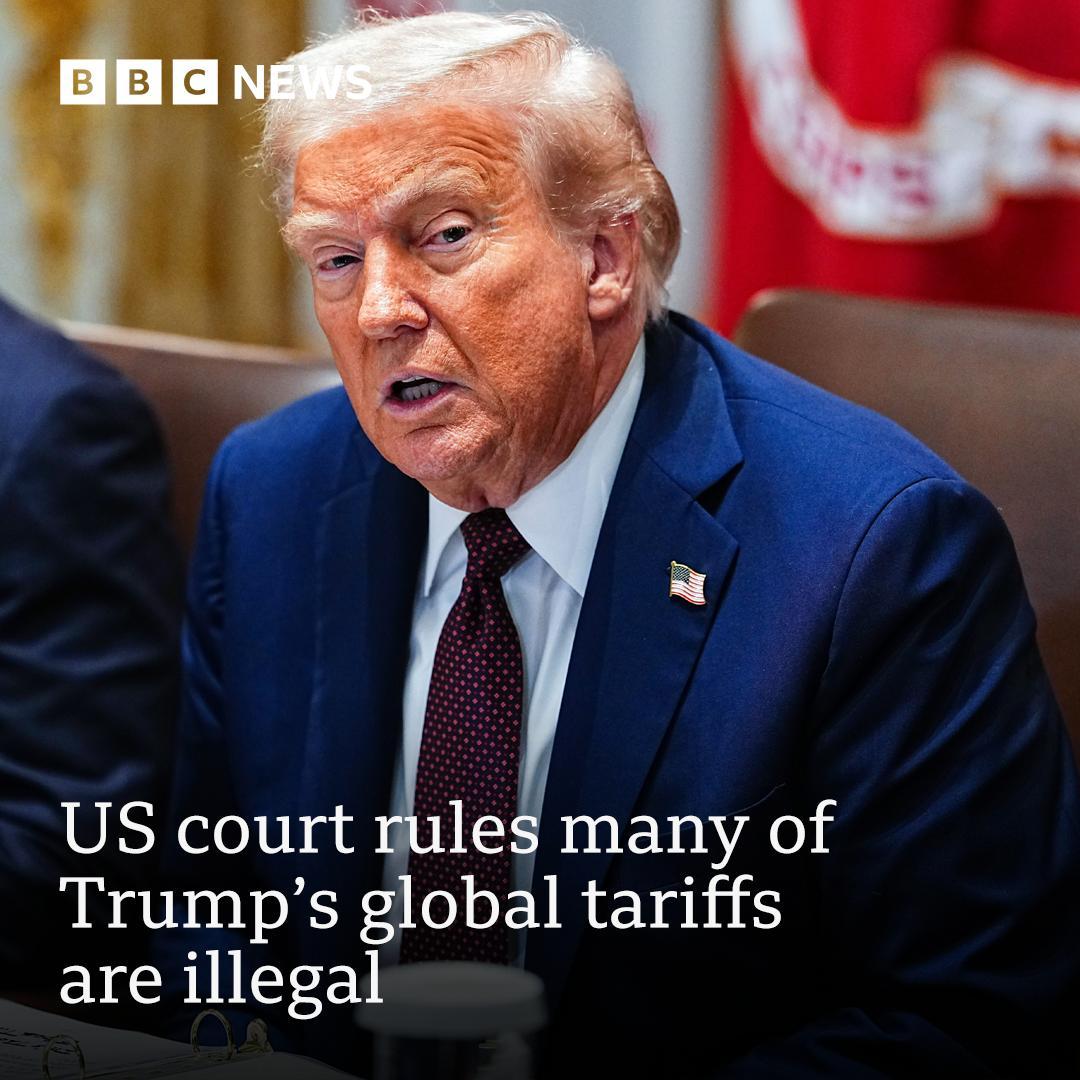
  • A US appeals court has ruled that most tariffs issued by US President Donald Trump are illegal, setting up a potential legal showdown that could upend his foreign policy agenda.
    A US appeals court has ruled that most tariffs issued by US President Donald Trump are illegal, setting up a potential legal showdown that could upend his foreign policy agenda.
    0 Comments ·0 Shares ·510 Views
  • Nigeria Risks Energy, Trade Instability in Russia-Ukraine War – Prof Akinyemi

    Former External Affairs Minister, Prof. Bolaji Akinyemi, has warned that Nigeria could face energy and trade disruptions if it gets entangled in the Russia-Ukraine war.

    Speaking on Channels Television, Akinyemi said global power play between the US, Russia, and Europe will affect oil markets, tariffs, and trade flows, with direct consequences for Nigeria’s economy.

    He advised African nations to avoid being pawns in conflicts between global powers, stressing that Nigeria must narrowly define its national interests to safeguard stability.

    According to him, while Russia seeks to reassert Soviet-era influence, Nigeria should focus on energy security, trade resilience, and non-alignment in global rivalries.

    #NigeriaEconomy #RussiaUkraineWar #EnergySecurity #GlobalPolitics
    Nigeria Risks Energy, Trade Instability in Russia-Ukraine War – Prof Akinyemi Former External Affairs Minister, Prof. Bolaji Akinyemi, has warned that Nigeria could face energy and trade disruptions if it gets entangled in the Russia-Ukraine war. Speaking on Channels Television, Akinyemi said global power play between the US, Russia, and Europe will affect oil markets, tariffs, and trade flows, with direct consequences for Nigeria’s economy. He advised African nations to avoid being pawns in conflicts between global powers, stressing that Nigeria must narrowly define its national interests to safeguard stability. According to him, while Russia seeks to reassert Soviet-era influence, Nigeria should focus on energy security, trade resilience, and non-alignment in global rivalries. #NigeriaEconomy #RussiaUkraineWar #EnergySecurity #GlobalPolitics
    0 Comments ·0 Shares ·2K Views
  • 9mobile Rebrands as T2: Customers Demand Better Services

    Telecom operator 9mobile has rebranded to T2, unveiling a bold orange identity under the theme “Tech Meets Tenacity.” The move, announced on August 8 in Lagos, marks another major shift for the company since its transformation from Etisalat in 2017.

    While T2’s management promises “technology-powered and customer-obsessed” services, subscribers say the rebrand must go beyond aesthetics. Customers in Lagos called for better call quality, wider coverage, affordable tariffs, and stronger customer support.

    CEO Obafemi Banigbe said the rebrand reflects Nigeria’s youthful energy and positions T2 as a cloud-native, AI-driven operator. But users remain cautious, stressing that only tangible improvements will determine whether T2 can regain market trust in Nigeria’s competitive telecom space.

    #9mobile #T2 #Rebranding #Telecom #Nigeria #CustomerExperience
    9mobile Rebrands as T2: Customers Demand Better Services Telecom operator 9mobile has rebranded to T2, unveiling a bold orange identity under the theme “Tech Meets Tenacity.” The move, announced on August 8 in Lagos, marks another major shift for the company since its transformation from Etisalat in 2017. While T2’s management promises “technology-powered and customer-obsessed” services, subscribers say the rebrand must go beyond aesthetics. Customers in Lagos called for better call quality, wider coverage, affordable tariffs, and stronger customer support. CEO Obafemi Banigbe said the rebrand reflects Nigeria’s youthful energy and positions T2 as a cloud-native, AI-driven operator. But users remain cautious, stressing that only tangible improvements will determine whether T2 can regain market trust in Nigeria’s competitive telecom space. #9mobile #T2 #Rebranding #Telecom #Nigeria #CustomerExperience
    0 Comments ·0 Shares ·963 Views
  • When It’s Everyone Else, Sanctions Come Fast — But Never Israel

    From China to Iran, Venezuela to Turkey, Donald Trump’s presidency was marked by an aggressive use of sanctions and tariffs. He didn’t hesitate to punish countries for policies the U.S. deemed unacceptable — whether over trade practices, nuclear programs, or human rights violations.

    Yet, when it came to Israel — even during periods when global outrage mounted over civilian deaths in Gaza, including children — there was silence. No sanctions. No punitive tariffs. No public threats of economic isolation.

    The contrast raises a difficult question: Are human rights a principle applied equally, or a tool deployed selectively?

    If Washington’s message is that killing innocents is unacceptable, then consistency matters — regardless of who is responsible. Anything less risks turning morality into a geopolitical bargaining chip.
    When It’s Everyone Else, Sanctions Come Fast — But Never Israel From China to Iran, Venezuela to Turkey, Donald Trump’s presidency was marked by an aggressive use of sanctions and tariffs. He didn’t hesitate to punish countries for policies the U.S. deemed unacceptable — whether over trade practices, nuclear programs, or human rights violations. Yet, when it came to Israel — even during periods when global outrage mounted over civilian deaths in Gaza, including children — there was silence. No sanctions. No punitive tariffs. No public threats of economic isolation. The contrast raises a difficult question: Are human rights a principle applied equally, or a tool deployed selectively? If Washington’s message is that killing innocents is unacceptable, then consistency matters — regardless of who is responsible. Anything less risks turning morality into a geopolitical bargaining chip.
    0 Comments ·0 Shares ·1K Views
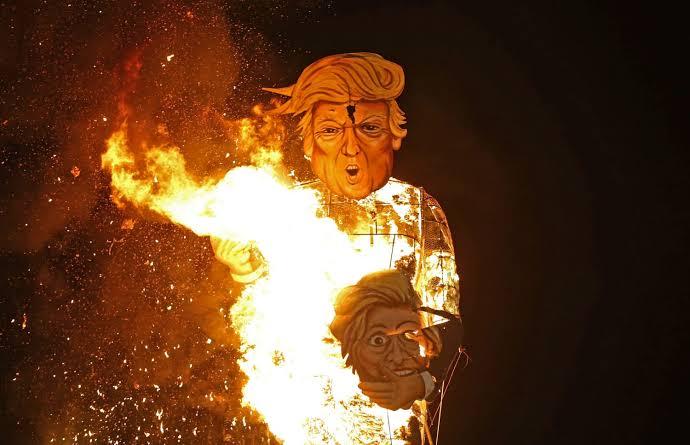
  • Brazilians Burn Trump Effigies in Protest Against U.S. Trade Tariffs
    By AFP

    Demonstrators in cities across Brazil torched effigies of U.S. President Donald Trump on Friday in protest against what they described as politically motivated trade tariffs imposed by Washington.

    The coordinated protests drew crowds in major urban centers, with participants condemning the tariffs as harmful to Brazil’s economy and international trade relations.
    Brazilians Burn Trump Effigies in Protest Against U.S. Trade Tariffs By AFP Demonstrators in cities across Brazil torched effigies of U.S. President Donald Trump on Friday in protest against what they described as politically motivated trade tariffs imposed by Washington. The coordinated protests drew crowds in major urban centers, with participants condemning the tariffs as harmful to Brazil’s economy and international trade relations.
    0 Comments ·0 Shares ·447 Views
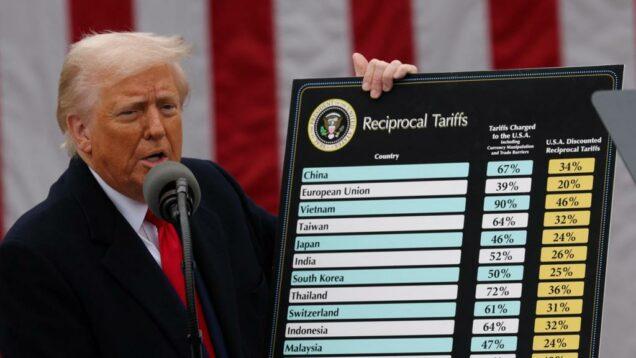
  • Trump Slaps 15% Tariff on Nigeria, Others in Major Trade Shakeup — South Africa, Libya Hit Harder

    In a bold move to recalibrate global trade, U.S. President Donald Trump has officially imposed 15% import tariffs on Nigeria and several African nations, effective August 1.

    The sweeping tariffs — under the Executive Order "Further Modifying the Reciprocal Tariff Rates" — also target Zimbabwe, Zambia, Ghana, Malawi, Madagascar, Uganda, Mozambique, Mauritius, and Lesotho.

    South Africa and Libya face even steeper tariffs of 30%, while Tunisia will pay 25%. Outside Africa, countries like India (25%), Japan (15%), and the UK (10%) are also included.

    > This marks the second round of tariffs on Nigeria this year, following an earlier 14% hike in April.


    According to the White House, the tariffs are part of a broader push to ensure "reciprocal trade terms" with nations benefiting heavily from U.S. markets.

    #TrumpTariffs #NigeriaUSRelations #GlobalTrade #TariffWar #AfricaTrade #USImportDuties #TrumpPolicy
    Trump Slaps 15% Tariff on Nigeria, Others in Major Trade Shakeup — South Africa, Libya Hit Harder In a bold move to recalibrate global trade, U.S. President Donald Trump has officially imposed 15% import tariffs on Nigeria and several African nations, effective August 1. The sweeping tariffs — under the Executive Order "Further Modifying the Reciprocal Tariff Rates" — also target Zimbabwe, Zambia, Ghana, Malawi, Madagascar, Uganda, Mozambique, Mauritius, and Lesotho. South Africa and Libya face even steeper tariffs of 30%, while Tunisia will pay 25%. Outside Africa, countries like India (25%), Japan (15%), and the UK (10%) are also included. > This marks the second round of tariffs on Nigeria this year, following an earlier 14% hike in April. According to the White House, the tariffs are part of a broader push to ensure "reciprocal trade terms" with nations benefiting heavily from U.S. markets. #TrumpTariffs #NigeriaUSRelations #GlobalTrade #TariffWar #AfricaTrade #USImportDuties #TrumpPolicy
    0 Comments ·0 Shares ·2K Views
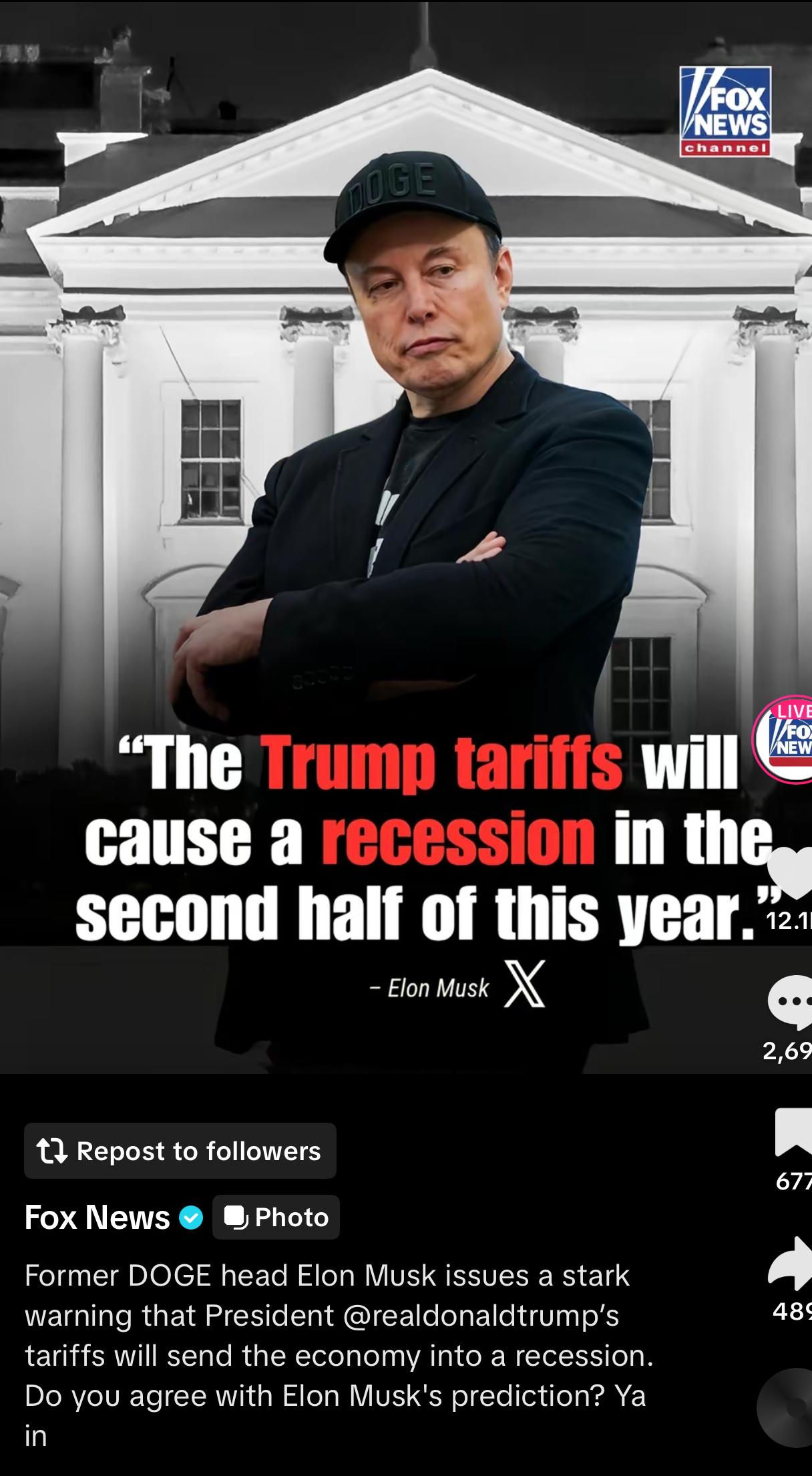
  • Former DOGE head Elon Musk issues a stark warning that President @realdonaldtrump's tariffs will send the economy into a recession.
    Do you agree with Elon Musk's?
    Former DOGE head Elon Musk issues a stark warning that President @realdonaldtrump's tariffs will send the economy into a recession. Do you agree with Elon Musk's?
    0 Comments ·0 Shares ·1K Views
  • REVEALED: Trump’s Visa Restrictions Tied to Nigeria’s Rejection of U.S. Asylum Deal.

    Fresh details have emerged linking the recent visa clampdown on Nigerians by former U.S. President Donald Trump to Nigeria’s refusal to accept asylum seekers—particularly deportees from American prisons.

    Minister of Foreign Affairs, Ambassador Yusuf Tuggar, made part of the revelation while speaking on Channels Television’s Politics Today on Thursday evening.

    Tuggar disclosed that the U.S. had been pressuring African countries, including Nigeria, to receive Venezuelan deportees, many of whom are ex-convicts.

    He described the request as unjust.

    “You have to also bear in mind that the US is mounting considerable pressure on African countries to accept Venezuelans to be deported from the US, some straight out of prison,” Tuggar said.

    “It will be difficult for a country like Nigeria to accept Venezuelan prisoners into Nigeria. We have enough problems of our own. We cannot accept Venezuelan deportees to Nigeria, for crying out loud. We already have 230 million people. You will be the same people that would castigate us if we acquiesce to accepting Venezuelans from US prisons to be brought in,” he added.

    The minister’s comments come amid speculation that Trump’s imposition of a 10 per cent tariff on Nigerian exports, alongside the new U.S. visa restrictions, were retaliatory responses to Nigeria’s stance on asylum deportees and its recent outreach to BRICS nations.

    Tuggar, however, dismissed the notion that the tariff hike was directly linked to President Bola Tinubu’s attendance at the BRICS summit in Brazil.

    “The issue of tariffs may not necessarily have to do with us participating in BRICS,” he said.
    REVEALED: Trump’s Visa Restrictions Tied to Nigeria’s Rejection of U.S. Asylum Deal. Fresh details have emerged linking the recent visa clampdown on Nigerians by former U.S. President Donald Trump to Nigeria’s refusal to accept asylum seekers—particularly deportees from American prisons. Minister of Foreign Affairs, Ambassador Yusuf Tuggar, made part of the revelation while speaking on Channels Television’s Politics Today on Thursday evening. Tuggar disclosed that the U.S. had been pressuring African countries, including Nigeria, to receive Venezuelan deportees, many of whom are ex-convicts. He described the request as unjust. “You have to also bear in mind that the US is mounting considerable pressure on African countries to accept Venezuelans to be deported from the US, some straight out of prison,” Tuggar said. “It will be difficult for a country like Nigeria to accept Venezuelan prisoners into Nigeria. We have enough problems of our own. We cannot accept Venezuelan deportees to Nigeria, for crying out loud. We already have 230 million people. You will be the same people that would castigate us if we acquiesce to accepting Venezuelans from US prisons to be brought in,” he added. The minister’s comments come amid speculation that Trump’s imposition of a 10 per cent tariff on Nigerian exports, alongside the new U.S. visa restrictions, were retaliatory responses to Nigeria’s stance on asylum deportees and its recent outreach to BRICS nations. Tuggar, however, dismissed the notion that the tariff hike was directly linked to President Bola Tinubu’s attendance at the BRICS summit in Brazil. “The issue of tariffs may not necessarily have to do with us participating in BRICS,” he said.
    0 Comments ·0 Shares ·617 Views
  • The UK has opened its market to over 3,000 Nigerian products, allowing them to enter duty-free or at reduced tariffs under the UK’s Developing Countries Trading Scheme (DCTS).

    The Director for the UK Department for Business & Trade, made the announcement in a video released by the UK in Nigeria. He described the DCTS as one of the most generous trade schemes globally, offering easier & cheaper access for Nigerian exports.

    “Up to 3,000 products from Nigeria qualify for low or zero tariffs. This includes goods like cocoa & textiles,” Smithson said, adding that the UK has simplified the export process to encourage trade. He urged Nigerian businesses to seize the opportunity & explore the scheme further. “The UK is open for business with Nigeria.

    Visit the DCTS website & start trading with us,” he advised. The DCTS, launched in 2023, replaced the UK’s Generalised Scheme of Preferences & aims to boost trade with over 60 developing countries by reducing trade barriers & streamlining import procedures.
    The UK has opened its market to over 3,000 Nigerian products, allowing them to enter duty-free or at reduced tariffs under the UK’s Developing Countries Trading Scheme (DCTS). The Director for the UK Department for Business & Trade, made the announcement in a video released by the UK in Nigeria. He described the DCTS as one of the most generous trade schemes globally, offering easier & cheaper access for Nigerian exports. “Up to 3,000 products from Nigeria qualify for low or zero tariffs. This includes goods like cocoa & textiles,” Smithson said, adding that the UK has simplified the export process to encourage trade. He urged Nigerian businesses to seize the opportunity & explore the scheme further. “The UK is open for business with Nigeria. Visit the DCTS website & start trading with us,” he advised. The DCTS, launched in 2023, replaced the UK’s Generalised Scheme of Preferences & aims to boost trade with over 60 developing countries by reducing trade barriers & streamlining import procedures.
    0 Comments ·0 Shares ·318 Views
More Results
Fintter https://fintter.com