• The World’s First Telephone (1876)

    The oldest real telephone is the device invented by Alexander Graham Bell in 1876, widely recognized as the first practical telephone capable of transmitting clear human speech over electrical wires. This groundbreaking invention marked the beginning of modern voice communication and laid the foundation for the global telecommunications industry we rely on today.
    #TelephoneHistory, #AlexanderGrahamBell, #VintageTechnology, #HistoryOfCommunication
    The World’s First Telephone (1876) The oldest real telephone is the device invented by Alexander Graham Bell in 1876, widely recognized as the first practical telephone capable of transmitting clear human speech over electrical wires. This groundbreaking invention marked the beginning of modern voice communication and laid the foundation for the global telecommunications industry we rely on today. #TelephoneHistory, #AlexanderGrahamBell, #VintageTechnology, #HistoryOfCommunication
    love
    1
    · 0 Comments ·0 Shares ·996 Views
  • Ghana Police Arrest Three Nigerians Over SIM Box Fraud…..

    The Ghana Police Service has arrested three Nigerian nationals in Accra for alleged SIM box fraud at the Sakumono Ramsar Site. Authorities say the suspects were involved in illegal telecom activities, which can disrupt networks and defraud mobile users. Investigations are ongoing as the police work to apprehend any accomplices.


    Ghana Police Arrest Three Nigerians Over SIM Box Fraud….. The Ghana Police Service has arrested three Nigerian nationals in Accra for alleged SIM box fraud at the Sakumono Ramsar Site. Authorities say the suspects were involved in illegal telecom activities, which can disrupt networks and defraud mobile users. Investigations are ongoing as the police work to apprehend any accomplices.
    love
    1
    · 0 Comments ·0 Shares ·593 Views
  • Is South Africa Blocking Starlink Over Race? Elon Musk Says Ownership Laws Are Stopping His Internet Company From Getting a Licence

    Elon Musk has reignited debate over South Africa’s post-apartheid economic policies after claiming that his satellite internet company, Starlink, is unable to operate in the country because he is not Black. Speaking at the Qatar Economic Forum during a session titled “In Conversation With Elon Musk,” the billionaire entrepreneur said regulatory requirements tied to South Africa’s Black Economic Empowerment (BEE) framework have prevented Starlink from obtaining an operating licence.

    According to Musk, South Africa has “about 140 laws” that give preference to Black South Africans in ownership and business participation, and he argued that these rules have effectively barred Starlink from entering the market. “Starlink is not allowed to operate in South Africa, because I’m not Black,” he said, framing the situation as an example of racial discrimination embedded in law. His comments quickly spread on social media, triggering intense debate both inside and outside the country.

    South Africa’s Broad-Based Black Economic Empowerment (B-BBEE) policy was introduced after the end of apartheid to correct deep economic inequalities by increasing Black participation in ownership, management, and control of businesses. In regulated sectors such as telecommunications, licence applicants are generally expected to meet minimum thresholds of local and historically disadvantaged ownership. The Independent Communications Authority of South Africa (ICASA), which oversees telecommunications licensing, has consistently maintained that all operators—local or foreign—must comply with national laws. While partnerships, exemptions, or alternative structures are sometimes possible, transformation requirements remain central to government policy.

    Starlink, a subsidiary of SpaceX, already operates in more than 70 countries, delivering internet access through low-Earth orbit satellites, particularly in remote and underserved regions. Despite strong demand from South African consumers and businesses, the company currently lacks approval to offer services commercially in the country. Musk’s remarks have therefore raised fresh questions about whether South Africa’s regulatory framework is limiting competition and access to high-speed connectivity, especially in rural areas.

    The reaction to Musk’s comments has been sharply divided. Supporters argue that blocking Starlink deprives citizens of affordable, reliable internet and discourages foreign investment. Critics counter that Musk’s portrayal oversimplifies the law and ignores the historical context that gave rise to empowerment policies designed to redress decades of racial exclusion. They maintain that B-BBEE is a remedial framework rather than a tool for discrimination.

    South African authorities have not directly responded to Musk’s latest statements, but government officials have previously rejected claims that empowerment laws are exclusionary, insisting they are necessary to correct structural inequality and ensure broader participation in the economy. As the debate continues, Musk’s comments have once again placed South Africa’s transformation policies under global scrutiny—raising a central question: are empowerment laws protecting economic justice, or are they unintentionally shutting out innovation and competition in critical sectors like technology and telecommunications?


    Is South Africa Blocking Starlink Over Race? Elon Musk Says Ownership Laws Are Stopping His Internet Company From Getting a Licence Elon Musk has reignited debate over South Africa’s post-apartheid economic policies after claiming that his satellite internet company, Starlink, is unable to operate in the country because he is not Black. Speaking at the Qatar Economic Forum during a session titled “In Conversation With Elon Musk,” the billionaire entrepreneur said regulatory requirements tied to South Africa’s Black Economic Empowerment (BEE) framework have prevented Starlink from obtaining an operating licence. According to Musk, South Africa has “about 140 laws” that give preference to Black South Africans in ownership and business participation, and he argued that these rules have effectively barred Starlink from entering the market. “Starlink is not allowed to operate in South Africa, because I’m not Black,” he said, framing the situation as an example of racial discrimination embedded in law. His comments quickly spread on social media, triggering intense debate both inside and outside the country. South Africa’s Broad-Based Black Economic Empowerment (B-BBEE) policy was introduced after the end of apartheid to correct deep economic inequalities by increasing Black participation in ownership, management, and control of businesses. In regulated sectors such as telecommunications, licence applicants are generally expected to meet minimum thresholds of local and historically disadvantaged ownership. The Independent Communications Authority of South Africa (ICASA), which oversees telecommunications licensing, has consistently maintained that all operators—local or foreign—must comply with national laws. While partnerships, exemptions, or alternative structures are sometimes possible, transformation requirements remain central to government policy. Starlink, a subsidiary of SpaceX, already operates in more than 70 countries, delivering internet access through low-Earth orbit satellites, particularly in remote and underserved regions. Despite strong demand from South African consumers and businesses, the company currently lacks approval to offer services commercially in the country. Musk’s remarks have therefore raised fresh questions about whether South Africa’s regulatory framework is limiting competition and access to high-speed connectivity, especially in rural areas. The reaction to Musk’s comments has been sharply divided. Supporters argue that blocking Starlink deprives citizens of affordable, reliable internet and discourages foreign investment. Critics counter that Musk’s portrayal oversimplifies the law and ignores the historical context that gave rise to empowerment policies designed to redress decades of racial exclusion. They maintain that B-BBEE is a remedial framework rather than a tool for discrimination. South African authorities have not directly responded to Musk’s latest statements, but government officials have previously rejected claims that empowerment laws are exclusionary, insisting they are necessary to correct structural inequality and ensure broader participation in the economy. As the debate continues, Musk’s comments have once again placed South Africa’s transformation policies under global scrutiny—raising a central question: are empowerment laws protecting economic justice, or are they unintentionally shutting out innovation and competition in critical sectors like technology and telecommunications?
    0 Comments ·0 Shares ·696 Views
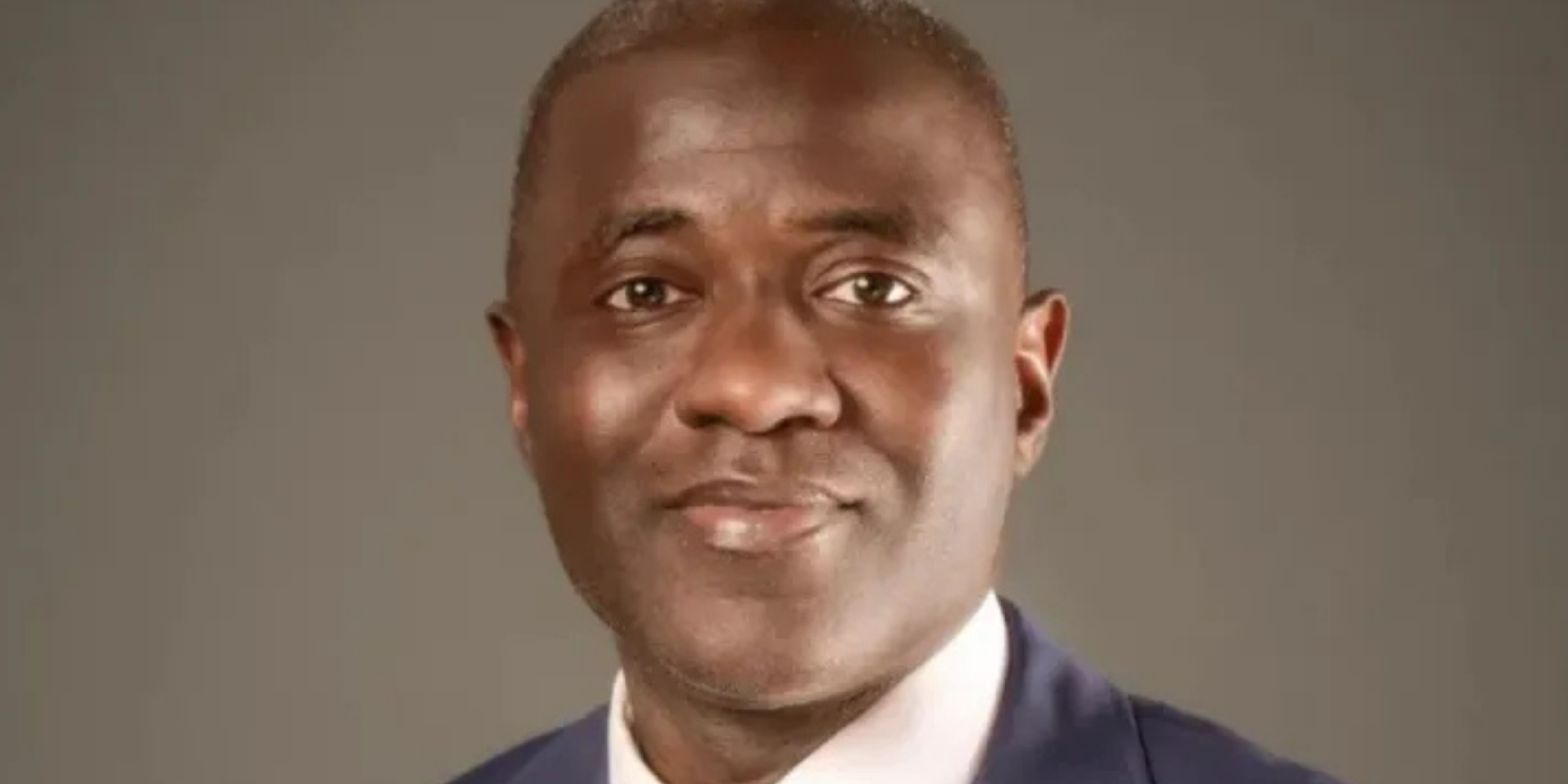
  • NCC Staff Allege Abuse, Corruption, Irregular Recruitment Under EVC Dr. Aminu Maida, Call for Probe

    Some staff members of the Nigerian Communications Commission (NCC) have accused Executive Vice Chairman and CEO Dr. Aminu Maida of widespread corruption, abuse of power, staff victimisation, and intimidation. Operating under the name Concerned Staff of the NCC, they allege management has refused to promote existing employees citing “no vacancies” while approving the recruitment of over 50 new staff.
    The workers further claimed that the introduction of a voluntary redundancy scheme is being used to force out existing employees to create vacancies for preferred candidates, amid alleged board interference and staff intimidation, including involvement of the Department of State Services (DSS).
    Sources also allege that Maida frequently travels abroad, particularly to the UK, without handing over responsibilities, leaving oversight to close associates. Staff warned that no individual is above the law and called on the Minister of Communications, anti-corruption agencies, the National Assembly, and the media to investigate irregular recruitment, the redundancy scheme, intimidation practices, and alleged declining service quality at the NCC.

    #NCCCorruption #AminuMaida #NigerianTelecoms #StaffAbuse #IrregularRecruitment
    NCC Staff Allege Abuse, Corruption, Irregular Recruitment Under EVC Dr. Aminu Maida, Call for Probe Some staff members of the Nigerian Communications Commission (NCC) have accused Executive Vice Chairman and CEO Dr. Aminu Maida of widespread corruption, abuse of power, staff victimisation, and intimidation. Operating under the name Concerned Staff of the NCC, they allege management has refused to promote existing employees citing “no vacancies” while approving the recruitment of over 50 new staff. The workers further claimed that the introduction of a voluntary redundancy scheme is being used to force out existing employees to create vacancies for preferred candidates, amid alleged board interference and staff intimidation, including involvement of the Department of State Services (DSS). Sources also allege that Maida frequently travels abroad, particularly to the UK, without handing over responsibilities, leaving oversight to close associates. Staff warned that no individual is above the law and called on the Minister of Communications, anti-corruption agencies, the National Assembly, and the media to investigate irregular recruitment, the redundancy scheme, intimidation practices, and alleged declining service quality at the NCC. #NCCCorruption #AminuMaida #NigerianTelecoms #StaffAbuse #IrregularRecruitment
    0 Comments ·0 Shares ·903 Views
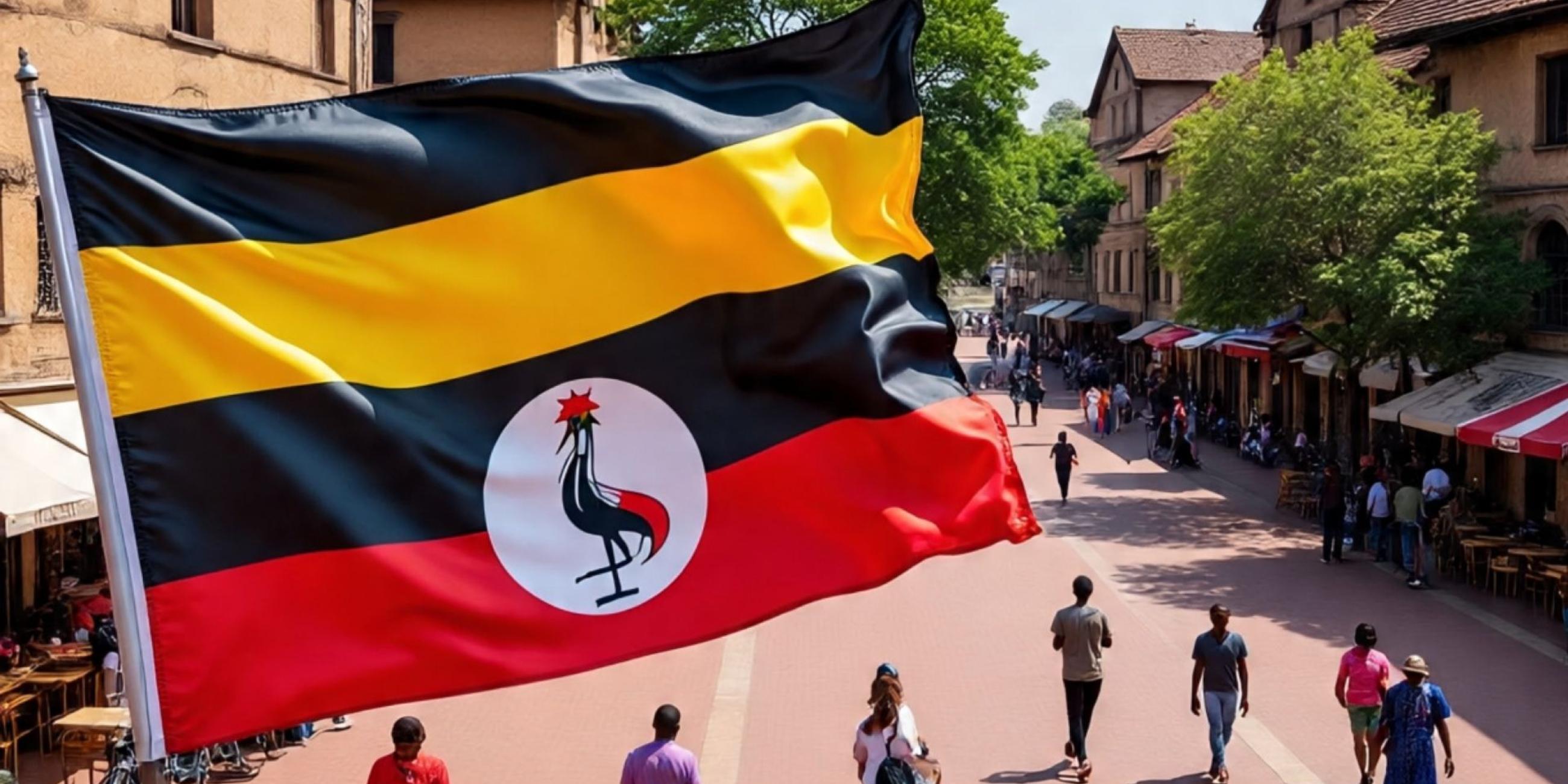
  • Uganda Election Tension: Bobi Wine Appeals To Elon Musk After Starlink Shuts Down Internet Access Days Before January 15 Polls

    Ugandan opposition leader and presidential candidate Bobi Wine has appealed directly to Elon Musk after Starlink suspended its satellite internet services in Uganda just days ahead of the country’s January 15 general election. The shutdown followed a directive from the Uganda Communications Commission (UCC), which accused Starlink of illegally providing telecommunication services without a valid operating licence.

    Bobi Wine condemned the development, warning that restricting internet access ahead of the election could further shrink civic space and undermine democratic participation. In a public post, he accused President Yoweri Museveni’s government of long-standing repression and argued that the Starlink shutdown would limit citizens’ ability to communicate, access information and monitor the electoral process.

    Starlink confirmed that it imposed a nationwide restriction on January 1, 2026, after receiving formal notice from the UCC. The company acknowledged that it is not yet licensed to operate in Uganda and said individuals had been using Starlink terminals imported from countries where the service is authorised. In response, Starlink said it disabled all terminals operating within Uganda to comply with regulatory demands.

    Despite the controversy, Starlink stated its willingness to cooperate with Ugandan authorities and complete the licensing process. The incident has heightened concerns over digital rights, election transparency and government control of communications as Uganda prepares for a highly contested vote, with President Museveni seeking a seventh term after nearly 40 years in power.
    Uganda Election Tension: Bobi Wine Appeals To Elon Musk After Starlink Shuts Down Internet Access Days Before January 15 Polls Ugandan opposition leader and presidential candidate Bobi Wine has appealed directly to Elon Musk after Starlink suspended its satellite internet services in Uganda just days ahead of the country’s January 15 general election. The shutdown followed a directive from the Uganda Communications Commission (UCC), which accused Starlink of illegally providing telecommunication services without a valid operating licence. Bobi Wine condemned the development, warning that restricting internet access ahead of the election could further shrink civic space and undermine democratic participation. In a public post, he accused President Yoweri Museveni’s government of long-standing repression and argued that the Starlink shutdown would limit citizens’ ability to communicate, access information and monitor the electoral process. Starlink confirmed that it imposed a nationwide restriction on January 1, 2026, after receiving formal notice from the UCC. The company acknowledged that it is not yet licensed to operate in Uganda and said individuals had been using Starlink terminals imported from countries where the service is authorised. In response, Starlink said it disabled all terminals operating within Uganda to comply with regulatory demands. Despite the controversy, Starlink stated its willingness to cooperate with Ugandan authorities and complete the licensing process. The incident has heightened concerns over digital rights, election transparency and government control of communications as Uganda prepares for a highly contested vote, with President Museveni seeking a seventh term after nearly 40 years in power.
    0 Comments ·0 Shares ·601 Views
  • Power Players Unveiled: Full List of 22 Nigerian Stocks Now Worth Over N1 Trillion, BUA Foods Leads Market Capitalisation

    The Nigerian Exchange (NGX) has seen 22 listed companies surpass the N1 trillion market capitalisation mark, collectively accounting for N80.024 trillion—nearly 88% of the total market value. BUA Foods tops the list at N12.465 trillion, followed by MTN Nigeria, Dangote Cement, Airtel Africa, and BUA Cement. The group spans sectors including consumer goods, telecommunications, banking, energy, agribusiness, and hospitality. Analysts warn that this heavy market concentration underscores the need for more listings to improve liquidity, diversify investor options, and align the equity market with Nigeria’s economic size. The power of these 22 stocks now shapes investor confidence, capital flows, and overall market dynamics in Nigeria.
    Power Players Unveiled: Full List of 22 Nigerian Stocks Now Worth Over N1 Trillion, BUA Foods Leads Market Capitalisation The Nigerian Exchange (NGX) has seen 22 listed companies surpass the N1 trillion market capitalisation mark, collectively accounting for N80.024 trillion—nearly 88% of the total market value. BUA Foods tops the list at N12.465 trillion, followed by MTN Nigeria, Dangote Cement, Airtel Africa, and BUA Cement. The group spans sectors including consumer goods, telecommunications, banking, energy, agribusiness, and hospitality. Analysts warn that this heavy market concentration underscores the need for more listings to improve liquidity, diversify investor options, and align the equity market with Nigeria’s economic size. The power of these 22 stocks now shapes investor confidence, capital flows, and overall market dynamics in Nigeria.
    0 Comments ·0 Shares ·384 Views
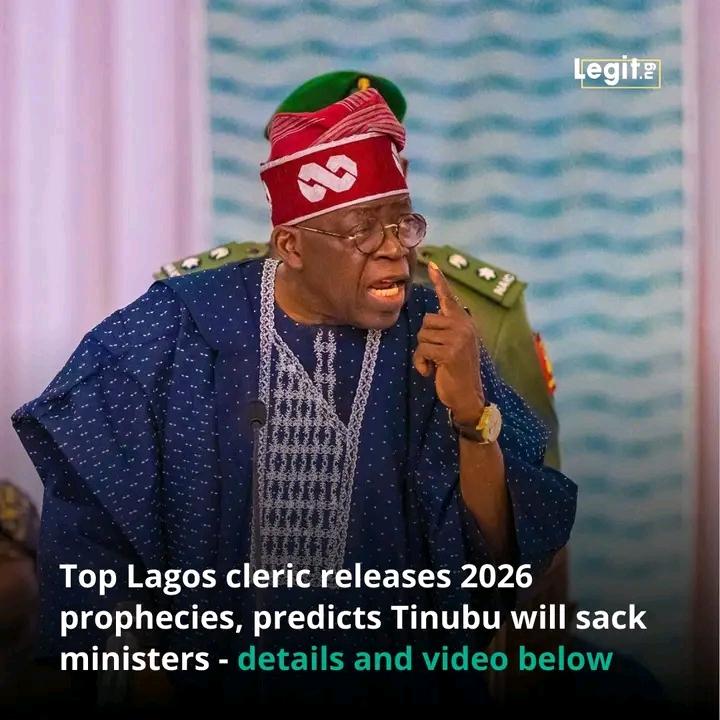
  • Top Lagos Cleric Primate Ayodele Releases 2026 Prophecies, Predicts Tinubu Will Sack Ministers

    Primate Babatunde Elijah Ayodele, founder of the INRI Evangelical Spiritual Church in Lagos, has unveiled his 2026 prophecies, highlighting warnings for Nigerian leaders, the African continent, and global affairs. Among the predictions, Ayodele stated that President Bola Tinubu would relieve some ministers, face betrayal from trusted aides, and contend with disunity, protests, and political challenges. The 146-page prophecy also covers issues including terrorism, economic reforms, natural disasters, international relations, and potential crises in the banking, telecommunications, and political sectors.
    Top Lagos Cleric Primate Ayodele Releases 2026 Prophecies, Predicts Tinubu Will Sack Ministers Primate Babatunde Elijah Ayodele, founder of the INRI Evangelical Spiritual Church in Lagos, has unveiled his 2026 prophecies, highlighting warnings for Nigerian leaders, the African continent, and global affairs. Among the predictions, Ayodele stated that President Bola Tinubu would relieve some ministers, face betrayal from trusted aides, and contend with disunity, protests, and political challenges. The 146-page prophecy also covers issues including terrorism, economic reforms, natural disasters, international relations, and potential crises in the banking, telecommunications, and political sectors.
    0 Comments ·0 Shares ·332 Views
  • MTN Nigeria Confirms Network Outage in Abia, Enugu, and Ebonyi States

    MTN Nigeria has confirmed a network outage affecting parts of Abia, Enugu, and Ebonyi states, warning that services may be temporarily unavailable. The company disclosed the disruption via its official X (formerly Twitter) handle, assuring customers that engineers are working to restore services as quickly as possible. MTN urged subscribers to remain patient and understanding while efforts continue to resolve the network challenges. The telecom giant previously experienced similar outages in the Federal Capital Territory and other regions.
    MTN Nigeria Confirms Network Outage in Abia, Enugu, and Ebonyi States MTN Nigeria has confirmed a network outage affecting parts of Abia, Enugu, and Ebonyi states, warning that services may be temporarily unavailable. The company disclosed the disruption via its official X (formerly Twitter) handle, assuring customers that engineers are working to restore services as quickly as possible. MTN urged subscribers to remain patient and understanding while efforts continue to resolve the network challenges. The telecom giant previously experienced similar outages in the Federal Capital Territory and other regions.
    0 Comments ·0 Shares ·326 Views
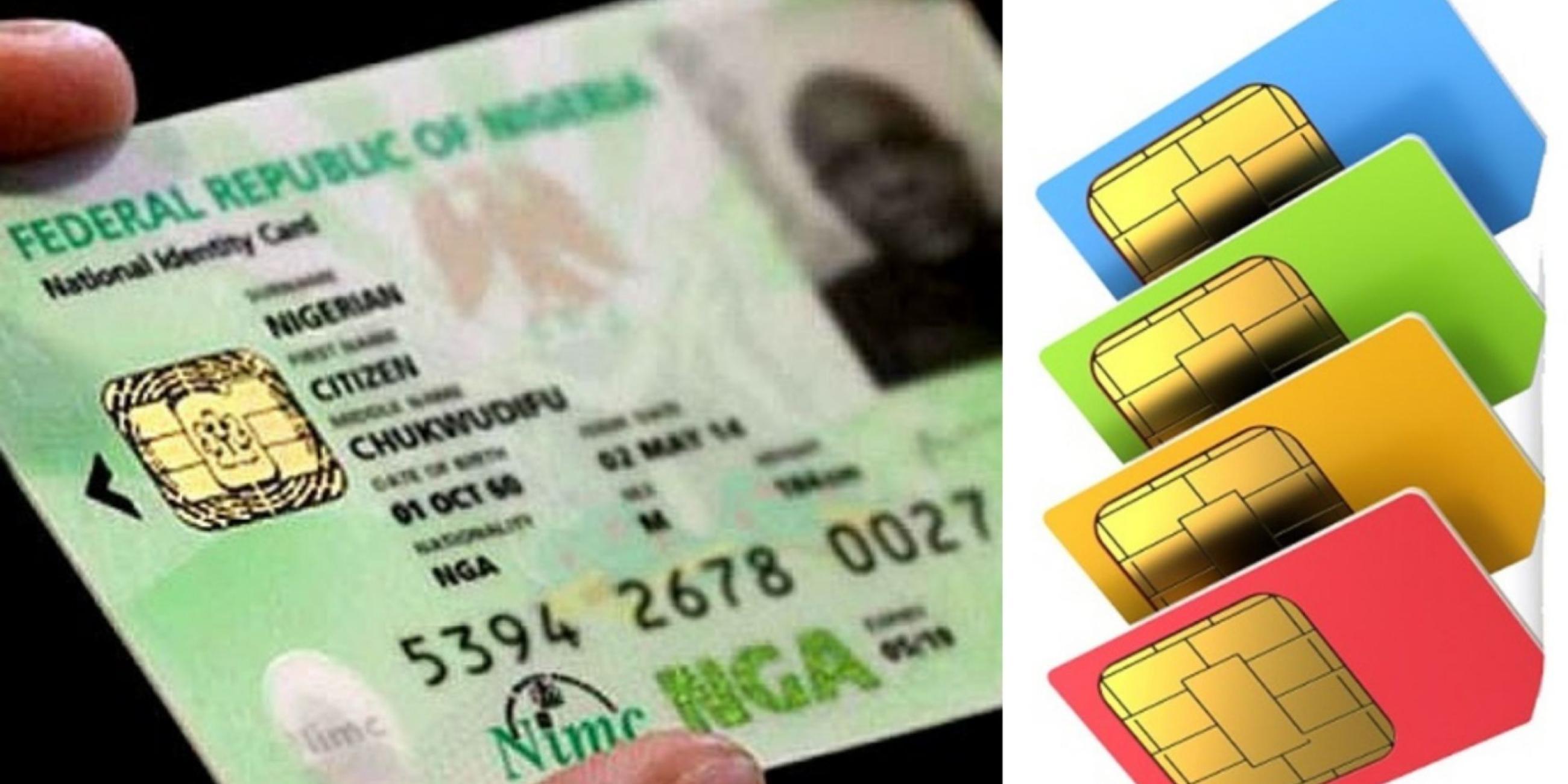
  • Nigerian Government Admits Difficulty Tracking Kidnappers’ SIM Cards Despite NIN Policy

    The Federal Government has admitted that security agencies face serious technical challenges in tracking SIM cards used by kidnappers, despite mandatory NIN–SIM registration. Communications Minister Bosun Tijani revealed that criminal gangs now exploit poor network coverage and advanced call-routing technologies, especially in remote areas. To counter this, the government plans to deploy 4,000 new telecom towers, expand fibre-optic networks, and upgrade Nigeria’s communication satellites to close connectivity gaps aiding criminal operations.

    #Insecurity

    #NINSIM

    #Telecommunications
    Nigerian Government Admits Difficulty Tracking Kidnappers’ SIM Cards Despite NIN Policy The Federal Government has admitted that security agencies face serious technical challenges in tracking SIM cards used by kidnappers, despite mandatory NIN–SIM registration. Communications Minister Bosun Tijani revealed that criminal gangs now exploit poor network coverage and advanced call-routing technologies, especially in remote areas. To counter this, the government plans to deploy 4,000 new telecom towers, expand fibre-optic networks, and upgrade Nigeria’s communication satellites to close connectivity gaps aiding criminal operations. #Insecurity #NINSIM #Telecommunications
    0 Comments ·0 Shares ·449 Views
  • BREAKING: ICPC Storms IHS Towers Abuja, Seizes Devices and Restricts Amnesty International Staff

    Operatives of the Independent Corrupt Practices and Other Related Offences Commission (ICPC) on Thursday reportedly stormed the IHS Towers office in Wuse 2, Abuja, disrupting a World Human Rights Day presentation by Amnesty International personnel. Witnesses said the officers confiscated over 40 mobile phones, laptops, and smartwatches while preventing staff from leaving or entering the building. Some Amnesty International workers were allegedly held inside as ICPC operatives threatened to shoot anyone attempting to exit. The incident occurred as IHS Towers—one of Nigeria’s major telecom infrastructure firms with operations across several cities—hosted the human rights awareness event.


    -


    #ICPC #AmnestyInternational #AbujaNews
    BREAKING: ICPC Storms IHS Towers Abuja, Seizes Devices and Restricts Amnesty International Staff Operatives of the Independent Corrupt Practices and Other Related Offences Commission (ICPC) on Thursday reportedly stormed the IHS Towers office in Wuse 2, Abuja, disrupting a World Human Rights Day presentation by Amnesty International personnel. Witnesses said the officers confiscated over 40 mobile phones, laptops, and smartwatches while preventing staff from leaving or entering the building. Some Amnesty International workers were allegedly held inside as ICPC operatives threatened to shoot anyone attempting to exit. The incident occurred as IHS Towers—one of Nigeria’s major telecom infrastructure firms with operations across several cities—hosted the human rights awareness event. - #ICPC #AmnestyInternational #AbujaNews
    0 Comments ·0 Shares ·390 Views
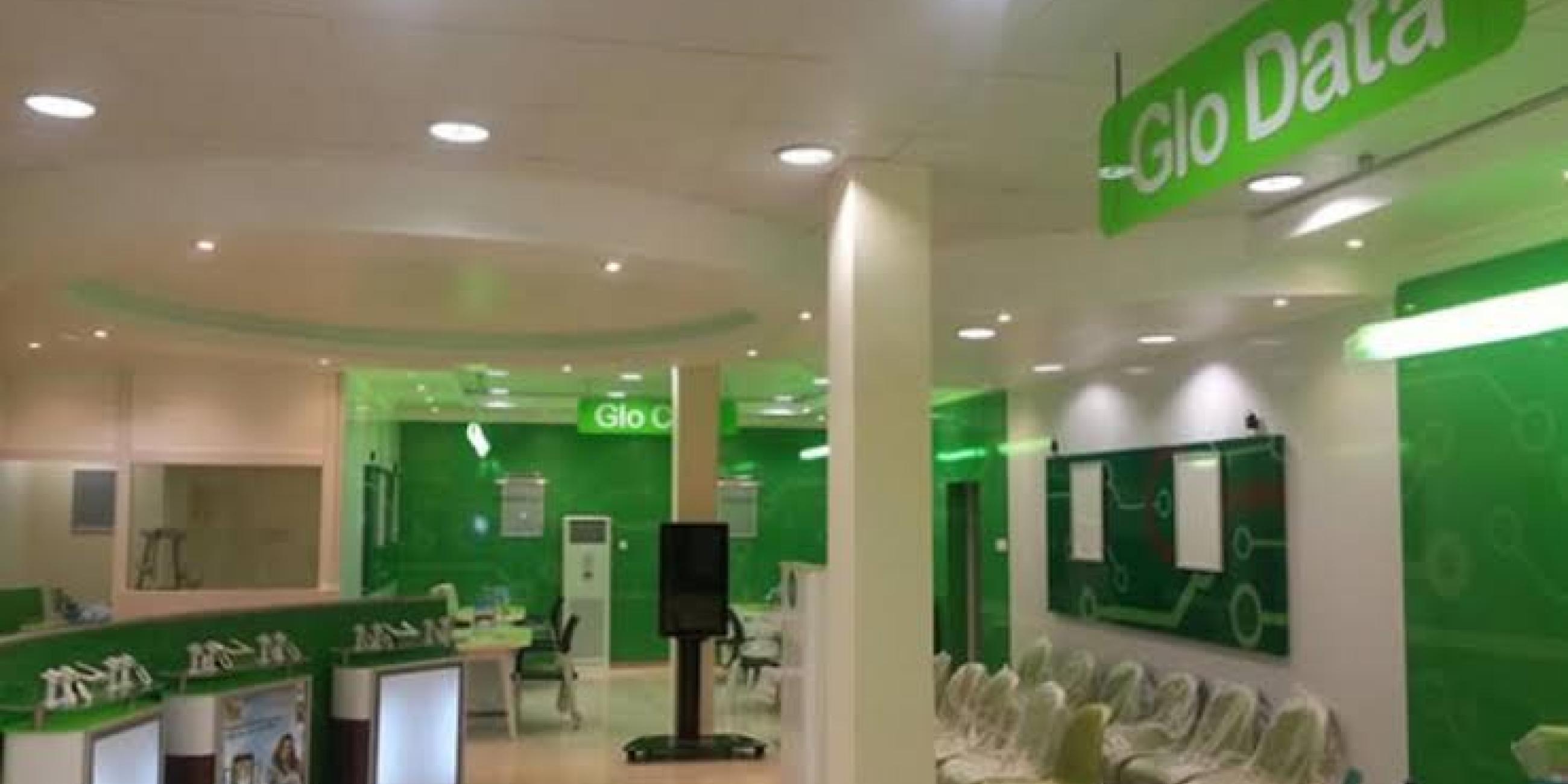
  • Glo Restores Nationwide Data Services After Hours-Long Outage, Apologises to Millions of Users

    Globacom (Glo) has restored data services across Nigeria after a nationwide outage that began around 8:30 a.m. on Tuesday, December 9, 2025, leaving millions of subscribers without internet access for hours. In a statement, the telecom giant apologised for the disruption and acknowledged the widespread frustration experienced by users in multiple states. Glo explained that its technical team worked to resolve the issue and confirmed that services have now been fully restored. The company thanked customers for their patience as online transactions and connectivity gradually returned to normal.
    Glo Restores Nationwide Data Services After Hours-Long Outage, Apologises to Millions of Users Globacom (Glo) has restored data services across Nigeria after a nationwide outage that began around 8:30 a.m. on Tuesday, December 9, 2025, leaving millions of subscribers without internet access for hours. In a statement, the telecom giant apologised for the disruption and acknowledged the widespread frustration experienced by users in multiple states. Glo explained that its technical team worked to resolve the issue and confirmed that services have now been fully restored. The company thanked customers for their patience as online transactions and connectivity gradually returned to normal.
    0 Comments ·0 Shares ·271 Views
  • Glo Confirms Nationwide Data Outage, Millions of Users Affected Across Nigeria

    Glo has confirmed a nationwide data outage affecting millions of subscribers across Nigeria since 8:30 a.m. on Tuesday. The telecom company apologised for the disruption and assured users that its technical team is working urgently to restore internet services. The outage has disrupted connectivity, online transactions, and access to digital services in several states.
    Glo Confirms Nationwide Data Outage, Millions of Users Affected Across Nigeria Glo has confirmed a nationwide data outage affecting millions of subscribers across Nigeria since 8:30 a.m. on Tuesday. The telecom company apologised for the disruption and assured users that its technical team is working urgently to restore internet services. The outage has disrupted connectivity, online transactions, and access to digital services in several states.
    0 Comments ·0 Shares ·228 Views
  • BlackRock reportedly loses over $500 million to Indian-Origin CEO in massive Loan Fraud.

    Bankim Brahmbhatt, the Indian-origin CEO of US-based telecom firms Broadband Telecom and Bridgevoice, has been accused of orchestrating a large-scale loan fraud that cost lenders, including BlackRock’s private credit unit, over $500 million, according to The Wall Street Journal.

    Lenders allege that Brahmbhatt’s companies falsified accounts receivable to use as collateral, creating the appearance of strong business activity while secretly moving funds offshore to India and Mauritius. 

    A lawsuit filed in August claims the firms’ financial strength “existed only on paper.” Brahmbhatt, however, denies any wrongdoing.

    The alleged scheme began in 2020 when BlackRock’s credit arm, HPS, started lending to one of Brahmbhatt’s financing companies. The loan amount eventually grew to about $430 million by 2024, with French banking giant BNP Paribas also involved in financing the debt.

    The fraud reportedly came to light in July when HPS staff noticed that emails supposedly from Carriox (another Brahmbhatt-linked company) customers came from fake domains mimicking real telecom firms. 

    Further checks revealed that customer emails and contracts provided over the past two years were fabricated, and some fake documents dated as far back as 2018.

    When questioned, Brahmbhatt initially dismissed the concerns but soon stopped responding. When investigators visited his company offices, they reportedly found them shut down.

    Court filings also allege that assets meant to secure the loans were moved into offshore accounts in India and Mauritius.

    Brahmbhatt’s companies filed for Chapter 11 bankruptcy in August — the same day Brahmbhatt himself filed for personal bankruptcy after agreeing to provide a personal guarantee for the loans. Lenders believe he is currently in India.
    BlackRock reportedly loses over $500 million to Indian-Origin CEO in massive Loan Fraud. Bankim Brahmbhatt, the Indian-origin CEO of US-based telecom firms Broadband Telecom and Bridgevoice, has been accused of orchestrating a large-scale loan fraud that cost lenders, including BlackRock’s private credit unit, over $500 million, according to The Wall Street Journal. Lenders allege that Brahmbhatt’s companies falsified accounts receivable to use as collateral, creating the appearance of strong business activity while secretly moving funds offshore to India and Mauritius.  A lawsuit filed in August claims the firms’ financial strength “existed only on paper.” Brahmbhatt, however, denies any wrongdoing. The alleged scheme began in 2020 when BlackRock’s credit arm, HPS, started lending to one of Brahmbhatt’s financing companies. The loan amount eventually grew to about $430 million by 2024, with French banking giant BNP Paribas also involved in financing the debt. The fraud reportedly came to light in July when HPS staff noticed that emails supposedly from Carriox (another Brahmbhatt-linked company) customers came from fake domains mimicking real telecom firms.  Further checks revealed that customer emails and contracts provided over the past two years were fabricated, and some fake documents dated as far back as 2018. When questioned, Brahmbhatt initially dismissed the concerns but soon stopped responding. When investigators visited his company offices, they reportedly found them shut down. Court filings also allege that assets meant to secure the loans were moved into offshore accounts in India and Mauritius. Brahmbhatt’s companies filed for Chapter 11 bankruptcy in August — the same day Brahmbhatt himself filed for personal bankruptcy after agreeing to provide a personal guarantee for the loans. Lenders believe he is currently in India.
    0 Comments ·0 Shares ·684 Views
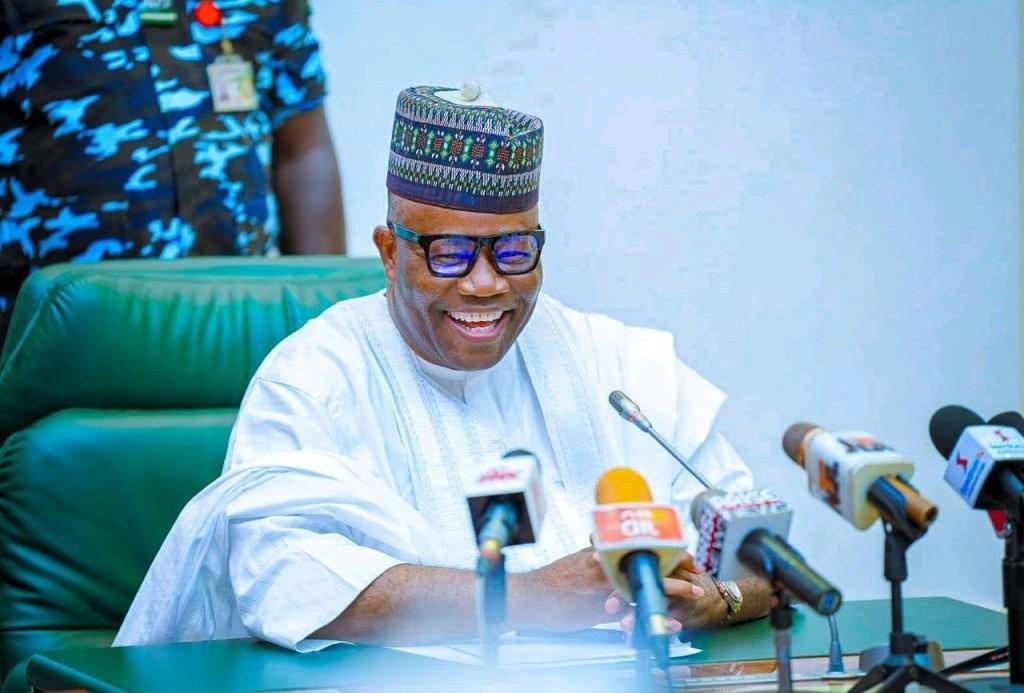
  • The Minimum Wage Has Been Increased" - Akpabio Reveals What They're Planning For Civil Servants.

    Senate President Godswill Akpabio has assured Nigerians, particularly civil servants, that the federal government is committed to improving welfare and creating a more supportive environment for workers across the country.

    In an interview on Viable TV, Akpabio highlighted the resilience of Nigeria over the past 65 years, noting that the nation has endured a civil war, insecurity, and economic challenges yet continues to move forward. He said Nigeria’s survival was not by human effort alone but by the grace of God, stressing that the country’s progress is worth celebrating.

    The Senate President outlined some of the reforms initiated by the administration, which he believes are directly impacting the lives of ordinary Nigerians. According to him, “The minimum wage has been increased.” He explained that the government is not only focused on raising wages but also improving the working environment for public workers, ensuring they remain motivated and productive.

    He also spoke about tax reforms, pointing out that those earning less than one million naira annually are now exempt from taxation. This, he said, has provided relief for market women, artisans, and low-income workers. In addition, Akpabio praised advancements in education funding, healthcare accessibility, and infrastructure development, describing them as signs that the country is gradually transforming.

    On the issue of security, Akpabio lauded the sacrifices of men and women in uniform, noting that despite global terrorism trends, Nigeria has remained united. He also emphasized that investments in road projects, telecommunications, and agriculture would further strengthen the economy and provide more opportunities for Nigerians.

    Concluding, Akpabio urged citizens to be patient with ongoing reforms, assuring them that the administration’s policies are laying the groundwork for a more prosperous and stable nation.
    The Minimum Wage Has Been Increased" - Akpabio Reveals What They're Planning For Civil Servants. Senate President Godswill Akpabio has assured Nigerians, particularly civil servants, that the federal government is committed to improving welfare and creating a more supportive environment for workers across the country. In an interview on Viable TV, Akpabio highlighted the resilience of Nigeria over the past 65 years, noting that the nation has endured a civil war, insecurity, and economic challenges yet continues to move forward. He said Nigeria’s survival was not by human effort alone but by the grace of God, stressing that the country’s progress is worth celebrating. The Senate President outlined some of the reforms initiated by the administration, which he believes are directly impacting the lives of ordinary Nigerians. According to him, “The minimum wage has been increased.” He explained that the government is not only focused on raising wages but also improving the working environment for public workers, ensuring they remain motivated and productive. He also spoke about tax reforms, pointing out that those earning less than one million naira annually are now exempt from taxation. This, he said, has provided relief for market women, artisans, and low-income workers. In addition, Akpabio praised advancements in education funding, healthcare accessibility, and infrastructure development, describing them as signs that the country is gradually transforming. On the issue of security, Akpabio lauded the sacrifices of men and women in uniform, noting that despite global terrorism trends, Nigeria has remained united. He also emphasized that investments in road projects, telecommunications, and agriculture would further strengthen the economy and provide more opportunities for Nigerians. Concluding, Akpabio urged citizens to be patient with ongoing reforms, assuring them that the administration’s policies are laying the groundwork for a more prosperous and stable nation.
    0 Comments ·0 Shares ·690 Views
  • Nigeria @ 65: The worst is over, we’ve turned a new corner Tinubu.

    Remembering the founding fathers, Tinubu recalled the sacrifices and vision of the country’s founding fathers, Herbert Macaulay, Nnamdi Azikiwe, Tafawa Balewa, Obafemi Awolowo, Ahmadu Bello, Margaret Ekpo, Anthony Enahoro, Michael Okpara, Aminu Kano, Funmilayo Ransome-Kuti and others, saying “they believed it was Nigeria’s manifest destiny to lead the entire black race as the largest black nation on earth.”

    We have not strayed too far

    Reflecting on Nigeria’s journey since October 1, 1960, Tinubu said: “While we may not have achieved all the lofty dreams of our forebears, we have not strayed too far from them. In 65 years, we have made tremendous progress in economic growth, social cohesion, and physical development.

    “At independence, Nigeria had 120 secondary schools and two tertiary institutions. Today, we have over 23,000 secondary schools, 274 universities, 183 polytechnics and 236 colleges of education. We have witnessed a significant surge in healthcare, infrastructure, telecommunications, aviation, and defence.’’

    Civil war, military rule, resilience
    The President acknowledged Nigeria’s turbulent history but noted that Nigerians weathered the storm and kept hope alive.

    “We fought a bitter civil war, endured military dictatorships and political crises. But in all, we weathered every storm and overcame every challenge with courage and grit,” he said.

    According to him, for 65 years, Nigeria has endured profound social, economic, and political trials.

    He said: ‘’We survived a civil war, military dictatorships, and recurring political crises. In spite of these setbacks, we have recorded progress in economic growth, education, healthcare, infrastructure, and social cohesion.

    ‘’At Independence, Nigeria had just 120 secondary schools with 130,000 students. Today, there are over 23,000 secondary schools. In 1960, we had only the University of Ibadan and Yaba College of Technology. As of 2024, Nigeria boasts 274 universities, 183 polytechnics, and 236 colleges of education. Healthcare, telecommunications, aviation, and financial services have all expanded remarkably.

    Unfinished business
    Declaring that like the founding leaders, he had committed himself irrevocably to the unfinished business of nation-building, President Tinubu said he inherited a near-collapsed economy, distorted by decades of bad policies.

    Nigeria @ 65: The worst is over, we’ve turned a new corner Tinubu. Remembering the founding fathers, Tinubu recalled the sacrifices and vision of the country’s founding fathers, Herbert Macaulay, Nnamdi Azikiwe, Tafawa Balewa, Obafemi Awolowo, Ahmadu Bello, Margaret Ekpo, Anthony Enahoro, Michael Okpara, Aminu Kano, Funmilayo Ransome-Kuti and others, saying “they believed it was Nigeria’s manifest destiny to lead the entire black race as the largest black nation on earth.” We have not strayed too far Reflecting on Nigeria’s journey since October 1, 1960, Tinubu said: “While we may not have achieved all the lofty dreams of our forebears, we have not strayed too far from them. In 65 years, we have made tremendous progress in economic growth, social cohesion, and physical development. “At independence, Nigeria had 120 secondary schools and two tertiary institutions. Today, we have over 23,000 secondary schools, 274 universities, 183 polytechnics and 236 colleges of education. We have witnessed a significant surge in healthcare, infrastructure, telecommunications, aviation, and defence.’’ Civil war, military rule, resilience The President acknowledged Nigeria’s turbulent history but noted that Nigerians weathered the storm and kept hope alive. “We fought a bitter civil war, endured military dictatorships and political crises. But in all, we weathered every storm and overcame every challenge with courage and grit,” he said. According to him, for 65 years, Nigeria has endured profound social, economic, and political trials. He said: ‘’We survived a civil war, military dictatorships, and recurring political crises. In spite of these setbacks, we have recorded progress in economic growth, education, healthcare, infrastructure, and social cohesion. ‘’At Independence, Nigeria had just 120 secondary schools with 130,000 students. Today, there are over 23,000 secondary schools. In 1960, we had only the University of Ibadan and Yaba College of Technology. As of 2024, Nigeria boasts 274 universities, 183 polytechnics, and 236 colleges of education. Healthcare, telecommunications, aviation, and financial services have all expanded remarkably. Unfinished business Declaring that like the founding leaders, he had committed himself irrevocably to the unfinished business of nation-building, President Tinubu said he inherited a near-collapsed economy, distorted by decades of bad policies.
    0 Comments ·0 Shares ·844 Views
  • Dangote Refinery Cuts Petrol Price, To Begin Direct Supply Nationwide

    The Dangote Petroleum Refinery has announced a reduction in the price of Premium Motor Spirit (PMS) and will begin direct distribution of the product to filling stations across Nigeria starting Monday, September 15, 2025.

    In a statement on Thursday, the refinery said the gantry price has been reduced to N820 per litre, with pump prices varying across key states. Lagos and other South-West states will retail at N841 per litre, while Abuja, Rivers, Delta, Edo, and Kwara will sell at N851 per litre.

    “The first phase of the deployment will cover the Federal Capital Territory, Lagos, Kwara, Delta, Edo, Rivers, and South-West states, with nationwide expansion planned as more trucks are delivered,” the company stated.

    The refinery noted that the use of CNG-powered transportation in the supply chain will save Nigeria over N1.8 trillion annually, cut distribution costs, and help ease inflationary pressures. It added that the initiative will directly benefit more than 42 million MSMEs by lowering energy costs.

    The company also disclosed that it is investing over N720 billion in the programme, which is expected to create thousands of jobs and revive dormant filling stations nationwide.

    Stakeholders such as fuel station operators, telecom companies, and large-scale fuel consumers have been urged to partner with the initiative. Petrol station owners were also encouraged to register for free delivery and other benefits tied to the scheme.

    Source: Dangote Group
    Dangote Refinery Cuts Petrol Price, To Begin Direct Supply Nationwide The Dangote Petroleum Refinery has announced a reduction in the price of Premium Motor Spirit (PMS) and will begin direct distribution of the product to filling stations across Nigeria starting Monday, September 15, 2025. In a statement on Thursday, the refinery said the gantry price has been reduced to N820 per litre, with pump prices varying across key states. Lagos and other South-West states will retail at N841 per litre, while Abuja, Rivers, Delta, Edo, and Kwara will sell at N851 per litre. “The first phase of the deployment will cover the Federal Capital Territory, Lagos, Kwara, Delta, Edo, Rivers, and South-West states, with nationwide expansion planned as more trucks are delivered,” the company stated. The refinery noted that the use of CNG-powered transportation in the supply chain will save Nigeria over N1.8 trillion annually, cut distribution costs, and help ease inflationary pressures. It added that the initiative will directly benefit more than 42 million MSMEs by lowering energy costs. The company also disclosed that it is investing over N720 billion in the programme, which is expected to create thousands of jobs and revive dormant filling stations nationwide. Stakeholders such as fuel station operators, telecom companies, and large-scale fuel consumers have been urged to partner with the initiative. Petrol station owners were also encouraged to register for free delivery and other benefits tied to the scheme. 📌 Source: Dangote Group
    0 Comments ·0 Shares ·2K Views
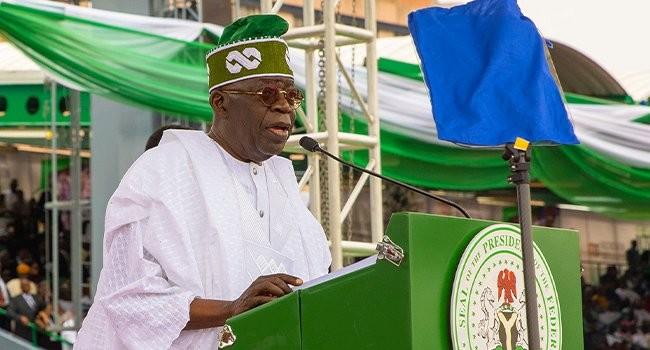
  • President Tinubu Abolishes 5% Telecoms Tax For Nigerians.

    President Bola Tinubu has approved the scrapping of the controversial 5% excise duty, which applied to mobile voice and data services in the nation’s telecommunications services.
    President Tinubu Abolishes 5% Telecoms Tax For Nigerians
    This development was disclosed by the Executive Vice-Chairman of the Nigerian Communications Commission (NCC), Aminu Maida, during a media briefing in Abuja on Tuesday.

    He confirmed that the excise levy, which was initially suspended in 2023, has now been officially removed under revised national tax laws.

    Naija News understands that the total removal of the tax is aimed at easing financial pressures on consumers and businesses in Nigeria’s digital economy.

    “The 5% excise duty is no longer in effect.

    “Initially, it was only suspended, but the President has now completely removed it. I was present when the issue was raised, and he firmly said, ‘No, we cannot place this burden on Nigerians.’ I was very pleased to see that this directive was upheld in the new legislation,” Maida said during the press briefing.

    President Tinubu first suspended the tax in July 2023 as part of a broader fiscal policy overhaul aimed at mitigating the impact of multiple tax burdens on businesses and households. The suspension came through a series of executive orders signed shortly after he assumed office.

    However, the issue resurfaced in October 2024, when the National Assembly proposed reinstating the tax as part of broader revenue-generating measures, which also included levies on gaming, betting, and lottery services.

    The proposal was met with strong resistance from the telecom sector.

    The matter has now been laid completely to rest based on the revelation by the NCC boss during his press briefing.
    President Tinubu Abolishes 5% Telecoms Tax For Nigerians. President Bola Tinubu has approved the scrapping of the controversial 5% excise duty, which applied to mobile voice and data services in the nation’s telecommunications services. President Tinubu Abolishes 5% Telecoms Tax For Nigerians This development was disclosed by the Executive Vice-Chairman of the Nigerian Communications Commission (NCC), Aminu Maida, during a media briefing in Abuja on Tuesday. He confirmed that the excise levy, which was initially suspended in 2023, has now been officially removed under revised national tax laws. Naija News understands that the total removal of the tax is aimed at easing financial pressures on consumers and businesses in Nigeria’s digital economy. “The 5% excise duty is no longer in effect. “Initially, it was only suspended, but the President has now completely removed it. I was present when the issue was raised, and he firmly said, ‘No, we cannot place this burden on Nigerians.’ I was very pleased to see that this directive was upheld in the new legislation,” Maida said during the press briefing. President Tinubu first suspended the tax in July 2023 as part of a broader fiscal policy overhaul aimed at mitigating the impact of multiple tax burdens on businesses and households. The suspension came through a series of executive orders signed shortly after he assumed office. However, the issue resurfaced in October 2024, when the National Assembly proposed reinstating the tax as part of broader revenue-generating measures, which also included levies on gaming, betting, and lottery services. The proposal was met with strong resistance from the telecom sector. The matter has now been laid completely to rest based on the revelation by the NCC boss during his press briefing.
    0 Comments ·0 Shares ·2K Views
  • Nigerians Applaud as Pres Tinubu Scraps 5% Telecom Excise Duty in New Tax Law.

    President Bola Tinubu has permanently removed the 5 per cent excise duty on telecommunications services, a move expected to reduce cost burdens on subscribers.

    The Executive Vice-Chairman of the Nigerian Communications Commission (NCC), Dr. Aminu Maida, confirmed the development during an interactive session with journalists in Abuja on Tuesday. “The excise duty… is no longer there,” Maida said.

    “Before it was suspended, but now the president has removed it entirely. I was in the room when it came up, and he said, ‘No, we cannot put this on Nigerians.’ I was very pleased when the bills came out and his words were followed through.” The scrapped levy was part of a broader tax reform initiative under the proposed Nigeria Tax Act, aimed at consolidating and repealing existing taxation laws.

    Introduced in 2022 under former President Muhammadu Buhari, the duty faced heavy criticism from industry players and consumers alike.

    President Tinubu suspended the policy in July 2023, citing its negative impact on Nigerians and the economy. Its full removal, Maida noted, would now ease pressure on subscribers and encourage growth in the telecom sector, which is central to Nigeria’s digital economy.

    He added that the NCC is pursuing broader reforms focused on transparency, accountability, and consumer protection. One of the initiatives, a public map of network performance showing independent data on download speeds, latency, and service quality, is expected to be released in September.
    Nigerians Applaud as Pres Tinubu Scraps 5% Telecom Excise Duty in New Tax Law. President Bola Tinubu has permanently removed the 5 per cent excise duty on telecommunications services, a move expected to reduce cost burdens on subscribers. The Executive Vice-Chairman of the Nigerian Communications Commission (NCC), Dr. Aminu Maida, confirmed the development during an interactive session with journalists in Abuja on Tuesday. “The excise duty… is no longer there,” Maida said. “Before it was suspended, but now the president has removed it entirely. I was in the room when it came up, and he said, ‘No, we cannot put this on Nigerians.’ I was very pleased when the bills came out and his words were followed through.” The scrapped levy was part of a broader tax reform initiative under the proposed Nigeria Tax Act, aimed at consolidating and repealing existing taxation laws. Introduced in 2022 under former President Muhammadu Buhari, the duty faced heavy criticism from industry players and consumers alike. President Tinubu suspended the policy in July 2023, citing its negative impact on Nigerians and the economy. Its full removal, Maida noted, would now ease pressure on subscribers and encourage growth in the telecom sector, which is central to Nigeria’s digital economy. He added that the NCC is pursuing broader reforms focused on transparency, accountability, and consumer protection. One of the initiatives, a public map of network performance showing independent data on download speeds, latency, and service quality, is expected to be released in September.
    0 Comments ·0 Shares ·1K Views
  • Tinubu Scraps 5% Telecoms Tax — NCC

    President Bola Tinubu has permanently abolished the 5% excise duty on telecommunications services, a levy that had drawn widespread criticism from industry players and consumer advocates.

    The Executive Vice-Chairman of the Nigerian Communications Commission (NCC), Aminu Maida, confirmed the decision at a media briefing in Abuja, noting that while the duty was only suspended in 2023, it has now been completely removed under revised tax laws.

    “The President said clearly that we cannot place this burden on Nigerians, and the directive has now been enshrined in the new legislation,” Maida said.

    The excise duty, which applied to mobile voice and data services, had been faulted for driving up digital access costs and threatening telecom operators already struggling with rising expenses. Proposals to reinstate it in 2024 were strongly resisted by stakeholders, who argued it would stifle growth in Nigeria’s digital economy.

    #DigitalEconomy #Telecoms #Nigeria
    Tinubu Scraps 5% Telecoms Tax — NCC President Bola Tinubu has permanently abolished the 5% excise duty on telecommunications services, a levy that had drawn widespread criticism from industry players and consumer advocates. The Executive Vice-Chairman of the Nigerian Communications Commission (NCC), Aminu Maida, confirmed the decision at a media briefing in Abuja, noting that while the duty was only suspended in 2023, it has now been completely removed under revised tax laws. “The President said clearly that we cannot place this burden on Nigerians, and the directive has now been enshrined in the new legislation,” Maida said. The excise duty, which applied to mobile voice and data services, had been faulted for driving up digital access costs and threatening telecom operators already struggling with rising expenses. Proposals to reinstate it in 2024 were strongly resisted by stakeholders, who argued it would stifle growth in Nigeria’s digital economy. #DigitalEconomy #Telecoms #Nigeria
    0 Comments ·0 Shares ·1K Views
Fintter https://fintter.com