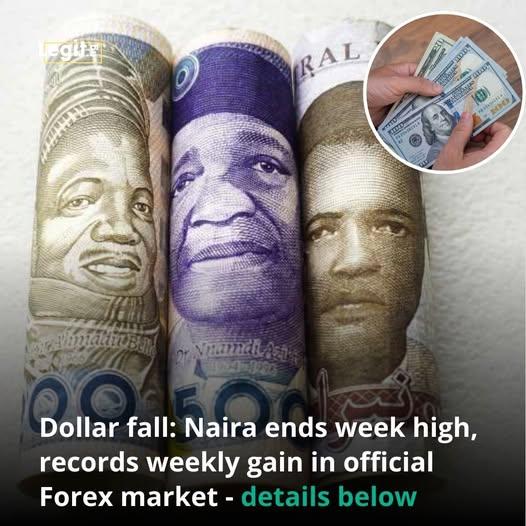
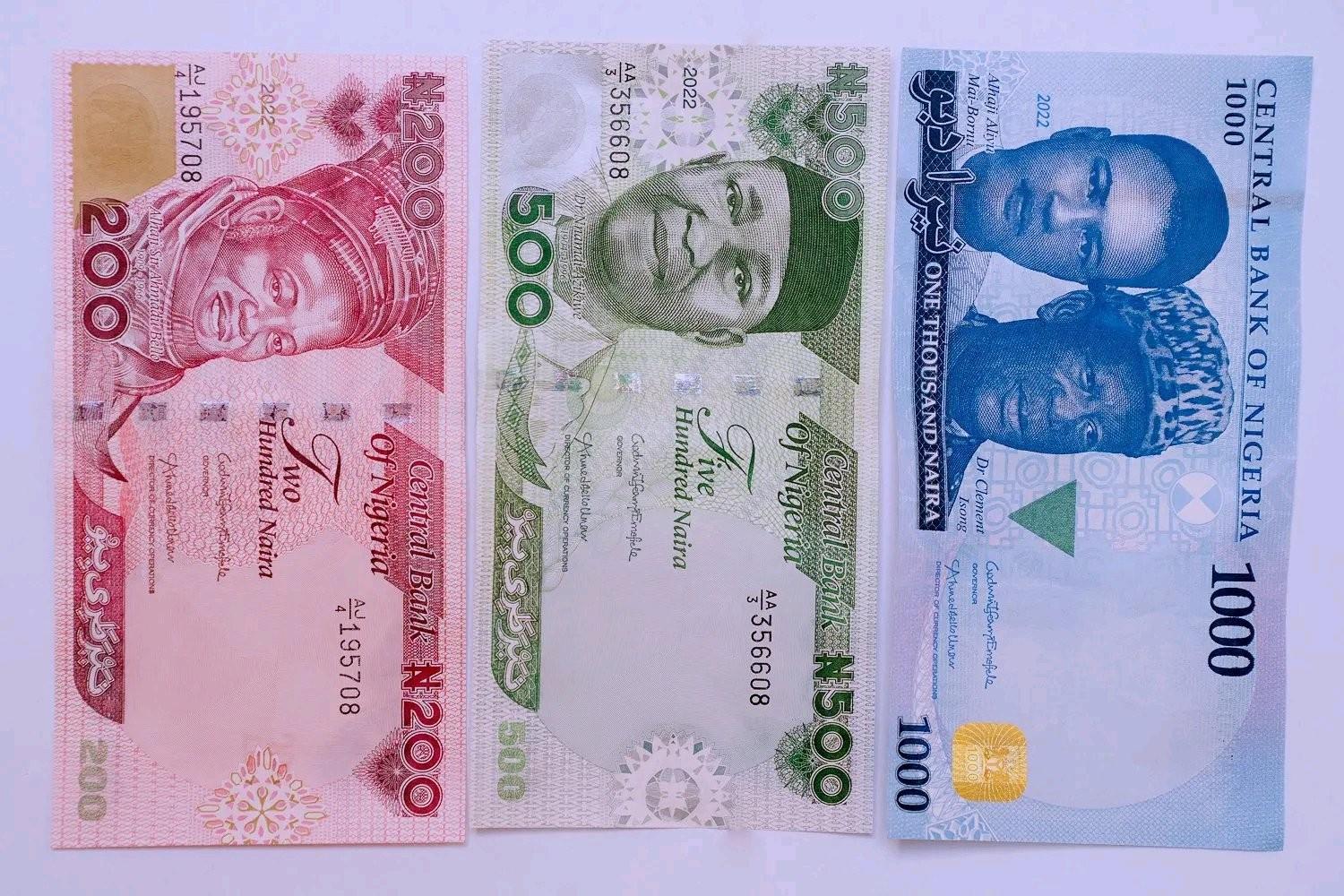
• Naira Strengthens Against US Dollar Amid Rising Reserves and Narrowing FX Gap

    The Nigerian naira showed resilience against the US dollar, despite multiple economic pressures. Analysts attribute the development to rising external reserves and a narrowing gap between official and black-market foreign exchange rates.

    Market watchers suggest that these factors may help stabilise the currency in the near term, offering some relief amid ongoing financial uncertainties.

    #Naira #USDExchangeRate #NigeriaEconomy #Forex
    Naira Strengthens Against US Dollar Amid Rising Reserves and Narrowing FX Gap The Nigerian naira showed resilience against the US dollar, despite multiple economic pressures. Analysts attribute the development to rising external reserves and a narrowing gap between official and black-market foreign exchange rates. Market watchers suggest that these factors may help stabilise the currency in the near term, offering some relief amid ongoing financial uncertainties. #Naira #USDExchangeRate #NigeriaEconomy #Forex
    like
    1
    · 0 Commentarii ·0 Distribuiri ·2K Views
  • How to Profit from Market Swings: Pocket Option Strategies for Traders and Investors

    Market swings—upward, downward, and sideways—offer significant trading opportunities for those who can identify and act on trends. Understanding these movements is key for developing profitable trading strategies. Swing trading allows traders to capitalize on short- and medium-term price fluctuations, using tools like Bollinger Bands, support and resistance levels, and trend lines. Pocket Option is highlighted as a versatile platform for swing trading, offering a wide range of assets including forex, crypto, commodities, and stocks, with high execution speed and demo accounts for risk-free practice. Traders can optimize profits by confirming trends, managing risk, and adapting strategies to changing market conditions.
    How to Profit from Market Swings: Pocket Option Strategies for Traders and Investors Market swings—upward, downward, and sideways—offer significant trading opportunities for those who can identify and act on trends. Understanding these movements is key for developing profitable trading strategies. Swing trading allows traders to capitalize on short- and medium-term price fluctuations, using tools like Bollinger Bands, support and resistance levels, and trend lines. Pocket Option is highlighted as a versatile platform for swing trading, offering a wide range of assets including forex, crypto, commodities, and stocks, with high execution speed and demo accounts for risk-free practice. Traders can optimize profits by confirming trends, managing risk, and adapting strategies to changing market conditions.
    0 Commentarii ·0 Distribuiri ·899 Views
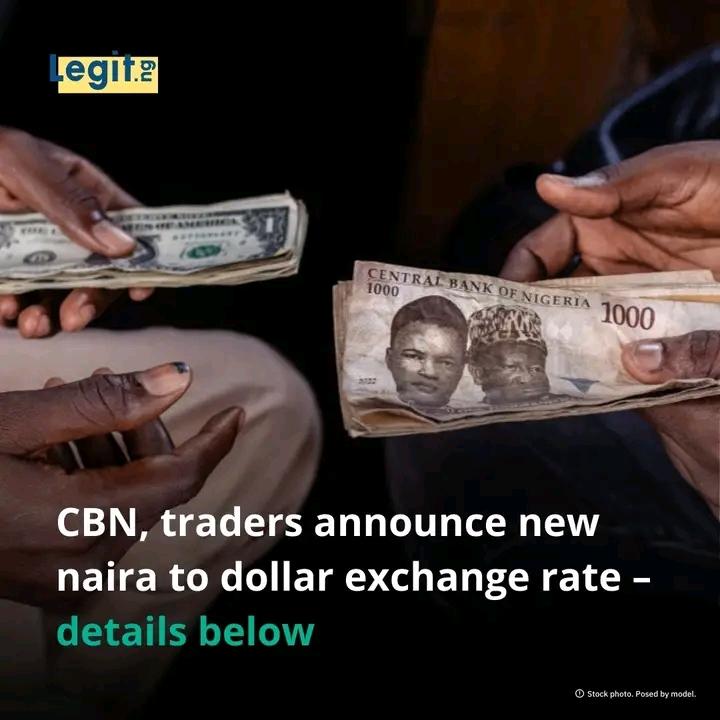
  • Naira Falls to ₦1,454/$1 as Festive Dollar Demand Rises, CBN, Traders Reveal New Rates

    Nigeria’s naira weakened further against the US dollar, closing the week at ₦1,454/$1 in the official market as holiday-related spending triggered a surge in forex demand. Parallel market traders in Lagos also reported declines, with the dollar trading between ₦1,469.5 and ₦1,490.
    Data from the CBN showed a steady week-long depreciation despite a slight increase in Nigeria’s foreign reserves to $45.04 billion, raising hopes for possible market intervention. Analysts attribute the pressure to importers, traders, and festive shoppers rapidly accumulating dollars.
    Despite the setback, experts say improved liquidity, rising reserves, and potential remittance inflows could help stabilize the naira as December progresses.
    Naira Falls to ₦1,454/$1 as Festive Dollar Demand Rises, CBN, Traders Reveal New Rates Nigeria’s naira weakened further against the US dollar, closing the week at ₦1,454/$1 in the official market as holiday-related spending triggered a surge in forex demand. Parallel market traders in Lagos also reported declines, with the dollar trading between ₦1,469.5 and ₦1,490. Data from the CBN showed a steady week-long depreciation despite a slight increase in Nigeria’s foreign reserves to $45.04 billion, raising hopes for possible market intervention. Analysts attribute the pressure to importers, traders, and festive shoppers rapidly accumulating dollars. Despite the setback, experts say improved liquidity, rising reserves, and potential remittance inflows could help stabilize the naira as December progresses.
    0 Commentarii ·0 Distribuiri ·561 Views
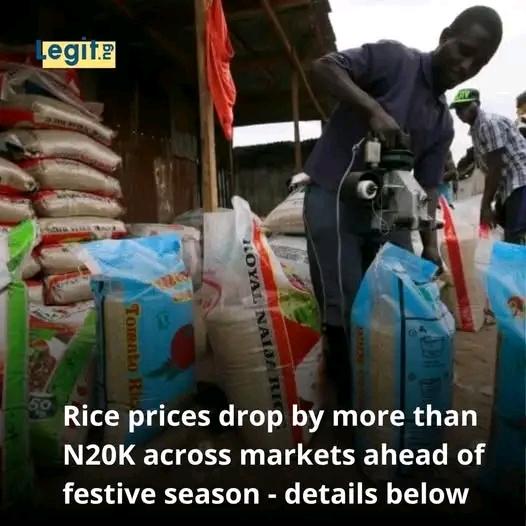
  • Rice Prices Fall to N55,000–N70,000 as Local Supply and Imports Surge Across Nigerian Markets

    Rice prices have dropped significantly across major Lagos markets, with a 50kg bag now selling between N55,000 and N70,000 due to improved harvests, increased imports, and a temporary oversupply. While consumers welcome the relief, many traders are counting heavy losses after purchasing rice at much higher prices earlier in the year.
    Local and imported brands recorded sharp declines, with prices falling from as high as N95,000 in January to as low as N57,000 in October. Traders warn that the sudden slump has destabilized business planning, and experts caution that the decrease may be temporary, as fluctuating supply could push prices up again before December.
    Consumers are relieved by the temporary affordability, though some note weakened purchasing power remains a challenge. Meanwhile, the Nigerian Customs Service has warned that rice smuggling continues to worsen Nigeria’s forex situation and threatens local producers.
    Rice Prices Fall to N55,000–N70,000 as Local Supply and Imports Surge Across Nigerian Markets Rice prices have dropped significantly across major Lagos markets, with a 50kg bag now selling between N55,000 and N70,000 due to improved harvests, increased imports, and a temporary oversupply. While consumers welcome the relief, many traders are counting heavy losses after purchasing rice at much higher prices earlier in the year. Local and imported brands recorded sharp declines, with prices falling from as high as N95,000 in January to as low as N57,000 in October. Traders warn that the sudden slump has destabilized business planning, and experts caution that the decrease may be temporary, as fluctuating supply could push prices up again before December. Consumers are relieved by the temporary affordability, though some note weakened purchasing power remains a challenge. Meanwhile, the Nigerian Customs Service has warned that rice smuggling continues to worsen Nigeria’s forex situation and threatens local producers.
    0 Commentarii ·0 Distribuiri ·531 Views
  • Former Speaker Yakubu Dogara Blames Buhari for Naira Collapse, Says Printing of N22.7 Trillion Crippled Economy.

    Former Speaker of the House of Representatives, Yakubu Dogara, has held the administration of ex-President Muhammadu Buhari responsible for Nigeria’s economic collapse, citing reckless policies and massive currency printing.

    In a viral video shared on Tuesday, Dogara alleged that Buhari’s government printed about N22.7 trillion under “ways and means”, which he said destroyed the value of the naira and worsened inflation. He noted that President Bola Tinubu inherited a “wrecked” economy further weakened by indiscriminate money printing, a controversial dual exchange rate policy, and crude oil sales tied to foreign loans.

    “By the time President Tinubu took office, the economic debris of this nation had become too conspicuous to be ignored,” Dogara said. “N22.7 trillion was printed and injected into the economy in the name of ways and means, thereby destroying the value of the naira in our pockets.”

    He accused the Buhari administration of institutionalising economic sabotage through a dual forex system that allowed a privileged few to amass huge profits from CBN allocations without contributing to productivity.

    Dogara also faulted the practice of mortgaging crude oil sales for loans via “forward sales” deals, describing it as fraudulent, unsustainable, and a form of “voodoo economics".
    Former Speaker Yakubu Dogara Blames Buhari for Naira Collapse, Says Printing of N22.7 Trillion Crippled Economy. Former Speaker of the House of Representatives, Yakubu Dogara, has held the administration of ex-President Muhammadu Buhari responsible for Nigeria’s economic collapse, citing reckless policies and massive currency printing. In a viral video shared on Tuesday, Dogara alleged that Buhari’s government printed about N22.7 trillion under “ways and means”, which he said destroyed the value of the naira and worsened inflation. He noted that President Bola Tinubu inherited a “wrecked” economy further weakened by indiscriminate money printing, a controversial dual exchange rate policy, and crude oil sales tied to foreign loans. “By the time President Tinubu took office, the economic debris of this nation had become too conspicuous to be ignored,” Dogara said. “N22.7 trillion was printed and injected into the economy in the name of ways and means, thereby destroying the value of the naira in our pockets.” He accused the Buhari administration of institutionalising economic sabotage through a dual forex system that allowed a privileged few to amass huge profits from CBN allocations without contributing to productivity. Dogara also faulted the practice of mortgaging crude oil sales for loans via “forward sales” deals, describing it as fraudulent, unsustainable, and a form of “voodoo economics".
    0 Commentarii ·0 Distribuiri ·935 Views
  • Triggered by My Statement, Presidential Spokesperson
    @BayoOnanuga
    Writes Me to Delete My Posts on Tinubu

    Presidential spokesperson, Bayo Onanuga, wrote directly to me on WhatsApp, asking that I delete my tweet and Facebook post in which I referred to President Bola Tinubu as a criminal based on Tinubu’s recent speech in Brazil, where he claimed that there is “no more corruption in Nigeria.”

    Onanuga argued that my interpretation was a “misfire,” claiming Tinubu was only referring to the process of sourcing foreign exchange and not corruption as a whole. He even cited examples from business figures like Samad Rabiu to defend his point, and then advised me to delete my post.

    Here is his WhatsApp message to me: Good afternoon. Your August 26 tweet that the DSS is complaining about is anchored on a total misinterpretation of what the President said in Brazil. He said there was no more corruption regarding sourcing foreign exchange and that you do not need to know CBN Governor Cardoso to get forex. Prominent business people like Samad Rabiu have all given testimony about this. That was what he meant. Nothing more. You truly misfired. I will advise that you delete the contentious post. Good afternoon.

    And here is my response:

    Good afternoon. I am surprised that you consider it appropriate to dictate to citizens like me how to interpret what is already in the public domain, especially when it comes to videos and matters that touch on the State of the Nation.

    What is more troubling is that in Nigeria today, anyone who dares to criticise the President is instantly subjected to harassment by the DSS, political thugs, and every coercive instrument the state can muster. I once thought perhaps you were unaware of such abuse, but it is now clear you are complicit.

    In this regard, it is you who has misfired. Your request reflects not only poor judgment but also the mindset of the principal you represent.

    Nota Bene:* I have known Bayo Onanuga for many decades. Back when I was a student leader in Lagos, Tempo, The News, and PM News were our go-to platforms. Later, before founding SaharaReporters, I even moonlighted as a Special Correspondent for The News, working alongside Kunle Ajibade and
    @BabafemiOjudu
    to produce some of the hottest stories of that era.

    This clarification is necessary because it explains why Mr. Onanuga may have chosen to write me a private message over my recent post. Out of respect, I sought his permission to make our exchange public, but he did not reply.
    Triggered by My Statement, Presidential Spokesperson @BayoOnanuga Writes Me to Delete My Posts on Tinubu Presidential spokesperson, Bayo Onanuga, wrote directly to me on WhatsApp, asking that I delete my tweet and Facebook post in which I referred to President Bola Tinubu as a criminal based on Tinubu’s recent speech in Brazil, where he claimed that there is “no more corruption in Nigeria.” Onanuga argued that my interpretation was a “misfire,” claiming Tinubu was only referring to the process of sourcing foreign exchange and not corruption as a whole. He even cited examples from business figures like Samad Rabiu to defend his point, and then advised me to delete my post. Here is his WhatsApp message to me: Good afternoon. Your August 26 tweet that the DSS is complaining about is anchored on a total misinterpretation of what the President said in Brazil. He said there was no more corruption regarding sourcing foreign exchange and that you do not need to know CBN Governor Cardoso to get forex. Prominent business people like Samad Rabiu have all given testimony about this. That was what he meant. Nothing more. You truly misfired. I will advise that you delete the contentious post. Good afternoon. And here is my response: Good afternoon. I am surprised that you consider it appropriate to dictate to citizens like me how to interpret what is already in the public domain, especially when it comes to videos and matters that touch on the State of the Nation. What is more troubling is that in Nigeria today, anyone who dares to criticise the President is instantly subjected to harassment by the DSS, political thugs, and every coercive instrument the state can muster. I once thought perhaps you were unaware of such abuse, but it is now clear you are complicit. In this regard, it is you who has misfired. Your request reflects not only poor judgment but also the mindset of the principal you represent. Nota Bene:* I have known Bayo Onanuga for many decades. Back when I was a student leader in Lagos, Tempo, The News, and PM News were our go-to platforms. Later, before founding SaharaReporters, I even moonlighted as a Special Correspondent for The News, working alongside Kunle Ajibade and @BabafemiOjudu to produce some of the hottest stories of that era. This clarification is necessary because it explains why Mr. Onanuga may have chosen to write me a private message over my recent post. Out of respect, I sought his permission to make our exchange public, but he did not reply.
    0 Commentarii ·0 Distribuiri ·1K Views
  • Tinubu: Nigeria Met 2025 Revenue Target in August, Says Economy Now Stable

    President Bola Ahmed Tinubu has announced that Nigeria achieved its full-year revenue target as early as August, declaring the nation’s economy stable, resilient, and no longer at the mercy of external shocks.

    Speaking at the Presidential Villa in Abuja on Tuesday while receiving a delegation of former members of the defunct Congress for Progressive Change (CPC), Tinubu expressed confidence that his administration’s economic reforms are yielding results.

    “Nigeria is not borrowing. We met our revenue target in August. Let Trump do his worst — we are stable,” the President stated.

    He attributed the success to improved non-oil revenue and fiscal discipline, noting that the naira, which had spiked to ₦1,900 per dollar before his reforms, has now stabilised around ₦1,450.

    “No one needs secret links to the CBN governor anymore to access forex. All you need to do is export, import, and create jobs,” he said.

    Agriculture at the Core of Recovery

    Tinubu disclosed that he has approved a nationwide agricultural mechanisation programme, which includes training centres and support facilities.

    “Food security is our backbone. Once we defeat hunger, we defeat poverty,” he emphasised.

    CPC Loyalty and Buhari’s Legacy
    Addressing the CPC bloc within the APC, Tinubu thanked them for their patience over political appointments, assuring that ambassadorial slots and other positions remain open. He praised their unity, recalling the early merger talks that birthed the APC and joking about past disagreements with Buhari over party symbols.

    He further pledged to honour the late President Muhammadu Buhari with a ‘Buhari House’ as a symbol of discipline, honesty, and prosperity.
    “Part of what we inherited from Buhari was his honesty and justice. You won’t get anything less than that,” Tinubu affirmed.

    CPC Leaders Reaffirm Support

    House Speaker Tajudeen Abbas, who led the delegation, assured Tinubu of CPC’s unwavering loyalty and grassroots mobilisation for his 2027 re-election bid.

    “We are together today, tomorrow, and forever,” Abbas declared.

    Senator Tanko Al-Makura, former Nasarawa governor and CPC stalwart, hailed Tinubu’s “transparent and dignified” handling of Buhari’s state burial, adding that the Renewed Hope Agenda represents a scientific and pragmatic plan for Nigeria’s restoration.

    As the meeting closed, Tinubu promised Nigerians that “the joy at the end of this journey will belong to all.”
    Tinubu: Nigeria Met 2025 Revenue Target in August, Says Economy Now Stable President Bola Ahmed Tinubu has announced that Nigeria achieved its full-year revenue target as early as August, declaring the nation’s economy stable, resilient, and no longer at the mercy of external shocks. Speaking at the Presidential Villa in Abuja on Tuesday while receiving a delegation of former members of the defunct Congress for Progressive Change (CPC), Tinubu expressed confidence that his administration’s economic reforms are yielding results. “Nigeria is not borrowing. We met our revenue target in August. Let Trump do his worst — we are stable,” the President stated. He attributed the success to improved non-oil revenue and fiscal discipline, noting that the naira, which had spiked to ₦1,900 per dollar before his reforms, has now stabilised around ₦1,450. “No one needs secret links to the CBN governor anymore to access forex. All you need to do is export, import, and create jobs,” he said. Agriculture at the Core of Recovery Tinubu disclosed that he has approved a nationwide agricultural mechanisation programme, which includes training centres and support facilities. “Food security is our backbone. Once we defeat hunger, we defeat poverty,” he emphasised. CPC Loyalty and Buhari’s Legacy Addressing the CPC bloc within the APC, Tinubu thanked them for their patience over political appointments, assuring that ambassadorial slots and other positions remain open. He praised their unity, recalling the early merger talks that birthed the APC and joking about past disagreements with Buhari over party symbols. He further pledged to honour the late President Muhammadu Buhari with a ‘Buhari House’ as a symbol of discipline, honesty, and prosperity. “Part of what we inherited from Buhari was his honesty and justice. You won’t get anything less than that,” Tinubu affirmed. CPC Leaders Reaffirm Support House Speaker Tajudeen Abbas, who led the delegation, assured Tinubu of CPC’s unwavering loyalty and grassroots mobilisation for his 2027 re-election bid. “We are together today, tomorrow, and forever,” Abbas declared. Senator Tanko Al-Makura, former Nasarawa governor and CPC stalwart, hailed Tinubu’s “transparent and dignified” handling of Buhari’s state burial, adding that the Renewed Hope Agenda represents a scientific and pragmatic plan for Nigeria’s restoration. As the meeting closed, Tinubu promised Nigerians that “the joy at the end of this journey will belong to all.”
    0 Commentarii ·0 Distribuiri ·1K Views
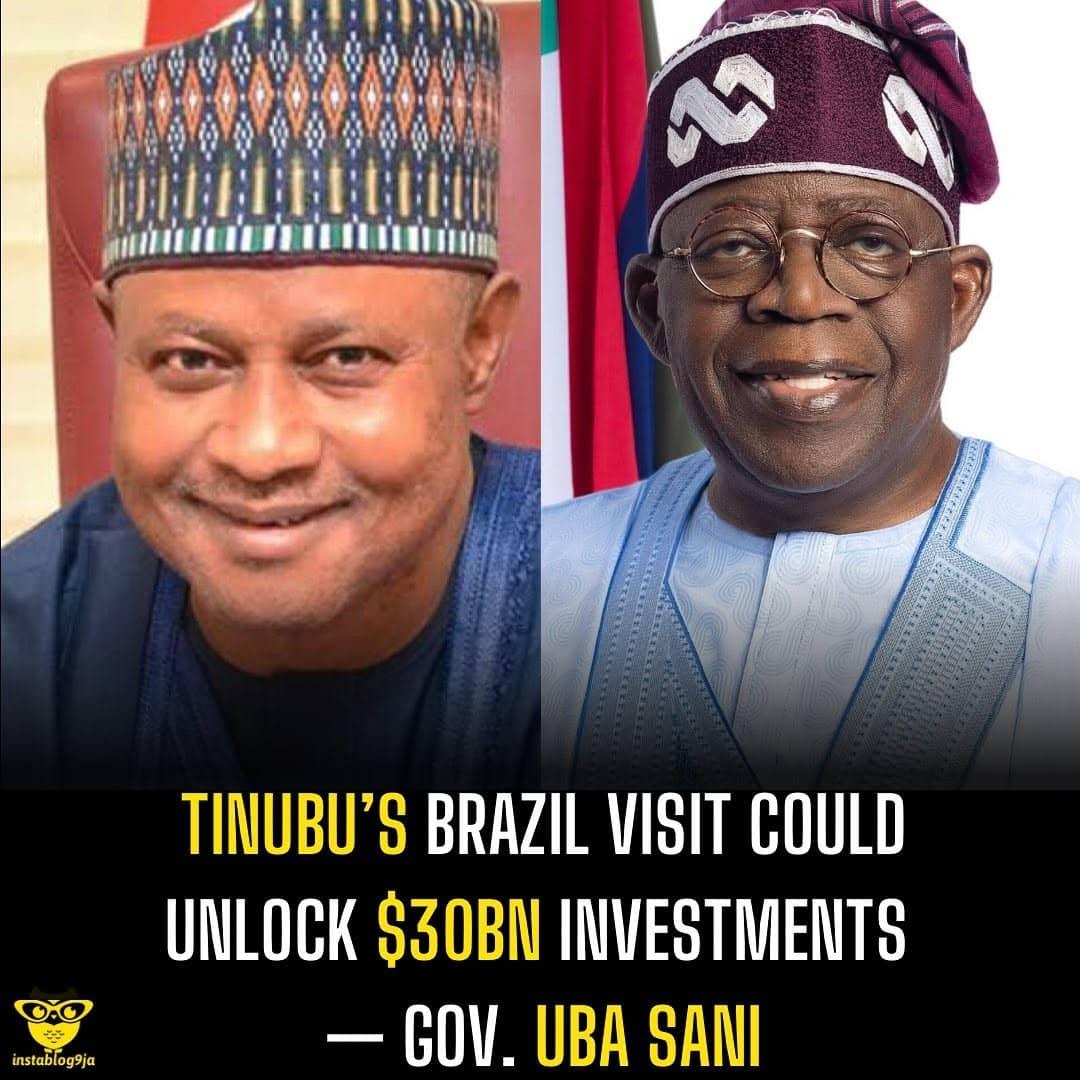
  • Tinubu’s Brazil Visit Could Unlock $30bn Investments – Gov. Uba Sani

    Kaduna State Governor, Uba Sani, has said President Bola Tinubu’s state visit to Brazil has the potential to attract over $30 billion in fresh investments into Nigeria’s economy.

    Speaking with journalists in Brasília, Sani disclosed that several Memorandums of Understanding (MoUs) were signed during the visit, targeting key sectors such as agriculture, aviation, and science and technology.

    “We’re looking at more than 30 billion dollars in investments in agriculture, food security, aviation, and airspace collaboration between Nigeria and Brazil,” he said.

    The governor also noted that new agreements in diplomacy, innovation, and renewable energy would further diversify Nigeria’s economy, describing them as sectors that had been largely neglected in the past but are now gaining attention under Tinubu’s leadership.

    Sani observed that Brazil’s ongoing trade tensions with the United States presented Nigeria with a unique opportunity to emerge as a strategic partner, particularly as Africa’s largest economy.

    He credited Tinubu’s recent economic reforms for rebuilding investor confidence, especially the decision to clear a $7 billion foreign exchange backlog.

    “No investor wants to come in if they can’t repatriate their funds. Clearing the $7 billion forex backlog was critical,” he said, commending the Central Bank of Nigeria’s efforts.

    Governor Sani urged Nigerians to support the administration’s economic agenda, stressing that the reforms were designed to deliver long-term growth and national development.
    Tinubu’s Brazil Visit Could Unlock $30bn Investments – Gov. Uba Sani Kaduna State Governor, Uba Sani, has said President Bola Tinubu’s state visit to Brazil has the potential to attract over $30 billion in fresh investments into Nigeria’s economy. Speaking with journalists in Brasília, Sani disclosed that several Memorandums of Understanding (MoUs) were signed during the visit, targeting key sectors such as agriculture, aviation, and science and technology. “We’re looking at more than 30 billion dollars in investments in agriculture, food security, aviation, and airspace collaboration between Nigeria and Brazil,” he said. The governor also noted that new agreements in diplomacy, innovation, and renewable energy would further diversify Nigeria’s economy, describing them as sectors that had been largely neglected in the past but are now gaining attention under Tinubu’s leadership. Sani observed that Brazil’s ongoing trade tensions with the United States presented Nigeria with a unique opportunity to emerge as a strategic partner, particularly as Africa’s largest economy. He credited Tinubu’s recent economic reforms for rebuilding investor confidence, especially the decision to clear a $7 billion foreign exchange backlog. “No investor wants to come in if they can’t repatriate their funds. Clearing the $7 billion forex backlog was critical,” he said, commending the Central Bank of Nigeria’s efforts. Governor Sani urged Nigerians to support the administration’s economic agenda, stressing that the reforms were designed to deliver long-term growth and national development.
    0 Commentarii ·0 Distribuiri ·1K Views
  • Tinubu Tells Brazilian Investors: “No More Corruption Since I Took Office”

    President Bola Ahmed Tinubu has declared that corruption is no longer tolerated under his administration, assuring Brazilian investors that Nigeria’s economic reforms are yielding visible results.

    Speaking on Monday during a meeting with Brazilian ministers and members of the Brazil Business Group, Tinubu said Nigeria’s economy is now more transparent and business-friendly.

    “It’s getting clearer to the people. We have more money for the economy — and no more corruption,” he said.

    Highlighting the progress, the President pointed to the Central Bank’s new forex policy:

    You don’t have to know anyone before accessing foreign exchange. The speculators are out, and the market is open for businesses.

    Tinubu also urged both nations to move from symbolic ties to concrete cooperation in technology, food security, renewable energy, and manufacturing.

    According to presidential spokesman Bayo Onanuga, the visit also featured a state luncheon at Itamaraty Palace, where both sides signed fresh bilateral agreements aimed at deepening trade, boosting innovation, and fostering sustainable growth.
    Tinubu Tells Brazilian Investors: “No More Corruption Since I Took Office” President Bola Ahmed Tinubu has declared that corruption is no longer tolerated under his administration, assuring Brazilian investors that Nigeria’s economic reforms are yielding visible results. Speaking on Monday during a meeting with Brazilian ministers and members of the Brazil Business Group, Tinubu said Nigeria’s economy is now more transparent and business-friendly. “It’s getting clearer to the people. We have more money for the economy — and no more corruption,” he said. Highlighting the progress, the President pointed to the Central Bank’s new forex policy: You don’t have to know anyone before accessing foreign exchange. The speculators are out, and the market is open for businesses. Tinubu also urged both nations to move from symbolic ties to concrete cooperation in technology, food security, renewable energy, and manufacturing. According to presidential spokesman Bayo Onanuga, the visit also featured a state luncheon at Itamaraty Palace, where both sides signed fresh bilateral agreements aimed at deepening trade, boosting innovation, and fostering sustainable growth.
    0 Commentarii ·0 Distribuiri ·731 Views
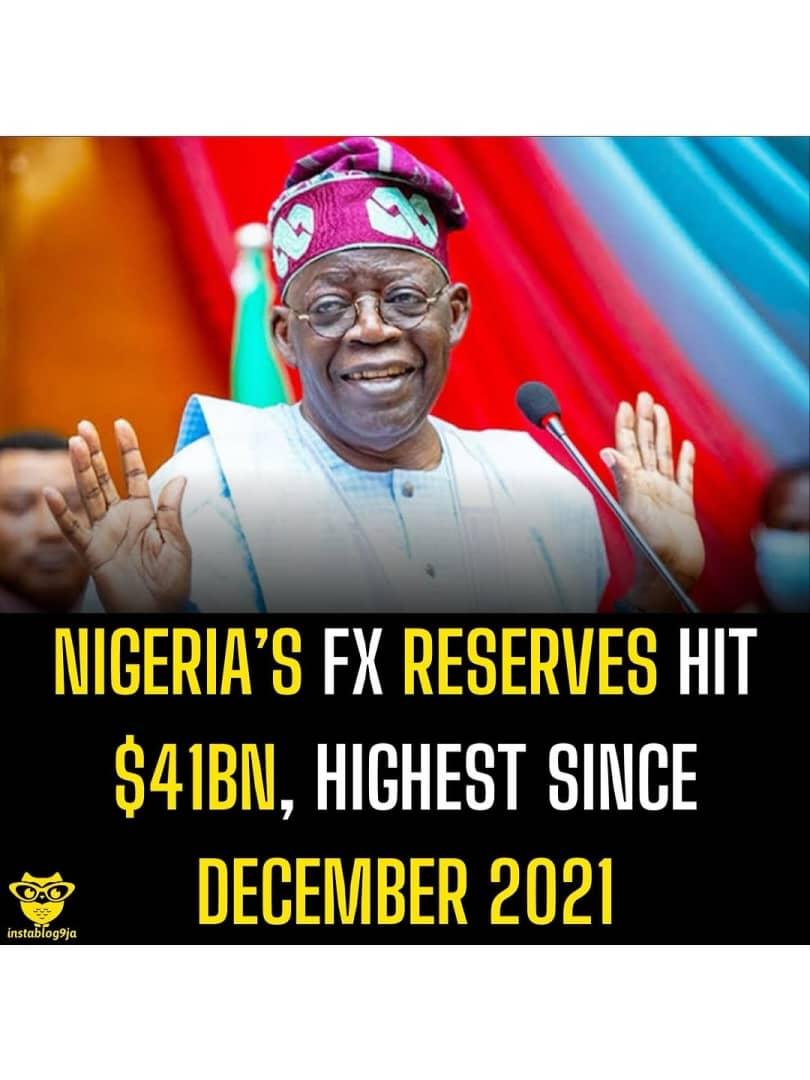
  • Nigeria’s FX Reserves Hit $41bn, Highest Since December 2021.

    Nigeria’s foreign exchange reserves climbed to $41.00 billion as of August 19, 2025, reaching the highest level in 44 months, according to the Central Bank of Nigeria (CBN).

    The reserves have gained $1.46 billion in August alone, rising from $39.54 billion on August 1, representing a 3.69% increase in under three weeks. This steady growth comes after months of depletion driven by heavy external debt repayments. The stronger reserves position enhances the CBN’s capacity to stabilise the naira, manage liquidity, and counter speculative pressures in the forex market.

    On a year-to-date basis, however, the improvement has been modest, with reserves adding only $124 million (0.30%) from $40.88 billion recorded on December 31, 2024.

    At $41 billion, Nigeria is now at its strongest external reserve level since December 3, 2021, marking a significant recovery from the drawdowns of 2022 and 2023 when reserves often fell below $38 billion.
    Nigeria’s FX Reserves Hit $41bn, Highest Since December 2021. Nigeria’s foreign exchange reserves climbed to $41.00 billion as of August 19, 2025, reaching the highest level in 44 months, according to the Central Bank of Nigeria (CBN). The reserves have gained $1.46 billion in August alone, rising from $39.54 billion on August 1, representing a 3.69% increase in under three weeks. This steady growth comes after months of depletion driven by heavy external debt repayments. The stronger reserves position enhances the CBN’s capacity to stabilise the naira, manage liquidity, and counter speculative pressures in the forex market. On a year-to-date basis, however, the improvement has been modest, with reserves adding only $124 million (0.30%) from $40.88 billion recorded on December 31, 2024. At $41 billion, Nigeria is now at its strongest external reserve level since December 3, 2021, marking a significant recovery from the drawdowns of 2022 and 2023 when reserves often fell below $38 billion.
    0 Commentarii ·0 Distribuiri ·691 Views
  • Forex expert Ahmad Xm’s estranged wife confirms their marriage breakup.
    Forex expert Ahmad Xm’s estranged wife confirms their marriage breakup.
    0 Commentarii ·0 Distribuiri ·517 Views
  • Black market dollar to naira exchange rate as of today Friday, 11th of July, 2025.

    The Nigerian Naira held steady against the United States Dollar in the black market today, Friday, July 11th, 2025, closing the trading week with minimal movement as traders balanced moderate supply and steady demand.

    After slight gains earlier in the week, today’s rate shows that the local currency is maintaining its ground amid Nigeria’s ongoing foreign exchange constraints and import-driven dollar needs.

    According to black market dealers in Lagos, Abuja, Port Harcourt, and Kano, the Dollar to Naira black market exchange rate today is:
    Buying Rate: ₦1,550 per $1
    Selling Rate: ₦1,560 per $1

    The stable ₦10 spread reflects continued caution in the street forex market as traders watch for fresh supply or policy signals heading into next week.

    How Much Is Dollar to Naira Today in Black Market?
    A key question for many Nigerians remains, “how much is dollar to naira today in black market?” especially for parents paying school fees abroad, travelers booking tickets, importers paying suppliers, and individuals funding medical trips.

    As of Friday, July 11th, 2025, the Dollar to Naira black market rate is ₦1,550 per dollar for buying and ₦1,560 per dollar for selling. These rates may differ slightly based on location, dealer, and volume of the transaction, but they represent the general average across Nigeria’s major parallel market hubs.

    For credible daily updates and trusted market data, platforms like Investors King and Aboki Forex remain reliable sources for tracking black market rates. The Central Bank of Nigeria (CBN) also publishes the official benchmark rate daily for reference.

    Dollar to Naira: Black Market vs. Official CBN Rate
    increase. The CBN is likely to maintain FX interventions to close the gap between the official and black market rates, but access challenges persist.

    To stay ahead of daily market shifts and forex trends, follow Investors King for expert coverage and analysis. For real-time parallel market rates, check Aboki Forex. For official policy updates and rates, visit the Central Bank of Nigeria.

    Conclusion
    For Friday, July 11th, 2025, the Black Market Dollar to Naira exchange rate is:
    ₦1,550 per dollar for buying
    ₦1,560 per dollar for selling

    With demand stable and street supply modest, the Naira is closing the week on a flat note — but the gap between the black market and official rates highlights Nigeria’s ongoing foreign exchange challenges.
    Black market dollar to naira exchange rate as of today Friday, 11th of July, 2025. The Nigerian Naira held steady against the United States Dollar in the black market today, Friday, July 11th, 2025, closing the trading week with minimal movement as traders balanced moderate supply and steady demand. After slight gains earlier in the week, today’s rate shows that the local currency is maintaining its ground amid Nigeria’s ongoing foreign exchange constraints and import-driven dollar needs. According to black market dealers in Lagos, Abuja, Port Harcourt, and Kano, the Dollar to Naira black market exchange rate today is: Buying Rate: ₦1,550 per $1 Selling Rate: ₦1,560 per $1 The stable ₦10 spread reflects continued caution in the street forex market as traders watch for fresh supply or policy signals heading into next week. How Much Is Dollar to Naira Today in Black Market? A key question for many Nigerians remains, “how much is dollar to naira today in black market?” especially for parents paying school fees abroad, travelers booking tickets, importers paying suppliers, and individuals funding medical trips. As of Friday, July 11th, 2025, the Dollar to Naira black market rate is ₦1,550 per dollar for buying and ₦1,560 per dollar for selling. These rates may differ slightly based on location, dealer, and volume of the transaction, but they represent the general average across Nigeria’s major parallel market hubs. For credible daily updates and trusted market data, platforms like Investors King and Aboki Forex remain reliable sources for tracking black market rates. The Central Bank of Nigeria (CBN) also publishes the official benchmark rate daily for reference. Dollar to Naira: Black Market vs. Official CBN Rate increase. The CBN is likely to maintain FX interventions to close the gap between the official and black market rates, but access challenges persist. To stay ahead of daily market shifts and forex trends, follow Investors King for expert coverage and analysis. For real-time parallel market rates, check Aboki Forex. For official policy updates and rates, visit the Central Bank of Nigeria. Conclusion For Friday, July 11th, 2025, the Black Market Dollar to Naira exchange rate is: ₦1,550 per dollar for buying ₦1,560 per dollar for selling With demand stable and street supply modest, the Naira is closing the week on a flat note — but the gap between the black market and official rates highlights Nigeria’s ongoing foreign exchange challenges.
    0 Commentarii ·0 Distribuiri ·670 Views
  • Senate Probes Surge in Ponzi Schemes After CBEX Collapse Defrauds Nigerians of Over ₦1.3 Trillion.

    The Nigerian Senate has launched an investigation into the growing number of Ponzi schemes across the country, triggered by the recent collapse of the Crypto Bullion Exchange (CBEX), which allegedly scammed investors out of more than ₦1.3 trillion.

    This move follows a motion raised by Senator Adetokunbo Abiru (Lagos East), who expressed serious concern over the widespread and unregulated operation of fraudulent investment platforms. He cited notorious examples including MMM Nigeria (2016), MBA Forex (2020), and now CBEX, which lured unsuspecting Nigerians with promises of quick and high returns on digital assets.

    During the debate, lawmakers warned that the collapse of CBEX had caused not just financial ruin but also deep psychological trauma, pushing some victims into depression, family breakdowns, and even suicide.

    The Senate expressed alarm over the failure of relevant regulatory agencies—including the Securities and Exchange Commission (SEC), Central Bank of Nigeria (CBN), Nigerian Financial Intelligence Unit (NFIU), and the Economic and Financial Crimes Commission (EFCC)—to detect and act on the fraudulent scheme before it spiraled out of control.

    As a result, the Senate has directed a joint committee to investigate the proliferation of Ponzi schemes. The committee is expected to conduct a public hearing and present its report within one month.

    EFCC Response and Legal Actions
    The EFCC, in its defense, claimed it had already raised red flags. Speaking on Channels Television’s The Morning Brief, Dele Oyewale, spokesperson for the Commission, said efforts had been made to warn the public.

    “On March 11, our Chairman, Mr. Ola Olukoyede, directed us to alert Nigerians about 58 known Ponzi scheme operators. We published a list—that’s evidence of our proactive stance,” he said.

    In further action, on April 25, Justice Emeka Nwite of the Federal High Court in Abuja granted the EFCC’s request to arrest and detain six CBEX promoters over alleged fraud exceeding $1 billion.

    The EFCC, through its counsel Fadila Yusuf, had filed an ex parte motion seeking:

    Warrants for the arrest of the accused.

    Court approval to remand them in EFCC custody pending the conclusion of investigations.

    The Commission emphasized that the action was in line with its statutory duty to prevent, detect, and prosecute financial crimes in Nigeria.
    Senate Probes Surge in Ponzi Schemes After CBEX Collapse Defrauds Nigerians of Over ₦1.3 Trillion. The Nigerian Senate has launched an investigation into the growing number of Ponzi schemes across the country, triggered by the recent collapse of the Crypto Bullion Exchange (CBEX), which allegedly scammed investors out of more than ₦1.3 trillion. This move follows a motion raised by Senator Adetokunbo Abiru (Lagos East), who expressed serious concern over the widespread and unregulated operation of fraudulent investment platforms. He cited notorious examples including MMM Nigeria (2016), MBA Forex (2020), and now CBEX, which lured unsuspecting Nigerians with promises of quick and high returns on digital assets. During the debate, lawmakers warned that the collapse of CBEX had caused not just financial ruin but also deep psychological trauma, pushing some victims into depression, family breakdowns, and even suicide. The Senate expressed alarm over the failure of relevant regulatory agencies—including the Securities and Exchange Commission (SEC), Central Bank of Nigeria (CBN), Nigerian Financial Intelligence Unit (NFIU), and the Economic and Financial Crimes Commission (EFCC)—to detect and act on the fraudulent scheme before it spiraled out of control. As a result, the Senate has directed a joint committee to investigate the proliferation of Ponzi schemes. The committee is expected to conduct a public hearing and present its report within one month. EFCC Response and Legal Actions The EFCC, in its defense, claimed it had already raised red flags. Speaking on Channels Television’s The Morning Brief, Dele Oyewale, spokesperson for the Commission, said efforts had been made to warn the public. “On March 11, our Chairman, Mr. Ola Olukoyede, directed us to alert Nigerians about 58 known Ponzi scheme operators. We published a list—that’s evidence of our proactive stance,” he said. In further action, on April 25, Justice Emeka Nwite of the Federal High Court in Abuja granted the EFCC’s request to arrest and detain six CBEX promoters over alleged fraud exceeding $1 billion. The EFCC, through its counsel Fadila Yusuf, had filed an ex parte motion seeking: Warrants for the arrest of the accused. Court approval to remand them in EFCC custody pending the conclusion of investigations. The Commission emphasized that the action was in line with its statutory duty to prevent, detect, and prosecute financial crimes in Nigeria.
    0 Commentarii ·0 Distribuiri ·863 Views
  • Nothing really dey dis forex.
    Nothing really dey dis forex. 😆
    0 Commentarii ·0 Distribuiri ·386 Views
Fintter https://fintter.com