• Was Deadly Force Justified? Why an ICE Agent Shot a Motorist in Minneapolis During Immigration Raids—and How This Killing Is Reigniting America’s Immigration and Police Brutality Debate

    Was the fatal shooting of a motorist by a federal immigration agent in Minneapolis an act of self-defence—or a troubling escalation in America’s immigration crackdown? And how far is the U.S. government willing to go in enforcing immigration laws under the Trump administration?

    An Immigration and Customs Enforcement (ICE) agent shot and killed a woman during a federal immigration operation in Minneapolis after authorities said she attempted to drive her vehicle into law enforcement officers. The incident occurred in a residential neighbourhood as ICE carried out what the Department of Homeland Security (DHS) described as “targeted operations” connected to an ongoing nationwide enforcement surge.

    According to DHS spokesperson Tricia McLaughlin, the confrontation unfolded after protesters reportedly surrounded officers at the scene. She alleged that the woman “weaponized her vehicle” in an attempt to run over federal agents—calling the act “domestic terrorism.” The woman was shot inside her car, but as of Wednesday evening, authorities had not released her identity or confirmed whether body-camera footage would be made public.

    Why is this incident causing such outrage? The killing comes amid a dramatic expansion of federal immigration enforcement in major U.S. cities. Just one day earlier, DHS announced the deployment of approximately 2,000 federal agents to Minneapolis and St. Paul as part of a sweeping crackdown linked in part to alleged fraud involving members of the Somali community. The announcement immediately heightened tensions in a region already sensitive to aggressive immigration operations.

    Following the shooting, crowds of protesters flooded the area, chanting “Shame! Shame! Shame!” and “ICE out of Minnesota!”—slogans that have echoed across other U.S. cities experiencing similar raids. Civil rights advocates and community leaders have called for an independent investigation, demanding transparency around the use of deadly force by federal officers during immigration operations.

    Minneapolis Mayor Jacob Frey strongly condemned the federal presence, accusing ICE of destabilising the city. “Immigration agents are causing chaos in our city,” he said, insisting that federal authorities leave Minnesota and affirming the city’s support for immigrant and refugee communities.

    What does this mean for immigration enforcement in America? The shooting is being widely seen as a turning point in an already polarising national debate over immigration, policing, and the militarisation of federal law enforcement. With Minneapolis now emerging as a flashpoint—alongside cities like Los Angeles and Chicago—the incident raises urgent questions: Are ICE operations becoming more dangerous for both officers and civilians? Is the use of lethal force becoming normalised in immigration enforcement? And will federal authorities face greater scrutiny or legal challenges over how these operations are conducted?

    As investigations loom and public anger grows, the Minneapolis shooting is likely to intensify political battles over immigration policy, civil rights, and the limits of federal power—reshaping how America confronts one of its most divisive issues in the years ahead.

    Was Deadly Force Justified? Why an ICE Agent Shot a Motorist in Minneapolis During Immigration Raids—and How This Killing Is Reigniting America’s Immigration and Police Brutality Debate Was the fatal shooting of a motorist by a federal immigration agent in Minneapolis an act of self-defence—or a troubling escalation in America’s immigration crackdown? And how far is the U.S. government willing to go in enforcing immigration laws under the Trump administration? An Immigration and Customs Enforcement (ICE) agent shot and killed a woman during a federal immigration operation in Minneapolis after authorities said she attempted to drive her vehicle into law enforcement officers. The incident occurred in a residential neighbourhood as ICE carried out what the Department of Homeland Security (DHS) described as “targeted operations” connected to an ongoing nationwide enforcement surge. According to DHS spokesperson Tricia McLaughlin, the confrontation unfolded after protesters reportedly surrounded officers at the scene. She alleged that the woman “weaponized her vehicle” in an attempt to run over federal agents—calling the act “domestic terrorism.” The woman was shot inside her car, but as of Wednesday evening, authorities had not released her identity or confirmed whether body-camera footage would be made public. Why is this incident causing such outrage? The killing comes amid a dramatic expansion of federal immigration enforcement in major U.S. cities. Just one day earlier, DHS announced the deployment of approximately 2,000 federal agents to Minneapolis and St. Paul as part of a sweeping crackdown linked in part to alleged fraud involving members of the Somali community. The announcement immediately heightened tensions in a region already sensitive to aggressive immigration operations. Following the shooting, crowds of protesters flooded the area, chanting “Shame! Shame! Shame!” and “ICE out of Minnesota!”—slogans that have echoed across other U.S. cities experiencing similar raids. Civil rights advocates and community leaders have called for an independent investigation, demanding transparency around the use of deadly force by federal officers during immigration operations. Minneapolis Mayor Jacob Frey strongly condemned the federal presence, accusing ICE of destabilising the city. “Immigration agents are causing chaos in our city,” he said, insisting that federal authorities leave Minnesota and affirming the city’s support for immigrant and refugee communities. What does this mean for immigration enforcement in America? The shooting is being widely seen as a turning point in an already polarising national debate over immigration, policing, and the militarisation of federal law enforcement. With Minneapolis now emerging as a flashpoint—alongside cities like Los Angeles and Chicago—the incident raises urgent questions: Are ICE operations becoming more dangerous for both officers and civilians? Is the use of lethal force becoming normalised in immigration enforcement? And will federal authorities face greater scrutiny or legal challenges over how these operations are conducted? As investigations loom and public anger grows, the Minneapolis shooting is likely to intensify political battles over immigration policy, civil rights, and the limits of federal power—reshaping how America confronts one of its most divisive issues in the years ahead.
    0 Σχόλια ·0 Μοιράστηκε ·2χλμ. Views

  • When Power Rewrites Jurisdiction: Legal Implications of Maduro’s Capture, Universal Jurisdiction and Trump’s Nigeria Playbook — Opinion by Dr. Seun Solomon Bakare

    In this opinion piece, Dr. Seun Solomon Bakare critically examines the United States’ capture and transfer of Venezuelan President Nicolás Maduro to New York, arguing that while the act may appear morally justified, it presents profound legal and jurisdictional challenges under international law. He contends that the operation represents more than a criminal arrest, instead signalling a dangerous precedent where power, rather than law, determines jurisdiction, forum, and enforcement.

    Bakare explains that international law restricts the use of force to narrow circumstances such as self-defence or UN Security Council authorisation, noting that criminal indictments do not justify cross-border military seizures. He argues that doctrines like universal jurisdiction allow prosecution of certain crimes but do not permit armed enforcement on foreign soil, especially against a sitting head of state protected by immunity under international law.

    Drawing comparisons with Nigeria’s experience under the Trump administration—through sanctions, visa restrictions, and external pressure—Bakare warns that unilateral enforcement bypassing domestic and regional accountability mechanisms undermines principles such as complementarity, subsidiarity, and regional justice. He cautions that collapsing the distinction between prosecution and regime change risks transforming international criminal law into a contest of raw power, where legality becomes secondary to capability.

    The article concludes that without credible domestic and regional accountability systems, global justice risks devolving into coercion by the powerful, threatening the very foundations of the post-1945 international legal order.
    When Power Rewrites Jurisdiction: Legal Implications of Maduro’s Capture, Universal Jurisdiction and Trump’s Nigeria Playbook — Opinion by Dr. Seun Solomon Bakare In this opinion piece, Dr. Seun Solomon Bakare critically examines the United States’ capture and transfer of Venezuelan President Nicolás Maduro to New York, arguing that while the act may appear morally justified, it presents profound legal and jurisdictional challenges under international law. He contends that the operation represents more than a criminal arrest, instead signalling a dangerous precedent where power, rather than law, determines jurisdiction, forum, and enforcement. Bakare explains that international law restricts the use of force to narrow circumstances such as self-defence or UN Security Council authorisation, noting that criminal indictments do not justify cross-border military seizures. He argues that doctrines like universal jurisdiction allow prosecution of certain crimes but do not permit armed enforcement on foreign soil, especially against a sitting head of state protected by immunity under international law. Drawing comparisons with Nigeria’s experience under the Trump administration—through sanctions, visa restrictions, and external pressure—Bakare warns that unilateral enforcement bypassing domestic and regional accountability mechanisms undermines principles such as complementarity, subsidiarity, and regional justice. He cautions that collapsing the distinction between prosecution and regime change risks transforming international criminal law into a contest of raw power, where legality becomes secondary to capability. The article concludes that without credible domestic and regional accountability systems, global justice risks devolving into coercion by the powerful, threatening the very foundations of the post-1945 international legal order.
    like
    1
    · 0 Σχόλια ·0 Μοιράστηκε ·649 Views
  • US Lawmaker Praises Release Of Nigerian Christian Farmer Sunday Jackson After Over 10 Years On Death Row Following Adamawa Governor’s Pardon

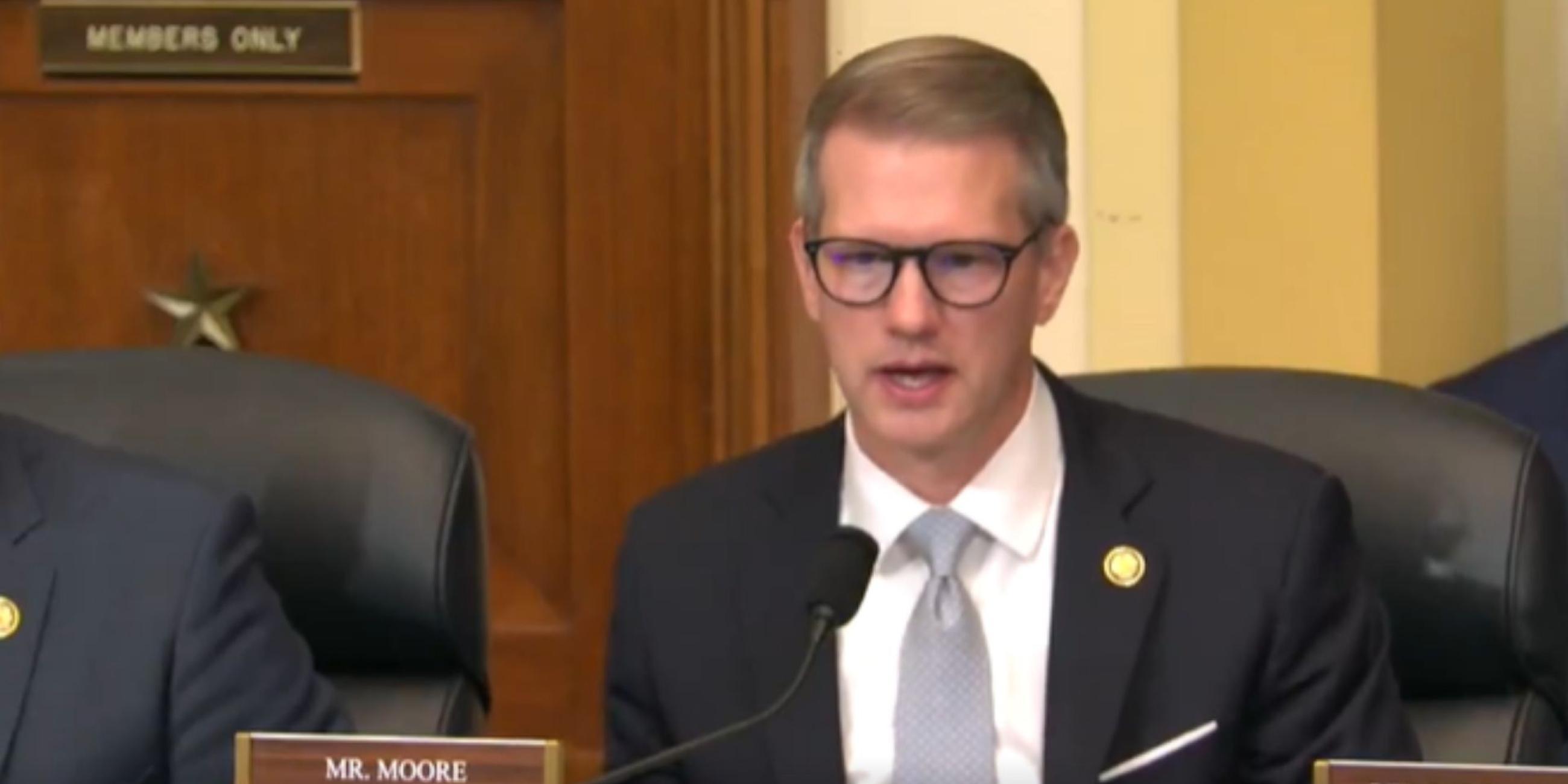
    A United States lawmaker, Rep. Riley M. Moore, has hailed the release of Sunday Jackson, a Nigerian Christian farmer who spent more than a decade on death row after killing an attacker in what supporters describe as self-defence. Jackson was freed after Adamawa State Governor Ahmadu Umaru Fintiri granted him a pardon, ending a case that attracted sustained pressure from U.S. lawmakers and religious freedom advocates. Moore described the pardon as a major step forward for religious freedom and improving U.S.–Nigeria relations, while urging Nigerian authorities to ensure Jackson’s safety. The case has become symbolic of wider concerns over religious persecution, farmer-herder violence, and the need for justice and security reforms in Nigeria.

    #SundayJackson
    #ReligiousFreedom
    #USNigeriaRelations
    US Lawmaker Praises Release Of Nigerian Christian Farmer Sunday Jackson After Over 10 Years On Death Row Following Adamawa Governor’s Pardon A United States lawmaker, Rep. Riley M. Moore, has hailed the release of Sunday Jackson, a Nigerian Christian farmer who spent more than a decade on death row after killing an attacker in what supporters describe as self-defence. Jackson was freed after Adamawa State Governor Ahmadu Umaru Fintiri granted him a pardon, ending a case that attracted sustained pressure from U.S. lawmakers and religious freedom advocates. Moore described the pardon as a major step forward for religious freedom and improving U.S.–Nigeria relations, while urging Nigerian authorities to ensure Jackson’s safety. The case has become symbolic of wider concerns over religious persecution, farmer-herder violence, and the need for justice and security reforms in Nigeria. #SundayJackson #ReligiousFreedom #USNigeriaRelations
    0 Σχόλια ·0 Μοιράστηκε ·1χλμ. Views

  • Adamawa Governor Fintiri Grants Christmas Pardon to Farmer Sunday Jackson Sentenced to Death for Killing Herder in Self-Defence Case

    Adamawa State Governor Ahmadu Umaru Fintiri has granted a full Christmas pardon to Sunday Jackson, a farmer who was controversially sentenced to death for killing a herder during a violent confrontation on his farmland. Jackson’s conviction, despite widespread claims that he acted in clear self-defence, had sparked national outrage and became a symbol of what critics described as the criminalisation of farmers facing deadly attacks.

    The farmer was previously transferred to the Kuje Medium Security Custodial Centre in Abuja, where he remained on death row while human rights advocates and rural communities called for justice. Exercising his constitutional prerogative of mercy, Governor Fintiri approved Jackson’s release following recommendations from the Adamawa State Advisory Council on the Prerogative of Mercy and in recognition of his conduct while in custody.

    The pardon, granted as part of Christmas and New Year celebrations, has been widely welcomed across Adamawa State, particularly by farming communities who viewed Jackson’s case as a grave miscarriage of justice. While the government avoided reopening the legal details of the case, rights groups insist the decision amounts to an implicit acknowledgment that Jackson should never have faced a death sentence for defending his life and livelihood.


    #Adamawa
    #SundayJackson
    #JusticeAndPardon
    Adamawa Governor Fintiri Grants Christmas Pardon to Farmer Sunday Jackson Sentenced to Death for Killing Herder in Self-Defence Case Adamawa State Governor Ahmadu Umaru Fintiri has granted a full Christmas pardon to Sunday Jackson, a farmer who was controversially sentenced to death for killing a herder during a violent confrontation on his farmland. Jackson’s conviction, despite widespread claims that he acted in clear self-defence, had sparked national outrage and became a symbol of what critics described as the criminalisation of farmers facing deadly attacks. The farmer was previously transferred to the Kuje Medium Security Custodial Centre in Abuja, where he remained on death row while human rights advocates and rural communities called for justice. Exercising his constitutional prerogative of mercy, Governor Fintiri approved Jackson’s release following recommendations from the Adamawa State Advisory Council on the Prerogative of Mercy and in recognition of his conduct while in custody. The pardon, granted as part of Christmas and New Year celebrations, has been widely welcomed across Adamawa State, particularly by farming communities who viewed Jackson’s case as a grave miscarriage of justice. While the government avoided reopening the legal details of the case, rights groups insist the decision amounts to an implicit acknowledgment that Jackson should never have faced a death sentence for defending his life and livelihood. #Adamawa #SundayJackson #JusticeAndPardon
    0 Σχόλια ·0 Μοιράστηκε ·686 Views
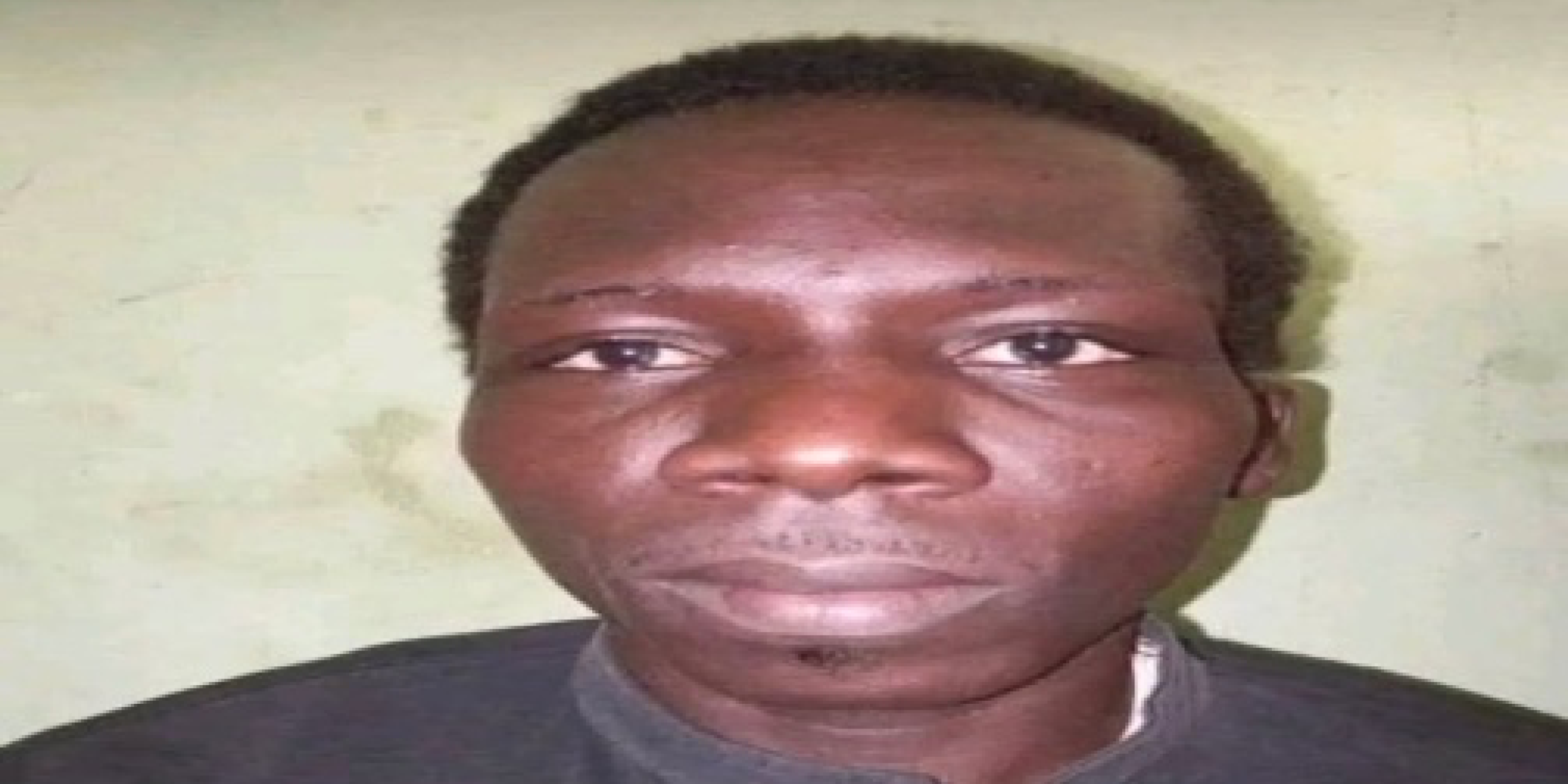
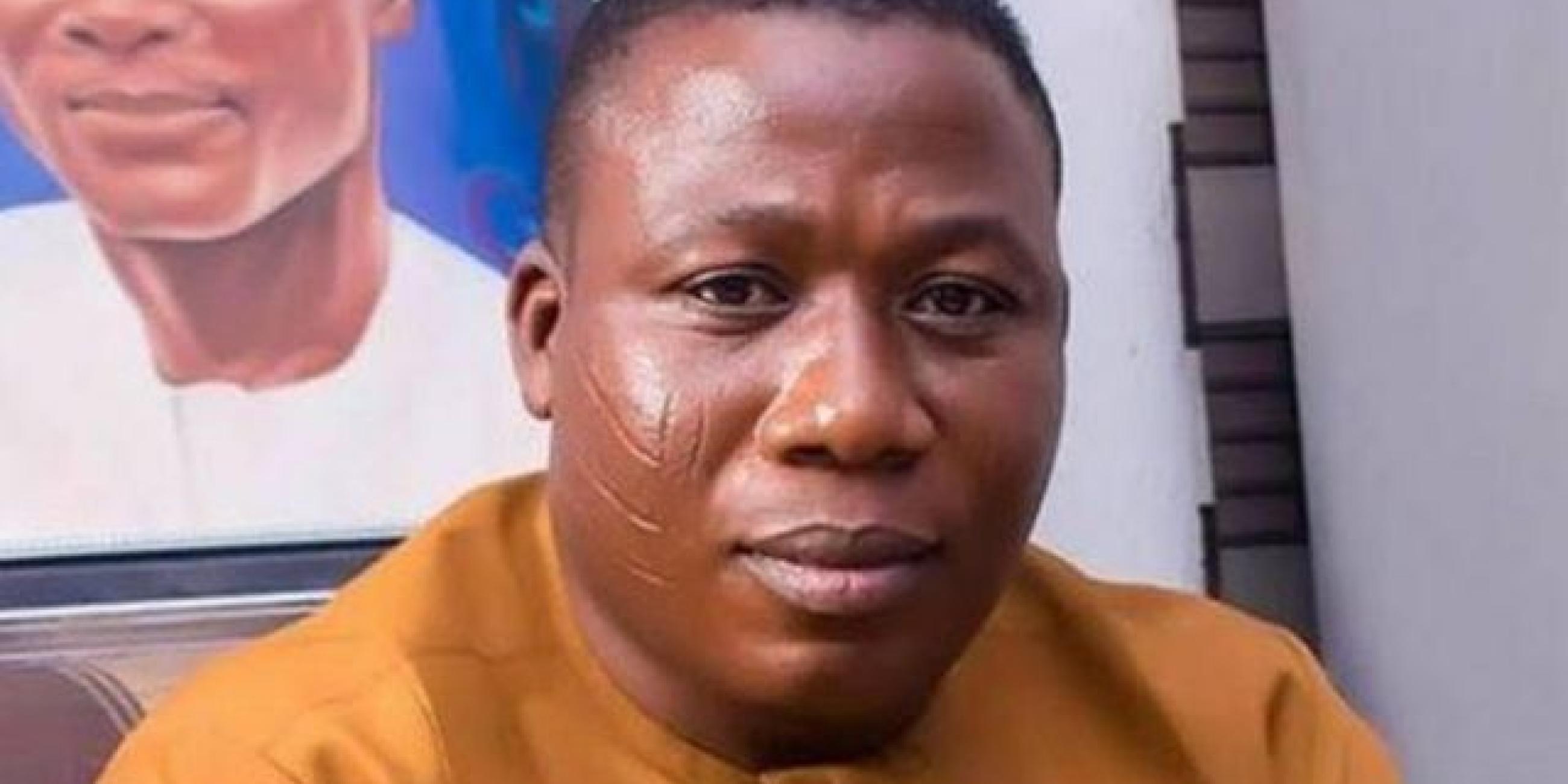
  • Bandits Have Infiltrated South-West — Sunday Igboho Raises Alarm Over Killing Of Three Farmers In Oyo Community

    Yoruba Nation activist, Sunday Adeyemo, popularly known as Sunday Igboho, has raised fresh concerns over worsening insecurity in the South-West following the killing of three farmers in Igboho, Orelope Local Government Area of Oyo State. In a statement issued in Ibadan, Igboho disclosed that the victims—Aderoju Mukaila, Olawuwo Saka, and Ojeniyi Ojebayo—were attacked by gunmen, rushed to hospital, but later died from their injuries.
    He lamented the government’s failure to act on repeated warnings about insecurity in rural communities, describing the incident as a confirmation of long-standing fears over the infiltration of bandits and armed criminals into forests and settlements across the South-West, as well as parts of Kwara and Kogi states. Igboho urged President Bola Tinubu and security agencies to urgently intensify efforts to protect farmers and residents in the Oke-Ogun axis, warning that continued inaction could push affected communities toward self-defence.
    Bandits Have Infiltrated South-West — Sunday Igboho Raises Alarm Over Killing Of Three Farmers In Oyo Community Yoruba Nation activist, Sunday Adeyemo, popularly known as Sunday Igboho, has raised fresh concerns over worsening insecurity in the South-West following the killing of three farmers in Igboho, Orelope Local Government Area of Oyo State. In a statement issued in Ibadan, Igboho disclosed that the victims—Aderoju Mukaila, Olawuwo Saka, and Ojeniyi Ojebayo—were attacked by gunmen, rushed to hospital, but later died from their injuries. He lamented the government’s failure to act on repeated warnings about insecurity in rural communities, describing the incident as a confirmation of long-standing fears over the infiltration of bandits and armed criminals into forests and settlements across the South-West, as well as parts of Kwara and Kogi states. Igboho urged President Bola Tinubu and security agencies to urgently intensify efforts to protect farmers and residents in the Oke-Ogun axis, warning that continued inaction could push affected communities toward self-defence.
    0 Σχόλια ·0 Μοιράστηκε ·636 Views
  • Newspaper Review | 5th December 2025

    Leadership: Expose, Prosecute Terror Sponsors, Arewa Forum, oil workers, others tell Tinubu
    Blueprint: Citizens bearing arms in self-defence not way out of insecurity - Kukah
    Nigerian Pilot: DisCos Exposed! As AEDC, others fail to deliver due to its unexpanded network
    Newspaper Review | 5th December 2025 Leadership: Expose, Prosecute Terror Sponsors, Arewa Forum, oil workers, others tell Tinubu Blueprint: Citizens bearing arms in self-defence not way out of insecurity - Kukah Nigerian Pilot: DisCos Exposed! As AEDC, others fail to deliver due to its unexpanded network
    0 Σχόλια ·0 Μοιράστηκε ·493 Views
  • Self-Defence Won’t End Insecurity in Nigeria, Bishop Kukah Warns Government

    Catholic Bishop Matthew Hassan Kukah has cautioned that arming communities for self-defence will not resolve Nigeria’s worsening insecurity. Speaking at a national dialogue in Abuja, Kukah said distributing weapons creates only an illusion of safety and contradicts moral and religious principles. He argued that Nigeria’s real problems lie in broken homes, weakened values, and fragmented communities that fuel violence. Kukah urged a collective, whole-of-society approach to rebuilding trust, combating extremism, and promoting justice, compassion, and unity across religious and ethnic divides.
    Self-Defence Won’t End Insecurity in Nigeria, Bishop Kukah Warns Government Catholic Bishop Matthew Hassan Kukah has cautioned that arming communities for self-defence will not resolve Nigeria’s worsening insecurity. Speaking at a national dialogue in Abuja, Kukah said distributing weapons creates only an illusion of safety and contradicts moral and religious principles. He argued that Nigeria’s real problems lie in broken homes, weakened values, and fragmented communities that fuel violence. Kukah urged a collective, whole-of-society approach to rebuilding trust, combating extremism, and promoting justice, compassion, and unity across religious and ethnic divides.
    0 Σχόλια ·0 Μοιράστηκε ·905 Views
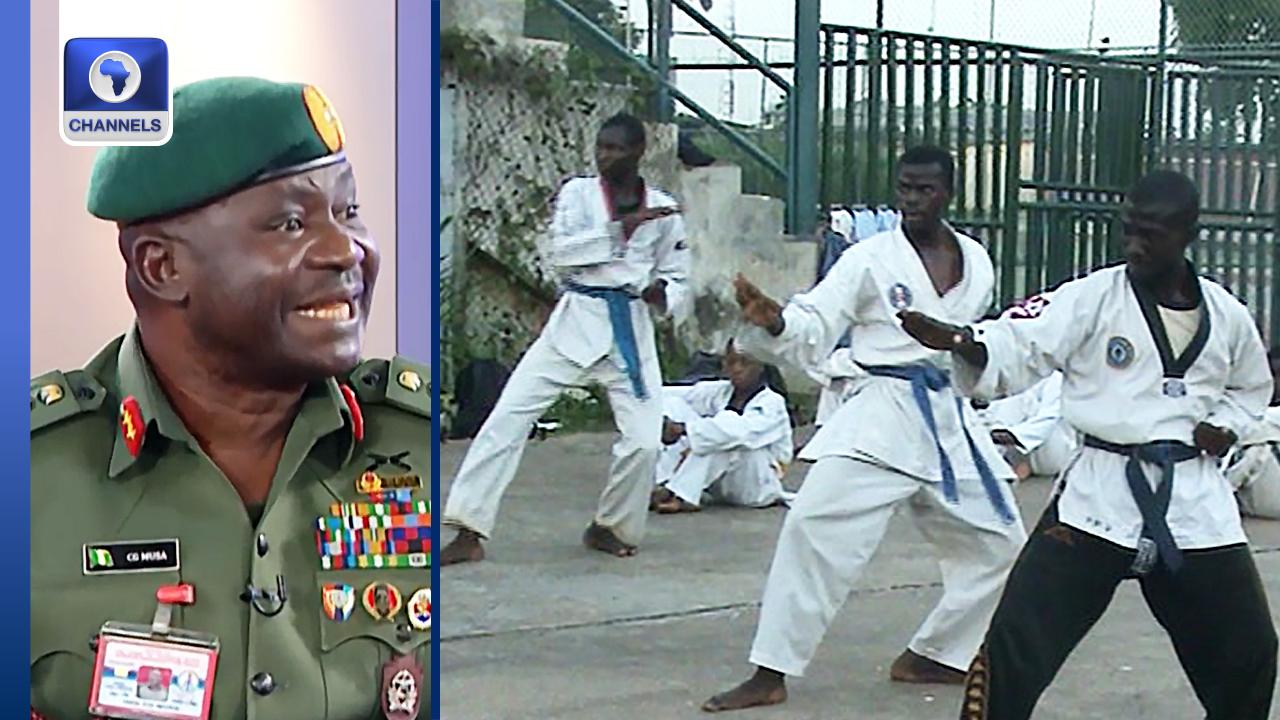
  • Every Nigerian Should Learn Combat Skills For Self-Defence – CDS Musa

    Nigeria’s Chief of Defence Staff, General Christopher Musa, has urged citizens to acquire basic combat and survival skills such as Karate, Taekwondo, Judo, swimming, and driving, describing them as essential for self-protection in today’s dangerous world.

    Speaking on Politics Today, Musa said the National Youth Service Corps (NYSC) should train graduates in unarmed combat for daily survival, stressing that security is everyone’s responsibility.

    He also revealed that terrorists are increasingly funding their operations with gold, making financial tracking complex due to international networks. Musa further cited bad roads, poor communication, and IED threats as key obstacles slowing troops’ response to banditry and terrorism.

    On the Southeast, he noted that relative calm has returned since the arrest of pro-Biafra agitator Simon Ekpa in Finland in November 2024.

    #NigeriaSecurity #SelfDefence #Insecurity
    Every Nigerian Should Learn Combat Skills For Self-Defence – CDS Musa Nigeria’s Chief of Defence Staff, General Christopher Musa, has urged citizens to acquire basic combat and survival skills such as Karate, Taekwondo, Judo, swimming, and driving, describing them as essential for self-protection in today’s dangerous world. Speaking on Politics Today, Musa said the National Youth Service Corps (NYSC) should train graduates in unarmed combat for daily survival, stressing that security is everyone’s responsibility. He also revealed that terrorists are increasingly funding their operations with gold, making financial tracking complex due to international networks. Musa further cited bad roads, poor communication, and IED threats as key obstacles slowing troops’ response to banditry and terrorism. On the Southeast, he noted that relative calm has returned since the arrest of pro-Biafra agitator Simon Ekpa in Finland in November 2024. #NigeriaSecurity #SelfDefence #Insecurity
    0 Σχόλια ·0 Μοιράστηκε ·2χλμ. Views
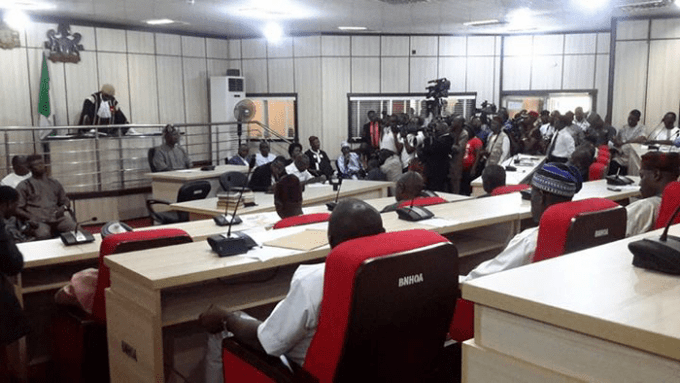
  • BREAKING: Benue State Assembly Calls for Self-Defence, Strengthening of Anti-Open Grazing Law
    BREAKING: Benue State Assembly Calls for Self-Defence, Strengthening of Anti-Open Grazing Law
    like
    1
    · 1 Σχόλια ·0 Μοιράστηκε ·301 Views
  • I don't support self-defence.

    ~ Benue state Governor, Alia says
    I don't support self-defence. ~ Benue state Governor, Alia says
    0 Σχόλια ·0 Μοιράστηκε ·381 Views ·1 Plays
  • I don't support self-defence.

    ~ Benue state Governor, Alia says
    I don't support self-defence. ~ Benue state Governor, Alia says
    0 Σχόλια ·0 Μοιράστηκε ·334 Views
  • Benue Killings: Residents will resort to self-defence, Mark warns govt.

    Amid worsening insecurity in Benue State, a former Senate President, David Mark, has raised the alarm over the continuous killings in the state, warning that residents may be left with no option but to defend themselves if the government fails in its constitutional duty to protect lives and property.
    Benue Killings: Residents will resort to self-defence, Mark warns govt. Amid worsening insecurity in Benue State, a former Senate President, David Mark, has raised the alarm over the continuous killings in the state, warning that residents may be left with no option but to defend themselves if the government fails in its constitutional duty to protect lives and property.
    love
    1
    · 0 Σχόλια ·0 Μοιράστηκε ·1χλμ. Views
Fintter https://fintter.com