


 About
About
Was Deadly Force Justified? Why an ICE Agent Shot a Motorist in Minneapolis During Immigration Raids—and How This Killing Is Reigniting America’s Immigration and Police Brutality Debate
Was the fatal shooting of a motorist by a federal immigration agent in Minneapolis an act of self-defence—or a troubling escalation in America’s immigration crackdown? And how far is the U.S. government willing to go in enforcing immigration laws under the Trump administration?
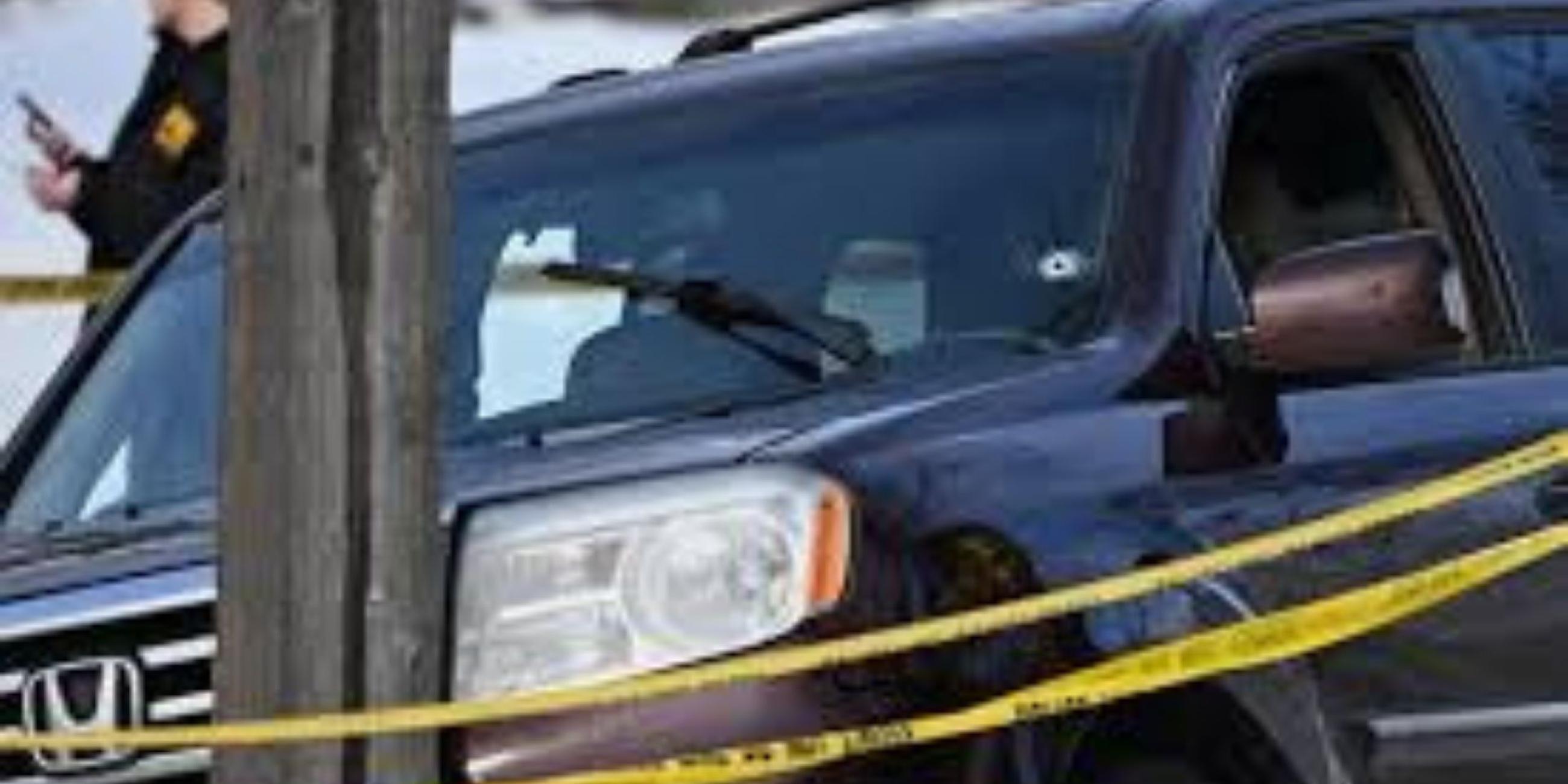
An Immigration and Customs Enforcement (ICE) agent shot and killed a woman during a federal immigration operation in Minneapolis after authorities said she attempted to drive her vehicle into law enforcement officers. The incident occurred in a residential neighbourhood as ICE carried out what the Department of Homeland Security (DHS) described as “targeted operations” connected to an ongoing nationwide enforcement surge.
According to DHS spokesperson Tricia McLaughlin, the confrontation unfolded after protesters reportedly surrounded officers at the scene. She alleged that the woman “weaponized her vehicle” in an attempt to run over federal agents—calling the act “domestic terrorism.” The woman was shot inside her car, but as of Wednesday evening, authorities had not released her identity or confirmed whether body-camera footage would be made public.
Why is this incident causing such outrage? The killing comes amid a dramatic expansion of federal immigration enforcement in major U.S. cities. Just one day earlier, DHS announced the deployment of approximately 2,000 federal agents to Minneapolis and St. Paul as part of a sweeping crackdown linked in part to alleged fraud involving members of the Somali community. The announcement immediately heightened tensions in a region already sensitive to aggressive immigration operations.
Following the shooting, crowds of protesters flooded the area, chanting “Shame! Shame! Shame!” and “ICE out of Minnesota!”—slogans that have echoed across other U.S. cities experiencing similar raids. Civil rights advocates and community leaders have called for an independent investigation, demanding transparency around the use of deadly force by federal officers during immigration operations.
Minneapolis Mayor Jacob Frey strongly condemned the federal presence, accusing ICE of destabilising the city. “Immigration agents are causing chaos in our city,” he said, insisting that federal authorities leave Minnesota and affirming the city’s support for immigrant and refugee communities.
What does this mean for immigration enforcement in America? The shooting is being widely seen as a turning point in an already polarising national debate over immigration, policing, and the militarisation of federal law enforcement. With Minneapolis now emerging as a flashpoint—alongside cities like Los Angeles and Chicago—the incident raises urgent questions: Are ICE operations becoming more dangerous for both officers and civilians? Is the use of lethal force becoming normalised in immigration enforcement? And will federal authorities face greater scrutiny or legal challenges over how these operations are conducted?
As investigations loom and public anger grows, the Minneapolis shooting is likely to intensify political battles over immigration policy, civil rights, and the limits of federal power—reshaping how America confronts one of its most divisive issues in the years ahead.
Was the fatal shooting of a motorist by a federal immigration agent in Minneapolis an act of self-defence—or a troubling escalation in America’s immigration crackdown? And how far is the U.S. government willing to go in enforcing immigration laws under the Trump administration?
An Immigration and Customs Enforcement (ICE) agent shot and killed a woman during a federal immigration operation in Minneapolis after authorities said she attempted to drive her vehicle into law enforcement officers. The incident occurred in a residential neighbourhood as ICE carried out what the Department of Homeland Security (DHS) described as “targeted operations” connected to an ongoing nationwide enforcement surge.
According to DHS spokesperson Tricia McLaughlin, the confrontation unfolded after protesters reportedly surrounded officers at the scene. She alleged that the woman “weaponized her vehicle” in an attempt to run over federal agents—calling the act “domestic terrorism.” The woman was shot inside her car, but as of Wednesday evening, authorities had not released her identity or confirmed whether body-camera footage would be made public.
Why is this incident causing such outrage? The killing comes amid a dramatic expansion of federal immigration enforcement in major U.S. cities. Just one day earlier, DHS announced the deployment of approximately 2,000 federal agents to Minneapolis and St. Paul as part of a sweeping crackdown linked in part to alleged fraud involving members of the Somali community. The announcement immediately heightened tensions in a region already sensitive to aggressive immigration operations.
Following the shooting, crowds of protesters flooded the area, chanting “Shame! Shame! Shame!” and “ICE out of Minnesota!”—slogans that have echoed across other U.S. cities experiencing similar raids. Civil rights advocates and community leaders have called for an independent investigation, demanding transparency around the use of deadly force by federal officers during immigration operations.
Minneapolis Mayor Jacob Frey strongly condemned the federal presence, accusing ICE of destabilising the city. “Immigration agents are causing chaos in our city,” he said, insisting that federal authorities leave Minnesota and affirming the city’s support for immigrant and refugee communities.
What does this mean for immigration enforcement in America? The shooting is being widely seen as a turning point in an already polarising national debate over immigration, policing, and the militarisation of federal law enforcement. With Minneapolis now emerging as a flashpoint—alongside cities like Los Angeles and Chicago—the incident raises urgent questions: Are ICE operations becoming more dangerous for both officers and civilians? Is the use of lethal force becoming normalised in immigration enforcement? And will federal authorities face greater scrutiny or legal challenges over how these operations are conducted?
As investigations loom and public anger grows, the Minneapolis shooting is likely to intensify political battles over immigration policy, civil rights, and the limits of federal power—reshaping how America confronts one of its most divisive issues in the years ahead.
Was Deadly Force Justified? Why an ICE Agent Shot a Motorist in Minneapolis During Immigration Raids—and How This Killing Is Reigniting America’s Immigration and Police Brutality Debate
Was the fatal shooting of a motorist by a federal immigration agent in Minneapolis an act of self-defence—or a troubling escalation in America’s immigration crackdown? And how far is the U.S. government willing to go in enforcing immigration laws under the Trump administration?
An Immigration and Customs Enforcement (ICE) agent shot and killed a woman during a federal immigration operation in Minneapolis after authorities said she attempted to drive her vehicle into law enforcement officers. The incident occurred in a residential neighbourhood as ICE carried out what the Department of Homeland Security (DHS) described as “targeted operations” connected to an ongoing nationwide enforcement surge.
According to DHS spokesperson Tricia McLaughlin, the confrontation unfolded after protesters reportedly surrounded officers at the scene. She alleged that the woman “weaponized her vehicle” in an attempt to run over federal agents—calling the act “domestic terrorism.” The woman was shot inside her car, but as of Wednesday evening, authorities had not released her identity or confirmed whether body-camera footage would be made public.
Why is this incident causing such outrage? The killing comes amid a dramatic expansion of federal immigration enforcement in major U.S. cities. Just one day earlier, DHS announced the deployment of approximately 2,000 federal agents to Minneapolis and St. Paul as part of a sweeping crackdown linked in part to alleged fraud involving members of the Somali community. The announcement immediately heightened tensions in a region already sensitive to aggressive immigration operations.
Following the shooting, crowds of protesters flooded the area, chanting “Shame! Shame! Shame!” and “ICE out of Minnesota!”—slogans that have echoed across other U.S. cities experiencing similar raids. Civil rights advocates and community leaders have called for an independent investigation, demanding transparency around the use of deadly force by federal officers during immigration operations.
Minneapolis Mayor Jacob Frey strongly condemned the federal presence, accusing ICE of destabilising the city. “Immigration agents are causing chaos in our city,” he said, insisting that federal authorities leave Minnesota and affirming the city’s support for immigrant and refugee communities.
What does this mean for immigration enforcement in America? The shooting is being widely seen as a turning point in an already polarising national debate over immigration, policing, and the militarisation of federal law enforcement. With Minneapolis now emerging as a flashpoint—alongside cities like Los Angeles and Chicago—the incident raises urgent questions: Are ICE operations becoming more dangerous for both officers and civilians? Is the use of lethal force becoming normalised in immigration enforcement? And will federal authorities face greater scrutiny or legal challenges over how these operations are conducted?
As investigations loom and public anger grows, the Minneapolis shooting is likely to intensify political battles over immigration policy, civil rights, and the limits of federal power—reshaping how America confronts one of its most divisive issues in the years ahead.
0 Comments
·0 Shares
·4K Views
