• Lady pays off her husband’s $24,000 child support debt to one of his baby mamas
    Lady pays off her husband’s $24,000 child support debt to one of his baby mamas
    love
    1
    · 0 Comments ·0 Shares ·1K Views ·0 Plays
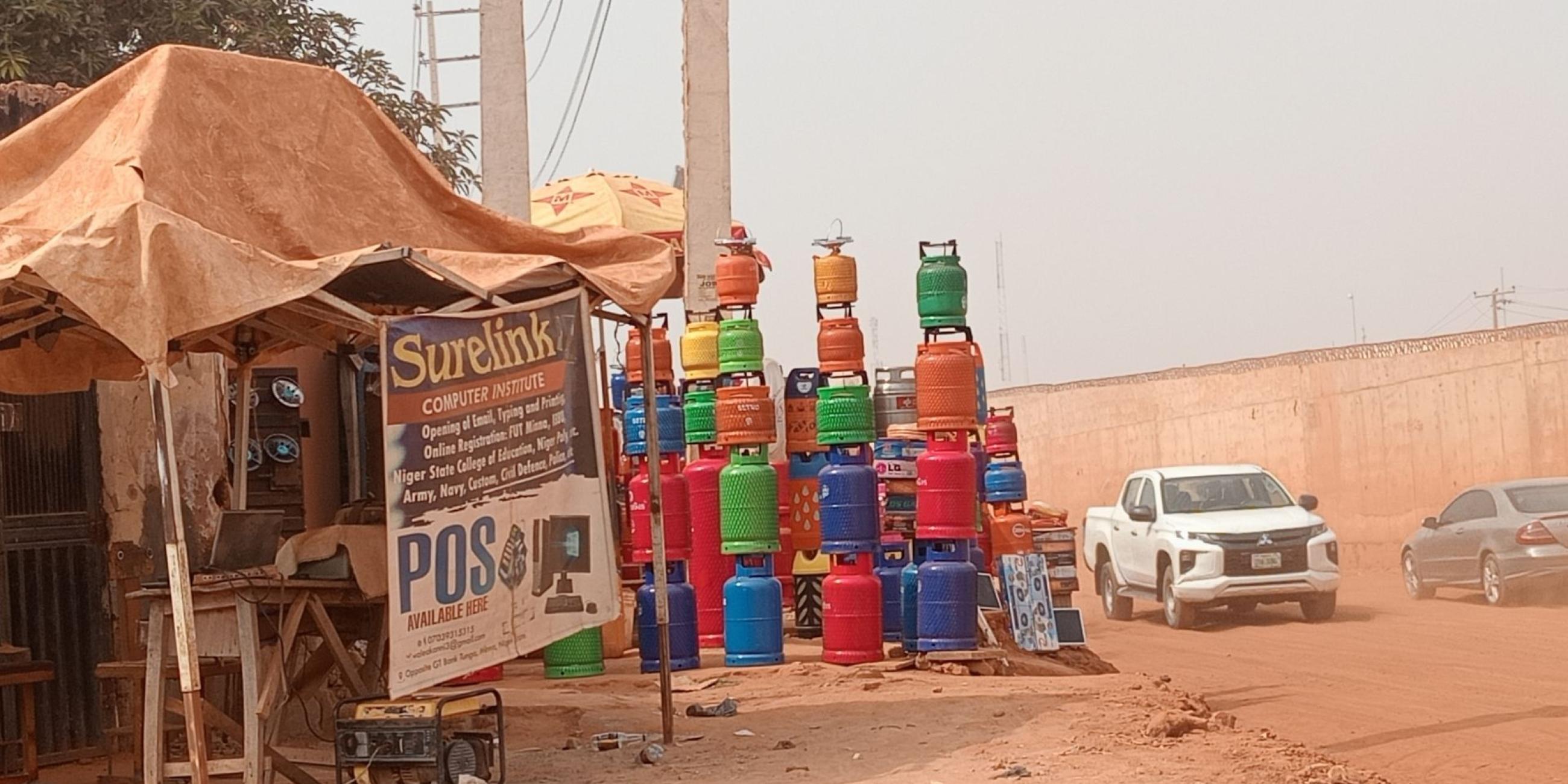
  • No Joy, Just Dust: Minna Traders Battle Falling Sales Amid Prolonged Road Construction

    Traders in Minna, Niger State, are struggling as slow road construction disrupts business, raises health concerns, and limits customer access. From markets like Tunga and City Gate to Kpakungu, merchants report declining sales, mounting debt, and unbearable dust, leaving many praying for relief as projects lag behind schedule.

    #MinnaMarkets #RoadConstructionCrisis #SmallBusinessStruggle
    No Joy, Just Dust: Minna Traders Battle Falling Sales Amid Prolonged Road Construction Traders in Minna, Niger State, are struggling as slow road construction disrupts business, raises health concerns, and limits customer access. From markets like Tunga and City Gate to Kpakungu, merchants report declining sales, mounting debt, and unbearable dust, leaving many praying for relief as projects lag behind schedule. #MinnaMarkets #RoadConstructionCrisis #SmallBusinessStruggle
    0 Comments ·0 Shares ·3K Views
  • BREAKING: Protesting contractors on Monday blocked Finance Minister of State, Doris Uzoka-Anite, from entering her office over alleged unpaid 2024 contract debts.

    The protesters barricaded the ministry gate, resisted security efforts to clear the way, and formed a human shield. Tension escalated after a gunshot was fired into the air, sparking panic. Contractors say the FG has failed to release funds for verified projects, leaving many facing bank defaults.

    #BreakingNews #Nigeria #Tinubu #FinanceMinistry #Protest #Fintter
    🚨 BREAKING: Protesting contractors on Monday blocked Finance Minister of State, Doris Uzoka-Anite, from entering her office over alleged unpaid 2024 contract debts. The protesters barricaded the ministry gate, resisted security efforts to clear the way, and formed a human shield. Tension escalated after a gunshot was fired into the air, sparking panic. Contractors say the FG has failed to release funds for verified projects, leaving many facing bank defaults. #BreakingNews #Nigeria #Tinubu #FinanceMinistry #Protest #Fintter
    love
    1
    · 0 Comments ·0 Shares ·2K Views
  • BREAKING: A 300-level Computer Science student of IBB University, Lapai, identified as Kelvin, has reportedly died by suicide after losing a large sum of money to online betting and accumulating heavy debts.

    Sources say he was a lodge caretaker entrusted with collecting rent, which he allegedly used for betting. He was also said to be under pressure over unpaid rents and debts from accommodation deals with fellow students. Authorities and the university are yet to issue official statements.

    If you’re struggling, please seek help.
    #BreakingNews #IBBUL #Nigeria #StudentNews #MentalHealth
    🚨 BREAKING: A 300-level Computer Science student of IBB University, Lapai, identified as Kelvin, has reportedly died by suicide after losing a large sum of money to online betting and accumulating heavy debts. Sources say he was a lodge caretaker entrusted with collecting rent, which he allegedly used for betting. He was also said to be under pressure over unpaid rents and debts from accommodation deals with fellow students. Authorities and the university are yet to issue official statements. If you’re struggling, please seek help. 💔 #BreakingNews #IBBUL #Nigeria #StudentNews #MentalHealth
    love
    1
    · 0 Comments ·0 Shares ·2K Views
  • BREAKING: Angry Nigerian Soldiers Threaten Mutiny Over Poor Salaries, Unpaid Allowances, Accuse Service Chiefs of Corruption

    Fresh tension is brewing in the Nigerian Army as aggrieved soldiers warn that a mutiny may erupt if the Federal Government fails to address worsening welfare conditions. In an open letter to President Bola Tinubu, the soldiers decried what they described as insulting salary increments following promotions, with some ranks receiving as little as ₦2,000–₦15,000 after five years of service. They accused military leadership of corruption, extortion, and selective implementation of allowances, noting that their counterparts in the Navy and Air Force earn significantly higher increments. The soldiers lamented unpaid and partially implemented allowances dating back to 2017, saying poor pay has trapped many in debt. They warned that continued silence from authorities could push desperate troops toward lawlessness, a situation they say poses grave danger to national security.
    #nigerian_army
    BREAKING: Angry Nigerian Soldiers Threaten Mutiny Over Poor Salaries, Unpaid Allowances, Accuse Service Chiefs of Corruption Fresh tension is brewing in the Nigerian Army as aggrieved soldiers warn that a mutiny may erupt if the Federal Government fails to address worsening welfare conditions. In an open letter to President Bola Tinubu, the soldiers decried what they described as insulting salary increments following promotions, with some ranks receiving as little as ₦2,000–₦15,000 after five years of service. They accused military leadership of corruption, extortion, and selective implementation of allowances, noting that their counterparts in the Navy and Air Force earn significantly higher increments. The soldiers lamented unpaid and partially implemented allowances dating back to 2017, saying poor pay has trapped many in debt. They warned that continued silence from authorities could push desperate troops toward lawlessness, a situation they say poses grave danger to national security. #nigerian_army
    love
    2
    · 0 Comments ·0 Shares ·3K Views
  • Kwara Kidnap Wahala: Terrorists Demand N20m, Threaten To Kill Trader If Family Misses Deadline

    Terrorists who abducted a female trader in Omu-Aran, Irepodun LGA of Kwara State, have demanded a ransom of N20 million, threatening to kill her if the money is not paid before their deadline. An audio recording reveals the kidnappers rejecting the family’s offer of about N2.5–N3 million and mocking their pleas. The victim’s relatives say they have sold nearly all their belongings and are appealing to Nigerians for urgent help. The case adds to the growing wave of kidnappings in Kwara, where families are forced into debt to save loved ones.

    #KwaraInsecurity #KidnappingCrisis #NigeriaNews
    Kwara Kidnap Wahala: Terrorists Demand N20m, Threaten To Kill Trader If Family Misses Deadline Terrorists who abducted a female trader in Omu-Aran, Irepodun LGA of Kwara State, have demanded a ransom of N20 million, threatening to kill her if the money is not paid before their deadline. An audio recording reveals the kidnappers rejecting the family’s offer of about N2.5–N3 million and mocking their pleas. The victim’s relatives say they have sold nearly all their belongings and are appealing to Nigerians for urgent help. The case adds to the growing wave of kidnappings in Kwara, where families are forced into debt to save loved ones. #KwaraInsecurity #KidnappingCrisis #NigeriaNews
    0 Comments ·0 Shares ·3K Views
  • KEY THINGS PEOPLE IGNORE BEFORE MARRIAGE
    1. Communication Style
    How you talk during peace is different from how you talk during conflict.
    2. Conflict Resolution
    Do you resolve issues or sweep them under the carpet?
    3. Money Mindset
    Spending habits, debt, saving culture, and financial transparency.
    4. Emotional Maturity
    Can your partner apologize, accept correction, and take responsibility?
    5. Expectations in Marriage
    Roles, responsibilities, lifestyle, and standards.
    6. Family Boundaries & In-Laws
    Who comes first — spouse or parents?
    7. Values & Beliefs
    Faith, morals, principles, and life priorities.
    8. Life Goals & Direction
    Career plans, relocation, children, and long-term vision.
    9. Anger & Temperament
    How your partner reacts when upset or stressed.
    10. Respect (Not Just Love)
    Love can fade temporarily, but respect must remain constant.
    11. Handling Stress & Pressure
    How they act during hardship, not comfort.
    12. Sexual Expectations & Intimacy
    Needs, boundaries, and openness (without details).
    13. Health & Genetics
    Physical, mental health history, and genotype discussions.
    14. Past Trauma & Baggage
    Unhealed wounds can show up in marriage.
    15. Parenting Style
    Discipline, education, and values for children.
    16. Friendships & Influences
    Who has access and influence over your partner?
    17. Honesty & Transparency
    Secrets before marriage often become scandals after.
    18. Growth Mindset
    Are you both willing to learn and change?
    19. Decision-Making Style
    Who decides what, and how?
    20. Definition of Love & Commitment
    What does cheating, loyalty, and commitment mean to each of you?
    🔑 KEY THINGS PEOPLE IGNORE BEFORE MARRIAGE 1. Communication Style How you talk during peace is different from how you talk during conflict. 2. Conflict Resolution Do you resolve issues or sweep them under the carpet? 3. Money Mindset Spending habits, debt, saving culture, and financial transparency. 4. Emotional Maturity Can your partner apologize, accept correction, and take responsibility? 5. Expectations in Marriage Roles, responsibilities, lifestyle, and standards. 6. Family Boundaries & In-Laws Who comes first — spouse or parents? 7. Values & Beliefs Faith, morals, principles, and life priorities. 8. Life Goals & Direction Career plans, relocation, children, and long-term vision. 9. Anger & Temperament How your partner reacts when upset or stressed. 10. Respect (Not Just Love) Love can fade temporarily, but respect must remain constant. 11. Handling Stress & Pressure How they act during hardship, not comfort. 12. Sexual Expectations & Intimacy Needs, boundaries, and openness (without details). 13. Health & Genetics Physical, mental health history, and genotype discussions. 14. Past Trauma & Baggage Unhealed wounds can show up in marriage. 15. Parenting Style Discipline, education, and values for children. 16. Friendships & Influences Who has access and influence over your partner? 17. Honesty & Transparency Secrets before marriage often become scandals after. 18. Growth Mindset Are you both willing to learn and change? 19. Decision-Making Style Who decides what, and how? 20. Definition of Love & Commitment What does cheating, loyalty, and commitment mean to each of you?
    0 Comments ·0 Shares ·2K Views
  • Anambra Wahala: Man Arrested for Killing Girlfriend Over Infidelity, Faked Kidnap Letter Too!

    Naija, this one dey shake everywhere! The Anambra State Police Command don arrest 26-year-old Anikpe Valentine Chibuike over the murder of his 35-year-old girlfriend, Ogechukwu Mmadubugwu, a single mother, in Ekwulobia, Aguata LGA.

    According to the police, the suspect stabbed the woman in the neck around midnight on December 9, 2025, because he suspected her of infidelity. The killing has sparked serious public outrage and renewed conversations about domestic violence in the community.

    Police said the man also tried to mislead investigators by planting a fake letter claiming he had been kidnapped by creditors, after going bankrupt while trying to start a business for the victim.

    SP Tochukwu Ikenga, the Police Public Relations Officer, stressed that reports claiming the murder was linked to unpaid debts were false and misleading.

    The case is ongoing, and the suspect will be charged to court once investigations are complete. Authorities are urging the public to resolve disputes peacefully and report any early signs of domestic violence to avoid such tragedies.

    Naija people, this one na serious warning—love no suppose turn to wahala like this oo!

    Anambra Wahala: Man Arrested for Killing Girlfriend Over Infidelity, Faked Kidnap Letter Too! Naija, this one dey shake everywhere! The Anambra State Police Command don arrest 26-year-old Anikpe Valentine Chibuike over the murder of his 35-year-old girlfriend, Ogechukwu Mmadubugwu, a single mother, in Ekwulobia, Aguata LGA. According to the police, the suspect stabbed the woman in the neck around midnight on December 9, 2025, because he suspected her of infidelity. The killing has sparked serious public outrage and renewed conversations about domestic violence in the community. Police said the man also tried to mislead investigators by planting a fake letter claiming he had been kidnapped by creditors, after going bankrupt while trying to start a business for the victim. SP Tochukwu Ikenga, the Police Public Relations Officer, stressed that reports claiming the murder was linked to unpaid debts were false and misleading. The case is ongoing, and the suspect will be charged to court once investigations are complete. Authorities are urging the public to resolve disputes peacefully and report any early signs of domestic violence to avoid such tragedies. Naija people, this one na serious warning—love no suppose turn to wahala like this oo!
    0 Comments ·0 Shares ·1K Views
  • EXCLUSIVE: Kogi Governor Usman Ododo to Spend Over N1 Billion on Government House Remodelling and Residential Apartments Amid 80% of Revenue Committed to Debt Servicing in 2026

    SaharaReporters’ review of Kogi State’s 2026 draft budget reveals that Governor Usman Ododo plans to spend N1.015 billion on remodelling the Government House, alongside an additional N1 billion earmarked for minor capital works through direct labour. The budget also includes N500 million for constructing residential apartments for lawmakers and the head of legislative services on an “owner-occupier” basis, meaning the government-funded houses would belong to the recipients.
    These expenditures come amid mounting concerns over Kogi State’s debt profile, with over 80% of the state’s Internally Generated Revenue (IGR) projected to be spent on debt servicing from 2025 to 2027. Analysts have raised alarms about the state’s weak revenue base, heavy reliance on federal allocations, and limited capacity to meet obligations without compromising essential services. Previous budget reviews highlighted that debt servicing overshadowed allocations to critical sectors like health, education, water resources, and public works, raising questions about fiscal prudence and transparency in the management of public resources.

    #KogiState #GovernmentHouseRemodelling #UsmanOdodo #StateBudget2026 #DebtServicing #FiscalResponsibility #NigeriaNews
    EXCLUSIVE: Kogi Governor Usman Ododo to Spend Over N1 Billion on Government House Remodelling and Residential Apartments Amid 80% of Revenue Committed to Debt Servicing in 2026 SaharaReporters’ review of Kogi State’s 2026 draft budget reveals that Governor Usman Ododo plans to spend N1.015 billion on remodelling the Government House, alongside an additional N1 billion earmarked for minor capital works through direct labour. The budget also includes N500 million for constructing residential apartments for lawmakers and the head of legislative services on an “owner-occupier” basis, meaning the government-funded houses would belong to the recipients. These expenditures come amid mounting concerns over Kogi State’s debt profile, with over 80% of the state’s Internally Generated Revenue (IGR) projected to be spent on debt servicing from 2025 to 2027. Analysts have raised alarms about the state’s weak revenue base, heavy reliance on federal allocations, and limited capacity to meet obligations without compromising essential services. Previous budget reviews highlighted that debt servicing overshadowed allocations to critical sectors like health, education, water resources, and public works, raising questions about fiscal prudence and transparency in the management of public resources. #KogiState #GovernmentHouseRemodelling #UsmanOdodo #StateBudget2026 #DebtServicing #FiscalResponsibility #NigeriaNews
    like
    1
    · 0 Comments ·0 Shares ·2K Views
  • ADC Coalition Criticizes Tinubu Over NNPC Legacy Debt Cancellation, Calls Move Unconstitutional and Harmful to States

    The African Democratic Congress (ADC) has strongly condemned President Bola Tinubu’s approval to cancel legacy debts owed by the Nigerian National Petroleum Company Limited (NNPC Ltd) to the Federation Account. The party described the move as unconstitutional, arguing that it undermines subnational governments by erasing longstanding public liabilities without legislative approval.

    According to ADC, the cancellation involved about $1.42 billion and N5.57 trillion in legacy NNPC debts, including obligations from production sharing contracts, domestic supply obligations, and royalty receivables. The coalition warned that the executive directive overrode constitutional provisions that require all Federation revenues to be paid into the account for distribution among federal, state, and local governments.

    ADC accused the President of repeated constitutional violations and expressed concern over apparent inaction by the National Assembly. The party emphasized that any unilateral cancellation reducing revenues due to states and local governments is unconstitutional, asserting that Nigeria must operate as “a nation of laws, not of men.”
    ADC Coalition Criticizes Tinubu Over NNPC Legacy Debt Cancellation, Calls Move Unconstitutional and Harmful to States The African Democratic Congress (ADC) has strongly condemned President Bola Tinubu’s approval to cancel legacy debts owed by the Nigerian National Petroleum Company Limited (NNPC Ltd) to the Federation Account. The party described the move as unconstitutional, arguing that it undermines subnational governments by erasing longstanding public liabilities without legislative approval. According to ADC, the cancellation involved about $1.42 billion and N5.57 trillion in legacy NNPC debts, including obligations from production sharing contracts, domestic supply obligations, and royalty receivables. The coalition warned that the executive directive overrode constitutional provisions that require all Federation revenues to be paid into the account for distribution among federal, state, and local governments. ADC accused the President of repeated constitutional violations and expressed concern over apparent inaction by the National Assembly. The party emphasized that any unilateral cancellation reducing revenues due to states and local governments is unconstitutional, asserting that Nigeria must operate as “a nation of laws, not of men.”
    like
    1
    · 0 Comments ·0 Shares ·1K Views
  • Revolutionary Socialist Movement Urges Nigerians to Resist Tinubu’s ‘Anti-Poor’ Tax Policies, Warns of Rising Hardship, Inflation, Fuel Hikes, and Growing Economic Inequality in 2026

    The Revolutionary Socialist Movement (RSM) has called on Nigerians to actively resist what it describes as “anti-poor tax policies” introduced by President Bola Tinubu’s administration, warning that the measures will deepen economic hardship for workers and low-income earners. In a New Year message issued by its Publicity Secretary, Comrade Salako Kayode, the group said Nigerians are entering 2026 under intense economic pressure driven by high inflation, soaring food prices, unemployment, repeated fuel price increases, and declining public services.

    RSM accused the federal government of responding to the economic crisis by shifting the burden onto ordinary citizens through new and increased taxes, while protecting wealthy individuals, big corporations, and political elites. According to the group, the current tax system has failed to improve essential services such as healthcare, education, housing, and employment, instead sustaining corruption, heavy debt servicing, and what it termed extravagant lifestyles among those in power.

    The movement argued that Nigerians should not be forced to pay for an economic crisis they did not create and proposed alternatives including recovering stolen public funds, ending wasteful governance and jumbo salaries, taxing big businesses and the super-rich, and investing more in public services and decent jobs. RSM also called on trade unions, civil society groups, students, and communities to form a united front and engage in peaceful mass resistance to defend living standards and democratic rights, expressing optimism that a more equitable Nigeria is achievable.
    Revolutionary Socialist Movement Urges Nigerians to Resist Tinubu’s ‘Anti-Poor’ Tax Policies, Warns of Rising Hardship, Inflation, Fuel Hikes, and Growing Economic Inequality in 2026 The Revolutionary Socialist Movement (RSM) has called on Nigerians to actively resist what it describes as “anti-poor tax policies” introduced by President Bola Tinubu’s administration, warning that the measures will deepen economic hardship for workers and low-income earners. In a New Year message issued by its Publicity Secretary, Comrade Salako Kayode, the group said Nigerians are entering 2026 under intense economic pressure driven by high inflation, soaring food prices, unemployment, repeated fuel price increases, and declining public services. RSM accused the federal government of responding to the economic crisis by shifting the burden onto ordinary citizens through new and increased taxes, while protecting wealthy individuals, big corporations, and political elites. According to the group, the current tax system has failed to improve essential services such as healthcare, education, housing, and employment, instead sustaining corruption, heavy debt servicing, and what it termed extravagant lifestyles among those in power. The movement argued that Nigerians should not be forced to pay for an economic crisis they did not create and proposed alternatives including recovering stolen public funds, ending wasteful governance and jumbo salaries, taxing big businesses and the super-rich, and investing more in public services and decent jobs. RSM also called on trade unions, civil society groups, students, and communities to form a united front and engage in peaceful mass resistance to defend living standards and democratic rights, expressing optimism that a more equitable Nigeria is achievable.
    like
    1
    · 0 Comments ·0 Shares ·2K Views
  • Atiku Abubakar Says 2025 Exposed Tinubu’s Incompetence and Policy Bankruptcy, Describes Year as One of Nigeria’s Most Punishing Amid Economic Hardship and Insecurity

    Former Vice-President Atiku Abubakar has described 2025 as one of the most punishing years in Nigeria’s recent history, blaming widespread hardship on what he called the incompetence and policy bankruptcy of President Bola Tinubu’s APC-led administration.

    In a New Year message to Nigerians, Atiku said the year was marked by economic suffocation, political recklessness, worsening insecurity, and governance without empathy. He accused the Tinubu government of mismanaging the economy, governing for months without a functional budget, and relying on reckless borrowing and propaganda, which he said pushed the country to the brink of economic collapse.

    Atiku also criticised the handling of a controversial tax law, describing it as a forged document disguised as reform, and faulted the President for allegedly refusing to allow proper legislative and legal scrutiny. He warned that a government that begins reforms with forgery cannot deliver prosperity.

    On democracy, the former vice-president accused the APC of weakening Nigeria’s democratic institutions and attempting to turn the country into a de facto one-party state through intimidation, coercion, and state capture. He further highlighted rising national debt, worsening insecurity, increased kidnappings and violent crimes, and the devastating impact on lives, livelihoods, and communities.

    Despite these challenges, Atiku said Nigeria survived the year not because of government competence but due to the resilience of its people, whom he praised for enduring hardship amid what he described as failed leadership and poor governance.
    Atiku Abubakar Says 2025 Exposed Tinubu’s Incompetence and Policy Bankruptcy, Describes Year as One of Nigeria’s Most Punishing Amid Economic Hardship and Insecurity Former Vice-President Atiku Abubakar has described 2025 as one of the most punishing years in Nigeria’s recent history, blaming widespread hardship on what he called the incompetence and policy bankruptcy of President Bola Tinubu’s APC-led administration. In a New Year message to Nigerians, Atiku said the year was marked by economic suffocation, political recklessness, worsening insecurity, and governance without empathy. He accused the Tinubu government of mismanaging the economy, governing for months without a functional budget, and relying on reckless borrowing and propaganda, which he said pushed the country to the brink of economic collapse. Atiku also criticised the handling of a controversial tax law, describing it as a forged document disguised as reform, and faulted the President for allegedly refusing to allow proper legislative and legal scrutiny. He warned that a government that begins reforms with forgery cannot deliver prosperity. On democracy, the former vice-president accused the APC of weakening Nigeria’s democratic institutions and attempting to turn the country into a de facto one-party state through intimidation, coercion, and state capture. He further highlighted rising national debt, worsening insecurity, increased kidnappings and violent crimes, and the devastating impact on lives, livelihoods, and communities. Despite these challenges, Atiku said Nigeria survived the year not because of government competence but due to the resilience of its people, whom he praised for enduring hardship amid what he described as failed leadership and poor governance.
    0 Comments ·0 Shares ·1K Views
  • Adeyanju Slams Tinubu Over Implementation of Controversial Tax Reform Act, Calls It an Insult to Nigerians and Violation of Rule of Law

    Human rights activist and lawyer, Deji Adeyanju, has strongly criticised President Bola Ahmed Tinubu for proceeding with the implementation of the controversial Tax Reform Act from January 1, 2026, describing the move as an insult to Nigerians and a serious breach of democratic principles. Adeyanju said the President’s decision to enforce the law despite unresolved controversies, including allegations of forgery and violations of constitutional procedures, demonstrates a blatant disregard for due process and the rule of law.

    According to Adeyanju, the unresolved legal and procedural questions surrounding the Act render its enforcement illegitimate and potentially dangerous, warning that it could further erode public trust in government institutions. He argued that no law burdened with such serious allegations should be implemented without transparent investigations and constitutional clarification.

    The activist also raised concerns over reports that President Tinubu may have unilaterally written off debts owed by the Nigerian National Petroleum Company Limited (NNPCL), questioning the constitutional authority for such a decision. He stressed that matters involving taxation and public finance must follow due process and receive proper legislative approval.

    Adeyanju warned that bypassing constitutional safeguards could set a dangerous precedent for governance in Nigeria and called on the National Assembly and the judiciary to intervene to protect democracy. He urged the Federal Government to suspend the implementation of the Tax Reform Act until all allegations surrounding its passage are thoroughly investigated and resolved in line with constitutional provisions.
    Adeyanju Slams Tinubu Over Implementation of Controversial Tax Reform Act, Calls It an Insult to Nigerians and Violation of Rule of Law Human rights activist and lawyer, Deji Adeyanju, has strongly criticised President Bola Ahmed Tinubu for proceeding with the implementation of the controversial Tax Reform Act from January 1, 2026, describing the move as an insult to Nigerians and a serious breach of democratic principles. Adeyanju said the President’s decision to enforce the law despite unresolved controversies, including allegations of forgery and violations of constitutional procedures, demonstrates a blatant disregard for due process and the rule of law. According to Adeyanju, the unresolved legal and procedural questions surrounding the Act render its enforcement illegitimate and potentially dangerous, warning that it could further erode public trust in government institutions. He argued that no law burdened with such serious allegations should be implemented without transparent investigations and constitutional clarification. The activist also raised concerns over reports that President Tinubu may have unilaterally written off debts owed by the Nigerian National Petroleum Company Limited (NNPCL), questioning the constitutional authority for such a decision. He stressed that matters involving taxation and public finance must follow due process and receive proper legislative approval. Adeyanju warned that bypassing constitutional safeguards could set a dangerous precedent for governance in Nigeria and called on the National Assembly and the judiciary to intervene to protect democracy. He urged the Federal Government to suspend the implementation of the Tax Reform Act until all allegations surrounding its passage are thoroughly investigated and resolved in line with constitutional provisions.
    like
    1
    · 0 Comments ·0 Shares ·2K Views
  • Stop Treating Nigerians Like ATMs” — AAC FCT Chairman Warns of Mass Hardship, Slams Tinubu’s Tax Policies as ‘Declaration of War’ on the Poor in 2026

    The Chairman of the African Action Congress (AAC) in the Federal Capital Territory, Agena Robert Ande, has issued a strong warning that Nigeria is heading into a “year of reckoning” in 2026, accusing President Bola Tinubu’s administration of imposing a harsh and suffocating tax regime that disproportionately affects poor and vulnerable citizens. In a New Year statement, Ande described the government’s tax policies as exploitative, insisting that nearly everything Nigerians rely on for survival is now taxed.

    He rejected official claims that recent tax reforms are designed to target the wealthy, arguing instead that the rich evade taxes through offshore arrangements while ordinary Nigerians pay through Value Added Tax on food, fuel, data, transport and other essentials. According to the AAC chairman, subsidy removal has worsened living conditions nationwide, with transport costs soaring and food prices tripling, further pushing citizens into poverty.

    Ande also criticized the student loan scheme, saying it traps young graduates in debt due to high interest rates and bureaucratic barriers that exclude the most marginalized. He accused the political elite of manipulating public sentiment by weaponising poverty to silence criticism, warning that desperation created by poverty fuels gullibility and social instability.

    Questioning accountability, the AAC leader demanded transparency in the use of tax revenues, pointing to poor infrastructure, failing healthcare systems and dilapidated schools as evidence that increased taxation has not translated into development. He called for the removal of VAT on essential goods and services, insisting that luxury items—not basic livelihoods—should be taxed.

    Describing the tax policies as a “declaration of war against ordinary Nigerians,” Ande urged citizens to resist deception, organize politically and hold leaders accountable through civic engagement and the ballot. He concluded by warning that silence equals complicity, stressing that 2026 presents Nigerians with a choice to reject policies that deepen hardship and inequality.
    Stop Treating Nigerians Like ATMs” — AAC FCT Chairman Warns of Mass Hardship, Slams Tinubu’s Tax Policies as ‘Declaration of War’ on the Poor in 2026 The Chairman of the African Action Congress (AAC) in the Federal Capital Territory, Agena Robert Ande, has issued a strong warning that Nigeria is heading into a “year of reckoning” in 2026, accusing President Bola Tinubu’s administration of imposing a harsh and suffocating tax regime that disproportionately affects poor and vulnerable citizens. In a New Year statement, Ande described the government’s tax policies as exploitative, insisting that nearly everything Nigerians rely on for survival is now taxed. He rejected official claims that recent tax reforms are designed to target the wealthy, arguing instead that the rich evade taxes through offshore arrangements while ordinary Nigerians pay through Value Added Tax on food, fuel, data, transport and other essentials. According to the AAC chairman, subsidy removal has worsened living conditions nationwide, with transport costs soaring and food prices tripling, further pushing citizens into poverty. Ande also criticized the student loan scheme, saying it traps young graduates in debt due to high interest rates and bureaucratic barriers that exclude the most marginalized. He accused the political elite of manipulating public sentiment by weaponising poverty to silence criticism, warning that desperation created by poverty fuels gullibility and social instability. Questioning accountability, the AAC leader demanded transparency in the use of tax revenues, pointing to poor infrastructure, failing healthcare systems and dilapidated schools as evidence that increased taxation has not translated into development. He called for the removal of VAT on essential goods and services, insisting that luxury items—not basic livelihoods—should be taxed. Describing the tax policies as a “declaration of war against ordinary Nigerians,” Ande urged citizens to resist deception, organize politically and hold leaders accountable through civic engagement and the ballot. He concluded by warning that silence equals complicity, stressing that 2026 presents Nigerians with a choice to reject policies that deepen hardship and inequality.
    like
    1
    · 0 Comments ·0 Shares ·2K Views
  • Africa’s Weakest Currencies in 2025: Why South Sudan and Ethiopia Crashed, Investor Fears Grew, and the Naira Escaped Africa’s Bottom 10

    In 2025, currency weakness across Africa deepened economic hardship for millions, as sharp devaluations translated into soaring inflation, higher living costs, and reduced investor confidence. An end-of-year assessment shows that the South Sudanese pound and the Ethiopian birr emerged as Africa’s weakest currencies, each losing more than 10% of their value against the US dollar, underscoring persistent structural and macroeconomic vulnerabilities across the continent.

    South Sudan’s currency collapse was largely driven by its heavy dependence on crude oil, which accounts for over 90% of foreign exchange earnings. Disruptions to oil exports following conflict in neighbouring Sudan severely reduced dollar inflows, triggering a steep depreciation of the pound. The fallout was devastating, with inflation surging to nearly 108% by September 2025, eroding purchasing power and worsening poverty.

    Ethiopia’s birr also suffered a brutal year, ranking among the world’s weakest currencies alongside the Argentine peso and Turkish lira. Dollar shortages, high inflation, mounting debt pressures, and investor anxiety combined to push the birr down by over 15%, complicating economic stabilisation efforts and debt restructuring plans.

    Across Africa, weak and volatile currencies continue to deter both foreign and local investment, as exchange-rate instability makes long-term business planning nearly impossible. Economies with limited export diversification, persistent inflation, and political or fiscal instability remain the most exposed to global shocks.

    Notably, Nigeria’s naira was absent from Africa’s bottom 10 weakest currencies in 2025, despite its own struggles and ending the year around ₦1,445 to the dollar. Analysts say this highlights that currency strength is not determined by central bank policy alone but reflects deeper economic resilience, diversification, and stability. As Africa moves into 2026, the performance of its currencies remains a key signal of broader economic health across the continent.
    Africa’s Weakest Currencies in 2025: Why South Sudan and Ethiopia Crashed, Investor Fears Grew, and the Naira Escaped Africa’s Bottom 10 In 2025, currency weakness across Africa deepened economic hardship for millions, as sharp devaluations translated into soaring inflation, higher living costs, and reduced investor confidence. An end-of-year assessment shows that the South Sudanese pound and the Ethiopian birr emerged as Africa’s weakest currencies, each losing more than 10% of their value against the US dollar, underscoring persistent structural and macroeconomic vulnerabilities across the continent. South Sudan’s currency collapse was largely driven by its heavy dependence on crude oil, which accounts for over 90% of foreign exchange earnings. Disruptions to oil exports following conflict in neighbouring Sudan severely reduced dollar inflows, triggering a steep depreciation of the pound. The fallout was devastating, with inflation surging to nearly 108% by September 2025, eroding purchasing power and worsening poverty. Ethiopia’s birr also suffered a brutal year, ranking among the world’s weakest currencies alongside the Argentine peso and Turkish lira. Dollar shortages, high inflation, mounting debt pressures, and investor anxiety combined to push the birr down by over 15%, complicating economic stabilisation efforts and debt restructuring plans. Across Africa, weak and volatile currencies continue to deter both foreign and local investment, as exchange-rate instability makes long-term business planning nearly impossible. Economies with limited export diversification, persistent inflation, and political or fiscal instability remain the most exposed to global shocks. Notably, Nigeria’s naira was absent from Africa’s bottom 10 weakest currencies in 2025, despite its own struggles and ending the year around ₦1,445 to the dollar. Analysts say this highlights that currency strength is not determined by central bank policy alone but reflects deeper economic resilience, diversification, and stability. As Africa moves into 2026, the performance of its currencies remains a key signal of broader economic health across the continent.
    0 Comments ·0 Shares ·2K Views
  • 10 Nigerian States Plan N4.28tn Borrowing to Fund 2026 Budgets Amid Fiscal Concerns

    Ten Nigerian states—including Lagos, Ogun, Abia, Enugu, Osun, Delta, Sokoto, Edo, Bayelsa, and Gombe—plan to raise a combined N4.287 trillion through loans, bonds, grants, and public-private partnerships to fund their 2026 budgets. The states’ total budgets amount to N14.174 trillion, highlighting growing reliance on non-recurring funds beyond federal allocations and internally generated revenue. Lagos, Ogun, and Abia are leading in borrowing for capital projects. Analysts warn that excessive reliance on debt could strain fiscal sustainability and increase debt servicing costs. Experts also emphasize the need for improved revenue management and fiscal discipline to reduce dependence on borrowing.

    #NigeriaEconomy #StateBudgets2026 #FiscalSustainability #Borrowing #InfrastructureFunding
    10 Nigerian States Plan N4.28tn Borrowing to Fund 2026 Budgets Amid Fiscal Concerns Ten Nigerian states—including Lagos, Ogun, Abia, Enugu, Osun, Delta, Sokoto, Edo, Bayelsa, and Gombe—plan to raise a combined N4.287 trillion through loans, bonds, grants, and public-private partnerships to fund their 2026 budgets. The states’ total budgets amount to N14.174 trillion, highlighting growing reliance on non-recurring funds beyond federal allocations and internally generated revenue. Lagos, Ogun, and Abia are leading in borrowing for capital projects. Analysts warn that excessive reliance on debt could strain fiscal sustainability and increase debt servicing costs. Experts also emphasize the need for improved revenue management and fiscal discipline to reduce dependence on borrowing. #NigeriaEconomy #StateBudgets2026 #FiscalSustainability #Borrowing #InfrastructureFunding
    like
    1
    · 0 Comments ·0 Shares ·2K Views
  • Kaduna State Plans N659 Billion Borrowing Between 2025–2028, Budgets N275 Billion for Debt Servicing While Spending More on Lawmakers’ Luxury Projects

    A review of Kaduna State’s Medium-Term Fiscal Framework reveals plans to borrow a total of N659 billion between 2025 and 2028, alongside spending N275 billion on debt servicing within the same period. Despite heavy reliance on loans, the state budget prioritises lawmakers’ luxury items, including N3.8 billion for 36 Toyota Camry XLE vehicles and N1.5 billion for the construction of the Speaker and Deputy Speaker’s residences. This comes amid severe social challenges, with high rates of educational deprivation, poor access to clean water, and inadequate sanitation facilities across the state, raising concerns about misplaced spending priorities.
    Kaduna State Plans N659 Billion Borrowing Between 2025–2028, Budgets N275 Billion for Debt Servicing While Spending More on Lawmakers’ Luxury Projects A review of Kaduna State’s Medium-Term Fiscal Framework reveals plans to borrow a total of N659 billion between 2025 and 2028, alongside spending N275 billion on debt servicing within the same period. Despite heavy reliance on loans, the state budget prioritises lawmakers’ luxury items, including N3.8 billion for 36 Toyota Camry XLE vehicles and N1.5 billion for the construction of the Speaker and Deputy Speaker’s residences. This comes amid severe social challenges, with high rates of educational deprivation, poor access to clean water, and inadequate sanitation facilities across the state, raising concerns about misplaced spending priorities.
    0 Comments ·0 Shares ·594 Views
  • Tinubu Government Writes Off NNPC’s ₦5.5 Trillion and $1.4 Billion Pre-2025 Debts After FAAC Reconciliation

    President Bola Tinubu has approved the clearance of long-standing debts owed by the Nigerian National Petroleum Company Limited (NNPC Ltd) to the Federation Account, wiping off about ₦5.5 trillion and $1.4 billion accumulated up to December 31, 2024. The decision followed a reconciliation exercise conducted by the Nigerian Upstream Petroleum Regulatory Commission (NUPRC) and presented at the November 2025 Federation Account Allocation Committee (FAAC) meeting. According to the report, most of the disputed royalty and lifting-related obligations were removed from government records based on recommendations by a Stakeholder Alignment Committee. However, statutory liabilities incurred after January 2025 were excluded from the approval and remain subject to recovery and FAAC scrutiny, drawing a clear line between legacy debts and new obligations.
    Tinubu Government Writes Off NNPC’s ₦5.5 Trillion and $1.4 Billion Pre-2025 Debts After FAAC Reconciliation President Bola Tinubu has approved the clearance of long-standing debts owed by the Nigerian National Petroleum Company Limited (NNPC Ltd) to the Federation Account, wiping off about ₦5.5 trillion and $1.4 billion accumulated up to December 31, 2024. The decision followed a reconciliation exercise conducted by the Nigerian Upstream Petroleum Regulatory Commission (NUPRC) and presented at the November 2025 Federation Account Allocation Committee (FAAC) meeting. According to the report, most of the disputed royalty and lifting-related obligations were removed from government records based on recommendations by a Stakeholder Alignment Committee. However, statutory liabilities incurred after January 2025 were excluded from the approval and remain subject to recovery and FAAC scrutiny, drawing a clear line between legacy debts and new obligations.
    0 Comments ·0 Shares ·993 Views
  • Court Declares UBA Mass Sacking Wrongful, Orders Bank to Repay Staff Loans Through Insurance Proceeds

    The National Industrial Court in Lagos has ruled that United Bank for Africa (UBA) wrongfully and constructively dismissed several former employees, ordering the bank to use insurance proceeds attached to their personal loans to clear outstanding debts. While the court dismissed claims of exploitative lending and large damages, it faulted UBA’s handling of the exits, directed the bank to issue work references to affected staff, and awarded ₦750,000 in legal costs against UBA, marking a significant judgment on labour rights and corporate responsibility.
    Court Declares UBA Mass Sacking Wrongful, Orders Bank to Repay Staff Loans Through Insurance Proceeds The National Industrial Court in Lagos has ruled that United Bank for Africa (UBA) wrongfully and constructively dismissed several former employees, ordering the bank to use insurance proceeds attached to their personal loans to clear outstanding debts. While the court dismissed claims of exploitative lending and large damages, it faulted UBA’s handling of the exits, directed the bank to issue work references to affected staff, and awarded ₦750,000 in legal costs against UBA, marking a significant judgment on labour rights and corporate responsibility.
    0 Comments ·0 Shares ·587 Views
  • Husband Allegedly Colludes with Police to Remand Wife Over Suleja Land Dispute

    In an alarming case from Suleja, Niger State, Mrs. Alice Anthony was reportedly remanded in prison after her husband, Mr. Monday Anthony, allegedly colluded with police over a disputed land purchase. The couple, married for 23 years with five children, had purchased three plots in Sabo Wuse in 2019. Following marital conflicts and financial struggles, Alice sold one plot to pay off debts and school fees, prompting her husband to involve the police. Despite being granted bail, she faces repeated court appearances, with her release currently pending until January 2026. The Suleja branch of FIDA is providing legal assistance while efforts to resolve the matter amicably have failed.

    #SulejaLandDispute #DomesticConflict #PoliceInvolvement #FIDALegalAid
    Husband Allegedly Colludes with Police to Remand Wife Over Suleja Land Dispute In an alarming case from Suleja, Niger State, Mrs. Alice Anthony was reportedly remanded in prison after her husband, Mr. Monday Anthony, allegedly colluded with police over a disputed land purchase. The couple, married for 23 years with five children, had purchased three plots in Sabo Wuse in 2019. Following marital conflicts and financial struggles, Alice sold one plot to pay off debts and school fees, prompting her husband to involve the police. Despite being granted bail, she faces repeated court appearances, with her release currently pending until January 2026. The Suleja branch of FIDA is providing legal assistance while efforts to resolve the matter amicably have failed. #SulejaLandDispute #DomesticConflict #PoliceInvolvement #FIDALegalAid
    0 Comments ·0 Shares ·1K Views
More Results
Fintter https://fintter.com