Site içinde arama yapın
  • Tinubu Govt Withholds ₦131.5bn Osun LG Funds for 10 Months Despite Supreme Court Ruling

    The Tinubu-led Federal Government has allegedly withheld ₦131.5 billion in local government allocations meant for Osun State for 10 months, despite a Supreme Court ruling declaring such action unlawful.

    A review of FAAC data from the Office of the Accountant-General of the Federation shows that the unpaid funds cover the period from March to December 2025. The money was meant for Osun’s local governments to provide basic services at the grassroots.

    Observers say the continued withholding of the funds has crippled local governance and raises serious concerns about respect for the rule of law.

    How long will court judgments be ignored while citizens suffer?

    #OsunState #Tinubu #FAAC #LocalGovernmentFunds #RuleOfLaw #NigeriaPolitics #Injustice
    Tinubu Govt Withholds ₦131.5bn Osun LG Funds for 10 Months Despite Supreme Court Ruling The Tinubu-led Federal Government has allegedly withheld ₦131.5 billion in local government allocations meant for Osun State for 10 months, despite a Supreme Court ruling declaring such action unlawful. A review of FAAC data from the Office of the Accountant-General of the Federation shows that the unpaid funds cover the period from March to December 2025. The money was meant for Osun’s local governments to provide basic services at the grassroots. Observers say the continued withholding of the funds has crippled local governance and raises serious concerns about respect for the rule of law. How long will court judgments be ignored while citizens suffer? 🇳🇬🤔 #OsunState #Tinubu #FAAC #LocalGovernmentFunds #RuleOfLaw #NigeriaPolitics #Injustice
    0 Yorumlar ·0 hisse senetleri ·5K Views
  • RULAAC Accuses Lagos Police of Torture, Illegal Detention Over Civil Investment Dispute

    The Rule of Law and Accountability Advocacy Centre (RULAAC) has accused the Lagos State Police Command of abusing power by illegally arresting, torturing, and detaining William Eze over a failed investment deal. RULAAC says the dispute is purely civil, yet police officers allegedly detained Eze without charge, forced him to sign an undertaking surrendering his business premises, and aided an illegal takeover of the company. The group also condemned the arrest and detention of Eze’s wife, who is only a surety, describing it as coercion and hostage-taking. A fundamental rights suit has been filed, with RULAAC demanding accountability.

    #PoliceAbuse #RuleOfLaw #LagosNews
    RULAAC Accuses Lagos Police of Torture, Illegal Detention Over Civil Investment Dispute The Rule of Law and Accountability Advocacy Centre (RULAAC) has accused the Lagos State Police Command of abusing power by illegally arresting, torturing, and detaining William Eze over a failed investment deal. RULAAC says the dispute is purely civil, yet police officers allegedly detained Eze without charge, forced him to sign an undertaking surrendering his business premises, and aided an illegal takeover of the company. The group also condemned the arrest and detention of Eze’s wife, who is only a surety, describing it as coercion and hostage-taking. A fundamental rights suit has been filed, with RULAAC demanding accountability. #PoliceAbuse #RuleOfLaw #LagosNews
    love
    1
    · 0 Yorumlar ·0 hisse senetleri ·2K Views
  • Rivers Assembly Moves to Investigate Governor Fubara and Deputy Over Alleged Misconduct

    The Rivers State House of Assembly Speaker, Martins Amaewhule, has directed the Chief Judge to set up a seven-member committee to investigate Governor Siminalayi Fubara and Deputy Governor Ngozi Odu over allegations of gross misconduct. The move follows a House vote in favor of proceeding with the probe, after four lawmakers reversed earlier calls for reconciliation, citing continued attacks on the Assembly by the governor’s media aides. The lawmakers emphasized that the impeachment process is a constitutional matter, highlighting persistent violations and the need to uphold the rule of law in Rivers State.

    Rivers Assembly Moves to Investigate Governor Fubara and Deputy Over Alleged Misconduct The Rivers State House of Assembly Speaker, Martins Amaewhule, has directed the Chief Judge to set up a seven-member committee to investigate Governor Siminalayi Fubara and Deputy Governor Ngozi Odu over allegations of gross misconduct. The move follows a House vote in favor of proceeding with the probe, after four lawmakers reversed earlier calls for reconciliation, citing continued attacks on the Assembly by the governor’s media aides. The lawmakers emphasized that the impeachment process is a constitutional matter, highlighting persistent violations and the need to uphold the rule of law in Rivers State.
    love
    1
    · 0 Yorumlar ·0 hisse senetleri ·2K Views
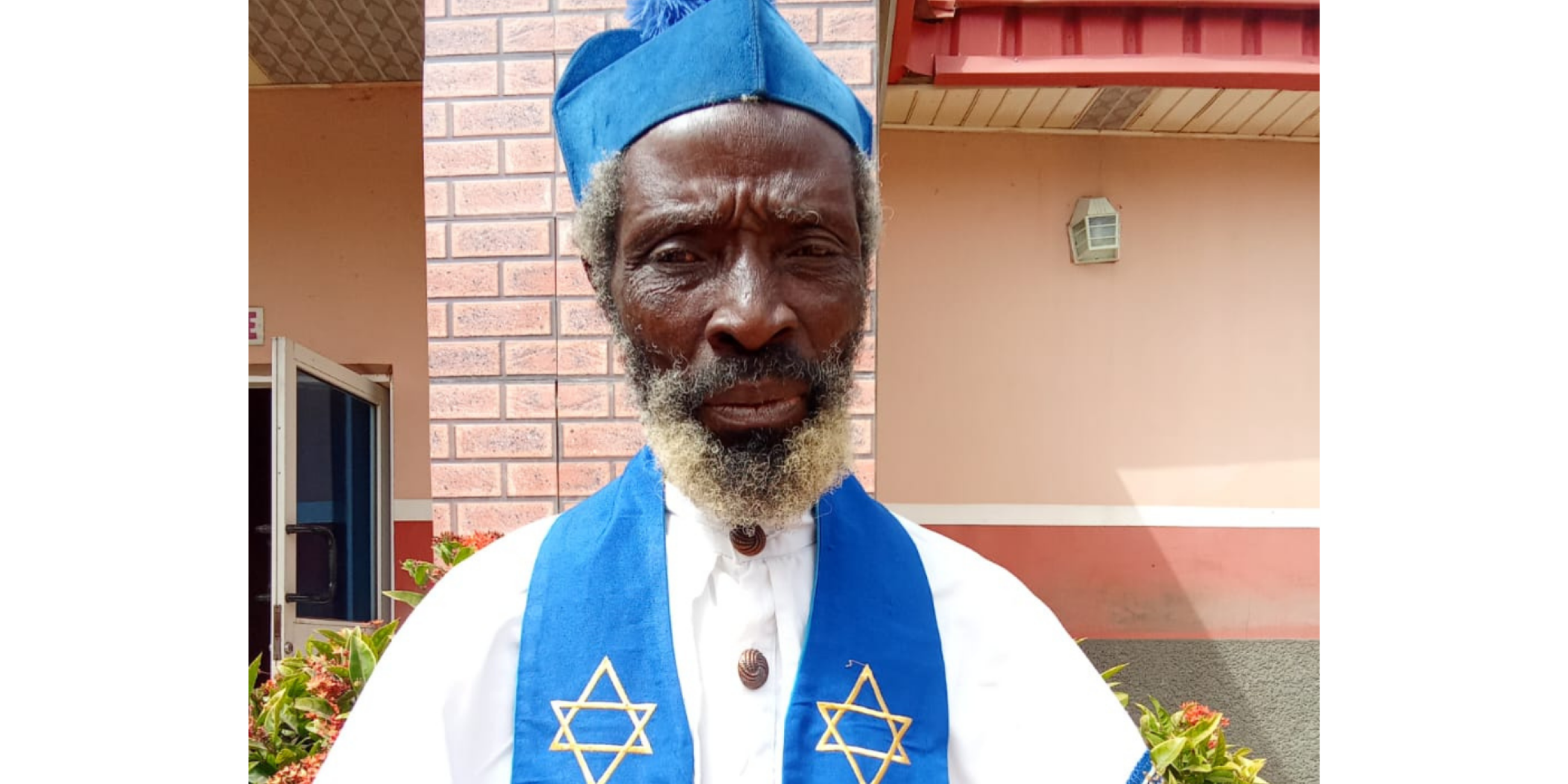
  • Is Nnamdi Kanu Being Illegally Detained? Nigerian Jewish Leader Visits IPOB Founder in Sokoto Prison, Rejects Terrorism Label and Demands His Immediate Release

    Is the continued detention of Mazi Nnamdi Kanu, leader of the Indigenous People of Biafra (IPOB), legally justified—or is it a violation of justice and human rights? This question has been reignited following a high-profile prison visit by Kohen Daniel Onuoha, a Nigerian Jewish cleric and spiritual leader of the Peace of Yahweh Synagogue and founder of Eastern Judaism, who met Kanu at the Sokoto Correctional Facility on January 10, 2026.

    Describing the visit as an act of spiritual and moral solidarity, Onuoha said he was accompanied by his wife and representatives of Jewish congregations in Nigeria’s former Eastern Region, whom he said “faithfully observe the Ten Commandments.” According to him, the visit symbolised years of prayers and sacrifices by his community for Kanu’s freedom.

    “For over five years, we have remained steadfast in daily sacrifices and prayers to Elohim without interruption,” Onuoha said, adding that the prison visit reaffirmed his commitment to justice and liberty.

    During the visit, the cleric directly challenged the legal foundation of Kanu’s continued incarceration, urging the international community, legal experts, and human rights organisations to examine what he described as questionable legal grounds for the case. He argued that Kanu’s prosecution was based on a repealed law, making the detention unlawful.

    Onuoha also rejected the designation of Kanu and IPOB as terrorists, insisting that neither the separatist leader nor the movement had committed violent acts. “Mazi Nnamdi Kanu is not a terrorist, and IPOB is not a terrorist organisation,” he declared, adding that Kanu’s ordeal stemmed from the peaceful exercise of self-determination and his public criticism of alleged abuses by political elites, foreign interests, and local power structures.

    He further contended that speech alone cannot justify criminal conviction, stressing that verbal expressions or broadcasts without evidence of violence should not result in imprisonment. Calling for Kanu’s “immediate and unconditional release,” the Jewish leader said such action was necessary to uphold justice and the rule of law.

    Beyond Kanu’s case, Onuoha appealed for broader international intervention, arguing that Biafrans continue to face marginalisation, oppression, and violence. He commended U.S. President Donald Trump for what he described as efforts to protect Christians in Nigeria and urged increased global pressure on Nigerian authorities over alleged human rights violations.

    In his closing remarks, Onuoha called on Kanu’s supporters, Biafrans, Jews, and human rights advocates to remain peaceful, resilient, and steadfast, expressing confidence that justice would ultimately prevail.

    The visit raises urgent questions: Is Nnamdi Kanu’s detention legally valid? Has the terrorism label been misapplied? And will international scrutiny finally force a reassessment of one of Nigeria’s most controversial political prosecutions?

    Is Nnamdi Kanu Being Illegally Detained? Nigerian Jewish Leader Visits IPOB Founder in Sokoto Prison, Rejects Terrorism Label and Demands His Immediate Release Is the continued detention of Mazi Nnamdi Kanu, leader of the Indigenous People of Biafra (IPOB), legally justified—or is it a violation of justice and human rights? This question has been reignited following a high-profile prison visit by Kohen Daniel Onuoha, a Nigerian Jewish cleric and spiritual leader of the Peace of Yahweh Synagogue and founder of Eastern Judaism, who met Kanu at the Sokoto Correctional Facility on January 10, 2026. Describing the visit as an act of spiritual and moral solidarity, Onuoha said he was accompanied by his wife and representatives of Jewish congregations in Nigeria’s former Eastern Region, whom he said “faithfully observe the Ten Commandments.” According to him, the visit symbolised years of prayers and sacrifices by his community for Kanu’s freedom. “For over five years, we have remained steadfast in daily sacrifices and prayers to Elohim without interruption,” Onuoha said, adding that the prison visit reaffirmed his commitment to justice and liberty. During the visit, the cleric directly challenged the legal foundation of Kanu’s continued incarceration, urging the international community, legal experts, and human rights organisations to examine what he described as questionable legal grounds for the case. He argued that Kanu’s prosecution was based on a repealed law, making the detention unlawful. Onuoha also rejected the designation of Kanu and IPOB as terrorists, insisting that neither the separatist leader nor the movement had committed violent acts. “Mazi Nnamdi Kanu is not a terrorist, and IPOB is not a terrorist organisation,” he declared, adding that Kanu’s ordeal stemmed from the peaceful exercise of self-determination and his public criticism of alleged abuses by political elites, foreign interests, and local power structures. He further contended that speech alone cannot justify criminal conviction, stressing that verbal expressions or broadcasts without evidence of violence should not result in imprisonment. Calling for Kanu’s “immediate and unconditional release,” the Jewish leader said such action was necessary to uphold justice and the rule of law. Beyond Kanu’s case, Onuoha appealed for broader international intervention, arguing that Biafrans continue to face marginalisation, oppression, and violence. He commended U.S. President Donald Trump for what he described as efforts to protect Christians in Nigeria and urged increased global pressure on Nigerian authorities over alleged human rights violations. In his closing remarks, Onuoha called on Kanu’s supporters, Biafrans, Jews, and human rights advocates to remain peaceful, resilient, and steadfast, expressing confidence that justice would ultimately prevail. The visit raises urgent questions: Is Nnamdi Kanu’s detention legally valid? Has the terrorism label been misapplied? And will international scrutiny finally force a reassessment of one of Nigeria’s most controversial political prosecutions?
    love
    1
    · 0 Yorumlar ·0 hisse senetleri ·4K Views
  • Did a Detainee Die Unlawfully in NSCDC Custody? Kano Command Removes Fagge Divisional Officer as Police Launch Investigation Into Custodial Death

    Did the death of a suspect inside a security facility point to deeper issues of accountability within Nigeria’s law enforcement system? The Nigeria Security and Civil Defence Corps (NSCDC) in Kano State has removed the Divisional Officer in charge of the Fagge office after a suspect reportedly died while in custody, triggering a formal investigation and public scrutiny.

    According to the NSCDC’s spokesperson, Ibrahim Abdullahi, the officer in charge, SC Amina Musa Kolawale, was relieved of her position following the incident. All officers and personnel who were on duty at the time of the suspect’s death have also been handed over to the Nigerian Police, Kano State Command, for further investigation and possible disciplinary or legal action.

    The NSCDC Commandant in Kano, Mohammed Hassan Agalama, approved the removal after setting up a panel of inquiry to conduct what the agency described as a discreet, fair, and impartial investigation into the circumstances surrounding the death. A new divisional head, CSC Bashir Isa Abubakar, has since been appointed to take over leadership at the Fagge office.

    In a public appeal, the NSCDC urged residents to remain calm, reaffirming its commitment to the sanctity of life, human rights, professionalism, standard operating procedures, integrity, and the rule of law. The Corps stressed that it would not shield any officer found culpable and that accountability would guide the outcome of the probe.

    The case has reignited concerns about custodial deaths in Nigeria, the treatment of suspects, and whether security agencies are doing enough to ensure due process and protection of fundamental rights. As investigations proceed under police oversight, many Nigerians are asking critical questions: What caused the suspect’s death? Were proper procedures followed? And will this action mark a turning point for transparency and reform within the security services?


    Did a Detainee Die Unlawfully in NSCDC Custody? Kano Command Removes Fagge Divisional Officer as Police Launch Investigation Into Custodial Death Did the death of a suspect inside a security facility point to deeper issues of accountability within Nigeria’s law enforcement system? The Nigeria Security and Civil Defence Corps (NSCDC) in Kano State has removed the Divisional Officer in charge of the Fagge office after a suspect reportedly died while in custody, triggering a formal investigation and public scrutiny. According to the NSCDC’s spokesperson, Ibrahim Abdullahi, the officer in charge, SC Amina Musa Kolawale, was relieved of her position following the incident. All officers and personnel who were on duty at the time of the suspect’s death have also been handed over to the Nigerian Police, Kano State Command, for further investigation and possible disciplinary or legal action. The NSCDC Commandant in Kano, Mohammed Hassan Agalama, approved the removal after setting up a panel of inquiry to conduct what the agency described as a discreet, fair, and impartial investigation into the circumstances surrounding the death. A new divisional head, CSC Bashir Isa Abubakar, has since been appointed to take over leadership at the Fagge office. In a public appeal, the NSCDC urged residents to remain calm, reaffirming its commitment to the sanctity of life, human rights, professionalism, standard operating procedures, integrity, and the rule of law. The Corps stressed that it would not shield any officer found culpable and that accountability would guide the outcome of the probe. The case has reignited concerns about custodial deaths in Nigeria, the treatment of suspects, and whether security agencies are doing enough to ensure due process and protection of fundamental rights. As investigations proceed under police oversight, many Nigerians are asking critical questions: What caused the suspect’s death? Were proper procedures followed? And will this action mark a turning point for transparency and reform within the security services?
    0 Yorumlar ·0 hisse senetleri ·2K Views
  • Ondo State Judiciary Paralyzed: Governor Aiyedatiwa Accused of Budget Cuts, Half-Autonomy, and Welfare Neglect Amid Ongoing Court Strike

    The Ondo State judiciary has come to a near-total halt as Governor Lucky Aiyedatiwa faces accusations of deliberately strangling the courts through severe budget cuts, partial financial autonomy, and neglect of judicial welfare. The state’s judiciary budget was slashed from ₦17 billion in 2025 to ₦9.5 billion in 2026, nearly a 45% reduction, prompting concerns over staff salaries, court operations, and infrastructure decay.

    Judicial workers allege that the governor granted only 80% autonomy limited to recurrent expenditure, leaving capital projects unfunded. Courtrooms reportedly leak during rainfall, forcing the suspension of hearings, while magistrates and officers rely on commercial motorcycles (okada) or shared rides with litigants due to lack of official vehicles.

    Despite repeated appeals, ₦400 million previously approved for judicial needs remains unpaid, worsening the crisis. The situation has triggered an indefinite strike by magistrates, legal officers, and members of the Judiciary Staff Union of Nigeria (JUSUN), physically locking judges out of court premises in Akure.

    Observers warn that the prolonged paralysis undermines judicial independence, public confidence in the justice system, and rule of law in Ondo State. Legal analysts describe the governor’s approach as a systematic humiliation and underfunding of the judiciary, drawing parallels with similar crises in other Nigerian states.

    With courts shut, staff unions united, and the public left without access to justice, pressure is mounting on Governor Aiyedatiwa to restore full financial autonomy, fund infrastructure projects, and address welfare challenges to prevent further erosion of democratic governance in the state.


    Ondo State Judiciary Paralyzed: Governor Aiyedatiwa Accused of Budget Cuts, Half-Autonomy, and Welfare Neglect Amid Ongoing Court Strike The Ondo State judiciary has come to a near-total halt as Governor Lucky Aiyedatiwa faces accusations of deliberately strangling the courts through severe budget cuts, partial financial autonomy, and neglect of judicial welfare. The state’s judiciary budget was slashed from ₦17 billion in 2025 to ₦9.5 billion in 2026, nearly a 45% reduction, prompting concerns over staff salaries, court operations, and infrastructure decay. Judicial workers allege that the governor granted only 80% autonomy limited to recurrent expenditure, leaving capital projects unfunded. Courtrooms reportedly leak during rainfall, forcing the suspension of hearings, while magistrates and officers rely on commercial motorcycles (okada) or shared rides with litigants due to lack of official vehicles. Despite repeated appeals, ₦400 million previously approved for judicial needs remains unpaid, worsening the crisis. The situation has triggered an indefinite strike by magistrates, legal officers, and members of the Judiciary Staff Union of Nigeria (JUSUN), physically locking judges out of court premises in Akure. Observers warn that the prolonged paralysis undermines judicial independence, public confidence in the justice system, and rule of law in Ondo State. Legal analysts describe the governor’s approach as a systematic humiliation and underfunding of the judiciary, drawing parallels with similar crises in other Nigerian states. With courts shut, staff unions united, and the public left without access to justice, pressure is mounting on Governor Aiyedatiwa to restore full financial autonomy, fund infrastructure projects, and address welfare challenges to prevent further erosion of democratic governance in the state.
    like
    1
    · 0 Yorumlar ·0 hisse senetleri ·2K Views
  • Is IGP Kayode Egbetokun Headed to Prison? Can Nigeria’s Police Chief Be Jailed for Defying Court Orders Over SARS Abduction and Disappearance of Lagos Resident?

    Is Nigeria’s top police officer facing imprisonment for ignoring a federal court? The Inspector-General of Police, Kayode Egbetokun, now risks being committed to Kuje Correctional Centre after allegedly refusing to comply with binding court orders concerning the abduction and disappearance of John Chukwuemeka Anozie, a Lagos resident taken from his Lekki home in June 2017.

    Legal action was initiated by Vincent Adodo, counsel to Anozie’s wife, who has filed contempt proceedings against the IGP for what he describes as persistent disobedience of a subsisting judgment of the Federal High Court, Abuja. The ruling, delivered on September 24, 2025 by Justice Binta Nyako, arose from a Freedom of Information (FOI) suit filed by Mrs. Nnenna Anozie after years of unanswered requests for investigation records relating to her husband’s disappearance.

    In its judgment, the court ordered the IGP—who failed to file any defence—to produce for prosecution former officers of the now-defunct Special Anti-Robbery Squad (SARS) from Akwuzu, Anambra State, accused of abducting Anozie. The court further awarded ₦2 million in damages against the IGP for refusing to release investigation reports and directed him to forward both the police investigation file and the legal opinion recommending prosecution to the Attorney General of the Federation.

    The judgment explicitly noted that police authorities had failed to prosecute the officers despite an internal legal opinion recommending criminal charges. Those listed include ASP Anthony Obiozor Ikechukwu, Sgt. Uzochukwu Emeana, John Eze, Oriole (aka T-Boy), and SP Sunday Okpe.

    Yet months after being served with the court order in October 2025, the IGP has allegedly neither prosecuted the officers nor paid the ₦2 million damages. In response, Anozie’s lawyer triggered enforcement by serving the police chief with Form 48 (Notice of Consequences of Disobedience) and Form 49 (Notice of Committal to Prison)—legal steps that can result in imprisonment for contempt of court.

    Court filings now show that Mrs. Anozie is seeking an order to commit the IGP to prison until he obeys the court by releasing certified investigation reports, transmitting the case file to the Attorney General, handing over the indicted officers for prosecution, and paying the damages awarded.

    The matter is scheduled for hearing on February 9, 2025, when the IGP is expected to “show cause” why he should not be jailed for contempt.

    Beyond the personal tragedy of a family still searching for answers after eight years, the case raises a larger constitutional question: Can Nigeria’s most powerful police officer be held personally accountable for disobeying court orders? The outcome could set a critical precedent for rule of law, police accountability, and victims’ access to justice in cases of alleged state abuse.

    As the hearing approaches, legal observers, human rights advocates, and the public are watching closely: Will the judiciary enforce its authority against the nation’s police chief—or will impunity prevail once again?
    Is IGP Kayode Egbetokun Headed to Prison? Can Nigeria’s Police Chief Be Jailed for Defying Court Orders Over SARS Abduction and Disappearance of Lagos Resident? Is Nigeria’s top police officer facing imprisonment for ignoring a federal court? The Inspector-General of Police, Kayode Egbetokun, now risks being committed to Kuje Correctional Centre after allegedly refusing to comply with binding court orders concerning the abduction and disappearance of John Chukwuemeka Anozie, a Lagos resident taken from his Lekki home in June 2017. Legal action was initiated by Vincent Adodo, counsel to Anozie’s wife, who has filed contempt proceedings against the IGP for what he describes as persistent disobedience of a subsisting judgment of the Federal High Court, Abuja. The ruling, delivered on September 24, 2025 by Justice Binta Nyako, arose from a Freedom of Information (FOI) suit filed by Mrs. Nnenna Anozie after years of unanswered requests for investigation records relating to her husband’s disappearance. In its judgment, the court ordered the IGP—who failed to file any defence—to produce for prosecution former officers of the now-defunct Special Anti-Robbery Squad (SARS) from Akwuzu, Anambra State, accused of abducting Anozie. The court further awarded ₦2 million in damages against the IGP for refusing to release investigation reports and directed him to forward both the police investigation file and the legal opinion recommending prosecution to the Attorney General of the Federation. The judgment explicitly noted that police authorities had failed to prosecute the officers despite an internal legal opinion recommending criminal charges. Those listed include ASP Anthony Obiozor Ikechukwu, Sgt. Uzochukwu Emeana, John Eze, Oriole (aka T-Boy), and SP Sunday Okpe. Yet months after being served with the court order in October 2025, the IGP has allegedly neither prosecuted the officers nor paid the ₦2 million damages. In response, Anozie’s lawyer triggered enforcement by serving the police chief with Form 48 (Notice of Consequences of Disobedience) and Form 49 (Notice of Committal to Prison)—legal steps that can result in imprisonment for contempt of court. Court filings now show that Mrs. Anozie is seeking an order to commit the IGP to prison until he obeys the court by releasing certified investigation reports, transmitting the case file to the Attorney General, handing over the indicted officers for prosecution, and paying the damages awarded. The matter is scheduled for hearing on February 9, 2025, when the IGP is expected to “show cause” why he should not be jailed for contempt. Beyond the personal tragedy of a family still searching for answers after eight years, the case raises a larger constitutional question: Can Nigeria’s most powerful police officer be held personally accountable for disobeying court orders? The outcome could set a critical precedent for rule of law, police accountability, and victims’ access to justice in cases of alleged state abuse. As the hearing approaches, legal observers, human rights advocates, and the public are watching closely: Will the judiciary enforce its authority against the nation’s police chief—or will impunity prevail once again?
    0 Yorumlar ·0 hisse senetleri ·3K Views
  • Is Nigeria Criminalising Dissent? Police Arraign Activist Salim Abubakar Over Anti-Government Posts, Court Remands Him Till January 13

    The Nigeria Police Force has arraigned activist Salim Abubakar following a petition filed against him at the Central Police Station in Abuja, raising fresh questions about freedom of expression, digital rights, and the growing tension between civic activism and law enforcement in Nigeria.

    According to police authorities, the petition was received on December 19, 2025, after which Abubakar was repeatedly invited for questioning. Police spokesperson, Benjamin Hundeyin, stated that the activist allegedly ignored several invitations and was subsequently arrested, investigated, and arraigned in court on January 8, 2026. The court, he added, adjourned the matter and ordered that Abubakar be remanded in custody until January 13.

    However, the arrest has drawn sharp criticism from Amnesty International, which insists that the case is connected to Abubakar’s social media posts criticising government officials. The human rights organisation has described the detention as an abuse of power, arguing that no citizen should be punished for expressing opinions about public office holders. Amnesty said Abubakar committed no crime and demanded his immediate and unconditional release.

    The organisation further warned that detaining individuals for online criticism undermines the rule of law and violates constitutional guarantees of free expression. It noted that young Nigerians increasingly face threats, harassment, arrests, and detention simply for speaking out on digital platforms—an alarming trend, it said, in a democratic society.

    While police maintain that the arrest followed due process based on a formal petition and non-compliance with invitations, rights groups argue that the broader issue is whether dissent is being criminalised under the guise of investigation. The case has therefore reignited national debate over the limits of state authority, the protection of civil liberties, and the shrinking civic space for activists and critics in Nigeria.

    As the court prepares to reconvene on January 13, observers are closely watching whether the judiciary will reinforce constitutional rights or endorse what many fear is a dangerous precedent—one in which social media criticism can lead to detention. The outcome of Salim Abubakar’s case could become a defining moment for digital freedom, youth activism, and the future of dissent in Nigeria’s democracy.

    Is Nigeria Criminalising Dissent? Police Arraign Activist Salim Abubakar Over Anti-Government Posts, Court Remands Him Till January 13 The Nigeria Police Force has arraigned activist Salim Abubakar following a petition filed against him at the Central Police Station in Abuja, raising fresh questions about freedom of expression, digital rights, and the growing tension between civic activism and law enforcement in Nigeria. According to police authorities, the petition was received on December 19, 2025, after which Abubakar was repeatedly invited for questioning. Police spokesperson, Benjamin Hundeyin, stated that the activist allegedly ignored several invitations and was subsequently arrested, investigated, and arraigned in court on January 8, 2026. The court, he added, adjourned the matter and ordered that Abubakar be remanded in custody until January 13. However, the arrest has drawn sharp criticism from Amnesty International, which insists that the case is connected to Abubakar’s social media posts criticising government officials. The human rights organisation has described the detention as an abuse of power, arguing that no citizen should be punished for expressing opinions about public office holders. Amnesty said Abubakar committed no crime and demanded his immediate and unconditional release. The organisation further warned that detaining individuals for online criticism undermines the rule of law and violates constitutional guarantees of free expression. It noted that young Nigerians increasingly face threats, harassment, arrests, and detention simply for speaking out on digital platforms—an alarming trend, it said, in a democratic society. While police maintain that the arrest followed due process based on a formal petition and non-compliance with invitations, rights groups argue that the broader issue is whether dissent is being criminalised under the guise of investigation. The case has therefore reignited national debate over the limits of state authority, the protection of civil liberties, and the shrinking civic space for activists and critics in Nigeria. As the court prepares to reconvene on January 13, observers are closely watching whether the judiciary will reinforce constitutional rights or endorse what many fear is a dangerous precedent—one in which social media criticism can lead to detention. The outcome of Salim Abubakar’s case could become a defining moment for digital freedom, youth activism, and the future of dissent in Nigeria’s democracy.
    love
    1
    · 0 Yorumlar ·0 hisse senetleri ·2K Views
  • Jigawa Court Orders Arrest of DSS Officer Over Alleged Crimes Against Minor, Directs Police Investigation

    A Magistrate Court in Hadejia, Jigawa State, has ordered the arrest of a Department of State Services (DSS) officer, Ifeanyi Festus, and directed the Nigeria Police Force to investigate alleged offences against a minor, following a petition filed by Abdulhadi Ibrahim. The court’s order, issued in Suit No: DCC/01/2026 and signed by His Worship Sadisu Musa Esq., signals the seriousness of the allegations and underscores the judiciary’s commitment to protecting vulnerable citizens.

    The application for the arrest and investigation was moved by Mr. Kabiru Adamu Esq., alongside Babangida Garba Esq., acting as counsel to the applicant. They urged the court to invoke its powers under Section 125 and Section 102(5) of the Administration of Criminal Justice Law (ACJL) to compel immediate action against the DSS officer.

    In granting the application, the court directed the Commissioner of Police, Jigawa State Police Command, or the Deputy Director-General of the DSS to arrest the respondent. It also specifically mandated the Nigeria Police Force, Jigawa State Command, to conduct a discreet investigation into the alleged offences.

    The court further issued an urgent directive to the DSS to immediately release the victim, identified as Walida Abdulhadi, and reunite her with her parents, emphasizing the protection of the minor as a matter of priority. The ruling highlights the legal mechanisms available to hold security personnel accountable when allegations of misconduct arise, even against agencies with high-level authority like the DSS.

    Observers say the case raises critical questions about accountability, child protection, and oversight of security agencies in Nigeria. It also demonstrates the judiciary’s willingness to intervene in sensitive matters involving minors and ensure adherence to the law, regardless of the accused’s position or rank.

    As of the time of reporting, there has been no official statement from the DSS or the Jigawa State Police Command regarding the implementation of the arrest or investigation orders. Legal analysts suggest that swift compliance with the court’s directives will be a litmus test for both the DSS and police in upholding justice in cases involving vulnerable citizens.

    The case continues to attract public attention, underlining the growing demand for transparency, rule of law, and protection of minors in Nigeria’s criminal justice system.

    Jigawa Court Orders Arrest of DSS Officer Over Alleged Crimes Against Minor, Directs Police Investigation A Magistrate Court in Hadejia, Jigawa State, has ordered the arrest of a Department of State Services (DSS) officer, Ifeanyi Festus, and directed the Nigeria Police Force to investigate alleged offences against a minor, following a petition filed by Abdulhadi Ibrahim. The court’s order, issued in Suit No: DCC/01/2026 and signed by His Worship Sadisu Musa Esq., signals the seriousness of the allegations and underscores the judiciary’s commitment to protecting vulnerable citizens. The application for the arrest and investigation was moved by Mr. Kabiru Adamu Esq., alongside Babangida Garba Esq., acting as counsel to the applicant. They urged the court to invoke its powers under Section 125 and Section 102(5) of the Administration of Criminal Justice Law (ACJL) to compel immediate action against the DSS officer. In granting the application, the court directed the Commissioner of Police, Jigawa State Police Command, or the Deputy Director-General of the DSS to arrest the respondent. It also specifically mandated the Nigeria Police Force, Jigawa State Command, to conduct a discreet investigation into the alleged offences. The court further issued an urgent directive to the DSS to immediately release the victim, identified as Walida Abdulhadi, and reunite her with her parents, emphasizing the protection of the minor as a matter of priority. The ruling highlights the legal mechanisms available to hold security personnel accountable when allegations of misconduct arise, even against agencies with high-level authority like the DSS. Observers say the case raises critical questions about accountability, child protection, and oversight of security agencies in Nigeria. It also demonstrates the judiciary’s willingness to intervene in sensitive matters involving minors and ensure adherence to the law, regardless of the accused’s position or rank. As of the time of reporting, there has been no official statement from the DSS or the Jigawa State Police Command regarding the implementation of the arrest or investigation orders. Legal analysts suggest that swift compliance with the court’s directives will be a litmus test for both the DSS and police in upholding justice in cases involving vulnerable citizens. The case continues to attract public attention, underlining the growing demand for transparency, rule of law, and protection of minors in Nigeria’s criminal justice system.
    0 Yorumlar ·0 hisse senetleri ·2K Views
  • Can a Business Owner Detain Drivers Without a Court Order? How an Abia Solar Panel Dispute Turned Into Alleged Illegal Detention, Vehicle Seizure and a Growing Human Rights Outcry

    A commercial disagreement over damaged solar panels has escalated into a potential human rights controversy in Bende, Abia State, after two drivers were allegedly held for more than 10 days without a court order by a company executive demanding compensation. The case has raised troubling questions about the legality of “self-help” in business disputes and whether private citizens can lawfully restrict movement or seize property outside the courts.

    The drivers, Michael and Mutiu Ade, say they have been confined since December 28, 2025, at the private residence of Martin Mbaka, Managing Director and CEO of Quietstorm Group, after seven solar panels delivered to the premises were found cracked. They allege their vehicle—belonging to Dr. Adeleke Oshin—was immobilised, tyres deflated, keys taken, and that they were forced to sleep inside the bus under harsh conditions, with their freedom of movement restricted.

    According to the drivers, the panels were already cracked during loading in Lagos, and they were assured by the sender that the owner was aware. However, upon arrival in Abia, they claim the gate was locked after offloading and they were told they would not be allowed to leave unless the damaged panels were replaced or paid for. “This is a civil issue, but we are being detained like criminals,” Michael said, adding that appeals, pleas and even attempts at police intervention have not secured their release.

    Mr. Mbaka confirmed that the vehicle remains in his custody, insisting that ₦840,000 must be paid or replacement panels provided before it is released. His personal assistant, Franklin Azubike, rejected allegations of unlawful detention, arguing that the transporter was negligent, that the solar equipment was worth ₦30–40 million, and that the damaged panels resulted from improper loading alongside other goods. The company says it merely seeks compensation for losses and denies any wrongdoing.

    However, human rights lawyers and civil society advocates strongly dispute that position. Legal experts stress that no private individual has the authority to detain another person, restrict movement, or seize property over a civil dispute. Claims for damages, they argue, must be pursued through the courts, not by force or confinement. The drivers maintain that they do not own the vehicle and should not be punished for a disagreement between buyer and sender.

    As of the time of reporting, there has been no official statement from the Abia State Police Command on whether the continued detention is under investigation. Rights groups are now calling for urgent intervention to secure the drivers’ freedom and ensure that any compensation claims are resolved strictly within the law.

    The case has sparked wider concern about a dangerous trend of turning business disputes into extrajudicial punishment. It raises critical questions: Can a company executive legally hold people and property over a commercial disagreement? Where does civil liability end and unlawful detention begin? And what protections exist for ordinary workers caught between powerful interests? As the drivers continue to plead for their liberty, the incident has become a test of rule of law, personal freedom, and accountability in Nigeria’s commercial and security landscape.


    Can a Business Owner Detain Drivers Without a Court Order? How an Abia Solar Panel Dispute Turned Into Alleged Illegal Detention, Vehicle Seizure and a Growing Human Rights Outcry A commercial disagreement over damaged solar panels has escalated into a potential human rights controversy in Bende, Abia State, after two drivers were allegedly held for more than 10 days without a court order by a company executive demanding compensation. The case has raised troubling questions about the legality of “self-help” in business disputes and whether private citizens can lawfully restrict movement or seize property outside the courts. The drivers, Michael and Mutiu Ade, say they have been confined since December 28, 2025, at the private residence of Martin Mbaka, Managing Director and CEO of Quietstorm Group, after seven solar panels delivered to the premises were found cracked. They allege their vehicle—belonging to Dr. Adeleke Oshin—was immobilised, tyres deflated, keys taken, and that they were forced to sleep inside the bus under harsh conditions, with their freedom of movement restricted. According to the drivers, the panels were already cracked during loading in Lagos, and they were assured by the sender that the owner was aware. However, upon arrival in Abia, they claim the gate was locked after offloading and they were told they would not be allowed to leave unless the damaged panels were replaced or paid for. “This is a civil issue, but we are being detained like criminals,” Michael said, adding that appeals, pleas and even attempts at police intervention have not secured their release. Mr. Mbaka confirmed that the vehicle remains in his custody, insisting that ₦840,000 must be paid or replacement panels provided before it is released. His personal assistant, Franklin Azubike, rejected allegations of unlawful detention, arguing that the transporter was negligent, that the solar equipment was worth ₦30–40 million, and that the damaged panels resulted from improper loading alongside other goods. The company says it merely seeks compensation for losses and denies any wrongdoing. However, human rights lawyers and civil society advocates strongly dispute that position. Legal experts stress that no private individual has the authority to detain another person, restrict movement, or seize property over a civil dispute. Claims for damages, they argue, must be pursued through the courts, not by force or confinement. The drivers maintain that they do not own the vehicle and should not be punished for a disagreement between buyer and sender. As of the time of reporting, there has been no official statement from the Abia State Police Command on whether the continued detention is under investigation. Rights groups are now calling for urgent intervention to secure the drivers’ freedom and ensure that any compensation claims are resolved strictly within the law. The case has sparked wider concern about a dangerous trend of turning business disputes into extrajudicial punishment. It raises critical questions: Can a company executive legally hold people and property over a commercial disagreement? Where does civil liability end and unlawful detention begin? And what protections exist for ordinary workers caught between powerful interests? As the drivers continue to plead for their liberty, the incident has become a test of rule of law, personal freedom, and accountability in Nigeria’s commercial and security landscape.
    0 Yorumlar ·0 hisse senetleri ·2K Views
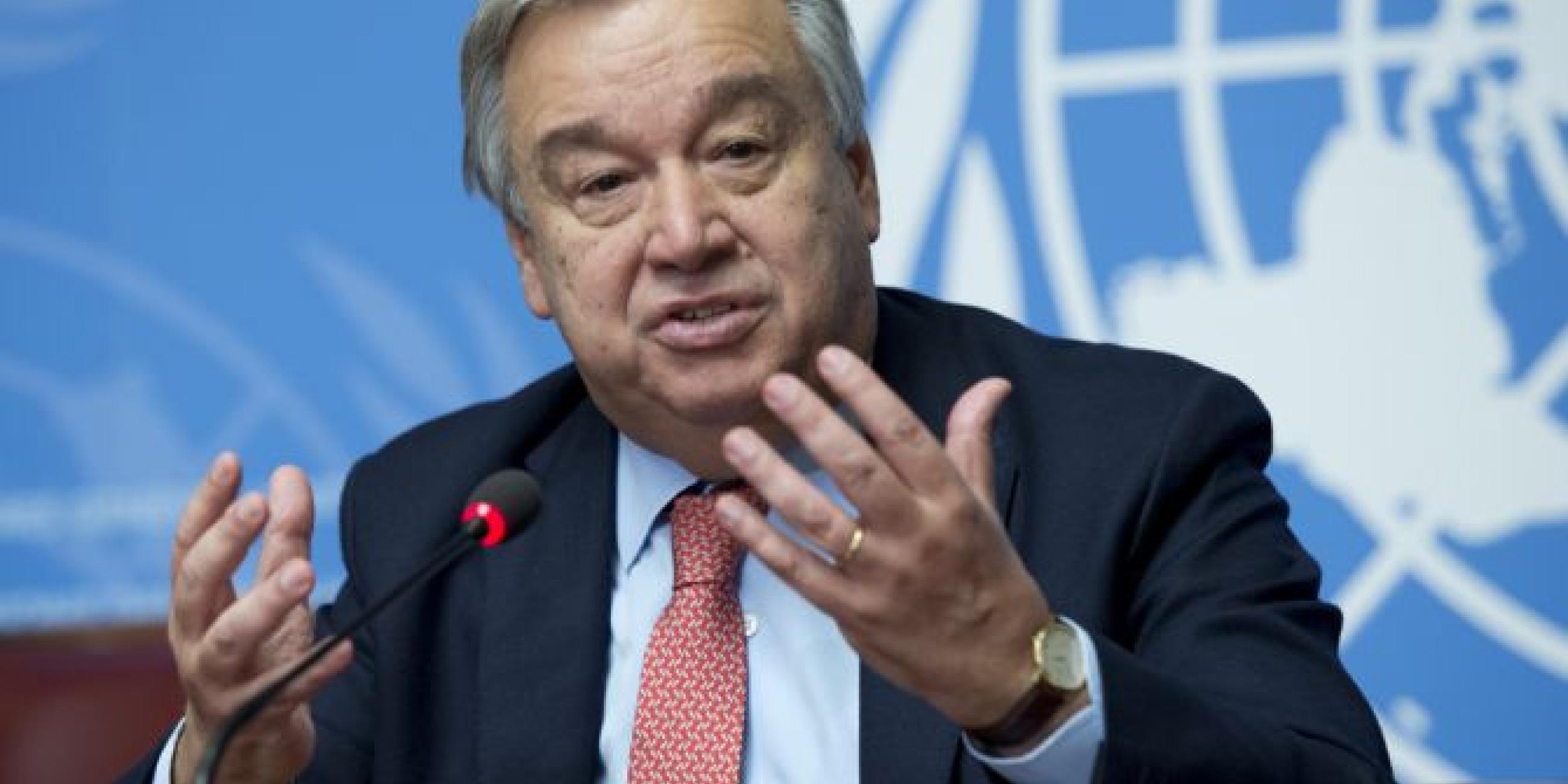
  • Is the U.S. Turning Its Back on the United Nations? Why UN Chief Guterres Regrets Trump’s Withdrawal From Dozens of Global Bodies and What It Means for World Governance

    United Nations Secretary-General Antonio Guterres has expressed strong regret over the United States’ decision to withdraw from multiple international organisations, warning that financial obligations to the UN remain legally binding under international law. The reaction follows a sweeping policy directive signed by U.S. President Donald Trump, ordering American withdrawal from 66 international bodies, including 31 United Nations entities and 35 non-UN organisations.

    In a statement delivered by UN Spokesman Stéphane Dujarric, the Secretary-General described the decision as “regrettable” and stressed that assessed contributions to the UN’s regular and peacekeeping budgets are mandatory under the UN Charter for all member states, including the United States. “Assessed contributions… are a legal obligation under the UN Charter,” Dujarric said, adding that all UN agencies would continue implementing their mandates despite political or financial challenges.

    While the UN statement did not specify which bodies would be affected or the immediate financial consequences, officials have long warned that funding shortfalls could undermine peacekeeping operations, humanitarian assistance, development programmes, and human-rights initiatives worldwide.

    The development stems from a Presidential Memorandum issued by Trump, declaring that continued U.S. participation in the listed organisations no longer serves American interests. The directive follows a comprehensive review ordered under Executive Order 14199 in February 2025, which assessed U.S. involvement in all international organisations, treaties, and conventions receiving American funding or support. After reviewing the findings with his Cabinet, Trump ordered federal agencies to take “immediate steps” to withdraw, where legally permissible.

    Among the non-UN organisations affected are bodies dealing with climate change, energy, environmental protection, democracy promotion, cybersecurity, and regional cooperation, including the Intergovernmental Panel on Climate Change (IPCC), the International Renewable Energy Agency (IRENA), the International Union for Conservation of Nature (IUCN), and the Freedom Online Coalition. The order also targets several security and justice-focused groups, such as the Global Counterterrorism Forum and the International Institute for Justice and the Rule of Law.

    On the UN side, the memorandum directs the United States to cease participation in or funding for multiple agencies and programmes, including UN Women, the UN Population Fund (UNFPA), UN Conference on Trade and Development (UNCTAD), the UN Framework Convention on Climate Change (UNFCCC), and offices focused on peacebuilding, development, oceans, water, international law, and human rights. It also affects entities such as the Peacebuilding Fund, UN Water, UN Oceans, and the UN University system.

    Despite the decision, the UN leadership insists its mission will continue. “All United Nations entities will go on with the implementation of their mandates as given by Member States,” the statement said, underscoring the organisation’s responsibility to people worldwide who rely on its work.

    The move has intensified global debate: Can the United States legally withdraw while still bound to financial obligations? Will UN programmes suffer operational setbacks? Does this signal a broader retreat from multilateralism—or a recalibration of U.S. foreign policy priorities? As the review process remains ongoing, with more organisations potentially targeted, the episode raises urgent questions about the future of international cooperation, global governance, and the stability of multilateral institutions.

    Is the U.S. Turning Its Back on the United Nations? Why UN Chief Guterres Regrets Trump’s Withdrawal From Dozens of Global Bodies and What It Means for World Governance United Nations Secretary-General Antonio Guterres has expressed strong regret over the United States’ decision to withdraw from multiple international organisations, warning that financial obligations to the UN remain legally binding under international law. The reaction follows a sweeping policy directive signed by U.S. President Donald Trump, ordering American withdrawal from 66 international bodies, including 31 United Nations entities and 35 non-UN organisations. In a statement delivered by UN Spokesman Stéphane Dujarric, the Secretary-General described the decision as “regrettable” and stressed that assessed contributions to the UN’s regular and peacekeeping budgets are mandatory under the UN Charter for all member states, including the United States. “Assessed contributions… are a legal obligation under the UN Charter,” Dujarric said, adding that all UN agencies would continue implementing their mandates despite political or financial challenges. While the UN statement did not specify which bodies would be affected or the immediate financial consequences, officials have long warned that funding shortfalls could undermine peacekeeping operations, humanitarian assistance, development programmes, and human-rights initiatives worldwide. The development stems from a Presidential Memorandum issued by Trump, declaring that continued U.S. participation in the listed organisations no longer serves American interests. The directive follows a comprehensive review ordered under Executive Order 14199 in February 2025, which assessed U.S. involvement in all international organisations, treaties, and conventions receiving American funding or support. After reviewing the findings with his Cabinet, Trump ordered federal agencies to take “immediate steps” to withdraw, where legally permissible. Among the non-UN organisations affected are bodies dealing with climate change, energy, environmental protection, democracy promotion, cybersecurity, and regional cooperation, including the Intergovernmental Panel on Climate Change (IPCC), the International Renewable Energy Agency (IRENA), the International Union for Conservation of Nature (IUCN), and the Freedom Online Coalition. The order also targets several security and justice-focused groups, such as the Global Counterterrorism Forum and the International Institute for Justice and the Rule of Law. On the UN side, the memorandum directs the United States to cease participation in or funding for multiple agencies and programmes, including UN Women, the UN Population Fund (UNFPA), UN Conference on Trade and Development (UNCTAD), the UN Framework Convention on Climate Change (UNFCCC), and offices focused on peacebuilding, development, oceans, water, international law, and human rights. It also affects entities such as the Peacebuilding Fund, UN Water, UN Oceans, and the UN University system. Despite the decision, the UN leadership insists its mission will continue. “All United Nations entities will go on with the implementation of their mandates as given by Member States,” the statement said, underscoring the organisation’s responsibility to people worldwide who rely on its work. The move has intensified global debate: Can the United States legally withdraw while still bound to financial obligations? Will UN programmes suffer operational setbacks? Does this signal a broader retreat from multilateralism—or a recalibration of U.S. foreign policy priorities? As the review process remains ongoing, with more organisations potentially targeted, the episode raises urgent questions about the future of international cooperation, global governance, and the stability of multilateral institutions.
    0 Yorumlar ·0 hisse senetleri ·4K Views
  • Is Community Justice Taking Over the Law? Why Women in Anambra Banished an Elderly Man Over an Alleged Rape and What It Means for Due Process

    Women from the Egbema Ozubulu community in Anambra State have reportedly banished an elderly man accused of raping a married woman, invoking what they described as a traditional form of communal justice. The incident, which took place in Uruezi Egbema, Ozubulu, Ekwusigo Local Government Area, drew widespread attention after videos of the action circulated on social media.

    In the footage, the women were seen escorting the elderly man to the outskirts of the community while chanting “onye ohi otu”, an Igbo phrase translated as “private parts thief.” According to eyewitnesses, the women collectively declared him unfit to remain in the community following the allegation.

    An anonymous source told reporters that the action was taken after the alleged victim reported the incident to community members. “The women said they could not tolerate such an abomination in the land. They believed sending him away was necessary to cleanse the community,” the source said. Another resident explained that the response followed long-standing customs, noting that in cases involving serious sexual allegations—especially against married women—women in the community traditionally take charge and enforce sanctions.

    As of the time of reporting, the Anambra State Police Command had not confirmed whether the case had been formally reported or whether an official investigation had begun. Attempts to reach the police spokesperson were unsuccessful, while a police source stated that although the command had seen the circulating videos, no formal complaint had yet been filed, urging the public to report criminal matters for proper investigation.

    The development has triggered mixed reactions online. While some Nigerians praised the women for taking a bold stand against sexual violence and abuse, others expressed concern about the absence of due process, warning that community-led punishment could undermine the legal system and the presumption of innocence.

    As debate grows, questions remain: Should traditional justice systems intervene where formal law enforcement has not acted? Does community action protect victims or risk replacing lawful investigation with mob justice? And will authorities step in to review or reverse the banishment? The incident has reignited national discussion about the balance between cultural practices, women’s collective resistance to sexual violence, and the rule of law in Nigeria.


    Is Community Justice Taking Over the Law? Why Women in Anambra Banished an Elderly Man Over an Alleged Rape and What It Means for Due Process Women from the Egbema Ozubulu community in Anambra State have reportedly banished an elderly man accused of raping a married woman, invoking what they described as a traditional form of communal justice. The incident, which took place in Uruezi Egbema, Ozubulu, Ekwusigo Local Government Area, drew widespread attention after videos of the action circulated on social media. In the footage, the women were seen escorting the elderly man to the outskirts of the community while chanting “onye ohi otu”, an Igbo phrase translated as “private parts thief.” According to eyewitnesses, the women collectively declared him unfit to remain in the community following the allegation. An anonymous source told reporters that the action was taken after the alleged victim reported the incident to community members. “The women said they could not tolerate such an abomination in the land. They believed sending him away was necessary to cleanse the community,” the source said. Another resident explained that the response followed long-standing customs, noting that in cases involving serious sexual allegations—especially against married women—women in the community traditionally take charge and enforce sanctions. As of the time of reporting, the Anambra State Police Command had not confirmed whether the case had been formally reported or whether an official investigation had begun. Attempts to reach the police spokesperson were unsuccessful, while a police source stated that although the command had seen the circulating videos, no formal complaint had yet been filed, urging the public to report criminal matters for proper investigation. The development has triggered mixed reactions online. While some Nigerians praised the women for taking a bold stand against sexual violence and abuse, others expressed concern about the absence of due process, warning that community-led punishment could undermine the legal system and the presumption of innocence. As debate grows, questions remain: Should traditional justice systems intervene where formal law enforcement has not acted? Does community action protect victims or risk replacing lawful investigation with mob justice? And will authorities step in to review or reverse the banishment? The incident has reignited national discussion about the balance between cultural practices, women’s collective resistance to sexual violence, and the rule of law in Nigeria.
    0 Yorumlar ·0 hisse senetleri ·1K Views
  • Did an Ondo DPO Assault a Lawyer at a Police Station? Why a Law Firm Has Petitioned the IGP and Police Service Commission Over Alleged Abuse of Power

    A Lagos- and Ondo-based law firm, Tope Temokun Chambers, has petitioned the Inspector-General of Police (IGP), the Police Service Commission (PSC), and other oversight bodies over allegations of assault, intimidation, abuse of office, and obstruction of justice involving the Divisional Police Officer (DPO) of Ore Division in Ondo State, Mr. Moses Adeduro.

    According to the petitions, the incident occurred on January 8, 2026, when one of the firm’s lawyers, Adedotun Emmanuel Adegoroye, Esq., accompanied a client—Mrs. Stella Oluwasegun, Managing Director of Niret Marketing Product Company Limited—to the Ore Divisional Police Station to formally report a case of alleged stealing and criminal conversion of company goods valued at about ₦20.4 million.

    The firm stated that the complaint followed the discovery that some employees of the company, allegedly acting in collaboration with a supplier’s staff and a driver, unlawfully removed and sold company goods. It added that some receivers of the allegedly stolen items had already been arrested prior to the visit.

    However, the law firm alleged that upon arrival at the police station, officers attempted to coerce the complainant into an informal settlement without first taking her statement or properly documenting the complaint. When their counsel reportedly objected and insisted on due process, he was directed to see the DPO.

    What happened next, according to the petition, escalated into intimidation and physical assault. The firm alleged that the DPO dismissed the presence of legal representation, reportedly stating that lawyers were not needed at the police station, and ordered that the lawyer be forcibly removed from his office. In the process, a police officer was said to have physically grabbed and ejected the lawyer.

    Tope Temokun Chambers described the alleged conduct as a grave abuse of office, an unlawful assault on a legal practitioner, and a deliberate attempt to obstruct justice. The firm argued that the actions violated multiple laws, including the 1999 Constitution (as amended), the Police Act and Regulations, and the Legal Practitioners Act, all of which guarantee citizens’ right to legal representation and protect lawyers in the lawful discharge of their duties.

    In its petitions, the firm demanded:

    An immediate and thorough investigation into the conduct of the DPO and other officers involved, with appropriate disciplinary measures if the allegations are proven;

    A formal written apology to the affected lawyer; and

    That the underlying criminal complaint be taken over by higher police authorities to ensure impartial investigation and public confidence.


    The firm further claimed it had been reliably informed of similar complaints of misconduct previously made against the same DPO, raising concerns about a possible pattern of abuse of authority.

    Emphasising that the petitions were filed in the interest of justice and professionalism, the firm stressed that lawyers must be allowed to perform their duties without fear of harassment, violence, or intimidation, urging authorities to act decisively to uphold the rule of law and restore confidence in the Nigeria Police Force.

    Did an Ondo DPO Assault a Lawyer at a Police Station? Why a Law Firm Has Petitioned the IGP and Police Service Commission Over Alleged Abuse of Power A Lagos- and Ondo-based law firm, Tope Temokun Chambers, has petitioned the Inspector-General of Police (IGP), the Police Service Commission (PSC), and other oversight bodies over allegations of assault, intimidation, abuse of office, and obstruction of justice involving the Divisional Police Officer (DPO) of Ore Division in Ondo State, Mr. Moses Adeduro. According to the petitions, the incident occurred on January 8, 2026, when one of the firm’s lawyers, Adedotun Emmanuel Adegoroye, Esq., accompanied a client—Mrs. Stella Oluwasegun, Managing Director of Niret Marketing Product Company Limited—to the Ore Divisional Police Station to formally report a case of alleged stealing and criminal conversion of company goods valued at about ₦20.4 million. The firm stated that the complaint followed the discovery that some employees of the company, allegedly acting in collaboration with a supplier’s staff and a driver, unlawfully removed and sold company goods. It added that some receivers of the allegedly stolen items had already been arrested prior to the visit. However, the law firm alleged that upon arrival at the police station, officers attempted to coerce the complainant into an informal settlement without first taking her statement or properly documenting the complaint. When their counsel reportedly objected and insisted on due process, he was directed to see the DPO. What happened next, according to the petition, escalated into intimidation and physical assault. The firm alleged that the DPO dismissed the presence of legal representation, reportedly stating that lawyers were not needed at the police station, and ordered that the lawyer be forcibly removed from his office. In the process, a police officer was said to have physically grabbed and ejected the lawyer. Tope Temokun Chambers described the alleged conduct as a grave abuse of office, an unlawful assault on a legal practitioner, and a deliberate attempt to obstruct justice. The firm argued that the actions violated multiple laws, including the 1999 Constitution (as amended), the Police Act and Regulations, and the Legal Practitioners Act, all of which guarantee citizens’ right to legal representation and protect lawyers in the lawful discharge of their duties. In its petitions, the firm demanded: An immediate and thorough investigation into the conduct of the DPO and other officers involved, with appropriate disciplinary measures if the allegations are proven; A formal written apology to the affected lawyer; and That the underlying criminal complaint be taken over by higher police authorities to ensure impartial investigation and public confidence. The firm further claimed it had been reliably informed of similar complaints of misconduct previously made against the same DPO, raising concerns about a possible pattern of abuse of authority. Emphasising that the petitions were filed in the interest of justice and professionalism, the firm stressed that lawyers must be allowed to perform their duties without fear of harassment, violence, or intimidation, urging authorities to act decisively to uphold the rule of law and restore confidence in the Nigeria Police Force.
    0 Yorumlar ·0 hisse senetleri ·3K Views
  • Is Ondo’s Governor Above the Law? Outrage as Commissioner Decorates Gov Aiyedatiwa at Public Event Despite Court Order for Her Arrest

    Is the rule of law being deliberately undermined in Ondo State, and why was a commissioner facing a court-ordered arrest allowed to appear publicly with the governor?

    Governor Lucky Aiyedatiwa has come under intense public criticism after his Commissioner for Women Affairs, Mrs Seun Osamaye, was seen participating in an official state event and decorating him with the 2026 National Armed Forces Remembrance Emblem, despite a subsisting court order directing her arrest and remand.

    The controversy stems from a ruling delivered on December 31, 2025, by a Magistrate Court in Ondo State, which ordered the arrest and imprisonment of Mrs Osamaye over allegations of assault, intimidation, and threats against a serving Chief Magistrate, Mrs Temitope Alphonso. According to court records, the commissioner was accused of verbally and physically confronting the magistrate during an official visit to the Ministry of Women Affairs following a judgment that was reportedly unfavourable to her.

    Public outrage erupted after photographs of the commissioner at Wednesday’s event circulated on social media. Legal commentators noted that no court order had vacated or overturned the ruling, and that the magistrates’ indefinite strike in Ondo State made it impossible for any judicial review to have lawfully taken place. “The order remains valid and enforceable,” one observer said, describing the public appearance as “a slap on the judiciary.”

    Critics questioned how a public official facing a lawful arrest order could be allowed to take part in a high-profile state function—especially one honouring the governor, who is constitutionally bound to uphold the law. “How can a governor permit an appointee who ought to be in custody to decorate him in public?” one source asked, calling the episode “a show of shame” and evidence of “disrespect and disregard for the rule of law.”

    Court documents allege that Mrs Osamaye verbally abused and threatened Magistrate Alphonso, reportedly telling her to “shut up,” referring to her as “a mere magistrate,” and boasting that even the Chief Judge of Ondo State could not challenge her authority. The affidavit further claims she issued threats suggesting the magistrate could be made to “go missing,” actions described as intimidation and abuse of political influence.

    Mrs Osamaye failed to appear in court on the hearing date. Her counsel submitted a medical report claiming she was receiving treatment, but the presiding magistrate, Mr Damilola Sekoni, rejected the document for lacking essential details. He subsequently ordered her arrest and remand, citing what he described as a clear disregard for the authority of the court, and adjourned the matter to January 12.

    The Nigerian Bar Association (NBA), Akure Branch, has since called on Governor Aiyedatiwa to suspend the commissioner to allow her face prosecution without interference. The NBA warned that the alleged conduct, if proven, constitutes a direct attack on judicial independence and a dangerous erosion of public confidence in the justice system.

    The episode has raised urgent questions:
    Did the Ondo State Government knowingly disregard a valid court order?
    What message does this send about accountability and equality before the law?
    And can public trust in the judiciary survive when court directives appear openly defied?

    As legal bodies demand action and citizens express outrage, the controversy has become a critical test of rule of law, separation of powers, and democratic accountability in Ondo State.


    Is Ondo’s Governor Above the Law? Outrage as Commissioner Decorates Gov Aiyedatiwa at Public Event Despite Court Order for Her Arrest Is the rule of law being deliberately undermined in Ondo State, and why was a commissioner facing a court-ordered arrest allowed to appear publicly with the governor? Governor Lucky Aiyedatiwa has come under intense public criticism after his Commissioner for Women Affairs, Mrs Seun Osamaye, was seen participating in an official state event and decorating him with the 2026 National Armed Forces Remembrance Emblem, despite a subsisting court order directing her arrest and remand. The controversy stems from a ruling delivered on December 31, 2025, by a Magistrate Court in Ondo State, which ordered the arrest and imprisonment of Mrs Osamaye over allegations of assault, intimidation, and threats against a serving Chief Magistrate, Mrs Temitope Alphonso. According to court records, the commissioner was accused of verbally and physically confronting the magistrate during an official visit to the Ministry of Women Affairs following a judgment that was reportedly unfavourable to her. Public outrage erupted after photographs of the commissioner at Wednesday’s event circulated on social media. Legal commentators noted that no court order had vacated or overturned the ruling, and that the magistrates’ indefinite strike in Ondo State made it impossible for any judicial review to have lawfully taken place. “The order remains valid and enforceable,” one observer said, describing the public appearance as “a slap on the judiciary.” Critics questioned how a public official facing a lawful arrest order could be allowed to take part in a high-profile state function—especially one honouring the governor, who is constitutionally bound to uphold the law. “How can a governor permit an appointee who ought to be in custody to decorate him in public?” one source asked, calling the episode “a show of shame” and evidence of “disrespect and disregard for the rule of law.” Court documents allege that Mrs Osamaye verbally abused and threatened Magistrate Alphonso, reportedly telling her to “shut up,” referring to her as “a mere magistrate,” and boasting that even the Chief Judge of Ondo State could not challenge her authority. The affidavit further claims she issued threats suggesting the magistrate could be made to “go missing,” actions described as intimidation and abuse of political influence. Mrs Osamaye failed to appear in court on the hearing date. Her counsel submitted a medical report claiming she was receiving treatment, but the presiding magistrate, Mr Damilola Sekoni, rejected the document for lacking essential details. He subsequently ordered her arrest and remand, citing what he described as a clear disregard for the authority of the court, and adjourned the matter to January 12. The Nigerian Bar Association (NBA), Akure Branch, has since called on Governor Aiyedatiwa to suspend the commissioner to allow her face prosecution without interference. The NBA warned that the alleged conduct, if proven, constitutes a direct attack on judicial independence and a dangerous erosion of public confidence in the justice system. The episode has raised urgent questions: Did the Ondo State Government knowingly disregard a valid court order? What message does this send about accountability and equality before the law? And can public trust in the judiciary survive when court directives appear openly defied? As legal bodies demand action and citizens express outrage, the controversy has become a critical test of rule of law, separation of powers, and democratic accountability in Ondo State.
    0 Yorumlar ·0 hisse senetleri ·2K Views
  • Why Was a Woman’s Home Burnt for Worshipping Osun in Kwara, Why Were Suspects Freed, and Has Religious Extremism Now Replaced Justice in Ilorin?

    A disturbing case of alleged religious persecution has emerged from Ilorin, Kwara State, where a traditional worshipper, Mrs. T.A. Olorisha, says her home was deliberately set ablaze because of her faith, while suspects arrested over the incident were later released by the police. The traumatised woman has now issued a desperate plea for help, warning that she may take her own life if justice is not served.

    According to Olorisha, she had lived peacefully for years in the Isalẹ Koko area of Ilorin until community members allegedly targeted her over her devotion to Osun, a deity in Yoruba traditional religion. In an emotional video, she recounted how she was summoned to a meeting weeks before the incident, where nine men reportedly told her that an Islamic cleric (“Alfa”) had declared that traditional worshippers were no longer welcome in the community.

    She said she challenged the claim and demanded to meet the cleric face-to-face, insisting she had done nothing wrong. Instead, the men allegedly threatened her, warning that she should either comply or face consequences. Olorisha recalled that one man openly asked what would happen if her house was burnt, while a police officer present advised restraint and later warned the men against causing trouble.

    However, while Olorisha travelled to her hometown to attend a traditional festival, her house was allegedly set on fire on January 1, 2026. The blaze destroyed all her belongings, including livestock, leaving her homeless and destitute. She says she has since been moving around in a single piece of clothing, struggling to survive.

    Her anguish deepened when she learned that suspects initially arrested over the arson had been released, raising fears of intimidation and impunity. In a tearful appeal, she called on Nigerians—especially traditional worshippers—to intervene on her behalf, saying she has nowhere else to turn. She warned that continued abandonment and injustice could push her to suicide.

    SaharaReporters previously reported that three men were arrested in connection with the attack, and the Kwara State Police Command acknowledged awareness of the case. Yet the alleged release of suspects has intensified public concern about whether law enforcement is willing—or able—to confront religious extremism.

    The incident has drawn strong condemnation from Omoyele Sowore, human rights activist and publisher of SaharaReporters, who described the attack as part of a broader pattern of religious intolerance in Ilorin. He warned that extremists must be stopped immediately and reminded authorities that no individual or group has the right to impose religious beliefs on others. Sowore referenced a similar 2023 case involving traditional religion activist Tani Olohun, arguing that repeated failures to enforce the law embolden mobs and radical elements.

    This case has now become a national test of Nigeria’s commitment to religious freedom, constitutional rights, and the rule of law. Why was a woman’s home allegedly destroyed for her beliefs? Why were suspects reportedly freed? And how long will religious intolerance be allowed to override justice in a democratic society?

    For many Nigerians, Olorisha’s plea is not just about one victim—it is about whether the state can still protect citizens from persecution based on faith, or whether silence and inaction will continue to empower extremism.
    Why Was a Woman’s Home Burnt for Worshipping Osun in Kwara, Why Were Suspects Freed, and Has Religious Extremism Now Replaced Justice in Ilorin? A disturbing case of alleged religious persecution has emerged from Ilorin, Kwara State, where a traditional worshipper, Mrs. T.A. Olorisha, says her home was deliberately set ablaze because of her faith, while suspects arrested over the incident were later released by the police. The traumatised woman has now issued a desperate plea for help, warning that she may take her own life if justice is not served. According to Olorisha, she had lived peacefully for years in the Isalẹ Koko area of Ilorin until community members allegedly targeted her over her devotion to Osun, a deity in Yoruba traditional religion. In an emotional video, she recounted how she was summoned to a meeting weeks before the incident, where nine men reportedly told her that an Islamic cleric (“Alfa”) had declared that traditional worshippers were no longer welcome in the community. She said she challenged the claim and demanded to meet the cleric face-to-face, insisting she had done nothing wrong. Instead, the men allegedly threatened her, warning that she should either comply or face consequences. Olorisha recalled that one man openly asked what would happen if her house was burnt, while a police officer present advised restraint and later warned the men against causing trouble. However, while Olorisha travelled to her hometown to attend a traditional festival, her house was allegedly set on fire on January 1, 2026. The blaze destroyed all her belongings, including livestock, leaving her homeless and destitute. She says she has since been moving around in a single piece of clothing, struggling to survive. Her anguish deepened when she learned that suspects initially arrested over the arson had been released, raising fears of intimidation and impunity. In a tearful appeal, she called on Nigerians—especially traditional worshippers—to intervene on her behalf, saying she has nowhere else to turn. She warned that continued abandonment and injustice could push her to suicide. SaharaReporters previously reported that three men were arrested in connection with the attack, and the Kwara State Police Command acknowledged awareness of the case. Yet the alleged release of suspects has intensified public concern about whether law enforcement is willing—or able—to confront religious extremism. The incident has drawn strong condemnation from Omoyele Sowore, human rights activist and publisher of SaharaReporters, who described the attack as part of a broader pattern of religious intolerance in Ilorin. He warned that extremists must be stopped immediately and reminded authorities that no individual or group has the right to impose religious beliefs on others. Sowore referenced a similar 2023 case involving traditional religion activist Tani Olohun, arguing that repeated failures to enforce the law embolden mobs and radical elements. This case has now become a national test of Nigeria’s commitment to religious freedom, constitutional rights, and the rule of law. Why was a woman’s home allegedly destroyed for her beliefs? Why were suspects reportedly freed? And how long will religious intolerance be allowed to override justice in a democratic society? For many Nigerians, Olorisha’s plea is not just about one victim—it is about whether the state can still protect citizens from persecution based on faith, or whether silence and inaction will continue to empower extremism.
    like
    1
    · 0 Yorumlar ·0 hisse senetleri ·3K Views
  • Did Wike Admit Using the Judiciary for APC’s Political Battles? Why the FCT Minister Says He Helped Kill Osun’s LG Funds Case—and What It Means for Democracy in Nigeria

    Nigeria’s political space was thrown into controversy after Minister of the Federal Capital Territory (FCT), Nyesom Wike, openly claimed that he helped influential figures within the ruling All Progressives Congress (APC) use the judiciary to frustrate the Osun State local government funds lawsuit. Speaking in a video circulating online, Wike boasted that the court actions that led to the withholding of Osun’s local government allocations were not accidental but carefully engineered by powerful political actors working behind the scenes.

    Addressing a crowd in Port Harcourt, the former Rivers State governor accused APC National Secretary, Senator Ajibola Basiru, of enjoying the political benefits of judicial decisions against the Osun State Government without acknowledging those who made them possible. According to Wike, the lawsuit—widely viewed as targeting Governor Ademola Adeleke’s administration—was part of a broader political strategy rather than a purely legal process.

    Wike warned APC leaders against what he described as ingratitude, insisting that their current advantage in Osun was the result of unseen political manoeuvres. “Today, you are enjoying in Osun. You don’t know those who did the work,” he said, cautioning party leaders not to “take our support for Mr President for granted.” His remarks appeared to be a direct response to Basiru’s criticism of his involvement in Rivers State politics.

    The political clash follows Basiru’s demand that Wike resign as FCT minister, arguing that he is not a member of the APC and therefore has no standing to interfere in the party’s internal affairs. Basiru maintained that his comments were aimed at defending party structure and respecting sitting governors, adding that Wike’s response was inappropriate for a member of the Federal Executive Council.

    The controversy also reopens debate surrounding the Supreme Court’s December 2025 ruling on the Osun local government funds dispute. While the Court faulted the Federal Government for withholding funds, it also ruled that the Osun Attorney General lacked the authority to sue on behalf of the local councils without proper authorisation. A minority judgment, however, criticised the Federal Government’s action as harmful to local governance.

    Wike’s admission has triggered intense reactions across political and civil society circles, raising troubling questions about judicial independence, political influence over court processes, and the weaponisation of legal institutions for partisan gain. If court outcomes can be “worked out” through political connections, critics ask, what does this mean for democracy, federalism, and the rule of law in Nigeria?

    As tensions escalate between Wike and APC leadership, the episode underscores a deeper struggle over power, loyalty, and accountability within Nigeria’s political system—one that could reshape party alliances, governance in Osun and Rivers States, and public trust in the judiciary.


    Did Wike Admit Using the Judiciary for APC’s Political Battles? Why the FCT Minister Says He Helped Kill Osun’s LG Funds Case—and What It Means for Democracy in Nigeria Nigeria’s political space was thrown into controversy after Minister of the Federal Capital Territory (FCT), Nyesom Wike, openly claimed that he helped influential figures within the ruling All Progressives Congress (APC) use the judiciary to frustrate the Osun State local government funds lawsuit. Speaking in a video circulating online, Wike boasted that the court actions that led to the withholding of Osun’s local government allocations were not accidental but carefully engineered by powerful political actors working behind the scenes. Addressing a crowd in Port Harcourt, the former Rivers State governor accused APC National Secretary, Senator Ajibola Basiru, of enjoying the political benefits of judicial decisions against the Osun State Government without acknowledging those who made them possible. According to Wike, the lawsuit—widely viewed as targeting Governor Ademola Adeleke’s administration—was part of a broader political strategy rather than a purely legal process. Wike warned APC leaders against what he described as ingratitude, insisting that their current advantage in Osun was the result of unseen political manoeuvres. “Today, you are enjoying in Osun. You don’t know those who did the work,” he said, cautioning party leaders not to “take our support for Mr President for granted.” His remarks appeared to be a direct response to Basiru’s criticism of his involvement in Rivers State politics. The political clash follows Basiru’s demand that Wike resign as FCT minister, arguing that he is not a member of the APC and therefore has no standing to interfere in the party’s internal affairs. Basiru maintained that his comments were aimed at defending party structure and respecting sitting governors, adding that Wike’s response was inappropriate for a member of the Federal Executive Council. The controversy also reopens debate surrounding the Supreme Court’s December 2025 ruling on the Osun local government funds dispute. While the Court faulted the Federal Government for withholding funds, it also ruled that the Osun Attorney General lacked the authority to sue on behalf of the local councils without proper authorisation. A minority judgment, however, criticised the Federal Government’s action as harmful to local governance. Wike’s admission has triggered intense reactions across political and civil society circles, raising troubling questions about judicial independence, political influence over court processes, and the weaponisation of legal institutions for partisan gain. If court outcomes can be “worked out” through political connections, critics ask, what does this mean for democracy, federalism, and the rule of law in Nigeria? As tensions escalate between Wike and APC leadership, the episode underscores a deeper struggle over power, loyalty, and accountability within Nigeria’s political system—one that could reshape party alliances, governance in Osun and Rivers States, and public trust in the judiciary.
    like
    1
    · 0 Yorumlar ·0 hisse senetleri ·4K Views
  • Amnesty International Condemns Arbitrary Arrest of Activist Abubakar Musa by Nigerian Police in Abuja

    Amnesty International has strongly condemned the arrest of Nigerian activist Abubakar Salim Musa by the police in Abuja, describing it as a clear abuse of power and a violation of the right to freedom of expression. Musa, a young social media user, was reportedly tracked and monitored by officers attached to the Gusau Central Police Command, with no formal invitation, complaint, or allegation communicated to him prior to his detention.

    According to reports, Musa was abducted by heavily armed security personnel at Sounders Suites in Apo Legislative Quarters, Zone E, and detained at the notorious ‘Abattoir’ police detention center, where past detainees have allegedly faced torture. His family and lawyers were initially denied information about his whereabouts, raising concerns about arbitrary detention practices.

    Amnesty International emphasized that Musa’s arrest is unlawful, noting that criticism of government officials is a protected right under international law. The human rights body called for his immediate and unconditional release, stating:

    > “No one should be punished for criticizing a government official. Abubakar Salim did not commit any crime and his arrest shows clear abuse of power.”


    The organization also highlighted a troubling trend in Nigeria, where young people face harassment, threats, and detention for expressing opinions online. Amnesty warned that such actions undermine the rule of law and violate international human rights standards, stressing that social media criticism alone cannot justify police detention.

    This case raises broader concerns about freedom of expression in Nigeria and the increasing risks faced by activists and young citizens who hold government officials accountable online. Amnesty International called on Nigerian authorities to respect the rights of individuals to dissent, urging legal reforms and protective measures for those exercising their fundamental freedoms.

    Amnesty International Condemns Arbitrary Arrest of Activist Abubakar Musa by Nigerian Police in Abuja Amnesty International has strongly condemned the arrest of Nigerian activist Abubakar Salim Musa by the police in Abuja, describing it as a clear abuse of power and a violation of the right to freedom of expression. Musa, a young social media user, was reportedly tracked and monitored by officers attached to the Gusau Central Police Command, with no formal invitation, complaint, or allegation communicated to him prior to his detention. According to reports, Musa was abducted by heavily armed security personnel at Sounders Suites in Apo Legislative Quarters, Zone E, and detained at the notorious ‘Abattoir’ police detention center, where past detainees have allegedly faced torture. His family and lawyers were initially denied information about his whereabouts, raising concerns about arbitrary detention practices. Amnesty International emphasized that Musa’s arrest is unlawful, noting that criticism of government officials is a protected right under international law. The human rights body called for his immediate and unconditional release, stating: > “No one should be punished for criticizing a government official. Abubakar Salim did not commit any crime and his arrest shows clear abuse of power.” The organization also highlighted a troubling trend in Nigeria, where young people face harassment, threats, and detention for expressing opinions online. Amnesty warned that such actions undermine the rule of law and violate international human rights standards, stressing that social media criticism alone cannot justify police detention. This case raises broader concerns about freedom of expression in Nigeria and the increasing risks faced by activists and young citizens who hold government officials accountable online. Amnesty International called on Nigerian authorities to respect the rights of individuals to dissent, urging legal reforms and protective measures for those exercising their fundamental freedoms.
    like
    1
    · 0 Yorumlar ·0 hisse senetleri ·1K Views
  • Was Justice Denied? Why Is Inspector Oboh Still Detained After Being Cleared of Murder Charges in Rivers State? | Fintter

    Was justice truly served in the case of Inspector Hycenth Oboh—or is this another troubling example of power, politics, and abuse within Nigeria’s law enforcement system?
    In a case that is raising serious constitutional and human rights concerns, Inspector Hycenth Oboh, a serving police officer attached to the Rivers State Commissioner for Energy and Natural Resources, has allegedly been illegally detained for over 18 months without trial, court order, or lawful disciplinary sanction. His prolonged detention follows a tragic shooting incident that occurred on June 18, 2024, at the Eberi-Omuma Local Government Council Secretariat, where two people were killed during a crossfire.
    What makes this case particularly controversial is that Inspector Oboh was reportedly discharged and acquitted during an internal police disciplinary process in August 2024. Despite this, he has remained in custody at the State Criminal Investigation Department (SCID) in Port Harcourt—raising urgent questions about the rule of law, police accountability, and respect for constitutional rights in Nigeria.
    According to sources, Oboh was initially arrested alongside 11 other officers and subjected to investigations by the Homicide Department. They were later tried under the Police Act and Regulations on three counts: discreditable conduct, unlawful exercise of authority, and destruction of government property through the alleged waste of ammunition. All officers pleaded not guilty. Oboh, in particular, denied firing any weapon and reportedly presented medical evidence showing exposure to teargas.
    The internal proceedings reportedly ended with eight officers, including Oboh, being cleared of all charges. However, in a twist that has left many observers baffled, the Rivers State Police Command allegedly ordered a second disciplinary trial without presenting new evidence. While six officers were later dismissed and five released, Inspector Oboh alone was kept in detention, with no official explanation, court arraignment, or detention order.
    Even more disturbing are allegations of political interference. Sources claim that a serving federal lawmaker, Hon. Kelechi Nwogu, who represents Etche/Omuma Federal Constituency, may have influenced senior police officials to ensure Oboh remains detained—allegedly to prevent him from testifying or being fully investigated. Although these claims have not been independently verified and the lawmaker has yet to respond, they deepen public concern about whether the case is being driven by justice or by political interests.
    Beyond the legal questions, the human cost is devastating. Reports indicate that Oboh’s prolonged detention has destroyed his family life, with his wife reportedly leaving with their children due to lack of support. Paradoxically, despite being held over a murder investigation, he is said to have continued receiving his salary, further highlighting contradictions in how the case is being handled.
    Human rights advocates argue that this situation represents a clear violation of constitutional rights, particularly the rights to liberty and fair hearing. As one advocate put it: “You cannot acquit a man, detain him endlessly, and still call it justice. This is a dangerous abuse of power.”
    As of now, there is no known court order, no formal charge, and no legal justification for Inspector Oboh’s continued detention. Calls are growing louder for either his immediate release or for authorities to arraign him before a competent court if credible evidence exists.
    What Do You Think? (Comment Hooks for Fintter)
    If an officer is cleared internally, can the police legally keep him locked up without a court order?
    Is this a case of justice delayed, or justice deliberately denied?
    Could political influence be overriding due process in this matter?
    Should Nigeria reform how police disciplinary actions and criminal prosecutions are handled?
    Join the conversation on Fintter:
    Is Inspector Oboh a victim of systemic abuse—or are there facts the public still doesn’t know?
    Was Justice Denied? Why Is Inspector Oboh Still Detained After Being Cleared of Murder Charges in Rivers State? | Fintter Was justice truly served in the case of Inspector Hycenth Oboh—or is this another troubling example of power, politics, and abuse within Nigeria’s law enforcement system? In a case that is raising serious constitutional and human rights concerns, Inspector Hycenth Oboh, a serving police officer attached to the Rivers State Commissioner for Energy and Natural Resources, has allegedly been illegally detained for over 18 months without trial, court order, or lawful disciplinary sanction. His prolonged detention follows a tragic shooting incident that occurred on June 18, 2024, at the Eberi-Omuma Local Government Council Secretariat, where two people were killed during a crossfire. What makes this case particularly controversial is that Inspector Oboh was reportedly discharged and acquitted during an internal police disciplinary process in August 2024. Despite this, he has remained in custody at the State Criminal Investigation Department (SCID) in Port Harcourt—raising urgent questions about the rule of law, police accountability, and respect for constitutional rights in Nigeria. According to sources, Oboh was initially arrested alongside 11 other officers and subjected to investigations by the Homicide Department. They were later tried under the Police Act and Regulations on three counts: discreditable conduct, unlawful exercise of authority, and destruction of government property through the alleged waste of ammunition. All officers pleaded not guilty. Oboh, in particular, denied firing any weapon and reportedly presented medical evidence showing exposure to teargas. The internal proceedings reportedly ended with eight officers, including Oboh, being cleared of all charges. However, in a twist that has left many observers baffled, the Rivers State Police Command allegedly ordered a second disciplinary trial without presenting new evidence. While six officers were later dismissed and five released, Inspector Oboh alone was kept in detention, with no official explanation, court arraignment, or detention order. Even more disturbing are allegations of political interference. Sources claim that a serving federal lawmaker, Hon. Kelechi Nwogu, who represents Etche/Omuma Federal Constituency, may have influenced senior police officials to ensure Oboh remains detained—allegedly to prevent him from testifying or being fully investigated. Although these claims have not been independently verified and the lawmaker has yet to respond, they deepen public concern about whether the case is being driven by justice or by political interests. Beyond the legal questions, the human cost is devastating. Reports indicate that Oboh’s prolonged detention has destroyed his family life, with his wife reportedly leaving with their children due to lack of support. Paradoxically, despite being held over a murder investigation, he is said to have continued receiving his salary, further highlighting contradictions in how the case is being handled. Human rights advocates argue that this situation represents a clear violation of constitutional rights, particularly the rights to liberty and fair hearing. As one advocate put it: “You cannot acquit a man, detain him endlessly, and still call it justice. This is a dangerous abuse of power.” As of now, there is no known court order, no formal charge, and no legal justification for Inspector Oboh’s continued detention. Calls are growing louder for either his immediate release or for authorities to arraign him before a competent court if credible evidence exists. 💬 What Do You Think? (Comment Hooks for Fintter) If an officer is cleared internally, can the police legally keep him locked up without a court order? Is this a case of justice delayed, or justice deliberately denied? Could political influence be overriding due process in this matter? Should Nigeria reform how police disciplinary actions and criminal prosecutions are handled? 👉 Join the conversation on Fintter: Is Inspector Oboh a victim of systemic abuse—or are there facts the public still doesn’t know?
    0 Yorumlar ·0 hisse senetleri ·2K Views
  • Lawyer Deji Adeyanju Blasts Former AGF Abubakar Malami for Flouting Court Orders, Warns Against Arrogance in Power

    Nigerian human rights lawyer, Deji Adeyanju, has criticized former Attorney General of the Federation (AGF) and Minister of Justice, Abubakar Malami (SAN), accusing him of repeatedly disobeying court orders while holding office. Adeyanju described Malami’s actions as shameful and dangerous to democracy, highlighting that even as a Senior Advocate of Nigeria, he ignored the rule of law.
    Speaking on Tuesday, Adeyanju noted that Malami’s fall from influence after leaving office was a consequence of his disregard for legal procedures and accountability. He warned current leaders against arrogance and impunity, stressing that political authority is temporary and accountability is inevitable.
    Malami, who served under former President Muhammadu Buhari, is currently facing prosecution by the Economic and Financial Crimes Commission (EFCC) over alleged money laundering offenses totaling over ₦8.7 billion. He, alongside his wife and son, is being held at Kuje Correctional Centre pending a bail ruling in a 16-count charge of conspiracy, procuring, disguising, and laundering proceeds of unlawful activities under the Money Laundering (Prevention and Prohibition) Act, 2022.
    The matter has drawn attention to the accountability of public officers in Nigeria and the consequences of ignoring judicial authority, with civil society and rights groups monitoring developments closely.
    Lawyer Deji Adeyanju Blasts Former AGF Abubakar Malami for Flouting Court Orders, Warns Against Arrogance in Power Nigerian human rights lawyer, Deji Adeyanju, has criticized former Attorney General of the Federation (AGF) and Minister of Justice, Abubakar Malami (SAN), accusing him of repeatedly disobeying court orders while holding office. Adeyanju described Malami’s actions as shameful and dangerous to democracy, highlighting that even as a Senior Advocate of Nigeria, he ignored the rule of law. Speaking on Tuesday, Adeyanju noted that Malami’s fall from influence after leaving office was a consequence of his disregard for legal procedures and accountability. He warned current leaders against arrogance and impunity, stressing that political authority is temporary and accountability is inevitable. Malami, who served under former President Muhammadu Buhari, is currently facing prosecution by the Economic and Financial Crimes Commission (EFCC) over alleged money laundering offenses totaling over ₦8.7 billion. He, alongside his wife and son, is being held at Kuje Correctional Centre pending a bail ruling in a 16-count charge of conspiracy, procuring, disguising, and laundering proceeds of unlawful activities under the Money Laundering (Prevention and Prohibition) Act, 2022. The matter has drawn attention to the accountability of public officers in Nigeria and the consequences of ignoring judicial authority, with civil society and rights groups monitoring developments closely.
    like
    1
    · 0 Yorumlar ·0 hisse senetleri ·2K Views
  • January 6 Was an ‘Attempted Coup’ by Trump to Overturn 2020 Election, Nancy Pelosi Says on Fifth Anniversary of U.S. Capitol Attack

    Former U.S. House Speaker Nancy Pelosi has described the January 6, 2021 attack on the United States Capitol as an “attempted coup” incited by then-President Donald Trump to overturn the results of the 2020 election. Marking the fifth anniversary of the attack in a statement posted on X, Pelosi said the violence was not a spontaneous event but the culmination of a deliberate campaign to undermine democratic institutions, the rule of law and the peaceful transfer of power. She recalled how lawmakers, staff, journalists and law enforcement officers were forced to flee as the Capitol was overrun, with many officers beaten and left physically and psychologically scarred. Pelosi warned against efforts to downplay or rewrite the events of January 6, criticized moves to pardon or glorify those involved, and urged Americans to remain vigilant in defending democracy, protecting voting rights and holding accountable anyone who seeks to place themselves above the Constitution.

    #January6 #NancyPelosi #USPolitics #CapitolAttack #Democracy #Trump #2020Election #RuleOfLaw #UnitedStates
    January 6 Was an ‘Attempted Coup’ by Trump to Overturn 2020 Election, Nancy Pelosi Says on Fifth Anniversary of U.S. Capitol Attack Former U.S. House Speaker Nancy Pelosi has described the January 6, 2021 attack on the United States Capitol as an “attempted coup” incited by then-President Donald Trump to overturn the results of the 2020 election. Marking the fifth anniversary of the attack in a statement posted on X, Pelosi said the violence was not a spontaneous event but the culmination of a deliberate campaign to undermine democratic institutions, the rule of law and the peaceful transfer of power. She recalled how lawmakers, staff, journalists and law enforcement officers were forced to flee as the Capitol was overrun, with many officers beaten and left physically and psychologically scarred. Pelosi warned against efforts to downplay or rewrite the events of January 6, criticized moves to pardon or glorify those involved, and urged Americans to remain vigilant in defending democracy, protecting voting rights and holding accountable anyone who seeks to place themselves above the Constitution. #January6 #NancyPelosi #USPolitics #CapitolAttack #Democracy #Trump #2020Election #RuleOfLaw #UnitedStates
    0 Yorumlar ·0 hisse senetleri ·2K Views
Arama Sonuçları
Fintter https://fintter.com