About
About
Why Was a Woman’s Home Burnt for Worshipping Osun in Kwara, Why Were Suspects Freed, and Has Religious Extremism Now Replaced Justice in Ilorin?
A disturbing case of alleged religious persecution has emerged from Ilorin, Kwara State, where a traditional worshipper, Mrs. T.A. Olorisha, says her home was deliberately set ablaze because of her faith, while suspects arrested over the incident were later released by the police. The traumatised woman has now issued a desperate plea for help, warning that she may take her own life if justice is not served.
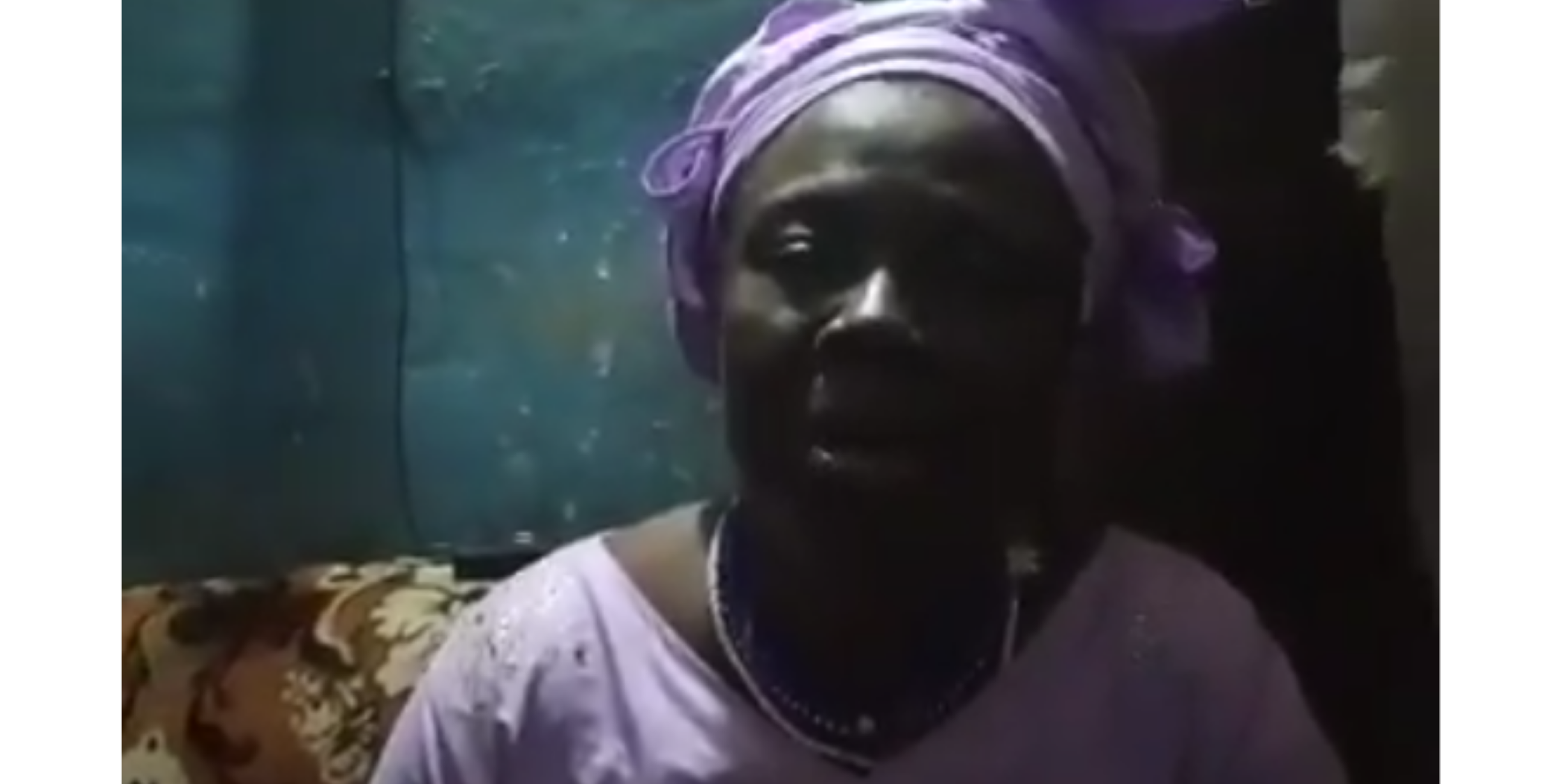
According to Olorisha, she had lived peacefully for years in the Isalẹ Koko area of Ilorin until community members allegedly targeted her over her devotion to Osun, a deity in Yoruba traditional religion. In an emotional video, she recounted how she was summoned to a meeting weeks before the incident, where nine men reportedly told her that an Islamic cleric (“Alfa”) had declared that traditional worshippers were no longer welcome in the community.
She said she challenged the claim and demanded to meet the cleric face-to-face, insisting she had done nothing wrong. Instead, the men allegedly threatened her, warning that she should either comply or face consequences. Olorisha recalled that one man openly asked what would happen if her house was burnt, while a police officer present advised restraint and later warned the men against causing trouble.
However, while Olorisha travelled to her hometown to attend a traditional festival, her house was allegedly set on fire on January 1, 2026. The blaze destroyed all her belongings, including livestock, leaving her homeless and destitute. She says she has since been moving around in a single piece of clothing, struggling to survive.
Her anguish deepened when she learned that suspects initially arrested over the arson had been released, raising fears of intimidation and impunity. In a tearful appeal, she called on Nigerians—especially traditional worshippers—to intervene on her behalf, saying she has nowhere else to turn. She warned that continued abandonment and injustice could push her to suicide.
SaharaReporters previously reported that three men were arrested in connection with the attack, and the Kwara State Police Command acknowledged awareness of the case. Yet the alleged release of suspects has intensified public concern about whether law enforcement is willing—or able—to confront religious extremism.
The incident has drawn strong condemnation from Omoyele Sowore, human rights activist and publisher of SaharaReporters, who described the attack as part of a broader pattern of religious intolerance in Ilorin. He warned that extremists must be stopped immediately and reminded authorities that no individual or group has the right to impose religious beliefs on others. Sowore referenced a similar 2023 case involving traditional religion activist Tani Olohun, arguing that repeated failures to enforce the law embolden mobs and radical elements.
This case has now become a national test of Nigeria’s commitment to religious freedom, constitutional rights, and the rule of law. Why was a woman’s home allegedly destroyed for her beliefs? Why were suspects reportedly freed? And how long will religious intolerance be allowed to override justice in a democratic society?
For many Nigerians, Olorisha’s plea is not just about one victim—it is about whether the state can still protect citizens from persecution based on faith, or whether silence and inaction will continue to empower extremism.
A disturbing case of alleged religious persecution has emerged from Ilorin, Kwara State, where a traditional worshipper, Mrs. T.A. Olorisha, says her home was deliberately set ablaze because of her faith, while suspects arrested over the incident were later released by the police. The traumatised woman has now issued a desperate plea for help, warning that she may take her own life if justice is not served.
According to Olorisha, she had lived peacefully for years in the Isalẹ Koko area of Ilorin until community members allegedly targeted her over her devotion to Osun, a deity in Yoruba traditional religion. In an emotional video, she recounted how she was summoned to a meeting weeks before the incident, where nine men reportedly told her that an Islamic cleric (“Alfa”) had declared that traditional worshippers were no longer welcome in the community.
She said she challenged the claim and demanded to meet the cleric face-to-face, insisting she had done nothing wrong. Instead, the men allegedly threatened her, warning that she should either comply or face consequences. Olorisha recalled that one man openly asked what would happen if her house was burnt, while a police officer present advised restraint and later warned the men against causing trouble.
However, while Olorisha travelled to her hometown to attend a traditional festival, her house was allegedly set on fire on January 1, 2026. The blaze destroyed all her belongings, including livestock, leaving her homeless and destitute. She says she has since been moving around in a single piece of clothing, struggling to survive.
Her anguish deepened when she learned that suspects initially arrested over the arson had been released, raising fears of intimidation and impunity. In a tearful appeal, she called on Nigerians—especially traditional worshippers—to intervene on her behalf, saying she has nowhere else to turn. She warned that continued abandonment and injustice could push her to suicide.
SaharaReporters previously reported that three men were arrested in connection with the attack, and the Kwara State Police Command acknowledged awareness of the case. Yet the alleged release of suspects has intensified public concern about whether law enforcement is willing—or able—to confront religious extremism.
The incident has drawn strong condemnation from Omoyele Sowore, human rights activist and publisher of SaharaReporters, who described the attack as part of a broader pattern of religious intolerance in Ilorin. He warned that extremists must be stopped immediately and reminded authorities that no individual or group has the right to impose religious beliefs on others. Sowore referenced a similar 2023 case involving traditional religion activist Tani Olohun, arguing that repeated failures to enforce the law embolden mobs and radical elements.
This case has now become a national test of Nigeria’s commitment to religious freedom, constitutional rights, and the rule of law. Why was a woman’s home allegedly destroyed for her beliefs? Why were suspects reportedly freed? And how long will religious intolerance be allowed to override justice in a democratic society?
For many Nigerians, Olorisha’s plea is not just about one victim—it is about whether the state can still protect citizens from persecution based on faith, or whether silence and inaction will continue to empower extremism.
Why Was a Woman’s Home Burnt for Worshipping Osun in Kwara, Why Were Suspects Freed, and Has Religious Extremism Now Replaced Justice in Ilorin?
A disturbing case of alleged religious persecution has emerged from Ilorin, Kwara State, where a traditional worshipper, Mrs. T.A. Olorisha, says her home was deliberately set ablaze because of her faith, while suspects arrested over the incident were later released by the police. The traumatised woman has now issued a desperate plea for help, warning that she may take her own life if justice is not served.
According to Olorisha, she had lived peacefully for years in the Isalẹ Koko area of Ilorin until community members allegedly targeted her over her devotion to Osun, a deity in Yoruba traditional religion. In an emotional video, she recounted how she was summoned to a meeting weeks before the incident, where nine men reportedly told her that an Islamic cleric (“Alfa”) had declared that traditional worshippers were no longer welcome in the community.
She said she challenged the claim and demanded to meet the cleric face-to-face, insisting she had done nothing wrong. Instead, the men allegedly threatened her, warning that she should either comply or face consequences. Olorisha recalled that one man openly asked what would happen if her house was burnt, while a police officer present advised restraint and later warned the men against causing trouble.
However, while Olorisha travelled to her hometown to attend a traditional festival, her house was allegedly set on fire on January 1, 2026. The blaze destroyed all her belongings, including livestock, leaving her homeless and destitute. She says she has since been moving around in a single piece of clothing, struggling to survive.
Her anguish deepened when she learned that suspects initially arrested over the arson had been released, raising fears of intimidation and impunity. In a tearful appeal, she called on Nigerians—especially traditional worshippers—to intervene on her behalf, saying she has nowhere else to turn. She warned that continued abandonment and injustice could push her to suicide.
SaharaReporters previously reported that three men were arrested in connection with the attack, and the Kwara State Police Command acknowledged awareness of the case. Yet the alleged release of suspects has intensified public concern about whether law enforcement is willing—or able—to confront religious extremism.
The incident has drawn strong condemnation from Omoyele Sowore, human rights activist and publisher of SaharaReporters, who described the attack as part of a broader pattern of religious intolerance in Ilorin. He warned that extremists must be stopped immediately and reminded authorities that no individual or group has the right to impose religious beliefs on others. Sowore referenced a similar 2023 case involving traditional religion activist Tani Olohun, arguing that repeated failures to enforce the law embolden mobs and radical elements.
This case has now become a national test of Nigeria’s commitment to religious freedom, constitutional rights, and the rule of law. Why was a woman’s home allegedly destroyed for her beliefs? Why were suspects reportedly freed? And how long will religious intolerance be allowed to override justice in a democratic society?
For many Nigerians, Olorisha’s plea is not just about one victim—it is about whether the state can still protect citizens from persecution based on faith, or whether silence and inaction will continue to empower extremism.