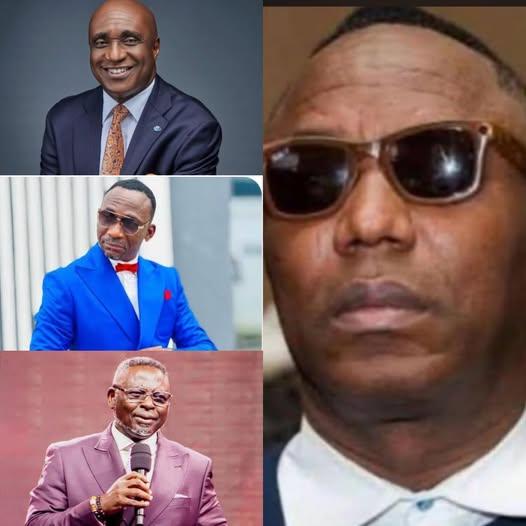
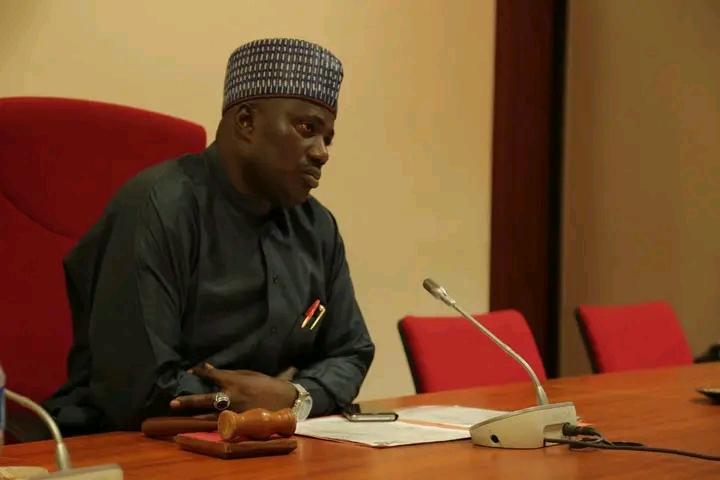
• Omoyele Sowore, activist and former presidential candidate, has sparked fresh online debate after criticizing some Nigerian pastors and the role of churches.

    In his words, many people become pastors because they couldn’t succeed in other careers or don’t want to do “serious work.” He also shared a personal encounter with a popular pastor, saying he suggested turning the pastor’s church into a hospital for one year to save lives. According to Sowore, the pastor got upset and has avoided him since.

    His comments have triggered mixed reactions online, with many people agreeing and others calling the statement unfair and insulting.

    #Nigeria #OmoyeleSowore #Religion #PublicDebate
    Omoyele Sowore, activist and former presidential candidate, has sparked fresh online debate after criticizing some Nigerian pastors and the role of churches. In his words, many people become pastors because they couldn’t succeed in other careers or don’t want to do “serious work.” He also shared a personal encounter with a popular pastor, saying he suggested turning the pastor’s church into a hospital for one year to save lives. According to Sowore, the pastor got upset and has avoided him since. His comments have triggered mixed reactions online, with many people agreeing and others calling the statement unfair and insulting. #Nigeria #OmoyeleSowore #Religion #PublicDebate
    love
    1
    · 0 Kommentare ·0 Geteilt ·461 Ansichten
  • The Timbuktu manuscripts and old libraries in Mali are priceless treasures of African knowledge. For centuries, scholars in Timbuktu wrote and preserved texts on religion, science, medicine, law, astronomy, and poetry—showing the world that Africa had strong centers of learning long ago.

    #Timbuktu #Mali #AfricanHistory #Manuscripts #places
    The Timbuktu manuscripts and old libraries in Mali are priceless treasures of African knowledge. For centuries, scholars in Timbuktu wrote and preserved texts on religion, science, medicine, law, astronomy, and poetry—showing the world that Africa had strong centers of learning long ago. 🇲🇱✨ #Timbuktu #Mali #AfricanHistory #Manuscripts #places
    like
    haha
    3
    · 0 Kommentare ·0 Geteilt ·844 Ansichten
  • breaking

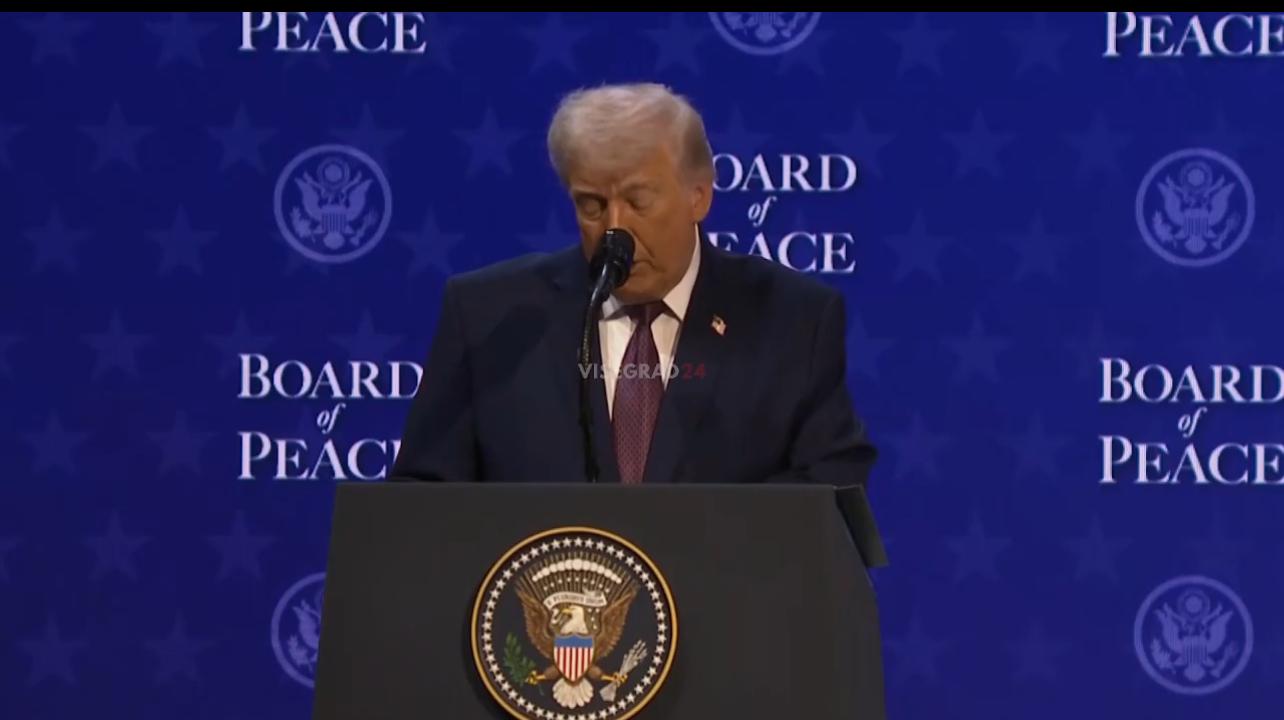
    “Thousands and thousands of Christians are being massacred in Nigeria by terrorists,” — Trump says again.

    But an honest question: what about the Muslims who are also being killed daily?
    Insecurity in Nigeria does not choose religion. Christians, Muslims, and even traditional worshippers have all been victims of terrorism, banditry, and violence.

    So why single out Christians only, when the problem affects everyone?
    This is a national tragedy, not a religious competition.

    #NigeriaSecurity #Insecurity #StopTheKillings #OneNigeria
    🚨 breaking 🚨 “Thousands and thousands of Christians are being massacred in Nigeria by terrorists,” — Trump says again. But an honest question: what about the Muslims who are also being killed daily? Insecurity in Nigeria does not choose religion. Christians, Muslims, and even traditional worshippers have all been victims of terrorism, banditry, and violence. So why single out Christians only, when the problem affects everyone? This is a national tragedy, not a religious competition. #NigeriaSecurity #Insecurity #StopTheKillings #OneNigeria
    like
    1
    · 1 Kommentare ·0 Geteilt ·1KB Ansichten
  • Witchcraft Accusations, Agwu Beliefs and Police Abuse in Imo State — How Extortion and Impunity Thrive

    This opinion piece by Leo Igwe exposes how witchcraft accusations and beliefs surrounding Agwu rituals are being exploited by families, vigilantes and even police officers in Imo State to justify abuse, extortion and human rights violations. Using the case of 70-year-old Joseph Ottih and his family, the article details alleged police brutality, illegal arrests, destruction of property and collusion between relatives, vigilantes and the anti-kidnapping unit (Tigerbase). Igwe argues that witchcraft accusations are unlawful under Nigerian law, that freedom of religion is constitutionally protected, and that the police must enforce the law—not tradition or superstition. The Advocacy for Alleged Witches (AfAW) vows legal support for the victims, insisting that witch-hunting, ritual policing and religious bias within law enforcement must end.
    Witchcraft Accusations, Agwu Beliefs and Police Abuse in Imo State — How Extortion and Impunity Thrive This opinion piece by Leo Igwe exposes how witchcraft accusations and beliefs surrounding Agwu rituals are being exploited by families, vigilantes and even police officers in Imo State to justify abuse, extortion and human rights violations. Using the case of 70-year-old Joseph Ottih and his family, the article details alleged police brutality, illegal arrests, destruction of property and collusion between relatives, vigilantes and the anti-kidnapping unit (Tigerbase). Igwe argues that witchcraft accusations are unlawful under Nigerian law, that freedom of religion is constitutionally protected, and that the police must enforce the law—not tradition or superstition. The Advocacy for Alleged Witches (AfAW) vows legal support for the victims, insisting that witch-hunting, ritual policing and religious bias within law enforcement must end.
    love
    1
    · 0 Kommentare ·0 Geteilt ·969 Ansichten
  • Pastor Tobi Fires Back at Druski, Says Churches Give More Than Rappers Amid Comedy Backlash

    Pastor Tobi has slammed American comedian Druski over a viral skit mocking the church, accusing comedians of using religion as an easy punchline when jokes run dry. He argued that many entertainers were raised through church support and insisted churches give more to communities than even top rappers. According to him, “the stingiest pastor gives more than the greatest rapper,” stressing that such jokes are not funny and should stop. His remarks have sparked mixed reactions online, reigniting debates on comedy, religion, and freedom of expression.

    #PastorTobi #Druski #ChurchVsComedy
    Pastor Tobi Fires Back at Druski, Says Churches Give More Than Rappers Amid Comedy Backlash Pastor Tobi has slammed American comedian Druski over a viral skit mocking the church, accusing comedians of using religion as an easy punchline when jokes run dry. He argued that many entertainers were raised through church support and insisted churches give more to communities than even top rappers. According to him, “the stingiest pastor gives more than the greatest rapper,” stressing that such jokes are not funny and should stop. His remarks have sparked mixed reactions online, reigniting debates on comedy, religion, and freedom of expression. #PastorTobi #Druski #ChurchVsComedy
    love
    1
    · 0 Kommentare ·0 Geteilt ·654 Ansichten
  • Anthony Joshua post Statement on God and Religion Sparks Massive Debate
    Anthony Joshua post Statement on God and Religion Sparks Massive Debate 🗣️
    0 Kommentare ·0 Geteilt ·242 Ansichten
  • Today Is My Last Day as a Christian Catholic Man Reacts to Ifeanyi Ubah’s Omission at Nnewi Cathedral Dedication

    A Catholic man from Nnewi, James Louise Okoye, has sparked intense debate after publicly renouncing Christianity over the Catholic Church’s failure to acknowledge the late Senator Ifeanyi Ubah during the dedication of the Nnewi Catholic Diocese Cathedral.

    In a viral video recorded within the church compound, Okoye expressed deep anger and disappointment, questioning why Ubah—whom he described as a major contributor and pioneer supporter of the cathedral project—was not mentioned during prayers for the faithful departed.

    “Did you hear them say, ‘May the soul of Ifeanyi Ubah rest in peace’?” he asked those around him.

    According to Okoye, the omission was unfair and painful, especially given Ubah’s alleged role in supporting the cathedral before his death. He described the silence as injustice, repeatedly saying, “Evil is evil.”

    Visibly emotional, Okoye apologised to Ubah’s spirit in Igbo, repeatedly saying, “Ifeanyi Ubah, sorry.”
    He then made a shocking declaration:
    “I’m done with religion. Today is my last day as a Christian.”

    Should the Church have acknowledged Ifeanyi Ubah?
    Was this a justified protest or an emotional overreaction?

    #IfeanyiUbah #CatholicChurch #Nnewi #NigeriaNews
    Today Is My Last Day as a Christian Catholic Man Reacts to Ifeanyi Ubah’s Omission at Nnewi Cathedral Dedication A Catholic man from Nnewi, James Louise Okoye, has sparked intense debate after publicly renouncing Christianity over the Catholic Church’s failure to acknowledge the late Senator Ifeanyi Ubah during the dedication of the Nnewi Catholic Diocese Cathedral. In a viral video recorded within the church compound, Okoye expressed deep anger and disappointment, questioning why Ubah—whom he described as a major contributor and pioneer supporter of the cathedral project—was not mentioned during prayers for the faithful departed. “Did you hear them say, ‘May the soul of Ifeanyi Ubah rest in peace’?” he asked those around him. According to Okoye, the omission was unfair and painful, especially given Ubah’s alleged role in supporting the cathedral before his death. He described the silence as injustice, repeatedly saying, “Evil is evil.” Visibly emotional, Okoye apologised to Ubah’s spirit in Igbo, repeatedly saying, “Ifeanyi Ubah, sorry.” He then made a shocking declaration: “I’m done with religion. Today is my last day as a Christian.” 👉 Should the Church have acknowledged Ifeanyi Ubah? 👉 Was this a justified protest or an emotional overreaction? #IfeanyiUbah #CatholicChurch #Nnewi #NigeriaNews
    love
    1
    · 0 Kommentare ·0 Geteilt ·669 Ansichten
  • “Strip Yourself Naked and Pray by Midnight” — Raye Sparks Debate on X Over Controversial Faith Advice

    Internet personality Raye has ignited widespread debate on X after sharing a controversial opinion on prayer and spirituality.

    In a post that quickly drew attention, Raye advised people to strip themselves naked and pray by midnight, claiming that with enough faith, there is nothing one could ask for that heaven would ignore.

    The statement triggered mixed reactions online, with many users questioning the approach and criticizing the message, while others defended her right to express her personal spiritual beliefs.

    Amid the backlash, Raye issued a follow-up post clarifying that no one is obligated to pray or believe the way she does. She noted that religion can sound “crazy” rather than logical when broken down and over-analysed.

    According to her, faith should not always be approached from a purely logical standpoint, adding that people should simply practice what works for them spiritually and move on if they disagree.
    “Strip Yourself Naked and Pray by Midnight” — Raye Sparks Debate on X Over Controversial Faith Advice Internet personality Raye has ignited widespread debate on X after sharing a controversial opinion on prayer and spirituality. In a post that quickly drew attention, Raye advised people to strip themselves naked and pray by midnight, claiming that with enough faith, there is nothing one could ask for that heaven would ignore. The statement triggered mixed reactions online, with many users questioning the approach and criticizing the message, while others defended her right to express her personal spiritual beliefs. Amid the backlash, Raye issued a follow-up post clarifying that no one is obligated to pray or believe the way she does. She noted that religion can sound “crazy” rather than logical when broken down and over-analysed. According to her, faith should not always be approached from a purely logical standpoint, adding that people should simply practice what works for them spiritually and move on if they disagree.
    love
    1
    · 0 Kommentare ·0 Geteilt ·615 Ansichten
  • Is the ‘Christian Genocide’ in Nigeria a Political Narrative? Why Trump Admits Muslims Are Also Killed as Sowore Accuses the U.S. of Using Religion to Justify Power, Oil, and Military Influence

    Is the narrative of a “Christian genocide” in Nigeria an honest reflection of the country’s security crisis—or a political tool shaped by foreign interests? United States President Donald Trump has made a partial shift in his long-standing rhetoric on religious violence in Nigeria, acknowledging that Muslims are also being killed, even while maintaining that Christians remain the primary victims.

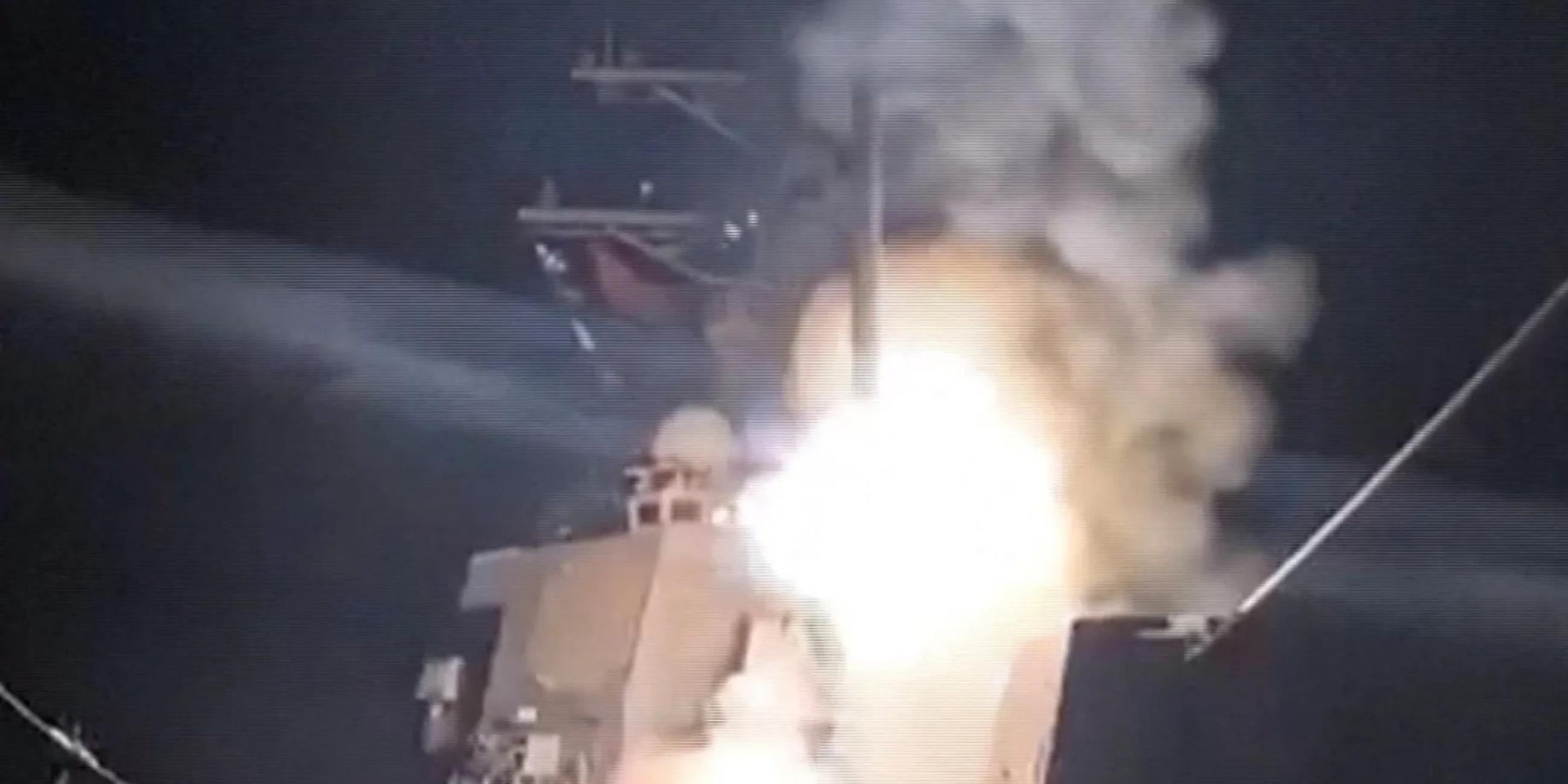
    Trump made the remarks during an interview with The New York Times following questions about Washington’s Christmas Day military strike in northwest Nigeria. The U.S. military said the operation, carried out at the request of the Nigerian government, targeted Islamic State West Africa Province (ISWAP), a Boko Haram splinter group responsible for years of deadly attacks across northern Nigeria.

    When asked about earlier comments from his own Africa adviser—who had stated that extremist groups in Nigeria kill more Muslims than Christians—Trump responded: “I think that Muslims are being killed also in Nigeria. But it’s mostly Christians.” The statement marked a rare acknowledgment that Nigeria’s victims of terrorism cut across religious lines, even as Trump continued to frame the conflict primarily through a Christian persecution lens.

    The comments immediately drew a sharp response from Omoyele Sowore, former Nigerian presidential candidate and prominent human rights activist. In a series of posts on X (formerly Twitter), Sowore dismissed the “Christian genocide” narrative as a calculated political construct, arguing that it is designed to stir emotion, mobilize conservative audiences abroad, and provide moral cover for foreign military, economic, and geopolitical agendas.

    Sowore accused Trump of using religion as a rhetorical device while pursuing what he described as imperial interests tied to oil, rare earth minerals, and strategic dominance. “The narrative used to justify it is secondary,” Sowore wrote, adding that such framing only needs to “match the gullibility of the intended audience.” According to him, claims of systematic religious genocide in Nigeria are not grounded in objective reality but are deliberately shaped to occupy a powerful emotional space in Western political discourse.

    He further challenged Trump’s moral authority to speak on Christian values, asserting that the former U.S. president does not embody the compassion, humility, or solidarity central to the faith he frequently invokes. Sowore argued that Trump’s selective concern for religious identity masks a broader indifference to human suffering—both abroad and at home—unless it aligns with his political interests.

    The controversy highlights a deeper question: Is Nigeria’s complex security crisis being oversimplified into a religious conflict for international consumption? While jihadist groups like ISWAP and Boko Haram have undeniably targeted Christian communities, they have also killed thousands of Muslims, including traditional leaders, clerics, villagers, and security personnel. Analysts have long warned that framing the violence as exclusively anti-Christian risks distorting reality, inflaming sectarian tensions, and obscuring the political, economic, and territorial dimensions of the conflict.

    Trump’s admission that Muslims are also victims, even if partial, challenges his earlier absolutist framing. Yet his insistence that Christians remain the main targets continues to fuel debate about whether U.S. policy toward Nigeria is being shaped by faith-based narratives rather than nuanced security analysis.

    As Nigeria battles insurgency, banditry, and transnational terrorism, the exchange between Trump and Sowore underscores how global power politics, religious identity, and media narratives intersect in shaping international responses to African conflicts. The key question remains: is the world seeing Nigeria’s crisis as it truly is—or as it is most politically useful to portray?


    Is the ‘Christian Genocide’ in Nigeria a Political Narrative? Why Trump Admits Muslims Are Also Killed as Sowore Accuses the U.S. of Using Religion to Justify Power, Oil, and Military Influence Is the narrative of a “Christian genocide” in Nigeria an honest reflection of the country’s security crisis—or a political tool shaped by foreign interests? United States President Donald Trump has made a partial shift in his long-standing rhetoric on religious violence in Nigeria, acknowledging that Muslims are also being killed, even while maintaining that Christians remain the primary victims. Trump made the remarks during an interview with The New York Times following questions about Washington’s Christmas Day military strike in northwest Nigeria. The U.S. military said the operation, carried out at the request of the Nigerian government, targeted Islamic State West Africa Province (ISWAP), a Boko Haram splinter group responsible for years of deadly attacks across northern Nigeria. When asked about earlier comments from his own Africa adviser—who had stated that extremist groups in Nigeria kill more Muslims than Christians—Trump responded: “I think that Muslims are being killed also in Nigeria. But it’s mostly Christians.” The statement marked a rare acknowledgment that Nigeria’s victims of terrorism cut across religious lines, even as Trump continued to frame the conflict primarily through a Christian persecution lens. The comments immediately drew a sharp response from Omoyele Sowore, former Nigerian presidential candidate and prominent human rights activist. In a series of posts on X (formerly Twitter), Sowore dismissed the “Christian genocide” narrative as a calculated political construct, arguing that it is designed to stir emotion, mobilize conservative audiences abroad, and provide moral cover for foreign military, economic, and geopolitical agendas. Sowore accused Trump of using religion as a rhetorical device while pursuing what he described as imperial interests tied to oil, rare earth minerals, and strategic dominance. “The narrative used to justify it is secondary,” Sowore wrote, adding that such framing only needs to “match the gullibility of the intended audience.” According to him, claims of systematic religious genocide in Nigeria are not grounded in objective reality but are deliberately shaped to occupy a powerful emotional space in Western political discourse. He further challenged Trump’s moral authority to speak on Christian values, asserting that the former U.S. president does not embody the compassion, humility, or solidarity central to the faith he frequently invokes. Sowore argued that Trump’s selective concern for religious identity masks a broader indifference to human suffering—both abroad and at home—unless it aligns with his political interests. The controversy highlights a deeper question: Is Nigeria’s complex security crisis being oversimplified into a religious conflict for international consumption? While jihadist groups like ISWAP and Boko Haram have undeniably targeted Christian communities, they have also killed thousands of Muslims, including traditional leaders, clerics, villagers, and security personnel. Analysts have long warned that framing the violence as exclusively anti-Christian risks distorting reality, inflaming sectarian tensions, and obscuring the political, economic, and territorial dimensions of the conflict. Trump’s admission that Muslims are also victims, even if partial, challenges his earlier absolutist framing. Yet his insistence that Christians remain the main targets continues to fuel debate about whether U.S. policy toward Nigeria is being shaped by faith-based narratives rather than nuanced security analysis. As Nigeria battles insurgency, banditry, and transnational terrorism, the exchange between Trump and Sowore underscores how global power politics, religious identity, and media narratives intersect in shaping international responses to African conflicts. The key question remains: is the world seeing Nigeria’s crisis as it truly is—or as it is most politically useful to portray?
    0 Kommentare ·0 Geteilt ·2KB Ansichten
  • Why Was a Woman’s Home Burnt for Worshipping Osun in Kwara, Why Were Suspects Freed, and Has Religious Extremism Now Replaced Justice in Ilorin?

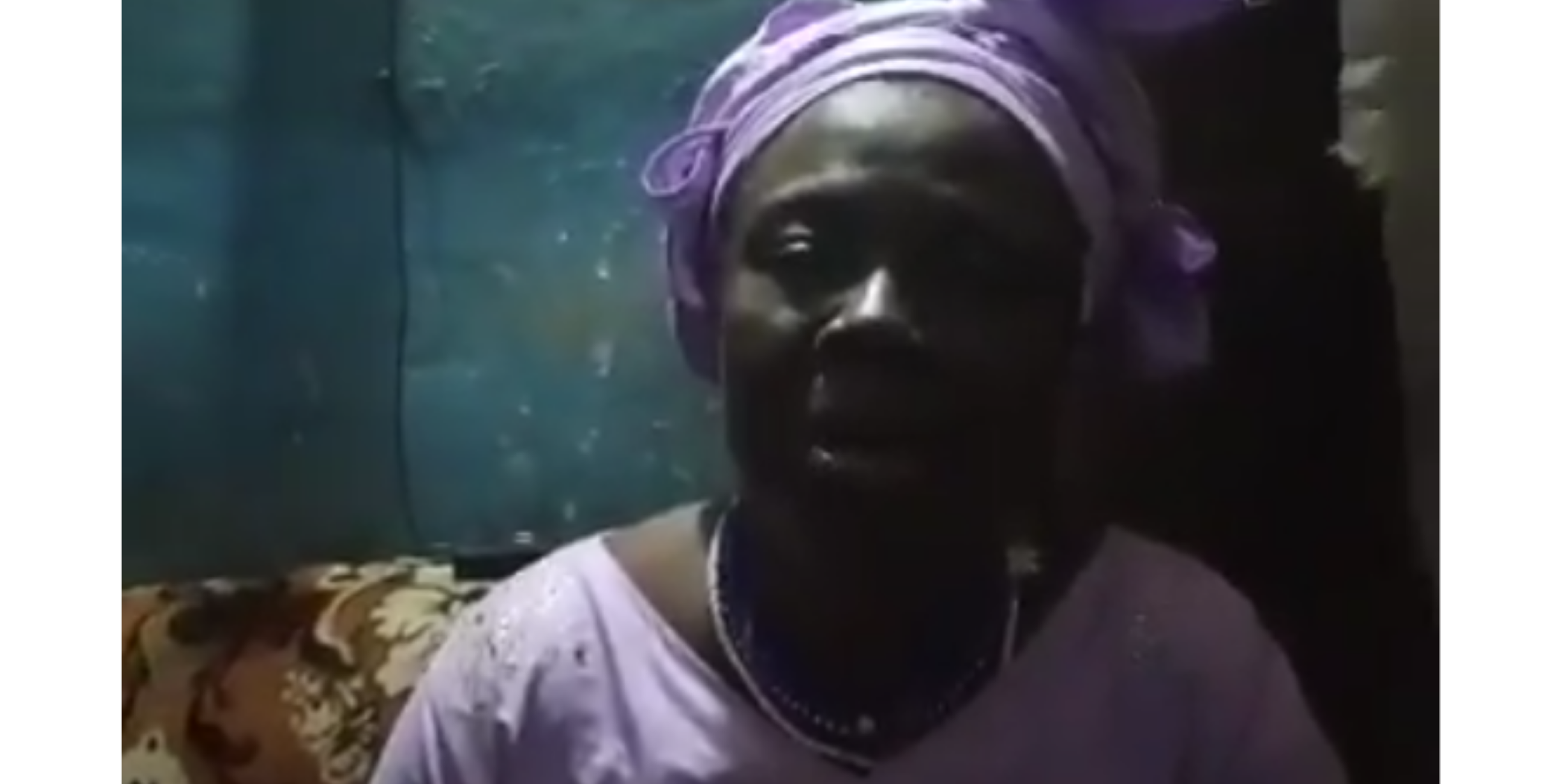
    A disturbing case of alleged religious persecution has emerged from Ilorin, Kwara State, where a traditional worshipper, Mrs. T.A. Olorisha, says her home was deliberately set ablaze because of her faith, while suspects arrested over the incident were later released by the police. The traumatised woman has now issued a desperate plea for help, warning that she may take her own life if justice is not served.

    According to Olorisha, she had lived peacefully for years in the Isalẹ Koko area of Ilorin until community members allegedly targeted her over her devotion to Osun, a deity in Yoruba traditional religion. In an emotional video, she recounted how she was summoned to a meeting weeks before the incident, where nine men reportedly told her that an Islamic cleric (“Alfa”) had declared that traditional worshippers were no longer welcome in the community.

    She said she challenged the claim and demanded to meet the cleric face-to-face, insisting she had done nothing wrong. Instead, the men allegedly threatened her, warning that she should either comply or face consequences. Olorisha recalled that one man openly asked what would happen if her house was burnt, while a police officer present advised restraint and later warned the men against causing trouble.

    However, while Olorisha travelled to her hometown to attend a traditional festival, her house was allegedly set on fire on January 1, 2026. The blaze destroyed all her belongings, including livestock, leaving her homeless and destitute. She says she has since been moving around in a single piece of clothing, struggling to survive.

    Her anguish deepened when she learned that suspects initially arrested over the arson had been released, raising fears of intimidation and impunity. In a tearful appeal, she called on Nigerians—especially traditional worshippers—to intervene on her behalf, saying she has nowhere else to turn. She warned that continued abandonment and injustice could push her to suicide.

    SaharaReporters previously reported that three men were arrested in connection with the attack, and the Kwara State Police Command acknowledged awareness of the case. Yet the alleged release of suspects has intensified public concern about whether law enforcement is willing—or able—to confront religious extremism.

    The incident has drawn strong condemnation from Omoyele Sowore, human rights activist and publisher of SaharaReporters, who described the attack as part of a broader pattern of religious intolerance in Ilorin. He warned that extremists must be stopped immediately and reminded authorities that no individual or group has the right to impose religious beliefs on others. Sowore referenced a similar 2023 case involving traditional religion activist Tani Olohun, arguing that repeated failures to enforce the law embolden mobs and radical elements.

    This case has now become a national test of Nigeria’s commitment to religious freedom, constitutional rights, and the rule of law. Why was a woman’s home allegedly destroyed for her beliefs? Why were suspects reportedly freed? And how long will religious intolerance be allowed to override justice in a democratic society?

    For many Nigerians, Olorisha’s plea is not just about one victim—it is about whether the state can still protect citizens from persecution based on faith, or whether silence and inaction will continue to empower extremism.
    Why Was a Woman’s Home Burnt for Worshipping Osun in Kwara, Why Were Suspects Freed, and Has Religious Extremism Now Replaced Justice in Ilorin? A disturbing case of alleged religious persecution has emerged from Ilorin, Kwara State, where a traditional worshipper, Mrs. T.A. Olorisha, says her home was deliberately set ablaze because of her faith, while suspects arrested over the incident were later released by the police. The traumatised woman has now issued a desperate plea for help, warning that she may take her own life if justice is not served. According to Olorisha, she had lived peacefully for years in the Isalẹ Koko area of Ilorin until community members allegedly targeted her over her devotion to Osun, a deity in Yoruba traditional religion. In an emotional video, she recounted how she was summoned to a meeting weeks before the incident, where nine men reportedly told her that an Islamic cleric (“Alfa”) had declared that traditional worshippers were no longer welcome in the community. She said she challenged the claim and demanded to meet the cleric face-to-face, insisting she had done nothing wrong. Instead, the men allegedly threatened her, warning that she should either comply or face consequences. Olorisha recalled that one man openly asked what would happen if her house was burnt, while a police officer present advised restraint and later warned the men against causing trouble. However, while Olorisha travelled to her hometown to attend a traditional festival, her house was allegedly set on fire on January 1, 2026. The blaze destroyed all her belongings, including livestock, leaving her homeless and destitute. She says she has since been moving around in a single piece of clothing, struggling to survive. Her anguish deepened when she learned that suspects initially arrested over the arson had been released, raising fears of intimidation and impunity. In a tearful appeal, she called on Nigerians—especially traditional worshippers—to intervene on her behalf, saying she has nowhere else to turn. She warned that continued abandonment and injustice could push her to suicide. SaharaReporters previously reported that three men were arrested in connection with the attack, and the Kwara State Police Command acknowledged awareness of the case. Yet the alleged release of suspects has intensified public concern about whether law enforcement is willing—or able—to confront religious extremism. The incident has drawn strong condemnation from Omoyele Sowore, human rights activist and publisher of SaharaReporters, who described the attack as part of a broader pattern of religious intolerance in Ilorin. He warned that extremists must be stopped immediately and reminded authorities that no individual or group has the right to impose religious beliefs on others. Sowore referenced a similar 2023 case involving traditional religion activist Tani Olohun, arguing that repeated failures to enforce the law embolden mobs and radical elements. This case has now become a national test of Nigeria’s commitment to religious freedom, constitutional rights, and the rule of law. Why was a woman’s home allegedly destroyed for her beliefs? Why were suspects reportedly freed? And how long will religious intolerance be allowed to override justice in a democratic society? For many Nigerians, Olorisha’s plea is not just about one victim—it is about whether the state can still protect citizens from persecution based on faith, or whether silence and inaction will continue to empower extremism.
    like
    1
    · 0 Kommentare ·0 Geteilt ·1KB Ansichten
  • Can Datti Baba-Ahmed Really Replace Peter Obi? LP’s 2023 Running Mate Declares 2027 Presidential Ambition Amid Party Crisis

    Is a new political battle for Nigeria’s presidency already taking shape within the opposition—and could Senator Datti Baba-Ahmed be positioning himself as the next major contender? These are the questions dominating political discussions after the former Labour Party (LP) vice-presidential candidate in the 2023 election formally declared his intention to contest the 2027 presidency.

    Baba-Ahmed made the announcement at a rally at the Labour Party’s national secretariat in Abuja, at a time when the party is grappling with internal realignments following the high-profile exit of its 2023 presidential candidate, Peter Obi, to the African Democratic Congress (ADC). His declaration comes barely days after Obi’s departure, instantly igniting debate about the future direction of the Labour Party and the broader opposition ahead of the next general election.

    Addressing party members and supporters, Baba-Ahmed was quick to dismiss any suggestion that his ambition was a reaction to Obi’s political move. Instead, he insisted that his presidential aspiration predates his alliance with Obi, stressing that he was not “following anybody’s trajectory” or attempting to step into anyone’s political space. According to him, records clearly show that he had sought the presidency even before Obi entered the 2023 race.

    He recalled his participation in the 2018 presidential primaries of the Peoples Democratic Party (PDP) in Port Harcourt, noting that his eventual decision to serve as Obi’s running mate was driven by what he described as a rare opportunity for national unity rather than personal ambition. For Baba-Ahmed, aligning with Obi was not a surrender of his own political vision but a strategic choice aimed at offering Nigerians an alternative leadership model.

    Beyond ambition, his speech touched on sensitive but unavoidable themes in Nigerian politics—religion and ethnicity. Baba-Ahmed openly acknowledged his identity as a practising Muslim and a Hausa man, but maintained that the Nigerian Constitution guarantees every qualified citizen the right to seek elective office. According to him, his decision to run is rooted in what he described as a genuine desire to help rescue Nigeria from its many challenges, rather than sectional or personal interests.

    However, he also struck a cautious tone, emphasizing that he would respect due process within the Labour Party and the electoral framework. While affirming his intention, he stated that he would not formally pursue the ticket until the Independent National Electoral Commission (INEC) releases its timetable and the party leadership officially calls for aspirants. To him, this approach reflects both loyalty to party structures and adherence to democratic norms.

    His declaration has added a new layer of complexity to an already evolving opposition landscape. With Peter Obi now outside the Labour Party, questions are being raised about who will command the loyalty of the party’s grassroots supporters, many of whom were mobilized by the “Obidient” movement in 2023. Can Datti Baba-Ahmed inherit that momentum, or will the party struggle to redefine itself without its most visible figure?

    Reacting to the announcement, Labour Party National Chairman Julius Abure praised Baba-Ahmed for remaining within the party despite speculation that he might defect following Obi’s exit. For party loyalists, his decision to stay is being interpreted as a signal of continuity and internal stability. For critics, however, it raises deeper questions: does the Labour Party still have a unified ideological direction, or is it entering a phase of leadership contest and fragmentation?

    As 2027 approaches, Baba-Ahmed’s declaration invites broader national reflection. Is Nigeria’s opposition finally preparing early for the next election, or is this the beginning of another cycle of internal rivalry that could weaken alternative voices? Can Baba-Ahmed’s experience, ideology, and personal narrative convince Nigerians that he offers something fundamentally different from the political establishment? And perhaps most importantly, can he fill the vacuum left by Peter Obi’s departure—or will the Labour Party need a complete reinvention to remain politically relevant?

    On Fintter, this development is more than a headline. It is a conversation about leadership, loyalty, and the future of opposition politics in Nigeria. Is Datti Baba-Ahmed the natural successor within the Labour Party, or is his ambition likely to deepen internal divisions? Can he rally young voters and reform-minded citizens the way Obi once did?

    What do you think? Is Datti Baba-Ahmed the right figure to lead the Labour Party into 2027—or is the party losing its political identity? Share your views and join the debate on Fintter.

    Can Datti Baba-Ahmed Really Replace Peter Obi? LP’s 2023 Running Mate Declares 2027 Presidential Ambition Amid Party Crisis Is a new political battle for Nigeria’s presidency already taking shape within the opposition—and could Senator Datti Baba-Ahmed be positioning himself as the next major contender? These are the questions dominating political discussions after the former Labour Party (LP) vice-presidential candidate in the 2023 election formally declared his intention to contest the 2027 presidency. Baba-Ahmed made the announcement at a rally at the Labour Party’s national secretariat in Abuja, at a time when the party is grappling with internal realignments following the high-profile exit of its 2023 presidential candidate, Peter Obi, to the African Democratic Congress (ADC). His declaration comes barely days after Obi’s departure, instantly igniting debate about the future direction of the Labour Party and the broader opposition ahead of the next general election. Addressing party members and supporters, Baba-Ahmed was quick to dismiss any suggestion that his ambition was a reaction to Obi’s political move. Instead, he insisted that his presidential aspiration predates his alliance with Obi, stressing that he was not “following anybody’s trajectory” or attempting to step into anyone’s political space. According to him, records clearly show that he had sought the presidency even before Obi entered the 2023 race. He recalled his participation in the 2018 presidential primaries of the Peoples Democratic Party (PDP) in Port Harcourt, noting that his eventual decision to serve as Obi’s running mate was driven by what he described as a rare opportunity for national unity rather than personal ambition. For Baba-Ahmed, aligning with Obi was not a surrender of his own political vision but a strategic choice aimed at offering Nigerians an alternative leadership model. Beyond ambition, his speech touched on sensitive but unavoidable themes in Nigerian politics—religion and ethnicity. Baba-Ahmed openly acknowledged his identity as a practising Muslim and a Hausa man, but maintained that the Nigerian Constitution guarantees every qualified citizen the right to seek elective office. According to him, his decision to run is rooted in what he described as a genuine desire to help rescue Nigeria from its many challenges, rather than sectional or personal interests. However, he also struck a cautious tone, emphasizing that he would respect due process within the Labour Party and the electoral framework. While affirming his intention, he stated that he would not formally pursue the ticket until the Independent National Electoral Commission (INEC) releases its timetable and the party leadership officially calls for aspirants. To him, this approach reflects both loyalty to party structures and adherence to democratic norms. His declaration has added a new layer of complexity to an already evolving opposition landscape. With Peter Obi now outside the Labour Party, questions are being raised about who will command the loyalty of the party’s grassroots supporters, many of whom were mobilized by the “Obidient” movement in 2023. Can Datti Baba-Ahmed inherit that momentum, or will the party struggle to redefine itself without its most visible figure? Reacting to the announcement, Labour Party National Chairman Julius Abure praised Baba-Ahmed for remaining within the party despite speculation that he might defect following Obi’s exit. For party loyalists, his decision to stay is being interpreted as a signal of continuity and internal stability. For critics, however, it raises deeper questions: does the Labour Party still have a unified ideological direction, or is it entering a phase of leadership contest and fragmentation? As 2027 approaches, Baba-Ahmed’s declaration invites broader national reflection. Is Nigeria’s opposition finally preparing early for the next election, or is this the beginning of another cycle of internal rivalry that could weaken alternative voices? Can Baba-Ahmed’s experience, ideology, and personal narrative convince Nigerians that he offers something fundamentally different from the political establishment? And perhaps most importantly, can he fill the vacuum left by Peter Obi’s departure—or will the Labour Party need a complete reinvention to remain politically relevant? On Fintter, this development is more than a headline. It is a conversation about leadership, loyalty, and the future of opposition politics in Nigeria. Is Datti Baba-Ahmed the natural successor within the Labour Party, or is his ambition likely to deepen internal divisions? Can he rally young voters and reform-minded citizens the way Obi once did? 💬 What do you think? Is Datti Baba-Ahmed the right figure to lead the Labour Party into 2027—or is the party losing its political identity? Share your views and join the debate on Fintter.
    like
    1
    · 0 Kommentare ·0 Geteilt ·1KB Ansichten
  • Nigeria Divided: Why It’s Time for a Peaceful ‘Velvet Divorce’ — Bayo Oluwasanmi”

    In a compelling opinion piece, Bayo Oluwasanmi argues that Nigeria is no longer a united country but a collection of diverse ethnic nationalities with conflicting cultures, religions, histories, and languages. Citing Nigeria’s history of military coups, a 30-month civil war, and ongoing Christian-targeted violence, Oluwasanmi contends that attempts to maintain national unity by force have failed, leading to heightened secessionist and separatist movements such as Biafra, Oduduwa, and Arewa.
    Oluwasanmi highlights the rise of Boko Haram and Fulani terrorist attacks as evidence of the government’s inability to protect citizens, particularly Christians. He underscores that universal human rights guarantee the right to life, liberty, and security, which are currently under threat across Nigeria. The article criticizes the ruling elite for profiting from societal chaos while ordinary citizens face abductions, massacres, and widespread insecurity.
    The author draws a parallel with the “Velvet Divorce” of Czechoslovakia in 1993, advocating for a peaceful, non-violent separation of Nigeria into autonomous nations where citizens can live safely and govern themselves according to their values and priorities. He argues that a structured, peaceful split is preferable to continued bloodshed, lawlessness, and an ungovernable state.
    Oluwasanmi’s piece is a call for urgent action, urging Nigeria’s leaders and citizens to recognize the deep divisions and seek a solution that preserves life, dignity, and freedom, rather than perpetuating ongoing violence and insecurity.
    Nigeria Divided: Why It’s Time for a Peaceful ‘Velvet Divorce’ — Bayo Oluwasanmi” In a compelling opinion piece, Bayo Oluwasanmi argues that Nigeria is no longer a united country but a collection of diverse ethnic nationalities with conflicting cultures, religions, histories, and languages. Citing Nigeria’s history of military coups, a 30-month civil war, and ongoing Christian-targeted violence, Oluwasanmi contends that attempts to maintain national unity by force have failed, leading to heightened secessionist and separatist movements such as Biafra, Oduduwa, and Arewa. Oluwasanmi highlights the rise of Boko Haram and Fulani terrorist attacks as evidence of the government’s inability to protect citizens, particularly Christians. He underscores that universal human rights guarantee the right to life, liberty, and security, which are currently under threat across Nigeria. The article criticizes the ruling elite for profiting from societal chaos while ordinary citizens face abductions, massacres, and widespread insecurity. The author draws a parallel with the “Velvet Divorce” of Czechoslovakia in 1993, advocating for a peaceful, non-violent separation of Nigeria into autonomous nations where citizens can live safely and govern themselves according to their values and priorities. He argues that a structured, peaceful split is preferable to continued bloodshed, lawlessness, and an ungovernable state. Oluwasanmi’s piece is a call for urgent action, urging Nigeria’s leaders and citizens to recognize the deep divisions and seek a solution that preserves life, dignity, and freedom, rather than perpetuating ongoing violence and insecurity.
    0 Kommentare ·0 Geteilt ·683 Ansichten
  • Minister Sympathises with Borgu Victims After Deadly New Year Terror Attack

    In a heartfelt statement, Minister of State for Agriculture and Food Security Dr Aliyu Sabi Abdullahi expressed deep sorrow over a brutal terrorist attack on Kasuwan Daji rural communities in Borgu Local Government Area of Niger State, which claimed 42 lives just three days into the New Year.

    The assault, which occurred on January 3, left scores injured, homes destroyed, and an unknown number of residents abducted, including women, children, and the elderly.

    Dr Abdullahi described the violence as "senseless, deliberate, and murderous," highlighting the "depravity of the terrorists and bandits" who disrupted the peaceful livelihoods of the affected communities.

    "My heart goes out to the families who have lost their loved ones, just as I wish a quick recovery to the many who were injured during the rage of atrocities," the minister said in his statement released on Tuesday.

    He extended support to Niger State Governor Mohammed Umar Bago, acknowledging the "challenging times" and praising the governor's efforts to enhance security for residents, particularly in vulnerable areas.

    Urging resilience among Borgu residents, the minister called for unity against the perpetrators.

    "Let us grieve, because we have lost our loved ones and our possessions. But I call on the Borgu communities to invoke their age-old spirit of resilience, wipe away their tears, and firmly resolve to never allow the lawless terrorists and bandits dictate their rhythm of life," he stated.

    Dr Abdullahi emphasised the indiscriminate nature of the violence, noting that the attackers target individuals regardless of religion or ethnicity whether Bussawa, Hausa, Kambari, or Fulani.

    He encouraged communities to collaborate with security forces to eliminate the threats, asserting that Borgu must not become a "haven nor a theatre for their atrocities."

    The minister reassured residents of President Tinubu's commitment to pursuing and prosecuting those responsible for the "heinous crimes." Security agencies have yet to provide further details on the ongoing investigation or rescue efforts for the abducted.
    Minister Sympathises with Borgu Victims After Deadly New Year Terror Attack In a heartfelt statement, Minister of State for Agriculture and Food Security Dr Aliyu Sabi Abdullahi expressed deep sorrow over a brutal terrorist attack on Kasuwan Daji rural communities in Borgu Local Government Area of Niger State, which claimed 42 lives just three days into the New Year. The assault, which occurred on January 3, left scores injured, homes destroyed, and an unknown number of residents abducted, including women, children, and the elderly. Dr Abdullahi described the violence as "senseless, deliberate, and murderous," highlighting the "depravity of the terrorists and bandits" who disrupted the peaceful livelihoods of the affected communities. "My heart goes out to the families who have lost their loved ones, just as I wish a quick recovery to the many who were injured during the rage of atrocities," the minister said in his statement released on Tuesday. He extended support to Niger State Governor Mohammed Umar Bago, acknowledging the "challenging times" and praising the governor's efforts to enhance security for residents, particularly in vulnerable areas. Urging resilience among Borgu residents, the minister called for unity against the perpetrators. "Let us grieve, because we have lost our loved ones and our possessions. But I call on the Borgu communities to invoke their age-old spirit of resilience, wipe away their tears, and firmly resolve to never allow the lawless terrorists and bandits dictate their rhythm of life," he stated. Dr Abdullahi emphasised the indiscriminate nature of the violence, noting that the attackers target individuals regardless of religion or ethnicity whether Bussawa, Hausa, Kambari, or Fulani. He encouraged communities to collaborate with security forces to eliminate the threats, asserting that Borgu must not become a "haven nor a theatre for their atrocities." The minister reassured residents of President Tinubu's commitment to pursuing and prosecuting those responsible for the "heinous crimes." Security agencies have yet to provide further details on the ongoing investigation or rescue efforts for the abducted.
    like
    1
    · 0 Kommentare ·0 Geteilt ·741 Ansichten
  • US Lawmaker Riley Moore Condemns ISWAP’s Fresh Threat Against Nigerian Christians After Adamawa Attack, Calls It Clear Religious Persecution

    A United States lawmaker, Rep. Riley M. Moore of West Virginia, has strongly condemned a reported threat by the Islamic State West Africa Province (ISWAP) against Christians in Nigeria, describing it as blatant religious persecution. Moore reacted to reports that ISWAP released an image of a Christian village in Adamawa State set ablaze, accompanied by a warning declaring Christians across Nigeria as “legitimate targets.”

    In a statement shared on his official X account, Moore said the threat leaves no doubt that Christians in Nigeria are being targeted solely because of their faith. He rejected explanations that frame the violence as being driven by land disputes or climate-related factors, insisting it is persecution based on religion.

    According to reports, ISWAP allegedly warned Christians to convert to Islam or face death, stating they could “spare their blood” by converting or paying the jizyah tax. Moore noted that such language mirrors tactics historically used by ISIS in other conflict zones around the world.

    The congressman also praised ongoing cooperation between the United States and Nigeria in combating extremist violence, expressing support for efforts by the U.S. government to counter jihadist groups and protect vulnerable Christian communities.

    Nigeria has endured years of attacks by Boko Haram and its ISWAP faction, particularly in the northeast, with rights groups repeatedly warning that Christian communities are disproportionately affected. Moore’s remarks add to growing international calls for stronger action and increased global attention to religious persecution and insecurity in Nigeria.
    US Lawmaker Riley Moore Condemns ISWAP’s Fresh Threat Against Nigerian Christians After Adamawa Attack, Calls It Clear Religious Persecution A United States lawmaker, Rep. Riley M. Moore of West Virginia, has strongly condemned a reported threat by the Islamic State West Africa Province (ISWAP) against Christians in Nigeria, describing it as blatant religious persecution. Moore reacted to reports that ISWAP released an image of a Christian village in Adamawa State set ablaze, accompanied by a warning declaring Christians across Nigeria as “legitimate targets.” In a statement shared on his official X account, Moore said the threat leaves no doubt that Christians in Nigeria are being targeted solely because of their faith. He rejected explanations that frame the violence as being driven by land disputes or climate-related factors, insisting it is persecution based on religion. According to reports, ISWAP allegedly warned Christians to convert to Islam or face death, stating they could “spare their blood” by converting or paying the jizyah tax. Moore noted that such language mirrors tactics historically used by ISIS in other conflict zones around the world. The congressman also praised ongoing cooperation between the United States and Nigeria in combating extremist violence, expressing support for efforts by the U.S. government to counter jihadist groups and protect vulnerable Christian communities. Nigeria has endured years of attacks by Boko Haram and its ISWAP faction, particularly in the northeast, with rights groups repeatedly warning that Christian communities are disproportionately affected. Moore’s remarks add to growing international calls for stronger action and increased global attention to religious persecution and insecurity in Nigeria.
    like
    1
    · 0 Kommentare ·0 Geteilt ·635 Ansichten
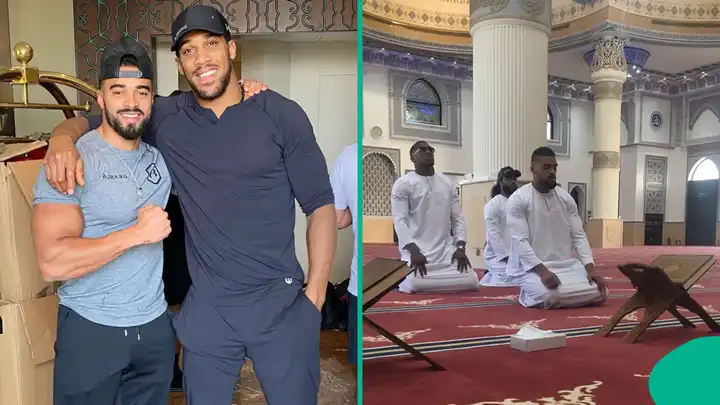
  • Is Anthony Joshua a Muslim? Viral Mosque Photo Sparks Debate, Facts Confirm Boxer’s Faith

    A photo of British heavyweight champion Anthony Joshua praying in a mosque has resurfaced online, reigniting debates about his religious beliefs. The image, featuring Joshua with his late friend Latif Ayodele, sparked speculation, but reports confirm that Joshua is not a practicing Muslim. Born a Christian, he has openly stated that he does not adhere to a single religion, emphasizing personal faith over formal religious affiliation. The viral photo illustrates his openness to diverse spiritual practices rather than a conversion, highlighting how public figures’ faith often sparks widespread discussion online.

    #AnthonyJoshua #ReligionDebate #MosquePhoto #FaithJourney #CelebrityNews #NigeriaNews
    Is Anthony Joshua a Muslim? Viral Mosque Photo Sparks Debate, Facts Confirm Boxer’s Faith A photo of British heavyweight champion Anthony Joshua praying in a mosque has resurfaced online, reigniting debates about his religious beliefs. The image, featuring Joshua with his late friend Latif Ayodele, sparked speculation, but reports confirm that Joshua is not a practicing Muslim. Born a Christian, he has openly stated that he does not adhere to a single religion, emphasizing personal faith over formal religious affiliation. The viral photo illustrates his openness to diverse spiritual practices rather than a conversion, highlighting how public figures’ faith often sparks widespread discussion online. #AnthonyJoshua #ReligionDebate #MosquePhoto #FaithJourney #CelebrityNews #NigeriaNews
    0 Kommentare ·0 Geteilt ·542 Ansichten
  • FG Reaffirms Unwavering Commitment to Rule of Law, Dismisses Fabricated Allegations of Targeting Opposition

    The Federal Government of Nigeria categorically states that it harbours no plans to unlawfully arrest, detain, or prosecute opposition figures. This clarification is in response to a fabricated document in circulation alleging the establishment of a non-existent multi-agency task force for a purported programme tagged “ADP4VIP” (Arrest, Detain, Prosecute for Very Important Persons).

    The baseless document falsely claims that a task force comprising the Economic and Financial Crimes Commission (EFCC), the Independent Corrupt Practices and Other Related Offences Commission (ICPC), and the Nigerian Financial Intelligence Unit (NFIU), coordinated by the Office of the National Security Adviser, aims to aggressively target prominent opposition figures without due process.

    The authors of this deliberate disinformation imprudently cite “multiple credible sources” to allege a planned “systematic weakening and neutralisation of opposition political activity,” particularly within the African Democratic Congress (ADC).

    The Federal Government wishes to state emphatically:

    1. There is no such programme as “ADP4VIP.”

    2. The administration of President Bola Ahmed Tinubu, GCFR, is firmly and successfully focused on its core agenda: implementing measurable economic reforms, defeating insecurity, expanding trade opportunities, and restoring investor confidence.

    3. The attempt by some opposition elements to frame lawful accountability as political targeting is a dangerous red herring designed to shield so-called VIPs from answering to our national laws and anti-corruption agencies.

    The Government underscores its foundational principles. Section 40 of the 1999 Constitution (as amended) guarantees every Nigerian the right to freely associate and assemble. President Tinubu swore an oath to uphold this Constitution and its protections, including the freedoms of association and religion. He is a democrat with considerable and positive footprints.

    Under President Tinubu's leadership, the Federal Government remains unwavering in its commitment to the rule of law, due process, and the independence of institutions. Nigeria is a constitutional democracy where law enforcement and judicial agencies are obligated to perform their duties professionally, without interference, and in the nation's best interest.

    Politicians and citizens are therefore enjoined to desist from engaging in disinformation, misinformation, and fake news, especially in an era where credibility is intrinsically linked to informational fidelity.

    With the 2027 general elections on the horizon, the public should anticipate an increase in fabricated narratives and political blackmail by actors who employ falsehood as a strategy for relevance. We urge all Nigerians to remain vigilant and to reject the politics of distortion and division.

    Every Nigerian retains the constitutional right to lawful association and political activity. Concurrently, our security and anti-corruption institutions retain the lawful mandate to operate in the nation's interest.

    As we draw the curtain on 2025 and step into a new year, this government will not be distracted by those invested in perpetual politicking. Nigerians deserve continuity, progress, and tangible results—and that is what the Tinubu Administration remains dedicated to delivering.

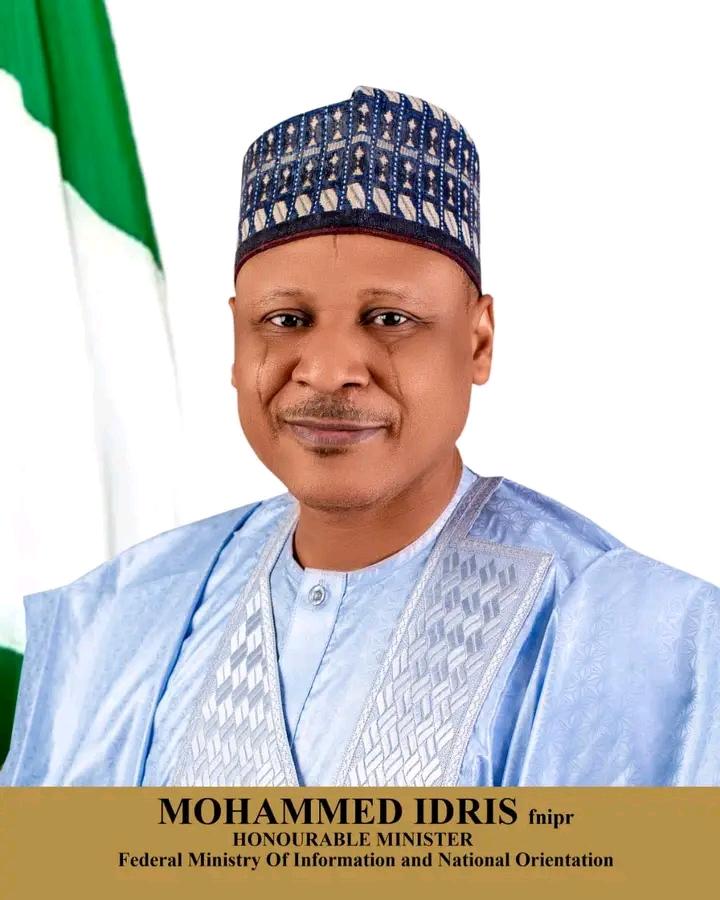
    Mohammed Idris, fnipr
    Honourable Minister of Information and National Orientation
    Federal Republic of Nigeria

    Tuesday, December 30, 2025.
    FG Reaffirms Unwavering Commitment to Rule of Law, Dismisses Fabricated Allegations of Targeting Opposition The Federal Government of Nigeria categorically states that it harbours no plans to unlawfully arrest, detain, or prosecute opposition figures. This clarification is in response to a fabricated document in circulation alleging the establishment of a non-existent multi-agency task force for a purported programme tagged “ADP4VIP” (Arrest, Detain, Prosecute for Very Important Persons). The baseless document falsely claims that a task force comprising the Economic and Financial Crimes Commission (EFCC), the Independent Corrupt Practices and Other Related Offences Commission (ICPC), and the Nigerian Financial Intelligence Unit (NFIU), coordinated by the Office of the National Security Adviser, aims to aggressively target prominent opposition figures without due process. The authors of this deliberate disinformation imprudently cite “multiple credible sources” to allege a planned “systematic weakening and neutralisation of opposition political activity,” particularly within the African Democratic Congress (ADC). The Federal Government wishes to state emphatically: 1. There is no such programme as “ADP4VIP.” 2. The administration of President Bola Ahmed Tinubu, GCFR, is firmly and successfully focused on its core agenda: implementing measurable economic reforms, defeating insecurity, expanding trade opportunities, and restoring investor confidence. 3. The attempt by some opposition elements to frame lawful accountability as political targeting is a dangerous red herring designed to shield so-called VIPs from answering to our national laws and anti-corruption agencies. The Government underscores its foundational principles. Section 40 of the 1999 Constitution (as amended) guarantees every Nigerian the right to freely associate and assemble. President Tinubu swore an oath to uphold this Constitution and its protections, including the freedoms of association and religion. He is a democrat with considerable and positive footprints. Under President Tinubu's leadership, the Federal Government remains unwavering in its commitment to the rule of law, due process, and the independence of institutions. Nigeria is a constitutional democracy where law enforcement and judicial agencies are obligated to perform their duties professionally, without interference, and in the nation's best interest. Politicians and citizens are therefore enjoined to desist from engaging in disinformation, misinformation, and fake news, especially in an era where credibility is intrinsically linked to informational fidelity. With the 2027 general elections on the horizon, the public should anticipate an increase in fabricated narratives and political blackmail by actors who employ falsehood as a strategy for relevance. We urge all Nigerians to remain vigilant and to reject the politics of distortion and division. Every Nigerian retains the constitutional right to lawful association and political activity. Concurrently, our security and anti-corruption institutions retain the lawful mandate to operate in the nation's interest. As we draw the curtain on 2025 and step into a new year, this government will not be distracted by those invested in perpetual politicking. Nigerians deserve continuity, progress, and tangible results—and that is what the Tinubu Administration remains dedicated to delivering. Mohammed Idris, fnipr Honourable Minister of Information and National Orientation Federal Republic of Nigeria Tuesday, December 30, 2025.
    0 Kommentare ·0 Geteilt ·670 Ansichten
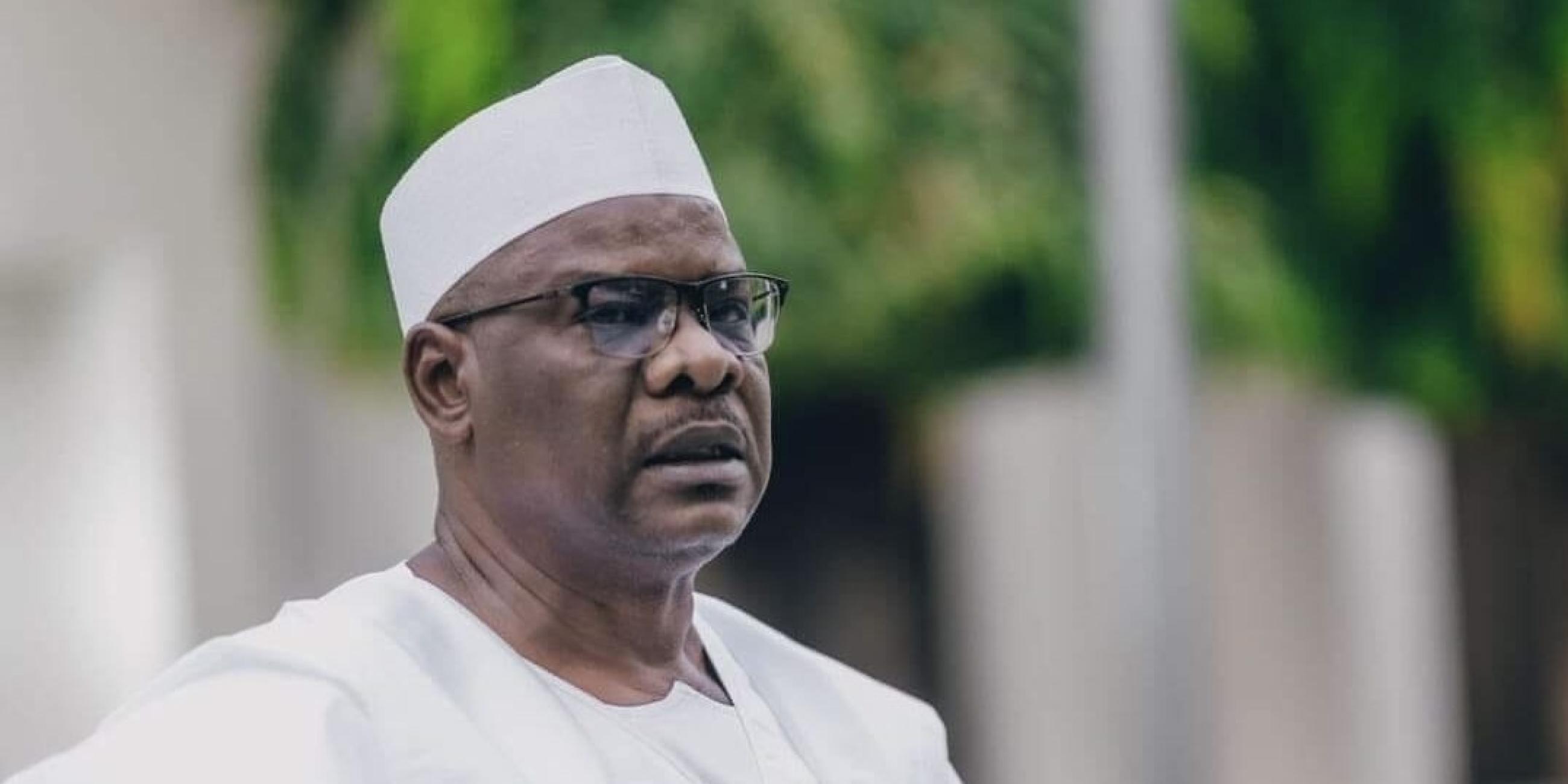
  • Senator Ali Ndume Urges US-Nigeria Military Collaboration Against Boko Haram and ISWAP in North-East

    Former Senate Leader Ali Ndume has called on President Bola Tinubu’s administration to expand US-led military cooperation to Nigeria’s insurgency-hit North-East. Speaking after recent airstrikes against ISIS cells in Sokoto State, Ndume urged similar operations in Boko Haram and ISWAP strongholds, including Lake Chad, Mandara Mountains, and Sambisa Forest. He emphasized the need for deeper collaboration through intelligence sharing, training, and deployment of attack helicopters, while stressing that budgeted defence funds must be transparently and effectively used. Ndume also condemned a recent mosque attack in Gamboru, highlighting that terrorists target communities indiscriminately, regardless of religion.
    Senator Ali Ndume Urges US-Nigeria Military Collaboration Against Boko Haram and ISWAP in North-East Former Senate Leader Ali Ndume has called on President Bola Tinubu’s administration to expand US-led military cooperation to Nigeria’s insurgency-hit North-East. Speaking after recent airstrikes against ISIS cells in Sokoto State, Ndume urged similar operations in Boko Haram and ISWAP strongholds, including Lake Chad, Mandara Mountains, and Sambisa Forest. He emphasized the need for deeper collaboration through intelligence sharing, training, and deployment of attack helicopters, while stressing that budgeted defence funds must be transparently and effectively used. Ndume also condemned a recent mosque attack in Gamboru, highlighting that terrorists target communities indiscriminately, regardless of religion.
    0 Kommentare ·0 Geteilt ·391 Ansichten
  • US Republican Lawmakers Praise Trump for Sokoto Airstrikes Against ISIS in Nigeria

    The Conference of Republican Lawmakers in the U.S. House of Representatives has commended former President Donald Trump for authorizing airstrikes against ISIS terrorists in Sokoto State, Nigeria. According to the lawmakers, the strikes were a decisive action against militants reportedly targeting Christians.
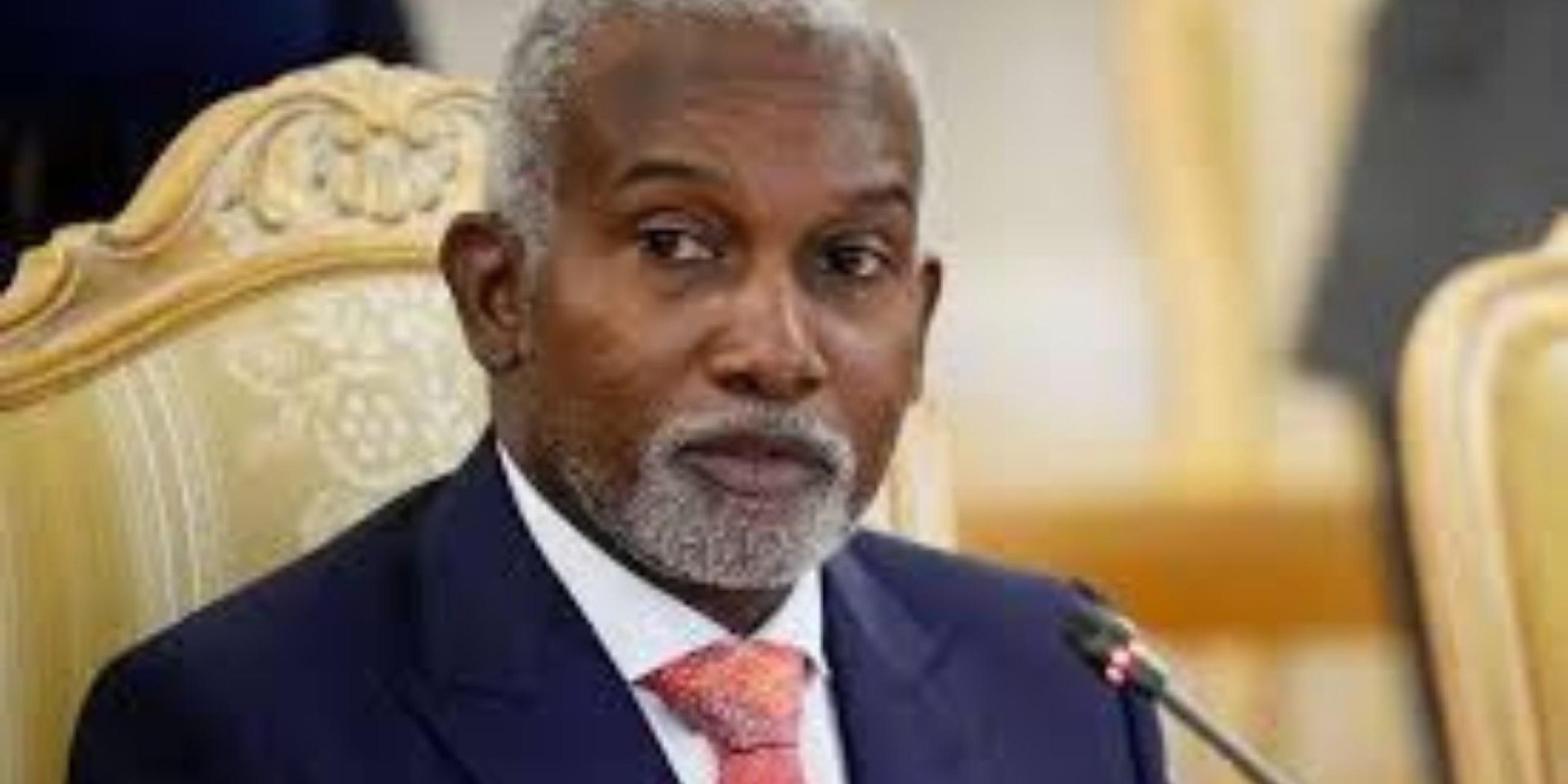
    Nigeria’s Foreign Affairs Minister, Yusuf Tuggar, emphasized that the airstrikes were a coordinated operation between Nigerian and U.S. authorities, highlighting that Nigeria supplied the intelligence for the mission. Tuggar stressed that the strikes were not aimed at any religion and were part of broader efforts to combat terrorism while safeguarding citizens in a multi-religious country.
    The U.S. Department of Defense confirmed multiple ISIS terrorists were killed in the strikes. President Trump framed the operation as part of his administration’s commitment to preventing radical Islamic terrorism from flourishing. Nigerian officials have rejected the religious framing of violence, noting that victims of terrorism include citizens of various faiths across the country.
    US Republican Lawmakers Praise Trump for Sokoto Airstrikes Against ISIS in Nigeria The Conference of Republican Lawmakers in the U.S. House of Representatives has commended former President Donald Trump for authorizing airstrikes against ISIS terrorists in Sokoto State, Nigeria. According to the lawmakers, the strikes were a decisive action against militants reportedly targeting Christians. Nigeria’s Foreign Affairs Minister, Yusuf Tuggar, emphasized that the airstrikes were a coordinated operation between Nigerian and U.S. authorities, highlighting that Nigeria supplied the intelligence for the mission. Tuggar stressed that the strikes were not aimed at any religion and were part of broader efforts to combat terrorism while safeguarding citizens in a multi-religious country. The U.S. Department of Defense confirmed multiple ISIS terrorists were killed in the strikes. President Trump framed the operation as part of his administration’s commitment to preventing radical Islamic terrorism from flourishing. Nigerian officials have rejected the religious framing of violence, noting that victims of terrorism include citizens of various faiths across the country.
    0 Kommentare ·0 Geteilt ·318 Ansichten
  • US War Secretary Pete Hegseth Thanks Nigeria for Cooperation in Christmas Day Counterterrorism Operation

    United States War Secretary Pete Hegseth has expressed gratitude to the Nigerian government for its cooperation in the recent US-led airstrikes against terrorist targets in Nigeria’s North-West region. The strikes, conducted on Christmas Day, were part of broader counterterrorism operations following Nigeria’s designation as a "Country of Particular Concern" by former President Donald Trump. Hegseth highlighted the importance of Nigeria’s support in ensuring the operation’s success and emphasized that extremists were confronted with the consequences of continued violence. Nigerian Foreign Affairs Minister Yusuf Tuggar confirmed that President Bola Tinubu personally approved the strikes, stressing that the operations were joint, aimed at combating terrorism, and not targeting any religion. The collaborative efforts underscore growing US-Nigeria military cooperation amid heightened security challenges in the North-West.
    US War Secretary Pete Hegseth Thanks Nigeria for Cooperation in Christmas Day Counterterrorism Operation United States War Secretary Pete Hegseth has expressed gratitude to the Nigerian government for its cooperation in the recent US-led airstrikes against terrorist targets in Nigeria’s North-West region. The strikes, conducted on Christmas Day, were part of broader counterterrorism operations following Nigeria’s designation as a "Country of Particular Concern" by former President Donald Trump. Hegseth highlighted the importance of Nigeria’s support in ensuring the operation’s success and emphasized that extremists were confronted with the consequences of continued violence. Nigerian Foreign Affairs Minister Yusuf Tuggar confirmed that President Bola Tinubu personally approved the strikes, stressing that the operations were joint, aimed at combating terrorism, and not targeting any religion. The collaborative efforts underscore growing US-Nigeria military cooperation amid heightened security challenges in the North-West.
    0 Kommentare ·0 Geteilt ·428 Ansichten
  • Nigeria Will Consider U.S. ‘Boots on the Ground’ Based on Military Advice, Says Foreign Minister Yusuf Tuggar Amid Christmas Day Airstrikes

    Nigeria’s Foreign Minister Yusuf Tuggar stated that any decision to allow U.S. troops on Nigerian soil to combat terrorism will depend on recommendations from the Nigerian military and security agencies. Speaking to CNN after U.S.-Nigeria collaborative airstrikes in northwest Nigeria on Christmas Day, Tuggar confirmed that the joint operation was approved by President Tinubu and aimed solely at combating terrorism, not religion. He emphasised Nigeria’s commitment to regional security and openness to international cooperation while noting past constraints like the Leahy Law. Tuggar also highlighted Nigeria’s frontline role in the global fight against terrorism, particularly in the Sahel region.
    Nigeria Will Consider U.S. ‘Boots on the Ground’ Based on Military Advice, Says Foreign Minister Yusuf Tuggar Amid Christmas Day Airstrikes Nigeria’s Foreign Minister Yusuf Tuggar stated that any decision to allow U.S. troops on Nigerian soil to combat terrorism will depend on recommendations from the Nigerian military and security agencies. Speaking to CNN after U.S.-Nigeria collaborative airstrikes in northwest Nigeria on Christmas Day, Tuggar confirmed that the joint operation was approved by President Tinubu and aimed solely at combating terrorism, not religion. He emphasised Nigeria’s commitment to regional security and openness to international cooperation while noting past constraints like the Leahy Law. Tuggar also highlighted Nigeria’s frontline role in the global fight against terrorism, particularly in the Sahel region.
    0 Kommentare ·0 Geteilt ·204 Ansichten
Weitere Ergebnisse
Fintter https://fintter.com