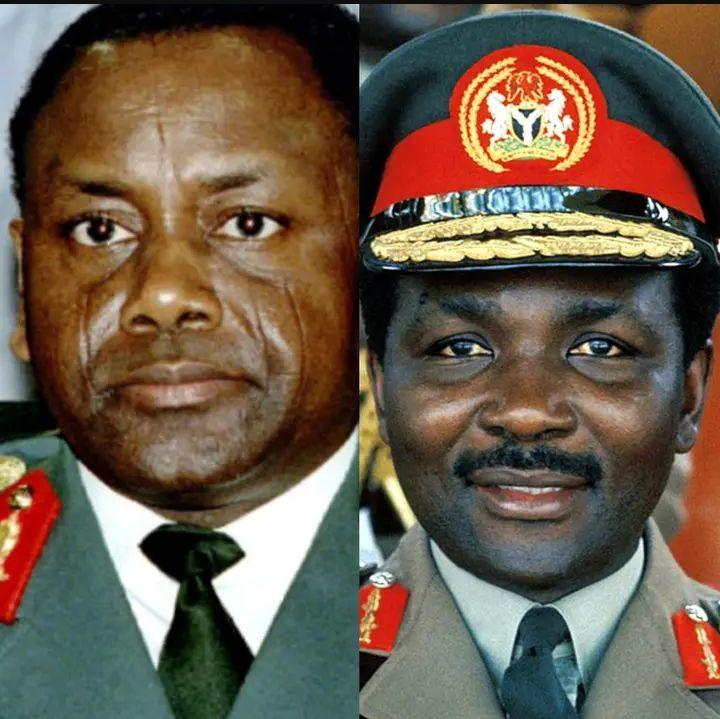
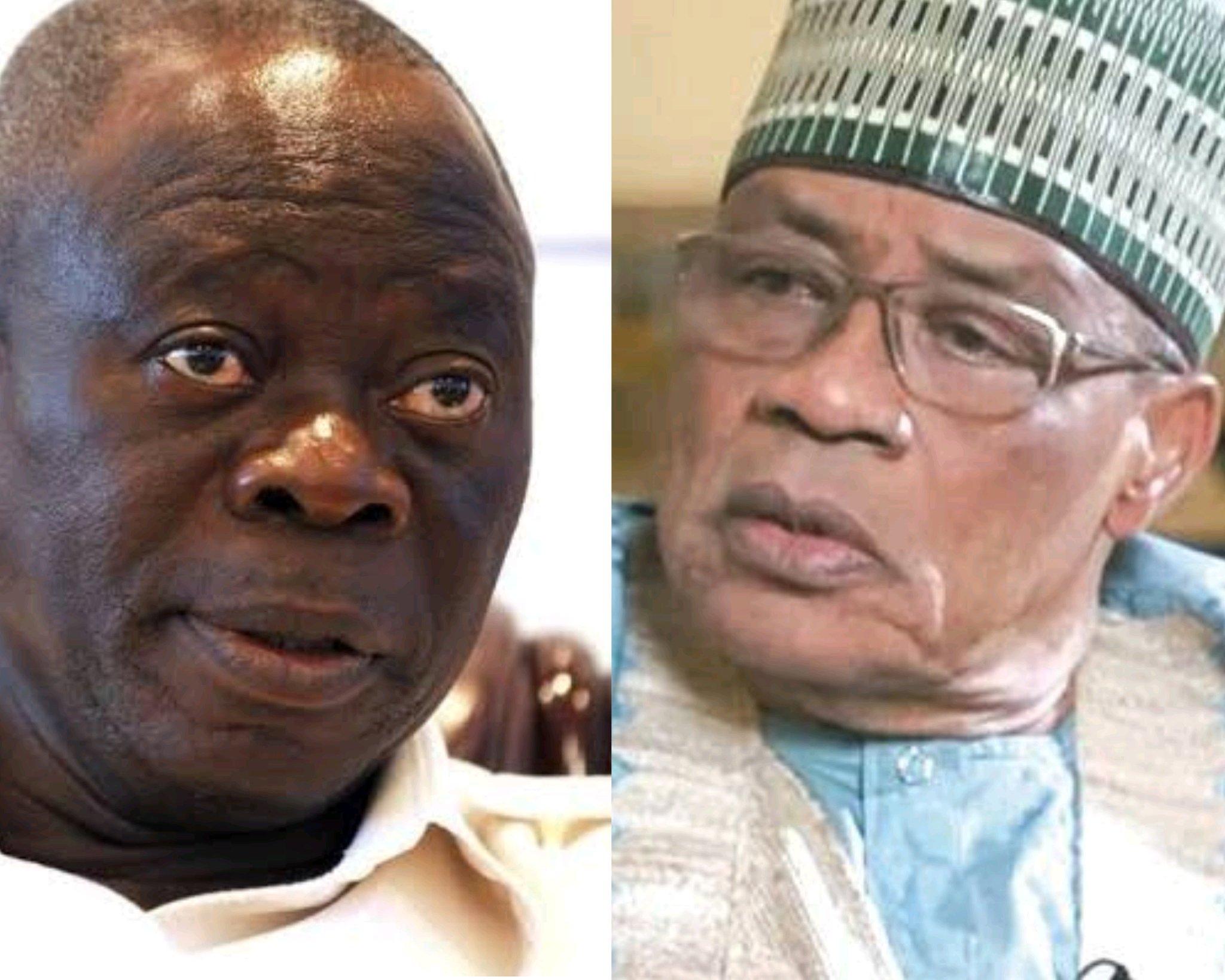
• BREAKING: Former President Olusegun Obasanjo on Monday met ex-military ruler Gen. Ibrahim Babangida (retd.) in Minna, Niger State, in a closed-door meeting amid growing political permutations ahead of the 2027 elections.

    The brief meeting, held at Babangida’s hilltop residence, has sparked speculation about opposition realignment and emerging coalitions, including talks around Peter Obi and Rabiu Kwankwaso. Both leaders have remained silent on the visit.

    #BreakingNews #Obasanjo #IBB #NigeriaPolitics #2027Elections
    🚨 BREAKING: Former President Olusegun Obasanjo on Monday met ex-military ruler Gen. Ibrahim Babangida (retd.) in Minna, Niger State, in a closed-door meeting amid growing political permutations ahead of the 2027 elections. The brief meeting, held at Babangida’s hilltop residence, has sparked speculation about opposition realignment and emerging coalitions, including talks around Peter Obi and Rabiu Kwankwaso. Both leaders have remained silent on the visit. #BreakingNews #Obasanjo #IBB #NigeriaPolitics #2027Elections
    love
    2
    · 0 Commentaires ·0 Parts ·5KB Vue
  • Jersey to Return $9.5 Million Abacha Loot to Nigeria for Major Infrastructure Project

    The Channel Island of Jersey has agreed to repatriate over $9.5 million (£7 million) linked to corrupt funds to the Nigerian government, continuing its cooperation in recovering assets stolen during the late military ruler Sani Abacha’s regime. The funds, traced to a Jersey bank account, were adjudged proceeds of corruption and will be returned under a Memorandum of Understanding (MoU) signed in December between Jersey’s Attorney General, Mark Temple KC, and Nigerian officials.

    This latest repatriation builds on prior agreements that recovered more than $300 million (£230 million) from Abacha-era looted funds. In January 2024, Jersey’s Royal Court confirmed that the funds were likely diverted by third-party contractors for the benefit of senior Nigerian officials.

    Nigeria’s Attorney-General and Minister of Justice, Lateef Fagbemi (SAN), stated that the recovered money will be used strictly according to the MoU and will fund infrastructure, specifically a critical highway connecting Abuja to Nigeria’s second-largest city. Mark Temple KC emphasized that Jersey’s civil forfeiture laws are effective tools in the fight against corruption, demonstrating the island’s commitment to preventing foreign safe havens for illicit wealth.

    The move underscores Nigeria’s ongoing international collaboration to retrieve stolen public assets and demonstrates the effectiveness of cross-border legal frameworks in combatting financial crimes and enhancing accountability.


    #AbachaLoot #NigeriaRecoversFunds #JerseyReturnsMoney #InfrastructureBoost


    Jersey to Return $9.5 Million Abacha Loot to Nigeria for Major Infrastructure Project The Channel Island of Jersey has agreed to repatriate over $9.5 million (£7 million) linked to corrupt funds to the Nigerian government, continuing its cooperation in recovering assets stolen during the late military ruler Sani Abacha’s regime. The funds, traced to a Jersey bank account, were adjudged proceeds of corruption and will be returned under a Memorandum of Understanding (MoU) signed in December between Jersey’s Attorney General, Mark Temple KC, and Nigerian officials. This latest repatriation builds on prior agreements that recovered more than $300 million (£230 million) from Abacha-era looted funds. In January 2024, Jersey’s Royal Court confirmed that the funds were likely diverted by third-party contractors for the benefit of senior Nigerian officials. Nigeria’s Attorney-General and Minister of Justice, Lateef Fagbemi (SAN), stated that the recovered money will be used strictly according to the MoU and will fund infrastructure, specifically a critical highway connecting Abuja to Nigeria’s second-largest city. Mark Temple KC emphasized that Jersey’s civil forfeiture laws are effective tools in the fight against corruption, demonstrating the island’s commitment to preventing foreign safe havens for illicit wealth. The move underscores Nigeria’s ongoing international collaboration to retrieve stolen public assets and demonstrates the effectiveness of cross-border legal frameworks in combatting financial crimes and enhancing accountability. #AbachaLoot #NigeriaRecoversFunds #JerseyReturnsMoney #InfrastructureBoost
    0 Commentaires ·0 Parts ·2KB Vue
  • When Power Cuts Corners: Tinubu, Elite Impunity, and Nigeria’s Democratic Dilemma

    Babayola M. Toungo examines the ideological crises in Nigeria’s democracy under President Bola Ahmed Tinubu. The article argues that controversies over Tinubu’s academic credentials, alleged legislative manipulations, and elite impunity highlight systemic challenges that compromise transparency, accountability, and popular sovereignty. The piece traces historical continuities from military rule to civilian governance, showing how elite power remains insulated from scrutiny. It critiques the disconnect between executive actions and democratic ideals, including fiscal policies that burden citizens while elite interests persist. The article concludes that meaningful democratic reform in Nigeria requires radical transparency, accountability, and a restructuring of the power relationship between rulers and the ruled.
    When Power Cuts Corners: Tinubu, Elite Impunity, and Nigeria’s Democratic Dilemma Babayola M. Toungo examines the ideological crises in Nigeria’s democracy under President Bola Ahmed Tinubu. The article argues that controversies over Tinubu’s academic credentials, alleged legislative manipulations, and elite impunity highlight systemic challenges that compromise transparency, accountability, and popular sovereignty. The piece traces historical continuities from military rule to civilian governance, showing how elite power remains insulated from scrutiny. It critiques the disconnect between executive actions and democratic ideals, including fiscal policies that burden citizens while elite interests persist. The article concludes that meaningful democratic reform in Nigeria requires radical transparency, accountability, and a restructuring of the power relationship between rulers and the ruled.
    0 Commentaires ·0 Parts ·967 Vue
  • Freed Nigerian Air Force Officer Attributes Emergency Landing in Burkina Faso to Technical Fault

    A Nigerian Air Force (NAF) officer, one of 11 personnel recently detained in Burkina Faso, confirmed that their aircraft made an emergency landing in the West African country due to a technical fault, not a hostile act. The aircraft, en route to Portugal, was successfully repaired, allowing operations to continue. The soldiers were released following high-level diplomatic intervention led by Nigeria’s Foreign Affairs Minister, Yusuf Tuggar, conveying a message from President Bola Tinubu. Discussions with Burkina Faso’s military ruler, Captain Ibrahim Traoré, focused on technical assistance, regional security, and cooperation, easing a potential diplomatic standoff.
    Freed Nigerian Air Force Officer Attributes Emergency Landing in Burkina Faso to Technical Fault A Nigerian Air Force (NAF) officer, one of 11 personnel recently detained in Burkina Faso, confirmed that their aircraft made an emergency landing in the West African country due to a technical fault, not a hostile act. The aircraft, en route to Portugal, was successfully repaired, allowing operations to continue. The soldiers were released following high-level diplomatic intervention led by Nigeria’s Foreign Affairs Minister, Yusuf Tuggar, conveying a message from President Bola Tinubu. Discussions with Burkina Faso’s military ruler, Captain Ibrahim Traoré, focused on technical assistance, regional security, and cooperation, easing a potential diplomatic standoff.
    0 Commentaires ·0 Parts ·912 Vue

  • BREAKING: After securing their release from Ibrahim Traoré (military ruler of Burkina Faso), Nigeria’s Minister of Foreign Affairs, Yusuf Tuggar, meets with the 11 Nigerian Air Force personnel who were briefly detained after their aircraft made an emergency landing in Burkina Faso a few days ago.

    The delegation sent by President Tinubu and the eleven Nigerian Air Force personnel are expected back in Nigeria today (Thursday).
    BREAKING: After securing their release from Ibrahim Traoré (military ruler of Burkina Faso), Nigeria’s Minister of Foreign Affairs, Yusuf Tuggar, meets with the 11 Nigerian Air Force personnel who were briefly detained after their aircraft made an emergency landing in Burkina Faso a few days ago. The delegation sent by President Tinubu and the eleven Nigerian Air Force personnel are expected back in Nigeria today (Thursday).
    0 Commentaires ·0 Parts ·713 Vue
  • Burkina Faso Detains 11 Nigerian Officers, Impounds Air Force Aircraft Over Unauthorized Entry

    Burkina Faso’s military government has confirmed the detention of 11 Nigerian military personnel and the seizure of a Nigerian Air Force cargo aircraft after it entered the country’s airspace without approval and made an emergency landing.

    In a statement issued late Monday, the Alliance of Sahel States (AES) said the C-130 aircraft belonging to the Nigerian Air Force was forced to land on December 8, 2025, in Bobo Dioulasso due to an in-flight emergency while flying over Burkinabe territory without clearance. The AES comprises Burkina Faso, Niger, and Mali, all currently under military rule. Authorities disclosed that the aircraft was carrying two crew members and nine passengers, all of whom were later identified as Nigerian military officers.

    The 11 individuals are presently being held by Burkinabe authorities. The regional bloc strongly condemned the incident, describing it as a violation of its airspace and national sovereignty. An investigation has been launched to determine the full circumstances surrounding the unauthorized entry. In response, the AES announced that the armed forces of its three member states have been placed on maximum alert.

    The bloc further stated that air defense and anti-aircraft systems across the confederation have been authorized to neutralize any aircraft that violates its airspace. The alliance described the incident as an unfriendly act carried out in breach of international aviation laws and warned that strict measures are now in place to safeguard its territorial integrity and civilian population.
    Burkina Faso Detains 11 Nigerian Officers, Impounds Air Force Aircraft Over Unauthorized Entry Burkina Faso’s military government has confirmed the detention of 11 Nigerian military personnel and the seizure of a Nigerian Air Force cargo aircraft after it entered the country’s airspace without approval and made an emergency landing. In a statement issued late Monday, the Alliance of Sahel States (AES) said the C-130 aircraft belonging to the Nigerian Air Force was forced to land on December 8, 2025, in Bobo Dioulasso due to an in-flight emergency while flying over Burkinabe territory without clearance. The AES comprises Burkina Faso, Niger, and Mali, all currently under military rule. Authorities disclosed that the aircraft was carrying two crew members and nine passengers, all of whom were later identified as Nigerian military officers. The 11 individuals are presently being held by Burkinabe authorities. The regional bloc strongly condemned the incident, describing it as a violation of its airspace and national sovereignty. An investigation has been launched to determine the full circumstances surrounding the unauthorized entry. In response, the AES announced that the armed forces of its three member states have been placed on maximum alert. The bloc further stated that air defense and anti-aircraft systems across the confederation have been authorized to neutralize any aircraft that violates its airspace. The alliance described the incident as an unfriendly act carried out in breach of international aviation laws and warned that strict measures are now in place to safeguard its territorial integrity and civilian population.
    love
    1
    · 1 Commentaires ·0 Parts ·587 Vue
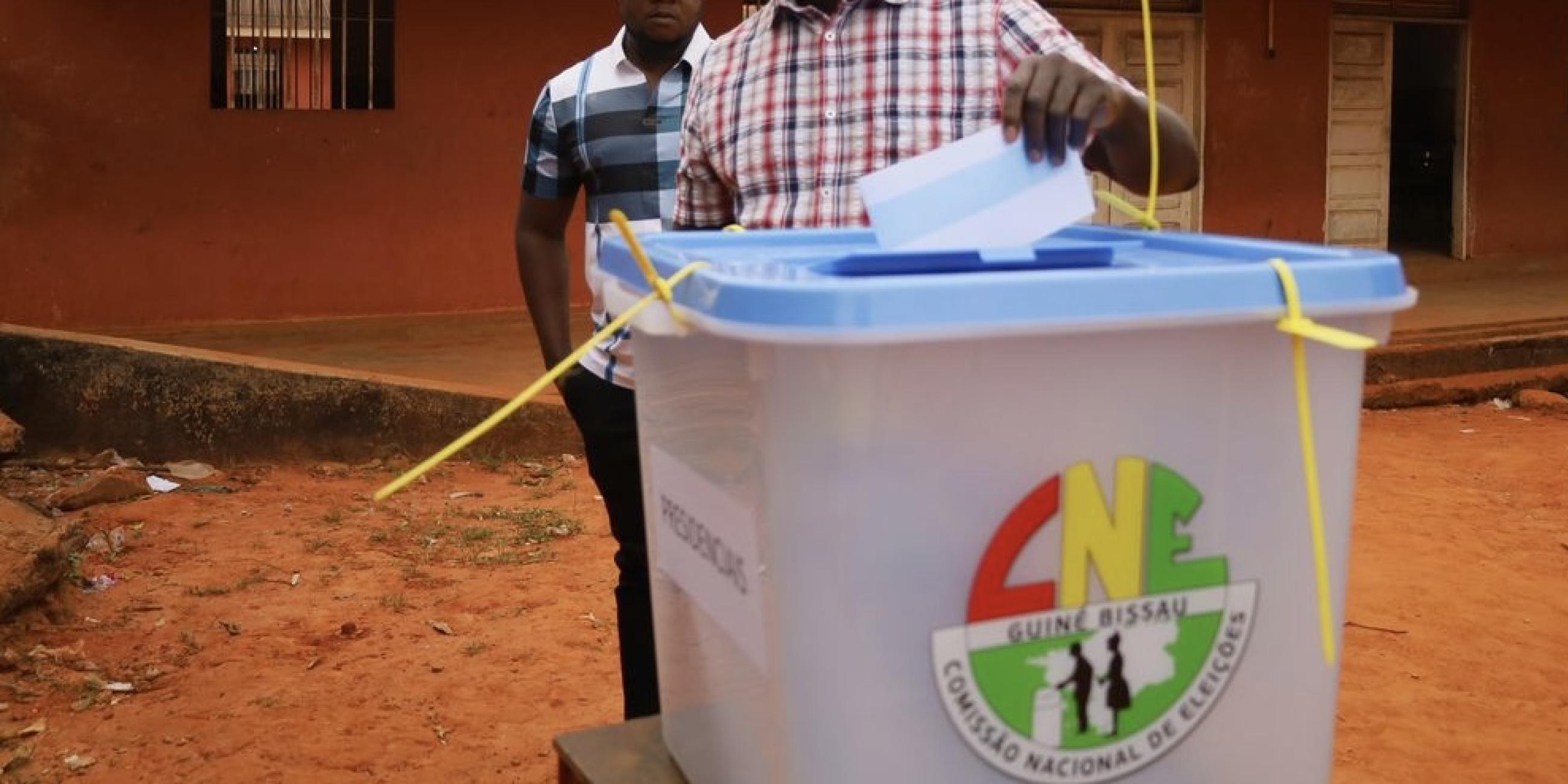
  • African Leaders Including Femi Falana, Kwame Karikari Demand Release Of Guinea-Bissau Election Results, Condemn Military Rule

    Twenty eminent African leaders, including human rights lawyer Femi Falana (SAN) and Professor Kwame Karikari, have demanded the immediate release of Guinea-Bissau’s November 23 election results. The group condemned the military’s seizure of electoral materials and interference with the process, warning that West Africa cannot afford another democratic collapse. In a joint statement titled “Restoring Constitutional Order and the Rule of Law in Guinea-Bissau,” they urged ECOWAS, the African Union, and the UN to take decisive action to restore civilian rule and protect the will of the people.

    African Leaders Including Femi Falana, Kwame Karikari Demand Release Of Guinea-Bissau Election Results, Condemn Military Rule Twenty eminent African leaders, including human rights lawyer Femi Falana (SAN) and Professor Kwame Karikari, have demanded the immediate release of Guinea-Bissau’s November 23 election results. The group condemned the military’s seizure of electoral materials and interference with the process, warning that West Africa cannot afford another democratic collapse. In a joint statement titled “Restoring Constitutional Order and the Rule of Law in Guinea-Bissau,” they urged ECOWAS, the African Union, and the UN to take decisive action to restore civilian rule and protect the will of the people.
    0 Commentaires ·0 Parts ·812 Vue
  • Gen Z in Nigeria Supporting Coups Don’t Grasp Military Rule Consequences — Security Expert

    Many young Nigerians have shown support for recent coups in Africa, but security consultant Kabiru Adamu warns that such enthusiasm often overlooks the harsh realities of military dictatorship. While Gen Z protesters in countries like Madagascar, Nepal, and Kenya have influenced political change, Adamu cautions that agitation can unintentionally create openings for anti-democratic actors.
    Gen Z in Nigeria Supporting Coups Don’t Grasp Military Rule Consequences — Security Expert Many young Nigerians have shown support for recent coups in Africa, but security consultant Kabiru Adamu warns that such enthusiasm often overlooks the harsh realities of military dictatorship. While Gen Z protesters in countries like Madagascar, Nepal, and Kenya have influenced political change, Adamu cautions that agitation can unintentionally create openings for anti-democratic actors.
    0 Commentaires ·0 Parts ·844 Vue
  • Wike Is Our Colleague And Could've Reached Out To Us, The Officer's Action Was Lawful -Bello Matawalle.

    Bello Matawalle, the Minister of State for Defence, has stated that the military officer involved in the recent altercation with FCT Minister Nyesom Wike did not commit any offence and should be commended for his conduct.

    According to a report by Punch on Thursday, November 13, 2025, Matawalle said Wike should have reached out to the Defence Ministry to resolve the issue instead of allowing it to escalate. He said the officer only acted on lawful instructions and did exactly what he was trained to do which is to be disciplined, loyal, and obedient to orders.

    Matawalle stated that the officer did not violate any military rule and will not face any punishment for carrying out his duty. He said the young officer obeyed a lawful order and followed due process throughout the encounter. In his words: “He (Wike) is our colleague, and Wike could have reached out to us to resolve whatever issue. The officer’s action was lawful because he was trained to be disciplined, loyal, and obedient to orders
    Wike Is Our Colleague And Could've Reached Out To Us, The Officer's Action Was Lawful -Bello Matawalle. Bello Matawalle, the Minister of State for Defence, has stated that the military officer involved in the recent altercation with FCT Minister Nyesom Wike did not commit any offence and should be commended for his conduct. According to a report by Punch on Thursday, November 13, 2025, Matawalle said Wike should have reached out to the Defence Ministry to resolve the issue instead of allowing it to escalate. He said the officer only acted on lawful instructions and did exactly what he was trained to do which is to be disciplined, loyal, and obedient to orders. Matawalle stated that the officer did not violate any military rule and will not face any punishment for carrying out his duty. He said the young officer obeyed a lawful order and followed due process throughout the encounter. In his words: “He (Wike) is our colleague, and Wike could have reached out to us to resolve whatever issue. The officer’s action was lawful because he was trained to be disciplined, loyal, and obedient to orders
    0 Commentaires ·0 Parts ·968 Vue
  • “No Bloodshed!” — Historian Reveals How Gowon’s Final Words During 1975 Coup Showed His True Love for Peace

    In a recent interview on the Edmund Obilo Show, historian and author Adebayo Adeolu, who wrote “Sani Abacha: Nigeria’s Most Powerful Defence Minister and Head of State,” revealed a powerful and often-overlooked detail about General Yakubu Gowon’s fall from power in 1975.

    Adeolu disclosed that when news of the coup reached Gowon, the then Head of State ordered his aides and security personnel not to resist or spill any blood.

    “When Gowon was going to be overthrown, he said, ‘make sure nobody’s killed, we have seen enough of it,’” Adeolu quoted.

    According to the historian, Gowon’s reaction reflected his deep weariness with Nigeria’s cycles of violence — particularly after the Nigerian Civil War (1967–1970), which he had led. Instead of clinging to power, Gowon chose peace over conflict, showing a level of restraint rare among military rulers of his time.

    “That single moment showed Gowon’s moral strength and his genuine desire for a peaceful Nigeria,” Adeolu said, describing the act as one of the most humane moments in Nigeria’s military history.


    Gowon, who was attending the Organisation of African Unity (OAU) Summit in Uganda when he was ousted, quietly accepted his removal and later devoted his life to reconciliation and peacebuilding — cementing his reputation as a statesman of grace and humility.
    “No Bloodshed!” — Historian Reveals How Gowon’s Final Words During 1975 Coup Showed His True Love for Peace In a recent interview on the Edmund Obilo Show, historian and author Adebayo Adeolu, who wrote “Sani Abacha: Nigeria’s Most Powerful Defence Minister and Head of State,” revealed a powerful and often-overlooked detail about General Yakubu Gowon’s fall from power in 1975. Adeolu disclosed that when news of the coup reached Gowon, the then Head of State ordered his aides and security personnel not to resist or spill any blood. “When Gowon was going to be overthrown, he said, ‘make sure nobody’s killed, we have seen enough of it,’” Adeolu quoted. According to the historian, Gowon’s reaction reflected his deep weariness with Nigeria’s cycles of violence — particularly after the Nigerian Civil War (1967–1970), which he had led. Instead of clinging to power, Gowon chose peace over conflict, showing a level of restraint rare among military rulers of his time. “That single moment showed Gowon’s moral strength and his genuine desire for a peaceful Nigeria,” Adeolu said, describing the act as one of the most humane moments in Nigeria’s military history. Gowon, who was attending the Organisation of African Unity (OAU) Summit in Uganda when he was ousted, quietly accepted his removal and later devoted his life to reconciliation and peacebuilding — cementing his reputation as a statesman of grace and humility.
    0 Commentaires ·0 Parts ·2KB Vue
  • Wole Olanipekun Urges Suspension of 1999 Constitution Amendment, Calls for People-Driven Charter by 2031.

    Legal luminary and former President of the Nigerian Bar Association (NBA), Chief Wole Olanipekun (SAN), has urged the National Assembly to halt the ongoing amendment of the 1999 Constitution, describing the existing document as a “military albatross” that continues to hinder Nigeria’s progress.

    Olanipekun made the appeal on Monday while delivering Afe Babalola University’s 13th Convocation Lecture in Ado-Ekiti, titled “Nigeria – Yesterday, Today and Tomorrow: Imperative of a Sober and Definitive Recalibration.”

    The former Chairman of the Body of Benchers and current Pro-Chancellor of the University of Lagos stressed that Nigeria must chart a new constitutional course anchored on the collective will of its citizens.

    “We cannot continue to live by the 1999 Constitution, which haunts us as a military albatross,” Olanipekun said. “Let us borrow a golden leaf from other countries and agree to live together on acceptable terms and conditions.”

    He clarified that suspending the amendment process would not breed instability but would instead allow for sober national reflection.

    “By suggesting that the National Assembly stay action on any constitutional amendment for now, one is not advocating anomie,” he explained. “Rather, I propose a transition phase, between now and 2031, to reflect on the ills that have plagued our constitutions to date.”

    Olanipekun further called for a national referendum to determine Nigeria’s political and constitutional future, insisting that such a process represents the “unfiltered and undiluted voice of the people.”

    His comments align with growing public sentiment that the 1999 Constitution, drafted under military rule, lacks genuine popular legitimacy. Meanwhile, lawmakers continue their review process aimed at amending the same document.
    Wole Olanipekun Urges Suspension of 1999 Constitution Amendment, Calls for People-Driven Charter by 2031. Legal luminary and former President of the Nigerian Bar Association (NBA), Chief Wole Olanipekun (SAN), has urged the National Assembly to halt the ongoing amendment of the 1999 Constitution, describing the existing document as a “military albatross” that continues to hinder Nigeria’s progress. Olanipekun made the appeal on Monday while delivering Afe Babalola University’s 13th Convocation Lecture in Ado-Ekiti, titled “Nigeria – Yesterday, Today and Tomorrow: Imperative of a Sober and Definitive Recalibration.” The former Chairman of the Body of Benchers and current Pro-Chancellor of the University of Lagos stressed that Nigeria must chart a new constitutional course anchored on the collective will of its citizens. “We cannot continue to live by the 1999 Constitution, which haunts us as a military albatross,” Olanipekun said. “Let us borrow a golden leaf from other countries and agree to live together on acceptable terms and conditions.” He clarified that suspending the amendment process would not breed instability but would instead allow for sober national reflection. “By suggesting that the National Assembly stay action on any constitutional amendment for now, one is not advocating anomie,” he explained. “Rather, I propose a transition phase, between now and 2031, to reflect on the ills that have plagued our constitutions to date.” Olanipekun further called for a national referendum to determine Nigeria’s political and constitutional future, insisting that such a process represents the “unfiltered and undiluted voice of the people.” His comments align with growing public sentiment that the 1999 Constitution, drafted under military rule, lacks genuine popular legitimacy. Meanwhile, lawmakers continue their review process aimed at amending the same document.
    0 Commentaires ·0 Parts ·966 Vue
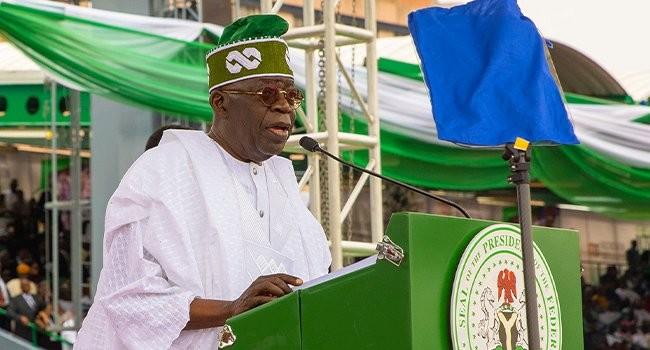
  • Nigeria @ 65: The worst is over, we’ve turned a new corner Tinubu.

    Remembering the founding fathers, Tinubu recalled the sacrifices and vision of the country’s founding fathers, Herbert Macaulay, Nnamdi Azikiwe, Tafawa Balewa, Obafemi Awolowo, Ahmadu Bello, Margaret Ekpo, Anthony Enahoro, Michael Okpara, Aminu Kano, Funmilayo Ransome-Kuti and others, saying “they believed it was Nigeria’s manifest destiny to lead the entire black race as the largest black nation on earth.”

    We have not strayed too far

    Reflecting on Nigeria’s journey since October 1, 1960, Tinubu said: “While we may not have achieved all the lofty dreams of our forebears, we have not strayed too far from them. In 65 years, we have made tremendous progress in economic growth, social cohesion, and physical development.

    “At independence, Nigeria had 120 secondary schools and two tertiary institutions. Today, we have over 23,000 secondary schools, 274 universities, 183 polytechnics and 236 colleges of education. We have witnessed a significant surge in healthcare, infrastructure, telecommunications, aviation, and defence.’’

    Civil war, military rule, resilience
    The President acknowledged Nigeria’s turbulent history but noted that Nigerians weathered the storm and kept hope alive.

    “We fought a bitter civil war, endured military dictatorships and political crises. But in all, we weathered every storm and overcame every challenge with courage and grit,” he said.

    According to him, for 65 years, Nigeria has endured profound social, economic, and political trials.

    He said: ‘’We survived a civil war, military dictatorships, and recurring political crises. In spite of these setbacks, we have recorded progress in economic growth, education, healthcare, infrastructure, and social cohesion.

    ‘’At Independence, Nigeria had just 120 secondary schools with 130,000 students. Today, there are over 23,000 secondary schools. In 1960, we had only the University of Ibadan and Yaba College of Technology. As of 2024, Nigeria boasts 274 universities, 183 polytechnics, and 236 colleges of education. Healthcare, telecommunications, aviation, and financial services have all expanded remarkably.

    Unfinished business
    Declaring that like the founding leaders, he had committed himself irrevocably to the unfinished business of nation-building, President Tinubu said he inherited a near-collapsed economy, distorted by decades of bad policies.

    Nigeria @ 65: The worst is over, we’ve turned a new corner Tinubu. Remembering the founding fathers, Tinubu recalled the sacrifices and vision of the country’s founding fathers, Herbert Macaulay, Nnamdi Azikiwe, Tafawa Balewa, Obafemi Awolowo, Ahmadu Bello, Margaret Ekpo, Anthony Enahoro, Michael Okpara, Aminu Kano, Funmilayo Ransome-Kuti and others, saying “they believed it was Nigeria’s manifest destiny to lead the entire black race as the largest black nation on earth.” We have not strayed too far Reflecting on Nigeria’s journey since October 1, 1960, Tinubu said: “While we may not have achieved all the lofty dreams of our forebears, we have not strayed too far from them. In 65 years, we have made tremendous progress in economic growth, social cohesion, and physical development. “At independence, Nigeria had 120 secondary schools and two tertiary institutions. Today, we have over 23,000 secondary schools, 274 universities, 183 polytechnics and 236 colleges of education. We have witnessed a significant surge in healthcare, infrastructure, telecommunications, aviation, and defence.’’ Civil war, military rule, resilience The President acknowledged Nigeria’s turbulent history but noted that Nigerians weathered the storm and kept hope alive. “We fought a bitter civil war, endured military dictatorships and political crises. But in all, we weathered every storm and overcame every challenge with courage and grit,” he said. According to him, for 65 years, Nigeria has endured profound social, economic, and political trials. He said: ‘’We survived a civil war, military dictatorships, and recurring political crises. In spite of these setbacks, we have recorded progress in economic growth, education, healthcare, infrastructure, and social cohesion. ‘’At Independence, Nigeria had just 120 secondary schools with 130,000 students. Today, there are over 23,000 secondary schools. In 1960, we had only the University of Ibadan and Yaba College of Technology. As of 2024, Nigeria boasts 274 universities, 183 polytechnics, and 236 colleges of education. Healthcare, telecommunications, aviation, and financial services have all expanded remarkably. Unfinished business Declaring that like the founding leaders, he had committed himself irrevocably to the unfinished business of nation-building, President Tinubu said he inherited a near-collapsed economy, distorted by decades of bad policies.
    like
    1
    · 0 Commentaires ·0 Parts ·2KB Vue
  • Obasanjo Recounts Emotional Moment He Learned of Abacha’s Death

    Former Nigerian President, Olusegun Obasanjo, has relived the dramatic moment he was informed of the death of General Sani Abacha, the late military ruler whose regime imprisoned him.

    Speaking in a video shared by Symfoni TV, Obasanjo reflected on one of Nigeria’s most turbulent political eras, offering rare personal insight into how the end of Abacha’s rule became both a personal and national turning point.

    Obasanjo was jailed in 1995 after being accused of plotting a coup against Abacha’s government—charges he consistently denied. Despite the uncertainty of his imprisonment, he said he held on to the hope of eventual freedom, though he never knew when it would come.

    According to him, the shocking news of Abacha’s death on June 8, 1998, first came from a prison warder.

    “The day Abacha died, a warder came to me and said, ‘Sir, congratulations.’
    I asked him, ‘Warder, what is the problem?’
    He replied, ‘Our enemy has died.’
    I asked again, ‘Who is your enemy?’ And he said, ‘Abacha.’”

    Initially, Obasanjo thought it might be a trap or misinformation. But as more warders repeated the same news, he realized something significant had happened.

    Within a week, Obasanjo was released from Yola Prison, marking the start of his remarkable political comeback.

    Abacha’s sudden death ended a regime often associated with human rights abuses, political repression, and corruption. His successor, General Abdulsalami Abubakar, quickly initiated a transition program that restored democracy in 1999.

    For Obasanjo, the moment was more than personal liberation—it was a national rebirth. Less than a year later, he won the presidential election under the Peoples Democratic Party (PDP) and became Nigeria’s first civilian president of the Fourth Republic.

    Reflecting on his imprisonment, Obasanjo has often said the experience deepened his commitment to democracy and shaped many of his decisions while in office.

    Since leaving office in 2007, he has remained an influential voice in Nigerian politics, frequently speaking on governance, security, and development. His recollections of the Abacha years, analysts say, highlight how moments of personal suffering can intersect with broader national transformation.

    Obasanjo’s story remains a testament to resilience, timing, and the unpredictable turns of history that have defined Nigeria’s journey from military rule to democracy.
    Obasanjo Recounts Emotional Moment He Learned of Abacha’s Death Former Nigerian President, Olusegun Obasanjo, has relived the dramatic moment he was informed of the death of General Sani Abacha, the late military ruler whose regime imprisoned him. Speaking in a video shared by Symfoni TV, Obasanjo reflected on one of Nigeria’s most turbulent political eras, offering rare personal insight into how the end of Abacha’s rule became both a personal and national turning point. Obasanjo was jailed in 1995 after being accused of plotting a coup against Abacha’s government—charges he consistently denied. Despite the uncertainty of his imprisonment, he said he held on to the hope of eventual freedom, though he never knew when it would come. According to him, the shocking news of Abacha’s death on June 8, 1998, first came from a prison warder. “The day Abacha died, a warder came to me and said, ‘Sir, congratulations.’ I asked him, ‘Warder, what is the problem?’ He replied, ‘Our enemy has died.’ I asked again, ‘Who is your enemy?’ And he said, ‘Abacha.’” Initially, Obasanjo thought it might be a trap or misinformation. But as more warders repeated the same news, he realized something significant had happened. Within a week, Obasanjo was released from Yola Prison, marking the start of his remarkable political comeback. Abacha’s sudden death ended a regime often associated with human rights abuses, political repression, and corruption. His successor, General Abdulsalami Abubakar, quickly initiated a transition program that restored democracy in 1999. For Obasanjo, the moment was more than personal liberation—it was a national rebirth. Less than a year later, he won the presidential election under the Peoples Democratic Party (PDP) and became Nigeria’s first civilian president of the Fourth Republic. Reflecting on his imprisonment, Obasanjo has often said the experience deepened his commitment to democracy and shaped many of his decisions while in office. Since leaving office in 2007, he has remained an influential voice in Nigerian politics, frequently speaking on governance, security, and development. His recollections of the Abacha years, analysts say, highlight how moments of personal suffering can intersect with broader national transformation. Obasanjo’s story remains a testament to resilience, timing, and the unpredictable turns of history that have defined Nigeria’s journey from military rule to democracy.
    like
    1
    · 0 Commentaires ·0 Parts ·2KB Vue
  • Oshiomhole Reflects: How Babangida Surprised Him With a Remark About His Late Wife

    Senator Adams Oshiomhole, representing Edo North, has opened up about a memorable encounter during his days as a labour activist — one that left a lasting impression on him.

    In a video shared by Symfoni TV, Oshiomhole recalled a visit to the Presidential Villa during General Ibrahim Babangida’s regime. A seven-man labour delegation, led by then-NLC president Pascal Bafyau, had gone to meet with the military ruler.

    According to Oshiomhole, Babangida stunned him by not only commenting on his posture — saying, “Oh Adam, you walk like a military officer” — but also asking after his late wife, Clara.

    The senator admitted he was shocked by the military leader’s awareness of such personal details, noting that it revealed how much those in power knew about their challengers.

    Reflecting on his time in the Nigeria Labour Congress (NLC), Oshiomhole emphasized that his activism went beyond agitation. It was about courage, conviction, and the sacrifices of labour leaders who risked everything to secure the democratic space Nigerians enjoy today.

    Oshiomhole, a former Edo State governor and ex-NLC president, said the encounter reinforced his belief in leadership that prioritizes service and responsibility to the people.

    #AdamsOshiomhole #Babangida #LabourMovement #NigeriaDemocracy #Leadership
    Oshiomhole Reflects: How Babangida Surprised Him With a Remark About His Late Wife Senator Adams Oshiomhole, representing Edo North, has opened up about a memorable encounter during his days as a labour activist — one that left a lasting impression on him. In a video shared by Symfoni TV, Oshiomhole recalled a visit to the Presidential Villa during General Ibrahim Babangida’s regime. A seven-man labour delegation, led by then-NLC president Pascal Bafyau, had gone to meet with the military ruler. According to Oshiomhole, Babangida stunned him by not only commenting on his posture — saying, “Oh Adam, you walk like a military officer” — but also asking after his late wife, Clara. The senator admitted he was shocked by the military leader’s awareness of such personal details, noting that it revealed how much those in power knew about their challengers. Reflecting on his time in the Nigeria Labour Congress (NLC), Oshiomhole emphasized that his activism went beyond agitation. It was about courage, conviction, and the sacrifices of labour leaders who risked everything to secure the democratic space Nigerians enjoy today. Oshiomhole, a former Edo State governor and ex-NLC president, said the encounter reinforced his belief in leadership that prioritizes service and responsibility to the people. #AdamsOshiomhole #Babangida #LabourMovement #NigeriaDemocracy #Leadership
    0 Commentaires ·0 Parts ·3KB Vue
  • UPDATED: Former President Muhammadu Buhari Laid to Rest in Daura
    Former Nigerian President Muhammadu Buhari was buried on Tuesday, July 15, 2025, in his hometown of Daura, Katsina State, amid a wave of national mourning and solemn ceremonies.

    The atmosphere in Daura was heavy with grief as the 82-year-old’s body—draped in the green-white-green Nigerian flag—was lowered into the ground at exactly 5:50 p.m. in the presence of family members, close associates, and dignitaries. Tears flowed freely as the agrarian town, where Buhari was born, became his final resting place.

    Full military honors, including gun salutes and ceremonial processions, were rendered to the former Commander-in-Chief. Islamic burial rites preceded the interment, in line with his faith.

    Nicknamed Mai Gaskiya (the truth-teller) by many of his northern supporters, Buhari served Nigeria for a total of nine years and eight months—first as military ruler (1984–1985) and later as a democratically elected president from 2015 to 2023, making him one of the country’s longest-serving leaders.

    Present at the funeral were First Lady Aisha Buhari; President Bola Tinubu and Vice President Kashim Shettima; former Vice President Yemi Osinbajo; Atiku Abubakar; Aliko Dangote; traditional rulers; religious leaders; serving and former governors; and other high-ranking officials.

    Before the funeral, President Tinubu had received Buhari’s remains at the Katsina Airport after it was flown from The London Clinic, where the former leader died on Sunday, July 13, following a prolonged illness.

    The Federal Government declared a day of national mourning, with flags flown at half-mast across the country.

    Buhari’s legacy remains a subject of debate. While many remember him for his staunch anti-corruption stance and discipline-driven policies, critics continue to question the impact and execution of several of his initiatives during his presidency.
    UPDATED: Former President Muhammadu Buhari Laid to Rest in Daura Former Nigerian President Muhammadu Buhari was buried on Tuesday, July 15, 2025, in his hometown of Daura, Katsina State, amid a wave of national mourning and solemn ceremonies. The atmosphere in Daura was heavy with grief as the 82-year-old’s body—draped in the green-white-green Nigerian flag—was lowered into the ground at exactly 5:50 p.m. in the presence of family members, close associates, and dignitaries. Tears flowed freely as the agrarian town, where Buhari was born, became his final resting place. Full military honors, including gun salutes and ceremonial processions, were rendered to the former Commander-in-Chief. Islamic burial rites preceded the interment, in line with his faith. Nicknamed Mai Gaskiya (the truth-teller) by many of his northern supporters, Buhari served Nigeria for a total of nine years and eight months—first as military ruler (1984–1985) and later as a democratically elected president from 2015 to 2023, making him one of the country’s longest-serving leaders. Present at the funeral were First Lady Aisha Buhari; President Bola Tinubu and Vice President Kashim Shettima; former Vice President Yemi Osinbajo; Atiku Abubakar; Aliko Dangote; traditional rulers; religious leaders; serving and former governors; and other high-ranking officials. Before the funeral, President Tinubu had received Buhari’s remains at the Katsina Airport after it was flown from The London Clinic, where the former leader died on Sunday, July 13, following a prolonged illness. The Federal Government declared a day of national mourning, with flags flown at half-mast across the country. Buhari’s legacy remains a subject of debate. While many remember him for his staunch anti-corruption stance and discipline-driven policies, critics continue to question the impact and execution of several of his initiatives during his presidency.
    0 Commentaires ·0 Parts ·1KB Vue
  • To Defeat This Phenomenon Called Tinubu, You Must Do the Unthinkable — Peter Obi’s VP, Datti Baba-Ahmed.

    Datti Baba-Ahmed, the 2023 vice-presidential candidate of the Labour Party, says unseating President Bola Tinubu in 2027 will require more than forming alliances—it will take “the unthinkable.”

    Speaking on Trust TV, Datti questioned the seriousness and structure of the new opposition coalition, which includes the Labour Party, ADC, and other parties. “To defeat this phenomenon called Tinubu, you must do the unthinkable,” he said.

    “If this coalition—which I recognise—thinks it’s business as usual, it won’t work. It has to be less about individual ambition and more about Nigeria.

    More action, less talk. Because talk is cheap.” He warned that superficial unity won’t challenge Tinubu’s grip on power. “People are underestimating Tinubu,” he said. “Even Nigeria’s military rulers didn’t do what he’s doing.

    From councillor to president, this man has appointed, disappointed, installed, and removed at will. He is powerful.” He highlighted Tinubu’s long-term political planning: “Tinubu gave Atiku the ACN in 2007. Gave it to Ribadu in 2011. Backed Buhari in 2015. And waited until 2023 to take it himself.”

    Datti urged opposition leaders to suppress personal ambition for national interest. “How many people are willing to suppress their own ambition for the good of Nigeria? That’s the real issue,” he said.

    hough he supports the coalition and still believes in Labour Party’s strength, he warned: “You don’t come in haphazardly and say you’ll defeat someone who has been planning for decades.”
    To Defeat This Phenomenon Called Tinubu, You Must Do the Unthinkable — Peter Obi’s VP, Datti Baba-Ahmed. Datti Baba-Ahmed, the 2023 vice-presidential candidate of the Labour Party, says unseating President Bola Tinubu in 2027 will require more than forming alliances—it will take “the unthinkable.” Speaking on Trust TV, Datti questioned the seriousness and structure of the new opposition coalition, which includes the Labour Party, ADC, and other parties. “To defeat this phenomenon called Tinubu, you must do the unthinkable,” he said. “If this coalition—which I recognise—thinks it’s business as usual, it won’t work. It has to be less about individual ambition and more about Nigeria. More action, less talk. Because talk is cheap.” He warned that superficial unity won’t challenge Tinubu’s grip on power. “People are underestimating Tinubu,” he said. “Even Nigeria’s military rulers didn’t do what he’s doing. From councillor to president, this man has appointed, disappointed, installed, and removed at will. He is powerful.” He highlighted Tinubu’s long-term political planning: “Tinubu gave Atiku the ACN in 2007. Gave it to Ribadu in 2011. Backed Buhari in 2015. And waited until 2023 to take it himself.” Datti urged opposition leaders to suppress personal ambition for national interest. “How many people are willing to suppress their own ambition for the good of Nigeria? That’s the real issue,” he said. hough he supports the coalition and still believes in Labour Party’s strength, he warned: “You don’t come in haphazardly and say you’ll defeat someone who has been planning for decades.”
    0 Commentaires ·0 Parts ·738 Vue
  • Let it be categorically stated that Rivers State is not under military rule. The current Administrator of the State, Vice Admiral (retd) Ibok-Ette Ibas, is a retired military officer, just as Senator Dickson is a retired police corporal
    Let it be categorically stated that Rivers State is not under military rule. The current Administrator of the State, Vice Admiral (retd) Ibok-Ette Ibas, is a retired military officer, just as Senator Dickson is a retired police corporal
    0 Commentaires ·0 Parts ·512 Vue
Fintter https://fintter.com