• The first computers were massive machines that could fill an entire room.

    Devices like the ENIAC weighed more than 25 tons, relied on thousands of glass vacuum tubes, and used a huge amount of electricity.

    Despite their size, they could only handle basic math that a simple modern calculator or a smartphone can now finish in a fraction of a second.

    Today, the power that once required a whole warehouse and a large team of workers has been shrunk down to fit on a tiny silicon chip.

    In less than 100 years, technology has moved from giant, heavy hardware to nearly invisible parts. Looking ahead 50 years, experts predict that computers may disappear into the world around us.

    We might use "biological" computers made of living cells, quantum machines that solve impossible problems instantly, or even brain-linked devices that allow us to control technology with just our thoughts.
    The first computers were massive machines that could fill an entire room. Devices like the ENIAC weighed more than 25 tons, relied on thousands of glass vacuum tubes, and used a huge amount of electricity. Despite their size, they could only handle basic math that a simple modern calculator or a smartphone can now finish in a fraction of a second. Today, the power that once required a whole warehouse and a large team of workers has been shrunk down to fit on a tiny silicon chip. In less than 100 years, technology has moved from giant, heavy hardware to nearly invisible parts. Looking ahead 50 years, experts predict that computers may disappear into the world around us. We might use "biological" computers made of living cells, quantum machines that solve impossible problems instantly, or even brain-linked devices that allow us to control technology with just our thoughts.
    like
    1
    · 0 Reacties ·0 aandelen ·3K Views
  • When Tunde was a young boy, he begged his father to teach him fishing.

    On his first day, the sea was calm and quiet. The boat barely moved. Tunde threw the net, caught nothing, and returned home smiling. “Fishing is easy,” he said proudly.

    His father only laughed.

    The next week, the wind roared. Waves slapped the boat hard. The sky turned grey. Tunde’s hands shook as he tried to row. The net tangled. Water splashed into the boat. Twice, he almost fell overboard.

    “Let’s go back!” he shouted.

    His father replied, “Today is your real lesson.”

    Day after day, they went out — in wind, rain, and rough tides. Tunde learned how to balance the boat, read the clouds, tie stronger knots, and cast his net at the right moment.

    Months later, another storm came. This time, other fishermen stayed ashore. But Tunde sailed out calmly and returned with the biggest catch.

    That evening, his father smiled and said,
    “Smooth seas never made a skilled fisherman.”
    When Tunde was a young boy, he begged his father to teach him fishing. On his first day, the sea was calm and quiet. The boat barely moved. Tunde threw the net, caught nothing, and returned home smiling. “Fishing is easy,” he said proudly. His father only laughed. The next week, the wind roared. Waves slapped the boat hard. The sky turned grey. Tunde’s hands shook as he tried to row. The net tangled. Water splashed into the boat. Twice, he almost fell overboard. “Let’s go back!” he shouted. His father replied, “Today is your real lesson.” Day after day, they went out — in wind, rain, and rough tides. Tunde learned how to balance the boat, read the clouds, tie stronger knots, and cast his net at the right moment. Months later, another storm came. This time, other fishermen stayed ashore. But Tunde sailed out calmly and returned with the biggest catch. That evening, his father smiled and said, “Smooth seas never made a skilled fisherman.”
    love
    like
    3
    · 0 Reacties ·0 aandelen ·3K Views
  • I was standing at the bus stop in Ojota when one guy beside me lit a cigarette.
    After two puffs, he started coughing badly.

    I shifted small and said,
    “Bros, smoking no good o.”

    He laughed, waved his hand and replied,
    “I no be smoker. I just dey smoke.”

    Then he paused, looked at the cigarette, crushed it on the ground and added,
    “But make I tell you truth… smoking is dangerous. If you never start, abeg no try am.”

    For once, the smoker sounded like a non-smoker.
    I was standing at the bus stop in Ojota when one guy beside me lit a cigarette. After two puffs, he started coughing badly. I shifted small and said, “Bros, smoking no good o.” He laughed, waved his hand and replied, “I no be smoker. I just dey smoke.” Then he paused, looked at the cigarette, crushed it on the ground and added, “But make I tell you truth… smoking is dangerous. If you never start, abeg no try am.” For once, the smoker sounded like a non-smoker.
    love
    1
    · 0 Reacties ·0 aandelen ·1K Views
  • Abdullah Trained Amina Through School — Then Watched Her Marry Another Man

    Abdullah was not a wealthy man, but he was hardworking and hopeful. When he met Amina, she was young, focused, and determined to change her life through education. He saw potential in her long before others did, and he chose to stand by her.

    From secondary school through higher education, Abdullah paid Amina’s school fees, bought her books, and supported her daily needs. He made sacrifices quietly, often putting his own dreams on hold so she could pursue hers. To Abdullah, it was more than support — it was love, commitment, and belief in a future they would share.

    As the years passed and Amina approached graduation, things slowly began to change. The warmth in their conversations faded. Messages became less frequent. The bond that once felt unbreakable began to feel distant.

    Not long after Amina completed her studies, the news reached Abdullah — she was getting married to another man. There was no warning, no honest conversation beforehand. The announcement came like a sudden storm, leaving Abdullah with questions that had no answers.

    To Amina, her decision may have been shaped by personal reasons, family expectations, or a different vision for her life. To Abdullah, it felt like a deep betrayal — not just of love, but of the years of sacrifice he made with sincere intentions.

    This story is not only about heartbreak; it is about expectations and unspoken assumptions. It reminds us that support, no matter how genuine, does not guarantee commitment. Love must be freely chosen, not implied through sacrifice.

    In the end, Abdullah learned a painful but necessary lesson: helping someone rise does not always mean they will remain by your side. Sometimes, you are part of someone’s journey, not their destination.

    He walked away hurt, wiser, and stronger — carrying a truth many discover too late: true love is built on mutual choice, not obligation.
    Abdullah Trained Amina Through School — Then Watched Her Marry Another Man Abdullah was not a wealthy man, but he was hardworking and hopeful. When he met Amina, she was young, focused, and determined to change her life through education. He saw potential in her long before others did, and he chose to stand by her. From secondary school through higher education, Abdullah paid Amina’s school fees, bought her books, and supported her daily needs. He made sacrifices quietly, often putting his own dreams on hold so she could pursue hers. To Abdullah, it was more than support — it was love, commitment, and belief in a future they would share. As the years passed and Amina approached graduation, things slowly began to change. The warmth in their conversations faded. Messages became less frequent. The bond that once felt unbreakable began to feel distant. Not long after Amina completed her studies, the news reached Abdullah — she was getting married to another man. There was no warning, no honest conversation beforehand. The announcement came like a sudden storm, leaving Abdullah with questions that had no answers. To Amina, her decision may have been shaped by personal reasons, family expectations, or a different vision for her life. To Abdullah, it felt like a deep betrayal — not just of love, but of the years of sacrifice he made with sincere intentions. This story is not only about heartbreak; it is about expectations and unspoken assumptions. It reminds us that support, no matter how genuine, does not guarantee commitment. Love must be freely chosen, not implied through sacrifice. In the end, Abdullah learned a painful but necessary lesson: helping someone rise does not always mean they will remain by your side. Sometimes, you are part of someone’s journey, not their destination. He walked away hurt, wiser, and stronger — carrying a truth many discover too late: true love is built on mutual choice, not obligation.
    love
    1
    · 0 Reacties ·0 aandelen ·4K Views
  • Seun Kuti Drags Wizkid, Says Star Is “Finished” and Using Asake to Revive Career……..


    Afrobeat singer Seun Kuti has sparked fresh controversy after taking shots at Wizkid in a recent statement. He claimed Wizkid hasn’t been doing shows lately, insisting the star isn’t busy and only replied to his message because he has nothing else going on. Seun went further to say Wizkid is “finished” and is trying to use fast-rising singer Asake to revive his career. His remarks have triggered heated reactions online, with fans of both artistes trading words.
    #fintternews
    Seun Kuti Drags Wizkid, Says Star Is “Finished” and Using Asake to Revive Career…….. Afrobeat singer Seun Kuti has sparked fresh controversy after taking shots at Wizkid in a recent statement. He claimed Wizkid hasn’t been doing shows lately, insisting the star isn’t busy and only replied to his message because he has nothing else going on. Seun went further to say Wizkid is “finished” and is trying to use fast-rising singer Asake to revive his career. His remarks have triggered heated reactions online, with fans of both artistes trading words. #fintternews
    love
    3
    · 0 Reacties ·0 aandelen ·3K Views
  • Any Man Who Calls Himself Biggest Is Not Big” — Wizkid Faces Viral Clapback……


    Nigerian music star Wizkid has stirred social media reactions after tweeting “Biggest,” a post many fans saw as a bold self-affirmation. However, a user identified as Ruth replied, saying, “Any man who calls himself biggest is not big,” which quickly went viral. The exchange triggered mixed reactions online, with fans defending Wizkid’s confidence while others debated humility versus self-praise in the entertainment industry. The moment has since become another trending topic among Nigerian social media users.

    #Fintternews
    Any Man Who Calls Himself Biggest Is Not Big” — Wizkid Faces Viral Clapback…… Nigerian music star Wizkid has stirred social media reactions after tweeting “Biggest,” a post many fans saw as a bold self-affirmation. However, a user identified as Ruth replied, saying, “Any man who calls himself biggest is not big,” which quickly went viral. The exchange triggered mixed reactions online, with fans defending Wizkid’s confidence while others debated humility versus self-praise in the entertainment industry. The moment has since become another trending topic among Nigerian social media users. #Fintternews
    love
    1
    · 1 Reacties ·0 aandelen ·2K Views
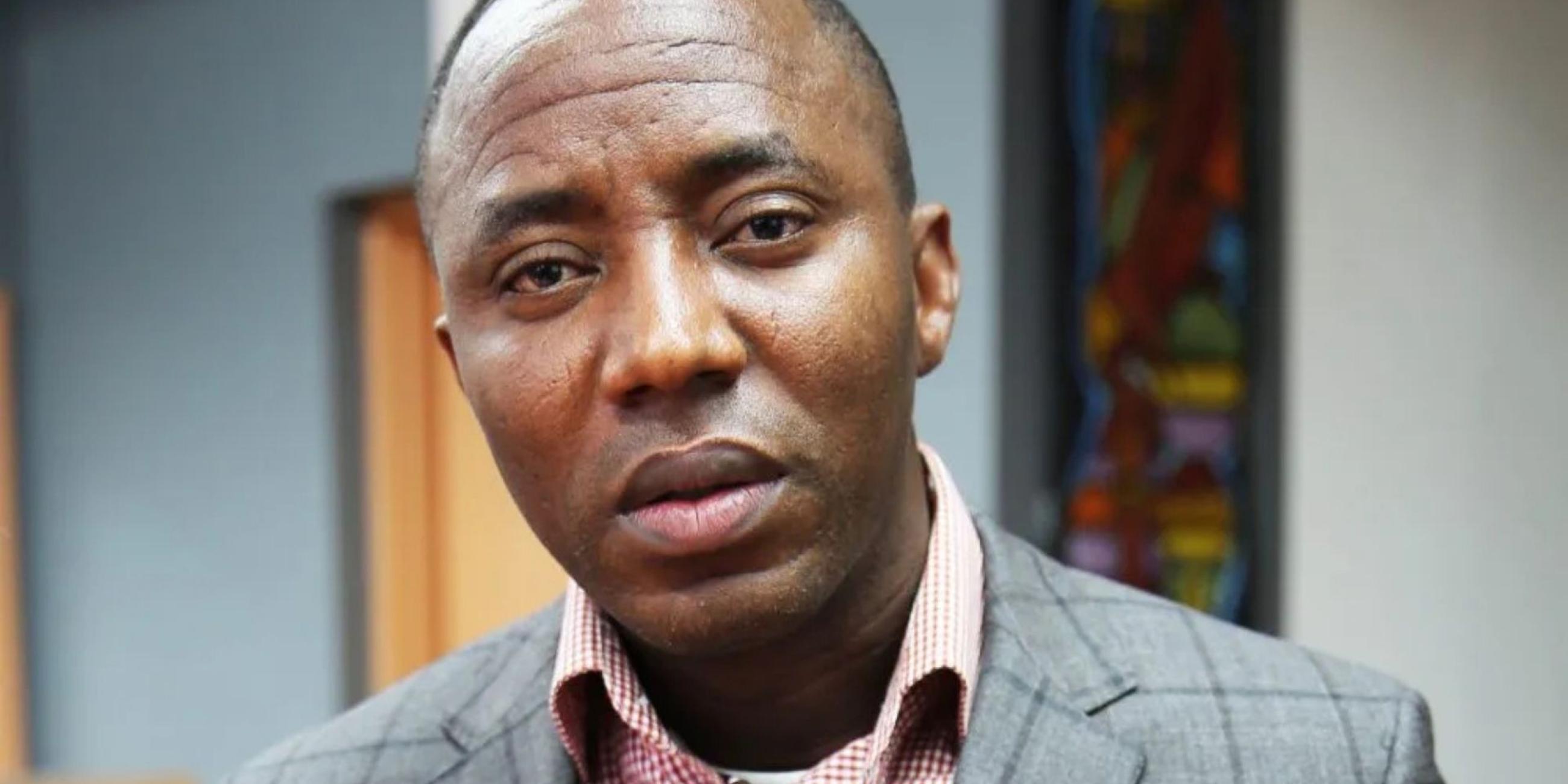
  • Nigerian Govt Drops Meta & X as Defendants, Amends Cyberbullying Charges Against Sowore Over Tinubu Post

    The Nigerian government has amended criminal charges against activist and ex-presidential candidate Omoyele Sowore for cyberbullying President Bola Tinubu. Filed in December 2025 at the Federal High Court, the revised charge sheet now contains two counts, removing Meta and X (formerly Twitter) as co-defendants. Sowore is accused of posting on August 25, 2025, that Tinubu is a “criminal” and lied about ending corruption. The government alleges these posts were false and intended to cause public disorder. The case is ongoing before the Federal High Court in Abuja.

    #SoworeVsTinubu #CybercrimeNigeria #FGCourtCase
    Nigerian Govt Drops Meta & X as Defendants, Amends Cyberbullying Charges Against Sowore Over Tinubu Post The Nigerian government has amended criminal charges against activist and ex-presidential candidate Omoyele Sowore for cyberbullying President Bola Tinubu. Filed in December 2025 at the Federal High Court, the revised charge sheet now contains two counts, removing Meta and X (formerly Twitter) as co-defendants. Sowore is accused of posting on August 25, 2025, that Tinubu is a “criminal” and lied about ending corruption. The government alleges these posts were false and intended to cause public disorder. The case is ongoing before the Federal High Court in Abuja. #SoworeVsTinubu #CybercrimeNigeria #FGCourtCase
    love
    1
    · 0 Reacties ·0 aandelen ·4K Views
  • Zainab Bakare Drags Tawa Ajisefini With Old Photos, Tawa Fires Back: “You’ll Hear From My Lawyer”

    Social media don scatter after Zainab Bakare shared throwback photos of her colleague, Tawa Ajisefini, and jokingly “roasted” her online. The post sparked laughter as fans debated whether the old pictures were cute or pure cruise. Tawa no carry last—she replied with humor and small gbas-gbos, warning Zainab to “hear from her lawyer.” From playful shade to savage banter, fans are now camped in the comment section, adding their own wahala to the drama. Na friendly cruise or soft drag? Nigerians are loving every bit of it

    #ZainabBakare #TawaAjisefini #NaijaCelebDrama
    Zainab Bakare Drags Tawa Ajisefini With Old Photos, Tawa Fires Back: “You’ll Hear From My Lawyer” 😂 Social media don scatter after Zainab Bakare shared throwback photos of her colleague, Tawa Ajisefini, and jokingly “roasted” her online. The post sparked laughter as fans debated whether the old pictures were cute or pure cruise. Tawa no carry last—she replied with humor and small gbas-gbos, warning Zainab to “hear from her lawyer.” From playful shade to savage banter, fans are now camped in the comment section, adding their own wahala to the drama. Na friendly cruise or soft drag? Nigerians are loving every bit of it 😄 #ZainabBakare #TawaAjisefini #NaijaCelebDrama
    love
    2
    · 0 Reacties ·0 aandelen ·1K Views
  • Supreme Court Upholds Conviction of Ex-Jigawa Governor’s Son Over $40,000 Undeclared Cash

    The Supreme Court of Nigeria has dismissed the appeal of Aminu Sule Lamido, son of former Jigawa Governor Sule Lamido, affirming his conviction for failing to declare $40,000 in cash while leaving the country. The apex court ruled that lower courts properly evaluated evidence and applied the law. Aminu was first arrested in 2012 by EFCC at Kano Airport, having declared only $10,000 of the $50,000 in his possession. He was sentenced by the Federal High Court, and subsequent appeals to the Court of Appeal and now the Supreme Court were all dismissed, ending his long-running legal battle.
    Supreme Court Upholds Conviction of Ex-Jigawa Governor’s Son Over $40,000 Undeclared Cash The Supreme Court of Nigeria has dismissed the appeal of Aminu Sule Lamido, son of former Jigawa Governor Sule Lamido, affirming his conviction for failing to declare $40,000 in cash while leaving the country. The apex court ruled that lower courts properly evaluated evidence and applied the law. Aminu was first arrested in 2012 by EFCC at Kano Airport, having declared only $10,000 of the $50,000 in his possession. He was sentenced by the Federal High Court, and subsequent appeals to the Court of Appeal and now the Supreme Court were all dismissed, ending his long-running legal battle.
    0 Reacties ·0 aandelen ·2K Views
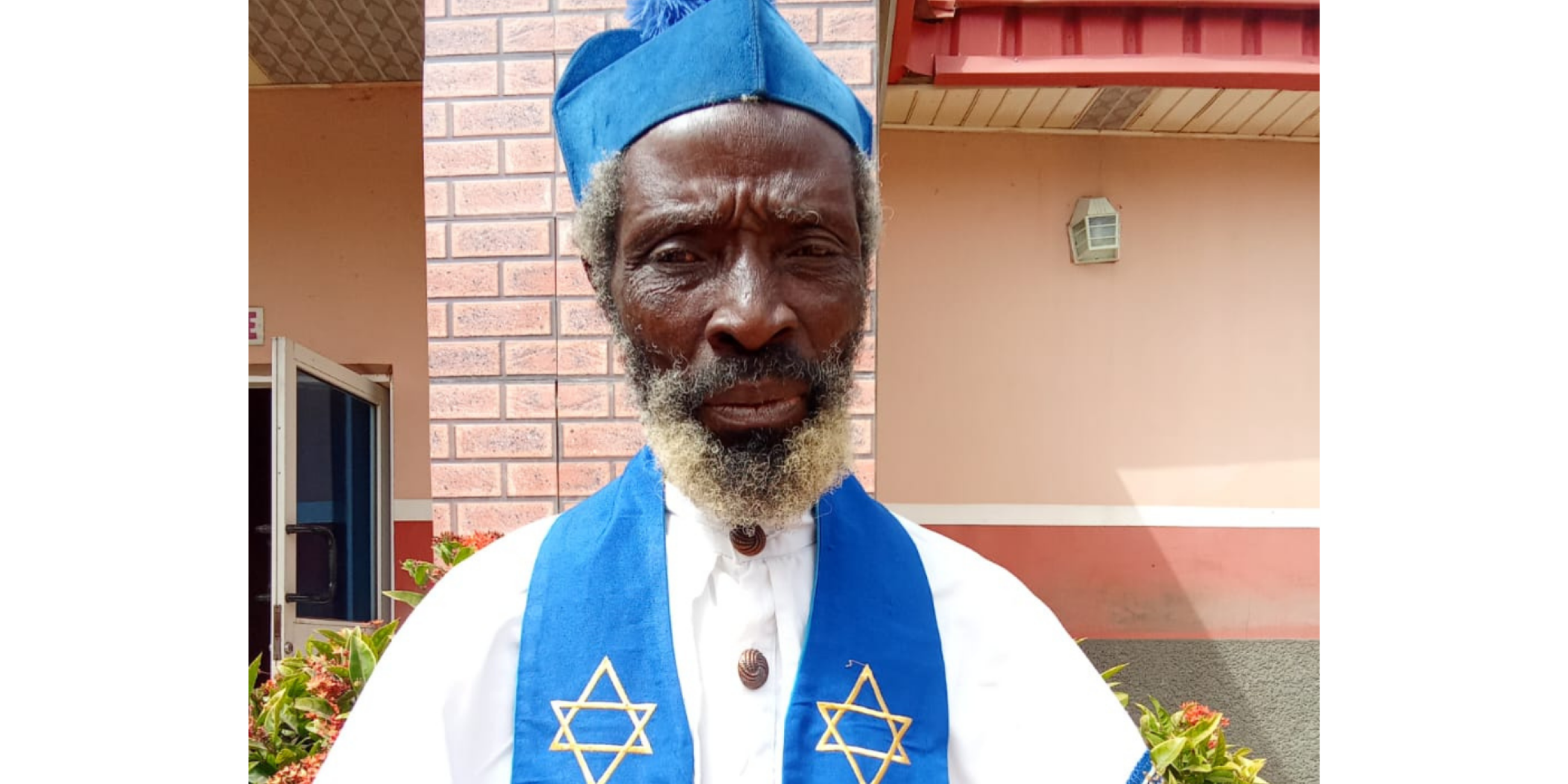
  • Is Nnamdi Kanu Being Illegally Detained? Nigerian Jewish Leader Visits IPOB Founder in Sokoto Prison, Rejects Terrorism Label and Demands His Immediate Release

    Is the continued detention of Mazi Nnamdi Kanu, leader of the Indigenous People of Biafra (IPOB), legally justified—or is it a violation of justice and human rights? This question has been reignited following a high-profile prison visit by Kohen Daniel Onuoha, a Nigerian Jewish cleric and spiritual leader of the Peace of Yahweh Synagogue and founder of Eastern Judaism, who met Kanu at the Sokoto Correctional Facility on January 10, 2026.

    Describing the visit as an act of spiritual and moral solidarity, Onuoha said he was accompanied by his wife and representatives of Jewish congregations in Nigeria’s former Eastern Region, whom he said “faithfully observe the Ten Commandments.” According to him, the visit symbolised years of prayers and sacrifices by his community for Kanu’s freedom.

    “For over five years, we have remained steadfast in daily sacrifices and prayers to Elohim without interruption,” Onuoha said, adding that the prison visit reaffirmed his commitment to justice and liberty.

    During the visit, the cleric directly challenged the legal foundation of Kanu’s continued incarceration, urging the international community, legal experts, and human rights organisations to examine what he described as questionable legal grounds for the case. He argued that Kanu’s prosecution was based on a repealed law, making the detention unlawful.

    Onuoha also rejected the designation of Kanu and IPOB as terrorists, insisting that neither the separatist leader nor the movement had committed violent acts. “Mazi Nnamdi Kanu is not a terrorist, and IPOB is not a terrorist organisation,” he declared, adding that Kanu’s ordeal stemmed from the peaceful exercise of self-determination and his public criticism of alleged abuses by political elites, foreign interests, and local power structures.

    He further contended that speech alone cannot justify criminal conviction, stressing that verbal expressions or broadcasts without evidence of violence should not result in imprisonment. Calling for Kanu’s “immediate and unconditional release,” the Jewish leader said such action was necessary to uphold justice and the rule of law.

    Beyond Kanu’s case, Onuoha appealed for broader international intervention, arguing that Biafrans continue to face marginalisation, oppression, and violence. He commended U.S. President Donald Trump for what he described as efforts to protect Christians in Nigeria and urged increased global pressure on Nigerian authorities over alleged human rights violations.

    In his closing remarks, Onuoha called on Kanu’s supporters, Biafrans, Jews, and human rights advocates to remain peaceful, resilient, and steadfast, expressing confidence that justice would ultimately prevail.

    The visit raises urgent questions: Is Nnamdi Kanu’s detention legally valid? Has the terrorism label been misapplied? And will international scrutiny finally force a reassessment of one of Nigeria’s most controversial political prosecutions?

    Is Nnamdi Kanu Being Illegally Detained? Nigerian Jewish Leader Visits IPOB Founder in Sokoto Prison, Rejects Terrorism Label and Demands His Immediate Release Is the continued detention of Mazi Nnamdi Kanu, leader of the Indigenous People of Biafra (IPOB), legally justified—or is it a violation of justice and human rights? This question has been reignited following a high-profile prison visit by Kohen Daniel Onuoha, a Nigerian Jewish cleric and spiritual leader of the Peace of Yahweh Synagogue and founder of Eastern Judaism, who met Kanu at the Sokoto Correctional Facility on January 10, 2026. Describing the visit as an act of spiritual and moral solidarity, Onuoha said he was accompanied by his wife and representatives of Jewish congregations in Nigeria’s former Eastern Region, whom he said “faithfully observe the Ten Commandments.” According to him, the visit symbolised years of prayers and sacrifices by his community for Kanu’s freedom. “For over five years, we have remained steadfast in daily sacrifices and prayers to Elohim without interruption,” Onuoha said, adding that the prison visit reaffirmed his commitment to justice and liberty. During the visit, the cleric directly challenged the legal foundation of Kanu’s continued incarceration, urging the international community, legal experts, and human rights organisations to examine what he described as questionable legal grounds for the case. He argued that Kanu’s prosecution was based on a repealed law, making the detention unlawful. Onuoha also rejected the designation of Kanu and IPOB as terrorists, insisting that neither the separatist leader nor the movement had committed violent acts. “Mazi Nnamdi Kanu is not a terrorist, and IPOB is not a terrorist organisation,” he declared, adding that Kanu’s ordeal stemmed from the peaceful exercise of self-determination and his public criticism of alleged abuses by political elites, foreign interests, and local power structures. He further contended that speech alone cannot justify criminal conviction, stressing that verbal expressions or broadcasts without evidence of violence should not result in imprisonment. Calling for Kanu’s “immediate and unconditional release,” the Jewish leader said such action was necessary to uphold justice and the rule of law. Beyond Kanu’s case, Onuoha appealed for broader international intervention, arguing that Biafrans continue to face marginalisation, oppression, and violence. He commended U.S. President Donald Trump for what he described as efforts to protect Christians in Nigeria and urged increased global pressure on Nigerian authorities over alleged human rights violations. In his closing remarks, Onuoha called on Kanu’s supporters, Biafrans, Jews, and human rights advocates to remain peaceful, resilient, and steadfast, expressing confidence that justice would ultimately prevail. The visit raises urgent questions: Is Nnamdi Kanu’s detention legally valid? Has the terrorism label been misapplied? And will international scrutiny finally force a reassessment of one of Nigeria’s most controversial political prosecutions?
    love
    1
    · 0 Reacties ·0 aandelen ·4K Views
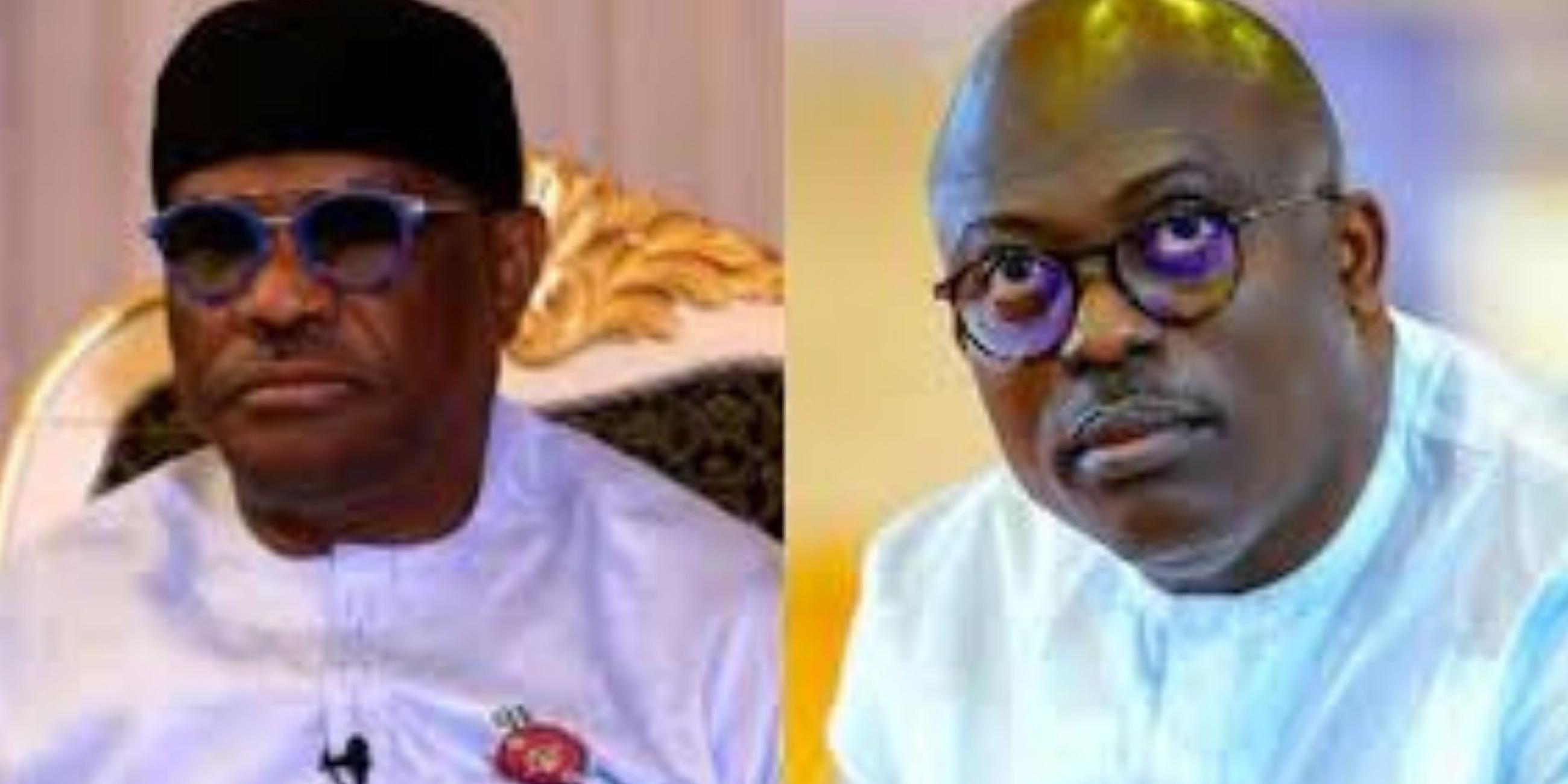
  • Will Wike Have to Bow to Fubara in APC? Why the Party Says the FCT Minister Must Follow Rivers Governor—and What This Power Shift Means for 2027 Politics

    Is Nyesom Wike’s political influence in Rivers State finally being clipped? If the Federal Capital Territory (FCT) Minister decides to join the All Progressives Congress (APC), will he really be forced to operate under his successor, Governor Siminalayi Fubara? And what does this internal power struggle reveal about the battle for 2027?

    The APC has made its position unmistakably clear: if Wike defects to the ruling party, he will not assume a dominant leadership role over the sitting Rivers State governor. According to the party’s Director of Information, Bala Ibrahim, leadership within the APC is tied strictly to current political office—not past power. While Wike would be “given a position” within the party, Ibrahim stressed that he would “certainly be under” Governor Fubara, who currently holds the highest elective office in Rivers State.

    Why such a firm stance? Ibrahim explained that political authority follows office, not personality. “When he was the governor, he was followed. Now that he’s not the governor, he must follow,” he said, underscoring that once a leader vacates a seat, they no longer retain its power. In other words, past influence cannot override present authority in the APC’s hierarchy.

    But is this just about party protocol—or something deeper? Reports suggest that Wike’s alleged efforts to undermine Fubara’s 2027 re-election bid have suffered a major blow. Several APC governors are said to have rallied behind Fubara, signaling growing support for the Rivers governor at the highest levels of the party. Party sources indicate that renewed tensions between the two men were triggered after top APC figures openly endorsed Fubara for a second term—an outcome Wike is reportedly opposed to.

    What changed inside the APC? Insiders say the party leadership has become increasingly impressed with Fubara’s governance style and development projects, earning him favor among key decision-makers. This apparent shift in loyalty is being interpreted as a strategic move to consolidate power around the sitting governor while weakening Wike’s influence in his home state.

    The conflict reportedly deepened when Wike’s allies attempted to push a preferred candidate for the Imo governorship without consulting the APC Governors’ Chairman, Governor Hope Uzodimma. Party officials claim this move backfired, prompting APC governors to close ranks around Fubara as part of a broader effort to curb Wike’s political reach. Some insiders even suggest that powerful figures within the Tinubu administration no longer see Wike as a favored ally.

    So what does this mean going forward? If Wike eventually joins the APC, he may find himself navigating a party structure where authority is no longer shaped by his past dominance but by current officeholders—chief among them Governor Fubara. The unfolding drama raises critical questions: Is Wike’s era of control in Rivers coming to an end? Will Fubara emerge as the undisputed political force ahead of 2027? And is the APC deliberately re-engineering power in Rivers to sideline one of Nigeria’s most formidable political figures?

    As endorsements mount and party leadership draws firm lines, one thing is clear: Rivers State politics is entering a decisive phase—and the outcome could reshape the state’s political landscape for years to come.
    Will Wike Have to Bow to Fubara in APC? Why the Party Says the FCT Minister Must Follow Rivers Governor—and What This Power Shift Means for 2027 Politics Is Nyesom Wike’s political influence in Rivers State finally being clipped? If the Federal Capital Territory (FCT) Minister decides to join the All Progressives Congress (APC), will he really be forced to operate under his successor, Governor Siminalayi Fubara? And what does this internal power struggle reveal about the battle for 2027? The APC has made its position unmistakably clear: if Wike defects to the ruling party, he will not assume a dominant leadership role over the sitting Rivers State governor. According to the party’s Director of Information, Bala Ibrahim, leadership within the APC is tied strictly to current political office—not past power. While Wike would be “given a position” within the party, Ibrahim stressed that he would “certainly be under” Governor Fubara, who currently holds the highest elective office in Rivers State. Why such a firm stance? Ibrahim explained that political authority follows office, not personality. “When he was the governor, he was followed. Now that he’s not the governor, he must follow,” he said, underscoring that once a leader vacates a seat, they no longer retain its power. In other words, past influence cannot override present authority in the APC’s hierarchy. But is this just about party protocol—or something deeper? Reports suggest that Wike’s alleged efforts to undermine Fubara’s 2027 re-election bid have suffered a major blow. Several APC governors are said to have rallied behind Fubara, signaling growing support for the Rivers governor at the highest levels of the party. Party sources indicate that renewed tensions between the two men were triggered after top APC figures openly endorsed Fubara for a second term—an outcome Wike is reportedly opposed to. What changed inside the APC? Insiders say the party leadership has become increasingly impressed with Fubara’s governance style and development projects, earning him favor among key decision-makers. This apparent shift in loyalty is being interpreted as a strategic move to consolidate power around the sitting governor while weakening Wike’s influence in his home state. The conflict reportedly deepened when Wike’s allies attempted to push a preferred candidate for the Imo governorship without consulting the APC Governors’ Chairman, Governor Hope Uzodimma. Party officials claim this move backfired, prompting APC governors to close ranks around Fubara as part of a broader effort to curb Wike’s political reach. Some insiders even suggest that powerful figures within the Tinubu administration no longer see Wike as a favored ally. So what does this mean going forward? If Wike eventually joins the APC, he may find himself navigating a party structure where authority is no longer shaped by his past dominance but by current officeholders—chief among them Governor Fubara. The unfolding drama raises critical questions: Is Wike’s era of control in Rivers coming to an end? Will Fubara emerge as the undisputed political force ahead of 2027? And is the APC deliberately re-engineering power in Rivers to sideline one of Nigeria’s most formidable political figures? As endorsements mount and party leadership draws firm lines, one thing is clear: Rivers State politics is entering a decisive phase—and the outcome could reshape the state’s political landscape for years to come.
    0 Reacties ·0 aandelen ·2K Views
  • How Did Ex-AGF Abubakar Malami, His Sons Amass 57 Luxury Homes, Hotels, University Assets Worth ₦213 Billion? Inside the EFCC Money Laundering Case, Court Forfeiture Order, and Full Property List Shaking Nigeria

    How did a former Attorney-General of the Federation and Minister of Justice allegedly acquire 57 high-value properties across Abuja, Kebbi, Kano, and Kaduna? What explains the sudden emergence of luxury hotels, vast landed estates, factories, schools, filling stations, shopping complexes, and an entire private university tied to Abubakar Malami (SAN) and his two sons? And why has a Federal High Court now ordered the interim forfeiture of assets valued at a staggering ₦213.2 billion?

    In a dramatic legal move that has reignited national debate on corruption and elite wealth in Nigeria, Justice Emeka Nwite of the Federal High Court, Abuja, granted an ex-parte application filed by the Economic and Financial Crimes Commission (EFCC), authorising the temporary seizure of 57 properties allegedly linked to Malami and his sons, Abdulaziz and Abiru-Rahman. The court ruled that the assets are reasonably suspected to be proceeds of unlawful activity and should be preserved pending full investigation and trial.

    What exactly did investigators uncover? The forfeited properties include luxury duplexes in Maitama and Asokoro, high-end hotels in Abuja and Kano, shopping malls, warehouses, petrol stations, plazas, and sprawling estates across Kebbi State. Among the most striking assets are massive institutional holdings under the “Rayhaan” brand: Rayhaan University with multiple sites reportedly worth tens of billions of naira, agro-allied factories with heavy machinery, staff quarters, mosques, media outlets, model academies, and large commercial hubs such as Azbir Arena and Zeennoor Hotel in Kano.

    Why are these properties raising alarm? According to the EFCC, the scale, speed, and structure of the acquisitions—many made while Malami served as Nigeria’s chief law officer—point to potential money laundering and abuse of office. Several assets were allegedly purchased at relatively low values and later upgraded into multi-billion-naira developments. Others are held through foundations, companies, and educational or religious fronts, prompting questions about whether public office was leveraged to build a vast private empire.

    What happens next? The interim forfeiture does not yet mean permanent confiscation. The court has ordered that the assets be preserved while legal proceedings continue. Interested parties may be invited to show cause why the properties should not be finally forfeited to the Federal Government. Meanwhile, civil society groups and anti-corruption advocates are asking: will this case mark a turning point in Nigeria’s fight against high-level corruption, or will it join the long list of stalled elite prosecutions?

    As Nigerians digest the full list of 57 properties—ranging from luxury residences and hotels to universities, factories, schools, filling stations, and commercial plazas—the central question remains: how did a public official and his immediate family come to control assets worth over ₦213 billion, and will the courts finally provide answers that restore public trust?

    How Did Ex-AGF Abubakar Malami, His Sons Amass 57 Luxury Homes, Hotels, University Assets Worth ₦213 Billion? Inside the EFCC Money Laundering Case, Court Forfeiture Order, and Full Property List Shaking Nigeria How did a former Attorney-General of the Federation and Minister of Justice allegedly acquire 57 high-value properties across Abuja, Kebbi, Kano, and Kaduna? What explains the sudden emergence of luxury hotels, vast landed estates, factories, schools, filling stations, shopping complexes, and an entire private university tied to Abubakar Malami (SAN) and his two sons? And why has a Federal High Court now ordered the interim forfeiture of assets valued at a staggering ₦213.2 billion? In a dramatic legal move that has reignited national debate on corruption and elite wealth in Nigeria, Justice Emeka Nwite of the Federal High Court, Abuja, granted an ex-parte application filed by the Economic and Financial Crimes Commission (EFCC), authorising the temporary seizure of 57 properties allegedly linked to Malami and his sons, Abdulaziz and Abiru-Rahman. The court ruled that the assets are reasonably suspected to be proceeds of unlawful activity and should be preserved pending full investigation and trial. What exactly did investigators uncover? The forfeited properties include luxury duplexes in Maitama and Asokoro, high-end hotels in Abuja and Kano, shopping malls, warehouses, petrol stations, plazas, and sprawling estates across Kebbi State. Among the most striking assets are massive institutional holdings under the “Rayhaan” brand: Rayhaan University with multiple sites reportedly worth tens of billions of naira, agro-allied factories with heavy machinery, staff quarters, mosques, media outlets, model academies, and large commercial hubs such as Azbir Arena and Zeennoor Hotel in Kano. Why are these properties raising alarm? According to the EFCC, the scale, speed, and structure of the acquisitions—many made while Malami served as Nigeria’s chief law officer—point to potential money laundering and abuse of office. Several assets were allegedly purchased at relatively low values and later upgraded into multi-billion-naira developments. Others are held through foundations, companies, and educational or religious fronts, prompting questions about whether public office was leveraged to build a vast private empire. What happens next? The interim forfeiture does not yet mean permanent confiscation. The court has ordered that the assets be preserved while legal proceedings continue. Interested parties may be invited to show cause why the properties should not be finally forfeited to the Federal Government. Meanwhile, civil society groups and anti-corruption advocates are asking: will this case mark a turning point in Nigeria’s fight against high-level corruption, or will it join the long list of stalled elite prosecutions? As Nigerians digest the full list of 57 properties—ranging from luxury residences and hotels to universities, factories, schools, filling stations, and commercial plazas—the central question remains: how did a public official and his immediate family come to control assets worth over ₦213 billion, and will the courts finally provide answers that restore public trust?
    0 Reacties ·0 aandelen ·2K Views
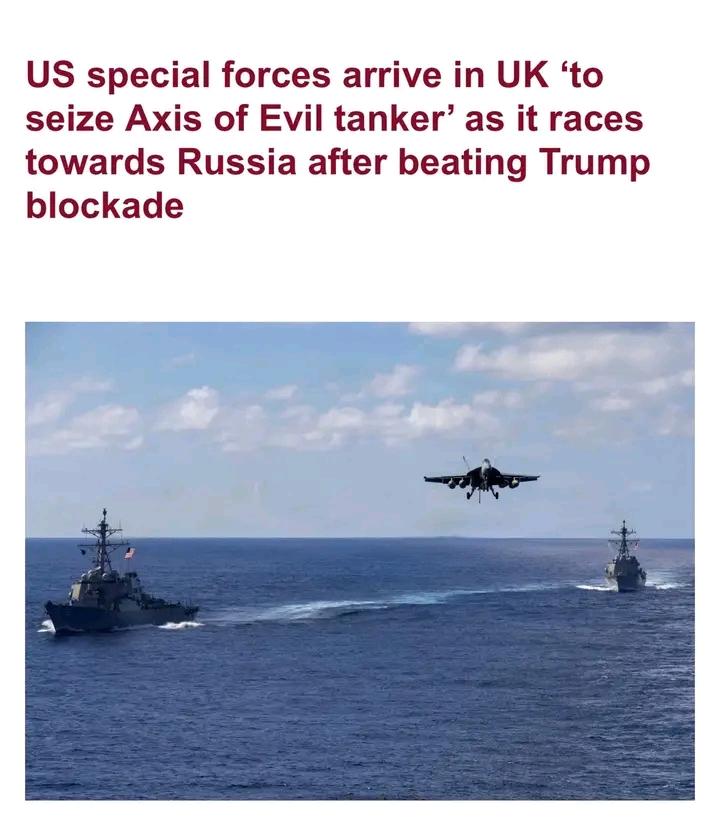
  • US special forces have arrived in the United Kingdom as Washington moves to intercept a sanctioned oil tanker accused of evading the Trump administration’s blockade on Venezuelan crude and racing toward Russia.

    Cargo aircraft carrying helicopters and personnel landed at RAF Fairford, as US and allied forces stage for a possible high-risk boarding operation against the tanker Marinera, formerly known as Bella 1.

    The vessel, described by US officials as part of a “shadow fleet” used to bypass international sanctions, is believed to be operating under a Russian flag in the North Atlantic, roughly 500 miles west of Ireland, en route to Russia.

    Troops from America’s 160th Special Operations Aviation Regiment, known as the Night Stalkers, have reportedly deployed Black Hawk and Chinook helicopters capable of fast-roping commandos onto large vessels. Three V-22 Ospreys operating out of RAF Mildenhall have also joined the mission, alongside surveillance aircraft and refuelling jets.

    US and UK military activity intensified after the tanker was tracked resurfacing at sea, having previously slipped away from US forces in the Caribbean following Donald Trump’s announcement of a “total and complete blockade” on Venezuelan oil exports.

    The tanker is alleged to be linked to Iran and accused of helping sanctioned regimes, including those of Vladimir Putin and Nicolás Maduro, continue oil trading despite restrictions. During the pursuit, the crew reportedly painted a Russian flag on the hull and later re-registered the ship under a new name in Russia.

    Defence sources said the build-up at RAF Fairford indicates preparations for a hostile boarding, while naval patrol aircraft continue to monitor the tanker’s movements.

    US officials told American media that the preference is to seize the tanker rather than sink it, mirroring a helicopter-borne raid carried out last month on another sanctioned vessel. A decision on whether to proceed with the operation is expected within days.
    US special forces have arrived in the United Kingdom as Washington moves to intercept a sanctioned oil tanker accused of evading the Trump administration’s blockade on Venezuelan crude and racing toward Russia. Cargo aircraft carrying helicopters and personnel landed at RAF Fairford, as US and allied forces stage for a possible high-risk boarding operation against the tanker Marinera, formerly known as Bella 1. The vessel, described by US officials as part of a “shadow fleet” used to bypass international sanctions, is believed to be operating under a Russian flag in the North Atlantic, roughly 500 miles west of Ireland, en route to Russia. Troops from America’s 160th Special Operations Aviation Regiment, known as the Night Stalkers, have reportedly deployed Black Hawk and Chinook helicopters capable of fast-roping commandos onto large vessels. Three V-22 Ospreys operating out of RAF Mildenhall have also joined the mission, alongside surveillance aircraft and refuelling jets. US and UK military activity intensified after the tanker was tracked resurfacing at sea, having previously slipped away from US forces in the Caribbean following Donald Trump’s announcement of a “total and complete blockade” on Venezuelan oil exports. The tanker is alleged to be linked to Iran and accused of helping sanctioned regimes, including those of Vladimir Putin and Nicolás Maduro, continue oil trading despite restrictions. During the pursuit, the crew reportedly painted a Russian flag on the hull and later re-registered the ship under a new name in Russia. Defence sources said the build-up at RAF Fairford indicates preparations for a hostile boarding, while naval patrol aircraft continue to monitor the tanker’s movements. US officials told American media that the preference is to seize the tanker rather than sink it, mirroring a helicopter-borne raid carried out last month on another sanctioned vessel. A decision on whether to proceed with the operation is expected within days.
    0 Reacties ·0 aandelen ·2K Views
  • “Sowore Accuses Global Powers of Exploiting Resource-Rich Countries Under Humanitarian Pretext: Venezuela Crisis Highlighted”

    Nigerian human rights activist and former presidential candidate Omoyele Sowore has sharply criticized the recent Venezuelan crisis, in which U.S. and allied forces reportedly captured President Nicolás Maduro and his wife. Writing on his X (formerly Twitter) account, Sowore described the operation as a violation of international law and Venezuela’s sovereignty, framing it as a pattern of global powers using humanitarian or security pretexts to intervene in resource-rich nations.
    Sowore contends that the official narrative of fighting drug cartels or promoting moral rescue is often a smokescreen for strategic and economic exploitation. He draws parallels to past interventions in Iraq and Libya, arguing that the true motives of foreign powers are resource extraction, destabilization, and maintaining global dominance, leaving affected countries perpetually poor and vulnerable.
    Criticizing former U.S. President Donald Trump, Sowore described him as “merely the latest rider of this global Trojan horse,” highlighting that while rhetoric changes, the machinery of exploitation remains consistent. Sowore emphasized that such interventions are tragic for humanity, as entire societies bear the cost while foreign powers profit under the guise of benevolence.
    His comments come amid widespread international condemnation of the Venezuelan operation, with several African governments and activist groups questioning the legality of such actions. Sowore’s critique reignites debate over foreign interventions, exposing the tension between humanitarian claims and underlying geopolitical and economic interests.
    “Sowore Accuses Global Powers of Exploiting Resource-Rich Countries Under Humanitarian Pretext: Venezuela Crisis Highlighted” Nigerian human rights activist and former presidential candidate Omoyele Sowore has sharply criticized the recent Venezuelan crisis, in which U.S. and allied forces reportedly captured President Nicolás Maduro and his wife. Writing on his X (formerly Twitter) account, Sowore described the operation as a violation of international law and Venezuela’s sovereignty, framing it as a pattern of global powers using humanitarian or security pretexts to intervene in resource-rich nations. Sowore contends that the official narrative of fighting drug cartels or promoting moral rescue is often a smokescreen for strategic and economic exploitation. He draws parallels to past interventions in Iraq and Libya, arguing that the true motives of foreign powers are resource extraction, destabilization, and maintaining global dominance, leaving affected countries perpetually poor and vulnerable. Criticizing former U.S. President Donald Trump, Sowore described him as “merely the latest rider of this global Trojan horse,” highlighting that while rhetoric changes, the machinery of exploitation remains consistent. Sowore emphasized that such interventions are tragic for humanity, as entire societies bear the cost while foreign powers profit under the guise of benevolence. His comments come amid widespread international condemnation of the Venezuelan operation, with several African governments and activist groups questioning the legality of such actions. Sowore’s critique reignites debate over foreign interventions, exposing the tension between humanitarian claims and underlying geopolitical and economic interests.
    like
    1
    · 0 Reacties ·0 aandelen ·2K Views
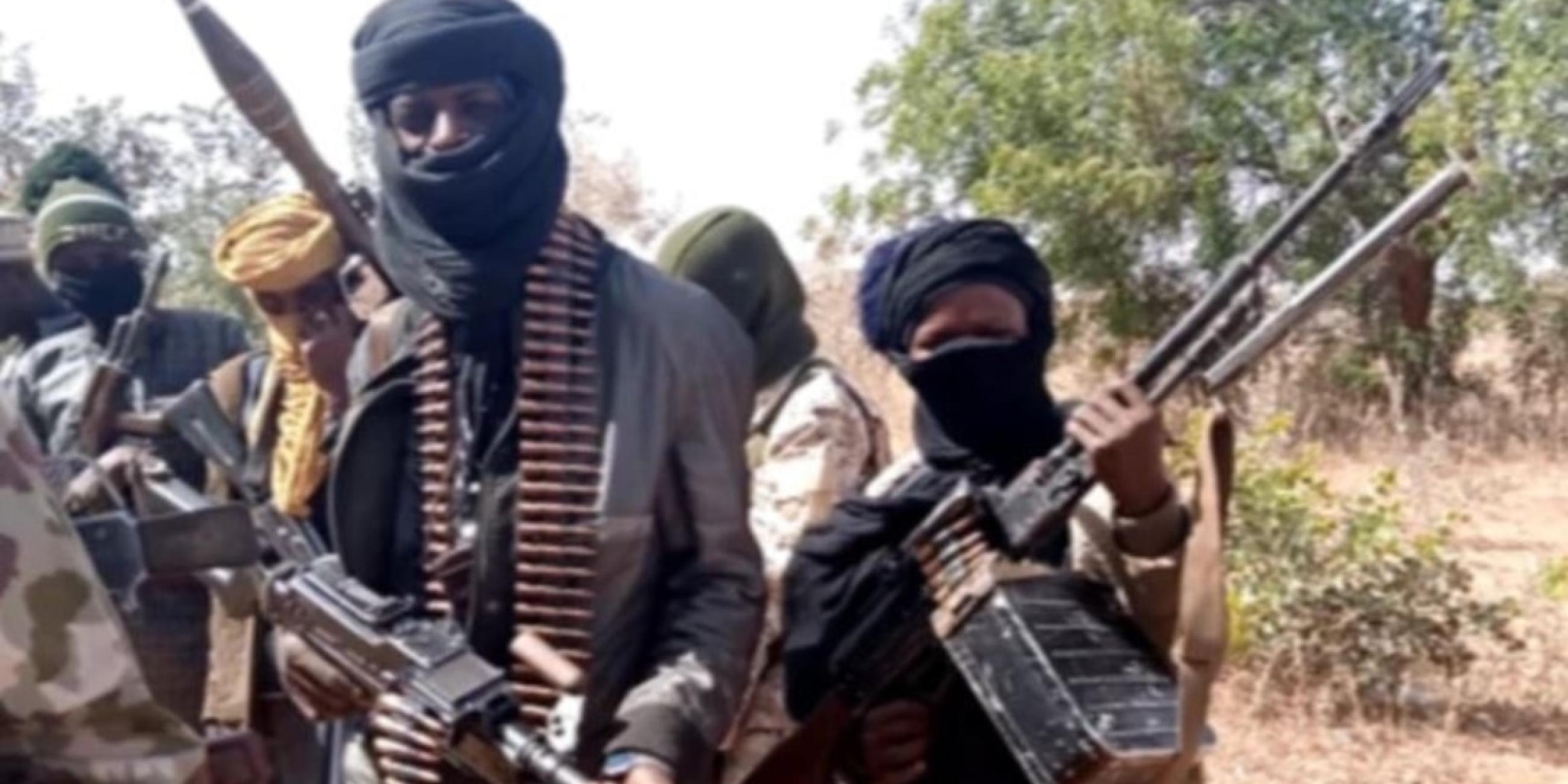
  • Nigerian Military Dismantles Suspected Suicide Bombing Network in Adamawa, Arrests Eight Suspects, Seizes Explosives and Terrorist Logistics

    The Nigerian military has announced the dismantling of a suspected suicide bombing network in Adamawa State, with the arrest of eight individuals linked to the recent Gamboru Market Mosque attack, according to Lieutenant Colonel Sani Uba, Media Information Officer of the Joint Task Force (North East), Operation HADIN KAI.

    The arrests were made following intelligence-led cordon-and-search operations in the Yan Lemo area of Mubi South LGA. Among the eight suspects, two were identified as key facilitators who supplied materials for the Improvised Explosive Device (IED) used in the attack. Searches of their residences yielded cash, mobile phones, ID documents, ATM cards, jewellery, and other personal items, all undergoing forensic analysis.

    In a related operation on January 4, troops intercepted 45 jerrycans of Premium Motor Spirit (about 1,125 litres) in Mayo Nguli, Maiha LGA, suspected to be intended for terrorist activities. The suppliers escaped, and the petroleum products were secured.

    All suspects remain in military custody for detailed interrogation to gather further intelligence before being handed over for ongoing investigations. The military emphasized that these operations are part of a broader effort to disrupt terrorist networks, dismantle supply chains, and prevent future attacks.

    The military also urged the public to remain vigilant and continue cooperating with security agencies to strengthen security in the North East.
    Nigerian Military Dismantles Suspected Suicide Bombing Network in Adamawa, Arrests Eight Suspects, Seizes Explosives and Terrorist Logistics The Nigerian military has announced the dismantling of a suspected suicide bombing network in Adamawa State, with the arrest of eight individuals linked to the recent Gamboru Market Mosque attack, according to Lieutenant Colonel Sani Uba, Media Information Officer of the Joint Task Force (North East), Operation HADIN KAI. The arrests were made following intelligence-led cordon-and-search operations in the Yan Lemo area of Mubi South LGA. Among the eight suspects, two were identified as key facilitators who supplied materials for the Improvised Explosive Device (IED) used in the attack. Searches of their residences yielded cash, mobile phones, ID documents, ATM cards, jewellery, and other personal items, all undergoing forensic analysis. In a related operation on January 4, troops intercepted 45 jerrycans of Premium Motor Spirit (about 1,125 litres) in Mayo Nguli, Maiha LGA, suspected to be intended for terrorist activities. The suppliers escaped, and the petroleum products were secured. All suspects remain in military custody for detailed interrogation to gather further intelligence before being handed over for ongoing investigations. The military emphasized that these operations are part of a broader effort to disrupt terrorist networks, dismantle supply chains, and prevent future attacks. The military also urged the public to remain vigilant and continue cooperating with security agencies to strengthen security in the North East.
    0 Reacties ·0 aandelen ·1K Views
  • Court Orders NNPC to Disclose Details of $3B Afreximbank Crude-for-Cash Loan to HEDA

    The Federal High Court in Abuja has directed the Nigerian National Petroleum Company Limited (NNPC Ltd.) to provide HEDA Resource Centre with full details of the $3 billion “crude-for-cash” loan obtained from the African Export-Import Bank (Afreximbank). Justice Emeka Nwite ruled that the requested information is “simple and harmless” and cannot be withheld under the Freedom of Information Act.

    The court order requires NNPC to disclose the loan’s anticipated benefits for both the company and the Nigerian economy, the economic implications, oil grades involved, the exchange rate applied, and the quality of the oil used as collateral. HEDA chairman Olanrewaju Suraju hailed the ruling as a major victory for transparency and accountability, calling on stakeholders to support public access to information and the fight against corruption in the oil sector.

    #NNPC #HEDA #Afreximbank #Transparency #OilAndGas #NigeriaEconomy #FreedomOfInformation #AntiCorruption #NigeriaNews
    Court Orders NNPC to Disclose Details of $3B Afreximbank Crude-for-Cash Loan to HEDA The Federal High Court in Abuja has directed the Nigerian National Petroleum Company Limited (NNPC Ltd.) to provide HEDA Resource Centre with full details of the $3 billion “crude-for-cash” loan obtained from the African Export-Import Bank (Afreximbank). Justice Emeka Nwite ruled that the requested information is “simple and harmless” and cannot be withheld under the Freedom of Information Act. The court order requires NNPC to disclose the loan’s anticipated benefits for both the company and the Nigerian economy, the economic implications, oil grades involved, the exchange rate applied, and the quality of the oil used as collateral. HEDA chairman Olanrewaju Suraju hailed the ruling as a major victory for transparency and accountability, calling on stakeholders to support public access to information and the fight against corruption in the oil sector. #NNPC #HEDA #Afreximbank #Transparency #OilAndGas #NigeriaEconomy #FreedomOfInformation #AntiCorruption #NigeriaNews
    like
    1
    · 0 Reacties ·0 aandelen ·2K Views
  • Bandits Kill Four Members of Family in Kachia, Southern Kaduna Amid Rising Attacks

    A deadly overnight attack by bandits in Kachia town, Southern Kaduna, claimed the lives of four members of the Bitrus family: Mr. Bitrus Bahago, his wife Justina, their son Ibrahim, and a relative, Adam Waziri. The attackers reportedly arrived in large numbers, opened fire, and left several others injured, who were rushed to nearby hospitals.

    Kachia, near the Federal University of Applied Science, has experienced repeated assaults by armed groups despite its proximity to major security formations. The Kaduna State Police Command has yet to release an official statement.

    The incident follows other attacks in Southern Kaduna, including the abduction of seven villagers from Bukkah in Chikun LGA and the kidnapping of an Anglican priest and his wife from Nissi village. Residents continue to call on federal and state authorities to strengthen security and protect vulnerable communities.
    Bandits Kill Four Members of Family in Kachia, Southern Kaduna Amid Rising Attacks A deadly overnight attack by bandits in Kachia town, Southern Kaduna, claimed the lives of four members of the Bitrus family: Mr. Bitrus Bahago, his wife Justina, their son Ibrahim, and a relative, Adam Waziri. The attackers reportedly arrived in large numbers, opened fire, and left several others injured, who were rushed to nearby hospitals. Kachia, near the Federal University of Applied Science, has experienced repeated assaults by armed groups despite its proximity to major security formations. The Kaduna State Police Command has yet to release an official statement. The incident follows other attacks in Southern Kaduna, including the abduction of seven villagers from Bukkah in Chikun LGA and the kidnapping of an Anglican priest and his wife from Nissi village. Residents continue to call on federal and state authorities to strengthen security and protect vulnerable communities.
    like
    1
    · 0 Reacties ·0 aandelen ·841 Views
  • UN Human Rights Chief Volker Türk Warns Israel Against Death Penalty Bills Targeting Palestinians, Says Proposed Laws Violate International Law

    The United Nations High Commissioner for Human Rights, Volker Türk, has called on Israeli authorities to abandon proposed legislation that would introduce mandatory death sentences, warning that the bills violate international law and fundamental human rights standards. The proposed laws, currently before the Israeli Knesset, seek to lower the threshold for imposing capital punishment and would apply almost exclusively to Palestinians, particularly those tried under military law in the occupied West Bank.

    Türk said the bills raise serious concerns about discrimination, due process violations, and breaches of international human rights and humanitarian law, stressing that the United Nations opposes the death penalty under all circumstances. He warned that mandatory death sentences, which remove judicial discretion, violate the right to life enshrined in the International Covenant on Civil and Political Rights (ICCPR) and carry an unacceptable risk of executing innocent people.

    According to the UN, the legislation would require military courts to impose death sentences for intentional killing and amend Israel’s Penal Law to introduce capital punishment for acts defined as terrorism involving the killing of Israelis. Türk noted that the proposals appear explicitly discriminatory, citing language in the bills and public statements suggesting they are intended to apply only to Palestinians, many of whom are convicted after what the UN describes as unfair trials.

    The High Commissioner also warned that parts of the legislation could be applied retroactively to cases linked to the October 7, 2023 attacks, violating the principle of legality, and criticised vague definitions that could allow arbitrary use of the death penalty. He further cautioned that denying Palestinians in occupied territories fair trial guarantees under the Fourth Geneva Convention could amount to war crimes. The UN human rights office has urged Israeli lawmakers to halt the legislative process and ensure that any criminal justice measures uphold equality, due process, and the protection of life under international law.
    UN Human Rights Chief Volker Türk Warns Israel Against Death Penalty Bills Targeting Palestinians, Says Proposed Laws Violate International Law The United Nations High Commissioner for Human Rights, Volker Türk, has called on Israeli authorities to abandon proposed legislation that would introduce mandatory death sentences, warning that the bills violate international law and fundamental human rights standards. The proposed laws, currently before the Israeli Knesset, seek to lower the threshold for imposing capital punishment and would apply almost exclusively to Palestinians, particularly those tried under military law in the occupied West Bank. Türk said the bills raise serious concerns about discrimination, due process violations, and breaches of international human rights and humanitarian law, stressing that the United Nations opposes the death penalty under all circumstances. He warned that mandatory death sentences, which remove judicial discretion, violate the right to life enshrined in the International Covenant on Civil and Political Rights (ICCPR) and carry an unacceptable risk of executing innocent people. According to the UN, the legislation would require military courts to impose death sentences for intentional killing and amend Israel’s Penal Law to introduce capital punishment for acts defined as terrorism involving the killing of Israelis. Türk noted that the proposals appear explicitly discriminatory, citing language in the bills and public statements suggesting they are intended to apply only to Palestinians, many of whom are convicted after what the UN describes as unfair trials. The High Commissioner also warned that parts of the legislation could be applied retroactively to cases linked to the October 7, 2023 attacks, violating the principle of legality, and criticised vague definitions that could allow arbitrary use of the death penalty. He further cautioned that denying Palestinians in occupied territories fair trial guarantees under the Fourth Geneva Convention could amount to war crimes. The UN human rights office has urged Israeli lawmakers to halt the legislative process and ensure that any criminal justice measures uphold equality, due process, and the protection of life under international law.
    like
    1
    · 0 Reacties ·0 aandelen ·1K Views
  • Girl hospitalised with blo0d streaming down face after her father allegedly used a plank with nail to hit her on the head

    According to a neighbourhood who reported the incident to LIB, the father has been detained.

    The neighbour narrated: "Chilotam the girl in the video is being maltreated by her step dad. This isn’t the first time nor second and am a living witness of the first and second . On this instance, Jan 1, 2025, by 9am, according to his kid, he used a heavy stick with nails to hit her head and she started bl£eding heavily .

    "I, Onabanjo Opeoluwa, and my maiguard managed to open the gate and saw Mrs Chinwendu the girls mother holding her down but she was already in a pool of bl00d. The bl£eding was beyond control.

    "The mother told me I can’t do anything that she is her daughter to show the extent of heartlessness. So we took her to the nearby hospital where she is got receiving treatment at Joomak hospital, Ago, Okota, in which I paid the sum of fifty five thousand naira for her, cause she was duly weak and the hospital responded swiftly and now she is fit fit.

    "Moreso the mother lied to us(Mrs chinwendu) the ev!l was done by the girl herself stating that she fell , which shows that the biological mother is also d£monic, supporting an ev!l, cause while we were heading to the clinic the mother almost hit her on same spot.

    "They attacked her in the first place. Parents like this should be kept behind bars for correction.

    "We have involved the police and detained the husband while the girl gets well and drops her full brief on the incident .

    "We currently need more hands on this case of maltreatment before they k!ll her the third time.

    "Location of incidence No 11 Yale Okeowo, off Community Road, Ago Okota."
    Girl hospitalised with blo0d streaming down face after her father allegedly used a plank with nail to hit her on the head According to a neighbourhood who reported the incident to LIB, the father has been detained. The neighbour narrated: "Chilotam the girl in the video is being maltreated by her step dad. This isn’t the first time nor second and am a living witness of the first and second . On this instance, Jan 1, 2025, by 9am, according to his kid, he used a heavy stick with nails to hit her head and she started bl£eding heavily . "I, Onabanjo Opeoluwa, and my maiguard managed to open the gate and saw Mrs Chinwendu the girls mother holding her down but she was already in a pool of bl00d. The bl£eding was beyond control. "The mother told me I can’t do anything that she is her daughter to show the extent of heartlessness. So we took her to the nearby hospital where she is got receiving treatment at Joomak hospital, Ago, Okota, in which I paid the sum of fifty five thousand naira for her, cause she was duly weak and the hospital responded swiftly and now she is fit fit. "Moreso the mother lied to us(Mrs chinwendu) the ev!l was done by the girl herself stating that she fell , which shows that the biological mother is also d£monic, supporting an ev!l, cause while we were heading to the clinic the mother almost hit her on same spot. "They attacked her in the first place. Parents like this should be kept behind bars for correction. "We have involved the police and detained the husband while the girl gets well and drops her full brief on the incident . "We currently need more hands on this case of maltreatment before they k!ll her the third time. "Location of incidence No 11 Yale Okeowo, off Community Road, Ago Okota."
    0 Reacties ·0 aandelen ·627 Views
  • Appeal Court Affirms Death Sentence for Abdulmalik Tanko Over Murder of Five-Year-Old Kano Pupil Hanifa Abubakar, Upholds High Court Ruling

    The Court of Appeal sitting in Kano State has upheld the death sentence passed on Abdulmalik Tanko for the murder of five-year-old Hanifa Abubakar, one of Nigeria’s most shocking child murder cases in recent years. Delivering judgment, Justice A. R. Muhammad dismissed Tanko’s appeal and affirmed the ruling of the Kano State High Court, which sentenced him to death by hanging.

    The appellate court ruled that the trial court correctly applied the law and thoroughly evaluated the evidence presented by the prosecution. Justice Muhammad stated that Tanko failed to raise any credible issues capable of overturning his conviction, describing the prosecution’s case as strong, consistent, and persuasive. The court further held that there was no legal basis to interfere with either the findings or the sentence imposed by the lower court.

    The judge also noted that once Tanko exhausts all remaining legal options, the appropriate authorities should ensure that the judgment is fully enforced.

    Hanifa Abubakar was abducted in December 2021 from Noble Kids Academy in Nassarawa Local Government Area of Kano State, a school owned by Tanko. Investigations revealed that Tanko kidnapped the child, demanded a ₦6 million ransom from her parents, and later poisoned her with rat poison, leading to her death. The case sparked nationwide outrage due to the victim’s young age and the breach of trust by a school proprietor entrusted with children’s safety.

    Tanko was arraigned alongside Isyaku Hashim and Fatima Jibril in January 2022 on charges including criminal conspiracy, kidnapping, unlawful detention, and culpable homicide. In July 2022, the Kano State High Court sentenced Tanko and Hashim to death by hanging, while Fatima Jibril was sentenced to two years’ imprisonment for her role in the crime.
    Appeal Court Affirms Death Sentence for Abdulmalik Tanko Over Murder of Five-Year-Old Kano Pupil Hanifa Abubakar, Upholds High Court Ruling The Court of Appeal sitting in Kano State has upheld the death sentence passed on Abdulmalik Tanko for the murder of five-year-old Hanifa Abubakar, one of Nigeria’s most shocking child murder cases in recent years. Delivering judgment, Justice A. R. Muhammad dismissed Tanko’s appeal and affirmed the ruling of the Kano State High Court, which sentenced him to death by hanging. The appellate court ruled that the trial court correctly applied the law and thoroughly evaluated the evidence presented by the prosecution. Justice Muhammad stated that Tanko failed to raise any credible issues capable of overturning his conviction, describing the prosecution’s case as strong, consistent, and persuasive. The court further held that there was no legal basis to interfere with either the findings or the sentence imposed by the lower court. The judge also noted that once Tanko exhausts all remaining legal options, the appropriate authorities should ensure that the judgment is fully enforced. Hanifa Abubakar was abducted in December 2021 from Noble Kids Academy in Nassarawa Local Government Area of Kano State, a school owned by Tanko. Investigations revealed that Tanko kidnapped the child, demanded a ₦6 million ransom from her parents, and later poisoned her with rat poison, leading to her death. The case sparked nationwide outrage due to the victim’s young age and the breach of trust by a school proprietor entrusted with children’s safety. Tanko was arraigned alongside Isyaku Hashim and Fatima Jibril in January 2022 on charges including criminal conspiracy, kidnapping, unlawful detention, and culpable homicide. In July 2022, the Kano State High Court sentenced Tanko and Hashim to death by hanging, while Fatima Jibril was sentenced to two years’ imprisonment for her role in the crime.
    like
    1
    · 0 Reacties ·0 aandelen ·1K Views
Zoekresultaten
Fintter https://fintter.com