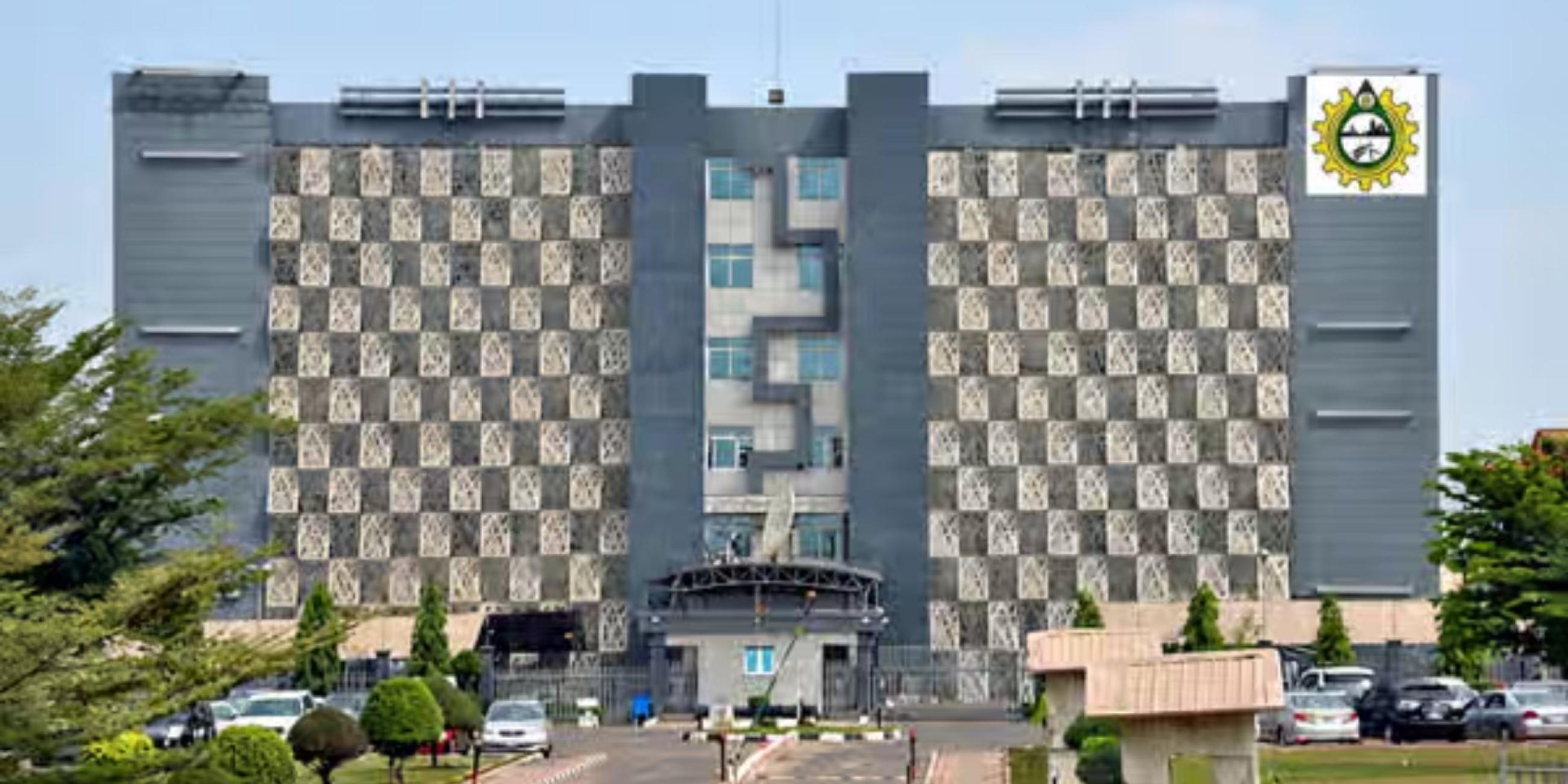
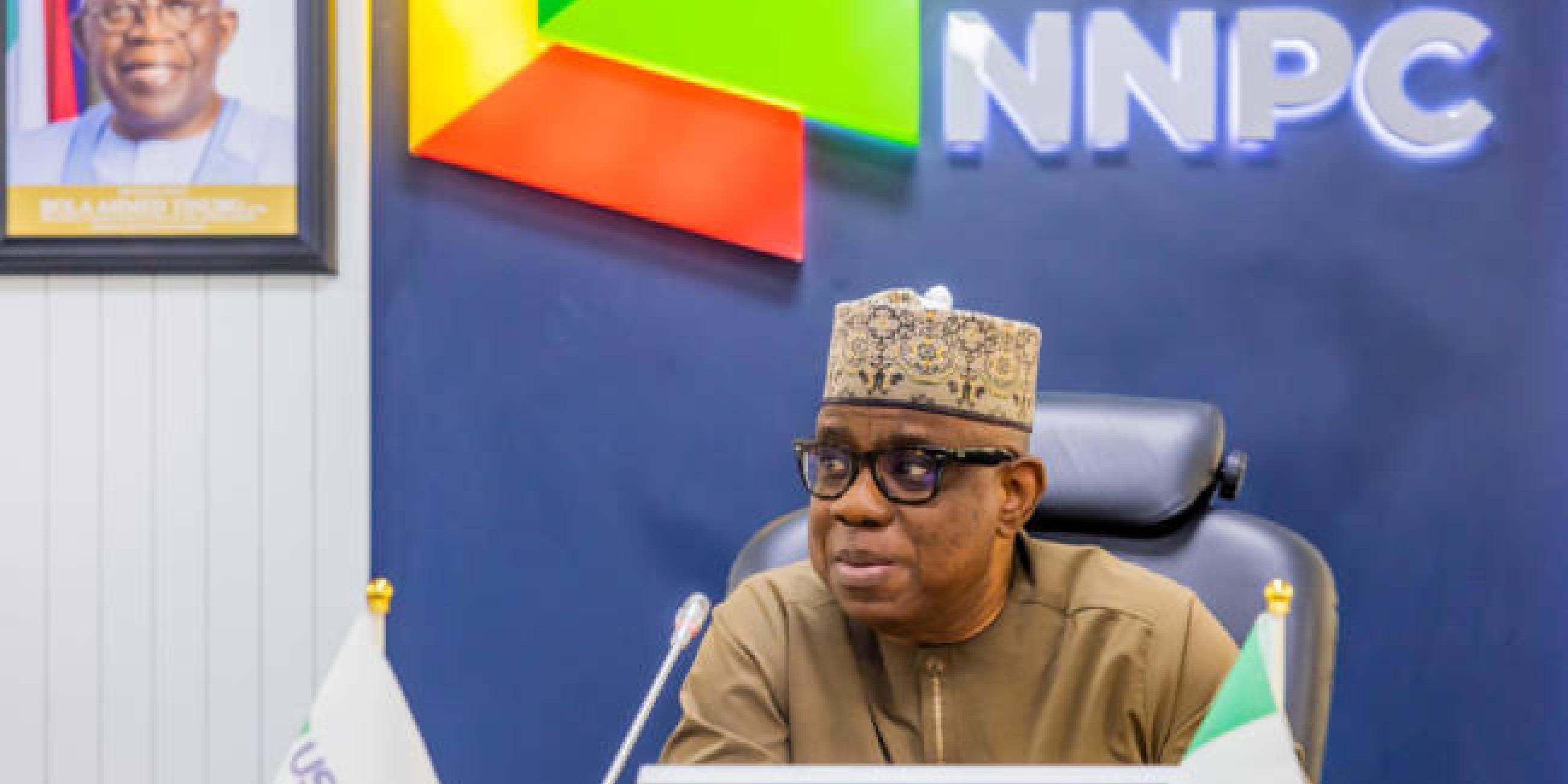
• NNPC Sets New Petrol Prices; Lagos Remains Cheapest State….

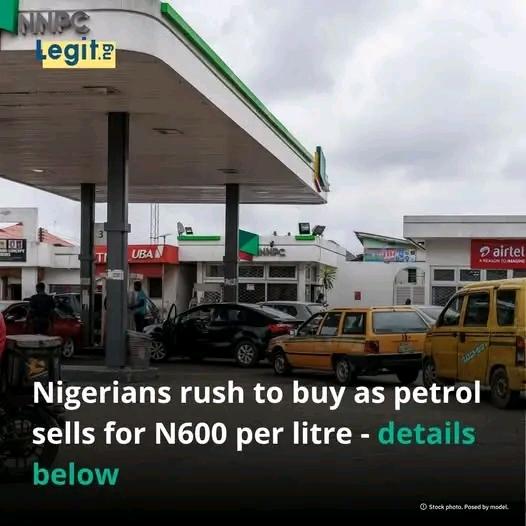
    New petrol prices have been announced, with Nigerian National Petroleum Company (NNPC) filling stations set to sell to the public at government-approved rates. The adjustment follows recent market changes, aiming to regularize pump prices nationwide and ease fuel scarcity concerns. Petrol marketers and consumers are watching closely as retailers comply with the updated tariff. Lagos has been confirmed as the cheapest state to purchase petrol, offering lower pump prices compared to other regions, providing some relief for motorists and commuters.
    #fintternews
    NNPC Sets New Petrol Prices; Lagos Remains Cheapest State…. New petrol prices have been announced, with Nigerian National Petroleum Company (NNPC) filling stations set to sell to the public at government-approved rates. The adjustment follows recent market changes, aiming to regularize pump prices nationwide and ease fuel scarcity concerns. Petrol marketers and consumers are watching closely as retailers comply with the updated tariff. Lagos has been confirmed as the cheapest state to purchase petrol, offering lower pump prices compared to other regions, providing some relief for motorists and commuters. #fintternews
    love
    1
    · 0 Comments ·0 Shares ·478 Views
  • What Will 2026 Really Bring for Nigeria and the World? Azu Ishiekwene Predicts Power Shifts, Economic Strain, AI Disruption, 2027 Politics and Who Wins the World Cup

    Is 2026 a year of quiet recovery—or the beginning of deeper political, economic and global turbulence? And is Nigeria already slipping into the politics of 2027?

    In what he describes as possibly his final annual forecast, journalist and columnist Azu Ishiekwene delivers a sweeping, high-stakes outlook on Nigeria and the world, blending political prediction, economic analysis, technology trends and global power shifts. Known for earlier forecasts that accurately anticipated election outcomes and cabinet shake-ups, Ishiekwene argues that 2026 will be a year where politics collides head-on with harsh economic realities, leaving citizens caught between daily hardship and recycled political promises.

    He warns that Nigeria’s economy will remain under pressure, with tensions growing between tight monetary policy and rising demands for fiscal expansion in a pre-election year. Could divisions inside the Ministry of Finance undermine investor confidence? And will petrol prices remain stable around ₦850 per litre, as he suggests, only if oil output rises and NNPC escapes its heavy crude obligations?

    While cheaper fuel from the Dangote Refinery may offer temporary consumer relief, Ishiekwene predicts continued instability in electricity supply, pointing to a fragile transmission system that still requires massive investment. He also foresees President Bola Tinubu possibly unveiling private-sector-led reforms in power transmission involving major business players.

    But is Nigeria already entering the politics of 2027 in 2026?

    Ishiekwene argues that although early elections are unlikely, political realignments are accelerating. With multiple opposition governors defecting to the ruling APC, claims of a creeping one-party state are growing. Yet, he suggests the reality is more complex: a weakened opposition plagued by internal fractures, financial constraints and a lack of coherent alternatives.

    Turning to the emerging African Democratic Congress (ADC) coalition—uniting figures such as Atiku Abubakar, Peter Obi, Nasir El-Rufai, Rotimi Amaechi and Rabiu Kwankwaso—he raises a critical question: is ADC truly built to win in 2027, or merely to survive until 2031? He predicts Atiku will clinch the party’s ticket over Obi, with Obi likely offered the vice-presidential slot—potentially triggering backlash among “Obidients.” With limited grassroots reach and the enormous financial demands of a presidential campaign, Ishiekwene concludes that ADC may struggle to pose a serious challenge to the ruling party in the next election cycle.

    Beyond Nigeria, he paints 2026 as a year shaped by geopolitical rivalry, especially between Donald Trump’s America and Xi Jinping’s China, and by growing global unease over U.S. trade policies, immigration enforcement and economic nationalism. Could gold and non-dollar assets accelerate as the world quietly prepares for a less dollar-centric future?

    He also highlights the rapid evolution of artificial intelligence, warning that 2026 will mark a shift from basic generative AI to agentic, autonomous systems capable of independent action. As AI blurs the line between reality and fabrication, he predicts rising confusion, misinformation, and ethical challenges—ushering in what he calls the “Year of the Humanoid.”

    Even football is not spared his forecasting. With the 2026 FIFA World Cup approaching, Ishiekwene tips Spain to win, citing tactical depth and cohesion, while acknowledging Morocco as Africa’s strongest hope.

    Ultimately, the essay asks uncomfortable but urgent questions:
    Is Nigeria drifting toward political dominance by one party?
    Will economic reforms truly ease citizens’ burdens—or merely reshuffle the pressure?
    Can a fractured opposition reorganise in time?
    And in a world increasingly shaped by AI and geopolitical rivalry, where does Nigeria truly stand?

    For Ishiekwene, 2026 is not just another year—it is a crossroads where technology, politics, power and survival intersect, setting the tone for Nigeria’s future well beyond the next election.


    What Will 2026 Really Bring for Nigeria and the World? Azu Ishiekwene Predicts Power Shifts, Economic Strain, AI Disruption, 2027 Politics and Who Wins the World Cup Is 2026 a year of quiet recovery—or the beginning of deeper political, economic and global turbulence? And is Nigeria already slipping into the politics of 2027? In what he describes as possibly his final annual forecast, journalist and columnist Azu Ishiekwene delivers a sweeping, high-stakes outlook on Nigeria and the world, blending political prediction, economic analysis, technology trends and global power shifts. Known for earlier forecasts that accurately anticipated election outcomes and cabinet shake-ups, Ishiekwene argues that 2026 will be a year where politics collides head-on with harsh economic realities, leaving citizens caught between daily hardship and recycled political promises. He warns that Nigeria’s economy will remain under pressure, with tensions growing between tight monetary policy and rising demands for fiscal expansion in a pre-election year. Could divisions inside the Ministry of Finance undermine investor confidence? And will petrol prices remain stable around ₦850 per litre, as he suggests, only if oil output rises and NNPC escapes its heavy crude obligations? While cheaper fuel from the Dangote Refinery may offer temporary consumer relief, Ishiekwene predicts continued instability in electricity supply, pointing to a fragile transmission system that still requires massive investment. He also foresees President Bola Tinubu possibly unveiling private-sector-led reforms in power transmission involving major business players. But is Nigeria already entering the politics of 2027 in 2026? Ishiekwene argues that although early elections are unlikely, political realignments are accelerating. With multiple opposition governors defecting to the ruling APC, claims of a creeping one-party state are growing. Yet, he suggests the reality is more complex: a weakened opposition plagued by internal fractures, financial constraints and a lack of coherent alternatives. Turning to the emerging African Democratic Congress (ADC) coalition—uniting figures such as Atiku Abubakar, Peter Obi, Nasir El-Rufai, Rotimi Amaechi and Rabiu Kwankwaso—he raises a critical question: is ADC truly built to win in 2027, or merely to survive until 2031? He predicts Atiku will clinch the party’s ticket over Obi, with Obi likely offered the vice-presidential slot—potentially triggering backlash among “Obidients.” With limited grassroots reach and the enormous financial demands of a presidential campaign, Ishiekwene concludes that ADC may struggle to pose a serious challenge to the ruling party in the next election cycle. Beyond Nigeria, he paints 2026 as a year shaped by geopolitical rivalry, especially between Donald Trump’s America and Xi Jinping’s China, and by growing global unease over U.S. trade policies, immigration enforcement and economic nationalism. Could gold and non-dollar assets accelerate as the world quietly prepares for a less dollar-centric future? He also highlights the rapid evolution of artificial intelligence, warning that 2026 will mark a shift from basic generative AI to agentic, autonomous systems capable of independent action. As AI blurs the line between reality and fabrication, he predicts rising confusion, misinformation, and ethical challenges—ushering in what he calls the “Year of the Humanoid.” Even football is not spared his forecasting. With the 2026 FIFA World Cup approaching, Ishiekwene tips Spain to win, citing tactical depth and cohesion, while acknowledging Morocco as Africa’s strongest hope. Ultimately, the essay asks uncomfortable but urgent questions: Is Nigeria drifting toward political dominance by one party? Will economic reforms truly ease citizens’ burdens—or merely reshuffle the pressure? Can a fractured opposition reorganise in time? And in a world increasingly shaped by AI and geopolitical rivalry, where does Nigeria truly stand? For Ishiekwene, 2026 is not just another year—it is a crossroads where technology, politics, power and survival intersect, setting the tone for Nigeria’s future well beyond the next election.
    0 Comments ·0 Shares ·1K Views
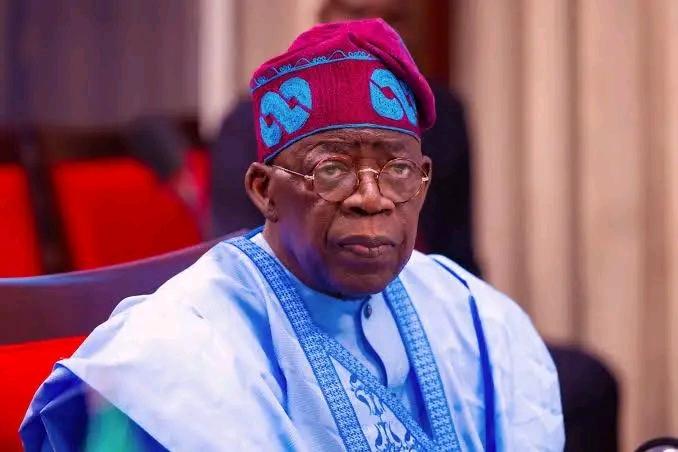
  • PRESIDENT TINUBU NOMINATES BOARD MEMBERS FOR NMDPRA, NUPRC, SEEKS SENATE CONFIRMATION

    President Bola Ahmed Tinubu has written two letters to the Senate, seeking confirmation of 21 nominees for the boards of the Nigerian Midstream and Downstream Petroleum Regulatory Authority (NMDPRA) and the Nigerian Upstream Petroleum Regulatory Commission (NUPRC).

    A statement by Bayo Onanuga, special Adviser to the President, Information & Strategy, indicates that in the first letter, President Tinubu nominated Senator Magnus Abe to serve as the NUPRC board chair. Abe, who represented Rivers South East in the Senate for two terms, is a former NNPC board member and current chairman of the National Agency of the Great Green Wall.

    Other nominees for the NUPRC board are Engineer Paul Yaro Jezhi, a former Trade Union Congress chairman in Kaduna, and Mr Sunday Adebayo Babalola, a former deputy director of the Department of Petroleum Resources (DPR), which was abolished by the PIA in 2021. Both men will serve as non-executive commissioners.

    President Tinubu also nominated executive commissioners to the board.

    They are: Muhammed Sabo Lamido, executive commissioner for finance; Mr Edu Inyang, executive commissioner for Exploration and Acreage; Justin Ezeala, executive commissioner for economic regulation and strategic planning; and Henry Darlington Oki, executive commissioner for Development and Production. Others are Indabawa Bashari Alka, executive commissioner for corporate services and administration; Mahmood Tijani, executive commissioner for health, safety and environment; and Ms Olayemi Adeboyejo, as secretary and legal adviser.

    Former President Buhari appointed Lamido and Adeboyejo in 2022, while President Tinubu appointed Alka in 2023. Inyang, Ezeala, the former managing director of Nigerian Gas Marketing Limited, Mahmood Tijani, Babalola and Jezhi are new appointees of President Tinubu.

    In his second letter to the Senate, President Tinubu nominated Mr Adegbite Ebiowei Adeniji, a lawyer, as chairman of the NMDPRA board. Adeniji has over 30 years of experience in energy and natural resources issues. He was a special technical adviser to the Minister of State for Petroleum on upstream and gas until 2018. He was a member of the Oil & Gas Policy team at the World Bank, which advised the Government of Nigeria on the reform and restructuring of the petroleum sector, including the development of the Strategic Gas Plan for Nigeria. He is currently the managing partner at ENR Advisory.

    President Tinubu also nominated Chief Kenneth Kobani and Mrs Asabe Ahmed as non-executive members. Kobani was a former minister of state for trade under President Jonathan and secretary to the government of Rivers State, under Nyesom Wike.

    Also nominated for confirmation are Abiodun Adeniji, executive director of finance; Francis Ogaree, executive director of hydrocarbon; Oluwole Adama, executive director of midstream and Downstream gas infrastructure; and Dr Mustapha Lamorde, executive director of Corporate Services and Administration. President Tinubu appointed Adama in 2024, while late President Buhari appointed Lamorde and Adeniji in 2021 and Ogaree in 2022

    Other members of the NMDPRA board, as proposed by President Tinubu, are Mr Yahaya Nasamu Yinusa, executive director, distribution systems; Adeyemi Murtala Aminu, executive director, corporate services; Ms Modie Ogechukwu, executive director, economic regulation and strategic planning; and Barrister Olawale Dawodu, as board secretary and legal adviser. Dawodu is an industry player and was, at a time, the Financial Reporting Manager at Exxon Nigerian subsidiaries.

    The President urged the Senate to approve the nominees expeditiously.

    The requests followed the recent appointment of chief executive officers for the two regulatory agencies. The Senate confirmed Oritsemeyiwa Eyesan as the chief executive officer (CEO) of the Nigerian Upstream Petroleum Regulatory Commission (NUPRC) and Engineer Saidu Aliyu Mohammed as CEO of NMDPRA.

    Mr President has charged all the appointees and nominees to discharge their duties and responsibilities professionally as regulators of the oil and gas sectors.
    PRESIDENT TINUBU NOMINATES BOARD MEMBERS FOR NMDPRA, NUPRC, SEEKS SENATE CONFIRMATION President Bola Ahmed Tinubu has written two letters to the Senate, seeking confirmation of 21 nominees for the boards of the Nigerian Midstream and Downstream Petroleum Regulatory Authority (NMDPRA) and the Nigerian Upstream Petroleum Regulatory Commission (NUPRC). A statement by Bayo Onanuga, special Adviser to the President, Information & Strategy, indicates that in the first letter, President Tinubu nominated Senator Magnus Abe to serve as the NUPRC board chair. Abe, who represented Rivers South East in the Senate for two terms, is a former NNPC board member and current chairman of the National Agency of the Great Green Wall. Other nominees for the NUPRC board are Engineer Paul Yaro Jezhi, a former Trade Union Congress chairman in Kaduna, and Mr Sunday Adebayo Babalola, a former deputy director of the Department of Petroleum Resources (DPR), which was abolished by the PIA in 2021. Both men will serve as non-executive commissioners. President Tinubu also nominated executive commissioners to the board. They are: Muhammed Sabo Lamido, executive commissioner for finance; Mr Edu Inyang, executive commissioner for Exploration and Acreage; Justin Ezeala, executive commissioner for economic regulation and strategic planning; and Henry Darlington Oki, executive commissioner for Development and Production. Others are Indabawa Bashari Alka, executive commissioner for corporate services and administration; Mahmood Tijani, executive commissioner for health, safety and environment; and Ms Olayemi Adeboyejo, as secretary and legal adviser. Former President Buhari appointed Lamido and Adeboyejo in 2022, while President Tinubu appointed Alka in 2023. Inyang, Ezeala, the former managing director of Nigerian Gas Marketing Limited, Mahmood Tijani, Babalola and Jezhi are new appointees of President Tinubu. In his second letter to the Senate, President Tinubu nominated Mr Adegbite Ebiowei Adeniji, a lawyer, as chairman of the NMDPRA board. Adeniji has over 30 years of experience in energy and natural resources issues. He was a special technical adviser to the Minister of State for Petroleum on upstream and gas until 2018. He was a member of the Oil & Gas Policy team at the World Bank, which advised the Government of Nigeria on the reform and restructuring of the petroleum sector, including the development of the Strategic Gas Plan for Nigeria. He is currently the managing partner at ENR Advisory. President Tinubu also nominated Chief Kenneth Kobani and Mrs Asabe Ahmed as non-executive members. Kobani was a former minister of state for trade under President Jonathan and secretary to the government of Rivers State, under Nyesom Wike. Also nominated for confirmation are Abiodun Adeniji, executive director of finance; Francis Ogaree, executive director of hydrocarbon; Oluwole Adama, executive director of midstream and Downstream gas infrastructure; and Dr Mustapha Lamorde, executive director of Corporate Services and Administration. President Tinubu appointed Adama in 2024, while late President Buhari appointed Lamorde and Adeniji in 2021 and Ogaree in 2022 Other members of the NMDPRA board, as proposed by President Tinubu, are Mr Yahaya Nasamu Yinusa, executive director, distribution systems; Adeyemi Murtala Aminu, executive director, corporate services; Ms Modie Ogechukwu, executive director, economic regulation and strategic planning; and Barrister Olawale Dawodu, as board secretary and legal adviser. Dawodu is an industry player and was, at a time, the Financial Reporting Manager at Exxon Nigerian subsidiaries. The President urged the Senate to approve the nominees expeditiously. The requests followed the recent appointment of chief executive officers for the two regulatory agencies. The Senate confirmed Oritsemeyiwa Eyesan as the chief executive officer (CEO) of the Nigerian Upstream Petroleum Regulatory Commission (NUPRC) and Engineer Saidu Aliyu Mohammed as CEO of NMDPRA. Mr President has charged all the appointees and nominees to discharge their duties and responsibilities professionally as regulators of the oil and gas sectors.
    0 Comments ·0 Shares ·606 Views
  • Court Orders NNPC to Disclose Details of $3B Afreximbank Crude-for-Cash Loan to HEDA

    The Federal High Court in Abuja has directed the Nigerian National Petroleum Company Limited (NNPC Ltd.) to provide HEDA Resource Centre with full details of the $3 billion “crude-for-cash” loan obtained from the African Export-Import Bank (Afreximbank). Justice Emeka Nwite ruled that the requested information is “simple and harmless” and cannot be withheld under the Freedom of Information Act.

    The court order requires NNPC to disclose the loan’s anticipated benefits for both the company and the Nigerian economy, the economic implications, oil grades involved, the exchange rate applied, and the quality of the oil used as collateral. HEDA chairman Olanrewaju Suraju hailed the ruling as a major victory for transparency and accountability, calling on stakeholders to support public access to information and the fight against corruption in the oil sector.

    #NNPC #HEDA #Afreximbank #Transparency #OilAndGas #NigeriaEconomy #FreedomOfInformation #AntiCorruption #NigeriaNews
    Court Orders NNPC to Disclose Details of $3B Afreximbank Crude-for-Cash Loan to HEDA The Federal High Court in Abuja has directed the Nigerian National Petroleum Company Limited (NNPC Ltd.) to provide HEDA Resource Centre with full details of the $3 billion “crude-for-cash” loan obtained from the African Export-Import Bank (Afreximbank). Justice Emeka Nwite ruled that the requested information is “simple and harmless” and cannot be withheld under the Freedom of Information Act. The court order requires NNPC to disclose the loan’s anticipated benefits for both the company and the Nigerian economy, the economic implications, oil grades involved, the exchange rate applied, and the quality of the oil used as collateral. HEDA chairman Olanrewaju Suraju hailed the ruling as a major victory for transparency and accountability, calling on stakeholders to support public access to information and the fight against corruption in the oil sector. #NNPC #HEDA #Afreximbank #Transparency #OilAndGas #NigeriaEconomy #FreedomOfInformation #AntiCorruption #NigeriaNews
    0 Comments ·0 Shares ·482 Views
  • ADC Coalition Criticizes Tinubu Over NNPC Legacy Debt Cancellation, Calls Move Unconstitutional and Harmful to States

    The African Democratic Congress (ADC) has strongly condemned President Bola Tinubu’s approval to cancel legacy debts owed by the Nigerian National Petroleum Company Limited (NNPC Ltd) to the Federation Account. The party described the move as unconstitutional, arguing that it undermines subnational governments by erasing longstanding public liabilities without legislative approval.

    According to ADC, the cancellation involved about $1.42 billion and N5.57 trillion in legacy NNPC debts, including obligations from production sharing contracts, domestic supply obligations, and royalty receivables. The coalition warned that the executive directive overrode constitutional provisions that require all Federation revenues to be paid into the account for distribution among federal, state, and local governments.

    ADC accused the President of repeated constitutional violations and expressed concern over apparent inaction by the National Assembly. The party emphasized that any unilateral cancellation reducing revenues due to states and local governments is unconstitutional, asserting that Nigeria must operate as “a nation of laws, not of men.”
    ADC Coalition Criticizes Tinubu Over NNPC Legacy Debt Cancellation, Calls Move Unconstitutional and Harmful to States The African Democratic Congress (ADC) has strongly condemned President Bola Tinubu’s approval to cancel legacy debts owed by the Nigerian National Petroleum Company Limited (NNPC Ltd) to the Federation Account. The party described the move as unconstitutional, arguing that it undermines subnational governments by erasing longstanding public liabilities without legislative approval. According to ADC, the cancellation involved about $1.42 billion and N5.57 trillion in legacy NNPC debts, including obligations from production sharing contracts, domestic supply obligations, and royalty receivables. The coalition warned that the executive directive overrode constitutional provisions that require all Federation revenues to be paid into the account for distribution among federal, state, and local governments. ADC accused the President of repeated constitutional violations and expressed concern over apparent inaction by the National Assembly. The party emphasized that any unilateral cancellation reducing revenues due to states and local governments is unconstitutional, asserting that Nigeria must operate as “a nation of laws, not of men.”
    0 Comments ·0 Shares ·527 Views
  • Adeyanju Slams Tinubu Over Implementation of Controversial Tax Reform Act, Calls It an Insult to Nigerians and Violation of Rule of Law

    Human rights activist and lawyer, Deji Adeyanju, has strongly criticised President Bola Ahmed Tinubu for proceeding with the implementation of the controversial Tax Reform Act from January 1, 2026, describing the move as an insult to Nigerians and a serious breach of democratic principles. Adeyanju said the President’s decision to enforce the law despite unresolved controversies, including allegations of forgery and violations of constitutional procedures, demonstrates a blatant disregard for due process and the rule of law.

    According to Adeyanju, the unresolved legal and procedural questions surrounding the Act render its enforcement illegitimate and potentially dangerous, warning that it could further erode public trust in government institutions. He argued that no law burdened with such serious allegations should be implemented without transparent investigations and constitutional clarification.

    The activist also raised concerns over reports that President Tinubu may have unilaterally written off debts owed by the Nigerian National Petroleum Company Limited (NNPCL), questioning the constitutional authority for such a decision. He stressed that matters involving taxation and public finance must follow due process and receive proper legislative approval.

    Adeyanju warned that bypassing constitutional safeguards could set a dangerous precedent for governance in Nigeria and called on the National Assembly and the judiciary to intervene to protect democracy. He urged the Federal Government to suspend the implementation of the Tax Reform Act until all allegations surrounding its passage are thoroughly investigated and resolved in line with constitutional provisions.
    Adeyanju Slams Tinubu Over Implementation of Controversial Tax Reform Act, Calls It an Insult to Nigerians and Violation of Rule of Law Human rights activist and lawyer, Deji Adeyanju, has strongly criticised President Bola Ahmed Tinubu for proceeding with the implementation of the controversial Tax Reform Act from January 1, 2026, describing the move as an insult to Nigerians and a serious breach of democratic principles. Adeyanju said the President’s decision to enforce the law despite unresolved controversies, including allegations of forgery and violations of constitutional procedures, demonstrates a blatant disregard for due process and the rule of law. According to Adeyanju, the unresolved legal and procedural questions surrounding the Act render its enforcement illegitimate and potentially dangerous, warning that it could further erode public trust in government institutions. He argued that no law burdened with such serious allegations should be implemented without transparent investigations and constitutional clarification. The activist also raised concerns over reports that President Tinubu may have unilaterally written off debts owed by the Nigerian National Petroleum Company Limited (NNPCL), questioning the constitutional authority for such a decision. He stressed that matters involving taxation and public finance must follow due process and receive proper legislative approval. Adeyanju warned that bypassing constitutional safeguards could set a dangerous precedent for governance in Nigeria and called on the National Assembly and the judiciary to intervene to protect democracy. He urged the Federal Government to suspend the implementation of the Tax Reform Act until all allegations surrounding its passage are thoroughly investigated and resolved in line with constitutional provisions.
    0 Comments ·0 Shares ·536 Views
  • Tinubu Government Writes Off NNPC’s ₦5.5 Trillion and $1.4 Billion Pre-2025 Debts After FAAC Reconciliation

    President Bola Tinubu has approved the clearance of long-standing debts owed by the Nigerian National Petroleum Company Limited (NNPC Ltd) to the Federation Account, wiping off about ₦5.5 trillion and $1.4 billion accumulated up to December 31, 2024. The decision followed a reconciliation exercise conducted by the Nigerian Upstream Petroleum Regulatory Commission (NUPRC) and presented at the November 2025 Federation Account Allocation Committee (FAAC) meeting. According to the report, most of the disputed royalty and lifting-related obligations were removed from government records based on recommendations by a Stakeholder Alignment Committee. However, statutory liabilities incurred after January 2025 were excluded from the approval and remain subject to recovery and FAAC scrutiny, drawing a clear line between legacy debts and new obligations.
    Tinubu Government Writes Off NNPC’s ₦5.5 Trillion and $1.4 Billion Pre-2025 Debts After FAAC Reconciliation President Bola Tinubu has approved the clearance of long-standing debts owed by the Nigerian National Petroleum Company Limited (NNPC Ltd) to the Federation Account, wiping off about ₦5.5 trillion and $1.4 billion accumulated up to December 31, 2024. The decision followed a reconciliation exercise conducted by the Nigerian Upstream Petroleum Regulatory Commission (NUPRC) and presented at the November 2025 Federation Account Allocation Committee (FAAC) meeting. According to the report, most of the disputed royalty and lifting-related obligations were removed from government records based on recommendations by a Stakeholder Alignment Committee. However, statutory liabilities incurred after January 2025 were excluded from the approval and remain subject to recovery and FAAC scrutiny, drawing a clear line between legacy debts and new obligations.
    0 Comments ·0 Shares ·428 Views
  • Integrity Shock as ICPC Scores NNPC Zero, Ranks National Oil Company Bottom Despite Fresh Profits and Reform Claims

    Nigeria’s anti-corruption watchdog, the Independent Corrupt Practices and Other Related Offences Commission (ICPC), has rated the Nigerian National Petroleum Company Limited (NNPCL) zero in its 2025 Ethics and Integrity Compliance Scorecard, placing it last among 357 federal ministries, departments and agencies assessed nationwide. The report found that NNPCL failed across all four integrity pillars—management culture, financial management, administrative systems, and anti-corruption mechanisms—classifying the national oil company as a high-risk institution. The outcome has intensified concerns over governance, transparency and accountability in Nigeria’s oil and gas sector, especially given NNPCL’s recent claims of improved profitability.
    The ICPC report also revealed mixed results across petroleum regulators, with the Nigerian Upstream Petroleum Regulatory Commission (NUPRC) emerging as the top-performing agency, while the Nigerian Midstream and Downstream Petroleum Regulatory Commission (NMDPRA) recorded weak compliance. Overall, only about 14% of federal agencies achieved substantial compliance, prompting the ICPC to signal tougher enforcement actions against persistently non-compliant institutions. Analysts warn that NNPCL’s zero score poses reputational risks and could undermine public trust and investor confidence unless urgent governance reforms are implemented.
    Integrity Shock as ICPC Scores NNPC Zero, Ranks National Oil Company Bottom Despite Fresh Profits and Reform Claims Nigeria’s anti-corruption watchdog, the Independent Corrupt Practices and Other Related Offences Commission (ICPC), has rated the Nigerian National Petroleum Company Limited (NNPCL) zero in its 2025 Ethics and Integrity Compliance Scorecard, placing it last among 357 federal ministries, departments and agencies assessed nationwide. The report found that NNPCL failed across all four integrity pillars—management culture, financial management, administrative systems, and anti-corruption mechanisms—classifying the national oil company as a high-risk institution. The outcome has intensified concerns over governance, transparency and accountability in Nigeria’s oil and gas sector, especially given NNPCL’s recent claims of improved profitability. The ICPC report also revealed mixed results across petroleum regulators, with the Nigerian Upstream Petroleum Regulatory Commission (NUPRC) emerging as the top-performing agency, while the Nigerian Midstream and Downstream Petroleum Regulatory Commission (NMDPRA) recorded weak compliance. Overall, only about 14% of federal agencies achieved substantial compliance, prompting the ICPC to signal tougher enforcement actions against persistently non-compliant institutions. Analysts warn that NNPCL’s zero score poses reputational risks and could undermine public trust and investor confidence unless urgent governance reforms are implemented.
    0 Comments ·0 Shares ·366 Views
  • NNPC Reports N5.4 Trillion Profit as Directors’ Pay Hits N4.096 Billion, Administrative Costs Surge

    The Nigerian National Petroleum Company Limited (NNPCL) revealed that directors’ fees rose to N4.096 billion in 2024, a 58% increase from 2023, amid a record N5.4 trillion profit. Executive pay slightly dipped to N1.365 billion, while employee welfare expenses rose to N749.7 billion, contributing to zero voluntary resignations. Administrative and operational costs surged to N3.58 trillion, driven by consultancy, software, security, travel, and training expenditures. The report highlights scrutiny over governance costs despite NNPCL’s reforms and massive profits, as the company continues its transition under the Petroleum Industry Act.
    NNPC Reports N5.4 Trillion Profit as Directors’ Pay Hits N4.096 Billion, Administrative Costs Surge The Nigerian National Petroleum Company Limited (NNPCL) revealed that directors’ fees rose to N4.096 billion in 2024, a 58% increase from 2023, amid a record N5.4 trillion profit. Executive pay slightly dipped to N1.365 billion, while employee welfare expenses rose to N749.7 billion, contributing to zero voluntary resignations. Administrative and operational costs surged to N3.58 trillion, driven by consultancy, software, security, travel, and training expenditures. The report highlights scrutiny over governance costs despite NNPCL’s reforms and massive profits, as the company continues its transition under the Petroleum Industry Act.
    0 Comments ·0 Shares ·309 Views
  • EXCLUSIVE: NMDPRA CEO Saidu Aliyu Mohammed Linked to Kaduna Refinery Collapse

    Saidu Aliyu Mohammed, recently confirmed as CEO of the Nigeria Midstream and Downstream Petroleum Regulatory Authority (NMDPRA), has been linked to the collapse of the Kaduna Refinery, sources say. The Senate confirmed his appointment following screenings by the Joint Committees on Petroleum. Mohammed previously served as Managing Director of Kaduna Refining and Petrochemical Company and chaired boards of major NNPC subsidiaries. Industry insiders allege mismanagement under his leadership contributed to the refinery’s prolonged shutdown. Meanwhile, Oritsemeyiwa Amanorisewo Eyesan was confirmed as CEO of the Nigeria Upstream Petroleum Regulatory Commission (NUPRC). The appointments follow the resignations of Farouk Ahmed and Gbenga Komalafe, amid corruption allegations, notably by billionaire Aliko Dangote against Ahmed. Dangote’s claims included diversion of public funds and extravagant personal spending. Observers note the new regulators’ appointment is welcomed by Dangote, potentially increasing his influence over Nigeria’s petroleum sector.
    EXCLUSIVE: NMDPRA CEO Saidu Aliyu Mohammed Linked to Kaduna Refinery Collapse Saidu Aliyu Mohammed, recently confirmed as CEO of the Nigeria Midstream and Downstream Petroleum Regulatory Authority (NMDPRA), has been linked to the collapse of the Kaduna Refinery, sources say. The Senate confirmed his appointment following screenings by the Joint Committees on Petroleum. Mohammed previously served as Managing Director of Kaduna Refining and Petrochemical Company and chaired boards of major NNPC subsidiaries. Industry insiders allege mismanagement under his leadership contributed to the refinery’s prolonged shutdown. Meanwhile, Oritsemeyiwa Amanorisewo Eyesan was confirmed as CEO of the Nigeria Upstream Petroleum Regulatory Commission (NUPRC). The appointments follow the resignations of Farouk Ahmed and Gbenga Komalafe, amid corruption allegations, notably by billionaire Aliko Dangote against Ahmed. Dangote’s claims included diversion of public funds and extravagant personal spending. Observers note the new regulators’ appointment is welcomed by Dangote, potentially increasing his influence over Nigeria’s petroleum sector.
    0 Comments ·0 Shares ·364 Views
  • NNPCL Cuts Petrol Pump Price to ₦835 Per Litre Nationwide as Dangote Refinery Price War Intensifies

    The Nigerian National Petroleum Company Limited (NNPCL) has reduced the pump price of petrol to about ₦835 per litre across major cities, down from ₦915. NNPCL outlets in Lagos now sell between ₦838 and ₦840 per litre, while Abuja stations are pegged at ₦835. The price drop follows aggressive fuel price cuts by the Dangote Refinery and other private marketers, reflecting increased domestic refining capacity and lower ex-depot costs. Analysts say the move offers temporary relief to consumers but warn prices remain vulnerable to global oil prices, exchange rates, and refinery output levels.
    NNPCL Cuts Petrol Pump Price to ₦835 Per Litre Nationwide as Dangote Refinery Price War Intensifies The Nigerian National Petroleum Company Limited (NNPCL) has reduced the pump price of petrol to about ₦835 per litre across major cities, down from ₦915. NNPCL outlets in Lagos now sell between ₦838 and ₦840 per litre, while Abuja stations are pegged at ₦835. The price drop follows aggressive fuel price cuts by the Dangote Refinery and other private marketers, reflecting increased domestic refining capacity and lower ex-depot costs. Analysts say the move offers temporary relief to consumers but warn prices remain vulnerable to global oil prices, exchange rates, and refinery output levels.
    0 Comments ·0 Shares ·395 Views
  • Falana Demands Arrest And Prosecution Of 400 Alleged Terrorism Financiers, Recovery Of ₦210 Trillion Diverted By NNPC As Nigerians Protest Insecurity

    Human rights lawyer and SAN, Femi Falana, has called on the Federal Government to immediately arrest and prosecute over 400 individuals accused of financing terrorism, allegedly detained since 2021 without trial. Speaking during a nationwide protest led by the Nigeria Labour Congress, Falana condemned worsening insecurity, poverty, and government failure to uphold constitutional responsibilities. He also demanded the recovery of ₦210 trillion reportedly diverted by the Nigerian National Petroleum Company Limited, insisting the funds be returned to the Federation Account to address security, welfare, and economic challenges facing Nigerians.
    Falana Demands Arrest And Prosecution Of 400 Alleged Terrorism Financiers, Recovery Of ₦210 Trillion Diverted By NNPC As Nigerians Protest Insecurity Human rights lawyer and SAN, Femi Falana, has called on the Federal Government to immediately arrest and prosecute over 400 individuals accused of financing terrorism, allegedly detained since 2021 without trial. Speaking during a nationwide protest led by the Nigeria Labour Congress, Falana condemned worsening insecurity, poverty, and government failure to uphold constitutional responsibilities. He also demanded the recovery of ₦210 trillion reportedly diverted by the Nigerian National Petroleum Company Limited, insisting the funds be returned to the Federation Account to address security, welfare, and economic challenges facing Nigerians.
    0 Comments ·0 Shares ·548 Views
  • Escravos–Lagos Pipeline Explosion Contained, Host Communities and Environment Safe — NNPC Limited Assures Nigerians

    The Nigerian National Petroleum Company Limited (NNPC Ltd.) has announced that the explosion on the Escravos–Lagos Pipeline System (ELPS) in Warri, Delta State, has been successfully contained, with no threat to host communities, personnel, or the environment. In a statement signed by its Chief Corporate Communications Officer, Andy Odeh, the company said coordinated containment measures were immediately implemented after the incident was reported on December 11, 2025.

    NNPC Ltd. disclosed that all affected sections of the pipeline were safely isolated and that a joint preliminary inspection was carried out by teams from NNPC, the Nigeria Midstream & Downstream Petroleum Regulatory Authority (NMDPRA), and maintenance contractors. The pipeline operator, NNPC Gas Infrastructure Company (NGIC), has activated its Business Continuity Plan to manage impacts on shippers and suppliers while investigations continue to determine the exact cause of the explosion. The company reiterated its commitment to safety, environmental protection, and reliable operations across its assets.
    Escravos–Lagos Pipeline Explosion Contained, Host Communities and Environment Safe — NNPC Limited Assures Nigerians The Nigerian National Petroleum Company Limited (NNPC Ltd.) has announced that the explosion on the Escravos–Lagos Pipeline System (ELPS) in Warri, Delta State, has been successfully contained, with no threat to host communities, personnel, or the environment. In a statement signed by its Chief Corporate Communications Officer, Andy Odeh, the company said coordinated containment measures were immediately implemented after the incident was reported on December 11, 2025. NNPC Ltd. disclosed that all affected sections of the pipeline were safely isolated and that a joint preliminary inspection was carried out by teams from NNPC, the Nigeria Midstream & Downstream Petroleum Regulatory Authority (NMDPRA), and maintenance contractors. The pipeline operator, NNPC Gas Infrastructure Company (NGIC), has activated its Business Continuity Plan to manage impacts on shippers and suppliers while investigations continue to determine the exact cause of the explosion. The company reiterated its commitment to safety, environmental protection, and reliable operations across its assets.
    0 Comments ·0 Shares ·281 Views
  • Seven Years On, NNPCL Fails to Pay Scholarship Promised to 2018 Science Quiz Winner Tony Okeke

    Seven years after winning the Nigerian National Petroleum Corporation’s 2018 National Science Quiz Competition, Tony Okeke has yet to receive the ₦100,000 grant and ₦300,000 annual scholarship publicly promised by the corporation. Despite fulfilling all documentation requirements and repeated follow-ups, the NNPCL has neither paid the award nor offered an explanation, raising concerns over accountability and the credibility of its flagship CSR initiative. Okeke has since graduated with top honours in biomedical engineering fields in the United States.


    #NNPCL
    #EducationScholarship
    #Accountability
    Seven Years On, NNPCL Fails to Pay Scholarship Promised to 2018 Science Quiz Winner Tony Okeke Seven years after winning the Nigerian National Petroleum Corporation’s 2018 National Science Quiz Competition, Tony Okeke has yet to receive the ₦100,000 grant and ₦300,000 annual scholarship publicly promised by the corporation. Despite fulfilling all documentation requirements and repeated follow-ups, the NNPCL has neither paid the award nor offered an explanation, raising concerns over accountability and the credibility of its flagship CSR initiative. Okeke has since graduated with top honours in biomedical engineering fields in the United States. #NNPCL #EducationScholarship #Accountability
    0 Comments ·0 Shares ·552 Views
  • Explosion Rocks Escravos–Lagos Gas Pipeline in Delta, NNPC Launches Investigation

    The Nigerian National Petroleum Company Limited (NNPC) confirmed an explosion on the Escravos–Lagos Pipeline on December 10, 2025, near Tebijor, Okpele, and Ikpopo communities in Gbaramatu Kingdom, Delta State. Preliminary checks indicate a pressure drop consistent with a loss of containment on the gas line. NNPC stated that the cause of the explosion is still unknown and is under investigation. Emergency response protocols have been activated, with a focus on safeguarding nearby communities and protecting the environment. NNPC assured the public of its commitment to safety and environmental standards and promised to release verified updates as investigations progress.


    #NNPC

    #PipelineExplosion

    #DeltaState
    Explosion Rocks Escravos–Lagos Gas Pipeline in Delta, NNPC Launches Investigation The Nigerian National Petroleum Company Limited (NNPC) confirmed an explosion on the Escravos–Lagos Pipeline on December 10, 2025, near Tebijor, Okpele, and Ikpopo communities in Gbaramatu Kingdom, Delta State. Preliminary checks indicate a pressure drop consistent with a loss of containment on the gas line. NNPC stated that the cause of the explosion is still unknown and is under investigation. Emergency response protocols have been activated, with a focus on safeguarding nearby communities and protecting the environment. NNPC assured the public of its commitment to safety and environmental standards and promised to release verified updates as investigations progress. #NNPC #PipelineExplosion #DeltaState
    0 Comments ·0 Shares ·350 Views
  • BREAKING NEWS: The Nigerian Upstream Petroleum Regulatory Commission (NUPRC) has debunked claims that it is withholding the Frontier Exploration Fund (FEF) from the Nigerian National Petroleum Company Ltd. (NNPCL).

    This was contained in a statement signed by the commission’s Head of Media and Strategic Communication, Eniola Akinkuotu
    BREAKING NEWS: The Nigerian Upstream Petroleum Regulatory Commission (NUPRC) has debunked claims that it is withholding the Frontier Exploration Fund (FEF) from the Nigerian National Petroleum Company Ltd. (NNPCL). This was contained in a statement signed by the commission’s Head of Media and Strategic Communication, Eniola Akinkuotu
    0 Comments ·0 Shares ·345 Views
  • Dangote Vows to Keep Petrol Prices Low After Meeting Tinubu, Intensifies Pressure on Importers

    Aliko Dangote has assured Nigerians that petrol from the Dangote Refinery will continue to sell at “reasonable” and competitive prices, a move expected to heighten pressure on fuel importers. Speaking after a meeting with President Bola Tinubu, Dangote said the refinery aims to stabilise domestic supply despite global volatility and persistent smuggling driven by price gaps with neighbouring countries. He emphasized that the $20bn refinery is a long-term investment, not one focused on quick profit recovery.

    The refinery, which began supplying diesel and jet fuel in early 2024 and petrol in September, is driving down pump prices nationwide, with NNPC recently reducing rates at its stations. Dangote highlighted that his engagement with Tinubu focused on energy security and economic stability, noting that collaboration between government and private operators is crucial as Nigeria adjusts to post-subsidy pricing realities.
    Dangote Vows to Keep Petrol Prices Low After Meeting Tinubu, Intensifies Pressure on Importers Aliko Dangote has assured Nigerians that petrol from the Dangote Refinery will continue to sell at “reasonable” and competitive prices, a move expected to heighten pressure on fuel importers. Speaking after a meeting with President Bola Tinubu, Dangote said the refinery aims to stabilise domestic supply despite global volatility and persistent smuggling driven by price gaps with neighbouring countries. He emphasized that the $20bn refinery is a long-term investment, not one focused on quick profit recovery. The refinery, which began supplying diesel and jet fuel in early 2024 and petrol in September, is driving down pump prices nationwide, with NNPC recently reducing rates at its stations. Dangote highlighted that his engagement with Tinubu focused on energy security and economic stability, noting that collaboration between government and private operators is crucial as Nigeria adjusts to post-subsidy pricing realities.
    0 Comments ·0 Shares ·382 Views
  • Reps Committee Summons NNPCL GCEO Bayo Ojulari Over 2021 Audit Queries, Demands Documents by Dec 15

    The House of Representatives Public Accounts Committee has ordered NNPCL’s Group CEO, Bayo Ojulari, to appear before lawmakers on December 15, 2025, over unresolved audit queries from the Auditor-General’s 2021 report. PAC Chairman Bamidele Salam condemned NNPCL’s repeated failure to provide documents or honour earlier invitations, describing the conduct as disrespectful to the National Assembly.
    Ojulari’s absence—explained as a result of a “critical engagement” at the Presidential Villa—angered committee members. The lawmakers warned that no agency, including NNPCL, is exempt from oversight, as the audit queries involve abandoned projects, irregular payments, tax violations, and unaccounted funds. The committee insists on full compliance to strengthen accountability across MDAs.


    #NNPCL

    #AuditQueries

    #HouseOfReps
    Reps Committee Summons NNPCL GCEO Bayo Ojulari Over 2021 Audit Queries, Demands Documents by Dec 15 The House of Representatives Public Accounts Committee has ordered NNPCL’s Group CEO, Bayo Ojulari, to appear before lawmakers on December 15, 2025, over unresolved audit queries from the Auditor-General’s 2021 report. PAC Chairman Bamidele Salam condemned NNPCL’s repeated failure to provide documents or honour earlier invitations, describing the conduct as disrespectful to the National Assembly. Ojulari’s absence—explained as a result of a “critical engagement” at the Presidential Villa—angered committee members. The lawmakers warned that no agency, including NNPCL, is exempt from oversight, as the audit queries involve abandoned projects, irregular payments, tax violations, and unaccounted funds. The committee insists on full compliance to strengthen accountability across MDAs. #NNPCL #AuditQueries #HouseOfReps
    0 Comments ·0 Shares ·557 Views
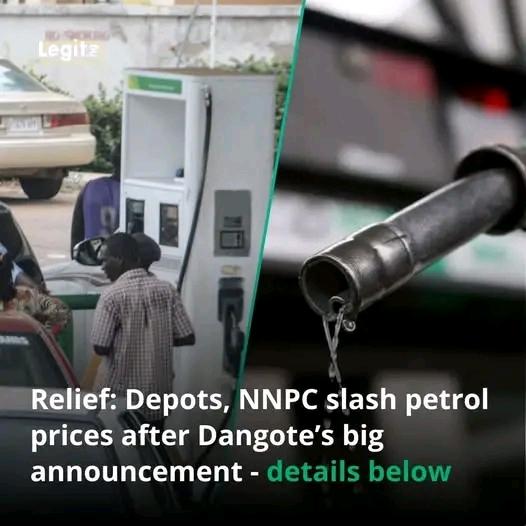
  • Dangote Surge Forces Petrol Prices Down as Depots, NNPC Slash Rates Nationwide

    Nigerians are beginning to feel relief as private depots and NNPC retail stations slash petrol prices following a major increase in supply triggered by the Dangote Refinery. After Dangote announced it is now producing 50 million litres of petrol daily, depot owners across Lagos, Port Harcourt, Warri and Calabar reduced ex-depot prices to stay competitive, with rates now ranging between ₦835 and ₦853 per litre depending on location.
    NNPC stations also cut pump prices to ₦905 in Lagos and ₦930 in Abuja, with major marketers like MRS and Ardova selling below ₦900. With strong supply from Dangote and incoming oil cargoes, more price reductions may follow. Diesel prices are also falling, driven by increased supply and lower demand.
    Dangote Surge Forces Petrol Prices Down as Depots, NNPC Slash Rates Nationwide Nigerians are beginning to feel relief as private depots and NNPC retail stations slash petrol prices following a major increase in supply triggered by the Dangote Refinery. After Dangote announced it is now producing 50 million litres of petrol daily, depot owners across Lagos, Port Harcourt, Warri and Calabar reduced ex-depot prices to stay competitive, with rates now ranging between ₦835 and ₦853 per litre depending on location. NNPC stations also cut pump prices to ₦905 in Lagos and ₦930 in Abuja, with major marketers like MRS and Ardova selling below ₦900. With strong supply from Dangote and incoming oil cargoes, more price reductions may follow. Diesel prices are also falling, driven by increased supply and lower demand.
    0 Comments ·0 Shares ·493 Views
  • Atiku Slams Tinubu Over ₦17.5trn Pipeline Security Spending in One Year


    Former Vice President Atiku Abubakar has strongly criticized the Bola Tinubu administration over revelations that the Nigerian National Petroleum Company Limited (NNPCL) spent ₦17.5 trillion within 12 months on fuel pipeline security.

    Atiku described the revelation as “one of the most brazen financial scandals in our nation’s history,” questioning how such an enormous amount could be justified for a single line item. The opposition leader is calling for full transparency and an independent investigation into the expenditure.
    #AtikuAbubakar #TinubuAdministration #NNPC
    Atiku Slams Tinubu Over ₦17.5trn Pipeline Security Spending in One Year Former Vice President Atiku Abubakar has strongly criticized the Bola Tinubu administration over revelations that the Nigerian National Petroleum Company Limited (NNPCL) spent ₦17.5 trillion within 12 months on fuel pipeline security. Atiku described the revelation as “one of the most brazen financial scandals in our nation’s history,” questioning how such an enormous amount could be justified for a single line item. The opposition leader is calling for full transparency and an independent investigation into the expenditure. #AtikuAbubakar #TinubuAdministration #NNPC
    0 Comments ·0 Shares ·624 Views
More Results
Fintter https://fintter.com