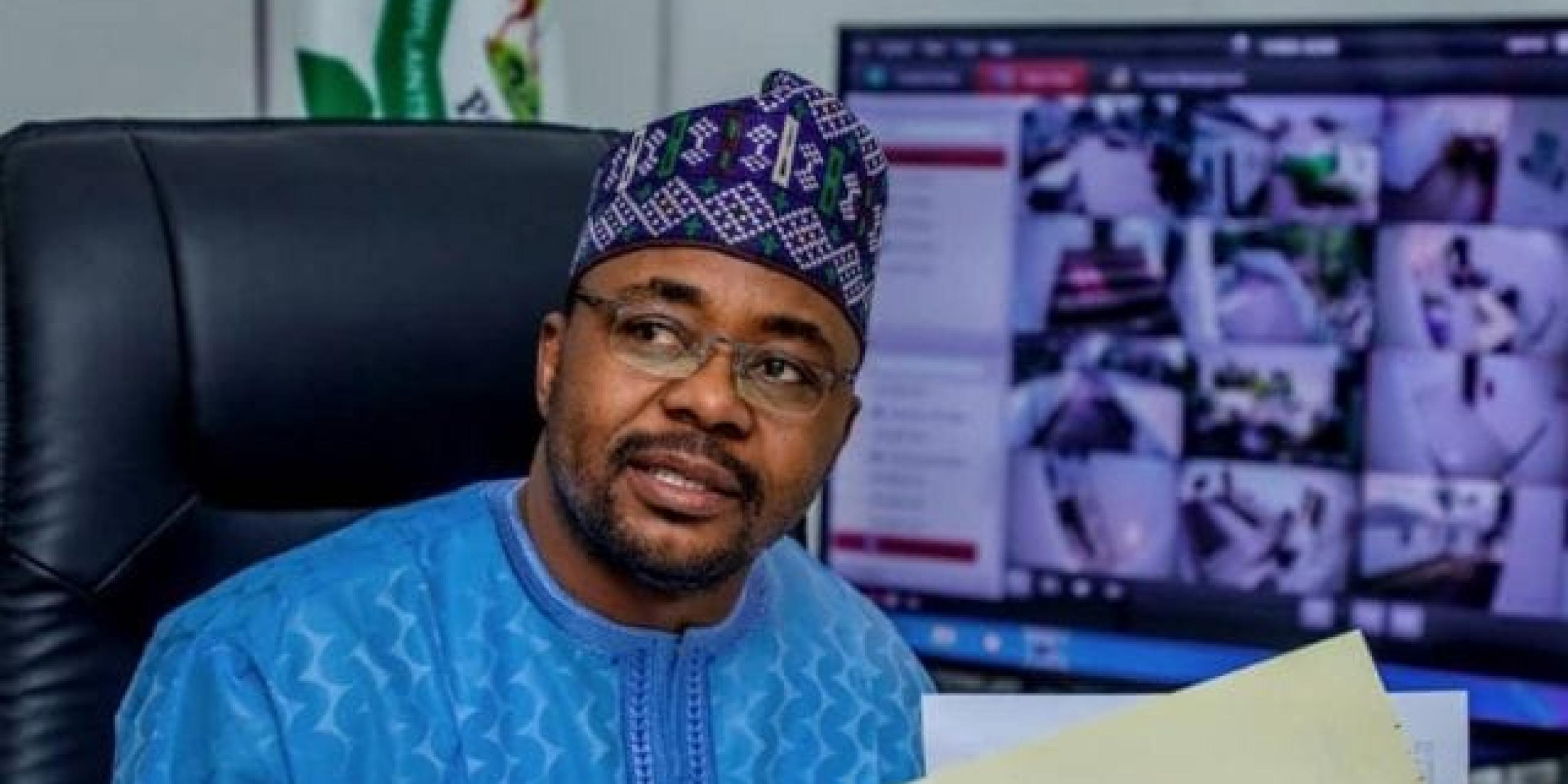
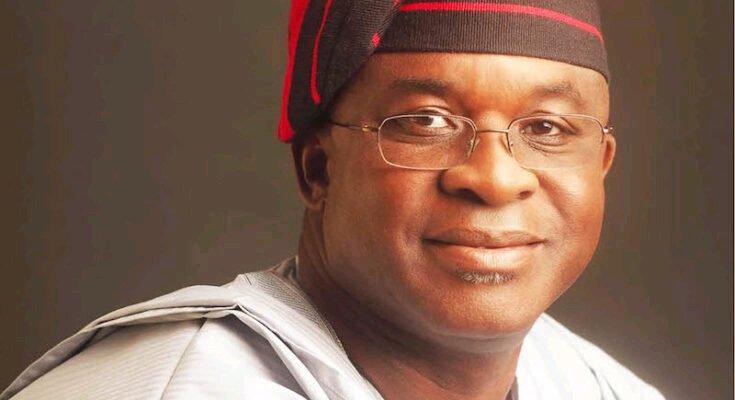
• Ondo State Judiciary Paralyzed: Governor Aiyedatiwa Accused of Budget Cuts, Half-Autonomy, and Welfare Neglect Amid Ongoing Court Strike

    The Ondo State judiciary has come to a near-total halt as Governor Lucky Aiyedatiwa faces accusations of deliberately strangling the courts through severe budget cuts, partial financial autonomy, and neglect of judicial welfare. The state’s judiciary budget was slashed from ₦17 billion in 2025 to ₦9.5 billion in 2026, nearly a 45% reduction, prompting concerns over staff salaries, court operations, and infrastructure decay.

    Judicial workers allege that the governor granted only 80% autonomy limited to recurrent expenditure, leaving capital projects unfunded. Courtrooms reportedly leak during rainfall, forcing the suspension of hearings, while magistrates and officers rely on commercial motorcycles (okada) or shared rides with litigants due to lack of official vehicles.

    Despite repeated appeals, ₦400 million previously approved for judicial needs remains unpaid, worsening the crisis. The situation has triggered an indefinite strike by magistrates, legal officers, and members of the Judiciary Staff Union of Nigeria (JUSUN), physically locking judges out of court premises in Akure.

    Observers warn that the prolonged paralysis undermines judicial independence, public confidence in the justice system, and rule of law in Ondo State. Legal analysts describe the governor’s approach as a systematic humiliation and underfunding of the judiciary, drawing parallels with similar crises in other Nigerian states.

    With courts shut, staff unions united, and the public left without access to justice, pressure is mounting on Governor Aiyedatiwa to restore full financial autonomy, fund infrastructure projects, and address welfare challenges to prevent further erosion of democratic governance in the state.


    Ondo State Judiciary Paralyzed: Governor Aiyedatiwa Accused of Budget Cuts, Half-Autonomy, and Welfare Neglect Amid Ongoing Court Strike The Ondo State judiciary has come to a near-total halt as Governor Lucky Aiyedatiwa faces accusations of deliberately strangling the courts through severe budget cuts, partial financial autonomy, and neglect of judicial welfare. The state’s judiciary budget was slashed from ₦17 billion in 2025 to ₦9.5 billion in 2026, nearly a 45% reduction, prompting concerns over staff salaries, court operations, and infrastructure decay. Judicial workers allege that the governor granted only 80% autonomy limited to recurrent expenditure, leaving capital projects unfunded. Courtrooms reportedly leak during rainfall, forcing the suspension of hearings, while magistrates and officers rely on commercial motorcycles (okada) or shared rides with litigants due to lack of official vehicles. Despite repeated appeals, ₦400 million previously approved for judicial needs remains unpaid, worsening the crisis. The situation has triggered an indefinite strike by magistrates, legal officers, and members of the Judiciary Staff Union of Nigeria (JUSUN), physically locking judges out of court premises in Akure. Observers warn that the prolonged paralysis undermines judicial independence, public confidence in the justice system, and rule of law in Ondo State. Legal analysts describe the governor’s approach as a systematic humiliation and underfunding of the judiciary, drawing parallels with similar crises in other Nigerian states. With courts shut, staff unions united, and the public left without access to justice, pressure is mounting on Governor Aiyedatiwa to restore full financial autonomy, fund infrastructure projects, and address welfare challenges to prevent further erosion of democratic governance in the state.
    like
    1
    · 0 التعليقات ·0 المشاركات ·2كيلو بايت مشاهدة
  • Is Ondo’s Governor Above the Law? Outrage as Commissioner Decorates Gov Aiyedatiwa at Public Event Despite Court Order for Her Arrest

    Is the rule of law being deliberately undermined in Ondo State, and why was a commissioner facing a court-ordered arrest allowed to appear publicly with the governor?

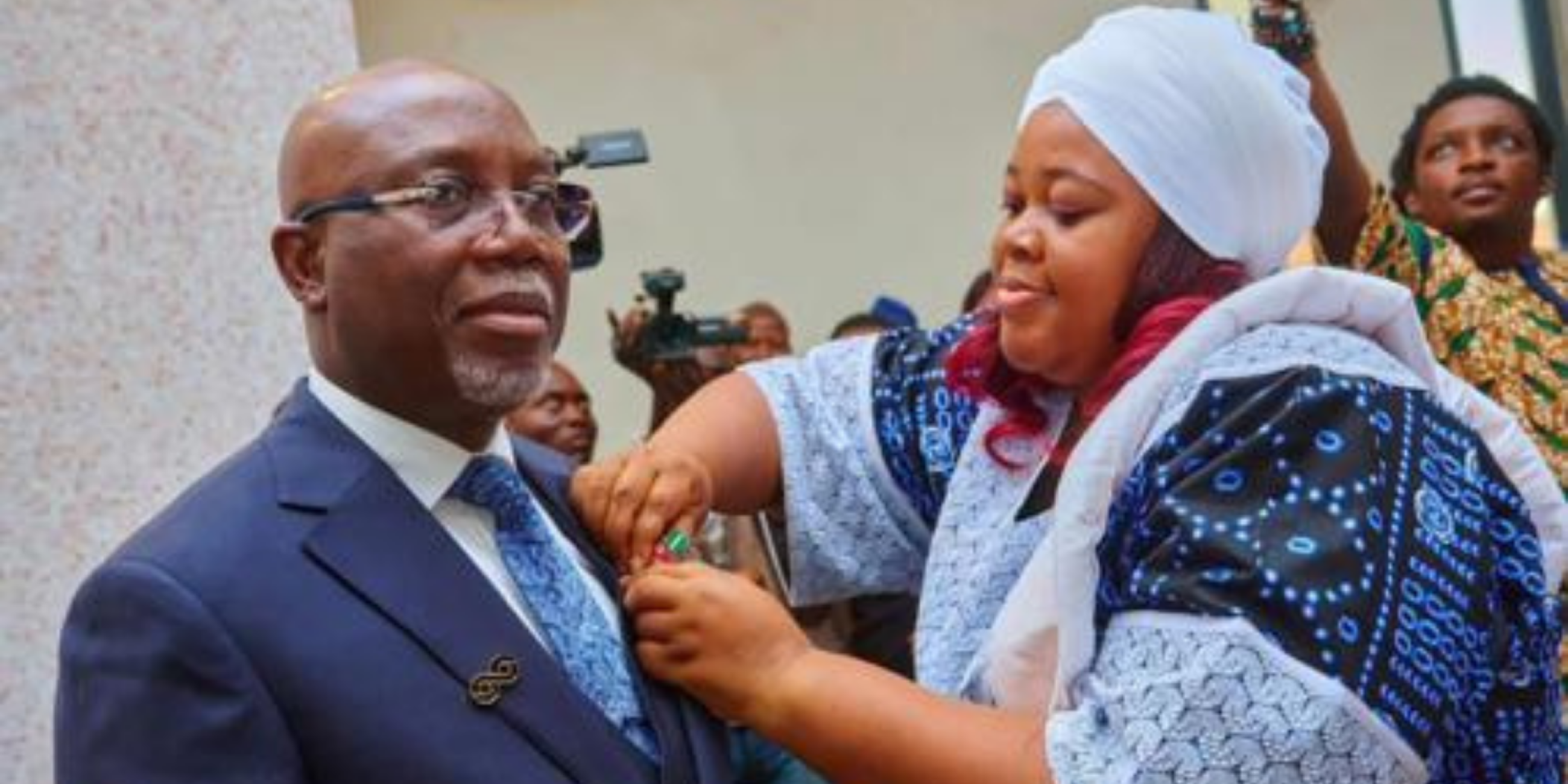
    Governor Lucky Aiyedatiwa has come under intense public criticism after his Commissioner for Women Affairs, Mrs Seun Osamaye, was seen participating in an official state event and decorating him with the 2026 National Armed Forces Remembrance Emblem, despite a subsisting court order directing her arrest and remand.

    The controversy stems from a ruling delivered on December 31, 2025, by a Magistrate Court in Ondo State, which ordered the arrest and imprisonment of Mrs Osamaye over allegations of assault, intimidation, and threats against a serving Chief Magistrate, Mrs Temitope Alphonso. According to court records, the commissioner was accused of verbally and physically confronting the magistrate during an official visit to the Ministry of Women Affairs following a judgment that was reportedly unfavourable to her.

    Public outrage erupted after photographs of the commissioner at Wednesday’s event circulated on social media. Legal commentators noted that no court order had vacated or overturned the ruling, and that the magistrates’ indefinite strike in Ondo State made it impossible for any judicial review to have lawfully taken place. “The order remains valid and enforceable,” one observer said, describing the public appearance as “a slap on the judiciary.”

    Critics questioned how a public official facing a lawful arrest order could be allowed to take part in a high-profile state function—especially one honouring the governor, who is constitutionally bound to uphold the law. “How can a governor permit an appointee who ought to be in custody to decorate him in public?” one source asked, calling the episode “a show of shame” and evidence of “disrespect and disregard for the rule of law.”

    Court documents allege that Mrs Osamaye verbally abused and threatened Magistrate Alphonso, reportedly telling her to “shut up,” referring to her as “a mere magistrate,” and boasting that even the Chief Judge of Ondo State could not challenge her authority. The affidavit further claims she issued threats suggesting the magistrate could be made to “go missing,” actions described as intimidation and abuse of political influence.

    Mrs Osamaye failed to appear in court on the hearing date. Her counsel submitted a medical report claiming she was receiving treatment, but the presiding magistrate, Mr Damilola Sekoni, rejected the document for lacking essential details. He subsequently ordered her arrest and remand, citing what he described as a clear disregard for the authority of the court, and adjourned the matter to January 12.

    The Nigerian Bar Association (NBA), Akure Branch, has since called on Governor Aiyedatiwa to suspend the commissioner to allow her face prosecution without interference. The NBA warned that the alleged conduct, if proven, constitutes a direct attack on judicial independence and a dangerous erosion of public confidence in the justice system.

    The episode has raised urgent questions:
    Did the Ondo State Government knowingly disregard a valid court order?
    What message does this send about accountability and equality before the law?
    And can public trust in the judiciary survive when court directives appear openly defied?

    As legal bodies demand action and citizens express outrage, the controversy has become a critical test of rule of law, separation of powers, and democratic accountability in Ondo State.


    Is Ondo’s Governor Above the Law? Outrage as Commissioner Decorates Gov Aiyedatiwa at Public Event Despite Court Order for Her Arrest Is the rule of law being deliberately undermined in Ondo State, and why was a commissioner facing a court-ordered arrest allowed to appear publicly with the governor? Governor Lucky Aiyedatiwa has come under intense public criticism after his Commissioner for Women Affairs, Mrs Seun Osamaye, was seen participating in an official state event and decorating him with the 2026 National Armed Forces Remembrance Emblem, despite a subsisting court order directing her arrest and remand. The controversy stems from a ruling delivered on December 31, 2025, by a Magistrate Court in Ondo State, which ordered the arrest and imprisonment of Mrs Osamaye over allegations of assault, intimidation, and threats against a serving Chief Magistrate, Mrs Temitope Alphonso. According to court records, the commissioner was accused of verbally and physically confronting the magistrate during an official visit to the Ministry of Women Affairs following a judgment that was reportedly unfavourable to her. Public outrage erupted after photographs of the commissioner at Wednesday’s event circulated on social media. Legal commentators noted that no court order had vacated or overturned the ruling, and that the magistrates’ indefinite strike in Ondo State made it impossible for any judicial review to have lawfully taken place. “The order remains valid and enforceable,” one observer said, describing the public appearance as “a slap on the judiciary.” Critics questioned how a public official facing a lawful arrest order could be allowed to take part in a high-profile state function—especially one honouring the governor, who is constitutionally bound to uphold the law. “How can a governor permit an appointee who ought to be in custody to decorate him in public?” one source asked, calling the episode “a show of shame” and evidence of “disrespect and disregard for the rule of law.” Court documents allege that Mrs Osamaye verbally abused and threatened Magistrate Alphonso, reportedly telling her to “shut up,” referring to her as “a mere magistrate,” and boasting that even the Chief Judge of Ondo State could not challenge her authority. The affidavit further claims she issued threats suggesting the magistrate could be made to “go missing,” actions described as intimidation and abuse of political influence. Mrs Osamaye failed to appear in court on the hearing date. Her counsel submitted a medical report claiming she was receiving treatment, but the presiding magistrate, Mr Damilola Sekoni, rejected the document for lacking essential details. He subsequently ordered her arrest and remand, citing what he described as a clear disregard for the authority of the court, and adjourned the matter to January 12. The Nigerian Bar Association (NBA), Akure Branch, has since called on Governor Aiyedatiwa to suspend the commissioner to allow her face prosecution without interference. The NBA warned that the alleged conduct, if proven, constitutes a direct attack on judicial independence and a dangerous erosion of public confidence in the justice system. The episode has raised urgent questions: Did the Ondo State Government knowingly disregard a valid court order? What message does this send about accountability and equality before the law? And can public trust in the judiciary survive when court directives appear openly defied? As legal bodies demand action and citizens express outrage, the controversy has become a critical test of rule of law, separation of powers, and democratic accountability in Ondo State.
    0 التعليقات ·0 المشاركات ·2كيلو بايت مشاهدة
  • Did Wike Admit Using the Judiciary for APC’s Political Battles? Why the FCT Minister Says He Helped Kill Osun’s LG Funds Case—and What It Means for Democracy in Nigeria

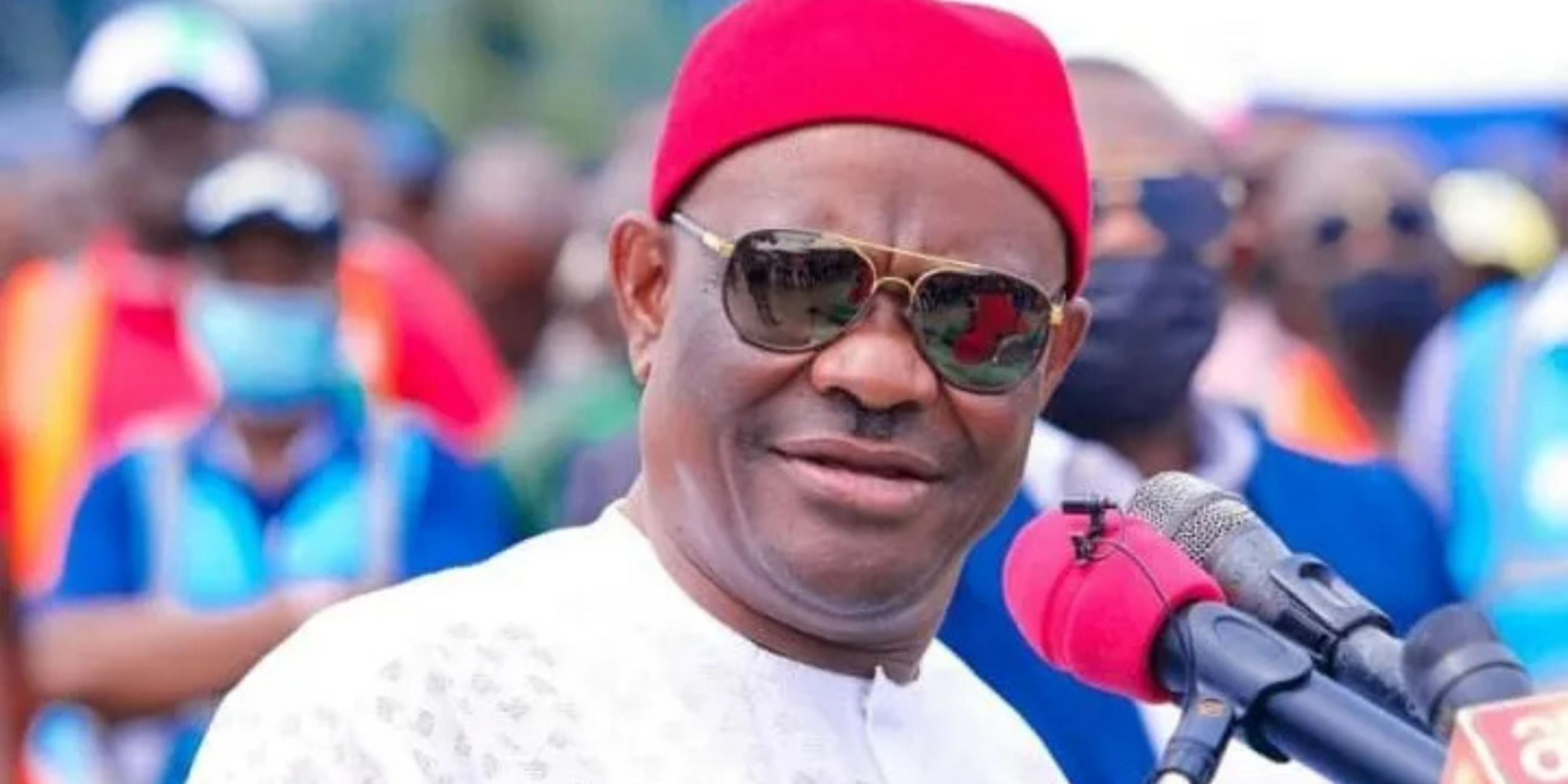
    Nigeria’s political space was thrown into controversy after Minister of the Federal Capital Territory (FCT), Nyesom Wike, openly claimed that he helped influential figures within the ruling All Progressives Congress (APC) use the judiciary to frustrate the Osun State local government funds lawsuit. Speaking in a video circulating online, Wike boasted that the court actions that led to the withholding of Osun’s local government allocations were not accidental but carefully engineered by powerful political actors working behind the scenes.

    Addressing a crowd in Port Harcourt, the former Rivers State governor accused APC National Secretary, Senator Ajibola Basiru, of enjoying the political benefits of judicial decisions against the Osun State Government without acknowledging those who made them possible. According to Wike, the lawsuit—widely viewed as targeting Governor Ademola Adeleke’s administration—was part of a broader political strategy rather than a purely legal process.

    Wike warned APC leaders against what he described as ingratitude, insisting that their current advantage in Osun was the result of unseen political manoeuvres. “Today, you are enjoying in Osun. You don’t know those who did the work,” he said, cautioning party leaders not to “take our support for Mr President for granted.” His remarks appeared to be a direct response to Basiru’s criticism of his involvement in Rivers State politics.

    The political clash follows Basiru’s demand that Wike resign as FCT minister, arguing that he is not a member of the APC and therefore has no standing to interfere in the party’s internal affairs. Basiru maintained that his comments were aimed at defending party structure and respecting sitting governors, adding that Wike’s response was inappropriate for a member of the Federal Executive Council.

    The controversy also reopens debate surrounding the Supreme Court’s December 2025 ruling on the Osun local government funds dispute. While the Court faulted the Federal Government for withholding funds, it also ruled that the Osun Attorney General lacked the authority to sue on behalf of the local councils without proper authorisation. A minority judgment, however, criticised the Federal Government’s action as harmful to local governance.

    Wike’s admission has triggered intense reactions across political and civil society circles, raising troubling questions about judicial independence, political influence over court processes, and the weaponisation of legal institutions for partisan gain. If court outcomes can be “worked out” through political connections, critics ask, what does this mean for democracy, federalism, and the rule of law in Nigeria?

    As tensions escalate between Wike and APC leadership, the episode underscores a deeper struggle over power, loyalty, and accountability within Nigeria’s political system—one that could reshape party alliances, governance in Osun and Rivers States, and public trust in the judiciary.


    Did Wike Admit Using the Judiciary for APC’s Political Battles? Why the FCT Minister Says He Helped Kill Osun’s LG Funds Case—and What It Means for Democracy in Nigeria Nigeria’s political space was thrown into controversy after Minister of the Federal Capital Territory (FCT), Nyesom Wike, openly claimed that he helped influential figures within the ruling All Progressives Congress (APC) use the judiciary to frustrate the Osun State local government funds lawsuit. Speaking in a video circulating online, Wike boasted that the court actions that led to the withholding of Osun’s local government allocations were not accidental but carefully engineered by powerful political actors working behind the scenes. Addressing a crowd in Port Harcourt, the former Rivers State governor accused APC National Secretary, Senator Ajibola Basiru, of enjoying the political benefits of judicial decisions against the Osun State Government without acknowledging those who made them possible. According to Wike, the lawsuit—widely viewed as targeting Governor Ademola Adeleke’s administration—was part of a broader political strategy rather than a purely legal process. Wike warned APC leaders against what he described as ingratitude, insisting that their current advantage in Osun was the result of unseen political manoeuvres. “Today, you are enjoying in Osun. You don’t know those who did the work,” he said, cautioning party leaders not to “take our support for Mr President for granted.” His remarks appeared to be a direct response to Basiru’s criticism of his involvement in Rivers State politics. The political clash follows Basiru’s demand that Wike resign as FCT minister, arguing that he is not a member of the APC and therefore has no standing to interfere in the party’s internal affairs. Basiru maintained that his comments were aimed at defending party structure and respecting sitting governors, adding that Wike’s response was inappropriate for a member of the Federal Executive Council. The controversy also reopens debate surrounding the Supreme Court’s December 2025 ruling on the Osun local government funds dispute. While the Court faulted the Federal Government for withholding funds, it also ruled that the Osun Attorney General lacked the authority to sue on behalf of the local councils without proper authorisation. A minority judgment, however, criticised the Federal Government’s action as harmful to local governance. Wike’s admission has triggered intense reactions across political and civil society circles, raising troubling questions about judicial independence, political influence over court processes, and the weaponisation of legal institutions for partisan gain. If court outcomes can be “worked out” through political connections, critics ask, what does this mean for democracy, federalism, and the rule of law in Nigeria? As tensions escalate between Wike and APC leadership, the episode underscores a deeper struggle over power, loyalty, and accountability within Nigeria’s political system—one that could reshape party alliances, governance in Osun and Rivers States, and public trust in the judiciary.
    like
    1
    · 0 التعليقات ·0 المشاركات ·3كيلو بايت مشاهدة
  • Don’t Approach Me To Bend The Law Judge Warns Lawyers In Ex-AGF Malami’s ₦8.7Billion Money Laundering Trial
    January 7, 2026 – Abuja

    Justice Emeka Nwite of the Federal High Court, Maitama, Abuja, issued a stern warning to lawyers and litigants involved in the high-profile trial of former Attorney General of the Federation (AGF) and Minister of Justice, Abubakar Malami, SAN, his wife Hajia Bashir Asabe, and their son, Abubakar Abdulaziz Malami. The case, instituted by the Economic and Financial Crimes Commission (EFCC), concerns alleged money laundering involving over ₦8.7 billion.

    Justice Nwite cautioned that any attempt to approach him for personal favours or undue influence would be resisted. “All judges are not the same. Irrespective of my familiarity with you, when I am dealing with any case, do not approach me. The law cannot be bent as far as this court is concerned,” he said, stressing that proper legal representation, not backdoor contacts, is the legitimate way for lawyers to serve clients. He further warned that attempts to compromise the court’s integrity or tarnish his name would be firmly dealt with, emphasizing, “I warned, I warned, and I warned!”

    The EFCC accused Malami, his wife, and son of conspiring to procure, disguise, conceal, and launder proceeds of unlawful activities, contrary to the Money Laundering (Prevention and Prohibition) Act, 2022. They face a 16-count charge involving conspiracy and multiple forms of money laundering.

    Among the allegations, the EFCC claimed that between July 2022 and June 2025, Malami and his son used Metropolitan Auto Tech Limited to conceal ₦1,014,848,500 lodged in a Sterling Bank account, funds allegedly known to be proceeds of unlawful activities. Another charge alleges that the trio conspired in September 2024 to disguise the origin of ₦1,049,173,926.13 paid through the Union Bank account of Meethaq Hotels Limited, Jabi. The agency also alleged that Malami and his son indirectly controlled ₦1,362,887,872.96 paid into the same company’s Union Bank savings account between November 2022 and October 2025.

    Earlier, Justice Nwite granted the defendants bail of ₦500 million each, with two sureties each. The sureties were required to submit affidavits of means.

    This trial has drawn attention not only because of the substantial sums involved but also due to Malami’s prominent former position as AGF and Minister of Justice, which amplified public scrutiny over corruption and the integrity of Nigeria’s judicial processes. Observers note the judge’s firm admonition reflects ongoing efforts to maintain judicial independence and prevent interference in politically sensitive cases.

    Malami’s legal team is expected to proceed with formal defense submissions while adhering strictly to court procedure. The EFCC, meanwhile, continues its investigation into the flow and management of the alleged laundered funds, signaling a prolonged and closely monitored trial. The outcome is likely to influence public discourse on accountability for top government officials, money laundering enforcement, and the integrity of Nigeria’s anti-graft agencies.
    Don’t Approach Me To Bend The Law Judge Warns Lawyers In Ex-AGF Malami’s ₦8.7Billion Money Laundering Trial January 7, 2026 – Abuja Justice Emeka Nwite of the Federal High Court, Maitama, Abuja, issued a stern warning to lawyers and litigants involved in the high-profile trial of former Attorney General of the Federation (AGF) and Minister of Justice, Abubakar Malami, SAN, his wife Hajia Bashir Asabe, and their son, Abubakar Abdulaziz Malami. The case, instituted by the Economic and Financial Crimes Commission (EFCC), concerns alleged money laundering involving over ₦8.7 billion. Justice Nwite cautioned that any attempt to approach him for personal favours or undue influence would be resisted. “All judges are not the same. Irrespective of my familiarity with you, when I am dealing with any case, do not approach me. The law cannot be bent as far as this court is concerned,” he said, stressing that proper legal representation, not backdoor contacts, is the legitimate way for lawyers to serve clients. He further warned that attempts to compromise the court’s integrity or tarnish his name would be firmly dealt with, emphasizing, “I warned, I warned, and I warned!” The EFCC accused Malami, his wife, and son of conspiring to procure, disguise, conceal, and launder proceeds of unlawful activities, contrary to the Money Laundering (Prevention and Prohibition) Act, 2022. They face a 16-count charge involving conspiracy and multiple forms of money laundering. Among the allegations, the EFCC claimed that between July 2022 and June 2025, Malami and his son used Metropolitan Auto Tech Limited to conceal ₦1,014,848,500 lodged in a Sterling Bank account, funds allegedly known to be proceeds of unlawful activities. Another charge alleges that the trio conspired in September 2024 to disguise the origin of ₦1,049,173,926.13 paid through the Union Bank account of Meethaq Hotels Limited, Jabi. The agency also alleged that Malami and his son indirectly controlled ₦1,362,887,872.96 paid into the same company’s Union Bank savings account between November 2022 and October 2025. Earlier, Justice Nwite granted the defendants bail of ₦500 million each, with two sureties each. The sureties were required to submit affidavits of means. This trial has drawn attention not only because of the substantial sums involved but also due to Malami’s prominent former position as AGF and Minister of Justice, which amplified public scrutiny over corruption and the integrity of Nigeria’s judicial processes. Observers note the judge’s firm admonition reflects ongoing efforts to maintain judicial independence and prevent interference in politically sensitive cases. Malami’s legal team is expected to proceed with formal defense submissions while adhering strictly to court procedure. The EFCC, meanwhile, continues its investigation into the flow and management of the alleged laundered funds, signaling a prolonged and closely monitored trial. The outcome is likely to influence public discourse on accountability for top government officials, money laundering enforcement, and the integrity of Nigeria’s anti-graft agencies.
    0 التعليقات ·0 المشاركات ·1كيلو بايت مشاهدة
  • BREAKING: Judicial Activities Shut Down Across Ondo State As Magistrates, Customary Court Presidents, Legal Officers Begin Indefinite Strike Over Autonomy, Welfare

    Judicial activities across Ondo State have been completely paralysed following the commencement of an indefinite strike by magistrates, presidents of Grade ‘A’ customary courts, and legal research officers. The strike, which took effect on Monday, January 5, 2026, was declared by the Coalition of Magistrates, Presidents of Grade ‘A’ Customary Courts and Legal Research Officers in protest against unresolved issues bordering on judicial autonomy and poor welfare conditions.

    In a notice dated January 2, 2026, the coalition directed all its members to withdraw from official duties indefinitely, warning them against reporting to offices, sitting in court, or issuing, signing, or authorising any judicial orders or documents throughout the duration of the strike. The group insisted that the industrial action would not be suspended until its core demands are fully met, stressing that judicial independence and improved welfare are non-negotiable.

    Videos and photographs obtained on Monday showed court premises across the state locked and deserted, confirming a total shutdown of judicial operations. The strike follows long-standing complaints by judiciary workers over deteriorating court infrastructure, poor working conditions, and inadequate welfare, issues they say have worsened under the administration of Governor Lucky Aiyedatiwa. The action is jointly backed by key judicial associations in the state, signalling a united front that could further deepen the justice sector crisis if the dispute remains unresolved.
    BREAKING: Judicial Activities Shut Down Across Ondo State As Magistrates, Customary Court Presidents, Legal Officers Begin Indefinite Strike Over Autonomy, Welfare Judicial activities across Ondo State have been completely paralysed following the commencement of an indefinite strike by magistrates, presidents of Grade ‘A’ customary courts, and legal research officers. The strike, which took effect on Monday, January 5, 2026, was declared by the Coalition of Magistrates, Presidents of Grade ‘A’ Customary Courts and Legal Research Officers in protest against unresolved issues bordering on judicial autonomy and poor welfare conditions. In a notice dated January 2, 2026, the coalition directed all its members to withdraw from official duties indefinitely, warning them against reporting to offices, sitting in court, or issuing, signing, or authorising any judicial orders or documents throughout the duration of the strike. The group insisted that the industrial action would not be suspended until its core demands are fully met, stressing that judicial independence and improved welfare are non-negotiable. Videos and photographs obtained on Monday showed court premises across the state locked and deserted, confirming a total shutdown of judicial operations. The strike follows long-standing complaints by judiciary workers over deteriorating court infrastructure, poor working conditions, and inadequate welfare, issues they say have worsened under the administration of Governor Lucky Aiyedatiwa. The action is jointly backed by key judicial associations in the state, signalling a united front that could further deepen the justice sector crisis if the dispute remains unresolved.
    like
    1
    · 0 التعليقات ·0 المشاركات ·941 مشاهدة
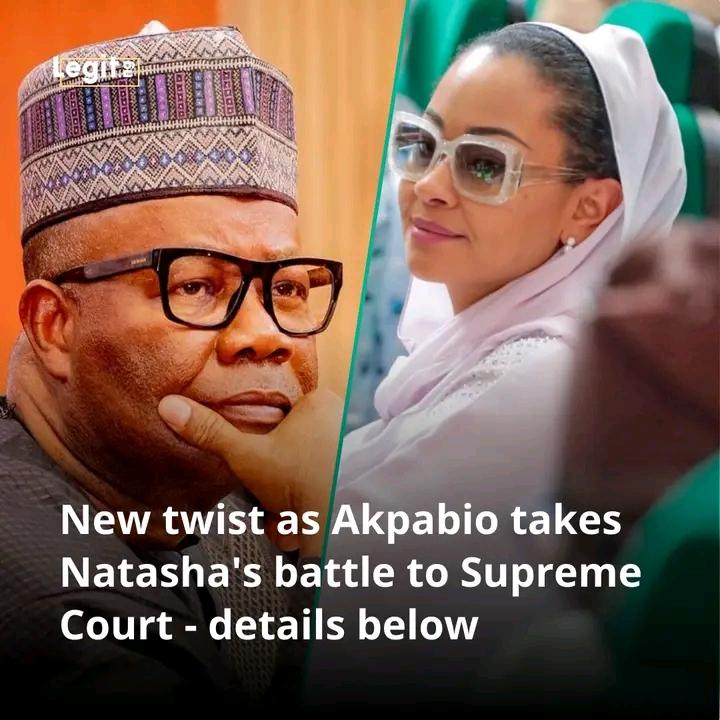
  • New Twist as Senate President Akpabio Takes Natasha Akpoti-Uduaghan Suspension Battle to Supreme Court After Appeal Court Setback

    The legal dispute surrounding the suspension of Senator Natasha Akpoti-Uduaghan has escalated as Senate President Godswill Akpabio approaches the Supreme Court to challenge a ruling by the Abuja Division of the Court of Appeal. The appellate court had struck out the Federal Government’s brief of argument in the case, describing it as fundamentally defective and incompetent due to multiple procedural violations, including non-compliance with mandatory court rules on formatting, page limits, and filing requirements. Akpabio’s legal team insists the decision breached his right to fair hearing and has asked the apex court to nullify the proceedings and allow the refiling of the appeal. The move has intensified public debate, with legal experts and civil society groups questioning the political undertones of the case and warning against perceived attempts to undermine judicial independence, as the long-running rivalry between Akpabio and Akpoti-Uduaghan continues to draw national attention.
    New Twist as Senate President Akpabio Takes Natasha Akpoti-Uduaghan Suspension Battle to Supreme Court After Appeal Court Setback The legal dispute surrounding the suspension of Senator Natasha Akpoti-Uduaghan has escalated as Senate President Godswill Akpabio approaches the Supreme Court to challenge a ruling by the Abuja Division of the Court of Appeal. The appellate court had struck out the Federal Government’s brief of argument in the case, describing it as fundamentally defective and incompetent due to multiple procedural violations, including non-compliance with mandatory court rules on formatting, page limits, and filing requirements. Akpabio’s legal team insists the decision breached his right to fair hearing and has asked the apex court to nullify the proceedings and allow the refiling of the appeal. The move has intensified public debate, with legal experts and civil society groups questioning the political undertones of the case and warning against perceived attempts to undermine judicial independence, as the long-running rivalry between Akpabio and Akpoti-Uduaghan continues to draw national attention.
    like
    1
    · 0 التعليقات ·0 المشاركات ·1كيلو بايت مشاهدة
  • CAIR Condemns U.S. Sanctions on ICC Judges, Calls Move “Lawless Cover-Up of Israel War Crimes”

    The Council on American-Islamic Relations (CAIR) has strongly criticized the United States for sanctioning two International Criminal Court (ICC) judges involved in cases targeting Israeli nationals. CAIR described the sanctions as a “lawless” attempt to shield Israel from accountability for alleged war crimes in Gaza, undermining international law and judicial independence. The U.S. Secretary of State, Marco Rubio, sanctioned the judges under Executive Order 14203, claiming their actions violated U.S. and Israeli sovereignty. CAIR warned that punishing judges for performing their duties sets a dangerous precedent, diminishes U.S. credibility on human rights, and impedes accountability for crimes against humanity, including the deaths of tens of thousands in Gaza.
    CAIR Condemns U.S. Sanctions on ICC Judges, Calls Move “Lawless Cover-Up of Israel War Crimes” The Council on American-Islamic Relations (CAIR) has strongly criticized the United States for sanctioning two International Criminal Court (ICC) judges involved in cases targeting Israeli nationals. CAIR described the sanctions as a “lawless” attempt to shield Israel from accountability for alleged war crimes in Gaza, undermining international law and judicial independence. The U.S. Secretary of State, Marco Rubio, sanctioned the judges under Executive Order 14203, claiming their actions violated U.S. and Israeli sovereignty. CAIR warned that punishing judges for performing their duties sets a dangerous precedent, diminishes U.S. credibility on human rights, and impedes accountability for crimes against humanity, including the deaths of tens of thousands in Gaza.
    0 التعليقات ·0 المشاركات ·1كيلو بايت مشاهدة
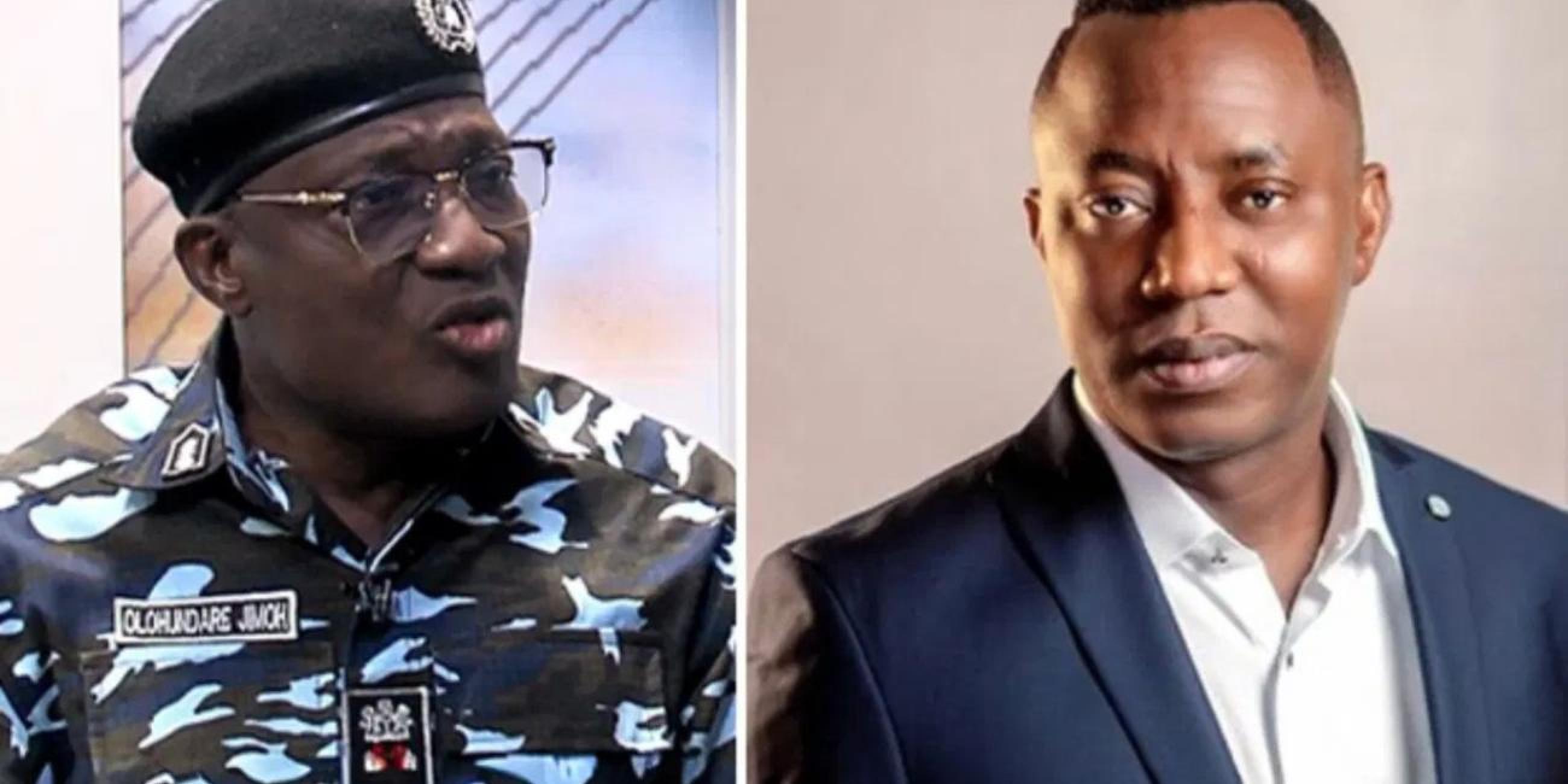
  • Lagos Police Commissioner Jimoh Accused of Plotting to Influence Court Judgment in Sowore’s “Wanted” Case

    Fresh allegations have surfaced accusing the Lagos State Commissioner of Police, Moshood Jimoh, of attempting to improperly influence a pending Federal High Court judgment in a fundamental rights suit filed by activist Omoyele Sowore. Sources told SaharaReporters that after Justice Musa Kakaki reserved judgment in the case challenging Sowore’s “wanted” declaration, a Senior Advocate of Nigeria raised concerns over alleged behind-the-scenes moves by the police commissioner, including seeking political intervention from Lagos State Governor Babajide Sanwo-Olu. The allegations have sparked anxiety within legal circles, with civil rights advocates warning that any interference by security officials threatens judicial independence and the rule of law. Sowore maintains that the police action violated his constitutional rights, while the police insist the declaration was based on intelligence reports related to a protest in Lagos.
    Lagos Police Commissioner Jimoh Accused of Plotting to Influence Court Judgment in Sowore’s “Wanted” Case Fresh allegations have surfaced accusing the Lagos State Commissioner of Police, Moshood Jimoh, of attempting to improperly influence a pending Federal High Court judgment in a fundamental rights suit filed by activist Omoyele Sowore. Sources told SaharaReporters that after Justice Musa Kakaki reserved judgment in the case challenging Sowore’s “wanted” declaration, a Senior Advocate of Nigeria raised concerns over alleged behind-the-scenes moves by the police commissioner, including seeking political intervention from Lagos State Governor Babajide Sanwo-Olu. The allegations have sparked anxiety within legal circles, with civil rights advocates warning that any interference by security officials threatens judicial independence and the rule of law. Sowore maintains that the police action violated his constitutional rights, while the police insist the declaration was based on intelligence reports related to a protest in Lagos.
    love
    1
    · 0 التعليقات ·0 المشاركات ·920 مشاهدة
  • Rights Group Condemns Armed Police Raid, ‘Unlawful’ Arrest of Kano Prosecutor Muhuyi Magaji

    A human rights organisation, Advocacy for Human Right and Cultural Values for Development Initiative (AHRCV), has criticised the arrest of Barrister Muhuyi Magaji, lead prosecutor in the Dala Inland Dry Port corruption case. Magaji was reportedly taken by a heavily armed team allegedly sent from Abuja without a warrant, despite court orders protecting him from intimidation. Although he was released on bail the following day, AHRCV described the operation as unlawful, politically motivated, and a threat to judicial independence.

    The group said the arrest appeared aimed at obstructing an ongoing corruption case involving powerful individuals. It called on the Nigeria Police Force to justify the raid, urged judicial bodies to protect legal practitioners, and demanded an impartial investigation. AHRCV warned that using security agencies for intimidation undermines the fight against corruption and violates citizens’ fundamental rights.

    Rights Group Condemns Armed Police Raid, ‘Unlawful’ Arrest of Kano Prosecutor Muhuyi Magaji A human rights organisation, Advocacy for Human Right and Cultural Values for Development Initiative (AHRCV), has criticised the arrest of Barrister Muhuyi Magaji, lead prosecutor in the Dala Inland Dry Port corruption case. Magaji was reportedly taken by a heavily armed team allegedly sent from Abuja without a warrant, despite court orders protecting him from intimidation. Although he was released on bail the following day, AHRCV described the operation as unlawful, politically motivated, and a threat to judicial independence. The group said the arrest appeared aimed at obstructing an ongoing corruption case involving powerful individuals. It called on the Nigeria Police Force to justify the raid, urged judicial bodies to protect legal practitioners, and demanded an impartial investigation. AHRCV warned that using security agencies for intimidation undermines the fight against corruption and violates citizens’ fundamental rights.
    0 التعليقات ·0 المشاركات ·434 مشاهدة
  • David Mark Pledges a “Bigger, Stronger, and Purpose-Driven” ADC Ahead of 2027 Elections


    The African Democratic Congress (ADC) has announced its vision to build a political party that transcends individual personalities, surpasses any movement, and stands out in the history of Nigerian politics.

    Speaking at the inaugural meeting of the ADC National Working Committee (NWC) in Abuja on Tuesday, Senator David Mark, the party’s national chairman, said the journey ahead would be challenging and demand significant sacrifices.

    “Our mission is not just to attain power in 2027 but to leave a legacy that future generations will be proud to inherit,” Mark said.


    The high-profile meeting drew respected leaders from across Nigeria, including former Osun State Governor and ADC National Secretary Ogbeni Rauf Aregbesola, National Publicity Secretary Mallam Bolaji Abdullahi, former SGF Babachir Lawal, Chief Oserheimen Osunbor, and actor Kenneth Okonkwo, among others.

    In his remarks, Mark emphasized that ADC members have set aside narrow interests in favor of the common good, stating,

    “We advance calmly, courageously, together as a formidable team.”


    He added that the ADC would be a party of purpose and determination, committed to promoting democratic values, accountability, and responsibility in every government it forms.

    Drawing from his experience as a former Senate President, Mark expressed concern over attempts—both subtle and overt—to undermine the legislature and judiciary. He promised that the ADC would defend the separation of powers, restore legislative and judicial independence, and ensure that public budgets serve the people, not private interests.

    The party’s declaration signals a new chapter in Nigeria’s political landscape as it positions itself for the 2027 elections with a focus on principle-driven governance and lasting impact.
    David Mark Pledges a “Bigger, Stronger, and Purpose-Driven” ADC Ahead of 2027 Elections The African Democratic Congress (ADC) has announced its vision to build a political party that transcends individual personalities, surpasses any movement, and stands out in the history of Nigerian politics. Speaking at the inaugural meeting of the ADC National Working Committee (NWC) in Abuja on Tuesday, Senator David Mark, the party’s national chairman, said the journey ahead would be challenging and demand significant sacrifices. “Our mission is not just to attain power in 2027 but to leave a legacy that future generations will be proud to inherit,” Mark said. The high-profile meeting drew respected leaders from across Nigeria, including former Osun State Governor and ADC National Secretary Ogbeni Rauf Aregbesola, National Publicity Secretary Mallam Bolaji Abdullahi, former SGF Babachir Lawal, Chief Oserheimen Osunbor, and actor Kenneth Okonkwo, among others. In his remarks, Mark emphasized that ADC members have set aside narrow interests in favor of the common good, stating, “We advance calmly, courageously, together as a formidable team.” He added that the ADC would be a party of purpose and determination, committed to promoting democratic values, accountability, and responsibility in every government it forms. Drawing from his experience as a former Senate President, Mark expressed concern over attempts—both subtle and overt—to undermine the legislature and judiciary. He promised that the ADC would defend the separation of powers, restore legislative and judicial independence, and ensure that public budgets serve the people, not private interests. The party’s declaration signals a new chapter in Nigeria’s political landscape as it positions itself for the 2027 elections with a focus on principle-driven governance and lasting impact.
    0 التعليقات ·0 المشاركات ·1كيلو بايت مشاهدة
  • FORMER CJN, MOHAMMED LAWAL UWAIS, IS DEAD.

    Nigeria’s former Chief Justice, Justice Mohammed Lawal Uwais is dead.

    It was gathered that Uwais died at the age of 89.

    Born on June 12, 1936, in Zaria, Kaduna State, Uwais served as Chief Justice of Nigeria from 1995 to 2006.

    He was widely respected for his steadfast commitment to judicial reform and the protection of judicial independence throughout his tenure.

    The family confirmed his passing in a brief statement, saying: “Inna Lillahi Wa Inna Ilaihir Rajiun. With hearts heavy yet full of gratitude to Allah Subhanahu Wa Ta’ala, we announce the passing of our beloved father, Justice Mohammed Lawal Uwais, former Chief Justice of the Federation.”

    According to the statement, funeral rites were scheduled to take place immediately after Juma’at prayers today at the National Mosque in Abuja.
    FORMER CJN, MOHAMMED LAWAL UWAIS, IS DEAD. Nigeria’s former Chief Justice, Justice Mohammed Lawal Uwais is dead. It was gathered that Uwais died at the age of 89. Born on June 12, 1936, in Zaria, Kaduna State, Uwais served as Chief Justice of Nigeria from 1995 to 2006. He was widely respected for his steadfast commitment to judicial reform and the protection of judicial independence throughout his tenure. The family confirmed his passing in a brief statement, saying: “Inna Lillahi Wa Inna Ilaihir Rajiun. With hearts heavy yet full of gratitude to Allah Subhanahu Wa Ta’ala, we announce the passing of our beloved father, Justice Mohammed Lawal Uwais, former Chief Justice of the Federation.” According to the statement, funeral rites were scheduled to take place immediately after Juma’at prayers today at the National Mosque in Abuja.
    0 التعليقات ·0 المشاركات ·680 مشاهدة
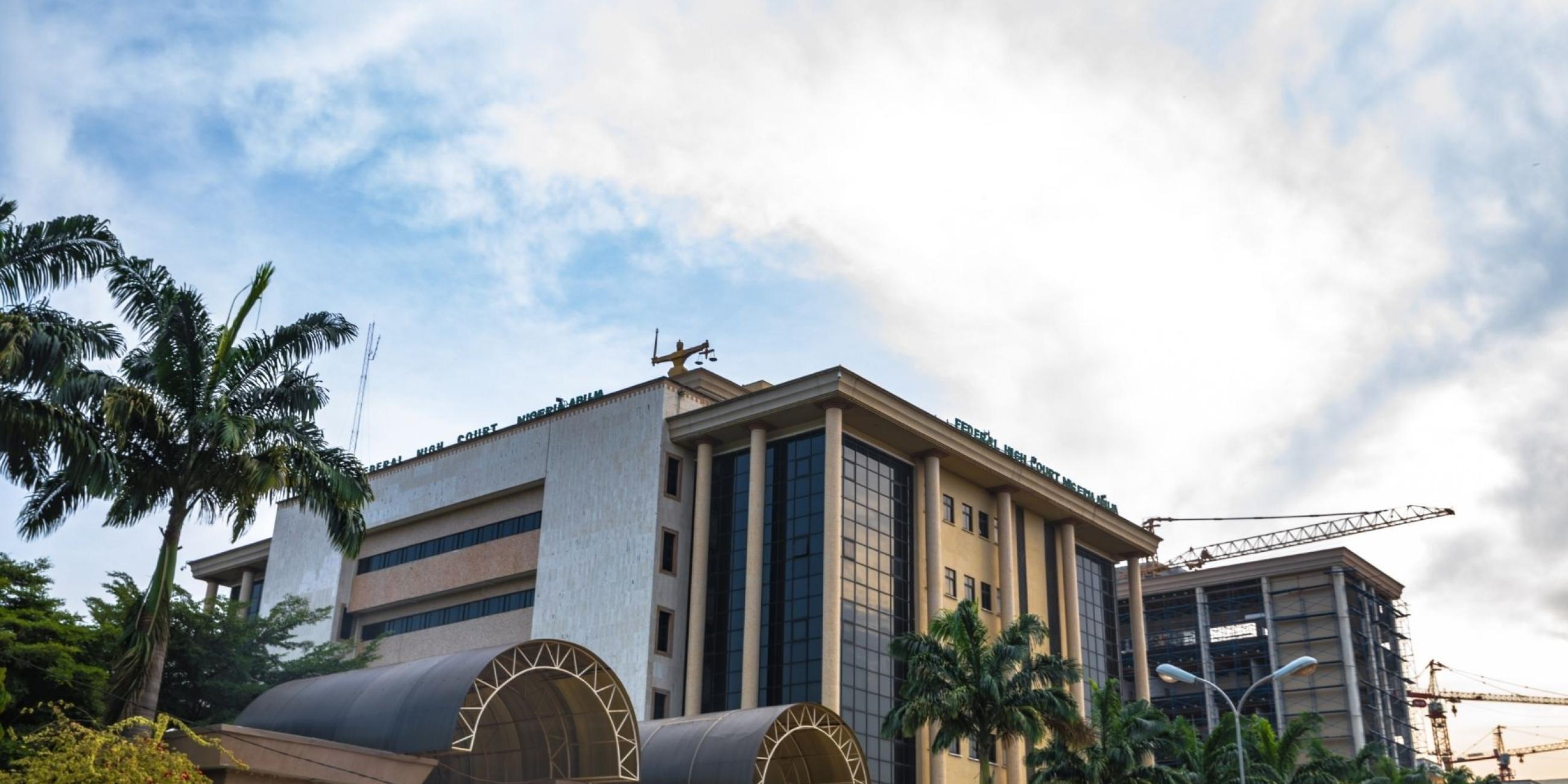
  • NBA Slams DSS for Denying Lawyers Access to Federal High Court in Abuja

    The Nigerian Bar Association (NBA) has strongly condemned the Department of State Services (DSS) for barring lawyers from entering the Federal High Court in Abuja, calling the act a gross violation of legal rights and due process.

    The NBA described the incident as an attack on the rule of law and judicial independence, demanding accountability from the DSS and assurances that such interference will not happen again.

    Legal professionals nationwide are rallying behind the NBA, urging the protection of courtroom access and constitutional rights.

    #NBA #DSS #RuleOfLaw #JudiciaryUnderSiege #FederalHighCourt
    ⚖️ NBA Slams DSS for Denying Lawyers Access to Federal High Court in Abuja The Nigerian Bar Association (NBA) has strongly condemned the Department of State Services (DSS) for barring lawyers from entering the Federal High Court in Abuja, calling the act a gross violation of legal rights and due process. The NBA described the incident as an attack on the rule of law and judicial independence, demanding accountability from the DSS and assurances that such interference will not happen again. Legal professionals nationwide are rallying behind the NBA, urging the protection of courtroom access and constitutional rights. #NBA #DSS #RuleOfLaw #JudiciaryUnderSiege #FederalHighCourt
    0 التعليقات ·0 المشاركات ·2كيلو بايت مشاهدة
Fintter https://fintter.com