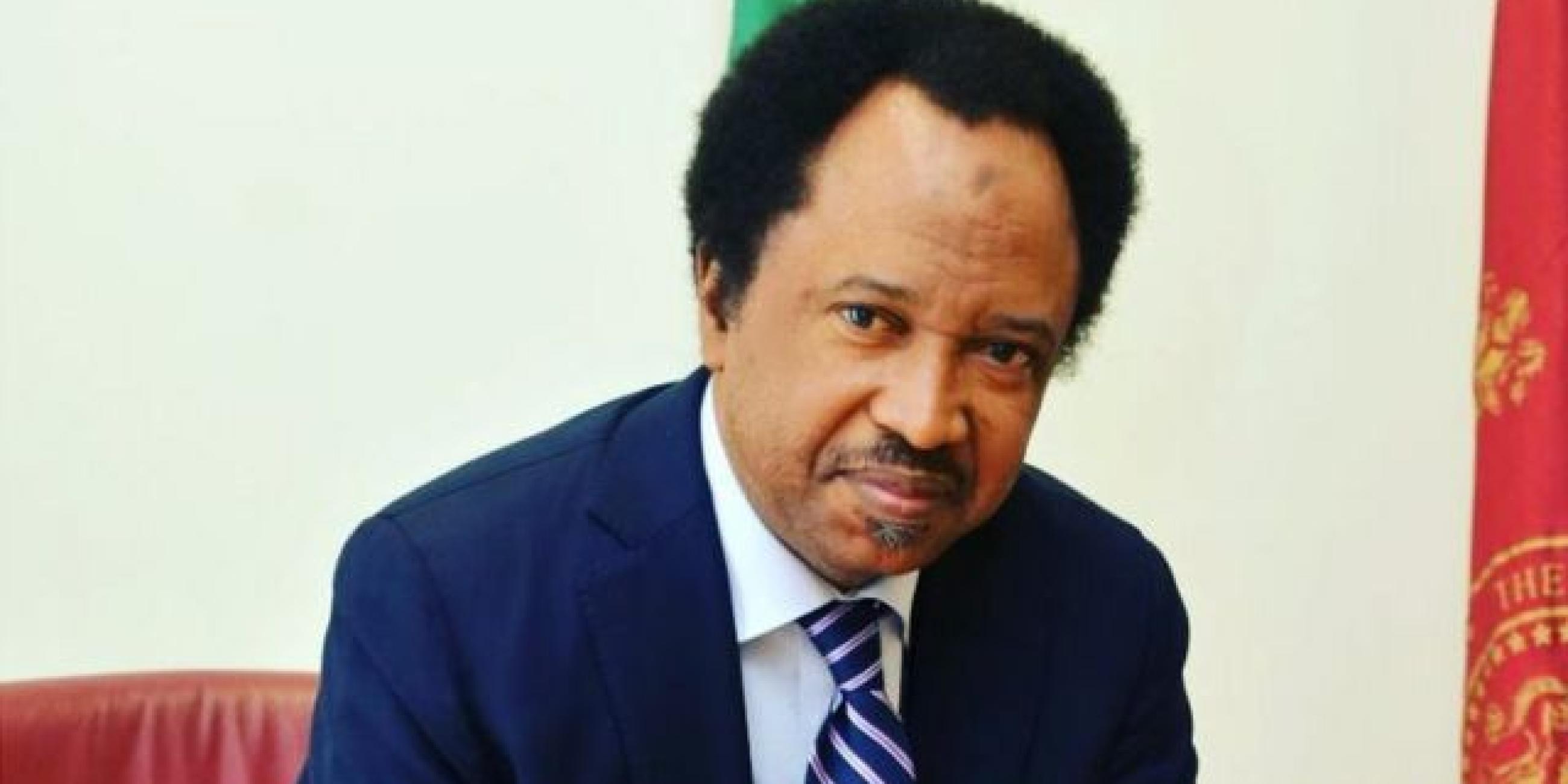
• Shehu Sani Urges Northern Nigerians to Protect Themselves Amid Rising Banditry and Insecurity

    Former Senator Shehu Sani has urged citizens in Northern Nigeria to take security into their own hands amid persistent banditry and terrorism. Speaking during the launch of his books and stageplay in Abuja, Sani highlighted attacks by ISWAP, Boko Haram, and other armed groups, which have displaced millions, killed, and kidnapped civilians. He stressed community vigilance, accountability, and local intelligence as vital to dismantling criminal networks. His works also address irregular migration, human trafficking, and the need for African leaders to create local opportunities to curb youth exploitation abroad.
    Shehu Sani Urges Northern Nigerians to Protect Themselves Amid Rising Banditry and Insecurity Former Senator Shehu Sani has urged citizens in Northern Nigeria to take security into their own hands amid persistent banditry and terrorism. Speaking during the launch of his books and stageplay in Abuja, Sani highlighted attacks by ISWAP, Boko Haram, and other armed groups, which have displaced millions, killed, and kidnapped civilians. He stressed community vigilance, accountability, and local intelligence as vital to dismantling criminal networks. His works also address irregular migration, human trafficking, and the need for African leaders to create local opportunities to curb youth exploitation abroad.
    0 Commentarios ·0 Acciones ·3K Views
  • ECOWAS Endorses Ghana’s President Mahama for African Union Chairmanship in 2027

    ECOWAS has officially endorsed Ghana’s President John Dramani Mahama as its sole candidate for the African Union Chairmanship in 2027. The decision was reached during the 95th ECOWAS Council of Ministers meeting in Abuja, reflecting the bloc’s commitment to supporting member states in securing key continental positions. Ghana’s Foreign Minister, Sam Okudzeto Ablakwa, confirmed that the endorsement was unanimous and highlighted Mahama’s pan-African leadership. The final approval is expected from the ECOWAS Authority of Heads of State and Government, which will formalize Ghana’s candidacy as part of a broader strategy to strengthen the region’s influence within AU and international institutions.


    #ECOWAS #JohnMahama #AfricanUnion
    ECOWAS Endorses Ghana’s President Mahama for African Union Chairmanship in 2027 ECOWAS has officially endorsed Ghana’s President John Dramani Mahama as its sole candidate for the African Union Chairmanship in 2027. The decision was reached during the 95th ECOWAS Council of Ministers meeting in Abuja, reflecting the bloc’s commitment to supporting member states in securing key continental positions. Ghana’s Foreign Minister, Sam Okudzeto Ablakwa, confirmed that the endorsement was unanimous and highlighted Mahama’s pan-African leadership. The final approval is expected from the ECOWAS Authority of Heads of State and Government, which will formalize Ghana’s candidacy as part of a broader strategy to strengthen the region’s influence within AU and international institutions. #ECOWAS #JohnMahama #AfricanUnion
    0 Commentarios ·0 Acciones ·1K Views
  • ECOWAS Slashes Air Travel Taxes and Charges to Boost Regional Connectivity

    West African leaders have taken a major step to make flying within the region significantly cheaper, adopting measures that will abolish multiple air transport taxes and cut passenger and security charges by 25 percent starting 1 January 2026.

    The decision was reached at the ECOWAS Heads of State and Government Summit held in Abuja in December 2024, where leaders signed a Supplementary Act on Aviation Charges, Taxes and Fees aimed at tackling one of the biggest barriers to regional integration: the high cost of intra-African air travel.

    For years, West Africa has had some of the world’s most expensive airfares relative to distance, largely due to a web of taxes, fuel surcharges, security fees and other levies imposed by individual countries.

    The new policy requires all 15 ECOWAS member states to eliminate designated air transport taxes entirely and reduce remaining passenger service and security charges by a quarter.

    The move is expected to lower ticket prices, stimulate tourism and business travel, strengthen local airlines and support trade, and advance the free movement of people and goods – a core objective of the ECOWAS Treaty.

    To ensure compliance, the ECOWAS Commission will oversee implementation through a newly established Regional Air Transport Economic Oversight Mechanism.

    Regional aviation stakeholders have welcomed the decision, describing it as a game-changer for West Africa’s Africa’s chronically under-served air transport market.

    The reforms will take effect on 1 January 2026, giving airlines and national authorities one year to adjust systems and regulations.
    ECOWAS Slashes Air Travel Taxes and Charges to Boost Regional Connectivity West African leaders have taken a major step to make flying within the region significantly cheaper, adopting measures that will abolish multiple air transport taxes and cut passenger and security charges by 25 percent starting 1 January 2026. The decision was reached at the ECOWAS Heads of State and Government Summit held in Abuja in December 2024, where leaders signed a Supplementary Act on Aviation Charges, Taxes and Fees aimed at tackling one of the biggest barriers to regional integration: the high cost of intra-African air travel. For years, West Africa has had some of the world’s most expensive airfares relative to distance, largely due to a web of taxes, fuel surcharges, security fees and other levies imposed by individual countries. The new policy requires all 15 ECOWAS member states to eliminate designated air transport taxes entirely and reduce remaining passenger service and security charges by a quarter. The move is expected to lower ticket prices, stimulate tourism and business travel, strengthen local airlines and support trade, and advance the free movement of people and goods – a core objective of the ECOWAS Treaty. To ensure compliance, the ECOWAS Commission will oversee implementation through a newly established Regional Air Transport Economic Oversight Mechanism. Regional aviation stakeholders have welcomed the decision, describing it as a game-changer for West Africa’s Africa’s chronically under-served air transport market. The reforms will take effect on 1 January 2026, giving airlines and national authorities one year to adjust systems and regulations.
    0 Commentarios ·0 Acciones ·1K Views
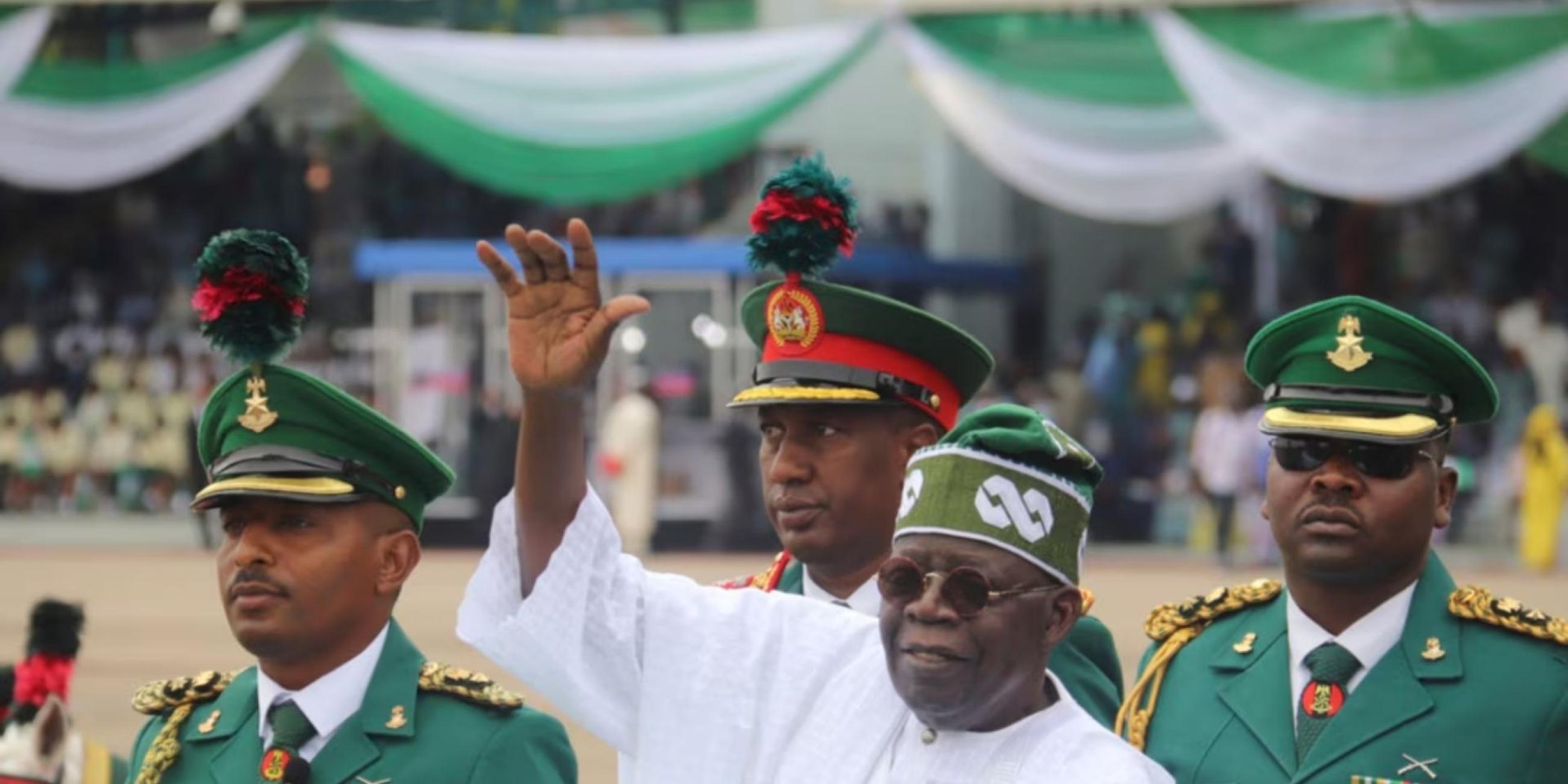
  • Tinubu’s Benin Republic Intervention Is Unconstitutional and Impeachable — Lawyer Marshal Abubakar

    Human rights lawyer Marshal Abubakar has declared President Bola Tinubu’s deployment of Nigerian troops to Benin Republic after the December 7 coup an impeachable offence, arguing it violates Section 5(4)(b) of the 1999 Constitution. He said the President lacks the power to send armed forces on combat duty outside Nigeria without prior approval from the National Assembly, regardless of ECOWAS protocols. Abubakar stressed that emergency military action is only lawful when Nigeria itself faces imminent threat — not when intervening to defend another country. He also warned that ECOWAS treaties cannot supersede the Nigerian Constitution.
    Beyond the legal infractions, Abubakar expressed concern over rising coups across West Africa, linking them to corruption, weak institutions, insecurity, and leadership failures. He urged African leaders to restore public trust, strengthen democratic systems, and address governance collapse to prevent further military takeovers.


    #BeninIntervention

    #TinubuAdministration

    #ConstitutionalViolation

    Tinubu’s Benin Republic Intervention Is Unconstitutional and Impeachable — Lawyer Marshal Abubakar Human rights lawyer Marshal Abubakar has declared President Bola Tinubu’s deployment of Nigerian troops to Benin Republic after the December 7 coup an impeachable offence, arguing it violates Section 5(4)(b) of the 1999 Constitution. He said the President lacks the power to send armed forces on combat duty outside Nigeria without prior approval from the National Assembly, regardless of ECOWAS protocols. Abubakar stressed that emergency military action is only lawful when Nigeria itself faces imminent threat — not when intervening to defend another country. He also warned that ECOWAS treaties cannot supersede the Nigerian Constitution. Beyond the legal infractions, Abubakar expressed concern over rising coups across West Africa, linking them to corruption, weak institutions, insecurity, and leadership failures. He urged African leaders to restore public trust, strengthen democratic systems, and address governance collapse to prevent further military takeovers. #BeninIntervention #TinubuAdministration #ConstitutionalViolation
    like
    1
    · 0 Commentarios ·0 Acciones ·1K Views
  • Adeyanju Blames Wike, Akpabio for Making Coups Appealing in Africa

    Human rights lawyer Deji Adeyanju has criticised Nigerian politicians such as Nyesom Wike and Godswill Akpabio, accusing them of reckless behaviour that fuels public frustration and makes military coups seem attractive across Africa. Reacting to a failed coup attempt in Benin Republic, Adeyanju said widespread political arrogance and disregard for democratic principles have eroded public trust. He warned that unless African leaders embrace transparency and good governance, citizens may continue sympathising with military interventions.
    Adeyanju Blames Wike, Akpabio for Making Coups Appealing in Africa Human rights lawyer Deji Adeyanju has criticised Nigerian politicians such as Nyesom Wike and Godswill Akpabio, accusing them of reckless behaviour that fuels public frustration and makes military coups seem attractive across Africa. Reacting to a failed coup attempt in Benin Republic, Adeyanju said widespread political arrogance and disregard for democratic principles have eroded public trust. He warned that unless African leaders embrace transparency and good governance, citizens may continue sympathising with military interventions.
    0 Commentarios ·0 Acciones ·639 Views
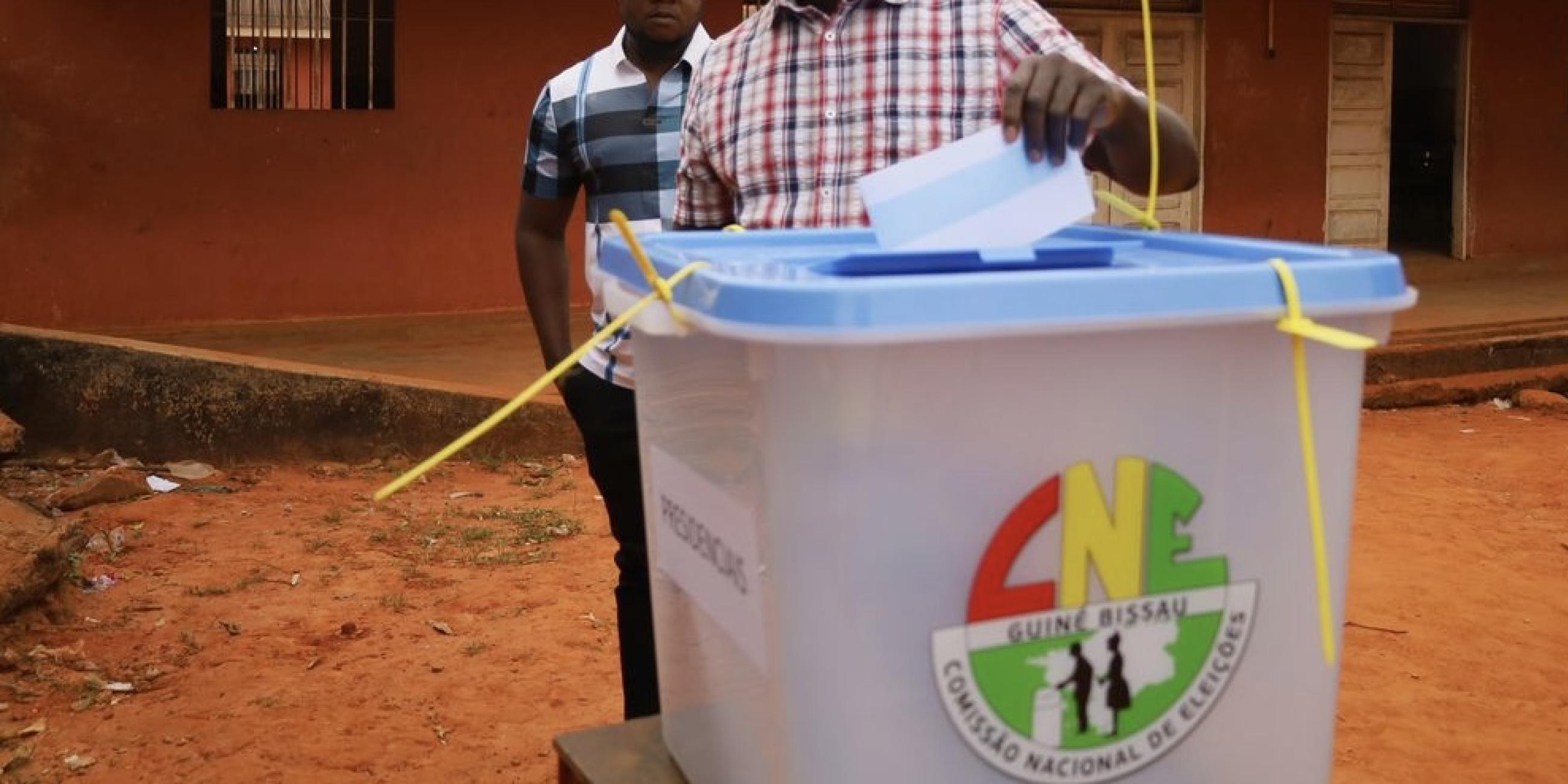
  • African Leaders Including Femi Falana, Kwame Karikari Demand Release Of Guinea-Bissau Election Results, Condemn Military Rule

    Twenty eminent African leaders, including human rights lawyer Femi Falana (SAN) and Professor Kwame Karikari, have demanded the immediate release of Guinea-Bissau’s November 23 election results. The group condemned the military’s seizure of electoral materials and interference with the process, warning that West Africa cannot afford another democratic collapse. In a joint statement titled “Restoring Constitutional Order and the Rule of Law in Guinea-Bissau,” they urged ECOWAS, the African Union, and the UN to take decisive action to restore civilian rule and protect the will of the people.

    African Leaders Including Femi Falana, Kwame Karikari Demand Release Of Guinea-Bissau Election Results, Condemn Military Rule Twenty eminent African leaders, including human rights lawyer Femi Falana (SAN) and Professor Kwame Karikari, have demanded the immediate release of Guinea-Bissau’s November 23 election results. The group condemned the military’s seizure of electoral materials and interference with the process, warning that West Africa cannot afford another democratic collapse. In a joint statement titled “Restoring Constitutional Order and the Rule of Law in Guinea-Bissau,” they urged ECOWAS, the African Union, and the UN to take decisive action to restore civilian rule and protect the will of the people.
    0 Commentarios ·0 Acciones ·735 Views

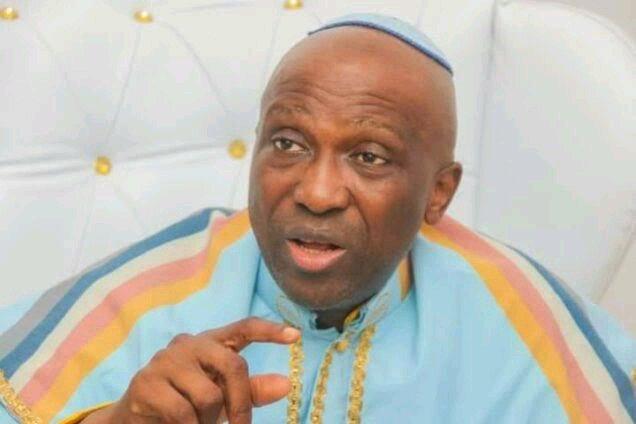
  • Primate Ayodele Predicts South Africa’s Eventual Breakup

    Renowned Nigerian cleric, Primate Elijah Ayodele, has issued a fresh prophecy warning that South Africa will one day split apart, regardless of political or diplomatic efforts to keep it united.

    Speaking during a recent prophetic session, Ayodele described the development as an “unavoidable destiny” for the Southern African nation, adding that while the breakup may not happen immediately, it would occur gradually and “shock the world.”

    “South Africa will break,” he declared. “It may not be today or tomorrow, but the process has already begun. The whites want to break South Africa, and they are doing it gradually. Write it down.”

    The cleric stressed that political negotiations or national dialogues would not be enough to stop the looming division. Instead, he urged South African leaders to take spiritual steps in addition to political measures if they hope to delay or manage the outcome.

    Ayodele, well-known for his bold predictions on global issues, emphasized that the country’s challenges go beyond politics and are deeply rooted in spiritual realities.

    Observers note that his prophecy echoes South Africa’s long-standing tensions, including racial divisions, land ownership disputes, economic inequality, and ethnic rivalries, which have tested the nation’s stability since the end of apartheid in 1994.

    According to Primate Ayodele, however, these visible issues are only part of a larger force driving the country toward eventual fragmentation.

    “It may not be today, it may not be tomorrow, but it is certain,” he reiterated.

    The prophecy has sparked reactions online, with some seeing it as a reflection of South Africa’s unresolved internal struggles, while others dismiss it as overly pessimistic.
    Primate Ayodele Predicts South Africa’s Eventual Breakup Renowned Nigerian cleric, Primate Elijah Ayodele, has issued a fresh prophecy warning that South Africa will one day split apart, regardless of political or diplomatic efforts to keep it united. Speaking during a recent prophetic session, Ayodele described the development as an “unavoidable destiny” for the Southern African nation, adding that while the breakup may not happen immediately, it would occur gradually and “shock the world.” “South Africa will break,” he declared. “It may not be today or tomorrow, but the process has already begun. The whites want to break South Africa, and they are doing it gradually. Write it down.” The cleric stressed that political negotiations or national dialogues would not be enough to stop the looming division. Instead, he urged South African leaders to take spiritual steps in addition to political measures if they hope to delay or manage the outcome. Ayodele, well-known for his bold predictions on global issues, emphasized that the country’s challenges go beyond politics and are deeply rooted in spiritual realities. Observers note that his prophecy echoes South Africa’s long-standing tensions, including racial divisions, land ownership disputes, economic inequality, and ethnic rivalries, which have tested the nation’s stability since the end of apartheid in 1994. According to Primate Ayodele, however, these visible issues are only part of a larger force driving the country toward eventual fragmentation. “It may not be today, it may not be tomorrow, but it is certain,” he reiterated. The prophecy has sparked reactions online, with some seeing it as a reflection of South Africa’s unresolved internal struggles, while others dismiss it as overly pessimistic.
    0 Commentarios ·0 Acciones ·439 Views
  • Saint Lucia PM Faults Opposition Backlash Against Tinubu’s Visit

    Saint Lucia’s Prime Minister, Philip Pierre, has criticized the politically motivated backlash against Nigerian President Bola Tinubu’s recent visit to the Caribbean nation. Speaking during his 2025 Emancipation Day address on August 1, Pierre condemned the “vilification and denigration” of Tinubu as a lingering effect of colonial-era self-hate and disrespect toward African leadership.

    Pierre highlighted that opposition groups in both Nigeria and Saint Lucia questioned the visit’s timing and cost, especially amid tragedies like the Minna flood in Nigeria. However, he described these criticisms as “shameful and disgraceful,” emphasizing that Tinubu’s visit should have been met with respect.

    Affirming Saint Lucia’s commitment to strengthening bilateral ties, Pierre said the government and people of Saint Lucia felt honored by the Nigerian president’s visit.

    Emancipation Day in Saint Lucia commemorates the abolition of slavery in the British Caribbean and reflects on racial justice and Pan-African solidarity.

    Source: Channels Television

    #Tinubu #SaintLucia #AfricanLeadership #PanAfricanism
    Saint Lucia PM Faults Opposition Backlash Against Tinubu’s Visit Saint Lucia’s Prime Minister, Philip Pierre, has criticized the politically motivated backlash against Nigerian President Bola Tinubu’s recent visit to the Caribbean nation. Speaking during his 2025 Emancipation Day address on August 1, Pierre condemned the “vilification and denigration” of Tinubu as a lingering effect of colonial-era self-hate and disrespect toward African leadership. Pierre highlighted that opposition groups in both Nigeria and Saint Lucia questioned the visit’s timing and cost, especially amid tragedies like the Minna flood in Nigeria. However, he described these criticisms as “shameful and disgraceful,” emphasizing that Tinubu’s visit should have been met with respect. Affirming Saint Lucia’s commitment to strengthening bilateral ties, Pierre said the government and people of Saint Lucia felt honored by the Nigerian president’s visit. Emancipation Day in Saint Lucia commemorates the abolition of slavery in the British Caribbean and reflects on racial justice and Pan-African solidarity. Source: Channels Television #Tinubu #SaintLucia #AfricanLeadership #PanAfricanism
    0 Commentarios ·0 Acciones ·2K Views
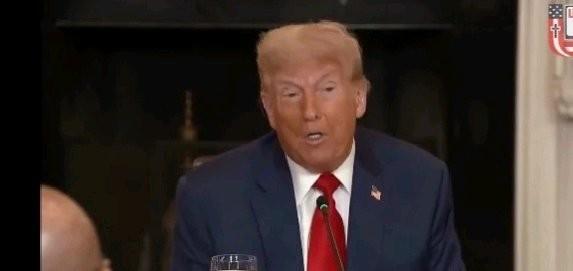
  • Senegal, Gabon, Liberia… Trump hosts five African leaders at White House.

    United States President Donald Trump has met with his counterparts from Senegal, Liberia, Guinea-Bissau, Mauritania, and Gabon.


    The African leaders had lunch with Trump at the White House on Wednesday and discussed expanding commercial opportunities between the US and their respective nations.

    The meeting marked the beginning of a three-day mini-summit, featuring a series of largely closed-door engagements on trade and economic cooperation, expected to run through Friday.

    While details of what has been termed the “African leaders” summit are not clear, observers say the narrow selection of participants raises questions about inclusivity and representation.


    Analysts argue that inviting only five leaders out of Africa’s 54 countries sends the wrong message—particularly given the absence of regional powerhouses like Nigeria, South Africa, Egypt, and Kenya, which play key roles in shaping the continent’s political and economic direction.

    Nigeria, South Africa, and Egypt are aligned with BRICS, an economic bloc that Trump has repeatedly criticised.

    Earlier this week, the US president threatened that countries aligning themselves with the “anti-American policies of BRICS” would be charged an additional 10 percent tariff.

    All five African countries hosted at the White House currently face a 10 percent tariff.

    Discussions could revolve around trade in critical minerals and possibly hosting deportees.
    Senegal, Gabon, Liberia… Trump hosts five African leaders at White House. United States President Donald Trump has met with his counterparts from Senegal, Liberia, Guinea-Bissau, Mauritania, and Gabon. The African leaders had lunch with Trump at the White House on Wednesday and discussed expanding commercial opportunities between the US and their respective nations. The meeting marked the beginning of a three-day mini-summit, featuring a series of largely closed-door engagements on trade and economic cooperation, expected to run through Friday. While details of what has been termed the “African leaders” summit are not clear, observers say the narrow selection of participants raises questions about inclusivity and representation. Analysts argue that inviting only five leaders out of Africa’s 54 countries sends the wrong message—particularly given the absence of regional powerhouses like Nigeria, South Africa, Egypt, and Kenya, which play key roles in shaping the continent’s political and economic direction. Nigeria, South Africa, and Egypt are aligned with BRICS, an economic bloc that Trump has repeatedly criticised. Earlier this week, the US president threatened that countries aligning themselves with the “anti-American policies of BRICS” would be charged an additional 10 percent tariff. All five African countries hosted at the White House currently face a 10 percent tariff. Discussions could revolve around trade in critical minerals and possibly hosting deportees.
    0 Commentarios ·0 Acciones ·881 Views
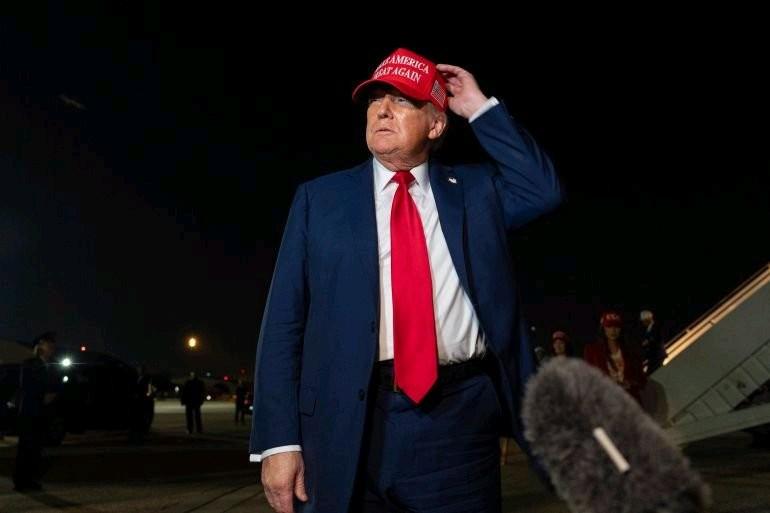
  • Keep your America, Mr Trump, and we’ll keep our Africa
    In trying to shut us out, Trump may be doing what African leaders have long failed to do: Push us to stand on our own.

    On June 16, The New York Times disclosed that United States President Donald Trump is considering broadening his travel ban list to include as many as 36 additional countries, most of them African – including my country, Zimbabwe.

    Twelve days earlier, Trump had enacted a proclamation barring citizens from 12 nations from entering the US. Seven of them – Chad, Congo Republic, Equatorial Guinea, Eritrea, Libya, Somalia, and Sudan – are African.

    He also imposed partial travel restrictions, rather than a complete ban, on individuals from Burundi, Cuba, Laos, Sierra Leone, Togo, Turkmenistan, and Venezuela. Citizens from these nations are barred from permanently relocating to the US or obtaining tourist or student visas.

    As promised on the campaign trail, Trump is cracking down on immigration.

    For the first time in my life, I now face the extraordinary prospect of being barred from travelling to the US – a nation that several of my family members and friends call home.

    My cousin, Dr Anna Mhaka, for example, completed her medical studies and practised exclusively in the US. Spencer Matare, a former classmate, has lived in Indianapolis for more than two decades and is a US citizen.

    Despite the Trump administration’s political grandstanding and vilification of migrants – both legal and undocumented – Anna and Spencer, like millions of others, are industrious, law-abiding members of US society.

    I know many in Africa hope to follow in their footsteps, and are deeply alarmed by the growing barriers to migration that Trump has erected.

    Yet, I am not one of them.
    Keep your America, Mr Trump, and we’ll keep our Africa In trying to shut us out, Trump may be doing what African leaders have long failed to do: Push us to stand on our own. On June 16, The New York Times disclosed that United States President Donald Trump is considering broadening his travel ban list to include as many as 36 additional countries, most of them African – including my country, Zimbabwe. Twelve days earlier, Trump had enacted a proclamation barring citizens from 12 nations from entering the US. Seven of them – Chad, Congo Republic, Equatorial Guinea, Eritrea, Libya, Somalia, and Sudan – are African. He also imposed partial travel restrictions, rather than a complete ban, on individuals from Burundi, Cuba, Laos, Sierra Leone, Togo, Turkmenistan, and Venezuela. Citizens from these nations are barred from permanently relocating to the US or obtaining tourist or student visas. As promised on the campaign trail, Trump is cracking down on immigration. For the first time in my life, I now face the extraordinary prospect of being barred from travelling to the US – a nation that several of my family members and friends call home. My cousin, Dr Anna Mhaka, for example, completed her medical studies and practised exclusively in the US. Spencer Matare, a former classmate, has lived in Indianapolis for more than two decades and is a US citizen. Despite the Trump administration’s political grandstanding and vilification of migrants – both legal and undocumented – Anna and Spencer, like millions of others, are industrious, law-abiding members of US society. I know many in Africa hope to follow in their footsteps, and are deeply alarmed by the growing barriers to migration that Trump has erected. Yet, I am not one of them.
    0 Commentarios ·0 Acciones ·1K Views
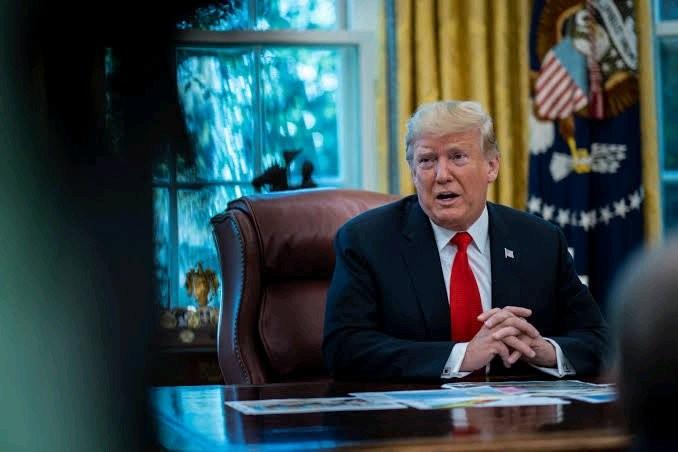
  • JUST IN: Trump to Host Trade Talks with Five African Leaders — Nigeria Not Included

    A White House official confirmed on Wednesday that former U.S. President Donald Trump will meet with the presidents of Gabon, Guinea-Bissau, Liberia, Mauritania, and Senegal for trade discussions and a lunch meeting at the White House on July 9. Nigeria is notably absent from the invitation list.
    JUST IN: Trump to Host Trade Talks with Five African Leaders — Nigeria Not Included A White House official confirmed on Wednesday that former U.S. President Donald Trump will meet with the presidents of Gabon, Guinea-Bissau, Liberia, Mauritania, and Senegal for trade discussions and a lunch meeting at the White House on July 9. Nigeria is notably absent from the invitation list.
    0 Commentarios ·0 Acciones ·315 Views
  • Tinubu Ignored as Trump Invites African Leaders to White House.

    President Bola Tinubu has been left out of a summit at the White House, where U.S. President Donald Trump is set to host the leaders of Senegal, Mauritania, Liberia, Guinea-Bissau, and Gabon for talks on economic cooperation.

    The meeting, scheduled for July 9, is aimed at strengthening commercial ties between the United States and selected African nations.

    According to a White House source, President Trump will host the group for a working lunch emphasising that “African countries offer incredible commercial opportunities which benefit both the American people and our African partners”.

    This invitation, it is understood, is part of Trump’s broader strategy to shift focus from traditional aid—deemed wasteful—to investment and trade deals under his “America First” agenda.

    The summit comes amid a significant tightening of U.S. foreign aid to Africa, redirecting diplomatic efforts toward mutual economic gain.

    President Tinubu, meanwhile, is currently on a two-nation diplomatic tour. He arrived in Saint Lucia on June 28, engaging in a state visit that included meetings with the Governor-General and Prime Minister, an address to the joint Parliament, and a working luncheon with the Organisation of Eastern Caribbean States.

    Following his Caribbean engagements, Tinubu is set to travel to Rio de Janeiro on July 6–7 for the 17th BRICS Summit, attending as a “partner country”.
    Tinubu Ignored as Trump Invites African Leaders to White House. President Bola Tinubu has been left out of a summit at the White House, where U.S. President Donald Trump is set to host the leaders of Senegal, Mauritania, Liberia, Guinea-Bissau, and Gabon for talks on economic cooperation. The meeting, scheduled for July 9, is aimed at strengthening commercial ties between the United States and selected African nations. According to a White House source, President Trump will host the group for a working lunch emphasising that “African countries offer incredible commercial opportunities which benefit both the American people and our African partners”. This invitation, it is understood, is part of Trump’s broader strategy to shift focus from traditional aid—deemed wasteful—to investment and trade deals under his “America First” agenda. The summit comes amid a significant tightening of U.S. foreign aid to Africa, redirecting diplomatic efforts toward mutual economic gain. President Tinubu, meanwhile, is currently on a two-nation diplomatic tour. He arrived in Saint Lucia on June 28, engaging in a state visit that included meetings with the Governor-General and Prime Minister, an address to the joint Parliament, and a working luncheon with the Organisation of Eastern Caribbean States. Following his Caribbean engagements, Tinubu is set to travel to Rio de Janeiro on July 6–7 for the 17th BRICS Summit, attending as a “partner country”.
    0 Commentarios ·0 Acciones ·1K Views
  • ECOWAS Leaders Undermining Rule of Law, Falana Alleges
    Senior Advocate Urges President Tinubu to Ensure Compliance with ECOWAS Court Rulings
    Prominent human rights lawyer and Senior Advocate of Nigeria (SAN), Femi Falana, has accused the leadership of the Economic Community of West African States (ECOWAS) of failing to uphold the rule of law and democratic principles in the region.

    In a statement titled “End Disobedience of ECOWAS Courts,” Falana said ECOWAS leaders have repeatedly shown disregard for the rulings of the Community Court of Justice, undermining its authority and the region’s legal framework.

    Falana disclosed that as of December 2024, a total of 154 judgements from the ECOWAS Court remained unenforced by member states. He noted that Nigeria tops the list with 44 outstanding judgements, followed by Togo (27) and Guinea (15). Other non-compliant countries include Mali (10), Sierra Leone (9), Niger (8), Côte d’Ivoire (8), Senegal (8), Ghana (6), Benin (5), Liberia (4), Burkina Faso (5), The Gambia (3), Cabo Verde (1), and Guinea-Bissau (1).

    “With respect, the ECOWAS leaders have failed to uphold democratic norms and the rule of law,” Falana said. “Without any legal or political justification, they have treated the decisions of the ECOWAS Court with disdain.”

    He emphasized that some of the same leaders — or their family members — who once defied the court have later turned to it for protection after leaving office. Notable examples include Charles Taylor (Liberia), Laurent Gbagbo (Côte d’Ivoire), Boni Yayi (Benin), Mamadou Tandja (Niger), Blaise Compaoré (Burkina Faso), and Mrs. Doe, widow of former Liberian president Samuel Doe.

    Nigeria’s Responsibility
    Falana, who previously served as President of the West African Bar Association, said Article 24 of the ECOWAS Court mandates each member state to designate a national authority responsible for enforcing court decisions. In 2014, Nigeria appointed its Attorney-General for this role.

    He called on President Bola Tinubu to instruct Attorney-General Lateef Fagbemi (SAN) to immediately begin implementing the court’s decisions.

    “It is the height of embarrassment that Nigeria, under the current ECOWAS Chairmanship of President Tinubu, leads in the number of unenforced judgements,” Falana said. “To restore credibility and regional leadership, Nigeria must comply without further delay.”

    Tinubu’s ECOWAS Legacy
    President Tinubu, who currently serves as Chairman of the ECOWAS Authority of Heads of State and Government, recently praised the bloc’s achievements during its 50th anniversary celebrations, citing progress in election monitoring, mediation, and institution-building, including the ECOWAS Court of Justice.

    “ECOWAS has upheld democratic norms through election observation, mediation, and institutions such as the ECOWAS Parliament and Court of Justice — cementing accountability, rule of law, and people-centred governance,” Tinubu said.

    Falana’s remarks, however, suggest a stark contrast between rhetoric and reality, as he urged West African leaders to stop undermining the very institutions they claim to support.
    ECOWAS Leaders Undermining Rule of Law, Falana Alleges Senior Advocate Urges President Tinubu to Ensure Compliance with ECOWAS Court Rulings Prominent human rights lawyer and Senior Advocate of Nigeria (SAN), Femi Falana, has accused the leadership of the Economic Community of West African States (ECOWAS) of failing to uphold the rule of law and democratic principles in the region. In a statement titled “End Disobedience of ECOWAS Courts,” Falana said ECOWAS leaders have repeatedly shown disregard for the rulings of the Community Court of Justice, undermining its authority and the region’s legal framework. Falana disclosed that as of December 2024, a total of 154 judgements from the ECOWAS Court remained unenforced by member states. He noted that Nigeria tops the list with 44 outstanding judgements, followed by Togo (27) and Guinea (15). Other non-compliant countries include Mali (10), Sierra Leone (9), Niger (8), Côte d’Ivoire (8), Senegal (8), Ghana (6), Benin (5), Liberia (4), Burkina Faso (5), The Gambia (3), Cabo Verde (1), and Guinea-Bissau (1). “With respect, the ECOWAS leaders have failed to uphold democratic norms and the rule of law,” Falana said. “Without any legal or political justification, they have treated the decisions of the ECOWAS Court with disdain.” He emphasized that some of the same leaders — or their family members — who once defied the court have later turned to it for protection after leaving office. Notable examples include Charles Taylor (Liberia), Laurent Gbagbo (Côte d’Ivoire), Boni Yayi (Benin), Mamadou Tandja (Niger), Blaise Compaoré (Burkina Faso), and Mrs. Doe, widow of former Liberian president Samuel Doe. Nigeria’s Responsibility Falana, who previously served as President of the West African Bar Association, said Article 24 of the ECOWAS Court mandates each member state to designate a national authority responsible for enforcing court decisions. In 2014, Nigeria appointed its Attorney-General for this role. He called on President Bola Tinubu to instruct Attorney-General Lateef Fagbemi (SAN) to immediately begin implementing the court’s decisions. “It is the height of embarrassment that Nigeria, under the current ECOWAS Chairmanship of President Tinubu, leads in the number of unenforced judgements,” Falana said. “To restore credibility and regional leadership, Nigeria must comply without further delay.” Tinubu’s ECOWAS Legacy President Tinubu, who currently serves as Chairman of the ECOWAS Authority of Heads of State and Government, recently praised the bloc’s achievements during its 50th anniversary celebrations, citing progress in election monitoring, mediation, and institution-building, including the ECOWAS Court of Justice. “ECOWAS has upheld democratic norms through election observation, mediation, and institutions such as the ECOWAS Parliament and Court of Justice — cementing accountability, rule of law, and people-centred governance,” Tinubu said. Falana’s remarks, however, suggest a stark contrast between rhetoric and reality, as he urged West African leaders to stop undermining the very institutions they claim to support.
    like
    1
    · 0 Commentarios ·0 Acciones ·1K Views
Fintter https://fintter.com