• Nigerian MDAs Budget N6.6B for Generator Fuel Amid Power Crisis in 2026

    Nigeria’s 2026 budget reveals that 20 federal Ministries, Departments, and Agencies (MDAs) will spend N6.626 billion on diesel and petrol for generators, highlighting ongoing electricity supply challenges. The EFCC tops the list with N1.2 billion, while security agencies collectively account for 63% of the total. Civil institutions and media agencies receive smaller allocations. The State House plans nearly N2 billion for generator fuel and maintenance despite a N7 billion solarisation project, underscoring persistent reliance on fossil fuels.

    #NigeriaBudget #PowerCrisis #GeneratorFuel

    Nigerian MDAs Budget N6.6B for Generator Fuel Amid Power Crisis in 2026 Nigeria’s 2026 budget reveals that 20 federal Ministries, Departments, and Agencies (MDAs) will spend N6.626 billion on diesel and petrol for generators, highlighting ongoing electricity supply challenges. The EFCC tops the list with N1.2 billion, while security agencies collectively account for 63% of the total. Civil institutions and media agencies receive smaller allocations. The State House plans nearly N2 billion for generator fuel and maintenance despite a N7 billion solarisation project, underscoring persistent reliance on fossil fuels. #NigeriaBudget #PowerCrisis #GeneratorFuel
    0 Comments ·0 Shares ·2K Views
  • Aso Rock to Spend N2B on Generators Despite N7B Solar Plan in 2026 Budget

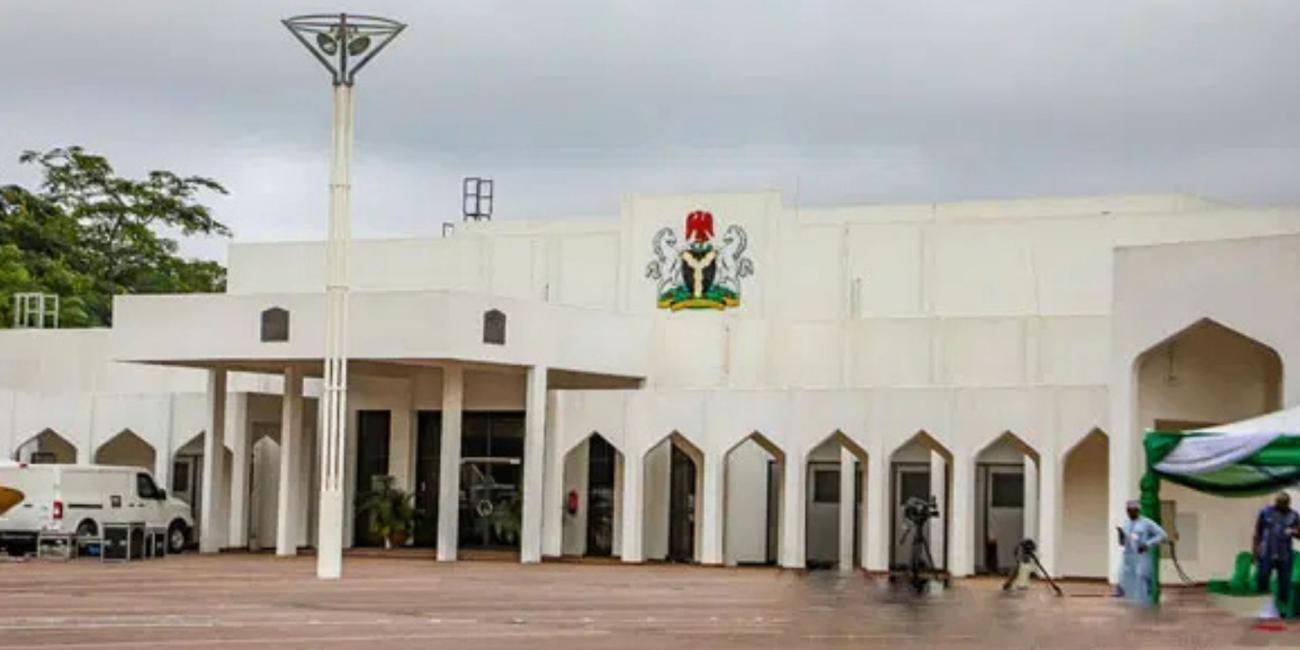
    Nigeria’s 2026 budget reveals that the Aso Rock Villa will spend nearly N2 billion on generator fuel and maintenance—N1.989 billion for fuel and N17.2 million for upkeep—despite a N7 billion allocation for solarisation. Critics question the huge generator expenditure amid Nigeria’s persistent power woes, arguing it highlights reliance on backup power even at the nation’s seat of power. The move aligns with broader trends as government agencies, including NIMC and Police Academy, budget billions for solar and generators to ensure uninterrupted electricity.

    : #AsoRockBudget #NigeriaPowerCrisis #GovernmentSpending

    Aso Rock to Spend N2B on Generators Despite N7B Solar Plan in 2026 Budget Nigeria’s 2026 budget reveals that the Aso Rock Villa will spend nearly N2 billion on generator fuel and maintenance—N1.989 billion for fuel and N17.2 million for upkeep—despite a N7 billion allocation for solarisation. Critics question the huge generator expenditure amid Nigeria’s persistent power woes, arguing it highlights reliance on backup power even at the nation’s seat of power. The move aligns with broader trends as government agencies, including NIMC and Police Academy, budget billions for solar and generators to ensure uninterrupted electricity. : #AsoRockBudget #NigeriaPowerCrisis #GovernmentSpending
    love
    1
    · 0 Comments ·0 Shares ·2K Views
  • NOA to Blow N252m to Teach Youths Say ‘No Japa Syndrome’ – Wahala or Opportunity?

    Omo, government dey serious oo! National Orientation Agency (NOA) don plan to spend N252 million to sensitise Nigerian youths against Japa Syndrome – the wahala wey make plenty young people dey run abroad for better life.

    According to the 2026 budget, the money go cover three locations: Kebbi State (N77m), Owan federal constituency (N140m), and Cross River’s Calabar municipal/Odukpani (N35m).

    This na part of bigger youth empowerment and sensitisation drive, wey also include drug abuse, FGM, domestic violence, and civic education. NOA talk say dem dey target reach 3 million Nigerians daily through awareness campaigns.

    Minister of Budget, Senator Atiku Bagudu, don beg youths to stop illegal migration, say government don arrange measures to empower them inside Naija.


    NOA to Blow N252m to Teach Youths Say ‘No Japa Syndrome’ – Wahala or Opportunity? Omo, government dey serious oo! National Orientation Agency (NOA) don plan to spend N252 million to sensitise Nigerian youths against Japa Syndrome – the wahala wey make plenty young people dey run abroad for better life. According to the 2026 budget, the money go cover three locations: Kebbi State (N77m), Owan federal constituency (N140m), and Cross River’s Calabar municipal/Odukpani (N35m). This na part of bigger youth empowerment and sensitisation drive, wey also include drug abuse, FGM, domestic violence, and civic education. NOA talk say dem dey target reach 3 million Nigerians daily through awareness campaigns. Minister of Budget, Senator Atiku Bagudu, don beg youths to stop illegal migration, say government don arrange measures to empower them inside Naija.
    0 Comments ·0 Shares ·2K Views
  • Nigerian SGF George Akume Plans to Spend N496 Million on Photocopiers and Office Furniture in 2026

    The Office of the Secretary to the Government of the Federation (OSGF), headed by George Akume, has earmarked ₦496 million in the 2026 budget for the purchase and installation of three heavy-duty photocopy machines and office furniture for the Cabinet Affairs Office.

    In context, Akume’s office has previously allocated substantial funds for empowerment initiatives:

    ₦100 million for grinding machines in Ifako-Ijaiye, Lagos State, and another ₦100 million for Bonny/Degema, Rivers State, in 2025.

    ₦200 million for grinding machines in Kaduna South Federal Constituency.

    Totaling ₦400 million for empowerment via grinding machines in 2025.


    Additionally, the Nigerian Institute of Transport Technology budgeted ₦195 million for grinding machines in Kebbi, Aliero, and Maiyama.

    The SGF’s office also drew attention in 2023 for spending ₦9.6 million on branded towels for Akume’s 70th birthday celebration, raising concerns over budget priorities and public fund usage.

    Meanwhile, civil society groups like Voice of the Voiceless Nigerian have called for Akume’s suspension, citing allegations of involvement in an N80 billion fraud, highlighting growing scrutiny of government spending practices.

    Nigerian SGF George Akume Plans to Spend N496 Million on Photocopiers and Office Furniture in 2026 The Office of the Secretary to the Government of the Federation (OSGF), headed by George Akume, has earmarked ₦496 million in the 2026 budget for the purchase and installation of three heavy-duty photocopy machines and office furniture for the Cabinet Affairs Office. In context, Akume’s office has previously allocated substantial funds for empowerment initiatives: ₦100 million for grinding machines in Ifako-Ijaiye, Lagos State, and another ₦100 million for Bonny/Degema, Rivers State, in 2025. ₦200 million for grinding machines in Kaduna South Federal Constituency. Totaling ₦400 million for empowerment via grinding machines in 2025. Additionally, the Nigerian Institute of Transport Technology budgeted ₦195 million for grinding machines in Kebbi, Aliero, and Maiyama. The SGF’s office also drew attention in 2023 for spending ₦9.6 million on branded towels for Akume’s 70th birthday celebration, raising concerns over budget priorities and public fund usage. Meanwhile, civil society groups like Voice of the Voiceless Nigerian have called for Akume’s suspension, citing allegations of involvement in an N80 billion fraud, highlighting growing scrutiny of government spending practices.
    like
    1
    · 0 Comments ·0 Shares ·2K Views

  • Tinubu Govt Allocates N6B for Presidential Jet Engine Overhaul, N1.5B for Aviation Fuel in 2026 Budget

    The Tinubu-led Nigerian government has earmarked N6 billion for overhauling aircraft engines in the Presidential Air Fleet under the 2026 budget. A breakdown of the expenditure reveals that the presidential jet, 5N-FGW (Gulfstream G550), will cost N3.859 billion for engine overhaul, while two Falcon 7X aircraft will require N2.19 billion for maintenance.

    In addition, N1.2 billion is budgeted for general aircraft maintenance, and N1.5 billion is allocated for aviation fuel. Other allocations include N375 million for foodstuffs and catering supplies for presidential operations.

    The budget review also highlights planned travel expenses: President Bola Tinubu has set aside N6.1 billion for international trips, while Vice President Kashim Shettima plans to spend N1.3 billion on foreign travels, totaling N7.4 billion. The President is scheduled to attend the Abu Dhabi Sustainability Week Summit (ADSW 2026) following his European break.

    Historical data shows the Tinubu administration spent N36.3 billion on international travel in 2024 and significant sums on local transport, underscoring the continued high cost of State House operations.

    #NigeriaBudget2026 #Tinubu #PresidentialAirFleet”

    Tinubu Govt Allocates N6B for Presidential Jet Engine Overhaul, N1.5B for Aviation Fuel in 2026 Budget The Tinubu-led Nigerian government has earmarked N6 billion for overhauling aircraft engines in the Presidential Air Fleet under the 2026 budget. A breakdown of the expenditure reveals that the presidential jet, 5N-FGW (Gulfstream G550), will cost N3.859 billion for engine overhaul, while two Falcon 7X aircraft will require N2.19 billion for maintenance. In addition, N1.2 billion is budgeted for general aircraft maintenance, and N1.5 billion is allocated for aviation fuel. Other allocations include N375 million for foodstuffs and catering supplies for presidential operations. The budget review also highlights planned travel expenses: President Bola Tinubu has set aside N6.1 billion for international trips, while Vice President Kashim Shettima plans to spend N1.3 billion on foreign travels, totaling N7.4 billion. The President is scheduled to attend the Abu Dhabi Sustainability Week Summit (ADSW 2026) following his European break. Historical data shows the Tinubu administration spent N36.3 billion on international travel in 2024 and significant sums on local transport, underscoring the continued high cost of State House operations. #NigeriaBudget2026 #Tinubu #PresidentialAirFleet”
    0 Comments ·0 Shares ·2K Views
  • Why Is the Tinubu Presidency Planning to Spend N3.3 Billion on Vehicles and N115 Million on Tyres in 2026 Amid Calls for Government Prudence?

    A review of Nigeria’s 2026 budget reveals that the Tinubu Presidency intends to spend N3.3 billion on vehicle procurement and replacements, with N115 million specifically allocated for tyres. According to the budget proposal, N2.5 billion is earmarked for the acquisition of State House operational vehicles, while N758 million is designated for replacing SUVs. Tyres for bullet-proof vehicles, ambulances, SUVs, and other operational vehicles are budgeted at N115 million, though comparisons with 2025 spending are difficult due to incomplete public data.

    In 2025, N3.6 billion was set aside for operational vehicle purchases, and another N1 billion for SUV replacements. Reports from the Govspend public payments portal reveal that in 2024, the Presidency spent N366 million on tyres over three days, highlighting continued high expenditures on State House vehicles. Notably, N5.1 billion was spent on vehicle procurement between August 18 and September 9, 2024, including N3.4 billion for sixteen Toyota Prado vehicles and N1.7 billion for ten Toyota Camry V4 models, implying costs of N212 million per Prado.

    This ongoing spending on SUVs and operational vehicles comes amid growing calls for fiscal prudence and transparency in government resource management. Analysts and civil society groups have raised concerns over the prioritization of luxurious vehicle procurement in a period of economic challenges, especially when compared to other critical areas of national expenditure.

    The 2026 budget allocations for State House vehicles and tyres underscore a continued trend of heavy expenditure on presidential mobility and security infrastructure, reflecting both operational needs and ongoing debate over cost-effectiveness and accountability in Nigeria’s federal spending.


    #TinubuBudget #NigeriaSpending #StateHouseVehicles

    Why Is the Tinubu Presidency Planning to Spend N3.3 Billion on Vehicles and N115 Million on Tyres in 2026 Amid Calls for Government Prudence? A review of Nigeria’s 2026 budget reveals that the Tinubu Presidency intends to spend N3.3 billion on vehicle procurement and replacements, with N115 million specifically allocated for tyres. According to the budget proposal, N2.5 billion is earmarked for the acquisition of State House operational vehicles, while N758 million is designated for replacing SUVs. Tyres for bullet-proof vehicles, ambulances, SUVs, and other operational vehicles are budgeted at N115 million, though comparisons with 2025 spending are difficult due to incomplete public data. In 2025, N3.6 billion was set aside for operational vehicle purchases, and another N1 billion for SUV replacements. Reports from the Govspend public payments portal reveal that in 2024, the Presidency spent N366 million on tyres over three days, highlighting continued high expenditures on State House vehicles. Notably, N5.1 billion was spent on vehicle procurement between August 18 and September 9, 2024, including N3.4 billion for sixteen Toyota Prado vehicles and N1.7 billion for ten Toyota Camry V4 models, implying costs of N212 million per Prado. This ongoing spending on SUVs and operational vehicles comes amid growing calls for fiscal prudence and transparency in government resource management. Analysts and civil society groups have raised concerns over the prioritization of luxurious vehicle procurement in a period of economic challenges, especially when compared to other critical areas of national expenditure. The 2026 budget allocations for State House vehicles and tyres underscore a continued trend of heavy expenditure on presidential mobility and security infrastructure, reflecting both operational needs and ongoing debate over cost-effectiveness and accountability in Nigeria’s federal spending. #TinubuBudget #NigeriaSpending #StateHouseVehicles
    0 Comments ·0 Shares ·2K Views
  • Why Is Tinubu Budgeting ₦6.1 Billion for Foreign Trips in 2026? What Nigeria’s Travel Spending Reveals About Presidential Priorities

    A review of Nigeria’s 2026 budget has revealed that President Bola Tinubu plans to spend ₦6.1 billion on foreign travels in the coming fiscal year, raising fresh questions about government priorities amid economic strain. The figure, listed under “State House operations – President,” also shows an additional ₦873 million earmarked for local travel. When combined with the Vice President’s projected foreign travel costs of ₦1.3 billion, total international trip spending by the Presidency in 2026 is expected to reach ₦7.4 billion.

    The budget breakdown comes as Nigerians continue to grapple with rising living costs and fiscal pressures. According to the documents, travel expenses remain a major component of State House spending, with another ₦375 million allocated for foodstuffs and catering materials alone. While the Presidency has not released a detailed justification for the travel budget, officials insist the trips are essential for diplomacy, investment, and international engagement.

    Recent movements by the President have already drawn public attention. President Tinubu recently departed Lagos for Europe before heading to Abu Dhabi at the invitation of UAE President Sheikh Mohamed bin Zayed Al Nahyan to attend the Abu Dhabi Sustainability Week Summit (ADSW 2026). The Presidency described the summit as a high-level global forum bringing together leaders from government, business, and civil society to discuss sustainable development. Officials also confirmed that the President would return to Nigeria after the event.

    However, critics argue that the scale of spending on foreign trips is difficult to justify, especially in light of past expenditure. Although comprehensive 2025 data is unavailable, records from the Open Treasury Portal show that in 2024 alone, the State House spent over ₦36.3 billion on international travel. This included ₦12.2 billion for “international travel and transport (training)” and ₦24.19 billion for “international travel and transport (others).” Local travel was even more costly, with ₦47 billion spent on training and other domestic trips. In total, travel expenses—both local and foreign—amounted to approximately ₦83 billion in 2024.

    Further reports revealed that between February and July 2024, the Presidency spent about ₦2.3 billion on foreign trips, while an additional ₦2.9 billion went toward foreign exchange for trips involving the President, Vice President, and First Lady across several countries. Payments running into hundreds of millions of naira were also recorded in individual months, fueling debate over transparency and fiscal discipline.

    Opposition figures, including former presidential candidate Peter Obi, have questioned the frequency and cost of the President’s travels. At the same time, government officials have defended the expenditure. Nigeria’s Minister of Foreign Affairs, Ambassador Yusuf Maitama Tuggar, has argued that the President should even travel more to advance Nigeria’s diplomatic and economic interests globally.

    With the 2026 budget now in focus, the key questions remain: Does the ₦6.1 billion allocation reflect necessary diplomacy or excessive spending? How does such expenditure align with Nigeria’s current economic challenges? And will the government provide clearer accountability for the rising cost of presidential travel? As public scrutiny intensifies, the debate over leadership priorities and fiscal responsibility is likely to continue.


    Why Is Tinubu Budgeting ₦6.1 Billion for Foreign Trips in 2026? What Nigeria’s Travel Spending Reveals About Presidential Priorities A review of Nigeria’s 2026 budget has revealed that President Bola Tinubu plans to spend ₦6.1 billion on foreign travels in the coming fiscal year, raising fresh questions about government priorities amid economic strain. The figure, listed under “State House operations – President,” also shows an additional ₦873 million earmarked for local travel. When combined with the Vice President’s projected foreign travel costs of ₦1.3 billion, total international trip spending by the Presidency in 2026 is expected to reach ₦7.4 billion. The budget breakdown comes as Nigerians continue to grapple with rising living costs and fiscal pressures. According to the documents, travel expenses remain a major component of State House spending, with another ₦375 million allocated for foodstuffs and catering materials alone. While the Presidency has not released a detailed justification for the travel budget, officials insist the trips are essential for diplomacy, investment, and international engagement. Recent movements by the President have already drawn public attention. President Tinubu recently departed Lagos for Europe before heading to Abu Dhabi at the invitation of UAE President Sheikh Mohamed bin Zayed Al Nahyan to attend the Abu Dhabi Sustainability Week Summit (ADSW 2026). The Presidency described the summit as a high-level global forum bringing together leaders from government, business, and civil society to discuss sustainable development. Officials also confirmed that the President would return to Nigeria after the event. However, critics argue that the scale of spending on foreign trips is difficult to justify, especially in light of past expenditure. Although comprehensive 2025 data is unavailable, records from the Open Treasury Portal show that in 2024 alone, the State House spent over ₦36.3 billion on international travel. This included ₦12.2 billion for “international travel and transport (training)” and ₦24.19 billion for “international travel and transport (others).” Local travel was even more costly, with ₦47 billion spent on training and other domestic trips. In total, travel expenses—both local and foreign—amounted to approximately ₦83 billion in 2024. Further reports revealed that between February and July 2024, the Presidency spent about ₦2.3 billion on foreign trips, while an additional ₦2.9 billion went toward foreign exchange for trips involving the President, Vice President, and First Lady across several countries. Payments running into hundreds of millions of naira were also recorded in individual months, fueling debate over transparency and fiscal discipline. Opposition figures, including former presidential candidate Peter Obi, have questioned the frequency and cost of the President’s travels. At the same time, government officials have defended the expenditure. Nigeria’s Minister of Foreign Affairs, Ambassador Yusuf Maitama Tuggar, has argued that the President should even travel more to advance Nigeria’s diplomatic and economic interests globally. With the 2026 budget now in focus, the key questions remain: Does the ₦6.1 billion allocation reflect necessary diplomacy or excessive spending? How does such expenditure align with Nigeria’s current economic challenges? And will the government provide clearer accountability for the rising cost of presidential travel? As public scrutiny intensifies, the debate over leadership priorities and fiscal responsibility is likely to continue.
    0 Comments ·0 Shares ·3K Views
  • Is Ebonyi Government Threatening Community Land and Mineral Rights? Host Communities Petition Gov. Nwifuru Over Nigercem Dispute

    Host communities of the Nigerian Cement Company (Nigercem Plc) in Ebonyi State have petitioned Governor Francis Nwifuru over what they describe as growing threats to their land, mineral resources and legally established rights. The communities, through a petition dated January 7, 2026 and signed by Dr. Sulaiman Usman, SAN, accused unnamed political actors of attempting to undermine existing court judgments and community consents under the pretext of building a new state-owned cement plant.

    In the petition addressed to the governor at the Ebonyi State Governor’s Lodge in Abuja, the communities warned that recent developments could “gravely prejudice” their proprietary rights and destabilize the lawful future of Nigercem Plc. They recalled that Ibeto Group lawfully acquired majority shares in Nigercem in 2010, but that the Ebonyi State Government under former Governor Martin Elechi allegedly revoked the company’s mining lease, a move they resisted through litigation.

    According to the petition, prolonged court battles ended in 2013 with judgments in favour of Ibeto Group and the host communities. The communities said they supported the investor because earlier plans to site a new cement plant outside their area would have reduced them to mere limestone suppliers without benefiting from the economic and social gains of hosting a functioning cement factory.

    While welcoming Governor Nwifuru’s campaign pledge to work with Ibeto Group to revive Nigercem, the communities expressed disappointment that a 15-member committee set up in August 2025 has yet to publicly present its findings. Their concerns deepened after the governor announced plans during the 2026 budget presentation to borrow ₦150 billion to build a new state-owned cement plant, despite the existence of Nigercem Plc.

    The petition further alleged that some political office holders from the host clan were pressured on December 31, 2025, to sign a fresh consent letter purportedly revoking earlier agreements with Ibeto Group. The communities described this development as “deeply unsettling,” adding that the proposed site for the new plant lacks commercially viable limestone deposits and would still depend on resources from their land.

    They also rejected what they called an “unauthorised and self-appointed committee” allegedly acting in their name, warning that they would resist any attempt to reduce Nigercem to a mere limestone excavation zone or to bypass existing legal rights through political manipulation.

    In their appeal, the communities urged Governor Nwifuru to halt any action affecting ownership, mineral rights or control of Nigercem Plc and to convene an inclusive town hall meeting involving traditional rulers, professionals, youth and women groups, religious leaders and other stakeholders to transparently determine the company’s future.

    As of the time of filing, the Ebonyi State Government had not issued an official response. However, the communities said they remain open to dialogue, expressing confidence in the governor’s sense of justice and statesmanship.

    The unfolding dispute raises critical questions about resource control, investor confidence, community rights, and state-government intervention in Nigeria’s extractive sector. Observers warn that failure to address the grievances transparently could trigger renewed legal battles and social tensions in Ebonyi State.


    Is Ebonyi Government Threatening Community Land and Mineral Rights? Host Communities Petition Gov. Nwifuru Over Nigercem Dispute Host communities of the Nigerian Cement Company (Nigercem Plc) in Ebonyi State have petitioned Governor Francis Nwifuru over what they describe as growing threats to their land, mineral resources and legally established rights. The communities, through a petition dated January 7, 2026 and signed by Dr. Sulaiman Usman, SAN, accused unnamed political actors of attempting to undermine existing court judgments and community consents under the pretext of building a new state-owned cement plant. In the petition addressed to the governor at the Ebonyi State Governor’s Lodge in Abuja, the communities warned that recent developments could “gravely prejudice” their proprietary rights and destabilize the lawful future of Nigercem Plc. They recalled that Ibeto Group lawfully acquired majority shares in Nigercem in 2010, but that the Ebonyi State Government under former Governor Martin Elechi allegedly revoked the company’s mining lease, a move they resisted through litigation. According to the petition, prolonged court battles ended in 2013 with judgments in favour of Ibeto Group and the host communities. The communities said they supported the investor because earlier plans to site a new cement plant outside their area would have reduced them to mere limestone suppliers without benefiting from the economic and social gains of hosting a functioning cement factory. While welcoming Governor Nwifuru’s campaign pledge to work with Ibeto Group to revive Nigercem, the communities expressed disappointment that a 15-member committee set up in August 2025 has yet to publicly present its findings. Their concerns deepened after the governor announced plans during the 2026 budget presentation to borrow ₦150 billion to build a new state-owned cement plant, despite the existence of Nigercem Plc. The petition further alleged that some political office holders from the host clan were pressured on December 31, 2025, to sign a fresh consent letter purportedly revoking earlier agreements with Ibeto Group. The communities described this development as “deeply unsettling,” adding that the proposed site for the new plant lacks commercially viable limestone deposits and would still depend on resources from their land. They also rejected what they called an “unauthorised and self-appointed committee” allegedly acting in their name, warning that they would resist any attempt to reduce Nigercem to a mere limestone excavation zone or to bypass existing legal rights through political manipulation. In their appeal, the communities urged Governor Nwifuru to halt any action affecting ownership, mineral rights or control of Nigercem Plc and to convene an inclusive town hall meeting involving traditional rulers, professionals, youth and women groups, religious leaders and other stakeholders to transparently determine the company’s future. As of the time of filing, the Ebonyi State Government had not issued an official response. However, the communities said they remain open to dialogue, expressing confidence in the governor’s sense of justice and statesmanship. The unfolding dispute raises critical questions about resource control, investor confidence, community rights, and state-government intervention in Nigeria’s extractive sector. Observers warn that failure to address the grievances transparently could trigger renewed legal battles and social tensions in Ebonyi State.
    0 Comments ·0 Shares ·1K Views
  • Why Is Tinubu Budgeting Another ₦7bn for Aso Rock Solar While Nigerians Face Blackouts? After ₦10bn in 2025, Is the Presidency Prioritising Itself Over the National Power Crisis?

    Amid worsening electricity shortages across Nigeria, the Bola Tinubu-led federal government has allocated another ₦7 billion in the 2026 budget for the solarisation of the Presidential Villa, Aso Rock, raising fresh questions about priorities, equity, and governance. The new allocation—listed by the Budget Office of the Federation under State House expenditures as “provision of solarisation of Villa with solar mini grid”—comes just a year after ₦10 billion was set aside for the same project in 2025.

    The decision has reignited public debate because it contrasts sharply with the everyday reality of millions of Nigerians who continue to endure persistent blackouts, business disruptions, and rising energy costs. Critics argue that while the Presidency secures reliable power through a premium solar project, households and small enterprises remain at the mercy of an unstable national grid.

    In April 2025, when the initial ₦10 billion allocation triggered public outrage, the Presidency defended the project as a long-term investment in sustainability and energy efficiency. Presidential spokesman Bayo Onanuga said the move follows “global standards,” citing the White House’s use of solar power and insisting the administration was not “reinventing the wheel” but adopting a tested model for powering critical institutions. Supporters of the project also frame it as a smart hedge against grid failures and a step toward cleaner energy.

    Yet the timing has kept the controversy alive. The latest budget increase coincides with a series of national grid collapses that have plunged much of the country into darkness. According to data from the Nigerian Independent System Operator (NISO), one major disturbance saw total power generation crash from 2,052.37MW to just 139.92MW within one hour, leaving only three of the country’s 11 distribution companies able to take any load. At different points, major DisCos—including Eko, Ikeja, Enugu, Jos, Kaduna, Kano, Port Harcourt and Yola—recorded zero allocation, underscoring the fragility of the system.

    Independent monitoring confirmed that even hours after such collapses, national supply remained severely constrained, with total available power far below what is needed to sustain homes, hospitals, businesses, and critical services. Similar incidents in March and September 2025 followed earlier government celebrations of rising generation, only for output to plunge again below sustainable levels.

    Against this backdrop, many Nigerians question whether investing billions to guarantee uninterrupted electricity for the seat of power—while the wider grid remains unreliable—signals a two-tier energy policy. Some see the solar project as an admission that government itself no longer trusts the national power system it oversees. Others argue that the Presidency’s energy security should not come at a time when ordinary citizens face daily outages, rising fuel costs for generators, and an economy already under strain.

    The debate now centres on urgent questions: Is the Tinubu administration protecting Aso Rock while the country stays in the dark? Should scarce public funds be channelled first into stabilising the national grid rather than insulating the Presidency? And does repeated spending—₦17 billion across two years—reflect forward-looking sustainability or misplaced priorities in the middle of a power crisis? As Nigeria’s electricity infrastructure continues to falter, the Aso Rock solar budget has become a powerful symbol in a wider argument about leadership, accountability, and who truly benefits from government policy.


    Why Is Tinubu Budgeting Another ₦7bn for Aso Rock Solar While Nigerians Face Blackouts? After ₦10bn in 2025, Is the Presidency Prioritising Itself Over the National Power Crisis? Amid worsening electricity shortages across Nigeria, the Bola Tinubu-led federal government has allocated another ₦7 billion in the 2026 budget for the solarisation of the Presidential Villa, Aso Rock, raising fresh questions about priorities, equity, and governance. The new allocation—listed by the Budget Office of the Federation under State House expenditures as “provision of solarisation of Villa with solar mini grid”—comes just a year after ₦10 billion was set aside for the same project in 2025. The decision has reignited public debate because it contrasts sharply with the everyday reality of millions of Nigerians who continue to endure persistent blackouts, business disruptions, and rising energy costs. Critics argue that while the Presidency secures reliable power through a premium solar project, households and small enterprises remain at the mercy of an unstable national grid. In April 2025, when the initial ₦10 billion allocation triggered public outrage, the Presidency defended the project as a long-term investment in sustainability and energy efficiency. Presidential spokesman Bayo Onanuga said the move follows “global standards,” citing the White House’s use of solar power and insisting the administration was not “reinventing the wheel” but adopting a tested model for powering critical institutions. Supporters of the project also frame it as a smart hedge against grid failures and a step toward cleaner energy. Yet the timing has kept the controversy alive. The latest budget increase coincides with a series of national grid collapses that have plunged much of the country into darkness. According to data from the Nigerian Independent System Operator (NISO), one major disturbance saw total power generation crash from 2,052.37MW to just 139.92MW within one hour, leaving only three of the country’s 11 distribution companies able to take any load. At different points, major DisCos—including Eko, Ikeja, Enugu, Jos, Kaduna, Kano, Port Harcourt and Yola—recorded zero allocation, underscoring the fragility of the system. Independent monitoring confirmed that even hours after such collapses, national supply remained severely constrained, with total available power far below what is needed to sustain homes, hospitals, businesses, and critical services. Similar incidents in March and September 2025 followed earlier government celebrations of rising generation, only for output to plunge again below sustainable levels. Against this backdrop, many Nigerians question whether investing billions to guarantee uninterrupted electricity for the seat of power—while the wider grid remains unreliable—signals a two-tier energy policy. Some see the solar project as an admission that government itself no longer trusts the national power system it oversees. Others argue that the Presidency’s energy security should not come at a time when ordinary citizens face daily outages, rising fuel costs for generators, and an economy already under strain. The debate now centres on urgent questions: Is the Tinubu administration protecting Aso Rock while the country stays in the dark? Should scarce public funds be channelled first into stabilising the national grid rather than insulating the Presidency? And does repeated spending—₦17 billion across two years—reflect forward-looking sustainability or misplaced priorities in the middle of a power crisis? As Nigeria’s electricity infrastructure continues to falter, the Aso Rock solar budget has become a powerful symbol in a wider argument about leadership, accountability, and who truly benefits from government policy.
    0 Comments ·0 Shares ·3K Views
  • Why Is Bayelsa Government House Budgeting ₦1.2 Billion for Foreign Trips, ₦500 Million for VIP Hosting, and ₦100 Million for Christmas Decorations in 2026 While Hospitals Remain Underfunded?

    Fresh scrutiny has been placed on the Bayelsa State Government following revelations from the 2026 budget estimates showing massive allocations for luxury and administrative spending at the Government House, even as critical public institutions, particularly the healthcare sector, remain severely underfunded.

    A review of the budget by SaharaReporters indicates that ₦100 million has been earmarked for Christmas decorations at the Government House alone. In addition, ₦500 million is allocated for hosting VIPs throughout the year, while an even more staggering ₦1.2 billion is budgeted for international travel by the Governor’s office in 2026.

    These figures have triggered public debate over priorities, especially in a state facing infrastructure gaps, rising cost of living, and fragile healthcare services.

    The spending plan appears even more controversial when placed beside Bayelsa’s health-sector allocations. Budget performance documents reveal that between January and September 2025, ₦401 million was spent on international medical trips, yet only ₦5.5 million was allocated to capital expenditure for the state-owned Niger Delta University Teaching Hospital (NDUTH) within the same period.

    A similar pattern was recorded in previous years. In 2024, the state reportedly spent ₦306 million on foreign medical treatment between January and September, while just ₦71 million went into capital projects at NDUTH, despite a total annual budget of ₦780 million for the hospital. In 2023 alone, Bayelsa reportedly spent ₦872.8 million on overseas medical care, reinforcing concerns that public funds are being channelled abroad instead of strengthening local health infrastructure.

    Critics argue that the 2026 allocations for foreign travel, VIP hospitality, and festive décor reflect a continued culture of elite comfort over public welfare. They say the government’s financial choices raise serious questions about governance priorities in a state where public hospitals struggle with outdated equipment, limited facilities, and underfunding.

    The controversy also revives earlier national debates on medical tourism by public officials. In 2022, lawmakers at the federal level attempted to amend the National Health Act 2014 with a bill proposing a ₦500 million fine or seven years’ imprisonment for public officers who fund overseas medical treatment with public resources. Although the bill failed after intense debate, its intent was clear: to force leaders to invest in Nigeria’s healthcare system rather than abandoning it.

    With Bayelsa’s 2026 budget now in focus, many citizens are asking whether the state government is prioritising public service or political comfort. Should billions be spent on foreign trips, VIP entertainment, and decorations while hospitals lack basic equipment and capital funding? And at what point does official spending become a symbol of misplaced priorities?

    As economic pressures mount and calls for fiscal responsibility grow louder, the Bayelsa budget has become a test case for accountability, transparency, and the true meaning of governance in a democracy.
    Why Is Bayelsa Government House Budgeting ₦1.2 Billion for Foreign Trips, ₦500 Million for VIP Hosting, and ₦100 Million for Christmas Decorations in 2026 While Hospitals Remain Underfunded? Fresh scrutiny has been placed on the Bayelsa State Government following revelations from the 2026 budget estimates showing massive allocations for luxury and administrative spending at the Government House, even as critical public institutions, particularly the healthcare sector, remain severely underfunded. A review of the budget by SaharaReporters indicates that ₦100 million has been earmarked for Christmas decorations at the Government House alone. In addition, ₦500 million is allocated for hosting VIPs throughout the year, while an even more staggering ₦1.2 billion is budgeted for international travel by the Governor’s office in 2026. These figures have triggered public debate over priorities, especially in a state facing infrastructure gaps, rising cost of living, and fragile healthcare services. The spending plan appears even more controversial when placed beside Bayelsa’s health-sector allocations. Budget performance documents reveal that between January and September 2025, ₦401 million was spent on international medical trips, yet only ₦5.5 million was allocated to capital expenditure for the state-owned Niger Delta University Teaching Hospital (NDUTH) within the same period. A similar pattern was recorded in previous years. In 2024, the state reportedly spent ₦306 million on foreign medical treatment between January and September, while just ₦71 million went into capital projects at NDUTH, despite a total annual budget of ₦780 million for the hospital. In 2023 alone, Bayelsa reportedly spent ₦872.8 million on overseas medical care, reinforcing concerns that public funds are being channelled abroad instead of strengthening local health infrastructure. Critics argue that the 2026 allocations for foreign travel, VIP hospitality, and festive décor reflect a continued culture of elite comfort over public welfare. They say the government’s financial choices raise serious questions about governance priorities in a state where public hospitals struggle with outdated equipment, limited facilities, and underfunding. The controversy also revives earlier national debates on medical tourism by public officials. In 2022, lawmakers at the federal level attempted to amend the National Health Act 2014 with a bill proposing a ₦500 million fine or seven years’ imprisonment for public officers who fund overseas medical treatment with public resources. Although the bill failed after intense debate, its intent was clear: to force leaders to invest in Nigeria’s healthcare system rather than abandoning it. With Bayelsa’s 2026 budget now in focus, many citizens are asking whether the state government is prioritising public service or political comfort. Should billions be spent on foreign trips, VIP entertainment, and decorations while hospitals lack basic equipment and capital funding? And at what point does official spending become a symbol of misplaced priorities? As economic pressures mount and calls for fiscal responsibility grow louder, the Bayelsa budget has become a test case for accountability, transparency, and the true meaning of governance in a democracy.
    like
    1
    · 0 Comments ·0 Shares ·2K Views
  • Ekiti Assembly to Spend ₦1.2 Billion on Chairs, Tables and Vehicles in 2026—While Key Ministries Get Zero Funding: Is This Governance or Misplaced Priorities?

    A review of the Ekiti State House of Assembly’s 2026 budget estimates by SaharaReporters has revealed a controversial plan to spend ₦1.2 billion on executive chairs, tables, cabinets and office furniture, despite the fact that ₦470 million was already spent on similar items in 2025. The proposed expenditure includes 700 executive chairs, 600 tables, 200 chamber tables, 100 cabinets, 50 office shelves and 12 chair sets, raising questions about fiscal responsibility and government priorities.

    In addition to furniture, the Assembly is seeking ₦800 million to procure three 2025 Toyota Land Cruiser Prado SUVs and 30 Toyota Corolla vehicles, further fueling concerns about luxury spending amid economic challenges facing the state.

    This development follows earlier revelations that ₦300 million was budgeted for the construction of a governor’s and deputy governor’s lodge in Asokoro, Abuja, even though ₦470 million had already been spent on similar projects between January and September 2025. Another contract worth ₦320 million was reportedly awarded for the construction of a guest house chalet within the Government House, allegedly to a permanent secretary, raising transparency concerns.

    While billions are allocated to official residences, vehicles and office furniture, a review of Ekiti State’s audited financial statements for 2024 shows that 35 government agencies received zero funding for capital projects, despite having a combined capital budget of ₦3.3 billion. Affected institutions include the Ministry of Education, Science and Technology, Ekiti State Pensions Board, Civil Service Commission, Housing Corporation, Fiscal Responsibility Commission, Office of Public Defender, Teaching Service Commission, University Teaching Hospital, and several others critical to governance, education, healthcare and public welfare.

    The report also highlights a troubling pattern in public procurement, with multiple contracts worth billions of naira reportedly awarded to individuals listed as “Permanent Secretary.” These include airport-related projects such as the ₦3.3 billion Instrument Landing System, electrification works, transformer installations, floodlight systems, and road extensions, along with smaller procurements like buses and motorcycles.

    Critics argue that the growing gap between lavish government spending and the chronic underfunding of essential agencies reflects a governance crisis. As calls for transparency, accountability and prudent use of public funds intensify, the question remains: Why are billions being committed to furniture, vehicles and government lodges while critical ministries and public institutions are left unfunded?

    This controversy has once again placed Ekiti State’s budgeting priorities under national scrutiny, raising fundamental concerns about public trust, fiscal discipline and whether state resources are truly being used in the best interest of citizens.


    Ekiti Assembly to Spend ₦1.2 Billion on Chairs, Tables and Vehicles in 2026—While Key Ministries Get Zero Funding: Is This Governance or Misplaced Priorities? A review of the Ekiti State House of Assembly’s 2026 budget estimates by SaharaReporters has revealed a controversial plan to spend ₦1.2 billion on executive chairs, tables, cabinets and office furniture, despite the fact that ₦470 million was already spent on similar items in 2025. The proposed expenditure includes 700 executive chairs, 600 tables, 200 chamber tables, 100 cabinets, 50 office shelves and 12 chair sets, raising questions about fiscal responsibility and government priorities. In addition to furniture, the Assembly is seeking ₦800 million to procure three 2025 Toyota Land Cruiser Prado SUVs and 30 Toyota Corolla vehicles, further fueling concerns about luxury spending amid economic challenges facing the state. This development follows earlier revelations that ₦300 million was budgeted for the construction of a governor’s and deputy governor’s lodge in Asokoro, Abuja, even though ₦470 million had already been spent on similar projects between January and September 2025. Another contract worth ₦320 million was reportedly awarded for the construction of a guest house chalet within the Government House, allegedly to a permanent secretary, raising transparency concerns. While billions are allocated to official residences, vehicles and office furniture, a review of Ekiti State’s audited financial statements for 2024 shows that 35 government agencies received zero funding for capital projects, despite having a combined capital budget of ₦3.3 billion. Affected institutions include the Ministry of Education, Science and Technology, Ekiti State Pensions Board, Civil Service Commission, Housing Corporation, Fiscal Responsibility Commission, Office of Public Defender, Teaching Service Commission, University Teaching Hospital, and several others critical to governance, education, healthcare and public welfare. The report also highlights a troubling pattern in public procurement, with multiple contracts worth billions of naira reportedly awarded to individuals listed as “Permanent Secretary.” These include airport-related projects such as the ₦3.3 billion Instrument Landing System, electrification works, transformer installations, floodlight systems, and road extensions, along with smaller procurements like buses and motorcycles. Critics argue that the growing gap between lavish government spending and the chronic underfunding of essential agencies reflects a governance crisis. As calls for transparency, accountability and prudent use of public funds intensify, the question remains: Why are billions being committed to furniture, vehicles and government lodges while critical ministries and public institutions are left unfunded? This controversy has once again placed Ekiti State’s budgeting priorities under national scrutiny, raising fundamental concerns about public trust, fiscal discipline and whether state resources are truly being used in the best interest of citizens.
    like
    1
    · 0 Comments ·0 Shares ·2K Views
  • “Ondo Government Plans N2.4 Billion Luxury Cars for Lawmakers Amid Judiciary Strike Crisis”

    The Ondo State government, led by Governor Lucky Aiyedatiwa, has proposed a N2.4 billion budget allocation for the purchase of luxury vehicles for lawmakers, raising public concerns amid an ongoing judiciary strike over poor welfare and financial autonomy.
    According to the 2026 budget documents:
    N2.16 billion is earmarked for 27 Fortuner Jeeps for members of the House of Assembly and the Clerk of the House.
    An additional N245 million is designated for vehicles for the Speaker, Deputy Speaker, and Majority Leader, while N85 million is allocated for the Deputy Speaker alone.
    The total proposed expenditure on lawmakers’ vehicles amounts to N2.4 billion.
    Further, N765 million is set aside for renovations of the Assembly Complex and official lodges, including N485 million for the Assembly Complex and N280 million for residential quarters.
    These lavish spending plans have drawn criticism as court activities remain paralyzed across Ondo State. The situation escalated when magistrates and Grade ‘A’ customary court presidents began an indefinite strike, later joined by the Judiciary Staff Union of Nigeria (JUSUN), citing unfulfilled welfare promises and continued undermining of judicial financial autonomy.
    SaharaReporters’ review of the 2025 budget reveals a similar trend, with N2 billion previously allocated for luxury vehicles, including armoured cars for the governor and Toyota Prados for top officials, while critical sectors like rural water, sanitation, and local security outfits saw minimal to zero expenditure. For instance:
    N2.3 billion was budgeted for Amotekun, the state’s local security outfit, but zero was spent.
    Only N309 million was spent on the Rural Water Supply and Sanitation Agency.
    Additionally, the House of Assembly planned N200 million for telephone charges, averaging N16 million per month or N533,333 per day, highlighting a pattern of prioritizing lawmakers’ perks over public welfare.
    This budgetary allocation comes as the Ondo judiciary demands urgent intervention from the government to restore financial autonomy, improve welfare conditions, and resume court activities, stressing that the ongoing strike has left justice inaccessible to the citizens.
    “Ondo Government Plans N2.4 Billion Luxury Cars for Lawmakers Amid Judiciary Strike Crisis” The Ondo State government, led by Governor Lucky Aiyedatiwa, has proposed a N2.4 billion budget allocation for the purchase of luxury vehicles for lawmakers, raising public concerns amid an ongoing judiciary strike over poor welfare and financial autonomy. According to the 2026 budget documents: N2.16 billion is earmarked for 27 Fortuner Jeeps for members of the House of Assembly and the Clerk of the House. An additional N245 million is designated for vehicles for the Speaker, Deputy Speaker, and Majority Leader, while N85 million is allocated for the Deputy Speaker alone. The total proposed expenditure on lawmakers’ vehicles amounts to N2.4 billion. Further, N765 million is set aside for renovations of the Assembly Complex and official lodges, including N485 million for the Assembly Complex and N280 million for residential quarters. These lavish spending plans have drawn criticism as court activities remain paralyzed across Ondo State. The situation escalated when magistrates and Grade ‘A’ customary court presidents began an indefinite strike, later joined by the Judiciary Staff Union of Nigeria (JUSUN), citing unfulfilled welfare promises and continued undermining of judicial financial autonomy. SaharaReporters’ review of the 2025 budget reveals a similar trend, with N2 billion previously allocated for luxury vehicles, including armoured cars for the governor and Toyota Prados for top officials, while critical sectors like rural water, sanitation, and local security outfits saw minimal to zero expenditure. For instance: N2.3 billion was budgeted for Amotekun, the state’s local security outfit, but zero was spent. Only N309 million was spent on the Rural Water Supply and Sanitation Agency. Additionally, the House of Assembly planned N200 million for telephone charges, averaging N16 million per month or N533,333 per day, highlighting a pattern of prioritizing lawmakers’ perks over public welfare. This budgetary allocation comes as the Ondo judiciary demands urgent intervention from the government to restore financial autonomy, improve welfare conditions, and resume court activities, stressing that the ongoing strike has left justice inaccessible to the citizens.
    0 Comments ·0 Shares ·982 Views
  • Enugu Allocates ₦30 Billion for School Feeding in 260 Smart Schools Despite Most Buildings Still Under Construction

    Enugu State has earmarked ₦30 billion in its 2026 budget for a school feeding programme targeting 260 Smart Schools, as part of Governor Peter Mbah’s initiative to improve child nutrition and learning outcomes. Critics, however, have raised concerns as less than 20% of the schools are fully constructed, with many still at foundation or skeletal stages. Experts warn that rolling out feeding programmes before schools are operational may lead to inefficiencies, waste, and inequity. Officials maintain that feeding will be phased, prioritizing functional schools and expanding as construction progresses, while integrating nutritional support with ongoing infrastructure development.

    #EnuguState #SmartSchools #SchoolFeedingProgramme #ChildNutrition #EducationBudget #NigeriaEducation
    Enugu Allocates ₦30 Billion for School Feeding in 260 Smart Schools Despite Most Buildings Still Under Construction Enugu State has earmarked ₦30 billion in its 2026 budget for a school feeding programme targeting 260 Smart Schools, as part of Governor Peter Mbah’s initiative to improve child nutrition and learning outcomes. Critics, however, have raised concerns as less than 20% of the schools are fully constructed, with many still at foundation or skeletal stages. Experts warn that rolling out feeding programmes before schools are operational may lead to inefficiencies, waste, and inequity. Officials maintain that feeding will be phased, prioritizing functional schools and expanding as construction progresses, while integrating nutritional support with ongoing infrastructure development. #EnuguState #SmartSchools #SchoolFeedingProgramme #ChildNutrition #EducationBudget #NigeriaEducation
    like
    1
    · 0 Comments ·0 Shares ·1K Views
  • Jigawa 2026 Budget: Governor Umar Namadi to Receive ₦895 Million in Allowances as Government House Plans ₦50 Million Laundry Facility, ₦115 Million Recess Allowance, and Reports of Heavy Spending on Luxury Vehicles Emerge

    A review of the Jigawa State 2026 budget by SaharaReporters reveals that Governor Umar Namadi has been allocated ₦895 million for allowances for the coming fiscal year. The budget also includes ₦115 million for “members’ recess allowance,” raising concerns over the scale of recurrent spending amid economic pressures.

    The report further highlights previous and ongoing expenditure patterns at the Government House, including ₦50 million earmarked for the construction of a laundry facility and earlier allocations totaling ₦800 million in 2025 for the construction and furnishing of a Presidential Wing—₦500 million for construction and ₦300 million for furnishing.

    Budget performance documents for January to September 2025 show that the Government House spent ₦437 million on utility vehicles in just three months, with a total of ₦672 million on vehicles within the same period. These figures surfaced amid allegations that the state government procured new luxury vehicles for the governor’s convoy, including 2025 models of Toyota Hiace buses, a Land Cruiser, and an armored Lexus—claims the government has denied, insisting the governor still uses vehicles left by his predecessor.

    Sources, however, allege that the vehicle purchases were heavily inflated and marred by irregularities, noting discrepancies between official denials and documented spending. The budget documents separately itemize expenditures for the Government House, distinct from those of the deputy governor and other offices, intensifying public scrutiny.

    Overall, the disclosures have fueled debate over government priorities, fiscal discipline, and transparency, with critics questioning the justification for large allowances, luxury expenditures, and non-essential facilities at a time when many citizens face economic hardship.
    Jigawa 2026 Budget: Governor Umar Namadi to Receive ₦895 Million in Allowances as Government House Plans ₦50 Million Laundry Facility, ₦115 Million Recess Allowance, and Reports of Heavy Spending on Luxury Vehicles Emerge A review of the Jigawa State 2026 budget by SaharaReporters reveals that Governor Umar Namadi has been allocated ₦895 million for allowances for the coming fiscal year. The budget also includes ₦115 million for “members’ recess allowance,” raising concerns over the scale of recurrent spending amid economic pressures. The report further highlights previous and ongoing expenditure patterns at the Government House, including ₦50 million earmarked for the construction of a laundry facility and earlier allocations totaling ₦800 million in 2025 for the construction and furnishing of a Presidential Wing—₦500 million for construction and ₦300 million for furnishing. Budget performance documents for January to September 2025 show that the Government House spent ₦437 million on utility vehicles in just three months, with a total of ₦672 million on vehicles within the same period. These figures surfaced amid allegations that the state government procured new luxury vehicles for the governor’s convoy, including 2025 models of Toyota Hiace buses, a Land Cruiser, and an armored Lexus—claims the government has denied, insisting the governor still uses vehicles left by his predecessor. Sources, however, allege that the vehicle purchases were heavily inflated and marred by irregularities, noting discrepancies between official denials and documented spending. The budget documents separately itemize expenditures for the Government House, distinct from those of the deputy governor and other offices, intensifying public scrutiny. Overall, the disclosures have fueled debate over government priorities, fiscal discipline, and transparency, with critics questioning the justification for large allowances, luxury expenditures, and non-essential facilities at a time when many citizens face economic hardship.
    0 Comments ·0 Shares ·619 Views
  • Kano State Allocates ₦2 Billion for Generator Maintenance and Servicing in 2026 Budget Amid Nigeria’s Worsening Electricity Crisis

    The Kano State Government has earmarked ₦2 billion in its 2026 budget for the servicing and maintenance of generating sets across government facilities, highlighting the state’s continued reliance on alternative power sources due to Nigeria’s unreliable electricity supply. The allocation was revealed in the 2026 appropriation document published on the Open States transparency platform owned by BudgIT and reviewed by SaharaReporters.

    The spending plan comes despite recent efforts by Kano State, alongside Katsina and Jigawa states, to establish Nigeria’s first regional electricity market with an initial ₦50 billion funding commitment. Kano has also invested in independent power projects, including the 10-megawatt Tiga Hydro Power Plant, which is already producing electricity, and another six-megawatt project that was about 65 percent completed as of late 2024.

    However, persistent national power challenges continue to undermine these initiatives. Nigeria’s electricity crisis deepened recently after the national grid collapsed, plunging power generation from over 2,000 megawatts to just 139.92MW within an hour and leaving most distribution companies without electricity supply. Kano was among several states that received zero allocation during the outage.

    The ₦2 billion generator maintenance budget underscores the harsh reality facing many Nigerian states as they grapple with frequent grid failures and inadequate power infrastructure, mirroring similar spending patterns elsewhere, including Plateau State’s ₦400 million allocation in 2025 for the purchase of thousands of generators.
    Kano State Allocates ₦2 Billion for Generator Maintenance and Servicing in 2026 Budget Amid Nigeria’s Worsening Electricity Crisis The Kano State Government has earmarked ₦2 billion in its 2026 budget for the servicing and maintenance of generating sets across government facilities, highlighting the state’s continued reliance on alternative power sources due to Nigeria’s unreliable electricity supply. The allocation was revealed in the 2026 appropriation document published on the Open States transparency platform owned by BudgIT and reviewed by SaharaReporters. The spending plan comes despite recent efforts by Kano State, alongside Katsina and Jigawa states, to establish Nigeria’s first regional electricity market with an initial ₦50 billion funding commitment. Kano has also invested in independent power projects, including the 10-megawatt Tiga Hydro Power Plant, which is already producing electricity, and another six-megawatt project that was about 65 percent completed as of late 2024. However, persistent national power challenges continue to undermine these initiatives. Nigeria’s electricity crisis deepened recently after the national grid collapsed, plunging power generation from over 2,000 megawatts to just 139.92MW within an hour and leaving most distribution companies without electricity supply. Kano was among several states that received zero allocation during the outage. The ₦2 billion generator maintenance budget underscores the harsh reality facing many Nigerian states as they grapple with frequent grid failures and inadequate power infrastructure, mirroring similar spending patterns elsewhere, including Plateau State’s ₦400 million allocation in 2025 for the purchase of thousands of generators.
    like
    1
    · 0 Comments ·0 Shares ·1K Views
  • SERAP Urges President Tinubu to Probe N128 Billion Missing From Power Ministry, NBET

    The Socio-Economic Rights and Accountability Project (SERAP) has called on President Bola Tinubu to investigate allegations that over N128 billion was misappropriated or diverted from the Federal Ministry of Power and the Nigerian Bulk Electricity Trading Plc (NBET). Citing the Auditor-General’s 2022 and 2025 reports, SERAP highlighted missing funds, undocumented payments to contractors, irregular foreign travel expenses, unauthorized sub-account transfers, and extra-budgetary spending.

    SERAP urged prosecution of those responsible, recovery of the funds, and their use to address Nigeria’s 2026 budget deficit. The organization emphasized that tackling corruption in the power sector is essential to improve electricity supply and uphold constitutional and international anti-corruption obligations. SERAP warned it may take legal action if the government fails to act within seven days.

    #SERAP #Tinubu #PowerSectorCorruption #NBET #NigeriaNews #Accountability #AntiCorruption #ElectricityCrisis #PublicFunds
    SERAP Urges President Tinubu to Probe N128 Billion Missing From Power Ministry, NBET The Socio-Economic Rights and Accountability Project (SERAP) has called on President Bola Tinubu to investigate allegations that over N128 billion was misappropriated or diverted from the Federal Ministry of Power and the Nigerian Bulk Electricity Trading Plc (NBET). Citing the Auditor-General’s 2022 and 2025 reports, SERAP highlighted missing funds, undocumented payments to contractors, irregular foreign travel expenses, unauthorized sub-account transfers, and extra-budgetary spending. SERAP urged prosecution of those responsible, recovery of the funds, and their use to address Nigeria’s 2026 budget deficit. The organization emphasized that tackling corruption in the power sector is essential to improve electricity supply and uphold constitutional and international anti-corruption obligations. SERAP warned it may take legal action if the government fails to act within seven days. #SERAP #Tinubu #PowerSectorCorruption #NBET #NigeriaNews #Accountability #AntiCorruption #ElectricityCrisis #PublicFunds
    0 Comments ·0 Shares ·2K Views
  • Kogi State Gov Signs 2026 Budget Into Law

    While signing the 2026 budget tagged, budget of shared prosperity, driving Sustainable growth, governor Ahmed Usman Ododo appreciates members of the state house of assembly for their due deligence and prompt passage of the appropriation bill saying that, it is for the interest of growth and development of the state.

    Governor ododo says his administration remains committed to fiscal discipline, transparent and prudent management of state resources.

    The appropriation law, governor Ododo says will be implemented in accordance with the law with every naira deployed to advance the progress of the citizens.

    From education, health care, agriculture, road infrastructure, human and youth employment, governor Ahmed ododo mentioned that his administration has recorded modest but impactful achievements.

    The Governor further unveils plans for an airport and other infrastructural development in the state.

    On security he calls on citizens to adhere to the laid down security protocol saying that it is a shared responsibility with a view of keeping the state safe.
    Kogi State Gov Signs 2026 Budget Into Law While signing the 2026 budget tagged, budget of shared prosperity, driving Sustainable growth, governor Ahmed Usman Ododo appreciates members of the state house of assembly for their due deligence and prompt passage of the appropriation bill saying that, it is for the interest of growth and development of the state. Governor ododo says his administration remains committed to fiscal discipline, transparent and prudent management of state resources. The appropriation law, governor Ododo says will be implemented in accordance with the law with every naira deployed to advance the progress of the citizens. From education, health care, agriculture, road infrastructure, human and youth employment, governor Ahmed ododo mentioned that his administration has recorded modest but impactful achievements. The Governor further unveils plans for an airport and other infrastructural development in the state. On security he calls on citizens to adhere to the laid down security protocol saying that it is a shared responsibility with a view of keeping the state safe.
    like
    1
    · 0 Comments ·0 Shares ·683 Views
  • 2026 Begins New Era of Economic Growth, Stability and Reform as President Tinubu Projects Lower Inflation, Strong GDP Growth and Improved Security in New Year Address

    President Bola Ahmed Tinubu has declared that 2026 marks the beginning of a more robust phase of economic growth for Nigeria, citing steady gains recorded in 2025 despite global economic challenges. In his New Year address, the President said the government sustained major reforms, achieved a fiscal reset and recorded measurable progress in GDP growth, trade surpluses, exchange rate stability and declining inflation.

    According to Tinubu, Nigeria closed 2025 with quarterly GDP growth projected to exceed 4 percent annually, while inflation dropped below 15 percent in line with government targets. He noted that the Nigerian Stock Exchange recorded a strong 48.12 percent gain, foreign reserves rose to $45.4 billion, and foreign direct investment surged to $720 million in the third quarter of 2025, reflecting renewed investor confidence backed by positive assessments from global rating agencies.

    The President reaffirmed his administration’s commitment to fiscal discipline and tax reform, stressing that harmonising taxes across all levels of government will reduce the burden on citizens, boost revenue sustainably and expand fiscal space for infrastructure and human capital development. He added that the 2026 budget is designed to consolidate reforms and position Nigeria for long-term stability and prosperity.

    On security, Tinubu acknowledged ongoing threats from terrorism and criminal networks but said decisive actions, including coordinated operations with international partners, have weakened terror groups in the Northwest and Northeast. He pledged deeper cooperation with global and regional partners in 2026, while reiterating support for decentralised policing and regulated forest guards to tackle insecurity.

    President Tinubu also outlined plans to accelerate inclusive growth through the Renewed Hope Ward Development Programme, targeting the empowerment of at least 10 million Nigerians across the country’s 8,809 wards. He said the government will continue investing in infrastructure, agriculture, mining, healthcare, education and food security to improve living standards nationwide.

    Calling for unity, patriotism and shared responsibility, the President urged Nigerians to support ongoing reforms, expressing confidence that 2026 will deliver tangible improvements in the lives of citizens and strengthen national stability.
    2026 Begins New Era of Economic Growth, Stability and Reform as President Tinubu Projects Lower Inflation, Strong GDP Growth and Improved Security in New Year Address President Bola Ahmed Tinubu has declared that 2026 marks the beginning of a more robust phase of economic growth for Nigeria, citing steady gains recorded in 2025 despite global economic challenges. In his New Year address, the President said the government sustained major reforms, achieved a fiscal reset and recorded measurable progress in GDP growth, trade surpluses, exchange rate stability and declining inflation. According to Tinubu, Nigeria closed 2025 with quarterly GDP growth projected to exceed 4 percent annually, while inflation dropped below 15 percent in line with government targets. He noted that the Nigerian Stock Exchange recorded a strong 48.12 percent gain, foreign reserves rose to $45.4 billion, and foreign direct investment surged to $720 million in the third quarter of 2025, reflecting renewed investor confidence backed by positive assessments from global rating agencies. The President reaffirmed his administration’s commitment to fiscal discipline and tax reform, stressing that harmonising taxes across all levels of government will reduce the burden on citizens, boost revenue sustainably and expand fiscal space for infrastructure and human capital development. He added that the 2026 budget is designed to consolidate reforms and position Nigeria for long-term stability and prosperity. On security, Tinubu acknowledged ongoing threats from terrorism and criminal networks but said decisive actions, including coordinated operations with international partners, have weakened terror groups in the Northwest and Northeast. He pledged deeper cooperation with global and regional partners in 2026, while reiterating support for decentralised policing and regulated forest guards to tackle insecurity. President Tinubu also outlined plans to accelerate inclusive growth through the Renewed Hope Ward Development Programme, targeting the empowerment of at least 10 million Nigerians across the country’s 8,809 wards. He said the government will continue investing in infrastructure, agriculture, mining, healthcare, education and food security to improve living standards nationwide. Calling for unity, patriotism and shared responsibility, the President urged Nigerians to support ongoing reforms, expressing confidence that 2026 will deliver tangible improvements in the lives of citizens and strengthen national stability.
    0 Comments ·0 Shares ·1K Views
  • 10 Nigerian States Plan N4.28tn Borrowing to Fund 2026 Budgets Amid Fiscal Concerns

    Ten Nigerian states—including Lagos, Ogun, Abia, Enugu, Osun, Delta, Sokoto, Edo, Bayelsa, and Gombe—plan to raise a combined N4.287 trillion through loans, bonds, grants, and public-private partnerships to fund their 2026 budgets. The states’ total budgets amount to N14.174 trillion, highlighting growing reliance on non-recurring funds beyond federal allocations and internally generated revenue. Lagos, Ogun, and Abia are leading in borrowing for capital projects. Analysts warn that excessive reliance on debt could strain fiscal sustainability and increase debt servicing costs. Experts also emphasize the need for improved revenue management and fiscal discipline to reduce dependence on borrowing.

    #NigeriaEconomy #StateBudgets2026 #FiscalSustainability #Borrowing #InfrastructureFunding
    10 Nigerian States Plan N4.28tn Borrowing to Fund 2026 Budgets Amid Fiscal Concerns Ten Nigerian states—including Lagos, Ogun, Abia, Enugu, Osun, Delta, Sokoto, Edo, Bayelsa, and Gombe—plan to raise a combined N4.287 trillion through loans, bonds, grants, and public-private partnerships to fund their 2026 budgets. The states’ total budgets amount to N14.174 trillion, highlighting growing reliance on non-recurring funds beyond federal allocations and internally generated revenue. Lagos, Ogun, and Abia are leading in borrowing for capital projects. Analysts warn that excessive reliance on debt could strain fiscal sustainability and increase debt servicing costs. Experts also emphasize the need for improved revenue management and fiscal discipline to reduce dependence on borrowing. #NigeriaEconomy #StateBudgets2026 #FiscalSustainability #Borrowing #InfrastructureFunding
    like
    1
    · 0 Comments ·0 Shares ·2K Views
  • Governor Inuwa Yahaya Signs N617.95bn 2026 Budget into Law, Says Gombe Will Continue to Lead with Action

    ...Gombe Takes the Lead, Appropriates N12bn for Northern Security Fund

    Governor Muhammadu Inuwa Yahaya, CON, has signed the 2026 Appropriation Bill of Gombe State into law, giving the force of law for the implementation of the N617.95 billion “Budget of Consolidation.”

    The signing ceremony, which took place at the Council Chamber of the Government House, Gombe, followed the formal presentation of the Appropriation Bill as passed by members of the Gombe State House of Assembly, led by the Speaker, Hon. Abubakar Mohammed Luggerewo.

    The 2026 budget makes provision for N189 billion as recurrent expenditure, accounting for 21.6 per cent, while N428.5 billion, representing 69.4 per cent, is devoted to capital projects, further reinforcing the administration’s focus on infrastructure, service delivery and long-term growth.

    Governor Inuwa Yahaya had initially presented a N535.69 billion budget proposal to the House. After a legislative review, the Assembly approved an upward adjustment of over N82 billion, bringing the total budget size to N617.95 billion.

    A key feature of the budget is the allocation of N12 billion for regional security fund, translating to a N1 billion monthly contribution, in line with resolutions of the Northern States Governors’ Forum. The move places Gombe State at the forefront of collective efforts by northern states to confront insecurity through practical and sustained funding.

    Speaking at the signing ceremony, Governor Inuwa Yahaya reiterated his administration’s commitment to the safety of lives and property, the completion of ongoing legacy projects, and the delivery of people-focused development across both urban and rural communities.

    He explained that the 2026 budget prioritises critical sectors such as health, education, social investment, environmental protection, mineral resources development, and includes a special allocation for the Gombe State Commission for Persons with Disabilities (GSCPWD).

    “This administration remains fully committed to responding to the needs and aspirations of our people with a budget that is realistic, responsible and centred on the citizen,” the Governor said.

    Reflecting on his administration’s record, Governor Inuwa Yahaya noted that no sector of the state’s economy has been neglected since he assumed office.

    “In the history of Gombe State, no government has touched the lives of the people across so many sectors like this one. From health and education to infrastructure and social support, the impact is visible,” he stated.

    He thanked the House of Assembly for what he described as a thoughtful and people-oriented review of the budget, assuring that the government would maintain the fiscal discipline it is known for.

    According to him, budget implementation under his leadership has consistently exceeded 70 per cent.

    The Governor also commended the lawmakers for their unity and seriousness during the budget process, describing their full attendance at the presentation of the estimates as a strong sign of mutual respect and cooperation between the executive and legislative arms of government.

    Governor Inuwa Yahaya expressed gratitude to President Bola Ahmed Tinubu and the Federal Government for their continued support to Gombe State through various development programmes, while appealing for even more interventions in the year ahead.

    “We started with work. We are still working. And by the grace of God, we will end with more work,” he said.

    Earlier, Speaker Abubakar Luggerewo, said the lawmakers were at the Government House to formally present the 2026 Appropriation Bill for the Governor’s assent.

    He disclosed that the House received the budget proposal on 13 November 2025, subjected it to detailed scrutiny, and held an extended session of the Appropriation Committee in Calabar, Cross River State, to enrich the document with additional inputs, leading to modest upward adjustments.

    The Speaker praised Governor Inuwa Yahaya for the numerous development projects across the state, particularly in the health, education and other key sectors.

    He recalled that a recent health summit organized by the state government drew experts from across the world, most of whom acknowledged Gombe State’s steady progress in healthcare delivery.

    Hon. Luggerewo said the Assembly’s adjustments to the budget were made in good faith and in the best interest of the people.

    He also appreciated the Governor for ensuring healthy working relationship among the arms of government and for providing the legislature with vehicles and other logistics that have improved their efficiency.
    Governor Inuwa Yahaya Signs N617.95bn 2026 Budget into Law, Says Gombe Will Continue to Lead with Action ...Gombe Takes the Lead, Appropriates N12bn for Northern Security Fund Governor Muhammadu Inuwa Yahaya, CON, has signed the 2026 Appropriation Bill of Gombe State into law, giving the force of law for the implementation of the N617.95 billion “Budget of Consolidation.” The signing ceremony, which took place at the Council Chamber of the Government House, Gombe, followed the formal presentation of the Appropriation Bill as passed by members of the Gombe State House of Assembly, led by the Speaker, Hon. Abubakar Mohammed Luggerewo. The 2026 budget makes provision for N189 billion as recurrent expenditure, accounting for 21.6 per cent, while N428.5 billion, representing 69.4 per cent, is devoted to capital projects, further reinforcing the administration’s focus on infrastructure, service delivery and long-term growth. Governor Inuwa Yahaya had initially presented a N535.69 billion budget proposal to the House. After a legislative review, the Assembly approved an upward adjustment of over N82 billion, bringing the total budget size to N617.95 billion. A key feature of the budget is the allocation of N12 billion for regional security fund, translating to a N1 billion monthly contribution, in line with resolutions of the Northern States Governors’ Forum. The move places Gombe State at the forefront of collective efforts by northern states to confront insecurity through practical and sustained funding. Speaking at the signing ceremony, Governor Inuwa Yahaya reiterated his administration’s commitment to the safety of lives and property, the completion of ongoing legacy projects, and the delivery of people-focused development across both urban and rural communities. He explained that the 2026 budget prioritises critical sectors such as health, education, social investment, environmental protection, mineral resources development, and includes a special allocation for the Gombe State Commission for Persons with Disabilities (GSCPWD). “This administration remains fully committed to responding to the needs and aspirations of our people with a budget that is realistic, responsible and centred on the citizen,” the Governor said. Reflecting on his administration’s record, Governor Inuwa Yahaya noted that no sector of the state’s economy has been neglected since he assumed office. “In the history of Gombe State, no government has touched the lives of the people across so many sectors like this one. From health and education to infrastructure and social support, the impact is visible,” he stated. He thanked the House of Assembly for what he described as a thoughtful and people-oriented review of the budget, assuring that the government would maintain the fiscal discipline it is known for. According to him, budget implementation under his leadership has consistently exceeded 70 per cent. The Governor also commended the lawmakers for their unity and seriousness during the budget process, describing their full attendance at the presentation of the estimates as a strong sign of mutual respect and cooperation between the executive and legislative arms of government. Governor Inuwa Yahaya expressed gratitude to President Bola Ahmed Tinubu and the Federal Government for their continued support to Gombe State through various development programmes, while appealing for even more interventions in the year ahead. “We started with work. We are still working. And by the grace of God, we will end with more work,” he said. Earlier, Speaker Abubakar Luggerewo, said the lawmakers were at the Government House to formally present the 2026 Appropriation Bill for the Governor’s assent. He disclosed that the House received the budget proposal on 13 November 2025, subjected it to detailed scrutiny, and held an extended session of the Appropriation Committee in Calabar, Cross River State, to enrich the document with additional inputs, leading to modest upward adjustments. The Speaker praised Governor Inuwa Yahaya for the numerous development projects across the state, particularly in the health, education and other key sectors. He recalled that a recent health summit organized by the state government drew experts from across the world, most of whom acknowledged Gombe State’s steady progress in healthcare delivery. Hon. Luggerewo said the Assembly’s adjustments to the budget were made in good faith and in the best interest of the people. He also appreciated the Governor for ensuring healthy working relationship among the arms of government and for providing the legislature with vehicles and other logistics that have improved their efficiency.
    0 Comments ·0 Shares ·1K Views
More Results
Fintter https://fintter.com