Site içinde arama yapın
  • The only people enjoying faceboook moni are people in abroad. In US , UK, Canada, UAE and some other foreign countries, you don’t need to stress yourself. In abroad, 1k views can ærn you $20 to $30. But in Afr!ca here, especially in N!geria, a video of over 200k views with a very high engagement barely gives $10

    African content creators are sufffer!ng smiling

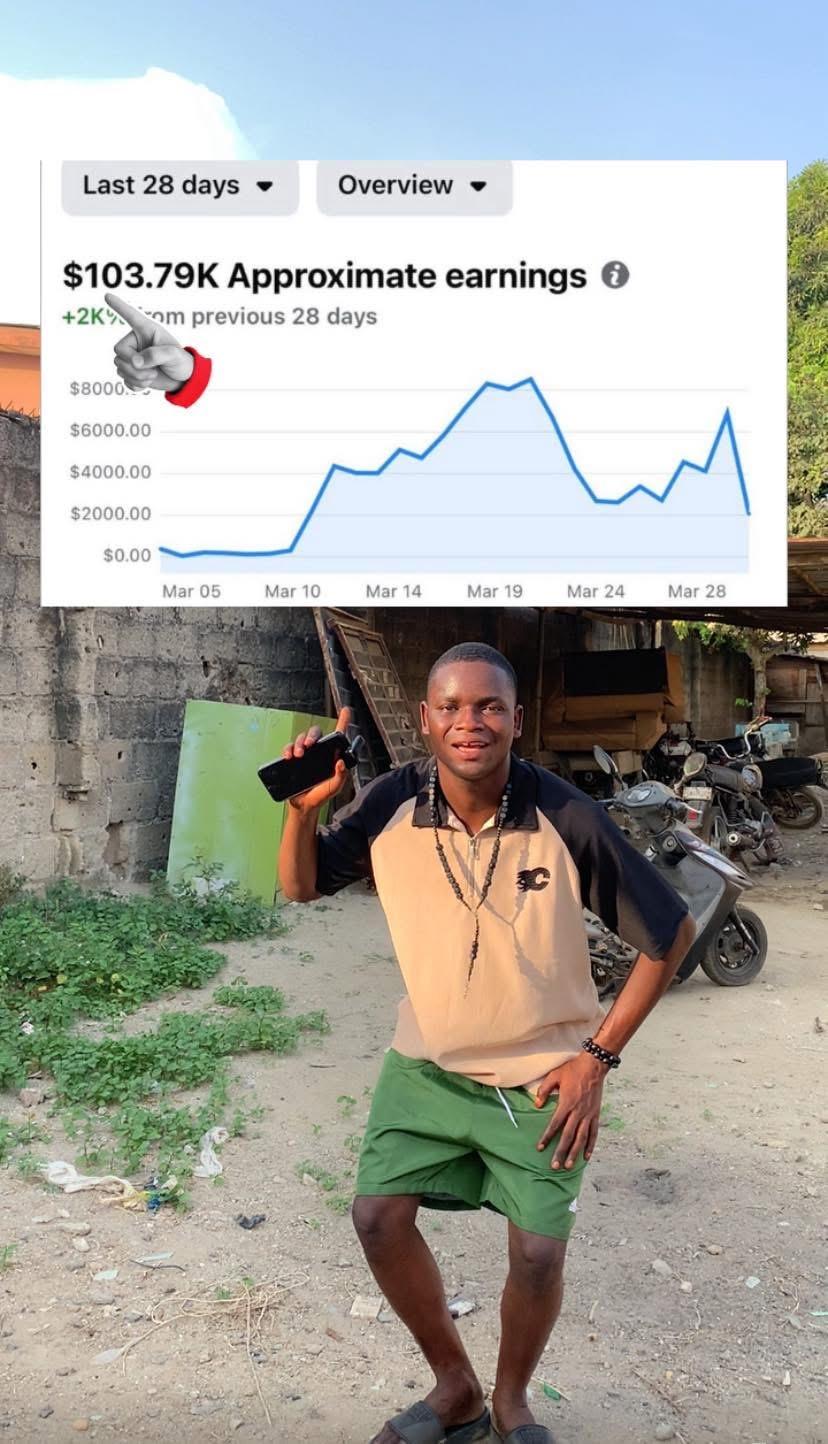
    Below is a screenshot from dashboard in abroad ærning a whopping amount of $103k in just 28 days
    The only people enjoying faceboook moni are people in abroad. In US , UK, Canada, UAE and some other foreign countries, you don’t need to stress yourself. In abroad, 1k views can ærn you $20 to $30. But in Afr!ca here, especially in N!geria, a video of over 200k views with a very high engagement barely gives $10 😭 African content creators are sufffer!ng smiling Below is a screenshot from dashboard in abroad ærning a whopping amount of $103k in just 28 days
    like
    2
    · 1 Yorumlar ·0 hisse senetleri ·472 Views
  • BREAKING: Iran has expressed willingness to hold “fair and just” nuclear talks with the United States but firmly rejected any form of pressure or dictation.

    Foreign Minister Abbas Araghchi said Tehran remains open to meaningful diplomacy, stressing that negotiations must be logical and respectful, not conducted under threats. He also made it clear that Iran will not negotiate over its missile program.

    No date or format has been set for possible talks, and no meeting with US officials has been arranged so far.

    #Iran #USA #NuclearTalks #GlobalPolitics
    BREAKING: Iran has expressed willingness to hold “fair and just” nuclear talks with the United States but firmly rejected any form of pressure or dictation. Foreign Minister Abbas Araghchi said Tehran remains open to meaningful diplomacy, stressing that negotiations must be logical and respectful, not conducted under threats. He also made it clear that Iran will not negotiate over its missile program. No date or format has been set for possible talks, and no meeting with US officials has been arranged so far. #Iran #USA #NuclearTalks #GlobalPolitics
    love
    1
    · 0 Yorumlar ·0 hisse senetleri ·1K Views
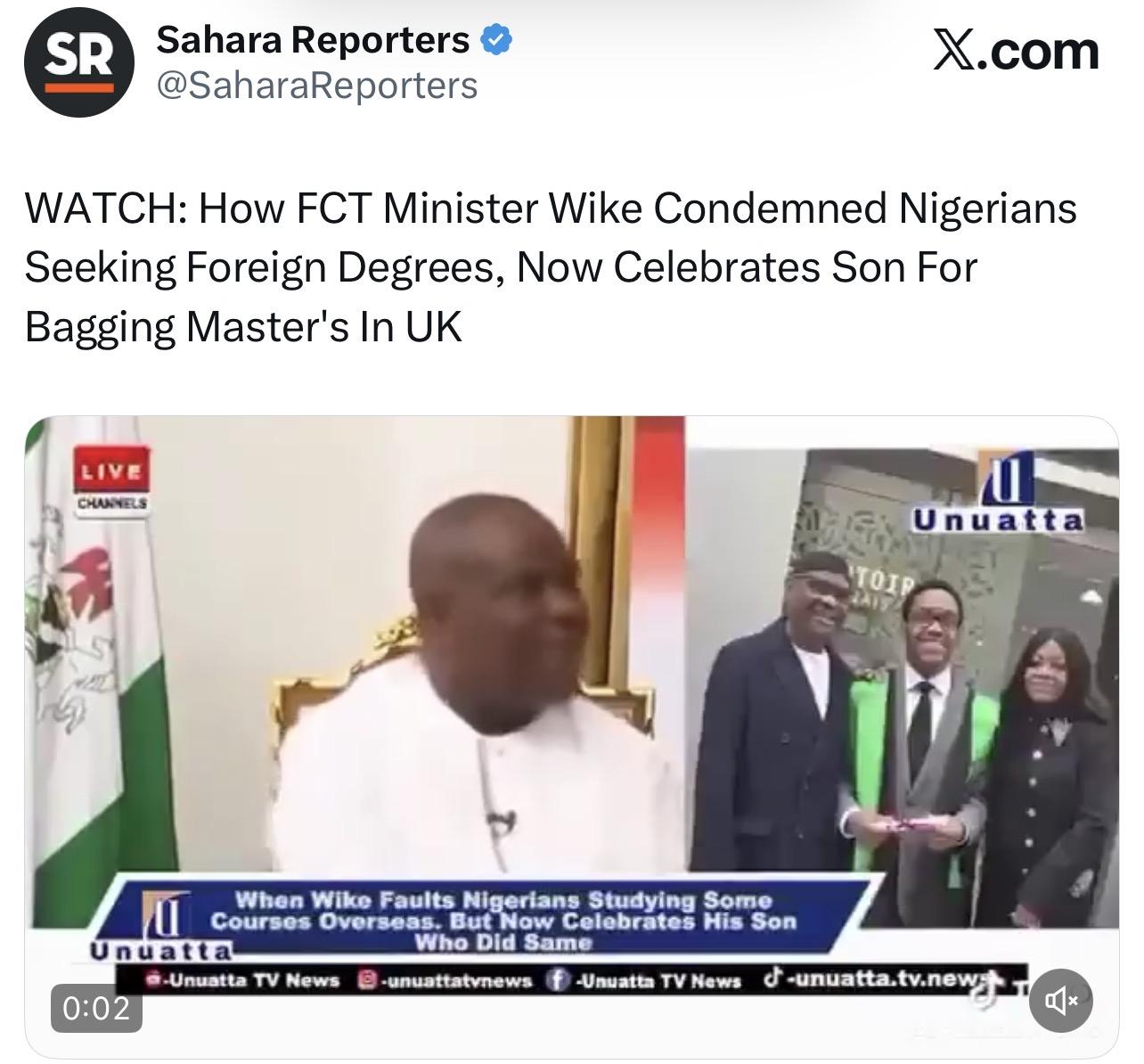
  • WATCH: How FCT Minister Wike Condemned Nigerians Seeking Foreign Degrees, Now Celebrates Son For Bagging Master's In UK
    WATCH: How FCT Minister Wike Condemned Nigerians Seeking Foreign Degrees, Now Celebrates Son For Bagging Master's In UK
    0 Yorumlar ·0 hisse senetleri ·506 Views
  • Domestic Worker Arrested for Allegedly Stealing Dollars, Cash, and Jewelry from Employer’s Home……


    A domestic worker has been apprehended after allegedly stealing large sums of foreign currency, cash, jewelry, and other valuable items from the residence where she was employed. The incident came to light after her employers noticed missing valuables and alerted security operatives. Items reportedly recovered include dollars, local currency, and expensive jewelry. The suspect is currently in custody while investigations continue.
    Domestic Worker Arrested for Allegedly Stealing Dollars, Cash, and Jewelry from Employer’s Home…… A domestic worker has been apprehended after allegedly stealing large sums of foreign currency, cash, jewelry, and other valuable items from the residence where she was employed. The incident came to light after her employers noticed missing valuables and alerted security operatives. Items reportedly recovered include dollars, local currency, and expensive jewelry. The suspect is currently in custody while investigations continue.
    love
    2
    · 0 Yorumlar ·0 hisse senetleri ·759 Views ·3 Plays
  • Typical Trump,’ Amb Keshi Reviews US President’s Davos Speech

    Ambassador Joe Keshi, former Permanent Secretary of Nigeria’s Ministry of Foreign Affairs, described President Donald Trump’s speech at the World Economic Forum (WEF) in Davos, Switzerland as “nothing special.”

    Trump had declared the United States as the ‘economic engine of the planet’, a statement Keshi seemed to view as typical of the US leader’s style.

    #Trump #Davos2026 #JoeKeshi #WorldEconomicForum
    Typical Trump,’ Amb Keshi Reviews US President’s Davos Speech Ambassador Joe Keshi, former Permanent Secretary of Nigeria’s Ministry of Foreign Affairs, described President Donald Trump’s speech at the World Economic Forum (WEF) in Davos, Switzerland as “nothing special.” Trump had declared the United States as the ‘economic engine of the planet’, a statement Keshi seemed to view as typical of the US leader’s style. #Trump #Davos2026 #JoeKeshi #WorldEconomicForum
    love
    1
    · 0 Yorumlar ·0 hisse senetleri ·909 Views
  • How Unverified Onitsha Claims Fueled Trump’s “Christian Genocide” Narrative and US Airstrikes in Nigeria

    This report exposes how unverified data from Emeka Umeagbalasi, an Onitsha-based screwdriver seller and activist, influenced powerful US politicians and former President Donald Trump’s claims of a “Christian genocide” in Nigeria. Despite relying largely on secondary sources, assumptions, and Google searches, his figures were cited by US lawmakers and echoed in rhetoric that helped justify US airstrikes in Nigeria. Investigations by The New York Times and experts reveal major flaws, confirmation bias, and exaggerated statistics, noting that Nigeria’s insecurity affects both Christians and Muslims. Critics warn that such misinformation fuels ethnic tension, global misunderstanding, and dangerous foreign policy decisions.

    #NigeriaSecurity
    #Misinformation
    #ChristianGenocideDebate
    How Unverified Onitsha Claims Fueled Trump’s “Christian Genocide” Narrative and US Airstrikes in Nigeria This report exposes how unverified data from Emeka Umeagbalasi, an Onitsha-based screwdriver seller and activist, influenced powerful US politicians and former President Donald Trump’s claims of a “Christian genocide” in Nigeria. Despite relying largely on secondary sources, assumptions, and Google searches, his figures were cited by US lawmakers and echoed in rhetoric that helped justify US airstrikes in Nigeria. Investigations by The New York Times and experts reveal major flaws, confirmation bias, and exaggerated statistics, noting that Nigeria’s insecurity affects both Christians and Muslims. Critics warn that such misinformation fuels ethnic tension, global misunderstanding, and dangerous foreign policy decisions. #NigeriaSecurity #Misinformation #ChristianGenocideDebate
    love
    1
    · 0 Yorumlar ·0 hisse senetleri ·1K Views
  • Iran's Supreme Leader Ayatolah AfkRameneed has accused President Donald Trump and the
    US of being behind the deaths of 'several thousand' people during weeks of antigovernment protests, alleging direct foreign involvement in the violence.
    #news #Iran
    Iran's Supreme Leader Ayatolah AfkRameneed has accused President Donald Trump and the US of being behind the deaths of 'several thousand' people during weeks of antigovernment protests, alleging direct foreign involvement in the violence. #news #Iran
    love
    1
    · 0 Yorumlar ·0 hisse senetleri ·695 Views
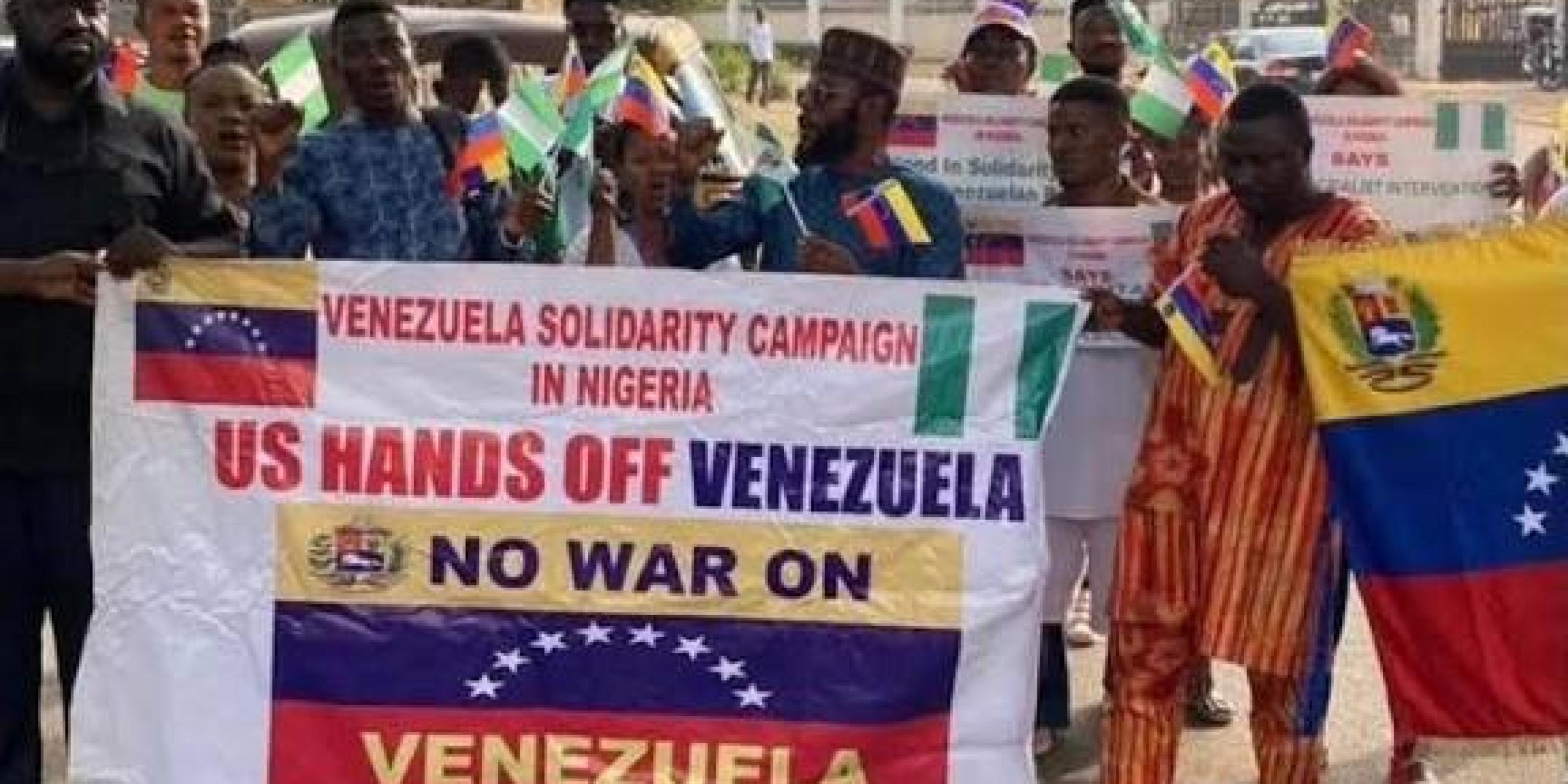
  • Nigerian Group Condemns U.S. Strike on Venezuela, Mourns Cuban Losses, Demands Release of Maduro

    The Venezuela Solidarity Campaign in Nigeria (VSCN) has condemned the recent U.S. military attack on Venezuela, describing it as a violation of international law and national sovereignty. The group mourned Venezuelan soldiers, Cuban officers and civilians killed in the strikes, calling their deaths a painful reminder of the human cost of foreign intervention. VSCN also decried the reported abduction of President Nicolás Maduro and First Combatant Cilia Flores, urging African nations and the global community to demand an immediate end to the aggression, respect for sovereignty, and the release of Venezuela’s leaders.

    #VenezuelaCrisis #USMilitaryStrike #InternationalLaw
    Nigerian Group Condemns U.S. Strike on Venezuela, Mourns Cuban Losses, Demands Release of Maduro The Venezuela Solidarity Campaign in Nigeria (VSCN) has condemned the recent U.S. military attack on Venezuela, describing it as a violation of international law and national sovereignty. The group mourned Venezuelan soldiers, Cuban officers and civilians killed in the strikes, calling their deaths a painful reminder of the human cost of foreign intervention. VSCN also decried the reported abduction of President Nicolás Maduro and First Combatant Cilia Flores, urging African nations and the global community to demand an immediate end to the aggression, respect for sovereignty, and the release of Venezuela’s leaders. #VenezuelaCrisis #USMilitaryStrike #InternationalLaw
    love
    3
    · 0 Yorumlar ·0 hisse senetleri ·1K Views
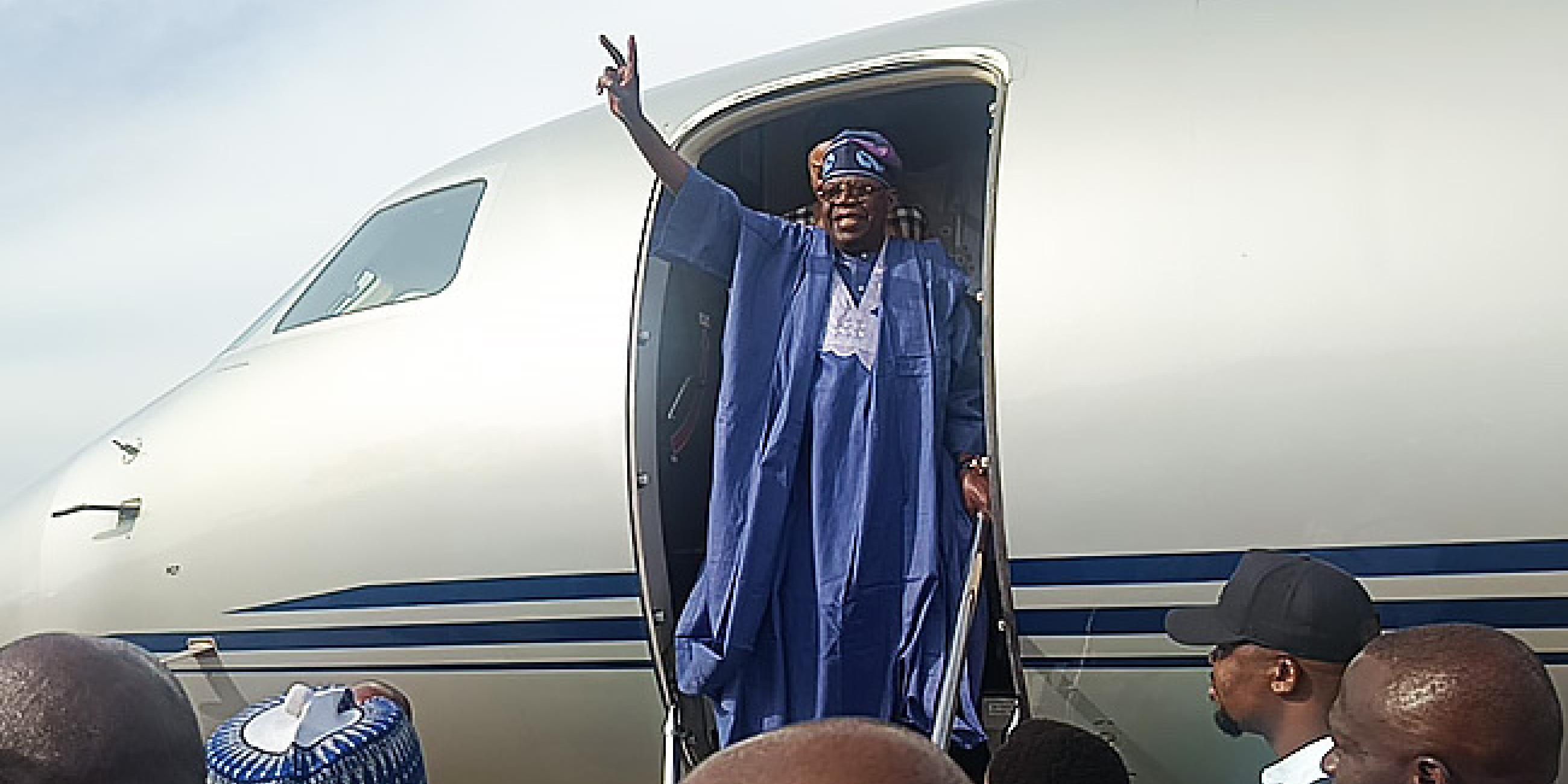
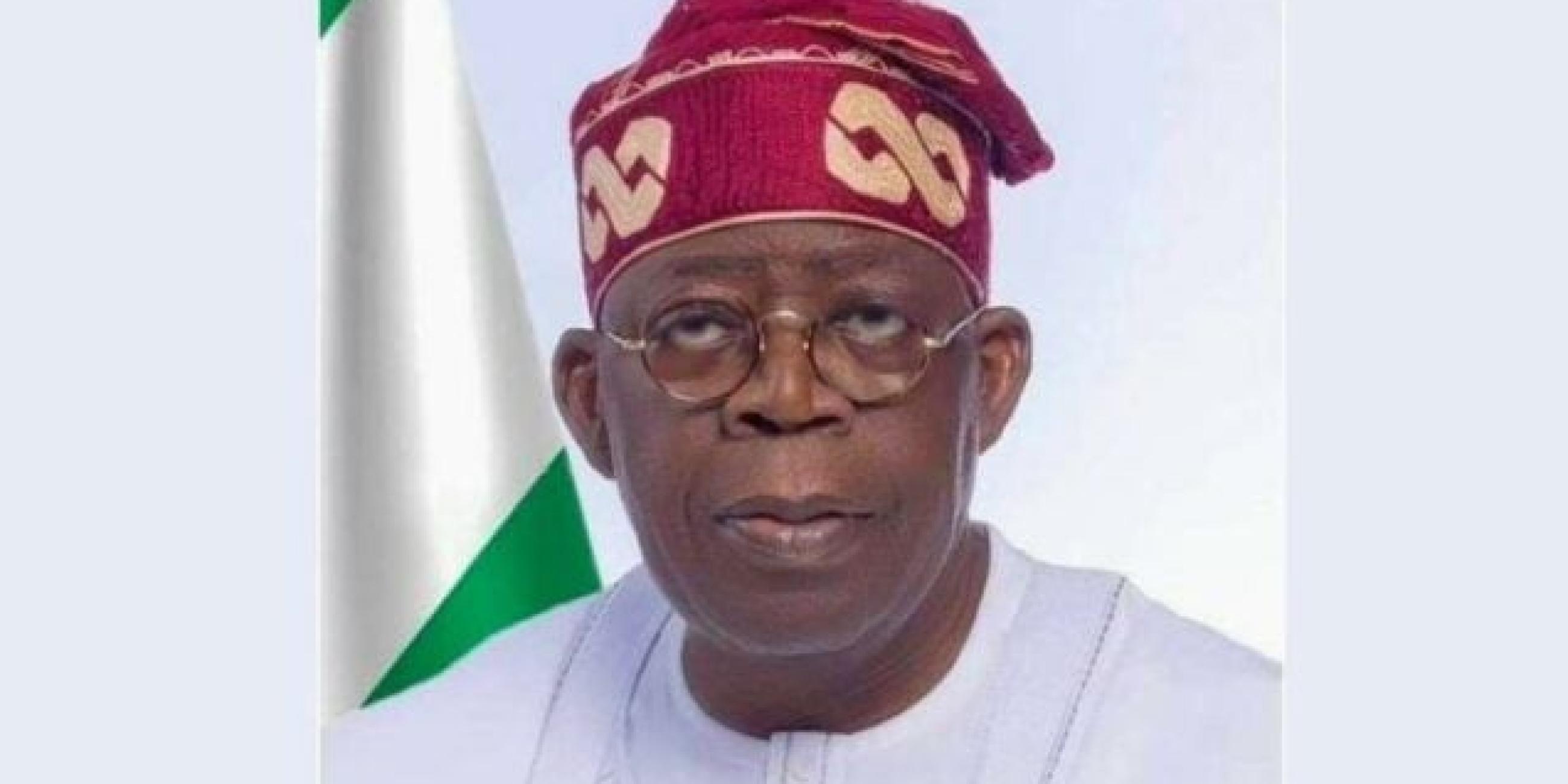
  • Tinubu Returns to Abuja After Weeks Away, Seals Major Nigeria–UAE Trade Deal in Abu Dhabi

    President Bola Tinubu has returned to Abuja after weeks abroad, following his participation in the 2026 Abu Dhabi Sustainability Week. During the summit, Nigeria and the United Arab Emirates signed a landmark Economic Partnership Agreement aimed at boosting trade, investment, and technology transfer. The deal grants duty-free access for thousands of Nigerian products into the UAE market and covers key sectors such as energy, agriculture, infrastructure, mining, and renewables. Tinubu’s trip, which began with a stay in Paris, underscores his administration’s push to attract foreign investment, expand non-oil exports, and reposition Nigeria in the global economy.


    #TinubuReturns #NigeriaUAEDeal #NaijaEconomy
    Tinubu Returns to Abuja After Weeks Away, Seals Major Nigeria–UAE Trade Deal in Abu Dhabi President Bola Tinubu has returned to Abuja after weeks abroad, following his participation in the 2026 Abu Dhabi Sustainability Week. During the summit, Nigeria and the United Arab Emirates signed a landmark Economic Partnership Agreement aimed at boosting trade, investment, and technology transfer. The deal grants duty-free access for thousands of Nigerian products into the UAE market and covers key sectors such as energy, agriculture, infrastructure, mining, and renewables. Tinubu’s trip, which began with a stay in Paris, underscores his administration’s push to attract foreign investment, expand non-oil exports, and reposition Nigeria in the global economy. #TinubuReturns #NigeriaUAEDeal #NaijaEconomy
    love
    2
    · 0 Yorumlar ·0 hisse senetleri ·1K Views
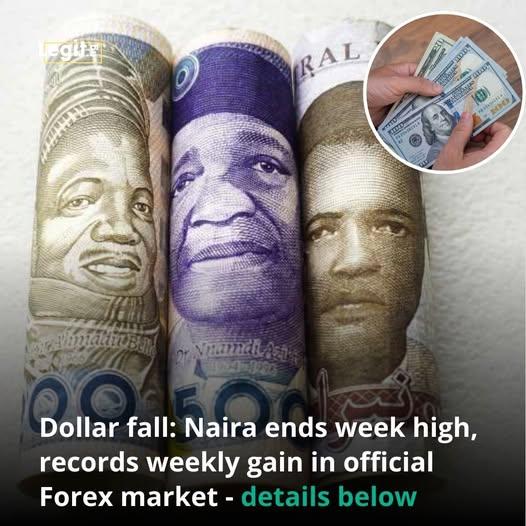
  • Naira Strengthens Against US Dollar Amid Rising Reserves and Narrowing FX Gap

    The Nigerian naira showed resilience against the US dollar, despite multiple economic pressures. Analysts attribute the development to rising external reserves and a narrowing gap between official and black-market foreign exchange rates.

    Market watchers suggest that these factors may help stabilise the currency in the near term, offering some relief amid ongoing financial uncertainties.

    #Naira #USDExchangeRate #NigeriaEconomy #Forex
    Naira Strengthens Against US Dollar Amid Rising Reserves and Narrowing FX Gap The Nigerian naira showed resilience against the US dollar, despite multiple economic pressures. Analysts attribute the development to rising external reserves and a narrowing gap between official and black-market foreign exchange rates. Market watchers suggest that these factors may help stabilise the currency in the near term, offering some relief amid ongoing financial uncertainties. #Naira #USDExchangeRate #NigeriaEconomy #Forex
    like
    1
    · 0 Yorumlar ·0 hisse senetleri ·880 Views
  • “The Nigerian Army has failed the country. Musa, you talk too much with little action. Stop talking about insecurity and start going after the terrorists. What have you done with the 400+ names given to you by foreign intelligence of those sponsoring terrorism in Nigeria? You know these people, yet you do nothing.”

    ~ Barrister Darlington calls out Nigeria’s Defence Minister, General Musa.

    #NigeriaSecurity #Terrorism #NigerianArmy #Accountability #DarlingtonSpeaks #Insecurity #StopTalkingStartActing #BreakingNews
    “The Nigerian Army has failed the country. Musa, you talk too much with little action. Stop talking about insecurity and start going after the terrorists. What have you done with the 400+ names given to you by foreign intelligence of those sponsoring terrorism in Nigeria? You know these people, yet you do nothing.” ~ Barrister Darlington calls out Nigeria’s Defence Minister, General Musa. #NigeriaSecurity #Terrorism #NigerianArmy #Accountability #DarlingtonSpeaks #Insecurity #StopTalkingStartActing #BreakingNews
    love
    2
    · 0 Yorumlar ·0 hisse senetleri ·1K Views ·12 Plays
  • PDP Slams Tinubu Govt Over ‘Shameful’ $9m U.S. Lobbying Deal, Says Citizens Need Protection—Not PR

    The Peoples Democratic Party (PDP) has condemned the Tinubu-led Federal Government over a reported $9 million contract with U.S. lobbying firm, DCI Group, aimed at influencing the Trump administration and U.S. lawmakers on Nigeria’s insecurity challenges.

    The deal, allegedly facilitated through Aster Legal, is said to focus on convincing U.S. authorities that Nigeria is taking concrete steps to curb insecurity, particularly the killings of Christians in the northern region.

    In a statement dated Wednesday, January 14, 2026, and signed by its National Publicity Secretary, Comrade Ini Ememobong, the PDP described the contract as “defective and deceptive,” arguing that the government should prioritise protecting lives at home rather than spending millions on foreign image management.

    Question: Should Nigeria be paying $9 million for lobbying abroad while citizens remain unsafe at home?

    #NigeriaPolitics #Tinubu #PDP #Insecurity
    PDP Slams Tinubu Govt Over ‘Shameful’ $9m U.S. Lobbying Deal, Says Citizens Need Protection—Not PR The Peoples Democratic Party (PDP) has condemned the Tinubu-led Federal Government over a reported $9 million contract with U.S. lobbying firm, DCI Group, aimed at influencing the Trump administration and U.S. lawmakers on Nigeria’s insecurity challenges. The deal, allegedly facilitated through Aster Legal, is said to focus on convincing U.S. authorities that Nigeria is taking concrete steps to curb insecurity, particularly the killings of Christians in the northern region. In a statement dated Wednesday, January 14, 2026, and signed by its National Publicity Secretary, Comrade Ini Ememobong, the PDP described the contract as “defective and deceptive,” arguing that the government should prioritise protecting lives at home rather than spending millions on foreign image management. Question: Should Nigeria be paying $9 million for lobbying abroad while citizens remain unsafe at home? #NigeriaPolitics #Tinubu #PDP #Insecurity
    love
    1
    · 0 Yorumlar ·0 hisse senetleri ·624 Views
  • Tinubu Dey Wash Image for Oyibo While Insecurity Dey Kill Us: Yoruba Group Slam $9m US Lobby Deal

    Wahala don burst as pan-Yoruba group Ìgbìnmó Májékóbájé Ilé-Yorùbá accuse President Bola Tinubu of wrong priority after report say Federal Government commit $9 million to hire US lobbyists while insecurity dey scatter Nigeria.

    For statement wey Olusola Badero sign, the group say the money wey government allegedly pay foreign lobbyists fit use fight banditry, kidnapping and killings wey don claim thousands of lives across the country. Dem accuse Tinubu of caring more about foreign image laundering and 2027 politics than the suffering of ordinary Nigerians.

    According to dem, APC government dey waste taxpayers’ money to paint Nigeria fine for abroad, while people dey die every day for villages, highways and even Abuja. Dem say terrorists full almost all states, yet government dey pretend say everywhere safe and even dey give amnesty to criminals.

    The group react to report say NSA Nuhu Ribadu arrange deal with US firm DCI Group, with initial $4.5m paid and another $4.5m to follow, making am $750k per month. Dem question why Tinubu go dey “appease Trump” instead of fixing security, economy and governance.

    Dem demand accountability, urge Nigerians to hold government responsible, and insist say $9m fit rebuild communities, support victims and strengthen security—not to polish Nigeria image for abroad while citizens dey suffer.
    Tinubu Dey Wash Image for Oyibo While Insecurity Dey Kill Us: Yoruba Group Slam $9m US Lobby Deal Wahala don burst as pan-Yoruba group Ìgbìnmó Májékóbájé Ilé-Yorùbá accuse President Bola Tinubu of wrong priority after report say Federal Government commit $9 million to hire US lobbyists while insecurity dey scatter Nigeria. For statement wey Olusola Badero sign, the group say the money wey government allegedly pay foreign lobbyists fit use fight banditry, kidnapping and killings wey don claim thousands of lives across the country. Dem accuse Tinubu of caring more about foreign image laundering and 2027 politics than the suffering of ordinary Nigerians. According to dem, APC government dey waste taxpayers’ money to paint Nigeria fine for abroad, while people dey die every day for villages, highways and even Abuja. Dem say terrorists full almost all states, yet government dey pretend say everywhere safe and even dey give amnesty to criminals. The group react to report say NSA Nuhu Ribadu arrange deal with US firm DCI Group, with initial $4.5m paid and another $4.5m to follow, making am $750k per month. Dem question why Tinubu go dey “appease Trump” instead of fixing security, economy and governance. Dem demand accountability, urge Nigerians to hold government responsible, and insist say $9m fit rebuild communities, support victims and strengthen security—not to polish Nigeria image for abroad while citizens dey suffer.
    0 Yorumlar ·0 hisse senetleri ·1K Views
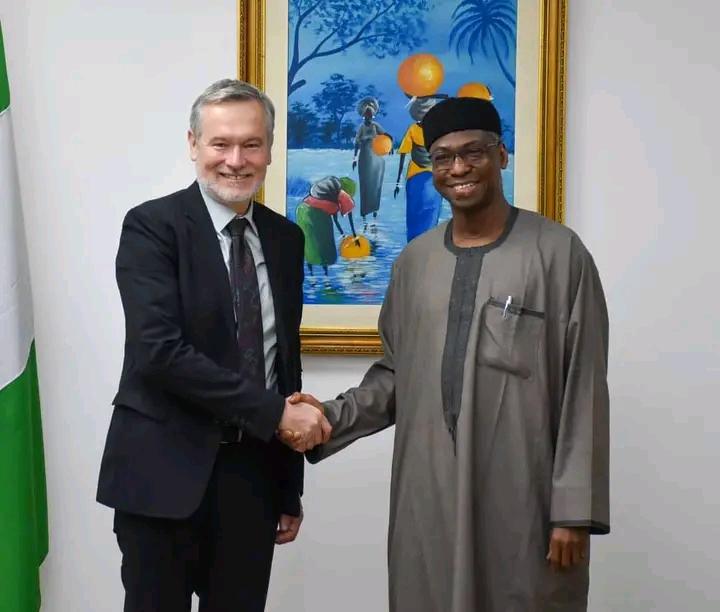
  • Another Tori oo! Nigeria, EU Ready to Tighten Relationship, Set Big 2026 Abuja Summit

    Nigeria and the European Union don agree to strengthen their strategic partnership, with a major ministerial summit scheduled for Abuja in March 2026. According to a statement by the Ministry of Foreign Affairs spokesperson, Kimibie Ebienfa, the decision follow high-level talks between Nigeria’s Permanent Secretary of Foreign Affairs, Ambassador Dunoma Umar Ahmed, and EU Ambassador, Gautier Mignot. Both sides agree say future cooperation go focus more on non-oil sectors like agriculture, digital economy and green innovation, as Nigeria dey look for ways to reduce dependence on crude oil. The EU also pledge continued support for counter-terrorism, Gulf of Guinea maritime security and tackling root causes of instability such as youth unemployment. Nigeria, on her part, call for stronger EU backing on climate adaptation and green technology. Dem also agree on balanced migration approach through skills partnerships under the EU “Global Gateway” initiative, aimed at boosting infrastructure, clean energy and youth development. Both parties express confidence say 2026 go be turning point for deeper cooperation. Wahala oo, Nigeria foreign partnership don enter new level.

    Another Tori oo! Nigeria, EU Ready to Tighten Relationship, Set Big 2026 Abuja Summit Nigeria and the European Union don agree to strengthen their strategic partnership, with a major ministerial summit scheduled for Abuja in March 2026. According to a statement by the Ministry of Foreign Affairs spokesperson, Kimibie Ebienfa, the decision follow high-level talks between Nigeria’s Permanent Secretary of Foreign Affairs, Ambassador Dunoma Umar Ahmed, and EU Ambassador, Gautier Mignot. Both sides agree say future cooperation go focus more on non-oil sectors like agriculture, digital economy and green innovation, as Nigeria dey look for ways to reduce dependence on crude oil. The EU also pledge continued support for counter-terrorism, Gulf of Guinea maritime security and tackling root causes of instability such as youth unemployment. Nigeria, on her part, call for stronger EU backing on climate adaptation and green technology. Dem also agree on balanced migration approach through skills partnerships under the EU “Global Gateway” initiative, aimed at boosting infrastructure, clean energy and youth development. Both parties express confidence say 2026 go be turning point for deeper cooperation. Wahala oo, Nigeria foreign partnership don enter new level.
    love
    1
    · 0 Yorumlar ·0 hisse senetleri ·802 Views
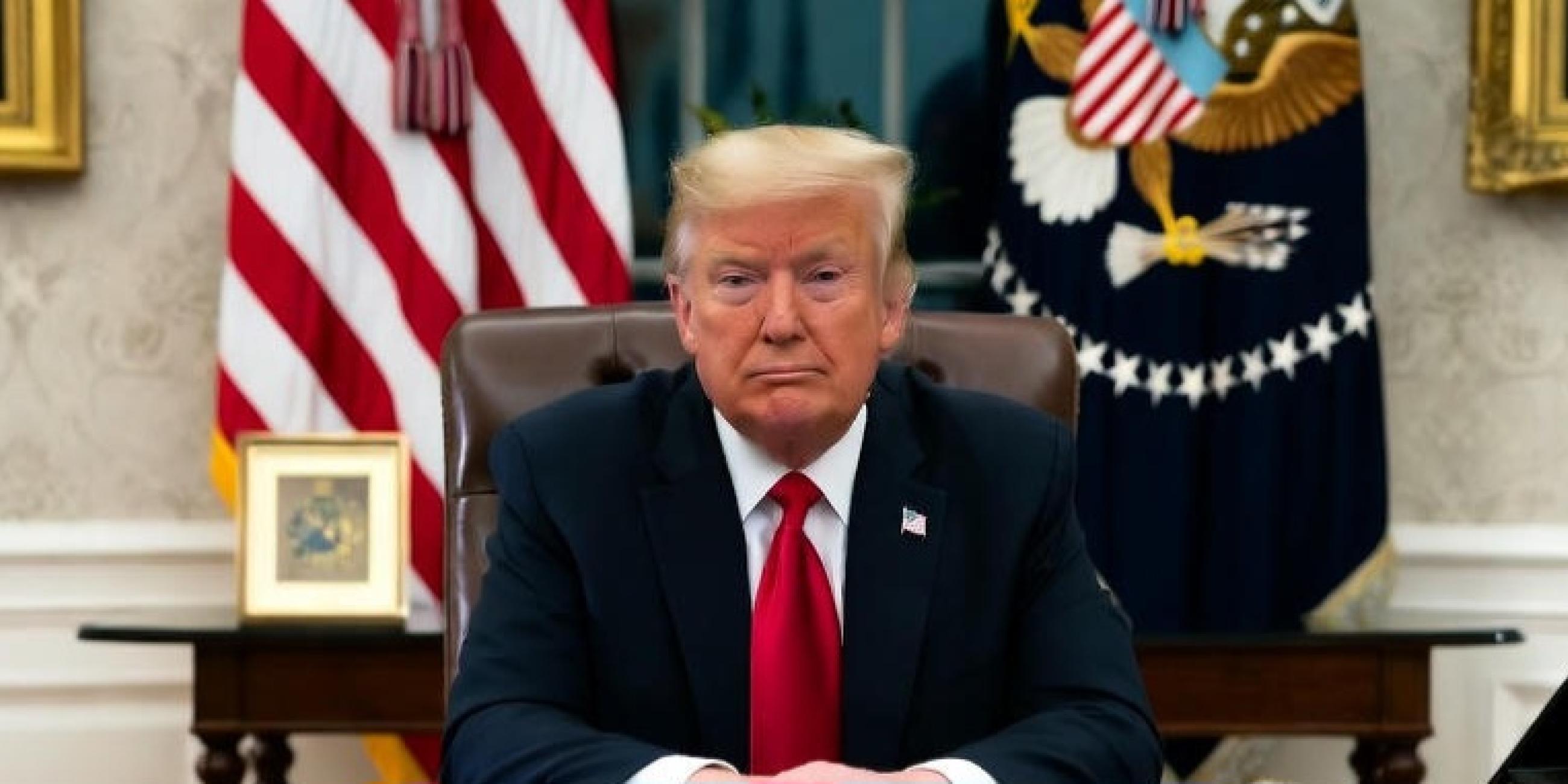
  • Trump Declares Emergency to Lock Down Venezuela’s Oil Funds in U.S. Treasury

    President Donald Trump has signed an executive order declaring a national emergency to block courts, creditors, and private parties from seizing Venezuelan oil revenue held in U.S. Treasury accounts.

    The White House said the funds—classified as Foreign Government Deposit Funds—are now fully protected from attachment, judgment, liens, or any form of legal action. The order also bans any transfer or use of the money unless explicitly authorised by the U.S. government.

    According to the administration, allowing the funds to be accessed would undermine U.S. foreign policy goals, weaken efforts to stabilise Venezuela, and threaten regional security. Officials linked the decision to concerns over illegal immigration, drug trafficking, and the influence of hostile foreign actors.

    The White House warned that losing control of the oil revenues could strengthen groups such as Iran and Hezbollah while crippling initiatives aimed at restoring political and economic stability in Venezuela and across the Western Hemisphere.

    The move forms part of Trump’s hardline “America First” approach to Venezuela. His administration has designated several criminal groups as terrorist organisations, imposed strict measures on oil shipments, and authorised aggressive action against narcotics networks operating in the region.

    Earlier on the same day, Trump met with top oil executives, revealing plans for large-scale U.S. investment in Venezuela’s energy sector. He said the deals could involve “hundreds of billions of dollars,” boost oil production, and drive prices down globally.

    The White House described the executive order as a strategic step to safeguard U.S. national security interests while maintaining control over Venezuela’s most critical financial asset.


    Trump Declares Emergency to Lock Down Venezuela’s Oil Funds in U.S. Treasury President Donald Trump has signed an executive order declaring a national emergency to block courts, creditors, and private parties from seizing Venezuelan oil revenue held in U.S. Treasury accounts. The White House said the funds—classified as Foreign Government Deposit Funds—are now fully protected from attachment, judgment, liens, or any form of legal action. The order also bans any transfer or use of the money unless explicitly authorised by the U.S. government. According to the administration, allowing the funds to be accessed would undermine U.S. foreign policy goals, weaken efforts to stabilise Venezuela, and threaten regional security. Officials linked the decision to concerns over illegal immigration, drug trafficking, and the influence of hostile foreign actors. The White House warned that losing control of the oil revenues could strengthen groups such as Iran and Hezbollah while crippling initiatives aimed at restoring political and economic stability in Venezuela and across the Western Hemisphere. The move forms part of Trump’s hardline “America First” approach to Venezuela. His administration has designated several criminal groups as terrorist organisations, imposed strict measures on oil shipments, and authorised aggressive action against narcotics networks operating in the region. Earlier on the same day, Trump met with top oil executives, revealing plans for large-scale U.S. investment in Venezuela’s energy sector. He said the deals could involve “hundreds of billions of dollars,” boost oil production, and drive prices down globally. The White House described the executive order as a strategic step to safeguard U.S. national security interests while maintaining control over Venezuela’s most critical financial asset.
    0 Yorumlar ·0 hisse senetleri ·1K Views
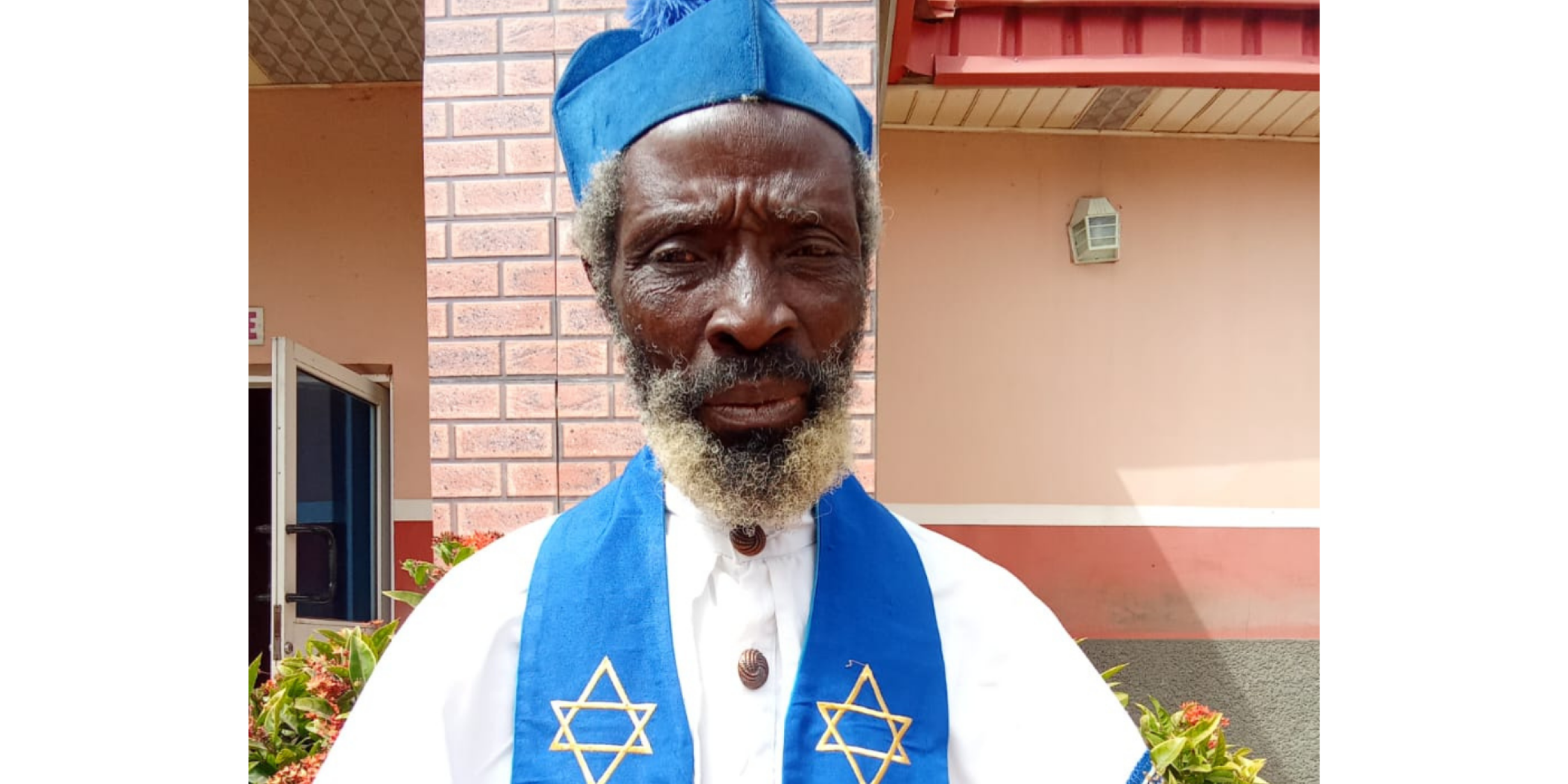
  • Is Nnamdi Kanu Being Illegally Detained? Nigerian Jewish Leader Visits IPOB Founder in Sokoto Prison, Rejects Terrorism Label and Demands His Immediate Release

    Is the continued detention of Mazi Nnamdi Kanu, leader of the Indigenous People of Biafra (IPOB), legally justified—or is it a violation of justice and human rights? This question has been reignited following a high-profile prison visit by Kohen Daniel Onuoha, a Nigerian Jewish cleric and spiritual leader of the Peace of Yahweh Synagogue and founder of Eastern Judaism, who met Kanu at the Sokoto Correctional Facility on January 10, 2026.

    Describing the visit as an act of spiritual and moral solidarity, Onuoha said he was accompanied by his wife and representatives of Jewish congregations in Nigeria’s former Eastern Region, whom he said “faithfully observe the Ten Commandments.” According to him, the visit symbolised years of prayers and sacrifices by his community for Kanu’s freedom.

    “For over five years, we have remained steadfast in daily sacrifices and prayers to Elohim without interruption,” Onuoha said, adding that the prison visit reaffirmed his commitment to justice and liberty.

    During the visit, the cleric directly challenged the legal foundation of Kanu’s continued incarceration, urging the international community, legal experts, and human rights organisations to examine what he described as questionable legal grounds for the case. He argued that Kanu’s prosecution was based on a repealed law, making the detention unlawful.

    Onuoha also rejected the designation of Kanu and IPOB as terrorists, insisting that neither the separatist leader nor the movement had committed violent acts. “Mazi Nnamdi Kanu is not a terrorist, and IPOB is not a terrorist organisation,” he declared, adding that Kanu’s ordeal stemmed from the peaceful exercise of self-determination and his public criticism of alleged abuses by political elites, foreign interests, and local power structures.

    He further contended that speech alone cannot justify criminal conviction, stressing that verbal expressions or broadcasts without evidence of violence should not result in imprisonment. Calling for Kanu’s “immediate and unconditional release,” the Jewish leader said such action was necessary to uphold justice and the rule of law.

    Beyond Kanu’s case, Onuoha appealed for broader international intervention, arguing that Biafrans continue to face marginalisation, oppression, and violence. He commended U.S. President Donald Trump for what he described as efforts to protect Christians in Nigeria and urged increased global pressure on Nigerian authorities over alleged human rights violations.

    In his closing remarks, Onuoha called on Kanu’s supporters, Biafrans, Jews, and human rights advocates to remain peaceful, resilient, and steadfast, expressing confidence that justice would ultimately prevail.

    The visit raises urgent questions: Is Nnamdi Kanu’s detention legally valid? Has the terrorism label been misapplied? And will international scrutiny finally force a reassessment of one of Nigeria’s most controversial political prosecutions?

    Is Nnamdi Kanu Being Illegally Detained? Nigerian Jewish Leader Visits IPOB Founder in Sokoto Prison, Rejects Terrorism Label and Demands His Immediate Release Is the continued detention of Mazi Nnamdi Kanu, leader of the Indigenous People of Biafra (IPOB), legally justified—or is it a violation of justice and human rights? This question has been reignited following a high-profile prison visit by Kohen Daniel Onuoha, a Nigerian Jewish cleric and spiritual leader of the Peace of Yahweh Synagogue and founder of Eastern Judaism, who met Kanu at the Sokoto Correctional Facility on January 10, 2026. Describing the visit as an act of spiritual and moral solidarity, Onuoha said he was accompanied by his wife and representatives of Jewish congregations in Nigeria’s former Eastern Region, whom he said “faithfully observe the Ten Commandments.” According to him, the visit symbolised years of prayers and sacrifices by his community for Kanu’s freedom. “For over five years, we have remained steadfast in daily sacrifices and prayers to Elohim without interruption,” Onuoha said, adding that the prison visit reaffirmed his commitment to justice and liberty. During the visit, the cleric directly challenged the legal foundation of Kanu’s continued incarceration, urging the international community, legal experts, and human rights organisations to examine what he described as questionable legal grounds for the case. He argued that Kanu’s prosecution was based on a repealed law, making the detention unlawful. Onuoha also rejected the designation of Kanu and IPOB as terrorists, insisting that neither the separatist leader nor the movement had committed violent acts. “Mazi Nnamdi Kanu is not a terrorist, and IPOB is not a terrorist organisation,” he declared, adding that Kanu’s ordeal stemmed from the peaceful exercise of self-determination and his public criticism of alleged abuses by political elites, foreign interests, and local power structures. He further contended that speech alone cannot justify criminal conviction, stressing that verbal expressions or broadcasts without evidence of violence should not result in imprisonment. Calling for Kanu’s “immediate and unconditional release,” the Jewish leader said such action was necessary to uphold justice and the rule of law. Beyond Kanu’s case, Onuoha appealed for broader international intervention, arguing that Biafrans continue to face marginalisation, oppression, and violence. He commended U.S. President Donald Trump for what he described as efforts to protect Christians in Nigeria and urged increased global pressure on Nigerian authorities over alleged human rights violations. In his closing remarks, Onuoha called on Kanu’s supporters, Biafrans, Jews, and human rights advocates to remain peaceful, resilient, and steadfast, expressing confidence that justice would ultimately prevail. The visit raises urgent questions: Is Nnamdi Kanu’s detention legally valid? Has the terrorism label been misapplied? And will international scrutiny finally force a reassessment of one of Nigeria’s most controversial political prosecutions?
    love
    1
    · 0 Yorumlar ·0 hisse senetleri ·1K Views
  • Are Iran’s Hospitals Collapsing Under Protest Violence? Doctors Say Wards Are Overwhelmed as Death Toll Rises and Global Leaders Warn Tehran

    Are Iran’s healthcare systems being pushed to the brink as nationwide protests intensify? Medical workers in Tehran and other cities say hospitals are overwhelmed by a surge of injured protesters, many suffering gunshot wounds to the head and eyes, raising urgent questions about the state’s handling of civil unrest.

    According to doctors who contacted international media through satellite internet amid a near-total blackout, Tehran’s Farabi Hospital—one of the country’s main eye specialist centres—has entered crisis mode. Non-urgent surgeries have been suspended, emergency staff recalled, and facilities stretched beyond capacity. A medic in Shiraz reported that hospitals lack enough surgeons to cope with the growing number of casualties.

    Human rights organisations estimate that at least 50 protesters have been killed since demonstrations began on December 28, with more than 2,300 arrests nationwide. The Norway-based Iran Human Rights group says the death toll includes children, while families of victims continue to speak out despite heavy restrictions on media and internet access. With most foreign journalists barred and communications cut, verifying events inside Iran has become increasingly difficult.

    International pressure is mounting. The United Nations has expressed deep concern over the loss of life, stressing that citizens have the right to peaceful protest and that governments must protect that right. Leaders from France, the UK and Germany issued a joint statement urging Iranian authorities to allow freedom of expression and assembly without fear of reprisals. Meanwhile, the United States warned Tehran against further violence, while Iran accused Washington of fuelling what it called “subversive acts.”

    Iran’s Supreme Leader, Ayatollah Ali Khamenei, has remained defiant, declaring that the Islamic Republic will not retreat in the face of unrest and vowing to confront what he described as “destructive elements.” In contrast, opposition voices abroad, including Reza Pahlavi, son of Iran’s last shah, praised the protests and called for continued demonstrations.

    As hospitals struggle, internet blackouts deepen, and casualty numbers climb, the crisis raises urgent questions: Is Iran’s health system reaching a breaking point? Can the government contain the unrest without further bloodshed? And how will international pressure shape what happens next?


    Are Iran’s Hospitals Collapsing Under Protest Violence? Doctors Say Wards Are Overwhelmed as Death Toll Rises and Global Leaders Warn Tehran Are Iran’s healthcare systems being pushed to the brink as nationwide protests intensify? Medical workers in Tehran and other cities say hospitals are overwhelmed by a surge of injured protesters, many suffering gunshot wounds to the head and eyes, raising urgent questions about the state’s handling of civil unrest. According to doctors who contacted international media through satellite internet amid a near-total blackout, Tehran’s Farabi Hospital—one of the country’s main eye specialist centres—has entered crisis mode. Non-urgent surgeries have been suspended, emergency staff recalled, and facilities stretched beyond capacity. A medic in Shiraz reported that hospitals lack enough surgeons to cope with the growing number of casualties. Human rights organisations estimate that at least 50 protesters have been killed since demonstrations began on December 28, with more than 2,300 arrests nationwide. The Norway-based Iran Human Rights group says the death toll includes children, while families of victims continue to speak out despite heavy restrictions on media and internet access. With most foreign journalists barred and communications cut, verifying events inside Iran has become increasingly difficult. International pressure is mounting. The United Nations has expressed deep concern over the loss of life, stressing that citizens have the right to peaceful protest and that governments must protect that right. Leaders from France, the UK and Germany issued a joint statement urging Iranian authorities to allow freedom of expression and assembly without fear of reprisals. Meanwhile, the United States warned Tehran against further violence, while Iran accused Washington of fuelling what it called “subversive acts.” Iran’s Supreme Leader, Ayatollah Ali Khamenei, has remained defiant, declaring that the Islamic Republic will not retreat in the face of unrest and vowing to confront what he described as “destructive elements.” In contrast, opposition voices abroad, including Reza Pahlavi, son of Iran’s last shah, praised the protests and called for continued demonstrations. As hospitals struggle, internet blackouts deepen, and casualty numbers climb, the crisis raises urgent questions: Is Iran’s health system reaching a breaking point? Can the government contain the unrest without further bloodshed? And how will international pressure shape what happens next?
    0 Yorumlar ·0 hisse senetleri ·1K Views
  • Nigeria Questions President Tinubu’s Whereabouts Amid Activist Sowore’s Demand for Clarity on Leadership, Public Absence Sparks Concern

    Concerns over President Bola Tinubu’s public absence have intensified as prominent activist and former presidential candidate Omoyele Sowore called on the government to clarify the president’s whereabouts. Sowore described Nigeria as effectively “operating without a president”, citing Tinubu’s extended absence from public engagements during a period of economic challenges, rising insecurity, and widespread public discontent.

    According to the Presidency, Tinubu departed Lagos for Europe to continue his end-of-year break ahead of an official trip to Abu Dhabi for the Abu Dhabi Sustainability Week Summit (ADSW 2026), where he is set to engage global leaders on sustainable development initiatives. Presidential aides confirmed he will return after the summit.

    The situation has drawn scrutiny over government transparency, leadership accountability, and budget allocations. Review of the 2026 Nigerian budget shows N6.1 billion earmarked for Tinubu’s international travels and N873 million for local travels, while Vice President Kashim Shettima plans to spend N1.3 billion on foreign trips, bringing the total for top leadership travel to N7.4 billion.

    Civil society groups and opposition figures echo Sowore’s call for clarity, insisting that Nigerians deserve reassurance about the president’s health, governance engagement, and leadership presence. The ongoing debate underscores concerns about executive transparency, fiscal responsibility, and citizen confidence in the highest office of Nigeria.
    Nigeria Questions President Tinubu’s Whereabouts Amid Activist Sowore’s Demand for Clarity on Leadership, Public Absence Sparks Concern Concerns over President Bola Tinubu’s public absence have intensified as prominent activist and former presidential candidate Omoyele Sowore called on the government to clarify the president’s whereabouts. Sowore described Nigeria as effectively “operating without a president”, citing Tinubu’s extended absence from public engagements during a period of economic challenges, rising insecurity, and widespread public discontent. According to the Presidency, Tinubu departed Lagos for Europe to continue his end-of-year break ahead of an official trip to Abu Dhabi for the Abu Dhabi Sustainability Week Summit (ADSW 2026), where he is set to engage global leaders on sustainable development initiatives. Presidential aides confirmed he will return after the summit. The situation has drawn scrutiny over government transparency, leadership accountability, and budget allocations. Review of the 2026 Nigerian budget shows N6.1 billion earmarked for Tinubu’s international travels and N873 million for local travels, while Vice President Kashim Shettima plans to spend N1.3 billion on foreign trips, bringing the total for top leadership travel to N7.4 billion. Civil society groups and opposition figures echo Sowore’s call for clarity, insisting that Nigerians deserve reassurance about the president’s health, governance engagement, and leadership presence. The ongoing debate underscores concerns about executive transparency, fiscal responsibility, and citizen confidence in the highest office of Nigeria.
    0 Yorumlar ·0 hisse senetleri ·1K Views
  • Why Are Nigerians Being Killed Abroad? Did New Year Violence in the UK and Canada Expose Growing Dangers for Nigerians in the Diaspora, as NiDCOM Mourns Two Victims?

    Are Nigerians in the diaspora becoming increasingly unsafe? The Nigerians in Diaspora Commission (NiDCOM) has expressed deep sorrow over the killing of two Nigerians in separate violent incidents in the United Kingdom and Canada in the early days of the new year, raising renewed concerns about the security of Nigerians living abroad.

    In a statement issued on behalf of the Commission’s Chairman and Chief Executive Officer, Abike Dabiri-Erewa, NiDCOM described the deaths as shocking and deeply troubling. The Commission noted that the incidents highlight growing fears over the vulnerability of Nigerians in foreign countries, even in societies often perceived as safer.

    Dabiri-Erewa extended heartfelt condolences to the families, friends, and loved ones of the victims, urging them to remain strong in the face of the tragic loss. While commending the prompt actions of the UK Metropolitan Police and the Toronto Police Service, she called for thorough, transparent, and timely investigations to ensure that those responsible are identified and brought to justice.

    According to reports, one of the victims, John Temitope Onetufo, a 23-year-old Nigerian, was fatally stabbed on New Year’s Eve in the Lewisham area of London. In a separate incident, Osemwengie Irorere, a 46-year-old Nigerian, was shot and killed at the Yorkdale GO Bus Terminal in Toronto, Canada, on Sunday, January 4. Both cases occurred within days of each other, amplifying anxiety within Nigerian communities abroad.

    NiDCOM further assured the public that it would work closely with the Nigerian High Commissions in the United Kingdom and Canada to provide all necessary support to the bereaved families, in line with the Commission’s mandate to safeguard the welfare and interests of Nigerians living outside the country.

    Beyond condolences, the tragedy has reignited a critical national conversation: Are existing diplomatic and consular protections enough to keep Nigerians abroad safe? Human rights advocates and diaspora groups argue that recurring reports of violent deaths, discrimination, and insecurity demand stronger international engagement, improved community policing partnerships, and better support systems for Nigerians facing risks overseas.

    As investigations continue, many Nigerians are asking whether these killings are isolated criminal acts—or part of a disturbing pattern affecting Africans and immigrants in Western societies. For families left behind and a diaspora already on edge, the pressing question remains: What more can be done to ensure that Nigerians seeking opportunity abroad do not pay the ultimate price?

    Why Are Nigerians Being Killed Abroad? Did New Year Violence in the UK and Canada Expose Growing Dangers for Nigerians in the Diaspora, as NiDCOM Mourns Two Victims? Are Nigerians in the diaspora becoming increasingly unsafe? The Nigerians in Diaspora Commission (NiDCOM) has expressed deep sorrow over the killing of two Nigerians in separate violent incidents in the United Kingdom and Canada in the early days of the new year, raising renewed concerns about the security of Nigerians living abroad. In a statement issued on behalf of the Commission’s Chairman and Chief Executive Officer, Abike Dabiri-Erewa, NiDCOM described the deaths as shocking and deeply troubling. The Commission noted that the incidents highlight growing fears over the vulnerability of Nigerians in foreign countries, even in societies often perceived as safer. Dabiri-Erewa extended heartfelt condolences to the families, friends, and loved ones of the victims, urging them to remain strong in the face of the tragic loss. While commending the prompt actions of the UK Metropolitan Police and the Toronto Police Service, she called for thorough, transparent, and timely investigations to ensure that those responsible are identified and brought to justice. According to reports, one of the victims, John Temitope Onetufo, a 23-year-old Nigerian, was fatally stabbed on New Year’s Eve in the Lewisham area of London. In a separate incident, Osemwengie Irorere, a 46-year-old Nigerian, was shot and killed at the Yorkdale GO Bus Terminal in Toronto, Canada, on Sunday, January 4. Both cases occurred within days of each other, amplifying anxiety within Nigerian communities abroad. NiDCOM further assured the public that it would work closely with the Nigerian High Commissions in the United Kingdom and Canada to provide all necessary support to the bereaved families, in line with the Commission’s mandate to safeguard the welfare and interests of Nigerians living outside the country. Beyond condolences, the tragedy has reignited a critical national conversation: Are existing diplomatic and consular protections enough to keep Nigerians abroad safe? Human rights advocates and diaspora groups argue that recurring reports of violent deaths, discrimination, and insecurity demand stronger international engagement, improved community policing partnerships, and better support systems for Nigerians facing risks overseas. As investigations continue, many Nigerians are asking whether these killings are isolated criminal acts—or part of a disturbing pattern affecting Africans and immigrants in Western societies. For families left behind and a diaspora already on edge, the pressing question remains: What more can be done to ensure that Nigerians seeking opportunity abroad do not pay the ultimate price?
    0 Yorumlar ·0 hisse senetleri ·1K Views
  • Is Trump Becoming the Next “Fallen Despot”? Why Iran’s Supreme Leader Khamenei Compared Him to Pharaoh, Nimrod and the Shah Amid Rising U.S.–Iran Tensions

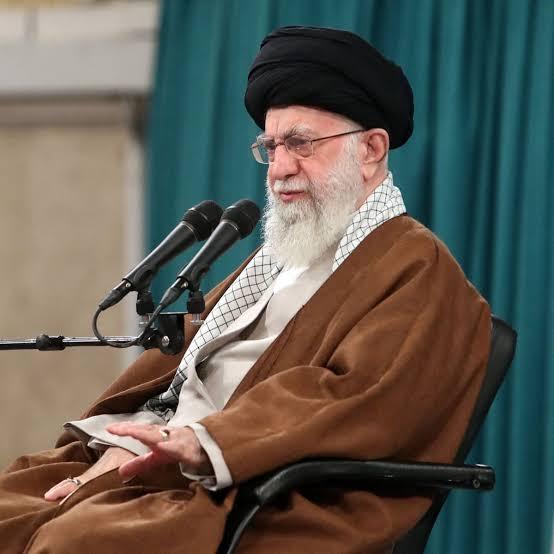
    Is Donald Trump being cast as the next ruler destined for historical downfall? Iran’s Supreme Leader, Ayatollah Ali Khamenei, has launched a sharp ideological attack on the U.S. president, accusing him of “tyrannical” leadership and warning that, like infamous rulers of the past, he too could ultimately fall from power.

    In a post shared on X (formerly Twitter), Khamenei condemned what he described as Trump’s habit of judging the world with arrogance, arguing that history offers repeated lessons about leaders who rule through hubris. Drawing striking parallels, the Iranian leader invoked figures such as Pharaoh, Nimrod, and Mohammad Reza Pahlavi—rulers who, he said, collapsed at the height of their authority after overreaching their power.

    “The US President who judges arrogantly about the whole world should know that tyrants and arrogant rulers of the world… saw their downfall when they were at the peak of their hubris. He too will fall,” Khamenei wrote. The message framed Trump not merely as a political rival, but as part of a long lineage of leaders whose dominance, according to Khamenei, eventually gave way to decline.

    The comments come amid deepening hostility between Tehran and Washington, defined by sanctions, military posturing, and public exchanges between senior officials. Khamenei, Iran’s highest authority, has consistently portrayed U.S. foreign policy as imperialistic, often embedding his criticisms within historical and religious narratives aimed at reinforcing Iran’s resistance ideology.

    Tensions intensified further following reports that Trump praised Israeli military strikes on Iran in June 2025. According to ABC News Chief Washington Correspondent Jonathan Karl, Trump described the attack as “excellent,” adding that Iran had been given a chance to change course but failed to do so—and warning that “there’s more to come, a lot more.” His remarks coincided with a series of escalating confrontations between Israel and Iran, including strikes on Iranian territory, some reportedly reaching as far as Tehran.

    Iran’s Foreign Ministry condemned the attacks as a “blatant act of aggression,” while regional analysts warned that rhetoric from both sides risks further destabilizing an already volatile Middle East. Against this backdrop, Khamenei’s comparison of Trump to fallen despots appears not only symbolic but strategic—seeking to frame U.S. pressure as morally bankrupt and historically doomed.

    The episode raises broader questions: Is Khamenei merely engaging in ideological posturing, or is Iran signaling that it sees Trump’s leadership style as unsustainable in the long run? And does invoking ancient and modern tyrants reflect a deeper effort to mobilize domestic and regional opinion against American influence?

    As U.S.–Iran relations continue to harden, the clash of narratives—Trump’s warnings of force and Khamenei’s predictions of downfall—underscores how geopolitical conflict today is fought not only with sanctions and weapons, but with history, symbolism, and the power of storytelling. Whether Trump’s approach will reinforce U.S. dominance or mirror the fate of leaders Khamenei cited remains a question shaping global attention.


    Is Trump Becoming the Next “Fallen Despot”? Why Iran’s Supreme Leader Khamenei Compared Him to Pharaoh, Nimrod and the Shah Amid Rising U.S.–Iran Tensions Is Donald Trump being cast as the next ruler destined for historical downfall? Iran’s Supreme Leader, Ayatollah Ali Khamenei, has launched a sharp ideological attack on the U.S. president, accusing him of “tyrannical” leadership and warning that, like infamous rulers of the past, he too could ultimately fall from power. In a post shared on X (formerly Twitter), Khamenei condemned what he described as Trump’s habit of judging the world with arrogance, arguing that history offers repeated lessons about leaders who rule through hubris. Drawing striking parallels, the Iranian leader invoked figures such as Pharaoh, Nimrod, and Mohammad Reza Pahlavi—rulers who, he said, collapsed at the height of their authority after overreaching their power. “The US President who judges arrogantly about the whole world should know that tyrants and arrogant rulers of the world… saw their downfall when they were at the peak of their hubris. He too will fall,” Khamenei wrote. The message framed Trump not merely as a political rival, but as part of a long lineage of leaders whose dominance, according to Khamenei, eventually gave way to decline. The comments come amid deepening hostility between Tehran and Washington, defined by sanctions, military posturing, and public exchanges between senior officials. Khamenei, Iran’s highest authority, has consistently portrayed U.S. foreign policy as imperialistic, often embedding his criticisms within historical and religious narratives aimed at reinforcing Iran’s resistance ideology. Tensions intensified further following reports that Trump praised Israeli military strikes on Iran in June 2025. According to ABC News Chief Washington Correspondent Jonathan Karl, Trump described the attack as “excellent,” adding that Iran had been given a chance to change course but failed to do so—and warning that “there’s more to come, a lot more.” His remarks coincided with a series of escalating confrontations between Israel and Iran, including strikes on Iranian territory, some reportedly reaching as far as Tehran. Iran’s Foreign Ministry condemned the attacks as a “blatant act of aggression,” while regional analysts warned that rhetoric from both sides risks further destabilizing an already volatile Middle East. Against this backdrop, Khamenei’s comparison of Trump to fallen despots appears not only symbolic but strategic—seeking to frame U.S. pressure as morally bankrupt and historically doomed. The episode raises broader questions: Is Khamenei merely engaging in ideological posturing, or is Iran signaling that it sees Trump’s leadership style as unsustainable in the long run? And does invoking ancient and modern tyrants reflect a deeper effort to mobilize domestic and regional opinion against American influence? As U.S.–Iran relations continue to harden, the clash of narratives—Trump’s warnings of force and Khamenei’s predictions of downfall—underscores how geopolitical conflict today is fought not only with sanctions and weapons, but with history, symbolism, and the power of storytelling. Whether Trump’s approach will reinforce U.S. dominance or mirror the fate of leaders Khamenei cited remains a question shaping global attention.
    0 Yorumlar ·0 hisse senetleri ·1K Views
Arama Sonuçları
Fintter https://fintter.com