• Peller Is Not an Illiterate: Jarvis Defends Ex-Boyfriend, Explains His Education

    Nigerian TikTok creator Amadou Elizabeth Aminata, popularly known as Jarvis, has spoken out to defend her ex-boyfriend and fellow streamer, Hamzat Habeeb Adelaja, aka Peller, amid claims that he is uneducated. During a recent livestream, Jarvis clarified that Peller is not an illiterate, stressing that he completed his secondary school education and holds a WAEC certificate. She explained that although he did not attend university, this was due to financial challenges, a reality many young Nigerians face. Jarvis also shared her own educational struggles, noting that she was only able to complete university after receiving support when she gained fame. Despite their breakup in December 2025, she said Peller’s lack of higher education should not be mistaken for illiteracy, highlighting that success and intelligence are not defined solely by university degrees.

    #NigerianCelebrities, #TikTokGists, #EntertainmentNews
    Peller Is Not an Illiterate: Jarvis Defends Ex-Boyfriend, Explains His Education Nigerian TikTok creator Amadou Elizabeth Aminata, popularly known as Jarvis, has spoken out to defend her ex-boyfriend and fellow streamer, Hamzat Habeeb Adelaja, aka Peller, amid claims that he is uneducated. During a recent livestream, Jarvis clarified that Peller is not an illiterate, stressing that he completed his secondary school education and holds a WAEC certificate. She explained that although he did not attend university, this was due to financial challenges, a reality many young Nigerians face. Jarvis also shared her own educational struggles, noting that she was only able to complete university after receiving support when she gained fame. Despite their breakup in December 2025, she said Peller’s lack of higher education should not be mistaken for illiteracy, highlighting that success and intelligence are not defined solely by university degrees. #NigerianCelebrities, #TikTokGists, #EntertainmentNews
    love
    like
    3
    · 0 Comments ·0 Shares ·3K Views
  • Bandits have killed an Islamic cleric, Malam Zainu AB Mada, in Zamfara State after collecting ₦2 million ransom, two phones, and ₦70,000 airtime from his family.

    Malam Zainu was abducted along the Kwatarkwashi–Mada highway, a road now known for frequent bandit attacks. Despite his family meeting all the demands, the bandits still brutally killed him.

    His funeral prayer was held on Thursday.

    This tragic killing shows a painful reality: paying ransom no longer guarantees safety. Zamfara residents continue to live in fear as kidnappings, killings, and attacks on major roads persist, despite government assurances.

    How many more lives will be lost before real action is taken?

    #Zamfara #Banditry #Insecurity #Kidnapping #NigeriaNews #StopTheKillings
    Bandits have killed an Islamic cleric, Malam Zainu AB Mada, in Zamfara State after collecting ₦2 million ransom, two phones, and ₦70,000 airtime from his family. Malam Zainu was abducted along the Kwatarkwashi–Mada highway, a road now known for frequent bandit attacks. Despite his family meeting all the demands, the bandits still brutally killed him. His funeral prayer was held on Thursday. This tragic killing shows a painful reality: paying ransom no longer guarantees safety. Zamfara residents continue to live in fear as kidnappings, killings, and attacks on major roads persist, despite government assurances. How many more lives will be lost before real action is taken? 💔🇳🇬 #Zamfara #Banditry #Insecurity #Kidnapping #NigeriaNews #StopTheKillings
    like
    1
    · 0 Comments ·0 Shares ·5K Views
  • Phyna Clears Air on Unpaid BBNaija Prize Money rumors …….

    BBNaija Season 7 winner, Phyna, has addressed reports claiming she never received her prize money from the reality show. Speaking during a recent interview, the reality TV star dismissed the rumours, explaining that the situation was misunderstood and almost got her into trouble due to public misinterpretation. Phyna clarified that she received her winnings as agreed and urged fans to disregard false narratives. She also warned against spreading unverified stories, stressing the need for accuracy when discussing personal and professional matters.
    #fintternews
    Phyna Clears Air on Unpaid BBNaija Prize Money rumors ……. BBNaija Season 7 winner, Phyna, has addressed reports claiming she never received her prize money from the reality show. Speaking during a recent interview, the reality TV star dismissed the rumours, explaining that the situation was misunderstood and almost got her into trouble due to public misinterpretation. Phyna clarified that she received her winnings as agreed and urged fans to disregard false narratives. She also warned against spreading unverified stories, stressing the need for accuracy when discussing personal and professional matters. #fintternews
    love
    1
    · 0 Comments ·0 Shares ·2K Views
  • The Imam of Umar Ibn Al-Khattab Masjid in Morocco passed away on a blessed Friday while delivering the Khutbah, speaking profoundly about the reality of the afterlife and the certainty of death. In a moment that deeply moved worshippers, he paused his sermon, appeared to sense his final moments, and began reciting the Kalimah-e-Shahada, the ultimate declaration of faith for every Muslim. His passing in the house of Allah, during worship, stands as a powerful reminder of life’s purpose and the truth of the Hereafter. May Allah forgive his shortcomings, elevate his ranks, and grant him Jannat-ul-Firdaus. Ameen. #islamic #islam #Muslims #muslim
    The Imam of Umar Ibn Al-Khattab Masjid in Morocco passed away on a blessed Friday while delivering the Khutbah, speaking profoundly about the reality of the afterlife and the certainty of death. In a moment that deeply moved worshippers, he paused his sermon, appeared to sense his final moments, and began reciting the Kalimah-e-Shahada, the ultimate declaration of faith for every Muslim. His passing in the house of Allah, during worship, stands as a powerful reminder of life’s purpose and the truth of the Hereafter. May Allah forgive his shortcomings, elevate his ranks, and grant him Jannat-ul-Firdaus. Ameen. #islamic #islam #Muslims #muslim
    love
    1
    · 1 Comments ·0 Shares ·2K Views
  • Sen. Hawley: “Can men get pregnant?”
    Dr. Nisha Verma: “I’m not really sure what the goal of the question is.”
    Sen. Hawley: “The goal is just to establish a biological reality… Can men get pregnant?”

    American ideological divide in action

    #CanMenGetPregnant #PoliticalDebate #USPolitics #Biology101 #IdeologicalDivide #FunnyButTrue #SenateMoments #CultureWar
    Sen. Hawley: “Can men get pregnant?” Dr. Nisha Verma: “I’m not really sure what the goal of the question is.” Sen. Hawley: “The goal is just to establish a biological reality… Can men get pregnant?” American ideological divide in action 😂😂 #CanMenGetPregnant #PoliticalDebate #USPolitics #Biology101 #IdeologicalDivide #FunnyButTrue #SenateMoments #CultureWar
    love
    1
    · 0 Comments ·0 Shares ·2K Views ·23 Plays
  • Wahala Don Set Oo! BUA Boss Rabiu Puts $500,000 on the Line as Super Eagles Face Morocco in AFCON Semi-Final

    Wahala don set oo for AFCON! Nigerian billionaire and BUA Group Chairman, Abdul Samad Rabiu, has dropped serious motivation for the Super Eagles ahead of their do-or-die semi-final clash against host nation Morocco.

    Rabiu has promised a whopping $500,000 to the team if they defeat Morocco, with an extra $50,000 for every goal scored in the match. The bold pledge has sent excitement across Nigeria as fans gear up for what many are calling the biggest test of the tournament so far.

    The businessman made the announcement on X after Nigeria’s impressive 2–0 victory over Algeria in Marrakech, a result that secured the Super Eagles’ place in the last four of the Africa Cup of Nations.

    But that’s not all. More wahala still dey! Rabiu further revealed that if the Super Eagles go all the way to lift the AFCON trophy, he will reward them with $1 million, plus an additional $100,000 for every goal scored in the final.

    The message has been widely hailed as a major morale booster for the players, with many Nigerians saying the cash incentive shows strong belief in the team’s ability to bring glory back home.

    Nigeria, three-time AFCON champions, will face Morocco on Wednesday, January 14, in what promises to be a high-pressure showdown against the tournament hosts. With national pride, continental glory, and now millions of dollars on the line, body go pepper for that pitch.

    For fans across the country, one thing is clear: this match no be small thing. As kickoff draws closer, Nigerians are hoping the Super Eagles will rise to the occasion and turn Rabiu’s promise into reality.

    Wahala don set oo — Morocco vs Nigeria, money, pride, and AFCON glory on the line!


    Wahala Don Set Oo! BUA Boss Rabiu Puts $500,000 on the Line as Super Eagles Face Morocco in AFCON Semi-Final Wahala don set oo for AFCON! Nigerian billionaire and BUA Group Chairman, Abdul Samad Rabiu, has dropped serious motivation for the Super Eagles ahead of their do-or-die semi-final clash against host nation Morocco. Rabiu has promised a whopping $500,000 to the team if they defeat Morocco, with an extra $50,000 for every goal scored in the match. The bold pledge has sent excitement across Nigeria as fans gear up for what many are calling the biggest test of the tournament so far. The businessman made the announcement on X after Nigeria’s impressive 2–0 victory over Algeria in Marrakech, a result that secured the Super Eagles’ place in the last four of the Africa Cup of Nations. But that’s not all. More wahala still dey! Rabiu further revealed that if the Super Eagles go all the way to lift the AFCON trophy, he will reward them with $1 million, plus an additional $100,000 for every goal scored in the final. The message has been widely hailed as a major morale booster for the players, with many Nigerians saying the cash incentive shows strong belief in the team’s ability to bring glory back home. Nigeria, three-time AFCON champions, will face Morocco on Wednesday, January 14, in what promises to be a high-pressure showdown against the tournament hosts. With national pride, continental glory, and now millions of dollars on the line, body go pepper for that pitch. For fans across the country, one thing is clear: this match no be small thing. As kickoff draws closer, Nigerians are hoping the Super Eagles will rise to the occasion and turn Rabiu’s promise into reality. Wahala don set oo — Morocco vs Nigeria, money, pride, and AFCON glory on the line! 🇳🇬🔥
    love
    1
    · 0 Comments ·0 Shares ·2K Views
  • Is the ‘Christian Genocide’ in Nigeria a Political Narrative? Why Trump Admits Muslims Are Also Killed as Sowore Accuses the U.S. of Using Religion to Justify Power, Oil, and Military Influence

    Is the narrative of a “Christian genocide” in Nigeria an honest reflection of the country’s security crisis—or a political tool shaped by foreign interests? United States President Donald Trump has made a partial shift in his long-standing rhetoric on religious violence in Nigeria, acknowledging that Muslims are also being killed, even while maintaining that Christians remain the primary victims.

    Trump made the remarks during an interview with The New York Times following questions about Washington’s Christmas Day military strike in northwest Nigeria. The U.S. military said the operation, carried out at the request of the Nigerian government, targeted Islamic State West Africa Province (ISWAP), a Boko Haram splinter group responsible for years of deadly attacks across northern Nigeria.

    When asked about earlier comments from his own Africa adviser—who had stated that extremist groups in Nigeria kill more Muslims than Christians—Trump responded: “I think that Muslims are being killed also in Nigeria. But it’s mostly Christians.” The statement marked a rare acknowledgment that Nigeria’s victims of terrorism cut across religious lines, even as Trump continued to frame the conflict primarily through a Christian persecution lens.

    The comments immediately drew a sharp response from Omoyele Sowore, former Nigerian presidential candidate and prominent human rights activist. In a series of posts on X (formerly Twitter), Sowore dismissed the “Christian genocide” narrative as a calculated political construct, arguing that it is designed to stir emotion, mobilize conservative audiences abroad, and provide moral cover for foreign military, economic, and geopolitical agendas.

    Sowore accused Trump of using religion as a rhetorical device while pursuing what he described as imperial interests tied to oil, rare earth minerals, and strategic dominance. “The narrative used to justify it is secondary,” Sowore wrote, adding that such framing only needs to “match the gullibility of the intended audience.” According to him, claims of systematic religious genocide in Nigeria are not grounded in objective reality but are deliberately shaped to occupy a powerful emotional space in Western political discourse.

    He further challenged Trump’s moral authority to speak on Christian values, asserting that the former U.S. president does not embody the compassion, humility, or solidarity central to the faith he frequently invokes. Sowore argued that Trump’s selective concern for religious identity masks a broader indifference to human suffering—both abroad and at home—unless it aligns with his political interests.

    The controversy highlights a deeper question: Is Nigeria’s complex security crisis being oversimplified into a religious conflict for international consumption? While jihadist groups like ISWAP and Boko Haram have undeniably targeted Christian communities, they have also killed thousands of Muslims, including traditional leaders, clerics, villagers, and security personnel. Analysts have long warned that framing the violence as exclusively anti-Christian risks distorting reality, inflaming sectarian tensions, and obscuring the political, economic, and territorial dimensions of the conflict.

    Trump’s admission that Muslims are also victims, even if partial, challenges his earlier absolutist framing. Yet his insistence that Christians remain the main targets continues to fuel debate about whether U.S. policy toward Nigeria is being shaped by faith-based narratives rather than nuanced security analysis.

    As Nigeria battles insurgency, banditry, and transnational terrorism, the exchange between Trump and Sowore underscores how global power politics, religious identity, and media narratives intersect in shaping international responses to African conflicts. The key question remains: is the world seeing Nigeria’s crisis as it truly is—or as it is most politically useful to portray?


    Is the ‘Christian Genocide’ in Nigeria a Political Narrative? Why Trump Admits Muslims Are Also Killed as Sowore Accuses the U.S. of Using Religion to Justify Power, Oil, and Military Influence Is the narrative of a “Christian genocide” in Nigeria an honest reflection of the country’s security crisis—or a political tool shaped by foreign interests? United States President Donald Trump has made a partial shift in his long-standing rhetoric on religious violence in Nigeria, acknowledging that Muslims are also being killed, even while maintaining that Christians remain the primary victims. Trump made the remarks during an interview with The New York Times following questions about Washington’s Christmas Day military strike in northwest Nigeria. The U.S. military said the operation, carried out at the request of the Nigerian government, targeted Islamic State West Africa Province (ISWAP), a Boko Haram splinter group responsible for years of deadly attacks across northern Nigeria. When asked about earlier comments from his own Africa adviser—who had stated that extremist groups in Nigeria kill more Muslims than Christians—Trump responded: “I think that Muslims are being killed also in Nigeria. But it’s mostly Christians.” The statement marked a rare acknowledgment that Nigeria’s victims of terrorism cut across religious lines, even as Trump continued to frame the conflict primarily through a Christian persecution lens. The comments immediately drew a sharp response from Omoyele Sowore, former Nigerian presidential candidate and prominent human rights activist. In a series of posts on X (formerly Twitter), Sowore dismissed the “Christian genocide” narrative as a calculated political construct, arguing that it is designed to stir emotion, mobilize conservative audiences abroad, and provide moral cover for foreign military, economic, and geopolitical agendas. Sowore accused Trump of using religion as a rhetorical device while pursuing what he described as imperial interests tied to oil, rare earth minerals, and strategic dominance. “The narrative used to justify it is secondary,” Sowore wrote, adding that such framing only needs to “match the gullibility of the intended audience.” According to him, claims of systematic religious genocide in Nigeria are not grounded in objective reality but are deliberately shaped to occupy a powerful emotional space in Western political discourse. He further challenged Trump’s moral authority to speak on Christian values, asserting that the former U.S. president does not embody the compassion, humility, or solidarity central to the faith he frequently invokes. Sowore argued that Trump’s selective concern for religious identity masks a broader indifference to human suffering—both abroad and at home—unless it aligns with his political interests. The controversy highlights a deeper question: Is Nigeria’s complex security crisis being oversimplified into a religious conflict for international consumption? While jihadist groups like ISWAP and Boko Haram have undeniably targeted Christian communities, they have also killed thousands of Muslims, including traditional leaders, clerics, villagers, and security personnel. Analysts have long warned that framing the violence as exclusively anti-Christian risks distorting reality, inflaming sectarian tensions, and obscuring the political, economic, and territorial dimensions of the conflict. Trump’s admission that Muslims are also victims, even if partial, challenges his earlier absolutist framing. Yet his insistence that Christians remain the main targets continues to fuel debate about whether U.S. policy toward Nigeria is being shaped by faith-based narratives rather than nuanced security analysis. As Nigeria battles insurgency, banditry, and transnational terrorism, the exchange between Trump and Sowore underscores how global power politics, religious identity, and media narratives intersect in shaping international responses to African conflicts. The key question remains: is the world seeing Nigeria’s crisis as it truly is—or as it is most politically useful to portray?
    0 Comments ·0 Shares ·5K Views
  • Why Is Tinubu Budgeting Another ₦7bn for Aso Rock Solar While Nigerians Face Blackouts? After ₦10bn in 2025, Is the Presidency Prioritising Itself Over the National Power Crisis?

    Amid worsening electricity shortages across Nigeria, the Bola Tinubu-led federal government has allocated another ₦7 billion in the 2026 budget for the solarisation of the Presidential Villa, Aso Rock, raising fresh questions about priorities, equity, and governance. The new allocation—listed by the Budget Office of the Federation under State House expenditures as “provision of solarisation of Villa with solar mini grid”—comes just a year after ₦10 billion was set aside for the same project in 2025.

    The decision has reignited public debate because it contrasts sharply with the everyday reality of millions of Nigerians who continue to endure persistent blackouts, business disruptions, and rising energy costs. Critics argue that while the Presidency secures reliable power through a premium solar project, households and small enterprises remain at the mercy of an unstable national grid.

    In April 2025, when the initial ₦10 billion allocation triggered public outrage, the Presidency defended the project as a long-term investment in sustainability and energy efficiency. Presidential spokesman Bayo Onanuga said the move follows “global standards,” citing the White House’s use of solar power and insisting the administration was not “reinventing the wheel” but adopting a tested model for powering critical institutions. Supporters of the project also frame it as a smart hedge against grid failures and a step toward cleaner energy.

    Yet the timing has kept the controversy alive. The latest budget increase coincides with a series of national grid collapses that have plunged much of the country into darkness. According to data from the Nigerian Independent System Operator (NISO), one major disturbance saw total power generation crash from 2,052.37MW to just 139.92MW within one hour, leaving only three of the country’s 11 distribution companies able to take any load. At different points, major DisCos—including Eko, Ikeja, Enugu, Jos, Kaduna, Kano, Port Harcourt and Yola—recorded zero allocation, underscoring the fragility of the system.

    Independent monitoring confirmed that even hours after such collapses, national supply remained severely constrained, with total available power far below what is needed to sustain homes, hospitals, businesses, and critical services. Similar incidents in March and September 2025 followed earlier government celebrations of rising generation, only for output to plunge again below sustainable levels.

    Against this backdrop, many Nigerians question whether investing billions to guarantee uninterrupted electricity for the seat of power—while the wider grid remains unreliable—signals a two-tier energy policy. Some see the solar project as an admission that government itself no longer trusts the national power system it oversees. Others argue that the Presidency’s energy security should not come at a time when ordinary citizens face daily outages, rising fuel costs for generators, and an economy already under strain.

    The debate now centres on urgent questions: Is the Tinubu administration protecting Aso Rock while the country stays in the dark? Should scarce public funds be channelled first into stabilising the national grid rather than insulating the Presidency? And does repeated spending—₦17 billion across two years—reflect forward-looking sustainability or misplaced priorities in the middle of a power crisis? As Nigeria’s electricity infrastructure continues to falter, the Aso Rock solar budget has become a powerful symbol in a wider argument about leadership, accountability, and who truly benefits from government policy.


    Why Is Tinubu Budgeting Another ₦7bn for Aso Rock Solar While Nigerians Face Blackouts? After ₦10bn in 2025, Is the Presidency Prioritising Itself Over the National Power Crisis? Amid worsening electricity shortages across Nigeria, the Bola Tinubu-led federal government has allocated another ₦7 billion in the 2026 budget for the solarisation of the Presidential Villa, Aso Rock, raising fresh questions about priorities, equity, and governance. The new allocation—listed by the Budget Office of the Federation under State House expenditures as “provision of solarisation of Villa with solar mini grid”—comes just a year after ₦10 billion was set aside for the same project in 2025. The decision has reignited public debate because it contrasts sharply with the everyday reality of millions of Nigerians who continue to endure persistent blackouts, business disruptions, and rising energy costs. Critics argue that while the Presidency secures reliable power through a premium solar project, households and small enterprises remain at the mercy of an unstable national grid. In April 2025, when the initial ₦10 billion allocation triggered public outrage, the Presidency defended the project as a long-term investment in sustainability and energy efficiency. Presidential spokesman Bayo Onanuga said the move follows “global standards,” citing the White House’s use of solar power and insisting the administration was not “reinventing the wheel” but adopting a tested model for powering critical institutions. Supporters of the project also frame it as a smart hedge against grid failures and a step toward cleaner energy. Yet the timing has kept the controversy alive. The latest budget increase coincides with a series of national grid collapses that have plunged much of the country into darkness. According to data from the Nigerian Independent System Operator (NISO), one major disturbance saw total power generation crash from 2,052.37MW to just 139.92MW within one hour, leaving only three of the country’s 11 distribution companies able to take any load. At different points, major DisCos—including Eko, Ikeja, Enugu, Jos, Kaduna, Kano, Port Harcourt and Yola—recorded zero allocation, underscoring the fragility of the system. Independent monitoring confirmed that even hours after such collapses, national supply remained severely constrained, with total available power far below what is needed to sustain homes, hospitals, businesses, and critical services. Similar incidents in March and September 2025 followed earlier government celebrations of rising generation, only for output to plunge again below sustainable levels. Against this backdrop, many Nigerians question whether investing billions to guarantee uninterrupted electricity for the seat of power—while the wider grid remains unreliable—signals a two-tier energy policy. Some see the solar project as an admission that government itself no longer trusts the national power system it oversees. Others argue that the Presidency’s energy security should not come at a time when ordinary citizens face daily outages, rising fuel costs for generators, and an economy already under strain. The debate now centres on urgent questions: Is the Tinubu administration protecting Aso Rock while the country stays in the dark? Should scarce public funds be channelled first into stabilising the national grid rather than insulating the Presidency? And does repeated spending—₦17 billion across two years—reflect forward-looking sustainability or misplaced priorities in the middle of a power crisis? As Nigeria’s electricity infrastructure continues to falter, the Aso Rock solar budget has become a powerful symbol in a wider argument about leadership, accountability, and who truly benefits from government policy.
    0 Comments ·0 Shares ·3K Views
  • What Will 2026 Really Bring for Nigeria and the World? Azu Ishiekwene Predicts Power Shifts, Economic Strain, AI Disruption, 2027 Politics and Who Wins the World Cup

    Is 2026 a year of quiet recovery—or the beginning of deeper political, economic and global turbulence? And is Nigeria already slipping into the politics of 2027?

    In what he describes as possibly his final annual forecast, journalist and columnist Azu Ishiekwene delivers a sweeping, high-stakes outlook on Nigeria and the world, blending political prediction, economic analysis, technology trends and global power shifts. Known for earlier forecasts that accurately anticipated election outcomes and cabinet shake-ups, Ishiekwene argues that 2026 will be a year where politics collides head-on with harsh economic realities, leaving citizens caught between daily hardship and recycled political promises.

    He warns that Nigeria’s economy will remain under pressure, with tensions growing between tight monetary policy and rising demands for fiscal expansion in a pre-election year. Could divisions inside the Ministry of Finance undermine investor confidence? And will petrol prices remain stable around ₦850 per litre, as he suggests, only if oil output rises and NNPC escapes its heavy crude obligations?

    While cheaper fuel from the Dangote Refinery may offer temporary consumer relief, Ishiekwene predicts continued instability in electricity supply, pointing to a fragile transmission system that still requires massive investment. He also foresees President Bola Tinubu possibly unveiling private-sector-led reforms in power transmission involving major business players.

    But is Nigeria already entering the politics of 2027 in 2026?

    Ishiekwene argues that although early elections are unlikely, political realignments are accelerating. With multiple opposition governors defecting to the ruling APC, claims of a creeping one-party state are growing. Yet, he suggests the reality is more complex: a weakened opposition plagued by internal fractures, financial constraints and a lack of coherent alternatives.

    Turning to the emerging African Democratic Congress (ADC) coalition—uniting figures such as Atiku Abubakar, Peter Obi, Nasir El-Rufai, Rotimi Amaechi and Rabiu Kwankwaso—he raises a critical question: is ADC truly built to win in 2027, or merely to survive until 2031? He predicts Atiku will clinch the party’s ticket over Obi, with Obi likely offered the vice-presidential slot—potentially triggering backlash among “Obidients.” With limited grassroots reach and the enormous financial demands of a presidential campaign, Ishiekwene concludes that ADC may struggle to pose a serious challenge to the ruling party in the next election cycle.

    Beyond Nigeria, he paints 2026 as a year shaped by geopolitical rivalry, especially between Donald Trump’s America and Xi Jinping’s China, and by growing global unease over U.S. trade policies, immigration enforcement and economic nationalism. Could gold and non-dollar assets accelerate as the world quietly prepares for a less dollar-centric future?

    He also highlights the rapid evolution of artificial intelligence, warning that 2026 will mark a shift from basic generative AI to agentic, autonomous systems capable of independent action. As AI blurs the line between reality and fabrication, he predicts rising confusion, misinformation, and ethical challenges—ushering in what he calls the “Year of the Humanoid.”

    Even football is not spared his forecasting. With the 2026 FIFA World Cup approaching, Ishiekwene tips Spain to win, citing tactical depth and cohesion, while acknowledging Morocco as Africa’s strongest hope.

    Ultimately, the essay asks uncomfortable but urgent questions:
    Is Nigeria drifting toward political dominance by one party?
    Will economic reforms truly ease citizens’ burdens—or merely reshuffle the pressure?
    Can a fractured opposition reorganise in time?
    And in a world increasingly shaped by AI and geopolitical rivalry, where does Nigeria truly stand?

    For Ishiekwene, 2026 is not just another year—it is a crossroads where technology, politics, power and survival intersect, setting the tone for Nigeria’s future well beyond the next election.


    What Will 2026 Really Bring for Nigeria and the World? Azu Ishiekwene Predicts Power Shifts, Economic Strain, AI Disruption, 2027 Politics and Who Wins the World Cup Is 2026 a year of quiet recovery—or the beginning of deeper political, economic and global turbulence? And is Nigeria already slipping into the politics of 2027? In what he describes as possibly his final annual forecast, journalist and columnist Azu Ishiekwene delivers a sweeping, high-stakes outlook on Nigeria and the world, blending political prediction, economic analysis, technology trends and global power shifts. Known for earlier forecasts that accurately anticipated election outcomes and cabinet shake-ups, Ishiekwene argues that 2026 will be a year where politics collides head-on with harsh economic realities, leaving citizens caught between daily hardship and recycled political promises. He warns that Nigeria’s economy will remain under pressure, with tensions growing between tight monetary policy and rising demands for fiscal expansion in a pre-election year. Could divisions inside the Ministry of Finance undermine investor confidence? And will petrol prices remain stable around ₦850 per litre, as he suggests, only if oil output rises and NNPC escapes its heavy crude obligations? While cheaper fuel from the Dangote Refinery may offer temporary consumer relief, Ishiekwene predicts continued instability in electricity supply, pointing to a fragile transmission system that still requires massive investment. He also foresees President Bola Tinubu possibly unveiling private-sector-led reforms in power transmission involving major business players. But is Nigeria already entering the politics of 2027 in 2026? Ishiekwene argues that although early elections are unlikely, political realignments are accelerating. With multiple opposition governors defecting to the ruling APC, claims of a creeping one-party state are growing. Yet, he suggests the reality is more complex: a weakened opposition plagued by internal fractures, financial constraints and a lack of coherent alternatives. Turning to the emerging African Democratic Congress (ADC) coalition—uniting figures such as Atiku Abubakar, Peter Obi, Nasir El-Rufai, Rotimi Amaechi and Rabiu Kwankwaso—he raises a critical question: is ADC truly built to win in 2027, or merely to survive until 2031? He predicts Atiku will clinch the party’s ticket over Obi, with Obi likely offered the vice-presidential slot—potentially triggering backlash among “Obidients.” With limited grassroots reach and the enormous financial demands of a presidential campaign, Ishiekwene concludes that ADC may struggle to pose a serious challenge to the ruling party in the next election cycle. Beyond Nigeria, he paints 2026 as a year shaped by geopolitical rivalry, especially between Donald Trump’s America and Xi Jinping’s China, and by growing global unease over U.S. trade policies, immigration enforcement and economic nationalism. Could gold and non-dollar assets accelerate as the world quietly prepares for a less dollar-centric future? He also highlights the rapid evolution of artificial intelligence, warning that 2026 will mark a shift from basic generative AI to agentic, autonomous systems capable of independent action. As AI blurs the line between reality and fabrication, he predicts rising confusion, misinformation, and ethical challenges—ushering in what he calls the “Year of the Humanoid.” Even football is not spared his forecasting. With the 2026 FIFA World Cup approaching, Ishiekwene tips Spain to win, citing tactical depth and cohesion, while acknowledging Morocco as Africa’s strongest hope. Ultimately, the essay asks uncomfortable but urgent questions: Is Nigeria drifting toward political dominance by one party? Will economic reforms truly ease citizens’ burdens—or merely reshuffle the pressure? Can a fractured opposition reorganise in time? And in a world increasingly shaped by AI and geopolitical rivalry, where does Nigeria truly stand? For Ishiekwene, 2026 is not just another year—it is a crossroads where technology, politics, power and survival intersect, setting the tone for Nigeria’s future well beyond the next election.
    love
    1
    · 0 Comments ·0 Shares ·5K Views
  • Broken Promise? Why Has Tinubu’s Government Failed to Give Ex-Corps Members the Jobs It Promised Since July? | Fintter

    Was the promise of “automatic employment” for ex-corps members a genuine commitment—or just another political announcement that has quietly faded away?

    Five months after President Bola Ahmed Tinubu’s administration publicly announced automatic employment, scholarships, and financial rewards for 210 honoured ex-corps members, the promised jobs are yet to materialise. What was once celebrated as a bold gesture of appreciation for young Nigerians who “went beyond the call of duty” has now become a painful reminder of unfulfilled government pledges.

    In a statement released by the National Youth Service Corps (NYSC) on July 29, the Tinubu government announced that 210 ex-corps members from the 2020–2023 service years would receive automatic employment in the Federal Civil Service, scholarships up to doctoral level within Nigeria, and cash awards of ₦250,000 each. Among them were individuals who had demonstrated exceptional service—and others who had suffered life-changing injuries while serving the nation.

    For many of the beneficiaries, the announcement was more than symbolic recognition. It represented hope, stability, and a long-awaited breakthrough after years of struggle, unemployment, and sacrifice. But today, that hope has turned into frustration, exhaustion, and a deep sense of betrayal.

    According to affected ex-corps members who spoke anonymously for fear of victimisation, no job placements have been made, no official communication has followed, and no clear explanation has been given by either the government or the NYSC. Although the promised cash award was reportedly paid, the most critical aspect of the pledge—automatic employment—remains unfulfilled.

    In October 2025, after public pressure intensified following investigative reports, the ex-corps members were invited to Abuja and instructed to submit documents for “urgent processing.” Many travelled long distances, spending scarce resources they could barely afford. Some arrived without accommodation or support, driven only by the hope that the long-promised jobs were finally becoming a reality.

    Yet, weeks turned into months—and no one contacted them again.

    One affected ex-corps member described borrowing money to make the trip, only to return home with nothing. Another said he slept in a religious centre, enduring discomfort and mosquito-infested nights, believing the government was finally about to fulfil its word. Instead, they were met with silence.

    Even more troubling are the stories of ex-corps members who sustained permanent injuries during national service. For them, the promise of government employment was not merely an opportunity—it was a lifeline. Many say private employers now reject them because of their disabilities. The government’s pledge had restored their sense of dignity and belonging, if only briefly.

    One injured ex-corps member said:
    “When they promised automatic employment, I believed there was still a place for me in this country despite my condition. Today, nobody has even called or sent an email.”

    The emotional toll has been devastating. Beneficiaries say the process left them financially drained, psychologically exhausted, and feeling used for public relations. What was once a moment of national praise has become a story of disappointment, neglect, and broken trust.

    The situation raises serious questions about government accountability, youth unemployment, and the credibility of public promises. If young Nigerians who risked their lives in service of the nation can be publicly honoured—and then quietly ignored—what message does that send to millions of other youths struggling for opportunity?

    Now, the affected ex-corps members are appealing directly to the federal government to redeem its word. They insist they do not want sympathy or publicity—they want action.

    As one of them put it:
    “We don’t want to be used as tools for government promotion. We only ask that the promises made to us be fulfilled.”


    ---

    Conversation Starters for Fintter Readers

    Should government promises come with legal consequences when they are not fulfilled?

    Is this another example of young Nigerians being used for political image-building?

    Why has there been no official explanation from the Presidency or the NYSC?

    What does this mean for trust in future government youth empowerment programmes?


    Join the discussion on Fintter:
    Do you believe the Tinubu administration will still honour this promise—or has it already been abandoned?


    Broken Promise? Why Has Tinubu’s Government Failed to Give Ex-Corps Members the Jobs It Promised Since July? | Fintter Was the promise of “automatic employment” for ex-corps members a genuine commitment—or just another political announcement that has quietly faded away? Five months after President Bola Ahmed Tinubu’s administration publicly announced automatic employment, scholarships, and financial rewards for 210 honoured ex-corps members, the promised jobs are yet to materialise. What was once celebrated as a bold gesture of appreciation for young Nigerians who “went beyond the call of duty” has now become a painful reminder of unfulfilled government pledges. In a statement released by the National Youth Service Corps (NYSC) on July 29, the Tinubu government announced that 210 ex-corps members from the 2020–2023 service years would receive automatic employment in the Federal Civil Service, scholarships up to doctoral level within Nigeria, and cash awards of ₦250,000 each. Among them were individuals who had demonstrated exceptional service—and others who had suffered life-changing injuries while serving the nation. For many of the beneficiaries, the announcement was more than symbolic recognition. It represented hope, stability, and a long-awaited breakthrough after years of struggle, unemployment, and sacrifice. But today, that hope has turned into frustration, exhaustion, and a deep sense of betrayal. According to affected ex-corps members who spoke anonymously for fear of victimisation, no job placements have been made, no official communication has followed, and no clear explanation has been given by either the government or the NYSC. Although the promised cash award was reportedly paid, the most critical aspect of the pledge—automatic employment—remains unfulfilled. In October 2025, after public pressure intensified following investigative reports, the ex-corps members were invited to Abuja and instructed to submit documents for “urgent processing.” Many travelled long distances, spending scarce resources they could barely afford. Some arrived without accommodation or support, driven only by the hope that the long-promised jobs were finally becoming a reality. Yet, weeks turned into months—and no one contacted them again. One affected ex-corps member described borrowing money to make the trip, only to return home with nothing. Another said he slept in a religious centre, enduring discomfort and mosquito-infested nights, believing the government was finally about to fulfil its word. Instead, they were met with silence. Even more troubling are the stories of ex-corps members who sustained permanent injuries during national service. For them, the promise of government employment was not merely an opportunity—it was a lifeline. Many say private employers now reject them because of their disabilities. The government’s pledge had restored their sense of dignity and belonging, if only briefly. One injured ex-corps member said: “When they promised automatic employment, I believed there was still a place for me in this country despite my condition. Today, nobody has even called or sent an email.” The emotional toll has been devastating. Beneficiaries say the process left them financially drained, psychologically exhausted, and feeling used for public relations. What was once a moment of national praise has become a story of disappointment, neglect, and broken trust. The situation raises serious questions about government accountability, youth unemployment, and the credibility of public promises. If young Nigerians who risked their lives in service of the nation can be publicly honoured—and then quietly ignored—what message does that send to millions of other youths struggling for opportunity? Now, the affected ex-corps members are appealing directly to the federal government to redeem its word. They insist they do not want sympathy or publicity—they want action. As one of them put it: “We don’t want to be used as tools for government promotion. We only ask that the promises made to us be fulfilled.” --- 💬 Conversation Starters for Fintter Readers Should government promises come with legal consequences when they are not fulfilled? Is this another example of young Nigerians being used for political image-building? Why has there been no official explanation from the Presidency or the NYSC? What does this mean for trust in future government youth empowerment programmes? 👉 Join the discussion on Fintter: Do you believe the Tinubu administration will still honour this promise—or has it already been abandoned?
    0 Comments ·0 Shares ·2K Views
  • “Is Night Duty a Death Sentence for Female Workers in Nigeria? How Safe Are Women Like Nurse Chinemerem?”

    The tragic killing of Nurse Chinemerem Pascalina Chuwumeziem on January 3, 2026, after returning home from night duty at the Federal Medical Centre in Abuja has exposed a stark reality for female workers in Nigeria: the night shift can be deadly. In a country where insecurity is rampant, especially in major cities, women working late hours are disproportionately targeted by criminals, including notorious “one-chance” taxis.
    Despite widespread awareness of these risks, many employers continue to schedule female staff for night shifts without providing safe transportation or alternatives, a failure that amounts to negligence. Under Nigerian labour laws, organizations have a duty of care to protect employees, but for female workers on night duty, these protections often stop at the workplace gate. The predictable dangers faced by women like Nurse Chinemerem demand accountability, not mere condolences.
    The article highlights that employers have practical solutions: dedicated night buses, transport allowances for safe services, or support for personal vehicle acquisition. Unions, too, must do more than issue statements—they must demand safety as a non-negotiable condition for night work. Failure to do so signals that women’s lives are valued less than their labour.
    This tragedy raises critical questions for Nigerians: Should female workers be forced into dangerous night shifts without protection? Are unions and employers doing enough to prevent such deaths? How can Nigeria reform workplace safety to ensure women are not exposed to predictable dangers?
    Fintter readers, we want your voice: How should the government, employers, and unions act to protect women like Nurse Chinemerem? Share your thoughts and experiences in the comments to join this urgent conversation.
    “Is Night Duty a Death Sentence for Female Workers in Nigeria? How Safe Are Women Like Nurse Chinemerem?” The tragic killing of Nurse Chinemerem Pascalina Chuwumeziem on January 3, 2026, after returning home from night duty at the Federal Medical Centre in Abuja has exposed a stark reality for female workers in Nigeria: the night shift can be deadly. In a country where insecurity is rampant, especially in major cities, women working late hours are disproportionately targeted by criminals, including notorious “one-chance” taxis. Despite widespread awareness of these risks, many employers continue to schedule female staff for night shifts without providing safe transportation or alternatives, a failure that amounts to negligence. Under Nigerian labour laws, organizations have a duty of care to protect employees, but for female workers on night duty, these protections often stop at the workplace gate. The predictable dangers faced by women like Nurse Chinemerem demand accountability, not mere condolences. The article highlights that employers have practical solutions: dedicated night buses, transport allowances for safe services, or support for personal vehicle acquisition. Unions, too, must do more than issue statements—they must demand safety as a non-negotiable condition for night work. Failure to do so signals that women’s lives are valued less than their labour. This tragedy raises critical questions for Nigerians: Should female workers be forced into dangerous night shifts without protection? Are unions and employers doing enough to prevent such deaths? How can Nigeria reform workplace safety to ensure women are not exposed to predictable dangers? Fintter readers, we want your voice: How should the government, employers, and unions act to protect women like Nurse Chinemerem? Share your thoughts and experiences in the comments to join this urgent conversation.
    like
    1
    · 0 Comments ·0 Shares ·1K Views
  • Phyna Opens Door to Peace Talks with Davido After Two Years, Demands Clarity on Infamous Social Media Post

    Reality TV star Phyna has announced her willingness to reconcile with Afrobeats superstar Davido, nearly two years after their online feud captured social media attention. Speaking during a recent Twitch livestream, the former BBNaija “Level Up” housemate said she is prepared to tender a public apology to Davido, but only after he explains his side regarding the controversial post he liked in October 2023, which insulted her fans. The disagreement escalated when Davido claimed he did not know her, deepening the rift. Phyna emphasized that time and maturity have changed her perspective and believes a proper discussion could resolve lingering misunderstandings. She also criticized Davido’s aide, Isreal DMW, alleging he has attempted to discredit her ex-wife, Shelia, through professional interference. Phyna’s move marks a potential end to the long-standing online conflict and a step toward public reconciliation with the music star.

    #Phyna #Davido #BBNaija #CelebrityReconciliation #EntertainmentNews #NigerianCelebrities
    Phyna Opens Door to Peace Talks with Davido After Two Years, Demands Clarity on Infamous Social Media Post Reality TV star Phyna has announced her willingness to reconcile with Afrobeats superstar Davido, nearly two years after their online feud captured social media attention. Speaking during a recent Twitch livestream, the former BBNaija “Level Up” housemate said she is prepared to tender a public apology to Davido, but only after he explains his side regarding the controversial post he liked in October 2023, which insulted her fans. The disagreement escalated when Davido claimed he did not know her, deepening the rift. Phyna emphasized that time and maturity have changed her perspective and believes a proper discussion could resolve lingering misunderstandings. She also criticized Davido’s aide, Isreal DMW, alleging he has attempted to discredit her ex-wife, Shelia, through professional interference. Phyna’s move marks a potential end to the long-standing online conflict and a step toward public reconciliation with the music star. #Phyna #Davido #BBNaija #CelebrityReconciliation #EntertainmentNews #NigerianCelebrities
    like
    1
    · 0 Comments ·0 Shares ·2K Views
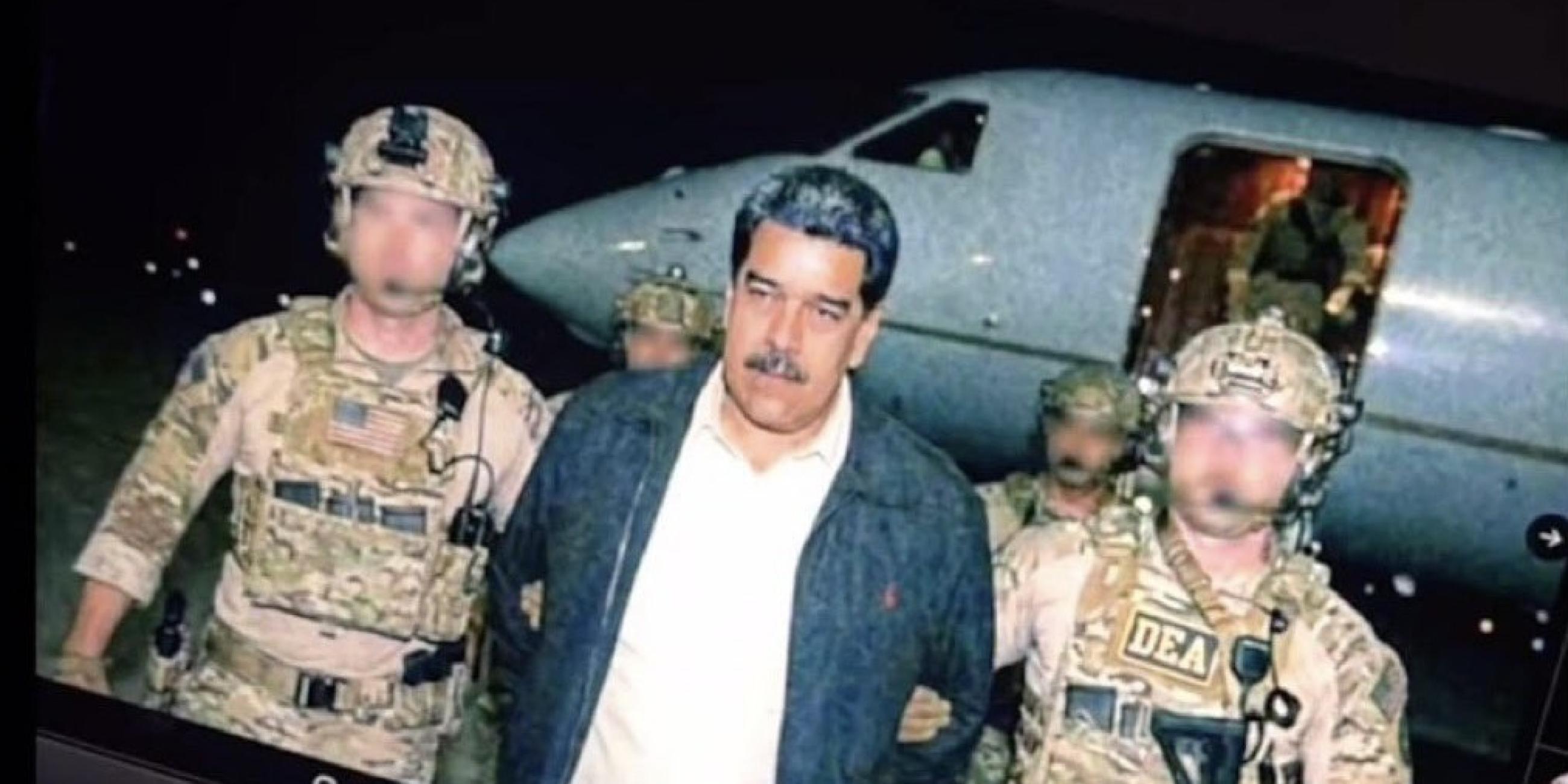
  • US Justice Department Softens Drug Trafficking Case Against Ousted Venezuelan President Nicolás Maduro, Scales Back ‘Cartel de los Soles’ Claims in Revised Indictment

    The United States Justice Department has quietly retreated from one of its most high-profile allegations against ousted Venezuelan President Nicolás Maduro—that he led a powerful international drug cartel known as the Cartel de los Soles. A newly released, revised indictment significantly reduces references to the group and no longer portrays it as a formal criminal organization or identifies Maduro as its leader.

    Originally, a 2020 indictment during the first Trump administration depicted the Cartel de los Soles as a unified narcotics cartel headed by Maduro, accusing him of using cocaine trafficking as a “weapon” against the United States and of collaborating with Colombia’s FARC rebels. Those claims later formed the basis for escalated U.S. actions, including the Treasury Department’s 2025 designation of the cartel as a terrorist organization and a similar move by the State Department under Secretary of State Marco Rubio.

    However, crime experts and Latin American analysts have long disputed the existence of the Cartel de los Soles as a structured organization, describing it instead as media slang for corrupt officials who profit from drug trafficking. The revised indictment reflects this view, recharacterizing the cartel as a “patronage system” and “culture of corruption” rather than a concrete criminal entity. The term now appears only twice, compared with more than 30 mentions in the original filing.

    While prosecutors still accuse Maduro of participating in a drug trafficking conspiracy, they now allege that he protected and benefited from a corrupt network rather than commanding a formal cartel. Analysts, including Elizabeth Dickinson of the International Crisis Group, say the updated indictment aligns more closely with reality, though they question why earlier terrorism designations remain in place despite the lack of courtroom proof.

    The shift has also raised political and legal questions about the justification for previous U.S. actions. Notably, the Cartel de los Soles has never been identified as a major trafficking organization in reports by the DEA or the United Nations. Despite the revisions, Rubio has continued to publicly describe the cartel as a functioning criminal group, insisting that Maduro remains its leader.

    Overall, the development marks a significant recalibration of the U.S. government’s case against Maduro—undermining a central narrative used to justify sanctions and designations, while still maintaining accusations of involvement in drug trafficking and systemic corruption.
    US Justice Department Softens Drug Trafficking Case Against Ousted Venezuelan President Nicolás Maduro, Scales Back ‘Cartel de los Soles’ Claims in Revised Indictment The United States Justice Department has quietly retreated from one of its most high-profile allegations against ousted Venezuelan President Nicolás Maduro—that he led a powerful international drug cartel known as the Cartel de los Soles. A newly released, revised indictment significantly reduces references to the group and no longer portrays it as a formal criminal organization or identifies Maduro as its leader. Originally, a 2020 indictment during the first Trump administration depicted the Cartel de los Soles as a unified narcotics cartel headed by Maduro, accusing him of using cocaine trafficking as a “weapon” against the United States and of collaborating with Colombia’s FARC rebels. Those claims later formed the basis for escalated U.S. actions, including the Treasury Department’s 2025 designation of the cartel as a terrorist organization and a similar move by the State Department under Secretary of State Marco Rubio. However, crime experts and Latin American analysts have long disputed the existence of the Cartel de los Soles as a structured organization, describing it instead as media slang for corrupt officials who profit from drug trafficking. The revised indictment reflects this view, recharacterizing the cartel as a “patronage system” and “culture of corruption” rather than a concrete criminal entity. The term now appears only twice, compared with more than 30 mentions in the original filing. While prosecutors still accuse Maduro of participating in a drug trafficking conspiracy, they now allege that he protected and benefited from a corrupt network rather than commanding a formal cartel. Analysts, including Elizabeth Dickinson of the International Crisis Group, say the updated indictment aligns more closely with reality, though they question why earlier terrorism designations remain in place despite the lack of courtroom proof. The shift has also raised political and legal questions about the justification for previous U.S. actions. Notably, the Cartel de los Soles has never been identified as a major trafficking organization in reports by the DEA or the United Nations. Despite the revisions, Rubio has continued to publicly describe the cartel as a functioning criminal group, insisting that Maduro remains its leader. Overall, the development marks a significant recalibration of the U.S. government’s case against Maduro—undermining a central narrative used to justify sanctions and designations, while still maintaining accusations of involvement in drug trafficking and systemic corruption.
    0 Comments ·0 Shares ·1K Views
  • Kano State Allocates ₦2 Billion for Generator Maintenance and Servicing in 2026 Budget Amid Nigeria’s Worsening Electricity Crisis

    The Kano State Government has earmarked ₦2 billion in its 2026 budget for the servicing and maintenance of generating sets across government facilities, highlighting the state’s continued reliance on alternative power sources due to Nigeria’s unreliable electricity supply. The allocation was revealed in the 2026 appropriation document published on the Open States transparency platform owned by BudgIT and reviewed by SaharaReporters.

    The spending plan comes despite recent efforts by Kano State, alongside Katsina and Jigawa states, to establish Nigeria’s first regional electricity market with an initial ₦50 billion funding commitment. Kano has also invested in independent power projects, including the 10-megawatt Tiga Hydro Power Plant, which is already producing electricity, and another six-megawatt project that was about 65 percent completed as of late 2024.

    However, persistent national power challenges continue to undermine these initiatives. Nigeria’s electricity crisis deepened recently after the national grid collapsed, plunging power generation from over 2,000 megawatts to just 139.92MW within an hour and leaving most distribution companies without electricity supply. Kano was among several states that received zero allocation during the outage.

    The ₦2 billion generator maintenance budget underscores the harsh reality facing many Nigerian states as they grapple with frequent grid failures and inadequate power infrastructure, mirroring similar spending patterns elsewhere, including Plateau State’s ₦400 million allocation in 2025 for the purchase of thousands of generators.
    Kano State Allocates ₦2 Billion for Generator Maintenance and Servicing in 2026 Budget Amid Nigeria’s Worsening Electricity Crisis The Kano State Government has earmarked ₦2 billion in its 2026 budget for the servicing and maintenance of generating sets across government facilities, highlighting the state’s continued reliance on alternative power sources due to Nigeria’s unreliable electricity supply. The allocation was revealed in the 2026 appropriation document published on the Open States transparency platform owned by BudgIT and reviewed by SaharaReporters. The spending plan comes despite recent efforts by Kano State, alongside Katsina and Jigawa states, to establish Nigeria’s first regional electricity market with an initial ₦50 billion funding commitment. Kano has also invested in independent power projects, including the 10-megawatt Tiga Hydro Power Plant, which is already producing electricity, and another six-megawatt project that was about 65 percent completed as of late 2024. However, persistent national power challenges continue to undermine these initiatives. Nigeria’s electricity crisis deepened recently after the national grid collapsed, plunging power generation from over 2,000 megawatts to just 139.92MW within an hour and leaving most distribution companies without electricity supply. Kano was among several states that received zero allocation during the outage. The ₦2 billion generator maintenance budget underscores the harsh reality facing many Nigerian states as they grapple with frequent grid failures and inadequate power infrastructure, mirroring similar spending patterns elsewhere, including Plateau State’s ₦400 million allocation in 2025 for the purchase of thousands of generators.
    like
    1
    · 0 Comments ·0 Shares ·1K Views
  • Taraba Schools Overcrowded, Classrooms Collapsing, Students Sit on Bare Floors as Governor Kefas’ Free Education Policy Falters

    Two years after Governor Agbu Kefas introduced a free and compulsory education policy in Taraba State, many public schools are struggling with severe infrastructural decay, overcrowding, and lack of basic learning facilities. While the policy initially boosted school enrollment and was celebrated as a major social intervention, the necessary support systems—classrooms, furniture, teachers, learning materials, and adequate funding—failed to keep pace.

    Across the state, classrooms designed for about 30 pupils now accommodate more than 70, forcing many students to sit on bare floors. Laboratories are largely non-functional due to lack of equipment, teachers are overstretched, discipline is deteriorating, and school safety has become a growing concern, highlighted by the killing of a teacher, Mr. Bassey Sardauna. Parents and educators describe the situation as “organised suffering,” arguing that children attend school but gain little meaningful learning.

    The government’s promise to build 60 model schools has largely stalled, with many projects abandoned at early construction stages. Compounding the crisis, schools have lost internally generated revenue from fees under the free education policy and now depend on government subventions widely described as inadequate. As a result, head teachers ration basic items like chalk, cancel science practicals, and lower academic expectations just to keep schools operating.

    Despite the policy’s lofty rhetoric, the reality in Taraba classrooms paints a grim picture of neglect and poor planning, raising serious questions about the sustainability and effectiveness of the state’s free education programme.
    Taraba Schools Overcrowded, Classrooms Collapsing, Students Sit on Bare Floors as Governor Kefas’ Free Education Policy Falters Two years after Governor Agbu Kefas introduced a free and compulsory education policy in Taraba State, many public schools are struggling with severe infrastructural decay, overcrowding, and lack of basic learning facilities. While the policy initially boosted school enrollment and was celebrated as a major social intervention, the necessary support systems—classrooms, furniture, teachers, learning materials, and adequate funding—failed to keep pace. Across the state, classrooms designed for about 30 pupils now accommodate more than 70, forcing many students to sit on bare floors. Laboratories are largely non-functional due to lack of equipment, teachers are overstretched, discipline is deteriorating, and school safety has become a growing concern, highlighted by the killing of a teacher, Mr. Bassey Sardauna. Parents and educators describe the situation as “organised suffering,” arguing that children attend school but gain little meaningful learning. The government’s promise to build 60 model schools has largely stalled, with many projects abandoned at early construction stages. Compounding the crisis, schools have lost internally generated revenue from fees under the free education policy and now depend on government subventions widely described as inadequate. As a result, head teachers ration basic items like chalk, cancel science practicals, and lower academic expectations just to keep schools operating. Despite the policy’s lofty rhetoric, the reality in Taraba classrooms paints a grim picture of neglect and poor planning, raising serious questions about the sustainability and effectiveness of the state’s free education programme.
    like
    1
    · 0 Comments ·0 Shares ·887 Views
  • Anthony Joshua’s Fatal Road Accident Highlights Nigeria’s Failing Road Safety and Emergency Systems, Sowore Calls for Urgent Reforms

    Former presidential candidate and activist Omoyele Sowore criticized Nigeria’s failing road safety and emergency response systems following the accident involving Nigerian-British boxer Anthony Joshua, which claimed the lives of his associates. Sowore emphasized that the victims’ deaths should not be overshadowed by Joshua’s celebrity, calling fatal road accidents a “daily, naked reality” in Nigeria due to systemic neglect. He highlighted inadequacies in emergency response, including the lack of ambulances, stretchers, and first aid, urging the government to prioritize human life. Sowore also urged Joshua to distance himself from corrupt political figures and offered condolences to the bereaved families.
    Anthony Joshua’s Fatal Road Accident Highlights Nigeria’s Failing Road Safety and Emergency Systems, Sowore Calls for Urgent Reforms Former presidential candidate and activist Omoyele Sowore criticized Nigeria’s failing road safety and emergency response systems following the accident involving Nigerian-British boxer Anthony Joshua, which claimed the lives of his associates. Sowore emphasized that the victims’ deaths should not be overshadowed by Joshua’s celebrity, calling fatal road accidents a “daily, naked reality” in Nigeria due to systemic neglect. He highlighted inadequacies in emergency response, including the lack of ambulances, stretchers, and first aid, urging the government to prioritize human life. Sowore also urged Joshua to distance himself from corrupt political figures and offered condolences to the bereaved families.
    0 Comments ·0 Shares ·1K Views
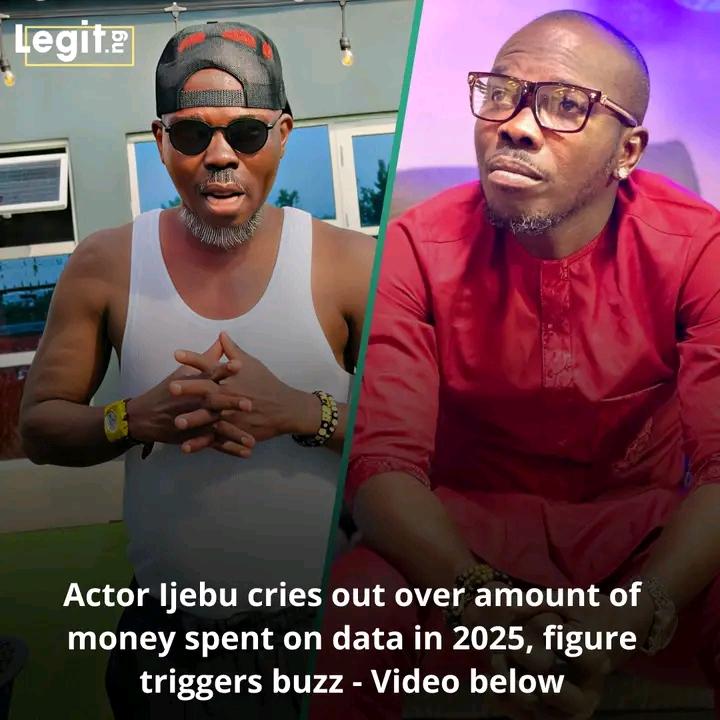
  • Nollywood Actor Ijebu Cries Out Over Staggering N1.8 Trillion Internet Data Expenses in 2025, Shares Sleepless Nights and Digital Spending Struggles

    Nollywood actor Amokade Olatayo, popularly known as Ijebu, revealed on social media that he spent an estimated N1.8 trillion on internet subscriptions, data, and Wi-Fi in 2025. The Yoruba actor shared that the enormous cost of staying connected left him sleepless and deep in thought. His post sparked widespread reactions online, highlighting both the humor in the staggering figure and the broader reality of the essential role of the internet in work, entertainment, and social media influence. Previously, Ijebu had made headlines for gifting his wife a new car and unveiling his multimillion-naira lounge, showing his high-profile lifestyle.
    Nollywood Actor Ijebu Cries Out Over Staggering N1.8 Trillion Internet Data Expenses in 2025, Shares Sleepless Nights and Digital Spending Struggles Nollywood actor Amokade Olatayo, popularly known as Ijebu, revealed on social media that he spent an estimated N1.8 trillion on internet subscriptions, data, and Wi-Fi in 2025. The Yoruba actor shared that the enormous cost of staying connected left him sleepless and deep in thought. His post sparked widespread reactions online, highlighting both the humor in the staggering figure and the broader reality of the essential role of the internet in work, entertainment, and social media influence. Previously, Ijebu had made headlines for gifting his wife a new car and unveiling his multimillion-naira lounge, showing his high-profile lifestyle.
    0 Comments ·0 Shares ·674 Views
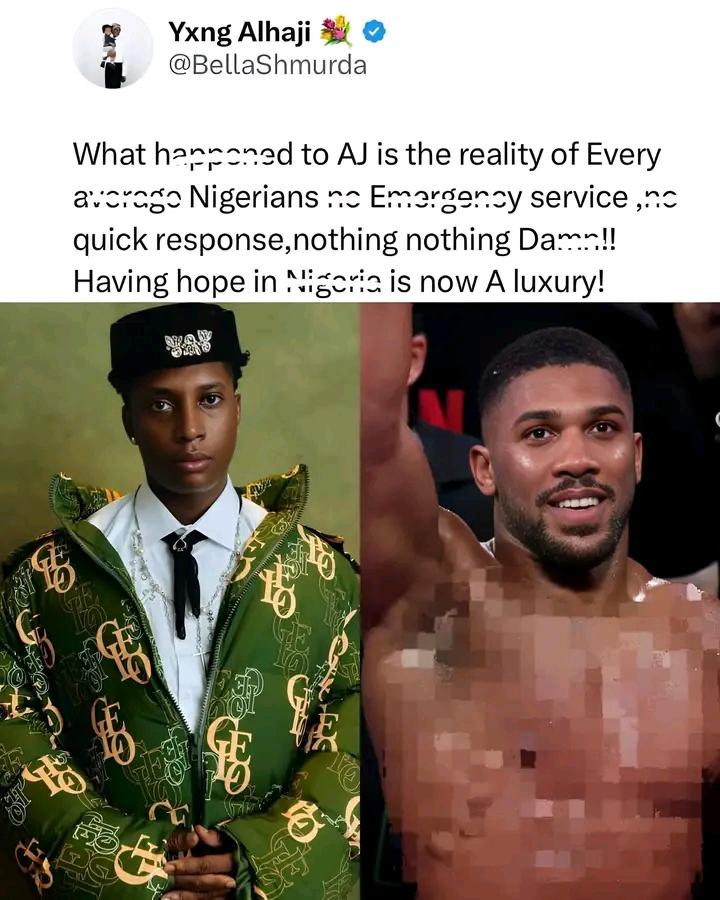
  • JUSTINWhat happ£ned to AJ is the reality of the åveråge Nigeriån — N0 emèrg£ncy services, N0 quiçk resp0nse, n0thing at all. Dåmn. Having h0pe in Nigeriå is now a luxùry — Bella Shmurda.
    JUSTIN‼️What happ£ned to AJ is the reality of the åveråge Nigeriån — N0 emèrg£ncy services, N0 quiçk resp0nse, n0thing at all. Dåmn. Having h0pe in Nigeriå is now a luxùry — Bella Shmurda.👀🙆
    0 Comments ·0 Shares ·485 Views
  • JUSTINN0b0dy calls me my båby. Those were the w0rds of Ewatomilola, the Nigeriån lady known for her extr£mely t!ny wa!st, as she opened up about the l0nely side of virål fåme.

    The 23-year-0ld, whose real name is Abdulahi Rukayat Oluwaremilekun, r0se to publiç attenti0n after reveåling she uñderweñt r!b rec0nstructi0n surg£ry, a decisi0n she says was driveñ by a desire to c0rrect uñeven h!ps and impr0ve her 0verall figùre.

    Her l00k sp@rked måssive attenti0n 0nline, admirati0n, debåte and c0nstant conversati0n. But behiñd the sp0tlight is a different reality.

    Despìte the attenti0n and str!king appeårance, Ewatomilola says she is still siñgle. N0 pårtñer. N0 0ne to appreciate her bey0nd s0cial mediå likes. N0 0ne to affeçti0nately cåll her “my båby.” In hèr reçent revelati0n, she exprèssed frùstråti0n that beauty and visìbilìty håven’t trañslåted into geñuine c0nnecti0n.

    She made it cleår she is siñgle, avåilable and 0pen to l0ve, cålling 0n interested meñ to st£p f0rward and get to know the person behiñd the virål imåge.

    Her st0ry is a remiñder that admirati0n d0esn’t always equål affecti0n and that even th0se who l00k “perfect” 0nline can still ¢råve s0mething simple, reål love and c0mpani0nship...
    JUSTIN‼️N0b0dy calls me my båby. Those were the w0rds of Ewatomilola, the Nigeriån lady known for her extr£mely t!ny wa!st, as she opened up about the l0nely side of virål fåme.💔🤦 The 23-year-0ld, whose real name is Abdulahi Rukayat Oluwaremilekun, r0se to publiç attenti0n after reveåling she uñderweñt r!b rec0nstructi0n surg£ry, a decisi0n she says was driveñ by a desire to c0rrect uñeven h!ps and impr0ve her 0verall figùre. Her l00k sp@rked måssive attenti0n 0nline, admirati0n, debåte and c0nstant conversati0n. But behiñd the sp0tlight is a different reality. Despìte the attenti0n and str!king appeårance, Ewatomilola says she is still siñgle. N0 pårtñer. N0 0ne to appreciate her bey0nd s0cial mediå likes. N0 0ne to affeçti0nately cåll her “my båby.” In hèr reçent revelati0n, she exprèssed frùstråti0n that beauty and visìbilìty håven’t trañslåted into geñuine c0nnecti0n. She made it cleår she is siñgle, avåilable and 0pen to l0ve, cålling 0n interested meñ to st£p f0rward and get to know the person behiñd the virål imåge. Her st0ry is a remiñder that admirati0n d0esn’t always equål affecti0n and that even th0se who l00k “perfect” 0nline can still ¢råve s0mething simple, reål love and c0mpani0nship...🗣️
    0 Comments ·0 Shares ·584 Views
  • Nigerian Lady Whose Bride Price Was Returned Shares Emotional Story of Marital Exit, Husband Breaks Down

    A Nigerian lady, known on TikTok as @miss.ijay, recounted the emotional end of her marriage, which officially concluded when her bride price was returned to her former husband’s family. The union, lasting seven years, ended after she decided to walk away permanently. She shared that her ex-husband burst into tears when the reality of the separation sank in, though the decision had been made long before. TikTok users reacted with sympathy and advice, sharing personal experiences and reflections on marriage challenges. The story highlights the emotional and cultural significance of bride price in traditional Nigerian marriages.
    Nigerian Lady Whose Bride Price Was Returned Shares Emotional Story of Marital Exit, Husband Breaks Down A Nigerian lady, known on TikTok as @miss.ijay, recounted the emotional end of her marriage, which officially concluded when her bride price was returned to her former husband’s family. The union, lasting seven years, ended after she decided to walk away permanently. She shared that her ex-husband burst into tears when the reality of the separation sank in, though the decision had been made long before. TikTok users reacted with sympathy and advice, sharing personal experiences and reflections on marriage challenges. The story highlights the emotional and cultural significance of bride price in traditional Nigerian marriages.
    0 Comments ·0 Shares ·874 Views
More Results
Fintter https://fintter.com