


 About
About
US Justice Department Softens Drug Trafficking Case Against Ousted Venezuelan President Nicolás Maduro, Scales Back ‘Cartel de los Soles’ Claims in Revised Indictment
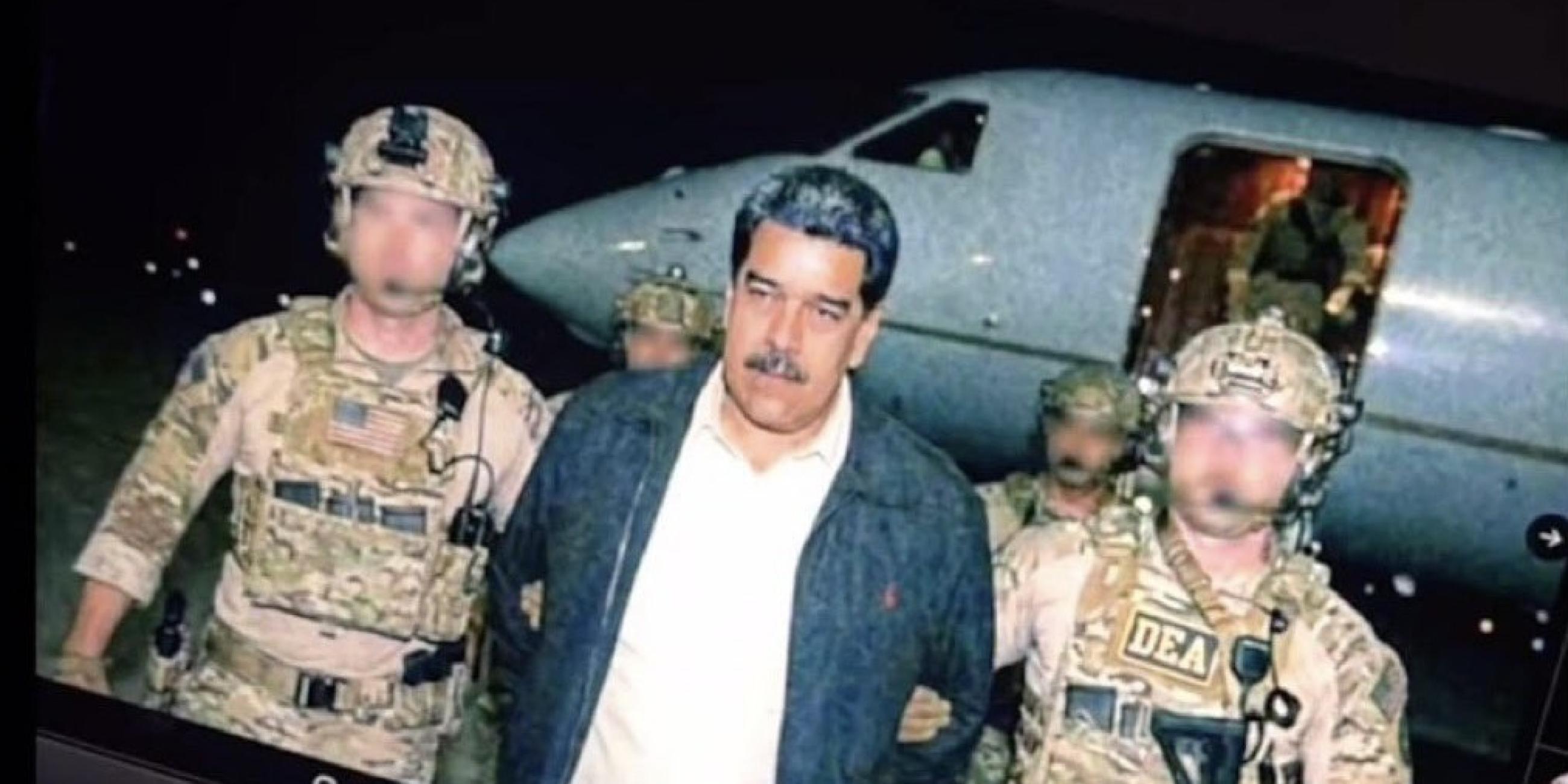
The United States Justice Department has quietly retreated from one of its most high-profile allegations against ousted Venezuelan President Nicolás Maduro—that he led a powerful international drug cartel known as the Cartel de los Soles. A newly released, revised indictment significantly reduces references to the group and no longer portrays it as a formal criminal organization or identifies Maduro as its leader.
Originally, a 2020 indictment during the first Trump administration depicted the Cartel de los Soles as a unified narcotics cartel headed by Maduro, accusing him of using cocaine trafficking as a “weapon” against the United States and of collaborating with Colombia’s FARC rebels. Those claims later formed the basis for escalated U.S. actions, including the Treasury Department’s 2025 designation of the cartel as a terrorist organization and a similar move by the State Department under Secretary of State Marco Rubio.
However, crime experts and Latin American analysts have long disputed the existence of the Cartel de los Soles as a structured organization, describing it instead as media slang for corrupt officials who profit from drug trafficking. The revised indictment reflects this view, recharacterizing the cartel as a “patronage system” and “culture of corruption” rather than a concrete criminal entity. The term now appears only twice, compared with more than 30 mentions in the original filing.
While prosecutors still accuse Maduro of participating in a drug trafficking conspiracy, they now allege that he protected and benefited from a corrupt network rather than commanding a formal cartel. Analysts, including Elizabeth Dickinson of the International Crisis Group, say the updated indictment aligns more closely with reality, though they question why earlier terrorism designations remain in place despite the lack of courtroom proof.
The shift has also raised political and legal questions about the justification for previous U.S. actions. Notably, the Cartel de los Soles has never been identified as a major trafficking organization in reports by the DEA or the United Nations. Despite the revisions, Rubio has continued to publicly describe the cartel as a functioning criminal group, insisting that Maduro remains its leader.
Overall, the development marks a significant recalibration of the U.S. government’s case against Maduro—undermining a central narrative used to justify sanctions and designations, while still maintaining accusations of involvement in drug trafficking and systemic corruption.
The United States Justice Department has quietly retreated from one of its most high-profile allegations against ousted Venezuelan President Nicolás Maduro—that he led a powerful international drug cartel known as the Cartel de los Soles. A newly released, revised indictment significantly reduces references to the group and no longer portrays it as a formal criminal organization or identifies Maduro as its leader.
Originally, a 2020 indictment during the first Trump administration depicted the Cartel de los Soles as a unified narcotics cartel headed by Maduro, accusing him of using cocaine trafficking as a “weapon” against the United States and of collaborating with Colombia’s FARC rebels. Those claims later formed the basis for escalated U.S. actions, including the Treasury Department’s 2025 designation of the cartel as a terrorist organization and a similar move by the State Department under Secretary of State Marco Rubio.
However, crime experts and Latin American analysts have long disputed the existence of the Cartel de los Soles as a structured organization, describing it instead as media slang for corrupt officials who profit from drug trafficking. The revised indictment reflects this view, recharacterizing the cartel as a “patronage system” and “culture of corruption” rather than a concrete criminal entity. The term now appears only twice, compared with more than 30 mentions in the original filing.
While prosecutors still accuse Maduro of participating in a drug trafficking conspiracy, they now allege that he protected and benefited from a corrupt network rather than commanding a formal cartel. Analysts, including Elizabeth Dickinson of the International Crisis Group, say the updated indictment aligns more closely with reality, though they question why earlier terrorism designations remain in place despite the lack of courtroom proof.
The shift has also raised political and legal questions about the justification for previous U.S. actions. Notably, the Cartel de los Soles has never been identified as a major trafficking organization in reports by the DEA or the United Nations. Despite the revisions, Rubio has continued to publicly describe the cartel as a functioning criminal group, insisting that Maduro remains its leader.
Overall, the development marks a significant recalibration of the U.S. government’s case against Maduro—undermining a central narrative used to justify sanctions and designations, while still maintaining accusations of involvement in drug trafficking and systemic corruption.
US Justice Department Softens Drug Trafficking Case Against Ousted Venezuelan President Nicolás Maduro, Scales Back ‘Cartel de los Soles’ Claims in Revised Indictment
The United States Justice Department has quietly retreated from one of its most high-profile allegations against ousted Venezuelan President Nicolás Maduro—that he led a powerful international drug cartel known as the Cartel de los Soles. A newly released, revised indictment significantly reduces references to the group and no longer portrays it as a formal criminal organization or identifies Maduro as its leader.
Originally, a 2020 indictment during the first Trump administration depicted the Cartel de los Soles as a unified narcotics cartel headed by Maduro, accusing him of using cocaine trafficking as a “weapon” against the United States and of collaborating with Colombia’s FARC rebels. Those claims later formed the basis for escalated U.S. actions, including the Treasury Department’s 2025 designation of the cartel as a terrorist organization and a similar move by the State Department under Secretary of State Marco Rubio.
However, crime experts and Latin American analysts have long disputed the existence of the Cartel de los Soles as a structured organization, describing it instead as media slang for corrupt officials who profit from drug trafficking. The revised indictment reflects this view, recharacterizing the cartel as a “patronage system” and “culture of corruption” rather than a concrete criminal entity. The term now appears only twice, compared with more than 30 mentions in the original filing.
While prosecutors still accuse Maduro of participating in a drug trafficking conspiracy, they now allege that he protected and benefited from a corrupt network rather than commanding a formal cartel. Analysts, including Elizabeth Dickinson of the International Crisis Group, say the updated indictment aligns more closely with reality, though they question why earlier terrorism designations remain in place despite the lack of courtroom proof.
The shift has also raised political and legal questions about the justification for previous U.S. actions. Notably, the Cartel de los Soles has never been identified as a major trafficking organization in reports by the DEA or the United Nations. Despite the revisions, Rubio has continued to publicly describe the cartel as a functioning criminal group, insisting that Maduro remains its leader.
Overall, the development marks a significant recalibration of the U.S. government’s case against Maduro—undermining a central narrative used to justify sanctions and designations, while still maintaining accusations of involvement in drug trafficking and systemic corruption.
0 Comments
·0 Shares
·2K Views
