• Olamide, whose full name is Olamide Gbenga Adedeji, is a Nigerian rapper, singer, songwriter, and record executive born on 15 March 1989 in Bariga, Lagos State, Nigeria. He rose to fame with his street inspired sound, strong Yoruba rap style, and consistent run of hit songs that made him one of the most influential artists in Nigerian music.

    He began his mainstream music journey in the early 2010s, released his debut album Rapsodi in 2011, and later founded YBNL Nation, a label that became important in the rise of several Nigerian stars. Olamide is widely respected for blending rap, Afrobeats, and street pop while staying deeply connected to his Lagos roots. #Olamide #OlamideBiography #YBNL
    Olamide, whose full name is Olamide Gbenga Adedeji, is a Nigerian rapper, singer, songwriter, and record executive born on 15 March 1989 in Bariga, Lagos State, Nigeria. He rose to fame with his street inspired sound, strong Yoruba rap style, and consistent run of hit songs that made him one of the most influential artists in Nigerian music. He began his mainstream music journey in the early 2010s, released his debut album Rapsodi in 2011, and later founded YBNL Nation, a label that became important in the rise of several Nigerian stars. Olamide is widely respected for blending rap, Afrobeats, and street pop while staying deeply connected to his Lagos roots. #Olamide #OlamideBiography #YBNL
    like
    1
    · 0 Commentaires ·0 Parts ·4KB Vue
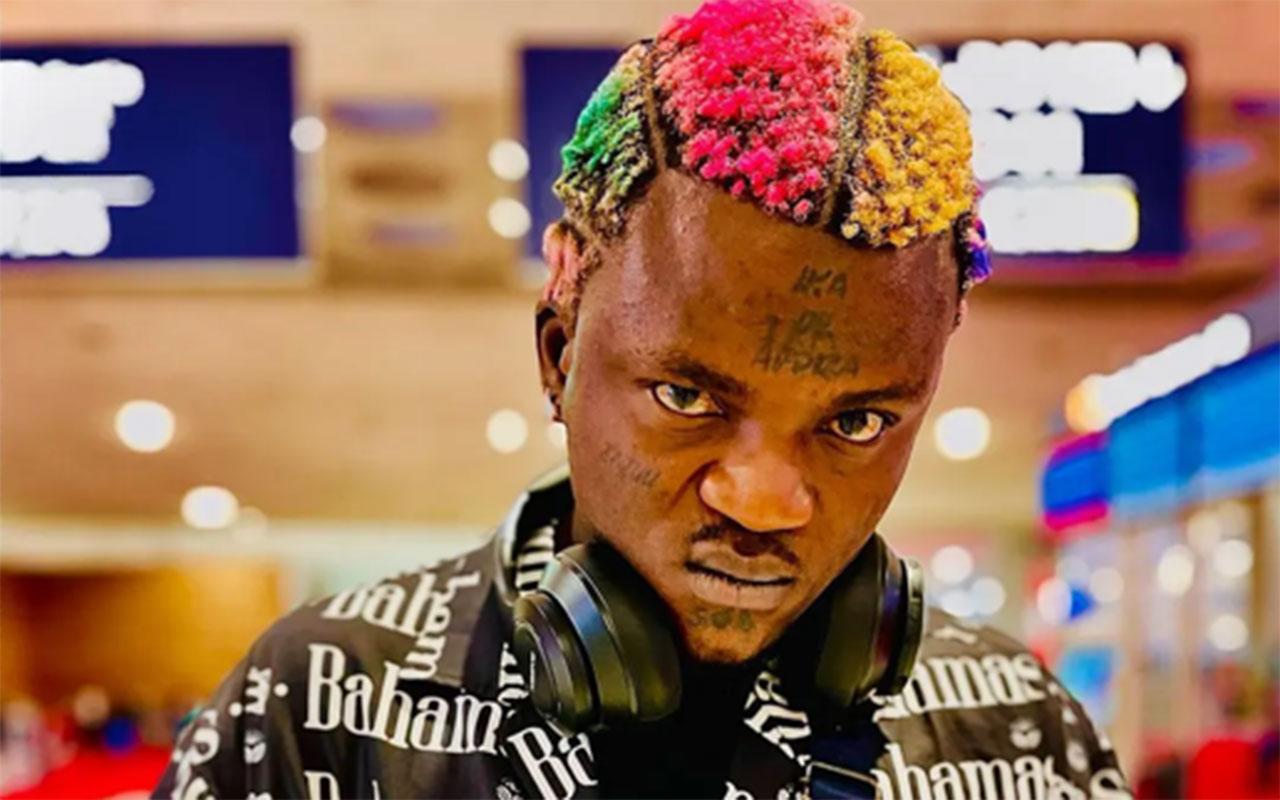
  • Portable, born Habeeb Okikiola Badmus on 12 March 1994 in Abeokuta, Ogun State, is a Nigerian singer, rapper and songwriter. He became famous after the breakout success of ZaZoo Zehh, the hit that brought him into the mainstream with help from Olamide and Poco Lee. Known for his street style, energetic delivery and controversial public image, Portable has grown into one of the most discussed entertainers in Nigeria.
    Portable, born Habeeb Okikiola Badmus on 12 March 1994 in Abeokuta, Ogun State, is a Nigerian singer, rapper and songwriter. He became famous after the breakout success of ZaZoo Zehh, the hit that brought him into the mainstream with help from Olamide and Poco Lee. Known for his street style, energetic delivery and controversial public image, Portable has grown into one of the most discussed entertainers in Nigeria.
    like
    2
    · 0 Commentaires ·0 Parts ·2KB Vue
  • How Patience Ozokwor Almost Rejected the Role That Made Her “Mama G”


    Ifeanyi revealed that Patience Ozokwor almost REFUSED the role in the movie that gave her the name “ Mama G “. The writer presented the script of “ Old School “ to her and she said she can not do it . The writer had to plead with her and she finally accepted and guess what

    The movie became one of the biggest movie of her career . It gave her a name and a personality used in many other movies . That one movie made her a legend .Imagine she denied that role , we won’t have her as mama G today…….
    How Patience Ozokwor Almost Rejected the Role That Made Her “Mama G” Ifeanyi revealed that Patience Ozokwor almost REFUSED the role in the movie that gave her the name “ Mama G “. The writer presented the script of “ Old School “ to her and she said she can not do it . The writer had to plead with her and she finally accepted and guess what The movie became one of the biggest movie of her career . It gave her a name and a personality used in many other movies . That one movie made her a legend .Imagine she denied that role , we won’t have her as mama G today…….
    0 Commentaires ·0 Parts ·1KB Vue
  • Wahala Don Set for Judiciary! ‘Mr Justice Steppin’ Razor’ Drama Sparks Outrage Over Judges, Bribes and Malami Case

    Wahala don set for Nigeria judiciary as a fiery opinion by human rights lawyer Chidi Anselm Odinkalu don scatter the internet, exposing what many now call the rise of “Mr Justice Steppin’ Razor” inside Nigerian courts.

    The article, inspired by legendary reggae singer Peter Tosh’s song Steppin’ Razor, takes aim at judges who, instead of quietly doing their jobs, now mount the courtroom like a stage—boasting, threatening and performing toughness while serious allegations of bribery and influence quietly pass without action.

    According to Odinkalu, some judges in Nigeria are beginning to see themselves as untouchable strongmen—“dangerous judges”—who talk tough but refuse to use the powers the law has already given them to deal with corruption.

    The writer recalled how in August 2023, a senior judge, Justice Flora Azinge, publicly complained in court that lawyers had allegedly tried to bribe her with ₦10 million. Rather than naming the culprit, reporting the matter or punishing the offenders, she reportedly chose to issue public warnings and threats—without taking concrete action.

    Fast forward to this past week, and history appears to be repeating itself.

    At the Federal High Court in Abuja, Justice Polycarp Nwite, while ruling on the bail application of former Attorney-General of the Federation, Abubakar Malami, his wife and son over money laundering and corruption charges, reportedly declared himself “dangerous.” He warned lawyers not to approach him or attempt to influence his decisions, insisting that any such move would be “vehemently resisted.”

    But Odinkalu no gree.

    According to him, this kind of courtroom performance is nothing but noise if the judge refuses to take the legal steps available to him. Under Nigerian law and international judicial standards, judges are expected to be independent, impartial and firm. Any attempt to influence a judge is a crime—and there are clear options: report to the police, punish for contempt, refer lawyers for disciplinary action, or openly name and shame the offenders.

    Instead, the author says, some judges prefer drama to discipline.

    “This kind of talk without action,” Odinkalu argues, “does more harm than good. It makes the judiciary look weak, compromised and unserious.” In his words, a judge who complains about being approached but refuses to identify or sanction the culprits is not defending justice—he is advertising that he can be tested again.

    In the Malami case, the judge neither named the lawyers allegedly trying to influence him nor recused himself from the matter. To Odinkalu, that is a serious failure of judicial responsibility.

    For many Nigerians already frustrated with corruption, selective justice and political interference in the courts, this write-up only confirms their worst fears: say judges dey shout ‘I be dangerous’, but when e reach time to act, everywhere just go silent.

    As reactions continue online, one thing is clear—this is not just about one judge or one court case. It is about the credibility of Nigeria’s justice system itself.

    And as Nigerians would say:
    If judges dey fear to act, who go protect justice? Wahala don really set for this country judiciary.
    Wahala Don Set for Judiciary! ‘Mr Justice Steppin’ Razor’ Drama Sparks Outrage Over Judges, Bribes and Malami Case Wahala don set for Nigeria judiciary as a fiery opinion by human rights lawyer Chidi Anselm Odinkalu don scatter the internet, exposing what many now call the rise of “Mr Justice Steppin’ Razor” inside Nigerian courts. The article, inspired by legendary reggae singer Peter Tosh’s song Steppin’ Razor, takes aim at judges who, instead of quietly doing their jobs, now mount the courtroom like a stage—boasting, threatening and performing toughness while serious allegations of bribery and influence quietly pass without action. According to Odinkalu, some judges in Nigeria are beginning to see themselves as untouchable strongmen—“dangerous judges”—who talk tough but refuse to use the powers the law has already given them to deal with corruption. The writer recalled how in August 2023, a senior judge, Justice Flora Azinge, publicly complained in court that lawyers had allegedly tried to bribe her with ₦10 million. Rather than naming the culprit, reporting the matter or punishing the offenders, she reportedly chose to issue public warnings and threats—without taking concrete action. Fast forward to this past week, and history appears to be repeating itself. At the Federal High Court in Abuja, Justice Polycarp Nwite, while ruling on the bail application of former Attorney-General of the Federation, Abubakar Malami, his wife and son over money laundering and corruption charges, reportedly declared himself “dangerous.” He warned lawyers not to approach him or attempt to influence his decisions, insisting that any such move would be “vehemently resisted.” But Odinkalu no gree. According to him, this kind of courtroom performance is nothing but noise if the judge refuses to take the legal steps available to him. Under Nigerian law and international judicial standards, judges are expected to be independent, impartial and firm. Any attempt to influence a judge is a crime—and there are clear options: report to the police, punish for contempt, refer lawyers for disciplinary action, or openly name and shame the offenders. Instead, the author says, some judges prefer drama to discipline. “This kind of talk without action,” Odinkalu argues, “does more harm than good. It makes the judiciary look weak, compromised and unserious.” In his words, a judge who complains about being approached but refuses to identify or sanction the culprits is not defending justice—he is advertising that he can be tested again. In the Malami case, the judge neither named the lawyers allegedly trying to influence him nor recused himself from the matter. To Odinkalu, that is a serious failure of judicial responsibility. For many Nigerians already frustrated with corruption, selective justice and political interference in the courts, this write-up only confirms their worst fears: say judges dey shout ‘I be dangerous’, but when e reach time to act, everywhere just go silent. As reactions continue online, one thing is clear—this is not just about one judge or one court case. It is about the credibility of Nigeria’s justice system itself. And as Nigerians would say: If judges dey fear to act, who go protect justice? Wahala don really set for this country judiciary.
    0 Commentaires ·0 Parts ·3KB Vue
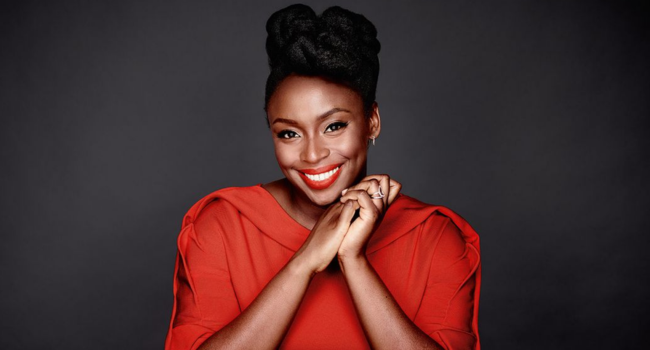
  • Wahala Don Set Oo! Chimamanda Adichie’s Son Dies, Editors Demand Probe Into Alleged Lagos Hospital Negligence

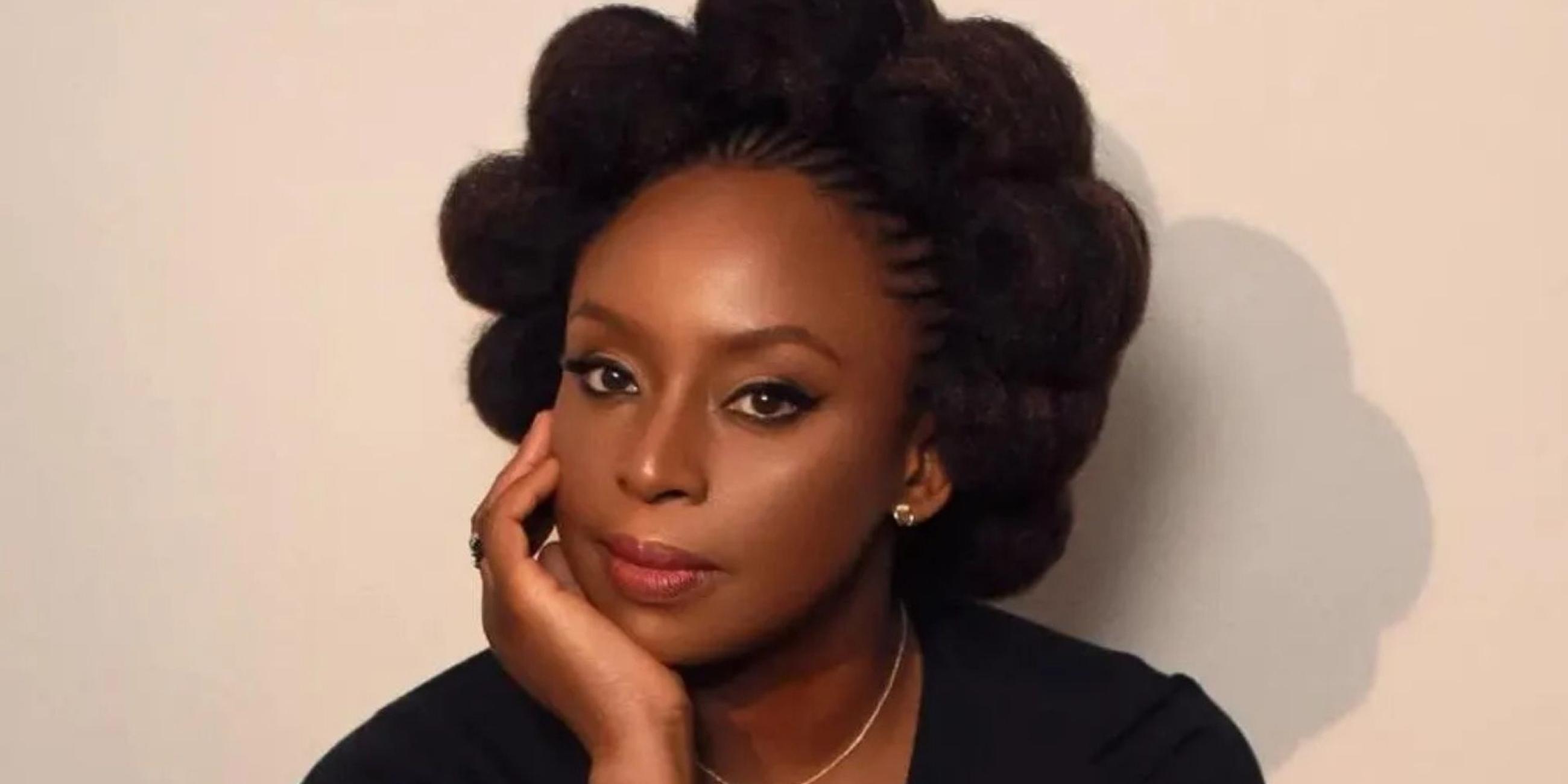
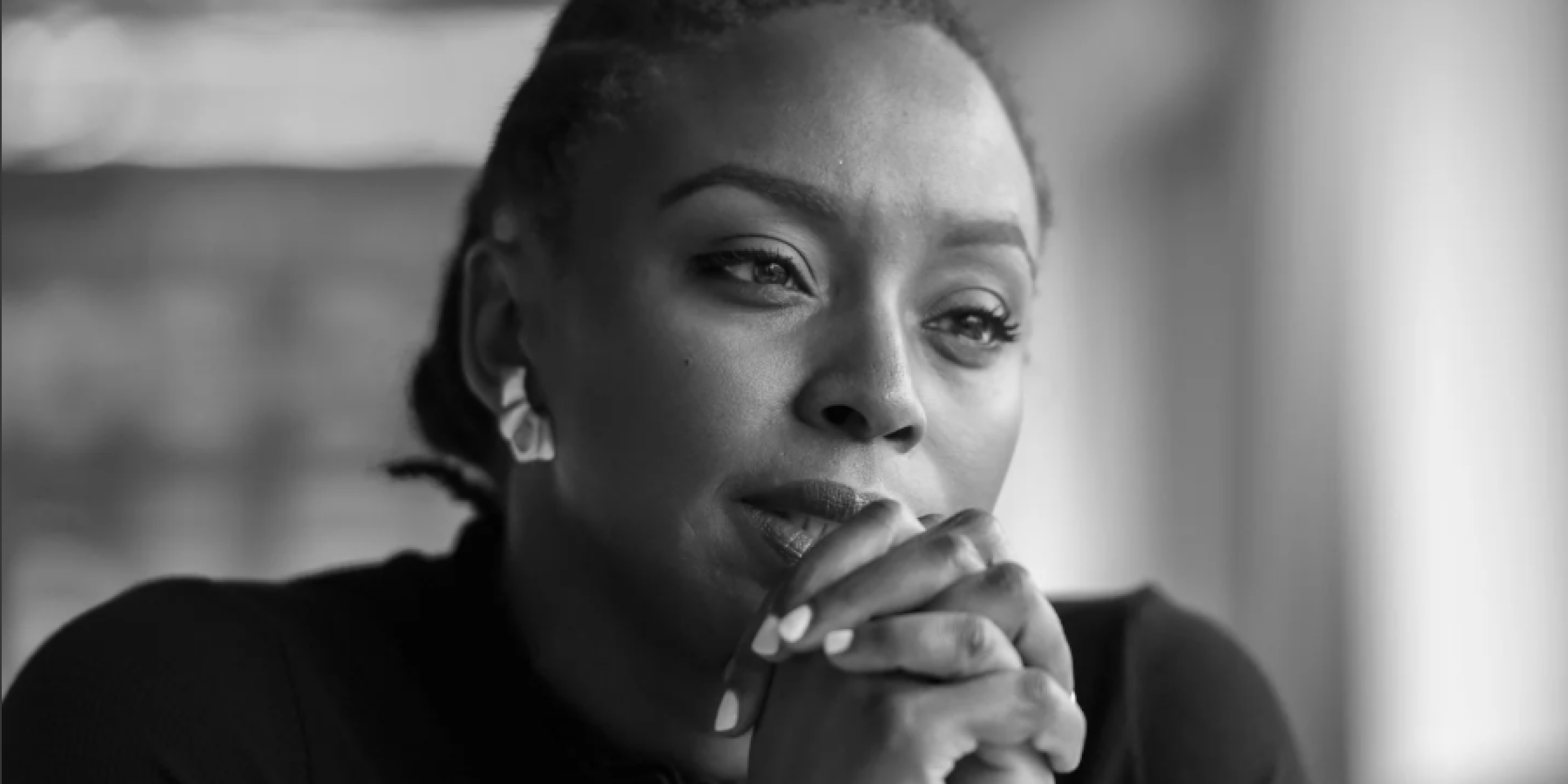
    Wahala don really set for Nigeria’s healthcare system oo! Literary editors and public intellectuals are mourning the tragic death of Chimamanda Ngozi Adichie’s 21-month-old son, Nnamdi, while demanding a full and transparent investigation into what they describe as possible medical negligence at a Lagos hospital.

    Co-editors of Camouflage: Best of Contemporary Writing from Nigeria, Professors Nduka Otiono and Odoh Diego Okenyodo, described the loss as “profoundly shattering,” joining Nigerians at home and abroad in sympathising with the award-winning author and her husband, Dr. Ivara Esege.

    “Losing a child is a pain no parent should ever experience,” the editors said, expressing deep condolences and standing in solidarity with Adichie in what they called her darkest hour.

    The statement followed Adichie’s emotional public account in which she alleged that her son’s death on January 6, 2026, was avoidable and resulted from negligence during what should have been routine medical procedures at a Lagos-based hospital.

    Quoting her directly, the editors stated: “My son would be alive today if not for an incident at Euracare Hospital on January 6th.”

    This revelation has sparked nationwide outrage, with many Nigerians asking tough questions about the safety of hospitals and accountability in the country’s healthcare system.

    In response to the public outcry, the Lagos State Government has ordered an independent investigation into the incident, promising that anyone found responsible would face justice. The editors, however, insisted that the probe must not be cosmetic.

    “We urge that the investigation be thorough, transparent, and impartial. Every detail must be uncovered so that the truth emerges,” they said.

    But this tragedy, they warned, is not just about one family.

    According to Otiono and Okenyodo, the death of little Nnamdi exposes deeper, long-standing problems in Nigeria’s healthcare sector—ranging from weak accountability to delays in care and unethical practices. They referenced findings from an anti-corruption survey by TAP Initiative and Dataphyte, which highlighted how informal payments and systemic failures often compromise patient safety.

    While clarifying that they were not directly accusing the hospital of such practices, the editors stressed that Nigeria must confront the culture that allows negligence to thrive.

    “It is intolerable that any patient—child or adult—should be denied timely care or placed in danger due to failure, indifference, or greed,” the statement read.

    They called for:

    A comprehensive, independent investigation into all medical and administrative actions surrounding Nnamdi’s death.

    Public disclosure of findings, as promised by the Lagos State Government.

    Immediate reforms in hospital oversight, with strict sanctions for any healthcare worker found guilty of negligence.


    “The people of Lagos have the right to know what happened. If anyone is guilty—whether individual or institution—they must be held fully responsible,” they said.

    Beyond justice for Adichie’s family, the editors said the case should become a turning point for Nigeria.

    “This should catalyse nationwide action. Our hospitals must be places of care and compassion, not sites of preventable tragedy,” they added.

    Paying tribute to the late child, they expressed hope that his death would not be in vain, and that truth, accountability, and reform would emerge from the pain.

    As Nigerians continue to mourn with one of Africa’s most celebrated writers, one thing is clear: wahala don set oo. This case has opened a national conversation about patient safety, hospital accountability, and whether ordinary Nigerians—and even global figures—are truly safe in the country’s healthcare system.


    Wahala Don Set Oo! Chimamanda Adichie’s Son Dies, Editors Demand Probe Into Alleged Lagos Hospital Negligence Wahala don really set for Nigeria’s healthcare system oo! Literary editors and public intellectuals are mourning the tragic death of Chimamanda Ngozi Adichie’s 21-month-old son, Nnamdi, while demanding a full and transparent investigation into what they describe as possible medical negligence at a Lagos hospital. Co-editors of Camouflage: Best of Contemporary Writing from Nigeria, Professors Nduka Otiono and Odoh Diego Okenyodo, described the loss as “profoundly shattering,” joining Nigerians at home and abroad in sympathising with the award-winning author and her husband, Dr. Ivara Esege. “Losing a child is a pain no parent should ever experience,” the editors said, expressing deep condolences and standing in solidarity with Adichie in what they called her darkest hour. The statement followed Adichie’s emotional public account in which she alleged that her son’s death on January 6, 2026, was avoidable and resulted from negligence during what should have been routine medical procedures at a Lagos-based hospital. Quoting her directly, the editors stated: “My son would be alive today if not for an incident at Euracare Hospital on January 6th.” This revelation has sparked nationwide outrage, with many Nigerians asking tough questions about the safety of hospitals and accountability in the country’s healthcare system. In response to the public outcry, the Lagos State Government has ordered an independent investigation into the incident, promising that anyone found responsible would face justice. The editors, however, insisted that the probe must not be cosmetic. “We urge that the investigation be thorough, transparent, and impartial. Every detail must be uncovered so that the truth emerges,” they said. But this tragedy, they warned, is not just about one family. According to Otiono and Okenyodo, the death of little Nnamdi exposes deeper, long-standing problems in Nigeria’s healthcare sector—ranging from weak accountability to delays in care and unethical practices. They referenced findings from an anti-corruption survey by TAP Initiative and Dataphyte, which highlighted how informal payments and systemic failures often compromise patient safety. While clarifying that they were not directly accusing the hospital of such practices, the editors stressed that Nigeria must confront the culture that allows negligence to thrive. “It is intolerable that any patient—child or adult—should be denied timely care or placed in danger due to failure, indifference, or greed,” the statement read. They called for: A comprehensive, independent investigation into all medical and administrative actions surrounding Nnamdi’s death. Public disclosure of findings, as promised by the Lagos State Government. Immediate reforms in hospital oversight, with strict sanctions for any healthcare worker found guilty of negligence. “The people of Lagos have the right to know what happened. If anyone is guilty—whether individual or institution—they must be held fully responsible,” they said. Beyond justice for Adichie’s family, the editors said the case should become a turning point for Nigeria. “This should catalyse nationwide action. Our hospitals must be places of care and compassion, not sites of preventable tragedy,” they added. Paying tribute to the late child, they expressed hope that his death would not be in vain, and that truth, accountability, and reform would emerge from the pain. As Nigerians continue to mourn with one of Africa’s most celebrated writers, one thing is clear: wahala don set oo. This case has opened a national conversation about patient safety, hospital accountability, and whether ordinary Nigerians—and even global figures—are truly safe in the country’s healthcare system.
    0 Commentaires ·0 Parts ·3KB Vue
  • How Did Nigerian Writer Chimamanda Ngozi Adichie Lose Her 21-Month-Old Son? What the Family’s Statement Reveals About the Tragic Passing of Little Nkanu Nnamdi

    Renowned Nigerian author Chimamanda Ngozi Adichie and her husband, Dr Ivara Esege, are mourning the heartbreaking loss of their 21-month-old son, Nkanu Nnamdi, who passed away on Wednesday, January 7, 2026, following a brief illness.

    The family confirmed the tragedy in a statement issued on Thursday by Omawumi Ogbe, requesting privacy as they grieve. According to the statement, one of the couple’s twin boys, Nkanu Nnamdi, died after a short period of illness. The family described the loss as devastating and asked the public and the media to allow them space during what they called an “incredibly difficult time.”

    The statement read in part that the family is deeply saddened by the passing of their child and appealed for grace, prayers, and respect for their seclusion, stressing that no further public comments would be made. It underscored the emotional weight of the moment, acknowledging the profound pain that accompanies the loss of a young child.

    Chimamanda Adichie, celebrated globally for works such as Half of a Yellow Sun, Americanah, and We Should All Be Feminists, has long been regarded as one of Africa’s most influential literary voices. News of her personal tragedy has prompted an outpouring of sympathy from readers, admirers, and members of the literary community, many of whom have expressed condolences while honoring the family’s request for privacy.

    While the family did not disclose details beyond confirming that the child died after a brief illness, the announcement highlights the fragile nature of life and the shared human experience of grief—transcending fame, public recognition, and achievement. The careful wording of the statement reflects a desire to protect the family’s space as they navigate mourning away from public scrutiny.

    As messages of support continue to emerge, the central appeal remains clear: respect the family’s need for quiet and dignity during this time of sorrow. For many, the story serves as a reminder that behind celebrated public figures are families who experience loss just as deeply as anyone else.


    How Did Nigerian Writer Chimamanda Ngozi Adichie Lose Her 21-Month-Old Son? What the Family’s Statement Reveals About the Tragic Passing of Little Nkanu Nnamdi Renowned Nigerian author Chimamanda Ngozi Adichie and her husband, Dr Ivara Esege, are mourning the heartbreaking loss of their 21-month-old son, Nkanu Nnamdi, who passed away on Wednesday, January 7, 2026, following a brief illness. The family confirmed the tragedy in a statement issued on Thursday by Omawumi Ogbe, requesting privacy as they grieve. According to the statement, one of the couple’s twin boys, Nkanu Nnamdi, died after a short period of illness. The family described the loss as devastating and asked the public and the media to allow them space during what they called an “incredibly difficult time.” The statement read in part that the family is deeply saddened by the passing of their child and appealed for grace, prayers, and respect for their seclusion, stressing that no further public comments would be made. It underscored the emotional weight of the moment, acknowledging the profound pain that accompanies the loss of a young child. Chimamanda Adichie, celebrated globally for works such as Half of a Yellow Sun, Americanah, and We Should All Be Feminists, has long been regarded as one of Africa’s most influential literary voices. News of her personal tragedy has prompted an outpouring of sympathy from readers, admirers, and members of the literary community, many of whom have expressed condolences while honoring the family’s request for privacy. While the family did not disclose details beyond confirming that the child died after a brief illness, the announcement highlights the fragile nature of life and the shared human experience of grief—transcending fame, public recognition, and achievement. The careful wording of the statement reflects a desire to protect the family’s space as they navigate mourning away from public scrutiny. As messages of support continue to emerge, the central appeal remains clear: respect the family’s need for quiet and dignity during this time of sorrow. For many, the story serves as a reminder that behind celebrated public figures are families who experience loss just as deeply as anyone else.
    like
    1
    · 0 Commentaires ·0 Parts ·1KB Vue
  • Buhari, Osinbajo and the Politics of Posthumous Truth: How Death, Biography and Power Are Rewriting Nigeria’s Political History

    This opinion piece examines how posthumous narratives surrounding the late former President Muhammadu Buhari are reshaping public understanding of his eight-year partnership with former Vice President Yemi Osinbajo. Triggered by revelations in a newly launched Buhari biography and comments attributed to Aisha Buhari, the article questions claims that Buhari never supported Osinbajo’s 2023 presidential ambition. Drawing on documented public records, speeches, and governance decisions, the writer argues that posthumous “truths” often emerge without balance, context, or the possibility of rebuttal, turning silence into political currency. The piece warns that such narratives reveal more about present power struggles than historical reality, highlighting how death has become an open marketplace for convenient political storytelling in Nigeria.
    Buhari, Osinbajo and the Politics of Posthumous Truth: How Death, Biography and Power Are Rewriting Nigeria’s Political History This opinion piece examines how posthumous narratives surrounding the late former President Muhammadu Buhari are reshaping public understanding of his eight-year partnership with former Vice President Yemi Osinbajo. Triggered by revelations in a newly launched Buhari biography and comments attributed to Aisha Buhari, the article questions claims that Buhari never supported Osinbajo’s 2023 presidential ambition. Drawing on documented public records, speeches, and governance decisions, the writer argues that posthumous “truths” often emerge without balance, context, or the possibility of rebuttal, turning silence into political currency. The piece warns that such narratives reveal more about present power struggles than historical reality, highlighting how death has become an open marketplace for convenient political storytelling in Nigeria.
    0 Commentaires ·0 Parts ·1KB Vue
  • Nigeria Police Force as Instruments of Intimidation: Yahaya Balogun Backs Sowore, Urges Tinubu to End Abuse of Power and Religious Manipulation

    In a strongly worded opinion, writer Yahaya Balogun condemns the growing abuse of power within the Nigeria Police Force, describing the institution as an instrument of intimidation against ordinary citizens. Supporting Omoyele Sowore’s call for a total police overhaul, Balogun urges President Bola Tinubu to urgently address police misconduct, unlawful arrests, and collusion with dubious religious leaders. He warns that the misuse of law enforcement to silence critics, alongside the manipulation of religion for financial exploitation and control, threatens free speech, democracy, and national reform efforts. Balogun calls on the Inspector General of Police to restore professionalism, discipline erring officers, and ensure the police serve justice rather than oppression in Nigeria.
    Nigeria Police Force as Instruments of Intimidation: Yahaya Balogun Backs Sowore, Urges Tinubu to End Abuse of Power and Religious Manipulation In a strongly worded opinion, writer Yahaya Balogun condemns the growing abuse of power within the Nigeria Police Force, describing the institution as an instrument of intimidation against ordinary citizens. Supporting Omoyele Sowore’s call for a total police overhaul, Balogun urges President Bola Tinubu to urgently address police misconduct, unlawful arrests, and collusion with dubious religious leaders. He warns that the misuse of law enforcement to silence critics, alongside the manipulation of religion for financial exploitation and control, threatens free speech, democracy, and national reform efforts. Balogun calls on the Inspector General of Police to restore professionalism, discipline erring officers, and ensure the police serve justice rather than oppression in Nigeria.
    0 Commentaires ·0 Parts ·870 Vue
  • “Lagos has changed — no more dirty roads, now I see paved streets,” American singer Ciara says.

    American singer, songwriter, and dancer Ciara Princess Wilson, has praised the remarkable evolution of Lagos, Nigeria.

    “I’m so happy to be here and I’m really glad,” she said while speaking about her experience in Lagos. When asked if this was her first time in the city, she replied, “No, this is not my first time, I know about Lagos.”

    Ciara, who has visited several African countries over the years, went on to highlight the city’s evolution, saying, “When I used to land, I used to see dirty roads, now it’s all clean and it has changed,” she concluded.
    “Lagos has changed — no more dirty roads, now I see paved streets,” American singer Ciara says. American singer, songwriter, and dancer Ciara Princess Wilson, has praised the remarkable evolution of Lagos, Nigeria. “I’m so happy to be here and I’m really glad,” she said while speaking about her experience in Lagos. When asked if this was her first time in the city, she replied, “No, this is not my first time, I know about Lagos.” Ciara, who has visited several African countries over the years, went on to highlight the city’s evolution, saying, “When I used to land, I used to see dirty roads, now it’s all clean and it has changed,” she concluded.
    like
    1
    · 0 Commentaires ·0 Parts ·1KB Vue
  • ADC’s Deputy Publicity Secretary, Ugochimereze Asuzu, Passes on After Slumping.

    The African Democratic Congress (ADC) has been thrown into mourning following the sudden death of its Deputy Publicity Secretary in Imo State, Hon. Ugochimereze Chinedu Asuzu.

    Asuzu, who also convened Ikoro Ndigbo and was regarded as a strong voice in Igbo sociocultural discourse, reportedly slumped and died in the early hours of Wednesday.

    In a statement signed by the party’s State Publicity Secretary, Chief MacDonald Amadi, the ADC described his passing as a devastating loss, extolling him as a “man of uncommon intellect, conviction, and service.”

    A native of Umuma Isiaku in Ideato South Local Government Area, Asuzu combined academic brilliance with grassroots activism. He earned degrees in Theology and Political Science and was pursuing a doctorate at the time of his death.

    Beyond partisan politics, he was a theologian, entrepreneur, cultural advocate, and founder of the Igbo Intelligentsia Renaissance, a platform dedicated to cultural renewal and intellectual engagement. 

    He also established and led I Stand With ADC, a coalition support group that mobilised citizens for democratic participation.

    Before joining the ADC, Asuzu was a chieftain of the Peoples Democratic Party (PDP). He was widely respected as a prolific writer, public affairs analyst, and visiting lecturer.

    The party’s statement further described him as a loving husband, devoted father, and mentor who inspired many in both religious and secular spheres.

    “The passing of Chief Asuzu is an irreplaceable loss to his family, the ADC family, and the larger Nigerian society,” the statement read.

    Details of his burial arrangements will be announced later.
    ADC’s Deputy Publicity Secretary, Ugochimereze Asuzu, Passes on After Slumping. The African Democratic Congress (ADC) has been thrown into mourning following the sudden death of its Deputy Publicity Secretary in Imo State, Hon. Ugochimereze Chinedu Asuzu. Asuzu, who also convened Ikoro Ndigbo and was regarded as a strong voice in Igbo sociocultural discourse, reportedly slumped and died in the early hours of Wednesday. In a statement signed by the party’s State Publicity Secretary, Chief MacDonald Amadi, the ADC described his passing as a devastating loss, extolling him as a “man of uncommon intellect, conviction, and service.” A native of Umuma Isiaku in Ideato South Local Government Area, Asuzu combined academic brilliance with grassroots activism. He earned degrees in Theology and Political Science and was pursuing a doctorate at the time of his death. Beyond partisan politics, he was a theologian, entrepreneur, cultural advocate, and founder of the Igbo Intelligentsia Renaissance, a platform dedicated to cultural renewal and intellectual engagement.  He also established and led I Stand With ADC, a coalition support group that mobilised citizens for democratic participation. Before joining the ADC, Asuzu was a chieftain of the Peoples Democratic Party (PDP). He was widely respected as a prolific writer, public affairs analyst, and visiting lecturer. The party’s statement further described him as a loving husband, devoted father, and mentor who inspired many in both religious and secular spheres. “The passing of Chief Asuzu is an irreplaceable loss to his family, the ADC family, and the larger Nigerian society,” the statement read. Details of his burial arrangements will be announced later.
    0 Commentaires ·0 Parts ·765 Vue
  • Future Outlook: Predictions for the Mobile Handset Protection Market Through 2034

    The modern Mobile Handset Protection industry operates as a sophisticated, multi-layered ecosystem involving a wide array of specialized partners collaborating to deliver a seamless customer experience. At the top of the value chain are the insurance underwriters, the financial institutions that assume the ultimate risk and provide the capital to cover the cost of claims. These companies are the silent backbone of the industry, enabling carriers, retailers, and OEMs to offer protection plans without having to bear the full financial liability themselves. Their expertise in risk assessment, pricing, and regulatory compliance is fundamental to the stability and profitability of the entire market.

    The next critical layer consists of the program administrators and technology platforms. These entities are the operational heart of the industry, managing everything from customer enrollment and premium collection to claims processing and fulfillment logistics. They develop the customer-facing portals and mobile apps used to file claims, and they run the complex backend systems that verify eligibility, diagnose issues, and dispatch repair technicians or replacement devices. They also manage the vast and crucial network of certified repair centers and oversee the reverse logistics supply chain for damaged devices. The efficiency and technological sophistication of these administrators are key differentiators in the competitive landscape.

    Finally, the consumer-facing channels—mobile carriers, device manufacturers (OEMs), and big-box retailers—are the primary sales and distribution arms of the industry. They leverage their trusted brand names and extensive customer relationships to market and sell protection plans at the most critical moment: when a consumer is purchasing a new device. These companies are responsible for training their sales staff, integrating the protection offering into their sales process, and providing front-line customer support. The symbiotic relationship between these three layers—underwriters, administrators, and sales channels—creates a robust and resilient ecosystem capable of protecting millions of devices globally.

    source; https://www.marketresearchfuture.com/reports/mobile-handset-protection-market-33507
    Future Outlook: Predictions for the Mobile Handset Protection Market Through 2034 The modern Mobile Handset Protection industry operates as a sophisticated, multi-layered ecosystem involving a wide array of specialized partners collaborating to deliver a seamless customer experience. At the top of the value chain are the insurance underwriters, the financial institutions that assume the ultimate risk and provide the capital to cover the cost of claims. These companies are the silent backbone of the industry, enabling carriers, retailers, and OEMs to offer protection plans without having to bear the full financial liability themselves. Their expertise in risk assessment, pricing, and regulatory compliance is fundamental to the stability and profitability of the entire market. The next critical layer consists of the program administrators and technology platforms. These entities are the operational heart of the industry, managing everything from customer enrollment and premium collection to claims processing and fulfillment logistics. They develop the customer-facing portals and mobile apps used to file claims, and they run the complex backend systems that verify eligibility, diagnose issues, and dispatch repair technicians or replacement devices. They also manage the vast and crucial network of certified repair centers and oversee the reverse logistics supply chain for damaged devices. The efficiency and technological sophistication of these administrators are key differentiators in the competitive landscape. Finally, the consumer-facing channels—mobile carriers, device manufacturers (OEMs), and big-box retailers—are the primary sales and distribution arms of the industry. They leverage their trusted brand names and extensive customer relationships to market and sell protection plans at the most critical moment: when a consumer is purchasing a new device. These companies are responsible for training their sales staff, integrating the protection offering into their sales process, and providing front-line customer support. The symbiotic relationship between these three layers—underwriters, administrators, and sales channels—creates a robust and resilient ecosystem capable of protecting millions of devices globally. source; https://www.marketresearchfuture.com/reports/mobile-handset-protection-market-33507
    0 Commentaires ·0 Parts ·2KB Vue
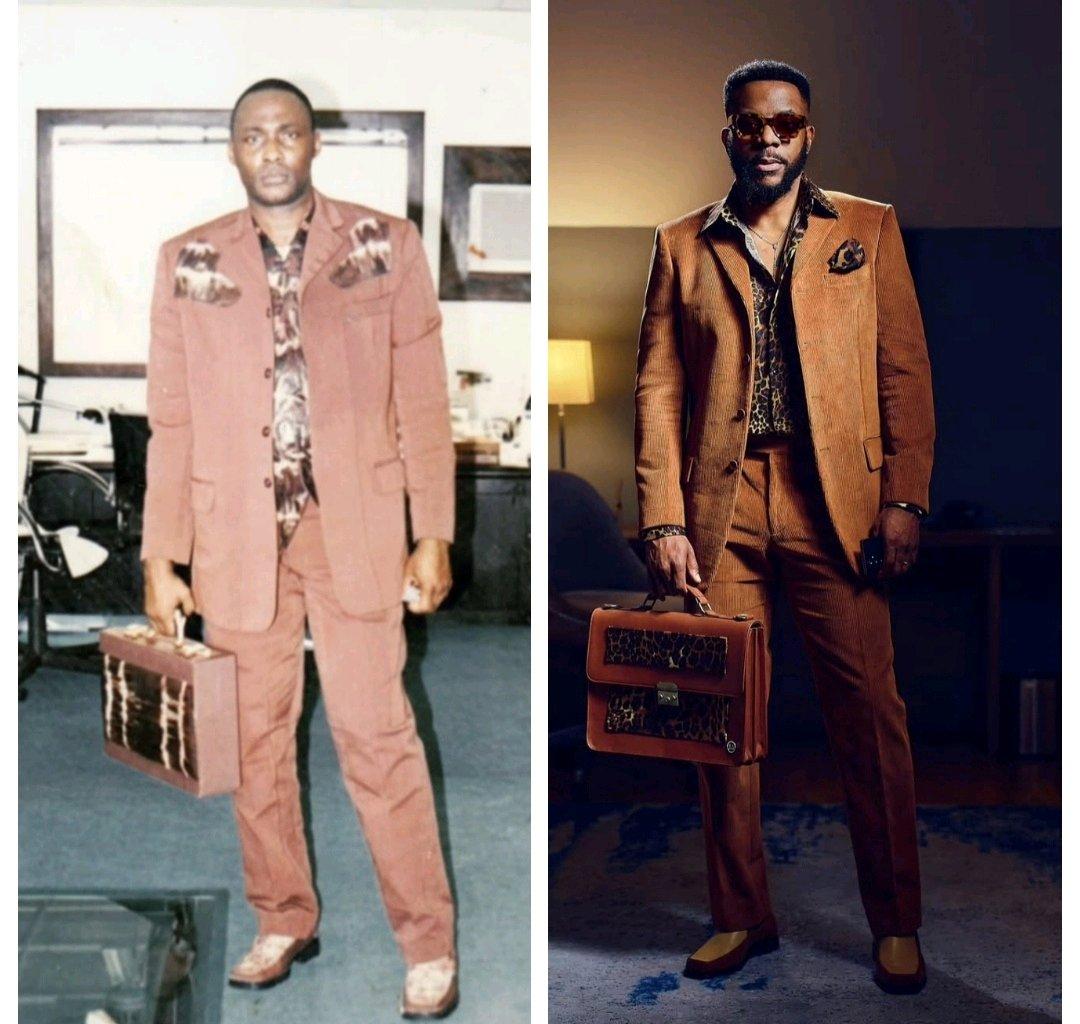
  • Ebuka Pays Stylish Tribute to Nollywood Icon RMD

    Media personality and fashion trendsetter Ebuka Obi-Uchendu has wowed fans once again — this time by recreating one of Richard Mofe-Damijo’s (RMD) classic throwback looks.

    Sharing the tribute on Instagram, Ebuka donned a brown patterned suit, paired with a matching briefcase and polished shoes. The outfit was a modern twist on RMD’s vintage photo taken decades ago, where the legendary actor posed confidently in a similar setting.

    In his post, Ebuka hailed RMD as a “superstar actor, producer, writer, lawyer, journalist, and public servant,” while also describing him as “Nigeria’s favourite boyfriend & zaddy for over 30 years.”

    The homage sparked massive reactions online, with celebrities and fans applauding Ebuka’s creativity. Many praised the stylish gesture as the perfect blend of respect and reinvention, cementing both RMD’s timeless influence and Ebuka’s standing as one of Nigeria’s most fashionable personalities.
    Ebuka Pays Stylish Tribute to Nollywood Icon RMD Media personality and fashion trendsetter Ebuka Obi-Uchendu has wowed fans once again — this time by recreating one of Richard Mofe-Damijo’s (RMD) classic throwback looks. Sharing the tribute on Instagram, Ebuka donned a brown patterned suit, paired with a matching briefcase and polished shoes. The outfit was a modern twist on RMD’s vintage photo taken decades ago, where the legendary actor posed confidently in a similar setting. In his post, Ebuka hailed RMD as a “superstar actor, producer, writer, lawyer, journalist, and public servant,” while also describing him as “Nigeria’s favourite boyfriend & zaddy for over 30 years.” The homage sparked massive reactions online, with celebrities and fans applauding Ebuka’s creativity. Many praised the stylish gesture as the perfect blend of respect and reinvention, cementing both RMD’s timeless influence and Ebuka’s standing as one of Nigeria’s most fashionable personalities.
    0 Commentaires ·0 Parts ·1KB Vue
  • The Trump administration has been desperate to find a way to distract its own base from its demand for a full release of the Epstein files. But instead of distracting the base, Vice President JD Vance's new attempted
    "whataboutism" diversion tactic will likely attract more attention to the issue," MSNBC Opinion Writer/Editor
    Zeeshan Aleem writes.
    "It's a hilarious own goal that seems guaranteed to keep the issue top of mind for activists."
    The Trump administration has been desperate to find a way to distract its own base from its demand for a full release of the Epstein files. But instead of distracting the base, Vice President JD Vance's new attempted "whataboutism" diversion tactic will likely attract more attention to the issue," MSNBC Opinion Writer/Editor Zeeshan Aleem writes. "It's a hilarious own goal that seems guaranteed to keep the issue top of mind for activists."
    0 Commentaires ·0 Parts ·900 Vue
  • Abiola’s Wife, Doyin, Is Dead.

    Wife of the Concord Publisher and winner of the June 12, 1993, presidential election, Moshood Abiola, Doyin, has passed away.

    Naija News learnt that the eminent journalist died at 9.15 pm on Tuesday, August 5, 2025.

    According to the Nation, Doyin’s death resulted from an illness.

    Doyin was the former managing director and publisher of National Concord.

    She was also the first Nigerian woman to be an editor of a Nigerian daily newspaper.

    Like the numerous wives of the late Abiola, Doyin endured the storm and stress triggered by the annulment of the historic poll and the tribulations that followed on the home front and in Concord.

    Doyin Abiola attended the University of Ibadan, Nigeria, where she earned a degree in English and Drama in 1969. After graduation, she started working with the Daily Sketch Newspaper and also wrote a column in the newspaper called ‘Tiro,’ which addressed sundry issues of public concern, including gender matters.

    In 1970, Doyin left Daily Sketch Newspaper and travelled to the United States to pursue a master’s degree programme in Journalism. Upon her return, she was employed as a Features Writer at Daily Times and rose to become the Group Features Editor. She later attended New York University and obtained a PhD in communications and political science in 1979.

    After Doyin’s Ph.d. programme, she returned to the Daily Times and was deployed to the editorial board, where she worked with other experienced editors like Stanley Macebuh, Dele Giwa, and Amma Ogan. However, it was to be a short stay as the newly formed National Concord newspaper invited her to be its pioneer daily editor.

    Abiola’s Wife, Doyin, Is Dead. Wife of the Concord Publisher and winner of the June 12, 1993, presidential election, Moshood Abiola, Doyin, has passed away. Naija News learnt that the eminent journalist died at 9.15 pm on Tuesday, August 5, 2025. According to the Nation, Doyin’s death resulted from an illness. Doyin was the former managing director and publisher of National Concord. She was also the first Nigerian woman to be an editor of a Nigerian daily newspaper. Like the numerous wives of the late Abiola, Doyin endured the storm and stress triggered by the annulment of the historic poll and the tribulations that followed on the home front and in Concord. Doyin Abiola attended the University of Ibadan, Nigeria, where she earned a degree in English and Drama in 1969. After graduation, she started working with the Daily Sketch Newspaper and also wrote a column in the newspaper called ‘Tiro,’ which addressed sundry issues of public concern, including gender matters. In 1970, Doyin left Daily Sketch Newspaper and travelled to the United States to pursue a master’s degree programme in Journalism. Upon her return, she was employed as a Features Writer at Daily Times and rose to become the Group Features Editor. She later attended New York University and obtained a PhD in communications and political science in 1979. After Doyin’s Ph.d. programme, she returned to the Daily Times and was deployed to the editorial board, where she worked with other experienced editors like Stanley Macebuh, Dele Giwa, and Amma Ogan. However, it was to be a short stay as the newly formed National Concord newspaper invited her to be its pioneer daily editor.
    0 Commentaires ·0 Parts ·1KB Vue
  • "My Odogwu, My Sponsor" — Actress Nkechi Blessing Melts Hearts with Romantic Tribute to Her Lover

    Nollywood star, screenwriter, and entrepreneur Nkechi Blessing Sunday has set social media abuzz after sharing a steamy romantic photo with her man — a heartfelt gesture to publicly appreciate his unwavering support and love.

    In her emotional post shared via her official Instagram handle, the beloved actress showered praises on her partner, calling him her “daddy, odogwu, sponsor, and the man behind her happiness.” She expressed her genuine affection, leaving fans swooning over the couple's bond.

    Known for her comedic and romantic roles in Nigerian cinema, Nkechi Blessing used this public display of affection not just to celebrate love, but to show gratitude to the man who, according to her, keeps her smiling behind the scenes.


    #NkechiBlessing #NkechiAndBae #NollywoodRomance #CelebrityLove #OdogwuVibes #MySponsorMyKing #LoveGoals #CoupleAppreciation

    "My Odogwu, My Sponsor" — Actress Nkechi Blessing Melts Hearts with Romantic Tribute to Her Lover Nollywood star, screenwriter, and entrepreneur Nkechi Blessing Sunday has set social media abuzz after sharing a steamy romantic photo with her man — a heartfelt gesture to publicly appreciate his unwavering support and love. In her emotional post shared via her official Instagram handle, the beloved actress showered praises on her partner, calling him her “daddy, odogwu, sponsor, and the man behind her happiness.” She expressed her genuine affection, leaving fans swooning over the couple's bond. Known for her comedic and romantic roles in Nigerian cinema, Nkechi Blessing used this public display of affection not just to celebrate love, but to show gratitude to the man who, according to her, keeps her smiling behind the scenes. #NkechiBlessing #NkechiAndBae #NollywoodRomance #CelebrityLove #OdogwuVibes #MySponsorMyKing #LoveGoals #CoupleAppreciation
    0 Commentaires ·0 Parts ·4KB Vue
  • News Brief: Middle Class Reduced to Beggars – Chimamanda Decries Hardship in Nigeria.

    Renowned Nigerian author Chimamanda Ngozi Adichie has expressed deep concern over the worsening economic hardship in Nigeria, saying it has pushed many formerly middle-class citizens into poverty and desperation.

    In an interview on Channels Television’s Amazing Africans, Adichie said the suffering of everyday Nigerians is her biggest worry, not economic indices like the stock market. “People who were formerly kind of securely middle class… are now people who beg and are in need,” she said.

    The author emphasized that economic strain could lead individuals to take desperate actions they would ordinarily avoid, posing a danger to society. “It’s not to excuse crime,” she noted, “but when life gets very hard, even people who before would not have considered certain things suddenly are willing to.”

    Adichie also reflected on her journey as a writer, revealing she faced 25 rejections for her debut novel Purple Hibiscus but never considered quitting. “Writing is really what I believe I am here to do… it’s a bit spiritual,” she said.

    Her remarks come amid ongoing public frustration with Nigeria’s cost of living crisis, worsened by recent economic reforms.

    #ChimamandaAdichie #NigerianEconomy #CostOfLivingCrisis #MiddleClassStruggles #EconomicHardship
    News Brief: Middle Class Reduced to Beggars – Chimamanda Decries Hardship in Nigeria. Renowned Nigerian author Chimamanda Ngozi Adichie has expressed deep concern over the worsening economic hardship in Nigeria, saying it has pushed many formerly middle-class citizens into poverty and desperation. In an interview on Channels Television’s Amazing Africans, Adichie said the suffering of everyday Nigerians is her biggest worry, not economic indices like the stock market. “People who were formerly kind of securely middle class… are now people who beg and are in need,” she said. The author emphasized that economic strain could lead individuals to take desperate actions they would ordinarily avoid, posing a danger to society. “It’s not to excuse crime,” she noted, “but when life gets very hard, even people who before would not have considered certain things suddenly are willing to.” Adichie also reflected on her journey as a writer, revealing she faced 25 rejections for her debut novel Purple Hibiscus but never considered quitting. “Writing is really what I believe I am here to do… it’s a bit spiritual,” she said. Her remarks come amid ongoing public frustration with Nigeria’s cost of living crisis, worsened by recent economic reforms. #ChimamandaAdichie #NigerianEconomy #CostOfLivingCrisis #MiddleClassStruggles #EconomicHardship
    0 Commentaires ·0 Parts ·4KB Vue
  • Chimamanda Adichie: Quitting Writing Was Never an Option Despite Rejections

    Renowned Nigerian author Chimamanda Ngozi Adichie has revealed that she received 25 rejections for her debut novel, Purple Hibiscus, but never considered giving up on writing.

    Speaking on Channels Television’s Amazing Africans, Adichie described writing as her spiritual calling and life’s purpose, stating, “Even if I hadn’t been published, I’d still be writing today.”

    Reflecting on her early struggles as a student writer in the U.S., Adichie said the rejections were humbling but ultimately made her more practical about the publishing process. Purple Hibiscus later launched her international literary career, followed by acclaimed works like Half of a Yellow Sun, Americanah, and Dream Count.
    Chimamanda Adichie: Quitting Writing Was Never an Option Despite Rejections Renowned Nigerian author Chimamanda Ngozi Adichie has revealed that she received 25 rejections for her debut novel, Purple Hibiscus, but never considered giving up on writing. Speaking on Channels Television’s Amazing Africans, Adichie described writing as her spiritual calling and life’s purpose, stating, “Even if I hadn’t been published, I’d still be writing today.” Reflecting on her early struggles as a student writer in the U.S., Adichie said the rejections were humbling but ultimately made her more practical about the publishing process. Purple Hibiscus later launched her international literary career, followed by acclaimed works like Half of a Yellow Sun, Americanah, and Dream Count.
    0 Commentaires ·0 Parts ·2KB Vue
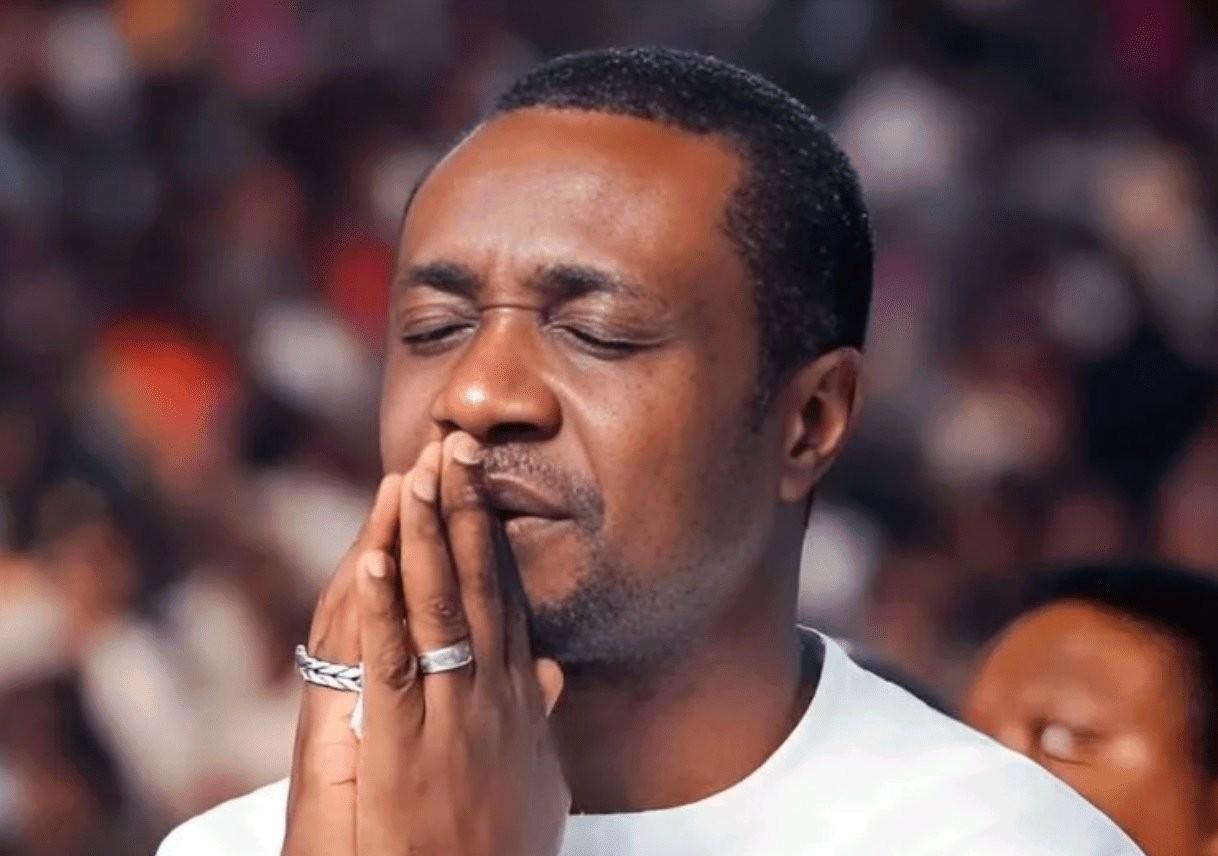
  • Nathaniel Bassey To Spend Time at KiriKiri: Here’s Why.

    Nathaniel Bassey, the Nigerian gospel singer, is set to perform at the Kirikiri Medium Security Prison in Lagos in celebration of his forthcoming birthday.

    According to the gospel singer via his Instagram page, the event titled “Kirikiri Edition” will be held on 27th August, his birth date and will also feature praise and worship, food distribution and scholarships for some inmates.

    “Later this month, 27th August 2025, I would be leading my brethren in the kiri medium prison in a Hallelujah challenge Praise and worship special session.

    Saxophonist and renowned gospel artiste, Nathaniel Bassey
    This is my heart’s desire for my birthday. We’ll praise, eat together and afterwards give out some scholarships,” he wrote in an Instagram post.

    According to the gospel singer, the outreach will not be streamed due to security reasons.

    He continued: “The first ever Hallelujah challenge was in Acts 16:25‑26, When Paul and Silas prayed and sang praises to God. Though we may not stream this for security reasons, but you can pray along with us as we go.

    “We trust God for liberty of the spirit and massive harvests of souls in Jesus’ name. Meanwhile, are you ready for the October edition?”

    Nathaniel Bassey is a pastor, trumpeter, and songwriter popularly known for his songs ‘Imela’, ‘Onise Iyanu’, and ‘Olowogbogboro’.

    He has established himself as one of the prominent gospel ministers in Nigeria.
    Nathaniel Bassey To Spend Time at KiriKiri: Here’s Why. Nathaniel Bassey, the Nigerian gospel singer, is set to perform at the Kirikiri Medium Security Prison in Lagos in celebration of his forthcoming birthday. According to the gospel singer via his Instagram page, the event titled “Kirikiri Edition” will be held on 27th August, his birth date and will also feature praise and worship, food distribution and scholarships for some inmates. “Later this month, 27th August 2025, I would be leading my brethren in the kiri medium prison in a Hallelujah challenge Praise and worship special session. Saxophonist and renowned gospel artiste, Nathaniel Bassey This is my heart’s desire for my birthday. We’ll praise, eat together and afterwards give out some scholarships,” he wrote in an Instagram post. According to the gospel singer, the outreach will not be streamed due to security reasons. He continued: “The first ever Hallelujah challenge was in Acts 16:25‑26, When Paul and Silas prayed and sang praises to God. Though we may not stream this for security reasons, but you can pray along with us as we go. “We trust God for liberty of the spirit and massive harvests of souls in Jesus’ name. Meanwhile, are you ready for the October edition?” Nathaniel Bassey is a pastor, trumpeter, and songwriter popularly known for his songs ‘Imela’, ‘Onise Iyanu’, and ‘Olowogbogboro’. He has established himself as one of the prominent gospel ministers in Nigeria.
    like
    1
    · 0 Commentaires ·0 Parts ·2KB Vue
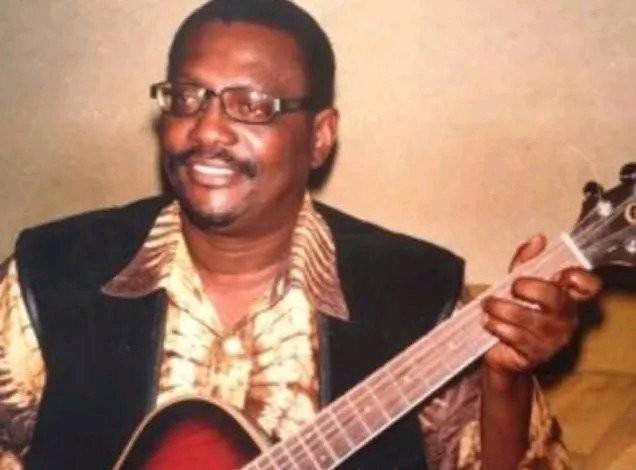
  • Popular Nigerian musician is dead.

    Obafemi Lasode, the veteran Nigerian musician, film director, producer, and songwriter, has died.

    The former President of Performing Musicians Employers Association of Nigeria (PMAN), Tee Mac Omatshola Iseli, announced Lasode’s death in a post on social media on Friday.

    The popular singer, born in December 1955, died on Friday at the age of 70.
    Popular Nigerian musician is dead. Obafemi Lasode, the veteran Nigerian musician, film director, producer, and songwriter, has died. The former President of Performing Musicians Employers Association of Nigeria (PMAN), Tee Mac Omatshola Iseli, announced Lasode’s death in a post on social media on Friday. The popular singer, born in December 1955, died on Friday at the age of 70.
    0 Commentaires ·0 Parts ·1KB Vue
  • Veteran Nigerian musician, film director, producer, and songwriter, Obafemi Lasode, has passed away.

    Naija News reports that former President of Performing Musicians Employers Association of Nigeria (PMAN), Tee Mac Omatshola Iseli, announced Lasode’s death in a post on social media on Friday.


    The popular singer, born in December 1955, died on Friday at the age of 70.

    Tee Mac wrote, “Obafemi Lasode (born 4 December 1955), a Nigerian veteran musician, film director and producer, songwriter, music producer, and playwright died today. My condolences to all. Respectfully Dr Tee Mac.”

    In other news, controversial rapper, Darlington Okoye popularly known as Speed Darlington has fired back at fellow artiste CDQ, who said he would never work with him even if offered $100 billion.

    Naija News reports that the drama started when CDQ made the remark during an interview on the Echoo Room podcast hosted by Teddy A.

    He was asked to name any artiste he would never collaborate with, and he firmly mentioned Speed Darlington, saying no amount of money could make him do it.

    Reacting during a live session with his fans, Darlington dismissed the comment and said he does not even know who CDQ is.

    He mocked CDQ’s popularity and financial status, questioning his relevance in the music industry.

    Click here for more information
    sportybet.com
    by TaboolaSponsored Links
    Darlington went on to say that anyone he does not know is irrelevant to him, and he laughed off the entire issue.

    He also suggested that CDQ has likely never had N50 million and should not be taken seriously.

    Veteran Nigerian musician, film director, producer, and songwriter, Obafemi Lasode, has passed away. Naija News reports that former President of Performing Musicians Employers Association of Nigeria (PMAN), Tee Mac Omatshola Iseli, announced Lasode’s death in a post on social media on Friday. The popular singer, born in December 1955, died on Friday at the age of 70. Tee Mac wrote, “Obafemi Lasode (born 4 December 1955), a Nigerian veteran musician, film director and producer, songwriter, music producer, and playwright died today. My condolences to all. Respectfully Dr Tee Mac.” In other news, controversial rapper, Darlington Okoye popularly known as Speed Darlington has fired back at fellow artiste CDQ, who said he would never work with him even if offered $100 billion. Naija News reports that the drama started when CDQ made the remark during an interview on the Echoo Room podcast hosted by Teddy A. He was asked to name any artiste he would never collaborate with, and he firmly mentioned Speed Darlington, saying no amount of money could make him do it. Reacting during a live session with his fans, Darlington dismissed the comment and said he does not even know who CDQ is. He mocked CDQ’s popularity and financial status, questioning his relevance in the music industry. Click here for more information sportybet.com by TaboolaSponsored Links Darlington went on to say that anyone he does not know is irrelevant to him, and he laughed off the entire issue. He also suggested that CDQ has likely never had N50 million and should not be taken seriously.
    0 Commentaires ·0 Parts ·1KB Vue
Plus de résultats
Fintter https://fintter.com