• Protests erupt in Onitsha as traders and residents block the Head Bridge over the shutdown of Main Market, halting movement in and out of Anambra State.
    Protests erupt in Onitsha as traders and residents block the Head Bridge over the shutdown of Main Market, halting movement in and out of Anambra State.
    0 Commentaires ·0 Parts ·697 Vue
  • NLC Shuts Down Abuja, Backs Indefinite FCTA Workers’ Strike……


    Abuja was largely paralysed as the Nigeria Labour Congress (NLC) backed the indefinite strike by Federal Capital Territory Administration (FCTA) workers, accusing the administration of withholding wages, pension and housing funds and intimidating staff. The NLC ordered a citywide shutdown and mass mobilisation ahead of a court hearing amid rising tensions. 
    NLC Shuts Down Abuja, Backs Indefinite FCTA Workers’ Strike…… Abuja was largely paralysed as the Nigeria Labour Congress (NLC) backed the indefinite strike by Federal Capital Territory Administration (FCTA) workers, accusing the administration of withholding wages, pension and housing funds and intimidating staff. The NLC ordered a citywide shutdown and mass mobilisation ahead of a court hearing amid rising tensions. 
    love
    2
    · 0 Commentaires ·0 Parts ·859 Vue
  • United Airlines Plane Loses Nose Wheel During Stormy Landing at Orlando Airport

    A United Airlines Airbus A321neo suffered a frightening landing incident at Orlando International Airport after its nose wheel broke off during a stormy touchdown. The aircraft, operating as Flight 2323 from Chicago with about 200 passengers onboard, hit intense wind gusts and heavy rain, causing a hard landing that damaged the nose gear. Videos showed the jet bouncing and swerving on the wet runway as the wheel detached, forcing a temporary shutdown of airport runways. No injuries were reported, and passengers were safely evacuated. The FAA has launched an investigation as United withdrew the aircraft from service.

    #AviationNews #UnitedAirlines #BreakingNews
    United Airlines Plane Loses Nose Wheel During Stormy Landing at Orlando Airport A United Airlines Airbus A321neo suffered a frightening landing incident at Orlando International Airport after its nose wheel broke off during a stormy touchdown. The aircraft, operating as Flight 2323 from Chicago with about 200 passengers onboard, hit intense wind gusts and heavy rain, causing a hard landing that damaged the nose gear. Videos showed the jet bouncing and swerving on the wet runway as the wheel detached, forcing a temporary shutdown of airport runways. No injuries were reported, and passengers were safely evacuated. The FAA has launched an investigation as United withdrew the aircraft from service. #AviationNews #UnitedAirlines #BreakingNews
    like
    love
    2
    · 0 Commentaires ·0 Parts ·546 Vue
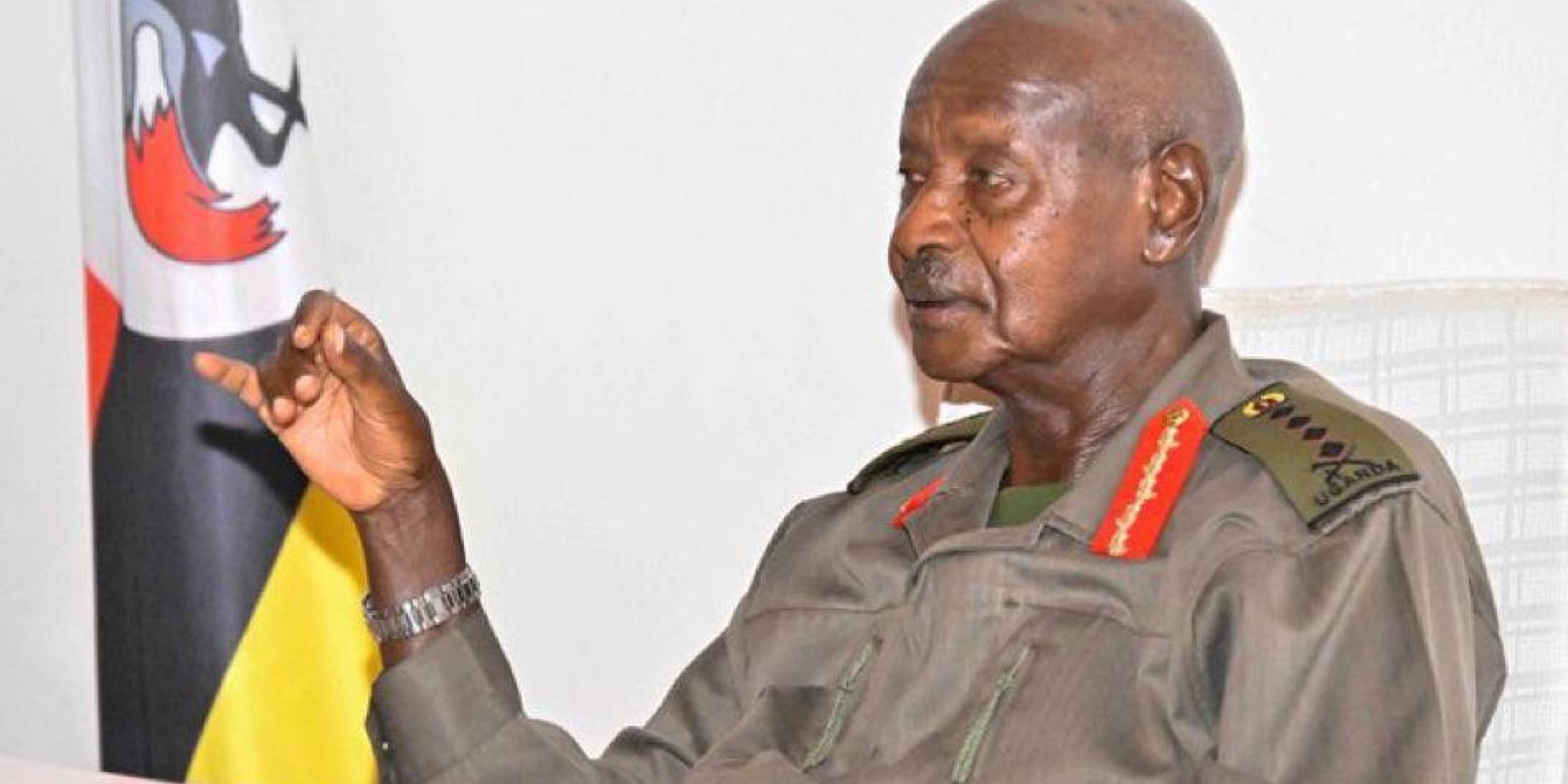
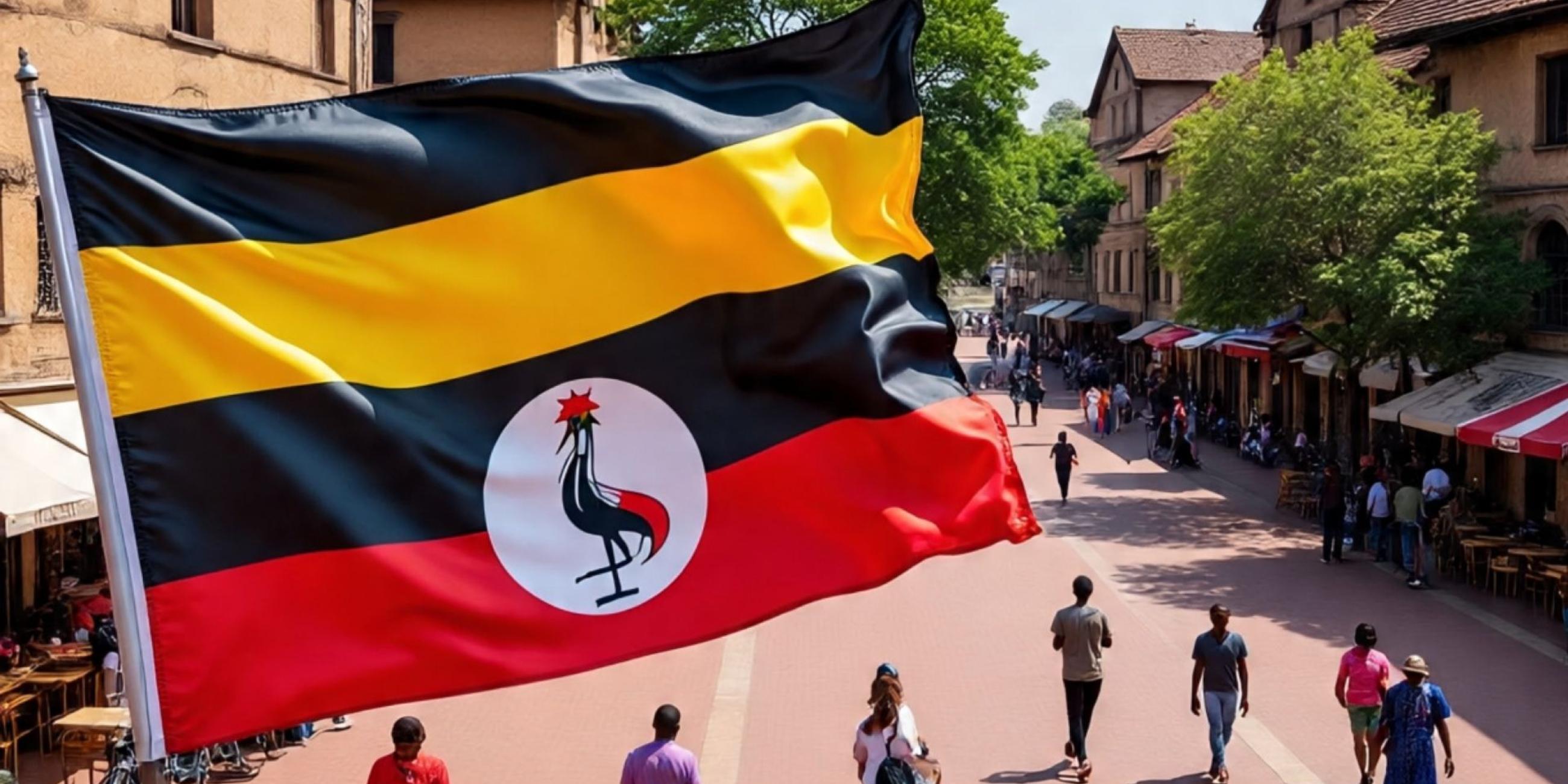
  • Uganda Election Crisis: Museveni Declared Winner With 71.65% Amid Violence, Killings, Bobi Wine Rejects Results

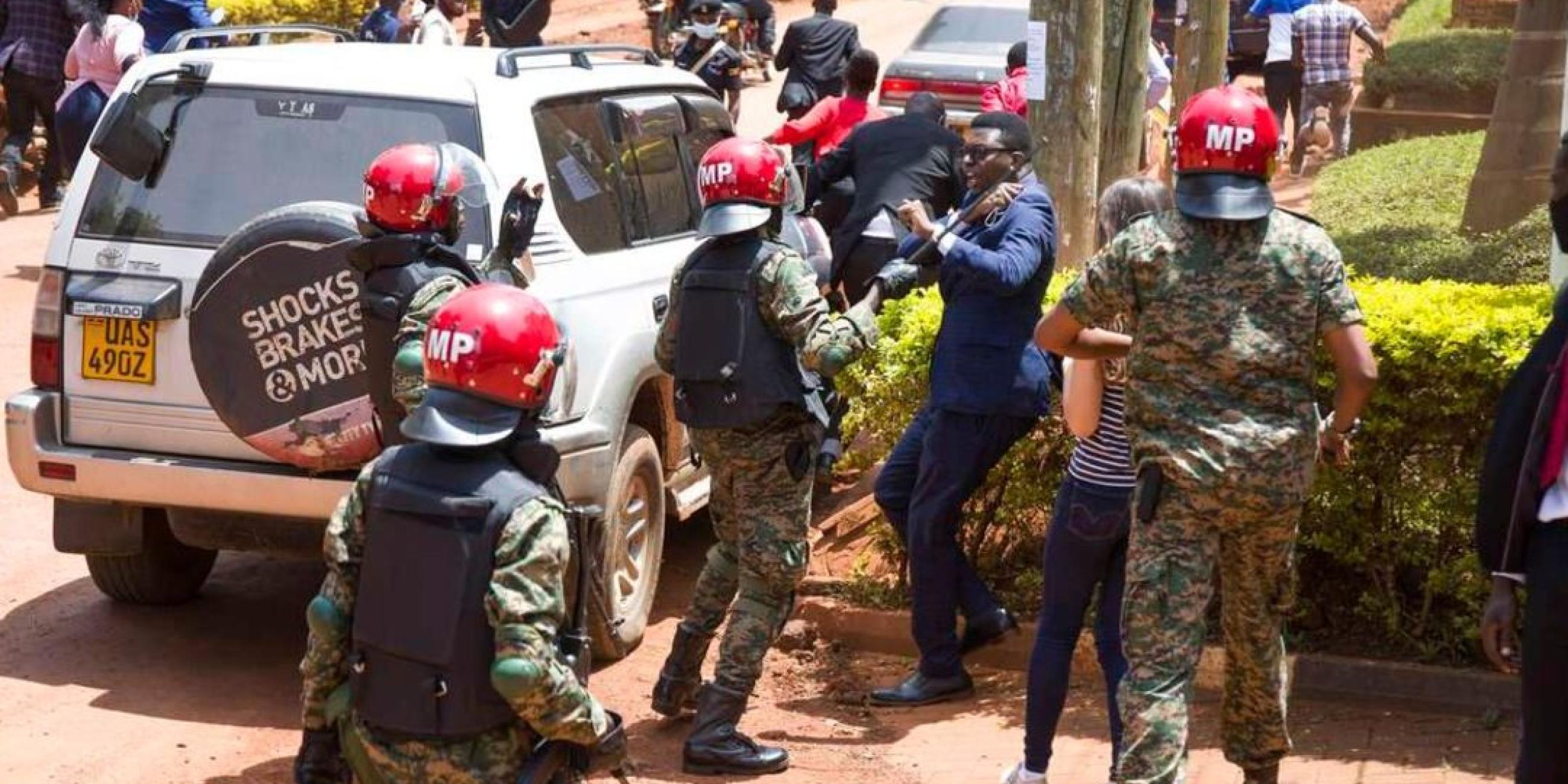
    Uganda’s Electoral Commission has declared President Yoweri Museveni winner of the 2026 election, extending his rule to nearly 40 years in power. The 81-year-old secured 71.65% of votes, defeating opposition leader Bobi Wine, who polled 24.72%. The election was marred by violence, killings, heavy military presence, arrests and a nationwide internet shutdown. Bobi Wine rejected the results as fraudulent, accused security forces of intimidation and condemned the killing of protesters, insisting Ugandans have the right to defend their votes.

    #UgandaElection #Museveni #BobiWine
    Uganda Election Crisis: Museveni Declared Winner With 71.65% Amid Violence, Killings, Bobi Wine Rejects Results Uganda’s Electoral Commission has declared President Yoweri Museveni winner of the 2026 election, extending his rule to nearly 40 years in power. The 81-year-old secured 71.65% of votes, defeating opposition leader Bobi Wine, who polled 24.72%. The election was marred by violence, killings, heavy military presence, arrests and a nationwide internet shutdown. Bobi Wine rejected the results as fraudulent, accused security forces of intimidation and condemned the killing of protesters, insisting Ugandans have the right to defend their votes. #UgandaElection #Museveni #BobiWine
    love
    3
    · 0 Commentaires ·0 Parts ·789 Vue
  • Take-It-Back Movement Rejects Uganda Election Results, Slams Repression, Killings, Bobi Wine Raid

    Nigeria’s Take-It-Back Movement has rejected Uganda’s election results, condemning what it calls widespread repression, militarisation, fraud, and killings. The group cited opposition leader Bobi Wine’s claim that security forces raided his home, cut electricity, disabled CCTV, and placed his family under siege, forcing him into hiding. Describing the process as illegitimate, the movement accused authorities of ballot stuffing, mass arrests, internet shutdowns, and targeting opposition candidates. It warned that Uganda’s crisis reflects a wider African pattern of stolen elections and urged the African Union and global community to take firm action against state violence.

    #UgandaElection #BobiWine #DemocracyUnderAttack
    Take-It-Back Movement Rejects Uganda Election Results, Slams Repression, Killings, Bobi Wine Raid Nigeria’s Take-It-Back Movement has rejected Uganda’s election results, condemning what it calls widespread repression, militarisation, fraud, and killings. The group cited opposition leader Bobi Wine’s claim that security forces raided his home, cut electricity, disabled CCTV, and placed his family under siege, forcing him into hiding. Describing the process as illegitimate, the movement accused authorities of ballot stuffing, mass arrests, internet shutdowns, and targeting opposition candidates. It warned that Uganda’s crisis reflects a wider African pattern of stolen elections and urged the African Union and global community to take firm action against state violence. #UgandaElection #BobiWine #DemocracyUnderAttack
    love
    Dislike
    3
    · 1 Commentaires ·0 Parts ·888 Vue
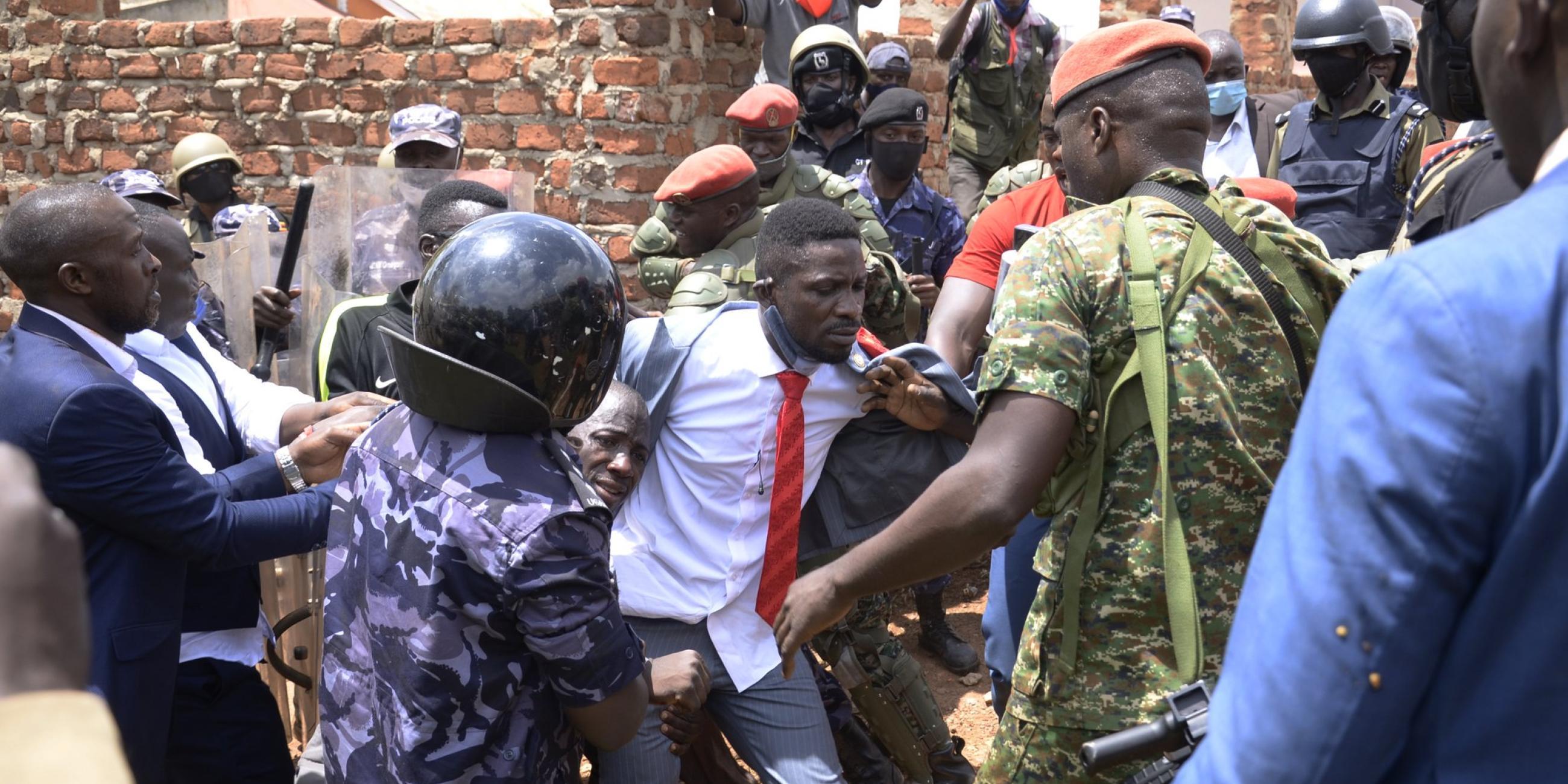
  • Wahala For Uganda: Army Helicopter Snatches Bobi Wine As Museveni Tightens Grip After Tense Election

    Tension don burst for Uganda after opposition leader Bobi Wine was forcefully arrested and flown away in an army helicopter barely one day after the controversial election. Security forces reportedly stormed his home, assaulted his guards and took him to an unknown location, raising fresh fears of repression under President Museveni’s long rule. The arrest comes amid reports of internet shutdown, military intimidation and deadly attacks on opposition supporters, including the killing of 10 campaign agents. With Museveni leading early results, critics say the election was marred by violence and fear.

    #UgandaCrisis #BobiWine #AfricaPolitics
    Wahala For Uganda: Army Helicopter Snatches Bobi Wine As Museveni Tightens Grip After Tense Election Tension don burst for Uganda after opposition leader Bobi Wine was forcefully arrested and flown away in an army helicopter barely one day after the controversial election. Security forces reportedly stormed his home, assaulted his guards and took him to an unknown location, raising fresh fears of repression under President Museveni’s long rule. The arrest comes amid reports of internet shutdown, military intimidation and deadly attacks on opposition supporters, including the killing of 10 campaign agents. With Museveni leading early results, critics say the election was marred by violence and fear. #UgandaCrisis #BobiWine #AfricaPolitics
    love
    1
    · 1 Commentaires ·0 Parts ·715 Vue
  • Early results from Uganda’s presidential election show 81-year-old President Yoweri Museveni leading challenger Bobi Wine by a wide margin. CNN journalist Larry Madowo reported that with 45% of polling stations counted, Museveni had 76.25% of votes while Bobi Wine trailed with 19.85%. However, the opposition candidate has rejected the process, alleging widespread rigging, arrests of his supporters and a nationwide internet shutdown. Wine claimed ballot stuffing, failure of voting machines and abduction of party agents, urging Ugandans and the international community to reject what he described as a “criminal regime.
    Early results from Uganda’s presidential election show 81-year-old President Yoweri Museveni leading challenger Bobi Wine by a wide margin. CNN journalist Larry Madowo reported that with 45% of polling stations counted, Museveni had 76.25% of votes while Bobi Wine trailed with 19.85%. However, the opposition candidate has rejected the process, alleging widespread rigging, arrests of his supporters and a nationwide internet shutdown. Wine claimed ballot stuffing, failure of voting machines and abduction of party agents, urging Ugandans and the international community to reject what he described as a “criminal regime.
    0 Commentaires ·0 Parts ·475 Vue
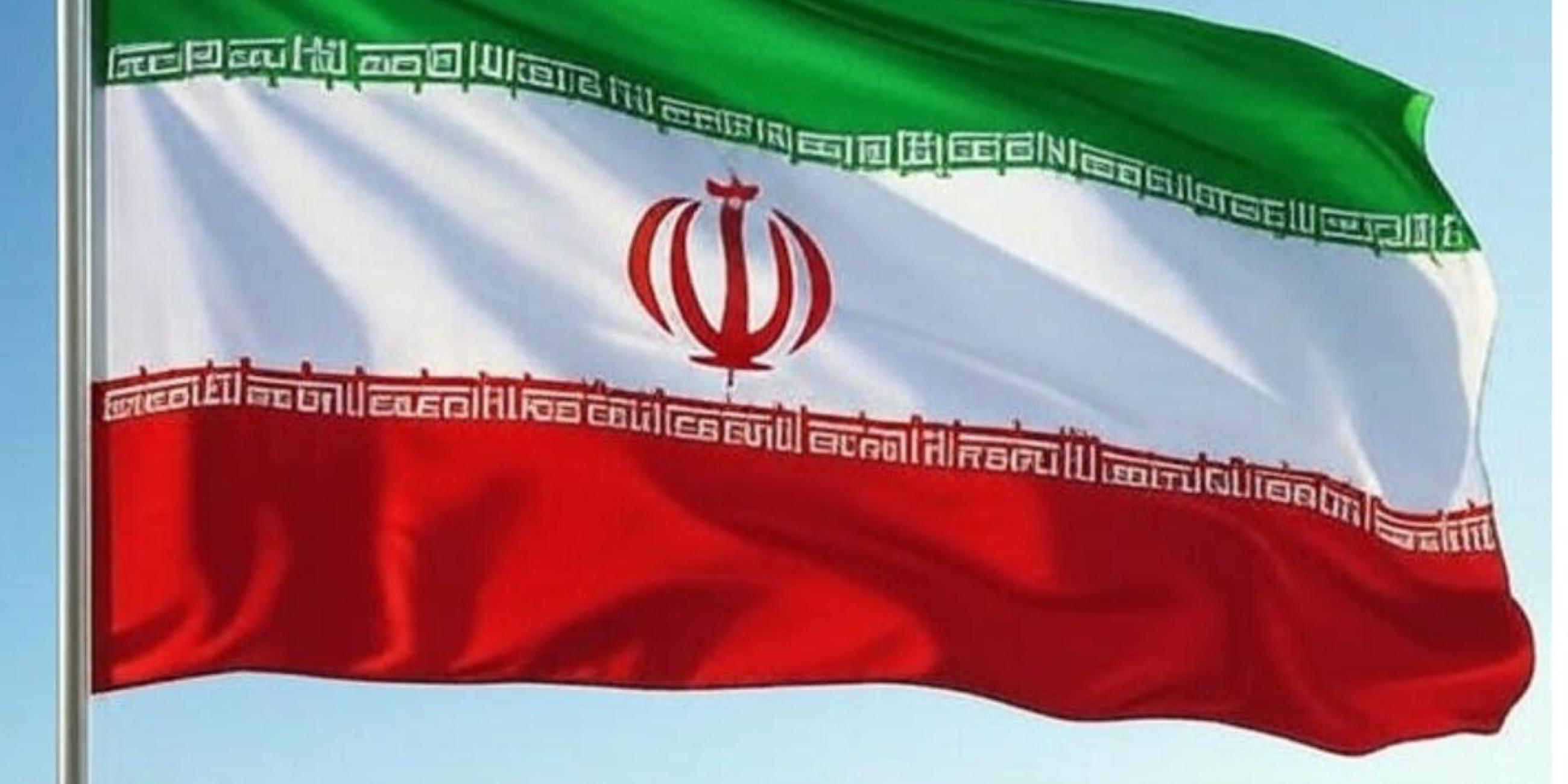
  • South Africa Condemns Violence in Iran, Calls for Respect of Protesters’ Rights

    South Africa has expressed deep concern over ongoing unrest in Iran, urging all parties to exercise restraint and respect universal human rights, including peaceful protest, freedom of expression, and association. The Presidency emphasized that sustainable peace depends on solutions reflecting the Iranian people’s aspirations. Amid reports of deaths and an internet shutdown, the U.S. also warned of possible strong responses while prioritizing diplomacy. Pretoria stressed dialogue and non-violence as essential to resolving the crisis.

    #IranProtests #SouthAfrica #HumanRights
    South Africa Condemns Violence in Iran, Calls for Respect of Protesters’ Rights South Africa has expressed deep concern over ongoing unrest in Iran, urging all parties to exercise restraint and respect universal human rights, including peaceful protest, freedom of expression, and association. The Presidency emphasized that sustainable peace depends on solutions reflecting the Iranian people’s aspirations. Amid reports of deaths and an internet shutdown, the U.S. also warned of possible strong responses while prioritizing diplomacy. Pretoria stressed dialogue and non-violence as essential to resolving the crisis. #IranProtests #SouthAfrica #HumanRights
    love
    1
    · 0 Commentaires ·0 Parts ·811 Vue
  • Uganda Election: Bobi Wine Alleges Ballot Stuffing, Arrests, Internet Shutdown

    Uganda’s opposition candidate, Bobi Wine, has accused authorities of widespread electoral malpractice on Election Day, alleging ballot stuffing, arrests of opposition officials, and a nationwide internet shutdown. In a post on X, Wine claimed polling agents were abducted or chased away, voting machines failed, and security forces targeted his party’s leaders. He urged Ugandans to reject what he called authoritarian rule and appealed to the international community not to legitimise the process. The allegations come amid long-standing concerns over disputed elections and political repression under President Yoweri Museveni.

    #UgandaElection #BobiWine #AfricaPolitics
    Uganda Election: Bobi Wine Alleges Ballot Stuffing, Arrests, Internet Shutdown Uganda’s opposition candidate, Bobi Wine, has accused authorities of widespread electoral malpractice on Election Day, alleging ballot stuffing, arrests of opposition officials, and a nationwide internet shutdown. In a post on X, Wine claimed polling agents were abducted or chased away, voting machines failed, and security forces targeted his party’s leaders. He urged Ugandans to reject what he called authoritarian rule and appealed to the international community not to legitimise the process. The allegations come amid long-standing concerns over disputed elections and political repression under President Yoweri Museveni. #UgandaElection #BobiWine #AfricaPolitics
    love
    1
    · 0 Commentaires ·0 Parts ·649 Vue
  • Trump Threatens Iran Over Deaths of Protesters, Keeps Military Options Open

    US President Donald Trump has strongly condemned the killing of thousands of protesters in Iran and warned that all options, including military action, remain on the table.

    In a statement posted by the US Department of State, Trump said that while protests are acceptable, the mass killings and executions reported in Iran are unacceptable.

    Press Secretary Karoline Leavitt confirmed that the administration is prioritising diplomacy but is also prepared to consider air strikes or other strong measures if the situation escalates. She noted that Iran’s private communications with US envoy Steve Witkoff show a different tone from their public statements, highlighting ongoing behind-the-scenes diplomatic contacts.

    Rights groups report that the death toll continues to rise, with access to information in Iran limited due to an internet shutdown. Trump indicated that Iran’s leaders requested a meeting, but action may be taken before any formal talks if the killings continue.

    The situation underscores rising tensions between Washington and Tehran, with the US emphasizing both human rights concerns and strategic readiness.

    Trump Threatens Iran Over Deaths of Protesters, Keeps Military Options Open US President Donald Trump has strongly condemned the killing of thousands of protesters in Iran and warned that all options, including military action, remain on the table. In a statement posted by the US Department of State, Trump said that while protests are acceptable, the mass killings and executions reported in Iran are unacceptable. Press Secretary Karoline Leavitt confirmed that the administration is prioritising diplomacy but is also prepared to consider air strikes or other strong measures if the situation escalates. She noted that Iran’s private communications with US envoy Steve Witkoff show a different tone from their public statements, highlighting ongoing behind-the-scenes diplomatic contacts. Rights groups report that the death toll continues to rise, with access to information in Iran limited due to an internet shutdown. Trump indicated that Iran’s leaders requested a meeting, but action may be taken before any formal talks if the killings continue. The situation underscores rising tensions between Washington and Tehran, with the US emphasizing both human rights concerns and strategic readiness.
    0 Commentaires ·0 Parts ·767 Vue
  • Iran Wahala Don Set! White House Says Trump Fit Order Airstrikes As Protesters Dey Die

    Global wahala don burst as the White House has revealed that former US President Donald Trump is keeping all options open on Iran, including possible airstrikes, following reports that protesters are being killed on the streets of Tehran. Speaking to journalists, Press Secretary Karoline Leavitt said Trump is considering “very strong options” against Iran, stressing that military action remains on the table if the situation worsens. However, she noted that diplomacy remains the president’s first choice, explaining that while Iran’s leaders are issuing tough statements publicly, they are sending different messages privately to US officials. According to the White House, Tehran has adopted a softer tone in discussions with Trump’s special envoy, Steve Witkoff, even as protests continue. Trump himself warned that Iran may have crossed his red line after reports of civilian deaths, adding that although Iranian leaders have requested talks, “we may have to act before a meeting.” Rights groups say the death toll is rising despite an internet shutdown, while the White House insists Trump does not want to see people “being killed in the streets of Tehran.”

    Iran Wahala Don Set! White House Says Trump Fit Order Airstrikes As Protesters Dey Die Global wahala don burst as the White House has revealed that former US President Donald Trump is keeping all options open on Iran, including possible airstrikes, following reports that protesters are being killed on the streets of Tehran. Speaking to journalists, Press Secretary Karoline Leavitt said Trump is considering “very strong options” against Iran, stressing that military action remains on the table if the situation worsens. However, she noted that diplomacy remains the president’s first choice, explaining that while Iran’s leaders are issuing tough statements publicly, they are sending different messages privately to US officials. According to the White House, Tehran has adopted a softer tone in discussions with Trump’s special envoy, Steve Witkoff, even as protests continue. Trump himself warned that Iran may have crossed his red line after reports of civilian deaths, adding that although Iranian leaders have requested talks, “we may have to act before a meeting.” Rights groups say the death toll is rising despite an internet shutdown, while the White House insists Trump does not want to see people “being killed in the streets of Tehran.”
    0 Commentaires ·0 Parts ·664 Vue
  • Is Nigeria’s Health System Heading for Shutdown? JOHESU Orders Total Work Stoppage Over Tinubu Government’s ‘No Work, No Pay’ Policy

    Is Nigeria on the brink of another nationwide healthcare crisis? The Joint Health Sector Unions (JOHESU) has directed its members across federal health institutions to withdraw their services indefinitely, escalating its standoff with the Tinubu administration over a newly enforced “No Work, No Pay” directive from the Federal Ministry of Health.

    According to a statement issued by JOHESU leader Comrade Abubakar Sani Aminu, the policy was introduced without consultation or dialogue, a move the union describes as a direct violation of workers’ rights and collective bargaining principles. Why, the union asks, would the government impose such a far-reaching directive at a time when negotiations are still ongoing?

    JOHESU says hospital chief executives have been instructed to enforce the policy, which the union believes is a deliberate attempt to weaken organised labour and fracture solidarity among health workers. Aminu warned members that the directive represents “the final weapon” being deployed by the government to break the union’s resolve. Could this mark a turning point in labour relations within Nigeria’s health sector?

    In response, the union has ordered a total work stoppage, explicitly rejecting skeleton services, partial compliance, or compromise of any kind. “There should be no skeleton services, no attempt to help out, or compromise in any way,” the statement declared. JOHESU insists that only collective action can protect workers’ rights and prevent what it calls a dangerous precedent that could affect future industrial disputes.

    What does this mean for patients and public hospitals already struggling with limited resources? While the full impact on healthcare delivery remains uncertain, past JOHESU strikes have caused widespread disruptions across federal medical institutions, raising fears of another wave of service paralysis.

    The union has reaffirmed its commitment to what it describes as a fight for fair treatment, respect for dialogue, and protection of labour rights, urging members nationwide to remain united until its demands are addressed. As of the time of reporting, the Federal Ministry of Health has not issued an official response.

    Will the government reconsider its stance, or is Nigeria heading toward another prolonged healthcare shutdown? And in a sector where lives depend on continuity of care, who ultimately bears the cost of this policy standoff—workers, patients, or the state itself?

    Is Nigeria’s Health System Heading for Shutdown? JOHESU Orders Total Work Stoppage Over Tinubu Government’s ‘No Work, No Pay’ Policy Is Nigeria on the brink of another nationwide healthcare crisis? The Joint Health Sector Unions (JOHESU) has directed its members across federal health institutions to withdraw their services indefinitely, escalating its standoff with the Tinubu administration over a newly enforced “No Work, No Pay” directive from the Federal Ministry of Health. According to a statement issued by JOHESU leader Comrade Abubakar Sani Aminu, the policy was introduced without consultation or dialogue, a move the union describes as a direct violation of workers’ rights and collective bargaining principles. Why, the union asks, would the government impose such a far-reaching directive at a time when negotiations are still ongoing? JOHESU says hospital chief executives have been instructed to enforce the policy, which the union believes is a deliberate attempt to weaken organised labour and fracture solidarity among health workers. Aminu warned members that the directive represents “the final weapon” being deployed by the government to break the union’s resolve. Could this mark a turning point in labour relations within Nigeria’s health sector? In response, the union has ordered a total work stoppage, explicitly rejecting skeleton services, partial compliance, or compromise of any kind. “There should be no skeleton services, no attempt to help out, or compromise in any way,” the statement declared. JOHESU insists that only collective action can protect workers’ rights and prevent what it calls a dangerous precedent that could affect future industrial disputes. What does this mean for patients and public hospitals already struggling with limited resources? While the full impact on healthcare delivery remains uncertain, past JOHESU strikes have caused widespread disruptions across federal medical institutions, raising fears of another wave of service paralysis. The union has reaffirmed its commitment to what it describes as a fight for fair treatment, respect for dialogue, and protection of labour rights, urging members nationwide to remain united until its demands are addressed. As of the time of reporting, the Federal Ministry of Health has not issued an official response. Will the government reconsider its stance, or is Nigeria heading toward another prolonged healthcare shutdown? And in a sector where lives depend on continuity of care, who ultimately bears the cost of this policy standoff—workers, patients, or the state itself?
    0 Commentaires ·0 Parts ·926 Vue
  • Why Did a Nigerian Court Stop Resident Doctors’ Planned Nationwide Strike—Is the Tinubu Government Using Legal Power to Silence Protests Over Salaries, Welfare, and Broken Agreements?

    Is the Nigerian government turning to the courts to prevent another healthcare shutdown—and what does it mean for doctors’ rights to protest? The National Industrial Court in Abuja has issued an interim injunction restraining the National Association of Resident Doctors (NARD) and its members from embarking on any form of industrial action across the country.

    The order, delivered by Justice Emmanuel Danjuma Subilim, followed an ex parte application filed by the Federal Government through the Office of the Attorney General of the Federation and Minister of Justice, Lateef Fagbemi (SAN). The court barred resident doctors from calling, organizing, directing, or participating in strikes, work stoppages, go-slows, picketing, or any other actions capable of disrupting healthcare services nationwide.

    In addition, the court prohibited NARD from taking any steps preparatory to industrial action with effect from January 12, 2026, ruling that the injunction would remain in force pending the hearing and determination of the motion on notice, scheduled for January 21, 2026.

    The ruling comes just days after the association threatened a nationwide strike over unresolved grievances related to welfare, salaries, and working conditions. NARD accused the Bola Tinubu-led administration of failing to honor previous agreements, stating that signed memoranda had been “totally neglected, altered or half implemented,” while earlier gains had been “overtaken by events of the government’s own making.”

    The association maintained that it had exhausted all avenues of dialogue, saying it had engaged respectfully, called attention to the issues, sought advice, and appealed for implementation—yet received no meaningful response. Defending its members against public criticism, NARD rejected portrayals of resident doctors as unpatriotic agitators, insisting that doctors have not committed any wrongdoing by demanding better conditions for healthcare workers who form “the backbone of service delivery in Nigeria.”

    In a strongly worded statement, the group argued that its members were “experienced enough to understand that merit doesn’t fetch a lot in Nigeria” and “militant enough to agitate for our legitimate rights, including signed and agreed MoUs.”

    While the government’s legal move is aimed at preventing disruptions in essential medical services, it raises pressing questions: Is the court order protecting patients—or curtailing workers’ rights to protest unfair conditions? Can judicial intervention resolve deep-rooted problems in Nigeria’s healthcare system, or will it merely postpone a larger confrontation? As the case returns to court later in January, Nigerians will be watching closely to see whether dialogue replaces confrontation—or whether tensions between the government and resident doctors escalate further.


    Why Did a Nigerian Court Stop Resident Doctors’ Planned Nationwide Strike—Is the Tinubu Government Using Legal Power to Silence Protests Over Salaries, Welfare, and Broken Agreements? Is the Nigerian government turning to the courts to prevent another healthcare shutdown—and what does it mean for doctors’ rights to protest? The National Industrial Court in Abuja has issued an interim injunction restraining the National Association of Resident Doctors (NARD) and its members from embarking on any form of industrial action across the country. The order, delivered by Justice Emmanuel Danjuma Subilim, followed an ex parte application filed by the Federal Government through the Office of the Attorney General of the Federation and Minister of Justice, Lateef Fagbemi (SAN). The court barred resident doctors from calling, organizing, directing, or participating in strikes, work stoppages, go-slows, picketing, or any other actions capable of disrupting healthcare services nationwide. In addition, the court prohibited NARD from taking any steps preparatory to industrial action with effect from January 12, 2026, ruling that the injunction would remain in force pending the hearing and determination of the motion on notice, scheduled for January 21, 2026. The ruling comes just days after the association threatened a nationwide strike over unresolved grievances related to welfare, salaries, and working conditions. NARD accused the Bola Tinubu-led administration of failing to honor previous agreements, stating that signed memoranda had been “totally neglected, altered or half implemented,” while earlier gains had been “overtaken by events of the government’s own making.” The association maintained that it had exhausted all avenues of dialogue, saying it had engaged respectfully, called attention to the issues, sought advice, and appealed for implementation—yet received no meaningful response. Defending its members against public criticism, NARD rejected portrayals of resident doctors as unpatriotic agitators, insisting that doctors have not committed any wrongdoing by demanding better conditions for healthcare workers who form “the backbone of service delivery in Nigeria.” In a strongly worded statement, the group argued that its members were “experienced enough to understand that merit doesn’t fetch a lot in Nigeria” and “militant enough to agitate for our legitimate rights, including signed and agreed MoUs.” While the government’s legal move is aimed at preventing disruptions in essential medical services, it raises pressing questions: Is the court order protecting patients—or curtailing workers’ rights to protest unfair conditions? Can judicial intervention resolve deep-rooted problems in Nigeria’s healthcare system, or will it merely postpone a larger confrontation? As the case returns to court later in January, Nigerians will be watching closely to see whether dialogue replaces confrontation—or whether tensions between the government and resident doctors escalate further.
    0 Commentaires ·0 Parts ·1KB Vue
  • Why Were At Least 17 Dubai–Iran Flights Suddenly Cancelled? Are Tehran Protests and a Nationwide Internet Blackout Disrupting Regional Travel?

    Why are flights between Dubai and Iran being abruptly cancelled—and what does it reveal about the growing unrest inside the Islamic Republic? At least 17 Flydubai flights scheduled for Friday between Dubai and major Iranian cities, including Tehran, Shiraz, and Mashhad, were called off without prior notice, raising alarm among passengers and underscoring the widening impact of Iran’s escalating political crisis.

    Data published on the Dubai Airports website confirmed the cancellations, showing multiple outbound and inbound routes affected. The disruption comes as Iran faces intensifying nationwide protests and a near-total internet blackout, reportedly imposed by authorities in an effort to restrict communication and contain the spread of demonstrations.

    Iran has been gripped by widespread unrest since late December, driven by worsening economic conditions, soaring inflation, and deepening hardship for ordinary citizens. What began as localized protests has rapidly expanded across several cities, prompting a heavy security response from the government. Observers say the communication shutdown reflects growing concern within the Iranian authorities over the speed at which information—and dissent—is spreading.

    A Flydubai spokesperson confirmed that all scheduled flights to Iran on Friday were cancelled, stating that the airline would “continue to monitor the situation” and adjust operations as needed. However, no specific reasons were publicly provided, leaving travelers uncertain about safety conditions, regulatory restrictions, and how long the disruption might last.

    The cancellations were not limited to Flydubai. Turkish media reported that Turkish Airlines cancelled at least 17 flights to Iranian destinations, while Ajet reportedly suspended six flights. Pegasus Airlines was also said to have cancelled several routes. In the Gulf region, at least two flights between Doha and Tehran were reportedly cancelled, according to updates from Hamad International Airport.

    The wave of suspensions points to a broader regional response to instability inside Iran. Airlines are increasingly forced to weigh passenger safety, operational risks, and regulatory uncertainty as protests grow and communication channels remain restricted.

    The key question remains: Are these flight cancellations a temporary precaution—or an early sign of deeper regional disruption tied to Iran’s internal crisis? For travelers, airlines, and neighboring countries, the unfolding situation highlights how domestic unrest in one nation can quickly ripple across international transport, commerce, and security.

    As protests persist and the blackout continues, aviation disruptions may expand further, signaling that Iran’s political turmoil is no longer confined within its borders but is now reshaping regional connectivity in real time.

    Why Were At Least 17 Dubai–Iran Flights Suddenly Cancelled? Are Tehran Protests and a Nationwide Internet Blackout Disrupting Regional Travel? Why are flights between Dubai and Iran being abruptly cancelled—and what does it reveal about the growing unrest inside the Islamic Republic? At least 17 Flydubai flights scheduled for Friday between Dubai and major Iranian cities, including Tehran, Shiraz, and Mashhad, were called off without prior notice, raising alarm among passengers and underscoring the widening impact of Iran’s escalating political crisis. Data published on the Dubai Airports website confirmed the cancellations, showing multiple outbound and inbound routes affected. The disruption comes as Iran faces intensifying nationwide protests and a near-total internet blackout, reportedly imposed by authorities in an effort to restrict communication and contain the spread of demonstrations. Iran has been gripped by widespread unrest since late December, driven by worsening economic conditions, soaring inflation, and deepening hardship for ordinary citizens. What began as localized protests has rapidly expanded across several cities, prompting a heavy security response from the government. Observers say the communication shutdown reflects growing concern within the Iranian authorities over the speed at which information—and dissent—is spreading. A Flydubai spokesperson confirmed that all scheduled flights to Iran on Friday were cancelled, stating that the airline would “continue to monitor the situation” and adjust operations as needed. However, no specific reasons were publicly provided, leaving travelers uncertain about safety conditions, regulatory restrictions, and how long the disruption might last. The cancellations were not limited to Flydubai. Turkish media reported that Turkish Airlines cancelled at least 17 flights to Iranian destinations, while Ajet reportedly suspended six flights. Pegasus Airlines was also said to have cancelled several routes. In the Gulf region, at least two flights between Doha and Tehran were reportedly cancelled, according to updates from Hamad International Airport. The wave of suspensions points to a broader regional response to instability inside Iran. Airlines are increasingly forced to weigh passenger safety, operational risks, and regulatory uncertainty as protests grow and communication channels remain restricted. The key question remains: Are these flight cancellations a temporary precaution—or an early sign of deeper regional disruption tied to Iran’s internal crisis? For travelers, airlines, and neighboring countries, the unfolding situation highlights how domestic unrest in one nation can quickly ripple across international transport, commerce, and security. As protests persist and the blackout continues, aviation disruptions may expand further, signaling that Iran’s political turmoil is no longer confined within its borders but is now reshaping regional connectivity in real time.
    0 Commentaires ·0 Parts ·875 Vue
  • Is Iran’s Supreme Leader Blaming Protesters to Please Trump as Deadly Unrest, Internet Blackouts and Calls for Regime Change Shake Tehran?

    Iran’s Supreme Leader, Ayatollah Ali Khamenei, has accused anti-government protesters of “ruining their own streets to make the president of another country happy,” as nationwide unrest continues to grip Tehran and other major cities despite an unprecedented internet and telephone shutdown. His remarks come amid escalating demonstrations that began over economic hardship but have rapidly evolved into the most serious challenge to Iran’s leadership in years.

    Short videos circulating on social media before the blackout showed protesters chanting around bonfires, blocking roads, and leaving streets strewn with debris. Iranian state television later blamed the violence on “terrorist agents” backed by the United States and Israel, reporting unspecified “casualties” while offering few details. During a televised address, Khamenei warned of a hardline response, as crowds in the studio chanted “Death to America,” underscoring the regime’s narrative of foreign interference.

    According to analysts, the protests gained momentum after public appeals by exiled Crown Prince Reza Pahlavi, who urged Iranians to take to the streets at coordinated times. Holly Dagres of the Washington Institute for Near East Policy said the calls had a decisive impact, transforming scattered demonstrations into a nationwide movement aimed at toppling the Islamic Republic. Witnesses in Tehran reported chants of “Death to the dictator,” “Death to the Islamic Republic,” and slogans calling for the return of the Pahlavi monarchy.

    Pahlavi condemned the government’s decision to shut down communications, warning that cutting internet and landlines was intended to silence the protesters and prevent the world from seeing what was happening inside Iran. He urged international leaders to use “technical, financial, and diplomatic resources” to restore connectivity so that the voices of Iranians could be heard globally.

    Human rights groups report a growing toll. The U.S.-based Human Rights Activists News Agency says at least 42 people have been killed and more than 2,270 detained since the protests began. State media acknowledged that private vehicles, public transport, metro stations, and emergency vehicles had been set ablaze during demonstrations, reinforcing claims of widespread unrest.

    Former U.S. President Donald Trump has also weighed in, warning Tehran against violently suppressing peaceful protesters and threatening severe consequences if the crackdown continues. His comments have fueled speculation that Iran’s leadership is framing the protests as a foreign-backed campaign to delegitimize domestic dissent.

    As the internet blackout persists and security forces tighten their grip, questions remain: Are Iran’s leaders confronting a genuine popular uprising driven by economic despair and demands for freedom, or will the government succeed in recasting the movement as an externally orchestrated plot? With mounting deaths, mass arrests, and growing international attention, the unfolding crisis could redefine Iran’s political future.


    Is Iran’s Supreme Leader Blaming Protesters to Please Trump as Deadly Unrest, Internet Blackouts and Calls for Regime Change Shake Tehran? Iran’s Supreme Leader, Ayatollah Ali Khamenei, has accused anti-government protesters of “ruining their own streets to make the president of another country happy,” as nationwide unrest continues to grip Tehran and other major cities despite an unprecedented internet and telephone shutdown. His remarks come amid escalating demonstrations that began over economic hardship but have rapidly evolved into the most serious challenge to Iran’s leadership in years. Short videos circulating on social media before the blackout showed protesters chanting around bonfires, blocking roads, and leaving streets strewn with debris. Iranian state television later blamed the violence on “terrorist agents” backed by the United States and Israel, reporting unspecified “casualties” while offering few details. During a televised address, Khamenei warned of a hardline response, as crowds in the studio chanted “Death to America,” underscoring the regime’s narrative of foreign interference. According to analysts, the protests gained momentum after public appeals by exiled Crown Prince Reza Pahlavi, who urged Iranians to take to the streets at coordinated times. Holly Dagres of the Washington Institute for Near East Policy said the calls had a decisive impact, transforming scattered demonstrations into a nationwide movement aimed at toppling the Islamic Republic. Witnesses in Tehran reported chants of “Death to the dictator,” “Death to the Islamic Republic,” and slogans calling for the return of the Pahlavi monarchy. Pahlavi condemned the government’s decision to shut down communications, warning that cutting internet and landlines was intended to silence the protesters and prevent the world from seeing what was happening inside Iran. He urged international leaders to use “technical, financial, and diplomatic resources” to restore connectivity so that the voices of Iranians could be heard globally. Human rights groups report a growing toll. The U.S.-based Human Rights Activists News Agency says at least 42 people have been killed and more than 2,270 detained since the protests began. State media acknowledged that private vehicles, public transport, metro stations, and emergency vehicles had been set ablaze during demonstrations, reinforcing claims of widespread unrest. Former U.S. President Donald Trump has also weighed in, warning Tehran against violently suppressing peaceful protesters and threatening severe consequences if the crackdown continues. His comments have fueled speculation that Iran’s leadership is framing the protests as a foreign-backed campaign to delegitimize domestic dissent. As the internet blackout persists and security forces tighten their grip, questions remain: Are Iran’s leaders confronting a genuine popular uprising driven by economic despair and demands for freedom, or will the government succeed in recasting the movement as an externally orchestrated plot? With mounting deaths, mass arrests, and growing international attention, the unfolding crisis could redefine Iran’s political future.
    0 Commentaires ·0 Parts ·1KB Vue
  • Is Iran Facing a New Uprising? How Nationwide Protests, Internet Blackouts and Reza Pahlavi’s Call Are Challenging Khamenei’s Rule

    Iran was gripped by renewed nationwide protests on Thursday night as demonstrators poured into the streets of Tehran and other cities following a call for mass action by exiled crown prince Reza Pahlavi. Witnesses reported chanting from rooftops and in neighbourhoods, while authorities quickly moved to cut internet access and telephone lines, a tactic historically used ahead of harsh crackdowns.

    The demonstrations marked a significant escalation in unrest driven largely by economic hardship, currency collapse, and public anger at Iran’s political system. They also represented the first major test of whether Pahlavi—whose father was overthrown in the 1979 Islamic Revolution—could mobilise meaningful opposition inside the country. Protests had already erupted the previous day in cities and rural towns, with markets and bazaars closing in solidarity.

    According to the U.S.-based Human Rights Activists News Agency, at least 41 people have been killed and more than 2,270 detained since the protests began. Monitoring groups such as Cloudflare and NetBlocks reported widespread digital shutdowns, attributing them to government interference. Calls to Iran from abroad reportedly failed, a sign often preceding intensified security operations.

    Despite the scale of the unrest, the movement has remained largely leaderless, prompting debate over whether it can sustain momentum or force political change. Analysts note that previous protest waves faltered due to the absence of a unified leadership structure, as Iran’s security apparatus has historically arrested, exiled, or silenced potential opposition figures.

    At the appointed protest hour, chants echoed across Tehran: “Death to the dictator!” “Death to the Islamic Republic!” and slogans calling for the return of the monarchy. In a statement, Pahlavi urged Iranians to continue demonstrating, declaring that “the eyes of the world are upon you,” and warning authorities that repression would not go unnoticed internationally.

    Iranian officials have not publicly acknowledged the full scope of the unrest, though state-linked media confirmed casualties among security forces. Reports from the judiciary and semi-official outlets said police officers and Revolutionary Guard members were killed in separate attacks in provinces including Kermanshah, Chaharmahal and Bakhtiari, and Khorasan Razavi. Hard-line media also circulated warnings that security agencies could use drones to identify protesters.

    The unrest comes amid deepening economic strain. Following tighter sanctions and the aftermath of a brief war, Iran’s currency collapsed in December to about 1.4 million rials to the U.S. dollar, triggering renewed demonstrations and calls for an end to clerical rule. U.S. President Donald Trump warned that Washington would respond if peaceful protesters were violently repressed, a statement Iran’s Foreign Ministry dismissed as “hypocritical interference.”

    Meanwhile, Nobel Peace Prize laureate Narges Mohammadi remains imprisoned, with her family saying the protests echo earlier uprisings in 2009 and 2019, each demanding an end to what they describe as a “dictatorial religious regime.”

    As unrest spreads and communication blackouts deepen, pressing questions remain: Can these protests break the cycle of repression? Will Reza Pahlavi emerge as a unifying figure or remain symbolic? And is Iran approaching a turning point—or another crackdown? With anger rising and the government tightening control, the unfolding crisis is shaping up as one of the most serious challenges to Iran’s leadership in years.


    Is Iran Facing a New Uprising? How Nationwide Protests, Internet Blackouts and Reza Pahlavi’s Call Are Challenging Khamenei’s Rule Iran was gripped by renewed nationwide protests on Thursday night as demonstrators poured into the streets of Tehran and other cities following a call for mass action by exiled crown prince Reza Pahlavi. Witnesses reported chanting from rooftops and in neighbourhoods, while authorities quickly moved to cut internet access and telephone lines, a tactic historically used ahead of harsh crackdowns. The demonstrations marked a significant escalation in unrest driven largely by economic hardship, currency collapse, and public anger at Iran’s political system. They also represented the first major test of whether Pahlavi—whose father was overthrown in the 1979 Islamic Revolution—could mobilise meaningful opposition inside the country. Protests had already erupted the previous day in cities and rural towns, with markets and bazaars closing in solidarity. According to the U.S.-based Human Rights Activists News Agency, at least 41 people have been killed and more than 2,270 detained since the protests began. Monitoring groups such as Cloudflare and NetBlocks reported widespread digital shutdowns, attributing them to government interference. Calls to Iran from abroad reportedly failed, a sign often preceding intensified security operations. Despite the scale of the unrest, the movement has remained largely leaderless, prompting debate over whether it can sustain momentum or force political change. Analysts note that previous protest waves faltered due to the absence of a unified leadership structure, as Iran’s security apparatus has historically arrested, exiled, or silenced potential opposition figures. At the appointed protest hour, chants echoed across Tehran: “Death to the dictator!” “Death to the Islamic Republic!” and slogans calling for the return of the monarchy. In a statement, Pahlavi urged Iranians to continue demonstrating, declaring that “the eyes of the world are upon you,” and warning authorities that repression would not go unnoticed internationally. Iranian officials have not publicly acknowledged the full scope of the unrest, though state-linked media confirmed casualties among security forces. Reports from the judiciary and semi-official outlets said police officers and Revolutionary Guard members were killed in separate attacks in provinces including Kermanshah, Chaharmahal and Bakhtiari, and Khorasan Razavi. Hard-line media also circulated warnings that security agencies could use drones to identify protesters. The unrest comes amid deepening economic strain. Following tighter sanctions and the aftermath of a brief war, Iran’s currency collapsed in December to about 1.4 million rials to the U.S. dollar, triggering renewed demonstrations and calls for an end to clerical rule. U.S. President Donald Trump warned that Washington would respond if peaceful protesters were violently repressed, a statement Iran’s Foreign Ministry dismissed as “hypocritical interference.” Meanwhile, Nobel Peace Prize laureate Narges Mohammadi remains imprisoned, with her family saying the protests echo earlier uprisings in 2009 and 2019, each demanding an end to what they describe as a “dictatorial religious regime.” As unrest spreads and communication blackouts deepen, pressing questions remain: Can these protests break the cycle of repression? Will Reza Pahlavi emerge as a unifying figure or remain symbolic? And is Iran approaching a turning point—or another crackdown? With anger rising and the government tightening control, the unfolding crisis is shaping up as one of the most serious challenges to Iran’s leadership in years.
    0 Commentaires ·0 Parts ·998 Vue
  • Ondo Government Under Fire as Judiciary Workers Lock Out Judges, Shut Courts in Statewide Strike Over Judicial Autonomy and Welfare

    The Ondo State government is facing growing criticism after judiciary workers shut down court operations across the state, locking judges out of their offices and bringing judicial activities to a standstill in Akure and other locations. At the judiciary headquarters, court gates were padlocked, with judges’ official vehicles seen parked outside as proceedings were completely halted.

    The disruption follows an indefinite strike declared by the Coalition of Magistrates, Presidents of Grade ‘A’ Customary Courts, and Legal Research Officers over unresolved issues of judicial autonomy, poor welfare, and working conditions under the administration of Governor Lucky Aiyedatiwa. In a notice dated January 2, 2026, the coalition directed all members to withdraw their services from January 5, warning them not to report to offices, sit in court, or issue or authorize any official documents for the duration of the strike.

    The coalition stated that the action would continue until its “core demands for judicial autonomy and improved welfare are fully achieved,” emphasizing unity and discipline among members. Videos and photographs obtained from court premises across the state showed locked gates and a total shutdown of judicial activities.

    The strike comes amid longstanding complaints by judiciary workers about dilapidated court infrastructure and poor working conditions, with reports that rainfall often forces the suspension of court sessions. As the impasse continues, legal processes in Ondo State remain paralysed, intensifying pressure on the state government to address the demands of judicial workers and restore access to justice.
    Ondo Government Under Fire as Judiciary Workers Lock Out Judges, Shut Courts in Statewide Strike Over Judicial Autonomy and Welfare The Ondo State government is facing growing criticism after judiciary workers shut down court operations across the state, locking judges out of their offices and bringing judicial activities to a standstill in Akure and other locations. At the judiciary headquarters, court gates were padlocked, with judges’ official vehicles seen parked outside as proceedings were completely halted. The disruption follows an indefinite strike declared by the Coalition of Magistrates, Presidents of Grade ‘A’ Customary Courts, and Legal Research Officers over unresolved issues of judicial autonomy, poor welfare, and working conditions under the administration of Governor Lucky Aiyedatiwa. In a notice dated January 2, 2026, the coalition directed all members to withdraw their services from January 5, warning them not to report to offices, sit in court, or issue or authorize any official documents for the duration of the strike. The coalition stated that the action would continue until its “core demands for judicial autonomy and improved welfare are fully achieved,” emphasizing unity and discipline among members. Videos and photographs obtained from court premises across the state showed locked gates and a total shutdown of judicial activities. The strike comes amid longstanding complaints by judiciary workers about dilapidated court infrastructure and poor working conditions, with reports that rainfall often forces the suspension of court sessions. As the impasse continues, legal processes in Ondo State remain paralysed, intensifying pressure on the state government to address the demands of judicial workers and restore access to justice.
    0 Commentaires ·0 Parts ·376 Vue
  • Nigeria Labour Congress Accuses Police of Intimidating Local Government Workers in Osun, Warns Against Renewed Crisis After 11-Month Strike

    The Nigeria Labour Congress (NLC) in Osun State has raised alarm over what it described as the intimidation and arrest of local government workers by the police, barely hours after employees resumed duty following an almost 11-month industrial action. The NLC Chairman in the state, Christopher Arapasopo, warned that the development could disrupt the fragile peace that followed the prolonged shutdown of council activities.

    According to Arapasopo, reports from several local government areas indicate that workers were being targeted within council premises. Although the Osun State Police Command has not officially confirmed any arrests, sources within the All Progressives Congress (APC) claimed that two to three workers were apprehended for allegedly attempting to remove documents from secretariats in Boluwaduro LGA (Otan Ayegbaju) and Egbedore LGA (Awo) shortly after work resumed. Images and videos of the alleged arrests circulated online, intensifying public debate.

    Speaking at the Osun State Government’s 2026 annual prayer event in Abere, Arapasopo condemned what he called attempts to criminalise civil servants for performing their duties. He accused the police of allowing themselves to be used for political purposes, alleging that workers were being paraded, humiliated, and forced to kneel. He demanded the immediate release of those detained and warned that labour would not tolerate continued harassment.

    The NLC chairman further accused the APC of attempting to destabilise the state, vowing that labour would resist any attempt to plunge Osun into crisis through lawful means. He also linked labour’s stance to political accountability, stating that workers would “vote accordingly” in response to how they are treated.

    As of the time of the report, the police had yet to issue an official statement. The incident has heightened concerns that unresolved political and administrative tensions at the local government level could once again strain industrial relations in Osun State, just days after workers returned from a prolonged strike.
    Nigeria Labour Congress Accuses Police of Intimidating Local Government Workers in Osun, Warns Against Renewed Crisis After 11-Month Strike The Nigeria Labour Congress (NLC) in Osun State has raised alarm over what it described as the intimidation and arrest of local government workers by the police, barely hours after employees resumed duty following an almost 11-month industrial action. The NLC Chairman in the state, Christopher Arapasopo, warned that the development could disrupt the fragile peace that followed the prolonged shutdown of council activities. According to Arapasopo, reports from several local government areas indicate that workers were being targeted within council premises. Although the Osun State Police Command has not officially confirmed any arrests, sources within the All Progressives Congress (APC) claimed that two to three workers were apprehended for allegedly attempting to remove documents from secretariats in Boluwaduro LGA (Otan Ayegbaju) and Egbedore LGA (Awo) shortly after work resumed. Images and videos of the alleged arrests circulated online, intensifying public debate. Speaking at the Osun State Government’s 2026 annual prayer event in Abere, Arapasopo condemned what he called attempts to criminalise civil servants for performing their duties. He accused the police of allowing themselves to be used for political purposes, alleging that workers were being paraded, humiliated, and forced to kneel. He demanded the immediate release of those detained and warned that labour would not tolerate continued harassment. The NLC chairman further accused the APC of attempting to destabilise the state, vowing that labour would resist any attempt to plunge Osun into crisis through lawful means. He also linked labour’s stance to political accountability, stating that workers would “vote accordingly” in response to how they are treated. As of the time of the report, the police had yet to issue an official statement. The incident has heightened concerns that unresolved political and administrative tensions at the local government level could once again strain industrial relations in Osun State, just days after workers returned from a prolonged strike.
    0 Commentaires ·0 Parts ·636 Vue
  • Uganda Election Tension: Bobi Wine Appeals To Elon Musk After Starlink Shuts Down Internet Access Days Before January 15 Polls

    Ugandan opposition leader and presidential candidate Bobi Wine has appealed directly to Elon Musk after Starlink suspended its satellite internet services in Uganda just days ahead of the country’s January 15 general election. The shutdown followed a directive from the Uganda Communications Commission (UCC), which accused Starlink of illegally providing telecommunication services without a valid operating licence.

    Bobi Wine condemned the development, warning that restricting internet access ahead of the election could further shrink civic space and undermine democratic participation. In a public post, he accused President Yoweri Museveni’s government of long-standing repression and argued that the Starlink shutdown would limit citizens’ ability to communicate, access information and monitor the electoral process.

    Starlink confirmed that it imposed a nationwide restriction on January 1, 2026, after receiving formal notice from the UCC. The company acknowledged that it is not yet licensed to operate in Uganda and said individuals had been using Starlink terminals imported from countries where the service is authorised. In response, Starlink said it disabled all terminals operating within Uganda to comply with regulatory demands.

    Despite the controversy, Starlink stated its willingness to cooperate with Ugandan authorities and complete the licensing process. The incident has heightened concerns over digital rights, election transparency and government control of communications as Uganda prepares for a highly contested vote, with President Museveni seeking a seventh term after nearly 40 years in power.
    Uganda Election Tension: Bobi Wine Appeals To Elon Musk After Starlink Shuts Down Internet Access Days Before January 15 Polls Ugandan opposition leader and presidential candidate Bobi Wine has appealed directly to Elon Musk after Starlink suspended its satellite internet services in Uganda just days ahead of the country’s January 15 general election. The shutdown followed a directive from the Uganda Communications Commission (UCC), which accused Starlink of illegally providing telecommunication services without a valid operating licence. Bobi Wine condemned the development, warning that restricting internet access ahead of the election could further shrink civic space and undermine democratic participation. In a public post, he accused President Yoweri Museveni’s government of long-standing repression and argued that the Starlink shutdown would limit citizens’ ability to communicate, access information and monitor the electoral process. Starlink confirmed that it imposed a nationwide restriction on January 1, 2026, after receiving formal notice from the UCC. The company acknowledged that it is not yet licensed to operate in Uganda and said individuals had been using Starlink terminals imported from countries where the service is authorised. In response, Starlink said it disabled all terminals operating within Uganda to comply with regulatory demands. Despite the controversy, Starlink stated its willingness to cooperate with Ugandan authorities and complete the licensing process. The incident has heightened concerns over digital rights, election transparency and government control of communications as Uganda prepares for a highly contested vote, with President Museveni seeking a seventh term after nearly 40 years in power.
    0 Commentaires ·0 Parts ·650 Vue
  • BREAKING: Judicial Activities Shut Down Across Ondo State As Magistrates, Customary Court Presidents, Legal Officers Begin Indefinite Strike Over Autonomy, Welfare

    Judicial activities across Ondo State have been completely paralysed following the commencement of an indefinite strike by magistrates, presidents of Grade ‘A’ customary courts, and legal research officers. The strike, which took effect on Monday, January 5, 2026, was declared by the Coalition of Magistrates, Presidents of Grade ‘A’ Customary Courts and Legal Research Officers in protest against unresolved issues bordering on judicial autonomy and poor welfare conditions.

    In a notice dated January 2, 2026, the coalition directed all its members to withdraw from official duties indefinitely, warning them against reporting to offices, sitting in court, or issuing, signing, or authorising any judicial orders or documents throughout the duration of the strike. The group insisted that the industrial action would not be suspended until its core demands are fully met, stressing that judicial independence and improved welfare are non-negotiable.

    Videos and photographs obtained on Monday showed court premises across the state locked and deserted, confirming a total shutdown of judicial operations. The strike follows long-standing complaints by judiciary workers over deteriorating court infrastructure, poor working conditions, and inadequate welfare, issues they say have worsened under the administration of Governor Lucky Aiyedatiwa. The action is jointly backed by key judicial associations in the state, signalling a united front that could further deepen the justice sector crisis if the dispute remains unresolved.
    BREAKING: Judicial Activities Shut Down Across Ondo State As Magistrates, Customary Court Presidents, Legal Officers Begin Indefinite Strike Over Autonomy, Welfare Judicial activities across Ondo State have been completely paralysed following the commencement of an indefinite strike by magistrates, presidents of Grade ‘A’ customary courts, and legal research officers. The strike, which took effect on Monday, January 5, 2026, was declared by the Coalition of Magistrates, Presidents of Grade ‘A’ Customary Courts and Legal Research Officers in protest against unresolved issues bordering on judicial autonomy and poor welfare conditions. In a notice dated January 2, 2026, the coalition directed all its members to withdraw from official duties indefinitely, warning them against reporting to offices, sitting in court, or issuing, signing, or authorising any judicial orders or documents throughout the duration of the strike. The group insisted that the industrial action would not be suspended until its core demands are fully met, stressing that judicial independence and improved welfare are non-negotiable. Videos and photographs obtained on Monday showed court premises across the state locked and deserted, confirming a total shutdown of judicial operations. The strike follows long-standing complaints by judiciary workers over deteriorating court infrastructure, poor working conditions, and inadequate welfare, issues they say have worsened under the administration of Governor Lucky Aiyedatiwa. The action is jointly backed by key judicial associations in the state, signalling a united front that could further deepen the justice sector crisis if the dispute remains unresolved.
    like
    1
    · 0 Commentaires ·0 Parts ·471 Vue
Plus de résultats
Fintter https://fintter.com