• The Timbuktu manuscripts and old libraries in Mali are priceless treasures of African knowledge. For centuries, scholars in Timbuktu wrote and preserved texts on religion, science, medicine, law, astronomy, and poetry—showing the world that Africa had strong centers of learning long ago.

    #Timbuktu #Mali #AfricanHistory #Manuscripts #places
    The Timbuktu manuscripts and old libraries in Mali are priceless treasures of African knowledge. For centuries, scholars in Timbuktu wrote and preserved texts on religion, science, medicine, law, astronomy, and poetry—showing the world that Africa had strong centers of learning long ago. 🇲🇱✨ #Timbuktu #Mali #AfricanHistory #Manuscripts #places
    like
    haha
    3
    · 0 Commenti ·0 condivisioni ·3K Views
  • Clemency: You’ve brought shame, scrap NDLEA, EFCC, ICPC – APC chieftain to Tinubu.

    A Chieftain of the Peoples Democratic Party, Eze Chukwuemeka Eze, has called for the scrapping of some federal government agencies.

    The agencies include the National Drug Law Enforcement Agency, NDLEA, the Economic and Financial Crimes Commission, EFCC, and the Independent Corrupt Practices and Other Related Offences Commission, ICPC.

    According Eze, these agencies have Iost their flavours to political Interferences, stressing that President Bola Tinubu’s presidential pardon of drug barons have further erodes public confidence in statutory Institutions.

    The APC chieftain said as long as he remains a member of the ruling party it must be said categorically that Tinubu, by his action, has brought shame and reproach to the party.

    Eze believes that no reasonable person would vote for the APC again as the President has made it unelectable in any election in this country.

    Eze said that APC’s return to power in 2027 would mean that Nigerians approve of a regime that legitimizes illegality as a political strategy to sustain its odious reign beyond 2027.

    Bayo Onanuga, Special Adviser to the President on Media and Public Information and Strategy last week, said in a statement that out of the 175 beneficiaries of the Presidential pardon, 41 illegal miners, 28 drug traffickers and 22 murderers topped the list.

    Notable among the 175 beneficiaries are Herbert Macaulay, one of Nigeria’s foremost nationalists; Farouk Lawan, a former member of the house of representatives; Mamman Vatsa, a major general and poet executed in 1986 over alleged treason; and Maryam Sanda, who was sentenced to death for killing her husband in 2017.

    Clemency: You’ve brought shame, scrap NDLEA, EFCC, ICPC – APC chieftain to Tinubu. A Chieftain of the Peoples Democratic Party, Eze Chukwuemeka Eze, has called for the scrapping of some federal government agencies. The agencies include the National Drug Law Enforcement Agency, NDLEA, the Economic and Financial Crimes Commission, EFCC, and the Independent Corrupt Practices and Other Related Offences Commission, ICPC. According Eze, these agencies have Iost their flavours to political Interferences, stressing that President Bola Tinubu’s presidential pardon of drug barons have further erodes public confidence in statutory Institutions. The APC chieftain said as long as he remains a member of the ruling party it must be said categorically that Tinubu, by his action, has brought shame and reproach to the party. Eze believes that no reasonable person would vote for the APC again as the President has made it unelectable in any election in this country. Eze said that APC’s return to power in 2027 would mean that Nigerians approve of a regime that legitimizes illegality as a political strategy to sustain its odious reign beyond 2027. Bayo Onanuga, Special Adviser to the President on Media and Public Information and Strategy last week, said in a statement that out of the 175 beneficiaries of the Presidential pardon, 41 illegal miners, 28 drug traffickers and 22 murderers topped the list. Notable among the 175 beneficiaries are Herbert Macaulay, one of Nigeria’s foremost nationalists; Farouk Lawan, a former member of the house of representatives; Mamman Vatsa, a major general and poet executed in 1986 over alleged treason; and Maryam Sanda, who was sentenced to death for killing her husband in 2017.
    like
    1
    · 0 Commenti ·0 condivisioni ·2K Views
  • Tinubu Grants Posthumous Pardon to Late Major General Mamman Vatsa

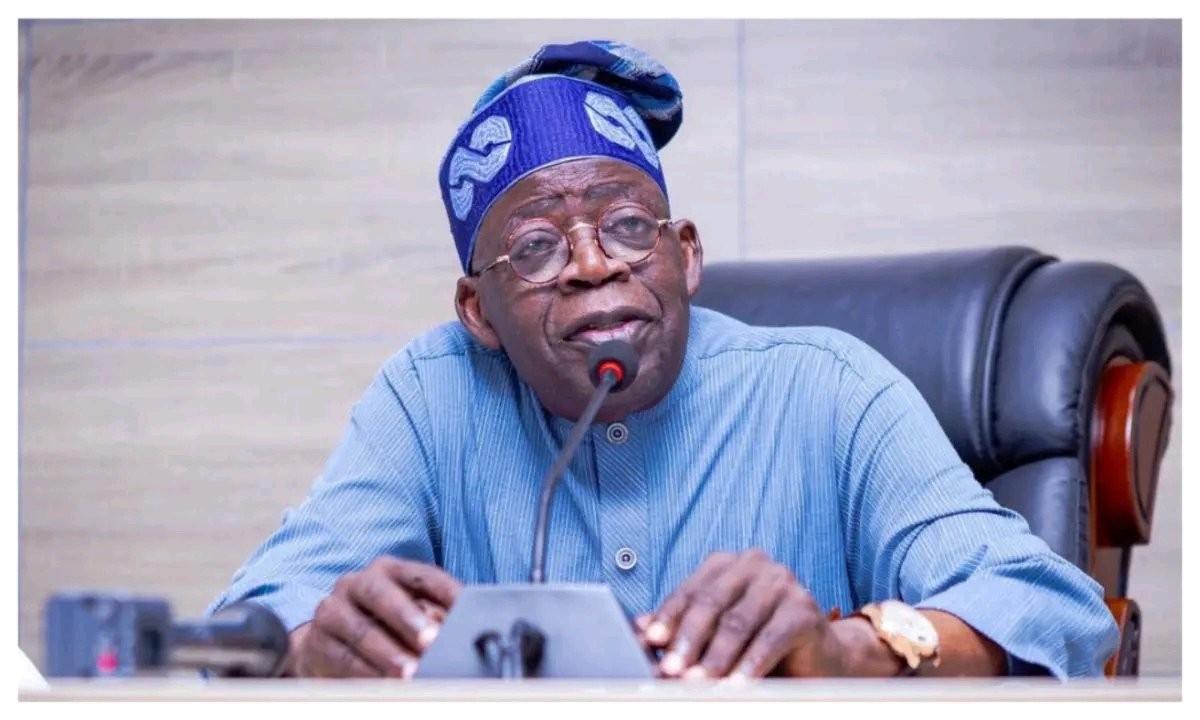
    The family of Major General Mamman Vatsa has expressed profound gratitude to President Bola Tinubu following the posthumous pardon of the celebrated poet and senior military officer, nearly 39 years after his execution.

    Vatsa, executed in 1986 after being convicted by a secret military tribunal for allegedly plotting a coup against then Head of State, General Ibrahim Babangida, was finally cleared through the exercise of presidential clemency, alongside Herbert Macaulay and other notable figures.

    In a statement from Minna, Niger State, Jonathan Vatsa, family spokesperson and former state Commissioner for Information, described the pardon as “the greatest moment of relief since the general’s death.”

    He said:

    “Today is the happiest moment in the life of the family after 39 years of sorrow and sadness following the killing of our late father, brother and uncle. Though nothing can bring him back to life, the family is consoled by this display of statesmanship by our dear president. He has written his name in gold, and history will forever remember him.”


    Jonathan emphasized that the family has long maintained Vatsa’s innocence, calling the coup charge a “frame-up” and the trial a “stage-managed process” fueled by envy and hatred. He added:

    “Justice can never be denied but can only be delayed. The family is convinced that the late Vatsa must be happy in his grave today by this singular act of compassion by President Tinubu. This goes to show that truth doesn’t expire.”


    He also recalled that General Domkat Bali, a member of the military council at the time, had publicly questioned the evidence against Vatsa and whether execution was justified.

    While some of Vatsa’s closest relatives, including his wife and several children, are no longer alive to witness the pardon, the surviving family members celebrated being part of this historic moment.

    “The family still maintains that the late General Vatsa was innocent of the coup. But we thank President Tinubu for his magnanimity in granting him the state pardon,” Jonathan concluded.
    Tinubu Grants Posthumous Pardon to Late Major General Mamman Vatsa The family of Major General Mamman Vatsa has expressed profound gratitude to President Bola Tinubu following the posthumous pardon of the celebrated poet and senior military officer, nearly 39 years after his execution. Vatsa, executed in 1986 after being convicted by a secret military tribunal for allegedly plotting a coup against then Head of State, General Ibrahim Babangida, was finally cleared through the exercise of presidential clemency, alongside Herbert Macaulay and other notable figures. In a statement from Minna, Niger State, Jonathan Vatsa, family spokesperson and former state Commissioner for Information, described the pardon as “the greatest moment of relief since the general’s death.” He said: “Today is the happiest moment in the life of the family after 39 years of sorrow and sadness following the killing of our late father, brother and uncle. Though nothing can bring him back to life, the family is consoled by this display of statesmanship by our dear president. He has written his name in gold, and history will forever remember him.” Jonathan emphasized that the family has long maintained Vatsa’s innocence, calling the coup charge a “frame-up” and the trial a “stage-managed process” fueled by envy and hatred. He added: “Justice can never be denied but can only be delayed. The family is convinced that the late Vatsa must be happy in his grave today by this singular act of compassion by President Tinubu. This goes to show that truth doesn’t expire.” He also recalled that General Domkat Bali, a member of the military council at the time, had publicly questioned the evidence against Vatsa and whether execution was justified. While some of Vatsa’s closest relatives, including his wife and several children, are no longer alive to witness the pardon, the surviving family members celebrated being part of this historic moment. “The family still maintains that the late General Vatsa was innocent of the coup. But we thank President Tinubu for his magnanimity in granting him the state pardon,” Jonathan concluded.
    like
    1
    · 0 Commenti ·0 condivisioni ·1K Views
  • Tinubu Grants Presidential Pardon for Herbert Macaulay,  175 Nigerians

    On Thursday, the Council of State approved the exercise of the presidential prerogative of mercy for 175 persons across different categories.

    The decision followed a presentation by the Attorney-General of the Federation and Minister of Justice, Lateef Fagbemi (SAN), who conveyed President Bola Tinubu’s recommendations based on the report of the Advisory Committee on the Prerogative of Mercy during the council meeting held at the State House, Abuja.

    Although the full list of beneficiaries is yet to be released, pardons were granted to Herbert Macaulay, Nigeria’s nationalist icon, and Maj.-Gen. Mamman Vatsa (retd.), a former FCT minister, was executed in 1986 under the Babangida regime. Members of the Ogoni Nine and Ogoni Four were also named among the beneficiaries.

    Macaulay, regarded as the father of Nigerian nationalism, was twice jailed by the British colonial authorities — in 1913 for alleged fund misappropriation and in 1928 for sedition following his newspaper’s publication during the Eleko of Lagos crisis. Historians have long questioned the fairness of his convictions.

    Vatsa, a poet and member of the Supreme Military Council, was executed by firing squad for an alleged coup attempt, a case that has remained controversial for decades, with repeated calls for a posthumous pardon.

    Of the 175 approved cases, 82 inmates received full pardons, 65 had their sentences reduced, while seven death sentences were commuted to life imprisonment.

    Briefing journalists after the meeting, Governor Uba Sani of Kaduna State said the decision reflects President Tinubu’s “commitment to justice, fairness, and correctional reform.”

    The meeting, chaired by the President, also ratified key appointments, including Dr Aminu Yusuf from Niger State as Chairman of the National Population Commission and Tonge Bularafa as Federal Commissioner representing Yobe State. 

    Both nominations were unanimously endorsed.
    Tinubu Grants Presidential Pardon for Herbert Macaulay,  175 Nigerians On Thursday, the Council of State approved the exercise of the presidential prerogative of mercy for 175 persons across different categories. The decision followed a presentation by the Attorney-General of the Federation and Minister of Justice, Lateef Fagbemi (SAN), who conveyed President Bola Tinubu’s recommendations based on the report of the Advisory Committee on the Prerogative of Mercy during the council meeting held at the State House, Abuja. Although the full list of beneficiaries is yet to be released, pardons were granted to Herbert Macaulay, Nigeria’s nationalist icon, and Maj.-Gen. Mamman Vatsa (retd.), a former FCT minister, was executed in 1986 under the Babangida regime. Members of the Ogoni Nine and Ogoni Four were also named among the beneficiaries. Macaulay, regarded as the father of Nigerian nationalism, was twice jailed by the British colonial authorities — in 1913 for alleged fund misappropriation and in 1928 for sedition following his newspaper’s publication during the Eleko of Lagos crisis. Historians have long questioned the fairness of his convictions. Vatsa, a poet and member of the Supreme Military Council, was executed by firing squad for an alleged coup attempt, a case that has remained controversial for decades, with repeated calls for a posthumous pardon. Of the 175 approved cases, 82 inmates received full pardons, 65 had their sentences reduced, while seven death sentences were commuted to life imprisonment. Briefing journalists after the meeting, Governor Uba Sani of Kaduna State said the decision reflects President Tinubu’s “commitment to justice, fairness, and correctional reform.” The meeting, chaired by the President, also ratified key appointments, including Dr Aminu Yusuf from Niger State as Chairman of the National Population Commission and Tonge Bularafa as Federal Commissioner representing Yobe State.  Both nominations were unanimously endorsed.
    like
    1
    · 0 Commenti ·0 condivisioni ·1K Views
  • Tinubu grants mass clemency to 175 Nigerians including Herbert Macaulay , Mamman Vatsa, Ogoni Nine, and Farouk Lawan.

    President Bola Tinubu extends historic pardons to national icons, ex-lawmakers, and long-serving inmates — sparking debate over justice, mercy, and selective forgiveness.

    In a landmark exercise of presidential clemency, President Bola Ahmed Tinubu has approved the pardon of 175 Nigerians, including posthumous exonerations for Herbert Macaulay, Major General Mamman Jiya Vatsa, and the Ogoni Nine, alongside amnesty for several living convicts such as former lawmaker Farouk Lawan.

    The decision, endorsed by the National Council of State in Abuja, was made public through a State House statement issued on Wednesday by Presidential Adviser Bayo Onanuga.

    Among the pardoned historical figures, Herbert Macaulay—Nigeria’s founding nationalist and co-founder of the National Council of Nigeria and the Cameroons (NCNC)—was posthumously cleared of his 1913 colonial conviction, which barred him from public service. Mamman Vatsa, a poet and general executed in 1986 for alleged treason, also received a symbolic national pardon nearly four decades later.
    Equally significant is the posthumous pardon of the Ogoni Nine, led by environmental activist Ken Saro-Wiwa, whose 1995 execution by the military regime sparked global outrage. Their rehabilitation comes with national honours awarded to four other Ogoni elders for their advocacy and sacrifice.

    The list of pardoned individuals includes:
    Farouk Lawan, convicted for bribery while chairing the House fuel subsidy probe,
    Nweke Francis Chibueze, a convicted drug trafficker,
    Dr. Nwogu Peters, jailed for fraud,
    Mrs. Anastasia Daniel Nwaobia, Barr. Hussaini Umar, and Ayinla Saadu Alanamu, among others.
    According to the PACPM’s report, 175 beneficiaries met the criteria of old age, ill health, good conduct, rehabilitation, or remorse during long-term imprisonment.

    However, the decision has ignited public debate. Activist Omoyele Sowore criticized the clemency list, accusing President Tinubu of “forgiving political criminals while keeping Mazi Nnamdi Kanu behind bars despite court rulings in his favour.”
    Sowore wrote on X (formerly Twitter):
    “Criminals and political thieves are forgiven, celebrated, and rehabilitated, while a man demanding self-determination remains unjustly detained.”
    The presidency, however, insists the move aligns with Nigeria’s constitutional commitment to mercy, justice reform, and national healing.
    Tinubu grants mass clemency to 175 Nigerians including Herbert Macaulay , Mamman Vatsa, Ogoni Nine, and Farouk Lawan. President Bola Tinubu extends historic pardons to national icons, ex-lawmakers, and long-serving inmates — sparking debate over justice, mercy, and selective forgiveness. In a landmark exercise of presidential clemency, President Bola Ahmed Tinubu has approved the pardon of 175 Nigerians, including posthumous exonerations for Herbert Macaulay, Major General Mamman Jiya Vatsa, and the Ogoni Nine, alongside amnesty for several living convicts such as former lawmaker Farouk Lawan. The decision, endorsed by the National Council of State in Abuja, was made public through a State House statement issued on Wednesday by Presidential Adviser Bayo Onanuga. Among the pardoned historical figures, Herbert Macaulay—Nigeria’s founding nationalist and co-founder of the National Council of Nigeria and the Cameroons (NCNC)—was posthumously cleared of his 1913 colonial conviction, which barred him from public service. Mamman Vatsa, a poet and general executed in 1986 for alleged treason, also received a symbolic national pardon nearly four decades later. Equally significant is the posthumous pardon of the Ogoni Nine, led by environmental activist Ken Saro-Wiwa, whose 1995 execution by the military regime sparked global outrage. Their rehabilitation comes with national honours awarded to four other Ogoni elders for their advocacy and sacrifice. The list of pardoned individuals includes: Farouk Lawan, convicted for bribery while chairing the House fuel subsidy probe, Nweke Francis Chibueze, a convicted drug trafficker, Dr. Nwogu Peters, jailed for fraud, Mrs. Anastasia Daniel Nwaobia, Barr. Hussaini Umar, and Ayinla Saadu Alanamu, among others. According to the PACPM’s report, 175 beneficiaries met the criteria of old age, ill health, good conduct, rehabilitation, or remorse during long-term imprisonment. However, the decision has ignited public debate. Activist Omoyele Sowore criticized the clemency list, accusing President Tinubu of “forgiving political criminals while keeping Mazi Nnamdi Kanu behind bars despite court rulings in his favour.” Sowore wrote on X (formerly Twitter): “Criminals and political thieves are forgiven, celebrated, and rehabilitated, while a man demanding self-determination remains unjustly detained.” The presidency, however, insists the move aligns with Nigeria’s constitutional commitment to mercy, justice reform, and national healing.
    like
    1
    · 0 Commenti ·0 condivisioni ·2K Views
  • Tinubu Grants Historic Pardons to Herbert Macaulay, Mamman Vatsa, and the Ogoni Nine — 82 Inmates Freed, 65 Others Get Sentence Reduction

    In a landmark decision that underscores justice, mercy, and national reconciliation, President Bola Ahmed Tinubu has granted posthumous pardons to some of Nigeria’s most significant historical figures — Herbert Macaulay, Major General Mamman Jiya Vatsa, and the Ogoni Nine, alongside clemency for 82 inmates and sentence reductions for 65 others.

    The announcement, made after the National Council of State meeting in Abuja on Thursday, marks a historic gesture of healing and unity.

    Herbert Macaulay — revered as a founding father of Nigerian nationalism and co-founder of the National Council of Nigeria and the Cameroons (NCNC) — was cleared of his 1913 colonial conviction, which had barred him from holding public office. The pardon officially restores his place as a national hero and pioneer of Nigeria’s independence movement.

    Major General Mamman Jiya Vatsa, a respected poet and military officer executed in 1986 on treason charges, also received a posthumous pardon, symbolizing national acknowledgment of his service and creative legacy.

    Similarly, the Ogoni Nine — including Ken Saro-Wiwa, Baribor Bera, and Barinem Kiobel — who were executed in 1995 under controversial circumstances, were formally pardoned. President Tinubu also recommended national honours for the Ogoni Four: Chief Albert Badey, Chief Edward Kobani, Chief Samuel Orage, and Theophilus Orage.

    Among the living beneficiaries, notable names such as Farouk Lawan, Mrs. Anastasia Daniel Nwaobia, Barr. Hussaini Umar, and Ayinla Saadu Alanamu received presidential clemency for demonstrating remorse and readiness for reintegration into society.

    The pardons were recommended by the Presidential Advisory Committee on the Prerogative of Mercy (PACPM), chaired by Attorney General Lateef Fagbemi, which reviewed 294 cases and interviewed 175 inmates across correctional centers.

    The committee considered factors such as old age, terminal illness, good conduct, youthfulness, and rehabilitation efforts in making its recommendations.

    This sweeping act of mercy, President Tinubu noted, reflects his administration’s commitment to justice, human rights, and national unity — offering closure for past injustices and second chances for reformed citizens.
    Tinubu Grants Historic Pardons to Herbert Macaulay, Mamman Vatsa, and the Ogoni Nine — 82 Inmates Freed, 65 Others Get Sentence Reduction In a landmark decision that underscores justice, mercy, and national reconciliation, President Bola Ahmed Tinubu has granted posthumous pardons to some of Nigeria’s most significant historical figures — Herbert Macaulay, Major General Mamman Jiya Vatsa, and the Ogoni Nine, alongside clemency for 82 inmates and sentence reductions for 65 others. The announcement, made after the National Council of State meeting in Abuja on Thursday, marks a historic gesture of healing and unity. Herbert Macaulay — revered as a founding father of Nigerian nationalism and co-founder of the National Council of Nigeria and the Cameroons (NCNC) — was cleared of his 1913 colonial conviction, which had barred him from holding public office. The pardon officially restores his place as a national hero and pioneer of Nigeria’s independence movement. Major General Mamman Jiya Vatsa, a respected poet and military officer executed in 1986 on treason charges, also received a posthumous pardon, symbolizing national acknowledgment of his service and creative legacy. Similarly, the Ogoni Nine — including Ken Saro-Wiwa, Baribor Bera, and Barinem Kiobel — who were executed in 1995 under controversial circumstances, were formally pardoned. President Tinubu also recommended national honours for the Ogoni Four: Chief Albert Badey, Chief Edward Kobani, Chief Samuel Orage, and Theophilus Orage. Among the living beneficiaries, notable names such as Farouk Lawan, Mrs. Anastasia Daniel Nwaobia, Barr. Hussaini Umar, and Ayinla Saadu Alanamu received presidential clemency for demonstrating remorse and readiness for reintegration into society. The pardons were recommended by the Presidential Advisory Committee on the Prerogative of Mercy (PACPM), chaired by Attorney General Lateef Fagbemi, which reviewed 294 cases and interviewed 175 inmates across correctional centers. The committee considered factors such as old age, terminal illness, good conduct, youthfulness, and rehabilitation efforts in making its recommendations. This sweeping act of mercy, President Tinubu noted, reflects his administration’s commitment to justice, human rights, and national unity — offering closure for past injustices and second chances for reformed citizens.
    like
    2
    · 0 Commenti ·0 condivisioni ·1K Views
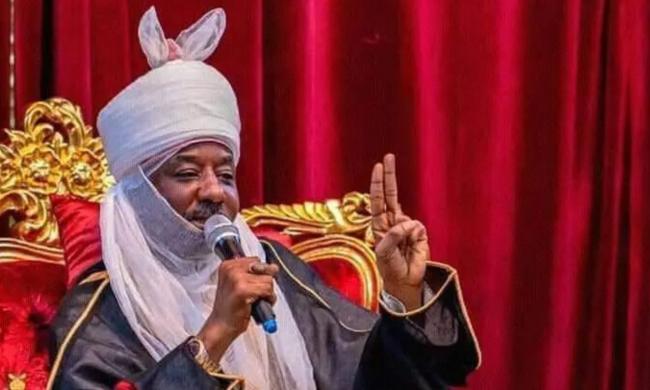
  • Petrol Subsidy Removal Rescued Nigeria From Bankruptcy – Emir of Kano Muhammad Sanusi.

    Muhammad Sanusi II, Emir of Kano and former Central Bank of Nigeria (CBN) governor, says scrapping petrol subsidy saved Nigeria from imminent bankruptcy.

    Speaking at the second edition of the Kano International Poetry Festival on Saturday, Sanusi described the subsidy system as wasteful and unsustainable, noting that it drained government finances through oil price fluctuations, exchange rate pressures, transport costs, and refining expenses.

    “Subsidy meant if petrol was N100, Nigerians paid N70 and government covered N30,” he explained. “But government went further, fixing petrol at N65 per litre regardless of global oil prices. Who paid the difference? Government. And that was always going to bankrupt Nigeria.”

    He faulted past governments for neglecting local refineries while spending billions on subsidies that enriched foreign refineries and cost Nigerians jobs. According to him, those funds should have been invested in production rather than consumption.

    The emir recalled warning as CBN governor in 2012 that the policy was like “a man running towards a ditch.” He said Nigeria eventually began borrowing to pay subsidies and later to service debts, making the arrangement unsustainable.

    Sanusi stressed that subsidy removal should be seen not just as an economic reform but also as a chance to rebuild a more resilient and self-reliant nation.
    Petrol Subsidy Removal Rescued Nigeria From Bankruptcy – Emir of Kano Muhammad Sanusi. Muhammad Sanusi II, Emir of Kano and former Central Bank of Nigeria (CBN) governor, says scrapping petrol subsidy saved Nigeria from imminent bankruptcy. Speaking at the second edition of the Kano International Poetry Festival on Saturday, Sanusi described the subsidy system as wasteful and unsustainable, noting that it drained government finances through oil price fluctuations, exchange rate pressures, transport costs, and refining expenses. “Subsidy meant if petrol was N100, Nigerians paid N70 and government covered N30,” he explained. “But government went further, fixing petrol at N65 per litre regardless of global oil prices. Who paid the difference? Government. And that was always going to bankrupt Nigeria.” He faulted past governments for neglecting local refineries while spending billions on subsidies that enriched foreign refineries and cost Nigerians jobs. According to him, those funds should have been invested in production rather than consumption. The emir recalled warning as CBN governor in 2012 that the policy was like “a man running towards a ditch.” He said Nigeria eventually began borrowing to pay subsidies and later to service debts, making the arrangement unsustainable. Sanusi stressed that subsidy removal should be seen not just as an economic reform but also as a chance to rebuild a more resilient and self-reliant nation.
    0 Commenti ·0 condivisioni ·1K Views
  • Emir Sanusi: Nigeria Still Debating Tribe, Religion While Others Discuss AI, Climate Change

    The Emir of Kano, Muhammadu Sanusi II, has criticized Nigeria’s political leadership and societal focus, saying the country remains stuck in divisive debates on tribe and religion while the rest of the world addresses pressing global issues such as artificial intelligence and climate change.

    Speaking on Saturday at the second Kano International Poetry Festival (KAPFEST), organized by the Poetic Wednesdays Initiative, Sanusi said Nigeria has suffered from “lousy leadership” for decades.

    “You rise and fall with the quality of your leadership and Nigeria has had lousy leadership for a long time,” the emir said. “While other countries are discussing climate change and artificial intelligence, we are still talking about Yoruba, Igbo, Hausa, North, South, Muslim, Christian — the same conversations we had in the 1960s.”

    He urged Nigerian youths to take charge of the nation’s future, insisting they have the power to retire the current political class. Sanusi also warned that reckless borrowing and wasteful spending by government would have dire consequences for the country’s economy.

    The festival, themed “Poetry in a Time of Crisis,” was aimed at encouraging poets and artists to use creativity as a tool for peace and advocacy in Northern Nigeria.

    #Sanusi #Nigeria #Leadership
    Emir Sanusi: Nigeria Still Debating Tribe, Religion While Others Discuss AI, Climate Change The Emir of Kano, Muhammadu Sanusi II, has criticized Nigeria’s political leadership and societal focus, saying the country remains stuck in divisive debates on tribe and religion while the rest of the world addresses pressing global issues such as artificial intelligence and climate change. Speaking on Saturday at the second Kano International Poetry Festival (KAPFEST), organized by the Poetic Wednesdays Initiative, Sanusi said Nigeria has suffered from “lousy leadership” for decades. “You rise and fall with the quality of your leadership and Nigeria has had lousy leadership for a long time,” the emir said. “While other countries are discussing climate change and artificial intelligence, we are still talking about Yoruba, Igbo, Hausa, North, South, Muslim, Christian — the same conversations we had in the 1960s.” He urged Nigerian youths to take charge of the nation’s future, insisting they have the power to retire the current political class. Sanusi also warned that reckless borrowing and wasteful spending by government would have dire consequences for the country’s economy. The festival, themed “Poetry in a Time of Crisis,” was aimed at encouraging poets and artists to use creativity as a tool for peace and advocacy in Northern Nigeria. #Sanusi #Nigeria #Leadership
    0 Commenti ·0 condivisioni ·1K Views
  • PRESIDENT TINUBU HONOURS WOLE SOYINKA WITH GCON AWARD

    President Bola Ahmed Tinubu has conferred the prestigious national honour of Grand Commander of the Order of the Niger (GCON) on Nobel Laureate, Professor Wole Soyinka.

    The announcement was made during the president’s Democracy Day address to a joint session of the National Assembly on Thursday in Abuja.

    Professor Soyinka is a renowned playwright, poet, and human rights advocate.
    PRESIDENT TINUBU HONOURS WOLE SOYINKA WITH GCON AWARD President Bola Ahmed Tinubu has conferred the prestigious national honour of Grand Commander of the Order of the Niger (GCON) on Nobel Laureate, Professor Wole Soyinka. The announcement was made during the president’s Democracy Day address to a joint session of the National Assembly on Thursday in Abuja. Professor Soyinka is a renowned playwright, poet, and human rights advocate.
    like
    2
    · 0 Commenti ·0 condivisioni ·1K Views
  • Baddies scream ‘awwwww’ as Sen. Ned Newoko pens a poetic note to actress Regina Daniels on their 6th anniversary.

    #fintterTV
    #TrendingStory #Awareness #StayUpdated
    Baddies scream ‘awwwww’ as Sen. Ned Newoko pens a poetic note to actress Regina Daniels on their 6th anniversary. #fintterTV #TrendingStory #Awareness #StayUpdated
    0 Commenti ·0 condivisioni ·2K Views
Fintter https://fintter.com