• BREAKING NEWS


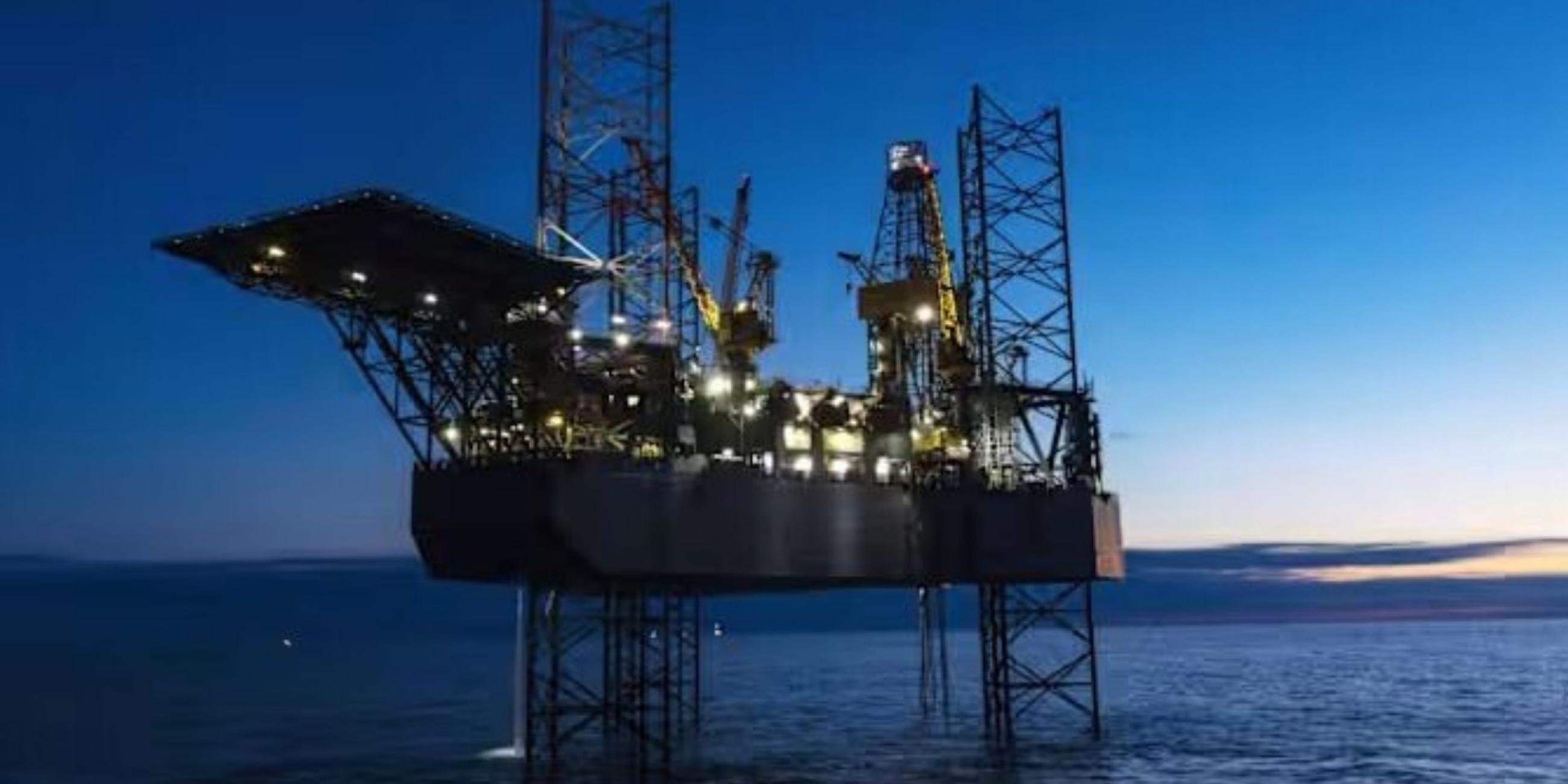
    The Federal Government has reaffirmed plans to comprehensively map Nigeria for expanded gas distribution networks while intensifying calls for increased refinery capacity to position the country as a major exporter of petroleum products.
    BREAKING NEWS 🔥🔥🔥 The Federal Government has reaffirmed plans to comprehensively map Nigeria for expanded gas distribution networks while intensifying calls for increased refinery capacity to position the country as a major exporter of petroleum products.
    love
    2
    · 0 Kommentare ·0 Geteilt ·969 Ansichten
  • BREAKING: Former Nigerian Petroleum Minister Diezani Alison-Madueke appeared before a London court over alleged £100,000 bribery charges linked to her time in office.

    She denied the charges. The full trial is scheduled to begin January 26, 2026, and is expected to last up to 12 weeks.

    #BreakingNews #DiezaniAlisonMadueke #Nigeria #UKCourt #Corruption #Fintter
    🚨 BREAKING: Former Nigerian Petroleum Minister Diezani Alison-Madueke appeared before a London court over alleged £100,000 bribery charges linked to her time in office. She denied the charges. The full trial is scheduled to begin January 26, 2026, and is expected to last up to 12 weeks. #BreakingNews #DiezaniAlisonMadueke #Nigeria #UKCourt #Corruption #Fintter
    love
    1
    · 0 Kommentare ·0 Geteilt ·556 Ansichten
  • Federal Fire Service Issues Strong Warning Against Scooping Fuel From Crashed Tankers

    The Federal Fire Service has warned Nigerians to stop scooping fuel from overturned tanker trucks, describing the practice as deadly and avoidable. FFS Controller General Olumode Adeyemi said at least 411 people died in 2024 from tanker-related fuel scooping incidents nationwide. Reacting to a viral video from Apapa, Lagos, Adeyemi stressed that spilled diesel and petrol release highly flammable vapour that can ignite instantly. The Service urged citizens to stay away from spill scenes, alert emergency responders and prioritise safety over material gain.

    #FuelScooping #FireService #TankerAccidents #PublicSafety #NigeriaNews
    Federal Fire Service Issues Strong Warning Against Scooping Fuel From Crashed Tankers The Federal Fire Service has warned Nigerians to stop scooping fuel from overturned tanker trucks, describing the practice as deadly and avoidable. FFS Controller General Olumode Adeyemi said at least 411 people died in 2024 from tanker-related fuel scooping incidents nationwide. Reacting to a viral video from Apapa, Lagos, Adeyemi stressed that spilled diesel and petrol release highly flammable vapour that can ignite instantly. The Service urged citizens to stay away from spill scenes, alert emergency responders and prioritise safety over material gain. #FuelScooping #FireService #TankerAccidents #PublicSafety #NigeriaNews
    love
    1
    · 0 Kommentare ·0 Geteilt ·896 Ansichten
  • NNPC Sets New Petrol Prices; Lagos Remains Cheapest State….

    New petrol prices have been announced, with Nigerian National Petroleum Company (NNPC) filling stations set to sell to the public at government-approved rates. The adjustment follows recent market changes, aiming to regularize pump prices nationwide and ease fuel scarcity concerns. Petrol marketers and consumers are watching closely as retailers comply with the updated tariff. Lagos has been confirmed as the cheapest state to purchase petrol, offering lower pump prices compared to other regions, providing some relief for motorists and commuters.
    #fintternews
    NNPC Sets New Petrol Prices; Lagos Remains Cheapest State…. New petrol prices have been announced, with Nigerian National Petroleum Company (NNPC) filling stations set to sell to the public at government-approved rates. The adjustment follows recent market changes, aiming to regularize pump prices nationwide and ease fuel scarcity concerns. Petrol marketers and consumers are watching closely as retailers comply with the updated tariff. Lagos has been confirmed as the cheapest state to purchase petrol, offering lower pump prices compared to other regions, providing some relief for motorists and commuters. #fintternews
    love
    1
    · 0 Kommentare ·0 Geteilt ·622 Ansichten
  • Chaos in Apapa as Fuel Tanker Overturns at Tincan Liverpool Bridge, Residents Rush to Scoop Petrol

    Panic and danger erupted in Apapa, Lagos, after a fuel tanker overturned at the Tincan Liverpool Bridge, spilling large quantities of petrol onto the road leading to Tin Can Island Port. Despite the high risk, residents and passersby rushed under the bridge with buckets and jerrycans to scoop the highly flammable fuel. Videos showed people lying on the ground to collect petrol as traffic gridlock worsened. As of reporting time, emergency agencies like FRSC, Fire Service, Police, and LASEMA were nowhere in sight, raising serious safety concerns.

    #ApapaChaos #FuelTankerAccident #LagosNews
    Chaos in Apapa as Fuel Tanker Overturns at Tincan Liverpool Bridge, Residents Rush to Scoop Petrol Panic and danger erupted in Apapa, Lagos, after a fuel tanker overturned at the Tincan Liverpool Bridge, spilling large quantities of petrol onto the road leading to Tin Can Island Port. Despite the high risk, residents and passersby rushed under the bridge with buckets and jerrycans to scoop the highly flammable fuel. Videos showed people lying on the ground to collect petrol as traffic gridlock worsened. As of reporting time, emergency agencies like FRSC, Fire Service, Police, and LASEMA were nowhere in sight, raising serious safety concerns. #ApapaChaos #FuelTankerAccident #LagosNews
    love
    1
    · 0 Kommentare ·0 Geteilt ·640 Ansichten

  • Lagosians scoop fuel from overturned petrol tanker in Apapa……


    Residents of Apapa, Lagos, caused a stir after a petrol tanker overturned, spilling fuel onto the road. Instead of keeping away, many Lagosians rushed to the scene with buckets, kegs and bottles to scoop the leaking fuel, despite the obvious danger. The risky act drew concern from onlookers, as such incidents have previously led to fires and loss of lives. Authorities later moved in to control the situation and prevent a possible explosion.
    #fintternews
    Lagosians scoop fuel from overturned petrol tanker in Apapa…… Residents of Apapa, Lagos, caused a stir after a petrol tanker overturned, spilling fuel onto the road. Instead of keeping away, many Lagosians rushed to the scene with buckets, kegs and bottles to scoop the leaking fuel, despite the obvious danger. The risky act drew concern from onlookers, as such incidents have previously led to fires and loss of lives. Authorities later moved in to control the situation and prevent a possible explosion. #fintternews
    love
    2
    · 0 Kommentare ·0 Geteilt ·340 Ansichten ·6 Plays
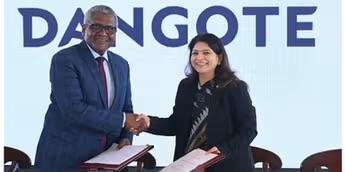
  • Dangote Signs $350m Deal With Indian Firm EIL to Expand Lagos Refinery

    Dangote Group has signed a $350 million agreement with Indian engineering firm Engineers India Ltd (EIL) to expand its flagship refinery and petrochemicals complex in Lagos, a move expected to significantly boost Nigeria’s industrial capacity and reduce Africa’s dependence on imported refined fuels.

    The expansion project will increase the refinery’s processing capacity from 650,000 barrels per day to 1.4 million barrels per day, positioning it as one of the largest single-location refinery complexes in the world.

    Located in the Lekki Free Zone, the Dangote Refinery represents a major milestone in Nigeria’s transition from fuel importation to local production and export of refined petroleum products.

    As part of the deal, Dangote Group will also expand its petrochemical operations, with polypropylene production set to rise to 2.4 million tonnes per annum, strengthening Nigeria’s position in the global petrochemical market.

    #DangoteRefinery #NigeriaEconomy #IndustrialGrowth #EnergySector
    Dangote Signs $350m Deal With Indian Firm EIL to Expand Lagos Refinery Dangote Group has signed a $350 million agreement with Indian engineering firm Engineers India Ltd (EIL) to expand its flagship refinery and petrochemicals complex in Lagos, a move expected to significantly boost Nigeria’s industrial capacity and reduce Africa’s dependence on imported refined fuels. The expansion project will increase the refinery’s processing capacity from 650,000 barrels per day to 1.4 million barrels per day, positioning it as one of the largest single-location refinery complexes in the world. Located in the Lekki Free Zone, the Dangote Refinery represents a major milestone in Nigeria’s transition from fuel importation to local production and export of refined petroleum products. As part of the deal, Dangote Group will also expand its petrochemical operations, with polypropylene production set to rise to 2.4 million tonnes per annum, strengthening Nigeria’s position in the global petrochemical market. #DangoteRefinery #NigeriaEconomy #IndustrialGrowth #EnergySector
    love
    1
    · 0 Kommentare ·0 Geteilt ·915 Ansichten
  • Nigerian MDAs Budget N6.6B for Generator Fuel Amid Power Crisis in 2026

    Nigeria’s 2026 budget reveals that 20 federal Ministries, Departments, and Agencies (MDAs) will spend N6.626 billion on diesel and petrol for generators, highlighting ongoing electricity supply challenges. The EFCC tops the list with N1.2 billion, while security agencies collectively account for 63% of the total. Civil institutions and media agencies receive smaller allocations. The State House plans nearly N2 billion for generator fuel and maintenance despite a N7 billion solarisation project, underscoring persistent reliance on fossil fuels.

    #NigeriaBudget #PowerCrisis #GeneratorFuel

    Nigerian MDAs Budget N6.6B for Generator Fuel Amid Power Crisis in 2026 Nigeria’s 2026 budget reveals that 20 federal Ministries, Departments, and Agencies (MDAs) will spend N6.626 billion on diesel and petrol for generators, highlighting ongoing electricity supply challenges. The EFCC tops the list with N1.2 billion, while security agencies collectively account for 63% of the total. Civil institutions and media agencies receive smaller allocations. The State House plans nearly N2 billion for generator fuel and maintenance despite a N7 billion solarisation project, underscoring persistent reliance on fossil fuels. #NigeriaBudget #PowerCrisis #GeneratorFuel
    0 Kommentare ·0 Geteilt ·641 Ansichten
  • Dangote Refinery shakes up Nigeria's fuel market, selling petrol N44 cheaper and has promised
    Dangote Refinery shakes up Nigeria's fuel market, selling petrol N44 cheaper and has promised
    love
    1
    · 1 Kommentare ·0 Geteilt ·313 Ansichten
  • What Will 2026 Really Bring for Nigeria and the World? Azu Ishiekwene Predicts Power Shifts, Economic Strain, AI Disruption, 2027 Politics and Who Wins the World Cup

    Is 2026 a year of quiet recovery—or the beginning of deeper political, economic and global turbulence? And is Nigeria already slipping into the politics of 2027?

    In what he describes as possibly his final annual forecast, journalist and columnist Azu Ishiekwene delivers a sweeping, high-stakes outlook on Nigeria and the world, blending political prediction, economic analysis, technology trends and global power shifts. Known for earlier forecasts that accurately anticipated election outcomes and cabinet shake-ups, Ishiekwene argues that 2026 will be a year where politics collides head-on with harsh economic realities, leaving citizens caught between daily hardship and recycled political promises.

    He warns that Nigeria’s economy will remain under pressure, with tensions growing between tight monetary policy and rising demands for fiscal expansion in a pre-election year. Could divisions inside the Ministry of Finance undermine investor confidence? And will petrol prices remain stable around ₦850 per litre, as he suggests, only if oil output rises and NNPC escapes its heavy crude obligations?

    While cheaper fuel from the Dangote Refinery may offer temporary consumer relief, Ishiekwene predicts continued instability in electricity supply, pointing to a fragile transmission system that still requires massive investment. He also foresees President Bola Tinubu possibly unveiling private-sector-led reforms in power transmission involving major business players.

    But is Nigeria already entering the politics of 2027 in 2026?

    Ishiekwene argues that although early elections are unlikely, political realignments are accelerating. With multiple opposition governors defecting to the ruling APC, claims of a creeping one-party state are growing. Yet, he suggests the reality is more complex: a weakened opposition plagued by internal fractures, financial constraints and a lack of coherent alternatives.

    Turning to the emerging African Democratic Congress (ADC) coalition—uniting figures such as Atiku Abubakar, Peter Obi, Nasir El-Rufai, Rotimi Amaechi and Rabiu Kwankwaso—he raises a critical question: is ADC truly built to win in 2027, or merely to survive until 2031? He predicts Atiku will clinch the party’s ticket over Obi, with Obi likely offered the vice-presidential slot—potentially triggering backlash among “Obidients.” With limited grassroots reach and the enormous financial demands of a presidential campaign, Ishiekwene concludes that ADC may struggle to pose a serious challenge to the ruling party in the next election cycle.

    Beyond Nigeria, he paints 2026 as a year shaped by geopolitical rivalry, especially between Donald Trump’s America and Xi Jinping’s China, and by growing global unease over U.S. trade policies, immigration enforcement and economic nationalism. Could gold and non-dollar assets accelerate as the world quietly prepares for a less dollar-centric future?

    He also highlights the rapid evolution of artificial intelligence, warning that 2026 will mark a shift from basic generative AI to agentic, autonomous systems capable of independent action. As AI blurs the line between reality and fabrication, he predicts rising confusion, misinformation, and ethical challenges—ushering in what he calls the “Year of the Humanoid.”

    Even football is not spared his forecasting. With the 2026 FIFA World Cup approaching, Ishiekwene tips Spain to win, citing tactical depth and cohesion, while acknowledging Morocco as Africa’s strongest hope.

    Ultimately, the essay asks uncomfortable but urgent questions:
    Is Nigeria drifting toward political dominance by one party?
    Will economic reforms truly ease citizens’ burdens—or merely reshuffle the pressure?
    Can a fractured opposition reorganise in time?
    And in a world increasingly shaped by AI and geopolitical rivalry, where does Nigeria truly stand?

    For Ishiekwene, 2026 is not just another year—it is a crossroads where technology, politics, power and survival intersect, setting the tone for Nigeria’s future well beyond the next election.


    What Will 2026 Really Bring for Nigeria and the World? Azu Ishiekwene Predicts Power Shifts, Economic Strain, AI Disruption, 2027 Politics and Who Wins the World Cup Is 2026 a year of quiet recovery—or the beginning of deeper political, economic and global turbulence? And is Nigeria already slipping into the politics of 2027? In what he describes as possibly his final annual forecast, journalist and columnist Azu Ishiekwene delivers a sweeping, high-stakes outlook on Nigeria and the world, blending political prediction, economic analysis, technology trends and global power shifts. Known for earlier forecasts that accurately anticipated election outcomes and cabinet shake-ups, Ishiekwene argues that 2026 will be a year where politics collides head-on with harsh economic realities, leaving citizens caught between daily hardship and recycled political promises. He warns that Nigeria’s economy will remain under pressure, with tensions growing between tight monetary policy and rising demands for fiscal expansion in a pre-election year. Could divisions inside the Ministry of Finance undermine investor confidence? And will petrol prices remain stable around ₦850 per litre, as he suggests, only if oil output rises and NNPC escapes its heavy crude obligations? While cheaper fuel from the Dangote Refinery may offer temporary consumer relief, Ishiekwene predicts continued instability in electricity supply, pointing to a fragile transmission system that still requires massive investment. He also foresees President Bola Tinubu possibly unveiling private-sector-led reforms in power transmission involving major business players. But is Nigeria already entering the politics of 2027 in 2026? Ishiekwene argues that although early elections are unlikely, political realignments are accelerating. With multiple opposition governors defecting to the ruling APC, claims of a creeping one-party state are growing. Yet, he suggests the reality is more complex: a weakened opposition plagued by internal fractures, financial constraints and a lack of coherent alternatives. Turning to the emerging African Democratic Congress (ADC) coalition—uniting figures such as Atiku Abubakar, Peter Obi, Nasir El-Rufai, Rotimi Amaechi and Rabiu Kwankwaso—he raises a critical question: is ADC truly built to win in 2027, or merely to survive until 2031? He predicts Atiku will clinch the party’s ticket over Obi, with Obi likely offered the vice-presidential slot—potentially triggering backlash among “Obidients.” With limited grassroots reach and the enormous financial demands of a presidential campaign, Ishiekwene concludes that ADC may struggle to pose a serious challenge to the ruling party in the next election cycle. Beyond Nigeria, he paints 2026 as a year shaped by geopolitical rivalry, especially between Donald Trump’s America and Xi Jinping’s China, and by growing global unease over U.S. trade policies, immigration enforcement and economic nationalism. Could gold and non-dollar assets accelerate as the world quietly prepares for a less dollar-centric future? He also highlights the rapid evolution of artificial intelligence, warning that 2026 will mark a shift from basic generative AI to agentic, autonomous systems capable of independent action. As AI blurs the line between reality and fabrication, he predicts rising confusion, misinformation, and ethical challenges—ushering in what he calls the “Year of the Humanoid.” Even football is not spared his forecasting. With the 2026 FIFA World Cup approaching, Ishiekwene tips Spain to win, citing tactical depth and cohesion, while acknowledging Morocco as Africa’s strongest hope. Ultimately, the essay asks uncomfortable but urgent questions: Is Nigeria drifting toward political dominance by one party? Will economic reforms truly ease citizens’ burdens—or merely reshuffle the pressure? Can a fractured opposition reorganise in time? And in a world increasingly shaped by AI and geopolitical rivalry, where does Nigeria truly stand? For Ishiekwene, 2026 is not just another year—it is a crossroads where technology, politics, power and survival intersect, setting the tone for Nigeria’s future well beyond the next election.
    love
    1
    · 0 Kommentare ·0 Geteilt ·2KB Ansichten
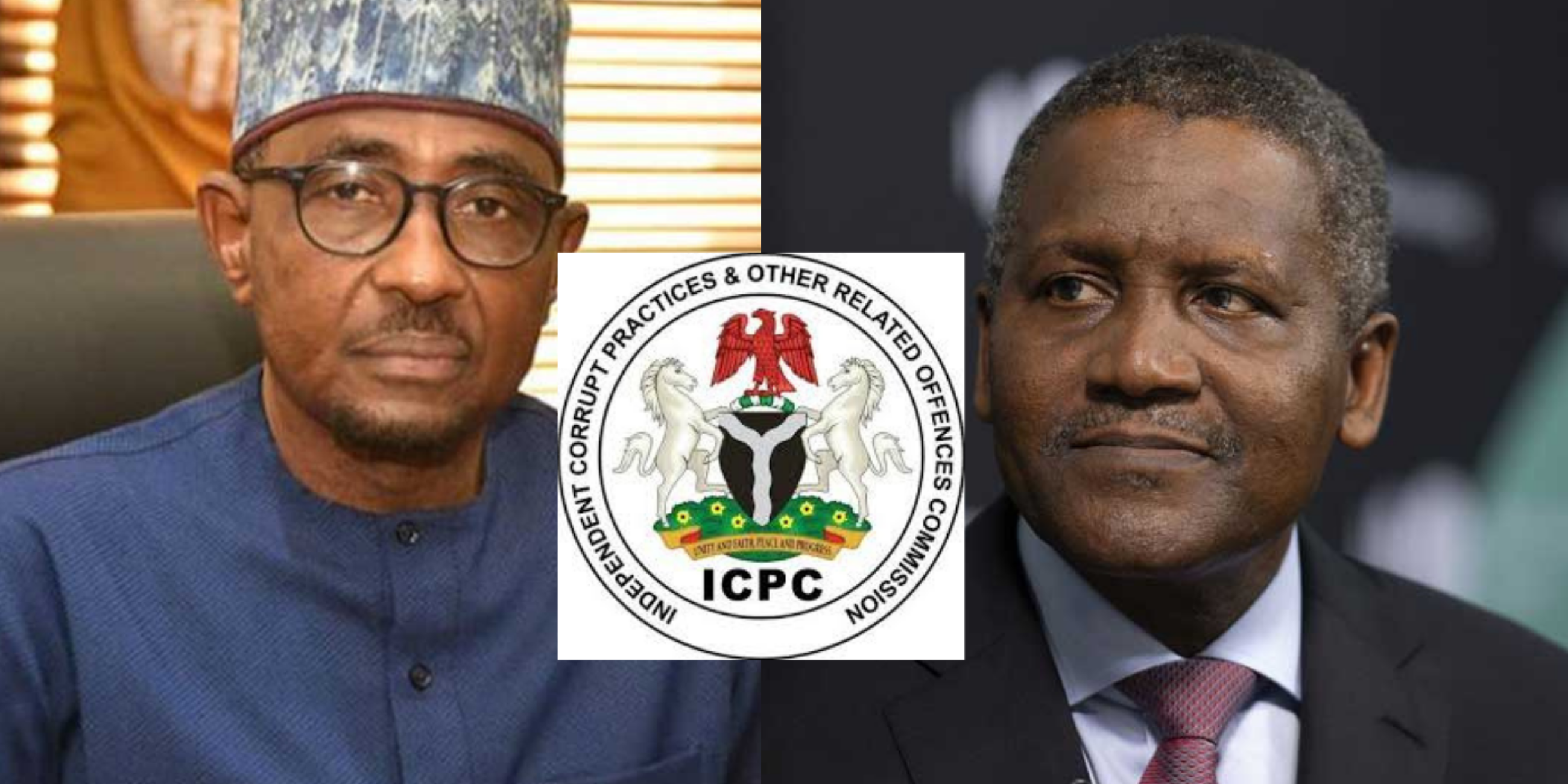
  • ICPC Rejects Dangote’s Petition Withdrawal, Continues Probe of Ex-NMDPRA Chief Farouk Ahmed

    The Independent Corrupt Practices and Other Related Offences Commission (ICPC) has confirmed that it will continue investigating allegations of corruption against Engineer Farouk Ahmed, the former Chief Executive Officer of the Nigerian Midstream and Downstream Petroleum Regulatory Authority (NMDPRA), despite the withdrawal of a petition by Africa’s richest man, Aliko Dangote.

    Dangote initially filed the petition in December 2025, accusing Ahmed of corruption, including the alleged misappropriation of public funds and spending approximately $5 million on his children’s education in Switzerland, despite lacking a verifiable lawful income to support such expenditure. The allegations sparked nationwide outrage and intensified scrutiny of Nigeria’s downstream petroleum sector.

    On January 5, 2026, Dangote’s legal team, led by Dr. O.J. Onoja, SAN, formally withdrew the petition, citing that another law enforcement agency had assumed responsibility for investigating the matter. However, the ICPC rejected the withdrawal, emphasizing that once a petition alleging corruption is received and an investigation commences, the process cannot be terminated at the discretion of the petitioner—particularly in cases of public interest and alleged abuse of office.

    In a press statement, ICPC spokesperson Okor Odey stressed that the commission’s investigation would proceed in line with its statutory mandate to ensure transparency, accountability, and the fight against corruption in Nigeria. The ICPC also highlighted that the inquiry serves the interest of the Nigerian people and cannot be halted simply because the petitioner withdraws.

    Following the accusations, Farouk Ahmed resigned from his position as NMDPRA Chief Executive, and President Bola Ahmed Tinubu appointed a successor. ICPC had earlier summoned Dangote to appear before a special panel of investigators in Abuja regarding his petition. Dangote had publicly criticized Ahmed’s alleged spending during a media briefing on December 14, 2025, highlighting the contrast between such expenditure and the economic struggles of ordinary Nigerians amid inflation and rising fuel prices.

    The ICPC’s decision to continue its probe underscores the agency’s commitment to holding public officials accountable, regardless of a petitioner’s withdrawal, and signals a robust approach to anti-corruption enforcement in Nigeria.

    ICPC Rejects Dangote’s Petition Withdrawal, Continues Probe of Ex-NMDPRA Chief Farouk Ahmed The Independent Corrupt Practices and Other Related Offences Commission (ICPC) has confirmed that it will continue investigating allegations of corruption against Engineer Farouk Ahmed, the former Chief Executive Officer of the Nigerian Midstream and Downstream Petroleum Regulatory Authority (NMDPRA), despite the withdrawal of a petition by Africa’s richest man, Aliko Dangote. Dangote initially filed the petition in December 2025, accusing Ahmed of corruption, including the alleged misappropriation of public funds and spending approximately $5 million on his children’s education in Switzerland, despite lacking a verifiable lawful income to support such expenditure. The allegations sparked nationwide outrage and intensified scrutiny of Nigeria’s downstream petroleum sector. On January 5, 2026, Dangote’s legal team, led by Dr. O.J. Onoja, SAN, formally withdrew the petition, citing that another law enforcement agency had assumed responsibility for investigating the matter. However, the ICPC rejected the withdrawal, emphasizing that once a petition alleging corruption is received and an investigation commences, the process cannot be terminated at the discretion of the petitioner—particularly in cases of public interest and alleged abuse of office. In a press statement, ICPC spokesperson Okor Odey stressed that the commission’s investigation would proceed in line with its statutory mandate to ensure transparency, accountability, and the fight against corruption in Nigeria. The ICPC also highlighted that the inquiry serves the interest of the Nigerian people and cannot be halted simply because the petitioner withdraws. Following the accusations, Farouk Ahmed resigned from his position as NMDPRA Chief Executive, and President Bola Ahmed Tinubu appointed a successor. ICPC had earlier summoned Dangote to appear before a special panel of investigators in Abuja regarding his petition. Dangote had publicly criticized Ahmed’s alleged spending during a media briefing on December 14, 2025, highlighting the contrast between such expenditure and the economic struggles of ordinary Nigerians amid inflation and rising fuel prices. The ICPC’s decision to continue its probe underscores the agency’s commitment to holding public officials accountable, regardless of a petitioner’s withdrawal, and signals a robust approach to anti-corruption enforcement in Nigeria.
    0 Kommentare ·0 Geteilt ·601 Ansichten
  • How Did Ex-AGF Abubakar Malami, His Sons Amass 57 Luxury Homes, Hotels, University Assets Worth ₦213 Billion? Inside the EFCC Money Laundering Case, Court Forfeiture Order, and Full Property List Shaking Nigeria

    How did a former Attorney-General of the Federation and Minister of Justice allegedly acquire 57 high-value properties across Abuja, Kebbi, Kano, and Kaduna? What explains the sudden emergence of luxury hotels, vast landed estates, factories, schools, filling stations, shopping complexes, and an entire private university tied to Abubakar Malami (SAN) and his two sons? And why has a Federal High Court now ordered the interim forfeiture of assets valued at a staggering ₦213.2 billion?

    In a dramatic legal move that has reignited national debate on corruption and elite wealth in Nigeria, Justice Emeka Nwite of the Federal High Court, Abuja, granted an ex-parte application filed by the Economic and Financial Crimes Commission (EFCC), authorising the temporary seizure of 57 properties allegedly linked to Malami and his sons, Abdulaziz and Abiru-Rahman. The court ruled that the assets are reasonably suspected to be proceeds of unlawful activity and should be preserved pending full investigation and trial.

    What exactly did investigators uncover? The forfeited properties include luxury duplexes in Maitama and Asokoro, high-end hotels in Abuja and Kano, shopping malls, warehouses, petrol stations, plazas, and sprawling estates across Kebbi State. Among the most striking assets are massive institutional holdings under the “Rayhaan” brand: Rayhaan University with multiple sites reportedly worth tens of billions of naira, agro-allied factories with heavy machinery, staff quarters, mosques, media outlets, model academies, and large commercial hubs such as Azbir Arena and Zeennoor Hotel in Kano.

    Why are these properties raising alarm? According to the EFCC, the scale, speed, and structure of the acquisitions—many made while Malami served as Nigeria’s chief law officer—point to potential money laundering and abuse of office. Several assets were allegedly purchased at relatively low values and later upgraded into multi-billion-naira developments. Others are held through foundations, companies, and educational or religious fronts, prompting questions about whether public office was leveraged to build a vast private empire.

    What happens next? The interim forfeiture does not yet mean permanent confiscation. The court has ordered that the assets be preserved while legal proceedings continue. Interested parties may be invited to show cause why the properties should not be finally forfeited to the Federal Government. Meanwhile, civil society groups and anti-corruption advocates are asking: will this case mark a turning point in Nigeria’s fight against high-level corruption, or will it join the long list of stalled elite prosecutions?

    As Nigerians digest the full list of 57 properties—ranging from luxury residences and hotels to universities, factories, schools, filling stations, and commercial plazas—the central question remains: how did a public official and his immediate family come to control assets worth over ₦213 billion, and will the courts finally provide answers that restore public trust?

    How Did Ex-AGF Abubakar Malami, His Sons Amass 57 Luxury Homes, Hotels, University Assets Worth ₦213 Billion? Inside the EFCC Money Laundering Case, Court Forfeiture Order, and Full Property List Shaking Nigeria How did a former Attorney-General of the Federation and Minister of Justice allegedly acquire 57 high-value properties across Abuja, Kebbi, Kano, and Kaduna? What explains the sudden emergence of luxury hotels, vast landed estates, factories, schools, filling stations, shopping complexes, and an entire private university tied to Abubakar Malami (SAN) and his two sons? And why has a Federal High Court now ordered the interim forfeiture of assets valued at a staggering ₦213.2 billion? In a dramatic legal move that has reignited national debate on corruption and elite wealth in Nigeria, Justice Emeka Nwite of the Federal High Court, Abuja, granted an ex-parte application filed by the Economic and Financial Crimes Commission (EFCC), authorising the temporary seizure of 57 properties allegedly linked to Malami and his sons, Abdulaziz and Abiru-Rahman. The court ruled that the assets are reasonably suspected to be proceeds of unlawful activity and should be preserved pending full investigation and trial. What exactly did investigators uncover? The forfeited properties include luxury duplexes in Maitama and Asokoro, high-end hotels in Abuja and Kano, shopping malls, warehouses, petrol stations, plazas, and sprawling estates across Kebbi State. Among the most striking assets are massive institutional holdings under the “Rayhaan” brand: Rayhaan University with multiple sites reportedly worth tens of billions of naira, agro-allied factories with heavy machinery, staff quarters, mosques, media outlets, model academies, and large commercial hubs such as Azbir Arena and Zeennoor Hotel in Kano. Why are these properties raising alarm? According to the EFCC, the scale, speed, and structure of the acquisitions—many made while Malami served as Nigeria’s chief law officer—point to potential money laundering and abuse of office. Several assets were allegedly purchased at relatively low values and later upgraded into multi-billion-naira developments. Others are held through foundations, companies, and educational or religious fronts, prompting questions about whether public office was leveraged to build a vast private empire. What happens next? The interim forfeiture does not yet mean permanent confiscation. The court has ordered that the assets be preserved while legal proceedings continue. Interested parties may be invited to show cause why the properties should not be finally forfeited to the Federal Government. Meanwhile, civil society groups and anti-corruption advocates are asking: will this case mark a turning point in Nigeria’s fight against high-level corruption, or will it join the long list of stalled elite prosecutions? As Nigerians digest the full list of 57 properties—ranging from luxury residences and hotels to universities, factories, schools, filling stations, and commercial plazas—the central question remains: how did a public official and his immediate family come to control assets worth over ₦213 billion, and will the courts finally provide answers that restore public trust?
    0 Kommentare ·0 Geteilt ·783 Ansichten
  • Why Did the US and Venezuela Sign a $2 Billion Oil Deal Now? Is Maduro’s Crisis Reshaping Global Energy Politics?”

    The United States and Venezuela have signed a controversial agreement allowing the export of $2 billion worth of Venezuelan crude oil to the U.S., a move that has triggered intense global debate. Announced by former U.S. President Donald Trump, the deal is being described as a major shift in relations between Washington and Caracas—coming at a time when Venezuela is grappling with political instability, economic collapse, and international sanctions.
    But the big question on Fintter is: Why now?
    According to U.S. officials, the agreement is designed to redirect Venezuelan oil away from China, weaken Beijing’s grip on the country’s energy sector, and prevent Venezuela from suffering deeper production cuts due to storage backlogs and export restrictions. Trump described the deal as a “flagship negotiation,” insisting that it reflects Venezuela’s compliance with U.S. demands to open its oil industry to American companies.
    Even more striking is the political backdrop. The deal comes after the reported capture of President Nicolás Maduro by U.S. forces, a move Venezuelan authorities have denounced as a “kidnapping” and an attempt by Washington to seize control of the country’s vast oil resources. While the U.S. claims the proceeds from the oil sales will be managed to benefit both nations, it remains unclear whether Venezuela’s state oil company PDVSA will gain any real financial access, given that it is still largely frozen out of the global financial system by U.S. sanctions.
    Trump further stated that 30 to 50 million barrels of what he called “sanctioned oil” would be transferred to the United States at market prices, with the U.S. government controlling the revenue. Energy Secretary Chris Wright is expected to oversee the operation, with crude shipped directly from tankers to U.S. ports. Industry insiders revealed that some shipments initially bound for China will now be redirected to the U.S.—potentially ending Beijing’s dominance as Venezuela’s biggest crude buyer.
    Market reactions were swift. U.S. oil prices dropped by more than 1.5%, while heavy crude prices along the Gulf Coast slipped amid expectations of increased supply. Currently, only Chevron is authorized to export Venezuelan crude under a special U.S. license, handling between 100,000 and 150,000 barrels per day, but this deal could dramatically expand that flow.
    At the same time, Venezuela’s oil output remains under threat. Storage shortages caused by the embargo have already forced production cuts, and industry sources warn that without stable export routes, output could decline even further. Meanwhile, discussions are ongoing about whether Venezuelan oil could eventually be used in the U.S. Strategic Petroleum Reserve, raising even bigger geopolitical implications.
    So, Fintter readers are left with powerful questions:
    Is this deal truly about helping Venezuela’s collapsing economy—or is it a strategic move to weaken China’s influence in global energy markets?
    Will Venezuelans actually benefit from this agreement, or will control of their oil wealth remain in foreign hands?
    Does this mark a new era of U.S.–Venezuela relations, or is it simply a high-stakes political maneuver tied to Maduro’s crisis?
    As global energy politics continue to shift, this $2 billion oil agreement could reshape not only Venezuela’s future, but also the balance of power between the U.S., China, and Latin America.
    What do you think, Fintter community? Is this a breakthrough for Venezuela—or another chapter in global resource politics? Drop your thoughts in the comments.
    Why Did the US and Venezuela Sign a $2 Billion Oil Deal Now? Is Maduro’s Crisis Reshaping Global Energy Politics?” The United States and Venezuela have signed a controversial agreement allowing the export of $2 billion worth of Venezuelan crude oil to the U.S., a move that has triggered intense global debate. Announced by former U.S. President Donald Trump, the deal is being described as a major shift in relations between Washington and Caracas—coming at a time when Venezuela is grappling with political instability, economic collapse, and international sanctions. But the big question on Fintter is: Why now? According to U.S. officials, the agreement is designed to redirect Venezuelan oil away from China, weaken Beijing’s grip on the country’s energy sector, and prevent Venezuela from suffering deeper production cuts due to storage backlogs and export restrictions. Trump described the deal as a “flagship negotiation,” insisting that it reflects Venezuela’s compliance with U.S. demands to open its oil industry to American companies. Even more striking is the political backdrop. The deal comes after the reported capture of President Nicolás Maduro by U.S. forces, a move Venezuelan authorities have denounced as a “kidnapping” and an attempt by Washington to seize control of the country’s vast oil resources. While the U.S. claims the proceeds from the oil sales will be managed to benefit both nations, it remains unclear whether Venezuela’s state oil company PDVSA will gain any real financial access, given that it is still largely frozen out of the global financial system by U.S. sanctions. Trump further stated that 30 to 50 million barrels of what he called “sanctioned oil” would be transferred to the United States at market prices, with the U.S. government controlling the revenue. Energy Secretary Chris Wright is expected to oversee the operation, with crude shipped directly from tankers to U.S. ports. Industry insiders revealed that some shipments initially bound for China will now be redirected to the U.S.—potentially ending Beijing’s dominance as Venezuela’s biggest crude buyer. Market reactions were swift. U.S. oil prices dropped by more than 1.5%, while heavy crude prices along the Gulf Coast slipped amid expectations of increased supply. Currently, only Chevron is authorized to export Venezuelan crude under a special U.S. license, handling between 100,000 and 150,000 barrels per day, but this deal could dramatically expand that flow. At the same time, Venezuela’s oil output remains under threat. Storage shortages caused by the embargo have already forced production cuts, and industry sources warn that without stable export routes, output could decline even further. Meanwhile, discussions are ongoing about whether Venezuelan oil could eventually be used in the U.S. Strategic Petroleum Reserve, raising even bigger geopolitical implications. So, Fintter readers are left with powerful questions: Is this deal truly about helping Venezuela’s collapsing economy—or is it a strategic move to weaken China’s influence in global energy markets? Will Venezuelans actually benefit from this agreement, or will control of their oil wealth remain in foreign hands? Does this mark a new era of U.S.–Venezuela relations, or is it simply a high-stakes political maneuver tied to Maduro’s crisis? As global energy politics continue to shift, this $2 billion oil agreement could reshape not only Venezuela’s future, but also the balance of power between the U.S., China, and Latin America. 👉 What do you think, Fintter community? Is this a breakthrough for Venezuela—or another chapter in global resource politics? Drop your thoughts in the comments.
    0 Kommentare ·0 Geteilt ·737 Ansichten
  • Nigerian Military Dismantles Suspected Suicide Bombing Network in Adamawa, Arrests Eight Suspects, Seizes Explosives and Terrorist Logistics

    The Nigerian military has announced the dismantling of a suspected suicide bombing network in Adamawa State, with the arrest of eight individuals linked to the recent Gamboru Market Mosque attack, according to Lieutenant Colonel Sani Uba, Media Information Officer of the Joint Task Force (North East), Operation HADIN KAI.

    The arrests were made following intelligence-led cordon-and-search operations in the Yan Lemo area of Mubi South LGA. Among the eight suspects, two were identified as key facilitators who supplied materials for the Improvised Explosive Device (IED) used in the attack. Searches of their residences yielded cash, mobile phones, ID documents, ATM cards, jewellery, and other personal items, all undergoing forensic analysis.

    In a related operation on January 4, troops intercepted 45 jerrycans of Premium Motor Spirit (about 1,125 litres) in Mayo Nguli, Maiha LGA, suspected to be intended for terrorist activities. The suppliers escaped, and the petroleum products were secured.

    All suspects remain in military custody for detailed interrogation to gather further intelligence before being handed over for ongoing investigations. The military emphasized that these operations are part of a broader effort to disrupt terrorist networks, dismantle supply chains, and prevent future attacks.

    The military also urged the public to remain vigilant and continue cooperating with security agencies to strengthen security in the North East.
    Nigerian Military Dismantles Suspected Suicide Bombing Network in Adamawa, Arrests Eight Suspects, Seizes Explosives and Terrorist Logistics The Nigerian military has announced the dismantling of a suspected suicide bombing network in Adamawa State, with the arrest of eight individuals linked to the recent Gamboru Market Mosque attack, according to Lieutenant Colonel Sani Uba, Media Information Officer of the Joint Task Force (North East), Operation HADIN KAI. The arrests were made following intelligence-led cordon-and-search operations in the Yan Lemo area of Mubi South LGA. Among the eight suspects, two were identified as key facilitators who supplied materials for the Improvised Explosive Device (IED) used in the attack. Searches of their residences yielded cash, mobile phones, ID documents, ATM cards, jewellery, and other personal items, all undergoing forensic analysis. In a related operation on January 4, troops intercepted 45 jerrycans of Premium Motor Spirit (about 1,125 litres) in Mayo Nguli, Maiha LGA, suspected to be intended for terrorist activities. The suppliers escaped, and the petroleum products were secured. All suspects remain in military custody for detailed interrogation to gather further intelligence before being handed over for ongoing investigations. The military emphasized that these operations are part of a broader effort to disrupt terrorist networks, dismantle supply chains, and prevent future attacks. The military also urged the public to remain vigilant and continue cooperating with security agencies to strengthen security in the North East.
    0 Kommentare ·0 Geteilt ·510 Ansichten
  • President Tinubu Nominates Magnus Abe as NUPRC Chairman, Seeks Senate Confirmation for 21 Oil and Gas Board Members

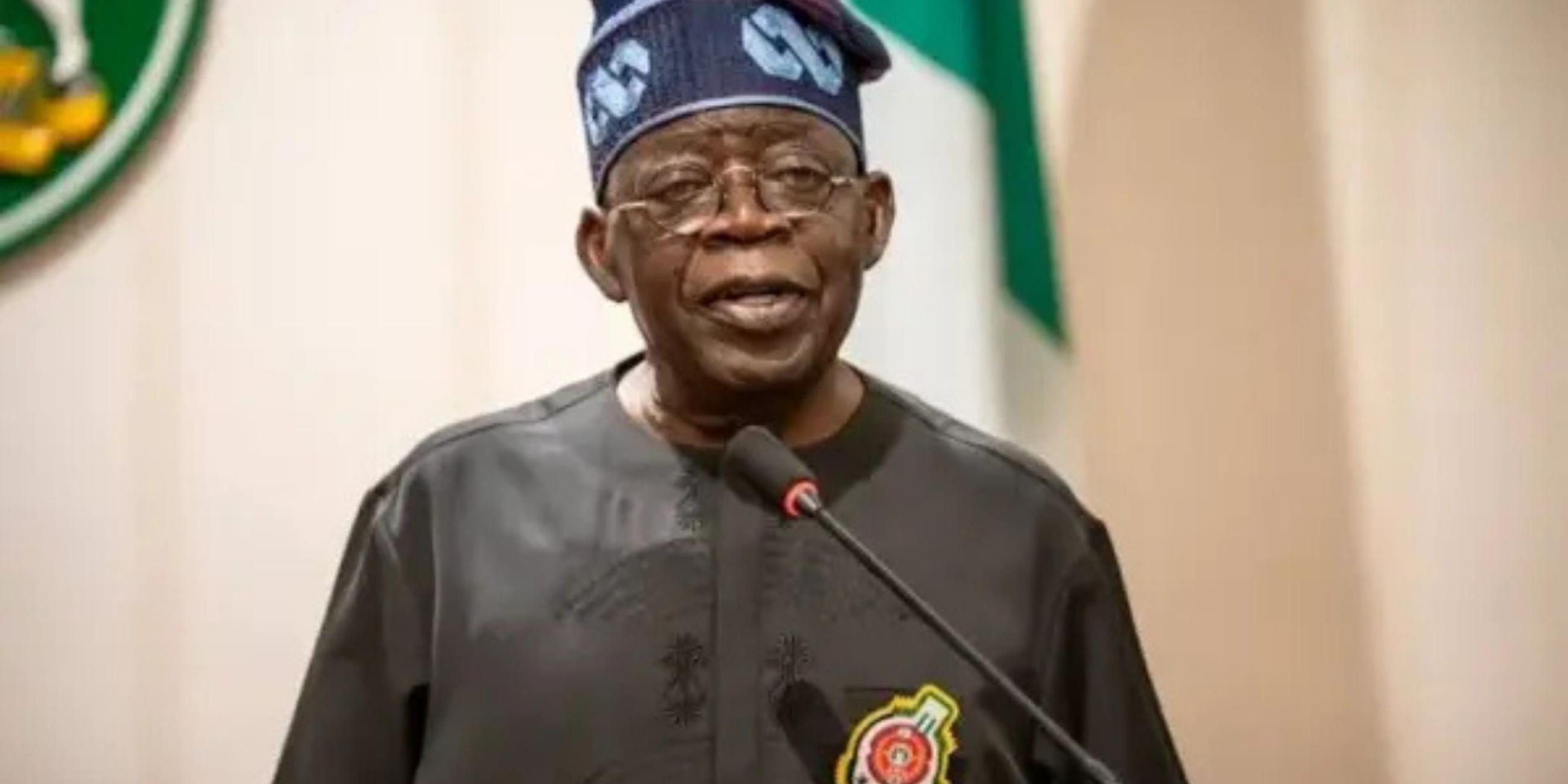
    President Bola Ahmed Tinubu has submitted two letters to the Senate seeking confirmation of 21 nominees for boards of the Nigerian Upstream Petroleum Regulatory Commission (NUPRC) and the Nigerian Midstream and Downstream Petroleum Regulatory Authority (NMDPRA).

    For the NUPRC, former senator Magnus Abe is nominated as chairman. Other nominees include seven executive commissioners covering finance, exploration, production, and corporate services, along with non-executive commissioners and a secretary/legal adviser. Some members were previously appointed under Presidents Buhari and Tinubu, while others are new nominations.

    For the NMDPRA, Adegbite Ebiowei Adeniji, a lawyer with over 30 years in energy and natural resources, is nominated as chairman. The board also includes executive and non-executive members with expertise in finance, hydrocarbon, midstream and downstream infrastructure, and corporate administration.

    The Senate has been urged to expedite confirmation following recent CEO confirmations for both agencies. President Tinubu emphasized that all appointees must perform their regulatory duties professionally to strengthen oversight of Nigeria’s oil and gas sector.
    President Tinubu Nominates Magnus Abe as NUPRC Chairman, Seeks Senate Confirmation for 21 Oil and Gas Board Members President Bola Ahmed Tinubu has submitted two letters to the Senate seeking confirmation of 21 nominees for boards of the Nigerian Upstream Petroleum Regulatory Commission (NUPRC) and the Nigerian Midstream and Downstream Petroleum Regulatory Authority (NMDPRA). For the NUPRC, former senator Magnus Abe is nominated as chairman. Other nominees include seven executive commissioners covering finance, exploration, production, and corporate services, along with non-executive commissioners and a secretary/legal adviser. Some members were previously appointed under Presidents Buhari and Tinubu, while others are new nominations. For the NMDPRA, Adegbite Ebiowei Adeniji, a lawyer with over 30 years in energy and natural resources, is nominated as chairman. The board also includes executive and non-executive members with expertise in finance, hydrocarbon, midstream and downstream infrastructure, and corporate administration. The Senate has been urged to expedite confirmation following recent CEO confirmations for both agencies. President Tinubu emphasized that all appointees must perform their regulatory duties professionally to strengthen oversight of Nigeria’s oil and gas sector.
    0 Kommentare ·0 Geteilt ·574 Ansichten
  • PRESIDENT TINUBU NOMINATES BOARD MEMBERS FOR NMDPRA, NUPRC, SEEKS SENATE CONFIRMATION

    President Bola Ahmed Tinubu has written two letters to the Senate, seeking confirmation of 21 nominees for the boards of the Nigerian Midstream and Downstream Petroleum Regulatory Authority (NMDPRA) and the Nigerian Upstream Petroleum Regulatory Commission (NUPRC).

    A statement by Bayo Onanuga, special Adviser to the President, Information & Strategy, indicates that in the first letter, President Tinubu nominated Senator Magnus Abe to serve as the NUPRC board chair. Abe, who represented Rivers South East in the Senate for two terms, is a former NNPC board member and current chairman of the National Agency of the Great Green Wall.

    Other nominees for the NUPRC board are Engineer Paul Yaro Jezhi, a former Trade Union Congress chairman in Kaduna, and Mr Sunday Adebayo Babalola, a former deputy director of the Department of Petroleum Resources (DPR), which was abolished by the PIA in 2021. Both men will serve as non-executive commissioners.

    President Tinubu also nominated executive commissioners to the board.

    They are: Muhammed Sabo Lamido, executive commissioner for finance; Mr Edu Inyang, executive commissioner for Exploration and Acreage; Justin Ezeala, executive commissioner for economic regulation and strategic planning; and Henry Darlington Oki, executive commissioner for Development and Production. Others are Indabawa Bashari Alka, executive commissioner for corporate services and administration; Mahmood Tijani, executive commissioner for health, safety and environment; and Ms Olayemi Adeboyejo, as secretary and legal adviser.

    Former President Buhari appointed Lamido and Adeboyejo in 2022, while President Tinubu appointed Alka in 2023. Inyang, Ezeala, the former managing director of Nigerian Gas Marketing Limited, Mahmood Tijani, Babalola and Jezhi are new appointees of President Tinubu.

    In his second letter to the Senate, President Tinubu nominated Mr Adegbite Ebiowei Adeniji, a lawyer, as chairman of the NMDPRA board. Adeniji has over 30 years of experience in energy and natural resources issues. He was a special technical adviser to the Minister of State for Petroleum on upstream and gas until 2018. He was a member of the Oil & Gas Policy team at the World Bank, which advised the Government of Nigeria on the reform and restructuring of the petroleum sector, including the development of the Strategic Gas Plan for Nigeria. He is currently the managing partner at ENR Advisory.

    President Tinubu also nominated Chief Kenneth Kobani and Mrs Asabe Ahmed as non-executive members. Kobani was a former minister of state for trade under President Jonathan and secretary to the government of Rivers State, under Nyesom Wike.

    Also nominated for confirmation are Abiodun Adeniji, executive director of finance; Francis Ogaree, executive director of hydrocarbon; Oluwole Adama, executive director of midstream and Downstream gas infrastructure; and Dr Mustapha Lamorde, executive director of Corporate Services and Administration. President Tinubu appointed Adama in 2024, while late President Buhari appointed Lamorde and Adeniji in 2021 and Ogaree in 2022

    Other members of the NMDPRA board, as proposed by President Tinubu, are Mr Yahaya Nasamu Yinusa, executive director, distribution systems; Adeyemi Murtala Aminu, executive director, corporate services; Ms Modie Ogechukwu, executive director, economic regulation and strategic planning; and Barrister Olawale Dawodu, as board secretary and legal adviser. Dawodu is an industry player and was, at a time, the Financial Reporting Manager at Exxon Nigerian subsidiaries.

    The President urged the Senate to approve the nominees expeditiously.

    The requests followed the recent appointment of chief executive officers for the two regulatory agencies. The Senate confirmed Oritsemeyiwa Eyesan as the chief executive officer (CEO) of the Nigerian Upstream Petroleum Regulatory Commission (NUPRC) and Engineer Saidu Aliyu Mohammed as CEO of NMDPRA.

    Mr President has charged all the appointees and nominees to discharge their duties and responsibilities professionally as regulators of the oil and gas sectors.
    PRESIDENT TINUBU NOMINATES BOARD MEMBERS FOR NMDPRA, NUPRC, SEEKS SENATE CONFIRMATION President Bola Ahmed Tinubu has written two letters to the Senate, seeking confirmation of 21 nominees for the boards of the Nigerian Midstream and Downstream Petroleum Regulatory Authority (NMDPRA) and the Nigerian Upstream Petroleum Regulatory Commission (NUPRC). A statement by Bayo Onanuga, special Adviser to the President, Information & Strategy, indicates that in the first letter, President Tinubu nominated Senator Magnus Abe to serve as the NUPRC board chair. Abe, who represented Rivers South East in the Senate for two terms, is a former NNPC board member and current chairman of the National Agency of the Great Green Wall. Other nominees for the NUPRC board are Engineer Paul Yaro Jezhi, a former Trade Union Congress chairman in Kaduna, and Mr Sunday Adebayo Babalola, a former deputy director of the Department of Petroleum Resources (DPR), which was abolished by the PIA in 2021. Both men will serve as non-executive commissioners. President Tinubu also nominated executive commissioners to the board. They are: Muhammed Sabo Lamido, executive commissioner for finance; Mr Edu Inyang, executive commissioner for Exploration and Acreage; Justin Ezeala, executive commissioner for economic regulation and strategic planning; and Henry Darlington Oki, executive commissioner for Development and Production. Others are Indabawa Bashari Alka, executive commissioner for corporate services and administration; Mahmood Tijani, executive commissioner for health, safety and environment; and Ms Olayemi Adeboyejo, as secretary and legal adviser. Former President Buhari appointed Lamido and Adeboyejo in 2022, while President Tinubu appointed Alka in 2023. Inyang, Ezeala, the former managing director of Nigerian Gas Marketing Limited, Mahmood Tijani, Babalola and Jezhi are new appointees of President Tinubu. In his second letter to the Senate, President Tinubu nominated Mr Adegbite Ebiowei Adeniji, a lawyer, as chairman of the NMDPRA board. Adeniji has over 30 years of experience in energy and natural resources issues. He was a special technical adviser to the Minister of State for Petroleum on upstream and gas until 2018. He was a member of the Oil & Gas Policy team at the World Bank, which advised the Government of Nigeria on the reform and restructuring of the petroleum sector, including the development of the Strategic Gas Plan for Nigeria. He is currently the managing partner at ENR Advisory. President Tinubu also nominated Chief Kenneth Kobani and Mrs Asabe Ahmed as non-executive members. Kobani was a former minister of state for trade under President Jonathan and secretary to the government of Rivers State, under Nyesom Wike. Also nominated for confirmation are Abiodun Adeniji, executive director of finance; Francis Ogaree, executive director of hydrocarbon; Oluwole Adama, executive director of midstream and Downstream gas infrastructure; and Dr Mustapha Lamorde, executive director of Corporate Services and Administration. President Tinubu appointed Adama in 2024, while late President Buhari appointed Lamorde and Adeniji in 2021 and Ogaree in 2022 Other members of the NMDPRA board, as proposed by President Tinubu, are Mr Yahaya Nasamu Yinusa, executive director, distribution systems; Adeyemi Murtala Aminu, executive director, corporate services; Ms Modie Ogechukwu, executive director, economic regulation and strategic planning; and Barrister Olawale Dawodu, as board secretary and legal adviser. Dawodu is an industry player and was, at a time, the Financial Reporting Manager at Exxon Nigerian subsidiaries. The President urged the Senate to approve the nominees expeditiously. The requests followed the recent appointment of chief executive officers for the two regulatory agencies. The Senate confirmed Oritsemeyiwa Eyesan as the chief executive officer (CEO) of the Nigerian Upstream Petroleum Regulatory Commission (NUPRC) and Engineer Saidu Aliyu Mohammed as CEO of NMDPRA. Mr President has charged all the appointees and nominees to discharge their duties and responsibilities professionally as regulators of the oil and gas sectors.
    like
    1
    · 0 Kommentare ·0 Geteilt ·865 Ansichten
  • Court Orders NNPC to Disclose Details of $3B Afreximbank Crude-for-Cash Loan to HEDA

    The Federal High Court in Abuja has directed the Nigerian National Petroleum Company Limited (NNPC Ltd.) to provide HEDA Resource Centre with full details of the $3 billion “crude-for-cash” loan obtained from the African Export-Import Bank (Afreximbank). Justice Emeka Nwite ruled that the requested information is “simple and harmless” and cannot be withheld under the Freedom of Information Act.

    The court order requires NNPC to disclose the loan’s anticipated benefits for both the company and the Nigerian economy, the economic implications, oil grades involved, the exchange rate applied, and the quality of the oil used as collateral. HEDA chairman Olanrewaju Suraju hailed the ruling as a major victory for transparency and accountability, calling on stakeholders to support public access to information and the fight against corruption in the oil sector.

    #NNPC #HEDA #Afreximbank #Transparency #OilAndGas #NigeriaEconomy #FreedomOfInformation #AntiCorruption #NigeriaNews
    Court Orders NNPC to Disclose Details of $3B Afreximbank Crude-for-Cash Loan to HEDA The Federal High Court in Abuja has directed the Nigerian National Petroleum Company Limited (NNPC Ltd.) to provide HEDA Resource Centre with full details of the $3 billion “crude-for-cash” loan obtained from the African Export-Import Bank (Afreximbank). Justice Emeka Nwite ruled that the requested information is “simple and harmless” and cannot be withheld under the Freedom of Information Act. The court order requires NNPC to disclose the loan’s anticipated benefits for both the company and the Nigerian economy, the economic implications, oil grades involved, the exchange rate applied, and the quality of the oil used as collateral. HEDA chairman Olanrewaju Suraju hailed the ruling as a major victory for transparency and accountability, calling on stakeholders to support public access to information and the fight against corruption in the oil sector. #NNPC #HEDA #Afreximbank #Transparency #OilAndGas #NigeriaEconomy #FreedomOfInformation #AntiCorruption #NigeriaNews
    like
    1
    · 0 Kommentare ·0 Geteilt ·649 Ansichten
  • ADC Coalition Criticizes Tinubu Over NNPC Legacy Debt Cancellation, Calls Move Unconstitutional and Harmful to States

    The African Democratic Congress (ADC) has strongly condemned President Bola Tinubu’s approval to cancel legacy debts owed by the Nigerian National Petroleum Company Limited (NNPC Ltd) to the Federation Account. The party described the move as unconstitutional, arguing that it undermines subnational governments by erasing longstanding public liabilities without legislative approval.

    According to ADC, the cancellation involved about $1.42 billion and N5.57 trillion in legacy NNPC debts, including obligations from production sharing contracts, domestic supply obligations, and royalty receivables. The coalition warned that the executive directive overrode constitutional provisions that require all Federation revenues to be paid into the account for distribution among federal, state, and local governments.

    ADC accused the President of repeated constitutional violations and expressed concern over apparent inaction by the National Assembly. The party emphasized that any unilateral cancellation reducing revenues due to states and local governments is unconstitutional, asserting that Nigeria must operate as “a nation of laws, not of men.”
    ADC Coalition Criticizes Tinubu Over NNPC Legacy Debt Cancellation, Calls Move Unconstitutional and Harmful to States The African Democratic Congress (ADC) has strongly condemned President Bola Tinubu’s approval to cancel legacy debts owed by the Nigerian National Petroleum Company Limited (NNPC Ltd) to the Federation Account. The party described the move as unconstitutional, arguing that it undermines subnational governments by erasing longstanding public liabilities without legislative approval. According to ADC, the cancellation involved about $1.42 billion and N5.57 trillion in legacy NNPC debts, including obligations from production sharing contracts, domestic supply obligations, and royalty receivables. The coalition warned that the executive directive overrode constitutional provisions that require all Federation revenues to be paid into the account for distribution among federal, state, and local governments. ADC accused the President of repeated constitutional violations and expressed concern over apparent inaction by the National Assembly. The party emphasized that any unilateral cancellation reducing revenues due to states and local governments is unconstitutional, asserting that Nigeria must operate as “a nation of laws, not of men.”
    like
    1
    · 0 Kommentare ·0 Geteilt ·665 Ansichten
  • Hoodlums Allegedly Linked to Edo Governor Okpebholo’s Loyalist Tony Kabaka Burn Home of UK-Based Critic Albert Obazee on New Year’s Eve Amid Threats and Political Tension

    Suspected hoodlums allegedly working for Edo State Governor Monday Okpebholo’s loyalist, Tony Kabaka, have been accused of attacking and setting ablaze the home of UK-based Edo-born media critic, Albert Obazee, on New Year’s Eve in Benin City. Eyewitnesses said a large group of young men armed with petrol- and kerosene-filled bottles forced their way into the residence, smashed windows, destroyed household items, poured accelerants, and set the building on fire, leaving it severely damaged and uninhabitable.

    Videos obtained by SaharaReporters showed the house engulfed in flames, with petrol bottles visible among the debris, suggesting a premeditated attack. An occupant of the compound said up to 30 armed youths stormed the premises, while others confirmed the incident anonymously, citing fear of intimidation.

    The attack reportedly came days after Governor Okpebholo publicly threatened Obazee in a video interview, vowing that he would be imprisoned and barred from freely entering Nigeria. The governor admitted to closely monitoring Obazee’s social media posts, many of which criticised his administration.

    Sources alleged that the arson followed Obazee’s social media claim that Tony Kabaka had been arrested by the EFCC over alleged misconduct, a claim Kabaka later confirmed by admitting he was invited and questioned by the commission. About 24 hours after the post, Obazee raised alarm that his multimillion-naira property had been vandalised and burned.

    As of the time of reporting, neither the Edo State government nor the Nigeria Police Force had issued an official statement or announced arrests. Obazee said the attack has left him, his family, and associates living in fear, calling on authorities to urgently investigate the incident and ensure accountability.
    Hoodlums Allegedly Linked to Edo Governor Okpebholo’s Loyalist Tony Kabaka Burn Home of UK-Based Critic Albert Obazee on New Year’s Eve Amid Threats and Political Tension Suspected hoodlums allegedly working for Edo State Governor Monday Okpebholo’s loyalist, Tony Kabaka, have been accused of attacking and setting ablaze the home of UK-based Edo-born media critic, Albert Obazee, on New Year’s Eve in Benin City. Eyewitnesses said a large group of young men armed with petrol- and kerosene-filled bottles forced their way into the residence, smashed windows, destroyed household items, poured accelerants, and set the building on fire, leaving it severely damaged and uninhabitable. Videos obtained by SaharaReporters showed the house engulfed in flames, with petrol bottles visible among the debris, suggesting a premeditated attack. An occupant of the compound said up to 30 armed youths stormed the premises, while others confirmed the incident anonymously, citing fear of intimidation. The attack reportedly came days after Governor Okpebholo publicly threatened Obazee in a video interview, vowing that he would be imprisoned and barred from freely entering Nigeria. The governor admitted to closely monitoring Obazee’s social media posts, many of which criticised his administration. Sources alleged that the arson followed Obazee’s social media claim that Tony Kabaka had been arrested by the EFCC over alleged misconduct, a claim Kabaka later confirmed by admitting he was invited and questioned by the commission. About 24 hours after the post, Obazee raised alarm that his multimillion-naira property had been vandalised and burned. As of the time of reporting, neither the Edo State government nor the Nigeria Police Force had issued an official statement or announced arrests. Obazee said the attack has left him, his family, and associates living in fear, calling on authorities to urgently investigate the incident and ensure accountability.
    0 Kommentare ·0 Geteilt ·544 Ansichten
  • Adeyanju Slams Tinubu Over Implementation of Controversial Tax Reform Act, Calls It an Insult to Nigerians and Violation of Rule of Law

    Human rights activist and lawyer, Deji Adeyanju, has strongly criticised President Bola Ahmed Tinubu for proceeding with the implementation of the controversial Tax Reform Act from January 1, 2026, describing the move as an insult to Nigerians and a serious breach of democratic principles. Adeyanju said the President’s decision to enforce the law despite unresolved controversies, including allegations of forgery and violations of constitutional procedures, demonstrates a blatant disregard for due process and the rule of law.

    According to Adeyanju, the unresolved legal and procedural questions surrounding the Act render its enforcement illegitimate and potentially dangerous, warning that it could further erode public trust in government institutions. He argued that no law burdened with such serious allegations should be implemented without transparent investigations and constitutional clarification.

    The activist also raised concerns over reports that President Tinubu may have unilaterally written off debts owed by the Nigerian National Petroleum Company Limited (NNPCL), questioning the constitutional authority for such a decision. He stressed that matters involving taxation and public finance must follow due process and receive proper legislative approval.

    Adeyanju warned that bypassing constitutional safeguards could set a dangerous precedent for governance in Nigeria and called on the National Assembly and the judiciary to intervene to protect democracy. He urged the Federal Government to suspend the implementation of the Tax Reform Act until all allegations surrounding its passage are thoroughly investigated and resolved in line with constitutional provisions.
    Adeyanju Slams Tinubu Over Implementation of Controversial Tax Reform Act, Calls It an Insult to Nigerians and Violation of Rule of Law Human rights activist and lawyer, Deji Adeyanju, has strongly criticised President Bola Ahmed Tinubu for proceeding with the implementation of the controversial Tax Reform Act from January 1, 2026, describing the move as an insult to Nigerians and a serious breach of democratic principles. Adeyanju said the President’s decision to enforce the law despite unresolved controversies, including allegations of forgery and violations of constitutional procedures, demonstrates a blatant disregard for due process and the rule of law. According to Adeyanju, the unresolved legal and procedural questions surrounding the Act render its enforcement illegitimate and potentially dangerous, warning that it could further erode public trust in government institutions. He argued that no law burdened with such serious allegations should be implemented without transparent investigations and constitutional clarification. The activist also raised concerns over reports that President Tinubu may have unilaterally written off debts owed by the Nigerian National Petroleum Company Limited (NNPCL), questioning the constitutional authority for such a decision. He stressed that matters involving taxation and public finance must follow due process and receive proper legislative approval. Adeyanju warned that bypassing constitutional safeguards could set a dangerous precedent for governance in Nigeria and called on the National Assembly and the judiciary to intervene to protect democracy. He urged the Federal Government to suspend the implementation of the Tax Reform Act until all allegations surrounding its passage are thoroughly investigated and resolved in line with constitutional provisions.
    like
    1
    · 0 Kommentare ·0 Geteilt ·825 Ansichten
Weitere Ergebnisse
Fintter https://fintter.com