• Kaduna Abductions: US Urges Nigeria To Strengthen Protection For Christians

    The United States has called on the Nigerian government to step up efforts to protect Christian communities amid continued abductions and attacks, particularly in parts of Kaduna State.

    Reacting to the concerns, the National Security Adviser, Nuhu Ribadu, said the Federal Government has taken deliberate and decisive actions to tackle insecurity. According to him, security agencies are carrying out intensified joint operations across affected areas to restore safety and prevent further attacks.

    The call by the US comes as pressure mounts on authorities to ensure the safety of vulnerable communities and bring perpetrators to justice.

    #Kaduna #InsecurityInNigeria #USNigeriaRelations #NationalSecurity
    Kaduna Abductions: US Urges Nigeria To Strengthen Protection For Christians The United States has called on the Nigerian government to step up efforts to protect Christian communities amid continued abductions and attacks, particularly in parts of Kaduna State. Reacting to the concerns, the National Security Adviser, Nuhu Ribadu, said the Federal Government has taken deliberate and decisive actions to tackle insecurity. According to him, security agencies are carrying out intensified joint operations across affected areas to restore safety and prevent further attacks. The call by the US comes as pressure mounts on authorities to ensure the safety of vulnerable communities and bring perpetrators to justice. #Kaduna #InsecurityInNigeria #USNigeriaRelations #NationalSecurity
    love
    2
    · 1 Комментарии ·0 Поделились ·4Кб Просмотры
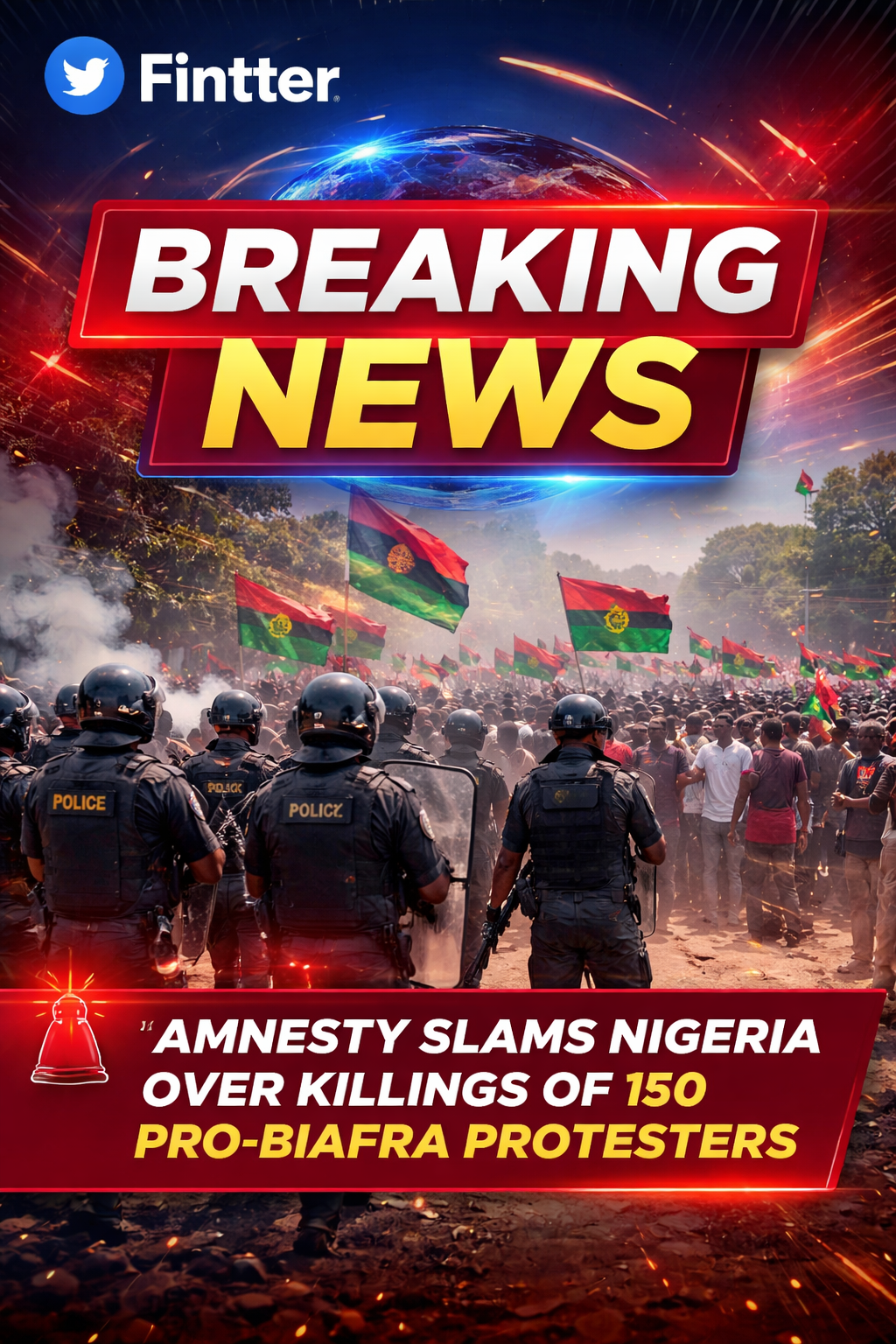
  • Title: Amnesty International Accuses Nigerian Government of Failing to Probe Killing of 150 Pro-Biafra Protesters
    Title: Amnesty International Accuses Nigerian Government of Failing to Probe Killing of 150 Pro-Biafra Protesters
    0 Комментарии ·0 Поделились ·1Кб Просмотры
  • Adeyanju Slams Nigerian Govt Over Pardoning Terrorists, Says It Fuels Violence

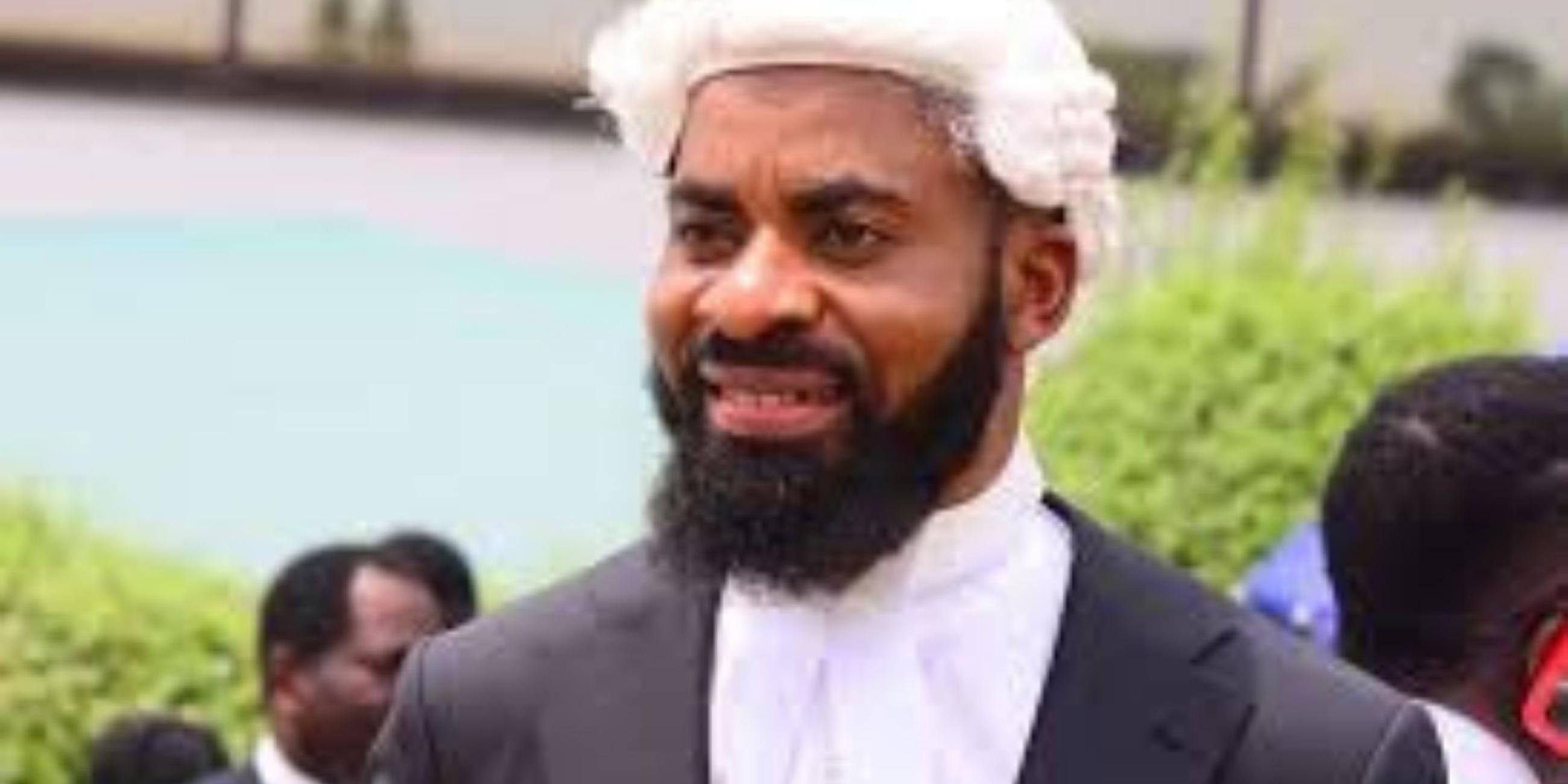
    Human rights activist and lawyer Deji Adeyanju has strongly condemned the Nigerian government’s policy of negotiating with, pardoning, and allegedly compensating terrorists and bandits, warning that it amounts to indirect financing of terrorism. In a statement on Monday, Adeyanju described the approach as dangerous and irresponsible, arguing that it emboldens criminals and sends the message that violence pays. He insisted that terrorists should be arrested and prosecuted, not forgiven or rewarded. Adeyanju also criticized what he called selective justice, contrasting the treatment of terrorists with the continued detention of IPOB leader Nnamdi Kanu, warning the policy could push more Nigerians to take up arms.

    #NigeriaSecurity #DejiAdeyanju #BreakingNews
    Adeyanju Slams Nigerian Govt Over Pardoning Terrorists, Says It Fuels Violence Human rights activist and lawyer Deji Adeyanju has strongly condemned the Nigerian government’s policy of negotiating with, pardoning, and allegedly compensating terrorists and bandits, warning that it amounts to indirect financing of terrorism. In a statement on Monday, Adeyanju described the approach as dangerous and irresponsible, arguing that it emboldens criminals and sends the message that violence pays. He insisted that terrorists should be arrested and prosecuted, not forgiven or rewarded. Adeyanju also criticized what he called selective justice, contrasting the treatment of terrorists with the continued detention of IPOB leader Nnamdi Kanu, warning the policy could push more Nigerians to take up arms. #NigeriaSecurity #DejiAdeyanju #BreakingNews
    love
    2
    · 0 Комментарии ·0 Поделились ·5Кб Просмотры
  • Nigerian Govt Drops Meta & X as Defendants, Amends Cyberbullying Charges Against Sowore Over Tinubu Post

    The Nigerian government has amended criminal charges against activist and ex-presidential candidate Omoyele Sowore for cyberbullying President Bola Tinubu. Filed in December 2025 at the Federal High Court, the revised charge sheet now contains two counts, removing Meta and X (formerly Twitter) as co-defendants. Sowore is accused of posting on August 25, 2025, that Tinubu is a “criminal” and lied about ending corruption. The government alleges these posts were false and intended to cause public disorder. The case is ongoing before the Federal High Court in Abuja.

    #SoworeVsTinubu #CybercrimeNigeria #FGCourtCase
    Nigerian Govt Drops Meta & X as Defendants, Amends Cyberbullying Charges Against Sowore Over Tinubu Post The Nigerian government has amended criminal charges against activist and ex-presidential candidate Omoyele Sowore for cyberbullying President Bola Tinubu. Filed in December 2025 at the Federal High Court, the revised charge sheet now contains two counts, removing Meta and X (formerly Twitter) as co-defendants. Sowore is accused of posting on August 25, 2025, that Tinubu is a “criminal” and lied about ending corruption. The government alleges these posts were false and intended to cause public disorder. The case is ongoing before the Federal High Court in Abuja. #SoworeVsTinubu #CybercrimeNigeria #FGCourtCase
    love
    1
    · 0 Комментарии ·0 Поделились ·4Кб Просмотры
  • Defence Minister Reacts to Trump’s Allegation Against Nigeria…..

    Nigeria’s Minister of Defence, Christopher Musa, has addressed allegations made by U.S. President Donald Trump against Nigeria, describing them as concerning but manageable through diplomacy. Musa said the Nigerian government is engaging relevant U.S. authorities to clarify the claims and protect national interests. He stressed that Nigeria values its long-standing relationship with the United States, especially in security cooperation, and remains committed to dialogue, mutual respect, and strengthening bilateral ties despite recent tensions...
    #fintternews
    Defence Minister Reacts to Trump’s Allegation Against Nigeria….. Nigeria’s Minister of Defence, Christopher Musa, has addressed allegations made by U.S. President Donald Trump against Nigeria, describing them as concerning but manageable through diplomacy. Musa said the Nigerian government is engaging relevant U.S. authorities to clarify the claims and protect national interests. He stressed that Nigeria values its long-standing relationship with the United States, especially in security cooperation, and remains committed to dialogue, mutual respect, and strengthening bilateral ties despite recent tensions... #fintternews
    love
    1
    · 0 Комментарии ·0 Поделились ·2Кб Просмотры
  • Nigerian Govt Withdraws Second Criminal Defamation Case Against Senator Akpoti-Uduaghan

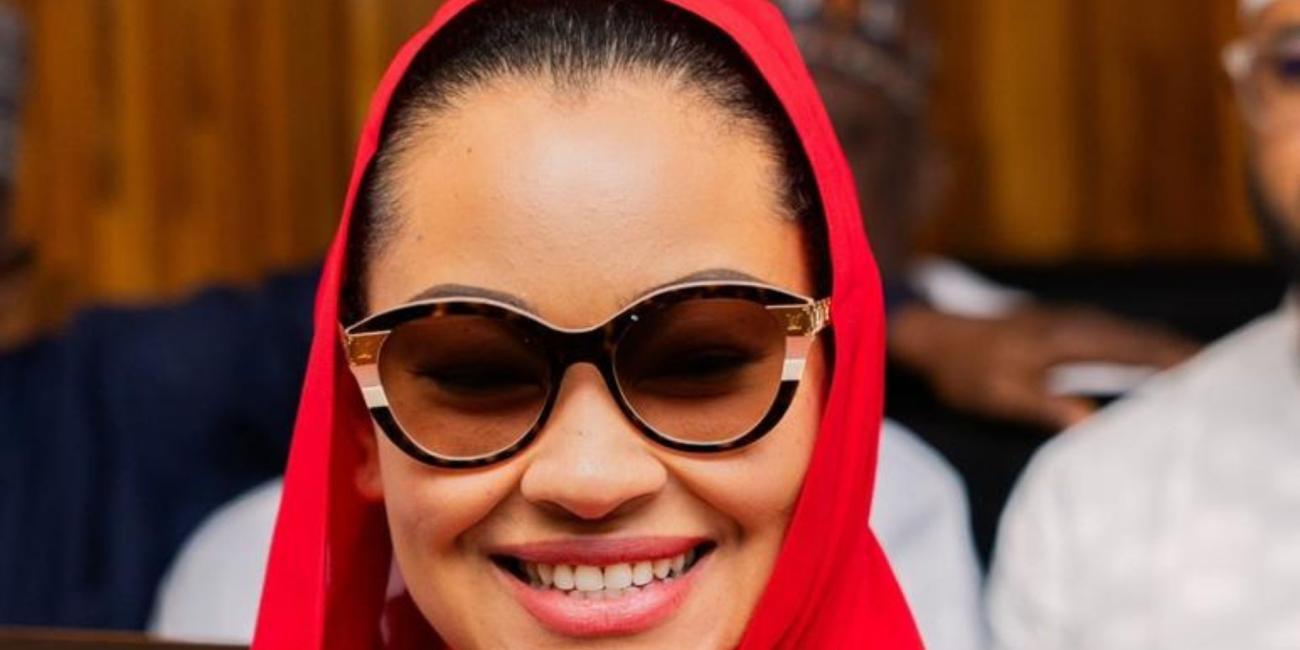
    The Nigerian government has withdrawn the second criminal defamation case against Senator Natasha Akpoti-Uduaghan, ending a high-profile legal battle. Filed by the Office of the Attorney-General of the Federation, the charges stemmed from comments she made accusing former officials of plotting against her. The Federal High Court formally struck out the case, highlighting the need for restraint in prosecutorial powers. Senator Akpoti-Uduaghan hailed the decision as a vindication of democratic rights and freedom of expression.

    #NigeriaNews #FreeSpeech #AkpotiUduaghan


    Nigerian Govt Withdraws Second Criminal Defamation Case Against Senator Akpoti-Uduaghan The Nigerian government has withdrawn the second criminal defamation case against Senator Natasha Akpoti-Uduaghan, ending a high-profile legal battle. Filed by the Office of the Attorney-General of the Federation, the charges stemmed from comments she made accusing former officials of plotting against her. The Federal High Court formally struck out the case, highlighting the need for restraint in prosecutorial powers. Senator Akpoti-Uduaghan hailed the decision as a vindication of democratic rights and freedom of expression. #NigeriaNews #FreeSpeech #AkpotiUduaghan
    love
    1
    · 0 Комментарии ·0 Поделились ·3Кб Просмотры
  • Wahala Don Burst: US Drops Massive Airstrikes on ISIS in Syria, Sokoto Also Hit!

    Na so e be! The United States Central Command (CENTCOM) don carry out big airstrikes against ISIS targets across Syria, and Nigerians won’t forget the connection at home—Sokoto was hit too!

    CENTCOM revealed on X that the strikes happened Saturday around 12:30 p.m. Eastern Time, alongside partner forces. This operation, called Operation Hawkeye Strike, started December 19, 2025, after a deadly ISIS attack near Palmyra, Syria, that killed two American soldiers and one civilian interpreter.

    The US military made it clear: “If you harm our warfighters, we will find you and kill you anywhere in the world.” No shaking!

    Interestingly, in December 2025, the US also conducted airstrikes in northwest Nigeria, specifically in Sokoto State, targeting ISIS-linked militants of the Islamic State-Sahel Province (ISSP) and local affiliate Lakurawa. Tomahawk missiles were reportedly used in collaboration with the Nigerian government to dismantle terrorist camps.

    These operations show that the fight against terrorism is now global and local, and both the US and Nigeria are keeping the pressure on ISIS wherever they pop up.

    For Nigerians, the Sokoto strike is a reminder that terrorism is a real threat, and the government is working with international partners to try to keep citizens safe.

    Wahala don burst, but the fight no go stop!

    Wahala Don Burst: US Drops Massive Airstrikes on ISIS in Syria, Sokoto Also Hit! Na so e be! The United States Central Command (CENTCOM) don carry out big airstrikes against ISIS targets across Syria, and Nigerians won’t forget the connection at home—Sokoto was hit too! CENTCOM revealed on X that the strikes happened Saturday around 12:30 p.m. Eastern Time, alongside partner forces. This operation, called Operation Hawkeye Strike, started December 19, 2025, after a deadly ISIS attack near Palmyra, Syria, that killed two American soldiers and one civilian interpreter. The US military made it clear: “If you harm our warfighters, we will find you and kill you anywhere in the world.” No shaking! Interestingly, in December 2025, the US also conducted airstrikes in northwest Nigeria, specifically in Sokoto State, targeting ISIS-linked militants of the Islamic State-Sahel Province (ISSP) and local affiliate Lakurawa. Tomahawk missiles were reportedly used in collaboration with the Nigerian government to dismantle terrorist camps. These operations show that the fight against terrorism is now global and local, and both the US and Nigeria are keeping the pressure on ISIS wherever they pop up. For Nigerians, the Sokoto strike is a reminder that terrorism is a real threat, and the government is working with international partners to try to keep citizens safe. Wahala don burst, but the fight no go stop!
    0 Комментарии ·0 Поделились ·3Кб Просмотры
  • Why Did a Nigerian Court Stop Resident Doctors’ Planned Nationwide Strike—Is the Tinubu Government Using Legal Power to Silence Protests Over Salaries, Welfare, and Broken Agreements?

    Is the Nigerian government turning to the courts to prevent another healthcare shutdown—and what does it mean for doctors’ rights to protest? The National Industrial Court in Abuja has issued an interim injunction restraining the National Association of Resident Doctors (NARD) and its members from embarking on any form of industrial action across the country.

    The order, delivered by Justice Emmanuel Danjuma Subilim, followed an ex parte application filed by the Federal Government through the Office of the Attorney General of the Federation and Minister of Justice, Lateef Fagbemi (SAN). The court barred resident doctors from calling, organizing, directing, or participating in strikes, work stoppages, go-slows, picketing, or any other actions capable of disrupting healthcare services nationwide.

    In addition, the court prohibited NARD from taking any steps preparatory to industrial action with effect from January 12, 2026, ruling that the injunction would remain in force pending the hearing and determination of the motion on notice, scheduled for January 21, 2026.

    The ruling comes just days after the association threatened a nationwide strike over unresolved grievances related to welfare, salaries, and working conditions. NARD accused the Bola Tinubu-led administration of failing to honor previous agreements, stating that signed memoranda had been “totally neglected, altered or half implemented,” while earlier gains had been “overtaken by events of the government’s own making.”

    The association maintained that it had exhausted all avenues of dialogue, saying it had engaged respectfully, called attention to the issues, sought advice, and appealed for implementation—yet received no meaningful response. Defending its members against public criticism, NARD rejected portrayals of resident doctors as unpatriotic agitators, insisting that doctors have not committed any wrongdoing by demanding better conditions for healthcare workers who form “the backbone of service delivery in Nigeria.”

    In a strongly worded statement, the group argued that its members were “experienced enough to understand that merit doesn’t fetch a lot in Nigeria” and “militant enough to agitate for our legitimate rights, including signed and agreed MoUs.”

    While the government’s legal move is aimed at preventing disruptions in essential medical services, it raises pressing questions: Is the court order protecting patients—or curtailing workers’ rights to protest unfair conditions? Can judicial intervention resolve deep-rooted problems in Nigeria’s healthcare system, or will it merely postpone a larger confrontation? As the case returns to court later in January, Nigerians will be watching closely to see whether dialogue replaces confrontation—or whether tensions between the government and resident doctors escalate further.


    Why Did a Nigerian Court Stop Resident Doctors’ Planned Nationwide Strike—Is the Tinubu Government Using Legal Power to Silence Protests Over Salaries, Welfare, and Broken Agreements? Is the Nigerian government turning to the courts to prevent another healthcare shutdown—and what does it mean for doctors’ rights to protest? The National Industrial Court in Abuja has issued an interim injunction restraining the National Association of Resident Doctors (NARD) and its members from embarking on any form of industrial action across the country. The order, delivered by Justice Emmanuel Danjuma Subilim, followed an ex parte application filed by the Federal Government through the Office of the Attorney General of the Federation and Minister of Justice, Lateef Fagbemi (SAN). The court barred resident doctors from calling, organizing, directing, or participating in strikes, work stoppages, go-slows, picketing, or any other actions capable of disrupting healthcare services nationwide. In addition, the court prohibited NARD from taking any steps preparatory to industrial action with effect from January 12, 2026, ruling that the injunction would remain in force pending the hearing and determination of the motion on notice, scheduled for January 21, 2026. The ruling comes just days after the association threatened a nationwide strike over unresolved grievances related to welfare, salaries, and working conditions. NARD accused the Bola Tinubu-led administration of failing to honor previous agreements, stating that signed memoranda had been “totally neglected, altered or half implemented,” while earlier gains had been “overtaken by events of the government’s own making.” The association maintained that it had exhausted all avenues of dialogue, saying it had engaged respectfully, called attention to the issues, sought advice, and appealed for implementation—yet received no meaningful response. Defending its members against public criticism, NARD rejected portrayals of resident doctors as unpatriotic agitators, insisting that doctors have not committed any wrongdoing by demanding better conditions for healthcare workers who form “the backbone of service delivery in Nigeria.” In a strongly worded statement, the group argued that its members were “experienced enough to understand that merit doesn’t fetch a lot in Nigeria” and “militant enough to agitate for our legitimate rights, including signed and agreed MoUs.” While the government’s legal move is aimed at preventing disruptions in essential medical services, it raises pressing questions: Is the court order protecting patients—or curtailing workers’ rights to protest unfair conditions? Can judicial intervention resolve deep-rooted problems in Nigeria’s healthcare system, or will it merely postpone a larger confrontation? As the case returns to court later in January, Nigerians will be watching closely to see whether dialogue replaces confrontation—or whether tensions between the government and resident doctors escalate further.
    0 Комментарии ·0 Поделились ·3Кб Просмотры
  • Why Is the Nigerian Government Restricting School Graduation Ceremonies to Only Final Classes—Is This the End of Costly, Fee-Driven Celebrations in Primary and Secondary Schools?

    Is Nigeria finally putting an end to the growing culture of expensive and repetitive school graduations? The Federal Government has announced a new education policy that restricts graduation ceremonies to only final-year classes—Primary 6, Junior Secondary School 3 (JSS3), and Senior Secondary School 3 (SSS3)—effectively banning the practice of holding graduation events for lower classes across the country.

    The policy was unveiled by the Minister of Education, Maruf Tunji Alausa, alongside the Minister of State for Education, Prof. Suiwaba Sai’d, as part of a broader reform agenda aimed at reducing the financial burden on parents and restoring focus to academic learning rather than ceremonial displays.

    According to the ministers, graduation ceremonies in many schools have become increasingly commercialized, with families often compelled to pay for gowns, souvenirs, photography, and multiple celebrations within a single academic year. These expenses, they said, place unnecessary pressure on households already struggling with the rising cost of education.

    By limiting graduations strictly to terminal classes, the government says it intends to eliminate fee-driven school practices and promote a more affordable and sustainable education system. The graduation reform also aligns with other cost-cutting measures introduced in the sector, including changes to textbook usage, academic planning, and resource sharing, which are designed to allow learning materials to be reused across multiple academic sessions.

    The policy further supports the introduction of a uniform national academic calendar, aimed at improving consistency in teaching, planning, and school administration while discouraging activities that impose additional financial strain on parents.

    Education officials insist that the move is not about diminishing students’ achievements but about resetting priorities in Nigerian schools—placing learning outcomes, classroom quality, and academic development above pageantry and social competition.

    However, the decision raises critical questions: Will schools comply fully with the new directive? How will private institutions adapt? And will the policy truly ease household education costs or face resistance from schools that rely on graduation-related fees? As implementation begins, parents, educators, and school administrators will be watching closely to see whether this reform marks a lasting shift toward affordability and academic focus—or sparks a new debate over tradition, celebration, and school funding in Nigeria’s education system.


    Why Is the Nigerian Government Restricting School Graduation Ceremonies to Only Final Classes—Is This the End of Costly, Fee-Driven Celebrations in Primary and Secondary Schools? Is Nigeria finally putting an end to the growing culture of expensive and repetitive school graduations? The Federal Government has announced a new education policy that restricts graduation ceremonies to only final-year classes—Primary 6, Junior Secondary School 3 (JSS3), and Senior Secondary School 3 (SSS3)—effectively banning the practice of holding graduation events for lower classes across the country. The policy was unveiled by the Minister of Education, Maruf Tunji Alausa, alongside the Minister of State for Education, Prof. Suiwaba Sai’d, as part of a broader reform agenda aimed at reducing the financial burden on parents and restoring focus to academic learning rather than ceremonial displays. According to the ministers, graduation ceremonies in many schools have become increasingly commercialized, with families often compelled to pay for gowns, souvenirs, photography, and multiple celebrations within a single academic year. These expenses, they said, place unnecessary pressure on households already struggling with the rising cost of education. By limiting graduations strictly to terminal classes, the government says it intends to eliminate fee-driven school practices and promote a more affordable and sustainable education system. The graduation reform also aligns with other cost-cutting measures introduced in the sector, including changes to textbook usage, academic planning, and resource sharing, which are designed to allow learning materials to be reused across multiple academic sessions. The policy further supports the introduction of a uniform national academic calendar, aimed at improving consistency in teaching, planning, and school administration while discouraging activities that impose additional financial strain on parents. Education officials insist that the move is not about diminishing students’ achievements but about resetting priorities in Nigerian schools—placing learning outcomes, classroom quality, and academic development above pageantry and social competition. However, the decision raises critical questions: Will schools comply fully with the new directive? How will private institutions adapt? And will the policy truly ease household education costs or face resistance from schools that rely on graduation-related fees? As implementation begins, parents, educators, and school administrators will be watching closely to see whether this reform marks a lasting shift toward affordability and academic focus—or sparks a new debate over tradition, celebration, and school funding in Nigeria’s education system.
    0 Комментарии ·0 Поделились ·1Кб Просмотры
  • Is the ‘Christian Genocide’ in Nigeria a Political Narrative? Why Trump Admits Muslims Are Also Killed as Sowore Accuses the U.S. of Using Religion to Justify Power, Oil, and Military Influence

    Is the narrative of a “Christian genocide” in Nigeria an honest reflection of the country’s security crisis—or a political tool shaped by foreign interests? United States President Donald Trump has made a partial shift in his long-standing rhetoric on religious violence in Nigeria, acknowledging that Muslims are also being killed, even while maintaining that Christians remain the primary victims.

    Trump made the remarks during an interview with The New York Times following questions about Washington’s Christmas Day military strike in northwest Nigeria. The U.S. military said the operation, carried out at the request of the Nigerian government, targeted Islamic State West Africa Province (ISWAP), a Boko Haram splinter group responsible for years of deadly attacks across northern Nigeria.

    When asked about earlier comments from his own Africa adviser—who had stated that extremist groups in Nigeria kill more Muslims than Christians—Trump responded: “I think that Muslims are being killed also in Nigeria. But it’s mostly Christians.” The statement marked a rare acknowledgment that Nigeria’s victims of terrorism cut across religious lines, even as Trump continued to frame the conflict primarily through a Christian persecution lens.

    The comments immediately drew a sharp response from Omoyele Sowore, former Nigerian presidential candidate and prominent human rights activist. In a series of posts on X (formerly Twitter), Sowore dismissed the “Christian genocide” narrative as a calculated political construct, arguing that it is designed to stir emotion, mobilize conservative audiences abroad, and provide moral cover for foreign military, economic, and geopolitical agendas.

    Sowore accused Trump of using religion as a rhetorical device while pursuing what he described as imperial interests tied to oil, rare earth minerals, and strategic dominance. “The narrative used to justify it is secondary,” Sowore wrote, adding that such framing only needs to “match the gullibility of the intended audience.” According to him, claims of systematic religious genocide in Nigeria are not grounded in objective reality but are deliberately shaped to occupy a powerful emotional space in Western political discourse.

    He further challenged Trump’s moral authority to speak on Christian values, asserting that the former U.S. president does not embody the compassion, humility, or solidarity central to the faith he frequently invokes. Sowore argued that Trump’s selective concern for religious identity masks a broader indifference to human suffering—both abroad and at home—unless it aligns with his political interests.

    The controversy highlights a deeper question: Is Nigeria’s complex security crisis being oversimplified into a religious conflict for international consumption? While jihadist groups like ISWAP and Boko Haram have undeniably targeted Christian communities, they have also killed thousands of Muslims, including traditional leaders, clerics, villagers, and security personnel. Analysts have long warned that framing the violence as exclusively anti-Christian risks distorting reality, inflaming sectarian tensions, and obscuring the political, economic, and territorial dimensions of the conflict.

    Trump’s admission that Muslims are also victims, even if partial, challenges his earlier absolutist framing. Yet his insistence that Christians remain the main targets continues to fuel debate about whether U.S. policy toward Nigeria is being shaped by faith-based narratives rather than nuanced security analysis.

    As Nigeria battles insurgency, banditry, and transnational terrorism, the exchange between Trump and Sowore underscores how global power politics, religious identity, and media narratives intersect in shaping international responses to African conflicts. The key question remains: is the world seeing Nigeria’s crisis as it truly is—or as it is most politically useful to portray?


    Is the ‘Christian Genocide’ in Nigeria a Political Narrative? Why Trump Admits Muslims Are Also Killed as Sowore Accuses the U.S. of Using Religion to Justify Power, Oil, and Military Influence Is the narrative of a “Christian genocide” in Nigeria an honest reflection of the country’s security crisis—or a political tool shaped by foreign interests? United States President Donald Trump has made a partial shift in his long-standing rhetoric on religious violence in Nigeria, acknowledging that Muslims are also being killed, even while maintaining that Christians remain the primary victims. Trump made the remarks during an interview with The New York Times following questions about Washington’s Christmas Day military strike in northwest Nigeria. The U.S. military said the operation, carried out at the request of the Nigerian government, targeted Islamic State West Africa Province (ISWAP), a Boko Haram splinter group responsible for years of deadly attacks across northern Nigeria. When asked about earlier comments from his own Africa adviser—who had stated that extremist groups in Nigeria kill more Muslims than Christians—Trump responded: “I think that Muslims are being killed also in Nigeria. But it’s mostly Christians.” The statement marked a rare acknowledgment that Nigeria’s victims of terrorism cut across religious lines, even as Trump continued to frame the conflict primarily through a Christian persecution lens. The comments immediately drew a sharp response from Omoyele Sowore, former Nigerian presidential candidate and prominent human rights activist. In a series of posts on X (formerly Twitter), Sowore dismissed the “Christian genocide” narrative as a calculated political construct, arguing that it is designed to stir emotion, mobilize conservative audiences abroad, and provide moral cover for foreign military, economic, and geopolitical agendas. Sowore accused Trump of using religion as a rhetorical device while pursuing what he described as imperial interests tied to oil, rare earth minerals, and strategic dominance. “The narrative used to justify it is secondary,” Sowore wrote, adding that such framing only needs to “match the gullibility of the intended audience.” According to him, claims of systematic religious genocide in Nigeria are not grounded in objective reality but are deliberately shaped to occupy a powerful emotional space in Western political discourse. He further challenged Trump’s moral authority to speak on Christian values, asserting that the former U.S. president does not embody the compassion, humility, or solidarity central to the faith he frequently invokes. Sowore argued that Trump’s selective concern for religious identity masks a broader indifference to human suffering—both abroad and at home—unless it aligns with his political interests. The controversy highlights a deeper question: Is Nigeria’s complex security crisis being oversimplified into a religious conflict for international consumption? While jihadist groups like ISWAP and Boko Haram have undeniably targeted Christian communities, they have also killed thousands of Muslims, including traditional leaders, clerics, villagers, and security personnel. Analysts have long warned that framing the violence as exclusively anti-Christian risks distorting reality, inflaming sectarian tensions, and obscuring the political, economic, and territorial dimensions of the conflict. Trump’s admission that Muslims are also victims, even if partial, challenges his earlier absolutist framing. Yet his insistence that Christians remain the main targets continues to fuel debate about whether U.S. policy toward Nigeria is being shaped by faith-based narratives rather than nuanced security analysis. As Nigeria battles insurgency, banditry, and transnational terrorism, the exchange between Trump and Sowore underscores how global power politics, religious identity, and media narratives intersect in shaping international responses to African conflicts. The key question remains: is the world seeing Nigeria’s crisis as it truly is—or as it is most politically useful to portray?
    0 Комментарии ·0 Поделились ·5Кб Просмотры

  • Tinubu Govt Allocates N6B for Presidential Jet Engine Overhaul, N1.5B for Aviation Fuel in 2026 Budget

    The Tinubu-led Nigerian government has earmarked N6 billion for overhauling aircraft engines in the Presidential Air Fleet under the 2026 budget. A breakdown of the expenditure reveals that the presidential jet, 5N-FGW (Gulfstream G550), will cost N3.859 billion for engine overhaul, while two Falcon 7X aircraft will require N2.19 billion for maintenance.

    In addition, N1.2 billion is budgeted for general aircraft maintenance, and N1.5 billion is allocated for aviation fuel. Other allocations include N375 million for foodstuffs and catering supplies for presidential operations.

    The budget review also highlights planned travel expenses: President Bola Tinubu has set aside N6.1 billion for international trips, while Vice President Kashim Shettima plans to spend N1.3 billion on foreign travels, totaling N7.4 billion. The President is scheduled to attend the Abu Dhabi Sustainability Week Summit (ADSW 2026) following his European break.

    Historical data shows the Tinubu administration spent N36.3 billion on international travel in 2024 and significant sums on local transport, underscoring the continued high cost of State House operations.

    #NigeriaBudget2026 #Tinubu #PresidentialAirFleet”

    Tinubu Govt Allocates N6B for Presidential Jet Engine Overhaul, N1.5B for Aviation Fuel in 2026 Budget The Tinubu-led Nigerian government has earmarked N6 billion for overhauling aircraft engines in the Presidential Air Fleet under the 2026 budget. A breakdown of the expenditure reveals that the presidential jet, 5N-FGW (Gulfstream G550), will cost N3.859 billion for engine overhaul, while two Falcon 7X aircraft will require N2.19 billion for maintenance. In addition, N1.2 billion is budgeted for general aircraft maintenance, and N1.5 billion is allocated for aviation fuel. Other allocations include N375 million for foodstuffs and catering supplies for presidential operations. The budget review also highlights planned travel expenses: President Bola Tinubu has set aside N6.1 billion for international trips, while Vice President Kashim Shettima plans to spend N1.3 billion on foreign travels, totaling N7.4 billion. The President is scheduled to attend the Abu Dhabi Sustainability Week Summit (ADSW 2026) following his European break. Historical data shows the Tinubu administration spent N36.3 billion on international travel in 2024 and significant sums on local transport, underscoring the continued high cost of State House operations. #NigeriaBudget2026 #Tinubu #PresidentialAirFleet”
    0 Комментарии ·0 Поделились ·3Кб Просмотры
  • Jersey to Return $9.5 Million Abacha Loot to Nigeria for Major Infrastructure Project

    The Channel Island of Jersey has agreed to repatriate over $9.5 million (£7 million) linked to corrupt funds to the Nigerian government, continuing its cooperation in recovering assets stolen during the late military ruler Sani Abacha’s regime. The funds, traced to a Jersey bank account, were adjudged proceeds of corruption and will be returned under a Memorandum of Understanding (MoU) signed in December between Jersey’s Attorney General, Mark Temple KC, and Nigerian officials.

    This latest repatriation builds on prior agreements that recovered more than $300 million (£230 million) from Abacha-era looted funds. In January 2024, Jersey’s Royal Court confirmed that the funds were likely diverted by third-party contractors for the benefit of senior Nigerian officials.

    Nigeria’s Attorney-General and Minister of Justice, Lateef Fagbemi (SAN), stated that the recovered money will be used strictly according to the MoU and will fund infrastructure, specifically a critical highway connecting Abuja to Nigeria’s second-largest city. Mark Temple KC emphasized that Jersey’s civil forfeiture laws are effective tools in the fight against corruption, demonstrating the island’s commitment to preventing foreign safe havens for illicit wealth.

    The move underscores Nigeria’s ongoing international collaboration to retrieve stolen public assets and demonstrates the effectiveness of cross-border legal frameworks in combatting financial crimes and enhancing accountability.


    #AbachaLoot #NigeriaRecoversFunds #JerseyReturnsMoney #InfrastructureBoost


    Jersey to Return $9.5 Million Abacha Loot to Nigeria for Major Infrastructure Project The Channel Island of Jersey has agreed to repatriate over $9.5 million (£7 million) linked to corrupt funds to the Nigerian government, continuing its cooperation in recovering assets stolen during the late military ruler Sani Abacha’s regime. The funds, traced to a Jersey bank account, were adjudged proceeds of corruption and will be returned under a Memorandum of Understanding (MoU) signed in December between Jersey’s Attorney General, Mark Temple KC, and Nigerian officials. This latest repatriation builds on prior agreements that recovered more than $300 million (£230 million) from Abacha-era looted funds. In January 2024, Jersey’s Royal Court confirmed that the funds were likely diverted by third-party contractors for the benefit of senior Nigerian officials. Nigeria’s Attorney-General and Minister of Justice, Lateef Fagbemi (SAN), stated that the recovered money will be used strictly according to the MoU and will fund infrastructure, specifically a critical highway connecting Abuja to Nigeria’s second-largest city. Mark Temple KC emphasized that Jersey’s civil forfeiture laws are effective tools in the fight against corruption, demonstrating the island’s commitment to preventing foreign safe havens for illicit wealth. The move underscores Nigeria’s ongoing international collaboration to retrieve stolen public assets and demonstrates the effectiveness of cross-border legal frameworks in combatting financial crimes and enhancing accountability. #AbachaLoot #NigeriaRecoversFunds #JerseyReturnsMoney #InfrastructureBoost
    0 Комментарии ·0 Поделились ·2Кб Просмотры
  • Why Did Nigeria Intervene in Benin Republic? How Diplomatic Pressure Secured the Release of Pastor Benjamin Egbaji Jailed for Alleged Rape After Two Years in Detention

    Why did the Nigerian government step in to secure the release of a pastor imprisoned abroad, and what role did diplomacy and humanitarian concerns play in his freedom?

    The Federal Government of Nigeria has confirmed the release of Pastor Benjamin Egbaji, a Nigerian cleric and businessman from Cross River State who had been detained in the Republic of Benin for more than two years over alleged rape. His freedom, announced on January 8, 2026, followed a presidential pardon granted by Benin’s President, Patrice Talon, after sustained diplomatic intervention by Nigerian authorities.

    According to the Minister of State for Foreign Affairs, Ambassador Bianca Odumegwu-Ojukwu, Egbaji was released after what officials described as prolonged detention under “dehumanising conditions.” The amnesty that secured his freedom was formally gazetted on December 17, 2025, and took effect following high-level engagements between both governments.

    Official statements revealed that Egbaji had initially been held in a hospital in Cotonou before being transferred to prison as his health deteriorated. His case attracted widespread attention after a photograph showing him chained to a hospital bed circulated on social media, sparking public outrage and urgent calls for intervention.

    Odumegwu-Ojukwu disclosed that her office maintained consistent diplomatic pressure, including a personal visit to the detained pastor while he was hospitalised in August 2025. She described the release as the outcome of “determined diplomatic action,” adding that Nigeria’s foreign policy places the welfare of its citizens abroad at the centre of international engagement.

    “This release is the result of consistent and determined diplomatic action. We were deeply concerned by his condition and the circumstances of his detention,” the minister said, noting that although Egbaji is in high spirits, he requires extensive medical care after his prolonged incarceration.

    The Ministry of Foreign Affairs had earlier appealed to Beninese authorities to free the pastor on humanitarian grounds or allow him to serve any remaining sentence in Nigeria. The request followed a joint visit by Odumegwu-Ojukwu and Benin’s Foreign Affairs Minister, Olushegun Adjadi Bakari, during which Nigeria emphasized both Egbaji’s failing health and the long-standing diplomatic ties between the two countries.

    In official correspondence, Nigerian authorities cited the humanitarian imperative, stating that the cleric’s health had “deteriorated severely while in detention.” Ultimately, the Beninese government granted a presidential pardon, bringing an end to his imprisonment.

    The development raises critical questions:
    Was Egbaji’s release driven purely by humanitarian concerns?
    How much influence did diplomatic relations between Nigeria and Benin Republic play?
    And what does this case reveal about the treatment of foreign detainees and the protection of citizens abroad?

    While the allegations that led to his imprisonment remain a sensitive issue, the Nigerian government has framed the intervention as a matter of human rights, medical necessity, and diplomatic responsibility. The case has since become a reference point in discussions on how far governments should go to protect nationals facing detention overseas.

    Why Did Nigeria Intervene in Benin Republic? How Diplomatic Pressure Secured the Release of Pastor Benjamin Egbaji Jailed for Alleged Rape After Two Years in Detention Why did the Nigerian government step in to secure the release of a pastor imprisoned abroad, and what role did diplomacy and humanitarian concerns play in his freedom? The Federal Government of Nigeria has confirmed the release of Pastor Benjamin Egbaji, a Nigerian cleric and businessman from Cross River State who had been detained in the Republic of Benin for more than two years over alleged rape. His freedom, announced on January 8, 2026, followed a presidential pardon granted by Benin’s President, Patrice Talon, after sustained diplomatic intervention by Nigerian authorities. According to the Minister of State for Foreign Affairs, Ambassador Bianca Odumegwu-Ojukwu, Egbaji was released after what officials described as prolonged detention under “dehumanising conditions.” The amnesty that secured his freedom was formally gazetted on December 17, 2025, and took effect following high-level engagements between both governments. Official statements revealed that Egbaji had initially been held in a hospital in Cotonou before being transferred to prison as his health deteriorated. His case attracted widespread attention after a photograph showing him chained to a hospital bed circulated on social media, sparking public outrage and urgent calls for intervention. Odumegwu-Ojukwu disclosed that her office maintained consistent diplomatic pressure, including a personal visit to the detained pastor while he was hospitalised in August 2025. She described the release as the outcome of “determined diplomatic action,” adding that Nigeria’s foreign policy places the welfare of its citizens abroad at the centre of international engagement. “This release is the result of consistent and determined diplomatic action. We were deeply concerned by his condition and the circumstances of his detention,” the minister said, noting that although Egbaji is in high spirits, he requires extensive medical care after his prolonged incarceration. The Ministry of Foreign Affairs had earlier appealed to Beninese authorities to free the pastor on humanitarian grounds or allow him to serve any remaining sentence in Nigeria. The request followed a joint visit by Odumegwu-Ojukwu and Benin’s Foreign Affairs Minister, Olushegun Adjadi Bakari, during which Nigeria emphasized both Egbaji’s failing health and the long-standing diplomatic ties between the two countries. In official correspondence, Nigerian authorities cited the humanitarian imperative, stating that the cleric’s health had “deteriorated severely while in detention.” Ultimately, the Beninese government granted a presidential pardon, bringing an end to his imprisonment. The development raises critical questions: Was Egbaji’s release driven purely by humanitarian concerns? How much influence did diplomatic relations between Nigeria and Benin Republic play? And what does this case reveal about the treatment of foreign detainees and the protection of citizens abroad? While the allegations that led to his imprisonment remain a sensitive issue, the Nigerian government has framed the intervention as a matter of human rights, medical necessity, and diplomatic responsibility. The case has since become a reference point in discussions on how far governments should go to protect nationals facing detention overseas.
    0 Комментарии ·0 Поделились ·2Кб Просмотры
  • Why AFCON 2025 Bonuses for Super Eagles Players Are Delayed: Tinubu Government Explains

    The Nigerian Government has clarified the delay in bonus payments to Super Eagles players participating in the 2025 Africa Cup of Nations (AFCON), attributing the issue to bureaucratic processes rather than negligence. Reports had suggested that the players considered boycotting their quarter-final match against Algeria due to unpaid entitlements, sparking national concern.

    Shehu Dikko, Chairman of the National Sports Commission (NSC), explained that all players were aware of the payment structure before the tournament and that funds approved for AFCON participation were being processed through the Finance Ministry, the Office of the Accountant General, and the Central Bank of Nigeria (CBN).

    Dikko noted that President Bola Tinubu had approved a special budget for AFCON as far back as November 14, 2025, but stressed that approval does not mean instant disbursement. According to him, AFCON bonuses are structured by tournament progression, not on a per-match basis, and the first phase of funds has already reached the CBN for processing.

    The NSC chairman assured that daily allowances and initial payments had been made, and the situation was being misrepresented in media reports. He emphasized that the Super Eagles were fully informed about the timing and structure of bonus payments.

    This explanation comes amid heightened public interest in player welfare and government accountability, highlighting the need for transparent and timely disbursement of funds for national sports teams representing Nigeria on the continental stage.


    Why AFCON 2025 Bonuses for Super Eagles Players Are Delayed: Tinubu Government Explains The Nigerian Government has clarified the delay in bonus payments to Super Eagles players participating in the 2025 Africa Cup of Nations (AFCON), attributing the issue to bureaucratic processes rather than negligence. Reports had suggested that the players considered boycotting their quarter-final match against Algeria due to unpaid entitlements, sparking national concern. Shehu Dikko, Chairman of the National Sports Commission (NSC), explained that all players were aware of the payment structure before the tournament and that funds approved for AFCON participation were being processed through the Finance Ministry, the Office of the Accountant General, and the Central Bank of Nigeria (CBN). Dikko noted that President Bola Tinubu had approved a special budget for AFCON as far back as November 14, 2025, but stressed that approval does not mean instant disbursement. According to him, AFCON bonuses are structured by tournament progression, not on a per-match basis, and the first phase of funds has already reached the CBN for processing. The NSC chairman assured that daily allowances and initial payments had been made, and the situation was being misrepresented in media reports. He emphasized that the Super Eagles were fully informed about the timing and structure of bonus payments. This explanation comes amid heightened public interest in player welfare and government accountability, highlighting the need for transparent and timely disbursement of funds for national sports teams representing Nigeria on the continental stage.
    like
    1
    · 0 Комментарии ·0 Поделились ·2Кб Просмотры
  • AFCON Crisis: Will Nigerian Government Pay Super Eagles’ Bonuses Before Friday to Avert Algeria Match Boycott?

    Tension has erupted in the Nigerian camp at the ongoing 2025 Africa Cup of Nations (AFCON) after reports emerged that the Super Eagles threatened to boycott their crucial match against Algeria unless outstanding bonuses are paid by the Nigeria Football Federation (NFF). The situation has triggered urgent intervention from the Federal Government, which now says the players will receive their entitlements by Thursday or Friday at the latest.

    The crisis was first revealed by sports journalist Adepoju Tobi Samuel, who reported that the players had insisted on the full settlement of their match bonuses before travelling to Marrakech for the next fixture. The report was later corroborated by BBC journalist Olúwashínà Okeleji, who confirmed that both players and coaching staff were still awaiting payment.

    “Players and coaching staff of #Nigeria are waiting on #AFCON2025 bonus payments,” Okeleji wrote, sparking widespread concern among fans who feared that administrative lapses could derail Nigeria’s title push.

    In response to the growing backlash, the Minister of State for Finance, Dr. Doris Nkiruka Uzoka-Anite, issued a statement via her verified X account, assuring Nigerians that the matter was being resolved. According to the minister, the Federal Government, working with the Central Bank of Nigeria (CBN), had addressed the foreign exchange bottlenecks that had delayed payments to the players.

    She explained that regulatory and currency conversion hurdles had slowed the disbursement process but confirmed that a fast-track system had now been implemented. “The Federal Government and the CBN have successfully streamlined the foreign exchange processing to ensure our players are rewarded without further delay,” she stated.

    Uzoka-Anite further revealed that group-stage bonuses had already been approved and cleared, and that the final stage of payment was underway. “The final transfers to domiciliary accounts are currently in flight. Players can expect these funds to reflect starting today (Thursday) or tomorrow (Friday),” she said.

    Beyond resolving the immediate crisis, the minister also announced plans to institutionalise a faster and more transparent payment framework for future tournaments. She noted that the new system would ensure predictable and timely disbursements aligned with international best practices, preventing a repeat of the long-standing bonus disputes that have plagued Nigerian football for years.

    The controversy has reignited public debate about athlete welfare, administrative efficiency within the NFF, and the impact of off-field issues on on-field performance. Analysts warn that financial uncertainty at critical moments can distract players and undermine team morale, particularly in high-stakes knockout matches.

    Despite the tension, the government maintains that its priority is the team’s success at AFCON. “Our focus remains entirely on supporting the team’s welfare so they can maintain their incredible momentum in the knockout rounds,” Uzoka-Anite said, concluding with an optimistic message: “We move forward with one goal: Bringing the trophy home!”

    As Nigeria prepares for the decisive clash against Algeria, all eyes remain on whether the promised payments will arrive in time—and whether the crisis will be resolved without disrupting the Super Eagles’ campaign for continental glory.
    AFCON Crisis: Will Nigerian Government Pay Super Eagles’ Bonuses Before Friday to Avert Algeria Match Boycott? Tension has erupted in the Nigerian camp at the ongoing 2025 Africa Cup of Nations (AFCON) after reports emerged that the Super Eagles threatened to boycott their crucial match against Algeria unless outstanding bonuses are paid by the Nigeria Football Federation (NFF). The situation has triggered urgent intervention from the Federal Government, which now says the players will receive their entitlements by Thursday or Friday at the latest. The crisis was first revealed by sports journalist Adepoju Tobi Samuel, who reported that the players had insisted on the full settlement of their match bonuses before travelling to Marrakech for the next fixture. The report was later corroborated by BBC journalist Olúwashínà Okeleji, who confirmed that both players and coaching staff were still awaiting payment. “Players and coaching staff of #Nigeria are waiting on #AFCON2025 bonus payments,” Okeleji wrote, sparking widespread concern among fans who feared that administrative lapses could derail Nigeria’s title push. In response to the growing backlash, the Minister of State for Finance, Dr. Doris Nkiruka Uzoka-Anite, issued a statement via her verified X account, assuring Nigerians that the matter was being resolved. According to the minister, the Federal Government, working with the Central Bank of Nigeria (CBN), had addressed the foreign exchange bottlenecks that had delayed payments to the players. She explained that regulatory and currency conversion hurdles had slowed the disbursement process but confirmed that a fast-track system had now been implemented. “The Federal Government and the CBN have successfully streamlined the foreign exchange processing to ensure our players are rewarded without further delay,” she stated. Uzoka-Anite further revealed that group-stage bonuses had already been approved and cleared, and that the final stage of payment was underway. “The final transfers to domiciliary accounts are currently in flight. Players can expect these funds to reflect starting today (Thursday) or tomorrow (Friday),” she said. Beyond resolving the immediate crisis, the minister also announced plans to institutionalise a faster and more transparent payment framework for future tournaments. She noted that the new system would ensure predictable and timely disbursements aligned with international best practices, preventing a repeat of the long-standing bonus disputes that have plagued Nigerian football for years. The controversy has reignited public debate about athlete welfare, administrative efficiency within the NFF, and the impact of off-field issues on on-field performance. Analysts warn that financial uncertainty at critical moments can distract players and undermine team morale, particularly in high-stakes knockout matches. Despite the tension, the government maintains that its priority is the team’s success at AFCON. “Our focus remains entirely on supporting the team’s welfare so they can maintain their incredible momentum in the knockout rounds,” Uzoka-Anite said, concluding with an optimistic message: “We move forward with one goal: Bringing the trophy home!” As Nigeria prepares for the decisive clash against Algeria, all eyes remain on whether the promised payments will arrive in time—and whether the crisis will be resolved without disrupting the Super Eagles’ campaign for continental glory.
    0 Комментарии ·0 Поделились ·3Кб Просмотры
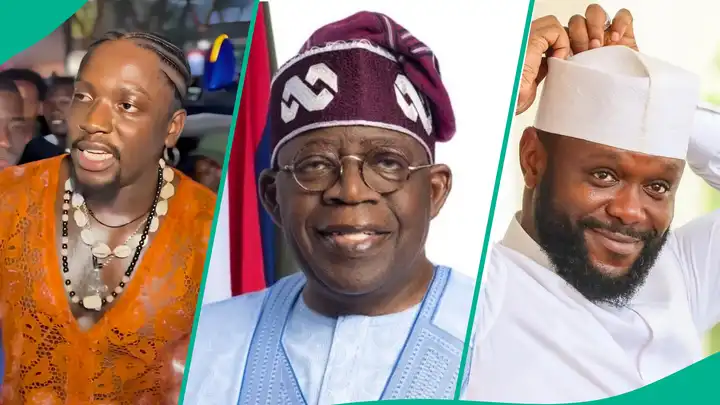
  • VDM Calls Out President Tinubu Over Failed Scholarship Promises to Nigerian Students in Morocco

    Nigerian activist Martins Vincent Otse, popularly known as Verydarkman (VDM), has publicly criticized President Bola Tinubu and his son, Seyi Tinubu, over the deteriorating conditions some Nigerian students are reportedly facing in Morocco. The students, granted scholarships by the Nigerian government, were promised full support including a $500 monthly allowance, and were allegedly instructed not to work while studying.

    In a video shared online, VDM revealed that some students have suffered serious consequences due to the government’s alleged failure to deliver on these promises. He claimed that one student died while another sustained a broken leg after attempting to work secretly to survive. He also highlighted the poor state of their accommodation, where up to five students were crammed into rooms meant for one, lacking electricity and proper study facilities.

    VDM warned that if students continue to be neglected, they may resort to cybercrime, which could negatively impact Nigeria’s international image. He also alleged that attempts by students to reach out to influencers and media houses were met with demands for money before their stories could be shared.

    The activist called on the government to intervene urgently and suggested that funds meant for students may have been embezzled. VDM’s video has received praise from fans who expressed outrage at the government’s inaction and applauded his advocacy for the students’ rights.

    This incident underscores ongoing concerns about government accountability in managing scholarship programs and protecting Nigerian students abroad, and it adds to VDM’s history of activism, which includes previous solo protests addressing national insecurity issues.

    VDM Calls Out President Tinubu Over Failed Scholarship Promises to Nigerian Students in Morocco Nigerian activist Martins Vincent Otse, popularly known as Verydarkman (VDM), has publicly criticized President Bola Tinubu and his son, Seyi Tinubu, over the deteriorating conditions some Nigerian students are reportedly facing in Morocco. The students, granted scholarships by the Nigerian government, were promised full support including a $500 monthly allowance, and were allegedly instructed not to work while studying. In a video shared online, VDM revealed that some students have suffered serious consequences due to the government’s alleged failure to deliver on these promises. He claimed that one student died while another sustained a broken leg after attempting to work secretly to survive. He also highlighted the poor state of their accommodation, where up to five students were crammed into rooms meant for one, lacking electricity and proper study facilities. VDM warned that if students continue to be neglected, they may resort to cybercrime, which could negatively impact Nigeria’s international image. He also alleged that attempts by students to reach out to influencers and media houses were met with demands for money before their stories could be shared. The activist called on the government to intervene urgently and suggested that funds meant for students may have been embezzled. VDM’s video has received praise from fans who expressed outrage at the government’s inaction and applauded his advocacy for the students’ rights. This incident underscores ongoing concerns about government accountability in managing scholarship programs and protecting Nigerian students abroad, and it adds to VDM’s history of activism, which includes previous solo protests addressing national insecurity issues.
    like
    1
    · 0 Комментарии ·0 Поделились ·3Кб Просмотры
  • “Tinubu Government Cites Fiscal Challenges for Delayed Support to Nigerian Scholars in Morocco”

    The Bola Tinubu-led Nigerian government has addressed allegations that Nigerian students studying in Morocco under federal scholarships have been abandoned, attributing delays to “temporary fiscal challenges.” This response comes amid claims by several students that they were left without financial support, shelter, or medical care over several years, with some facing life-threatening situations.
    One final-year medical student reported that scholarship beneficiaries, recruited to train as future doctors for Nigeria, were struggling to meet basic needs. Another case involved a student named Umar, who suffered from appendicitis requiring urgent surgery, highlighting the serious risks faced by the scholars.
    In a statement released by the Federal Ministry of Education, Director of Press Boriowo Folasade quoted Education Minister Dr. Maruf Alausa, who confirmed that no Nigerian student on a valid Federal Government scholarship has been abandoned. The ministry explained that students enrolled under the Bilateral Education Scholarship Programme prior to 2024 received funding up to the 2024 budget year. Any delays in payments were attributed to fiscal constraints, with ongoing coordination between the Ministries of Education and Finance to resolve outstanding issues.
    The ministry further clarified that no new bilateral scholarships were awarded in 2025, dismissing circulating documents as “fake and unauthenticated.” According to the government, overseas scholarships have been scaled down following a policy review, citing sufficient capacity in Nigerian universities, polytechnics, and colleges of education to accommodate affected programs locally. Under the new framework, only scholarships fully funded by host foreign governments are supported.
    Despite these changes, the government reiterated its commitment to students already enrolled abroad, promising continued support until they complete their studies. Students wishing to discontinue overseas programs may return to Nigerian institutions, with the Federal Government covering return travel costs. The ministry justified the reforms as a measure to reduce avoidable financial burdens on public resources while strengthening domestic educational capacity.
    The government concluded by rejecting what it described as misinformation or attempts to undermine policies, emphasizing that it remains dedicated to the welfare and academic progress of Nigerian students abroad.
    “Tinubu Government Cites Fiscal Challenges for Delayed Support to Nigerian Scholars in Morocco” The Bola Tinubu-led Nigerian government has addressed allegations that Nigerian students studying in Morocco under federal scholarships have been abandoned, attributing delays to “temporary fiscal challenges.” This response comes amid claims by several students that they were left without financial support, shelter, or medical care over several years, with some facing life-threatening situations. One final-year medical student reported that scholarship beneficiaries, recruited to train as future doctors for Nigeria, were struggling to meet basic needs. Another case involved a student named Umar, who suffered from appendicitis requiring urgent surgery, highlighting the serious risks faced by the scholars. In a statement released by the Federal Ministry of Education, Director of Press Boriowo Folasade quoted Education Minister Dr. Maruf Alausa, who confirmed that no Nigerian student on a valid Federal Government scholarship has been abandoned. The ministry explained that students enrolled under the Bilateral Education Scholarship Programme prior to 2024 received funding up to the 2024 budget year. Any delays in payments were attributed to fiscal constraints, with ongoing coordination between the Ministries of Education and Finance to resolve outstanding issues. The ministry further clarified that no new bilateral scholarships were awarded in 2025, dismissing circulating documents as “fake and unauthenticated.” According to the government, overseas scholarships have been scaled down following a policy review, citing sufficient capacity in Nigerian universities, polytechnics, and colleges of education to accommodate affected programs locally. Under the new framework, only scholarships fully funded by host foreign governments are supported. Despite these changes, the government reiterated its commitment to students already enrolled abroad, promising continued support until they complete their studies. Students wishing to discontinue overseas programs may return to Nigerian institutions, with the Federal Government covering return travel costs. The ministry justified the reforms as a measure to reduce avoidable financial burdens on public resources while strengthening domestic educational capacity. The government concluded by rejecting what it described as misinformation or attempts to undermine policies, emphasizing that it remains dedicated to the welfare and academic progress of Nigerian students abroad.
    0 Комментарии ·0 Поделились ·2Кб Просмотры
  • ADC Criticizes Tinubu’s Silence on Venezuela Crisis, Warns Nigeria Has Lost Global Diplomatic Voice in International Affairs

    The African Democratic Congress (ADC) has condemned the Nigerian government under President Bola Tinubu for failing to publicly respond to recent political developments in Venezuela, describing the silence as a national embarrassment and a decline in Nigeria’s international influence.
    ADC National Publicity Secretary Bolaji Abdullahi said Nigeria’s absence from global conversations undermines its historic role as a leading diplomatic voice in Africa and West Africa. He contrasted the current administration’s inaction with past Nigerian leaders like Jaja Nwachukwu and Joseph Garba, who took firm stances on major international issues.
    Abdullahi further suggested that Nigeria’s reluctance to speak reflects internal vulnerabilities and a lack of moral courage, warning that the country’s diminished presence on the global stage is abnormal for its stature. The remarks follow outrage over the U.S. military’s capture of Venezuelan President Nicolás Maduro and his wife.
    ADC Criticizes Tinubu’s Silence on Venezuela Crisis, Warns Nigeria Has Lost Global Diplomatic Voice in International Affairs The African Democratic Congress (ADC) has condemned the Nigerian government under President Bola Tinubu for failing to publicly respond to recent political developments in Venezuela, describing the silence as a national embarrassment and a decline in Nigeria’s international influence. ADC National Publicity Secretary Bolaji Abdullahi said Nigeria’s absence from global conversations undermines its historic role as a leading diplomatic voice in Africa and West Africa. He contrasted the current administration’s inaction with past Nigerian leaders like Jaja Nwachukwu and Joseph Garba, who took firm stances on major international issues. Abdullahi further suggested that Nigeria’s reluctance to speak reflects internal vulnerabilities and a lack of moral courage, warning that the country’s diminished presence on the global stage is abnormal for its stature. The remarks follow outrage over the U.S. military’s capture of Venezuelan President Nicolás Maduro and his wife.
    like
    1
    · 0 Комментарии ·0 Поделились ·2Кб Просмотры
  • Nigerian Scholars Abandoned in Morocco Lament Hunger, Unpaid Rents, Medical Neglect, Urge Tinubu Government to Disburse Stipends

    Nigerian students on federal government scholarships in Morocco have accused the Tinubu administration of abandoning them to extreme hardship, hunger, unpaid rents, and medical neglect. Social media activist Martins Otse, known as VeryDarkMan, released a video highlighting the plight of these students, who say they have gone without promised monthly stipends for years.
    Students claim the scholarship prohibits them from working, leaving many stranded without income. One student suffered a broken thigh bone while secretly seeking work, while another recounted the death of a fellow scholar, Bashir Malami, due to untreated tuberculosis. Cases of life-threatening medical emergencies, unpaid hospital bills, and eviction threats were reported.
    The scholars appealed to the Federal Government to urgently intervene, warning that their academic futures and lives are at risk. As of the report, the Nigerian government has not responded.
    Nigerian Scholars Abandoned in Morocco Lament Hunger, Unpaid Rents, Medical Neglect, Urge Tinubu Government to Disburse Stipends Nigerian students on federal government scholarships in Morocco have accused the Tinubu administration of abandoning them to extreme hardship, hunger, unpaid rents, and medical neglect. Social media activist Martins Otse, known as VeryDarkMan, released a video highlighting the plight of these students, who say they have gone without promised monthly stipends for years. Students claim the scholarship prohibits them from working, leaving many stranded without income. One student suffered a broken thigh bone while secretly seeking work, while another recounted the death of a fellow scholar, Bashir Malami, due to untreated tuberculosis. Cases of life-threatening medical emergencies, unpaid hospital bills, and eviction threats were reported. The scholars appealed to the Federal Government to urgently intervene, warning that their academic futures and lives are at risk. As of the report, the Nigerian government has not responded.
    like
    1
    · 0 Комментарии ·0 Поделились ·1Кб Просмотры
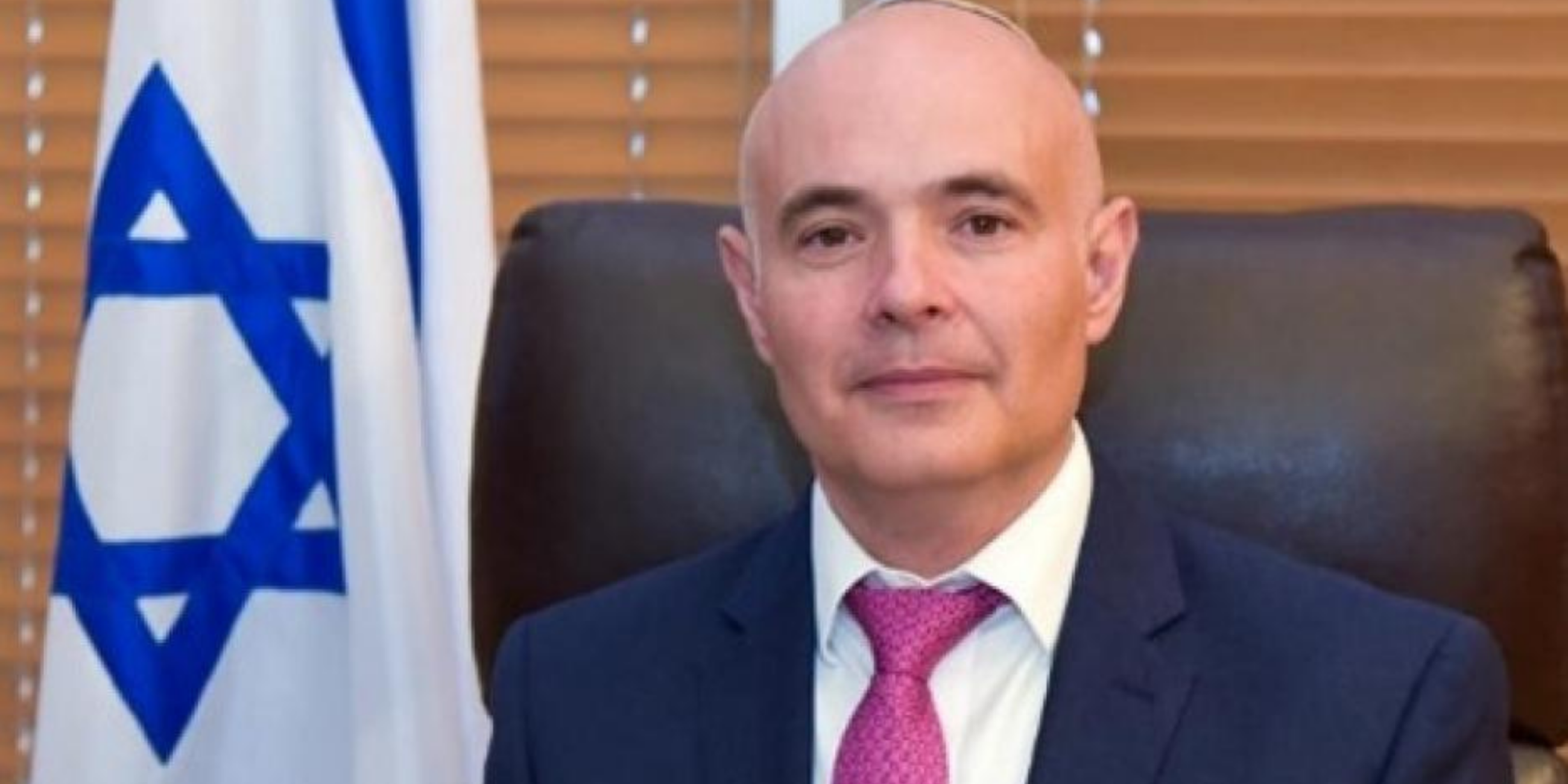
  • Israel Offers Intelligence Sharing to Nigeria to Tackle Insecurity, Protect Vulnerable Christian Communities – Envoy

    Israel plans to support Nigeria in addressing insecurity and protecting Christian communities through intelligence sharing and strategic cooperation, according to Israel’s Ambassador to Nigeria, Michael Freeman. The initiative, outlined by Prime Minister Benjamin Netanyahu, emphasizes working in partnership with the Nigerian government and respecting national sovereignty.

    Freeman stated the support targets broader security challenges, including terrorism, insurgency, and violent extremism, not just threats against Christians. He highlighted Israel’s model of religious freedom, pointing to the thriving Christian population in Israel as an example.

    Amid growing concerns over attacks on Christians in Nigeria’s Middle Belt and northern regions, the Israeli involvement is intended as cooperation rather than unilateral action, with all sensitive operations guided by Abuja. The ambassador declined to speculate on potential U.S. unilateral interventions in Nigeria, emphasizing that Israel will act only with government approval.

    The announcement comes as Nigeria continues to face threats from Boko Haram, ISWAP, and bandits, with recurring calls for international support to safeguard vulnerable communities.
    Israel Offers Intelligence Sharing to Nigeria to Tackle Insecurity, Protect Vulnerable Christian Communities – Envoy Israel plans to support Nigeria in addressing insecurity and protecting Christian communities through intelligence sharing and strategic cooperation, according to Israel’s Ambassador to Nigeria, Michael Freeman. The initiative, outlined by Prime Minister Benjamin Netanyahu, emphasizes working in partnership with the Nigerian government and respecting national sovereignty. Freeman stated the support targets broader security challenges, including terrorism, insurgency, and violent extremism, not just threats against Christians. He highlighted Israel’s model of religious freedom, pointing to the thriving Christian population in Israel as an example. Amid growing concerns over attacks on Christians in Nigeria’s Middle Belt and northern regions, the Israeli involvement is intended as cooperation rather than unilateral action, with all sensitive operations guided by Abuja. The ambassador declined to speculate on potential U.S. unilateral interventions in Nigeria, emphasizing that Israel will act only with government approval. The announcement comes as Nigeria continues to face threats from Boko Haram, ISWAP, and bandits, with recurring calls for international support to safeguard vulnerable communities.
    0 Комментарии ·0 Поделились ·2Кб Просмотры
Расширенные страницы
Fintter https://fintter.com