• Iran Fires 4,000km Missile Toward US Base, Israel Raises Alarm Over Growing Threat

    Tension rippled through global military circles on Saturday as a chilling report emerged from Israel. Far from the noise of crowded cities and conflict zones, a quiet but alarming development had just unfolded—one that stretched across continents and deep into the heart of strategic power.

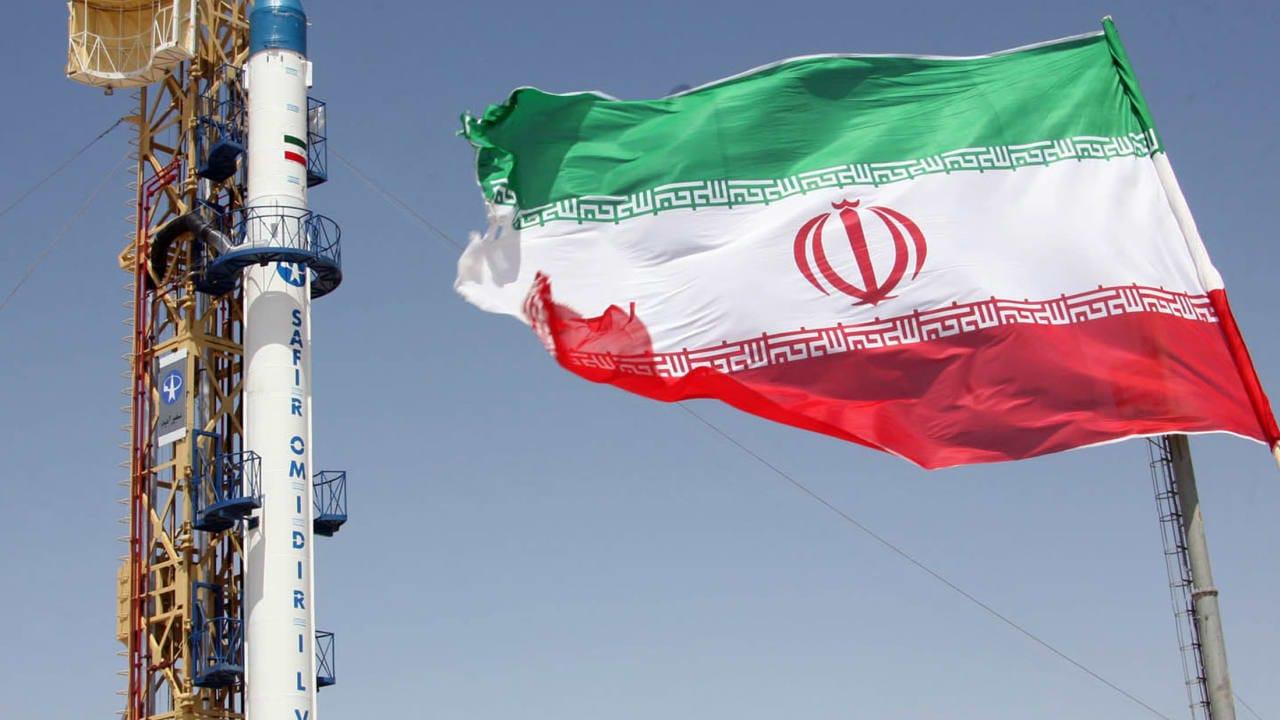
    According to Eyal Zamir, Israel’s Chief of Staff, Iran had launched a two-stage intercontinental ballistic missile, capable of traveling nearly 4,000 kilometres. Its reported trajectory? Toward a United States military installation on Diego Garcia, a remote but highly strategic island in the Indian Ocean.

    Though details remain limited, the implications were immediate and profound.

    Military analysts and defense officials began raising urgent questions. A missile of such range and capability signals not just technological advancement—but intent, reach, and confidence. For Israel, the launch underscored growing concerns about Iran’s expanding missile program, one that could alter the balance of power far beyond the Middle East.

    The silence from Tehran only deepened the uncertainty.

    Meanwhile, the United States and its allies were left to assess the message behind the move. Was it a test? A warning? Or something more calculated?

    What is clear is this: the distance between nations is no longer measured in geography alone—but in the speed and precision of weapons that can cross oceans in minutes.

    And as the world watches, the question lingers—what comes next?

    #Iran #Israel #GlobalSecurity #MilitaryTension
    Iran Fires 4,000km Missile Toward US Base, Israel Raises Alarm Over Growing Threat Tension rippled through global military circles on Saturday as a chilling report emerged from Israel. Far from the noise of crowded cities and conflict zones, a quiet but alarming development had just unfolded—one that stretched across continents and deep into the heart of strategic power. According to Eyal Zamir, Israel’s Chief of Staff, Iran had launched a two-stage intercontinental ballistic missile, capable of traveling nearly 4,000 kilometres. Its reported trajectory? Toward a United States military installation on Diego Garcia, a remote but highly strategic island in the Indian Ocean. Though details remain limited, the implications were immediate and profound. Military analysts and defense officials began raising urgent questions. A missile of such range and capability signals not just technological advancement—but intent, reach, and confidence. For Israel, the launch underscored growing concerns about Iran’s expanding missile program, one that could alter the balance of power far beyond the Middle East. The silence from Tehran only deepened the uncertainty. Meanwhile, the United States and its allies were left to assess the message behind the move. Was it a test? A warning? Or something more calculated? What is clear is this: the distance between nations is no longer measured in geography alone—but in the speed and precision of weapons that can cross oceans in minutes. And as the world watches, the question lingers—what comes next? #Iran #Israel #GlobalSecurity #MilitaryTension
    like
    1
    · 1 Commentarios ·0 Acciones ·5K Views
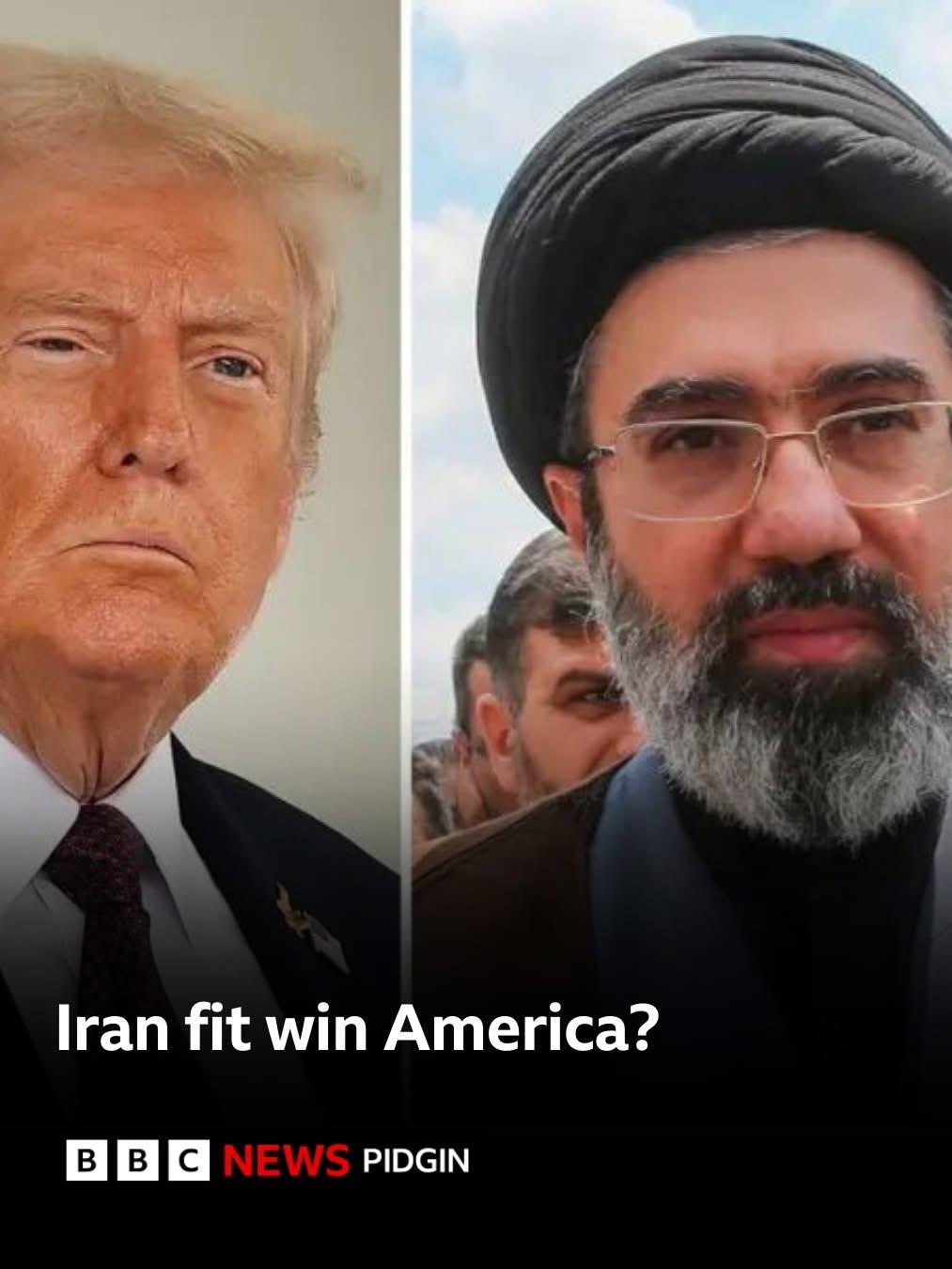
  • One tin about Iran be say di kontri get long history of resilience for war, and na also one of di kontris wey you no fit really understand dia militarily for di Middle East.

    One report tok say Iran get arround 610,000 personnel, including 350,000 wey dey serve for di kontri army and 190,000 for di Revolutionary Guard.
    One tin about Iran be say di kontri get long history of resilience for war, and na also one of di kontris wey you no fit really understand dia militarily for di Middle East. One report tok say Iran get arround 610,000 personnel, including 350,000 wey dey serve for di kontri army and 190,000 for di Revolutionary Guard.
    0 Commentarios ·0 Acciones ·2K Views
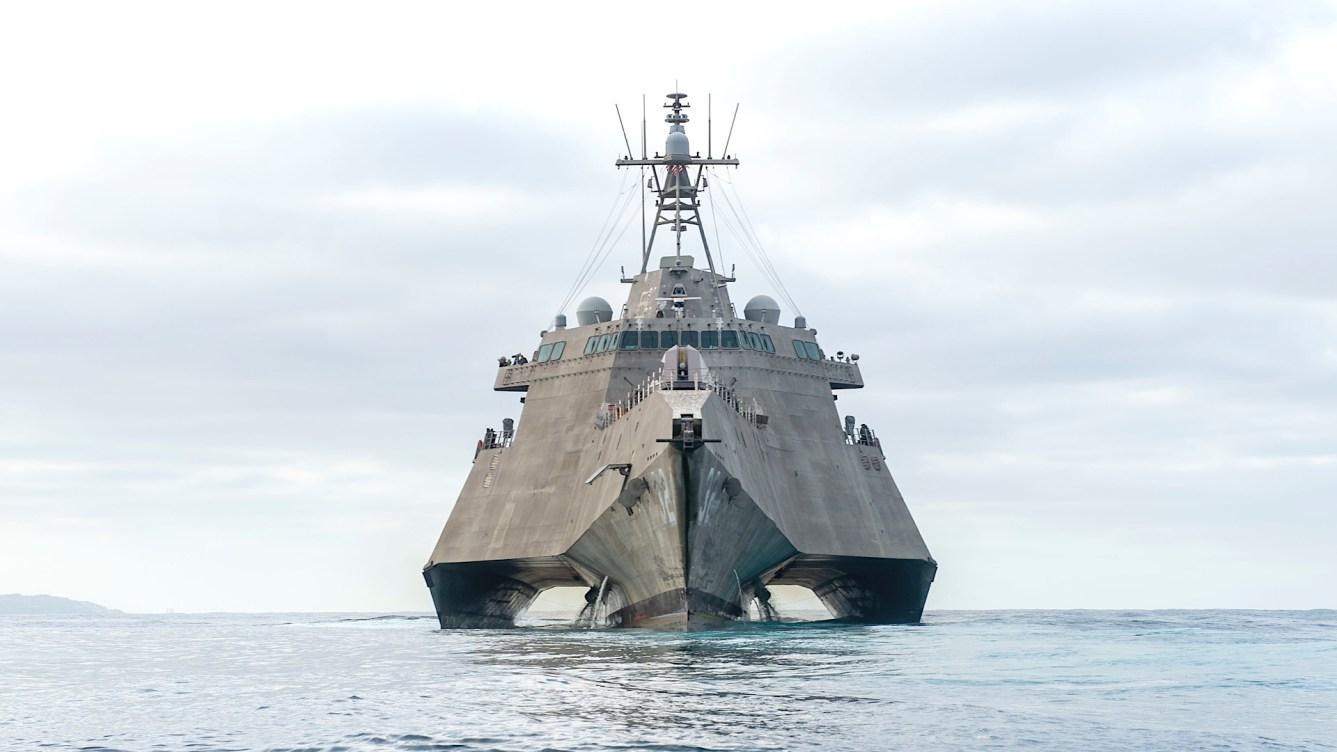
  • U.S. Navy Minesweepers Assigned To Middle East Have Been Moved To Pacific (Updated)
    Two of the three Littoral Combat Ships that had taken over the minesweeping role in the Middle East have just appeared in Malaysia.
    U.S. Navy Minesweepers Assigned To Middle East Have Been Moved To Pacific (Updated) Two of the three Littoral Combat Ships that had taken over the minesweeping role in the Middle East have just appeared in Malaysia.
    like
    1
    · 0 Commentarios ·0 Acciones ·1K Views
  • Trump Calls for Regime Change in Iran as Protests Leave Thousands Dead, U.S. Moves Forces to Middle East

    U.S. President Donald Trump has openly called for new leadership in Iran following weeks of deadly nationwide protests. Speaking to Politico, Trump accused Iran’s supreme leader, Ayatollah Ali Khamenei, of poor leadership and human rights abuses, as reports estimate over 3,000 protesters killed and more than 22,000 arrested. Khamenei fired back, labeling Trump a criminal and blaming him for unrest. As tensions rise, the U.S. is reportedly deploying additional military assets to the Middle East and evacuating personnel, fueling fears of a wider conflict.

    #IranProtests #TrumpIran #GlobalTension
    Trump Calls for Regime Change in Iran as Protests Leave Thousands Dead, U.S. Moves Forces to Middle East U.S. President Donald Trump has openly called for new leadership in Iran following weeks of deadly nationwide protests. Speaking to Politico, Trump accused Iran’s supreme leader, Ayatollah Ali Khamenei, of poor leadership and human rights abuses, as reports estimate over 3,000 protesters killed and more than 22,000 arrested. Khamenei fired back, labeling Trump a criminal and blaming him for unrest. As tensions rise, the U.S. is reportedly deploying additional military assets to the Middle East and evacuating personnel, fueling fears of a wider conflict. #IranProtests #TrumpIran #GlobalTension
    love
    2
    · 0 Commentarios ·0 Acciones ·4K Views
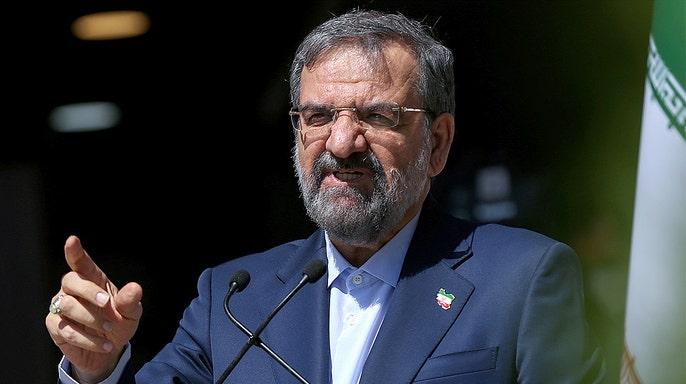
  • Top Iranian general threatens to 'cut off' Trump's hand over potential military strikes

    A senior Iranian military official has warned that any U.S. strike on Iran would trigger retaliation against American forces and bases across the Middle East, issuing a direct threat toward President Donald Trump. The warning comes amid rising tensions, as reports indicate at least one U.S. aircraft carrier is being repositioned to the region, signaling potential military escalation.

    #IranUS #MiddleEastTensions #GlobalSecurity #BreakingNews
    Top Iranian general threatens to 'cut off' Trump's hand over potential military strikes A senior Iranian military official has warned that any U.S. strike on Iran would trigger retaliation against American forces and bases across the Middle East, issuing a direct threat toward President Donald Trump. The warning comes amid rising tensions, as reports indicate at least one U.S. aircraft carrier is being repositioned to the region, signaling potential military escalation. #IranUS #MiddleEastTensions #GlobalSecurity #BreakingNews
    love
    1
    · 0 Commentarios ·0 Acciones ·3K Views
  • The United States is reportedly redeploying the USS Abraham Lincoln Carrier Strike Group from the South China Sea, moving at high speed toward the Middle East amid rising regional tensions and growing speculation over potential U.S. military action involving Iran.

    #USMilitary #MiddleEastTensions #Iran #Geopolitics #USNavy #AircraftCarrier #GlobalSecurity #BreakingNews
    The United States is reportedly redeploying the USS Abraham Lincoln Carrier Strike Group from the South China Sea, moving at high speed toward the Middle East amid rising regional tensions and growing speculation over potential U.S. military action involving Iran. #USMilitary #MiddleEastTensions #Iran #Geopolitics #USNavy #AircraftCarrier #GlobalSecurity #BreakingNews
    love
    Dislike
    2
    · 1 Commentarios ·0 Acciones ·3K Views ·21 Plays
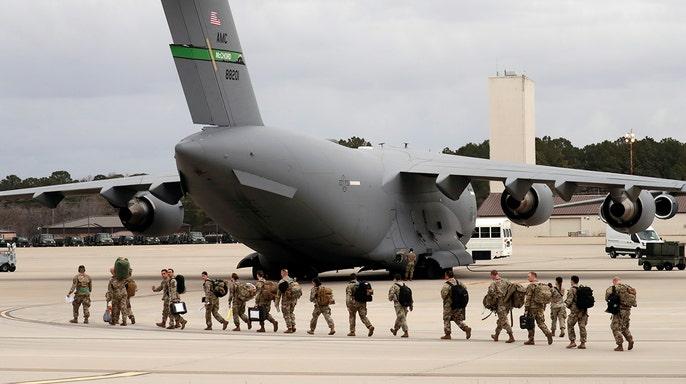
  • Some US military personnel told to leave Middle East bases, US official confirms
    Some US military personnel told to leave Middle East bases, US official confirms
    love
    1
    · 0 Commentarios ·0 Acciones ·473 Views
  • Is Trump Becoming the Next “Fallen Despot”? Why Iran’s Supreme Leader Khamenei Compared Him to Pharaoh, Nimrod and the Shah Amid Rising U.S.–Iran Tensions

    Is Donald Trump being cast as the next ruler destined for historical downfall? Iran’s Supreme Leader, Ayatollah Ali Khamenei, has launched a sharp ideological attack on the U.S. president, accusing him of “tyrannical” leadership and warning that, like infamous rulers of the past, he too could ultimately fall from power.

    In a post shared on X (formerly Twitter), Khamenei condemned what he described as Trump’s habit of judging the world with arrogance, arguing that history offers repeated lessons about leaders who rule through hubris. Drawing striking parallels, the Iranian leader invoked figures such as Pharaoh, Nimrod, and Mohammad Reza Pahlavi—rulers who, he said, collapsed at the height of their authority after overreaching their power.

    “The US President who judges arrogantly about the whole world should know that tyrants and arrogant rulers of the world… saw their downfall when they were at the peak of their hubris. He too will fall,” Khamenei wrote. The message framed Trump not merely as a political rival, but as part of a long lineage of leaders whose dominance, according to Khamenei, eventually gave way to decline.

    The comments come amid deepening hostility between Tehran and Washington, defined by sanctions, military posturing, and public exchanges between senior officials. Khamenei, Iran’s highest authority, has consistently portrayed U.S. foreign policy as imperialistic, often embedding his criticisms within historical and religious narratives aimed at reinforcing Iran’s resistance ideology.

    Tensions intensified further following reports that Trump praised Israeli military strikes on Iran in June 2025. According to ABC News Chief Washington Correspondent Jonathan Karl, Trump described the attack as “excellent,” adding that Iran had been given a chance to change course but failed to do so—and warning that “there’s more to come, a lot more.” His remarks coincided with a series of escalating confrontations between Israel and Iran, including strikes on Iranian territory, some reportedly reaching as far as Tehran.

    Iran’s Foreign Ministry condemned the attacks as a “blatant act of aggression,” while regional analysts warned that rhetoric from both sides risks further destabilizing an already volatile Middle East. Against this backdrop, Khamenei’s comparison of Trump to fallen despots appears not only symbolic but strategic—seeking to frame U.S. pressure as morally bankrupt and historically doomed.

    The episode raises broader questions: Is Khamenei merely engaging in ideological posturing, or is Iran signaling that it sees Trump’s leadership style as unsustainable in the long run? And does invoking ancient and modern tyrants reflect a deeper effort to mobilize domestic and regional opinion against American influence?

    As U.S.–Iran relations continue to harden, the clash of narratives—Trump’s warnings of force and Khamenei’s predictions of downfall—underscores how geopolitical conflict today is fought not only with sanctions and weapons, but with history, symbolism, and the power of storytelling. Whether Trump’s approach will reinforce U.S. dominance or mirror the fate of leaders Khamenei cited remains a question shaping global attention.


    Is Trump Becoming the Next “Fallen Despot”? Why Iran’s Supreme Leader Khamenei Compared Him to Pharaoh, Nimrod and the Shah Amid Rising U.S.–Iran Tensions Is Donald Trump being cast as the next ruler destined for historical downfall? Iran’s Supreme Leader, Ayatollah Ali Khamenei, has launched a sharp ideological attack on the U.S. president, accusing him of “tyrannical” leadership and warning that, like infamous rulers of the past, he too could ultimately fall from power. In a post shared on X (formerly Twitter), Khamenei condemned what he described as Trump’s habit of judging the world with arrogance, arguing that history offers repeated lessons about leaders who rule through hubris. Drawing striking parallels, the Iranian leader invoked figures such as Pharaoh, Nimrod, and Mohammad Reza Pahlavi—rulers who, he said, collapsed at the height of their authority after overreaching their power. “The US President who judges arrogantly about the whole world should know that tyrants and arrogant rulers of the world… saw their downfall when they were at the peak of their hubris. He too will fall,” Khamenei wrote. The message framed Trump not merely as a political rival, but as part of a long lineage of leaders whose dominance, according to Khamenei, eventually gave way to decline. The comments come amid deepening hostility between Tehran and Washington, defined by sanctions, military posturing, and public exchanges between senior officials. Khamenei, Iran’s highest authority, has consistently portrayed U.S. foreign policy as imperialistic, often embedding his criticisms within historical and religious narratives aimed at reinforcing Iran’s resistance ideology. Tensions intensified further following reports that Trump praised Israeli military strikes on Iran in June 2025. According to ABC News Chief Washington Correspondent Jonathan Karl, Trump described the attack as “excellent,” adding that Iran had been given a chance to change course but failed to do so—and warning that “there’s more to come, a lot more.” His remarks coincided with a series of escalating confrontations between Israel and Iran, including strikes on Iranian territory, some reportedly reaching as far as Tehran. Iran’s Foreign Ministry condemned the attacks as a “blatant act of aggression,” while regional analysts warned that rhetoric from both sides risks further destabilizing an already volatile Middle East. Against this backdrop, Khamenei’s comparison of Trump to fallen despots appears not only symbolic but strategic—seeking to frame U.S. pressure as morally bankrupt and historically doomed. The episode raises broader questions: Is Khamenei merely engaging in ideological posturing, or is Iran signaling that it sees Trump’s leadership style as unsustainable in the long run? And does invoking ancient and modern tyrants reflect a deeper effort to mobilize domestic and regional opinion against American influence? As U.S.–Iran relations continue to harden, the clash of narratives—Trump’s warnings of force and Khamenei’s predictions of downfall—underscores how geopolitical conflict today is fought not only with sanctions and weapons, but with history, symbolism, and the power of storytelling. Whether Trump’s approach will reinforce U.S. dominance or mirror the fate of leaders Khamenei cited remains a question shaping global attention.
    0 Commentarios ·0 Acciones ·4K Views
  • Why Is the UAE Cutting Scholarships for UK Universities? Is Fear of Islamist Radicalisation on British Campuses Redefining Emirati Foreign Policy, Student Mobility, and UK–Gulf Relations?

    Is the United Arab Emirates quietly reshaping global student mobility—and sending a political message to Britain in the process? The UAE has begun restricting state-funded scholarships for students seeking to study in the United Kingdom, citing concerns that some British university campuses are being influenced or “radicalised” by Islamist groups.

    Officials in Abu Dhabi confirmed to the Financial Times and The Times that federal funding for Emirati citizens planning to enrol in UK universities has been curtailed. The move reflects deepening unease within the UAE over what it views as the growing ideological presence of Islamist networks on British campuses, particularly those allegedly linked to the Muslim Brotherhood, which the UAE designates as a terrorist organisation.

    While the UAE has not imposed an outright ban on studying in the UK, the policy change marks a significant shift. Wealthier families can still send students abroad using private funds, and government scholarships remain available for studies in other countries. However, the restriction is already affecting numbers: UK student visa data show a sharp decline in Emirati enrolment, with only 213 UAE students granted UK study visas in the year ending September 2025—a 27% drop from the previous year and a 55% fall compared to 2022. This is particularly striking given that the Emirati student population in the UK had doubled between 2017 and 2024 to around 8,500 students, with major concentrations at institutions such as King’s College London, University College London, the University of Manchester, the University of Leeds, and the University of Central Lancashire.

    At the heart of the decision lies long-standing political tension between Abu Dhabi and London. The UAE has repeatedly urged Britain to ban the Muslim Brotherhood, a group it considers a security threat. However, successive UK governments have declined to proscribe the organisation. A 2014 inquiry ordered by then-Prime Minister David Cameron, led by former ambassador Sir John Jenkins, concluded that the Brotherhood’s beliefs were incompatible with British values but found insufficient legal grounds for a ban. More recently, Reform UK leader Nigel Farage has said he would proscribe the group if elected, underscoring how the issue has become embedded in British political debate.

    Concerns in Britain about alleged Islamist influence on university campuses have also fueled controversy. Student organisations have faced scrutiny for hosting speakers accused of promoting extremist ideologies, with critics warning that academic spaces may be vulnerable to ideological recruitment. For the UAE, which has previously jailed suspected Brotherhood members and strongly supported Egypt’s 2013 military ouster of President Mohammed Morsi, the presence of any perceived Brotherhood influence abroad is seen as a direct security risk.

    A Middle East expert quoted by The Times suggested that the Emirati leadership is “obsessed” with the Brotherhood, describing it as more of an ideological movement than a tightly organised group. According to the source, the scholarship restrictions function as a “warning shot” to students, signalling that engagement with Islamist networks abroad could carry consequences back home.

    Beyond education policy, the move raises broader geopolitical questions. Is the UAE using scholarships as a diplomatic lever to pressure the UK? Will other Gulf states follow suit? And what does this mean for Britain’s position as a global education hub, especially at a time when international student numbers are critical to university funding?

    As Emirati students increasingly turn to alternative destinations, the policy may reshape academic exchange, economic ties, and cultural diplomacy between the Gulf and the UK. More fundamentally, it highlights how security concerns, ideological conflict, and foreign policy priorities are now directly influencing where young people are allowed—or encouraged—to study abroad.


    Why Is the UAE Cutting Scholarships for UK Universities? Is Fear of Islamist Radicalisation on British Campuses Redefining Emirati Foreign Policy, Student Mobility, and UK–Gulf Relations? Is the United Arab Emirates quietly reshaping global student mobility—and sending a political message to Britain in the process? The UAE has begun restricting state-funded scholarships for students seeking to study in the United Kingdom, citing concerns that some British university campuses are being influenced or “radicalised” by Islamist groups. Officials in Abu Dhabi confirmed to the Financial Times and The Times that federal funding for Emirati citizens planning to enrol in UK universities has been curtailed. The move reflects deepening unease within the UAE over what it views as the growing ideological presence of Islamist networks on British campuses, particularly those allegedly linked to the Muslim Brotherhood, which the UAE designates as a terrorist organisation. While the UAE has not imposed an outright ban on studying in the UK, the policy change marks a significant shift. Wealthier families can still send students abroad using private funds, and government scholarships remain available for studies in other countries. However, the restriction is already affecting numbers: UK student visa data show a sharp decline in Emirati enrolment, with only 213 UAE students granted UK study visas in the year ending September 2025—a 27% drop from the previous year and a 55% fall compared to 2022. This is particularly striking given that the Emirati student population in the UK had doubled between 2017 and 2024 to around 8,500 students, with major concentrations at institutions such as King’s College London, University College London, the University of Manchester, the University of Leeds, and the University of Central Lancashire. At the heart of the decision lies long-standing political tension between Abu Dhabi and London. The UAE has repeatedly urged Britain to ban the Muslim Brotherhood, a group it considers a security threat. However, successive UK governments have declined to proscribe the organisation. A 2014 inquiry ordered by then-Prime Minister David Cameron, led by former ambassador Sir John Jenkins, concluded that the Brotherhood’s beliefs were incompatible with British values but found insufficient legal grounds for a ban. More recently, Reform UK leader Nigel Farage has said he would proscribe the group if elected, underscoring how the issue has become embedded in British political debate. Concerns in Britain about alleged Islamist influence on university campuses have also fueled controversy. Student organisations have faced scrutiny for hosting speakers accused of promoting extremist ideologies, with critics warning that academic spaces may be vulnerable to ideological recruitment. For the UAE, which has previously jailed suspected Brotherhood members and strongly supported Egypt’s 2013 military ouster of President Mohammed Morsi, the presence of any perceived Brotherhood influence abroad is seen as a direct security risk. A Middle East expert quoted by The Times suggested that the Emirati leadership is “obsessed” with the Brotherhood, describing it as more of an ideological movement than a tightly organised group. According to the source, the scholarship restrictions function as a “warning shot” to students, signalling that engagement with Islamist networks abroad could carry consequences back home. Beyond education policy, the move raises broader geopolitical questions. Is the UAE using scholarships as a diplomatic lever to pressure the UK? Will other Gulf states follow suit? And what does this mean for Britain’s position as a global education hub, especially at a time when international student numbers are critical to university funding? As Emirati students increasingly turn to alternative destinations, the policy may reshape academic exchange, economic ties, and cultural diplomacy between the Gulf and the UK. More fundamentally, it highlights how security concerns, ideological conflict, and foreign policy priorities are now directly influencing where young people are allowed—or encouraged—to study abroad.
    0 Commentarios ·0 Acciones ·3K Views
  • World Council of Churches Urges EU to Impose Sanctions, Enforce Arms Embargo on Israel Over Gaza War and Alleged Violations Against Palestinians

    The World Council of Churches (WCC) has called on the European Union to impose sanctions and implement an arms embargo on Israel, citing what it described as a war of genocide in Gaza and continued violations against Palestinians in both Gaza and the occupied West Bank. The appeal was made amid growing international concern over the humanitarian situation in the Palestinian territories.

    In a statement reported by the Middle East Monitor, Iskandar Majlton, local coordinator of the Ecumenical Accompaniment Programme in Palestine and Israel under the WCC, said the council was deeply disturbed by the escalating cycle of violence and the immense human suffering it has caused. He stressed that the WCC’s position is firmly rooted in international law and human rights principles, condemning all attacks on civilians without exception.

    Majlton highlighted what he described as an unprecedented humanitarian disaster in the Gaza Strip, noting that thousands of civilians—mostly women and children—have been killed, while nearly the entire population has been displaced amid widespread destruction, hunger, and disease. He further argued that the ongoing violence did not begin in October 2023 but is the result of decades-long occupation, the prolonged blockade of Gaza, and systemic inequality faced by Palestinians.

    The WCC’s call adds to mounting global pressure on international bodies to take decisive action to address the conflict and uphold accountability under international law.
    World Council of Churches Urges EU to Impose Sanctions, Enforce Arms Embargo on Israel Over Gaza War and Alleged Violations Against Palestinians The World Council of Churches (WCC) has called on the European Union to impose sanctions and implement an arms embargo on Israel, citing what it described as a war of genocide in Gaza and continued violations against Palestinians in both Gaza and the occupied West Bank. The appeal was made amid growing international concern over the humanitarian situation in the Palestinian territories. In a statement reported by the Middle East Monitor, Iskandar Majlton, local coordinator of the Ecumenical Accompaniment Programme in Palestine and Israel under the WCC, said the council was deeply disturbed by the escalating cycle of violence and the immense human suffering it has caused. He stressed that the WCC’s position is firmly rooted in international law and human rights principles, condemning all attacks on civilians without exception. Majlton highlighted what he described as an unprecedented humanitarian disaster in the Gaza Strip, noting that thousands of civilians—mostly women and children—have been killed, while nearly the entire population has been displaced amid widespread destruction, hunger, and disease. He further argued that the ongoing violence did not begin in October 2023 but is the result of decades-long occupation, the prolonged blockade of Gaza, and systemic inequality faced by Palestinians. The WCC’s call adds to mounting global pressure on international bodies to take decisive action to address the conflict and uphold accountability under international law.
    0 Commentarios ·0 Acciones ·2K Views
  • Trump Warns Iran of U.S. Military Action Amid Deadly Protests, Says America ‘Locked and Loaded’

    U.S. President Donald Trump issued a stern warning to Iran, stating that the United States is prepared to intervene militarily if Iranian authorities violently suppress peaceful protesters. Posting on Truth Social, Trump condemned Iran’s “custom” of targeting demonstrators, declaring that America is “locked and loaded and ready to go.”

    The remarks drew sharp responses from Iran, with senior adviser Ali Larijani warning that U.S. interference could destabilize the Middle East. The threats coincide with the largest wave of protests in Iran in three years, sparked by inflation, economic hardship, and government mismanagement.

    At least six people have reportedly been killed since the protests began, including a Basij paramilitary member, while dozens have been arrested. Iranian President Masoud Pezeshkian acknowledged government responsibility for the crisis and called for dialogue with protest leaders.

    Analysts note that escalating unrest, economic woes, and ongoing regional tensions, including U.S. and Israeli strikes, have heightened the risk of further violence and instability in Iran.
    Trump Warns Iran of U.S. Military Action Amid Deadly Protests, Says America ‘Locked and Loaded’ U.S. President Donald Trump issued a stern warning to Iran, stating that the United States is prepared to intervene militarily if Iranian authorities violently suppress peaceful protesters. Posting on Truth Social, Trump condemned Iran’s “custom” of targeting demonstrators, declaring that America is “locked and loaded and ready to go.” The remarks drew sharp responses from Iran, with senior adviser Ali Larijani warning that U.S. interference could destabilize the Middle East. The threats coincide with the largest wave of protests in Iran in three years, sparked by inflation, economic hardship, and government mismanagement. At least six people have reportedly been killed since the protests began, including a Basij paramilitary member, while dozens have been arrested. Iranian President Masoud Pezeshkian acknowledged government responsibility for the crisis and called for dialogue with protest leaders. Analysts note that escalating unrest, economic woes, and ongoing regional tensions, including U.S. and Israeli strikes, have heightened the risk of further violence and instability in Iran.
    0 Commentarios ·0 Acciones ·925 Views
  • 128 Journalists, Media Workers Killed Worldwide in 2025 as IFJ Warns of Worsening Global Threat to Press Freedom

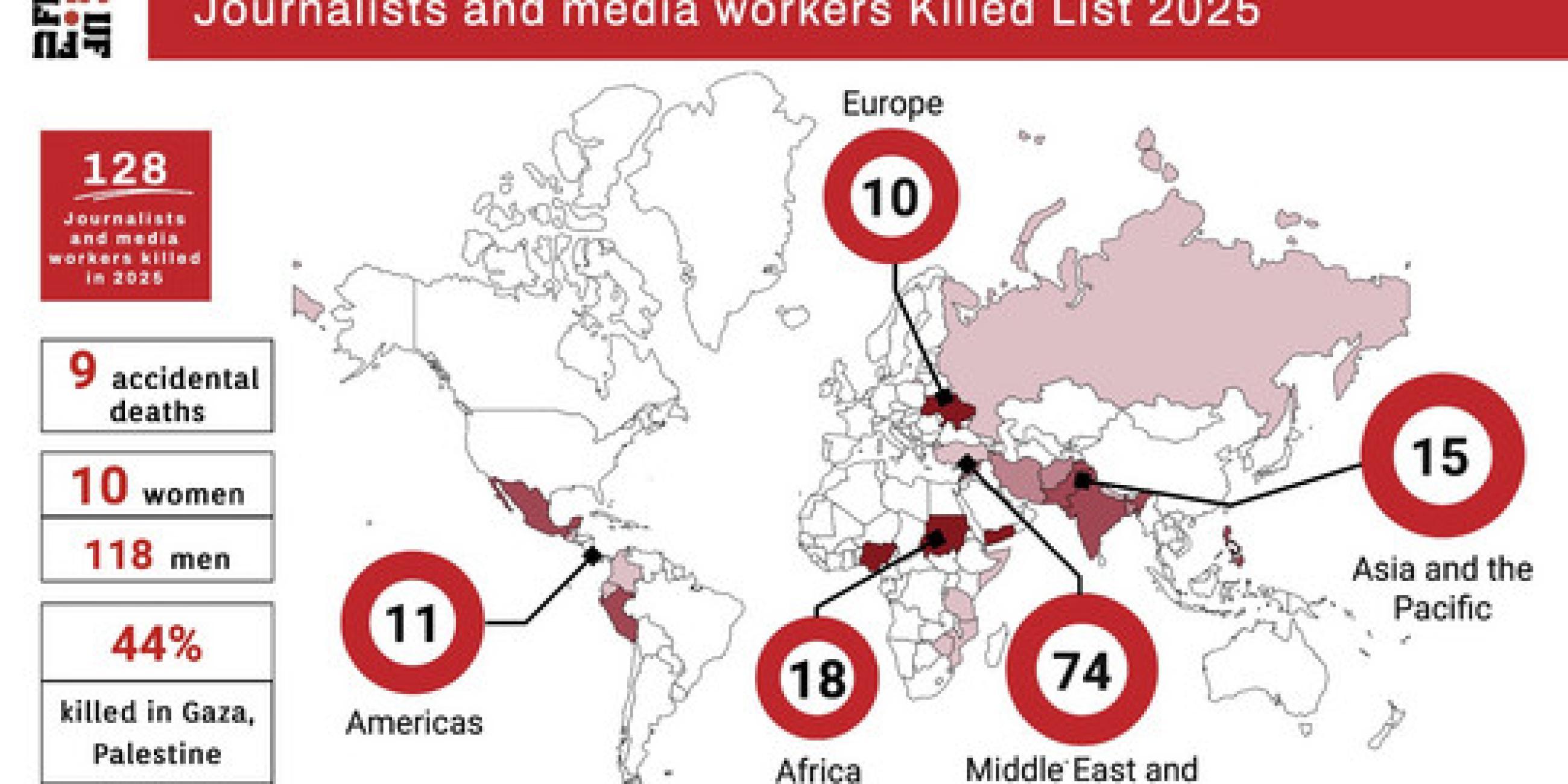
    At least 128 journalists and media workers were killed across the world in 2025, according to the International Federation of Journalists’ (IFJ) final “Killed List” released on December 31. The death toll, which includes 10 women and nine accidental deaths, marks a sharp increase from the 122 journalists killed in 2024, highlighting what the IFJ describes as a worsening global trend against press freedom.

    The Middle East and Arab World recorded the highest number of casualties with 74 deaths, including 56 journalists killed in Palestine amid the Gaza war. Yemen, Ukraine, Sudan, India, Peru, and several other countries also recorded multiple killings, while Africa saw nine work-related journalist deaths, largely linked to the conflict in Sudan.

    Reacting to the figures, IFJ General Secretary Anthony Bellanger described the deaths as a global crisis, calling on governments to protect journalists, end impunity, and support the adoption of a United Nations convention to guarantee the safety and independence of media workers worldwide.
    128 Journalists, Media Workers Killed Worldwide in 2025 as IFJ Warns of Worsening Global Threat to Press Freedom At least 128 journalists and media workers were killed across the world in 2025, according to the International Federation of Journalists’ (IFJ) final “Killed List” released on December 31. The death toll, which includes 10 women and nine accidental deaths, marks a sharp increase from the 122 journalists killed in 2024, highlighting what the IFJ describes as a worsening global trend against press freedom. The Middle East and Arab World recorded the highest number of casualties with 74 deaths, including 56 journalists killed in Palestine amid the Gaza war. Yemen, Ukraine, Sudan, India, Peru, and several other countries also recorded multiple killings, while Africa saw nine work-related journalist deaths, largely linked to the conflict in Sudan. Reacting to the figures, IFJ General Secretary Anthony Bellanger described the deaths as a global crisis, calling on governments to protect journalists, end impunity, and support the adoption of a United Nations convention to guarantee the safety and independence of media workers worldwide.
    0 Commentarios ·0 Acciones ·2K Views
  • Israel Announces ‘New Front’ to Protect Christian Communities in Africa and Middle East, Names Nigeria Among Key Focus Areas

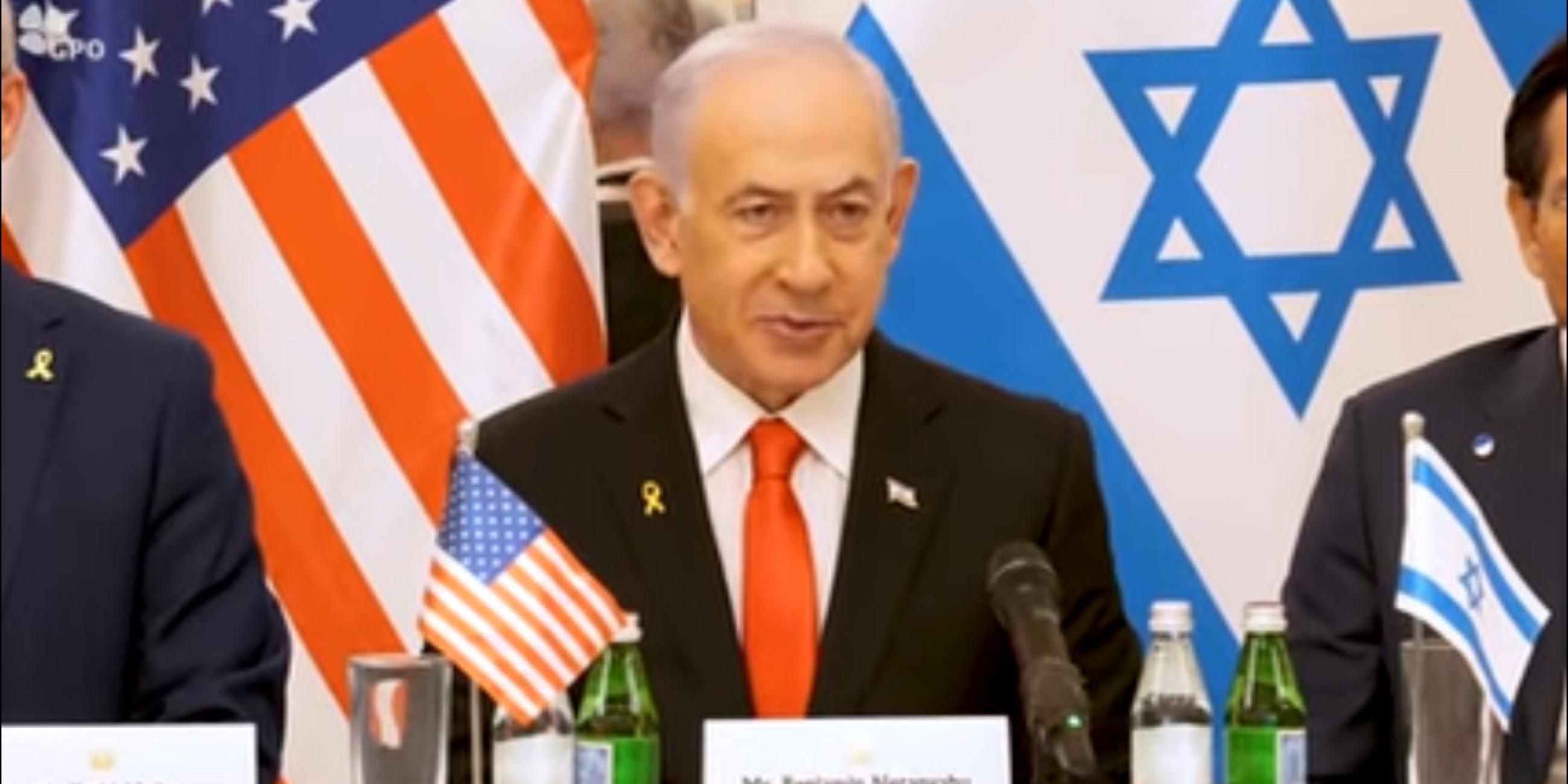
    Israeli Prime Minister Benjamin Netanyahu has announced the opening of what he described as a “new front” dedicated to protecting Christian communities across Africa and the Middle East, including Nigeria. Speaking to an audience of Christian Zionists in a speech published on the Israeli Prime Minister’s official YouTube channel, Netanyahu said Israel was responding to growing global threats against what he termed the “Judeo-Christian civilization.”

    He credited Christian Zionists with playing a crucial role in the emergence and survival of Israel and described the partnership as enduring and strategic. Netanyahu claimed Israel had recently fought and survived a “seven-front war” but insisted an “eighth front” had emerged—one focused on influencing hearts and minds, especially of young people.

    According to him, the struggle extends beyond Israel to the United States and its allies, framing it as a broader battle for Western civilization. He identified radical Shiite and Sunni Islamist groups, naming Iran and the Muslim Brotherhood, as major threats, alleging their influence stretches across Europe, the U.S., Africa, and Nigeria.

    Netanyahu also highlighted what he described as widespread persecution of Christians in countries such as Nigeria, Syria, Lebanon, Turkey, and others, asserting that Israel is the only country actively protecting and enabling Christian communities to thrive. He announced Israel’s intention to join efforts to form a global coalition—likened to a “United Nations” for Christian community protection—offering intelligence and other forms of support, particularly in Africa and the Middle East.

    He concluded by reaffirming Israel’s commitment to defending Christian communities worldwide and extended New Year and Christmas greetings, expressing hope for peace, security, and prosperity, especially for persecuted Christians.
    Israel Announces ‘New Front’ to Protect Christian Communities in Africa and Middle East, Names Nigeria Among Key Focus Areas Israeli Prime Minister Benjamin Netanyahu has announced the opening of what he described as a “new front” dedicated to protecting Christian communities across Africa and the Middle East, including Nigeria. Speaking to an audience of Christian Zionists in a speech published on the Israeli Prime Minister’s official YouTube channel, Netanyahu said Israel was responding to growing global threats against what he termed the “Judeo-Christian civilization.” He credited Christian Zionists with playing a crucial role in the emergence and survival of Israel and described the partnership as enduring and strategic. Netanyahu claimed Israel had recently fought and survived a “seven-front war” but insisted an “eighth front” had emerged—one focused on influencing hearts and minds, especially of young people. According to him, the struggle extends beyond Israel to the United States and its allies, framing it as a broader battle for Western civilization. He identified radical Shiite and Sunni Islamist groups, naming Iran and the Muslim Brotherhood, as major threats, alleging their influence stretches across Europe, the U.S., Africa, and Nigeria. Netanyahu also highlighted what he described as widespread persecution of Christians in countries such as Nigeria, Syria, Lebanon, Turkey, and others, asserting that Israel is the only country actively protecting and enabling Christian communities to thrive. He announced Israel’s intention to join efforts to form a global coalition—likened to a “United Nations” for Christian community protection—offering intelligence and other forms of support, particularly in Africa and the Middle East. He concluded by reaffirming Israel’s commitment to defending Christian communities worldwide and extended New Year and Christmas greetings, expressing hope for peace, security, and prosperity, especially for persecuted Christians.
    like
    1
    · 0 Commentarios ·0 Acciones ·2K Views
  • Iran Launches New Satellites Ahead of Netanyahu–Trump Meeting

    Iran has launched three locally developed satellites into space in a fresh show of defiance, coming just as Israeli Prime Minister Benjamin Netanyahu heads to meet US President Donald Trump to discuss Iran and wider Middle East concerns.

    The satellites — Paya, Zafar-2, and a second prototype of Kowsar — were successfully placed into Low Earth Orbit on Sunday using a Russian Soyuz rocket launched from a Russian space facility.

    Before the June war, Tehran had carried out several satellite launches in recent years, some independently and others in partnership with Moscow. Iranian officials say the newly launched satellites include the country’s most advanced imaging technology, further highlighting Iran’s growing space and missile-linked capabilities amid rising regional tensions.

    The timing of the launch is widely seen as symbolic, coinciding with high-level talks between Israel and the United States focused on Iran’s nuclear ambitions and regional influence.

    #Iran #MiddleEast #SpaceTechnology #GlobalPolitics
    Iran Launches New Satellites Ahead of Netanyahu–Trump Meeting Iran has launched three locally developed satellites into space in a fresh show of defiance, coming just as Israeli Prime Minister Benjamin Netanyahu heads to meet US President Donald Trump to discuss Iran and wider Middle East concerns. The satellites — Paya, Zafar-2, and a second prototype of Kowsar — were successfully placed into Low Earth Orbit on Sunday using a Russian Soyuz rocket launched from a Russian space facility. Before the June war, Tehran had carried out several satellite launches in recent years, some independently and others in partnership with Moscow. Iranian officials say the newly launched satellites include the country’s most advanced imaging technology, further highlighting Iran’s growing space and missile-linked capabilities amid rising regional tensions. The timing of the launch is widely seen as symbolic, coinciding with high-level talks between Israel and the United States focused on Iran’s nuclear ambitions and regional influence. #Iran #MiddleEast #SpaceTechnology #GlobalPolitics
    0 Commentarios ·0 Acciones ·2K Views
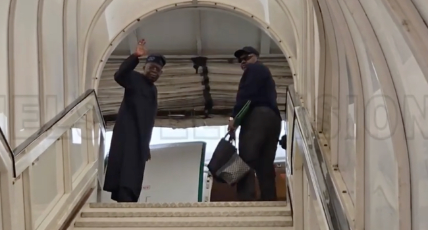
  • President Bola Ahmed Tinubu has departed Lagos for Europe, according to the Presidency.

    The disclosure was made on Sunday by the Special Adviser to the President on Information and Strategy, Bayo Onanuga. He said the President is proceeding to Europe to continue his end-of-year break, ahead of an official engagement in the Middle East.

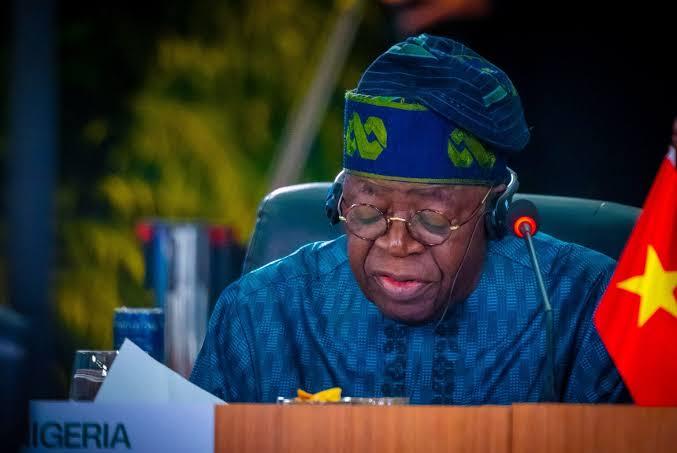
    From Europe, President Tinubu will travel to Abu Dhabi, United Arab Emirates, following an invitation from the UAE President, His Highness Sheikh Mohamed bin Zayed Al Nahyan. The Nigerian leader is expected to participate in the 2026 edition of the Abu Dhabi Sustainability Week (ADSW 2026) Summit, scheduled to hold in early January.

    The summit is a global platform focused on sustainability, climate action, and economic development.

    #Tinubu #NigeriaPolitics #Presidency #ADSW2026
    President Bola Ahmed Tinubu has departed Lagos for Europe, according to the Presidency. The disclosure was made on Sunday by the Special Adviser to the President on Information and Strategy, Bayo Onanuga. He said the President is proceeding to Europe to continue his end-of-year break, ahead of an official engagement in the Middle East. From Europe, President Tinubu will travel to Abu Dhabi, United Arab Emirates, following an invitation from the UAE President, His Highness Sheikh Mohamed bin Zayed Al Nahyan. The Nigerian leader is expected to participate in the 2026 edition of the Abu Dhabi Sustainability Week (ADSW 2026) Summit, scheduled to hold in early January. The summit is a global platform focused on sustainability, climate action, and economic development. #Tinubu #NigeriaPolitics #Presidency #ADSW2026
    like
    1
    · 0 Commentarios ·0 Acciones ·2K Views
  • RSF: Israel Responsible for Nearly Half of Journalist Deaths Worldwide in 2025

    Reporters Without Borders (RSF) has accused Israel of causing nearly half of all journalist deaths recorded globally in 2025. In its annual report, the group revealed that 67 journalists were killed between December 2024 and December 2025, with Israeli forces responsible for 43% of the fatalities—29 of them Palestinian reporters in Gaza. RSF highlighted a deadly “double-tap” airstrike on a Gaza hospital that killed five journalists, suggesting deliberate targeting. The organisation also noted that nearly 220 journalists have been killed since the Gaza conflict began in 2023. Outside the Middle East, Mexico, Sudan, and Ukraine remained dangerous for media workers. RSF further reported 503 journalists imprisoned worldwide as of December 2025, underscoring escalating threats to press freedom.

    #PressFreedom

    #RSFReport

    #JournalistSafety
    RSF: Israel Responsible for Nearly Half of Journalist Deaths Worldwide in 2025 Reporters Without Borders (RSF) has accused Israel of causing nearly half of all journalist deaths recorded globally in 2025. In its annual report, the group revealed that 67 journalists were killed between December 2024 and December 2025, with Israeli forces responsible for 43% of the fatalities—29 of them Palestinian reporters in Gaza. RSF highlighted a deadly “double-tap” airstrike on a Gaza hospital that killed five journalists, suggesting deliberate targeting. The organisation also noted that nearly 220 journalists have been killed since the Gaza conflict began in 2023. Outside the Middle East, Mexico, Sudan, and Ukraine remained dangerous for media workers. RSF further reported 503 journalists imprisoned worldwide as of December 2025, underscoring escalating threats to press freedom. #PressFreedom #RSFReport #JournalistSafety
    0 Commentarios ·0 Acciones ·2K Views
  • Uganda Airlines Launches Cheaper Nigeria Flights to Compete With Air Peace, Arik and Others

    Uganda Airlines has officially commenced flight operations in Nigeria, beginning with Lagos and expanding to Abuja and Kano, promising cheaper fares and faster connectivity between West and East Africa. The airline’s inaugural flight landed at Lagos’ Murtala Muhammed International Airport two decades after Nigeria and Uganda signed their BASA agreement.

    With three weekly flights now approved, the Ugandan carrier reduces travel time between both countries from 10 hours to just three and a half. Aviation stakeholders say the entry of Uganda Airlines will boost competition, lower ticket prices, and provide easier connections to Europe, the Middle East, and Asia. Nigeria’s Ministry of Aviation also confirmed new route approvals as the country continues attracting more foreign airlines despite industry challenges.
    Uganda Airlines Launches Cheaper Nigeria Flights to Compete With Air Peace, Arik and Others Uganda Airlines has officially commenced flight operations in Nigeria, beginning with Lagos and expanding to Abuja and Kano, promising cheaper fares and faster connectivity between West and East Africa. The airline’s inaugural flight landed at Lagos’ Murtala Muhammed International Airport two decades after Nigeria and Uganda signed their BASA agreement. With three weekly flights now approved, the Ugandan carrier reduces travel time between both countries from 10 hours to just three and a half. Aviation stakeholders say the entry of Uganda Airlines will boost competition, lower ticket prices, and provide easier connections to Europe, the Middle East, and Asia. Nigeria’s Ministry of Aviation also confirmed new route approvals as the country continues attracting more foreign airlines despite industry challenges.
    0 Commentarios ·0 Acciones ·708 Views
  • PBAT's Aviation Masterstroke: The MRO Deal That Puts Nigeria on the Global Map

    President Bola Ahmed Tinubu has just pulled off one of the most transformative moves in Nigeria’s aviation history, a strategic partnership with global aerospace giant Boeing and the UK’s prestigious Cranfield University to establish a world-class Maintenance, Repair & Overhaul (MRO) hub right here in Nigeria.

    This is not just another government announcement. It’s a structural shift that changes how the world views Nigeria’s aviation capacity.

    1. Billions Saved, Billions Earned

    Right now, Nigerian airlines spend billions of naira every year flying their aircraft abroad for routine maintenance. With this facility in Nigeria, that money stays in the economy, and foreign airlines may even start coming to us for servicing.
    This means massive savings, fresh revenue streams, and a stronger naira over time.

    2. Thousands of High-Value Jobs

    MROs are labour-intensive and highly technical. From aeronautical engineers to technicians and software specialists to safety experts, this hub will create thousands of well-paid, specialised jobs for Nigerians. President Tinubu isn’t just creating jobs; he’s creating global-standard careers.

    3. Skills That Match Global Standards

    Partnering with Cranfield University, one of the world’s leading aviation and aerospace institutions, means Nigerian professionals will receive elite training. For the first time, Nigeria will train and export aviation talent at the level of Europe, the Middle East, and North America.

    4. A Boost for Local Airlines

    Air Peace, Ibom Air, Azman, Overland all Nigerian airlines will finally have affordable, quick-turnaround maintenance at home. This translates to cheaper operations, fewer grounded aircraft, better safety, and more flights for Nigerians.

    5. Nigeria Becomes Africa’s Aviation Powerhouse

    Only a few African countries have credible MRO facilities. With Boeing and Cranfield backing this project, Nigeria leapfrogs into continental leadership, attracting investment, partnerships, and global aviation traffic.

    6. Proof of President Tinubu’s Economic Diplomacy Working

    This partnership didn’t fall from the sky; it’s a direct result of Tinubu’s aggressive economic diplomacy, restoring investor confidence, strengthening international ties, and positioning Nigeria as a serious business destination again.

    In simple terms:
    This MRO project is a high-impact, high-value, globally recognised move that boosts jobs, strengthens airlines, saves foreign exchange, and establishes Nigeria as the aviation hub Africa has been waiting for, all under President Bola Ahmed Tinubu’s watch.
    PBAT's Aviation Masterstroke: The MRO Deal That Puts Nigeria on the Global Map President Bola Ahmed Tinubu has just pulled off one of the most transformative moves in Nigeria’s aviation history, a strategic partnership with global aerospace giant Boeing and the UK’s prestigious Cranfield University to establish a world-class Maintenance, Repair & Overhaul (MRO) hub right here in Nigeria. This is not just another government announcement. It’s a structural shift that changes how the world views Nigeria’s aviation capacity. 1. Billions Saved, Billions Earned Right now, Nigerian airlines spend billions of naira every year flying their aircraft abroad for routine maintenance. With this facility in Nigeria, that money stays in the economy, and foreign airlines may even start coming to us for servicing. This means massive savings, fresh revenue streams, and a stronger naira over time. 2. Thousands of High-Value Jobs MROs are labour-intensive and highly technical. From aeronautical engineers to technicians and software specialists to safety experts, this hub will create thousands of well-paid, specialised jobs for Nigerians. President Tinubu isn’t just creating jobs; he’s creating global-standard careers. 3. Skills That Match Global Standards Partnering with Cranfield University, one of the world’s leading aviation and aerospace institutions, means Nigerian professionals will receive elite training. For the first time, Nigeria will train and export aviation talent at the level of Europe, the Middle East, and North America. 4. A Boost for Local Airlines Air Peace, Ibom Air, Azman, Overland all Nigerian airlines will finally have affordable, quick-turnaround maintenance at home. This translates to cheaper operations, fewer grounded aircraft, better safety, and more flights for Nigerians. 5. Nigeria Becomes Africa’s Aviation Powerhouse Only a few African countries have credible MRO facilities. With Boeing and Cranfield backing this project, Nigeria leapfrogs into continental leadership, attracting investment, partnerships, and global aviation traffic. 6. Proof of President Tinubu’s Economic Diplomacy Working This partnership didn’t fall from the sky; it’s a direct result of Tinubu’s aggressive economic diplomacy, restoring investor confidence, strengthening international ties, and positioning Nigeria as a serious business destination again. In simple terms: This MRO project is a high-impact, high-value, globally recognised move that boosts jobs, strengthens airlines, saves foreign exchange, and establishes Nigeria as the aviation hub Africa has been waiting for, all under President Bola Ahmed Tinubu’s watch.
    0 Commentarios ·0 Acciones ·791 Views
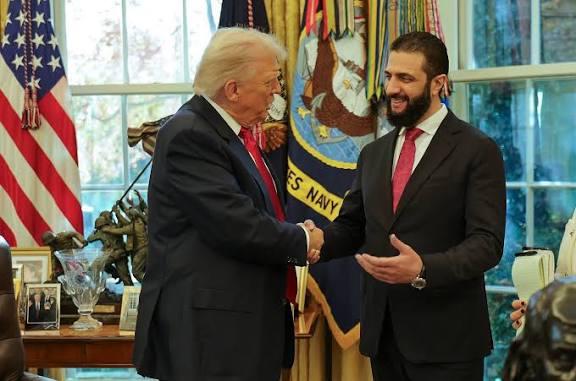
  • Trump Hosts Syrian President and ex-Jihadist, Al-Sharaa, in First-Ever White House Visit.

    US President Donald Trump on Monday held a closed-door meeting with Syrian President Ahmed al-Sharaa at the White House, marking the first time a Syrian leader has ever visited the presidential residence.

    The meeting, which took place without reporters or photo coverage, comes amid ongoing shifts in Syria’s political landscape. 

    Al-Sharaa, 43, is a former leader of al-Qaeda and was once listed by the US as a wanted t+rrorist, with a $10 million bounty on his head until late 2024. He previously spent time in Iraq’s Abu Ghraib prison.

    His recent appearance on the global stage has drawn widespread attention. Just weeks ago, he attended the United Nations General Assembly in New York — a move analysts say underscores his evolution from a militant figure to a recognized political leader.

    Ahead of his visit, the US government lifted longstanding sanctions on al-Sharaa and removed his global terrorist designation, as well as that of Syria’s interior minister, Anas Khattab.

    Trump has previously praised al-Sharaa, referring to him as a “young, attractive guy” with a “very strong past” after the two briefly met during the US president’s Middle East tour earlier this year. 

    Shortly afterward, Washington began easing some of the economic restrictions imposed on Syria.

    Al-Sharaa rose to power in January as part of a transitional arrangement after armed opposition groups launched a major offensive that forced former President Bashar al-Assad to flee to Russia.
    Trump Hosts Syrian President and ex-Jihadist, Al-Sharaa, in First-Ever White House Visit. US President Donald Trump on Monday held a closed-door meeting with Syrian President Ahmed al-Sharaa at the White House, marking the first time a Syrian leader has ever visited the presidential residence. The meeting, which took place without reporters or photo coverage, comes amid ongoing shifts in Syria’s political landscape.  Al-Sharaa, 43, is a former leader of al-Qaeda and was once listed by the US as a wanted t+rrorist, with a $10 million bounty on his head until late 2024. He previously spent time in Iraq’s Abu Ghraib prison. His recent appearance on the global stage has drawn widespread attention. Just weeks ago, he attended the United Nations General Assembly in New York — a move analysts say underscores his evolution from a militant figure to a recognized political leader. Ahead of his visit, the US government lifted longstanding sanctions on al-Sharaa and removed his global terrorist designation, as well as that of Syria’s interior minister, Anas Khattab. Trump has previously praised al-Sharaa, referring to him as a “young, attractive guy” with a “very strong past” after the two briefly met during the US president’s Middle East tour earlier this year.  Shortly afterward, Washington began easing some of the economic restrictions imposed on Syria. Al-Sharaa rose to power in January as part of a transitional arrangement after armed opposition groups launched a major offensive that forced former President Bashar al-Assad to flee to Russia.
    0 Commentarios ·0 Acciones ·1K Views
  • Russia Monitors Nigeria Situation After Trump’s Military Threat Warning.

    Russia has said it is closely watching events in Nigeria following reports that the United States might consider military action there after recent remarks by former U.S. President Donald Trump.

    Russian Foreign Ministry spokeswoman Maria Zakharova disclosed this during a press briefing in Moscow, responding to a question from Anadolu Agency. She urged Washington to respect international law and act responsibly in handling global security matters.

    “We are carefully observing this issue and call on all parties involved to comply with international legal norms,” Zakharova stated.

    On November 1, Trump announced that he had directed the Pentagon to prepare possible military measures against terrorist groups in Nigeria, claiming it was to protect Christian communities.

    When asked about Kazakhstan’s recent decision to join the Abraham Accords, Zakharova said Moscow had no immediate comment on the development. Kazakhstan confirmed its participation after President Kassym-Jomart Tokayev informed Israeli Prime Minister Benjamin Netanyahu during a phone conversation attended by Trump.

    Zakharova also voiced concern over continued Israeli violations of ceasefire agreements along the Lebanese border, stressing the need to avoid any escalation that could reignite conflict.

    She reaffirmed Russia’s commitment to working with regional and international partners to sustain peace and stability in Lebanon, the Middle East, and other regions.
    Russia Monitors Nigeria Situation After Trump’s Military Threat Warning. Russia has said it is closely watching events in Nigeria following reports that the United States might consider military action there after recent remarks by former U.S. President Donald Trump. Russian Foreign Ministry spokeswoman Maria Zakharova disclosed this during a press briefing in Moscow, responding to a question from Anadolu Agency. She urged Washington to respect international law and act responsibly in handling global security matters. “We are carefully observing this issue and call on all parties involved to comply with international legal norms,” Zakharova stated. On November 1, Trump announced that he had directed the Pentagon to prepare possible military measures against terrorist groups in Nigeria, claiming it was to protect Christian communities. When asked about Kazakhstan’s recent decision to join the Abraham Accords, Zakharova said Moscow had no immediate comment on the development. Kazakhstan confirmed its participation after President Kassym-Jomart Tokayev informed Israeli Prime Minister Benjamin Netanyahu during a phone conversation attended by Trump. Zakharova also voiced concern over continued Israeli violations of ceasefire agreements along the Lebanese border, stressing the need to avoid any escalation that could reignite conflict. She reaffirmed Russia’s commitment to working with regional and international partners to sustain peace and stability in Lebanon, the Middle East, and other regions.
    0 Commentarios ·0 Acciones ·1K Views
Resultados de la búsqueda
Fintter https://fintter.com