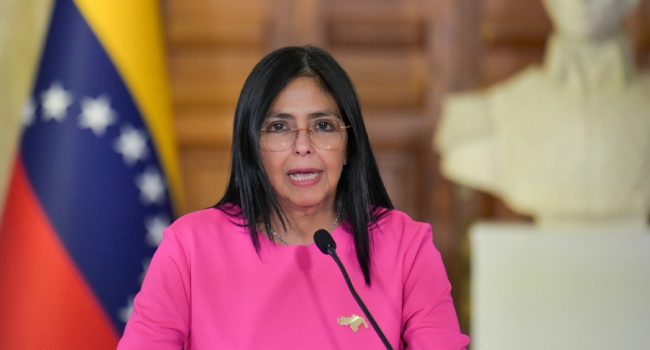
• Delcy Rodríguez has drawn a clear line.

    Venezuela’s acting president says she has had “enough” of Washington’s orders as pressure from the United States continues to mount. Backed by the US to lead the country after the capture of former leader Nicolás Maduro, Rodríguez now finds herself walking a delicate line — keeping Maduro loyalists calm at home while responding to demands from abroad.

    Nearly a month into her interim role, she is pushing back, especially over calls for Venezuela to resume oil production. Her message is clear: Venezuela must chart its own path, even amid international pressure.

    #Venezuela #WorldPolitics #USVenezuela #GlobalAffairs
    Delcy Rodríguez has drawn a clear line. Venezuela’s acting president says she has had “enough” of Washington’s orders as pressure from the United States continues to mount. Backed by the US to lead the country after the capture of former leader Nicolás Maduro, Rodríguez now finds herself walking a delicate line — keeping Maduro loyalists calm at home while responding to demands from abroad. Nearly a month into her interim role, she is pushing back, especially over calls for Venezuela to resume oil production. Her message is clear: Venezuela must chart its own path, even amid international pressure. #Venezuela #WorldPolitics #USVenezuela #GlobalAffairs
    0 Kommentare ·0 Geteilt ·956 Ansichten
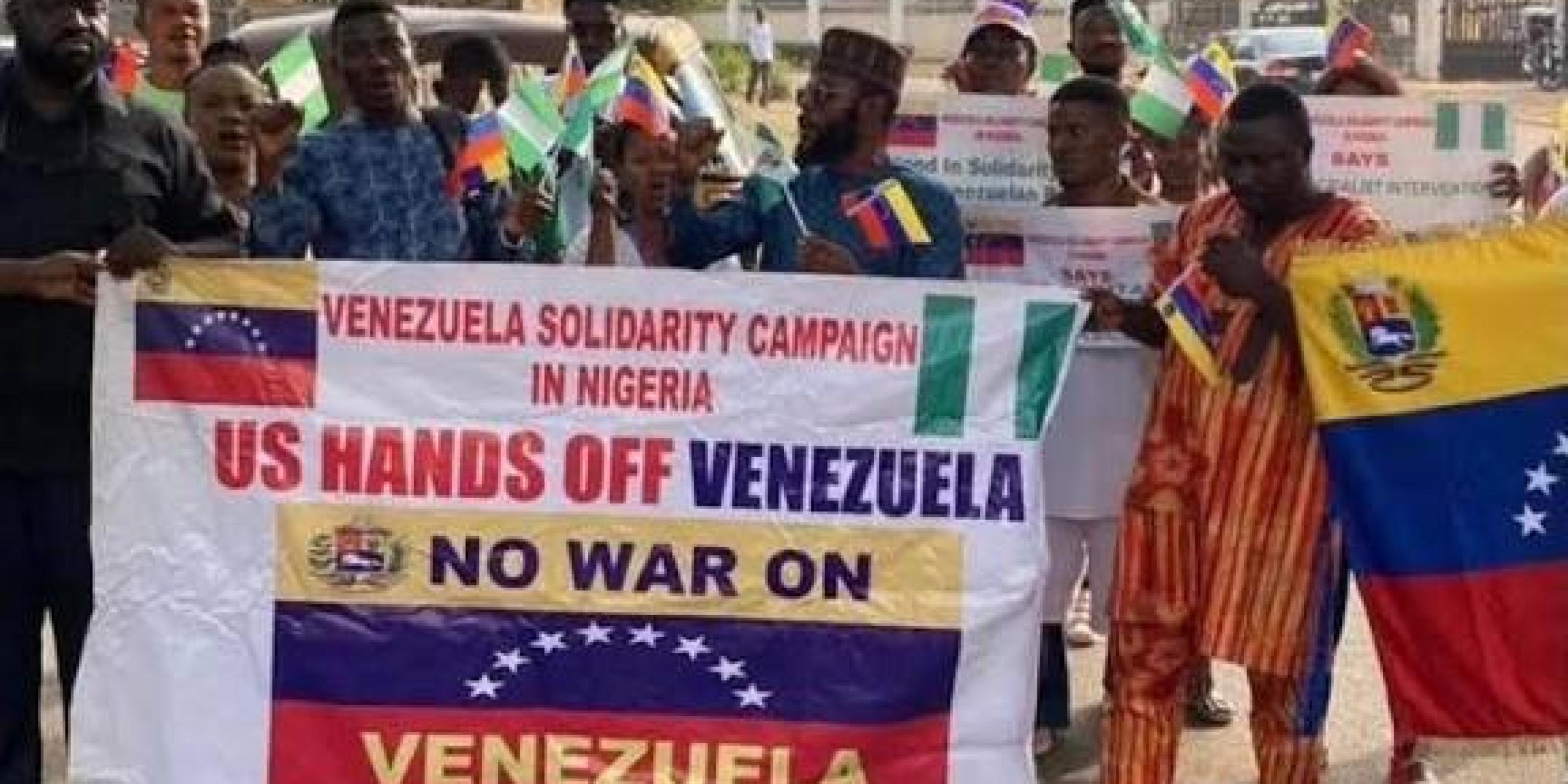
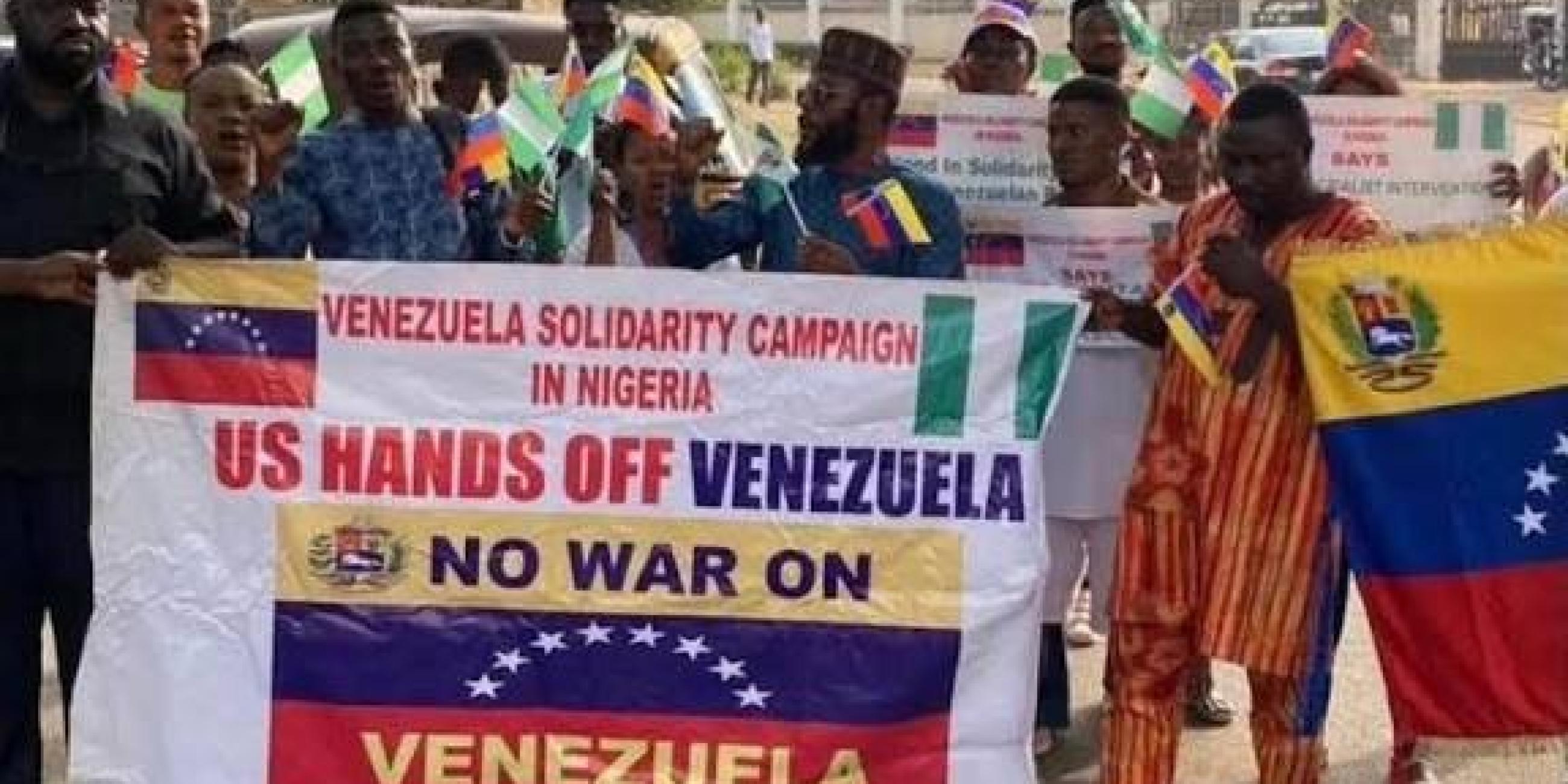
  • Nigerian Group Condemns U.S. Strike on Venezuela, Mourns Cuban Losses, Demands Release of Maduro

    The Venezuela Solidarity Campaign in Nigeria (VSCN) has condemned the recent U.S. military attack on Venezuela, describing it as a violation of international law and national sovereignty. The group mourned Venezuelan soldiers, Cuban officers and civilians killed in the strikes, calling their deaths a painful reminder of the human cost of foreign intervention. VSCN also decried the reported abduction of President Nicolás Maduro and First Combatant Cilia Flores, urging African nations and the global community to demand an immediate end to the aggression, respect for sovereignty, and the release of Venezuela’s leaders.

    #VenezuelaCrisis #USMilitaryStrike #InternationalLaw
    Nigerian Group Condemns U.S. Strike on Venezuela, Mourns Cuban Losses, Demands Release of Maduro The Venezuela Solidarity Campaign in Nigeria (VSCN) has condemned the recent U.S. military attack on Venezuela, describing it as a violation of international law and national sovereignty. The group mourned Venezuelan soldiers, Cuban officers and civilians killed in the strikes, calling their deaths a painful reminder of the human cost of foreign intervention. VSCN also decried the reported abduction of President Nicolás Maduro and First Combatant Cilia Flores, urging African nations and the global community to demand an immediate end to the aggression, respect for sovereignty, and the release of Venezuela’s leaders. #VenezuelaCrisis #USMilitaryStrike #InternationalLaw
    love
    3
    · 0 Kommentare ·0 Geteilt ·915 Ansichten
  • Nigerian Group Condemns U.S. Strike on Venezuela

    The Venezuela Solidarity Campaign in Nigeria (VSCN) has condemned the recent U.S. military attack on Venezuela, calling it a violation of international law and Venezuelan sovereignty. The group mourned Venezuelan soldiers, Cuban officers, and civilians killed in the strike, describing their deaths as sacrifices in defence of Venezuelan territory.

    VSCN demanded an immediate end to military actions and called for the release of President Nicolás Maduro, urging respect for Venezuela’s right to self-determination.

    #Venezuela #Nigeria #VSCN #USStrike #InternationalLaw #Solidarity #Maduro
    🇳🇬🤝🇻🇪 Nigerian Group Condemns U.S. Strike on Venezuela The Venezuela Solidarity Campaign in Nigeria (VSCN) has condemned the recent U.S. military attack on Venezuela, calling it a violation of international law and Venezuelan sovereignty. The group mourned Venezuelan soldiers, Cuban officers, and civilians killed in the strike, describing their deaths as sacrifices in defence of Venezuelan territory. VSCN demanded an immediate end to military actions and called for the release of President Nicolás Maduro, urging respect for Venezuela’s right to self-determination. #Venezuela #Nigeria #VSCN #USStrike #InternationalLaw #Solidarity #Maduro
    love
    2
    · 0 Kommentare ·0 Geteilt ·646 Ansichten
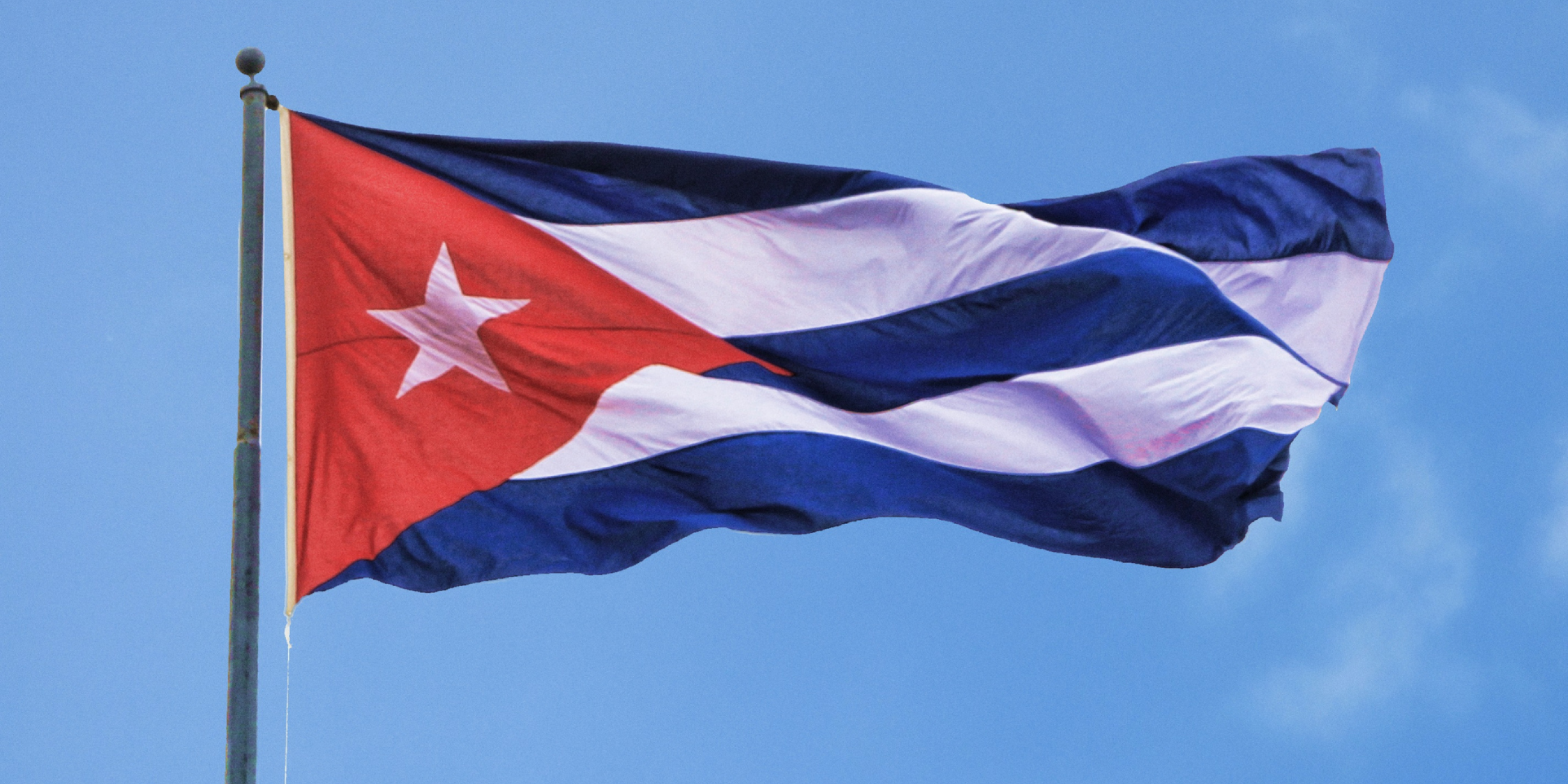
  • U.S. President Issues Stark Ultimatum to Cuba

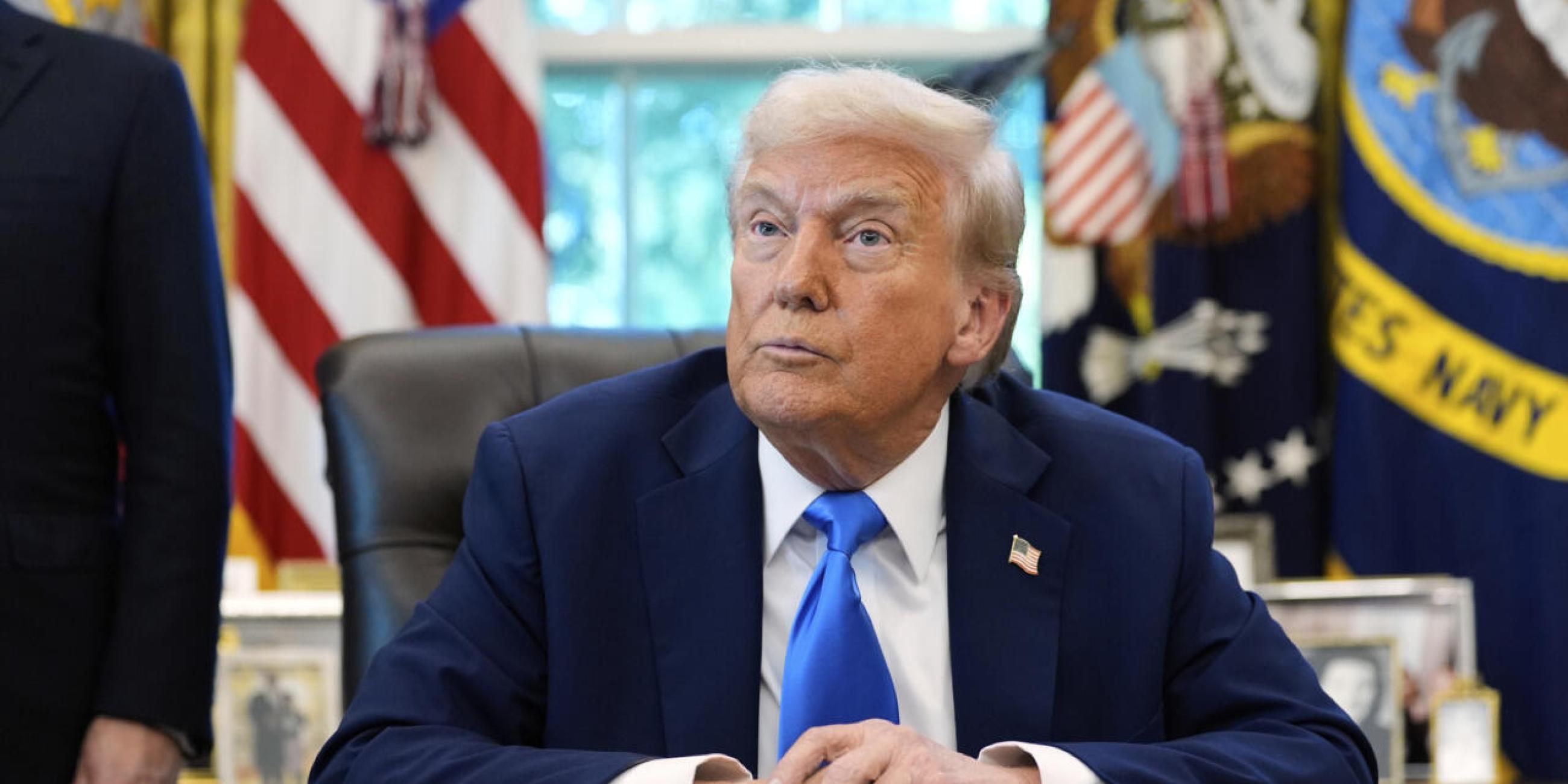
    U.S. President Donald Trump has warned Cuba to “make a deal before it is too late” in a series of posts on his platform Truth Social, following the U.S. seizure of Venezuela’s leader, Nicolás Maduro. Trump declared that there will be no more Venezuelan oil or financial support flowing to Cuba, signaling a sharp escalation in U.S. pressure on Havana.
    📌 U.S. President Issues Stark Ultimatum to Cuba U.S. President Donald Trump has warned Cuba to “make a deal before it is too late” in a series of posts on his platform Truth Social, following the U.S. seizure of Venezuela’s leader, Nicolás Maduro. Trump declared that there will be no more Venezuelan oil or financial support flowing to Cuba, signaling a sharp escalation in U.S. pressure on Havana.
    love
    1
    · 0 Kommentare ·0 Geteilt ·580 Ansichten
  • Nicolás Maduro Remains in U.S. Custody — What We Know So Far

    As of January 11, 2026, multiple credible reports confirm that Venezuelan President Nicolás Maduro is still being held by U.S. authorities, with no indication of release or transfer.

    Maduro and his wife, Cilia Flores, remain in detention in the United States, where they are facing serious federal charges, including drug trafficking and narco-terrorism. The case marks one of the most dramatic developments in recent international politics.

    Following his arrest, Maduro was arraigned in a federal court in New York, where he pleaded not guilty to all charges. Current reports indicate that he is being held at the Metropolitan Detention Center (MDC) in Brooklyn, a high-security federal facility.

    U.S. officials say the detention will continue pending further court proceedings, and so far, there has been no official confirmation of his release, extradition, or transfer to another jurisdiction.

    As the legal process unfolds, the situation continues to draw intense global attention, raising major questions about sovereignty, international law, and the future of Venezuela’s leadership.

    #Maduro #VenezuelaCrisis #GlobalPolitics #BreakingNews
    Nicolás Maduro Remains in U.S. Custody — What We Know So Far As of January 11, 2026, multiple credible reports confirm that Venezuelan President Nicolás Maduro is still being held by U.S. authorities, with no indication of release or transfer. Maduro and his wife, Cilia Flores, remain in detention in the United States, where they are facing serious federal charges, including drug trafficking and narco-terrorism. The case marks one of the most dramatic developments in recent international politics. Following his arrest, Maduro was arraigned in a federal court in New York, where he pleaded not guilty to all charges. Current reports indicate that he is being held at the Metropolitan Detention Center (MDC) in Brooklyn, a high-security federal facility. U.S. officials say the detention will continue pending further court proceedings, and so far, there has been no official confirmation of his release, extradition, or transfer to another jurisdiction. As the legal process unfolds, the situation continues to draw intense global attention, raising major questions about sovereignty, international law, and the future of Venezuela’s leadership. #Maduro #VenezuelaCrisis #GlobalPolitics #BreakingNews
    love
    1
    · 0 Kommentare ·0 Geteilt ·1KB Ansichten
  • US Orders Citizens to Leave Venezuela Immediately as Armed Militias Set Up Roadblocks

    The United States government has issued an urgent warning to all its citizens in Venezuela: leave immediately. The advisory, posted on January 10, 2026, comes amid rising insecurity despite international flights resuming.

    Officials report that armed militias, known locally as colectivos, are setting up roadblocks and searching vehicles, allegedly looking for Americans or anyone supporting the US. Citizens were advised to stay alert and exercise extreme caution while traveling by road.

    Venezuela is now at Travel Advisory Level 4: Do Not Travel, the highest alert level. Risks cited include wrongful detention, torture, terrorism, kidnapping, arbitrary enforcement of local laws, crime, civil unrest, and poor health infrastructure.

    The US urged travelers to monitor airlines for updates and enroll in the Smart Traveler Enrollment Program (STEP) to receive security updates.

    This comes just days after US forces reportedly stormed Venezuela and abducted President Nicolás Maduro on January 3, 2026, escalating tensions in the region.

    Meanwhile, former US President Donald Trump has continued to make headlines by threatening Colombia and repeating plans to annex Greenland, citing strategic and mineral interests.

    The situation underscores the growing dangers in Venezuela and the urgent need for American citizens to prioritize safety and leave immediately.


    US Orders Citizens to Leave Venezuela Immediately as Armed Militias Set Up Roadblocks The United States government has issued an urgent warning to all its citizens in Venezuela: leave immediately. The advisory, posted on January 10, 2026, comes amid rising insecurity despite international flights resuming. Officials report that armed militias, known locally as colectivos, are setting up roadblocks and searching vehicles, allegedly looking for Americans or anyone supporting the US. Citizens were advised to stay alert and exercise extreme caution while traveling by road. Venezuela is now at Travel Advisory Level 4: Do Not Travel, the highest alert level. Risks cited include wrongful detention, torture, terrorism, kidnapping, arbitrary enforcement of local laws, crime, civil unrest, and poor health infrastructure. The US urged travelers to monitor airlines for updates and enroll in the Smart Traveler Enrollment Program (STEP) to receive security updates. This comes just days after US forces reportedly stormed Venezuela and abducted President Nicolás Maduro on January 3, 2026, escalating tensions in the region. Meanwhile, former US President Donald Trump has continued to make headlines by threatening Colombia and repeating plans to annex Greenland, citing strategic and mineral interests. The situation underscores the growing dangers in Venezuela and the urgent need for American citizens to prioritize safety and leave immediately.
    0 Kommentare ·0 Geteilt ·1KB Ansichten
  • U.S. Warns Citizens to Flee Venezuela After Special Ops Capture of President Maduro

    The U.S. Embassy in Venezuela has issued a strong security alert, urging all American citizens to leave the country immediately amid growing threats from armed militias known as colectivos, who are reportedly setting up roadblocks to target U.S. citizens. The advisory reiterates longstanding travel warnings dating back to 2019, when the U.S. fully withdrew its diplomatic personnel from Caracas.

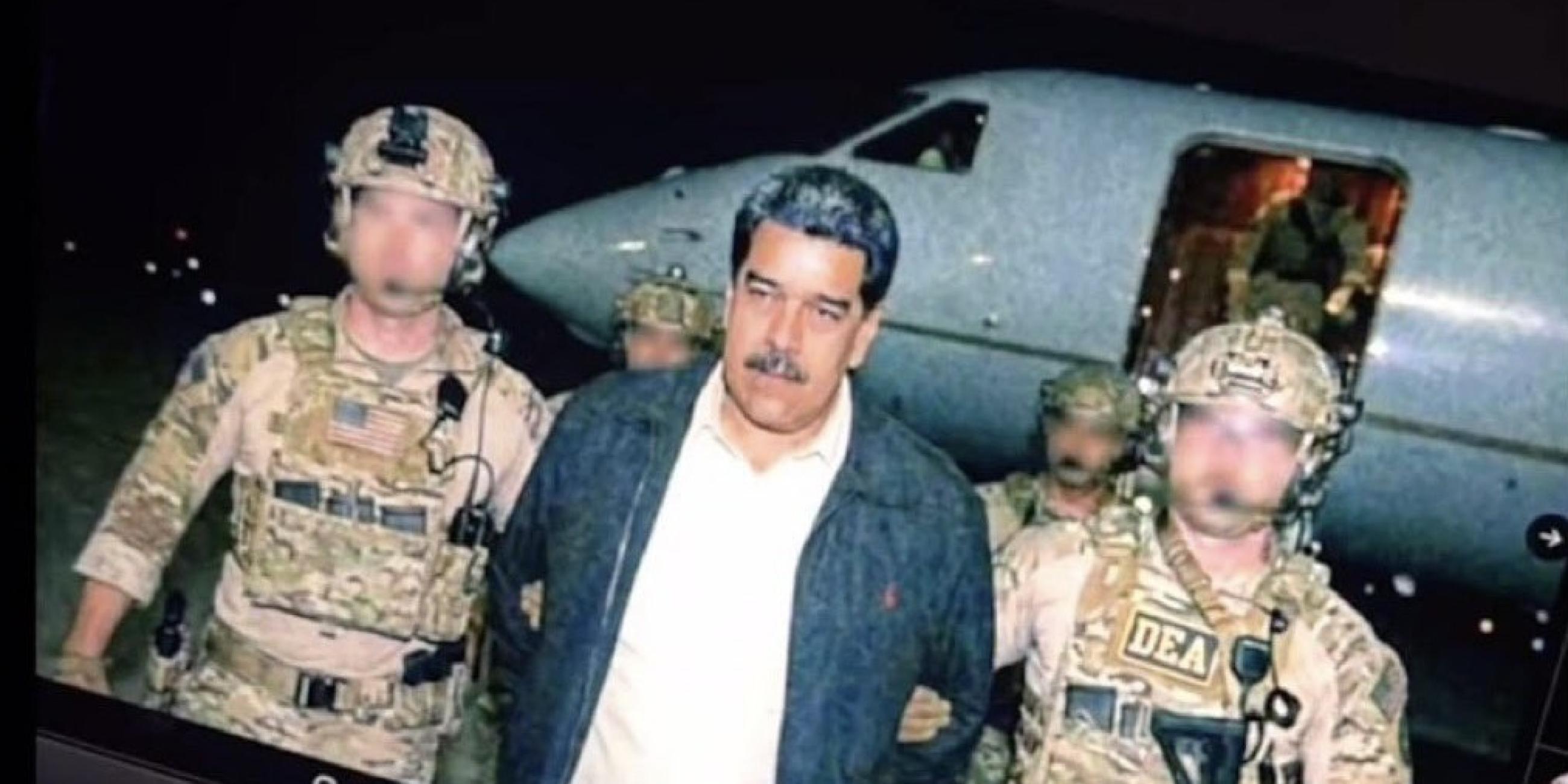
    The warning follows a major escalation in early January 2026: over 200 U.S. Special Operations forces raided Caracas in Operation Absolute Resolve, abducting President Nicolás Maduro and his wife, Cilia Flores, and transporting them to New York City. The raid reportedly killed dozens of Venezuelan security personnel and Cuban bodyguards.

    In Manhattan, Maduro and Flores face federal charges, including narco-terrorism and cocaine importation conspiracies, and have pleaded not guilty. Meanwhile, Venezuelan Vice President Delcy Rodríguez has been sworn in as acting president, denouncing the operation as an illegal "kidnapping."

    The U.S. administration, citing the war on drugs, has also signaled intentions to rebuild Venezuela’s energy sector and manage oil exports, with Secretary of State Marco Rubio mentioning an "oil quarantine" as leverage. Critics argue the operation primarily targets geopolitical and economic control rather than law enforcement.

    Americans in Venezuela are urged to check flight availability, communicate regularly with family abroad, and enroll in the STEP program to receive security updates, as the U.S. government is currently unable to provide routine or emergency assistance.

    The situation underscores Venezuela’s ongoing instability, including civil unrest, intermittent power outages, and heightened risks of crime and kidnapping.


    U.S. Warns Citizens to Flee Venezuela After Special Ops Capture of President Maduro The U.S. Embassy in Venezuela has issued a strong security alert, urging all American citizens to leave the country immediately amid growing threats from armed militias known as colectivos, who are reportedly setting up roadblocks to target U.S. citizens. The advisory reiterates longstanding travel warnings dating back to 2019, when the U.S. fully withdrew its diplomatic personnel from Caracas. The warning follows a major escalation in early January 2026: over 200 U.S. Special Operations forces raided Caracas in Operation Absolute Resolve, abducting President Nicolás Maduro and his wife, Cilia Flores, and transporting them to New York City. The raid reportedly killed dozens of Venezuelan security personnel and Cuban bodyguards. In Manhattan, Maduro and Flores face federal charges, including narco-terrorism and cocaine importation conspiracies, and have pleaded not guilty. Meanwhile, Venezuelan Vice President Delcy Rodríguez has been sworn in as acting president, denouncing the operation as an illegal "kidnapping." The U.S. administration, citing the war on drugs, has also signaled intentions to rebuild Venezuela’s energy sector and manage oil exports, with Secretary of State Marco Rubio mentioning an "oil quarantine" as leverage. Critics argue the operation primarily targets geopolitical and economic control rather than law enforcement. Americans in Venezuela are urged to check flight availability, communicate regularly with family abroad, and enroll in the STEP program to receive security updates, as the U.S. government is currently unable to provide routine or emergency assistance. The situation underscores Venezuela’s ongoing instability, including civil unrest, intermittent power outages, and heightened risks of crime and kidnapping.
    0 Kommentare ·0 Geteilt ·1KB Ansichten
  • Nigerian Cuba Solidarity Group Condemns U.S. Raid in Venezuela That Killed 32 Cubans, Demands End to Sanctions and Release of Maduro

    The Nigeria Movement of Solidarity With Cuba (NMSC) has strongly condemned the United States’ military operation in Venezuela that reportedly led to the deaths of 32 Cuban nationals, describing the action as a violation of international law and an assault on national sovereignty.

    In a statement signed by labour activist Owei Lakemfa, the coalition said it stands in “deep condolence” with the Cuban people following the January 3 raid in Caracas, during which Venezuelan President Nicolás Maduro and his wife were captured. The Cuban government confirmed that those killed were members of its armed forces and intelligence services stationed in Venezuela.

    The Nigerian solidarity group accused Washington of engaging in “military aggression” and demanded the immediate release of President Maduro, respect for international law, and an end to what it called the United States’ pattern of “invasions of countries and territories.” Havana has since declared days of national mourning, praising the fallen for their “dignity and heroism” while denouncing the operation as state terrorism.

    Drawing on Cuba’s history of international solidarity, the NMSC cited the country’s role in anti-apartheid struggles in Africa, humanitarian missions across the globe, and its medical support during the COVID-19 pandemic as evidence of its commitment to global justice. The group also renewed calls for the lifting of long-standing U.S. sanctions on Cuba and demanded an end to punitive measures against Venezuela, warning that such policies inflict suffering on ordinary citizens.

    The incident has triggered widespread condemnation from labour organisations and political movements worldwide, with critics arguing that the raid represents a dangerous breach of sovereignty and the United Nations Charter.

    Nigerian Cuba Solidarity Group Condemns U.S. Raid in Venezuela That Killed 32 Cubans, Demands End to Sanctions and Release of Maduro The Nigeria Movement of Solidarity With Cuba (NMSC) has strongly condemned the United States’ military operation in Venezuela that reportedly led to the deaths of 32 Cuban nationals, describing the action as a violation of international law and an assault on national sovereignty. In a statement signed by labour activist Owei Lakemfa, the coalition said it stands in “deep condolence” with the Cuban people following the January 3 raid in Caracas, during which Venezuelan President Nicolás Maduro and his wife were captured. The Cuban government confirmed that those killed were members of its armed forces and intelligence services stationed in Venezuela. The Nigerian solidarity group accused Washington of engaging in “military aggression” and demanded the immediate release of President Maduro, respect for international law, and an end to what it called the United States’ pattern of “invasions of countries and territories.” Havana has since declared days of national mourning, praising the fallen for their “dignity and heroism” while denouncing the operation as state terrorism. Drawing on Cuba’s history of international solidarity, the NMSC cited the country’s role in anti-apartheid struggles in Africa, humanitarian missions across the globe, and its medical support during the COVID-19 pandemic as evidence of its commitment to global justice. The group also renewed calls for the lifting of long-standing U.S. sanctions on Cuba and demanded an end to punitive measures against Venezuela, warning that such policies inflict suffering on ordinary citizens. The incident has triggered widespread condemnation from labour organisations and political movements worldwide, with critics arguing that the raid represents a dangerous breach of sovereignty and the United Nations Charter.
    0 Kommentare ·0 Geteilt ·1KB Ansichten
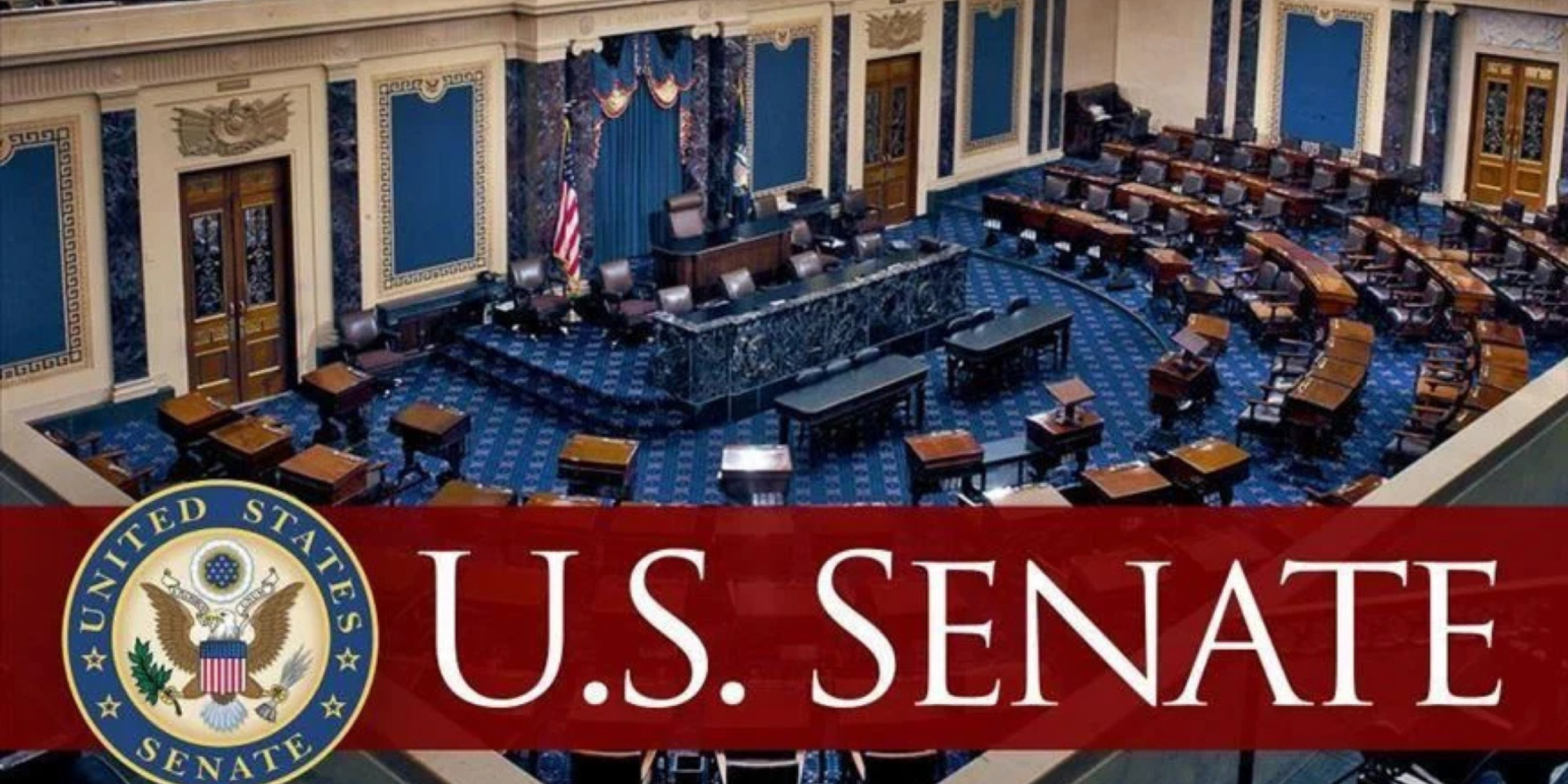
  • Is Congress Trying to Stop Trump’s War in Venezuela? Inside the US Senate Vote to Restrict Military Action

    The United States Senate has passed a War Powers resolution by a narrow 52–48 vote, seeking to restrict President Donald Trump’s military action in Venezuela and reassert Congress’s constitutional authority over the use of force abroad. The resolution reflects rising unease among lawmakers about the scope of presidential war powers and the legality of recent U.S. operations targeting the Venezuelan government.

    The move follows a dramatic escalation in U.S.–Venezuela relations, including reports that the Trump administration carried out an operation that abducted Venezuelan President Nicolás Maduro, an action said to have resulted in at least 100 deaths. The development triggered global reactions and reignited domestic debate over whether the president can deploy military force without explicit approval from Congress.

    Supporters of the resolution argue that it is designed to check executive overreach and prevent the United States from sliding into another open-ended foreign conflict. Senate Democratic Leader Chuck Schumer stated that the measure was intended to halt what he described as “military adventurism” and to restore Congress’s role as outlined in the U.S. Constitution. He criticized the administration’s foreign policy approach, warning that Americans do not want their resources—or lives—spent on wars without clear justification or accountability.

    Despite its passage in the Senate, the resolution now faces a major test in the House of Representatives, where approval is required before it can be sent to the president. Even if the House passes it, President Trump retains the power to veto the measure, meaning a two-thirds majority in both chambers would be necessary to override such a decision. Analysts note that while the resolution’s future is uncertain, its success in the Senate signals a renewed effort by lawmakers to challenge the expansion of presidential war-making authority.

    The vote highlights a broader constitutional question: Who truly controls America’s military actions abroad—the president or Congress? As tensions with Venezuela intensify and international scrutiny grows, the outcome of this legislative battle could shape not only U.S. policy toward Venezuela but also the balance of power between the executive and legislative branches.

    With political divisions deepening and global attention fixed on Washington, the coming House debate may determine whether Congress can effectively rein in the president’s authority—or whether Trump’s approach to Venezuela will continue unchecked.


    Is Congress Trying to Stop Trump’s War in Venezuela? Inside the US Senate Vote to Restrict Military Action The United States Senate has passed a War Powers resolution by a narrow 52–48 vote, seeking to restrict President Donald Trump’s military action in Venezuela and reassert Congress’s constitutional authority over the use of force abroad. The resolution reflects rising unease among lawmakers about the scope of presidential war powers and the legality of recent U.S. operations targeting the Venezuelan government. The move follows a dramatic escalation in U.S.–Venezuela relations, including reports that the Trump administration carried out an operation that abducted Venezuelan President Nicolás Maduro, an action said to have resulted in at least 100 deaths. The development triggered global reactions and reignited domestic debate over whether the president can deploy military force without explicit approval from Congress. Supporters of the resolution argue that it is designed to check executive overreach and prevent the United States from sliding into another open-ended foreign conflict. Senate Democratic Leader Chuck Schumer stated that the measure was intended to halt what he described as “military adventurism” and to restore Congress’s role as outlined in the U.S. Constitution. He criticized the administration’s foreign policy approach, warning that Americans do not want their resources—or lives—spent on wars without clear justification or accountability. Despite its passage in the Senate, the resolution now faces a major test in the House of Representatives, where approval is required before it can be sent to the president. Even if the House passes it, President Trump retains the power to veto the measure, meaning a two-thirds majority in both chambers would be necessary to override such a decision. Analysts note that while the resolution’s future is uncertain, its success in the Senate signals a renewed effort by lawmakers to challenge the expansion of presidential war-making authority. The vote highlights a broader constitutional question: Who truly controls America’s military actions abroad—the president or Congress? As tensions with Venezuela intensify and international scrutiny grows, the outcome of this legislative battle could shape not only U.S. policy toward Venezuela but also the balance of power between the executive and legislative branches. With political divisions deepening and global attention fixed on Washington, the coming House debate may determine whether Congress can effectively rein in the president’s authority—or whether Trump’s approach to Venezuela will continue unchecked.
    0 Kommentare ·0 Geteilt ·633 Ansichten
  • Will the U.S. Control Venezuela for Years? Trump Says Washington Will Oversee Venezuela’s Oil, Rebuild the Country and Decide Its Future After Maduro’s Removal

    Is the United States preparing to govern Venezuela for years, and will oil revenues determine the country’s political and economic future?

    U.S. President Donald Trump has said that Washington will take control of Venezuela and oversee its oil sector for a period that will extend far beyond a short-term transition. Speaking in a wide-ranging interview published on January 8, 2026, Trump indicated that American involvement in Venezuela would be long-term, with the country’s vast oil reserves at the center of U.S. strategy.

    When asked how long the United States would remain in control—whether for months, a year, or longer—Trump responded: “Only time will tell… I would say much longer.” The statement signals that U.S. oversight of Venezuela is not envisioned as a brief handover process but one that could last several years.

    Trump said the United States plans to rebuild Venezuela while exerting control over its most valuable resource, oil. “We will rebuild it in a very profitable way,” he said, following the January 3 operation in which U.S. forces seized President Nicolás Maduro. According to Trump, oil will play a central role in the rebuilding effort. “We’re going to be using oil, and we’re going to be taking oil. We’re getting oil prices down, and we’re going to be giving money to Venezuela, which they desperately need,” he stated.

    The president also confirmed that Washington is working closely with Venezuela’s interim government after Maduro’s removal, describing relations with interim president Delcy Rodríguez—a longtime ally and former vice president of Maduro—as cooperative. Trump further appeared to soften earlier rhetoric toward neighboring Colombia, inviting its leftist leader to Washington after previously criticizing him.

    The remarks come amid a broader shift in U.S.–Venezuela relations centered on energy and trade. Trump recently announced that Venezuela would use proceeds from a new oil agreement to purchase only American-made products, including agricultural goods, medicines, medical devices, and equipment for upgrading the country’s electricity grid and energy facilities. He portrayed the move as strengthening bilateral ties and positioning the United States as Venezuela’s principal commercial partner.

    Earlier reports also confirmed a deal allowing Venezuela to export $2 billion worth of crude oil to the United States—an agreement the administration described as a major diplomatic breakthrough. The arrangement is expected to divert Venezuelan oil away from China, ease production pressures, and mark a significant realignment in the region following months of heightened U.S. pressure on Caracas.

    But Trump’s comments raise major questions:
    Will U.S. control of Venezuela become a prolonged political and economic occupation?
    Who will ultimately decide how Venezuela’s oil wealth is managed and distributed?
    And can long-term foreign oversight deliver stability—or deepen regional tensions?

    As Washington places oil revenues at the heart of its strategy, the future of Venezuela appears increasingly tied to U.S. policy, energy markets, and geopolitical interests. Whether this approach leads to reconstruction or controversy, Trump’s statements make one thing clear: American involvement in Venezuela is not temporary, and the country’s oil will shape what comes next.


    Will the U.S. Control Venezuela for Years? Trump Says Washington Will Oversee Venezuela’s Oil, Rebuild the Country and Decide Its Future After Maduro’s Removal Is the United States preparing to govern Venezuela for years, and will oil revenues determine the country’s political and economic future? U.S. President Donald Trump has said that Washington will take control of Venezuela and oversee its oil sector for a period that will extend far beyond a short-term transition. Speaking in a wide-ranging interview published on January 8, 2026, Trump indicated that American involvement in Venezuela would be long-term, with the country’s vast oil reserves at the center of U.S. strategy. When asked how long the United States would remain in control—whether for months, a year, or longer—Trump responded: “Only time will tell… I would say much longer.” The statement signals that U.S. oversight of Venezuela is not envisioned as a brief handover process but one that could last several years. Trump said the United States plans to rebuild Venezuela while exerting control over its most valuable resource, oil. “We will rebuild it in a very profitable way,” he said, following the January 3 operation in which U.S. forces seized President Nicolás Maduro. According to Trump, oil will play a central role in the rebuilding effort. “We’re going to be using oil, and we’re going to be taking oil. We’re getting oil prices down, and we’re going to be giving money to Venezuela, which they desperately need,” he stated. The president also confirmed that Washington is working closely with Venezuela’s interim government after Maduro’s removal, describing relations with interim president Delcy Rodríguez—a longtime ally and former vice president of Maduro—as cooperative. Trump further appeared to soften earlier rhetoric toward neighboring Colombia, inviting its leftist leader to Washington after previously criticizing him. The remarks come amid a broader shift in U.S.–Venezuela relations centered on energy and trade. Trump recently announced that Venezuela would use proceeds from a new oil agreement to purchase only American-made products, including agricultural goods, medicines, medical devices, and equipment for upgrading the country’s electricity grid and energy facilities. He portrayed the move as strengthening bilateral ties and positioning the United States as Venezuela’s principal commercial partner. Earlier reports also confirmed a deal allowing Venezuela to export $2 billion worth of crude oil to the United States—an agreement the administration described as a major diplomatic breakthrough. The arrangement is expected to divert Venezuelan oil away from China, ease production pressures, and mark a significant realignment in the region following months of heightened U.S. pressure on Caracas. But Trump’s comments raise major questions: Will U.S. control of Venezuela become a prolonged political and economic occupation? Who will ultimately decide how Venezuela’s oil wealth is managed and distributed? And can long-term foreign oversight deliver stability—or deepen regional tensions? As Washington places oil revenues at the heart of its strategy, the future of Venezuela appears increasingly tied to U.S. policy, energy markets, and geopolitical interests. Whether this approach leads to reconstruction or controversy, Trump’s statements make one thing clear: American involvement in Venezuela is not temporary, and the country’s oil will shape what comes next.
    0 Kommentare ·0 Geteilt ·993 Ansichten
  • Venezuela Confirms 100 Dead After U.S. Operation Captures President Maduro

    Venezuelan authorities have confirmed that at least 100 people died during the U.S. military operation that led to the capture of President Nicolás Maduro on Saturday, January 4, 2026. The announcement came from Venezuela’s Interior Minister Diosdado Cabello, marking the first official death toll since the controversial raid.

    Cabello revealed that a significant portion of Maduro’s security team was killed “in cold blood,” while Cuban military and intelligence personnel operating in Venezuela were also reportedly killed. Maduro’s wife, Cilia Flores, sustained a head injury, and Maduro himself suffered a leg injury during the attack.

    The operation occurred amid escalating tensions between the U.S. and Venezuela, following years of sanctions, political disputes, and accusations of governance and security failures by Maduro’s administration. The U.S. justified the raid by citing Maduro’s alleged involvement in drug trafficking and narco-terrorism, claiming his government shipped tons of cocaine into the United States.

    Following the operation, former U.S. President Donald Trump stated that the U.S. intended to take control of Venezuela’s oil industry, asserting that American investment originally built the infrastructure now under Maduro’s administration. Maduro, speaking publicly for the first time after being taken to the U.S., described himself as “kidnapped” and denied all allegations.

    Venezuelan authorities have declared a week of mourning for the military personnel killed, describing them as “courageous” for their role in defending the country. The operation has further strained international relations and intensified scrutiny on U.S. foreign interventions in Latin America.

    Venezuela Confirms 100 Dead After U.S. Operation Captures President Maduro Venezuelan authorities have confirmed that at least 100 people died during the U.S. military operation that led to the capture of President Nicolás Maduro on Saturday, January 4, 2026. The announcement came from Venezuela’s Interior Minister Diosdado Cabello, marking the first official death toll since the controversial raid. Cabello revealed that a significant portion of Maduro’s security team was killed “in cold blood,” while Cuban military and intelligence personnel operating in Venezuela were also reportedly killed. Maduro’s wife, Cilia Flores, sustained a head injury, and Maduro himself suffered a leg injury during the attack. The operation occurred amid escalating tensions between the U.S. and Venezuela, following years of sanctions, political disputes, and accusations of governance and security failures by Maduro’s administration. The U.S. justified the raid by citing Maduro’s alleged involvement in drug trafficking and narco-terrorism, claiming his government shipped tons of cocaine into the United States. Following the operation, former U.S. President Donald Trump stated that the U.S. intended to take control of Venezuela’s oil industry, asserting that American investment originally built the infrastructure now under Maduro’s administration. Maduro, speaking publicly for the first time after being taken to the U.S., described himself as “kidnapped” and denied all allegations. Venezuelan authorities have declared a week of mourning for the military personnel killed, describing them as “courageous” for their role in defending the country. The operation has further strained international relations and intensified scrutiny on U.S. foreign interventions in Latin America.
    like
    1
    · 0 Kommentare ·0 Geteilt ·541 Ansichten
  • US Seizes Oil Tanker Linked to Venezuela and Russia Over Sanctions Violation
    January 7, 2026 – International

    The United States has confirmed the seizure of an oil tanker accused of violating U.S. sanctions, marking a major enforcement action against vessels attempting to bypass American restrictions. The tanker, originally identified as M/V Bella 1, had been renamed Marinera and was operating under a Russian flag while sailing in the North Atlantic. Reports indicate that the vessel previously flew a Guyana flag before its re-registration under Russia.

    The U.S. European Command stated that the seizure was executed in coordination with multiple federal agencies, including the Department of Justice and the Department of Homeland Security. Tracking operations were supported by the U.S. Coast Guard cutter Munro. According to officials, the operation was carried out pursuant to a U.S. federal court warrant and reflects a “whole-of-government” approach to protecting U.S. interests and enforcing sanctions.

    “The seizure supports the President’s proclamation targeting sanctioned vessels that threaten security and stability in the Western Hemisphere,” the U.S. European Command noted. Officials emphasized that the action was carefully planned to avoid environmental damage and focused on recovering the tanker rather than sinking it.

    This operation follows recent diplomatic talks between U.S. and Venezuelan officials regarding potential exports of Venezuelan crude to American refineries along the Gulf Coast. U.S. refineries, which have historically processed Venezuela’s heavy crude, are reportedly capable of handling future imports once sanctions allow. Sources noted that the discussions come after years of restrictions that curtailed Venezuelan oil exports to the United States.

    The seizure also comes in the wake of a controversial U.S. military operation in Venezuela in early January 2026, which resulted in the capture of President Nicolás Maduro and his wife. The U.S. justified the operation by citing federal indictments accusing Maduro’s government of drug trafficking and narco-terrorism, alleging that the regime helped ship large quantities of cocaine into the United States. Following the operation, former President Donald Trump openly declared that the U.S. intended to take control of Venezuela’s oil industry, which he claimed was built with American investment and seized by Maduro.

    In his first public comments after being taken to the U.S., Maduro described himself as “kidnapped” and insisted on his innocence. The tanker seizure is seen as part of ongoing U.S. efforts to reassert influence over sanctioned energy exports and prevent regimes like Venezuela and Russia from profiting from illicit oil trade.

    Experts note that the operation highlights the strategic importance of maritime enforcement in the global energy market and underscores the U.S.’s commitment to sanctions enforcement. The tanker, part of what officials have described as a “shadow fleet” circumventing international regulations, was carefully monitored for weeks before the operation, demonstrating the complexity of tracking and intercepting high-value maritime targets.

    The U.S. emphasized that similar operations may continue against vessels suspected of violating sanctions, particularly those tied to sanctioned nations or illicit networks. The seizure reinforces the administration’s dual approach of diplomatic engagement and targeted enforcement to secure energy markets and uphold international sanctions.

    US Seizes Oil Tanker Linked to Venezuela and Russia Over Sanctions Violation January 7, 2026 – International The United States has confirmed the seizure of an oil tanker accused of violating U.S. sanctions, marking a major enforcement action against vessels attempting to bypass American restrictions. The tanker, originally identified as M/V Bella 1, had been renamed Marinera and was operating under a Russian flag while sailing in the North Atlantic. Reports indicate that the vessel previously flew a Guyana flag before its re-registration under Russia. The U.S. European Command stated that the seizure was executed in coordination with multiple federal agencies, including the Department of Justice and the Department of Homeland Security. Tracking operations were supported by the U.S. Coast Guard cutter Munro. According to officials, the operation was carried out pursuant to a U.S. federal court warrant and reflects a “whole-of-government” approach to protecting U.S. interests and enforcing sanctions. “The seizure supports the President’s proclamation targeting sanctioned vessels that threaten security and stability in the Western Hemisphere,” the U.S. European Command noted. Officials emphasized that the action was carefully planned to avoid environmental damage and focused on recovering the tanker rather than sinking it. This operation follows recent diplomatic talks between U.S. and Venezuelan officials regarding potential exports of Venezuelan crude to American refineries along the Gulf Coast. U.S. refineries, which have historically processed Venezuela’s heavy crude, are reportedly capable of handling future imports once sanctions allow. Sources noted that the discussions come after years of restrictions that curtailed Venezuelan oil exports to the United States. The seizure also comes in the wake of a controversial U.S. military operation in Venezuela in early January 2026, which resulted in the capture of President Nicolás Maduro and his wife. The U.S. justified the operation by citing federal indictments accusing Maduro’s government of drug trafficking and narco-terrorism, alleging that the regime helped ship large quantities of cocaine into the United States. Following the operation, former President Donald Trump openly declared that the U.S. intended to take control of Venezuela’s oil industry, which he claimed was built with American investment and seized by Maduro. In his first public comments after being taken to the U.S., Maduro described himself as “kidnapped” and insisted on his innocence. The tanker seizure is seen as part of ongoing U.S. efforts to reassert influence over sanctioned energy exports and prevent regimes like Venezuela and Russia from profiting from illicit oil trade. Experts note that the operation highlights the strategic importance of maritime enforcement in the global energy market and underscores the U.S.’s commitment to sanctions enforcement. The tanker, part of what officials have described as a “shadow fleet” circumventing international regulations, was carefully monitored for weeks before the operation, demonstrating the complexity of tracking and intercepting high-value maritime targets. The U.S. emphasized that similar operations may continue against vessels suspected of violating sanctions, particularly those tied to sanctioned nations or illicit networks. The seizure reinforces the administration’s dual approach of diplomatic engagement and targeted enforcement to secure energy markets and uphold international sanctions.
    0 Kommentare ·0 Geteilt ·903 Ansichten
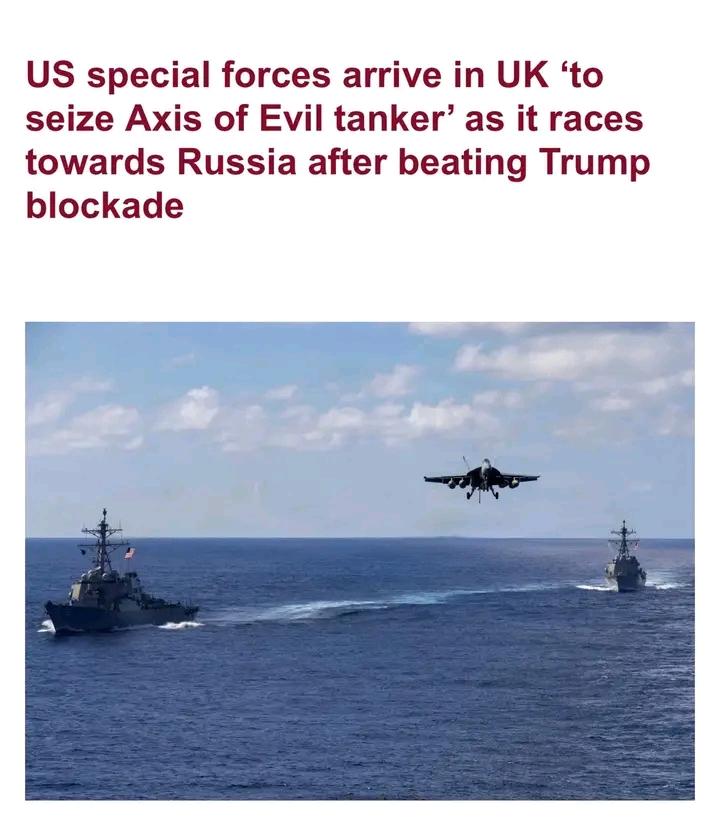
  • US special forces have arrived in the United Kingdom as Washington moves to intercept a sanctioned oil tanker accused of evading the Trump administration’s blockade on Venezuelan crude and racing toward Russia.

    Cargo aircraft carrying helicopters and personnel landed at RAF Fairford, as US and allied forces stage for a possible high-risk boarding operation against the tanker Marinera, formerly known as Bella 1.

    The vessel, described by US officials as part of a “shadow fleet” used to bypass international sanctions, is believed to be operating under a Russian flag in the North Atlantic, roughly 500 miles west of Ireland, en route to Russia.

    Troops from America’s 160th Special Operations Aviation Regiment, known as the Night Stalkers, have reportedly deployed Black Hawk and Chinook helicopters capable of fast-roping commandos onto large vessels. Three V-22 Ospreys operating out of RAF Mildenhall have also joined the mission, alongside surveillance aircraft and refuelling jets.

    US and UK military activity intensified after the tanker was tracked resurfacing at sea, having previously slipped away from US forces in the Caribbean following Donald Trump’s announcement of a “total and complete blockade” on Venezuelan oil exports.

    The tanker is alleged to be linked to Iran and accused of helping sanctioned regimes, including those of Vladimir Putin and Nicolás Maduro, continue oil trading despite restrictions. During the pursuit, the crew reportedly painted a Russian flag on the hull and later re-registered the ship under a new name in Russia.

    Defence sources said the build-up at RAF Fairford indicates preparations for a hostile boarding, while naval patrol aircraft continue to monitor the tanker’s movements.

    US officials told American media that the preference is to seize the tanker rather than sink it, mirroring a helicopter-borne raid carried out last month on another sanctioned vessel. A decision on whether to proceed with the operation is expected within days.
    US special forces have arrived in the United Kingdom as Washington moves to intercept a sanctioned oil tanker accused of evading the Trump administration’s blockade on Venezuelan crude and racing toward Russia. Cargo aircraft carrying helicopters and personnel landed at RAF Fairford, as US and allied forces stage for a possible high-risk boarding operation against the tanker Marinera, formerly known as Bella 1. The vessel, described by US officials as part of a “shadow fleet” used to bypass international sanctions, is believed to be operating under a Russian flag in the North Atlantic, roughly 500 miles west of Ireland, en route to Russia. Troops from America’s 160th Special Operations Aviation Regiment, known as the Night Stalkers, have reportedly deployed Black Hawk and Chinook helicopters capable of fast-roping commandos onto large vessels. Three V-22 Ospreys operating out of RAF Mildenhall have also joined the mission, alongside surveillance aircraft and refuelling jets. US and UK military activity intensified after the tanker was tracked resurfacing at sea, having previously slipped away from US forces in the Caribbean following Donald Trump’s announcement of a “total and complete blockade” on Venezuelan oil exports. The tanker is alleged to be linked to Iran and accused of helping sanctioned regimes, including those of Vladimir Putin and Nicolás Maduro, continue oil trading despite restrictions. During the pursuit, the crew reportedly painted a Russian flag on the hull and later re-registered the ship under a new name in Russia. Defence sources said the build-up at RAF Fairford indicates preparations for a hostile boarding, while naval patrol aircraft continue to monitor the tanker’s movements. US officials told American media that the preference is to seize the tanker rather than sink it, mirroring a helicopter-borne raid carried out last month on another sanctioned vessel. A decision on whether to proceed with the operation is expected within days.
    0 Kommentare ·0 Geteilt ·808 Ansichten
  • Why Did the US and Venezuela Sign a $2 Billion Oil Deal Now? Is Maduro’s Crisis Reshaping Global Energy Politics?”

    The United States and Venezuela have signed a controversial agreement allowing the export of $2 billion worth of Venezuelan crude oil to the U.S., a move that has triggered intense global debate. Announced by former U.S. President Donald Trump, the deal is being described as a major shift in relations between Washington and Caracas—coming at a time when Venezuela is grappling with political instability, economic collapse, and international sanctions.
    But the big question on Fintter is: Why now?
    According to U.S. officials, the agreement is designed to redirect Venezuelan oil away from China, weaken Beijing’s grip on the country’s energy sector, and prevent Venezuela from suffering deeper production cuts due to storage backlogs and export restrictions. Trump described the deal as a “flagship negotiation,” insisting that it reflects Venezuela’s compliance with U.S. demands to open its oil industry to American companies.
    Even more striking is the political backdrop. The deal comes after the reported capture of President Nicolás Maduro by U.S. forces, a move Venezuelan authorities have denounced as a “kidnapping” and an attempt by Washington to seize control of the country’s vast oil resources. While the U.S. claims the proceeds from the oil sales will be managed to benefit both nations, it remains unclear whether Venezuela’s state oil company PDVSA will gain any real financial access, given that it is still largely frozen out of the global financial system by U.S. sanctions.
    Trump further stated that 30 to 50 million barrels of what he called “sanctioned oil” would be transferred to the United States at market prices, with the U.S. government controlling the revenue. Energy Secretary Chris Wright is expected to oversee the operation, with crude shipped directly from tankers to U.S. ports. Industry insiders revealed that some shipments initially bound for China will now be redirected to the U.S.—potentially ending Beijing’s dominance as Venezuela’s biggest crude buyer.
    Market reactions were swift. U.S. oil prices dropped by more than 1.5%, while heavy crude prices along the Gulf Coast slipped amid expectations of increased supply. Currently, only Chevron is authorized to export Venezuelan crude under a special U.S. license, handling between 100,000 and 150,000 barrels per day, but this deal could dramatically expand that flow.
    At the same time, Venezuela’s oil output remains under threat. Storage shortages caused by the embargo have already forced production cuts, and industry sources warn that without stable export routes, output could decline even further. Meanwhile, discussions are ongoing about whether Venezuelan oil could eventually be used in the U.S. Strategic Petroleum Reserve, raising even bigger geopolitical implications.
    So, Fintter readers are left with powerful questions:
    Is this deal truly about helping Venezuela’s collapsing economy—or is it a strategic move to weaken China’s influence in global energy markets?
    Will Venezuelans actually benefit from this agreement, or will control of their oil wealth remain in foreign hands?
    Does this mark a new era of U.S.–Venezuela relations, or is it simply a high-stakes political maneuver tied to Maduro’s crisis?
    As global energy politics continue to shift, this $2 billion oil agreement could reshape not only Venezuela’s future, but also the balance of power between the U.S., China, and Latin America.
    What do you think, Fintter community? Is this a breakthrough for Venezuela—or another chapter in global resource politics? Drop your thoughts in the comments.
    Why Did the US and Venezuela Sign a $2 Billion Oil Deal Now? Is Maduro’s Crisis Reshaping Global Energy Politics?” The United States and Venezuela have signed a controversial agreement allowing the export of $2 billion worth of Venezuelan crude oil to the U.S., a move that has triggered intense global debate. Announced by former U.S. President Donald Trump, the deal is being described as a major shift in relations between Washington and Caracas—coming at a time when Venezuela is grappling with political instability, economic collapse, and international sanctions. But the big question on Fintter is: Why now? According to U.S. officials, the agreement is designed to redirect Venezuelan oil away from China, weaken Beijing’s grip on the country’s energy sector, and prevent Venezuela from suffering deeper production cuts due to storage backlogs and export restrictions. Trump described the deal as a “flagship negotiation,” insisting that it reflects Venezuela’s compliance with U.S. demands to open its oil industry to American companies. Even more striking is the political backdrop. The deal comes after the reported capture of President Nicolás Maduro by U.S. forces, a move Venezuelan authorities have denounced as a “kidnapping” and an attempt by Washington to seize control of the country’s vast oil resources. While the U.S. claims the proceeds from the oil sales will be managed to benefit both nations, it remains unclear whether Venezuela’s state oil company PDVSA will gain any real financial access, given that it is still largely frozen out of the global financial system by U.S. sanctions. Trump further stated that 30 to 50 million barrels of what he called “sanctioned oil” would be transferred to the United States at market prices, with the U.S. government controlling the revenue. Energy Secretary Chris Wright is expected to oversee the operation, with crude shipped directly from tankers to U.S. ports. Industry insiders revealed that some shipments initially bound for China will now be redirected to the U.S.—potentially ending Beijing’s dominance as Venezuela’s biggest crude buyer. Market reactions were swift. U.S. oil prices dropped by more than 1.5%, while heavy crude prices along the Gulf Coast slipped amid expectations of increased supply. Currently, only Chevron is authorized to export Venezuelan crude under a special U.S. license, handling between 100,000 and 150,000 barrels per day, but this deal could dramatically expand that flow. At the same time, Venezuela’s oil output remains under threat. Storage shortages caused by the embargo have already forced production cuts, and industry sources warn that without stable export routes, output could decline even further. Meanwhile, discussions are ongoing about whether Venezuelan oil could eventually be used in the U.S. Strategic Petroleum Reserve, raising even bigger geopolitical implications. So, Fintter readers are left with powerful questions: Is this deal truly about helping Venezuela’s collapsing economy—or is it a strategic move to weaken China’s influence in global energy markets? Will Venezuelans actually benefit from this agreement, or will control of their oil wealth remain in foreign hands? Does this mark a new era of U.S.–Venezuela relations, or is it simply a high-stakes political maneuver tied to Maduro’s crisis? As global energy politics continue to shift, this $2 billion oil agreement could reshape not only Venezuela’s future, but also the balance of power between the U.S., China, and Latin America. 👉 What do you think, Fintter community? Is this a breakthrough for Venezuela—or another chapter in global resource politics? Drop your thoughts in the comments.
    0 Kommentare ·0 Geteilt ·731 Ansichten
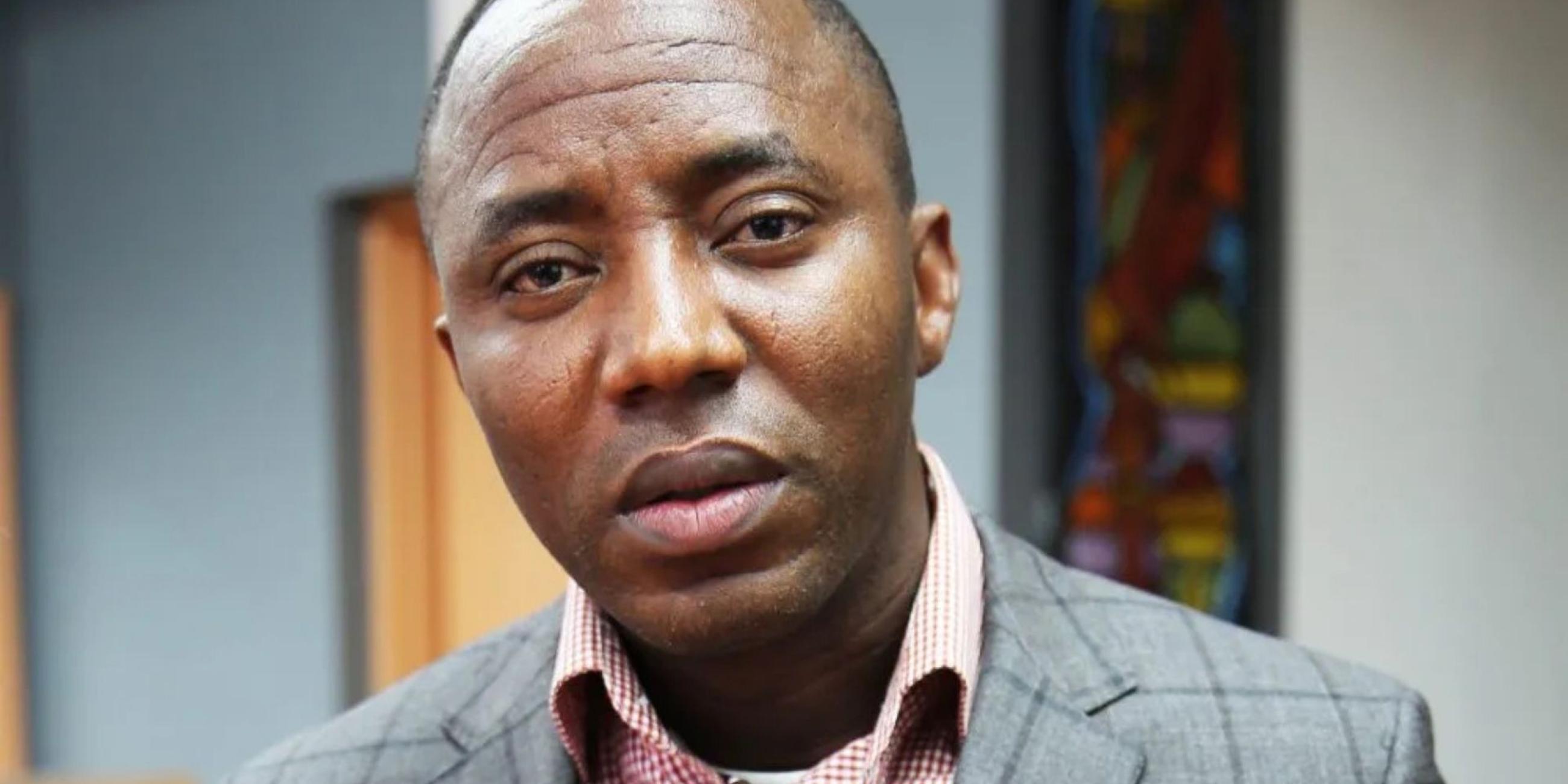
  • “Sowore Accuses Global Powers of Exploiting Resource-Rich Countries Under Humanitarian Pretext: Venezuela Crisis Highlighted”

    Nigerian human rights activist and former presidential candidate Omoyele Sowore has sharply criticized the recent Venezuelan crisis, in which U.S. and allied forces reportedly captured President Nicolás Maduro and his wife. Writing on his X (formerly Twitter) account, Sowore described the operation as a violation of international law and Venezuela’s sovereignty, framing it as a pattern of global powers using humanitarian or security pretexts to intervene in resource-rich nations.
    Sowore contends that the official narrative of fighting drug cartels or promoting moral rescue is often a smokescreen for strategic and economic exploitation. He draws parallels to past interventions in Iraq and Libya, arguing that the true motives of foreign powers are resource extraction, destabilization, and maintaining global dominance, leaving affected countries perpetually poor and vulnerable.
    Criticizing former U.S. President Donald Trump, Sowore described him as “merely the latest rider of this global Trojan horse,” highlighting that while rhetoric changes, the machinery of exploitation remains consistent. Sowore emphasized that such interventions are tragic for humanity, as entire societies bear the cost while foreign powers profit under the guise of benevolence.
    His comments come amid widespread international condemnation of the Venezuelan operation, with several African governments and activist groups questioning the legality of such actions. Sowore’s critique reignites debate over foreign interventions, exposing the tension between humanitarian claims and underlying geopolitical and economic interests.
    “Sowore Accuses Global Powers of Exploiting Resource-Rich Countries Under Humanitarian Pretext: Venezuela Crisis Highlighted” Nigerian human rights activist and former presidential candidate Omoyele Sowore has sharply criticized the recent Venezuelan crisis, in which U.S. and allied forces reportedly captured President Nicolás Maduro and his wife. Writing on his X (formerly Twitter) account, Sowore described the operation as a violation of international law and Venezuela’s sovereignty, framing it as a pattern of global powers using humanitarian or security pretexts to intervene in resource-rich nations. Sowore contends that the official narrative of fighting drug cartels or promoting moral rescue is often a smokescreen for strategic and economic exploitation. He draws parallels to past interventions in Iraq and Libya, arguing that the true motives of foreign powers are resource extraction, destabilization, and maintaining global dominance, leaving affected countries perpetually poor and vulnerable. Criticizing former U.S. President Donald Trump, Sowore described him as “merely the latest rider of this global Trojan horse,” highlighting that while rhetoric changes, the machinery of exploitation remains consistent. Sowore emphasized that such interventions are tragic for humanity, as entire societies bear the cost while foreign powers profit under the guise of benevolence. His comments come amid widespread international condemnation of the Venezuelan operation, with several African governments and activist groups questioning the legality of such actions. Sowore’s critique reignites debate over foreign interventions, exposing the tension between humanitarian claims and underlying geopolitical and economic interests.
    like
    1
    · 0 Kommentare ·0 Geteilt ·683 Ansichten
  • ADC Criticizes Tinubu’s Silence on Venezuela Crisis, Warns Nigeria Has Lost Global Diplomatic Voice in International Affairs

    The African Democratic Congress (ADC) has condemned the Nigerian government under President Bola Tinubu for failing to publicly respond to recent political developments in Venezuela, describing the silence as a national embarrassment and a decline in Nigeria’s international influence.
    ADC National Publicity Secretary Bolaji Abdullahi said Nigeria’s absence from global conversations undermines its historic role as a leading diplomatic voice in Africa and West Africa. He contrasted the current administration’s inaction with past Nigerian leaders like Jaja Nwachukwu and Joseph Garba, who took firm stances on major international issues.
    Abdullahi further suggested that Nigeria’s reluctance to speak reflects internal vulnerabilities and a lack of moral courage, warning that the country’s diminished presence on the global stage is abnormal for its stature. The remarks follow outrage over the U.S. military’s capture of Venezuelan President Nicolás Maduro and his wife.
    ADC Criticizes Tinubu’s Silence on Venezuela Crisis, Warns Nigeria Has Lost Global Diplomatic Voice in International Affairs The African Democratic Congress (ADC) has condemned the Nigerian government under President Bola Tinubu for failing to publicly respond to recent political developments in Venezuela, describing the silence as a national embarrassment and a decline in Nigeria’s international influence. ADC National Publicity Secretary Bolaji Abdullahi said Nigeria’s absence from global conversations undermines its historic role as a leading diplomatic voice in Africa and West Africa. He contrasted the current administration’s inaction with past Nigerian leaders like Jaja Nwachukwu and Joseph Garba, who took firm stances on major international issues. Abdullahi further suggested that Nigeria’s reluctance to speak reflects internal vulnerabilities and a lack of moral courage, warning that the country’s diminished presence on the global stage is abnormal for its stature. The remarks follow outrage over the U.S. military’s capture of Venezuelan President Nicolás Maduro and his wife.
    like
    1
    · 0 Kommentare ·0 Geteilt ·630 Ansichten
  • Venezuela and U.S. Hold Talks to Resume Venezuelan Crude Exports to Gulf Coast Refineries Amid Sanctions Reversal and Maduro Capture

    Venezuela and United States officials are reportedly in discussions to resume the export of Venezuelan crude to U.S. refineries, particularly along the Gulf Coast, which have historically processed the country’s heavy crude. The talks come after years of sanctions restricted Venezuelan oil access to the U.S. market, imposed during the Trump administration.
    The renewed engagement follows a controversial U.S. military operation in early January 2026 that resulted in the capture of Venezuelan President Nicolás Maduro and his wife. The U.S. cited drug trafficking and narco-terrorism allegations against Maduro, while he described his capture as a “kidnapping” and denied wrongdoing.
    The potential resumption of exports is seen as part of broader U.S. efforts to reassert control over Venezuela’s oil industry. No formal agreement has been reached yet, and discussions are ongoing. Historically, U.S. sanctions and geopolitical tensions sharply curtailed Venezuela’s oil production and revenues, forcing the country to redirect shipments elsewhere.
    Venezuela and U.S. Hold Talks to Resume Venezuelan Crude Exports to Gulf Coast Refineries Amid Sanctions Reversal and Maduro Capture Venezuela and United States officials are reportedly in discussions to resume the export of Venezuelan crude to U.S. refineries, particularly along the Gulf Coast, which have historically processed the country’s heavy crude. The talks come after years of sanctions restricted Venezuelan oil access to the U.S. market, imposed during the Trump administration. The renewed engagement follows a controversial U.S. military operation in early January 2026 that resulted in the capture of Venezuelan President Nicolás Maduro and his wife. The U.S. cited drug trafficking and narco-terrorism allegations against Maduro, while he described his capture as a “kidnapping” and denied wrongdoing. The potential resumption of exports is seen as part of broader U.S. efforts to reassert control over Venezuela’s oil industry. No formal agreement has been reached yet, and discussions are ongoing. Historically, U.S. sanctions and geopolitical tensions sharply curtailed Venezuela’s oil production and revenues, forcing the country to redirect shipments elsewhere.
    like
    1
    · 0 Kommentare ·0 Geteilt ·472 Ansichten
  • Interim President Delcy Rodríguez Says Venezuela Is Fully in Control of Its Affairs
    Venezuela’s interim leader Delcy Rodríguez has publicly rejected claims that any foreign power especially the United States is running her country. In a televised address from Caracas, she insisted that “the government of Venezuela is in charge in our country, and no-one else,” and that “there is no foreign agent governing Venezuela.” Her remarks came after U.S. President Donald Trump said Washington would oversee Venezuela during a transition period following a U.S. military operation that captured former President Nicolás Maduro.
    Interim President Delcy Rodríguez Says Venezuela Is Fully in Control of Its Affairs Venezuela’s interim leader Delcy Rodríguez has publicly rejected claims that any foreign power especially the United States is running her country. In a televised address from Caracas, she insisted that “the government of Venezuela is in charge in our country, and no-one else,” and that “there is no foreign agent governing Venezuela.” Her remarks came after U.S. President Donald Trump said Washington would oversee Venezuela during a transition period following a U.S. military operation that captured former President Nicolás Maduro.
    0 Kommentare ·0 Geteilt ·319 Ansichten
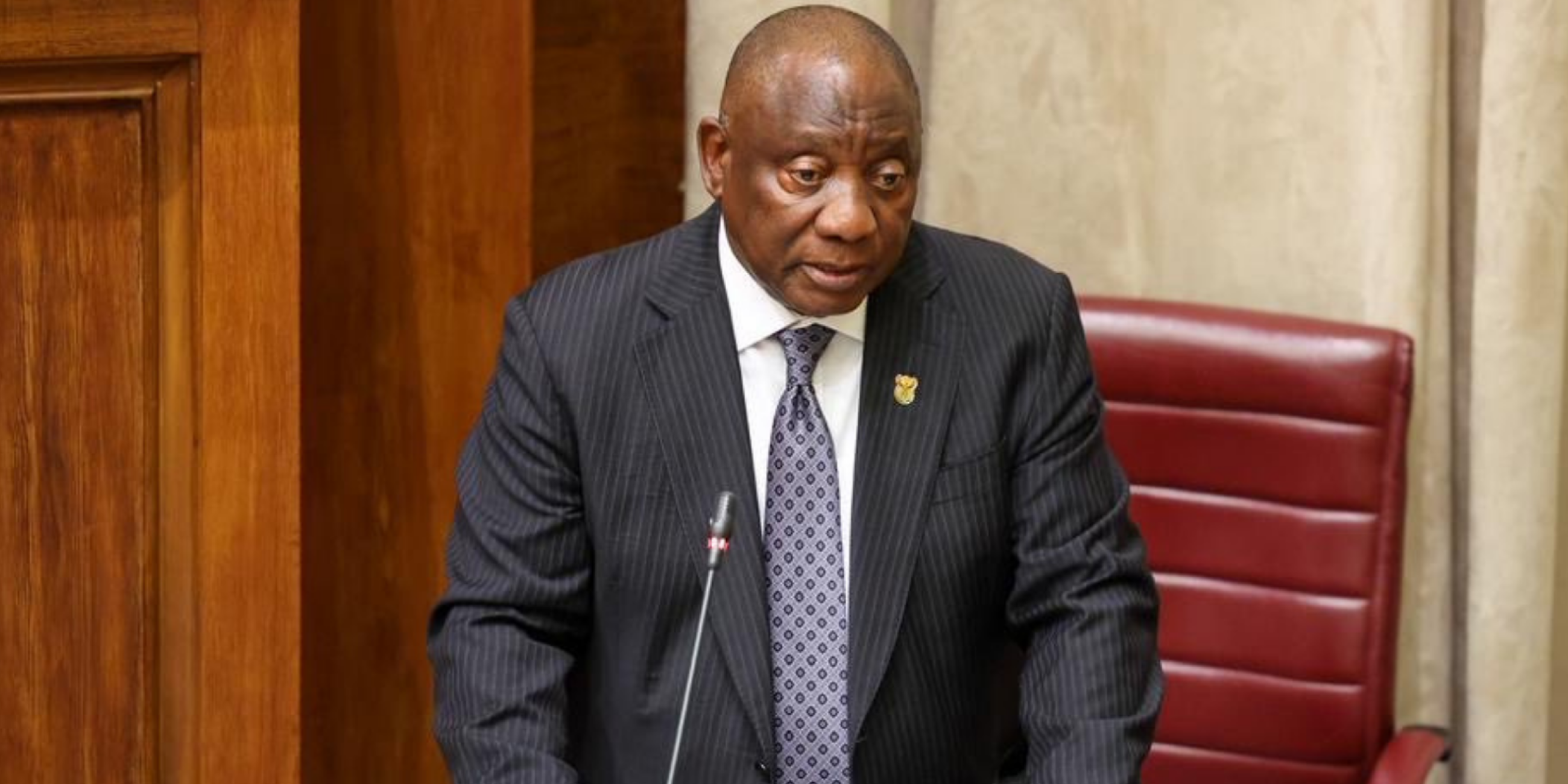
  • South African President Ramaphosa Condemns U.S. Actions in Venezuela, Demands Release of President Maduro

    South African President Cyril Ramaphosa has strongly condemned U.S. actions in Venezuela, describing them as a violation of international law and the United Nations Charter. Speaking in a video posted on his X account, Ramaphosa stated that the United States undermined Venezuela’s sovereignty and territorial integrity, calling for the immediate release of Venezuelan President Nicolás Maduro and his wife.
    He emphasized that such foreign interference threatens global peace and stability, urging the United Nations Security Council to take decisive action to maintain international peace and security. Ramaphosa affirmed South Africa’s support for the Venezuelan people in the face of what he described as external aggression and political destabilization, warning that inaction by the UN could encourage further violations of international norms and deepen instability worldwide.

    #Ramaphosa #Venezuela #Maduro #USInterference #InternationalLaw #UNCharter #GlobalPeace #SouthAfrica #Diplomacy #WorldNews
    South African President Ramaphosa Condemns U.S. Actions in Venezuela, Demands Release of President Maduro South African President Cyril Ramaphosa has strongly condemned U.S. actions in Venezuela, describing them as a violation of international law and the United Nations Charter. Speaking in a video posted on his X account, Ramaphosa stated that the United States undermined Venezuela’s sovereignty and territorial integrity, calling for the immediate release of Venezuelan President Nicolás Maduro and his wife. He emphasized that such foreign interference threatens global peace and stability, urging the United Nations Security Council to take decisive action to maintain international peace and security. Ramaphosa affirmed South Africa’s support for the Venezuelan people in the face of what he described as external aggression and political destabilization, warning that inaction by the UN could encourage further violations of international norms and deepen instability worldwide. #Ramaphosa #Venezuela #Maduro #USInterference #InternationalLaw #UNCharter #GlobalPeace #SouthAfrica #Diplomacy #WorldNews
    0 Kommentare ·0 Geteilt ·959 Ansichten
  • US Justice Department Softens Drug Trafficking Case Against Ousted Venezuelan President Nicolás Maduro, Scales Back ‘Cartel de los Soles’ Claims in Revised Indictment

    The United States Justice Department has quietly retreated from one of its most high-profile allegations against ousted Venezuelan President Nicolás Maduro—that he led a powerful international drug cartel known as the Cartel de los Soles. A newly released, revised indictment significantly reduces references to the group and no longer portrays it as a formal criminal organization or identifies Maduro as its leader.

    Originally, a 2020 indictment during the first Trump administration depicted the Cartel de los Soles as a unified narcotics cartel headed by Maduro, accusing him of using cocaine trafficking as a “weapon” against the United States and of collaborating with Colombia’s FARC rebels. Those claims later formed the basis for escalated U.S. actions, including the Treasury Department’s 2025 designation of the cartel as a terrorist organization and a similar move by the State Department under Secretary of State Marco Rubio.

    However, crime experts and Latin American analysts have long disputed the existence of the Cartel de los Soles as a structured organization, describing it instead as media slang for corrupt officials who profit from drug trafficking. The revised indictment reflects this view, recharacterizing the cartel as a “patronage system” and “culture of corruption” rather than a concrete criminal entity. The term now appears only twice, compared with more than 30 mentions in the original filing.

    While prosecutors still accuse Maduro of participating in a drug trafficking conspiracy, they now allege that he protected and benefited from a corrupt network rather than commanding a formal cartel. Analysts, including Elizabeth Dickinson of the International Crisis Group, say the updated indictment aligns more closely with reality, though they question why earlier terrorism designations remain in place despite the lack of courtroom proof.

    The shift has also raised political and legal questions about the justification for previous U.S. actions. Notably, the Cartel de los Soles has never been identified as a major trafficking organization in reports by the DEA or the United Nations. Despite the revisions, Rubio has continued to publicly describe the cartel as a functioning criminal group, insisting that Maduro remains its leader.

    Overall, the development marks a significant recalibration of the U.S. government’s case against Maduro—undermining a central narrative used to justify sanctions and designations, while still maintaining accusations of involvement in drug trafficking and systemic corruption.
    US Justice Department Softens Drug Trafficking Case Against Ousted Venezuelan President Nicolás Maduro, Scales Back ‘Cartel de los Soles’ Claims in Revised Indictment The United States Justice Department has quietly retreated from one of its most high-profile allegations against ousted Venezuelan President Nicolás Maduro—that he led a powerful international drug cartel known as the Cartel de los Soles. A newly released, revised indictment significantly reduces references to the group and no longer portrays it as a formal criminal organization or identifies Maduro as its leader. Originally, a 2020 indictment during the first Trump administration depicted the Cartel de los Soles as a unified narcotics cartel headed by Maduro, accusing him of using cocaine trafficking as a “weapon” against the United States and of collaborating with Colombia’s FARC rebels. Those claims later formed the basis for escalated U.S. actions, including the Treasury Department’s 2025 designation of the cartel as a terrorist organization and a similar move by the State Department under Secretary of State Marco Rubio. However, crime experts and Latin American analysts have long disputed the existence of the Cartel de los Soles as a structured organization, describing it instead as media slang for corrupt officials who profit from drug trafficking. The revised indictment reflects this view, recharacterizing the cartel as a “patronage system” and “culture of corruption” rather than a concrete criminal entity. The term now appears only twice, compared with more than 30 mentions in the original filing. While prosecutors still accuse Maduro of participating in a drug trafficking conspiracy, they now allege that he protected and benefited from a corrupt network rather than commanding a formal cartel. Analysts, including Elizabeth Dickinson of the International Crisis Group, say the updated indictment aligns more closely with reality, though they question why earlier terrorism designations remain in place despite the lack of courtroom proof. The shift has also raised political and legal questions about the justification for previous U.S. actions. Notably, the Cartel de los Soles has never been identified as a major trafficking organization in reports by the DEA or the United Nations. Despite the revisions, Rubio has continued to publicly describe the cartel as a functioning criminal group, insisting that Maduro remains its leader. Overall, the development marks a significant recalibration of the U.S. government’s case against Maduro—undermining a central narrative used to justify sanctions and designations, while still maintaining accusations of involvement in drug trafficking and systemic corruption.
    0 Kommentare ·0 Geteilt ·511 Ansichten
Weitere Ergebnisse
Fintter https://fintter.com