• BREAKING: Iran has expressed willingness to hold “fair and just” nuclear talks with the United States but firmly rejected any form of pressure or dictation.

    Foreign Minister Abbas Araghchi said Tehran remains open to meaningful diplomacy, stressing that negotiations must be logical and respectful, not conducted under threats. He also made it clear that Iran will not negotiate over its missile program.

    No date or format has been set for possible talks, and no meeting with US officials has been arranged so far.

    #Iran #USA #NuclearTalks #GlobalPolitics
    BREAKING: Iran has expressed willingness to hold “fair and just” nuclear talks with the United States but firmly rejected any form of pressure or dictation. Foreign Minister Abbas Araghchi said Tehran remains open to meaningful diplomacy, stressing that negotiations must be logical and respectful, not conducted under threats. He also made it clear that Iran will not negotiate over its missile program. No date or format has been set for possible talks, and no meeting with US officials has been arranged so far. #Iran #USA #NuclearTalks #GlobalPolitics
    love
    1
    · 0 Σχόλια ·0 Μοιράστηκε ·1χλμ. Views
  • Defence Minister Reacts to Trump’s Allegation Against Nigeria…..

    Nigeria’s Minister of Defence, Christopher Musa, has addressed allegations made by U.S. President Donald Trump against Nigeria, describing them as concerning but manageable through diplomacy. Musa said the Nigerian government is engaging relevant U.S. authorities to clarify the claims and protect national interests. He stressed that Nigeria values its long-standing relationship with the United States, especially in security cooperation, and remains committed to dialogue, mutual respect, and strengthening bilateral ties despite recent tensions...
    #fintternews
    Defence Minister Reacts to Trump’s Allegation Against Nigeria….. Nigeria’s Minister of Defence, Christopher Musa, has addressed allegations made by U.S. President Donald Trump against Nigeria, describing them as concerning but manageable through diplomacy. Musa said the Nigerian government is engaging relevant U.S. authorities to clarify the claims and protect national interests. He stressed that Nigeria values its long-standing relationship with the United States, especially in security cooperation, and remains committed to dialogue, mutual respect, and strengthening bilateral ties despite recent tensions... #fintternews
    love
    1
    · 0 Σχόλια ·0 Μοιράστηκε ·751 Views
  • South Africa Condemns Violence in Iran, Calls for Respect of Protesters’ Rights

    South Africa has expressed deep concern over ongoing unrest in Iran, urging all parties to exercise restraint and respect universal human rights, including peaceful protest, freedom of expression, and association. The Presidency emphasized that sustainable peace depends on solutions reflecting the Iranian people’s aspirations. Amid reports of deaths and an internet shutdown, the U.S. also warned of possible strong responses while prioritizing diplomacy. Pretoria stressed dialogue and non-violence as essential to resolving the crisis.

    #IranProtests #SouthAfrica #HumanRights
    South Africa Condemns Violence in Iran, Calls for Respect of Protesters’ Rights South Africa has expressed deep concern over ongoing unrest in Iran, urging all parties to exercise restraint and respect universal human rights, including peaceful protest, freedom of expression, and association. The Presidency emphasized that sustainable peace depends on solutions reflecting the Iranian people’s aspirations. Amid reports of deaths and an internet shutdown, the U.S. also warned of possible strong responses while prioritizing diplomacy. Pretoria stressed dialogue and non-violence as essential to resolving the crisis. #IranProtests #SouthAfrica #HumanRights
    love
    1
    · 0 Σχόλια ·0 Μοιράστηκε ·727 Views
  • Trump Threatens Iran Over Deaths of Protesters, Keeps Military Options Open

    US President Donald Trump has strongly condemned the killing of thousands of protesters in Iran and warned that all options, including military action, remain on the table.

    In a statement posted by the US Department of State, Trump said that while protests are acceptable, the mass killings and executions reported in Iran are unacceptable.

    Press Secretary Karoline Leavitt confirmed that the administration is prioritising diplomacy but is also prepared to consider air strikes or other strong measures if the situation escalates. She noted that Iran’s private communications with US envoy Steve Witkoff show a different tone from their public statements, highlighting ongoing behind-the-scenes diplomatic contacts.

    Rights groups report that the death toll continues to rise, with access to information in Iran limited due to an internet shutdown. Trump indicated that Iran’s leaders requested a meeting, but action may be taken before any formal talks if the killings continue.

    The situation underscores rising tensions between Washington and Tehran, with the US emphasizing both human rights concerns and strategic readiness.

    Trump Threatens Iran Over Deaths of Protesters, Keeps Military Options Open US President Donald Trump has strongly condemned the killing of thousands of protesters in Iran and warned that all options, including military action, remain on the table. In a statement posted by the US Department of State, Trump said that while protests are acceptable, the mass killings and executions reported in Iran are unacceptable. Press Secretary Karoline Leavitt confirmed that the administration is prioritising diplomacy but is also prepared to consider air strikes or other strong measures if the situation escalates. She noted that Iran’s private communications with US envoy Steve Witkoff show a different tone from their public statements, highlighting ongoing behind-the-scenes diplomatic contacts. Rights groups report that the death toll continues to rise, with access to information in Iran limited due to an internet shutdown. Trump indicated that Iran’s leaders requested a meeting, but action may be taken before any formal talks if the killings continue. The situation underscores rising tensions between Washington and Tehran, with the US emphasizing both human rights concerns and strategic readiness.
    0 Σχόλια ·0 Μοιράστηκε ·678 Views
  • Iran Wahala Don Set! White House Says Trump Fit Order Airstrikes As Protesters Dey Die

    Global wahala don burst as the White House has revealed that former US President Donald Trump is keeping all options open on Iran, including possible airstrikes, following reports that protesters are being killed on the streets of Tehran. Speaking to journalists, Press Secretary Karoline Leavitt said Trump is considering “very strong options” against Iran, stressing that military action remains on the table if the situation worsens. However, she noted that diplomacy remains the president’s first choice, explaining that while Iran’s leaders are issuing tough statements publicly, they are sending different messages privately to US officials. According to the White House, Tehran has adopted a softer tone in discussions with Trump’s special envoy, Steve Witkoff, even as protests continue. Trump himself warned that Iran may have crossed his red line after reports of civilian deaths, adding that although Iranian leaders have requested talks, “we may have to act before a meeting.” Rights groups say the death toll is rising despite an internet shutdown, while the White House insists Trump does not want to see people “being killed in the streets of Tehran.”

    Iran Wahala Don Set! White House Says Trump Fit Order Airstrikes As Protesters Dey Die Global wahala don burst as the White House has revealed that former US President Donald Trump is keeping all options open on Iran, including possible airstrikes, following reports that protesters are being killed on the streets of Tehran. Speaking to journalists, Press Secretary Karoline Leavitt said Trump is considering “very strong options” against Iran, stressing that military action remains on the table if the situation worsens. However, she noted that diplomacy remains the president’s first choice, explaining that while Iran’s leaders are issuing tough statements publicly, they are sending different messages privately to US officials. According to the White House, Tehran has adopted a softer tone in discussions with Trump’s special envoy, Steve Witkoff, even as protests continue. Trump himself warned that Iran may have crossed his red line after reports of civilian deaths, adding that although Iranian leaders have requested talks, “we may have to act before a meeting.” Rights groups say the death toll is rising despite an internet shutdown, while the White House insists Trump does not want to see people “being killed in the streets of Tehran.”
    0 Σχόλια ·0 Μοιράστηκε ·601 Views
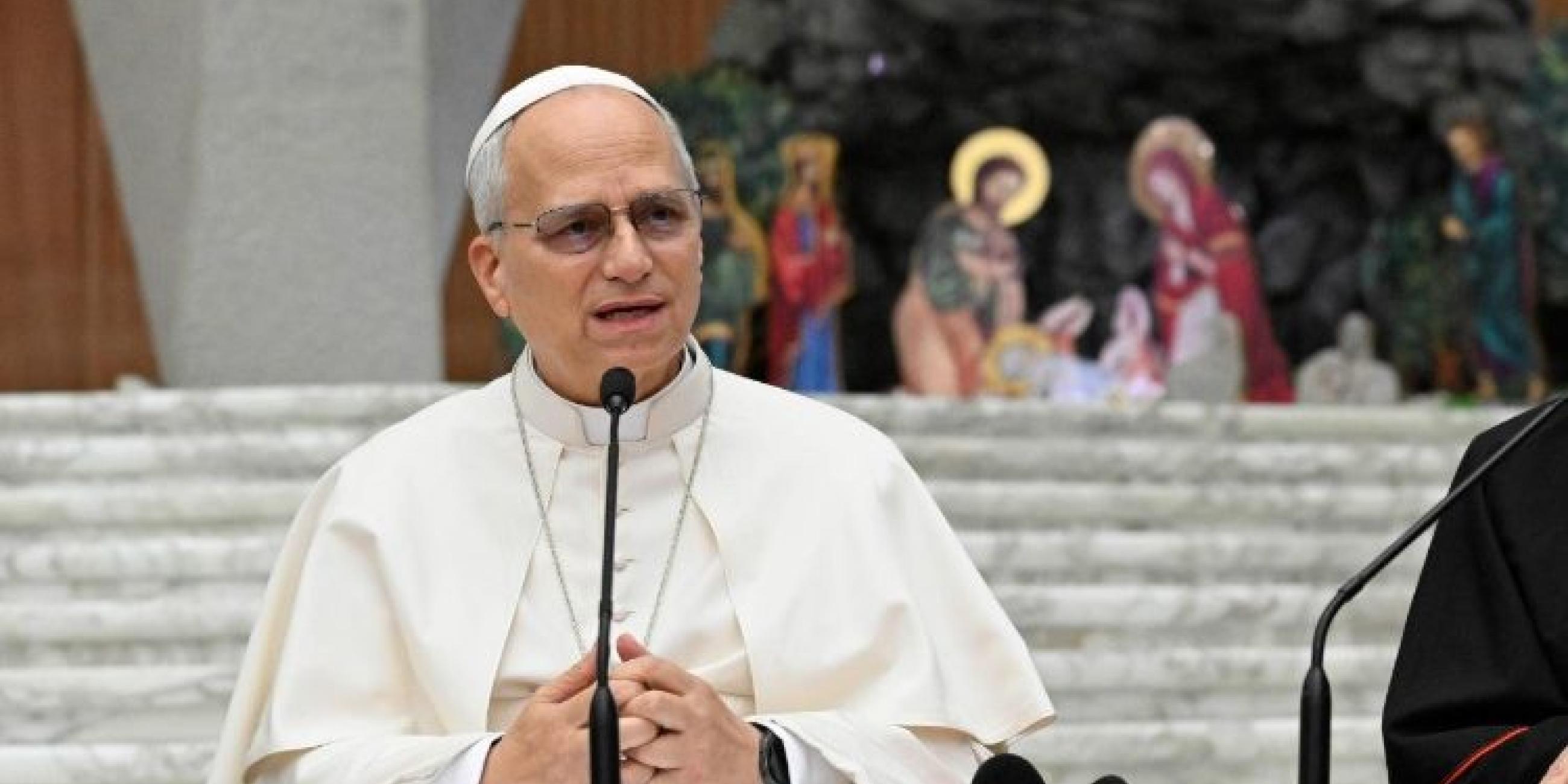
  • Pope Leo XIV Warns “War Is Back in Vogue,” Urges Global Leaders to Choose Dialogue Over Force

    In a blunt address to the Diplomatic Corps, Pope Leo XIV has warned that “war is back in vogue” as nations increasingly pursue peace through military force instead of diplomacy, justice, and dialogue. The pontiff expressed deep concern over rising geopolitical tensions, the erosion of multilateral institutions, and the growing culture of unilateralism, stressing that innocent civilians always bear the highest cost of armed conflicts.

    The Pope called on world leaders to embrace humility, dialogue, and compromise, emphasizing that lasting peace cannot be imposed by force but must be patiently built through justice, listening, and cooperation. He also highlighted the crucial role of global institutions in mediating conflicts, even as the world faces challenges like wars, displacement, economic inequality, and climate crises.

    Diplomats at the address described it as one of the strongest critiques of contemporary international politics by the Holy See, underscoring the Vatican’s role as a moral voice for peace. Pope Leo XIV concluded by urging leaders to resist the temptation of violence and “have the courage to choose peace, even when it is difficult.”


    Pope Leo XIV Warns “War Is Back in Vogue,” Urges Global Leaders to Choose Dialogue Over Force In a blunt address to the Diplomatic Corps, Pope Leo XIV has warned that “war is back in vogue” as nations increasingly pursue peace through military force instead of diplomacy, justice, and dialogue. The pontiff expressed deep concern over rising geopolitical tensions, the erosion of multilateral institutions, and the growing culture of unilateralism, stressing that innocent civilians always bear the highest cost of armed conflicts. The Pope called on world leaders to embrace humility, dialogue, and compromise, emphasizing that lasting peace cannot be imposed by force but must be patiently built through justice, listening, and cooperation. He also highlighted the crucial role of global institutions in mediating conflicts, even as the world faces challenges like wars, displacement, economic inequality, and climate crises. Diplomats at the address described it as one of the strongest critiques of contemporary international politics by the Holy See, underscoring the Vatican’s role as a moral voice for peace. Pope Leo XIV concluded by urging leaders to resist the temptation of violence and “have the courage to choose peace, even when it is difficult.”
    0 Σχόλια ·0 Μοιράστηκε ·757 Views
  • Why Is the UAE Cutting Scholarships for UK Universities? Is Fear of Islamist Radicalisation on British Campuses Redefining Emirati Foreign Policy, Student Mobility, and UK–Gulf Relations?

    Is the United Arab Emirates quietly reshaping global student mobility—and sending a political message to Britain in the process? The UAE has begun restricting state-funded scholarships for students seeking to study in the United Kingdom, citing concerns that some British university campuses are being influenced or “radicalised” by Islamist groups.

    Officials in Abu Dhabi confirmed to the Financial Times and The Times that federal funding for Emirati citizens planning to enrol in UK universities has been curtailed. The move reflects deepening unease within the UAE over what it views as the growing ideological presence of Islamist networks on British campuses, particularly those allegedly linked to the Muslim Brotherhood, which the UAE designates as a terrorist organisation.

    While the UAE has not imposed an outright ban on studying in the UK, the policy change marks a significant shift. Wealthier families can still send students abroad using private funds, and government scholarships remain available for studies in other countries. However, the restriction is already affecting numbers: UK student visa data show a sharp decline in Emirati enrolment, with only 213 UAE students granted UK study visas in the year ending September 2025—a 27% drop from the previous year and a 55% fall compared to 2022. This is particularly striking given that the Emirati student population in the UK had doubled between 2017 and 2024 to around 8,500 students, with major concentrations at institutions such as King’s College London, University College London, the University of Manchester, the University of Leeds, and the University of Central Lancashire.

    At the heart of the decision lies long-standing political tension between Abu Dhabi and London. The UAE has repeatedly urged Britain to ban the Muslim Brotherhood, a group it considers a security threat. However, successive UK governments have declined to proscribe the organisation. A 2014 inquiry ordered by then-Prime Minister David Cameron, led by former ambassador Sir John Jenkins, concluded that the Brotherhood’s beliefs were incompatible with British values but found insufficient legal grounds for a ban. More recently, Reform UK leader Nigel Farage has said he would proscribe the group if elected, underscoring how the issue has become embedded in British political debate.

    Concerns in Britain about alleged Islamist influence on university campuses have also fueled controversy. Student organisations have faced scrutiny for hosting speakers accused of promoting extremist ideologies, with critics warning that academic spaces may be vulnerable to ideological recruitment. For the UAE, which has previously jailed suspected Brotherhood members and strongly supported Egypt’s 2013 military ouster of President Mohammed Morsi, the presence of any perceived Brotherhood influence abroad is seen as a direct security risk.

    A Middle East expert quoted by The Times suggested that the Emirati leadership is “obsessed” with the Brotherhood, describing it as more of an ideological movement than a tightly organised group. According to the source, the scholarship restrictions function as a “warning shot” to students, signalling that engagement with Islamist networks abroad could carry consequences back home.

    Beyond education policy, the move raises broader geopolitical questions. Is the UAE using scholarships as a diplomatic lever to pressure the UK? Will other Gulf states follow suit? And what does this mean for Britain’s position as a global education hub, especially at a time when international student numbers are critical to university funding?

    As Emirati students increasingly turn to alternative destinations, the policy may reshape academic exchange, economic ties, and cultural diplomacy between the Gulf and the UK. More fundamentally, it highlights how security concerns, ideological conflict, and foreign policy priorities are now directly influencing where young people are allowed—or encouraged—to study abroad.


    Why Is the UAE Cutting Scholarships for UK Universities? Is Fear of Islamist Radicalisation on British Campuses Redefining Emirati Foreign Policy, Student Mobility, and UK–Gulf Relations? Is the United Arab Emirates quietly reshaping global student mobility—and sending a political message to Britain in the process? The UAE has begun restricting state-funded scholarships for students seeking to study in the United Kingdom, citing concerns that some British university campuses are being influenced or “radicalised” by Islamist groups. Officials in Abu Dhabi confirmed to the Financial Times and The Times that federal funding for Emirati citizens planning to enrol in UK universities has been curtailed. The move reflects deepening unease within the UAE over what it views as the growing ideological presence of Islamist networks on British campuses, particularly those allegedly linked to the Muslim Brotherhood, which the UAE designates as a terrorist organisation. While the UAE has not imposed an outright ban on studying in the UK, the policy change marks a significant shift. Wealthier families can still send students abroad using private funds, and government scholarships remain available for studies in other countries. However, the restriction is already affecting numbers: UK student visa data show a sharp decline in Emirati enrolment, with only 213 UAE students granted UK study visas in the year ending September 2025—a 27% drop from the previous year and a 55% fall compared to 2022. This is particularly striking given that the Emirati student population in the UK had doubled between 2017 and 2024 to around 8,500 students, with major concentrations at institutions such as King’s College London, University College London, the University of Manchester, the University of Leeds, and the University of Central Lancashire. At the heart of the decision lies long-standing political tension between Abu Dhabi and London. The UAE has repeatedly urged Britain to ban the Muslim Brotherhood, a group it considers a security threat. However, successive UK governments have declined to proscribe the organisation. A 2014 inquiry ordered by then-Prime Minister David Cameron, led by former ambassador Sir John Jenkins, concluded that the Brotherhood’s beliefs were incompatible with British values but found insufficient legal grounds for a ban. More recently, Reform UK leader Nigel Farage has said he would proscribe the group if elected, underscoring how the issue has become embedded in British political debate. Concerns in Britain about alleged Islamist influence on university campuses have also fueled controversy. Student organisations have faced scrutiny for hosting speakers accused of promoting extremist ideologies, with critics warning that academic spaces may be vulnerable to ideological recruitment. For the UAE, which has previously jailed suspected Brotherhood members and strongly supported Egypt’s 2013 military ouster of President Mohammed Morsi, the presence of any perceived Brotherhood influence abroad is seen as a direct security risk. A Middle East expert quoted by The Times suggested that the Emirati leadership is “obsessed” with the Brotherhood, describing it as more of an ideological movement than a tightly organised group. According to the source, the scholarship restrictions function as a “warning shot” to students, signalling that engagement with Islamist networks abroad could carry consequences back home. Beyond education policy, the move raises broader geopolitical questions. Is the UAE using scholarships as a diplomatic lever to pressure the UK? Will other Gulf states follow suit? And what does this mean for Britain’s position as a global education hub, especially at a time when international student numbers are critical to university funding? As Emirati students increasingly turn to alternative destinations, the policy may reshape academic exchange, economic ties, and cultural diplomacy between the Gulf and the UK. More fundamentally, it highlights how security concerns, ideological conflict, and foreign policy priorities are now directly influencing where young people are allowed—or encouraged—to study abroad.
    0 Σχόλια ·0 Μοιράστηκε ·996 Views
  • Are Terrorists Fleeing U.S. Airstrikes in Sokoto Now Spreading Violence Into Benue? Why Agatu Council Chairman Says Armed Groups Have Infiltrated Communities, Forced Policy Reversals, and Triggered a New Security Crisis

    Are counterterrorism operations in one part of Nigeria unintentionally pushing violence into other states? That is the concern raised by the Chairman of Agatu Local Government Area in Benue State, James Melvin Ejeh, who says armed groups displaced by recent U.S.–Nigerian military airstrikes in Sokoto State are now infiltrating communities in his region.

    According to Ejeh, terrorists targeted in coordinated air operations in December have not been eliminated but instead relocated across state borders, spreading insecurity into rural Benue communities. He described a surge in attacks on Agatu villages, warning that innocent residents are now facing “unprecedented terror” as fleeing fighters establish new footholds.

    The council chairman said intelligence reports and local accounts indicate that the militants, after being dislodged from Sokoto, are moving into neighbouring states, with Agatu among the hardest hit. He stressed that what was intended as a strategic blow against terrorism may now be creating a dangerous spillover effect, exposing vulnerable farming communities to renewed violence.

    In response to the escalating attacks, Ejeh announced a decisive policy shift: the immediate cancellation of a 2017 grazing agreement that allowed herdsmen access to Adepati Island. He argued that the agreement, originally framed as a peacebuilding measure, had instead compromised community safety and enabled armed elements to operate within Agatu territory.

    Describing the pact as an arrangement made “under the guise of promoting peaceful coexistence,” Ejeh accused previous local administrations of placing diplomacy above the security of residents. He declared the agreement null and void, ordered all armed herders to vacate Agatu land, and emphasized that no portion of Agatu belongs to herders under any guise.

    Ejeh further revealed that security agencies have begun arrests and investigations, warning that anyone found collaborating with armed groups will face the full weight of the law. He maintained that the people of Agatu have reached a firm position: no future engagement with herders will occur unless it is conducted lawfully, transparently, and only after broad consultation with traditional rulers and community stakeholders.

    The development raises urgent national questions: Are military airstrikes merely displacing terrorists rather than dismantling their networks? Is Nigeria witnessing a dangerous redistribution of insecurity from one region to another? And can local governments withstand the security fallout without stronger federal coordination?

    As communities in Benue confront the consequences of a conflict they did not initiate, the Agatu chairman’s warning highlights a growing fear that counterterrorism victories in one state may be creating new frontlines elsewhere, leaving civilians trapped in the crossfire of shifting militant movements.

    Are Terrorists Fleeing U.S. Airstrikes in Sokoto Now Spreading Violence Into Benue? Why Agatu Council Chairman Says Armed Groups Have Infiltrated Communities, Forced Policy Reversals, and Triggered a New Security Crisis Are counterterrorism operations in one part of Nigeria unintentionally pushing violence into other states? That is the concern raised by the Chairman of Agatu Local Government Area in Benue State, James Melvin Ejeh, who says armed groups displaced by recent U.S.–Nigerian military airstrikes in Sokoto State are now infiltrating communities in his region. According to Ejeh, terrorists targeted in coordinated air operations in December have not been eliminated but instead relocated across state borders, spreading insecurity into rural Benue communities. He described a surge in attacks on Agatu villages, warning that innocent residents are now facing “unprecedented terror” as fleeing fighters establish new footholds. The council chairman said intelligence reports and local accounts indicate that the militants, after being dislodged from Sokoto, are moving into neighbouring states, with Agatu among the hardest hit. He stressed that what was intended as a strategic blow against terrorism may now be creating a dangerous spillover effect, exposing vulnerable farming communities to renewed violence. In response to the escalating attacks, Ejeh announced a decisive policy shift: the immediate cancellation of a 2017 grazing agreement that allowed herdsmen access to Adepati Island. He argued that the agreement, originally framed as a peacebuilding measure, had instead compromised community safety and enabled armed elements to operate within Agatu territory. Describing the pact as an arrangement made “under the guise of promoting peaceful coexistence,” Ejeh accused previous local administrations of placing diplomacy above the security of residents. He declared the agreement null and void, ordered all armed herders to vacate Agatu land, and emphasized that no portion of Agatu belongs to herders under any guise. Ejeh further revealed that security agencies have begun arrests and investigations, warning that anyone found collaborating with armed groups will face the full weight of the law. He maintained that the people of Agatu have reached a firm position: no future engagement with herders will occur unless it is conducted lawfully, transparently, and only after broad consultation with traditional rulers and community stakeholders. The development raises urgent national questions: Are military airstrikes merely displacing terrorists rather than dismantling their networks? Is Nigeria witnessing a dangerous redistribution of insecurity from one region to another? And can local governments withstand the security fallout without stronger federal coordination? As communities in Benue confront the consequences of a conflict they did not initiate, the Agatu chairman’s warning highlights a growing fear that counterterrorism victories in one state may be creating new frontlines elsewhere, leaving civilians trapped in the crossfire of shifting militant movements.
    0 Σχόλια ·0 Μοιράστηκε ·987 Views
  • Why Is Tinubu Budgeting ₦6.1 Billion for Foreign Trips in 2026? What Nigeria’s Travel Spending Reveals About Presidential Priorities

    A review of Nigeria’s 2026 budget has revealed that President Bola Tinubu plans to spend ₦6.1 billion on foreign travels in the coming fiscal year, raising fresh questions about government priorities amid economic strain. The figure, listed under “State House operations – President,” also shows an additional ₦873 million earmarked for local travel. When combined with the Vice President’s projected foreign travel costs of ₦1.3 billion, total international trip spending by the Presidency in 2026 is expected to reach ₦7.4 billion.

    The budget breakdown comes as Nigerians continue to grapple with rising living costs and fiscal pressures. According to the documents, travel expenses remain a major component of State House spending, with another ₦375 million allocated for foodstuffs and catering materials alone. While the Presidency has not released a detailed justification for the travel budget, officials insist the trips are essential for diplomacy, investment, and international engagement.

    Recent movements by the President have already drawn public attention. President Tinubu recently departed Lagos for Europe before heading to Abu Dhabi at the invitation of UAE President Sheikh Mohamed bin Zayed Al Nahyan to attend the Abu Dhabi Sustainability Week Summit (ADSW 2026). The Presidency described the summit as a high-level global forum bringing together leaders from government, business, and civil society to discuss sustainable development. Officials also confirmed that the President would return to Nigeria after the event.

    However, critics argue that the scale of spending on foreign trips is difficult to justify, especially in light of past expenditure. Although comprehensive 2025 data is unavailable, records from the Open Treasury Portal show that in 2024 alone, the State House spent over ₦36.3 billion on international travel. This included ₦12.2 billion for “international travel and transport (training)” and ₦24.19 billion for “international travel and transport (others).” Local travel was even more costly, with ₦47 billion spent on training and other domestic trips. In total, travel expenses—both local and foreign—amounted to approximately ₦83 billion in 2024.

    Further reports revealed that between February and July 2024, the Presidency spent about ₦2.3 billion on foreign trips, while an additional ₦2.9 billion went toward foreign exchange for trips involving the President, Vice President, and First Lady across several countries. Payments running into hundreds of millions of naira were also recorded in individual months, fueling debate over transparency and fiscal discipline.

    Opposition figures, including former presidential candidate Peter Obi, have questioned the frequency and cost of the President’s travels. At the same time, government officials have defended the expenditure. Nigeria’s Minister of Foreign Affairs, Ambassador Yusuf Maitama Tuggar, has argued that the President should even travel more to advance Nigeria’s diplomatic and economic interests globally.

    With the 2026 budget now in focus, the key questions remain: Does the ₦6.1 billion allocation reflect necessary diplomacy or excessive spending? How does such expenditure align with Nigeria’s current economic challenges? And will the government provide clearer accountability for the rising cost of presidential travel? As public scrutiny intensifies, the debate over leadership priorities and fiscal responsibility is likely to continue.


    Why Is Tinubu Budgeting ₦6.1 Billion for Foreign Trips in 2026? What Nigeria’s Travel Spending Reveals About Presidential Priorities A review of Nigeria’s 2026 budget has revealed that President Bola Tinubu plans to spend ₦6.1 billion on foreign travels in the coming fiscal year, raising fresh questions about government priorities amid economic strain. The figure, listed under “State House operations – President,” also shows an additional ₦873 million earmarked for local travel. When combined with the Vice President’s projected foreign travel costs of ₦1.3 billion, total international trip spending by the Presidency in 2026 is expected to reach ₦7.4 billion. The budget breakdown comes as Nigerians continue to grapple with rising living costs and fiscal pressures. According to the documents, travel expenses remain a major component of State House spending, with another ₦375 million allocated for foodstuffs and catering materials alone. While the Presidency has not released a detailed justification for the travel budget, officials insist the trips are essential for diplomacy, investment, and international engagement. Recent movements by the President have already drawn public attention. President Tinubu recently departed Lagos for Europe before heading to Abu Dhabi at the invitation of UAE President Sheikh Mohamed bin Zayed Al Nahyan to attend the Abu Dhabi Sustainability Week Summit (ADSW 2026). The Presidency described the summit as a high-level global forum bringing together leaders from government, business, and civil society to discuss sustainable development. Officials also confirmed that the President would return to Nigeria after the event. However, critics argue that the scale of spending on foreign trips is difficult to justify, especially in light of past expenditure. Although comprehensive 2025 data is unavailable, records from the Open Treasury Portal show that in 2024 alone, the State House spent over ₦36.3 billion on international travel. This included ₦12.2 billion for “international travel and transport (training)” and ₦24.19 billion for “international travel and transport (others).” Local travel was even more costly, with ₦47 billion spent on training and other domestic trips. In total, travel expenses—both local and foreign—amounted to approximately ₦83 billion in 2024. Further reports revealed that between February and July 2024, the Presidency spent about ₦2.3 billion on foreign trips, while an additional ₦2.9 billion went toward foreign exchange for trips involving the President, Vice President, and First Lady across several countries. Payments running into hundreds of millions of naira were also recorded in individual months, fueling debate over transparency and fiscal discipline. Opposition figures, including former presidential candidate Peter Obi, have questioned the frequency and cost of the President’s travels. At the same time, government officials have defended the expenditure. Nigeria’s Minister of Foreign Affairs, Ambassador Yusuf Maitama Tuggar, has argued that the President should even travel more to advance Nigeria’s diplomatic and economic interests globally. With the 2026 budget now in focus, the key questions remain: Does the ₦6.1 billion allocation reflect necessary diplomacy or excessive spending? How does such expenditure align with Nigeria’s current economic challenges? And will the government provide clearer accountability for the rising cost of presidential travel? As public scrutiny intensifies, the debate over leadership priorities and fiscal responsibility is likely to continue.
    0 Σχόλια ·0 Μοιράστηκε ·1χλμ. Views
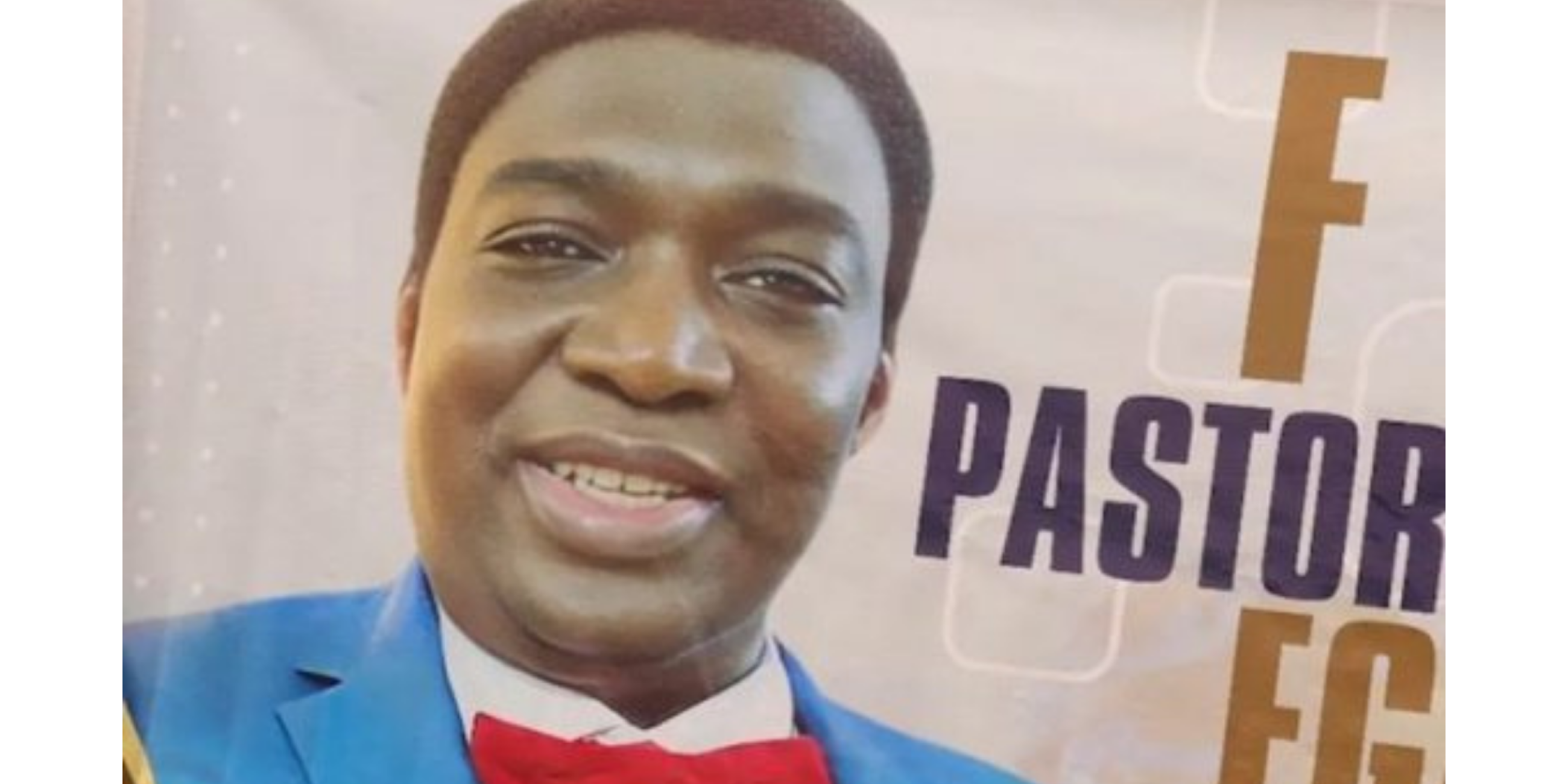
  • Why Did Nigeria Intervene in Benin Republic? How Diplomatic Pressure Secured the Release of Pastor Benjamin Egbaji Jailed for Alleged Rape After Two Years in Detention

    Why did the Nigerian government step in to secure the release of a pastor imprisoned abroad, and what role did diplomacy and humanitarian concerns play in his freedom?

    The Federal Government of Nigeria has confirmed the release of Pastor Benjamin Egbaji, a Nigerian cleric and businessman from Cross River State who had been detained in the Republic of Benin for more than two years over alleged rape. His freedom, announced on January 8, 2026, followed a presidential pardon granted by Benin’s President, Patrice Talon, after sustained diplomatic intervention by Nigerian authorities.

    According to the Minister of State for Foreign Affairs, Ambassador Bianca Odumegwu-Ojukwu, Egbaji was released after what officials described as prolonged detention under “dehumanising conditions.” The amnesty that secured his freedom was formally gazetted on December 17, 2025, and took effect following high-level engagements between both governments.

    Official statements revealed that Egbaji had initially been held in a hospital in Cotonou before being transferred to prison as his health deteriorated. His case attracted widespread attention after a photograph showing him chained to a hospital bed circulated on social media, sparking public outrage and urgent calls for intervention.

    Odumegwu-Ojukwu disclosed that her office maintained consistent diplomatic pressure, including a personal visit to the detained pastor while he was hospitalised in August 2025. She described the release as the outcome of “determined diplomatic action,” adding that Nigeria’s foreign policy places the welfare of its citizens abroad at the centre of international engagement.

    “This release is the result of consistent and determined diplomatic action. We were deeply concerned by his condition and the circumstances of his detention,” the minister said, noting that although Egbaji is in high spirits, he requires extensive medical care after his prolonged incarceration.

    The Ministry of Foreign Affairs had earlier appealed to Beninese authorities to free the pastor on humanitarian grounds or allow him to serve any remaining sentence in Nigeria. The request followed a joint visit by Odumegwu-Ojukwu and Benin’s Foreign Affairs Minister, Olushegun Adjadi Bakari, during which Nigeria emphasized both Egbaji’s failing health and the long-standing diplomatic ties between the two countries.

    In official correspondence, Nigerian authorities cited the humanitarian imperative, stating that the cleric’s health had “deteriorated severely while in detention.” Ultimately, the Beninese government granted a presidential pardon, bringing an end to his imprisonment.

    The development raises critical questions:
    Was Egbaji’s release driven purely by humanitarian concerns?
    How much influence did diplomatic relations between Nigeria and Benin Republic play?
    And what does this case reveal about the treatment of foreign detainees and the protection of citizens abroad?

    While the allegations that led to his imprisonment remain a sensitive issue, the Nigerian government has framed the intervention as a matter of human rights, medical necessity, and diplomatic responsibility. The case has since become a reference point in discussions on how far governments should go to protect nationals facing detention overseas.

    Why Did Nigeria Intervene in Benin Republic? How Diplomatic Pressure Secured the Release of Pastor Benjamin Egbaji Jailed for Alleged Rape After Two Years in Detention Why did the Nigerian government step in to secure the release of a pastor imprisoned abroad, and what role did diplomacy and humanitarian concerns play in his freedom? The Federal Government of Nigeria has confirmed the release of Pastor Benjamin Egbaji, a Nigerian cleric and businessman from Cross River State who had been detained in the Republic of Benin for more than two years over alleged rape. His freedom, announced on January 8, 2026, followed a presidential pardon granted by Benin’s President, Patrice Talon, after sustained diplomatic intervention by Nigerian authorities. According to the Minister of State for Foreign Affairs, Ambassador Bianca Odumegwu-Ojukwu, Egbaji was released after what officials described as prolonged detention under “dehumanising conditions.” The amnesty that secured his freedom was formally gazetted on December 17, 2025, and took effect following high-level engagements between both governments. Official statements revealed that Egbaji had initially been held in a hospital in Cotonou before being transferred to prison as his health deteriorated. His case attracted widespread attention after a photograph showing him chained to a hospital bed circulated on social media, sparking public outrage and urgent calls for intervention. Odumegwu-Ojukwu disclosed that her office maintained consistent diplomatic pressure, including a personal visit to the detained pastor while he was hospitalised in August 2025. She described the release as the outcome of “determined diplomatic action,” adding that Nigeria’s foreign policy places the welfare of its citizens abroad at the centre of international engagement. “This release is the result of consistent and determined diplomatic action. We were deeply concerned by his condition and the circumstances of his detention,” the minister said, noting that although Egbaji is in high spirits, he requires extensive medical care after his prolonged incarceration. The Ministry of Foreign Affairs had earlier appealed to Beninese authorities to free the pastor on humanitarian grounds or allow him to serve any remaining sentence in Nigeria. The request followed a joint visit by Odumegwu-Ojukwu and Benin’s Foreign Affairs Minister, Olushegun Adjadi Bakari, during which Nigeria emphasized both Egbaji’s failing health and the long-standing diplomatic ties between the two countries. In official correspondence, Nigerian authorities cited the humanitarian imperative, stating that the cleric’s health had “deteriorated severely while in detention.” Ultimately, the Beninese government granted a presidential pardon, bringing an end to his imprisonment. The development raises critical questions: Was Egbaji’s release driven purely by humanitarian concerns? How much influence did diplomatic relations between Nigeria and Benin Republic play? And what does this case reveal about the treatment of foreign detainees and the protection of citizens abroad? While the allegations that led to his imprisonment remain a sensitive issue, the Nigerian government has framed the intervention as a matter of human rights, medical necessity, and diplomatic responsibility. The case has since become a reference point in discussions on how far governments should go to protect nationals facing detention overseas.
    0 Σχόλια ·0 Μοιράστηκε ·685 Views
  • Is Nigeria Now Leading the War in the Air? Why the U.S. Is Shifting to Intelligence Support After Christmas Day Strikes—and What This Means for Terrorism, Banditry, and Security in the North

    Is Nigeria taking full control of the aerial war against terrorism and banditry? Why has the United States stepped back from direct airstrikes to an intelligence and reconnaissance role? And what does this new security arrangement mean for the fight against jihadist groups and armed gangs across the country’s troubled regions?

    Following U.S. airstrikes carried out on Christmas Day in Sokoto State, the Nigerian Air Force is set to lead subsequent military air operations, as Washington shifts its role to intelligence, surveillance, and reconnaissance support. A Nigerian official familiar with the new Nigeria–U.S. security framework confirmed that while the United States will now rely mainly on reconnaissance flights, Nigeria remains open to further American strikes if necessary.

    What triggered the change? The Christmas night strikes targeted what U.S. officials described as Islamic State–linked sites in northwestern Nigeria. According to Nigerian authorities, the operation was aimed at militants cooperating with the Lakurawa jihadist group and criminal “bandit” networks that have destabilised large parts of the northwest and north-central regions. Both countries reported that an unspecified number of fighters were killed.

    But why is the U.S. stepping back now? In the weeks before the strikes, analysts had already noted increased American surveillance flights over Nigeria—activity that has continued since. However, U.S. officials later described the bombing as a “one-off event,” signalling a strategic shift away from direct military action toward intelligence-sharing and operational support for Nigerian forces.

    What role did diplomacy play? The strikes came after a tense period in bilateral relations, sparked by U.S. President Donald Trump’s claims in October that violence in Nigeria amounted to the “persecution” and “genocide” of Christians—assertions rejected by Abuja and independent analysts. Although Nigeria later said the dispute had been resolved and that the partnership had been “strengthened,” the unilateral announcement of the strikes by Trump reportedly caused unease in Abuja. Nigeria’s Foreign Minister, Yusuf Tuggar, subsequently described the operation as a joint effort.

    What does this new arrangement mean for Nigeria’s security strategy? Nigeria has battled jihadist insurgency since 2009, mainly in the northeast, while heavily armed criminal gangs have entrenched themselves in rural communities across the northwest and north-central regions. By assuming full responsibility for air operations—with U.S. intelligence support—Nigeria appears to be asserting greater operational sovereignty while maintaining strategic cooperation with Washington.

    However, critical questions remain: will intelligence-backed Nigerian air power be enough to contain Islamic State–linked fighters and bandit networks? Could the U.S. return to direct strikes if the threat escalates? And does this shift mark a long-term change in America’s military posture in West Africa—or merely a tactical pause?

    As reconnaissance flights continue and Nigeria leads future air operations, the evolving partnership signals both a test of Nigeria’s military capacity and a recalibration of U.S. involvement in the region’s counterterrorism fight.


    Is Nigeria Now Leading the War in the Air? Why the U.S. Is Shifting to Intelligence Support After Christmas Day Strikes—and What This Means for Terrorism, Banditry, and Security in the North Is Nigeria taking full control of the aerial war against terrorism and banditry? Why has the United States stepped back from direct airstrikes to an intelligence and reconnaissance role? And what does this new security arrangement mean for the fight against jihadist groups and armed gangs across the country’s troubled regions? Following U.S. airstrikes carried out on Christmas Day in Sokoto State, the Nigerian Air Force is set to lead subsequent military air operations, as Washington shifts its role to intelligence, surveillance, and reconnaissance support. A Nigerian official familiar with the new Nigeria–U.S. security framework confirmed that while the United States will now rely mainly on reconnaissance flights, Nigeria remains open to further American strikes if necessary. What triggered the change? The Christmas night strikes targeted what U.S. officials described as Islamic State–linked sites in northwestern Nigeria. According to Nigerian authorities, the operation was aimed at militants cooperating with the Lakurawa jihadist group and criminal “bandit” networks that have destabilised large parts of the northwest and north-central regions. Both countries reported that an unspecified number of fighters were killed. But why is the U.S. stepping back now? In the weeks before the strikes, analysts had already noted increased American surveillance flights over Nigeria—activity that has continued since. However, U.S. officials later described the bombing as a “one-off event,” signalling a strategic shift away from direct military action toward intelligence-sharing and operational support for Nigerian forces. What role did diplomacy play? The strikes came after a tense period in bilateral relations, sparked by U.S. President Donald Trump’s claims in October that violence in Nigeria amounted to the “persecution” and “genocide” of Christians—assertions rejected by Abuja and independent analysts. Although Nigeria later said the dispute had been resolved and that the partnership had been “strengthened,” the unilateral announcement of the strikes by Trump reportedly caused unease in Abuja. Nigeria’s Foreign Minister, Yusuf Tuggar, subsequently described the operation as a joint effort. What does this new arrangement mean for Nigeria’s security strategy? Nigeria has battled jihadist insurgency since 2009, mainly in the northeast, while heavily armed criminal gangs have entrenched themselves in rural communities across the northwest and north-central regions. By assuming full responsibility for air operations—with U.S. intelligence support—Nigeria appears to be asserting greater operational sovereignty while maintaining strategic cooperation with Washington. However, critical questions remain: will intelligence-backed Nigerian air power be enough to contain Islamic State–linked fighters and bandit networks? Could the U.S. return to direct strikes if the threat escalates? And does this shift mark a long-term change in America’s military posture in West Africa—or merely a tactical pause? As reconnaissance flights continue and Nigeria leads future air operations, the evolving partnership signals both a test of Nigeria’s military capacity and a recalibration of U.S. involvement in the region’s counterterrorism fight.
    0 Σχόλια ·0 Μοιράστηκε ·847 Views
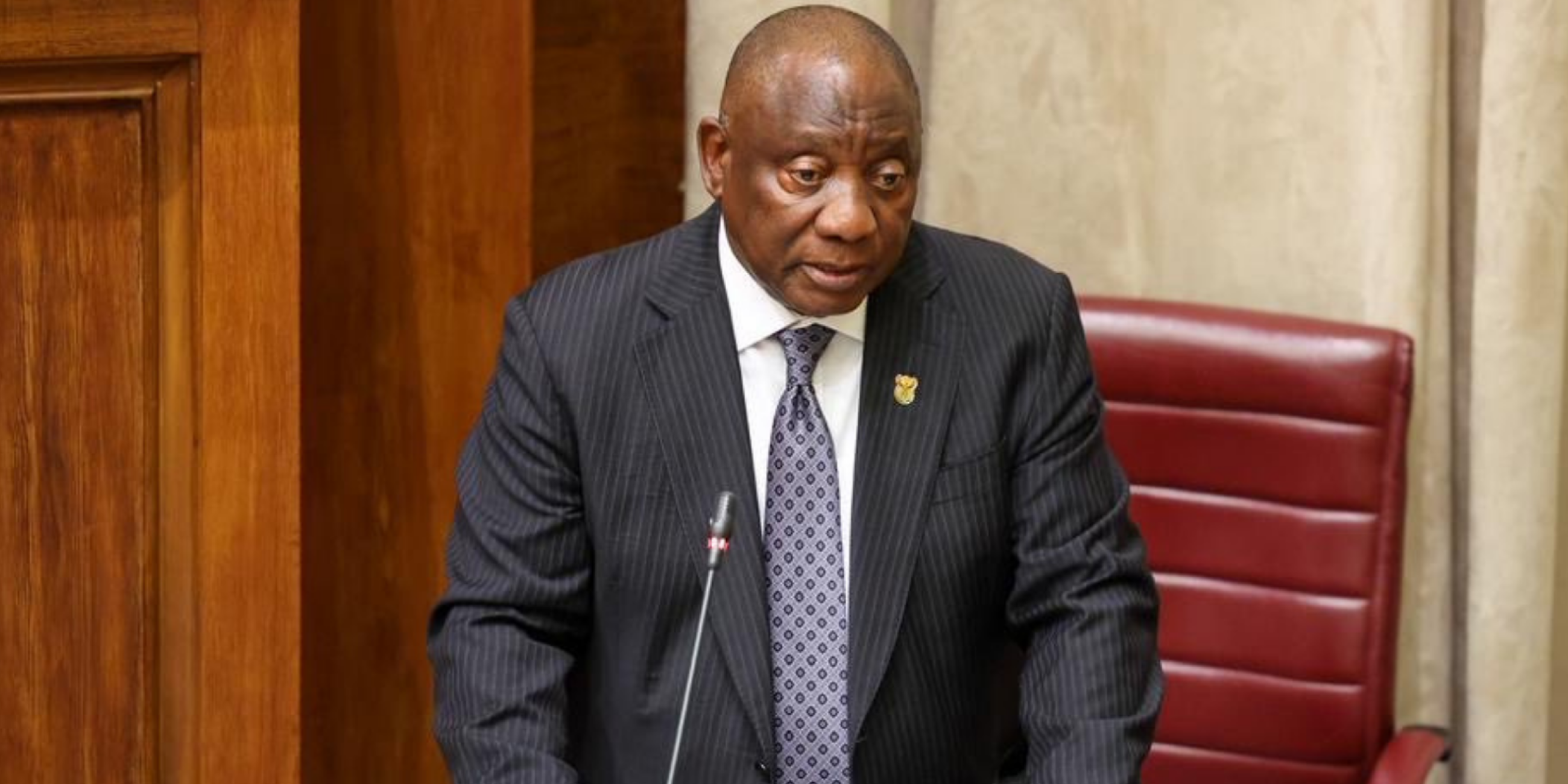
  • South African President Ramaphosa Condemns U.S. Actions in Venezuela, Demands Release of President Maduro

    South African President Cyril Ramaphosa has strongly condemned U.S. actions in Venezuela, describing them as a violation of international law and the United Nations Charter. Speaking in a video posted on his X account, Ramaphosa stated that the United States undermined Venezuela’s sovereignty and territorial integrity, calling for the immediate release of Venezuelan President Nicolás Maduro and his wife.
    He emphasized that such foreign interference threatens global peace and stability, urging the United Nations Security Council to take decisive action to maintain international peace and security. Ramaphosa affirmed South Africa’s support for the Venezuelan people in the face of what he described as external aggression and political destabilization, warning that inaction by the UN could encourage further violations of international norms and deepen instability worldwide.

    #Ramaphosa #Venezuela #Maduro #USInterference #InternationalLaw #UNCharter #GlobalPeace #SouthAfrica #Diplomacy #WorldNews
    South African President Ramaphosa Condemns U.S. Actions in Venezuela, Demands Release of President Maduro South African President Cyril Ramaphosa has strongly condemned U.S. actions in Venezuela, describing them as a violation of international law and the United Nations Charter. Speaking in a video posted on his X account, Ramaphosa stated that the United States undermined Venezuela’s sovereignty and territorial integrity, calling for the immediate release of Venezuelan President Nicolás Maduro and his wife. He emphasized that such foreign interference threatens global peace and stability, urging the United Nations Security Council to take decisive action to maintain international peace and security. Ramaphosa affirmed South Africa’s support for the Venezuelan people in the face of what he described as external aggression and political destabilization, warning that inaction by the UN could encourage further violations of international norms and deepen instability worldwide. #Ramaphosa #Venezuela #Maduro #USInterference #InternationalLaw #UNCharter #GlobalPeace #SouthAfrica #Diplomacy #WorldNews
    0 Σχόλια ·0 Μοιράστηκε ·925 Views
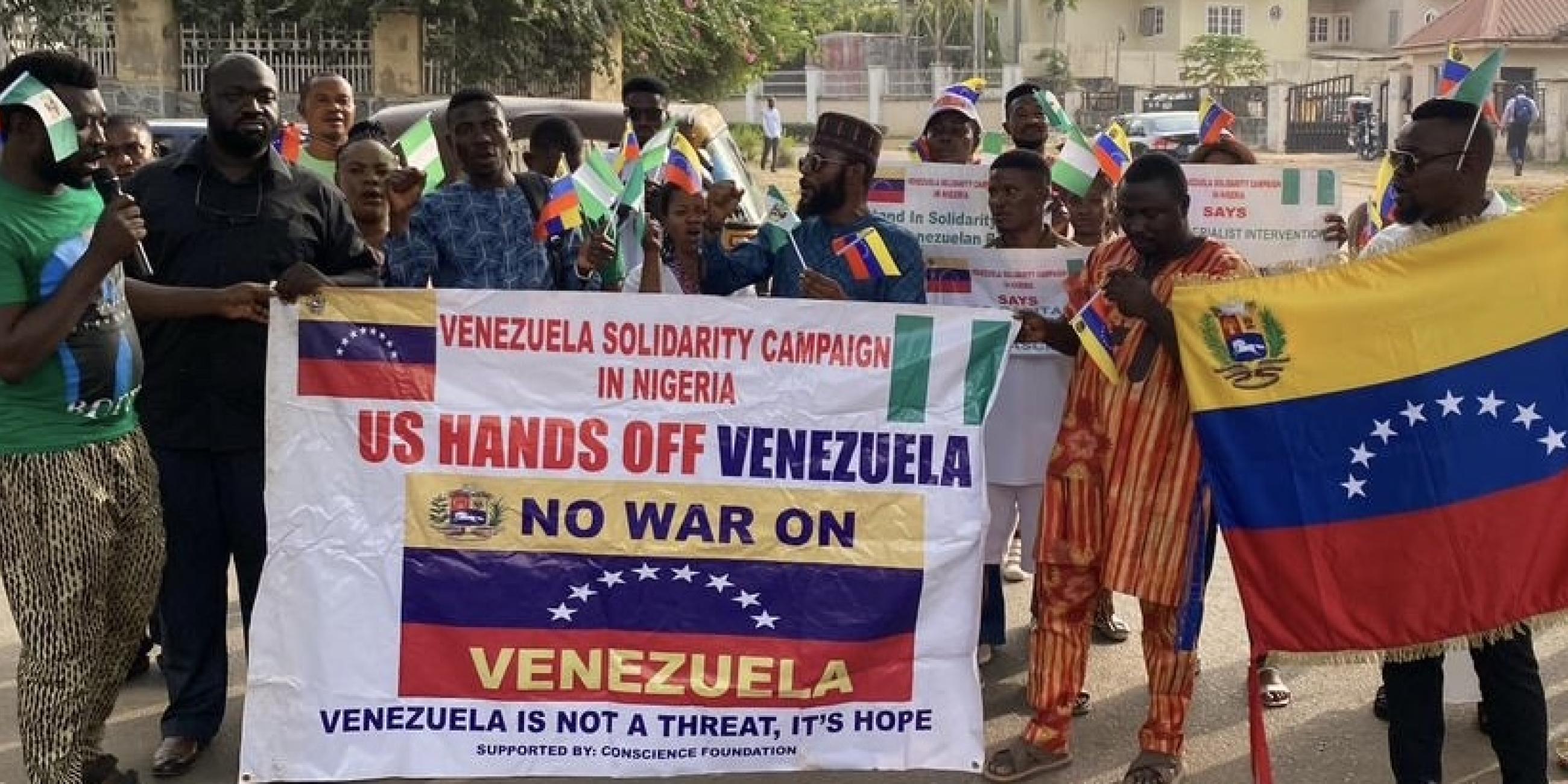
  • Nigeria-Based Venezuela Solidarity Group Condemns US Threats, Demands Release of President Maduro and Wife

    The Venezuela Solidarity Campaign in Nigeria (VSCN) has voiced strong opposition to alleged U.S. military and economic aggression against Venezuela, calling for the immediate release of President Nicolás Maduro and his wife, Cilia Flores, whom the group claims were “illegally abducted” by the Trump administration—a claim yet unverified.

    The coalition condemned attempts to justify foreign intervention in Venezuela under the guise of fighting drugs and arms smuggling, alleging that Venezuela’s oil and resources are the real targets. They also warned against similar threats to Greenland, Iran, and Nigeria, framing such actions as violations of international law and national sovereignty.

    The VSCN urged Nigerians committed to global peace and justice to join solidarity marches, strengthen national unity, and protect against potential imperialist interference in Nigeria. The statement emphasized dialogue, diplomacy, and respect for international law as the proper means of resolving disputes.
    Nigeria-Based Venezuela Solidarity Group Condemns US Threats, Demands Release of President Maduro and Wife The Venezuela Solidarity Campaign in Nigeria (VSCN) has voiced strong opposition to alleged U.S. military and economic aggression against Venezuela, calling for the immediate release of President Nicolás Maduro and his wife, Cilia Flores, whom the group claims were “illegally abducted” by the Trump administration—a claim yet unverified. The coalition condemned attempts to justify foreign intervention in Venezuela under the guise of fighting drugs and arms smuggling, alleging that Venezuela’s oil and resources are the real targets. They also warned against similar threats to Greenland, Iran, and Nigeria, framing such actions as violations of international law and national sovereignty. The VSCN urged Nigerians committed to global peace and justice to join solidarity marches, strengthen national unity, and protect against potential imperialist interference in Nigeria. The statement emphasized dialogue, diplomacy, and respect for international law as the proper means of resolving disputes.
    like
    1
    · 0 Σχόλια ·0 Μοιράστηκε ·457 Views
  • ECOWAS Urges Restraint, Dialogue, and Respect for Venezuela’s Sovereignty Following U.S. Military Actions

    ECOWAS has called for restraint, inclusive dialogue, and respect for Venezuela’s sovereignty in response to recent U.S. military actions in the country. In a statement issued from Abuja on January 5, 2026, the regional bloc emphasized that while states have the right to combat transnational threats, such actions must comply with international law.

    The organization highlighted the importance of respecting the principles of sovereignty and territorial integrity, citing Article 2(4) of the United Nations Charter. ECOWAS aligned itself with the African Union’s earlier statement, urging calm, dialogue, and the peaceful resolution of disputes in Venezuela.

    The bloc reaffirmed its support for the Venezuelan people, emphasizing that they must have the primary role in determining their nation’s future through inclusive processes. ECOWAS stressed that international engagement must uphold constitutional and institutional frameworks, good neighborliness, and cooperation, while avoiding violations of sovereignty.

    Topics: International, Politics, Africa, Venezuela, Diplomacy.
    ECOWAS Urges Restraint, Dialogue, and Respect for Venezuela’s Sovereignty Following U.S. Military Actions ECOWAS has called for restraint, inclusive dialogue, and respect for Venezuela’s sovereignty in response to recent U.S. military actions in the country. In a statement issued from Abuja on January 5, 2026, the regional bloc emphasized that while states have the right to combat transnational threats, such actions must comply with international law. The organization highlighted the importance of respecting the principles of sovereignty and territorial integrity, citing Article 2(4) of the United Nations Charter. ECOWAS aligned itself with the African Union’s earlier statement, urging calm, dialogue, and the peaceful resolution of disputes in Venezuela. The bloc reaffirmed its support for the Venezuelan people, emphasizing that they must have the primary role in determining their nation’s future through inclusive processes. ECOWAS stressed that international engagement must uphold constitutional and institutional frameworks, good neighborliness, and cooperation, while avoiding violations of sovereignty. Topics: International, Politics, Africa, Venezuela, Diplomacy.
    0 Σχόλια ·0 Μοιράστηκε ·410 Views
  • The action of the United States against Venezuela is a grave tragedy and a serious threat to the international community. It signals a dangerous erosion of international law and respect for national sovereignty. If a powerful nation can unilaterally carry out military actions against another sovereign state, then the principles that govern global order are at risk of collapse. Such actions undermine diplomacy, violate international norms, and set a troubling precedent that endangers peace and stability worldwide.
    The action of the United States against Venezuela is a grave tragedy and a serious threat to the international community. It signals a dangerous erosion of international law and respect for national sovereignty. If a powerful nation can unilaterally carry out military actions against another sovereign state, then the principles that govern global order are at risk of collapse. Such actions undermine diplomacy, violate international norms, and set a troubling precedent that endangers peace and stability worldwide.
    like
    1
    · 0 Σχόλια ·0 Μοιράστηκε ·288 Views
  • ‘US Crossed An Unacceptable Line’ — Brazil Condemns American Military Attacks On Venezuela, Slams Capture Of President Maduro, Monitors Potential Refugee Influx

    Brazil has strongly condemned the United States’ military attack on Venezuela and the capture of President Nicolás Maduro, describing the action as a grave violation of international law and a dangerous precedent for global stability. President Luiz Inácio Lula da Silva said the US had crossed “an unacceptable line,” warning that the bombings and arrest of Venezuela’s leader undermine national sovereignty and threaten multilateralism.

    In a statement posted on X on January 3, 2026, Lula stressed that attacking countries in blatant disregard for international norms risks plunging the world into violence, chaos, and instability, where power overrides the rule of law. He called for a “vigorous” response from the United Nations while reaffirming Brazil’s long-standing opposition to the use of force and its commitment to dialogue and diplomacy.

    The condemnation followed coordinated US military operations that led to the removal of President Maduro, marking Washington’s most direct intervention in Latin America since the 1989 invasion of Panama. US President Donald Trump hailed the operation as a major success, praising it as a powerful demonstration of American military strength.

    Amid fears of regional fallout, Brazilian authorities convened an emergency cabinet meeting to assess the situation, with particular concern over a possible surge of Venezuelan refugees. Brazil’s foreign ministry said there had been no unusual movement along the border so far, noting that the country has hosted over 150,000 Venezuelan migrants since 2018 through ongoing humanitarian programmes.

    President Lula, who joined the emergency meeting virtually, reiterated that military intervention in Venezuela could trigger a humanitarian catastrophe and renewed Brazil’s offer to act as a mediator. Brazilian officials said they remain on high alert, closely monitoring developments while engaging diplomatically with Venezuelan authorities to prevent further escalation.
    ‘US Crossed An Unacceptable Line’ — Brazil Condemns American Military Attacks On Venezuela, Slams Capture Of President Maduro, Monitors Potential Refugee Influx Brazil has strongly condemned the United States’ military attack on Venezuela and the capture of President Nicolás Maduro, describing the action as a grave violation of international law and a dangerous precedent for global stability. President Luiz Inácio Lula da Silva said the US had crossed “an unacceptable line,” warning that the bombings and arrest of Venezuela’s leader undermine national sovereignty and threaten multilateralism. In a statement posted on X on January 3, 2026, Lula stressed that attacking countries in blatant disregard for international norms risks plunging the world into violence, chaos, and instability, where power overrides the rule of law. He called for a “vigorous” response from the United Nations while reaffirming Brazil’s long-standing opposition to the use of force and its commitment to dialogue and diplomacy. The condemnation followed coordinated US military operations that led to the removal of President Maduro, marking Washington’s most direct intervention in Latin America since the 1989 invasion of Panama. US President Donald Trump hailed the operation as a major success, praising it as a powerful demonstration of American military strength. Amid fears of regional fallout, Brazilian authorities convened an emergency cabinet meeting to assess the situation, with particular concern over a possible surge of Venezuelan refugees. Brazil’s foreign ministry said there had been no unusual movement along the border so far, noting that the country has hosted over 150,000 Venezuelan migrants since 2018 through ongoing humanitarian programmes. President Lula, who joined the emergency meeting virtually, reiterated that military intervention in Venezuela could trigger a humanitarian catastrophe and renewed Brazil’s offer to act as a mediator. Brazilian officials said they remain on high alert, closely monitoring developments while engaging diplomatically with Venezuelan authorities to prevent further escalation.
    love
    1
    · 1 Σχόλια ·0 Μοιράστηκε ·609 Views
  • AU Urges Restraint, Dialogue Following US Strike In Venezuela

    The African Union (AU) has expressed deep concern over the latest developments in Venezuela, following the United States’ military strike and the reported capture of President Nicolás Maduro.

    In a statement, the AU called for restraint by all parties and urged dialogue to prevent further escalation, warning that the situation could worsen regional and global instability.

    US President Donald Trump on Saturday said American forces had captured Maduro during what he described as a large-scale operation targeting Venezuela, a move that has triggered mixed reactions across the international community.

    The AU stressed that lasting peace and stability can only be achieved through diplomatic engagement and respect for international law, rather than military action.

    #VenezuelaCrisis #AfricanUnion #GlobalDiplomacy #InternationalLaw
    AU Urges Restraint, Dialogue Following US Strike In Venezuela The African Union (AU) has expressed deep concern over the latest developments in Venezuela, following the United States’ military strike and the reported capture of President Nicolás Maduro. In a statement, the AU called for restraint by all parties and urged dialogue to prevent further escalation, warning that the situation could worsen regional and global instability. US President Donald Trump on Saturday said American forces had captured Maduro during what he described as a large-scale operation targeting Venezuela, a move that has triggered mixed reactions across the international community. The AU stressed that lasting peace and stability can only be achieved through diplomatic engagement and respect for international law, rather than military action. #VenezuelaCrisis #AfricanUnion #GlobalDiplomacy #InternationalLaw
    like
    love
    2
    · 0 Σχόλια ·0 Μοιράστηκε ·570 Views
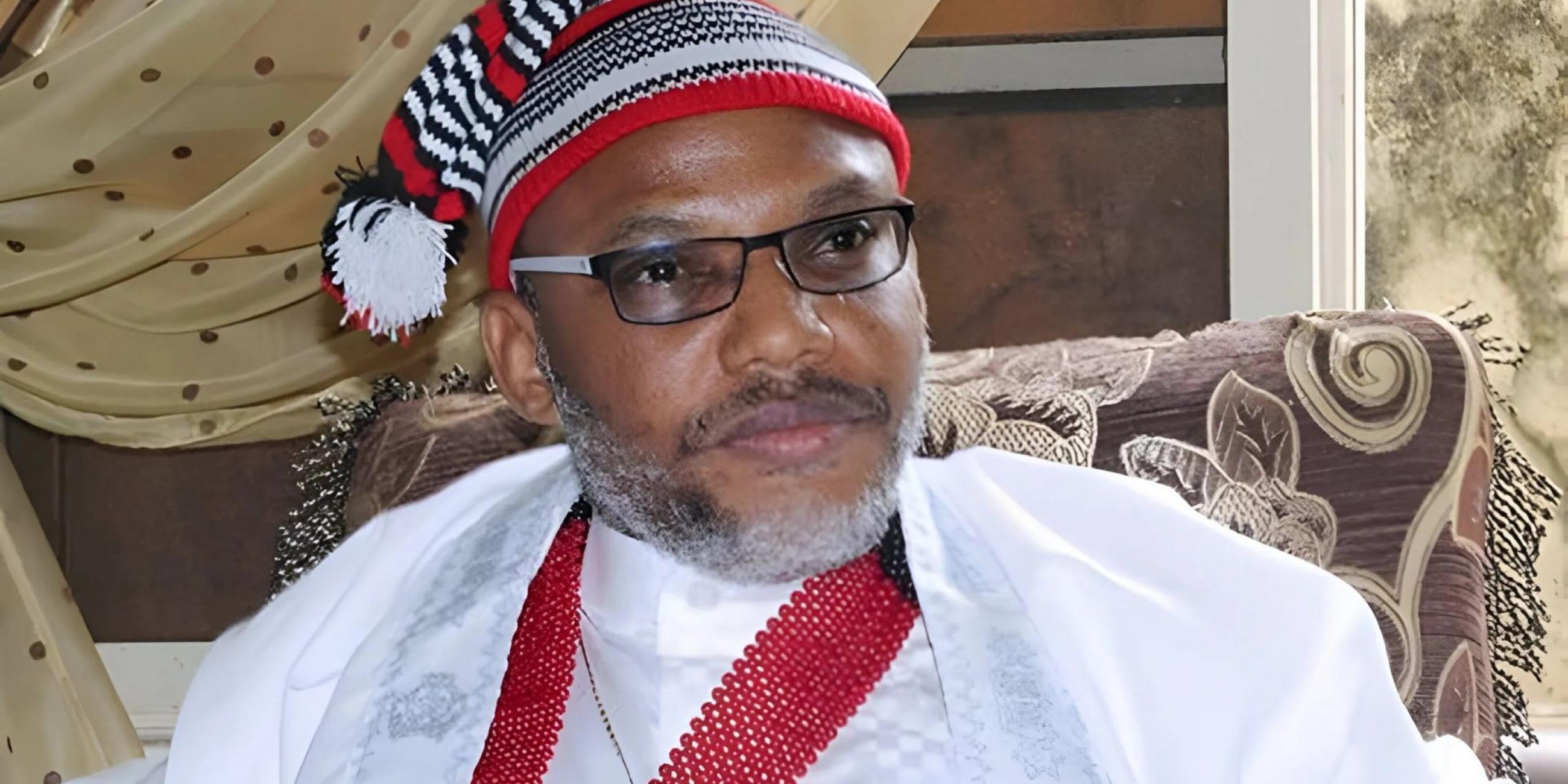
  • Nnamdi Kanu: IPOB Leader’s International Lawyer Accuses UK of Ignoring Illegal Abduction, Torture and Detention, Urges Prime Minister Keir Starmer to Intervene

    The international lawyer and spokesperson for the detained leader of the Indigenous People of Biafra (IPOB), Mazi Nnamdi Kanu, has accused the United Kingdom of deliberately ignoring what he described as Kanu’s illegal abduction, torture and continued imprisonment in Nigeria. In a strongly worded letter addressed to British Prime Minister Keir Starmer at 10 Downing Street, Kanu’s counsel, Bruce Fein, called for urgent diplomatic intervention to secure the release of the British citizen.

    Fein alleged that Kanu was kidnapped in Nairobi, Kenya, in 2021, tortured and extraordinarily renditioned to Nigeria by Nigerian security agents, actions he said violated international law and multiple human rights conventions. According to the lawyer, Kanu has since been held in prolonged solitary confinement without adequate medical care under Nigeria’s security services.

    The letter recalled a July 2022 ruling by the United Nations Working Group on Arbitrary Detention, which found that Nigeria violated 16 international human rights covenants in Kanu’s arrest and detention. The UN body ordered his immediate and unconditional release and payment of reparations—directives Fein said the Nigerian government has ignored for more than three years.

    Fein also condemned Kanu’s life sentence handed down by a Federal High Court in Abuja on November 20, 2025, describing the trial as a “show trial” and insisting that Kanu’s advocacy for Biafran self-determination was pursued through peaceful means. He accused successive UK governments of failing to act despite Kanu’s British citizenship and questioned whether Britain’s silence was motivated by political interests, oil diplomacy or racial bias.

    Drawing comparisons with the UK’s recent intervention in securing the release of British-Egyptian activist Alaa Abd el-Fattah, Fein described the contrasting response as a troubling double standard. He urged Prime Minister Starmer to use diplomatic channels to negotiate Kanu’s release, arguing that doing so would reinforce Britain’s commitment to human rights and correct what he called a historic injustice tied to colonial-era decisions and Britain’s role during the Biafran Civil War.

    Kanu remains in the custody of Nigeria’s Department of State Services (DSS), as calls from rights groups, lawyers and supporters intensify for his release amid growing international scrutiny of Nigeria’s handling of the case.
    Nnamdi Kanu: IPOB Leader’s International Lawyer Accuses UK of Ignoring Illegal Abduction, Torture and Detention, Urges Prime Minister Keir Starmer to Intervene The international lawyer and spokesperson for the detained leader of the Indigenous People of Biafra (IPOB), Mazi Nnamdi Kanu, has accused the United Kingdom of deliberately ignoring what he described as Kanu’s illegal abduction, torture and continued imprisonment in Nigeria. In a strongly worded letter addressed to British Prime Minister Keir Starmer at 10 Downing Street, Kanu’s counsel, Bruce Fein, called for urgent diplomatic intervention to secure the release of the British citizen. Fein alleged that Kanu was kidnapped in Nairobi, Kenya, in 2021, tortured and extraordinarily renditioned to Nigeria by Nigerian security agents, actions he said violated international law and multiple human rights conventions. According to the lawyer, Kanu has since been held in prolonged solitary confinement without adequate medical care under Nigeria’s security services. The letter recalled a July 2022 ruling by the United Nations Working Group on Arbitrary Detention, which found that Nigeria violated 16 international human rights covenants in Kanu’s arrest and detention. The UN body ordered his immediate and unconditional release and payment of reparations—directives Fein said the Nigerian government has ignored for more than three years. Fein also condemned Kanu’s life sentence handed down by a Federal High Court in Abuja on November 20, 2025, describing the trial as a “show trial” and insisting that Kanu’s advocacy for Biafran self-determination was pursued through peaceful means. He accused successive UK governments of failing to act despite Kanu’s British citizenship and questioned whether Britain’s silence was motivated by political interests, oil diplomacy or racial bias. Drawing comparisons with the UK’s recent intervention in securing the release of British-Egyptian activist Alaa Abd el-Fattah, Fein described the contrasting response as a troubling double standard. He urged Prime Minister Starmer to use diplomatic channels to negotiate Kanu’s release, arguing that doing so would reinforce Britain’s commitment to human rights and correct what he called a historic injustice tied to colonial-era decisions and Britain’s role during the Biafran Civil War. Kanu remains in the custody of Nigeria’s Department of State Services (DSS), as calls from rights groups, lawyers and supporters intensify for his release amid growing international scrutiny of Nigeria’s handling of the case.
    0 Σχόλια ·0 Μοιράστηκε ·735 Views
  • Nigeria Mourns Death of Renowned Diplomat Christopher Mbanefo at 95

    Nigeria is in mourning following the passing of Chief Arthur Christopher Izuegbunam Mbanefo, Odu III of Onitsha, at the age of 95. Mbanefo served as Nigeria’s Permanent Representative to the United Nations and held leadership roles in major universities, contributing significantly to diplomacy, education, accounting, and philanthropy. Educated in Nigeria and the UK, he was a fellow of both ICAN and the Institute of Chartered Accountants in England, leaving a legacy of integrity and service.

    #ChristopherMbanefo #Nigeria #Diplomat #UNRepresentative #ICAN #Education #Philanthropy #NigeriaMourns
    Nigeria Mourns Death of Renowned Diplomat Christopher Mbanefo at 95 Nigeria is in mourning following the passing of Chief Arthur Christopher Izuegbunam Mbanefo, Odu III of Onitsha, at the age of 95. Mbanefo served as Nigeria’s Permanent Representative to the United Nations and held leadership roles in major universities, contributing significantly to diplomacy, education, accounting, and philanthropy. Educated in Nigeria and the UK, he was a fellow of both ICAN and the Institute of Chartered Accountants in England, leaving a legacy of integrity and service. #ChristopherMbanefo #Nigeria #Diplomat #UNRepresentative #ICAN #Education #Philanthropy #NigeriaMourns
    0 Σχόλια ·0 Μοιράστηκε ·585 Views
  • Nigeria’s Blurred Foreign Policy Vision In A Fractured Global Order Under Tinubu Administration, By Owei Lakemfa

    In this opinion piece, labour leader and columnist Owei Lakemfa examines Nigeria’s increasingly blurred foreign policy direction amid a fractured and unpredictable global order. Using the detention and eventual release of eleven Nigerian military officers in Burkina Faso as a case study, Lakemfa questions the Tinubu administration’s handling of diplomacy, security, and international relations. He criticises Nigeria’s reliance on ad-hoc presidential diplomacy, sidelining of the Foreign Ministry, prolonged absence of ambassadors, and embarrassing missteps involving the UAE and global shipping giant Maersk. Lakemfa argues that Nigeria’s traditional Pan-Africanist foreign policy vision has weakened, turning the country into a proxy in regional affairs, and calls for a return to professional diplomacy led primarily by experienced career diplomats to restore credibility and clarity in Nigeria’s global engagement.
    Nigeria’s Blurred Foreign Policy Vision In A Fractured Global Order Under Tinubu Administration, By Owei Lakemfa In this opinion piece, labour leader and columnist Owei Lakemfa examines Nigeria’s increasingly blurred foreign policy direction amid a fractured and unpredictable global order. Using the detention and eventual release of eleven Nigerian military officers in Burkina Faso as a case study, Lakemfa questions the Tinubu administration’s handling of diplomacy, security, and international relations. He criticises Nigeria’s reliance on ad-hoc presidential diplomacy, sidelining of the Foreign Ministry, prolonged absence of ambassadors, and embarrassing missteps involving the UAE and global shipping giant Maersk. Lakemfa argues that Nigeria’s traditional Pan-Africanist foreign policy vision has weakened, turning the country into a proxy in regional affairs, and calls for a return to professional diplomacy led primarily by experienced career diplomats to restore credibility and clarity in Nigeria’s global engagement.
    0 Σχόλια ·0 Μοιράστηκε ·487 Views
Αναζήτηση αποτελεσμάτων
Fintter https://fintter.com