• Onitsha Market: Sit-at-Home Excuse Is Delusional — Soludo

    Anambra State Governor, Chukwuma Soludo, has dismissed claims by some traders at the Onitsha Main Market that insecurity prevents them from opening their shops on Mondays, describing the excuse as “delusional.”

    Soludo stressed that the sit-at-home order ended in Anambra in 2023 and insisted that the continued closure of shops on Mondays amounts to economic sabotage. He argued that traders who freely visit stadiums, exercise on the roads, or engage in street trading on Mondays have no justification for keeping their shops shut.

    According to the governor, Onitsha Main Market is one of the most secured areas in the state, with over 150 security personnel deployed. He questioned why markets in areas facing greater security challenges remain open, while traders in Onitsha still cite insecurity as a reason for closure.

    “Anyone claiming they didn’t open their shop because of insecurity is simply delusional,” Soludo said, adding that such behavior harms the state’s economy and must stop.

    #Anambra #OnitshaMarket #Soludo #SitAtHome
    Onitsha Market: Sit-at-Home Excuse Is Delusional — Soludo Anambra State Governor, Chukwuma Soludo, has dismissed claims by some traders at the Onitsha Main Market that insecurity prevents them from opening their shops on Mondays, describing the excuse as “delusional.” Soludo stressed that the sit-at-home order ended in Anambra in 2023 and insisted that the continued closure of shops on Mondays amounts to economic sabotage. He argued that traders who freely visit stadiums, exercise on the roads, or engage in street trading on Mondays have no justification for keeping their shops shut. According to the governor, Onitsha Main Market is one of the most secured areas in the state, with over 150 security personnel deployed. He questioned why markets in areas facing greater security challenges remain open, while traders in Onitsha still cite insecurity as a reason for closure. “Anyone claiming they didn’t open their shop because of insecurity is simply delusional,” Soludo said, adding that such behavior harms the state’s economy and must stop. #Anambra #OnitshaMarket #Soludo #SitAtHome
    love
    1
    · 0 Kommentare ·0 Geteilt ·3KB Ansichten
  • Young Nigerians Launch Bango, Africa’s First Tech-Driven Price Intelligence Platform…….


    Two young Nigerian innovators, Ademuyiwa Adebola and Caleb Adenegan, have founded Bango Nigeria, Africa’s first technology-powered price intelligence platform aimed at tackling arbitrary pricing. The platform is designed to provide transparent, real-time pricing information across markets, helping consumers and businesses make informed decisions. By promoting fairness and accountability, the founders say Bango will address price manipulation, boost consumer confidence, and support a more stable and competitive Nigerian economy.
    Young Nigerians Launch Bango, Africa’s First Tech-Driven Price Intelligence Platform……. Two young Nigerian innovators, Ademuyiwa Adebola and Caleb Adenegan, have founded Bango Nigeria, Africa’s first technology-powered price intelligence platform aimed at tackling arbitrary pricing. The platform is designed to provide transparent, real-time pricing information across markets, helping consumers and businesses make informed decisions. By promoting fairness and accountability, the founders say Bango will address price manipulation, boost consumer confidence, and support a more stable and competitive Nigerian economy.
    love
    2
    · 0 Kommentare ·0 Geteilt ·3KB Ansichten
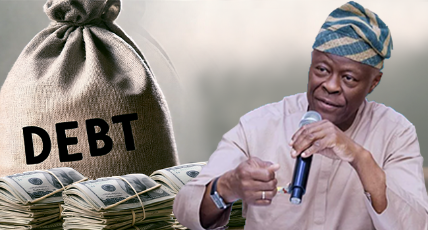
  • Davos: FG Targets Less Borrowing, More Investment — Wale Edun

    The Federal Government has said it plans to reduce borrowing and focus more on investment to grow Nigeria’s economy. The Minister of Finance, Wale Edun, made this known at the World Economic Forum in Davos.

    According to him, the government wants to rely more on local resources and attract investments while carrying out fiscal reforms to strengthen the economy. He said these steps are aimed at improving economic stability and long-term growth.

    #NigeriaEconomy #FGReforms #Davos2026 #InvestmentGrowth
    Davos: FG Targets Less Borrowing, More Investment — Wale Edun The Federal Government has said it plans to reduce borrowing and focus more on investment to grow Nigeria’s economy. The Minister of Finance, Wale Edun, made this known at the World Economic Forum in Davos. According to him, the government wants to rely more on local resources and attract investments while carrying out fiscal reforms to strengthen the economy. He said these steps are aimed at improving economic stability and long-term growth. #NigeriaEconomy #FGReforms #Davos2026 #InvestmentGrowth
    0 Kommentare ·0 Geteilt ·1KB Ansichten
  • China’s Population Shrinks Again in 2025 as Baby Bonuses, Three-Child Policy Fail

    China’s population has fallen for the fourth consecutive year, highlighting the deepening demographic crisis facing the world’s second-largest economy. Official data released on January 19, 2026, shows the population dropped by 3.39 million to about 1.4 billion by the end of 2025—an even faster decline than the previous year. Birth rates fell to a record low of 5.63 per 1,000 people, while death rates climbed to their highest level since 1968. Despite scrapping the one-child policy, introducing a three-child limit, cash baby bonuses and extended maternity leave, births have failed to rebound. High living costs, career pressures and an ageing society continue to discourage young Chinese from having children. The UN warns China’s population will keep shrinking, with serious long-term economic and social consequences.
    #china
    China’s Population Shrinks Again in 2025 as Baby Bonuses, Three-Child Policy Fail China’s population has fallen for the fourth consecutive year, highlighting the deepening demographic crisis facing the world’s second-largest economy. Official data released on January 19, 2026, shows the population dropped by 3.39 million to about 1.4 billion by the end of 2025—an even faster decline than the previous year. Birth rates fell to a record low of 5.63 per 1,000 people, while death rates climbed to their highest level since 1968. Despite scrapping the one-child policy, introducing a three-child limit, cash baby bonuses and extended maternity leave, births have failed to rebound. High living costs, career pressures and an ageing society continue to discourage young Chinese from having children. The UN warns China’s population will keep shrinking, with serious long-term economic and social consequences. #china
    love
    1
    · 0 Kommentare ·0 Geteilt ·2KB Ansichten
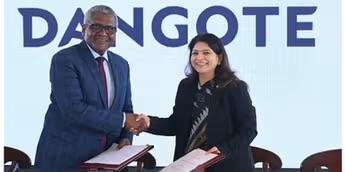
  • Dangote Signs $350m Deal With Indian Firm EIL to Expand Lagos Refinery

    Dangote Group has signed a $350 million agreement with Indian engineering firm Engineers India Ltd (EIL) to expand its flagship refinery and petrochemicals complex in Lagos, a move expected to significantly boost Nigeria’s industrial capacity and reduce Africa’s dependence on imported refined fuels.

    The expansion project will increase the refinery’s processing capacity from 650,000 barrels per day to 1.4 million barrels per day, positioning it as one of the largest single-location refinery complexes in the world.

    Located in the Lekki Free Zone, the Dangote Refinery represents a major milestone in Nigeria’s transition from fuel importation to local production and export of refined petroleum products.

    As part of the deal, Dangote Group will also expand its petrochemical operations, with polypropylene production set to rise to 2.4 million tonnes per annum, strengthening Nigeria’s position in the global petrochemical market.

    #DangoteRefinery #NigeriaEconomy #IndustrialGrowth #EnergySector
    Dangote Signs $350m Deal With Indian Firm EIL to Expand Lagos Refinery Dangote Group has signed a $350 million agreement with Indian engineering firm Engineers India Ltd (EIL) to expand its flagship refinery and petrochemicals complex in Lagos, a move expected to significantly boost Nigeria’s industrial capacity and reduce Africa’s dependence on imported refined fuels. The expansion project will increase the refinery’s processing capacity from 650,000 barrels per day to 1.4 million barrels per day, positioning it as one of the largest single-location refinery complexes in the world. Located in the Lekki Free Zone, the Dangote Refinery represents a major milestone in Nigeria’s transition from fuel importation to local production and export of refined petroleum products. As part of the deal, Dangote Group will also expand its petrochemical operations, with polypropylene production set to rise to 2.4 million tonnes per annum, strengthening Nigeria’s position in the global petrochemical market. #DangoteRefinery #NigeriaEconomy #IndustrialGrowth #EnergySector
    love
    1
    · 0 Kommentare ·0 Geteilt ·2KB Ansichten
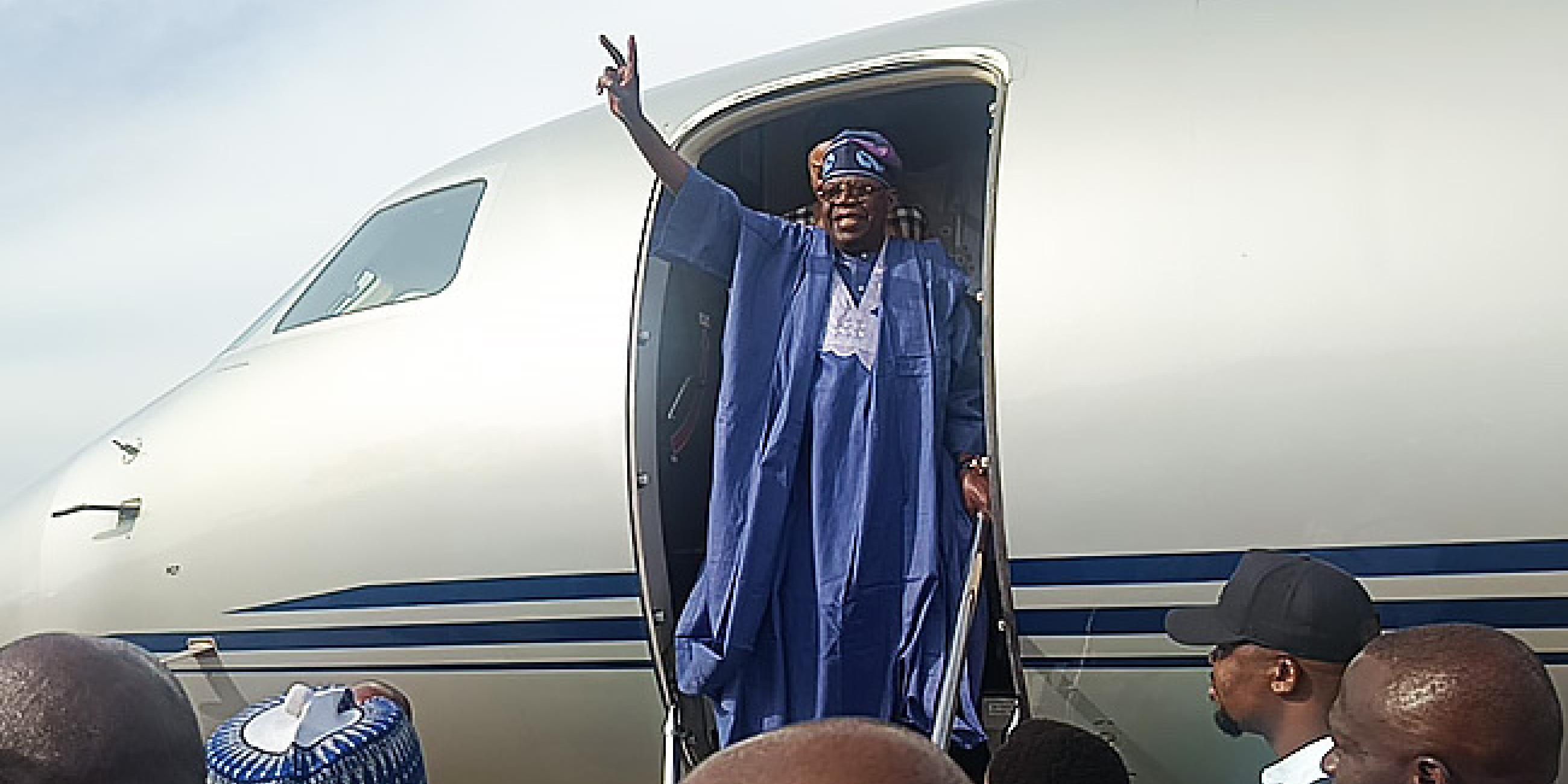
  • Tinubu Returns to Abuja After Weeks Away, Seals Major Nigeria–UAE Trade Deal in Abu Dhabi

    President Bola Tinubu has returned to Abuja after weeks abroad, following his participation in the 2026 Abu Dhabi Sustainability Week. During the summit, Nigeria and the United Arab Emirates signed a landmark Economic Partnership Agreement aimed at boosting trade, investment, and technology transfer. The deal grants duty-free access for thousands of Nigerian products into the UAE market and covers key sectors such as energy, agriculture, infrastructure, mining, and renewables. Tinubu’s trip, which began with a stay in Paris, underscores his administration’s push to attract foreign investment, expand non-oil exports, and reposition Nigeria in the global economy.


    #TinubuReturns #NigeriaUAEDeal #NaijaEconomy
    Tinubu Returns to Abuja After Weeks Away, Seals Major Nigeria–UAE Trade Deal in Abu Dhabi President Bola Tinubu has returned to Abuja after weeks abroad, following his participation in the 2026 Abu Dhabi Sustainability Week. During the summit, Nigeria and the United Arab Emirates signed a landmark Economic Partnership Agreement aimed at boosting trade, investment, and technology transfer. The deal grants duty-free access for thousands of Nigerian products into the UAE market and covers key sectors such as energy, agriculture, infrastructure, mining, and renewables. Tinubu’s trip, which began with a stay in Paris, underscores his administration’s push to attract foreign investment, expand non-oil exports, and reposition Nigeria in the global economy. #TinubuReturns #NigeriaUAEDeal #NaijaEconomy
    love
    2
    · 0 Kommentare ·0 Geteilt ·3KB Ansichten
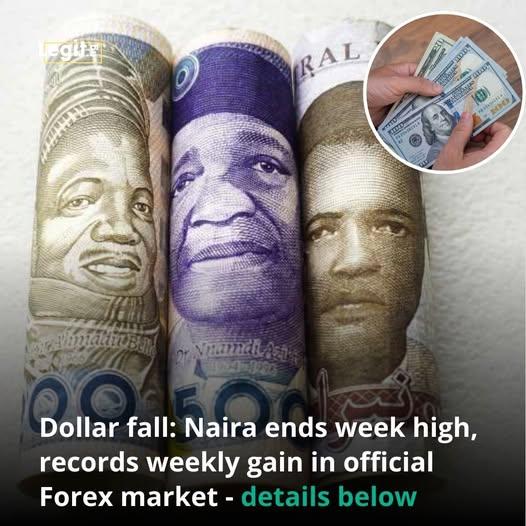
  • Naira Strengthens Against US Dollar Amid Rising Reserves and Narrowing FX Gap

    The Nigerian naira showed resilience against the US dollar, despite multiple economic pressures. Analysts attribute the development to rising external reserves and a narrowing gap between official and black-market foreign exchange rates.

    Market watchers suggest that these factors may help stabilise the currency in the near term, offering some relief amid ongoing financial uncertainties.

    #Naira #USDExchangeRate #NigeriaEconomy #Forex
    Naira Strengthens Against US Dollar Amid Rising Reserves and Narrowing FX Gap The Nigerian naira showed resilience against the US dollar, despite multiple economic pressures. Analysts attribute the development to rising external reserves and a narrowing gap between official and black-market foreign exchange rates. Market watchers suggest that these factors may help stabilise the currency in the near term, offering some relief amid ongoing financial uncertainties. #Naira #USDExchangeRate #NigeriaEconomy #Forex
    like
    1
    · 0 Kommentare ·0 Geteilt ·2KB Ansichten
  • 2027: Getting Tinubu out of power only way to rescue Nigeria  —  ADC

    The African Democratic Congress (ADC) has declared that removing President Bola Tinubu from power in the 2027 general election is the only way to rescue Nigeria from its current challenges. The party blamed the Tinubu administration for worsening economic hardship, insecurity, and poor governance, insisting that Nigerians are suffering under present policies. ADC urged opposition parties to unite ahead of 2027, saying only a strong alternative government can restore hope, stabilize the economy, and deliver effective leadership to citizens.
    #fintternews
    2027: Getting Tinubu out of power only way to rescue Nigeria  —  ADC The African Democratic Congress (ADC) has declared that removing President Bola Tinubu from power in the 2027 general election is the only way to rescue Nigeria from its current challenges. The party blamed the Tinubu administration for worsening economic hardship, insecurity, and poor governance, insisting that Nigerians are suffering under present policies. ADC urged opposition parties to unite ahead of 2027, saying only a strong alternative government can restore hope, stabilize the economy, and deliver effective leadership to citizens. #fintternews
    love
    1
    · 0 Kommentare ·0 Geteilt ·2KB Ansichten
  • Tinubu Laying Strong Foundation for Long-Term Growth — Information Minister

    The Minister of Information and National Orientation, Mohammed Idris, has assured Nigerians that President Bola Tinubu is laying a solid foundation for long-term economic growth and shared prosperity. Idris made the statement while receiving members of the Grassroots Advocacy for Tinubu (GAT) 2027 during a courtesy visit, noting that the administration’s reforms are aimed at stabilising the economy and securing sustainable development for the future.

    #Tinubu #NigeriaEconomy #GAT2027 #NigeriaPolitics
    Tinubu Laying Strong Foundation for Long-Term Growth — Information Minister The Minister of Information and National Orientation, Mohammed Idris, has assured Nigerians that President Bola Tinubu is laying a solid foundation for long-term economic growth and shared prosperity. Idris made the statement while receiving members of the Grassroots Advocacy for Tinubu (GAT) 2027 during a courtesy visit, noting that the administration’s reforms are aimed at stabilising the economy and securing sustainable development for the future. #Tinubu #NigeriaEconomy #GAT2027 #NigeriaPolitics
    0 Kommentare ·0 Geteilt ·2KB Ansichten
  • 7.5% VAT on Mobile Transfers and USSD Transactions Starts January 19

    From January 19, 2026, Nigerians making mobile bank transfers or USSD payments will be charged a 7.5% VAT. The government-backed directive was shared by Moniepoint, detailing the new charges on electronic banking services.

    #VAT #NigeriaFinance #USSD #MobileBanking #BankingNews #FinanceUpdate #NigeriaEconomy #Moniepoint #BreakingNews
    🚨 7.5% VAT on Mobile Transfers and USSD Transactions Starts January 19 🚨 From January 19, 2026, Nigerians making mobile bank transfers or USSD payments will be charged a 7.5% VAT. The government-backed directive was shared by Moniepoint, detailing the new charges on electronic banking services. #VAT #NigeriaFinance #USSD #MobileBanking #BankingNews #FinanceUpdate #NigeriaEconomy #Moniepoint #BreakingNews
    love
    1
    · 0 Kommentare ·0 Geteilt ·1KB Ansichten
  • Tinubu Dey Wash Image for Oyibo While Insecurity Dey Kill Us: Yoruba Group Slam $9m US Lobby Deal

    Wahala don burst as pan-Yoruba group Ìgbìnmó Májékóbájé Ilé-Yorùbá accuse President Bola Tinubu of wrong priority after report say Federal Government commit $9 million to hire US lobbyists while insecurity dey scatter Nigeria.

    For statement wey Olusola Badero sign, the group say the money wey government allegedly pay foreign lobbyists fit use fight banditry, kidnapping and killings wey don claim thousands of lives across the country. Dem accuse Tinubu of caring more about foreign image laundering and 2027 politics than the suffering of ordinary Nigerians.

    According to dem, APC government dey waste taxpayers’ money to paint Nigeria fine for abroad, while people dey die every day for villages, highways and even Abuja. Dem say terrorists full almost all states, yet government dey pretend say everywhere safe and even dey give amnesty to criminals.

    The group react to report say NSA Nuhu Ribadu arrange deal with US firm DCI Group, with initial $4.5m paid and another $4.5m to follow, making am $750k per month. Dem question why Tinubu go dey “appease Trump” instead of fixing security, economy and governance.

    Dem demand accountability, urge Nigerians to hold government responsible, and insist say $9m fit rebuild communities, support victims and strengthen security—not to polish Nigeria image for abroad while citizens dey suffer.
    Tinubu Dey Wash Image for Oyibo While Insecurity Dey Kill Us: Yoruba Group Slam $9m US Lobby Deal Wahala don burst as pan-Yoruba group Ìgbìnmó Májékóbájé Ilé-Yorùbá accuse President Bola Tinubu of wrong priority after report say Federal Government commit $9 million to hire US lobbyists while insecurity dey scatter Nigeria. For statement wey Olusola Badero sign, the group say the money wey government allegedly pay foreign lobbyists fit use fight banditry, kidnapping and killings wey don claim thousands of lives across the country. Dem accuse Tinubu of caring more about foreign image laundering and 2027 politics than the suffering of ordinary Nigerians. According to dem, APC government dey waste taxpayers’ money to paint Nigeria fine for abroad, while people dey die every day for villages, highways and even Abuja. Dem say terrorists full almost all states, yet government dey pretend say everywhere safe and even dey give amnesty to criminals. The group react to report say NSA Nuhu Ribadu arrange deal with US firm DCI Group, with initial $4.5m paid and another $4.5m to follow, making am $750k per month. Dem question why Tinubu go dey “appease Trump” instead of fixing security, economy and governance. Dem demand accountability, urge Nigerians to hold government responsible, and insist say $9m fit rebuild communities, support victims and strengthen security—not to polish Nigeria image for abroad while citizens dey suffer.
    0 Kommentare ·0 Geteilt ·3KB Ansichten
  • Another Tori oo! Nigeria, EU Ready to Tighten Relationship, Set Big 2026 Abuja Summit

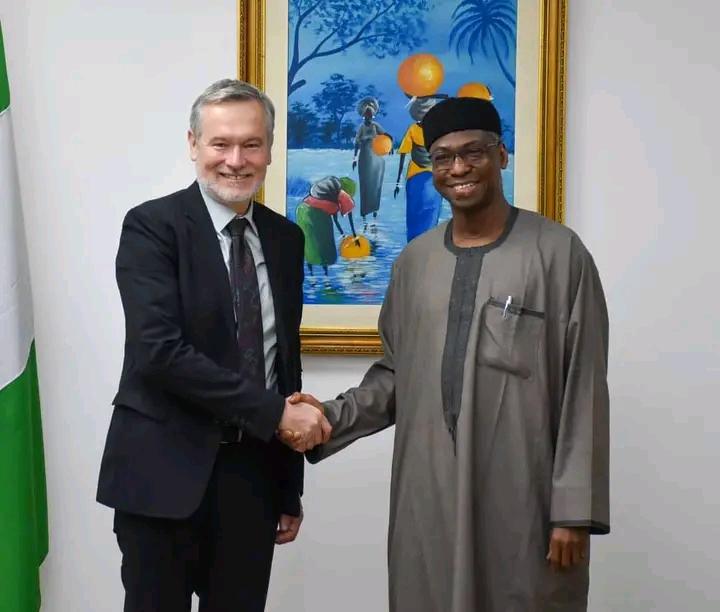
    Nigeria and the European Union don agree to strengthen their strategic partnership, with a major ministerial summit scheduled for Abuja in March 2026. According to a statement by the Ministry of Foreign Affairs spokesperson, Kimibie Ebienfa, the decision follow high-level talks between Nigeria’s Permanent Secretary of Foreign Affairs, Ambassador Dunoma Umar Ahmed, and EU Ambassador, Gautier Mignot. Both sides agree say future cooperation go focus more on non-oil sectors like agriculture, digital economy and green innovation, as Nigeria dey look for ways to reduce dependence on crude oil. The EU also pledge continued support for counter-terrorism, Gulf of Guinea maritime security and tackling root causes of instability such as youth unemployment. Nigeria, on her part, call for stronger EU backing on climate adaptation and green technology. Dem also agree on balanced migration approach through skills partnerships under the EU “Global Gateway” initiative, aimed at boosting infrastructure, clean energy and youth development. Both parties express confidence say 2026 go be turning point for deeper cooperation. Wahala oo, Nigeria foreign partnership don enter new level.

    Another Tori oo! Nigeria, EU Ready to Tighten Relationship, Set Big 2026 Abuja Summit Nigeria and the European Union don agree to strengthen their strategic partnership, with a major ministerial summit scheduled for Abuja in March 2026. According to a statement by the Ministry of Foreign Affairs spokesperson, Kimibie Ebienfa, the decision follow high-level talks between Nigeria’s Permanent Secretary of Foreign Affairs, Ambassador Dunoma Umar Ahmed, and EU Ambassador, Gautier Mignot. Both sides agree say future cooperation go focus more on non-oil sectors like agriculture, digital economy and green innovation, as Nigeria dey look for ways to reduce dependence on crude oil. The EU also pledge continued support for counter-terrorism, Gulf of Guinea maritime security and tackling root causes of instability such as youth unemployment. Nigeria, on her part, call for stronger EU backing on climate adaptation and green technology. Dem also agree on balanced migration approach through skills partnerships under the EU “Global Gateway” initiative, aimed at boosting infrastructure, clean energy and youth development. Both parties express confidence say 2026 go be turning point for deeper cooperation. Wahala oo, Nigeria foreign partnership don enter new level.
    love
    1
    · 0 Kommentare ·0 Geteilt ·2KB Ansichten
  • Nigerian Research Institute to Spend N1.1B on Grinding & Welding Equipment to Empower Youths and Women in 2026

    The National Cereals Research Institute has revealed plans to spend ₦1.1 billion on grinding machines, welding equipment, mobile carts, and vulcanising machines in 2026. The initiative aims to empower youths and women in the Niger Delta States to start small businesses.

    In addition, the institute allocated ₦4.1 billion to supply grains to rural farmers in selected South-South communities, and another ₦4.9 billion to purchase grains for farmers nationwide. A further ₦350 million is earmarked for capacity building for grain producers in South-West Nigeria.

    The announcement comes amid concerns raised by civic watchdog MonITng, which previously criticized empowerment projects in Aguata Federal Constituency, Anambra State, as mismanaged and outdated, arguing that providing wheelbarrows, hoes, and cutlasses does not adequately equip youths for today’s economy.

    MonITng stressed that true empowerment should combine skills training (like welding, ICT, tailoring, or agro-processing) with meaningful tools, rather than handing out obsolete implements.

    At a time when nations invest in technology-driven agriculture and digital empowerment, spending millions on cutlasses and wheelbarrows is a waste of public funds,” the group said.


    The 2026 plan by the Cereals Research Institute reflects a shift towards more practical and business-oriented empowerment programs, aimed at giving Nigerians the tools to create sustainable livelihoods.


    Nigerian Research Institute to Spend N1.1B on Grinding & Welding Equipment to Empower Youths and Women in 2026 The National Cereals Research Institute has revealed plans to spend ₦1.1 billion on grinding machines, welding equipment, mobile carts, and vulcanising machines in 2026. The initiative aims to empower youths and women in the Niger Delta States to start small businesses. In addition, the institute allocated ₦4.1 billion to supply grains to rural farmers in selected South-South communities, and another ₦4.9 billion to purchase grains for farmers nationwide. A further ₦350 million is earmarked for capacity building for grain producers in South-West Nigeria. The announcement comes amid concerns raised by civic watchdog MonITng, which previously criticized empowerment projects in Aguata Federal Constituency, Anambra State, as mismanaged and outdated, arguing that providing wheelbarrows, hoes, and cutlasses does not adequately equip youths for today’s economy. MonITng stressed that true empowerment should combine skills training (like welding, ICT, tailoring, or agro-processing) with meaningful tools, rather than handing out obsolete implements. At a time when nations invest in technology-driven agriculture and digital empowerment, spending millions on cutlasses and wheelbarrows is a waste of public funds,” the group said. The 2026 plan by the Cereals Research Institute reflects a shift towards more practical and business-oriented empowerment programs, aimed at giving Nigerians the tools to create sustainable livelihoods.
    like
    1
    · 0 Kommentare ·0 Geteilt ·2KB Ansichten
  • Ahhhh wahala don set oo! Northern Nigeria don scatter. bandits don turn wahala full ground, from cattle rustling to kidnapping, village burnings, even sex slavery. Samuel Aruwan don break am down say this one no be small small grievance matter again—na full-blown criminal enterprise wey dey make money, control land, weapons, and even terror networks cross borders.

    E don reach point wey dialogue dey soft for some, but bandits dey exploit am for cash. North-West dey record over 400 kidnapping cases, ransom don reach trillions, people dey die by hundreds of thousands.

    E get two sides of the story:
    1️⃣ Low-risk actors wey na just defend themselves, maybe small dialogue fit work.
    2️⃣ High-risk, AK-47 carrying bandit networks wey dey profit from terror—these ones na target-only matter, force plus intelligence, no time for political drama.

    If state no sharp, these criminal networks fit turn full-scale terrorist groups, like Boko Haram round two. Nigeria must classify the threat, cut their cash flow, enforce law, and no dey play emotional card.

    TL;DR: Banditry don change level! Na criminal economy, not ethnic fight. Dialogue dey place, but only for those wey no dey kidnap, kill, or enslave people. For serious bandits, force + intelligence + law dey mandatory.

    Ahhhh wahala don set oo! 😱 Northern Nigeria don scatter. bandits don turn wahala full ground, from cattle rustling to kidnapping, village burnings, even sex slavery. Samuel Aruwan don break am down say this one no be small small grievance matter again—na full-blown criminal enterprise wey dey make money, control land, weapons, and even terror networks cross borders. E don reach point wey dialogue dey soft for some, but bandits dey exploit am for cash. North-West dey record over 400 kidnapping cases, ransom don reach trillions, people dey die by hundreds of thousands. 😬 E get two sides of the story: 1️⃣ Low-risk actors wey na just defend themselves, maybe small dialogue fit work. 2️⃣ High-risk, AK-47 carrying bandit networks wey dey profit from terror—these ones na target-only matter, force plus intelligence, no time for political drama. If state no sharp, these criminal networks fit turn full-scale terrorist groups, like Boko Haram round two. Nigeria must classify the threat, cut their cash flow, enforce law, and no dey play emotional card. TL;DR: Banditry don change level! Na criminal economy, not ethnic fight. Dialogue dey place, but only for those wey no dey kidnap, kill, or enslave people. For serious bandits, force + intelligence + law dey mandatory.
    0 Kommentare ·0 Geteilt ·2KB Ansichten
  • Is South Africa Blocking Starlink Over Race? Elon Musk Says Ownership Laws Are Stopping His Internet Company From Getting a Licence

    Elon Musk has reignited debate over South Africa’s post-apartheid economic policies after claiming that his satellite internet company, Starlink, is unable to operate in the country because he is not Black. Speaking at the Qatar Economic Forum during a session titled “In Conversation With Elon Musk,” the billionaire entrepreneur said regulatory requirements tied to South Africa’s Black Economic Empowerment (BEE) framework have prevented Starlink from obtaining an operating licence.

    According to Musk, South Africa has “about 140 laws” that give preference to Black South Africans in ownership and business participation, and he argued that these rules have effectively barred Starlink from entering the market. “Starlink is not allowed to operate in South Africa, because I’m not Black,” he said, framing the situation as an example of racial discrimination embedded in law. His comments quickly spread on social media, triggering intense debate both inside and outside the country.

    South Africa’s Broad-Based Black Economic Empowerment (B-BBEE) policy was introduced after the end of apartheid to correct deep economic inequalities by increasing Black participation in ownership, management, and control of businesses. In regulated sectors such as telecommunications, licence applicants are generally expected to meet minimum thresholds of local and historically disadvantaged ownership. The Independent Communications Authority of South Africa (ICASA), which oversees telecommunications licensing, has consistently maintained that all operators—local or foreign—must comply with national laws. While partnerships, exemptions, or alternative structures are sometimes possible, transformation requirements remain central to government policy.

    Starlink, a subsidiary of SpaceX, already operates in more than 70 countries, delivering internet access through low-Earth orbit satellites, particularly in remote and underserved regions. Despite strong demand from South African consumers and businesses, the company currently lacks approval to offer services commercially in the country. Musk’s remarks have therefore raised fresh questions about whether South Africa’s regulatory framework is limiting competition and access to high-speed connectivity, especially in rural areas.

    The reaction to Musk’s comments has been sharply divided. Supporters argue that blocking Starlink deprives citizens of affordable, reliable internet and discourages foreign investment. Critics counter that Musk’s portrayal oversimplifies the law and ignores the historical context that gave rise to empowerment policies designed to redress decades of racial exclusion. They maintain that B-BBEE is a remedial framework rather than a tool for discrimination.

    South African authorities have not directly responded to Musk’s latest statements, but government officials have previously rejected claims that empowerment laws are exclusionary, insisting they are necessary to correct structural inequality and ensure broader participation in the economy. As the debate continues, Musk’s comments have once again placed South Africa’s transformation policies under global scrutiny—raising a central question: are empowerment laws protecting economic justice, or are they unintentionally shutting out innovation and competition in critical sectors like technology and telecommunications?


    Is South Africa Blocking Starlink Over Race? Elon Musk Says Ownership Laws Are Stopping His Internet Company From Getting a Licence Elon Musk has reignited debate over South Africa’s post-apartheid economic policies after claiming that his satellite internet company, Starlink, is unable to operate in the country because he is not Black. Speaking at the Qatar Economic Forum during a session titled “In Conversation With Elon Musk,” the billionaire entrepreneur said regulatory requirements tied to South Africa’s Black Economic Empowerment (BEE) framework have prevented Starlink from obtaining an operating licence. According to Musk, South Africa has “about 140 laws” that give preference to Black South Africans in ownership and business participation, and he argued that these rules have effectively barred Starlink from entering the market. “Starlink is not allowed to operate in South Africa, because I’m not Black,” he said, framing the situation as an example of racial discrimination embedded in law. His comments quickly spread on social media, triggering intense debate both inside and outside the country. South Africa’s Broad-Based Black Economic Empowerment (B-BBEE) policy was introduced after the end of apartheid to correct deep economic inequalities by increasing Black participation in ownership, management, and control of businesses. In regulated sectors such as telecommunications, licence applicants are generally expected to meet minimum thresholds of local and historically disadvantaged ownership. The Independent Communications Authority of South Africa (ICASA), which oversees telecommunications licensing, has consistently maintained that all operators—local or foreign—must comply with national laws. While partnerships, exemptions, or alternative structures are sometimes possible, transformation requirements remain central to government policy. Starlink, a subsidiary of SpaceX, already operates in more than 70 countries, delivering internet access through low-Earth orbit satellites, particularly in remote and underserved regions. Despite strong demand from South African consumers and businesses, the company currently lacks approval to offer services commercially in the country. Musk’s remarks have therefore raised fresh questions about whether South Africa’s regulatory framework is limiting competition and access to high-speed connectivity, especially in rural areas. The reaction to Musk’s comments has been sharply divided. Supporters argue that blocking Starlink deprives citizens of affordable, reliable internet and discourages foreign investment. Critics counter that Musk’s portrayal oversimplifies the law and ignores the historical context that gave rise to empowerment policies designed to redress decades of racial exclusion. They maintain that B-BBEE is a remedial framework rather than a tool for discrimination. South African authorities have not directly responded to Musk’s latest statements, but government officials have previously rejected claims that empowerment laws are exclusionary, insisting they are necessary to correct structural inequality and ensure broader participation in the economy. As the debate continues, Musk’s comments have once again placed South Africa’s transformation policies under global scrutiny—raising a central question: are empowerment laws protecting economic justice, or are they unintentionally shutting out innovation and competition in critical sectors like technology and telecommunications?
    0 Kommentare ·0 Geteilt ·2KB Ansichten
  • Why Is Tinubu Budgeting Another ₦7bn for Aso Rock Solar While Nigerians Face Blackouts? After ₦10bn in 2025, Is the Presidency Prioritising Itself Over the National Power Crisis?

    Amid worsening electricity shortages across Nigeria, the Bola Tinubu-led federal government has allocated another ₦7 billion in the 2026 budget for the solarisation of the Presidential Villa, Aso Rock, raising fresh questions about priorities, equity, and governance. The new allocation—listed by the Budget Office of the Federation under State House expenditures as “provision of solarisation of Villa with solar mini grid”—comes just a year after ₦10 billion was set aside for the same project in 2025.

    The decision has reignited public debate because it contrasts sharply with the everyday reality of millions of Nigerians who continue to endure persistent blackouts, business disruptions, and rising energy costs. Critics argue that while the Presidency secures reliable power through a premium solar project, households and small enterprises remain at the mercy of an unstable national grid.

    In April 2025, when the initial ₦10 billion allocation triggered public outrage, the Presidency defended the project as a long-term investment in sustainability and energy efficiency. Presidential spokesman Bayo Onanuga said the move follows “global standards,” citing the White House’s use of solar power and insisting the administration was not “reinventing the wheel” but adopting a tested model for powering critical institutions. Supporters of the project also frame it as a smart hedge against grid failures and a step toward cleaner energy.

    Yet the timing has kept the controversy alive. The latest budget increase coincides with a series of national grid collapses that have plunged much of the country into darkness. According to data from the Nigerian Independent System Operator (NISO), one major disturbance saw total power generation crash from 2,052.37MW to just 139.92MW within one hour, leaving only three of the country’s 11 distribution companies able to take any load. At different points, major DisCos—including Eko, Ikeja, Enugu, Jos, Kaduna, Kano, Port Harcourt and Yola—recorded zero allocation, underscoring the fragility of the system.

    Independent monitoring confirmed that even hours after such collapses, national supply remained severely constrained, with total available power far below what is needed to sustain homes, hospitals, businesses, and critical services. Similar incidents in March and September 2025 followed earlier government celebrations of rising generation, only for output to plunge again below sustainable levels.

    Against this backdrop, many Nigerians question whether investing billions to guarantee uninterrupted electricity for the seat of power—while the wider grid remains unreliable—signals a two-tier energy policy. Some see the solar project as an admission that government itself no longer trusts the national power system it oversees. Others argue that the Presidency’s energy security should not come at a time when ordinary citizens face daily outages, rising fuel costs for generators, and an economy already under strain.

    The debate now centres on urgent questions: Is the Tinubu administration protecting Aso Rock while the country stays in the dark? Should scarce public funds be channelled first into stabilising the national grid rather than insulating the Presidency? And does repeated spending—₦17 billion across two years—reflect forward-looking sustainability or misplaced priorities in the middle of a power crisis? As Nigeria’s electricity infrastructure continues to falter, the Aso Rock solar budget has become a powerful symbol in a wider argument about leadership, accountability, and who truly benefits from government policy.


    Why Is Tinubu Budgeting Another ₦7bn for Aso Rock Solar While Nigerians Face Blackouts? After ₦10bn in 2025, Is the Presidency Prioritising Itself Over the National Power Crisis? Amid worsening electricity shortages across Nigeria, the Bola Tinubu-led federal government has allocated another ₦7 billion in the 2026 budget for the solarisation of the Presidential Villa, Aso Rock, raising fresh questions about priorities, equity, and governance. The new allocation—listed by the Budget Office of the Federation under State House expenditures as “provision of solarisation of Villa with solar mini grid”—comes just a year after ₦10 billion was set aside for the same project in 2025. The decision has reignited public debate because it contrasts sharply with the everyday reality of millions of Nigerians who continue to endure persistent blackouts, business disruptions, and rising energy costs. Critics argue that while the Presidency secures reliable power through a premium solar project, households and small enterprises remain at the mercy of an unstable national grid. In April 2025, when the initial ₦10 billion allocation triggered public outrage, the Presidency defended the project as a long-term investment in sustainability and energy efficiency. Presidential spokesman Bayo Onanuga said the move follows “global standards,” citing the White House’s use of solar power and insisting the administration was not “reinventing the wheel” but adopting a tested model for powering critical institutions. Supporters of the project also frame it as a smart hedge against grid failures and a step toward cleaner energy. Yet the timing has kept the controversy alive. The latest budget increase coincides with a series of national grid collapses that have plunged much of the country into darkness. According to data from the Nigerian Independent System Operator (NISO), one major disturbance saw total power generation crash from 2,052.37MW to just 139.92MW within one hour, leaving only three of the country’s 11 distribution companies able to take any load. At different points, major DisCos—including Eko, Ikeja, Enugu, Jos, Kaduna, Kano, Port Harcourt and Yola—recorded zero allocation, underscoring the fragility of the system. Independent monitoring confirmed that even hours after such collapses, national supply remained severely constrained, with total available power far below what is needed to sustain homes, hospitals, businesses, and critical services. Similar incidents in March and September 2025 followed earlier government celebrations of rising generation, only for output to plunge again below sustainable levels. Against this backdrop, many Nigerians question whether investing billions to guarantee uninterrupted electricity for the seat of power—while the wider grid remains unreliable—signals a two-tier energy policy. Some see the solar project as an admission that government itself no longer trusts the national power system it oversees. Others argue that the Presidency’s energy security should not come at a time when ordinary citizens face daily outages, rising fuel costs for generators, and an economy already under strain. The debate now centres on urgent questions: Is the Tinubu administration protecting Aso Rock while the country stays in the dark? Should scarce public funds be channelled first into stabilising the national grid rather than insulating the Presidency? And does repeated spending—₦17 billion across two years—reflect forward-looking sustainability or misplaced priorities in the middle of a power crisis? As Nigeria’s electricity infrastructure continues to falter, the Aso Rock solar budget has become a powerful symbol in a wider argument about leadership, accountability, and who truly benefits from government policy.
    0 Kommentare ·0 Geteilt ·3KB Ansichten
  • What Will 2026 Really Bring for Nigeria and the World? Azu Ishiekwene Predicts Power Shifts, Economic Strain, AI Disruption, 2027 Politics and Who Wins the World Cup

    Is 2026 a year of quiet recovery—or the beginning of deeper political, economic and global turbulence? And is Nigeria already slipping into the politics of 2027?

    In what he describes as possibly his final annual forecast, journalist and columnist Azu Ishiekwene delivers a sweeping, high-stakes outlook on Nigeria and the world, blending political prediction, economic analysis, technology trends and global power shifts. Known for earlier forecasts that accurately anticipated election outcomes and cabinet shake-ups, Ishiekwene argues that 2026 will be a year where politics collides head-on with harsh economic realities, leaving citizens caught between daily hardship and recycled political promises.

    He warns that Nigeria’s economy will remain under pressure, with tensions growing between tight monetary policy and rising demands for fiscal expansion in a pre-election year. Could divisions inside the Ministry of Finance undermine investor confidence? And will petrol prices remain stable around ₦850 per litre, as he suggests, only if oil output rises and NNPC escapes its heavy crude obligations?

    While cheaper fuel from the Dangote Refinery may offer temporary consumer relief, Ishiekwene predicts continued instability in electricity supply, pointing to a fragile transmission system that still requires massive investment. He also foresees President Bola Tinubu possibly unveiling private-sector-led reforms in power transmission involving major business players.

    But is Nigeria already entering the politics of 2027 in 2026?

    Ishiekwene argues that although early elections are unlikely, political realignments are accelerating. With multiple opposition governors defecting to the ruling APC, claims of a creeping one-party state are growing. Yet, he suggests the reality is more complex: a weakened opposition plagued by internal fractures, financial constraints and a lack of coherent alternatives.

    Turning to the emerging African Democratic Congress (ADC) coalition—uniting figures such as Atiku Abubakar, Peter Obi, Nasir El-Rufai, Rotimi Amaechi and Rabiu Kwankwaso—he raises a critical question: is ADC truly built to win in 2027, or merely to survive until 2031? He predicts Atiku will clinch the party’s ticket over Obi, with Obi likely offered the vice-presidential slot—potentially triggering backlash among “Obidients.” With limited grassroots reach and the enormous financial demands of a presidential campaign, Ishiekwene concludes that ADC may struggle to pose a serious challenge to the ruling party in the next election cycle.

    Beyond Nigeria, he paints 2026 as a year shaped by geopolitical rivalry, especially between Donald Trump’s America and Xi Jinping’s China, and by growing global unease over U.S. trade policies, immigration enforcement and economic nationalism. Could gold and non-dollar assets accelerate as the world quietly prepares for a less dollar-centric future?

    He also highlights the rapid evolution of artificial intelligence, warning that 2026 will mark a shift from basic generative AI to agentic, autonomous systems capable of independent action. As AI blurs the line between reality and fabrication, he predicts rising confusion, misinformation, and ethical challenges—ushering in what he calls the “Year of the Humanoid.”

    Even football is not spared his forecasting. With the 2026 FIFA World Cup approaching, Ishiekwene tips Spain to win, citing tactical depth and cohesion, while acknowledging Morocco as Africa’s strongest hope.

    Ultimately, the essay asks uncomfortable but urgent questions:
    Is Nigeria drifting toward political dominance by one party?
    Will economic reforms truly ease citizens’ burdens—or merely reshuffle the pressure?
    Can a fractured opposition reorganise in time?
    And in a world increasingly shaped by AI and geopolitical rivalry, where does Nigeria truly stand?

    For Ishiekwene, 2026 is not just another year—it is a crossroads where technology, politics, power and survival intersect, setting the tone for Nigeria’s future well beyond the next election.


    What Will 2026 Really Bring for Nigeria and the World? Azu Ishiekwene Predicts Power Shifts, Economic Strain, AI Disruption, 2027 Politics and Who Wins the World Cup Is 2026 a year of quiet recovery—or the beginning of deeper political, economic and global turbulence? And is Nigeria already slipping into the politics of 2027? In what he describes as possibly his final annual forecast, journalist and columnist Azu Ishiekwene delivers a sweeping, high-stakes outlook on Nigeria and the world, blending political prediction, economic analysis, technology trends and global power shifts. Known for earlier forecasts that accurately anticipated election outcomes and cabinet shake-ups, Ishiekwene argues that 2026 will be a year where politics collides head-on with harsh economic realities, leaving citizens caught between daily hardship and recycled political promises. He warns that Nigeria’s economy will remain under pressure, with tensions growing between tight monetary policy and rising demands for fiscal expansion in a pre-election year. Could divisions inside the Ministry of Finance undermine investor confidence? And will petrol prices remain stable around ₦850 per litre, as he suggests, only if oil output rises and NNPC escapes its heavy crude obligations? While cheaper fuel from the Dangote Refinery may offer temporary consumer relief, Ishiekwene predicts continued instability in electricity supply, pointing to a fragile transmission system that still requires massive investment. He also foresees President Bola Tinubu possibly unveiling private-sector-led reforms in power transmission involving major business players. But is Nigeria already entering the politics of 2027 in 2026? Ishiekwene argues that although early elections are unlikely, political realignments are accelerating. With multiple opposition governors defecting to the ruling APC, claims of a creeping one-party state are growing. Yet, he suggests the reality is more complex: a weakened opposition plagued by internal fractures, financial constraints and a lack of coherent alternatives. Turning to the emerging African Democratic Congress (ADC) coalition—uniting figures such as Atiku Abubakar, Peter Obi, Nasir El-Rufai, Rotimi Amaechi and Rabiu Kwankwaso—he raises a critical question: is ADC truly built to win in 2027, or merely to survive until 2031? He predicts Atiku will clinch the party’s ticket over Obi, with Obi likely offered the vice-presidential slot—potentially triggering backlash among “Obidients.” With limited grassroots reach and the enormous financial demands of a presidential campaign, Ishiekwene concludes that ADC may struggle to pose a serious challenge to the ruling party in the next election cycle. Beyond Nigeria, he paints 2026 as a year shaped by geopolitical rivalry, especially between Donald Trump’s America and Xi Jinping’s China, and by growing global unease over U.S. trade policies, immigration enforcement and economic nationalism. Could gold and non-dollar assets accelerate as the world quietly prepares for a less dollar-centric future? He also highlights the rapid evolution of artificial intelligence, warning that 2026 will mark a shift from basic generative AI to agentic, autonomous systems capable of independent action. As AI blurs the line between reality and fabrication, he predicts rising confusion, misinformation, and ethical challenges—ushering in what he calls the “Year of the Humanoid.” Even football is not spared his forecasting. With the 2026 FIFA World Cup approaching, Ishiekwene tips Spain to win, citing tactical depth and cohesion, while acknowledging Morocco as Africa’s strongest hope. Ultimately, the essay asks uncomfortable but urgent questions: Is Nigeria drifting toward political dominance by one party? Will economic reforms truly ease citizens’ burdens—or merely reshuffle the pressure? Can a fractured opposition reorganise in time? And in a world increasingly shaped by AI and geopolitical rivalry, where does Nigeria truly stand? For Ishiekwene, 2026 is not just another year—it is a crossroads where technology, politics, power and survival intersect, setting the tone for Nigeria’s future well beyond the next election.
    love
    1
    · 0 Kommentare ·0 Geteilt ·5KB Ansichten
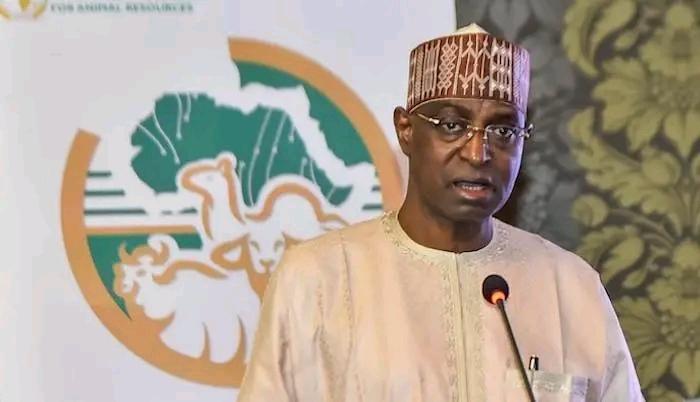
  • MINISTER OF LIVESTOCK DEVELOPMENT LAYS FOUNDATION FOR ESTABLISHMENT OF SERVICE CENTRE IN SOKOTO STATE

    The new Livestock Service Centre is a key intervention under the World Bank-assisted Livestock Productivity and Resilience Support (L-PRES) Project.

    Performing the foundation stone laying, the Minister of Livestock Development, Dr. Idi Mukhtar Maiha, reaffirms the Federal Government’s commitment to unlocking Nigeria’s livestock potential for sustainable peace and development.

    Governor Ahmed Aliyu stated that the Centre is designed to address livestock losses, rural poverty and insecurity linked to unregulated livestock practices.

    The Governor noted that the Facility will introduce modern feedlots, support pasture development and ease the pressures of open grazing on Farmlands.

    National Coordinator, L-PRES, Dr. Sanusi Abubakar, assured full support from the National Coordination Office to guarantee the project’s successful implementation.

    The Commissioner for Livestock Development, Bello Muhammad Wamakko, highlighted Sokoto State Government’s investment in routine vaccination programmes and other measures to reduce Farmer–herder conflicts.

    Similar projects are being executed in 20 participating States nationwide, expected to enhance food security, improve animal health and strengthen the Nation’s economy.
    MINISTER OF LIVESTOCK DEVELOPMENT LAYS FOUNDATION FOR ESTABLISHMENT OF SERVICE CENTRE IN SOKOTO STATE The new Livestock Service Centre is a key intervention under the World Bank-assisted Livestock Productivity and Resilience Support (L-PRES) Project. Performing the foundation stone laying, the Minister of Livestock Development, Dr. Idi Mukhtar Maiha, reaffirms the Federal Government’s commitment to unlocking Nigeria’s livestock potential for sustainable peace and development. Governor Ahmed Aliyu stated that the Centre is designed to address livestock losses, rural poverty and insecurity linked to unregulated livestock practices. The Governor noted that the Facility will introduce modern feedlots, support pasture development and ease the pressures of open grazing on Farmlands. National Coordinator, L-PRES, Dr. Sanusi Abubakar, assured full support from the National Coordination Office to guarantee the project’s successful implementation. The Commissioner for Livestock Development, Bello Muhammad Wamakko, highlighted Sokoto State Government’s investment in routine vaccination programmes and other measures to reduce Farmer–herder conflicts. Similar projects are being executed in 20 participating States nationwide, expected to enhance food security, improve animal health and strengthen the Nation’s economy.
    like
    1
    · 0 Kommentare ·0 Geteilt ·1KB Ansichten
  • Are Nigeria’s New Tax Laws Unconstitutional? Why a Lawyer Is Suing the Federal Government Over Multiple Budgets, Fiscal Transparency, and the 2026 Tax Reforms

    Is Nigeria running its finances in violation of its own laws—and could the country’s new tax regime be declared unconstitutional? These are the questions now before the Federal High Court in Lagos following a landmark lawsuit filed by human rights lawyer, Mr. Tilewa Oyefeso.

    Oyefeso has dragged the Federal Government, the Senate President, the Speaker of the House of Representatives, the National Assembly, and the Attorney-General of the Federation to court, challenging what he describes as Nigeria’s “opaque and undisciplined fiscal regime.” At the heart of the case is the government’s practice of operating multiple federal budgets simultaneously and introducing new tax laws that he claims contradict both the Constitution and the Fiscal Responsibility Act (FRA) 2007.

    According to the suit, the Federal Government has extended capital components of the 2024 Appropriation Act into 2025 and 2026 while the 2025 budget is already in force—effectively running overlapping budgets. Oyefeso is asking the court to determine whether this practice complies with Nigeria’s Medium-Term Expenditure Framework (MTEF) and the unified annual budgeting system mandated by fiscal law.

    Why does this matter? The lawyer argues that overlapping budgets, supplementary appropriations, and extended capital projects undermine fiscal transparency, distort expenditure projections, and weaken the macroeconomic discipline the Fiscal Responsibility Act was designed to protect. He also accuses the government of failing to publish quarterly budget implementation reports within the legally required 30-day period—an omission he says makes it impossible for citizens to track public spending or hold authorities accountable.

    But the lawsuit goes beyond budgets. Oyefeso is also challenging four major tax laws scheduled to take effect from January 1, 2026: the Nigeria Tax Act 2025, the Nigeria Revenue Service (Establishment) Act 2025, the Joint Revenue Board of Nigeria (Establishment) Act 2025, and the Nigeria Tax Administration Act 2025.

    He contends that the new tax framework prioritises aggressive revenue generation without first ensuring compliance with constitutional limits on borrowing, deficit thresholds, fiscal accountability, and transparency. Citing Section 16 of the 1999 Constitution, which outlines Nigeria’s economic objectives, Oyefeso argues that fiscal and tax policies must promote social justice, equitable wealth distribution, macroeconomic stability, and the welfare of citizens—not merely expand government revenue.

    One of his key claims is that the reforms ignore the Fiscal Responsibility Act’s requirement that fiscal deficits should not exceed three per cent of GDP unless expressly approved by the National Assembly. By allegedly sidestepping these safeguards, he says, the new tax laws form part of a broader unconstitutional fiscal structure.

    Among the reliefs sought, Oyefeso is asking the court to declare the four tax laws unconstitutional, null, and void. He also wants an order of mandamus compelling the National Assembly to amend the Fiscal Responsibility Act to strengthen transparency, fiscal discipline, and prudent resource management. In addition, he seeks a perpetual injunction to halt the implementation of the new tax laws pending such amendments.

    What could this mean for Nigeria’s economy and governance? If the court upholds his arguments, the ruling could upend Nigeria’s 2026 tax framework, force reforms to budgetary practices, and redefine how fiscal responsibility is enforced under the Constitution.

    For now, the defendants have 30 days to respond, and the case is yet to be assigned to a judge. But the questions raised are already resonating nationwide: Is Nigeria violating its own fiscal laws? Are the new tax reforms legally sound? And will the courts finally impose transparency on how public funds are budgeted, spent, and taxed?
    Are Nigeria’s New Tax Laws Unconstitutional? Why a Lawyer Is Suing the Federal Government Over Multiple Budgets, Fiscal Transparency, and the 2026 Tax Reforms Is Nigeria running its finances in violation of its own laws—and could the country’s new tax regime be declared unconstitutional? These are the questions now before the Federal High Court in Lagos following a landmark lawsuit filed by human rights lawyer, Mr. Tilewa Oyefeso. Oyefeso has dragged the Federal Government, the Senate President, the Speaker of the House of Representatives, the National Assembly, and the Attorney-General of the Federation to court, challenging what he describes as Nigeria’s “opaque and undisciplined fiscal regime.” At the heart of the case is the government’s practice of operating multiple federal budgets simultaneously and introducing new tax laws that he claims contradict both the Constitution and the Fiscal Responsibility Act (FRA) 2007. According to the suit, the Federal Government has extended capital components of the 2024 Appropriation Act into 2025 and 2026 while the 2025 budget is already in force—effectively running overlapping budgets. Oyefeso is asking the court to determine whether this practice complies with Nigeria’s Medium-Term Expenditure Framework (MTEF) and the unified annual budgeting system mandated by fiscal law. Why does this matter? The lawyer argues that overlapping budgets, supplementary appropriations, and extended capital projects undermine fiscal transparency, distort expenditure projections, and weaken the macroeconomic discipline the Fiscal Responsibility Act was designed to protect. He also accuses the government of failing to publish quarterly budget implementation reports within the legally required 30-day period—an omission he says makes it impossible for citizens to track public spending or hold authorities accountable. But the lawsuit goes beyond budgets. Oyefeso is also challenging four major tax laws scheduled to take effect from January 1, 2026: the Nigeria Tax Act 2025, the Nigeria Revenue Service (Establishment) Act 2025, the Joint Revenue Board of Nigeria (Establishment) Act 2025, and the Nigeria Tax Administration Act 2025. He contends that the new tax framework prioritises aggressive revenue generation without first ensuring compliance with constitutional limits on borrowing, deficit thresholds, fiscal accountability, and transparency. Citing Section 16 of the 1999 Constitution, which outlines Nigeria’s economic objectives, Oyefeso argues that fiscal and tax policies must promote social justice, equitable wealth distribution, macroeconomic stability, and the welfare of citizens—not merely expand government revenue. One of his key claims is that the reforms ignore the Fiscal Responsibility Act’s requirement that fiscal deficits should not exceed three per cent of GDP unless expressly approved by the National Assembly. By allegedly sidestepping these safeguards, he says, the new tax laws form part of a broader unconstitutional fiscal structure. Among the reliefs sought, Oyefeso is asking the court to declare the four tax laws unconstitutional, null, and void. He also wants an order of mandamus compelling the National Assembly to amend the Fiscal Responsibility Act to strengthen transparency, fiscal discipline, and prudent resource management. In addition, he seeks a perpetual injunction to halt the implementation of the new tax laws pending such amendments. What could this mean for Nigeria’s economy and governance? If the court upholds his arguments, the ruling could upend Nigeria’s 2026 tax framework, force reforms to budgetary practices, and redefine how fiscal responsibility is enforced under the Constitution. For now, the defendants have 30 days to respond, and the case is yet to be assigned to a judge. But the questions raised are already resonating nationwide: Is Nigeria violating its own fiscal laws? Are the new tax reforms legally sound? And will the courts finally impose transparency on how public funds are budgeted, spent, and taxed?
    0 Kommentare ·0 Geteilt ·2KB Ansichten
  • Why Did the US and Venezuela Sign a $2 Billion Oil Deal Now? Is Maduro’s Crisis Reshaping Global Energy Politics?”

    The United States and Venezuela have signed a controversial agreement allowing the export of $2 billion worth of Venezuelan crude oil to the U.S., a move that has triggered intense global debate. Announced by former U.S. President Donald Trump, the deal is being described as a major shift in relations between Washington and Caracas—coming at a time when Venezuela is grappling with political instability, economic collapse, and international sanctions.
    But the big question on Fintter is: Why now?
    According to U.S. officials, the agreement is designed to redirect Venezuelan oil away from China, weaken Beijing’s grip on the country’s energy sector, and prevent Venezuela from suffering deeper production cuts due to storage backlogs and export restrictions. Trump described the deal as a “flagship negotiation,” insisting that it reflects Venezuela’s compliance with U.S. demands to open its oil industry to American companies.
    Even more striking is the political backdrop. The deal comes after the reported capture of President Nicolás Maduro by U.S. forces, a move Venezuelan authorities have denounced as a “kidnapping” and an attempt by Washington to seize control of the country’s vast oil resources. While the U.S. claims the proceeds from the oil sales will be managed to benefit both nations, it remains unclear whether Venezuela’s state oil company PDVSA will gain any real financial access, given that it is still largely frozen out of the global financial system by U.S. sanctions.
    Trump further stated that 30 to 50 million barrels of what he called “sanctioned oil” would be transferred to the United States at market prices, with the U.S. government controlling the revenue. Energy Secretary Chris Wright is expected to oversee the operation, with crude shipped directly from tankers to U.S. ports. Industry insiders revealed that some shipments initially bound for China will now be redirected to the U.S.—potentially ending Beijing’s dominance as Venezuela’s biggest crude buyer.
    Market reactions were swift. U.S. oil prices dropped by more than 1.5%, while heavy crude prices along the Gulf Coast slipped amid expectations of increased supply. Currently, only Chevron is authorized to export Venezuelan crude under a special U.S. license, handling between 100,000 and 150,000 barrels per day, but this deal could dramatically expand that flow.
    At the same time, Venezuela’s oil output remains under threat. Storage shortages caused by the embargo have already forced production cuts, and industry sources warn that without stable export routes, output could decline even further. Meanwhile, discussions are ongoing about whether Venezuelan oil could eventually be used in the U.S. Strategic Petroleum Reserve, raising even bigger geopolitical implications.
    So, Fintter readers are left with powerful questions:
    Is this deal truly about helping Venezuela’s collapsing economy—or is it a strategic move to weaken China’s influence in global energy markets?
    Will Venezuelans actually benefit from this agreement, or will control of their oil wealth remain in foreign hands?
    Does this mark a new era of U.S.–Venezuela relations, or is it simply a high-stakes political maneuver tied to Maduro’s crisis?
    As global energy politics continue to shift, this $2 billion oil agreement could reshape not only Venezuela’s future, but also the balance of power between the U.S., China, and Latin America.
    What do you think, Fintter community? Is this a breakthrough for Venezuela—or another chapter in global resource politics? Drop your thoughts in the comments.
    Why Did the US and Venezuela Sign a $2 Billion Oil Deal Now? Is Maduro’s Crisis Reshaping Global Energy Politics?” The United States and Venezuela have signed a controversial agreement allowing the export of $2 billion worth of Venezuelan crude oil to the U.S., a move that has triggered intense global debate. Announced by former U.S. President Donald Trump, the deal is being described as a major shift in relations between Washington and Caracas—coming at a time when Venezuela is grappling with political instability, economic collapse, and international sanctions. But the big question on Fintter is: Why now? According to U.S. officials, the agreement is designed to redirect Venezuelan oil away from China, weaken Beijing’s grip on the country’s energy sector, and prevent Venezuela from suffering deeper production cuts due to storage backlogs and export restrictions. Trump described the deal as a “flagship negotiation,” insisting that it reflects Venezuela’s compliance with U.S. demands to open its oil industry to American companies. Even more striking is the political backdrop. The deal comes after the reported capture of President Nicolás Maduro by U.S. forces, a move Venezuelan authorities have denounced as a “kidnapping” and an attempt by Washington to seize control of the country’s vast oil resources. While the U.S. claims the proceeds from the oil sales will be managed to benefit both nations, it remains unclear whether Venezuela’s state oil company PDVSA will gain any real financial access, given that it is still largely frozen out of the global financial system by U.S. sanctions. Trump further stated that 30 to 50 million barrels of what he called “sanctioned oil” would be transferred to the United States at market prices, with the U.S. government controlling the revenue. Energy Secretary Chris Wright is expected to oversee the operation, with crude shipped directly from tankers to U.S. ports. Industry insiders revealed that some shipments initially bound for China will now be redirected to the U.S.—potentially ending Beijing’s dominance as Venezuela’s biggest crude buyer. Market reactions were swift. U.S. oil prices dropped by more than 1.5%, while heavy crude prices along the Gulf Coast slipped amid expectations of increased supply. Currently, only Chevron is authorized to export Venezuelan crude under a special U.S. license, handling between 100,000 and 150,000 barrels per day, but this deal could dramatically expand that flow. At the same time, Venezuela’s oil output remains under threat. Storage shortages caused by the embargo have already forced production cuts, and industry sources warn that without stable export routes, output could decline even further. Meanwhile, discussions are ongoing about whether Venezuelan oil could eventually be used in the U.S. Strategic Petroleum Reserve, raising even bigger geopolitical implications. So, Fintter readers are left with powerful questions: Is this deal truly about helping Venezuela’s collapsing economy—or is it a strategic move to weaken China’s influence in global energy markets? Will Venezuelans actually benefit from this agreement, or will control of their oil wealth remain in foreign hands? Does this mark a new era of U.S.–Venezuela relations, or is it simply a high-stakes political maneuver tied to Maduro’s crisis? As global energy politics continue to shift, this $2 billion oil agreement could reshape not only Venezuela’s future, but also the balance of power between the U.S., China, and Latin America. 👉 What do you think, Fintter community? Is this a breakthrough for Venezuela—or another chapter in global resource politics? Drop your thoughts in the comments.
    0 Kommentare ·0 Geteilt ·1KB Ansichten
Weitere Ergebnisse
Fintter https://fintter.com