• Kano Businessman Confronts Max Air After Business-Class Seats Allegedly Reassigned to ‘Influential Figures’

    A Max Air flight from Abuja to Kano was delayed after a businessman, Mikai’l, confronted airline staff for allegedly reallocating his paid Business Class seats to influential passengers. Despite purchasing two adult and two infant Business Class tickets, he discovered the aircraft had been changed to an all-economy configuration. The passenger insisted the airline improperly reassigned his original front-row seats to VIPs. The situation escalated when the station manager attempted to move him, prompting security involvement until lawmakers intervened. Max Air later admitted the aircraft change caused inconvenience and said messages notifying passengers were not received by some affected customers.
    Kano Businessman Confronts Max Air After Business-Class Seats Allegedly Reassigned to ‘Influential Figures’ A Max Air flight from Abuja to Kano was delayed after a businessman, Mikai’l, confronted airline staff for allegedly reallocating his paid Business Class seats to influential passengers. Despite purchasing two adult and two infant Business Class tickets, he discovered the aircraft had been changed to an all-economy configuration. The passenger insisted the airline improperly reassigned his original front-row seats to VIPs. The situation escalated when the station manager attempted to move him, prompting security involvement until lawmakers intervened. Max Air later admitted the aircraft change caused inconvenience and said messages notifying passengers were not received by some affected customers.
    0 Comments ·0 Shares ·76 Views
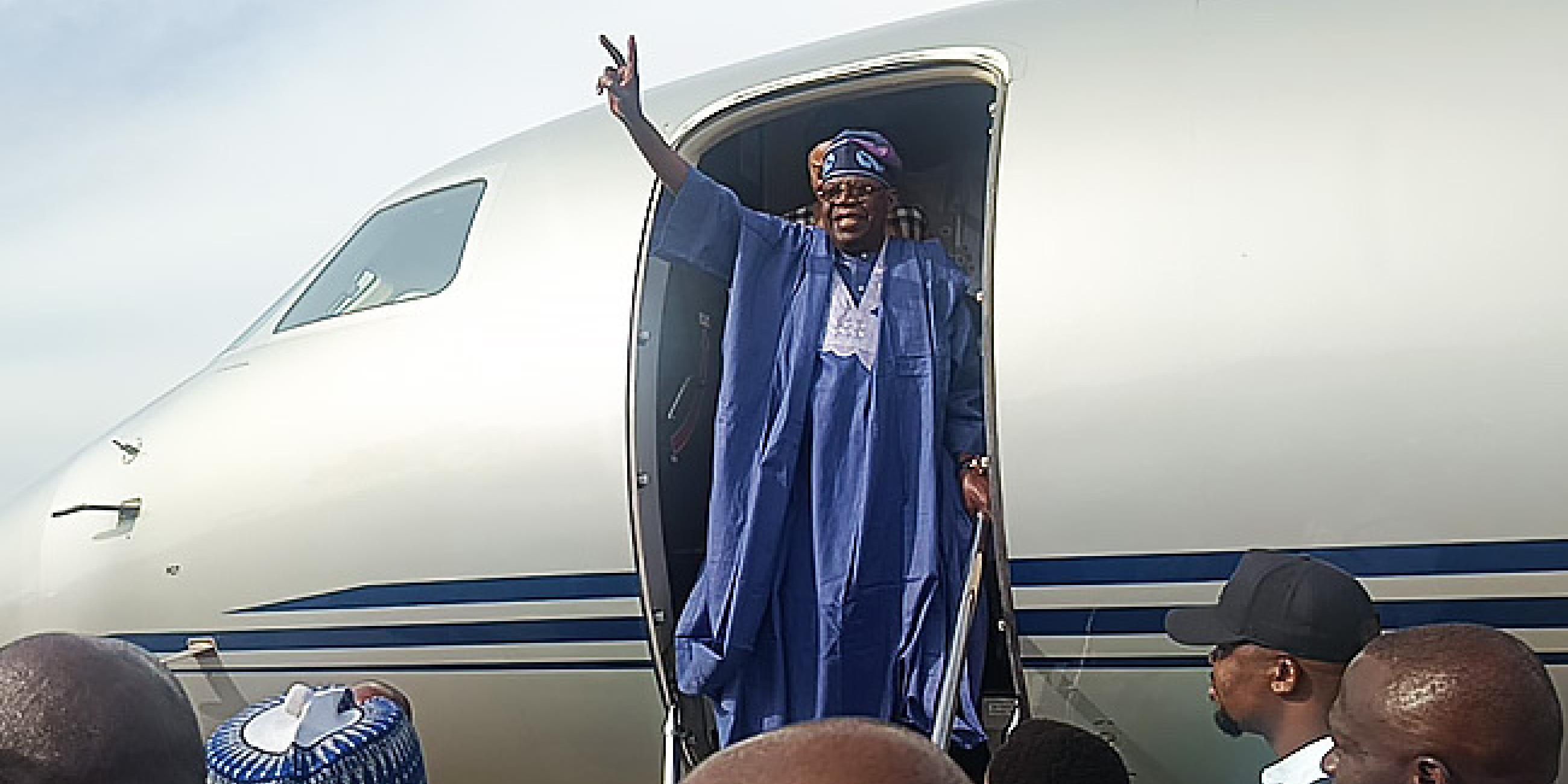
  • VP Shettima Departs Abuja For Abidjan

    Vice President Kashim Shettima has departed Abuja for Abidjan, Côte d'Ivoire, to represent President Bola Ahmed Tinubu at the inauguration of Alassane Ouattara for a fourth term in office as President of that country.

    In a Statement by the Senior Special Assistant to the President on Media and Communications, Office of the Vice President, Stanley Nkwocha said Shettima is expected to join other leaders across Africa and beyond to witness activities lined up for the swearing-in ceremony scheduled to hold on Monday, December 8, 2025, at the Presidential Palace in Abidjan.

    Quatara was re-elected for a fourth term in office on October 25, 2025 as President of Côte d'Ivoire, a West African country that shares cordial diplomatic ties with Nigeria.

    Both nations collaborate significantly within ECOWAS and the African Union on security, trade, and development, formalised by a Bi-National Commission and numerous agreements covering areas like anti-trafficking, agriculture, and digital economy, with strong informal trade and significant Nigerian diaspora in Côte d'Ivoire, fostering deep bilateral economic and social connections.

    The Vice President is accompanied by HE Omar Aliyu Touray, President of ECOWAS Commission; Senator Abubakar Sani Bello, Chairman, Senate Committee on Foreign Affairs and Hon. Usman Zannah, member representing Kaga/Gubio/Magumeri Federal Constituency in the House of Representatives.

    The Vice President is expected back in Abuja at the end of the inauguration ceremony.
    VP Shettima Departs Abuja For Abidjan Vice President Kashim Shettima has departed Abuja for Abidjan, Côte d'Ivoire, to represent President Bola Ahmed Tinubu at the inauguration of Alassane Ouattara for a fourth term in office as President of that country. In a Statement by the Senior Special Assistant to the President on Media and Communications, Office of the Vice President, Stanley Nkwocha said Shettima is expected to join other leaders across Africa and beyond to witness activities lined up for the swearing-in ceremony scheduled to hold on Monday, December 8, 2025, at the Presidential Palace in Abidjan. Quatara was re-elected for a fourth term in office on October 25, 2025 as President of Côte d'Ivoire, a West African country that shares cordial diplomatic ties with Nigeria. Both nations collaborate significantly within ECOWAS and the African Union on security, trade, and development, formalised by a Bi-National Commission and numerous agreements covering areas like anti-trafficking, agriculture, and digital economy, with strong informal trade and significant Nigerian diaspora in Côte d'Ivoire, fostering deep bilateral economic and social connections. The Vice President is accompanied by HE Omar Aliyu Touray, President of ECOWAS Commission; Senator Abubakar Sani Bello, Chairman, Senate Committee on Foreign Affairs and Hon. Usman Zannah, member representing Kaga/Gubio/Magumeri Federal Constituency in the House of Representatives. The Vice President is expected back in Abuja at the end of the inauguration ceremony.
    0 Comments ·0 Shares ·234 Views
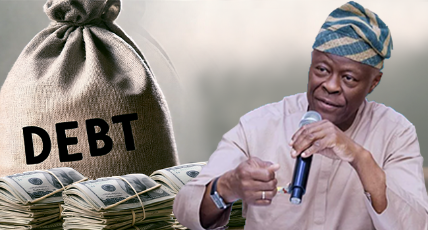
  • JUST IN: Pat Utomi, a professor of political economy and management expert, says Nigerian politicians are responsible for the divisions in the country.
    JUST IN: Pat Utomi, a professor of political economy and management expert, says Nigerian politicians are responsible for the divisions in the country.
    0 Comments ·0 Shares ·91 Views
  • Bethlehem Lights Christmas Tree for First Time Since Gaza War, Thousands Celebrate in Historic Square

    Bethlehem brought back Christmas cheer for the first time in two years as the city lit its iconic Christmas tree in Manger Square, marking a hopeful moment amid ongoing tensions in the region. Thousands of visitors — Christians, Muslims, locals, and international pilgrims — gathered near the Church of the Nativity to witness the ceremony, which had been suspended since the Gaza war began in October 2023.
    The festive event, filled with music, balloons, and emotional reactions, symbolized resilience for residents and visitors who endured years of conflict, travel restrictions, and economic hardship. Despite cautious tourist return and continuing instability in Gaza and Lebanon, Bethlehem’s celebration represents a tentative step toward recovery for the city, whose economy heavily depends on tourism.

    Bethlehem Lights Christmas Tree for First Time Since Gaza War, Thousands Celebrate in Historic Square Bethlehem brought back Christmas cheer for the first time in two years as the city lit its iconic Christmas tree in Manger Square, marking a hopeful moment amid ongoing tensions in the region. Thousands of visitors — Christians, Muslims, locals, and international pilgrims — gathered near the Church of the Nativity to witness the ceremony, which had been suspended since the Gaza war began in October 2023. The festive event, filled with music, balloons, and emotional reactions, symbolized resilience for residents and visitors who endured years of conflict, travel restrictions, and economic hardship. Despite cautious tourist return and continuing instability in Gaza and Lebanon, Bethlehem’s celebration represents a tentative step toward recovery for the city, whose economy heavily depends on tourism.
    0 Comments ·0 Shares ·114 Views
  • Global Green Economy Hits $5 Trillion, Set to Grow to $7 Trillion by 2030 — WEF Report

    The World Economic Forum (WEF) reports that the global green economy has surpassed $5 trillion and is projected to exceed $7 trillion annually by 2030, driven by rapid growth in clean technologies such as solar, wind, batteries, and electric vehicles. According to the WEF–BCG report, green revenues are expanding twice as fast as conventional revenues, with companies in green markets enjoying cheaper capital and valuation premiums. However, technologies like low-carbon hydrogen and carbon capture still require major policy and financial support to achieve cost competitiveness.
    The report highlights China’s dominant role in global clean-energy investment and innovation, while the International Energy Agency (IEA) warns that billions still lack access to electricity and clean cooking, requiring sustained global financing. Despite economic headwinds, green investments continue to break records, positioning the sector as one of the world’s fastest-growing economic engines.
    Global Green Economy Hits $5 Trillion, Set to Grow to $7 Trillion by 2030 — WEF Report The World Economic Forum (WEF) reports that the global green economy has surpassed $5 trillion and is projected to exceed $7 trillion annually by 2030, driven by rapid growth in clean technologies such as solar, wind, batteries, and electric vehicles. According to the WEF–BCG report, green revenues are expanding twice as fast as conventional revenues, with companies in green markets enjoying cheaper capital and valuation premiums. However, technologies like low-carbon hydrogen and carbon capture still require major policy and financial support to achieve cost competitiveness. The report highlights China’s dominant role in global clean-energy investment and innovation, while the International Energy Agency (IEA) warns that billions still lack access to electricity and clean cooking, requiring sustained global financing. Despite economic headwinds, green investments continue to break records, positioning the sector as one of the world’s fastest-growing economic engines.
    0 Comments ·0 Shares ·130 Views
  • Uzodimma Promises 24/7 Electricity in Imo, Says Generator Economy Will End Soon

    Governor Hope Uzodimma has pledged a complete overhaul of Imo State’s power infrastructure, announcing that his administration will guarantee uninterrupted 24/7 electricity supply as part of a broader investment-driven economic transformation. Speaking at the 2025 Imo State Investment Summit, he said poor power supply remains Nigeria’s biggest obstacle to industrialisation, noting that businesses spend more on self-generation than on salaries. Uzodimma revealed that phase one of the state’s dedicated power project—powered by the indigenous Borashi Electricity Company—will launch this month in Owerri before expanding to all 27 LGAs. He declared an end to “generator economics,” assuring investors of reliable electricity, improved infrastructure, and a business-friendly environment.
    Uzodimma Promises 24/7 Electricity in Imo, Says Generator Economy Will End Soon Governor Hope Uzodimma has pledged a complete overhaul of Imo State’s power infrastructure, announcing that his administration will guarantee uninterrupted 24/7 electricity supply as part of a broader investment-driven economic transformation. Speaking at the 2025 Imo State Investment Summit, he said poor power supply remains Nigeria’s biggest obstacle to industrialisation, noting that businesses spend more on self-generation than on salaries. Uzodimma revealed that phase one of the state’s dedicated power project—powered by the indigenous Borashi Electricity Company—will launch this month in Owerri before expanding to all 27 LGAs. He declared an end to “generator economics,” assuring investors of reliable electricity, improved infrastructure, and a business-friendly environment.
    0 Comments ·0 Shares ·110 Views
  • PBAT's Aviation Masterstroke: The MRO Deal That Puts Nigeria on the Global Map

    President Bola Ahmed Tinubu has just pulled off one of the most transformative moves in Nigeria’s aviation history, a strategic partnership with global aerospace giant Boeing and the UK’s prestigious Cranfield University to establish a world-class Maintenance, Repair & Overhaul (MRO) hub right here in Nigeria.

    This is not just another government announcement. It’s a structural shift that changes how the world views Nigeria’s aviation capacity.

    1. Billions Saved, Billions Earned

    Right now, Nigerian airlines spend billions of naira every year flying their aircraft abroad for routine maintenance. With this facility in Nigeria, that money stays in the economy, and foreign airlines may even start coming to us for servicing.
    This means massive savings, fresh revenue streams, and a stronger naira over time.

    2. Thousands of High-Value Jobs

    MROs are labour-intensive and highly technical. From aeronautical engineers to technicians and software specialists to safety experts, this hub will create thousands of well-paid, specialised jobs for Nigerians. President Tinubu isn’t just creating jobs; he’s creating global-standard careers.

    3. Skills That Match Global Standards

    Partnering with Cranfield University, one of the world’s leading aviation and aerospace institutions, means Nigerian professionals will receive elite training. For the first time, Nigeria will train and export aviation talent at the level of Europe, the Middle East, and North America.

    4. A Boost for Local Airlines

    Air Peace, Ibom Air, Azman, Overland all Nigerian airlines will finally have affordable, quick-turnaround maintenance at home. This translates to cheaper operations, fewer grounded aircraft, better safety, and more flights for Nigerians.

    5. Nigeria Becomes Africa’s Aviation Powerhouse

    Only a few African countries have credible MRO facilities. With Boeing and Cranfield backing this project, Nigeria leapfrogs into continental leadership, attracting investment, partnerships, and global aviation traffic.

    6. Proof of President Tinubu’s Economic Diplomacy Working

    This partnership didn’t fall from the sky; it’s a direct result of Tinubu’s aggressive economic diplomacy, restoring investor confidence, strengthening international ties, and positioning Nigeria as a serious business destination again.

    In simple terms:
    This MRO project is a high-impact, high-value, globally recognised move that boosts jobs, strengthens airlines, saves foreign exchange, and establishes Nigeria as the aviation hub Africa has been waiting for, all under President Bola Ahmed Tinubu’s watch.
    PBAT's Aviation Masterstroke: The MRO Deal That Puts Nigeria on the Global Map President Bola Ahmed Tinubu has just pulled off one of the most transformative moves in Nigeria’s aviation history, a strategic partnership with global aerospace giant Boeing and the UK’s prestigious Cranfield University to establish a world-class Maintenance, Repair & Overhaul (MRO) hub right here in Nigeria. This is not just another government announcement. It’s a structural shift that changes how the world views Nigeria’s aviation capacity. 1. Billions Saved, Billions Earned Right now, Nigerian airlines spend billions of naira every year flying their aircraft abroad for routine maintenance. With this facility in Nigeria, that money stays in the economy, and foreign airlines may even start coming to us for servicing. This means massive savings, fresh revenue streams, and a stronger naira over time. 2. Thousands of High-Value Jobs MROs are labour-intensive and highly technical. From aeronautical engineers to technicians and software specialists to safety experts, this hub will create thousands of well-paid, specialised jobs for Nigerians. President Tinubu isn’t just creating jobs; he’s creating global-standard careers. 3. Skills That Match Global Standards Partnering with Cranfield University, one of the world’s leading aviation and aerospace institutions, means Nigerian professionals will receive elite training. For the first time, Nigeria will train and export aviation talent at the level of Europe, the Middle East, and North America. 4. A Boost for Local Airlines Air Peace, Ibom Air, Azman, Overland all Nigerian airlines will finally have affordable, quick-turnaround maintenance at home. This translates to cheaper operations, fewer grounded aircraft, better safety, and more flights for Nigerians. 5. Nigeria Becomes Africa’s Aviation Powerhouse Only a few African countries have credible MRO facilities. With Boeing and Cranfield backing this project, Nigeria leapfrogs into continental leadership, attracting investment, partnerships, and global aviation traffic. 6. Proof of President Tinubu’s Economic Diplomacy Working This partnership didn’t fall from the sky; it’s a direct result of Tinubu’s aggressive economic diplomacy, restoring investor confidence, strengthening international ties, and positioning Nigeria as a serious business destination again. In simple terms: This MRO project is a high-impact, high-value, globally recognised move that boosts jobs, strengthens airlines, saves foreign exchange, and establishes Nigeria as the aviation hub Africa has been waiting for, all under President Bola Ahmed Tinubu’s watch.
    0 Comments ·0 Shares ·264 Views
  • CBN Raises Cash Withdrawal Limits, Scraps Deposit Caps in Major Policy Shift
    The Central Bank of Nigeria (CBN) has announced a significant relaxation of its cash withdrawal and deposit regulations, effective January 1, 2026, in a move aimed at improving liquidity and easing the burden on businesses and individuals amid prevailing economic challenges.
    In a circular signed by Dr. Rita I. Sike, Director of the Financial Policy and Regulation Department, the apex bank raised the weekly cash withdrawal limit for individuals from ₦100,000 to ₦500,000 across all channels, including ATMs, Point-of-Sale (POS) terminals, and over-the-counter transactions. Corporate entities will now enjoy a higher weekly limit of ₦5 million, up from the previous ₦500,000.
    At the same time, all restrictions and processing fees on cash deposits have been completely removed, allowing unrestricted deposits without penalties.
    Key Changes Effective January 1, 2026
    Weekly cash withdrawal (Individuals)
    ₦100,000 (all channels)
    ₦500,000 (all channels)
    Weekly cash withdrawal (Corporates)
    ₦500,000 (all channels)
    ₦5 million (all channels)
    Daily ATM withdrawal
    ₦20,000 – ₦40,000 (bank-dependent)
    Up to ₦100,000 (counts toward weekly limit)
    Cash deposits
    Caps applied; fees on excess
    No limits, no fees
    Third-party cheque withdrawals
    ₦100,000
    Remains ₦100,000 (counts toward weekly limit)
    Charges on excess withdrawals
    Strict enforcement
    3% (individuals), 5% (corporates); revenue shared 40% CBN, 60% banks
    Special authorisations for large withdrawals
    ₦5m (individuals)/₦10m (corporates) monthly
    Completely discontinued
    ATM currency loading
    Restricted denominations
    All denominations permitted
    The CBN stated that the revisions are intended to address current economic realities, including high inflation and liquidity constraints, while maintaining the broader goal of reducing cash dominance in the economy. The policy builds on the 2022-naira redesign and cash-limit framework, which was originally introduced to curb cash hoarding and money laundering.
    Banks are now required to submit monthly reports to the CBN on all withdrawals above the new limits and on cash deposit patterns.
    CBN Raises Cash Withdrawal Limits, Scraps Deposit Caps in Major Policy Shift The Central Bank of Nigeria (CBN) has announced a significant relaxation of its cash withdrawal and deposit regulations, effective January 1, 2026, in a move aimed at improving liquidity and easing the burden on businesses and individuals amid prevailing economic challenges. In a circular signed by Dr. Rita I. Sike, Director of the Financial Policy and Regulation Department, the apex bank raised the weekly cash withdrawal limit for individuals from ₦100,000 to ₦500,000 across all channels, including ATMs, Point-of-Sale (POS) terminals, and over-the-counter transactions. Corporate entities will now enjoy a higher weekly limit of ₦5 million, up from the previous ₦500,000. At the same time, all restrictions and processing fees on cash deposits have been completely removed, allowing unrestricted deposits without penalties. Key Changes Effective January 1, 2026 Weekly cash withdrawal (Individuals) ₦100,000 (all channels) ₦500,000 (all channels) Weekly cash withdrawal (Corporates) ₦500,000 (all channels) ₦5 million (all channels) Daily ATM withdrawal ₦20,000 – ₦40,000 (bank-dependent) Up to ₦100,000 (counts toward weekly limit) Cash deposits Caps applied; fees on excess No limits, no fees Third-party cheque withdrawals ₦100,000 Remains ₦100,000 (counts toward weekly limit) Charges on excess withdrawals Strict enforcement 3% (individuals), 5% (corporates); revenue shared 40% CBN, 60% banks Special authorisations for large withdrawals ₦5m (individuals)/₦10m (corporates) monthly Completely discontinued ATM currency loading Restricted denominations All denominations permitted The CBN stated that the revisions are intended to address current economic realities, including high inflation and liquidity constraints, while maintaining the broader goal of reducing cash dominance in the economy. The policy builds on the 2022-naira redesign and cash-limit framework, which was originally introduced to curb cash hoarding and money laundering. Banks are now required to submit monthly reports to the CBN on all withdrawals above the new limits and on cash deposit patterns.
    0 Comments ·0 Shares ·215 Views
  • Peter Mbah Presents Record N1.62 Trillion ‘Budget of Renewed Momentum’ to Accelerate Enugu’s Transformation


    Enugu State Governor Peter Mbah has unveiled a landmark N1.62 trillion budget for 2026, marking a 66.5% increase from the revised 2025 budget. Tagged the “Budget of Renewed Momentum,” it allocates 80% (N1.29 trillion) to capital projects and 20% (N321 billion) to recurrent spending.
    The economic sector receives the largest share—N825.9 billion (51%)—to fund major infrastructure projects, including 1,200 urban roads, rural road networks, completion of key dual carriageways, expansion of Enugu Air’s fleet to 20 aircraft, and new transport terminals.
    The social sector gets N644.7 billion, with education taking 32.27%, supporting Smart Secondary Schools, TVET colleges, and expansion of the state’s Smart Green Schools initiative.
    The budget will be funded through N870 billion IGR, N387 billion federal allocation, and N329 billion capital receipts.
    Mbah praised President Tinubu’s economic reforms for boosting Enugu’s revenue, noting that IGR is expected to exceed N400 billion, the highest in the state’s history, while FAAC allocation surpassed projections by over 50%.
    He also earmarked funds for gratuity payments, security surveillance expansion, healthcare, and ongoing city development projects.


    #PeterMbah #EnuguState #EnuguBudget2026 #BudgetOfRenewedMomentum #NigeriaEconomy #InfrastructureDevelopment #SmartSchools #EnuguAir #TinubuReforms #IGR #FAAC #GideonArinze #BreakingNews #NigeriaPolitics
    Peter Mbah Presents Record N1.62 Trillion ‘Budget of Renewed Momentum’ to Accelerate Enugu’s Transformation Enugu State Governor Peter Mbah has unveiled a landmark N1.62 trillion budget for 2026, marking a 66.5% increase from the revised 2025 budget. Tagged the “Budget of Renewed Momentum,” it allocates 80% (N1.29 trillion) to capital projects and 20% (N321 billion) to recurrent spending. The economic sector receives the largest share—N825.9 billion (51%)—to fund major infrastructure projects, including 1,200 urban roads, rural road networks, completion of key dual carriageways, expansion of Enugu Air’s fleet to 20 aircraft, and new transport terminals. The social sector gets N644.7 billion, with education taking 32.27%, supporting Smart Secondary Schools, TVET colleges, and expansion of the state’s Smart Green Schools initiative. The budget will be funded through N870 billion IGR, N387 billion federal allocation, and N329 billion capital receipts. Mbah praised President Tinubu’s economic reforms for boosting Enugu’s revenue, noting that IGR is expected to exceed N400 billion, the highest in the state’s history, while FAAC allocation surpassed projections by over 50%. He also earmarked funds for gratuity payments, security surveillance expansion, healthcare, and ongoing city development projects. #PeterMbah #EnuguState #EnuguBudget2026 #BudgetOfRenewedMomentum #NigeriaEconomy #InfrastructureDevelopment #SmartSchools #EnuguAir #TinubuReforms #IGR #FAAC #GideonArinze #BreakingNews #NigeriaPolitics
    0 Comments ·0 Shares ·352 Views
  • ALERT: In a jaw-dropping announcement, U.S. Secretary of the Treasury Scott Bessent has revealed a bold strategy to reshape the U.S. economy by reducing government spending, re-privatizing the economy, cutting federal jobs, and turbocharging private manufacturing.
    ALERT: In a jaw-dropping announcement, U.S. Secretary of the Treasury Scott Bessent has revealed a bold strategy to reshape the U.S. economy by reducing government spending, re-privatizing the economy, cutting federal jobs, and turbocharging private manufacturing.
    0 Comments ·0 Shares ·37 Views
  • BREAKING NEWS: Nigeria’s fast-growing tech workforce is set to receive a major boost as Aptech, a global leader in vocational IT training, partners with India’s Scope Global Skills University (SGSU) to launch a first-of-its-kind “Nigeria-to-India” IT degree pathway designed to produce industry-ready talent for the digital economy.
    BREAKING NEWS: Nigeria’s fast-growing tech workforce is set to receive a major boost as Aptech, a global leader in vocational IT training, partners with India’s Scope Global Skills University (SGSU) to launch a first-of-its-kind “Nigeria-to-India” IT degree pathway designed to produce industry-ready talent for the digital economy.
    0 Comments ·0 Shares ·52 Views
  • The Speaker of the House of Representatives, Tajudeen Abbas, on Monday declared that Nigeria’s ambition to evolve into a trillion-dollar economy hinges significantly on the growth and empowerment of small and medium-sized enterprises.
    The Speaker of the House of Representatives, Tajudeen Abbas, on Monday declared that Nigeria’s ambition to evolve into a trillion-dollar economy hinges significantly on the growth and empowerment of small and medium-sized enterprises.
    0 Comments ·0 Shares ·117 Views
  • Local Contractors Protest Non-Payment of ₦4 Trillion — Accuse Tinubu Govt of Ignoring 2024 Project Debts

    Local contractors under the All Indigenous Contractors Association of Nigeria (AICAN) are protesting again over the Federal Government’s failure to pay ₦4 trillion owed for completed 2024 capital projects.

    Despite multiple meetings with the Minister of Finance, Wale Edun, the contractors say no payment has been made.

    Many say they are now out of business:

    “We’ve run out of cash. We can’t pay school fees. We can’t continue like this,” a contractor told SaharaReporters.

    In September, the contractors stormed the Ministry of Finance in Abuja demanding payment. Only 5 out of 5,000 contractors have reportedly received anything.

    The protests forced the House of Representatives to suspend plenary earlier this month, after lawmakers acknowledged the “dire hardship” contractors are facing.

    Meanwhile, data from GovSpend shows the Presidency spent billions on vehicles and foreign exchange in 2024 — raising more questions about government priorities.

    The contractors vow to remain on the streets until every member is paid.
    Stay alert.
    Stay informed.
    Share to raise awareness.
    more in the commnet section
    #NigeriaEconomy #TinubuAdministration #ContractorsProtest
    🚨 Local Contractors Protest Non-Payment of ₦4 Trillion — Accuse Tinubu Govt of Ignoring 2024 Project Debts Local contractors under the All Indigenous Contractors Association of Nigeria (AICAN) are protesting again over the Federal Government’s failure to pay ₦4 trillion owed for completed 2024 capital projects. Despite multiple meetings with the Minister of Finance, Wale Edun, the contractors say no payment has been made. Many say they are now out of business: “We’ve run out of cash. We can’t pay school fees. We can’t continue like this,” a contractor told SaharaReporters. In September, the contractors stormed the Ministry of Finance in Abuja demanding payment. Only 5 out of 5,000 contractors have reportedly received anything. The protests forced the House of Representatives to suspend plenary earlier this month, after lawmakers acknowledged the “dire hardship” contractors are facing. Meanwhile, data from GovSpend shows the Presidency spent billions on vehicles and foreign exchange in 2024 — raising more questions about government priorities. The contractors vow to remain on the streets until every member is paid. Stay alert. Stay informed. Share to raise awareness. more in the commnet section #NigeriaEconomy #TinubuAdministration #ContractorsProtest
    0 Comments ·0 Shares ·345 Views
  • Black Friday 2025: Shopper Trends Shift as Inflation, Tariffs, and Early Deals Reshape Holiday Spending

    Black Friday no longer sparks midnight mall crowds and in-store chaos, but it remains the busiest in-store shopping day of the year and marks the unofficial start of the holiday shopping season. This year’s kickoff comes amid weakened consumer confidence tied to inflation, slow hiring, and economic uncertainty following a government shutdown. Shoppers are increasingly price-sensitive but still willing to spend on key occasions.

    Retailers have faced pressure from Trump-era tariffs, prompting many to accelerate shipments or absorb extra import costs. Prices rose sharply in categories like toys, baby products, and housewares, with 83% of toys seeing at least a 5% price increase in September. Despite these challenges, foot traffic at major malls — including the Mall of America — has surpassed pre-pandemic levels, signaling strong momentum.

    Online spending is also surging, with consumers spending $79.7 billion from Nov. 1–23, a 7.5% increase over last year. Forecasts predict moderate overall holiday sales growth, and analysts say shoppers—though uneasy—are still showing up. According to Adobe Analytics, Black Friday offers the deepest discounts on TVs, toys, and appliances, while Cyber Monday will be the best time to buy apparel and computers.
    #black_friday #U.S. retail economy
    #Mall of America foot traffic
    Black Friday 2025: Shopper Trends Shift as Inflation, Tariffs, and Early Deals Reshape Holiday Spending Black Friday no longer sparks midnight mall crowds and in-store chaos, but it remains the busiest in-store shopping day of the year and marks the unofficial start of the holiday shopping season. This year’s kickoff comes amid weakened consumer confidence tied to inflation, slow hiring, and economic uncertainty following a government shutdown. Shoppers are increasingly price-sensitive but still willing to spend on key occasions. Retailers have faced pressure from Trump-era tariffs, prompting many to accelerate shipments or absorb extra import costs. Prices rose sharply in categories like toys, baby products, and housewares, with 83% of toys seeing at least a 5% price increase in September. Despite these challenges, foot traffic at major malls — including the Mall of America — has surpassed pre-pandemic levels, signaling strong momentum. Online spending is also surging, with consumers spending $79.7 billion from Nov. 1–23, a 7.5% increase over last year. Forecasts predict moderate overall holiday sales growth, and analysts say shoppers—though uneasy—are still showing up. According to Adobe Analytics, Black Friday offers the deepest discounts on TVs, toys, and appliances, while Cyber Monday will be the best time to buy apparel and computers. #black_friday #U.S. retail economy #Mall of America foot traffic
    Love
    1
    · 0 Comments ·0 Shares ·168 Views
  • Nigeria Secures IMO Council Seat for 2026–2027 as Tinubu Hails Rising Maritime Influence


    President Bola Ahmed Tinubu has celebrated Nigeria’s election into Category C of the International Maritime Organisation (IMO) Council for the 2026–2027 term, marking the nation’s return after 14 years. He described the victory as a strong vote of confidence in Nigeria’s growing maritime leadership, commitment to safety, security, and environmental standards. Tinubu praised the Ministry of Marine and Blue Economy, NIMASA, and the diplomatic team for their strategic efforts. The renewed mandate aligns with his administration’s plan to expand the blue economy, boost maritime infrastructure, enhance anti-piracy efforts, and strengthen Nigeria’s global shipping role. He affirmed Nigeria’s readiness to support safer seas, cleaner oceans, and fair maritime governance.

    #hashtags:
    #NigeriaMaritime #IMOCouncil #BlueEconomy
    Nigeria Secures IMO Council Seat for 2026–2027 as Tinubu Hails Rising Maritime Influence President Bola Ahmed Tinubu has celebrated Nigeria’s election into Category C of the International Maritime Organisation (IMO) Council for the 2026–2027 term, marking the nation’s return after 14 years. He described the victory as a strong vote of confidence in Nigeria’s growing maritime leadership, commitment to safety, security, and environmental standards. Tinubu praised the Ministry of Marine and Blue Economy, NIMASA, and the diplomatic team for their strategic efforts. The renewed mandate aligns with his administration’s plan to expand the blue economy, boost maritime infrastructure, enhance anti-piracy efforts, and strengthen Nigeria’s global shipping role. He affirmed Nigeria’s readiness to support safer seas, cleaner oceans, and fair maritime governance. #hashtags: #NigeriaMaritime #IMOCouncil #BlueEconomy
    0 Comments ·0 Shares ·250 Views

  • President Bola Ahmed Tinubu has approved the establishment of the National Tax Policy Implementation Committee (NTPIC).

    The committee, which Mr Joseph Tegbe chairs, will ensure the implementation of the administration's landmark tax reforms in line with the economic aspirations of the government and the people of Nigeria.

    Minister of Finance and Coordinating Minister of the Economy, Mr Wale Edun, will oversee the committee's work.

    The Committee will undertake extensive consultations across the public and private sectors to ensure broad-based input into the implementation process.

    Its chairman, Tegbe, is a Fellow of both the Institute of Chartered Accountants of Nigeria (FCA) and the Chartered Institute of Taxation of Nigeria (FCIT).

    He has over 35 years of professional experience across the public and private sectors, having previously served as a Senior Partner and Head of Advisory Services at KPMG Africa.

    Mrs Sanyade Okoli, Special Adviser to the President on Finance and Economy, will serve as the Committee's Secretary. Members also include Ismaeel Ahmed, Rukaiya El Rufai, and others.

    In establishing the Committee, President Tinubu emphasised that effective implementation of the Tax Acts is central to the nation's economic transformation agenda and critical to strengthening public finance management while safeguarding the legitimate expectations of investors and the productive sectors.

    "These new Tax Acts reflect our administration's commitment to building a fair, transparent, and technology-driven tax system that supports economic growth while protecting the interests of citizens and businesses.

    "The National Tax Policy Implementation Committee will ensure coherent, effective, and well-aligned implementation across all levels of government," the President stated.

    The NTPIC's mandate emphasises broad stakeholder consultation through nationwide engagements with the private sector, professional bodies, and subnational governments, alongside public awareness campaigns to support effective implementation of the new tax laws.

    It also prioritises strong inter-agency coordination by aligning the work of key revenue and regulatory institutions, harmonising existing frameworks with new statutes, and ensuring unified oversight and reporting throughout the transition process.

    The Committee comprises experts drawn from tax administration, finance, law, the private sector, and civil society, ensuring a balanced and inclusive approach to policy execution.

    The chairman expressed the team's readiness to work diligently in support of national development.

    "We understand the strategic importance of these Tax Acts. Our committee will work closely with all stakeholders to support the Minister of Finance and Coordinating Minister of the Economy in ensuring seamless implementation and building public trust in the tax system," he said.

    The Minister of Finance and Coordinating Minister of the Economy, Mr Wale Edun, added:
    "With the establishment of this Committee, Mr President has not only set the direction but also provided the authority and support required to reset not just the tax system but the entire fiscal policy framework of Government, to deliver significant economic growth for the benefit of all Nigerians."

    The NTPIC is expected to enhance revenue mobilisation, minimise leakages, and reinforce accountability, thereby strengthening the government's fiscal sustainability and national development objectives.

    Bayo Onanuga
    Special Adviser to the President
    (Information & Strategy)
    November 28, 2025
    President Bola Ahmed Tinubu has approved the establishment of the National Tax Policy Implementation Committee (NTPIC). The committee, which Mr Joseph Tegbe chairs, will ensure the implementation of the administration's landmark tax reforms in line with the economic aspirations of the government and the people of Nigeria. Minister of Finance and Coordinating Minister of the Economy, Mr Wale Edun, will oversee the committee's work. The Committee will undertake extensive consultations across the public and private sectors to ensure broad-based input into the implementation process. Its chairman, Tegbe, is a Fellow of both the Institute of Chartered Accountants of Nigeria (FCA) and the Chartered Institute of Taxation of Nigeria (FCIT). He has over 35 years of professional experience across the public and private sectors, having previously served as a Senior Partner and Head of Advisory Services at KPMG Africa. Mrs Sanyade Okoli, Special Adviser to the President on Finance and Economy, will serve as the Committee's Secretary. Members also include Ismaeel Ahmed, Rukaiya El Rufai, and others. In establishing the Committee, President Tinubu emphasised that effective implementation of the Tax Acts is central to the nation's economic transformation agenda and critical to strengthening public finance management while safeguarding the legitimate expectations of investors and the productive sectors. "These new Tax Acts reflect our administration's commitment to building a fair, transparent, and technology-driven tax system that supports economic growth while protecting the interests of citizens and businesses. "The National Tax Policy Implementation Committee will ensure coherent, effective, and well-aligned implementation across all levels of government," the President stated. The NTPIC's mandate emphasises broad stakeholder consultation through nationwide engagements with the private sector, professional bodies, and subnational governments, alongside public awareness campaigns to support effective implementation of the new tax laws. It also prioritises strong inter-agency coordination by aligning the work of key revenue and regulatory institutions, harmonising existing frameworks with new statutes, and ensuring unified oversight and reporting throughout the transition process. The Committee comprises experts drawn from tax administration, finance, law, the private sector, and civil society, ensuring a balanced and inclusive approach to policy execution. The chairman expressed the team's readiness to work diligently in support of national development. "We understand the strategic importance of these Tax Acts. Our committee will work closely with all stakeholders to support the Minister of Finance and Coordinating Minister of the Economy in ensuring seamless implementation and building public trust in the tax system," he said. The Minister of Finance and Coordinating Minister of the Economy, Mr Wale Edun, added: "With the establishment of this Committee, Mr President has not only set the direction but also provided the authority and support required to reset not just the tax system but the entire fiscal policy framework of Government, to deliver significant economic growth for the benefit of all Nigerians." The NTPIC is expected to enhance revenue mobilisation, minimise leakages, and reinforce accountability, thereby strengthening the government's fiscal sustainability and national development objectives. Bayo Onanuga Special Adviser to the President (Information & Strategy) November 28, 2025
    0 Comments ·0 Shares ·168 Views
  • BREAKING NEWS: What’s happening in Enugu right now could redefine Nigeria’s tech future.

    Across six campuses, 35 exceptional teams have entered a one-week, government-funded bootcamp where young innovators are turning raw ideas into real products — AI tools, AgriTech systems, HealthTech platforms, EdTech engines, fintech rails and more.

    This isn’t a regular hackathon.

    It’s a core pillar of Governor Peter Ndubuisi Mbah’s (
    @pnmbah
    ) Digital Economy Transformation Plan, engineered to build a $30B digital economy by placing youth-led innovation at the heart of growth.

    Led by the Enugu MSME & Startup Agency (
    @enugusmeagency
    ), with support from
    @genesystechhub
    ,
    @thegarageng_
    and Capitis Global Ventures, the program is building a structured innovation pipeline:

    Classroom → Bootcamp → Accelerator → Market → Jobs.

    Enugu is no longer waiting for the future.

    Enugu is building it — founder by founder, campus by campus.
    BREAKING NEWS: What’s happening in Enugu right now could redefine Nigeria’s tech future. Across six campuses, 35 exceptional teams have entered a one-week, government-funded bootcamp where young innovators are turning raw ideas into real products — AI tools, AgriTech systems, HealthTech platforms, EdTech engines, fintech rails and more. This isn’t a regular hackathon. It’s a core pillar of Governor Peter Ndubuisi Mbah’s ( @pnmbah ) Digital Economy Transformation Plan, engineered to build a $30B digital economy by placing youth-led innovation at the heart of growth. Led by the Enugu MSME & Startup Agency ( @enugusmeagency ), with support from @genesystechhub , @thegarageng_ and Capitis Global Ventures, the program is building a structured innovation pipeline: Classroom → Bootcamp → Accelerator → Market → Jobs. Enugu is no longer waiting for the future. Enugu is building it — founder by founder, campus by campus.
    0 Comments ·0 Shares ·190 Views
  • Internet fr@udsters are the ones wrecking more havoc on Nigeria's economy than any other set of people in the country- EFCC spokesperson, Dele Oyewale
    Internet fr@udsters are the ones wrecking more havoc on Nigeria's economy than any other set of people in the country- EFCC spokesperson, Dele Oyewale
    0 Comments ·0 Shares ·100 Views
  • "Yahøo Boys are the ones wrecking more havoc on Nigeria's economy than any other sets of people in the country"

    ~ EFCC spokesperson, Dele Oyewale says
    https://x.com/i/status/1993002019670667546
    "Yahøo Boys are the ones wrecking more havoc on Nigeria's economy than any other sets of people in the country" ~ EFCC spokesperson, Dele Oyewale says https://x.com/i/status/1993002019670667546
    0 Comments ·0 Shares ·165 Views
  • Rate President Bola Tinubu’s performance: Has his government improved security, strengthened the economy, and delivered on major national policies? Tell us what you think. Your voice matters.
    Rate President Bola Tinubu’s performance: Has his government improved security, strengthened the economy, and delivered on major national policies? Tell us what you think. Your voice matters.
    0 Comments ·0 Shares ·139 Views
More Results
Fintter https://fintter.com