• Amnesty International Condemns U.S. Withdrawal From 66 International Treaties, Calls Move ‘Reckless

    Amnesty International has strongly criticized the United States’ decision to withdraw from 66 international organisations, conventions, and treaties, calling the move “a vindictive and reckless assault” on the legitimacy of the United Nations and the multilateral system.

    In a statement, Erika Guevara Rosas, Amnesty’s Senior Director of Research, Advocacy, Policy and Campaigns, accused the Trump administration of deliberately undermining global cooperation and international law, including agreements on climate change, human rights, and gender equality.

    She highlighted the withdrawals from critical bodies such as the UN Population Fund (UNFPA), the UN Framework Convention on Climate Change, and the UN Permanent Forum on People of African Descent, warning that these actions could worsen global instability, deepen human rights abuses, and disproportionately affect marginalized communities worldwide.

    Amnesty urged UN member states and international institutions to take immediate action to defend the multilateral system, preserve accountability, and protect human rights globally.

    #HumanRights #UN #ClimateAction”
    Amnesty International Condemns U.S. Withdrawal From 66 International Treaties, Calls Move ‘Reckless Amnesty International has strongly criticized the United States’ decision to withdraw from 66 international organisations, conventions, and treaties, calling the move “a vindictive and reckless assault” on the legitimacy of the United Nations and the multilateral system. In a statement, Erika Guevara Rosas, Amnesty’s Senior Director of Research, Advocacy, Policy and Campaigns, accused the Trump administration of deliberately undermining global cooperation and international law, including agreements on climate change, human rights, and gender equality. She highlighted the withdrawals from critical bodies such as the UN Population Fund (UNFPA), the UN Framework Convention on Climate Change, and the UN Permanent Forum on People of African Descent, warning that these actions could worsen global instability, deepen human rights abuses, and disproportionately affect marginalized communities worldwide. Amnesty urged UN member states and international institutions to take immediate action to defend the multilateral system, preserve accountability, and protect human rights globally. #HumanRights #UN #ClimateAction”
    0 Comments ·0 Shares ·108 Views
  • Is the U.S. Turning Its Back on the United Nations? Why UN Chief Guterres Regrets Trump’s Withdrawal From Dozens of Global Bodies and What It Means for World Governance

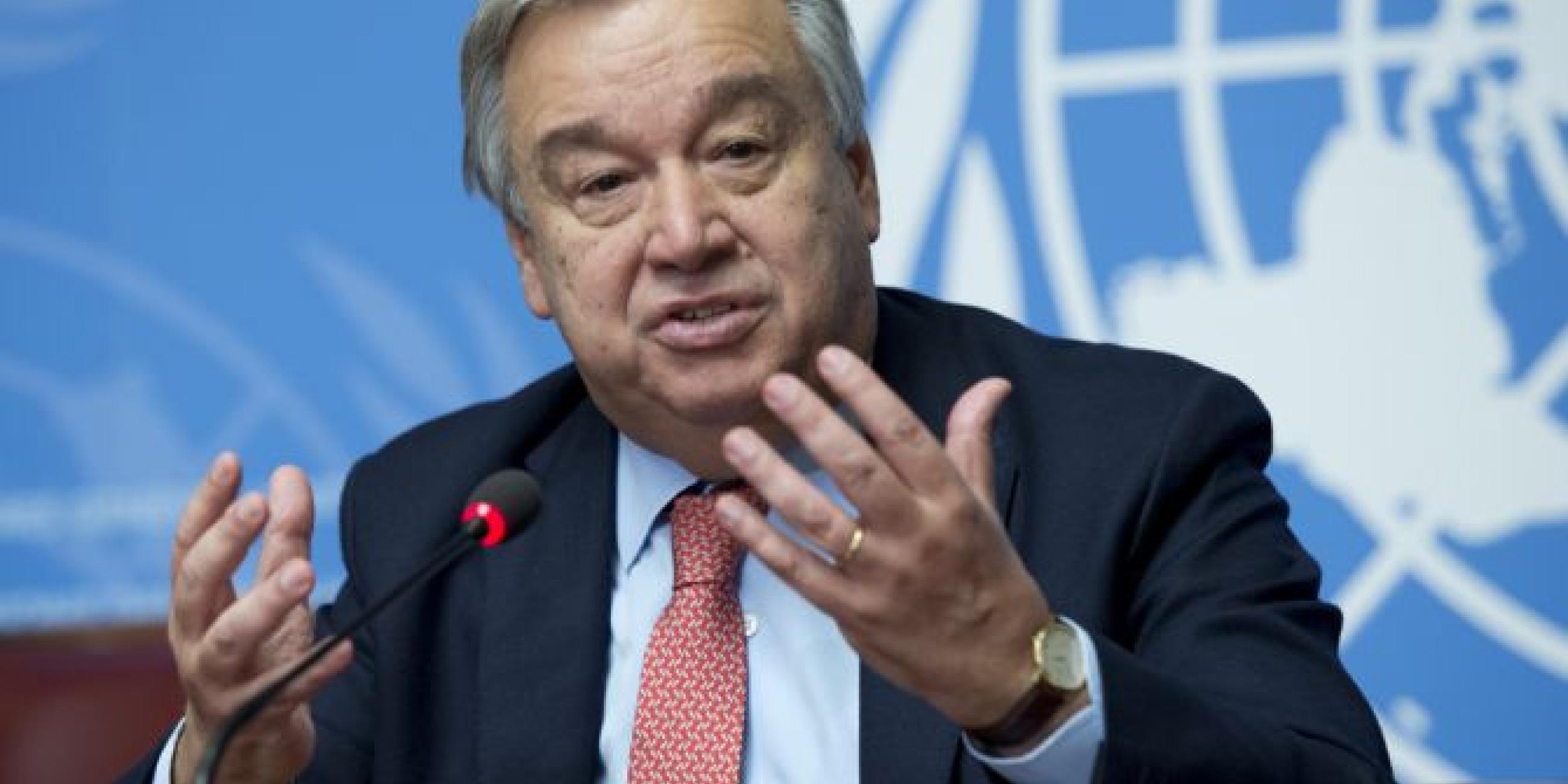
    United Nations Secretary-General Antonio Guterres has expressed strong regret over the United States’ decision to withdraw from multiple international organisations, warning that financial obligations to the UN remain legally binding under international law. The reaction follows a sweeping policy directive signed by U.S. President Donald Trump, ordering American withdrawal from 66 international bodies, including 31 United Nations entities and 35 non-UN organisations.

    In a statement delivered by UN Spokesman Stéphane Dujarric, the Secretary-General described the decision as “regrettable” and stressed that assessed contributions to the UN’s regular and peacekeeping budgets are mandatory under the UN Charter for all member states, including the United States. “Assessed contributions… are a legal obligation under the UN Charter,” Dujarric said, adding that all UN agencies would continue implementing their mandates despite political or financial challenges.

    While the UN statement did not specify which bodies would be affected or the immediate financial consequences, officials have long warned that funding shortfalls could undermine peacekeeping operations, humanitarian assistance, development programmes, and human-rights initiatives worldwide.

    The development stems from a Presidential Memorandum issued by Trump, declaring that continued U.S. participation in the listed organisations no longer serves American interests. The directive follows a comprehensive review ordered under Executive Order 14199 in February 2025, which assessed U.S. involvement in all international organisations, treaties, and conventions receiving American funding or support. After reviewing the findings with his Cabinet, Trump ordered federal agencies to take “immediate steps” to withdraw, where legally permissible.

    Among the non-UN organisations affected are bodies dealing with climate change, energy, environmental protection, democracy promotion, cybersecurity, and regional cooperation, including the Intergovernmental Panel on Climate Change (IPCC), the International Renewable Energy Agency (IRENA), the International Union for Conservation of Nature (IUCN), and the Freedom Online Coalition. The order also targets several security and justice-focused groups, such as the Global Counterterrorism Forum and the International Institute for Justice and the Rule of Law.

    On the UN side, the memorandum directs the United States to cease participation in or funding for multiple agencies and programmes, including UN Women, the UN Population Fund (UNFPA), UN Conference on Trade and Development (UNCTAD), the UN Framework Convention on Climate Change (UNFCCC), and offices focused on peacebuilding, development, oceans, water, international law, and human rights. It also affects entities such as the Peacebuilding Fund, UN Water, UN Oceans, and the UN University system.

    Despite the decision, the UN leadership insists its mission will continue. “All United Nations entities will go on with the implementation of their mandates as given by Member States,” the statement said, underscoring the organisation’s responsibility to people worldwide who rely on its work.

    The move has intensified global debate: Can the United States legally withdraw while still bound to financial obligations? Will UN programmes suffer operational setbacks? Does this signal a broader retreat from multilateralism—or a recalibration of U.S. foreign policy priorities? As the review process remains ongoing, with more organisations potentially targeted, the episode raises urgent questions about the future of international cooperation, global governance, and the stability of multilateral institutions.

    Is the U.S. Turning Its Back on the United Nations? Why UN Chief Guterres Regrets Trump’s Withdrawal From Dozens of Global Bodies and What It Means for World Governance United Nations Secretary-General Antonio Guterres has expressed strong regret over the United States’ decision to withdraw from multiple international organisations, warning that financial obligations to the UN remain legally binding under international law. The reaction follows a sweeping policy directive signed by U.S. President Donald Trump, ordering American withdrawal from 66 international bodies, including 31 United Nations entities and 35 non-UN organisations. In a statement delivered by UN Spokesman Stéphane Dujarric, the Secretary-General described the decision as “regrettable” and stressed that assessed contributions to the UN’s regular and peacekeeping budgets are mandatory under the UN Charter for all member states, including the United States. “Assessed contributions… are a legal obligation under the UN Charter,” Dujarric said, adding that all UN agencies would continue implementing their mandates despite political or financial challenges. While the UN statement did not specify which bodies would be affected or the immediate financial consequences, officials have long warned that funding shortfalls could undermine peacekeeping operations, humanitarian assistance, development programmes, and human-rights initiatives worldwide. The development stems from a Presidential Memorandum issued by Trump, declaring that continued U.S. participation in the listed organisations no longer serves American interests. The directive follows a comprehensive review ordered under Executive Order 14199 in February 2025, which assessed U.S. involvement in all international organisations, treaties, and conventions receiving American funding or support. After reviewing the findings with his Cabinet, Trump ordered federal agencies to take “immediate steps” to withdraw, where legally permissible. Among the non-UN organisations affected are bodies dealing with climate change, energy, environmental protection, democracy promotion, cybersecurity, and regional cooperation, including the Intergovernmental Panel on Climate Change (IPCC), the International Renewable Energy Agency (IRENA), the International Union for Conservation of Nature (IUCN), and the Freedom Online Coalition. The order also targets several security and justice-focused groups, such as the Global Counterterrorism Forum and the International Institute for Justice and the Rule of Law. On the UN side, the memorandum directs the United States to cease participation in or funding for multiple agencies and programmes, including UN Women, the UN Population Fund (UNFPA), UN Conference on Trade and Development (UNCTAD), the UN Framework Convention on Climate Change (UNFCCC), and offices focused on peacebuilding, development, oceans, water, international law, and human rights. It also affects entities such as the Peacebuilding Fund, UN Water, UN Oceans, and the UN University system. Despite the decision, the UN leadership insists its mission will continue. “All United Nations entities will go on with the implementation of their mandates as given by Member States,” the statement said, underscoring the organisation’s responsibility to people worldwide who rely on its work. The move has intensified global debate: Can the United States legally withdraw while still bound to financial obligations? Will UN programmes suffer operational setbacks? Does this signal a broader retreat from multilateralism—or a recalibration of U.S. foreign policy priorities? As the review process remains ongoing, with more organisations potentially targeted, the episode raises urgent questions about the future of international cooperation, global governance, and the stability of multilateral institutions.
    0 Comments ·0 Shares ·174 Views
  • Trump Orders U.S. Withdrawal From 66 International Organizations, Including 31 UN Bodies

    U.S. President Donald J. Trump has signed a Presidential Memorandum directing the United States to withdraw from 66 international organizations, including 31 United Nations bodies and 35 non-UN entities. The decision, part of Trump’s “America First” foreign policy, follows a review mandated under Executive Order 14199 on February 4, 2025, which tasked the Secretary of State with evaluating U.S. participation in all international intergovernmental organizations, conventions, and treaties receiving American support.

    According to the memorandum, the Secretary of State submitted findings, which were reviewed by the president and Cabinet, leading to the determination that continued membership in these organizations no longer aligns with U.S. interests. The memorandum instructs all executive departments and agencies to take “immediate steps” to implement withdrawals where legally permissible, including ceasing participation or funding for affected UN bodies.

    The withdrawal list encompasses a wide array of policy areas, from climate change, energy, and environmental conservation to human rights, peacebuilding, democracy promotion, and cybersecurity. Notable non-UN organizations affected include the Intergovernmental Panel on Climate Change, International Renewable Energy Agency, International Union for Conservation of Nature, and the Global Counterterrorism Forum.

    UN entities affected include major offices and programs such as the UN Framework Convention on Climate Change, UN Women, UN Population Fund, UN Conference on Trade and Development, UN Peacebuilding Fund, UN Oceans, and the UN University system.

    Trump emphasized that the review is ongoing, and additional organizations or agreements may be targeted in the future. The memorandum clarifies that this directive does not override existing legal authorities or budgetary controls and does not create enforceable legal rights for any party.

    The announcement marks one of the largest U.S. withdrawals from international institutions in modern history, reflecting a strategic pivot toward national sovereignty, cost reduction, and reevaluation of multilateral commitments. The State Department will oversee implementation and provide additional guidance to federal agencies.
    Trump Orders U.S. Withdrawal From 66 International Organizations, Including 31 UN Bodies U.S. President Donald J. Trump has signed a Presidential Memorandum directing the United States to withdraw from 66 international organizations, including 31 United Nations bodies and 35 non-UN entities. The decision, part of Trump’s “America First” foreign policy, follows a review mandated under Executive Order 14199 on February 4, 2025, which tasked the Secretary of State with evaluating U.S. participation in all international intergovernmental organizations, conventions, and treaties receiving American support. According to the memorandum, the Secretary of State submitted findings, which were reviewed by the president and Cabinet, leading to the determination that continued membership in these organizations no longer aligns with U.S. interests. The memorandum instructs all executive departments and agencies to take “immediate steps” to implement withdrawals where legally permissible, including ceasing participation or funding for affected UN bodies. The withdrawal list encompasses a wide array of policy areas, from climate change, energy, and environmental conservation to human rights, peacebuilding, democracy promotion, and cybersecurity. Notable non-UN organizations affected include the Intergovernmental Panel on Climate Change, International Renewable Energy Agency, International Union for Conservation of Nature, and the Global Counterterrorism Forum. UN entities affected include major offices and programs such as the UN Framework Convention on Climate Change, UN Women, UN Population Fund, UN Conference on Trade and Development, UN Peacebuilding Fund, UN Oceans, and the UN University system. Trump emphasized that the review is ongoing, and additional organizations or agreements may be targeted in the future. The memorandum clarifies that this directive does not override existing legal authorities or budgetary controls and does not create enforceable legal rights for any party. The announcement marks one of the largest U.S. withdrawals from international institutions in modern history, reflecting a strategic pivot toward national sovereignty, cost reduction, and reevaluation of multilateral commitments. The State Department will oversee implementation and provide additional guidance to federal agencies.
    0 Comments ·0 Shares ·132 Views
  • US Congressman Riley Moore Warns of Escalating Violence Against Christians in Nigeria, Cites ISIS ‘Convert or Die’ Threats and U.S.–Nigeria Security Cooperation

    U.S. Congressman Riley Moore has raised fresh alarm over what he describes as a worsening campaign of violence against Christian communities in Nigeria, citing threats from ISIS-linked groups demanding that Christians “convert or die.” Speaking on Newsmax TV, Moore said he visited Nigeria in December as part of a congressional delegation sent at the direction of President Donald Trump to assess security conditions and humanitarian needs.

    Moore recounted harrowing testimonies from internally displaced persons (IDPs), including women who witnessed the قتل of their children, families torn apart, and unborn babies killed. He said these accounts point to targeted religious persecution, not random criminal violence. According to him, extremist groups—such as ISIS-affiliated factions and Islamist militants active in Nigeria’s Middle Belt—are deliberately attacking churches, Christian villages, and IDP camps.

    The West Virginia lawmaker stated that U.S.–Nigeria security cooperation has intensified, claiming recent joint military actions, including a reported strike around Christmas, helped deter attacks during the holiday period. While some details of these operations have not been independently verified, Moore said discussions are ongoing to establish a broader strategic security framework to strengthen Nigeria’s military capacity, improve intelligence sharing, and close operational gaps.

    Rejecting explanations that attribute the violence mainly to climate change or land disputes, Moore argued that the rhetoric and actions of extremist groups clearly show a specific focus on Christian communities. He acknowledged that Nigerians of all backgrounds have suffered but insisted that Christians face targeted persecution.

    Human rights groups continue to document widespread insecurity in Nigeria involving Boko Haram, ISIS–West Africa Province (ISWAP), and armed militias, with debate persisting over the root causes of the violence. Moore said his conclusions are based on firsthand observations: “What is happening in Nigeria is Christian persecution,” he maintained, urging sustained international attention and support.
    US Congressman Riley Moore Warns of Escalating Violence Against Christians in Nigeria, Cites ISIS ‘Convert or Die’ Threats and U.S.–Nigeria Security Cooperation U.S. Congressman Riley Moore has raised fresh alarm over what he describes as a worsening campaign of violence against Christian communities in Nigeria, citing threats from ISIS-linked groups demanding that Christians “convert or die.” Speaking on Newsmax TV, Moore said he visited Nigeria in December as part of a congressional delegation sent at the direction of President Donald Trump to assess security conditions and humanitarian needs. Moore recounted harrowing testimonies from internally displaced persons (IDPs), including women who witnessed the قتل of their children, families torn apart, and unborn babies killed. He said these accounts point to targeted religious persecution, not random criminal violence. According to him, extremist groups—such as ISIS-affiliated factions and Islamist militants active in Nigeria’s Middle Belt—are deliberately attacking churches, Christian villages, and IDP camps. The West Virginia lawmaker stated that U.S.–Nigeria security cooperation has intensified, claiming recent joint military actions, including a reported strike around Christmas, helped deter attacks during the holiday period. While some details of these operations have not been independently verified, Moore said discussions are ongoing to establish a broader strategic security framework to strengthen Nigeria’s military capacity, improve intelligence sharing, and close operational gaps. Rejecting explanations that attribute the violence mainly to climate change or land disputes, Moore argued that the rhetoric and actions of extremist groups clearly show a specific focus on Christian communities. He acknowledged that Nigerians of all backgrounds have suffered but insisted that Christians face targeted persecution. Human rights groups continue to document widespread insecurity in Nigeria involving Boko Haram, ISIS–West Africa Province (ISWAP), and armed militias, with debate persisting over the root causes of the violence. Moore said his conclusions are based on firsthand observations: “What is happening in Nigeria is Christian persecution,” he maintained, urging sustained international attention and support.
    0 Comments ·0 Shares ·141 Views
  • Fauziya Auwal: 10 Key Facts About Nigeria’s First Astronaut Candidate Breaking Barriers in Global Space Science

    Fauziya Muhammad Auwal, a postgraduate Physics student at Kaduna State University, has made history as Nigeria’s first astronaut candidate at Titan Space Industries. From nurturing a childhood fascination with astronomy to gaining international exposure through global conferences and competitions, Auwal’s journey reflects resilience, academic excellence, and determination. Specialising in Astrophysics and Space Science Education, she aims to use space technology to address Nigeria’s pressing challenges, including climate change, agriculture, flood control, and security. Beyond personal achievement, Auwal is committed to returning home to build local capacity, inspire young Nigerians—especially women—and pioneer astronomy education in Nigeria, proving that dedication and vision can truly go beyond the stars.
    Fauziya Auwal: 10 Key Facts About Nigeria’s First Astronaut Candidate Breaking Barriers in Global Space Science Fauziya Muhammad Auwal, a postgraduate Physics student at Kaduna State University, has made history as Nigeria’s first astronaut candidate at Titan Space Industries. From nurturing a childhood fascination with astronomy to gaining international exposure through global conferences and competitions, Auwal’s journey reflects resilience, academic excellence, and determination. Specialising in Astrophysics and Space Science Education, she aims to use space technology to address Nigeria’s pressing challenges, including climate change, agriculture, flood control, and security. Beyond personal achievement, Auwal is committed to returning home to build local capacity, inspire young Nigerians—especially women—and pioneer astronomy education in Nigeria, proving that dedication and vision can truly go beyond the stars.
    0 Comments ·0 Shares ·183 Views
  • Ban Ki-moon Says Africa Holds Solutions to Global Climate and Development Challenges

    Former United Nations Secretary-General, Ban Ki-moon, says Africa possesses the key to resolving several major global challenges, especially in the areas of climate change, sustainability, and economic development.

    Speaking at the Imo State Economic Summit 2025, Ban Ki-moon noted that the world cannot achieve true global sustainability without confronting the unique issues facing the African continent.

    He emphasized that Africa’s youthful population, natural resources, renewable energy potential, and innovation capacity make the continent central to solving worldwide environmental and developmental problems.
    Ban Ki-moon Says Africa Holds Solutions to Global Climate and Development Challenges Former United Nations Secretary-General, Ban Ki-moon, says Africa possesses the key to resolving several major global challenges, especially in the areas of climate change, sustainability, and economic development. Speaking at the Imo State Economic Summit 2025, Ban Ki-moon noted that the world cannot achieve true global sustainability without confronting the unique issues facing the African continent. He emphasized that Africa’s youthful population, natural resources, renewable energy potential, and innovation capacity make the continent central to solving worldwide environmental and developmental problems.
    0 Comments ·0 Shares ·211 Views
  • Ban Ki-moon Says Africa Holds Solutions to Global Climate and Development Challenges
    Former United Nations Secretary-General, Ban Ki-moon, says Africa possesses the key to resolving several major global challenges, especially in the areas of climate change, sustainability, and economic development.

    Speaking at the Imo State Economic Summit 2025, Ban Ki-moon noted that the world cannot achieve true global sustainability without confronting the unique issues facing the African continent.

    He emphasized that Africa’s youthful population, natural resources, renewable energy potential, and innovation capacity make the continent central to solving worldwide environmental and developmental problems.
    Ban Ki-moon Says Africa Holds Solutions to Global Climate and Development Challenges Former United Nations Secretary-General, Ban Ki-moon, says Africa possesses the key to resolving several major global challenges, especially in the areas of climate change, sustainability, and economic development. Speaking at the Imo State Economic Summit 2025, Ban Ki-moon noted that the world cannot achieve true global sustainability without confronting the unique issues facing the African continent. He emphasized that Africa’s youthful population, natural resources, renewable energy potential, and innovation capacity make the continent central to solving worldwide environmental and developmental problems.
    0 Comments ·0 Shares ·213 Views
  • Islamic Affairs Council rejects claims of Christian Genocide in Nigeria.

    The Nigerian Supreme Council for Islamic Affairs (NSCIA) has rejected claims of a Christian Genocide in Nigeria, describing them as false, politically motivated, and dangerous. At a press briefing in Abuja on Sunday, Secretary-General Prof. Is-haq Oloyede said the narrative promoted by some Western media and political figures aims to destabilize the country.

    Oloyede stressed that the violence in Nigeria is driven by poverty, criminality, and climate-related migration, rather than religious persecution. He stated, “There is no Christian terrorism. There is no Muslim terrorism. There is no religious intolerance in Nigeria. The tragedy we face stems from poverty, climate change, poor governance, and armed criminals exploiting divisions, while parts of the world use the situation for geopolitical gain.”

    His remarks come after US President Donald Trump condemned alleged mass killings of Christians in Nigeria and warned of possible military action if the government fails to act.

    Oloyede accused certain separatist groups, foreign lobbyists, and US politicians of manipulating insecurity in Nigeria to push fabricated statistics and doctored videos, seeking punitive measures against the country.

    The NSCIA urged both the Nigerian government and the international community to dismiss the “false and destabilizing” claims. Oloyede called on President Trump to provide intelligence and logistical support instead of engaging in smear campaigns. He emphasized unity among Nigerians, stating, “There is no Muslim terrorism or Christian terrorism in Nigeria—only criminals exploiting our divisions.”
    Islamic Affairs Council rejects claims of Christian Genocide in Nigeria. The Nigerian Supreme Council for Islamic Affairs (NSCIA) has rejected claims of a Christian Genocide in Nigeria, describing them as false, politically motivated, and dangerous. At a press briefing in Abuja on Sunday, Secretary-General Prof. Is-haq Oloyede said the narrative promoted by some Western media and political figures aims to destabilize the country. Oloyede stressed that the violence in Nigeria is driven by poverty, criminality, and climate-related migration, rather than religious persecution. He stated, “There is no Christian terrorism. There is no Muslim terrorism. There is no religious intolerance in Nigeria. The tragedy we face stems from poverty, climate change, poor governance, and armed criminals exploiting divisions, while parts of the world use the situation for geopolitical gain.” His remarks come after US President Donald Trump condemned alleged mass killings of Christians in Nigeria and warned of possible military action if the government fails to act. Oloyede accused certain separatist groups, foreign lobbyists, and US politicians of manipulating insecurity in Nigeria to push fabricated statistics and doctored videos, seeking punitive measures against the country. The NSCIA urged both the Nigerian government and the international community to dismiss the “false and destabilizing” claims. Oloyede called on President Trump to provide intelligence and logistical support instead of engaging in smear campaigns. He emphasized unity among Nigerians, stating, “There is no Muslim terrorism or Christian terrorism in Nigeria—only criminals exploiting our divisions.”
    0 Comments ·0 Shares ·587 Views
  • Large Movement of Fulani Herdsmen Reportedly Leaving Nigeria for Cameroon via Adamawa Border.

    Reports from Fufore Local Government Area in Adamawa State indicate that a significant number of Fulani herdsmen, many traveling on motorbikes, are moving out of Nigeria across the border into Cameroon. According to eyewitness accounts, including that of local observer Patrick Anum, the movement has been steady and organized, with groups seen heading towards border communities in the early hours of the day.

    The movement is suspected to be an act of fleeing the country by the killer herdsmen due to the threat by the head of the American Government, President Donald Trump that the US could intervene in Northern Nigeria, killing terrorists allegedly persecuting Christians if the Nigerian Government refuses to ‘act fast’.

    What has drawn attention, however, is the apparent lack of interference by Nigerian security agencies stationed along the border routes. Sources suggest that the herdsmen are being allowed to cross freely, raising questions about whether the movement is coordinated or part of a broader security realignment in the region.

    This development comes amid renewed concerns over insecurity and shifting dynamics in Nigeria’s northern states. In recent months, the Nigerian security architecture has undergone multiple operations targeting banditry, terrorism, and cross-border criminal activities, particularly in the North East and North West regions. Military offensives in parts of Zamfara, Katsina, and Kaduna have reportedly displaced several armed groups, pushing some to seek refuge or reorganize in neighboring countries.

    Security analysts suggest that the movement of Fulani groups toward Cameroon could be linked to these intensified operations. Some observers fear that the exodus might not merely be pastoral migration but could involve elements retreating from ongoing military pressure or attempting to regroup across the border. Others, however, view it as part of the seasonal transhumance pattern traditional herding movements that have been complicated in recent years by conflict, climate change, and growing insecurity.

    The federal government has recently emphasized the need for tighter border surveillance and regional cooperation to manage such cross border movements. Yet, the apparent passivity of local security personnel in Adamawa has sparked debate over whether this current migration is being tacitly permitted or simply beyond the capacity of existing border control mechanisms.

    As northern Nigeria continues to grapple with overlapping security challenges from insurgency and banditry to farmer-herder tensions this latest development underscores the fragile nature of border management and the deep interconnection between internal security and regional mobility.
    Large Movement of Fulani Herdsmen Reportedly Leaving Nigeria for Cameroon via Adamawa Border. Reports from Fufore Local Government Area in Adamawa State indicate that a significant number of Fulani herdsmen, many traveling on motorbikes, are moving out of Nigeria across the border into Cameroon. According to eyewitness accounts, including that of local observer Patrick Anum, the movement has been steady and organized, with groups seen heading towards border communities in the early hours of the day. The movement is suspected to be an act of fleeing the country by the killer herdsmen due to the threat by the head of the American Government, President Donald Trump that the US could intervene in Northern Nigeria, killing terrorists allegedly persecuting Christians if the Nigerian Government refuses to ‘act fast’. What has drawn attention, however, is the apparent lack of interference by Nigerian security agencies stationed along the border routes. Sources suggest that the herdsmen are being allowed to cross freely, raising questions about whether the movement is coordinated or part of a broader security realignment in the region. This development comes amid renewed concerns over insecurity and shifting dynamics in Nigeria’s northern states. In recent months, the Nigerian security architecture has undergone multiple operations targeting banditry, terrorism, and cross-border criminal activities, particularly in the North East and North West regions. Military offensives in parts of Zamfara, Katsina, and Kaduna have reportedly displaced several armed groups, pushing some to seek refuge or reorganize in neighboring countries. Security analysts suggest that the movement of Fulani groups toward Cameroon could be linked to these intensified operations. Some observers fear that the exodus might not merely be pastoral migration but could involve elements retreating from ongoing military pressure or attempting to regroup across the border. Others, however, view it as part of the seasonal transhumance pattern traditional herding movements that have been complicated in recent years by conflict, climate change, and growing insecurity. The federal government has recently emphasized the need for tighter border surveillance and regional cooperation to manage such cross border movements. Yet, the apparent passivity of local security personnel in Adamawa has sparked debate over whether this current migration is being tacitly permitted or simply beyond the capacity of existing border control mechanisms. As northern Nigeria continues to grapple with overlapping security challenges from insurgency and banditry to farmer-herder tensions this latest development underscores the fragile nature of border management and the deep interconnection between internal security and regional mobility.
    0 Comments ·0 Shares ·870 Views
  • 'Nigerian Muslims Also Victims’ — Vatican Cardinal Counters Christian Genocide Claim.

    Vatican Secretary of State, Pietro Parolin, has dismissed claims that Nigeria’s insecurity is rooted in religion, saying the violence is driven mainly by social and economic factors.

    Speaking in Rome during the presentation of a report on religious freedom by Aid to the Church in Need (ACN), Parolin cited farmer-herder clashes in north-central Nigeria as an example of non-religious causes of conflict.

    “Many Muslims in Nigeria are themselves victims of this same intolerance,” he said. “These are extremist groups that make no distinctions in pursuing their goals. They use violence against anyone they see as an opponent.”

    At a parallel launch of the ACN report in the UK parliament, John Bakeni, Bishop of Maiduguri Diocese, agreed that the causes of violence are complex pointing to poverty, climate change, and land competition but noted that some attacks clearly carry a religious tone, targeting churches, priests, and Christian symbols “with impunity.”

    Their remarks come amid rising global concern and claims of a Christian genocide in Nigeria an allegation the federal government continues to reject.

    Following a meeting with President Bola Tinubu in Rome, Massad Boulos, Senior Adviser to former US President Donald Trump, also dismissed the genocide narrative, stressing that terrorists are killing more Muslims than Christians. He said the US would continue to support Nigeria in tackling insecurity.
    'Nigerian Muslims Also Victims’ — Vatican Cardinal Counters Christian Genocide Claim. Vatican Secretary of State, Pietro Parolin, has dismissed claims that Nigeria’s insecurity is rooted in religion, saying the violence is driven mainly by social and economic factors. Speaking in Rome during the presentation of a report on religious freedom by Aid to the Church in Need (ACN), Parolin cited farmer-herder clashes in north-central Nigeria as an example of non-religious causes of conflict. “Many Muslims in Nigeria are themselves victims of this same intolerance,” he said. “These are extremist groups that make no distinctions in pursuing their goals. They use violence against anyone they see as an opponent.” At a parallel launch of the ACN report in the UK parliament, John Bakeni, Bishop of Maiduguri Diocese, agreed that the causes of violence are complex pointing to poverty, climate change, and land competition but noted that some attacks clearly carry a religious tone, targeting churches, priests, and Christian symbols “with impunity.” Their remarks come amid rising global concern and claims of a Christian genocide in Nigeria an allegation the federal government continues to reject. Following a meeting with President Bola Tinubu in Rome, Massad Boulos, Senior Adviser to former US President Donald Trump, also dismissed the genocide narrative, stressing that terrorists are killing more Muslims than Christians. He said the US would continue to support Nigeria in tackling insecurity.
    0 Comments ·0 Shares ·678 Views
  • This is just three hours of rain, and everywhere is flooded - Residents.

    According to a report by the Punch on Wednesday, September 17, 2025, Lagos State faced severe disruption on Tuesday as torrential rainfall triggered extensive flooding across multiple areas of the metropolis, submerging major roads and residential neighborhoods. The flooding, which occurred just weeks after similar incidents caused substantial damage in the Ikorodu area, left motorists stranded and residents unable to access their homes and businesses.

    From Ago Palace Way in Okota to Ikorodu, Akowonjo, and Lekki, floodwaters overtook streets and properties, creating chaotic conditions during the morning commute. The situation was particularly dire in the Akowonjo area, where one frustrated resident captured the severity of the situation, noting: "This is just three hours of rain, and everywhere is flooded." This sentiment echoed throughout affected communities as water levels rose rapidly despite the relatively short duration of rainfall.

    The flooding created massive traffic gridlocks on several major highways, with vehicles moving at a crawl through waterlogged roads. In some areas, cars broke down completely, further exacerbating the transportation crisis. Residents of Osapa London in Lekki reported that even ride-sharing drivers were avoiding their area due to concerns about vehicle damage from the floodwaters.

    The situation repeated a pattern seen in recent weeks, raising concerns about the adequacy of drainage infrastructure in Africa's most populous city. While state officials have acknowledged the challenges posed by Lagos's coastal location and climate change impacts, residents and commuters continue to call for more effective and permanent solutions to the recurring flooding problems that disrupt lives and damage property throughout the rainy season.

    This is just three hours of rain, and everywhere is flooded - Residents. According to a report by the Punch on Wednesday, September 17, 2025, Lagos State faced severe disruption on Tuesday as torrential rainfall triggered extensive flooding across multiple areas of the metropolis, submerging major roads and residential neighborhoods. The flooding, which occurred just weeks after similar incidents caused substantial damage in the Ikorodu area, left motorists stranded and residents unable to access their homes and businesses. From Ago Palace Way in Okota to Ikorodu, Akowonjo, and Lekki, floodwaters overtook streets and properties, creating chaotic conditions during the morning commute. The situation was particularly dire in the Akowonjo area, where one frustrated resident captured the severity of the situation, noting: "This is just three hours of rain, and everywhere is flooded." This sentiment echoed throughout affected communities as water levels rose rapidly despite the relatively short duration of rainfall. The flooding created massive traffic gridlocks on several major highways, with vehicles moving at a crawl through waterlogged roads. In some areas, cars broke down completely, further exacerbating the transportation crisis. Residents of Osapa London in Lekki reported that even ride-sharing drivers were avoiding their area due to concerns about vehicle damage from the floodwaters. The situation repeated a pattern seen in recent weeks, raising concerns about the adequacy of drainage infrastructure in Africa's most populous city. While state officials have acknowledged the challenges posed by Lagos's coastal location and climate change impacts, residents and commuters continue to call for more effective and permanent solutions to the recurring flooding problems that disrupt lives and damage property throughout the rainy season.
    0 Comments ·0 Shares ·524 Views
  • Osun Governor Orders Action On Ipetumodu Stool After Monarch’s US Fraud Conviction

    Osun State Governor, Ademola Adeleke, has directed the Commissioner for Local Government and Chieftaincy Matters, Dosu Babatunde, to take swift action on the Ipetumodu throne crisis following the jailing of the community’s monarch, Oba Joseph Oloyede, in the United States for COVID-19 loan fraud.

    Oba Oloyede, the 27th Apetumodu of Ipetumodu, was convicted in Ohio for fraudulently accessing U.S. pandemic loan schemes between April 2020 and February 2022. He was sentenced to over four years in prison, ordered to forfeit assets, and pay $4.4 million in restitution.

    His conviction has split the Ipetumodu community, with some insisting the stool remain vacant until his return, while others are demanding an immediate replacement. A recent meeting of princes reportedly ended in chaos after disagreement on whether to declare the throne vacant.

    Governor Adeleke addressed the issue at Friday’s State Executive Council meeting, alongside other policy matters including ICT expansion, youth agropreneurship, sports development, and climate change initiatives.

    #Osun #Ipetumodu #Adeleke
    Osun Governor Orders Action On Ipetumodu Stool After Monarch’s US Fraud Conviction Osun State Governor, Ademola Adeleke, has directed the Commissioner for Local Government and Chieftaincy Matters, Dosu Babatunde, to take swift action on the Ipetumodu throne crisis following the jailing of the community’s monarch, Oba Joseph Oloyede, in the United States for COVID-19 loan fraud. Oba Oloyede, the 27th Apetumodu of Ipetumodu, was convicted in Ohio for fraudulently accessing U.S. pandemic loan schemes between April 2020 and February 2022. He was sentenced to over four years in prison, ordered to forfeit assets, and pay $4.4 million in restitution. His conviction has split the Ipetumodu community, with some insisting the stool remain vacant until his return, while others are demanding an immediate replacement. A recent meeting of princes reportedly ended in chaos after disagreement on whether to declare the throne vacant. Governor Adeleke addressed the issue at Friday’s State Executive Council meeting, alongside other policy matters including ICT expansion, youth agropreneurship, sports development, and climate change initiatives. #Osun #Ipetumodu #Adeleke
    0 Comments ·0 Shares ·928 Views
  • Emir Sanusi: Nigeria Still Debating Tribe, Religion While Others Discuss AI, Climate Change

    The Emir of Kano, Muhammadu Sanusi II, has criticized Nigeria’s political leadership and societal focus, saying the country remains stuck in divisive debates on tribe and religion while the rest of the world addresses pressing global issues such as artificial intelligence and climate change.

    Speaking on Saturday at the second Kano International Poetry Festival (KAPFEST), organized by the Poetic Wednesdays Initiative, Sanusi said Nigeria has suffered from “lousy leadership” for decades.

    “You rise and fall with the quality of your leadership and Nigeria has had lousy leadership for a long time,” the emir said. “While other countries are discussing climate change and artificial intelligence, we are still talking about Yoruba, Igbo, Hausa, North, South, Muslim, Christian — the same conversations we had in the 1960s.”

    He urged Nigerian youths to take charge of the nation’s future, insisting they have the power to retire the current political class. Sanusi also warned that reckless borrowing and wasteful spending by government would have dire consequences for the country’s economy.

    The festival, themed “Poetry in a Time of Crisis,” was aimed at encouraging poets and artists to use creativity as a tool for peace and advocacy in Northern Nigeria.

    #Sanusi #Nigeria #Leadership
    Emir Sanusi: Nigeria Still Debating Tribe, Religion While Others Discuss AI, Climate Change The Emir of Kano, Muhammadu Sanusi II, has criticized Nigeria’s political leadership and societal focus, saying the country remains stuck in divisive debates on tribe and religion while the rest of the world addresses pressing global issues such as artificial intelligence and climate change. Speaking on Saturday at the second Kano International Poetry Festival (KAPFEST), organized by the Poetic Wednesdays Initiative, Sanusi said Nigeria has suffered from “lousy leadership” for decades. “You rise and fall with the quality of your leadership and Nigeria has had lousy leadership for a long time,” the emir said. “While other countries are discussing climate change and artificial intelligence, we are still talking about Yoruba, Igbo, Hausa, North, South, Muslim, Christian — the same conversations we had in the 1960s.” He urged Nigerian youths to take charge of the nation’s future, insisting they have the power to retire the current political class. Sanusi also warned that reckless borrowing and wasteful spending by government would have dire consequences for the country’s economy. The festival, themed “Poetry in a Time of Crisis,” was aimed at encouraging poets and artists to use creativity as a tool for peace and advocacy in Northern Nigeria. #Sanusi #Nigeria #Leadership
    0 Comments ·0 Shares ·728 Views
  • Plans to fight climate change by manipulating the Arctic and Antarctic environment are dangerous, unlikely to work and could distract from the need to ditch fossil fuels, dozens of polar scientists have warned.
    Plans to fight climate change by manipulating the Arctic and Antarctic environment are dangerous, unlikely to work and could distract from the need to ditch fossil fuels, dozens of polar scientists have warned.
    0 Comments ·0 Shares ·1K Views
  • Shettima to Lead Conversations at CRMI’s Annual Conference

    Vice President Kashim Shettima will headline discussions at the 24th Annual International Conference of the Chartered Risk Management Institute of Nigeria (CRMI), scheduled to hold in Lagos next week.

    Themed “Global Risks, Local Solutions,” the two-day summit will bring together senior policymakers, regulators, CEOs, and risk experts to tackle challenges such as climate change, financial volatility, artificial intelligence, food security, and public health threats.

    The conference also marks the first major outing of Kevin Ugwuoke as President and Chairman of CRMI’s Governing Council. Ugwuoke described the event as a “strategic gathering” focused on domestic risk mapping, AI-driven disruptions, investor protection, and sustainability.

    CRMI noted the summit’s importance for Nigeria and Africa amid mounting pressures from unemployment, infrastructure gaps, and institutional weaknesses. The programme will feature high-level panels, interactive masterclasses, and the unveiling of new research tools designed to adapt global risk frameworks to local realities.

    #CRMIConference #RiskManagement #Nigeria
    Shettima to Lead Conversations at CRMI’s Annual Conference Vice President Kashim Shettima will headline discussions at the 24th Annual International Conference of the Chartered Risk Management Institute of Nigeria (CRMI), scheduled to hold in Lagos next week. Themed “Global Risks, Local Solutions,” the two-day summit will bring together senior policymakers, regulators, CEOs, and risk experts to tackle challenges such as climate change, financial volatility, artificial intelligence, food security, and public health threats. The conference also marks the first major outing of Kevin Ugwuoke as President and Chairman of CRMI’s Governing Council. Ugwuoke described the event as a “strategic gathering” focused on domestic risk mapping, AI-driven disruptions, investor protection, and sustainability. CRMI noted the summit’s importance for Nigeria and Africa amid mounting pressures from unemployment, infrastructure gaps, and institutional weaknesses. The programme will feature high-level panels, interactive masterclasses, and the unveiling of new research tools designed to adapt global risk frameworks to local realities. #CRMIConference #RiskManagement #Nigeria
    0 Comments ·0 Shares ·1K Views
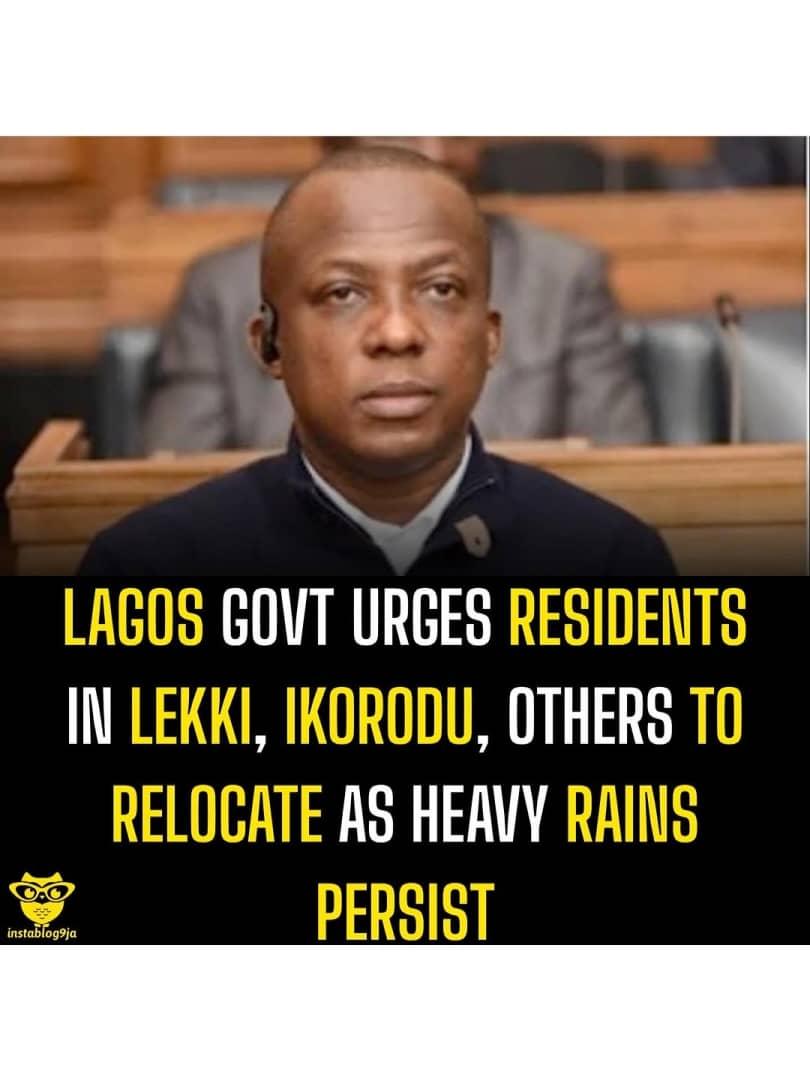
  • Lagos Govt Urges Residents in Lekki, Ikorodu, Others to Relocate as Heavy Rains Persist.

    The Lagos State Government has urged residents in flood-prone communities across parts of Lekki, Ikorodu, and Ajegunle to relocate to safer, elevated areas, warning that the state is at high risk of flooding due to continued heavy rainfall.

    Speaking on Politics Today, a Channels Television programme, Commissioner for Environment and Water Resources, Tokunbo Wahab, said residents in low-lying areas such as Ajegunle (Ajilete axis), Majidun in Ikorodu, and some parts of the Lekki corridor must move immediately to avoid disaster.

    “Epe, Mushin, and Ikeja are safe,” Wahab clarified, but warned residents in Isheri (OPIC axis) to also stay alert, noting that Lagos, being a coastal city, remains highly vulnerable to the effects of climate change. He revealed that predictions from the Nigerian Meteorological Agency (NiMet) indicate that Lagos will receive significantly more rainfall this year compared to 2024.

    He emphasized the need for those living in flood-prone zones to temporarily move to higher grounds until the rainy season subsides.

    On Monday, several communities across Lagos were flooded following prolonged rainfall that began Sunday night and lasted till evening the next day. Viral videos showed submerged streets, homes, and vehicles, as clogged drainage systems failed to manage the overflow, disrupting daily life and economic activities.

    While assuring residents that the government is intensifying efforts to clear drainages and expand water channels, Wahab called for calm and responsibility among citizens. “We won’t deceive Lagosians. Flash floods will happen. But our job is to provide resilient infrastructure and reduce the impact,” he said. “When nature acts, we can only mitigate.”
    Lagos Govt Urges Residents in Lekki, Ikorodu, Others to Relocate as Heavy Rains Persist. The Lagos State Government has urged residents in flood-prone communities across parts of Lekki, Ikorodu, and Ajegunle to relocate to safer, elevated areas, warning that the state is at high risk of flooding due to continued heavy rainfall. Speaking on Politics Today, a Channels Television programme, Commissioner for Environment and Water Resources, Tokunbo Wahab, said residents in low-lying areas such as Ajegunle (Ajilete axis), Majidun in Ikorodu, and some parts of the Lekki corridor must move immediately to avoid disaster. “Epe, Mushin, and Ikeja are safe,” Wahab clarified, but warned residents in Isheri (OPIC axis) to also stay alert, noting that Lagos, being a coastal city, remains highly vulnerable to the effects of climate change. He revealed that predictions from the Nigerian Meteorological Agency (NiMet) indicate that Lagos will receive significantly more rainfall this year compared to 2024. He emphasized the need for those living in flood-prone zones to temporarily move to higher grounds until the rainy season subsides. On Monday, several communities across Lagos were flooded following prolonged rainfall that began Sunday night and lasted till evening the next day. Viral videos showed submerged streets, homes, and vehicles, as clogged drainage systems failed to manage the overflow, disrupting daily life and economic activities. While assuring residents that the government is intensifying efforts to clear drainages and expand water channels, Wahab called for calm and responsibility among citizens. “We won’t deceive Lagosians. Flash floods will happen. But our job is to provide resilient infrastructure and reduce the impact,” he said. “When nature acts, we can only mitigate.”
    0 Comments ·0 Shares ·1K Views
  • Lagos Govt Urges Residents in Lekki, Ikorodu, Others to Relocate as Heavy Rains Persist.

    The Lagos State Government has urged residents in flood-prone communities across parts of Lekki, Ikorodu, and Ajegunle to relocate to safer, elevated areas, warning that the state is at high risk of flooding due to continued heavy rainfall.

    Speaking on Politics Today, a Channels Television programme, Commissioner for Environment and Water Resources, Tokunbo Wahab, said residents in low-lying areas such as Ajegunle (Ajilete axis), Majidun in Ikorodu, and some parts of the Lekki corridor must move immediately to avoid disaster.

    “Epe, Mushin, and Ikeja are safe,” Wahab clarified, but warned residents in Isheri (OPIC axis) to also stay alert, noting that Lagos, being a coastal city, remains highly vulnerable to the effects of climate change. He revealed that predictions from the Nigerian Meteorological Agency (NiMet) indicate that Lagos will receive significantly more rainfall this year compared to 2024.

    He emphasized the need for those living in flood-prone zones to temporarily move to higher grounds until the rainy season subsides.

    On Monday, several communities across Lagos were flooded following prolonged rainfall that began Sunday night and lasted till evening the next day. Viral videos showed submerged streets, homes, and vehicles, as clogged drainage systems failed to manage the overflow, disrupting daily life and economic activities.

    While assuring residents that the government is intensifying efforts to clear drainages and expand water channels, Wahab called for calm and responsibility among citizens. “We won’t deceive Lagosians. Flash floods will happen. But our job is to provide resilient infrastructure and reduce the impact,” he said. “When nature acts, we can only mitigate.”
    Lagos Govt Urges Residents in Lekki, Ikorodu, Others to Relocate as Heavy Rains Persist. The Lagos State Government has urged residents in flood-prone communities across parts of Lekki, Ikorodu, and Ajegunle to relocate to safer, elevated areas, warning that the state is at high risk of flooding due to continued heavy rainfall. Speaking on Politics Today, a Channels Television programme, Commissioner for Environment and Water Resources, Tokunbo Wahab, said residents in low-lying areas such as Ajegunle (Ajilete axis), Majidun in Ikorodu, and some parts of the Lekki corridor must move immediately to avoid disaster. “Epe, Mushin, and Ikeja are safe,” Wahab clarified, but warned residents in Isheri (OPIC axis) to also stay alert, noting that Lagos, being a coastal city, remains highly vulnerable to the effects of climate change. He revealed that predictions from the Nigerian Meteorological Agency (NiMet) indicate that Lagos will receive significantly more rainfall this year compared to 2024. He emphasized the need for those living in flood-prone zones to temporarily move to higher grounds until the rainy season subsides. On Monday, several communities across Lagos were flooded following prolonged rainfall that began Sunday night and lasted till evening the next day. Viral videos showed submerged streets, homes, and vehicles, as clogged drainage systems failed to manage the overflow, disrupting daily life and economic activities. While assuring residents that the government is intensifying efforts to clear drainages and expand water channels, Wahab called for calm and responsibility among citizens. “We won’t deceive Lagosians. Flash floods will happen. But our job is to provide resilient infrastructure and reduce the impact,” he said. “When nature acts, we can only mitigate.”
    0 Comments ·0 Shares ·879 Views
  • Lagos Government Warns Residents in Low-Lying Areas to Relocate Amid Flood Risks

    The Lagos State Government has urged residents in parts of Lekki, Ikorodu, and Ajegunle to move from lowlands to higher ground to avoid flooding. Environment Commissioner Tokunbo Wahab, speaking on Channels Television, identified areas such as Ajilete in Ajegunle, the coastline of Majidu in Ikorodu, and parts of the Lekki corridor as particularly at risk.

    Wahab reassured residents of Epe, Mushin, and Ikeja that they are relatively safe but advised those in Isheri (OPIC) to stay alert. Citing climate change and increased rainfall predictions from the Nigerian Meteorological Agency (NiMet), he warned that Lagos, as a coastal city, is vulnerable to flash floods this year.

    The warning follows severe flooding on Monday after heavy rainfall, which submerged streets and disrupted economic activities in the state. Wahab assured that the government is working to mitigate the impact by clearing drainage channels and expanding flood paths. He urged residents to remain calm and take personal responsibility for their safety.
    Lagos Government Warns Residents in Low-Lying Areas to Relocate Amid Flood Risks The Lagos State Government has urged residents in parts of Lekki, Ikorodu, and Ajegunle to move from lowlands to higher ground to avoid flooding. Environment Commissioner Tokunbo Wahab, speaking on Channels Television, identified areas such as Ajilete in Ajegunle, the coastline of Majidu in Ikorodu, and parts of the Lekki corridor as particularly at risk. Wahab reassured residents of Epe, Mushin, and Ikeja that they are relatively safe but advised those in Isheri (OPIC) to stay alert. Citing climate change and increased rainfall predictions from the Nigerian Meteorological Agency (NiMet), he warned that Lagos, as a coastal city, is vulnerable to flash floods this year. The warning follows severe flooding on Monday after heavy rainfall, which submerged streets and disrupted economic activities in the state. Wahab assured that the government is working to mitigate the impact by clearing drainage channels and expanding flood paths. He urged residents to remain calm and take personal responsibility for their safety.
    0 Comments ·0 Shares ·742 Views
  • No Going Back on Nuclear Test Ban in Nigeria – Shettima Reaffirms.

    Vice President Kashim Shettima has restated Nigeria’s firm commitment to the global ban on nuclear weapons testing.

    Speaking at the Presidential Villa during a meeting with a delegation from the Comprehensive Nuclear-Test-Ban Treaty Organisation (CTBTO), led by its Executive Secretary Dr. Robert Floyd, Shettima emphasized that Nigeria’s focus remains on tackling pressing socio-economic issues such as poverty and climate change, not on nuclear weapons development.

    “Nuclear war has no winners,” Shettima said. “In sub-Saharan Africa, our f+ght is against poverty and the growing impact of climate change. We have no interest in nuclear weapons. Our priorities lie in improving the economy and protecting the environment.”

    He praised the CTBTO for its global surveillance efforts, noting its network of 337 monitoring stations, which have successfully detected all seven nuclear tests conducted by North Korea.

    Shettima also highlighted the organisation’s role in supporting civilian applications like tsunami and volcano monitoring, which contribute to global ecological stability. In response, Dr. Floyd commended Nigeria’s leadership under President Bola Tinubu for supporting the global push against nuclear testing.

    He described the relationship between Nigeria and the CTBTO as a “natural partnership” and lauded the country’s contributions to strengthening international norms against nuclear proliferation.
    No Going Back on Nuclear Test Ban in Nigeria – Shettima Reaffirms. Vice President Kashim Shettima has restated Nigeria’s firm commitment to the global ban on nuclear weapons testing. Speaking at the Presidential Villa during a meeting with a delegation from the Comprehensive Nuclear-Test-Ban Treaty Organisation (CTBTO), led by its Executive Secretary Dr. Robert Floyd, Shettima emphasized that Nigeria’s focus remains on tackling pressing socio-economic issues such as poverty and climate change, not on nuclear weapons development. “Nuclear war has no winners,” Shettima said. “In sub-Saharan Africa, our f+ght is against poverty and the growing impact of climate change. We have no interest in nuclear weapons. Our priorities lie in improving the economy and protecting the environment.” He praised the CTBTO for its global surveillance efforts, noting its network of 337 monitoring stations, which have successfully detected all seven nuclear tests conducted by North Korea. Shettima also highlighted the organisation’s role in supporting civilian applications like tsunami and volcano monitoring, which contribute to global ecological stability. In response, Dr. Floyd commended Nigeria’s leadership under President Bola Tinubu for supporting the global push against nuclear testing. He described the relationship between Nigeria and the CTBTO as a “natural partnership” and lauded the country’s contributions to strengthening international norms against nuclear proliferation.
    0 Comments ·0 Shares ·440 Views
  • July flood alert: 20 states at risk despite N620bn intervention.

    The Nigerian Meteorological Agency has issued a flood alert for the month of July, warning that states including Sokoto, Lagos, Edo, Benue, and 16 others are at risk of experiencing flash floods.

    This came as the Africa Environmental Health Organisation, climate change adaptation researchers, and members of the Nigerian Institute of Town Planners, among others, lambasted state governments following the recent devastating floods that ravaged several states, calling for an intense scrutiny over the management of ecological funds allocated to affected regions.

    Findings showed that despite receiving over N620bn in ecological funds, many states seem ill-prepared to mitigate the impact of such disasters, raising questions about the effectiveness of these funds in enhancing environmental resilience and disaster preparedness.

    NiMet’s flash flood risk alert for July 2025, released on Monday by the agency, showed the states with varying probable risks of experiencing flash flooding events due to the onset of rainfall across the country.


    The agency said, “Sokoto State has a high risk of experiencing flash floods. Other states with notable risk of flash flooding are Kaduna, Zamfara, Yobe, Bauchi, Bayelsa, Jigawa, Adamawa, Taraba, Niger, Nasarawa, Benue, Ogun, Ondo, Lagos, Delta, Edo, Cross River, Rivers and Akwa Ibom.”

    The agency advised residents of the states to relocate if necessary, clear drainage systems, prepare emergency kits, turn off electricity and gas during flooding, strengthen mudslide prevention, and promote community awareness.

    This came as residents of some Ondo communities affected by the flood that occurred last week have called on the state government on Monday to come to their aid following the destruction of their property.

    The flood occurred as a result of a downpour on Friday, Saturday, and Sunday, which has reportedly destroyed property worth millions of naira in communities in Owo, Okitipupa, Ilaje, and Ese Odo Local Government Areas of the state.

    It was gathered that the flood destroyed buildings and submerged bridges in the affected communities of Uso, Ayeka, Ikoya, Igbodigo, Igodan, and Igbotako.
    July flood alert: 20 states at risk despite N620bn intervention. The Nigerian Meteorological Agency has issued a flood alert for the month of July, warning that states including Sokoto, Lagos, Edo, Benue, and 16 others are at risk of experiencing flash floods. This came as the Africa Environmental Health Organisation, climate change adaptation researchers, and members of the Nigerian Institute of Town Planners, among others, lambasted state governments following the recent devastating floods that ravaged several states, calling for an intense scrutiny over the management of ecological funds allocated to affected regions. Findings showed that despite receiving over N620bn in ecological funds, many states seem ill-prepared to mitigate the impact of such disasters, raising questions about the effectiveness of these funds in enhancing environmental resilience and disaster preparedness. NiMet’s flash flood risk alert for July 2025, released on Monday by the agency, showed the states with varying probable risks of experiencing flash flooding events due to the onset of rainfall across the country. The agency said, “Sokoto State has a high risk of experiencing flash floods. Other states with notable risk of flash flooding are Kaduna, Zamfara, Yobe, Bauchi, Bayelsa, Jigawa, Adamawa, Taraba, Niger, Nasarawa, Benue, Ogun, Ondo, Lagos, Delta, Edo, Cross River, Rivers and Akwa Ibom.” The agency advised residents of the states to relocate if necessary, clear drainage systems, prepare emergency kits, turn off electricity and gas during flooding, strengthen mudslide prevention, and promote community awareness. This came as residents of some Ondo communities affected by the flood that occurred last week have called on the state government on Monday to come to their aid following the destruction of their property. The flood occurred as a result of a downpour on Friday, Saturday, and Sunday, which has reportedly destroyed property worth millions of naira in communities in Owo, Okitipupa, Ilaje, and Ese Odo Local Government Areas of the state. It was gathered that the flood destroyed buildings and submerged bridges in the affected communities of Uso, Ayeka, Ikoya, Igbodigo, Igodan, and Igbotako.
    0 Comments ·0 Shares ·1K Views
More Results
Fintter https://fintter.com