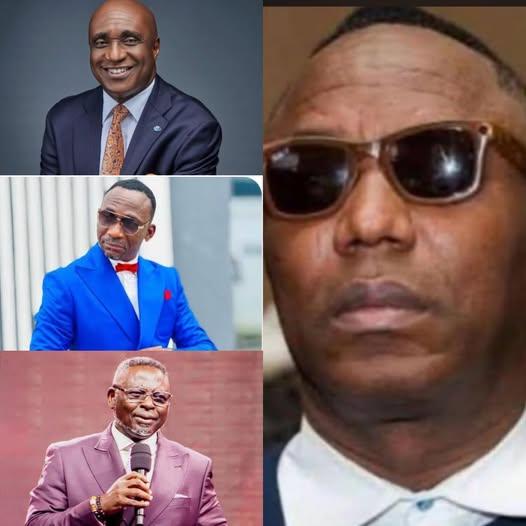
• Omoyele Sowore, activist and former presidential candidate, has sparked fresh online debate after criticizing some Nigerian pastors and the role of churches.

    In his words, many people become pastors because they couldn’t succeed in other careers or don’t want to do “serious work.” He also shared a personal encounter with a popular pastor, saying he suggested turning the pastor’s church into a hospital for one year to save lives. According to Sowore, the pastor got upset and has avoided him since.

    His comments have triggered mixed reactions online, with many people agreeing and others calling the statement unfair and insulting.

    #Nigeria #OmoyeleSowore #Religion #PublicDebate
    Omoyele Sowore, activist and former presidential candidate, has sparked fresh online debate after criticizing some Nigerian pastors and the role of churches. In his words, many people become pastors because they couldn’t succeed in other careers or don’t want to do “serious work.” He also shared a personal encounter with a popular pastor, saying he suggested turning the pastor’s church into a hospital for one year to save lives. According to Sowore, the pastor got upset and has avoided him since. His comments have triggered mixed reactions online, with many people agreeing and others calling the statement unfair and insulting. #Nigeria #OmoyeleSowore #Religion #PublicDebate
    like
    love
    2
    · 0 Commentarii ·0 Distribuiri ·3K Views
  • As of January 21, 2026, reports indicate that VDM has asserted his ownership of the trademark and is challenging Blord's usage of the name for his app.


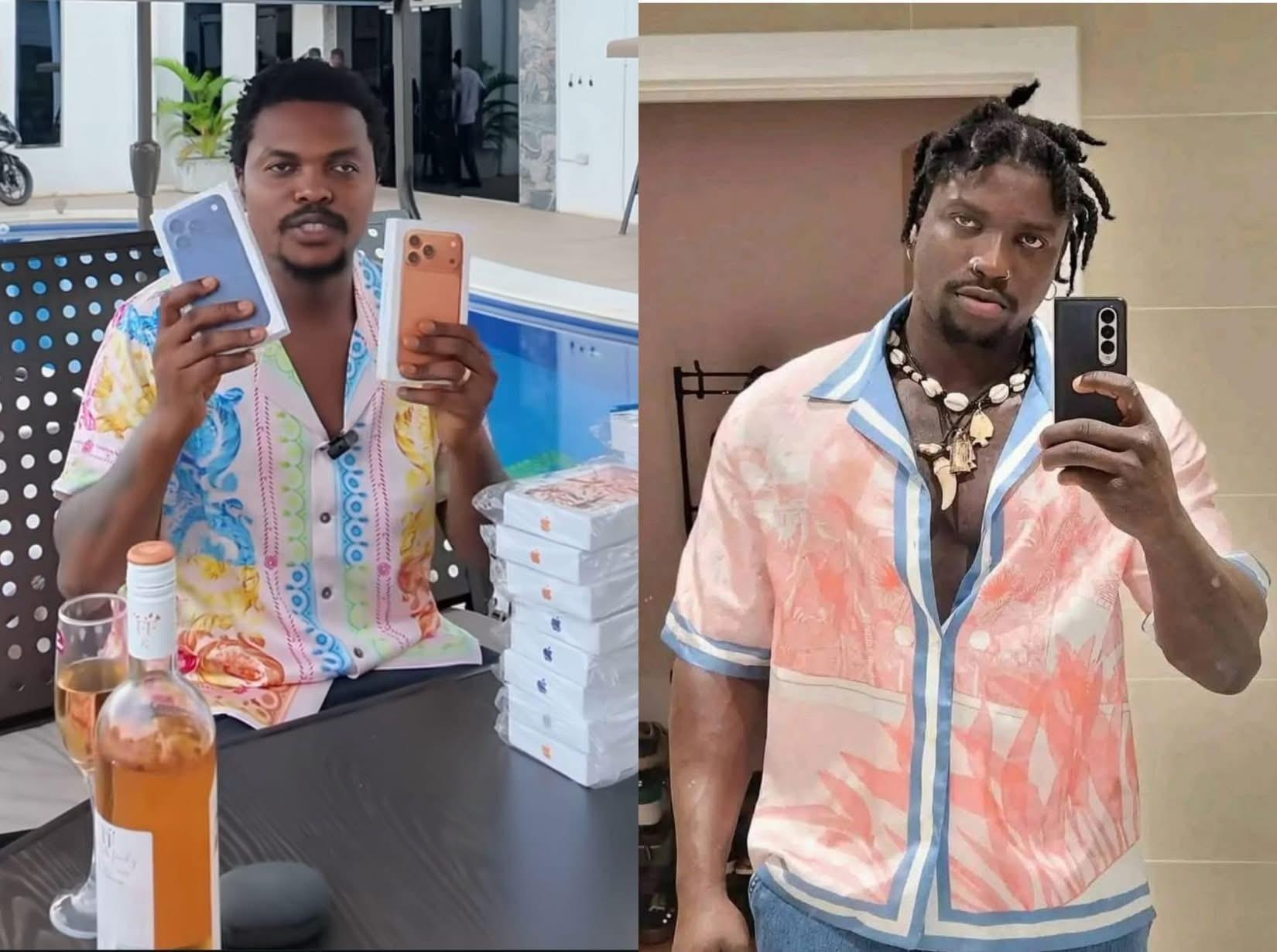
    As of January 21, 2026, social media activist VeryDarkMan (VDM) has asserted ownership of the Ratel trademark and is challenging tech entrepreneur Blord over his use of the name for an app. VDM claims he legally registered the brand and accused Blord of trademark infringement. The dispute has sparked reactions online, with supporters debating who truly owns the name as both parties trade words publicly.
    #fintternews
    As of January 21, 2026, reports indicate that VDM has asserted his ownership of the trademark and is challenging Blord's usage of the name for his app. As of January 21, 2026, social media activist VeryDarkMan (VDM) has asserted ownership of the Ratel trademark and is challenging tech entrepreneur Blord over his use of the name for an app. VDM claims he legally registered the brand and accused Blord of trademark infringement. The dispute has sparked reactions online, with supporters debating who truly owns the name as both parties trade words publicly. #fintternews
    like
    love
    2
    · 0 Commentarii ·0 Distribuiri ·4K Views
  • Geh Geh Blasts Wizkid–Fela Comparisons Amid Ongoing Saga……

    Social commentator Geh Geh has weighed into the heated saga between Wizkid and Seun Kuti, slamming fans who compare the Afrobeats star to late legend Fela Anikulapo-Kuti. In a viral clip, he said, “You guys are comparing Wizkid to Fela? Do you know who Fela is? Everything Fela created is what Wizkid, Davido and Burna Boy are benefiting today.” Geh Geh stressed that Fela’s legacy as a pioneer and activist cannot be equated to modern pop success.
    #Fintternews
    Geh Geh Blasts Wizkid–Fela Comparisons Amid Ongoing Saga…… Social commentator Geh Geh has weighed into the heated saga between Wizkid and Seun Kuti, slamming fans who compare the Afrobeats star to late legend Fela Anikulapo-Kuti. In a viral clip, he said, “You guys are comparing Wizkid to Fela? Do you know who Fela is? Everything Fela created is what Wizkid, Davido and Burna Boy are benefiting today.” Geh Geh stressed that Fela’s legacy as a pioneer and activist cannot be equated to modern pop success. #Fintternews
    love
    1
    · 0 Commentarii ·0 Distribuiri ·2K Views
  • VeryDarkMan Fires Back at Blord Over “Ratels” App Name……….

    Social media activist VeryDarkMan has reacted strongly after Blord named his newly launched app “Ratels.” He claimed Blord “cannot stand” or challenge him, insisting he is more educated and intellectually superior. VeryDarkMan also alleged that since their fallout, Blord has pushed a narrative that he is against Igbo businesses, leading others to attack him. He added that he has many investors ready to back him financially, dismissing Blord’s influence.
    #fintternews
    VeryDarkMan Fires Back at Blord Over “Ratels” App Name………. Social media activist VeryDarkMan has reacted strongly after Blord named his newly launched app “Ratels.” He claimed Blord “cannot stand” or challenge him, insisting he is more educated and intellectually superior. VeryDarkMan also alleged that since their fallout, Blord has pushed a narrative that he is against Igbo businesses, leading others to attack him. He added that he has many investors ready to back him financially, dismissing Blord’s influence. #fintternews
    love
    1
    · 0 Commentarii ·0 Distribuiri ·1K Views
  • Adeyanju Slams Nigerian Govt Over Pardoning Terrorists, Says It Fuels Violence

    Human rights activist and lawyer Deji Adeyanju has strongly condemned the Nigerian government’s policy of negotiating with, pardoning, and allegedly compensating terrorists and bandits, warning that it amounts to indirect financing of terrorism. In a statement on Monday, Adeyanju described the approach as dangerous and irresponsible, arguing that it emboldens criminals and sends the message that violence pays. He insisted that terrorists should be arrested and prosecuted, not forgiven or rewarded. Adeyanju also criticized what he called selective justice, contrasting the treatment of terrorists with the continued detention of IPOB leader Nnamdi Kanu, warning the policy could push more Nigerians to take up arms.

    #NigeriaSecurity #DejiAdeyanju #BreakingNews
    Adeyanju Slams Nigerian Govt Over Pardoning Terrorists, Says It Fuels Violence Human rights activist and lawyer Deji Adeyanju has strongly condemned the Nigerian government’s policy of negotiating with, pardoning, and allegedly compensating terrorists and bandits, warning that it amounts to indirect financing of terrorism. In a statement on Monday, Adeyanju described the approach as dangerous and irresponsible, arguing that it emboldens criminals and sends the message that violence pays. He insisted that terrorists should be arrested and prosecuted, not forgiven or rewarded. Adeyanju also criticized what he called selective justice, contrasting the treatment of terrorists with the continued detention of IPOB leader Nnamdi Kanu, warning the policy could push more Nigerians to take up arms. #NigeriaSecurity #DejiAdeyanju #BreakingNews
    love
    2
    · 0 Commentarii ·0 Distribuiri ·5K Views
  • Nigerian Govt Drops Meta & X as Defendants, Amends Cyberbullying Charges Against Sowore Over Tinubu Post

    The Nigerian government has amended criminal charges against activist and ex-presidential candidate Omoyele Sowore for cyberbullying President Bola Tinubu. Filed in December 2025 at the Federal High Court, the revised charge sheet now contains two counts, removing Meta and X (formerly Twitter) as co-defendants. Sowore is accused of posting on August 25, 2025, that Tinubu is a “criminal” and lied about ending corruption. The government alleges these posts were false and intended to cause public disorder. The case is ongoing before the Federal High Court in Abuja.

    #SoworeVsTinubu #CybercrimeNigeria #FGCourtCase
    Nigerian Govt Drops Meta & X as Defendants, Amends Cyberbullying Charges Against Sowore Over Tinubu Post The Nigerian government has amended criminal charges against activist and ex-presidential candidate Omoyele Sowore for cyberbullying President Bola Tinubu. Filed in December 2025 at the Federal High Court, the revised charge sheet now contains two counts, removing Meta and X (formerly Twitter) as co-defendants. Sowore is accused of posting on August 25, 2025, that Tinubu is a “criminal” and lied about ending corruption. The government alleges these posts were false and intended to cause public disorder. The case is ongoing before the Federal High Court in Abuja. #SoworeVsTinubu #CybercrimeNigeria #FGCourtCase
    love
    1
    · 0 Commentarii ·0 Distribuiri ·5K Views
  • Sowore in Court Over Alleged False Posts Against Tinubu….


    Activist and Sahara Reporters publisher, Omoyele Sowore, has appeared in court to face trial over alleged false online posts against President Bola Tinubu. The Department of State Services (DSS) filed five charges against him, including cybercrimes, defamation and incitement. Authorities claim his publications were intended to mislead the public and provoke unrest, while Sowore maintains that his actions fall within press freedom and political expression.#Fintter news

    Sowore in Court Over Alleged False Posts Against Tinubu…. Activist and Sahara Reporters publisher, Omoyele Sowore, has appeared in court to face trial over alleged false online posts against President Bola Tinubu. The Department of State Services (DSS) filed five charges against him, including cybercrimes, defamation and incitement. Authorities claim his publications were intended to mislead the public and provoke unrest, while Sowore maintains that his actions fall within press freedom and political expression.#Fintter news
    love
    2
    · 0 Commentarii ·0 Distribuiri ·4K Views
  • How Unverified Onitsha Claims Fueled Trump’s “Christian Genocide” Narrative and US Airstrikes in Nigeria

    This report exposes how unverified data from Emeka Umeagbalasi, an Onitsha-based screwdriver seller and activist, influenced powerful US politicians and former President Donald Trump’s claims of a “Christian genocide” in Nigeria. Despite relying largely on secondary sources, assumptions, and Google searches, his figures were cited by US lawmakers and echoed in rhetoric that helped justify US airstrikes in Nigeria. Investigations by The New York Times and experts reveal major flaws, confirmation bias, and exaggerated statistics, noting that Nigeria’s insecurity affects both Christians and Muslims. Critics warn that such misinformation fuels ethnic tension, global misunderstanding, and dangerous foreign policy decisions.

    #NigeriaSecurity
    #Misinformation
    #ChristianGenocideDebate
    How Unverified Onitsha Claims Fueled Trump’s “Christian Genocide” Narrative and US Airstrikes in Nigeria This report exposes how unverified data from Emeka Umeagbalasi, an Onitsha-based screwdriver seller and activist, influenced powerful US politicians and former President Donald Trump’s claims of a “Christian genocide” in Nigeria. Despite relying largely on secondary sources, assumptions, and Google searches, his figures were cited by US lawmakers and echoed in rhetoric that helped justify US airstrikes in Nigeria. Investigations by The New York Times and experts reveal major flaws, confirmation bias, and exaggerated statistics, noting that Nigeria’s insecurity affects both Christians and Muslims. Critics warn that such misinformation fuels ethnic tension, global misunderstanding, and dangerous foreign policy decisions. #NigeriaSecurity #Misinformation #ChristianGenocideDebate
    love
    1
    · 0 Commentarii ·0 Distribuiri ·4K Views
  • Whistleblower Oluwasanmi Arraigned in Lagos Over Alleged Corruption at Tinubu-Linked Alpha-Beta Firm

    Activist and whistleblower Segun Oluwasanmi has been arraigned at Ogba Magistrate Court, Lagos, following his arrest by the Nigeria Police over allegations linked to his exposure of corruption at Alpha-Beta Consulting Limited, a firm connected to President Tinubu. Oluwasanmi had accused the company of underpaying taxes, salary manipulations, inflated contracts, and internal fraud. The Committee for Defence of Human Rights (CDHR) called on supporters to rally in solidarity, describing his case as critical to justice. Oluwasanmi’s arraignment highlights growing tensions between whistleblowers and powerful corporate-political interests in Nigeria.
    Whistleblower Oluwasanmi Arraigned in Lagos Over Alleged Corruption at Tinubu-Linked Alpha-Beta Firm Activist and whistleblower Segun Oluwasanmi has been arraigned at Ogba Magistrate Court, Lagos, following his arrest by the Nigeria Police over allegations linked to his exposure of corruption at Alpha-Beta Consulting Limited, a firm connected to President Tinubu. Oluwasanmi had accused the company of underpaying taxes, salary manipulations, inflated contracts, and internal fraud. The Committee for Defence of Human Rights (CDHR) called on supporters to rally in solidarity, describing his case as critical to justice. Oluwasanmi’s arraignment highlights growing tensions between whistleblowers and powerful corporate-political interests in Nigeria.
    love
    1
    · 0 Commentarii ·0 Distribuiri ·3K Views
  • Dem Release Am At Last! Makoko Youth Leader, Oluwatobi Aide, Free After 3 Days for Police Hand Over Demolition Protest

    Better news don land for Makoko as youth leader, Oluwatobi Aide, don finally regain him freedom after three days wey Lagos RRS lock am up. Dem release am around 7:03pm on Wednesday after people shout, activists raise alarm and senior lawyer Femi Falana (SAN) enter the matter.

    Police arrest Aide on Sunday during protest against the demolition of houses for Makoko waterfront. People talk say dem carry am just because he talk say government don go beyond the 30-metre agreement wey dem first make with the community. Supporters believe say the arrest na to scare residents and stop anybody wey go talk again.

    Activists say this kind arrest don dey happen for waterfront areas like Ajegunle and Oworoshoki. On Wednesday, police even carry am go mobile court for Oshodi, accuse am of “disturbing public peace,” but sources say the charges na setup and politically motivated.

    While in custody, Aide health worry many people. He fall sick, dem rush am go hospital, and at first police even say make he pay for treatment himself. After pressure, dem agree pay and later free am. Makoko people say this one show say if Nigerians shout together, justice fit still happen.
    🔥 Dem Release Am At Last! Makoko Youth Leader, Oluwatobi Aide, Free After 3 Days for Police Hand Over Demolition Protest Better news don land for Makoko as youth leader, Oluwatobi Aide, don finally regain him freedom after three days wey Lagos RRS lock am up. Dem release am around 7:03pm on Wednesday after people shout, activists raise alarm and senior lawyer Femi Falana (SAN) enter the matter. Police arrest Aide on Sunday during protest against the demolition of houses for Makoko waterfront. People talk say dem carry am just because he talk say government don go beyond the 30-metre agreement wey dem first make with the community. Supporters believe say the arrest na to scare residents and stop anybody wey go talk again. Activists say this kind arrest don dey happen for waterfront areas like Ajegunle and Oworoshoki. On Wednesday, police even carry am go mobile court for Oshodi, accuse am of “disturbing public peace,” but sources say the charges na setup and politically motivated. While in custody, Aide health worry many people. He fall sick, dem rush am go hospital, and at first police even say make he pay for treatment himself. After pressure, dem agree pay and later free am. Makoko people say this one show say if Nigerians shout together, justice fit still happen.
    love
    1
    · 0 Commentarii ·0 Distribuiri ·1K Views
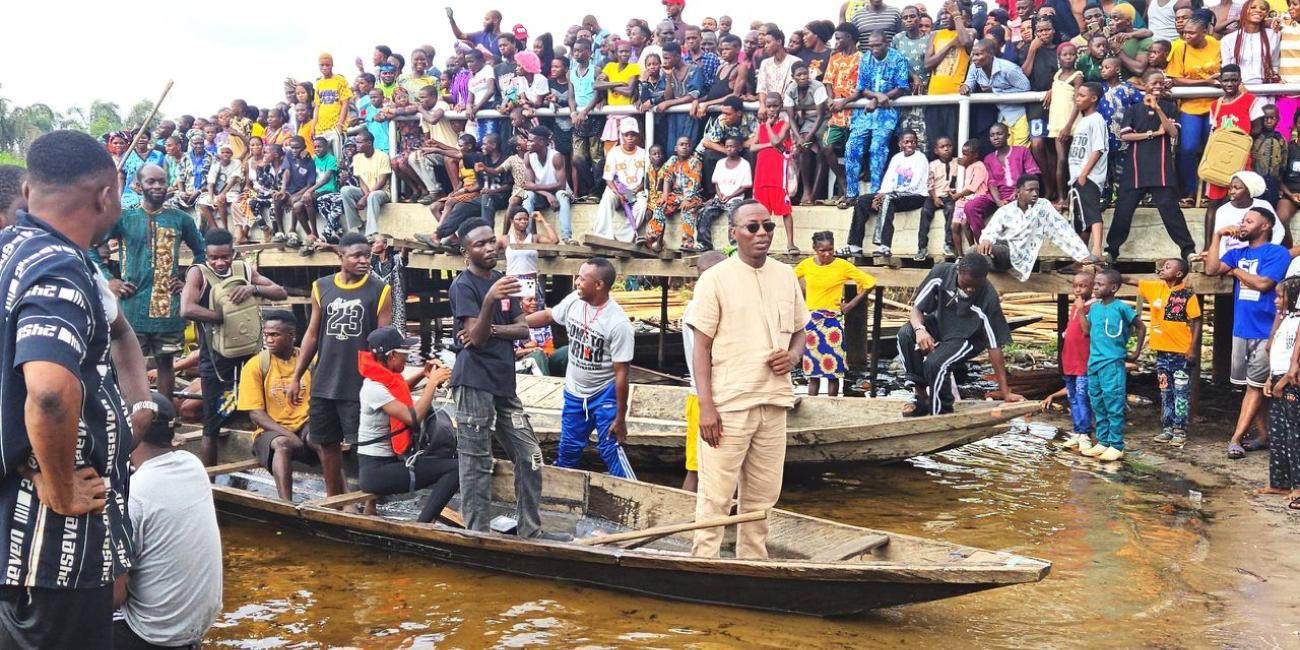
  • Sowore Foundation Awards 250 Scholarships, Empowers 45 Artisans; Hosts 2026 #ComeToKiribo Festival in Ondo

    The Sowore Foundation, founded by human rights activist and former presidential candidate Omoyele Sowore, has awarded scholarships to 250 students studying Medicine, Nursing, Law, and other disciplines, while also empowering 45 artisans and vulnerable individuals.

    The interventions coincided with the 2026 edition of the annual #ComeToKiribo Festival, held on January 1, 2026, in Kiribo, Ondo State. Speaking at the event, Sowore described the Kiribo Road Race as both symbolic and historic, noting that it is the first marathon race anywhere in the world held every year on January 1.

    Beyond celebration, the festival served as a platform for education, empowerment, and community development, drawing attention to grassroots support initiatives often missing from mainstream governance efforts.

    Question: Should community-driven initiatives like this play a bigger role where government support falls short?

    #ComeToKiribo #SoworeFoundation #OndoState #EducationAndEmpowerment
    Sowore Foundation Awards 250 Scholarships, Empowers 45 Artisans; Hosts 2026 #ComeToKiribo Festival in Ondo The Sowore Foundation, founded by human rights activist and former presidential candidate Omoyele Sowore, has awarded scholarships to 250 students studying Medicine, Nursing, Law, and other disciplines, while also empowering 45 artisans and vulnerable individuals. The interventions coincided with the 2026 edition of the annual #ComeToKiribo Festival, held on January 1, 2026, in Kiribo, Ondo State. Speaking at the event, Sowore described the Kiribo Road Race as both symbolic and historic, noting that it is the first marathon race anywhere in the world held every year on January 1. Beyond celebration, the festival served as a platform for education, empowerment, and community development, drawing attention to grassroots support initiatives often missing from mainstream governance efforts. Question: Should community-driven initiatives like this play a bigger role where government support falls short? #ComeToKiribo #SoworeFoundation #OndoState #EducationAndEmpowerment
    love
    2
    · 0 Commentarii ·0 Distribuiri ·4K Views
  • Illegal Arrest: Court Tell Make Dem Serve IGP, AGF for Sowore N1.2bn Human Rights Case

    Federal High Court for Abuja don order make hearing notice reach Police IG, Kayode Egbetokun, and Attorney-General, Lateef Fagbemi, for human rights case wey activist Omoyele Sowore file. Sowore dey demand ₦1.2 billion, accuse police of illegal arrest, detention and assault.

    The matter start after police rearrest am for Kuje Magistrate Court on October 23, 2025, just after dem grant am bail, because of im involvement for #FreeNnamdiKanuNow protest. Sowore talk say im arrest over peaceful protest break im rights to freedom, movement and human dignity under Nigerian Constitution.

    Justice Umar order make dem properly serve the defendants and adjourn case till March 10, 2026 for hearing. Sowore lawyer, Abubakar Marshal, complain say none of the defendants show for court, accuse police of acting with impunity.

    Marshal insist say protest na legal right, say person wey no commit crime no suppose face arrest or detention. The suit seek ₦1bn punitive damages, ₦200m extra damages, public apology and retraction, stressing say the case no be only for Sowore but to protect Nigerians’ right to peaceful protest.
    Illegal Arrest: Court Tell Make Dem Serve IGP, AGF for Sowore N1.2bn Human Rights Case Federal High Court for Abuja don order make hearing notice reach Police IG, Kayode Egbetokun, and Attorney-General, Lateef Fagbemi, for human rights case wey activist Omoyele Sowore file. Sowore dey demand ₦1.2 billion, accuse police of illegal arrest, detention and assault. The matter start after police rearrest am for Kuje Magistrate Court on October 23, 2025, just after dem grant am bail, because of im involvement for #FreeNnamdiKanuNow protest. Sowore talk say im arrest over peaceful protest break im rights to freedom, movement and human dignity under Nigerian Constitution. Justice Umar order make dem properly serve the defendants and adjourn case till March 10, 2026 for hearing. Sowore lawyer, Abubakar Marshal, complain say none of the defendants show for court, accuse police of acting with impunity. Marshal insist say protest na legal right, say person wey no commit crime no suppose face arrest or detention. The suit seek ₦1bn punitive damages, ₦200m extra damages, public apology and retraction, stressing say the case no be only for Sowore but to protect Nigerians’ right to peaceful protest.
    love
    1
    · 0 Commentarii ·0 Distribuiri ·3K Views
  • Wahala Don Set Oo! Kano Rights Group Alleges Plot to Arrest Activist Over Community Transformer Dispute

    Wahala don burst for Kano oo! A human rights group has raised alarm over an alleged plot to arrest a community activist in Minjibir Local Government Area after he opposed the removal of a community-owned electricity transformer.

    The Centre for Human Rights and Social Advancement (CEFSAN) says the activist, Comrade Habu Hassan Abdullahi from Kunya community, is now being targeted simply because he questioned the decision of the Minjibir LG Chairman to allegedly remove the transformer without consulting residents.

    According to a statement issued by CEFSAN’s Executive Director, Yusha’u Sani Yankuzo, Esq, the incident happened on January 8, 2026, when local government officials allegedly ordered the removal of the transformer without notice, explanation, or community engagement.

    Residents reportedly became worried, recalling past incidents where public facilities like transformers and engines allegedly “disappeared” after being taken away.

    CEFSAN said Abdullahi only exercised his constitutional right to speak up and represent his people, but that his action allegedly angered the authorities.

    > “Comrade Habu Hassan Abdullahi, in the exercise of his constitutional right to freedom of expression and peaceful participation in community affairs, openly objected to the removal of the transformer,” the group stated.


    But instead of dialogue, CEFSAN alleged that the Minjibir Local Government Chairman connived with the Dambatta Police Area Command to arrange his arrest and detention without due process.

    Wahala con turn serious. The rights group said it later received information that Abdullahi was about to be arrested, forcing him to flee his community for safety.

    > “Upon receiving confidential information suggesting an imminent arrest, Comrade Habu was forced to flee his community for fear of his life and personal safety,” CEFSAN said.


    Police officers were reportedly sent to pick him up but could not locate him, raising further concerns about intimidation and possible persecution.

    CEFSAN strongly condemned what it described as the use of security agencies to silence community voices.

    > “We strongly condemn any attempt to use state security apparatus to intimidate activists or criminalize peaceful civic engagement,” the group said, warning that such actions violate both Nigeria’s Constitution and international human rights standards.


    The organisation demanded:

    Immediate end to all forms of harassment against Abdullahi,

    Public clarification on why the Kunya community transformer was allegedly removed, and

    An independent investigation into the role of the LG Chairman and the Dambatta Police Command in the alleged arrest plot.


    CEFSAN also called on authorities to guarantee the safety of Abdullahi and protect the rights of Kunya residents, stressing that decisions affecting public utilities must involve consultation, transparency, and accountability.

    > “Any harm to Comrade Habu Hassan Abdullahi will be strongly resisted and pursued through all lawful national and international human rights mechanisms,” the group warned.


    As at the time of filing the report, the Kano State Police Command and Minjibir Local Government authorities had not responded to the allegations.

    Wahala don set oo — because to talk for your community now dey turn crime? Nigerians dey watch.

    Wahala Don Set Oo! Kano Rights Group Alleges Plot to Arrest Activist Over Community Transformer Dispute Wahala don burst for Kano oo! A human rights group has raised alarm over an alleged plot to arrest a community activist in Minjibir Local Government Area after he opposed the removal of a community-owned electricity transformer. The Centre for Human Rights and Social Advancement (CEFSAN) says the activist, Comrade Habu Hassan Abdullahi from Kunya community, is now being targeted simply because he questioned the decision of the Minjibir LG Chairman to allegedly remove the transformer without consulting residents. According to a statement issued by CEFSAN’s Executive Director, Yusha’u Sani Yankuzo, Esq, the incident happened on January 8, 2026, when local government officials allegedly ordered the removal of the transformer without notice, explanation, or community engagement. Residents reportedly became worried, recalling past incidents where public facilities like transformers and engines allegedly “disappeared” after being taken away. CEFSAN said Abdullahi only exercised his constitutional right to speak up and represent his people, but that his action allegedly angered the authorities. > “Comrade Habu Hassan Abdullahi, in the exercise of his constitutional right to freedom of expression and peaceful participation in community affairs, openly objected to the removal of the transformer,” the group stated. But instead of dialogue, CEFSAN alleged that the Minjibir Local Government Chairman connived with the Dambatta Police Area Command to arrange his arrest and detention without due process. Wahala con turn serious. The rights group said it later received information that Abdullahi was about to be arrested, forcing him to flee his community for safety. > “Upon receiving confidential information suggesting an imminent arrest, Comrade Habu was forced to flee his community for fear of his life and personal safety,” CEFSAN said. Police officers were reportedly sent to pick him up but could not locate him, raising further concerns about intimidation and possible persecution. CEFSAN strongly condemned what it described as the use of security agencies to silence community voices. > “We strongly condemn any attempt to use state security apparatus to intimidate activists or criminalize peaceful civic engagement,” the group said, warning that such actions violate both Nigeria’s Constitution and international human rights standards. The organisation demanded: Immediate end to all forms of harassment against Abdullahi, Public clarification on why the Kunya community transformer was allegedly removed, and An independent investigation into the role of the LG Chairman and the Dambatta Police Command in the alleged arrest plot. CEFSAN also called on authorities to guarantee the safety of Abdullahi and protect the rights of Kunya residents, stressing that decisions affecting public utilities must involve consultation, transparency, and accountability. > “Any harm to Comrade Habu Hassan Abdullahi will be strongly resisted and pursued through all lawful national and international human rights mechanisms,” the group warned. As at the time of filing the report, the Kano State Police Command and Minjibir Local Government authorities had not responded to the allegations. Wahala don set oo — because to talk for your community now dey turn crime? Nigerians dey watch.
    love
    1
    · 0 Commentarii ·0 Distribuiri ·2K Views
  • Edo Rights Group Accuses Uromi DPO of Harassing Activist, Demands Police Action

    The Edo State Civil Society Coalition for Human Rights has accused the Divisional Police Officer of Uromi Division, CSP Monday Agbon, of intimidation, abuse of office, and targeted harassment of activist Comrade General Henry Oziegbe.

    In a statement issued on Saturday, the coalition said Oziegbe, a known social justice advocate, has faced sustained reprisals allegedly linked to his criticism of police extortion and systemic injustice in Uromi.

    The group disclosed that multiple petitions had earlier been submitted to the Edo State Commissioner of Police, accusing the DPO of extortion, bribery, and abuse of authority. Rather than submit to investigation, the coalition alleged, the officer responded with threats, intimidation, and attempts to criminalise the activist.

    According to the statement, jointly signed by Coordinator Marxist Kola Edokpayi and Secretary-General Comrade Aghatise Raphael, the DPO allegedly threatened to fabricate charges against Oziegbe and later branded him a cultist—an accusation the coalition described as false, reckless, and dangerous.

    The coalition further claimed that following a directive from the Commissioner of Police to review one of the petitions, the DPO sought to use the Anti-Cultism Unit in Benin City to arrest Oziegbe. However, the unit reportedly declined after finding no factual or evidentiary basis for the allegations.

    “The Anti-Cultism Unit, acting with commendable professional integrity, refused to comply after establishing that the claims were entirely unfounded,” the group said.

    Describing Oziegbe as “a conscientious dissenter and defender of the oppressed,” the coalition argued that any attempt to arrest or detain him would amount to a violation of his constitutional rights. Citing Section 35 of the 1999 Constitution (as amended), it warned against arbitrary arrest, detention, or enforced disappearance.

    The group also stated that any harm or unlawful action against the activist would be held personally against the DPO and any officers involved.

    Consequently, the coalition called on the Inspector-General of Police, the Police Service Commission, the National Human Rights Commission, and other oversight bodies to intervene, investigate the allegations, and prevent what it described as a growing culture of impunity.

    “We will not capitulate. We will not be intimidated. An injury to one remains an injury to all,” the coalition declared.


    Edo Rights Group Accuses Uromi DPO of Harassing Activist, Demands Police Action The Edo State Civil Society Coalition for Human Rights has accused the Divisional Police Officer of Uromi Division, CSP Monday Agbon, of intimidation, abuse of office, and targeted harassment of activist Comrade General Henry Oziegbe. In a statement issued on Saturday, the coalition said Oziegbe, a known social justice advocate, has faced sustained reprisals allegedly linked to his criticism of police extortion and systemic injustice in Uromi. The group disclosed that multiple petitions had earlier been submitted to the Edo State Commissioner of Police, accusing the DPO of extortion, bribery, and abuse of authority. Rather than submit to investigation, the coalition alleged, the officer responded with threats, intimidation, and attempts to criminalise the activist. According to the statement, jointly signed by Coordinator Marxist Kola Edokpayi and Secretary-General Comrade Aghatise Raphael, the DPO allegedly threatened to fabricate charges against Oziegbe and later branded him a cultist—an accusation the coalition described as false, reckless, and dangerous. The coalition further claimed that following a directive from the Commissioner of Police to review one of the petitions, the DPO sought to use the Anti-Cultism Unit in Benin City to arrest Oziegbe. However, the unit reportedly declined after finding no factual or evidentiary basis for the allegations. “The Anti-Cultism Unit, acting with commendable professional integrity, refused to comply after establishing that the claims were entirely unfounded,” the group said. Describing Oziegbe as “a conscientious dissenter and defender of the oppressed,” the coalition argued that any attempt to arrest or detain him would amount to a violation of his constitutional rights. Citing Section 35 of the 1999 Constitution (as amended), it warned against arbitrary arrest, detention, or enforced disappearance. The group also stated that any harm or unlawful action against the activist would be held personally against the DPO and any officers involved. Consequently, the coalition called on the Inspector-General of Police, the Police Service Commission, the National Human Rights Commission, and other oversight bodies to intervene, investigate the allegations, and prevent what it described as a growing culture of impunity. “We will not capitulate. We will not be intimidated. An injury to one remains an injury to all,” the coalition declared.
    0 Commentarii ·0 Distribuiri ·2K Views
  • Nigerian Cuba Solidarity Group Condemns U.S. Raid in Venezuela That Killed 32 Cubans, Demands End to Sanctions and Release of Maduro

    The Nigeria Movement of Solidarity With Cuba (NMSC) has strongly condemned the United States’ military operation in Venezuela that reportedly led to the deaths of 32 Cuban nationals, describing the action as a violation of international law and an assault on national sovereignty.

    In a statement signed by labour activist Owei Lakemfa, the coalition said it stands in “deep condolence” with the Cuban people following the January 3 raid in Caracas, during which Venezuelan President Nicolás Maduro and his wife were captured. The Cuban government confirmed that those killed were members of its armed forces and intelligence services stationed in Venezuela.

    The Nigerian solidarity group accused Washington of engaging in “military aggression” and demanded the immediate release of President Maduro, respect for international law, and an end to what it called the United States’ pattern of “invasions of countries and territories.” Havana has since declared days of national mourning, praising the fallen for their “dignity and heroism” while denouncing the operation as state terrorism.

    Drawing on Cuba’s history of international solidarity, the NMSC cited the country’s role in anti-apartheid struggles in Africa, humanitarian missions across the globe, and its medical support during the COVID-19 pandemic as evidence of its commitment to global justice. The group also renewed calls for the lifting of long-standing U.S. sanctions on Cuba and demanded an end to punitive measures against Venezuela, warning that such policies inflict suffering on ordinary citizens.

    The incident has triggered widespread condemnation from labour organisations and political movements worldwide, with critics arguing that the raid represents a dangerous breach of sovereignty and the United Nations Charter.

    Nigerian Cuba Solidarity Group Condemns U.S. Raid in Venezuela That Killed 32 Cubans, Demands End to Sanctions and Release of Maduro The Nigeria Movement of Solidarity With Cuba (NMSC) has strongly condemned the United States’ military operation in Venezuela that reportedly led to the deaths of 32 Cuban nationals, describing the action as a violation of international law and an assault on national sovereignty. In a statement signed by labour activist Owei Lakemfa, the coalition said it stands in “deep condolence” with the Cuban people following the January 3 raid in Caracas, during which Venezuelan President Nicolás Maduro and his wife were captured. The Cuban government confirmed that those killed were members of its armed forces and intelligence services stationed in Venezuela. The Nigerian solidarity group accused Washington of engaging in “military aggression” and demanded the immediate release of President Maduro, respect for international law, and an end to what it called the United States’ pattern of “invasions of countries and territories.” Havana has since declared days of national mourning, praising the fallen for their “dignity and heroism” while denouncing the operation as state terrorism. Drawing on Cuba’s history of international solidarity, the NMSC cited the country’s role in anti-apartheid struggles in Africa, humanitarian missions across the globe, and its medical support during the COVID-19 pandemic as evidence of its commitment to global justice. The group also renewed calls for the lifting of long-standing U.S. sanctions on Cuba and demanded an end to punitive measures against Venezuela, warning that such policies inflict suffering on ordinary citizens. The incident has triggered widespread condemnation from labour organisations and political movements worldwide, with critics arguing that the raid represents a dangerous breach of sovereignty and the United Nations Charter.
    0 Commentarii ·0 Distribuiri ·3K Views
  • Bandits in Kano and Katsina Force Farmers to Pay ₦50,000 Levy, Establish Parallel ‘Government’ in Forest Communities

    Armed groups in Kano and Katsina states are reportedly imposing ₦50,000 per acre levies on farmers, primarily targeting sugarcane and maize growers, as they enforce a parallel governance system within the Rugu and Falgore Forest reserves. Farmers who refuse to comply face threats, destruction of crops, and the risk of violent attacks, forcing many to abandon their farmlands entirely.

    The affected areas are part of the Kano–Katsina food belt, a key agricultural corridor supplying major markets such as Dawanau Market in Kano. Activists warn that ongoing disruptions could lead to food shortages and rising prices across northern Nigeria, raising serious concerns about regional food security.

    Despite military and police checkpoints along key access roads, armed groups are operating within close proximity, highlighting potential gaps in security enforcement. Local residents report that the bandits are increasingly controlling daily economic activities, collecting levies, and imposing rules without resistance.

    The situation has intensified calls for urgent intervention by state and federal security agencies to dismantle these parallel structures and safeguard the livelihoods of farmers, who are essential to the nation’s agricultural stability. As of reporting, no official response has been issued by the Kano or Katsina state governments or federal security authorities.
    Bandits in Kano and Katsina Force Farmers to Pay ₦50,000 Levy, Establish Parallel ‘Government’ in Forest Communities Armed groups in Kano and Katsina states are reportedly imposing ₦50,000 per acre levies on farmers, primarily targeting sugarcane and maize growers, as they enforce a parallel governance system within the Rugu and Falgore Forest reserves. Farmers who refuse to comply face threats, destruction of crops, and the risk of violent attacks, forcing many to abandon their farmlands entirely. The affected areas are part of the Kano–Katsina food belt, a key agricultural corridor supplying major markets such as Dawanau Market in Kano. Activists warn that ongoing disruptions could lead to food shortages and rising prices across northern Nigeria, raising serious concerns about regional food security. Despite military and police checkpoints along key access roads, armed groups are operating within close proximity, highlighting potential gaps in security enforcement. Local residents report that the bandits are increasingly controlling daily economic activities, collecting levies, and imposing rules without resistance. The situation has intensified calls for urgent intervention by state and federal security agencies to dismantle these parallel structures and safeguard the livelihoods of farmers, who are essential to the nation’s agricultural stability. As of reporting, no official response has been issued by the Kano or Katsina state governments or federal security authorities.
    0 Commentarii ·0 Distribuiri ·2K Views
  • Nigeria Questions President Tinubu’s Whereabouts Amid Activist Sowore’s Demand for Clarity on Leadership, Public Absence Sparks Concern

    Concerns over President Bola Tinubu’s public absence have intensified as prominent activist and former presidential candidate Omoyele Sowore called on the government to clarify the president’s whereabouts. Sowore described Nigeria as effectively “operating without a president”, citing Tinubu’s extended absence from public engagements during a period of economic challenges, rising insecurity, and widespread public discontent.

    According to the Presidency, Tinubu departed Lagos for Europe to continue his end-of-year break ahead of an official trip to Abu Dhabi for the Abu Dhabi Sustainability Week Summit (ADSW 2026), where he is set to engage global leaders on sustainable development initiatives. Presidential aides confirmed he will return after the summit.

    The situation has drawn scrutiny over government transparency, leadership accountability, and budget allocations. Review of the 2026 Nigerian budget shows N6.1 billion earmarked for Tinubu’s international travels and N873 million for local travels, while Vice President Kashim Shettima plans to spend N1.3 billion on foreign trips, bringing the total for top leadership travel to N7.4 billion.

    Civil society groups and opposition figures echo Sowore’s call for clarity, insisting that Nigerians deserve reassurance about the president’s health, governance engagement, and leadership presence. The ongoing debate underscores concerns about executive transparency, fiscal responsibility, and citizen confidence in the highest office of Nigeria.
    Nigeria Questions President Tinubu’s Whereabouts Amid Activist Sowore’s Demand for Clarity on Leadership, Public Absence Sparks Concern Concerns over President Bola Tinubu’s public absence have intensified as prominent activist and former presidential candidate Omoyele Sowore called on the government to clarify the president’s whereabouts. Sowore described Nigeria as effectively “operating without a president”, citing Tinubu’s extended absence from public engagements during a period of economic challenges, rising insecurity, and widespread public discontent. According to the Presidency, Tinubu departed Lagos for Europe to continue his end-of-year break ahead of an official trip to Abu Dhabi for the Abu Dhabi Sustainability Week Summit (ADSW 2026), where he is set to engage global leaders on sustainable development initiatives. Presidential aides confirmed he will return after the summit. The situation has drawn scrutiny over government transparency, leadership accountability, and budget allocations. Review of the 2026 Nigerian budget shows N6.1 billion earmarked for Tinubu’s international travels and N873 million for local travels, while Vice President Kashim Shettima plans to spend N1.3 billion on foreign trips, bringing the total for top leadership travel to N7.4 billion. Civil society groups and opposition figures echo Sowore’s call for clarity, insisting that Nigerians deserve reassurance about the president’s health, governance engagement, and leadership presence. The ongoing debate underscores concerns about executive transparency, fiscal responsibility, and citizen confidence in the highest office of Nigeria.
    0 Commentarii ·0 Distribuiri ·4K Views
  • Is Abortion ‘Fake Compassion’? Why Pope Leo’s First Major Vatican Speech Condemning Abortion, Surrogacy and Euthanasia Is Reigniting a Global Moral Debate

    Is the world redefining compassion in a way that undermines human dignity? In his first major address at the Vatican, Pope Leo has taken a firm stance against abortion, surrogacy, and euthanasia, branding them as practices that distort the true meaning of compassion and threaten the sanctity of human life.

    Speaking on issues ranging from justice and prisoners’ rights to family life and the protection of vulnerable groups, the new pontiff described abortion as a direct rejection of life, stating that it “cuts short a growing life and refuses to welcome the gift of life.” He warned against what he called “deceptive forms of compassion” promoted by modern societies, arguing that true compassion must defend life rather than eliminate it.

    Pope Leo framed his message within a broader reflection on human dignity, emphasizing that human beings are created in the image and likeness of God and are called to love. According to him, this calling finds its clearest expression within the family—an institution he said is now under sustained pressure worldwide. He identified two major challenges facing families today: neglect by international systems and the rise of fragile, broken households afflicted by internal struggles, including domestic violence.

    Stressing the moral responsibility toward unborn children, the Pope said the union between a man and a woman carries an ethical obligation to protect life. He condemned growing international efforts to expand access to abortion across borders, expressing deep concern over projects that fund “cross-border mobility” for what he described as the “so-called right to safe abortion.” He called it “deplorable” that public resources are used to suppress life rather than support mothers and families, insisting that governments should prioritize protecting unborn children while providing concrete assistance to women facing difficult pregnancies.

    Beyond abortion, Pope Leo also denounced surrogacy, describing it as a practice that strips both women and children of dignity by turning pregnancy into a negotiable service. He argued that such arrangements reduce children to commodities and exploit women’s bodies, distorting the natural and relational foundation of the family.

    The pontiff further criticized euthanasia, again labeling it a misleading form of compassion, and urged states to invest in palliative care and authentic solidarity instead of policies that hasten death. In the same address, he spoke out on prisoners’ rights, political detainees, migrants, and the abolition of the death penalty, which he described as a punishment that “destroys all hope of forgiveness and renewal.”

    The speech marks the clearest articulation yet of Pope Leo’s moral priorities and signals what many observers see as a continuation—and possible intensification—of the Vatican’s opposition to abortion, surrogacy, and euthanasia. As governments, activists, and faith communities worldwide remain sharply divided on reproductive rights and end-of-life policies, the Pope’s remarks have reignited a global conversation: Is modern society redefining compassion in ways that contradict the protection of life, or is the Vatican standing against changing realities of human rights and personal choice?


    Is Abortion ‘Fake Compassion’? Why Pope Leo’s First Major Vatican Speech Condemning Abortion, Surrogacy and Euthanasia Is Reigniting a Global Moral Debate Is the world redefining compassion in a way that undermines human dignity? In his first major address at the Vatican, Pope Leo has taken a firm stance against abortion, surrogacy, and euthanasia, branding them as practices that distort the true meaning of compassion and threaten the sanctity of human life. Speaking on issues ranging from justice and prisoners’ rights to family life and the protection of vulnerable groups, the new pontiff described abortion as a direct rejection of life, stating that it “cuts short a growing life and refuses to welcome the gift of life.” He warned against what he called “deceptive forms of compassion” promoted by modern societies, arguing that true compassion must defend life rather than eliminate it. Pope Leo framed his message within a broader reflection on human dignity, emphasizing that human beings are created in the image and likeness of God and are called to love. According to him, this calling finds its clearest expression within the family—an institution he said is now under sustained pressure worldwide. He identified two major challenges facing families today: neglect by international systems and the rise of fragile, broken households afflicted by internal struggles, including domestic violence. Stressing the moral responsibility toward unborn children, the Pope said the union between a man and a woman carries an ethical obligation to protect life. He condemned growing international efforts to expand access to abortion across borders, expressing deep concern over projects that fund “cross-border mobility” for what he described as the “so-called right to safe abortion.” He called it “deplorable” that public resources are used to suppress life rather than support mothers and families, insisting that governments should prioritize protecting unborn children while providing concrete assistance to women facing difficult pregnancies. Beyond abortion, Pope Leo also denounced surrogacy, describing it as a practice that strips both women and children of dignity by turning pregnancy into a negotiable service. He argued that such arrangements reduce children to commodities and exploit women’s bodies, distorting the natural and relational foundation of the family. The pontiff further criticized euthanasia, again labeling it a misleading form of compassion, and urged states to invest in palliative care and authentic solidarity instead of policies that hasten death. In the same address, he spoke out on prisoners’ rights, political detainees, migrants, and the abolition of the death penalty, which he described as a punishment that “destroys all hope of forgiveness and renewal.” The speech marks the clearest articulation yet of Pope Leo’s moral priorities and signals what many observers see as a continuation—and possible intensification—of the Vatican’s opposition to abortion, surrogacy, and euthanasia. As governments, activists, and faith communities worldwide remain sharply divided on reproductive rights and end-of-life policies, the Pope’s remarks have reignited a global conversation: Is modern society redefining compassion in ways that contradict the protection of life, or is the Vatican standing against changing realities of human rights and personal choice?
    0 Commentarii ·0 Distribuiri ·3K Views
  • Is the ‘Christian Genocide’ in Nigeria a Political Narrative? Why Trump Admits Muslims Are Also Killed as Sowore Accuses the U.S. of Using Religion to Justify Power, Oil, and Military Influence

    Is the narrative of a “Christian genocide” in Nigeria an honest reflection of the country’s security crisis—or a political tool shaped by foreign interests? United States President Donald Trump has made a partial shift in his long-standing rhetoric on religious violence in Nigeria, acknowledging that Muslims are also being killed, even while maintaining that Christians remain the primary victims.

    Trump made the remarks during an interview with The New York Times following questions about Washington’s Christmas Day military strike in northwest Nigeria. The U.S. military said the operation, carried out at the request of the Nigerian government, targeted Islamic State West Africa Province (ISWAP), a Boko Haram splinter group responsible for years of deadly attacks across northern Nigeria.

    When asked about earlier comments from his own Africa adviser—who had stated that extremist groups in Nigeria kill more Muslims than Christians—Trump responded: “I think that Muslims are being killed also in Nigeria. But it’s mostly Christians.” The statement marked a rare acknowledgment that Nigeria’s victims of terrorism cut across religious lines, even as Trump continued to frame the conflict primarily through a Christian persecution lens.

    The comments immediately drew a sharp response from Omoyele Sowore, former Nigerian presidential candidate and prominent human rights activist. In a series of posts on X (formerly Twitter), Sowore dismissed the “Christian genocide” narrative as a calculated political construct, arguing that it is designed to stir emotion, mobilize conservative audiences abroad, and provide moral cover for foreign military, economic, and geopolitical agendas.

    Sowore accused Trump of using religion as a rhetorical device while pursuing what he described as imperial interests tied to oil, rare earth minerals, and strategic dominance. “The narrative used to justify it is secondary,” Sowore wrote, adding that such framing only needs to “match the gullibility of the intended audience.” According to him, claims of systematic religious genocide in Nigeria are not grounded in objective reality but are deliberately shaped to occupy a powerful emotional space in Western political discourse.

    He further challenged Trump’s moral authority to speak on Christian values, asserting that the former U.S. president does not embody the compassion, humility, or solidarity central to the faith he frequently invokes. Sowore argued that Trump’s selective concern for religious identity masks a broader indifference to human suffering—both abroad and at home—unless it aligns with his political interests.

    The controversy highlights a deeper question: Is Nigeria’s complex security crisis being oversimplified into a religious conflict for international consumption? While jihadist groups like ISWAP and Boko Haram have undeniably targeted Christian communities, they have also killed thousands of Muslims, including traditional leaders, clerics, villagers, and security personnel. Analysts have long warned that framing the violence as exclusively anti-Christian risks distorting reality, inflaming sectarian tensions, and obscuring the political, economic, and territorial dimensions of the conflict.

    Trump’s admission that Muslims are also victims, even if partial, challenges his earlier absolutist framing. Yet his insistence that Christians remain the main targets continues to fuel debate about whether U.S. policy toward Nigeria is being shaped by faith-based narratives rather than nuanced security analysis.

    As Nigeria battles insurgency, banditry, and transnational terrorism, the exchange between Trump and Sowore underscores how global power politics, religious identity, and media narratives intersect in shaping international responses to African conflicts. The key question remains: is the world seeing Nigeria’s crisis as it truly is—or as it is most politically useful to portray?


    Is the ‘Christian Genocide’ in Nigeria a Political Narrative? Why Trump Admits Muslims Are Also Killed as Sowore Accuses the U.S. of Using Religion to Justify Power, Oil, and Military Influence Is the narrative of a “Christian genocide” in Nigeria an honest reflection of the country’s security crisis—or a political tool shaped by foreign interests? United States President Donald Trump has made a partial shift in his long-standing rhetoric on religious violence in Nigeria, acknowledging that Muslims are also being killed, even while maintaining that Christians remain the primary victims. Trump made the remarks during an interview with The New York Times following questions about Washington’s Christmas Day military strike in northwest Nigeria. The U.S. military said the operation, carried out at the request of the Nigerian government, targeted Islamic State West Africa Province (ISWAP), a Boko Haram splinter group responsible for years of deadly attacks across northern Nigeria. When asked about earlier comments from his own Africa adviser—who had stated that extremist groups in Nigeria kill more Muslims than Christians—Trump responded: “I think that Muslims are being killed also in Nigeria. But it’s mostly Christians.” The statement marked a rare acknowledgment that Nigeria’s victims of terrorism cut across religious lines, even as Trump continued to frame the conflict primarily through a Christian persecution lens. The comments immediately drew a sharp response from Omoyele Sowore, former Nigerian presidential candidate and prominent human rights activist. In a series of posts on X (formerly Twitter), Sowore dismissed the “Christian genocide” narrative as a calculated political construct, arguing that it is designed to stir emotion, mobilize conservative audiences abroad, and provide moral cover for foreign military, economic, and geopolitical agendas. Sowore accused Trump of using religion as a rhetorical device while pursuing what he described as imperial interests tied to oil, rare earth minerals, and strategic dominance. “The narrative used to justify it is secondary,” Sowore wrote, adding that such framing only needs to “match the gullibility of the intended audience.” According to him, claims of systematic religious genocide in Nigeria are not grounded in objective reality but are deliberately shaped to occupy a powerful emotional space in Western political discourse. He further challenged Trump’s moral authority to speak on Christian values, asserting that the former U.S. president does not embody the compassion, humility, or solidarity central to the faith he frequently invokes. Sowore argued that Trump’s selective concern for religious identity masks a broader indifference to human suffering—both abroad and at home—unless it aligns with his political interests. The controversy highlights a deeper question: Is Nigeria’s complex security crisis being oversimplified into a religious conflict for international consumption? While jihadist groups like ISWAP and Boko Haram have undeniably targeted Christian communities, they have also killed thousands of Muslims, including traditional leaders, clerics, villagers, and security personnel. Analysts have long warned that framing the violence as exclusively anti-Christian risks distorting reality, inflaming sectarian tensions, and obscuring the political, economic, and territorial dimensions of the conflict. Trump’s admission that Muslims are also victims, even if partial, challenges his earlier absolutist framing. Yet his insistence that Christians remain the main targets continues to fuel debate about whether U.S. policy toward Nigeria is being shaped by faith-based narratives rather than nuanced security analysis. As Nigeria battles insurgency, banditry, and transnational terrorism, the exchange between Trump and Sowore underscores how global power politics, religious identity, and media narratives intersect in shaping international responses to African conflicts. The key question remains: is the world seeing Nigeria’s crisis as it truly is—or as it is most politically useful to portray?
    0 Commentarii ·0 Distribuiri ·6K Views
  • Is Iran’s Supreme Leader Blaming Protesters to Please Trump as Deadly Unrest, Internet Blackouts and Calls for Regime Change Shake Tehran?

    Iran’s Supreme Leader, Ayatollah Ali Khamenei, has accused anti-government protesters of “ruining their own streets to make the president of another country happy,” as nationwide unrest continues to grip Tehran and other major cities despite an unprecedented internet and telephone shutdown. His remarks come amid escalating demonstrations that began over economic hardship but have rapidly evolved into the most serious challenge to Iran’s leadership in years.

    Short videos circulating on social media before the blackout showed protesters chanting around bonfires, blocking roads, and leaving streets strewn with debris. Iranian state television later blamed the violence on “terrorist agents” backed by the United States and Israel, reporting unspecified “casualties” while offering few details. During a televised address, Khamenei warned of a hardline response, as crowds in the studio chanted “Death to America,” underscoring the regime’s narrative of foreign interference.

    According to analysts, the protests gained momentum after public appeals by exiled Crown Prince Reza Pahlavi, who urged Iranians to take to the streets at coordinated times. Holly Dagres of the Washington Institute for Near East Policy said the calls had a decisive impact, transforming scattered demonstrations into a nationwide movement aimed at toppling the Islamic Republic. Witnesses in Tehran reported chants of “Death to the dictator,” “Death to the Islamic Republic,” and slogans calling for the return of the Pahlavi monarchy.

    Pahlavi condemned the government’s decision to shut down communications, warning that cutting internet and landlines was intended to silence the protesters and prevent the world from seeing what was happening inside Iran. He urged international leaders to use “technical, financial, and diplomatic resources” to restore connectivity so that the voices of Iranians could be heard globally.

    Human rights groups report a growing toll. The U.S.-based Human Rights Activists News Agency says at least 42 people have been killed and more than 2,270 detained since the protests began. State media acknowledged that private vehicles, public transport, metro stations, and emergency vehicles had been set ablaze during demonstrations, reinforcing claims of widespread unrest.

    Former U.S. President Donald Trump has also weighed in, warning Tehran against violently suppressing peaceful protesters and threatening severe consequences if the crackdown continues. His comments have fueled speculation that Iran’s leadership is framing the protests as a foreign-backed campaign to delegitimize domestic dissent.

    As the internet blackout persists and security forces tighten their grip, questions remain: Are Iran’s leaders confronting a genuine popular uprising driven by economic despair and demands for freedom, or will the government succeed in recasting the movement as an externally orchestrated plot? With mounting deaths, mass arrests, and growing international attention, the unfolding crisis could redefine Iran’s political future.


    Is Iran’s Supreme Leader Blaming Protesters to Please Trump as Deadly Unrest, Internet Blackouts and Calls for Regime Change Shake Tehran? Iran’s Supreme Leader, Ayatollah Ali Khamenei, has accused anti-government protesters of “ruining their own streets to make the president of another country happy,” as nationwide unrest continues to grip Tehran and other major cities despite an unprecedented internet and telephone shutdown. His remarks come amid escalating demonstrations that began over economic hardship but have rapidly evolved into the most serious challenge to Iran’s leadership in years. Short videos circulating on social media before the blackout showed protesters chanting around bonfires, blocking roads, and leaving streets strewn with debris. Iranian state television later blamed the violence on “terrorist agents” backed by the United States and Israel, reporting unspecified “casualties” while offering few details. During a televised address, Khamenei warned of a hardline response, as crowds in the studio chanted “Death to America,” underscoring the regime’s narrative of foreign interference. According to analysts, the protests gained momentum after public appeals by exiled Crown Prince Reza Pahlavi, who urged Iranians to take to the streets at coordinated times. Holly Dagres of the Washington Institute for Near East Policy said the calls had a decisive impact, transforming scattered demonstrations into a nationwide movement aimed at toppling the Islamic Republic. Witnesses in Tehran reported chants of “Death to the dictator,” “Death to the Islamic Republic,” and slogans calling for the return of the Pahlavi monarchy. Pahlavi condemned the government’s decision to shut down communications, warning that cutting internet and landlines was intended to silence the protesters and prevent the world from seeing what was happening inside Iran. He urged international leaders to use “technical, financial, and diplomatic resources” to restore connectivity so that the voices of Iranians could be heard globally. Human rights groups report a growing toll. The U.S.-based Human Rights Activists News Agency says at least 42 people have been killed and more than 2,270 detained since the protests began. State media acknowledged that private vehicles, public transport, metro stations, and emergency vehicles had been set ablaze during demonstrations, reinforcing claims of widespread unrest. Former U.S. President Donald Trump has also weighed in, warning Tehran against violently suppressing peaceful protesters and threatening severe consequences if the crackdown continues. His comments have fueled speculation that Iran’s leadership is framing the protests as a foreign-backed campaign to delegitimize domestic dissent. As the internet blackout persists and security forces tighten their grip, questions remain: Are Iran’s leaders confronting a genuine popular uprising driven by economic despair and demands for freedom, or will the government succeed in recasting the movement as an externally orchestrated plot? With mounting deaths, mass arrests, and growing international attention, the unfolding crisis could redefine Iran’s political future.
    0 Commentarii ·0 Distribuiri ·3K Views
Sponsorizeaza Paginile
Fintter https://fintter.com