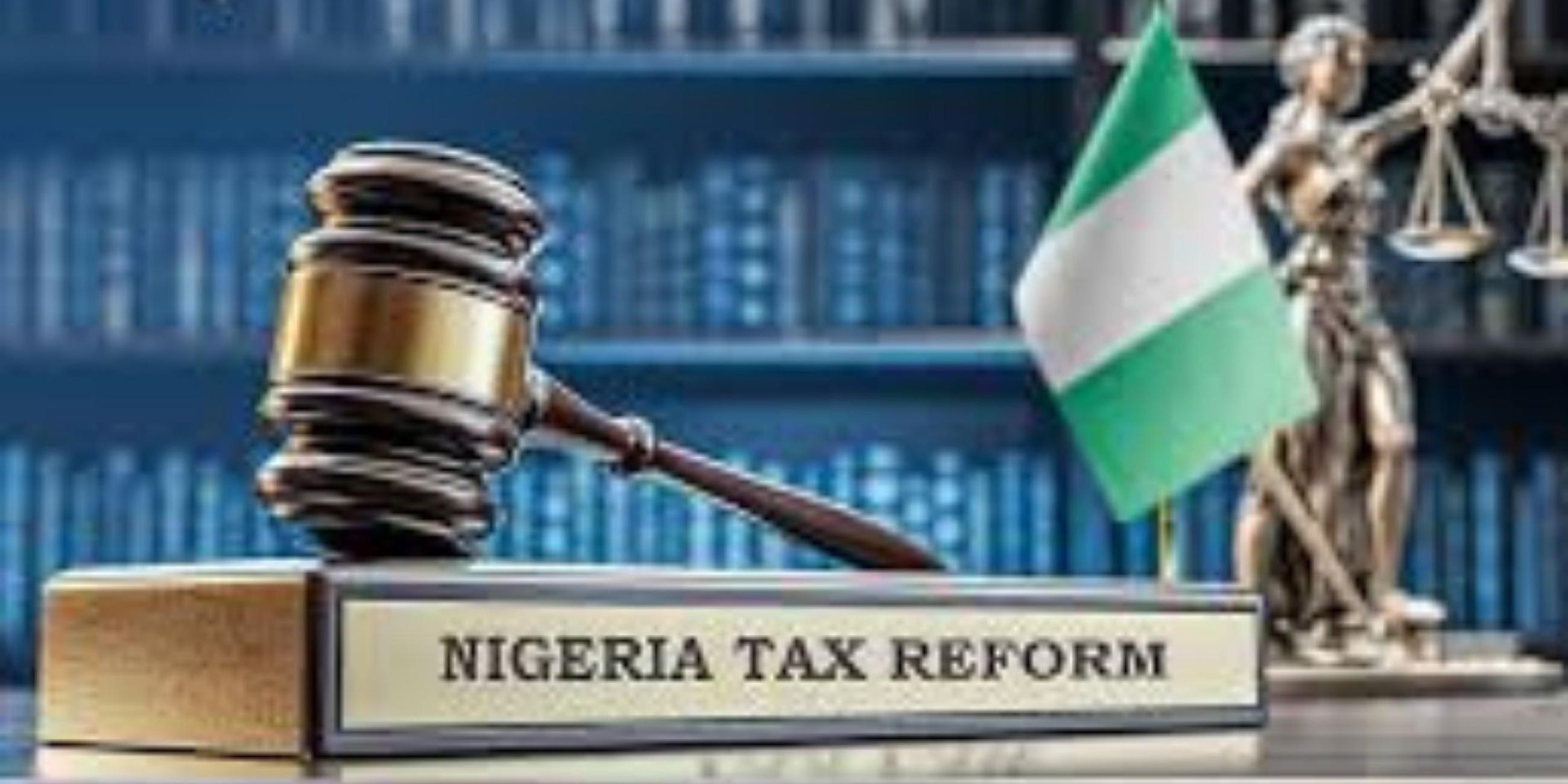
• Are Nigeria’s New Tax Laws Unconstitutional? Why a Lawyer Is Suing the Federal Government Over Multiple Budgets, Fiscal Transparency, and the 2026 Tax Reforms

    Is Nigeria running its finances in violation of its own laws—and could the country’s new tax regime be declared unconstitutional? These are the questions now before the Federal High Court in Lagos following a landmark lawsuit filed by human rights lawyer, Mr. Tilewa Oyefeso.

    Oyefeso has dragged the Federal Government, the Senate President, the Speaker of the House of Representatives, the National Assembly, and the Attorney-General of the Federation to court, challenging what he describes as Nigeria’s “opaque and undisciplined fiscal regime.” At the heart of the case is the government’s practice of operating multiple federal budgets simultaneously and introducing new tax laws that he claims contradict both the Constitution and the Fiscal Responsibility Act (FRA) 2007.

    According to the suit, the Federal Government has extended capital components of the 2024 Appropriation Act into 2025 and 2026 while the 2025 budget is already in force—effectively running overlapping budgets. Oyefeso is asking the court to determine whether this practice complies with Nigeria’s Medium-Term Expenditure Framework (MTEF) and the unified annual budgeting system mandated by fiscal law.

    Why does this matter? The lawyer argues that overlapping budgets, supplementary appropriations, and extended capital projects undermine fiscal transparency, distort expenditure projections, and weaken the macroeconomic discipline the Fiscal Responsibility Act was designed to protect. He also accuses the government of failing to publish quarterly budget implementation reports within the legally required 30-day period—an omission he says makes it impossible for citizens to track public spending or hold authorities accountable.

    But the lawsuit goes beyond budgets. Oyefeso is also challenging four major tax laws scheduled to take effect from January 1, 2026: the Nigeria Tax Act 2025, the Nigeria Revenue Service (Establishment) Act 2025, the Joint Revenue Board of Nigeria (Establishment) Act 2025, and the Nigeria Tax Administration Act 2025.

    He contends that the new tax framework prioritises aggressive revenue generation without first ensuring compliance with constitutional limits on borrowing, deficit thresholds, fiscal accountability, and transparency. Citing Section 16 of the 1999 Constitution, which outlines Nigeria’s economic objectives, Oyefeso argues that fiscal and tax policies must promote social justice, equitable wealth distribution, macroeconomic stability, and the welfare of citizens—not merely expand government revenue.

    One of his key claims is that the reforms ignore the Fiscal Responsibility Act’s requirement that fiscal deficits should not exceed three per cent of GDP unless expressly approved by the National Assembly. By allegedly sidestepping these safeguards, he says, the new tax laws form part of a broader unconstitutional fiscal structure.

    Among the reliefs sought, Oyefeso is asking the court to declare the four tax laws unconstitutional, null, and void. He also wants an order of mandamus compelling the National Assembly to amend the Fiscal Responsibility Act to strengthen transparency, fiscal discipline, and prudent resource management. In addition, he seeks a perpetual injunction to halt the implementation of the new tax laws pending such amendments.

    What could this mean for Nigeria’s economy and governance? If the court upholds his arguments, the ruling could upend Nigeria’s 2026 tax framework, force reforms to budgetary practices, and redefine how fiscal responsibility is enforced under the Constitution.

    For now, the defendants have 30 days to respond, and the case is yet to be assigned to a judge. But the questions raised are already resonating nationwide: Is Nigeria violating its own fiscal laws? Are the new tax reforms legally sound? And will the courts finally impose transparency on how public funds are budgeted, spent, and taxed?
    Are Nigeria’s New Tax Laws Unconstitutional? Why a Lawyer Is Suing the Federal Government Over Multiple Budgets, Fiscal Transparency, and the 2026 Tax Reforms Is Nigeria running its finances in violation of its own laws—and could the country’s new tax regime be declared unconstitutional? These are the questions now before the Federal High Court in Lagos following a landmark lawsuit filed by human rights lawyer, Mr. Tilewa Oyefeso. Oyefeso has dragged the Federal Government, the Senate President, the Speaker of the House of Representatives, the National Assembly, and the Attorney-General of the Federation to court, challenging what he describes as Nigeria’s “opaque and undisciplined fiscal regime.” At the heart of the case is the government’s practice of operating multiple federal budgets simultaneously and introducing new tax laws that he claims contradict both the Constitution and the Fiscal Responsibility Act (FRA) 2007. According to the suit, the Federal Government has extended capital components of the 2024 Appropriation Act into 2025 and 2026 while the 2025 budget is already in force—effectively running overlapping budgets. Oyefeso is asking the court to determine whether this practice complies with Nigeria’s Medium-Term Expenditure Framework (MTEF) and the unified annual budgeting system mandated by fiscal law. Why does this matter? The lawyer argues that overlapping budgets, supplementary appropriations, and extended capital projects undermine fiscal transparency, distort expenditure projections, and weaken the macroeconomic discipline the Fiscal Responsibility Act was designed to protect. He also accuses the government of failing to publish quarterly budget implementation reports within the legally required 30-day period—an omission he says makes it impossible for citizens to track public spending or hold authorities accountable. But the lawsuit goes beyond budgets. Oyefeso is also challenging four major tax laws scheduled to take effect from January 1, 2026: the Nigeria Tax Act 2025, the Nigeria Revenue Service (Establishment) Act 2025, the Joint Revenue Board of Nigeria (Establishment) Act 2025, and the Nigeria Tax Administration Act 2025. He contends that the new tax framework prioritises aggressive revenue generation without first ensuring compliance with constitutional limits on borrowing, deficit thresholds, fiscal accountability, and transparency. Citing Section 16 of the 1999 Constitution, which outlines Nigeria’s economic objectives, Oyefeso argues that fiscal and tax policies must promote social justice, equitable wealth distribution, macroeconomic stability, and the welfare of citizens—not merely expand government revenue. One of his key claims is that the reforms ignore the Fiscal Responsibility Act’s requirement that fiscal deficits should not exceed three per cent of GDP unless expressly approved by the National Assembly. By allegedly sidestepping these safeguards, he says, the new tax laws form part of a broader unconstitutional fiscal structure. Among the reliefs sought, Oyefeso is asking the court to declare the four tax laws unconstitutional, null, and void. He also wants an order of mandamus compelling the National Assembly to amend the Fiscal Responsibility Act to strengthen transparency, fiscal discipline, and prudent resource management. In addition, he seeks a perpetual injunction to halt the implementation of the new tax laws pending such amendments. What could this mean for Nigeria’s economy and governance? If the court upholds his arguments, the ruling could upend Nigeria’s 2026 tax framework, force reforms to budgetary practices, and redefine how fiscal responsibility is enforced under the Constitution. For now, the defendants have 30 days to respond, and the case is yet to be assigned to a judge. But the questions raised are already resonating nationwide: Is Nigeria violating its own fiscal laws? Are the new tax reforms legally sound? And will the courts finally impose transparency on how public funds are budgeted, spent, and taxed?
    0 Comentários ·0 Compartilhamentos ·2KB Visualizações
  • “Ondo Government Plans N2.4 Billion Luxury Cars for Lawmakers Amid Judiciary Strike Crisis”

    The Ondo State government, led by Governor Lucky Aiyedatiwa, has proposed a N2.4 billion budget allocation for the purchase of luxury vehicles for lawmakers, raising public concerns amid an ongoing judiciary strike over poor welfare and financial autonomy.
    According to the 2026 budget documents:
    N2.16 billion is earmarked for 27 Fortuner Jeeps for members of the House of Assembly and the Clerk of the House.
    An additional N245 million is designated for vehicles for the Speaker, Deputy Speaker, and Majority Leader, while N85 million is allocated for the Deputy Speaker alone.
    The total proposed expenditure on lawmakers’ vehicles amounts to N2.4 billion.
    Further, N765 million is set aside for renovations of the Assembly Complex and official lodges, including N485 million for the Assembly Complex and N280 million for residential quarters.
    These lavish spending plans have drawn criticism as court activities remain paralyzed across Ondo State. The situation escalated when magistrates and Grade ‘A’ customary court presidents began an indefinite strike, later joined by the Judiciary Staff Union of Nigeria (JUSUN), citing unfulfilled welfare promises and continued undermining of judicial financial autonomy.
    SaharaReporters’ review of the 2025 budget reveals a similar trend, with N2 billion previously allocated for luxury vehicles, including armoured cars for the governor and Toyota Prados for top officials, while critical sectors like rural water, sanitation, and local security outfits saw minimal to zero expenditure. For instance:
    N2.3 billion was budgeted for Amotekun, the state’s local security outfit, but zero was spent.
    Only N309 million was spent on the Rural Water Supply and Sanitation Agency.
    Additionally, the House of Assembly planned N200 million for telephone charges, averaging N16 million per month or N533,333 per day, highlighting a pattern of prioritizing lawmakers’ perks over public welfare.
    This budgetary allocation comes as the Ondo judiciary demands urgent intervention from the government to restore financial autonomy, improve welfare conditions, and resume court activities, stressing that the ongoing strike has left justice inaccessible to the citizens.
    “Ondo Government Plans N2.4 Billion Luxury Cars for Lawmakers Amid Judiciary Strike Crisis” The Ondo State government, led by Governor Lucky Aiyedatiwa, has proposed a N2.4 billion budget allocation for the purchase of luxury vehicles for lawmakers, raising public concerns amid an ongoing judiciary strike over poor welfare and financial autonomy. According to the 2026 budget documents: N2.16 billion is earmarked for 27 Fortuner Jeeps for members of the House of Assembly and the Clerk of the House. An additional N245 million is designated for vehicles for the Speaker, Deputy Speaker, and Majority Leader, while N85 million is allocated for the Deputy Speaker alone. The total proposed expenditure on lawmakers’ vehicles amounts to N2.4 billion. Further, N765 million is set aside for renovations of the Assembly Complex and official lodges, including N485 million for the Assembly Complex and N280 million for residential quarters. These lavish spending plans have drawn criticism as court activities remain paralyzed across Ondo State. The situation escalated when magistrates and Grade ‘A’ customary court presidents began an indefinite strike, later joined by the Judiciary Staff Union of Nigeria (JUSUN), citing unfulfilled welfare promises and continued undermining of judicial financial autonomy. SaharaReporters’ review of the 2025 budget reveals a similar trend, with N2 billion previously allocated for luxury vehicles, including armoured cars for the governor and Toyota Prados for top officials, while critical sectors like rural water, sanitation, and local security outfits saw minimal to zero expenditure. For instance: N2.3 billion was budgeted for Amotekun, the state’s local security outfit, but zero was spent. Only N309 million was spent on the Rural Water Supply and Sanitation Agency. Additionally, the House of Assembly planned N200 million for telephone charges, averaging N16 million per month or N533,333 per day, highlighting a pattern of prioritizing lawmakers’ perks over public welfare. This budgetary allocation comes as the Ondo judiciary demands urgent intervention from the government to restore financial autonomy, improve welfare conditions, and resume court activities, stressing that the ongoing strike has left justice inaccessible to the citizens.
    0 Comentários ·0 Compartilhamentos ·1KB Visualizações
  • Akwa Ibom Communities Cry Out as Mount Carmel Hospital in Ibesikpo Asutan Lies in Ruins for Years, Exposing Deep Neglect of Rural Healthcare Infrastructure

    Residents of Akpautong community in Ibesikpo Asutan Local Government Area of Akwa Ibom State are facing severe hardship as Mount Carmel Hospital—the only primary healthcare facility serving at least six surrounding communities—has fallen into advanced decay after years of abandonment. The situation was uncovered by the Tracka monitoring team during its nationwide assessment of primary healthcare centres, revealing widespread neglect of rural health facilities.

    According to the report, large sections of the hospital are unusable, with roofs blown off by wind, cracked walls, damaged floors, overgrown bushes, and broken, rusted hospital beds scattered across wards. The facility lacks basic amenities such as running water, electricity, and proper sanitation, forcing health workers to rely on personal funds, generators, and purchased water to carry out basic medical services.

    For over seven years, only the female ward has remained partially functional, now overcrowded and used to admit men, women, and children together amid unsafe conditions that increase infection risks. Despite this, doctors and nurses continue to work daily, showing dedication in the face of life-threatening conditions.

    Civic organisations Tracka and MonITNG condemned the neglect, noting the stark contrast between the hospital’s condition and Akwa Ibom State’s ₦1.65 trillion revised 2025 budget and declared state of emergency in the health sector. They also referenced the Federal Government’s ₦32.9 billion Basic Health Care Provision Fund (BHCPF) allocation for Q4 2025, expected to be disbursed from January 2026, stressing that there is no justification for continued neglect of rural hospitals.

    The groups called for urgent rehabilitation of Mount Carmel Hospital, urging the Akwa Ibom State Government and relevant authorities to bridge the urban–rural healthcare gap and ensure access to safe, dignified healthcare for all citizens, regardless of location.
    Akwa Ibom Communities Cry Out as Mount Carmel Hospital in Ibesikpo Asutan Lies in Ruins for Years, Exposing Deep Neglect of Rural Healthcare Infrastructure Residents of Akpautong community in Ibesikpo Asutan Local Government Area of Akwa Ibom State are facing severe hardship as Mount Carmel Hospital—the only primary healthcare facility serving at least six surrounding communities—has fallen into advanced decay after years of abandonment. The situation was uncovered by the Tracka monitoring team during its nationwide assessment of primary healthcare centres, revealing widespread neglect of rural health facilities. According to the report, large sections of the hospital are unusable, with roofs blown off by wind, cracked walls, damaged floors, overgrown bushes, and broken, rusted hospital beds scattered across wards. The facility lacks basic amenities such as running water, electricity, and proper sanitation, forcing health workers to rely on personal funds, generators, and purchased water to carry out basic medical services. For over seven years, only the female ward has remained partially functional, now overcrowded and used to admit men, women, and children together amid unsafe conditions that increase infection risks. Despite this, doctors and nurses continue to work daily, showing dedication in the face of life-threatening conditions. Civic organisations Tracka and MonITNG condemned the neglect, noting the stark contrast between the hospital’s condition and Akwa Ibom State’s ₦1.65 trillion revised 2025 budget and declared state of emergency in the health sector. They also referenced the Federal Government’s ₦32.9 billion Basic Health Care Provision Fund (BHCPF) allocation for Q4 2025, expected to be disbursed from January 2026, stressing that there is no justification for continued neglect of rural hospitals. The groups called for urgent rehabilitation of Mount Carmel Hospital, urging the Akwa Ibom State Government and relevant authorities to bridge the urban–rural healthcare gap and ensure access to safe, dignified healthcare for all citizens, regardless of location.
    like
    1
    · 0 Comentários ·0 Compartilhamentos ·979 Visualizações
  • FG Falls Short of 2025
    Revenue Target by N30 Trillion - Finance Minister

    The Federal Government has recorded a major revenue shortfall in the 2025 fiscal year, missing its target by about N30 trillion, the Minister of Finance and Coordinating Minister of the Economy, Wale Edun, has disclosed.

    Edun made this known during an interactive session with the House of Representatives Committees on Finance and National Planning, convened to discuss the 2026-2028 Medium Term Expenditure Framework (MTEF) and Fiscal Strategy Paper (FSP) submitted by President Bola Tinubu.

    According to the minister, the government projected N40.8 trillion in revenue to fund the N54.9 trillion 2025 budget, but actual inflows are now expected to close the year at around N10.7 trillion.

    He attributed the shortfall mainly to weak oil and gas revenues, including lower Petroleum Profit Tax and Company Income Tax receipts, alongside underperformance in several non-oil revenue streams. To bridge the funding gap, the government borrowed about N14.1 trillion during the year.

    Despite the revenue squeeze, Edun said the government had continued to meet key obligations such as salaries, statutory transfers and debt servicing through prudent cash management and prioritisation of essential spending.

    He cautioned against expenditure plans tied to optimistic oil revenue assumptions, while lawmakers pledged to scrutinise the MTEF and FSP to ensure fiscal projections are realistic and aligned with current economic conditions.
    FG Falls Short of 2025 Revenue Target by N30 Trillion - Finance Minister The Federal Government has recorded a major revenue shortfall in the 2025 fiscal year, missing its target by about N30 trillion, the Minister of Finance and Coordinating Minister of the Economy, Wale Edun, has disclosed. Edun made this known during an interactive session with the House of Representatives Committees on Finance and National Planning, convened to discuss the 2026-2028 Medium Term Expenditure Framework (MTEF) and Fiscal Strategy Paper (FSP) submitted by President Bola Tinubu. According to the minister, the government projected N40.8 trillion in revenue to fund the N54.9 trillion 2025 budget, but actual inflows are now expected to close the year at around N10.7 trillion. He attributed the shortfall mainly to weak oil and gas revenues, including lower Petroleum Profit Tax and Company Income Tax receipts, alongside underperformance in several non-oil revenue streams. To bridge the funding gap, the government borrowed about N14.1 trillion during the year. Despite the revenue squeeze, Edun said the government had continued to meet key obligations such as salaries, statutory transfers and debt servicing through prudent cash management and prioritisation of essential spending. He cautioned against expenditure plans tied to optimistic oil revenue assumptions, while lawmakers pledged to scrutinise the MTEF and FSP to ensure fiscal projections are realistic and aligned with current economic conditions.
    0 Comentários ·0 Compartilhamentos ·748 Visualizações
  • House of Reps Walks Out FIRS Chairman Over ‘Arrogance’, Delays in Zonal Project Funding

    Members of Nigeria’s House of Representatives walked out Federal Inland Revenue Service (FIRS) Chairman Zacch Adedeji during a closed-door session after accusing him of arrogance while responding to budget-related questions. The lawmakers expressed frustration over prolonged delays in the release of funds for zonal intervention projects, which have left contractors unpaid for weeks. Finance Minister Wale Edun briefed the House, assuring that the 2024 budget would be fully funded within 48 hours, while the 2025 budget will be extended to April with partial releases starting immediately. Legislators insisted that all outstanding commitments must be met before they consider receiving the 2026 budget proposal.
    House of Reps Walks Out FIRS Chairman Over ‘Arrogance’, Delays in Zonal Project Funding Members of Nigeria’s House of Representatives walked out Federal Inland Revenue Service (FIRS) Chairman Zacch Adedeji during a closed-door session after accusing him of arrogance while responding to budget-related questions. The lawmakers expressed frustration over prolonged delays in the release of funds for zonal intervention projects, which have left contractors unpaid for weeks. Finance Minister Wale Edun briefed the House, assuring that the 2024 budget would be fully funded within 48 hours, while the 2025 budget will be extended to April with partial releases starting immediately. Legislators insisted that all outstanding commitments must be met before they consider receiving the 2026 budget proposal.
    0 Comentários ·0 Compartilhamentos ·395 Visualizações
  • Peter Mbah Presents Record N1.62 Trillion ‘Budget of Renewed Momentum’ to Accelerate Enugu’s Transformation


    Enugu State Governor Peter Mbah has unveiled a landmark N1.62 trillion budget for 2026, marking a 66.5% increase from the revised 2025 budget. Tagged the “Budget of Renewed Momentum,” it allocates 80% (N1.29 trillion) to capital projects and 20% (N321 billion) to recurrent spending.
    The economic sector receives the largest share—N825.9 billion (51%)—to fund major infrastructure projects, including 1,200 urban roads, rural road networks, completion of key dual carriageways, expansion of Enugu Air’s fleet to 20 aircraft, and new transport terminals.
    The social sector gets N644.7 billion, with education taking 32.27%, supporting Smart Secondary Schools, TVET colleges, and expansion of the state’s Smart Green Schools initiative.
    The budget will be funded through N870 billion IGR, N387 billion federal allocation, and N329 billion capital receipts.
    Mbah praised President Tinubu’s economic reforms for boosting Enugu’s revenue, noting that IGR is expected to exceed N400 billion, the highest in the state’s history, while FAAC allocation surpassed projections by over 50%.
    He also earmarked funds for gratuity payments, security surveillance expansion, healthcare, and ongoing city development projects.


    #PeterMbah #EnuguState #EnuguBudget2026 #BudgetOfRenewedMomentum #NigeriaEconomy #InfrastructureDevelopment #SmartSchools #EnuguAir #TinubuReforms #IGR #FAAC #GideonArinze #BreakingNews #NigeriaPolitics
    Peter Mbah Presents Record N1.62 Trillion ‘Budget of Renewed Momentum’ to Accelerate Enugu’s Transformation Enugu State Governor Peter Mbah has unveiled a landmark N1.62 trillion budget for 2026, marking a 66.5% increase from the revised 2025 budget. Tagged the “Budget of Renewed Momentum,” it allocates 80% (N1.29 trillion) to capital projects and 20% (N321 billion) to recurrent spending. The economic sector receives the largest share—N825.9 billion (51%)—to fund major infrastructure projects, including 1,200 urban roads, rural road networks, completion of key dual carriageways, expansion of Enugu Air’s fleet to 20 aircraft, and new transport terminals. The social sector gets N644.7 billion, with education taking 32.27%, supporting Smart Secondary Schools, TVET colleges, and expansion of the state’s Smart Green Schools initiative. The budget will be funded through N870 billion IGR, N387 billion federal allocation, and N329 billion capital receipts. Mbah praised President Tinubu’s economic reforms for boosting Enugu’s revenue, noting that IGR is expected to exceed N400 billion, the highest in the state’s history, while FAAC allocation surpassed projections by over 50%. He also earmarked funds for gratuity payments, security surveillance expansion, healthcare, and ongoing city development projects. #PeterMbah #EnuguState #EnuguBudget2026 #BudgetOfRenewedMomentum #NigeriaEconomy #InfrastructureDevelopment #SmartSchools #EnuguAir #TinubuReforms #IGR #FAAC #GideonArinze #BreakingNews #NigeriaPolitics
    0 Comentários ·0 Compartilhamentos ·3KB Visualizações
  • Bauchi State Governor Bala Mohammed has presented a ₦878 billion proposed budget for 2026, with 65% for capital projects and 35% for recurrent spending. Speaking at the State House of Assembly, he said the budget focuses on completing ongoing projects, initiating new ones, and reducing unnecessary overhead costs.

    The Economic Sector received the biggest share at over ₦400bn (49%), followed by the Social Sector with over ₦300bn. The Administration Sector got ₦120bn, while Law and Justice received ₦12bn.

    Governor Mohammed also pledged to clear all outstanding gratuities owed to retirees. He described the proposal—tagged the “Budget of Consolidation and Sustainability”—as a plan to finish key infrastructure including roads, schools, hospitals, water projects, and major state facilities.

    The 2026 proposal marks a 40% increase from the 2025 budget, which achieved 79.1% performance.
    Bauchi State Governor Bala Mohammed has presented a ₦878 billion proposed budget for 2026, with 65% for capital projects and 35% for recurrent spending. Speaking at the State House of Assembly, he said the budget focuses on completing ongoing projects, initiating new ones, and reducing unnecessary overhead costs. The Economic Sector received the biggest share at over ₦400bn (49%), followed by the Social Sector with over ₦300bn. The Administration Sector got ₦120bn, while Law and Justice received ₦12bn. Governor Mohammed also pledged to clear all outstanding gratuities owed to retirees. He described the proposal—tagged the “Budget of Consolidation and Sustainability”—as a plan to finish key infrastructure including roads, schools, hospitals, water projects, and major state facilities. The 2026 proposal marks a 40% increase from the 2025 budget, which achieved 79.1% performance.
    0 Comentários ·0 Compartilhamentos ·739 Visualizações
  • Tinubu Seeks Approval for Fresh N1.15trn Domestic Loan Despite Rising Debts.

    President Bola Tinubu has requested the National Assembly’s approval to borrow a fresh N1.15 trillion from the domestic debt market to help fund the deficit in the 2025 budget.

    The request was conveyed in a letter read on the floor of the Senate during plenary on Tuesday.

    According to the letter, the proposed borrowing aims to bridge the funding gap and ensure the full implementation of government programmes and projects under the 2025 fiscal plan.

    Senate President Godswill Akpabio has referred the request to the Senate Committee on Local and Foreign Debt, instructing it to report back within one week for further legislative action.
    Tinubu Seeks Approval for Fresh N1.15trn Domestic Loan Despite Rising Debts. President Bola Tinubu has requested the National Assembly’s approval to borrow a fresh N1.15 trillion from the domestic debt market to help fund the deficit in the 2025 budget. The request was conveyed in a letter read on the floor of the Senate during plenary on Tuesday. According to the letter, the proposed borrowing aims to bridge the funding gap and ensure the full implementation of government programmes and projects under the 2025 fiscal plan. Senate President Godswill Akpabio has referred the request to the Senate Committee on Local and Foreign Debt, instructing it to report back within one week for further legislative action.
    0 Comentários ·0 Compartilhamentos ·846 Visualizações
  • President tinubu requests senate approval for new ₦1.15trn domestic loan to bridge 2025 budget gap.

    President Bola Tinubu has requested the National Assembly’s approval for a fresh ₦1.15 trillion domestic loan to bridge the deficit in the 2025 national budget. The request, contained in a letter read by Senate President Godswill Akpabio during Tuesday’s plenary, is part of measures to sustain key government programmes and projects.

    Tinubu explained that the loan would ensure smooth implementation of the 2025 budget and compliance with the Fiscal Responsibility Act 2007 and relevant executive orders requiring legislative approval for new borrowings. The Senate referred the proposal to the Committee on Local and Foreign Debt, which has one week to submit its report.

    The latest borrowing plan comes just days after the Senate approved Tinubu’s request for a $2.847 billion external loan, including a $500 million debut Sovereign Sukuk, aimed at funding the budget deficit and refinancing maturing Eurobonds.

    Earlier in May, Tinubu sought approval for a $21.5 billion external loan for infrastructure, health, education, and water projects, as well as a ₦758 billion domestic bond to clear outstanding pension arrears under the Contributory Pension Scheme.

    According to the Debt Management Office, Nigeria’s total public debt rose to ₦152.40 trillion as of June 2025, up from ₦149.39 trillion in March — an increase of ₦3.01 trillion within three months. In dollar terms, the debt stands at $99.66 billion, underscoring the country’s growing reliance on borrowing to fund fiscal shortfalls amid ongoing revenue reforms and foreign exchange liberalization.
    President tinubu requests senate approval for new ₦1.15trn domestic loan to bridge 2025 budget gap. President Bola Tinubu has requested the National Assembly’s approval for a fresh ₦1.15 trillion domestic loan to bridge the deficit in the 2025 national budget. The request, contained in a letter read by Senate President Godswill Akpabio during Tuesday’s plenary, is part of measures to sustain key government programmes and projects. Tinubu explained that the loan would ensure smooth implementation of the 2025 budget and compliance with the Fiscal Responsibility Act 2007 and relevant executive orders requiring legislative approval for new borrowings. The Senate referred the proposal to the Committee on Local and Foreign Debt, which has one week to submit its report. The latest borrowing plan comes just days after the Senate approved Tinubu’s request for a $2.847 billion external loan, including a $500 million debut Sovereign Sukuk, aimed at funding the budget deficit and refinancing maturing Eurobonds. Earlier in May, Tinubu sought approval for a $21.5 billion external loan for infrastructure, health, education, and water projects, as well as a ₦758 billion domestic bond to clear outstanding pension arrears under the Contributory Pension Scheme. According to the Debt Management Office, Nigeria’s total public debt rose to ₦152.40 trillion as of June 2025, up from ₦149.39 trillion in March — an increase of ₦3.01 trillion within three months. In dollar terms, the debt stands at $99.66 billion, underscoring the country’s growing reliance on borrowing to fund fiscal shortfalls amid ongoing revenue reforms and foreign exchange liberalization.
    0 Comentários ·0 Compartilhamentos ·1KB Visualizações
  • The House of Representatives has approved President Bola Tinubu’s request to borrow $2.35 billion to finance part of the 2025 budget deficit. It also granted the President’s request to issue a $500 million debut sovereign sukuk in the international capital market to fund infrastructure projects and diversify Nigeria’s financing sources.
    The House of Representatives has approved President Bola Tinubu’s request to borrow $2.35 billion to finance part of the 2025 budget deficit. It also granted the President’s request to issue a $500 million debut sovereign sukuk in the international capital market to fund infrastructure projects and diversify Nigeria’s financing sources.
    0 Comentários ·0 Compartilhamentos ·771 Visualizações
  • Reps Approve Pres. Tinubu’s $2.35bn Loan Request, $500m International Sukuk for 2025 Budget

    The House of Representatives has approved President Bola Tinubu’s request to secure $2.35 billion in external loans to help finance part of Nigeria’s 2025 budget deficit. 

    The House also approved the issuance of a $500 million sovereign sukuk in the international market to support infrastructure development & diversify government funding sources.

    The approvals followed the adoption of a report by the House Committee on Aids, Loans & Debt Management during plenary on Wednesday.

    In line with the 2025 Appropriation Act, the House endorsed the implementation of N1.84 trillion in new external borrowing at a budget exchange rate of N1,500/$1, to partly fund the projected N9.28 trillion federal deficit.

    President Tinubu had earlier written to the National Assembly requesting approval, citing Sections 21(1) & 27(1) of the Debt Management Office Act, which require legislative consent for external borrowing.

    The President stated that the loans may be raised through Eurobonds, syndicated loans, or bridge financing, depending on market conditions. He noted that interest rates would likely align with current yields on Nigeria’s existing international bonds, which range from 6.8% to 9.3%.

    On the $500 million international sukuk, Tinubu explained that it would attract new investor groups, deepen Nigeria’s securities market, and fund critical infrastructure. 

    He added that Nigeria has already raised over N1.39 trillion through domestic sukuk issuances since 2017 for major road and capital projects, and the international sukuk would complement these efforts. Up to 25% of the funds may be used to refinance existing high-cost debt.

    The approvals clear the way for the Federal Government to proceed with the financing plans.
    Reps Approve Pres. Tinubu’s $2.35bn Loan Request, $500m International Sukuk for 2025 Budget The House of Representatives has approved President Bola Tinubu’s request to secure $2.35 billion in external loans to help finance part of Nigeria’s 2025 budget deficit.  The House also approved the issuance of a $500 million sovereign sukuk in the international market to support infrastructure development & diversify government funding sources. The approvals followed the adoption of a report by the House Committee on Aids, Loans & Debt Management during plenary on Wednesday. In line with the 2025 Appropriation Act, the House endorsed the implementation of N1.84 trillion in new external borrowing at a budget exchange rate of N1,500/$1, to partly fund the projected N9.28 trillion federal deficit. President Tinubu had earlier written to the National Assembly requesting approval, citing Sections 21(1) & 27(1) of the Debt Management Office Act, which require legislative consent for external borrowing. The President stated that the loans may be raised through Eurobonds, syndicated loans, or bridge financing, depending on market conditions. He noted that interest rates would likely align with current yields on Nigeria’s existing international bonds, which range from 6.8% to 9.3%. On the $500 million international sukuk, Tinubu explained that it would attract new investor groups, deepen Nigeria’s securities market, and fund critical infrastructure.  He added that Nigeria has already raised over N1.39 trillion through domestic sukuk issuances since 2017 for major road and capital projects, and the international sukuk would complement these efforts. Up to 25% of the funds may be used to refinance existing high-cost debt. The approvals clear the way for the Federal Government to proceed with the financing plans.
    0 Comentários ·0 Compartilhamentos ·1KB Visualizações
  • President Bola Tinubu has sought approval from the House of Representatives to borrow $2.35 billion in external capital to finance part of the 2025 budget deficit and refinance Nigeria’s maturing Eurobonds
    President Bola Tinubu has sought approval from the House of Representatives to borrow $2.35 billion in external capital to finance part of the 2025 budget deficit and refinance Nigeria’s maturing Eurobonds
    like
    1
    · 0 Comentários ·0 Compartilhamentos ·353 Visualizações
  • Pres. Tinubu Seeks Lawmakers’ Approval to Raise $2.8bn for Budget and Infrastructure.

    President Bola Ahmed Tinubu has written to the House of Representatives seeking approval to raise $2.347 billion from the international capital market to finance part of the 2025 budget deficit and refinance Nigeria’s maturing Eurobonds.

     He also requested authorization to issue a $500 million debut sovereign Sukuk to fund critical infrastructure.

    The letter, read by Speaker Abbas Tajudeen during Tuesday’s plenary, stated that the request aligns with Sections 21(1) and 27(1) of the Debt Management Office (Establishment, Etc.) Act, 2003.

    Tinubu explained that the borrowing would fund provisions in the 2025 Appropriation Act, refinance the $1.118 billion Eurobond due in November 2025, and expand access to diversified external financing. The 2025 budget includes N9.28 trillion in new borrowings to cover the fiscal deficit, with N1.84 trillion ($1.229 billion) set aside for external loans.

    The President asked the House to approve raising the funds through options such as Eurobond issuance, bridge financing, loan syndication, or borrowing from international financial institutions. He said the plan would help “avoid default” and align with global best practices.

    Tinubu noted that the external capital to be raised—$1.229 billion for new borrowing and $1.118 billion for refinancing—totals $2.347 billion. He added that the government’s primary strategy is to issue Eurobonds, with terms determined by prevailing market conditions.

    The Finance Ministry and Debt Management Office would work with transaction advisers to secure favorable terms.
    In a separate request, Tinubu sought approval to issue a $500 million international Sukuk, modeled after Nigeria’s domestic Sukuk programme that has raised over N1.39 trillion since 2017 for infrastructure. He said the debut Sukuk would attract new investors, diversify funding sources, and deepen Nigeria’s sovereign securities market.
    Pres. Tinubu Seeks Lawmakers’ Approval to Raise $2.8bn for Budget and Infrastructure. President Bola Ahmed Tinubu has written to the House of Representatives seeking approval to raise $2.347 billion from the international capital market to finance part of the 2025 budget deficit and refinance Nigeria’s maturing Eurobonds.  He also requested authorization to issue a $500 million debut sovereign Sukuk to fund critical infrastructure. The letter, read by Speaker Abbas Tajudeen during Tuesday’s plenary, stated that the request aligns with Sections 21(1) and 27(1) of the Debt Management Office (Establishment, Etc.) Act, 2003. Tinubu explained that the borrowing would fund provisions in the 2025 Appropriation Act, refinance the $1.118 billion Eurobond due in November 2025, and expand access to diversified external financing. The 2025 budget includes N9.28 trillion in new borrowings to cover the fiscal deficit, with N1.84 trillion ($1.229 billion) set aside for external loans. The President asked the House to approve raising the funds through options such as Eurobond issuance, bridge financing, loan syndication, or borrowing from international financial institutions. He said the plan would help “avoid default” and align with global best practices. Tinubu noted that the external capital to be raised—$1.229 billion for new borrowing and $1.118 billion for refinancing—totals $2.347 billion. He added that the government’s primary strategy is to issue Eurobonds, with terms determined by prevailing market conditions. The Finance Ministry and Debt Management Office would work with transaction advisers to secure favorable terms. In a separate request, Tinubu sought approval to issue a $500 million international Sukuk, modeled after Nigeria’s domestic Sukuk programme that has raised over N1.39 trillion since 2017 for infrastructure. He said the debut Sukuk would attract new investors, diversify funding sources, and deepen Nigeria’s sovereign securities market.
    0 Comentários ·0 Compartilhamentos ·715 Visualizações
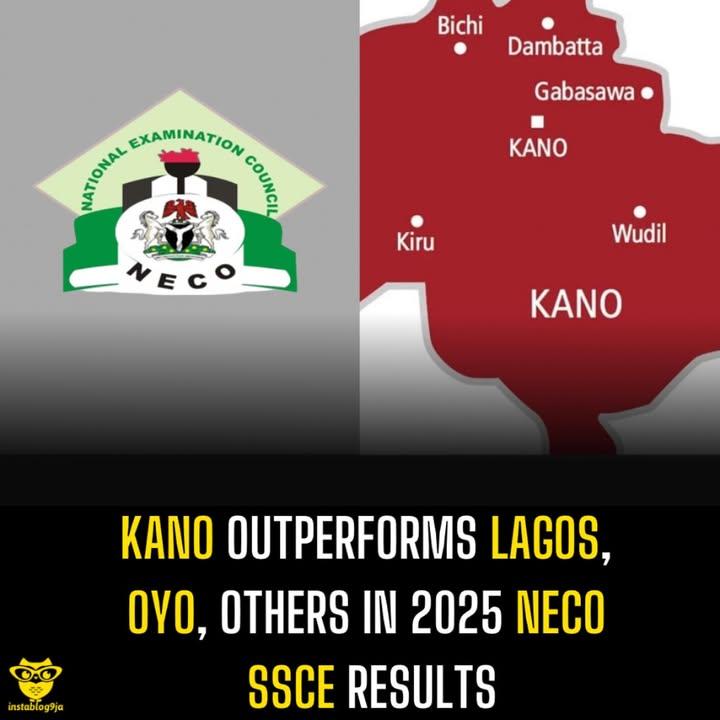
  • Kano outperforms Lagos, Oyo, others in 2025 NECO SSCE results.

    Kano State has emerged as the best-performing state in the 2025 Senior School Certificate Examination (SSCE Internal) conducted by the National Examinations Council (NECO). 

    The state recorded 68,159 candidates (5.02% of the national total) with five credits and above, including Mathematics and English. Lagos followed with 67,007 candidates (4.93%), while Oyo placed third with 48,742.

    Governor Abba Kabir Yusuf, through his spokesperson Sunusi Bature Dawakin Tofa, said the feat validates his administration’s education reforms. 

    He noted that education received the highest allocation in the 2024 and 2025 budgets, enabling school rehabilitation, free uniforms and materials, recruitment and training of teachers, and expanded access to learning. He highlighted girl-child education, scholarships, and reducing out-of-school children as key drivers of Kano’s success.

    “Our reforms are clearly yielding results, and this outstanding performance proves Kano is on the right path. Education remains our top priority, and we will ensure no child is left behind,” Yusuf said.

    Observers say the state’s success has drawn national recognition, with newspapers and the Nigeria Union of Teachers naming Yusuf “Education Governor of the Year.” They described the performance as proof of sustained investment in human capital.

    Yusuf had declared a state of emergency in education in 2024 and allocated 31% of the 2025 budget to the sector as part of a recovery plan.

    Meanwhile, NECO Registrar, Prof. Ibrahim Wushishi, announcing the results in Minna, said 818,492 of 1,358,339 candidates (60.26%) scored five credits and above, including English and Mathematics, while 1,144,496 (84.26%) obtained five credits and above irrespective of the two core subjects.
    Kano outperforms Lagos, Oyo, others in 2025 NECO SSCE results. Kano State has emerged as the best-performing state in the 2025 Senior School Certificate Examination (SSCE Internal) conducted by the National Examinations Council (NECO).  The state recorded 68,159 candidates (5.02% of the national total) with five credits and above, including Mathematics and English. Lagos followed with 67,007 candidates (4.93%), while Oyo placed third with 48,742. Governor Abba Kabir Yusuf, through his spokesperson Sunusi Bature Dawakin Tofa, said the feat validates his administration’s education reforms.  He noted that education received the highest allocation in the 2024 and 2025 budgets, enabling school rehabilitation, free uniforms and materials, recruitment and training of teachers, and expanded access to learning. He highlighted girl-child education, scholarships, and reducing out-of-school children as key drivers of Kano’s success. “Our reforms are clearly yielding results, and this outstanding performance proves Kano is on the right path. Education remains our top priority, and we will ensure no child is left behind,” Yusuf said. Observers say the state’s success has drawn national recognition, with newspapers and the Nigeria Union of Teachers naming Yusuf “Education Governor of the Year.” They described the performance as proof of sustained investment in human capital. Yusuf had declared a state of emergency in education in 2024 and allocated 31% of the 2025 budget to the sector as part of a recovery plan. Meanwhile, NECO Registrar, Prof. Ibrahim Wushishi, announcing the results in Minna, said 818,492 of 1,358,339 candidates (60.26%) scored five credits and above, including English and Mathematics, while 1,144,496 (84.26%) obtained five credits and above irrespective of the two core subjects.
    0 Comentários ·0 Compartilhamentos ·868 Visualizações
  • Pupils Forced To Learn On Bare Floors, Under Trees At Niger State School – Report

    Civic accountability group MonITng has raised alarm over the dire state of Nuhu Lafarma Primary School in Agaie LGA, Niger State, where pupils reportedly sit on bare floors, under leaking roofs, and even beneath trees to learn.

    The organisation accused the government of neglect, despite Niger State claiming to allocate 70% of its 2025 budget to education and UBEC disbursing ₦121 billion nationwide.

    MonITng criticised misplaced priorities, citing the state’s recent spending of ₦3.02 billion to sponsor 357 pilgrims for Hajj instead of renovating schools.

    “This is not just about numbers, it is about children’s futures being wasted,” the group said, calling on Governor Umar Bago to act urgently.

    #EducationCrisis #NigerState #ChildrenDeserveBetter
    Pupils Forced To Learn On Bare Floors, Under Trees At Niger State School – Report Civic accountability group MonITng has raised alarm over the dire state of Nuhu Lafarma Primary School in Agaie LGA, Niger State, where pupils reportedly sit on bare floors, under leaking roofs, and even beneath trees to learn. The organisation accused the government of neglect, despite Niger State claiming to allocate 70% of its 2025 budget to education and UBEC disbursing ₦121 billion nationwide. MonITng criticised misplaced priorities, citing the state’s recent spending of ₦3.02 billion to sponsor 357 pilgrims for Hajj instead of renovating schools. “This is not just about numbers, it is about children’s futures being wasted,” the group said, calling on Governor Umar Bago to act urgently. #EducationCrisis #NigerState #ChildrenDeserveBetter
    0 Comentários ·0 Compartilhamentos ·2KB Visualizações
  • FG Secures $25.35m Kuwait Loan to Address Out-of-School Children in Kaduna.

    The Federal Government has obtained a $25.35 million concessionary loan from the Kuwait Fund for Arab Economic Development to support efforts aimed at tackling the high number of out-of-school children in Kaduna State.

    The loan forms part of a larger $62.8 million blended financing package involving multiple international development partners. The funds will be used to implement the Reaching Out-of-School Children programme, an ambitious initiative targeting vulnerable groups including girls, children with disabilities, and internally displaced persons.

    This was disclosed in a statement on Tuesday by the Director of Information and Public Relations at the Federal Ministry of Finance, Mohammed Manga. The project aims to enrol over 100,000 children, construct or rehabilitate more than 200 schools, and boost teacher capacity and learning conditions in underserved communities across Kaduna State.

    The loan agreement, signed by the Federal Government on behalf of the Kaduna State Government, reflects a broader strategy to enhance inclusive and quality education in one of Nigeria’s most education-challenged regions.

    Minister of Finance and Coordinating Minister of the Economy, Wale Edun—represented by Minister of State for Finance, Dr Doris Uzoka-Anite—emphasised the government’s focus on transparency, accountability, and tangible impact in education investment.

    He stressed the need for every dollar spent to deliver measurable results, especially in regions with high out-of-school populations. Edun also praised Kaduna State for its proactive approach and collaboration with development partners. He expressed optimism that the initiative could serve as a model for other states.

    Governor Uba Sani, in his remarks, reiterated Kaduna’s commitment to education and revealed that the state had already met its $1 million counterpart funding obligation. He added that Kaduna had raised its education sector allocation to 26% in the 2025 budget, underscoring its focus on human capital development.
    FG Secures $25.35m Kuwait Loan to Address Out-of-School Children in Kaduna. The Federal Government has obtained a $25.35 million concessionary loan from the Kuwait Fund for Arab Economic Development to support efforts aimed at tackling the high number of out-of-school children in Kaduna State. The loan forms part of a larger $62.8 million blended financing package involving multiple international development partners. The funds will be used to implement the Reaching Out-of-School Children programme, an ambitious initiative targeting vulnerable groups including girls, children with disabilities, and internally displaced persons. This was disclosed in a statement on Tuesday by the Director of Information and Public Relations at the Federal Ministry of Finance, Mohammed Manga. The project aims to enrol over 100,000 children, construct or rehabilitate more than 200 schools, and boost teacher capacity and learning conditions in underserved communities across Kaduna State. The loan agreement, signed by the Federal Government on behalf of the Kaduna State Government, reflects a broader strategy to enhance inclusive and quality education in one of Nigeria’s most education-challenged regions. Minister of Finance and Coordinating Minister of the Economy, Wale Edun—represented by Minister of State for Finance, Dr Doris Uzoka-Anite—emphasised the government’s focus on transparency, accountability, and tangible impact in education investment. He stressed the need for every dollar spent to deliver measurable results, especially in regions with high out-of-school populations. Edun also praised Kaduna State for its proactive approach and collaboration with development partners. He expressed optimism that the initiative could serve as a model for other states. Governor Uba Sani, in his remarks, reiterated Kaduna’s commitment to education and revealed that the state had already met its $1 million counterpart funding obligation. He added that Kaduna had raised its education sector allocation to 26% in the 2025 budget, underscoring its focus on human capital development.
    0 Comentários ·0 Compartilhamentos ·1KB Visualizações
  • News Brief: Tinubu Must Lead on Social Welfare, Not Delegate to Governors — Falana.

    Prominent human rights lawyer Femi Falana (SAN) has urged President Bola Tinubu to take direct responsibility for combating poverty in Nigeria, rather than deferring social welfare duties to state governors.

    In a statement on Sunday, Falana reacted to Tinubu’s recent plea to APC governors to “wet the grass” by addressing grassroots economic hardship. While acknowledging the President’s concern, Falana insisted the Federal Government must move beyond appeals and fully fund existing national welfare programmes.

    He criticised the 2025 budget allocation of ₦32.7 billion to the National Social Investment Programme (NSIP), comparing it unfavorably to the ₦39 billion reportedly spent on the International Conference Centre renovation. “This government cannot justify underfunding welfare while indulging in expensive renovations,” Falana said.

    He called for a ₦5 trillion investment in the NSIP, which supports youth employment, school feeding, soft loans, and cash transfers for vulnerable households. Falana also called out wasteful spending in the 2025 budget, citing ₦6.93 trillion in padded projects exposed by BudgIT.

    With ₦11.195 trillion disbursed to states via FAAC in the last year, Falana said resources are available—what’s lacking is political will and prioritization.

    He also demanded multi-stakeholder oversight for NSIP funds, including civil society and trade unions, to ensure transparency and real impact.

    #FemiFalana #TinubuAdministration #SocialWelfare #NSIP #NigerianPovertyCrisis #Budget2025
    News Brief: Tinubu Must Lead on Social Welfare, Not Delegate to Governors — Falana. Prominent human rights lawyer Femi Falana (SAN) has urged President Bola Tinubu to take direct responsibility for combating poverty in Nigeria, rather than deferring social welfare duties to state governors. In a statement on Sunday, Falana reacted to Tinubu’s recent plea to APC governors to “wet the grass” by addressing grassroots economic hardship. While acknowledging the President’s concern, Falana insisted the Federal Government must move beyond appeals and fully fund existing national welfare programmes. He criticised the 2025 budget allocation of ₦32.7 billion to the National Social Investment Programme (NSIP), comparing it unfavorably to the ₦39 billion reportedly spent on the International Conference Centre renovation. “This government cannot justify underfunding welfare while indulging in expensive renovations,” Falana said. He called for a ₦5 trillion investment in the NSIP, which supports youth employment, school feeding, soft loans, and cash transfers for vulnerable households. Falana also called out wasteful spending in the 2025 budget, citing ₦6.93 trillion in padded projects exposed by BudgIT. With ₦11.195 trillion disbursed to states via FAAC in the last year, Falana said resources are available—what’s lacking is political will and prioritization. He also demanded multi-stakeholder oversight for NSIP funds, including civil society and trade unions, to ensure transparency and real impact. #FemiFalana #TinubuAdministration #SocialWelfare #NSIP #NigerianPovertyCrisis #Budget2025
    0 Comentários ·0 Compartilhamentos ·5KB Visualizações
  • Senate Approves Tinubu’s $21bn External Loan Request.

    The Nigerian Senate has approved President Bola Tinubu’s foreign loan request totaling over $21 billion for the 2025–2026 fiscal period. This approval clears the path for the full implementation of the 2025 Appropriation Act.

    The approved borrowing plan includes $21.19 billion in external loans, €4 billion, ¥15 billion, and a $65 million grant. It also allows for domestic borrowing through government bonds amounting to about ₦757 billion.

    Additionally, there is a provision to raise up to $2 billion through foreign-currency-denominated instruments within the domestic market.

    The Senate gave the nod after considering a report by the Chairman of the Committee on Local and Foreign Debt, Senator Aliyu Wamako.

    He noted that the proposal was initially submitted on May 27 but faced delays due to the National Assembly’s recess and documentation issues from the Debt Management Office.

    Senator Olamilekan Adeola, Chairman of the Appropriations Committee, explained that most of the borrowing plan was already incorporated into the Medium-Term Expenditure Framework and the 2025 budget. He added that the approval now ensures all projected revenue sources, including loans, are secured to fully fund the national budget.
    Senate Approves Tinubu’s $21bn External Loan Request. The Nigerian Senate has approved President Bola Tinubu’s foreign loan request totaling over $21 billion for the 2025–2026 fiscal period. This approval clears the path for the full implementation of the 2025 Appropriation Act. The approved borrowing plan includes $21.19 billion in external loans, €4 billion, ¥15 billion, and a $65 million grant. It also allows for domestic borrowing through government bonds amounting to about ₦757 billion. Additionally, there is a provision to raise up to $2 billion through foreign-currency-denominated instruments within the domestic market. The Senate gave the nod after considering a report by the Chairman of the Committee on Local and Foreign Debt, Senator Aliyu Wamako. He noted that the proposal was initially submitted on May 27 but faced delays due to the National Assembly’s recess and documentation issues from the Debt Management Office. Senator Olamilekan Adeola, Chairman of the Appropriations Committee, explained that most of the borrowing plan was already incorporated into the Medium-Term Expenditure Framework and the 2025 budget. He added that the approval now ensures all projected revenue sources, including loans, are secured to fully fund the national budget.
    0 Comentários ·0 Compartilhamentos ·755 Visualizações
  • “BREAKING: The Nigerian Senate passes second reading of a bill approving N1.48 trillion from the Consolidated Revenue Fund for Rivers State’s 2025 budget,”
    — According to Nigeria Stories
    “BREAKING: The Nigerian Senate passes second reading of a bill approving N1.48 trillion from the Consolidated Revenue Fund for Rivers State’s 2025 budget,” — According to Nigeria Stories
    love
    1
    · 0 Comentários ·0 Compartilhamentos ·422 Visualizações
Fintter https://fintter.com