• Burna Boy's 140millon Donation Finally Reflects On VDM's NGO website

    Secret Billionaire, VeryDarkMan has put to rest the controversy surrounding his latest ₦278 million car acquisition as he updates his NGO account following the much-talked-about ₦140 million donation from Burna Boy.

    The total balance in the account has increased to ₦380,232,624.06 as of the time of filing this report.

    VeryDarkMan is who he says he is, Mr Integrity, tested and trusted

    Copied sinior pikin
    Burna Boy's 140millon Donation Finally Reflects On VDM's NGO website Secret Billionaire, VeryDarkMan has put to rest the controversy surrounding his latest ₦278 million car acquisition as he updates his NGO account following the much-talked-about ₦140 million donation from Burna Boy. The total balance in the account has increased to ₦380,232,624.06 as of the time of filing this report. VeryDarkMan is who he says he is, Mr Integrity, tested and trusted Copied sinior pikin
    0 Commentaires ·0 Parts ·817 Vue
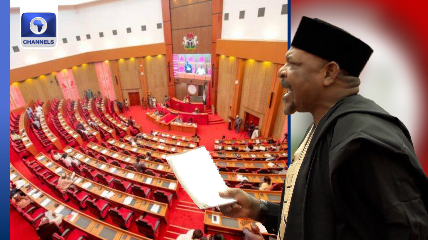
  • The Senate has announced plans to hold an executive briefing over the December 25 United States air strikes on suspected terrorist targets in Sokoto State, following concerns about the National Assembly’s alleged exclusion.

    Senator Abdul Ningi questioned the operation, arguing that the strikes amounted to a violation of Nigeria’s territorial integrity and should not have been carried out without legislative oversight or prior engagement with the National Assembly.

    The issue has sparked debate within the Senate, with lawmakers seeking clarity on the circumstances surrounding the operation and the level of involvement of Nigerian authorities.

    #Nigeria #NationalAssembly #USAirstrikes #Security
    The Senate has announced plans to hold an executive briefing over the December 25 United States air strikes on suspected terrorist targets in Sokoto State, following concerns about the National Assembly’s alleged exclusion. Senator Abdul Ningi questioned the operation, arguing that the strikes amounted to a violation of Nigeria’s territorial integrity and should not have been carried out without legislative oversight or prior engagement with the National Assembly. The issue has sparked debate within the Senate, with lawmakers seeking clarity on the circumstances surrounding the operation and the level of involvement of Nigerian authorities. #Nigeria #NationalAssembly #USAirstrikes #Security
    love
    1
    · 0 Commentaires ·0 Parts ·1KB Vue
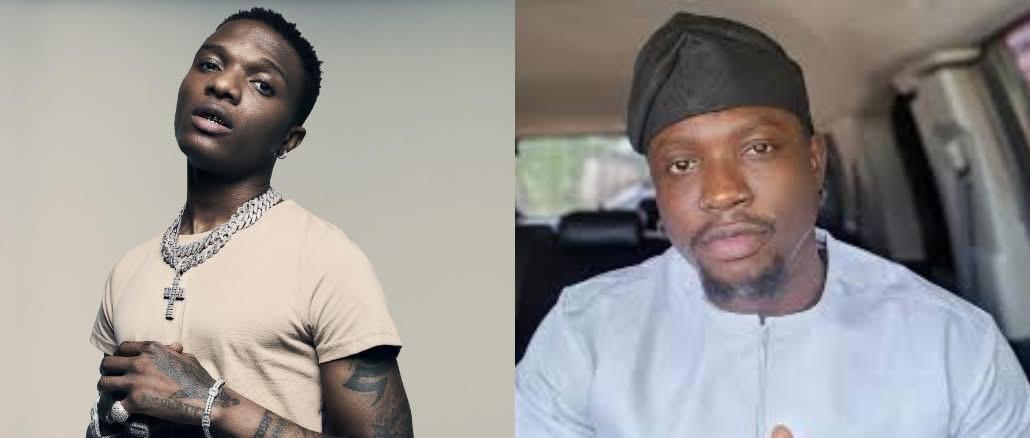
  • Unfollow Me If You’re Wizkid FC, I Give You Till 12pm” — VDM Warns

    VeryDarkMan has challenged Wizkid FC to unfollow his Instagram page within 24 hours, saying the move is meant to test claims that a large percentage of Wizkid’s fans follow him.

    According to VDM, failure to unfollow would weaken the claim and raise questions about the credibility and integrity of Wizkid FC.

    #VeryDarkMan #WizkidFC #NaijaEntertainment #CelebrityDrama
    Unfollow Me If You’re Wizkid FC, I Give You Till 12pm” — VDM Warns VeryDarkMan has challenged Wizkid FC to unfollow his Instagram page within 24 hours, saying the move is meant to test claims that a large percentage of Wizkid’s fans follow him. According to VDM, failure to unfollow would weaken the claim and raise questions about the credibility and integrity of Wizkid FC. #VeryDarkMan #WizkidFC #NaijaEntertainment #CelebrityDrama
    love
    1
    · 0 Commentaires ·0 Parts ·640 Vue
  • Hope Uzodimma Sponsors Imo INEC Officials’ Jerusalem Pilgrimage, Sparks Controversy

    Imo State Governor Hope Uzodimma has sponsored the Resident Electoral Commissioner, seven INEC department heads, and 27 electoral officers on a pilgrimage to Jerusalem, scheduled to begin January 20, 2026. Sources confirmed the officials will be prayed for and formally sent off from the Government House Chapel before departing Owerri for Israel. The development has raised concerns over political patronage and the independence of electoral officials amid Nigeria’s fragile democracy.

    #BreakingNews #INEC #ImoPolitics #HopeUzodimma #ElectoralIntegrity #NigeriaPolitics
    Hope Uzodimma Sponsors Imo INEC Officials’ Jerusalem Pilgrimage, Sparks Controversy Imo State Governor Hope Uzodimma has sponsored the Resident Electoral Commissioner, seven INEC department heads, and 27 electoral officers on a pilgrimage to Jerusalem, scheduled to begin January 20, 2026. Sources confirmed the officials will be prayed for and formally sent off from the Government House Chapel before departing Owerri for Israel. The development has raised concerns over political patronage and the independence of electoral officials amid Nigeria’s fragile democracy. #BreakingNews #INEC #ImoPolitics #HopeUzodimma #ElectoralIntegrity #NigeriaPolitics
    love
    1
    · 0 Commentaires ·0 Parts ·1KB Vue
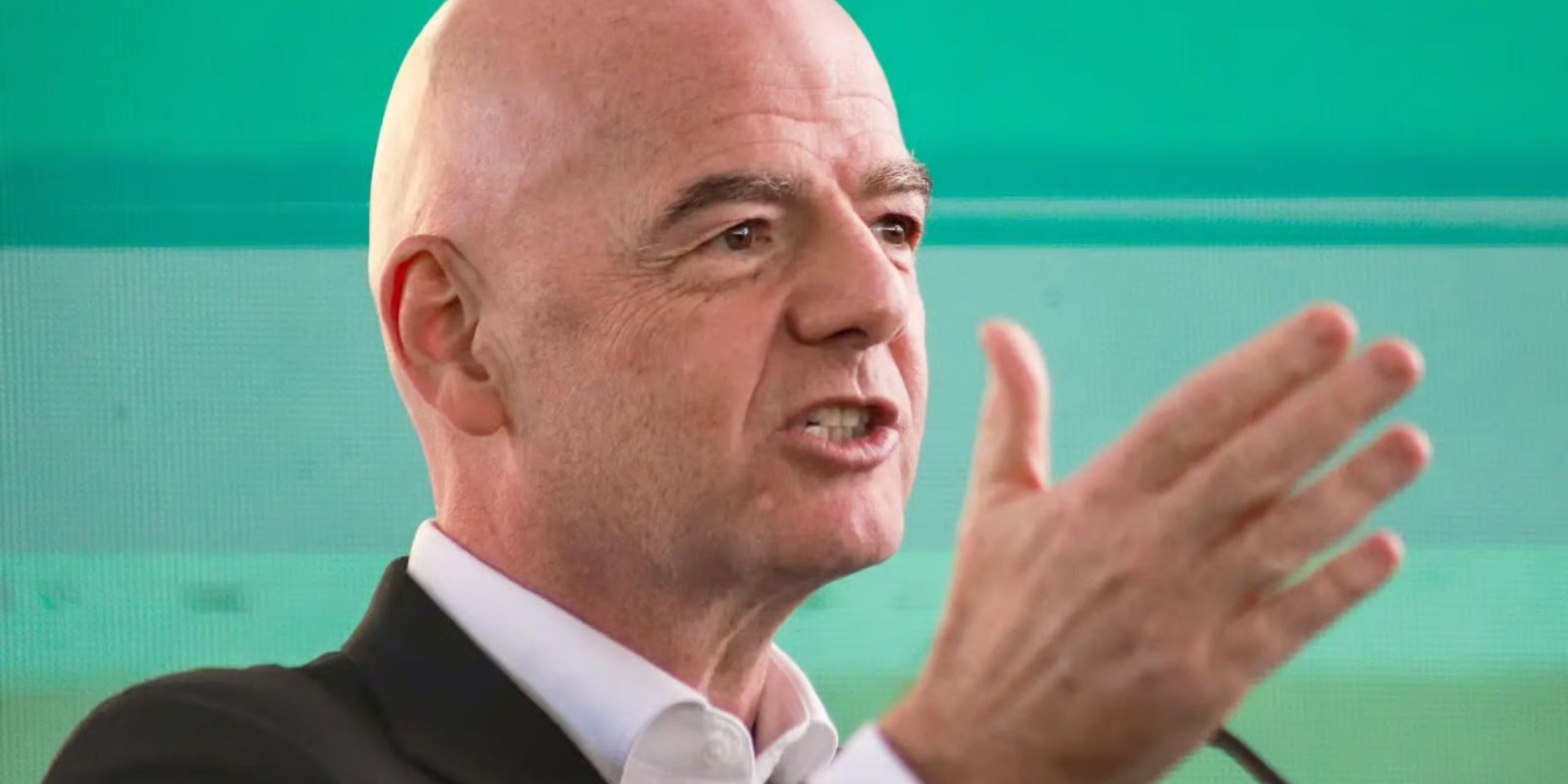
  • FIFA President Blasts Senegal Players Over AFCON Final Walkout, Calls Scenes Unacceptable

    FIFA President Gianni Infantino has condemned the dramatic walkout by Senegal players during the AFCON final against Morocco, describing the incident as “unacceptable” and a threat to the integrity of football. The chaos erupted after Morocco were awarded a late penalty following a VAR review, prompting most Senegal players to leave the pitch in protest. Infantino stressed that match officials’ decisions must be respected at all times and warned that such actions send a wrong message to fans worldwide. Despite the controversy, Senegal regrouped and secured a dramatic 1–0 extra-time victory, but FIFA has called on CAF to take appropriate disciplinary measures.
    #FIFA
    FIFA President Blasts Senegal Players Over AFCON Final Walkout, Calls Scenes Unacceptable FIFA President Gianni Infantino has condemned the dramatic walkout by Senegal players during the AFCON final against Morocco, describing the incident as “unacceptable” and a threat to the integrity of football. The chaos erupted after Morocco were awarded a late penalty following a VAR review, prompting most Senegal players to leave the pitch in protest. Infantino stressed that match officials’ decisions must be respected at all times and warned that such actions send a wrong message to fans worldwide. Despite the controversy, Senegal regrouped and secured a dramatic 1–0 extra-time victory, but FIFA has called on CAF to take appropriate disciplinary measures. #FIFA
    love
    1
    · 0 Commentaires ·0 Parts ·588 Vue
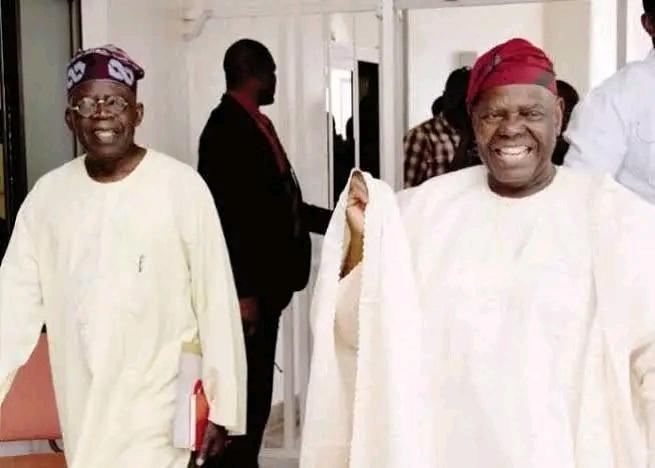
  • President Tinubu Celebrates Chief Bisi Akande at 87, Praises His Role in Nigeria’s Democracy and APC Success

    President Bola Tinubu has paid a special tribute to elder statesman Chief Bisi Akande on his 87th birthday, recognizing his immense contributions to Nigeria’s democracy and the All Progressives Congress (APC). Tinubu highlighted Akande’s journey from accountant to Deputy Governor of old Oyo State, Governor of Osun, and first Interim APC Chairman, praising his leadership in helping unseat an incumbent in 2015. He lauded Akande’s integrity, mentorship, and unwavering support for the Renewed Hope Agenda, describing him as a tireless advocate for democracy, social justice, and good governance even at 87.
    President Tinubu Celebrates Chief Bisi Akande at 87, Praises His Role in Nigeria’s Democracy and APC Success President Bola Tinubu has paid a special tribute to elder statesman Chief Bisi Akande on his 87th birthday, recognizing his immense contributions to Nigeria’s democracy and the All Progressives Congress (APC). Tinubu highlighted Akande’s journey from accountant to Deputy Governor of old Oyo State, Governor of Osun, and first Interim APC Chairman, praising his leadership in helping unseat an incumbent in 2015. He lauded Akande’s integrity, mentorship, and unwavering support for the Renewed Hope Agenda, describing him as a tireless advocate for democracy, social justice, and good governance even at 87.
    0 Commentaires ·0 Parts ·910 Vue
  • PRESS RELEASE

    Gov. Ododo Mourns Yakubu Mohammed, Co-Founder of Newswatch Magazine

    Kogi State, 14 January 2026 – Kogi State Governor Alhaji Ahmed Usman Ododo has expressed heartfelt condolences to the family of the late Alhaji Yakubu Mohammed, co-founder of Newswatch Magazine, and to the Nigerian Union of Journalists over the passing of the veteran journalist and elder statesman.

    In a statement issued by his Special Adviser on Media, Hon. Ismaila Isah, Governor Ododo described Mohammed as a pioneer of modern investigative journalism in Nigeria and a proud son of Dekina Local Government Area, whose contributions to nation-building went beyond the media space.

    “As a co-founder of the iconic Newswatch Magazine, Alhaji Yakubu Mohammed belonged to a rare generation of journalists who redefined courage, professionalism, and integrity in Nigerian journalism. He was a man whose influence shaped public discourse and strengthened accountability in our democracy,” the Governor said.

    Governor Ododo highlighted Mohammed’s instrumental role in establishing Newswatch in the mid-1980s alongside Dele Giwa, Ray Ekpu, and Dan Agbese, noting that the magazine marked a turning point in Nigerian media history by setting enduring standards for investigative reporting and editorial independence.

    The Governor also acknowledged Mohammed’s distinguished public service record, including his tenure as Pro-Chancellor and Chairman of the Governing Council of Ahmadu Bello University, Zaria, and his invaluable contributions to the development of Kogi State.

    “His love for Kogi State was evident in his commitment to its growth and his willingness to serve in different capacities. He was a bridge-builder, a mentor to many, and a voice of conscience in national affairs,” Governor Ododo added.

    He prayed that Almighty Allah grants the departed soul eternal rest and comforts his family and all who mourn his loss.

    PRESS RELEASE Gov. Ododo Mourns Yakubu Mohammed, Co-Founder of Newswatch Magazine Kogi State, 14 January 2026 – Kogi State Governor Alhaji Ahmed Usman Ododo has expressed heartfelt condolences to the family of the late Alhaji Yakubu Mohammed, co-founder of Newswatch Magazine, and to the Nigerian Union of Journalists over the passing of the veteran journalist and elder statesman. In a statement issued by his Special Adviser on Media, Hon. Ismaila Isah, Governor Ododo described Mohammed as a pioneer of modern investigative journalism in Nigeria and a proud son of Dekina Local Government Area, whose contributions to nation-building went beyond the media space. “As a co-founder of the iconic Newswatch Magazine, Alhaji Yakubu Mohammed belonged to a rare generation of journalists who redefined courage, professionalism, and integrity in Nigerian journalism. He was a man whose influence shaped public discourse and strengthened accountability in our democracy,” the Governor said. Governor Ododo highlighted Mohammed’s instrumental role in establishing Newswatch in the mid-1980s alongside Dele Giwa, Ray Ekpu, and Dan Agbese, noting that the magazine marked a turning point in Nigerian media history by setting enduring standards for investigative reporting and editorial independence. The Governor also acknowledged Mohammed’s distinguished public service record, including his tenure as Pro-Chancellor and Chairman of the Governing Council of Ahmadu Bello University, Zaria, and his invaluable contributions to the development of Kogi State. “His love for Kogi State was evident in his commitment to its growth and his willingness to serve in different capacities. He was a bridge-builder, a mentor to many, and a voice of conscience in national affairs,” Governor Ododo added. He prayed that Almighty Allah grants the departed soul eternal rest and comforts his family and all who mourn his loss.
    0 Commentaires ·0 Parts ·943 Vue
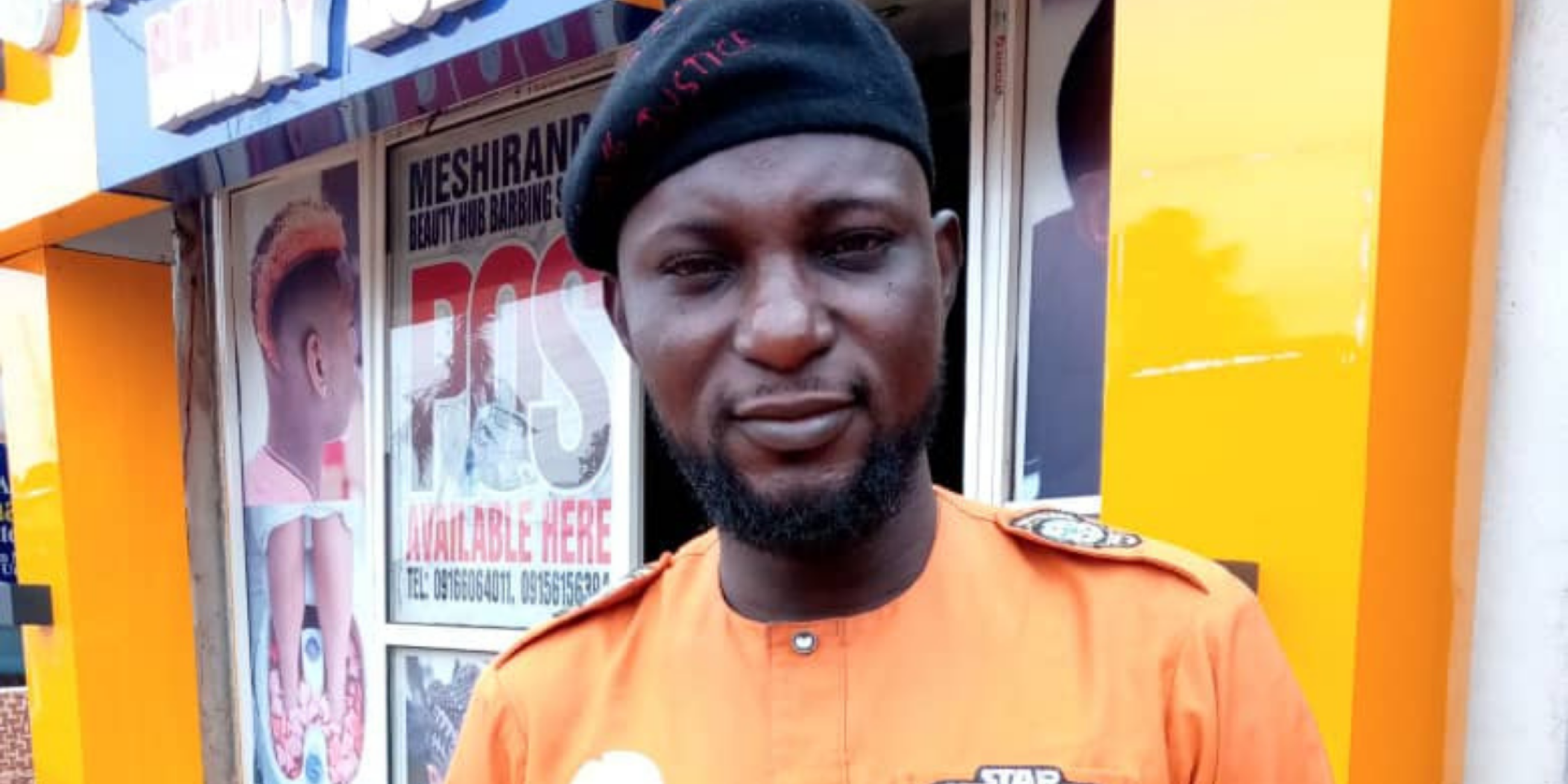
  • Edo Rights Group Accuses Uromi DPO of Harassing Activist, Demands Police Action

    The Edo State Civil Society Coalition for Human Rights has accused the Divisional Police Officer of Uromi Division, CSP Monday Agbon, of intimidation, abuse of office, and targeted harassment of activist Comrade General Henry Oziegbe.

    In a statement issued on Saturday, the coalition said Oziegbe, a known social justice advocate, has faced sustained reprisals allegedly linked to his criticism of police extortion and systemic injustice in Uromi.

    The group disclosed that multiple petitions had earlier been submitted to the Edo State Commissioner of Police, accusing the DPO of extortion, bribery, and abuse of authority. Rather than submit to investigation, the coalition alleged, the officer responded with threats, intimidation, and attempts to criminalise the activist.

    According to the statement, jointly signed by Coordinator Marxist Kola Edokpayi and Secretary-General Comrade Aghatise Raphael, the DPO allegedly threatened to fabricate charges against Oziegbe and later branded him a cultist—an accusation the coalition described as false, reckless, and dangerous.

    The coalition further claimed that following a directive from the Commissioner of Police to review one of the petitions, the DPO sought to use the Anti-Cultism Unit in Benin City to arrest Oziegbe. However, the unit reportedly declined after finding no factual or evidentiary basis for the allegations.

    “The Anti-Cultism Unit, acting with commendable professional integrity, refused to comply after establishing that the claims were entirely unfounded,” the group said.

    Describing Oziegbe as “a conscientious dissenter and defender of the oppressed,” the coalition argued that any attempt to arrest or detain him would amount to a violation of his constitutional rights. Citing Section 35 of the 1999 Constitution (as amended), it warned against arbitrary arrest, detention, or enforced disappearance.

    The group also stated that any harm or unlawful action against the activist would be held personally against the DPO and any officers involved.

    Consequently, the coalition called on the Inspector-General of Police, the Police Service Commission, the National Human Rights Commission, and other oversight bodies to intervene, investigate the allegations, and prevent what it described as a growing culture of impunity.

    “We will not capitulate. We will not be intimidated. An injury to one remains an injury to all,” the coalition declared.


    Edo Rights Group Accuses Uromi DPO of Harassing Activist, Demands Police Action The Edo State Civil Society Coalition for Human Rights has accused the Divisional Police Officer of Uromi Division, CSP Monday Agbon, of intimidation, abuse of office, and targeted harassment of activist Comrade General Henry Oziegbe. In a statement issued on Saturday, the coalition said Oziegbe, a known social justice advocate, has faced sustained reprisals allegedly linked to his criticism of police extortion and systemic injustice in Uromi. The group disclosed that multiple petitions had earlier been submitted to the Edo State Commissioner of Police, accusing the DPO of extortion, bribery, and abuse of authority. Rather than submit to investigation, the coalition alleged, the officer responded with threats, intimidation, and attempts to criminalise the activist. According to the statement, jointly signed by Coordinator Marxist Kola Edokpayi and Secretary-General Comrade Aghatise Raphael, the DPO allegedly threatened to fabricate charges against Oziegbe and later branded him a cultist—an accusation the coalition described as false, reckless, and dangerous. The coalition further claimed that following a directive from the Commissioner of Police to review one of the petitions, the DPO sought to use the Anti-Cultism Unit in Benin City to arrest Oziegbe. However, the unit reportedly declined after finding no factual or evidentiary basis for the allegations. “The Anti-Cultism Unit, acting with commendable professional integrity, refused to comply after establishing that the claims were entirely unfounded,” the group said. Describing Oziegbe as “a conscientious dissenter and defender of the oppressed,” the coalition argued that any attempt to arrest or detain him would amount to a violation of his constitutional rights. Citing Section 35 of the 1999 Constitution (as amended), it warned against arbitrary arrest, detention, or enforced disappearance. The group also stated that any harm or unlawful action against the activist would be held personally against the DPO and any officers involved. Consequently, the coalition called on the Inspector-General of Police, the Police Service Commission, the National Human Rights Commission, and other oversight bodies to intervene, investigate the allegations, and prevent what it described as a growing culture of impunity. “We will not capitulate. We will not be intimidated. An injury to one remains an injury to all,” the coalition declared.
    0 Commentaires ·0 Parts ·1KB Vue
  • Did a Detainee Die Unlawfully in NSCDC Custody? Kano Command Removes Fagge Divisional Officer as Police Launch Investigation Into Custodial Death

    Did the death of a suspect inside a security facility point to deeper issues of accountability within Nigeria’s law enforcement system? The Nigeria Security and Civil Defence Corps (NSCDC) in Kano State has removed the Divisional Officer in charge of the Fagge office after a suspect reportedly died while in custody, triggering a formal investigation and public scrutiny.

    According to the NSCDC’s spokesperson, Ibrahim Abdullahi, the officer in charge, SC Amina Musa Kolawale, was relieved of her position following the incident. All officers and personnel who were on duty at the time of the suspect’s death have also been handed over to the Nigerian Police, Kano State Command, for further investigation and possible disciplinary or legal action.

    The NSCDC Commandant in Kano, Mohammed Hassan Agalama, approved the removal after setting up a panel of inquiry to conduct what the agency described as a discreet, fair, and impartial investigation into the circumstances surrounding the death. A new divisional head, CSC Bashir Isa Abubakar, has since been appointed to take over leadership at the Fagge office.

    In a public appeal, the NSCDC urged residents to remain calm, reaffirming its commitment to the sanctity of life, human rights, professionalism, standard operating procedures, integrity, and the rule of law. The Corps stressed that it would not shield any officer found culpable and that accountability would guide the outcome of the probe.

    The case has reignited concerns about custodial deaths in Nigeria, the treatment of suspects, and whether security agencies are doing enough to ensure due process and protection of fundamental rights. As investigations proceed under police oversight, many Nigerians are asking critical questions: What caused the suspect’s death? Were proper procedures followed? And will this action mark a turning point for transparency and reform within the security services?


    Did a Detainee Die Unlawfully in NSCDC Custody? Kano Command Removes Fagge Divisional Officer as Police Launch Investigation Into Custodial Death Did the death of a suspect inside a security facility point to deeper issues of accountability within Nigeria’s law enforcement system? The Nigeria Security and Civil Defence Corps (NSCDC) in Kano State has removed the Divisional Officer in charge of the Fagge office after a suspect reportedly died while in custody, triggering a formal investigation and public scrutiny. According to the NSCDC’s spokesperson, Ibrahim Abdullahi, the officer in charge, SC Amina Musa Kolawale, was relieved of her position following the incident. All officers and personnel who were on duty at the time of the suspect’s death have also been handed over to the Nigerian Police, Kano State Command, for further investigation and possible disciplinary or legal action. The NSCDC Commandant in Kano, Mohammed Hassan Agalama, approved the removal after setting up a panel of inquiry to conduct what the agency described as a discreet, fair, and impartial investigation into the circumstances surrounding the death. A new divisional head, CSC Bashir Isa Abubakar, has since been appointed to take over leadership at the Fagge office. In a public appeal, the NSCDC urged residents to remain calm, reaffirming its commitment to the sanctity of life, human rights, professionalism, standard operating procedures, integrity, and the rule of law. The Corps stressed that it would not shield any officer found culpable and that accountability would guide the outcome of the probe. The case has reignited concerns about custodial deaths in Nigeria, the treatment of suspects, and whether security agencies are doing enough to ensure due process and protection of fundamental rights. As investigations proceed under police oversight, many Nigerians are asking critical questions: What caused the suspect’s death? Were proper procedures followed? And will this action mark a turning point for transparency and reform within the security services?
    0 Commentaires ·0 Parts ·983 Vue
  • Why Did the Trump Administration Freeze $129 Million in USDA Funds to Minnesota and Minneapolis Over Fraud Allegations, and Who Is Accountable for the Feeding Our Future Scandal?

    The Trump administration has taken decisive action against Minnesota and Minneapolis, suspending over $129 million in USDA federal funding amid allegations of “widespread and systemic fraud.” U.S. Secretary of Agriculture Brooke L. Rollins cited repeated failures in federal program oversight, including mismanagement of programs like Child and Adult Care Food Program (CACFP), Summer Food Service Program (SFSP), and the Supplemental Nutrition Assistance Program (SNAP).

    The decision follows revelations from the Feeding Our Future scandal, in which a Minneapolis nonprofit allegedly defrauded taxpayers of nearly $250 million intended to feed children during the COVID-19 pandemic. Rollins described the fraud as “industrial-scale”, involving 78 defendants charged in what the Department of Justice calls the largest COVID-19 fraud scheme in the U.S.

    In her letter to Minnesota Governor Tim Walz and Minneapolis Mayor Jacob Frey, Rollins highlighted additional alleged abuses in the Paycheck Protection Program, housing assistance schemes, and SNAP misreporting. Officials who resisted federal oversight and challenged USDA directives were also called out for enabling continued fraud.

    As a result, all active and future USDA awards to Minnesota and Minneapolis—totaling $129.18 million—are suspended immediately. Authorities have 30 days to provide detailed payment justifications; failure to comply could extend the suspension. Rollins emphasized that this action represents the administration’s zero-tolerance policy on fraud, waste, and abuse, protecting American taxpayers and ensuring funds reach those who need them.

    This unprecedented suspension raises urgent questions: How did fraud reach such scale in Minnesota’s federal programs? Who is responsible for oversight failures? Will federal authorities enforce accountability, and how will affected programs recover? The frozen funds underscore a growing national focus on transparency, stewardship, and integrity in public funding.


    Why Did the Trump Administration Freeze $129 Million in USDA Funds to Minnesota and Minneapolis Over Fraud Allegations, and Who Is Accountable for the Feeding Our Future Scandal? The Trump administration has taken decisive action against Minnesota and Minneapolis, suspending over $129 million in USDA federal funding amid allegations of “widespread and systemic fraud.” U.S. Secretary of Agriculture Brooke L. Rollins cited repeated failures in federal program oversight, including mismanagement of programs like Child and Adult Care Food Program (CACFP), Summer Food Service Program (SFSP), and the Supplemental Nutrition Assistance Program (SNAP). The decision follows revelations from the Feeding Our Future scandal, in which a Minneapolis nonprofit allegedly defrauded taxpayers of nearly $250 million intended to feed children during the COVID-19 pandemic. Rollins described the fraud as “industrial-scale”, involving 78 defendants charged in what the Department of Justice calls the largest COVID-19 fraud scheme in the U.S. In her letter to Minnesota Governor Tim Walz and Minneapolis Mayor Jacob Frey, Rollins highlighted additional alleged abuses in the Paycheck Protection Program, housing assistance schemes, and SNAP misreporting. Officials who resisted federal oversight and challenged USDA directives were also called out for enabling continued fraud. As a result, all active and future USDA awards to Minnesota and Minneapolis—totaling $129.18 million—are suspended immediately. Authorities have 30 days to provide detailed payment justifications; failure to comply could extend the suspension. Rollins emphasized that this action represents the administration’s zero-tolerance policy on fraud, waste, and abuse, protecting American taxpayers and ensuring funds reach those who need them. This unprecedented suspension raises urgent questions: How did fraud reach such scale in Minnesota’s federal programs? Who is responsible for oversight failures? Will federal authorities enforce accountability, and how will affected programs recover? The frozen funds underscore a growing national focus on transparency, stewardship, and integrity in public funding.
    0 Commentaires ·0 Parts ·973 Vue
  • How Did Two Young Men Try to Smuggle Marijuana Into a Kano Court? Who Were They Working For—and What Does Their Arrest Reveal About Nigeria’s Prison Drug Crisis?

    How were two young men able to attempt a drug drop inside a court facility in Kano—and what does their arrest expose about the growing challenge of narcotics trafficking into Nigeria’s custodial system?

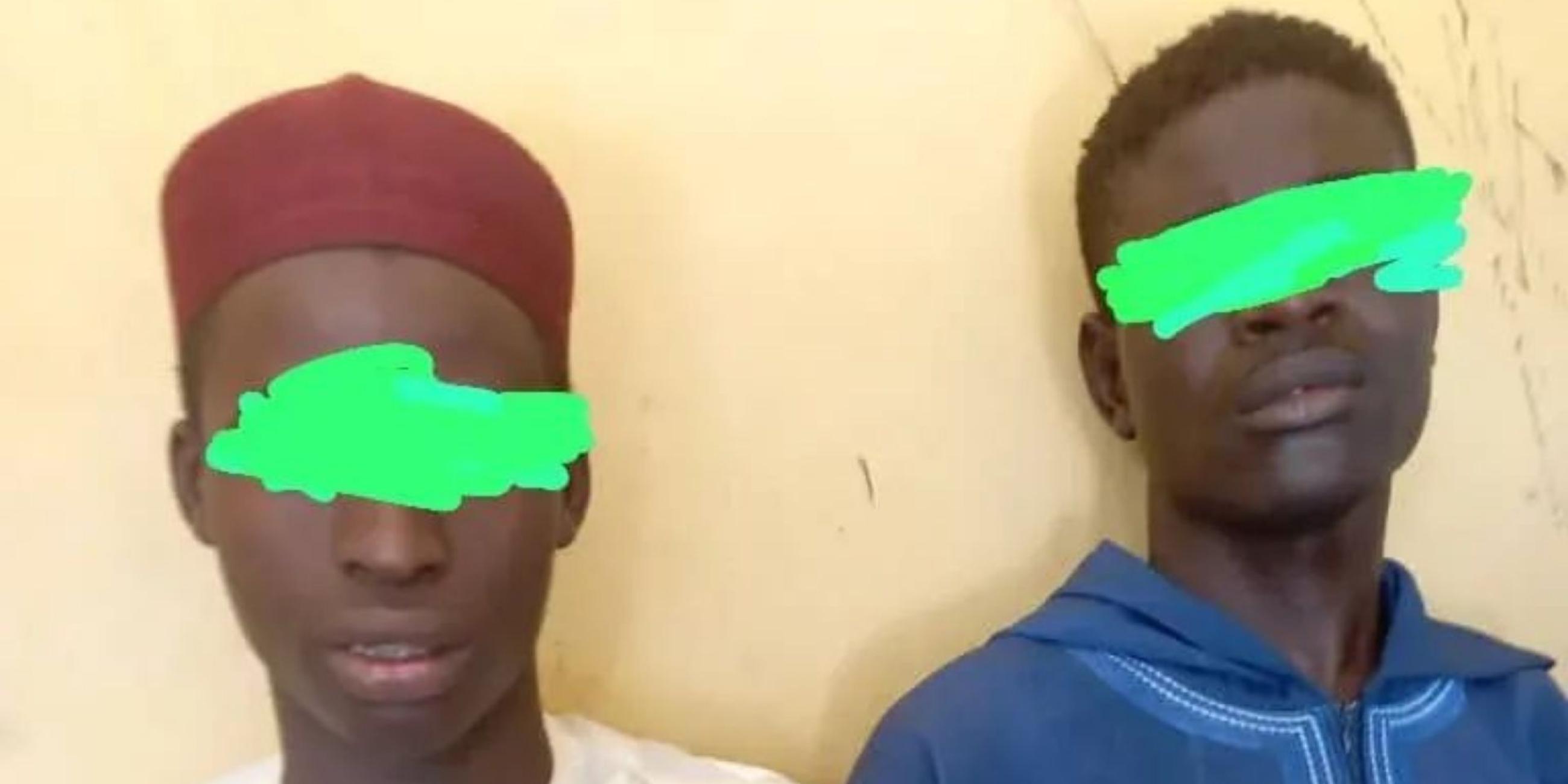
    The Nigerian Correctional Service (NCoS), Kano State Command, has arrested two men for allegedly attempting to smuggle marijuana and other illicit substances to inmates during court proceedings at the Nomansland Court Complex. The suspects—identified as 25-year-old Usman Khalid and 24-year-old Bello Musa Ahmed, both from the Tsamiya (Brigade) area of Kano—were apprehended by officers attached to the Medium Security Custodial Centre (MSCC), Goron Dutse.

    According to the NCoS, the men were caught while allegedly trying to throw wraps of Indian hemp and other prohibited drugs to inmates as they were being moved in and out of the court. The arrest was confirmed by the Command’s Public Relations Officer, CSC Musbahu Lawan-Kofarnasarawa, who said the suspects were intercepted before the items could reach any prisoner.

    But why would suspects risk such a public and tightly controlled environment to deliver drugs? And who exactly were they trying to supply? While authorities have not yet disclosed whether the suspects were linked to a wider trafficking network, the incident has raised fresh concerns about how criminal elements attempt to exploit court appearances and inmate movements to bypass prison security.

    Reacting to the incident, the Controller of Corrections in Kano State, Ado Inuwa, described the act as a serious security breach and a criminal offence under Nigerian law. He warned members of the public to desist from any interaction with inmates during court transfers, stressing that such conduct threatens both public safety and the integrity of the justice system.

    Inuwa reaffirmed the NCoS’s commitment to rehabilitation and reformation, noting that drug trafficking into custodial facilities undermines discipline, fuels criminal behaviour behind bars, and sabotages correctional objectives. He directed that the suspects and the seized drugs be handed over to the National Drug Law Enforcement Agency (NDLEA) for further investigation and possible prosecution.

    What does this case reveal about the broader problem of drugs in Nigeria’s prisons? The Kano Command reiterated its zero-tolerance policy toward drug-related offences, vowing to maintain maximum security across all custodial centres and judicial premises in the state. The Service also called on residents to report suspicious activities, emphasising that community vigilance remains vital in the fight against narcotics and organised crime.

    As investigations continue, key questions remain unanswered: Were the suspects acting alone or as part of a larger network? Which inmates were the intended recipients? And how many similar attempts go undetected across the country? The outcome of this case may determine not only the fate of the two accused men but also how aggressively authorities tighten security around Nigeria’s courts and correctional facilities in the ongoing war against drugs.


    How Did Two Young Men Try to Smuggle Marijuana Into a Kano Court? Who Were They Working For—and What Does Their Arrest Reveal About Nigeria’s Prison Drug Crisis? How were two young men able to attempt a drug drop inside a court facility in Kano—and what does their arrest expose about the growing challenge of narcotics trafficking into Nigeria’s custodial system? The Nigerian Correctional Service (NCoS), Kano State Command, has arrested two men for allegedly attempting to smuggle marijuana and other illicit substances to inmates during court proceedings at the Nomansland Court Complex. The suspects—identified as 25-year-old Usman Khalid and 24-year-old Bello Musa Ahmed, both from the Tsamiya (Brigade) area of Kano—were apprehended by officers attached to the Medium Security Custodial Centre (MSCC), Goron Dutse. According to the NCoS, the men were caught while allegedly trying to throw wraps of Indian hemp and other prohibited drugs to inmates as they were being moved in and out of the court. The arrest was confirmed by the Command’s Public Relations Officer, CSC Musbahu Lawan-Kofarnasarawa, who said the suspects were intercepted before the items could reach any prisoner. But why would suspects risk such a public and tightly controlled environment to deliver drugs? And who exactly were they trying to supply? While authorities have not yet disclosed whether the suspects were linked to a wider trafficking network, the incident has raised fresh concerns about how criminal elements attempt to exploit court appearances and inmate movements to bypass prison security. Reacting to the incident, the Controller of Corrections in Kano State, Ado Inuwa, described the act as a serious security breach and a criminal offence under Nigerian law. He warned members of the public to desist from any interaction with inmates during court transfers, stressing that such conduct threatens both public safety and the integrity of the justice system. Inuwa reaffirmed the NCoS’s commitment to rehabilitation and reformation, noting that drug trafficking into custodial facilities undermines discipline, fuels criminal behaviour behind bars, and sabotages correctional objectives. He directed that the suspects and the seized drugs be handed over to the National Drug Law Enforcement Agency (NDLEA) for further investigation and possible prosecution. What does this case reveal about the broader problem of drugs in Nigeria’s prisons? The Kano Command reiterated its zero-tolerance policy toward drug-related offences, vowing to maintain maximum security across all custodial centres and judicial premises in the state. The Service also called on residents to report suspicious activities, emphasising that community vigilance remains vital in the fight against narcotics and organised crime. As investigations continue, key questions remain unanswered: Were the suspects acting alone or as part of a larger network? Which inmates were the intended recipients? And how many similar attempts go undetected across the country? The outcome of this case may determine not only the fate of the two accused men but also how aggressively authorities tighten security around Nigeria’s courts and correctional facilities in the ongoing war against drugs.
    0 Commentaires ·0 Parts ·630 Vue
  • Did Anyone Try to Bribe the Judge in Malami’s ₦8.7 Billion Money Laundering Trial? Why the Former AGF Is Denying Influence Claims, Accusing EFCC of a ‘Media Trial,’ and Insisting on Judicial Integrity

    Did anyone attempt to bribe or improperly influence the judge handling Abubakar Malami’s high-profile ₦8.7 billion money laundering case? Why did the former Attorney-General of the Federation feel compelled to issue a public denial? And is the Economic and Financial Crimes Commission (EFCC) conducting a legitimate prosecution—or, as Malami claims, waging a “media trial” aimed at damaging his reputation?

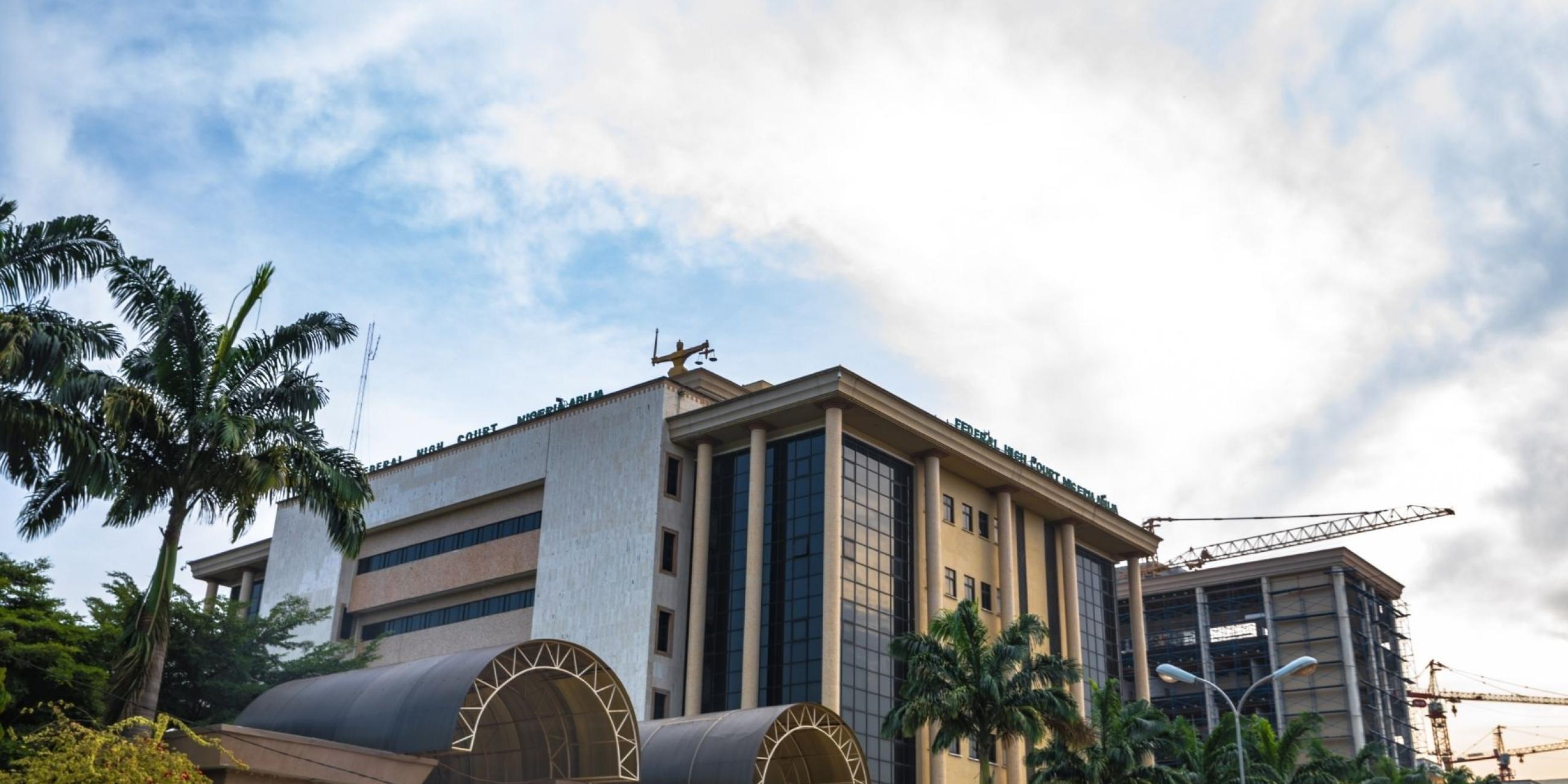
    Following a Federal High Court ruling in Maitama, Abuja, which granted bail to Malami, his wife, and their son, reports circulated suggesting that the presiding judge, Justice Emeka Nwite, had raised concerns about attempts to compromise the court. In response, Malami strongly rejected any insinuation that he—or anyone acting on his behalf—sought to influence the judge in any form.

    In a statement signed by his media aide, Mohammed Bello Doka, Malami described the allegation as “mischievous, false, and deliberately misleading.” He categorically stated that no member of his legal team, family, or associates approached or contemplated approaching the court for any favour. Any suggestion otherwise, he said, was reckless and intended to tarnish his public image.

    But what exactly did the judge say? According to Malami, Justice Nwite’s remarks were a routine judicial warning delivered to all counsel and litigants appearing before the court—not a statement directed at him or his co-defendants. He noted that the judge is known for consistently cautioning lawyers against any attempt to contact him outside formal proceedings, as part of his commitment to judicial probity.

    Why then did the controversy erupt? Malami accused the EFCC of “weaponising” a standard courtroom admonition and presenting it to the public as evidence of attempted interference. He argued that this narrative was crafted to prejudice public opinion and undermine due process rather than allow the case to be determined strictly on evidence.

    “The proper place to prove allegations is in the courtroom, not in the media,” Malami said, reiterating that neither he nor his family had offered any bribe or sought any special treatment. He maintained that he respects the sanctity of the judiciary, emphasising both his status as a Senior Advocate of Nigeria and his past role as the nation’s chief law officer.

    What is at stake? The case involves serious allegations of money laundering running into billions of naira against Malami, his wife, Hajia Bashir Asabe, and their son, Abubakar Abdulaziz Malami. During proceedings, Justice Nwite openly warned all parties not to attempt any personal approaches, stressing that legal representation—not backdoor contacts—is the only acceptable means of advocacy before his court.

    As the trial continues, a critical question remains for Nigerians: is this a straightforward judicial caution being misrepresented for headlines, or does the dispute reflect a deeper battle between a former top legal official and the country’s anti-graft agency over credibility, due process, and public perception?
    Did Anyone Try to Bribe the Judge in Malami’s ₦8.7 Billion Money Laundering Trial? Why the Former AGF Is Denying Influence Claims, Accusing EFCC of a ‘Media Trial,’ and Insisting on Judicial Integrity Did anyone attempt to bribe or improperly influence the judge handling Abubakar Malami’s high-profile ₦8.7 billion money laundering case? Why did the former Attorney-General of the Federation feel compelled to issue a public denial? And is the Economic and Financial Crimes Commission (EFCC) conducting a legitimate prosecution—or, as Malami claims, waging a “media trial” aimed at damaging his reputation? Following a Federal High Court ruling in Maitama, Abuja, which granted bail to Malami, his wife, and their son, reports circulated suggesting that the presiding judge, Justice Emeka Nwite, had raised concerns about attempts to compromise the court. In response, Malami strongly rejected any insinuation that he—or anyone acting on his behalf—sought to influence the judge in any form. In a statement signed by his media aide, Mohammed Bello Doka, Malami described the allegation as “mischievous, false, and deliberately misleading.” He categorically stated that no member of his legal team, family, or associates approached or contemplated approaching the court for any favour. Any suggestion otherwise, he said, was reckless and intended to tarnish his public image. But what exactly did the judge say? According to Malami, Justice Nwite’s remarks were a routine judicial warning delivered to all counsel and litigants appearing before the court—not a statement directed at him or his co-defendants. He noted that the judge is known for consistently cautioning lawyers against any attempt to contact him outside formal proceedings, as part of his commitment to judicial probity. Why then did the controversy erupt? Malami accused the EFCC of “weaponising” a standard courtroom admonition and presenting it to the public as evidence of attempted interference. He argued that this narrative was crafted to prejudice public opinion and undermine due process rather than allow the case to be determined strictly on evidence. “The proper place to prove allegations is in the courtroom, not in the media,” Malami said, reiterating that neither he nor his family had offered any bribe or sought any special treatment. He maintained that he respects the sanctity of the judiciary, emphasising both his status as a Senior Advocate of Nigeria and his past role as the nation’s chief law officer. What is at stake? The case involves serious allegations of money laundering running into billions of naira against Malami, his wife, Hajia Bashir Asabe, and their son, Abubakar Abdulaziz Malami. During proceedings, Justice Nwite openly warned all parties not to attempt any personal approaches, stressing that legal representation—not backdoor contacts—is the only acceptable means of advocacy before his court. As the trial continues, a critical question remains for Nigerians: is this a straightforward judicial caution being misrepresented for headlines, or does the dispute reflect a deeper battle between a former top legal official and the country’s anti-graft agency over credibility, due process, and public perception?
    0 Commentaires ·0 Parts ·619 Vue
  • EFCC Lawyer Okutepa Urges Sanctions After Alleged Attempts to Influence Malami Money Laundering Trial
    January 7, 2026 – Abuja, Nigeria

    Senior Advocate of Nigeria (SAN) Jibrin Samuel Okutepa, lead prosecuting counsel for the EFCC, has called for decisive sanctions—including “naming and shaming”—against any lawyer or litigant who attempts to improperly influence judges.

    The call follows Federal High Court Justice Emeka Nwite’s revelation that he had been privately approached to compromise proceedings in the ongoing N8.7 billion money laundering case involving former Attorney-General of the Federation Abubakar Malami (SAN), his wife Hajia Bashir Asabe, and their son Abubakar Abdulaziz.

    Okutepa emphasized:

    Ethical conduct must be upheld by all legal practitioners.

    Judicial officers should arrest anyone attempting to gain favors improperly.

    Such misconduct threatens the integrity of Nigeria’s justice system.


    Case Overview:

    The defendants face 16-count charges of money laundering between 2015–2025.

    Allegations include using multiple bank accounts and property acquisitions across Abuja, Kano, and Kebbi to conceal the origin of funds.

    One count alleges the family directed Metropolitan Auto Tech Ltd to conceal over ₦1 billion in a Sterling Bank account.

    57 properties have been placed under interim forfeiture pending trial.

    Malami has consistently denied the allegations and was granted ₦500 million bail.

    Trial is set to commence February 17, 2026.


    The situation has sparked widespread calls within the legal community for the Legal Practitioners Disciplinary Committee (LPDC) to investigate and sanction any lawyer found culpable. Social media reactions highlight concerns about the potential politicization of high-profile corruption trials.

    EFCC Lawyer Okutepa Urges Sanctions After Alleged Attempts to Influence Malami Money Laundering Trial January 7, 2026 – Abuja, Nigeria Senior Advocate of Nigeria (SAN) Jibrin Samuel Okutepa, lead prosecuting counsel for the EFCC, has called for decisive sanctions—including “naming and shaming”—against any lawyer or litigant who attempts to improperly influence judges. The call follows Federal High Court Justice Emeka Nwite’s revelation that he had been privately approached to compromise proceedings in the ongoing N8.7 billion money laundering case involving former Attorney-General of the Federation Abubakar Malami (SAN), his wife Hajia Bashir Asabe, and their son Abubakar Abdulaziz. Okutepa emphasized: Ethical conduct must be upheld by all legal practitioners. Judicial officers should arrest anyone attempting to gain favors improperly. Such misconduct threatens the integrity of Nigeria’s justice system. Case Overview: The defendants face 16-count charges of money laundering between 2015–2025. Allegations include using multiple bank accounts and property acquisitions across Abuja, Kano, and Kebbi to conceal the origin of funds. One count alleges the family directed Metropolitan Auto Tech Ltd to conceal over ₦1 billion in a Sterling Bank account. 57 properties have been placed under interim forfeiture pending trial. Malami has consistently denied the allegations and was granted ₦500 million bail. Trial is set to commence February 17, 2026. The situation has sparked widespread calls within the legal community for the Legal Practitioners Disciplinary Committee (LPDC) to investigate and sanction any lawyer found culpable. Social media reactions highlight concerns about the potential politicization of high-profile corruption trials.
    0 Commentaires ·0 Parts ·509 Vue
  • Don’t Approach Me To Bend The Law Judge Warns Lawyers In Ex-AGF Malami’s ₦8.7Billion Money Laundering Trial
    January 7, 2026 – Abuja

    Justice Emeka Nwite of the Federal High Court, Maitama, Abuja, issued a stern warning to lawyers and litigants involved in the high-profile trial of former Attorney General of the Federation (AGF) and Minister of Justice, Abubakar Malami, SAN, his wife Hajia Bashir Asabe, and their son, Abubakar Abdulaziz Malami. The case, instituted by the Economic and Financial Crimes Commission (EFCC), concerns alleged money laundering involving over ₦8.7 billion.

    Justice Nwite cautioned that any attempt to approach him for personal favours or undue influence would be resisted. “All judges are not the same. Irrespective of my familiarity with you, when I am dealing with any case, do not approach me. The law cannot be bent as far as this court is concerned,” he said, stressing that proper legal representation, not backdoor contacts, is the legitimate way for lawyers to serve clients. He further warned that attempts to compromise the court’s integrity or tarnish his name would be firmly dealt with, emphasizing, “I warned, I warned, and I warned!”

    The EFCC accused Malami, his wife, and son of conspiring to procure, disguise, conceal, and launder proceeds of unlawful activities, contrary to the Money Laundering (Prevention and Prohibition) Act, 2022. They face a 16-count charge involving conspiracy and multiple forms of money laundering.

    Among the allegations, the EFCC claimed that between July 2022 and June 2025, Malami and his son used Metropolitan Auto Tech Limited to conceal ₦1,014,848,500 lodged in a Sterling Bank account, funds allegedly known to be proceeds of unlawful activities. Another charge alleges that the trio conspired in September 2024 to disguise the origin of ₦1,049,173,926.13 paid through the Union Bank account of Meethaq Hotels Limited, Jabi. The agency also alleged that Malami and his son indirectly controlled ₦1,362,887,872.96 paid into the same company’s Union Bank savings account between November 2022 and October 2025.

    Earlier, Justice Nwite granted the defendants bail of ₦500 million each, with two sureties each. The sureties were required to submit affidavits of means.

    This trial has drawn attention not only because of the substantial sums involved but also due to Malami’s prominent former position as AGF and Minister of Justice, which amplified public scrutiny over corruption and the integrity of Nigeria’s judicial processes. Observers note the judge’s firm admonition reflects ongoing efforts to maintain judicial independence and prevent interference in politically sensitive cases.

    Malami’s legal team is expected to proceed with formal defense submissions while adhering strictly to court procedure. The EFCC, meanwhile, continues its investigation into the flow and management of the alleged laundered funds, signaling a prolonged and closely monitored trial. The outcome is likely to influence public discourse on accountability for top government officials, money laundering enforcement, and the integrity of Nigeria’s anti-graft agencies.
    Don’t Approach Me To Bend The Law Judge Warns Lawyers In Ex-AGF Malami’s ₦8.7Billion Money Laundering Trial January 7, 2026 – Abuja Justice Emeka Nwite of the Federal High Court, Maitama, Abuja, issued a stern warning to lawyers and litigants involved in the high-profile trial of former Attorney General of the Federation (AGF) and Minister of Justice, Abubakar Malami, SAN, his wife Hajia Bashir Asabe, and their son, Abubakar Abdulaziz Malami. The case, instituted by the Economic and Financial Crimes Commission (EFCC), concerns alleged money laundering involving over ₦8.7 billion. Justice Nwite cautioned that any attempt to approach him for personal favours or undue influence would be resisted. “All judges are not the same. Irrespective of my familiarity with you, when I am dealing with any case, do not approach me. The law cannot be bent as far as this court is concerned,” he said, stressing that proper legal representation, not backdoor contacts, is the legitimate way for lawyers to serve clients. He further warned that attempts to compromise the court’s integrity or tarnish his name would be firmly dealt with, emphasizing, “I warned, I warned, and I warned!” The EFCC accused Malami, his wife, and son of conspiring to procure, disguise, conceal, and launder proceeds of unlawful activities, contrary to the Money Laundering (Prevention and Prohibition) Act, 2022. They face a 16-count charge involving conspiracy and multiple forms of money laundering. Among the allegations, the EFCC claimed that between July 2022 and June 2025, Malami and his son used Metropolitan Auto Tech Limited to conceal ₦1,014,848,500 lodged in a Sterling Bank account, funds allegedly known to be proceeds of unlawful activities. Another charge alleges that the trio conspired in September 2024 to disguise the origin of ₦1,049,173,926.13 paid through the Union Bank account of Meethaq Hotels Limited, Jabi. The agency also alleged that Malami and his son indirectly controlled ₦1,362,887,872.96 paid into the same company’s Union Bank savings account between November 2022 and October 2025. Earlier, Justice Nwite granted the defendants bail of ₦500 million each, with two sureties each. The sureties were required to submit affidavits of means. This trial has drawn attention not only because of the substantial sums involved but also due to Malami’s prominent former position as AGF and Minister of Justice, which amplified public scrutiny over corruption and the integrity of Nigeria’s judicial processes. Observers note the judge’s firm admonition reflects ongoing efforts to maintain judicial independence and prevent interference in politically sensitive cases. Malami’s legal team is expected to proceed with formal defense submissions while adhering strictly to court procedure. The EFCC, meanwhile, continues its investigation into the flow and management of the alleged laundered funds, signaling a prolonged and closely monitored trial. The outcome is likely to influence public discourse on accountability for top government officials, money laundering enforcement, and the integrity of Nigeria’s anti-graft agencies.
    0 Commentaires ·0 Parts ·600 Vue
  • “Why Was PDP’s Ekiti Governorship Candidate Oluyede Excluded From INEC List? Is Nigeria’s Electoral Process Transparent?”

    Supporters of the Peoples Democratic Party (PDP) in Ekiti State have taken to the streets, staging a peaceful protest at the INEC state office in Ado-Ekiti, over the removal of their governorship candidate, Dr Wole Oluyede, from the official candidate list for the 2026 election. The protest highlights growing concerns about transparency, accountability, and fairness in Nigeria’s electoral process.
    Dr Oluyede, officially declared the PDP flagbearer by the party’s National Working Committee led by Tanimu Turaki (SAN), was shocked to find his name missing from INEC’s portal despite INEC previously supervising and confirming his emergence during party primaries. Supporters insist that the exclusion raises serious questions about due process and the integrity of the electoral system.
    INEC officials in Ekiti stated that only the national headquarters can provide an official explanation, leaving party members and voters anxious and frustrated. The incident has sparked widespread debate about whether powerful party factions and bureaucratic lapses are undermining the rightful representation of voters.
    This situation begs urgent questions: Why was Dr Oluyede removed despite legal recognition as PDP’s candidate? Is the electoral body acting transparently? What does this mean for democracy in Ekiti and across Nigeria?
    Fintter readers, we want to hear from you: Should INEC be more accountable to voters in situations like this? How can Nigeria ensure that party candidates are not unfairly excluded? Join the conversation in the comments and share your thoughts.
    “Why Was PDP’s Ekiti Governorship Candidate Oluyede Excluded From INEC List? Is Nigeria’s Electoral Process Transparent?” Supporters of the Peoples Democratic Party (PDP) in Ekiti State have taken to the streets, staging a peaceful protest at the INEC state office in Ado-Ekiti, over the removal of their governorship candidate, Dr Wole Oluyede, from the official candidate list for the 2026 election. The protest highlights growing concerns about transparency, accountability, and fairness in Nigeria’s electoral process. Dr Oluyede, officially declared the PDP flagbearer by the party’s National Working Committee led by Tanimu Turaki (SAN), was shocked to find his name missing from INEC’s portal despite INEC previously supervising and confirming his emergence during party primaries. Supporters insist that the exclusion raises serious questions about due process and the integrity of the electoral system. INEC officials in Ekiti stated that only the national headquarters can provide an official explanation, leaving party members and voters anxious and frustrated. The incident has sparked widespread debate about whether powerful party factions and bureaucratic lapses are undermining the rightful representation of voters. This situation begs urgent questions: Why was Dr Oluyede removed despite legal recognition as PDP’s candidate? Is the electoral body acting transparently? What does this mean for democracy in Ekiti and across Nigeria? Fintter readers, we want to hear from you: Should INEC be more accountable to voters in situations like this? How can Nigeria ensure that party candidates are not unfairly excluded? Join the conversation in the comments and share your thoughts.
    like
    1
    · 0 Commentaires ·0 Parts ·628 Vue
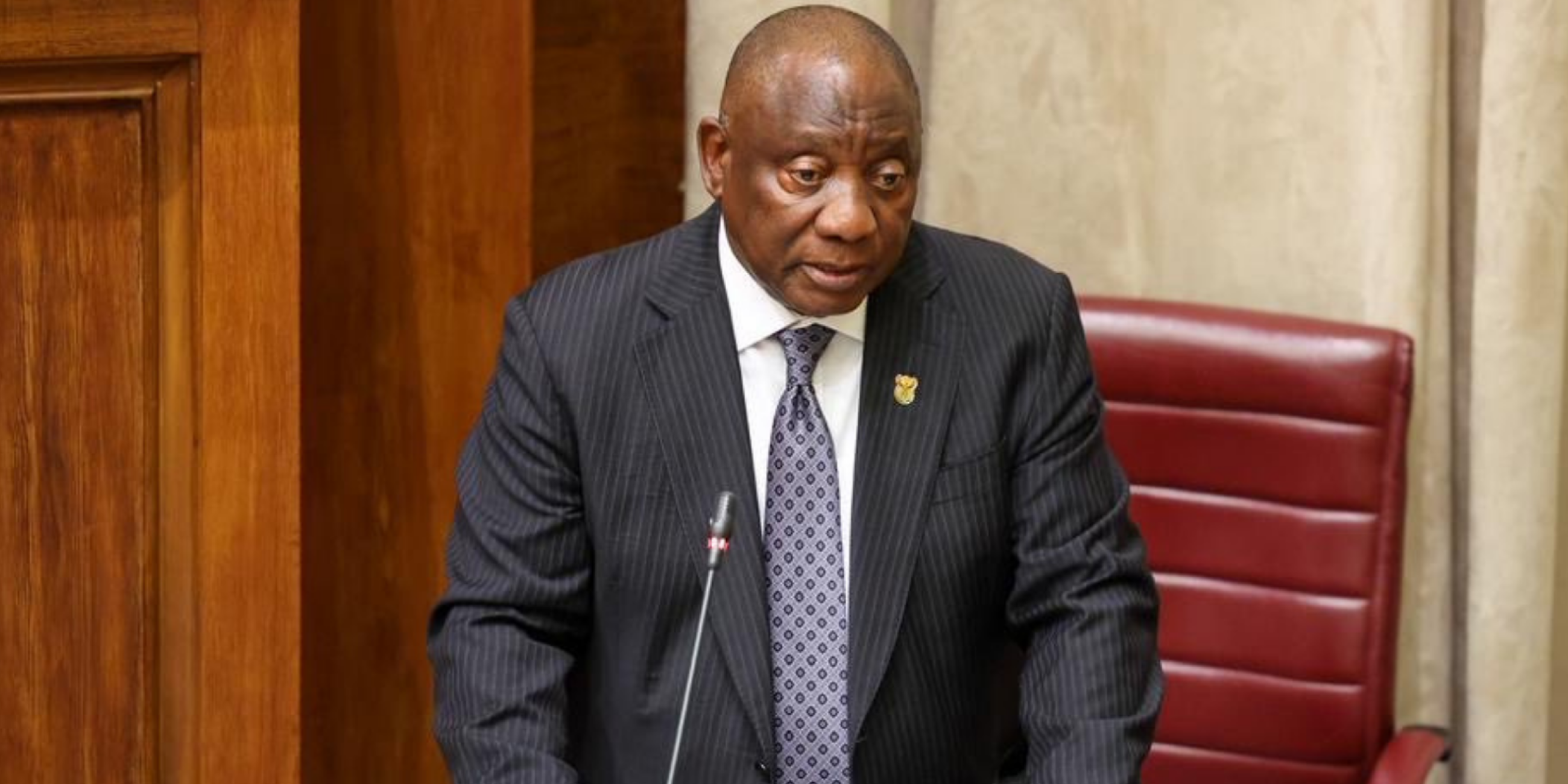
  • South African President Ramaphosa Condemns U.S. Actions in Venezuela, Demands Release of President Maduro

    South African President Cyril Ramaphosa has strongly condemned U.S. actions in Venezuela, describing them as a violation of international law and the United Nations Charter. Speaking in a video posted on his X account, Ramaphosa stated that the United States undermined Venezuela’s sovereignty and territorial integrity, calling for the immediate release of Venezuelan President Nicolás Maduro and his wife.
    He emphasized that such foreign interference threatens global peace and stability, urging the United Nations Security Council to take decisive action to maintain international peace and security. Ramaphosa affirmed South Africa’s support for the Venezuelan people in the face of what he described as external aggression and political destabilization, warning that inaction by the UN could encourage further violations of international norms and deepen instability worldwide.

    #Ramaphosa #Venezuela #Maduro #USInterference #InternationalLaw #UNCharter #GlobalPeace #SouthAfrica #Diplomacy #WorldNews
    South African President Ramaphosa Condemns U.S. Actions in Venezuela, Demands Release of President Maduro South African President Cyril Ramaphosa has strongly condemned U.S. actions in Venezuela, describing them as a violation of international law and the United Nations Charter. Speaking in a video posted on his X account, Ramaphosa stated that the United States undermined Venezuela’s sovereignty and territorial integrity, calling for the immediate release of Venezuelan President Nicolás Maduro and his wife. He emphasized that such foreign interference threatens global peace and stability, urging the United Nations Security Council to take decisive action to maintain international peace and security. Ramaphosa affirmed South Africa’s support for the Venezuelan people in the face of what he described as external aggression and political destabilization, warning that inaction by the UN could encourage further violations of international norms and deepen instability worldwide. #Ramaphosa #Venezuela #Maduro #USInterference #InternationalLaw #UNCharter #GlobalPeace #SouthAfrica #Diplomacy #WorldNews
    0 Commentaires ·0 Parts ·964 Vue
  • No Increase in 2026 UTME, Direct Entry Fees as JAMB Assures Nigerians, Announces Registration Dates and Upholds Tinubu’s Human-Face Policy

    The Joint Admissions and Matriculation Board (JAMB) has assured candidates and parents that there will be no increment in the cost of application forms for the 2026 Unified Tertiary Matriculation Examination (UTME) and Direct Entry (DE). In its Weekly Bulletin, the Board stated that it has not raised examination fees in the past nine years and has even reduced registration costs under the current administration.

    JAMB explained that any future adjustment would only be considered if absolutely necessary to maintain the integrity, quality, and credibility of its examinations. The policy, it said, aligns with President Bola Tinubu’s directive—conveyed through the Minister of Education—that government agencies must adopt a “human-face” approach and be sensitive to the economic realities facing Nigerian families. The Board emphasized that the cost for the 2026 exercise will remain largely the same as in the previous year, enabling families to plan ahead.

    The examination body urged parents and guardians to make early preparations and ensure timely registration, warning that the registration window will not be extended once it opens. JAMB also highlighted its continued efficiency and prudent management, noting that despite reduced fees, it has made substantial remittances to the Federal Government, reflecting its commitment to accountability, transparency, and affordability.

    Meanwhile, JAMB announced that the sale of forms for the 2026 UTME will begin on Friday, January 31, 2026, and close on Saturday, March 8, 2026, reaffirming its pledge to sustain global best practices in the conduct of its examinations.
    No Increase in 2026 UTME, Direct Entry Fees as JAMB Assures Nigerians, Announces Registration Dates and Upholds Tinubu’s Human-Face Policy The Joint Admissions and Matriculation Board (JAMB) has assured candidates and parents that there will be no increment in the cost of application forms for the 2026 Unified Tertiary Matriculation Examination (UTME) and Direct Entry (DE). In its Weekly Bulletin, the Board stated that it has not raised examination fees in the past nine years and has even reduced registration costs under the current administration. JAMB explained that any future adjustment would only be considered if absolutely necessary to maintain the integrity, quality, and credibility of its examinations. The policy, it said, aligns with President Bola Tinubu’s directive—conveyed through the Minister of Education—that government agencies must adopt a “human-face” approach and be sensitive to the economic realities facing Nigerian families. The Board emphasized that the cost for the 2026 exercise will remain largely the same as in the previous year, enabling families to plan ahead. The examination body urged parents and guardians to make early preparations and ensure timely registration, warning that the registration window will not be extended once it opens. JAMB also highlighted its continued efficiency and prudent management, noting that despite reduced fees, it has made substantial remittances to the Federal Government, reflecting its commitment to accountability, transparency, and affordability. Meanwhile, JAMB announced that the sale of forms for the 2026 UTME will begin on Friday, January 31, 2026, and close on Saturday, March 8, 2026, reaffirming its pledge to sustain global best practices in the conduct of its examinations.
    like
    1
    · 0 Commentaires ·0 Parts ·518 Vue
  • UN Chief António Guterres Warns Security Council of Escalating Venezuela Crisis After U.S. Military Operation, Cites Risks to Regional Stability and International Law

    United Nations Secretary-General António Guterres has warned the Security Council that recent U.S. military action in Venezuela could deepen instability, destabilise the wider region, and undermine the foundations of international law. Speaking through UN political affairs chief Rosemary DiCarlo at an emergency meeting, Guterres described the situation as “grave” following the 3 January U.S. operation that reportedly led to the capture and transfer of Venezuelan President Nicolás Maduro to the United States.

    According to the UN briefing, U.S. forces carried out operations across Caracas and several northern states, with the full extent of casualties still unclear. While U.S. President Donald Trump publicly acknowledged the strike, the Venezuelan government condemned the action as a violation of the UN Charter and a threat to international peace and security. At the time of the meeting, Maduro and his wife, Cilia Flores, were being held in New York to face serious criminal charges.

    Guterres stressed that the UN Charter prohibits the use of force against the territorial integrity or political independence of any state, warning that the precedent set by the operation could erode global norms. He also placed the crisis within Venezuela’s prolonged political, social, and economic turmoil, citing disputed elections, documented human rights violations, and the mass exodus of citizens. Urging restraint, dialogue, and diplomatic engagement, the UN chief called on all parties to respect sovereignty, human rights, and the rule of law, insisting that “the power of the law must prevail” as the international community seeks a peaceful path forward for Venezuela.
    UN Chief António Guterres Warns Security Council of Escalating Venezuela Crisis After U.S. Military Operation, Cites Risks to Regional Stability and International Law United Nations Secretary-General António Guterres has warned the Security Council that recent U.S. military action in Venezuela could deepen instability, destabilise the wider region, and undermine the foundations of international law. Speaking through UN political affairs chief Rosemary DiCarlo at an emergency meeting, Guterres described the situation as “grave” following the 3 January U.S. operation that reportedly led to the capture and transfer of Venezuelan President Nicolás Maduro to the United States. According to the UN briefing, U.S. forces carried out operations across Caracas and several northern states, with the full extent of casualties still unclear. While U.S. President Donald Trump publicly acknowledged the strike, the Venezuelan government condemned the action as a violation of the UN Charter and a threat to international peace and security. At the time of the meeting, Maduro and his wife, Cilia Flores, were being held in New York to face serious criminal charges. Guterres stressed that the UN Charter prohibits the use of force against the territorial integrity or political independence of any state, warning that the precedent set by the operation could erode global norms. He also placed the crisis within Venezuela’s prolonged political, social, and economic turmoil, citing disputed elections, documented human rights violations, and the mass exodus of citizens. Urging restraint, dialogue, and diplomatic engagement, the UN chief called on all parties to respect sovereignty, human rights, and the rule of law, insisting that “the power of the law must prevail” as the international community seeks a peaceful path forward for Venezuela.
    like
    1
    · 0 Commentaires ·0 Parts ·452 Vue
  • Bauchi Lawyer Barrister Zubairu A. Bube Denies Role in Alleged ₦4.6 Billion EFCC Fraud Case Involving State Finance Commissioner

    Bauchi-based lawyer Barrister Zubairu A. Bube has denied any involvement in a ₦4.6 billion EFCC fraud case linked to Bauchi State’s Commissioner for Finance, Yakubu Adamu. Allegations had suggested that Bube colluded with Muntaka Mohammed Duguri, nephew of Governor Bala Mohammed, to deceive his client, Ishaku Mohammed Aliyu, and facilitate legal manipulation for financial gain.

    Bube clarified that his engagement with Aliyu, Managing Director of I.S. Makayye Investment Resources Ltd, was strictly professional, limited to securing bail for alleged unlawful detention, and did not involve collusion or personal gain. He also denied receiving a Honda Accord from Duguri, explaining he had owned the vehicle since July 2023.

    The lawyer revealed that Aliyu had discussed potential schemes to frame Duguri and the Finance Commissioner with EFCC officials, which Bube refused to partake in, ultimately leading to the termination of his brief. Bube issued the statement to correct misleading narratives that had impugned his professional integrity.
    Bauchi Lawyer Barrister Zubairu A. Bube Denies Role in Alleged ₦4.6 Billion EFCC Fraud Case Involving State Finance Commissioner Bauchi-based lawyer Barrister Zubairu A. Bube has denied any involvement in a ₦4.6 billion EFCC fraud case linked to Bauchi State’s Commissioner for Finance, Yakubu Adamu. Allegations had suggested that Bube colluded with Muntaka Mohammed Duguri, nephew of Governor Bala Mohammed, to deceive his client, Ishaku Mohammed Aliyu, and facilitate legal manipulation for financial gain. Bube clarified that his engagement with Aliyu, Managing Director of I.S. Makayye Investment Resources Ltd, was strictly professional, limited to securing bail for alleged unlawful detention, and did not involve collusion or personal gain. He also denied receiving a Honda Accord from Duguri, explaining he had owned the vehicle since July 2023. The lawyer revealed that Aliyu had discussed potential schemes to frame Duguri and the Finance Commissioner with EFCC officials, which Bube refused to partake in, ultimately leading to the termination of his brief. Bube issued the statement to correct misleading narratives that had impugned his professional integrity.
    like
    1
    · 0 Commentaires ·0 Parts ·419 Vue
  • ECOWAS Urges Restraint, Dialogue, and Respect for Venezuela’s Sovereignty Following U.S. Military Actions

    ECOWAS has called for restraint, inclusive dialogue, and respect for Venezuela’s sovereignty in response to recent U.S. military actions in the country. In a statement issued from Abuja on January 5, 2026, the regional bloc emphasized that while states have the right to combat transnational threats, such actions must comply with international law.

    The organization highlighted the importance of respecting the principles of sovereignty and territorial integrity, citing Article 2(4) of the United Nations Charter. ECOWAS aligned itself with the African Union’s earlier statement, urging calm, dialogue, and the peaceful resolution of disputes in Venezuela.

    The bloc reaffirmed its support for the Venezuelan people, emphasizing that they must have the primary role in determining their nation’s future through inclusive processes. ECOWAS stressed that international engagement must uphold constitutional and institutional frameworks, good neighborliness, and cooperation, while avoiding violations of sovereignty.

    Topics: International, Politics, Africa, Venezuela, Diplomacy.
    ECOWAS Urges Restraint, Dialogue, and Respect for Venezuela’s Sovereignty Following U.S. Military Actions ECOWAS has called for restraint, inclusive dialogue, and respect for Venezuela’s sovereignty in response to recent U.S. military actions in the country. In a statement issued from Abuja on January 5, 2026, the regional bloc emphasized that while states have the right to combat transnational threats, such actions must comply with international law. The organization highlighted the importance of respecting the principles of sovereignty and territorial integrity, citing Article 2(4) of the United Nations Charter. ECOWAS aligned itself with the African Union’s earlier statement, urging calm, dialogue, and the peaceful resolution of disputes in Venezuela. The bloc reaffirmed its support for the Venezuelan people, emphasizing that they must have the primary role in determining their nation’s future through inclusive processes. ECOWAS stressed that international engagement must uphold constitutional and institutional frameworks, good neighborliness, and cooperation, while avoiding violations of sovereignty. Topics: International, Politics, Africa, Venezuela, Diplomacy.
    0 Commentaires ·0 Parts ·416 Vue
Plus de résultats
Fintter https://fintter.com