• Is Abuja Safe Anymore? NBA Raises Alarm Over Return of ‘One-Chance’ Killings After Murder of Nurse and Lawyer

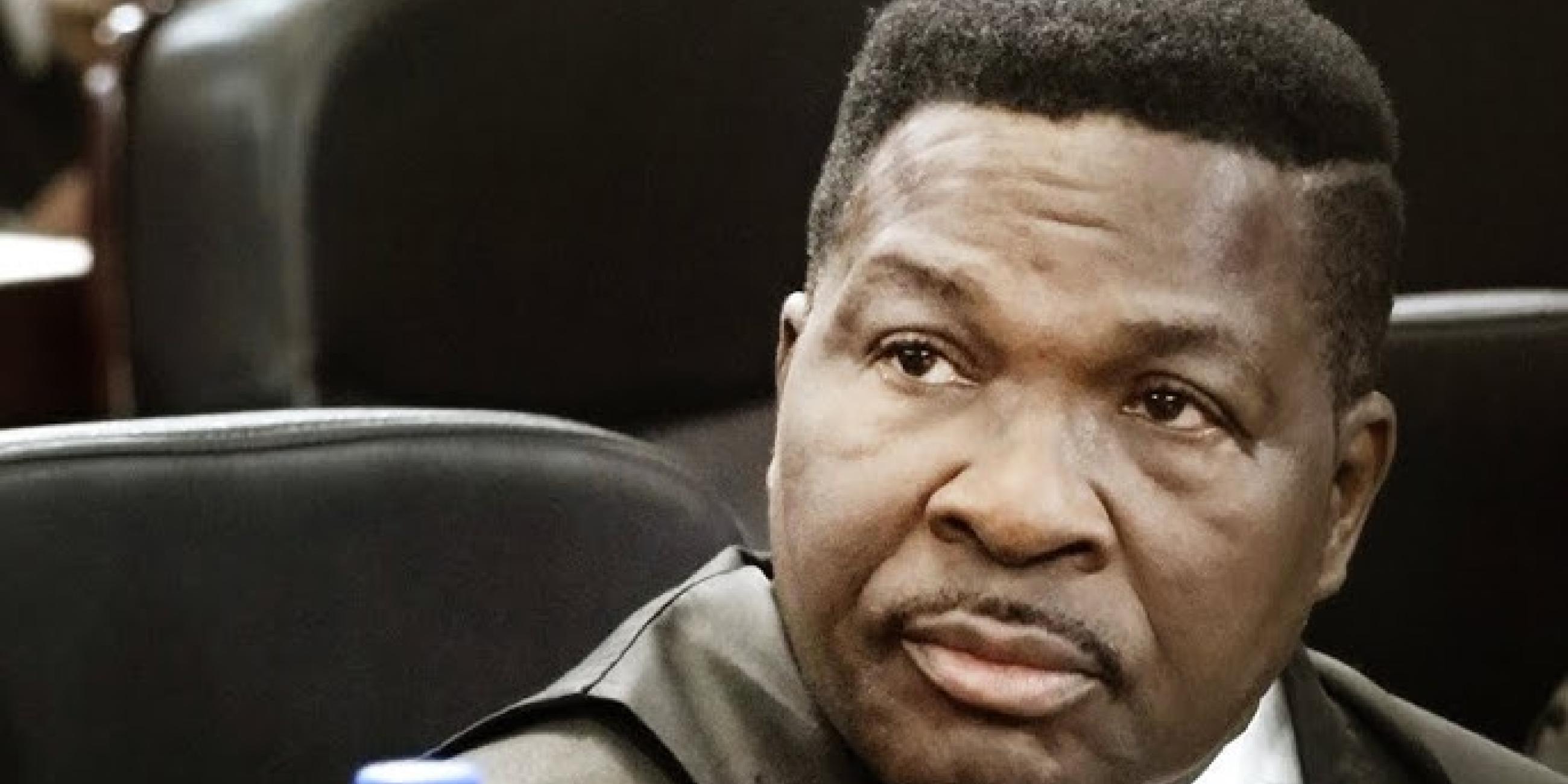
    The Nigerian Bar Association (NBA) has raised a grave alarm over what it described as the disturbing return of “one-chance” criminal operations in Abuja following the brutal killing of two professionals in separate incidents across the Federal Capital Territory (FCT). In a statement signed by its President, Mazi Afam Osigwe, SAN, the association warned that insecurity is once again tightening its grip on Nigeria’s seat of power.

    According to the NBA, the victims were Ms. Chinemerem Pascalina Chuwumeziem, a nurse, and Princess Chigbo Mediatrix, a lawyer and former Treasurer of the NBA Abuja Branch. Both women were allegedly murdered after falling prey to criminals posing as commercial transport operators—an infamous tactic known locally as “one-chance.” Their bodies were later discovered in different parts of the city, sparking widespread fear among residents.

    The association described the killings as a chilling reminder of the growing vulnerability of Abuja residents, stressing that the victims were not faceless individuals but professionals who simply intended to return home safely from their daily engagements. The NBA said the incidents had plunged the capital into grief and exposed a dangerous deterioration in public safety.

    Condemning the attacks in the strongest terms, the NBA warned that the pattern of “one-chance” crimes could no longer be ignored. It stated that criminal gangs masquerading as transport operators have turned routine commuting into a life-threatening gamble, making ordinary citizens, workers, and professionals targets on the city’s roads.

    Osigwe described the killing of Princess Chigbo Mediatrix as particularly painful for the legal community, noting that she was a committed member of the Bar whom he knew personally. He said her death was not only a professional loss but a deeply personal blow, underscoring that lawyers—like all Nigerians—remain dangerously exposed in an environment where criminals operate with impunity.

    The NBA warned that the murders represent more than individual tragedies, arguing that they signal a broader erosion of security in the FCT. It stressed that when citizens cannot commute safely, when professionals are attacked in plain sight, and when criminal networks act unchecked in the nation’s capital, the foundations of social order are severely threatened.

    Calling for urgent action, the association urged the Minister of the Federal Capital Territory, the Nigeria Police Force, and other security agencies to treat the situation as a full-scale security emergency. It demanded immediate, visible, and coordinated measures to dismantle “one-chance” syndicates, including intensified intelligence gathering, surveillance, policing of transport corridors, and targeted operations against known criminal networks.

    The NBA also insisted on thorough, transparent, and time-bound investigations into the killings, warning that failure to deliver justice would deepen public fear and embolden criminal elements. It emphasized that justice must not only be promised but must be seen to be done, with perpetrators, collaborators, and enablers identified, arrested, and prosecuted.

    Reaffirming the state’s duty to protect lives, the association said citizens should not have to choose between earning a living and staying alive. It warned that Abuja must not become a hunting ground where criminals prey on the vulnerable while law enforcement appears distant or reactive.

    The NBA extended condolences to the families of the victims, the healthcare community, the NBA Abuja Branch, and residents of the FCT. The killings have reignited public debate over safety in Nigeria’s capital, raising urgent questions about urban security, policing, public transport safety, and government accountability in protecting citizens from organized street crime.

    Is Abuja Safe Anymore? NBA Raises Alarm Over Return of ‘One-Chance’ Killings After Murder of Nurse and Lawyer The Nigerian Bar Association (NBA) has raised a grave alarm over what it described as the disturbing return of “one-chance” criminal operations in Abuja following the brutal killing of two professionals in separate incidents across the Federal Capital Territory (FCT). In a statement signed by its President, Mazi Afam Osigwe, SAN, the association warned that insecurity is once again tightening its grip on Nigeria’s seat of power. According to the NBA, the victims were Ms. Chinemerem Pascalina Chuwumeziem, a nurse, and Princess Chigbo Mediatrix, a lawyer and former Treasurer of the NBA Abuja Branch. Both women were allegedly murdered after falling prey to criminals posing as commercial transport operators—an infamous tactic known locally as “one-chance.” Their bodies were later discovered in different parts of the city, sparking widespread fear among residents. The association described the killings as a chilling reminder of the growing vulnerability of Abuja residents, stressing that the victims were not faceless individuals but professionals who simply intended to return home safely from their daily engagements. The NBA said the incidents had plunged the capital into grief and exposed a dangerous deterioration in public safety. Condemning the attacks in the strongest terms, the NBA warned that the pattern of “one-chance” crimes could no longer be ignored. It stated that criminal gangs masquerading as transport operators have turned routine commuting into a life-threatening gamble, making ordinary citizens, workers, and professionals targets on the city’s roads. Osigwe described the killing of Princess Chigbo Mediatrix as particularly painful for the legal community, noting that she was a committed member of the Bar whom he knew personally. He said her death was not only a professional loss but a deeply personal blow, underscoring that lawyers—like all Nigerians—remain dangerously exposed in an environment where criminals operate with impunity. The NBA warned that the murders represent more than individual tragedies, arguing that they signal a broader erosion of security in the FCT. It stressed that when citizens cannot commute safely, when professionals are attacked in plain sight, and when criminal networks act unchecked in the nation’s capital, the foundations of social order are severely threatened. Calling for urgent action, the association urged the Minister of the Federal Capital Territory, the Nigeria Police Force, and other security agencies to treat the situation as a full-scale security emergency. It demanded immediate, visible, and coordinated measures to dismantle “one-chance” syndicates, including intensified intelligence gathering, surveillance, policing of transport corridors, and targeted operations against known criminal networks. The NBA also insisted on thorough, transparent, and time-bound investigations into the killings, warning that failure to deliver justice would deepen public fear and embolden criminal elements. It emphasized that justice must not only be promised but must be seen to be done, with perpetrators, collaborators, and enablers identified, arrested, and prosecuted. Reaffirming the state’s duty to protect lives, the association said citizens should not have to choose between earning a living and staying alive. It warned that Abuja must not become a hunting ground where criminals prey on the vulnerable while law enforcement appears distant or reactive. The NBA extended condolences to the families of the victims, the healthcare community, the NBA Abuja Branch, and residents of the FCT. The killings have reignited public debate over safety in Nigeria’s capital, raising urgent questions about urban security, policing, public transport safety, and government accountability in protecting citizens from organized street crime.
    0 Comments ·0 Shares ·163 Views
  • Is the Okada Ban Being Enforced Again in Abuja? Police Impound 21 Motorcycles, Arrest Riders as Security Agencies Crack Down on Restricted Roads

    Is the long-standing ban on commercial motorcycles finally being enforced with renewed force in Abuja—and what does it mean for commuters, riders, and public safety in the nation’s capital?

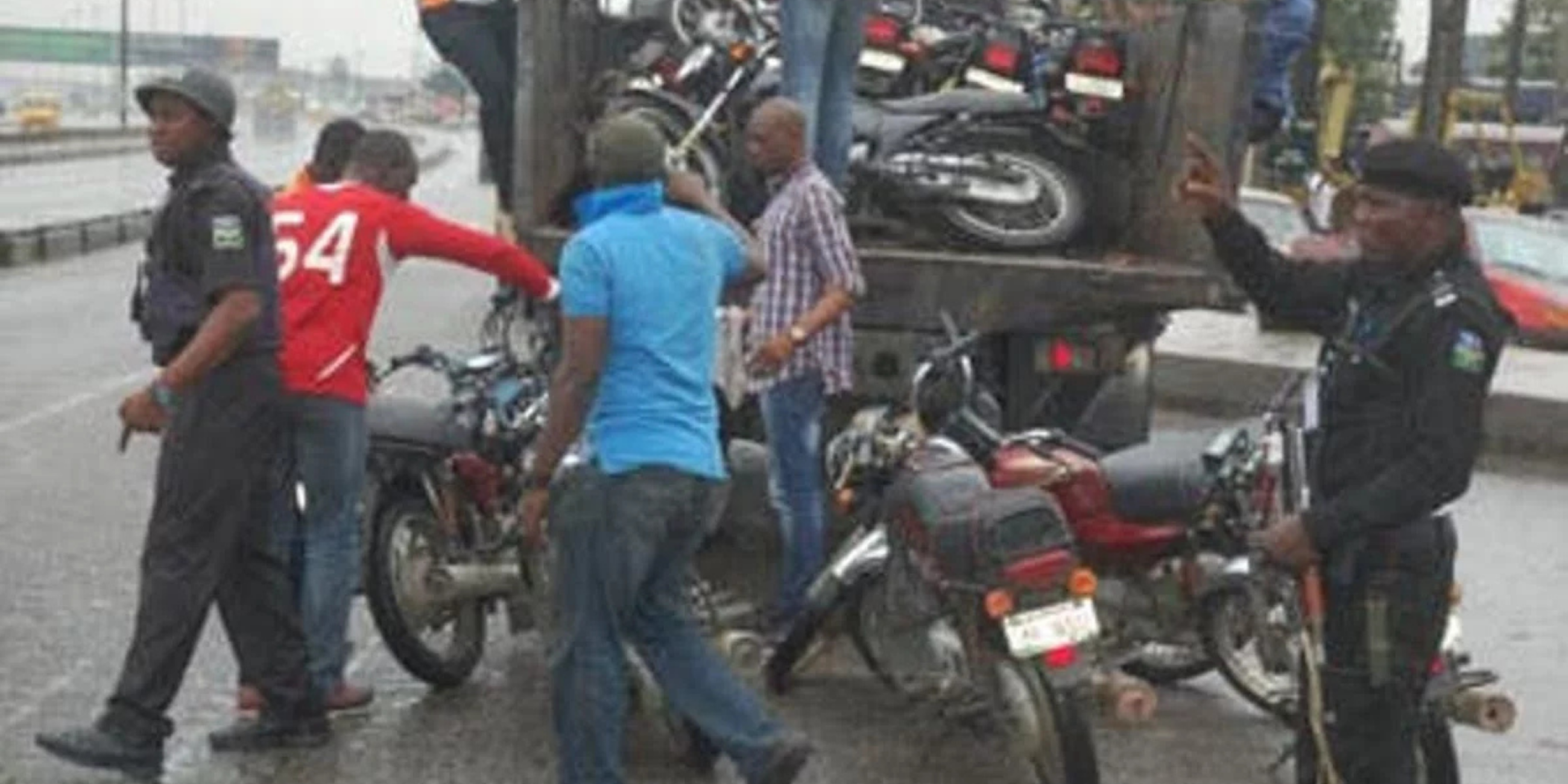
    The Federal Capital Territory (FCT) Police Command, working with other security agencies, has impounded 21 commercial motorcycles and arrested their riders for violating restrictions on motorcycle operations along major roads and highways in Abuja. The enforcement, carried out on Thursday under the Operation Sweep initiative alongside officials of the Vehicle Inspection Office (VIO), targeted key corridors where commercial motorcyclists—popularly known as okada riders—were found flouting existing traffic and security laws.

    According to a statement issued by the Police Public Relations Officer, Josephine Adeh, the arrested riders and seized motorcycles were apprehended strictly in line with “extant laws guiding traffic and security operations” in the FCT. The police described the action as part of a sustained inter-agency strategy aimed at curbing traffic-related crimes, preventing the use of commercial motorcycles for criminal activities, and strengthening public safety across Abuja.

    But is this operation merely routine traffic enforcement—or a signal of a broader security clampdown? Authorities say the ban on commercial motorcycles along major highways remains in force, citing persistent concerns over accidents, robbery, and the ease with which criminals can use motorcycles to evade arrest. By focusing on major roads and restricted routes, the agencies involved insist they are prioritizing both road safety and crime prevention.

    Reacting to the operation, the Commissioner of Police, FCT Command, Miller Dantawaye, reaffirmed the command’s commitment to strict enforcement of all traffic and security regulations designed to protect lives and property. He warned that continued defiance of the motorcycle ban would attract “decisive enforcement actions”, adding that similar operations would be intensified across the six Area Councils of the FCT.

    The police also urged residents to cooperate with security agencies, comply with traffic directives, and promptly report suspicious activities through official emergency lines. Yet, questions remain: Will sustained enforcement reduce crime and accidents, or will it deepen the economic hardship of riders who rely on commercial motorcycles for survival? How will commuters in underserved areas cope with limited transport options if restrictions tighten further?

    As Abuja grapples with balancing security, mobility, and livelihoods, the latest crackdown has reignited debate over the future of commercial motorcycles in the capital—testing whether enforcement alone can deliver safer roads without leaving thousands of riders stranded.

    Is the Okada Ban Being Enforced Again in Abuja? Police Impound 21 Motorcycles, Arrest Riders as Security Agencies Crack Down on Restricted Roads Is the long-standing ban on commercial motorcycles finally being enforced with renewed force in Abuja—and what does it mean for commuters, riders, and public safety in the nation’s capital? The Federal Capital Territory (FCT) Police Command, working with other security agencies, has impounded 21 commercial motorcycles and arrested their riders for violating restrictions on motorcycle operations along major roads and highways in Abuja. The enforcement, carried out on Thursday under the Operation Sweep initiative alongside officials of the Vehicle Inspection Office (VIO), targeted key corridors where commercial motorcyclists—popularly known as okada riders—were found flouting existing traffic and security laws. According to a statement issued by the Police Public Relations Officer, Josephine Adeh, the arrested riders and seized motorcycles were apprehended strictly in line with “extant laws guiding traffic and security operations” in the FCT. The police described the action as part of a sustained inter-agency strategy aimed at curbing traffic-related crimes, preventing the use of commercial motorcycles for criminal activities, and strengthening public safety across Abuja. But is this operation merely routine traffic enforcement—or a signal of a broader security clampdown? Authorities say the ban on commercial motorcycles along major highways remains in force, citing persistent concerns over accidents, robbery, and the ease with which criminals can use motorcycles to evade arrest. By focusing on major roads and restricted routes, the agencies involved insist they are prioritizing both road safety and crime prevention. Reacting to the operation, the Commissioner of Police, FCT Command, Miller Dantawaye, reaffirmed the command’s commitment to strict enforcement of all traffic and security regulations designed to protect lives and property. He warned that continued defiance of the motorcycle ban would attract “decisive enforcement actions”, adding that similar operations would be intensified across the six Area Councils of the FCT. The police also urged residents to cooperate with security agencies, comply with traffic directives, and promptly report suspicious activities through official emergency lines. Yet, questions remain: Will sustained enforcement reduce crime and accidents, or will it deepen the economic hardship of riders who rely on commercial motorcycles for survival? How will commuters in underserved areas cope with limited transport options if restrictions tighten further? As Abuja grapples with balancing security, mobility, and livelihoods, the latest crackdown has reignited debate over the future of commercial motorcycles in the capital—testing whether enforcement alone can deliver safer roads without leaving thousands of riders stranded.
    0 Comments ·0 Shares ·195 Views
  • Is Nyesom Wike Undermining APC from Inside Government? Why Rivers APC Leaders Are Urging Tinubu to Sanction the FCT Minister Over ‘Anti-Party’ Activities

    Why would leaders of the ruling All Progressives Congress (APC) publicly demand the removal of a sitting minister appointed by their own government? And is Nigeria witnessing one of the most serious internal party confrontations since the 2023 elections?

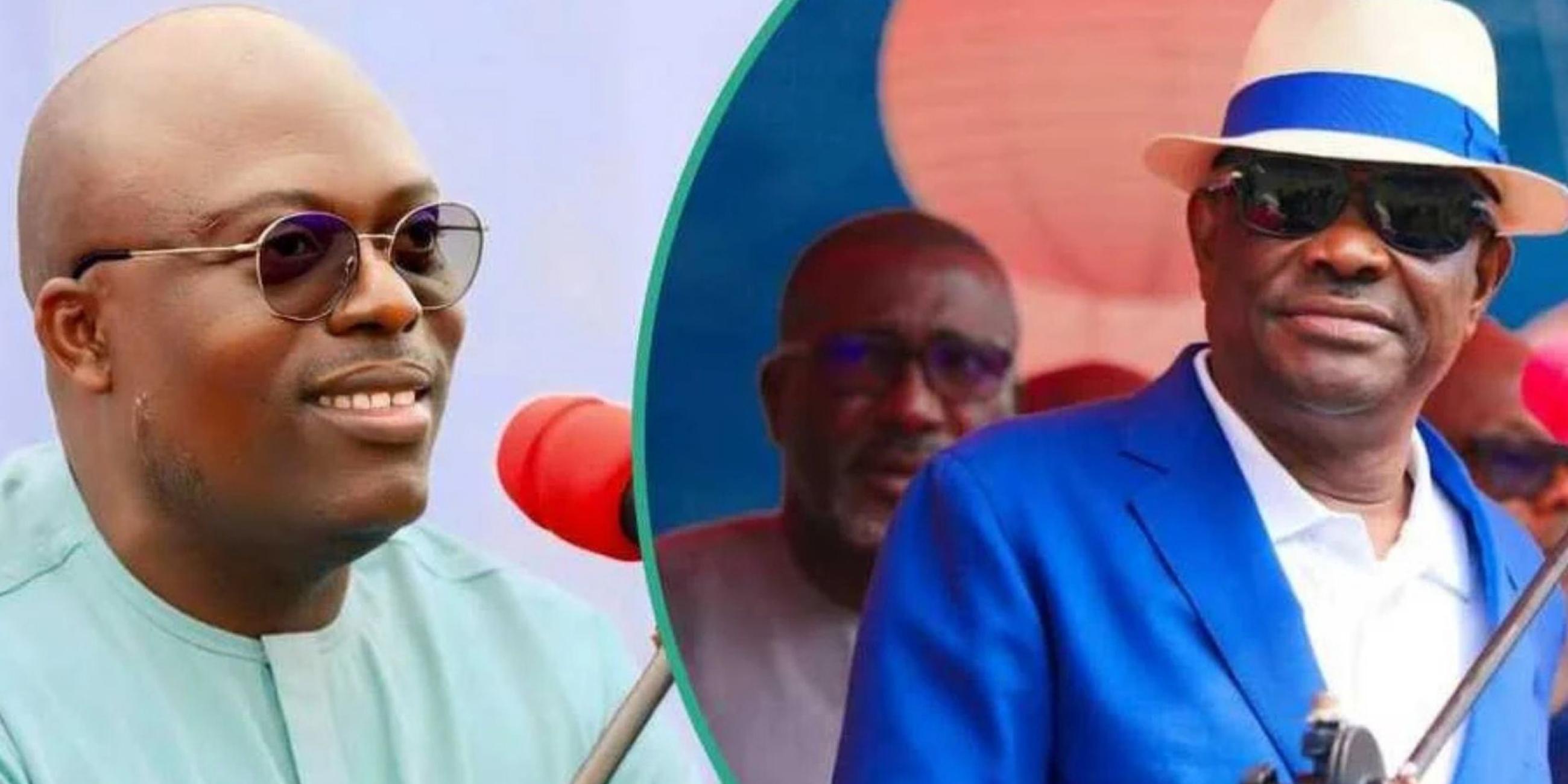
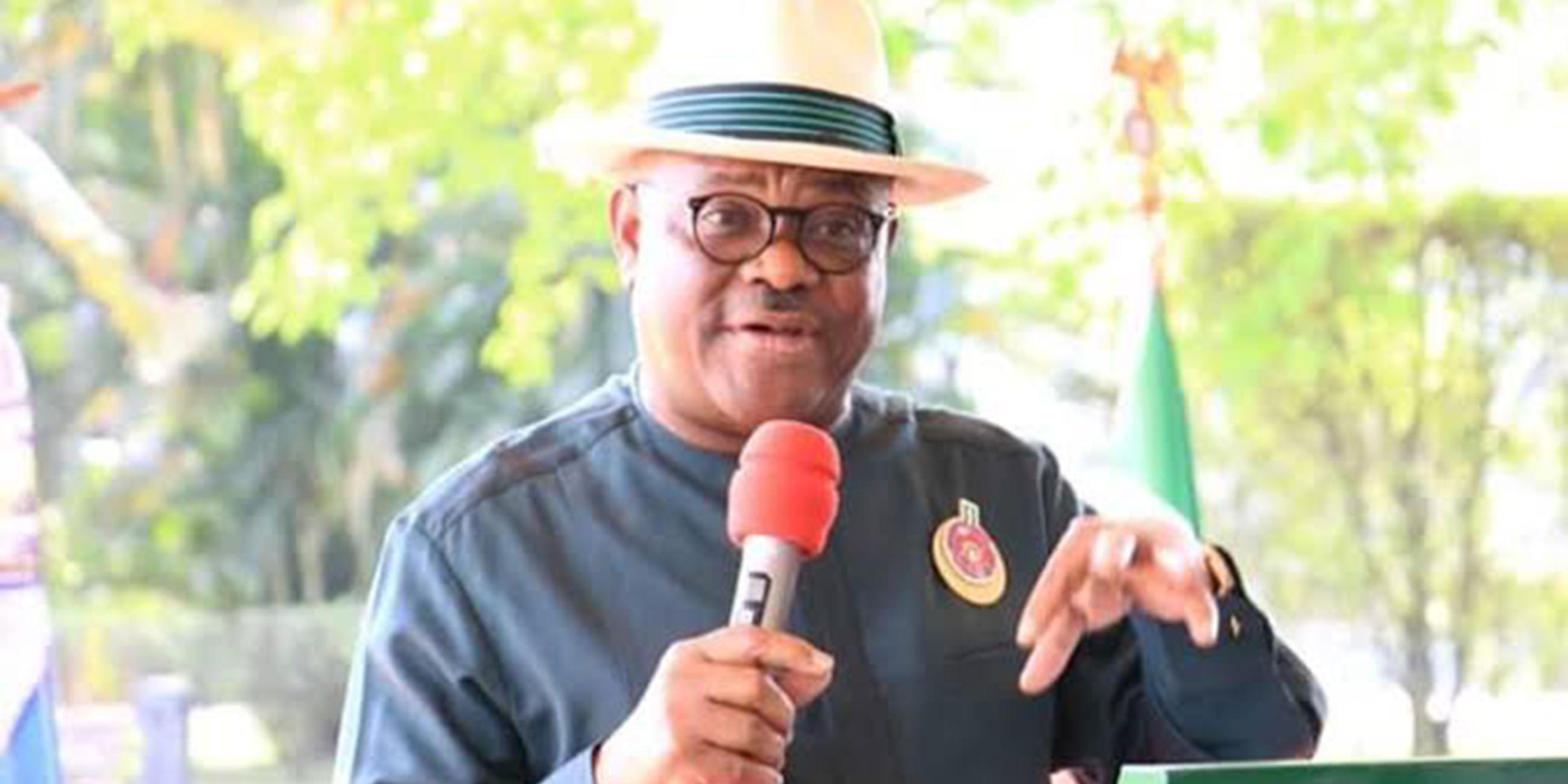
    A coalition of APC leaders has formally asked President Bola Tinubu to sanction or remove the Minister of the Federal Capital Territory (FCT), Nyesom Wike, accusing him of repeated anti-party conduct and statements that allegedly threaten national unity. The demand was conveyed in a memo addressed to the President through the APC National Chairman, Prof. Nentawe Yilwatda, and was accompanied by plans for a protest at the party’s national secretariat in Abuja.

    The signatories—including party chieftains and youth leaders—say their action was prompted by growing concern that Wike, a former Rivers State governor and still a member of the opposition Peoples Democratic Party (PDP), has consistently attacked APC leadership while serving in an APC-led federal government. Could a minister appointed from outside the ruling party be working at cross-purposes with the party that empowered him?

    At the heart of the dispute are comments allegedly made by Wike during a “thank-you tour” in Oyigbo, Rivers State, where he was said to have criticised the APC National Secretary, Senator Ajibola Basiru, accusing him of meddling in state politics for personal reasons and warning that those who interfere would “get their fingers burnt.” APC leaders argue that such remarks amount to direct disrespect for the party’s National Working Committee and an attempt by Wike to exert influence in Rivers State despite not being a registered APC member.

    The coalition further alleges that Wike has been undermining the APC-led government in Rivers State through persistent public attacks on Governor Siminalayi Fubara, reportedly calling his emergence a “mistake” and suggesting that the situation should be corrected in the 2027 elections. Are these political opinions—or a calculated strategy to weaken APC’s hold on Rivers State from within?

    Beyond party politics, the memo raises alarms over what it describes as “dangerous and inflammatory” statements, including claims attributed to Wike that “nobody can enter Rivers State.” The APC leaders warn that portraying any part of Nigeria as a “no-go area” challenges federal authority, risks reviving tensions in the Niger Delta, and could undermine the President’s constitutional role as Commander-in-Chief. Could such rhetoric threaten national cohesion at a time when unity remains fragile?

    The group insists that failure to act against the FCT Minister may deepen internal divisions, erode party discipline, and weaken APC’s electoral prospects in Rivers State. They have vowed to escalate their protests nationwide if their demand is ignored.

    Is this a necessary stand to defend party supremacy and national unity—or a dramatic political showdown that exposes deeper fractures within Nigeria’s ruling party? As the standoff unfolds, all eyes remain on President Tinubu and whether he will heed the call to sanction one of the most powerful political figures in the country.


    Is Nyesom Wike Undermining APC from Inside Government? Why Rivers APC Leaders Are Urging Tinubu to Sanction the FCT Minister Over ‘Anti-Party’ Activities Why would leaders of the ruling All Progressives Congress (APC) publicly demand the removal of a sitting minister appointed by their own government? And is Nigeria witnessing one of the most serious internal party confrontations since the 2023 elections? A coalition of APC leaders has formally asked President Bola Tinubu to sanction or remove the Minister of the Federal Capital Territory (FCT), Nyesom Wike, accusing him of repeated anti-party conduct and statements that allegedly threaten national unity. The demand was conveyed in a memo addressed to the President through the APC National Chairman, Prof. Nentawe Yilwatda, and was accompanied by plans for a protest at the party’s national secretariat in Abuja. The signatories—including party chieftains and youth leaders—say their action was prompted by growing concern that Wike, a former Rivers State governor and still a member of the opposition Peoples Democratic Party (PDP), has consistently attacked APC leadership while serving in an APC-led federal government. Could a minister appointed from outside the ruling party be working at cross-purposes with the party that empowered him? At the heart of the dispute are comments allegedly made by Wike during a “thank-you tour” in Oyigbo, Rivers State, where he was said to have criticised the APC National Secretary, Senator Ajibola Basiru, accusing him of meddling in state politics for personal reasons and warning that those who interfere would “get their fingers burnt.” APC leaders argue that such remarks amount to direct disrespect for the party’s National Working Committee and an attempt by Wike to exert influence in Rivers State despite not being a registered APC member. The coalition further alleges that Wike has been undermining the APC-led government in Rivers State through persistent public attacks on Governor Siminalayi Fubara, reportedly calling his emergence a “mistake” and suggesting that the situation should be corrected in the 2027 elections. Are these political opinions—or a calculated strategy to weaken APC’s hold on Rivers State from within? Beyond party politics, the memo raises alarms over what it describes as “dangerous and inflammatory” statements, including claims attributed to Wike that “nobody can enter Rivers State.” The APC leaders warn that portraying any part of Nigeria as a “no-go area” challenges federal authority, risks reviving tensions in the Niger Delta, and could undermine the President’s constitutional role as Commander-in-Chief. Could such rhetoric threaten national cohesion at a time when unity remains fragile? The group insists that failure to act against the FCT Minister may deepen internal divisions, erode party discipline, and weaken APC’s electoral prospects in Rivers State. They have vowed to escalate their protests nationwide if their demand is ignored. Is this a necessary stand to defend party supremacy and national unity—or a dramatic political showdown that exposes deeper fractures within Nigeria’s ruling party? As the standoff unfolds, all eyes remain on President Tinubu and whether he will heed the call to sanction one of the most powerful political figures in the country.
    0 Comments ·0 Shares ·177 Views
  • Did Wike Admit Using the Judiciary for APC’s Political Battles? Why the FCT Minister Says He Helped Kill Osun’s LG Funds Case—and What It Means for Democracy in Nigeria

    Nigeria’s political space was thrown into controversy after Minister of the Federal Capital Territory (FCT), Nyesom Wike, openly claimed that he helped influential figures within the ruling All Progressives Congress (APC) use the judiciary to frustrate the Osun State local government funds lawsuit. Speaking in a video circulating online, Wike boasted that the court actions that led to the withholding of Osun’s local government allocations were not accidental but carefully engineered by powerful political actors working behind the scenes.

    Addressing a crowd in Port Harcourt, the former Rivers State governor accused APC National Secretary, Senator Ajibola Basiru, of enjoying the political benefits of judicial decisions against the Osun State Government without acknowledging those who made them possible. According to Wike, the lawsuit—widely viewed as targeting Governor Ademola Adeleke’s administration—was part of a broader political strategy rather than a purely legal process.

    Wike warned APC leaders against what he described as ingratitude, insisting that their current advantage in Osun was the result of unseen political manoeuvres. “Today, you are enjoying in Osun. You don’t know those who did the work,” he said, cautioning party leaders not to “take our support for Mr President for granted.” His remarks appeared to be a direct response to Basiru’s criticism of his involvement in Rivers State politics.

    The political clash follows Basiru’s demand that Wike resign as FCT minister, arguing that he is not a member of the APC and therefore has no standing to interfere in the party’s internal affairs. Basiru maintained that his comments were aimed at defending party structure and respecting sitting governors, adding that Wike’s response was inappropriate for a member of the Federal Executive Council.

    The controversy also reopens debate surrounding the Supreme Court’s December 2025 ruling on the Osun local government funds dispute. While the Court faulted the Federal Government for withholding funds, it also ruled that the Osun Attorney General lacked the authority to sue on behalf of the local councils without proper authorisation. A minority judgment, however, criticised the Federal Government’s action as harmful to local governance.

    Wike’s admission has triggered intense reactions across political and civil society circles, raising troubling questions about judicial independence, political influence over court processes, and the weaponisation of legal institutions for partisan gain. If court outcomes can be “worked out” through political connections, critics ask, what does this mean for democracy, federalism, and the rule of law in Nigeria?

    As tensions escalate between Wike and APC leadership, the episode underscores a deeper struggle over power, loyalty, and accountability within Nigeria’s political system—one that could reshape party alliances, governance in Osun and Rivers States, and public trust in the judiciary.


    Did Wike Admit Using the Judiciary for APC’s Political Battles? Why the FCT Minister Says He Helped Kill Osun’s LG Funds Case—and What It Means for Democracy in Nigeria Nigeria’s political space was thrown into controversy after Minister of the Federal Capital Territory (FCT), Nyesom Wike, openly claimed that he helped influential figures within the ruling All Progressives Congress (APC) use the judiciary to frustrate the Osun State local government funds lawsuit. Speaking in a video circulating online, Wike boasted that the court actions that led to the withholding of Osun’s local government allocations were not accidental but carefully engineered by powerful political actors working behind the scenes. Addressing a crowd in Port Harcourt, the former Rivers State governor accused APC National Secretary, Senator Ajibola Basiru, of enjoying the political benefits of judicial decisions against the Osun State Government without acknowledging those who made them possible. According to Wike, the lawsuit—widely viewed as targeting Governor Ademola Adeleke’s administration—was part of a broader political strategy rather than a purely legal process. Wike warned APC leaders against what he described as ingratitude, insisting that their current advantage in Osun was the result of unseen political manoeuvres. “Today, you are enjoying in Osun. You don’t know those who did the work,” he said, cautioning party leaders not to “take our support for Mr President for granted.” His remarks appeared to be a direct response to Basiru’s criticism of his involvement in Rivers State politics. The political clash follows Basiru’s demand that Wike resign as FCT minister, arguing that he is not a member of the APC and therefore has no standing to interfere in the party’s internal affairs. Basiru maintained that his comments were aimed at defending party structure and respecting sitting governors, adding that Wike’s response was inappropriate for a member of the Federal Executive Council. The controversy also reopens debate surrounding the Supreme Court’s December 2025 ruling on the Osun local government funds dispute. While the Court faulted the Federal Government for withholding funds, it also ruled that the Osun Attorney General lacked the authority to sue on behalf of the local councils without proper authorisation. A minority judgment, however, criticised the Federal Government’s action as harmful to local governance. Wike’s admission has triggered intense reactions across political and civil society circles, raising troubling questions about judicial independence, political influence over court processes, and the weaponisation of legal institutions for partisan gain. If court outcomes can be “worked out” through political connections, critics ask, what does this mean for democracy, federalism, and the rule of law in Nigeria? As tensions escalate between Wike and APC leadership, the episode underscores a deeper struggle over power, loyalty, and accountability within Nigeria’s political system—one that could reshape party alliances, governance in Osun and Rivers States, and public trust in the judiciary.
    0 Comments ·0 Shares ·115 Views
  • Will Wike Have to Bow to Fubara in APC? Why the Party Says the FCT Minister Must Follow Rivers Governor—and What This Power Shift Means for 2027 Politics

    Is Nyesom Wike’s political influence in Rivers State finally being clipped? If the Federal Capital Territory (FCT) Minister decides to join the All Progressives Congress (APC), will he really be forced to operate under his successor, Governor Siminalayi Fubara? And what does this internal power struggle reveal about the battle for 2027?

    The APC has made its position unmistakably clear: if Wike defects to the ruling party, he will not assume a dominant leadership role over the sitting Rivers State governor. According to the party’s Director of Information, Bala Ibrahim, leadership within the APC is tied strictly to current political office—not past power. While Wike would be “given a position” within the party, Ibrahim stressed that he would “certainly be under” Governor Fubara, who currently holds the highest elective office in Rivers State.

    Why such a firm stance? Ibrahim explained that political authority follows office, not personality. “When he was the governor, he was followed. Now that he’s not the governor, he must follow,” he said, underscoring that once a leader vacates a seat, they no longer retain its power. In other words, past influence cannot override present authority in the APC’s hierarchy.

    But is this just about party protocol—or something deeper? Reports suggest that Wike’s alleged efforts to undermine Fubara’s 2027 re-election bid have suffered a major blow. Several APC governors are said to have rallied behind Fubara, signaling growing support for the Rivers governor at the highest levels of the party. Party sources indicate that renewed tensions between the two men were triggered after top APC figures openly endorsed Fubara for a second term—an outcome Wike is reportedly opposed to.

    What changed inside the APC? Insiders say the party leadership has become increasingly impressed with Fubara’s governance style and development projects, earning him favor among key decision-makers. This apparent shift in loyalty is being interpreted as a strategic move to consolidate power around the sitting governor while weakening Wike’s influence in his home state.

    The conflict reportedly deepened when Wike’s allies attempted to push a preferred candidate for the Imo governorship without consulting the APC Governors’ Chairman, Governor Hope Uzodimma. Party officials claim this move backfired, prompting APC governors to close ranks around Fubara as part of a broader effort to curb Wike’s political reach. Some insiders even suggest that powerful figures within the Tinubu administration no longer see Wike as a favored ally.

    So what does this mean going forward? If Wike eventually joins the APC, he may find himself navigating a party structure where authority is no longer shaped by his past dominance but by current officeholders—chief among them Governor Fubara. The unfolding drama raises critical questions: Is Wike’s era of control in Rivers coming to an end? Will Fubara emerge as the undisputed political force ahead of 2027? And is the APC deliberately re-engineering power in Rivers to sideline one of Nigeria’s most formidable political figures?

    As endorsements mount and party leadership draws firm lines, one thing is clear: Rivers State politics is entering a decisive phase—and the outcome could reshape the state’s political landscape for years to come.
    Will Wike Have to Bow to Fubara in APC? Why the Party Says the FCT Minister Must Follow Rivers Governor—and What This Power Shift Means for 2027 Politics Is Nyesom Wike’s political influence in Rivers State finally being clipped? If the Federal Capital Territory (FCT) Minister decides to join the All Progressives Congress (APC), will he really be forced to operate under his successor, Governor Siminalayi Fubara? And what does this internal power struggle reveal about the battle for 2027? The APC has made its position unmistakably clear: if Wike defects to the ruling party, he will not assume a dominant leadership role over the sitting Rivers State governor. According to the party’s Director of Information, Bala Ibrahim, leadership within the APC is tied strictly to current political office—not past power. While Wike would be “given a position” within the party, Ibrahim stressed that he would “certainly be under” Governor Fubara, who currently holds the highest elective office in Rivers State. Why such a firm stance? Ibrahim explained that political authority follows office, not personality. “When he was the governor, he was followed. Now that he’s not the governor, he must follow,” he said, underscoring that once a leader vacates a seat, they no longer retain its power. In other words, past influence cannot override present authority in the APC’s hierarchy. But is this just about party protocol—or something deeper? Reports suggest that Wike’s alleged efforts to undermine Fubara’s 2027 re-election bid have suffered a major blow. Several APC governors are said to have rallied behind Fubara, signaling growing support for the Rivers governor at the highest levels of the party. Party sources indicate that renewed tensions between the two men were triggered after top APC figures openly endorsed Fubara for a second term—an outcome Wike is reportedly opposed to. What changed inside the APC? Insiders say the party leadership has become increasingly impressed with Fubara’s governance style and development projects, earning him favor among key decision-makers. This apparent shift in loyalty is being interpreted as a strategic move to consolidate power around the sitting governor while weakening Wike’s influence in his home state. The conflict reportedly deepened when Wike’s allies attempted to push a preferred candidate for the Imo governorship without consulting the APC Governors’ Chairman, Governor Hope Uzodimma. Party officials claim this move backfired, prompting APC governors to close ranks around Fubara as part of a broader effort to curb Wike’s political reach. Some insiders even suggest that powerful figures within the Tinubu administration no longer see Wike as a favored ally. So what does this mean going forward? If Wike eventually joins the APC, he may find himself navigating a party structure where authority is no longer shaped by his past dominance but by current officeholders—chief among them Governor Fubara. The unfolding drama raises critical questions: Is Wike’s era of control in Rivers coming to an end? Will Fubara emerge as the undisputed political force ahead of 2027? And is the APC deliberately re-engineering power in Rivers to sideline one of Nigeria’s most formidable political figures? As endorsements mount and party leadership draws firm lines, one thing is clear: Rivers State politics is entering a decisive phase—and the outcome could reshape the state’s political landscape for years to come.
    0 Comments ·0 Shares ·98 Views
  • Who Killed Princess Ochigo? Why Was a High Court Staff Found Dead by the Roadside in Abuja? | Fintter

    Who is responsible for the mysterious death of Princess Ochigo—and why are so many questions still unanswered?
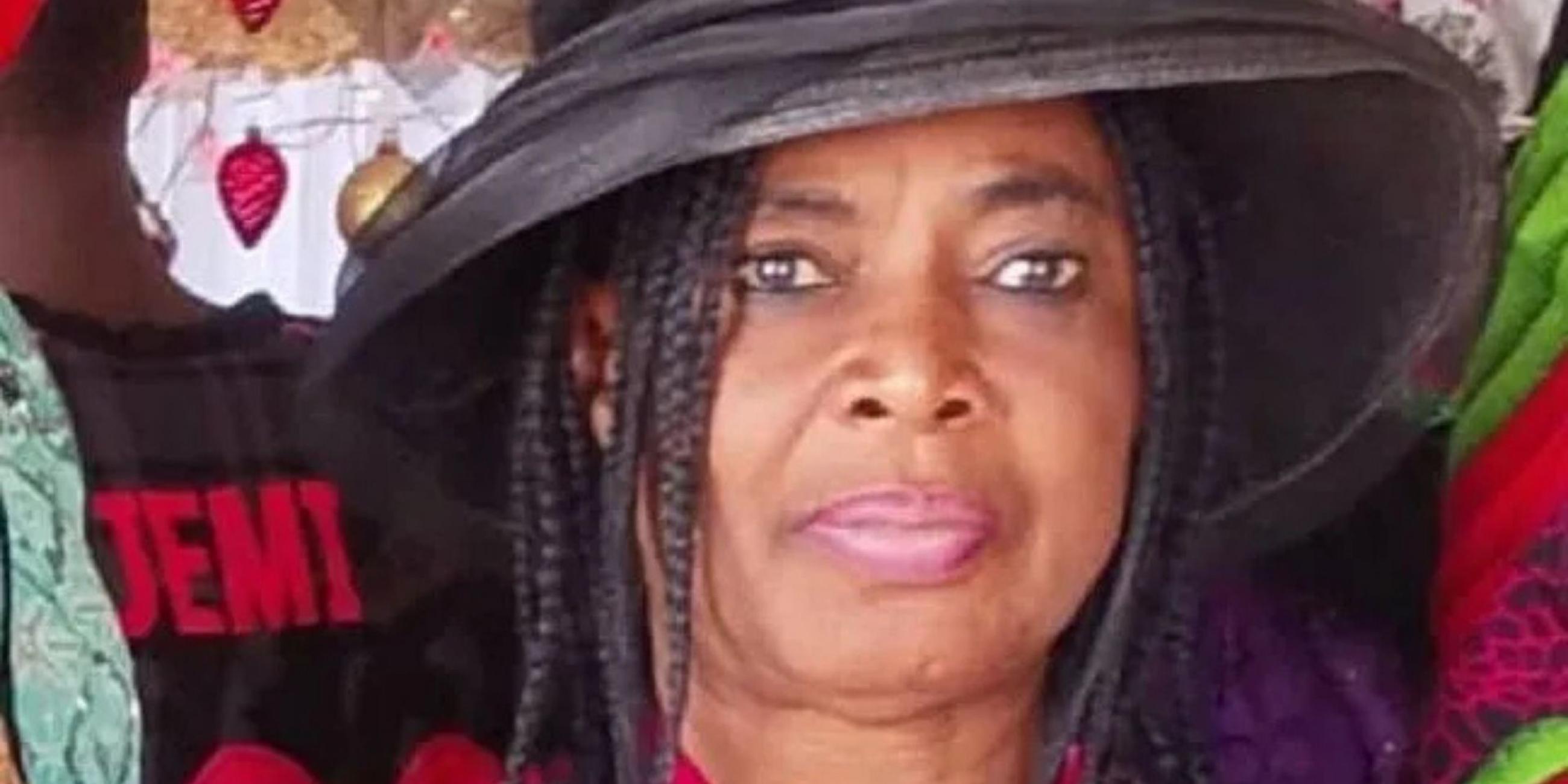
    Shock and anxiety are spreading across Nigeria’s capital after the lifeless body of Princess Ochigo, a female staff member of the High Court, was reportedly found dumped by the roadside in Abuja. Identified through an official identity card found on her body, her death has sent fresh waves of fear through the city, already grappling with growing concerns over unexplained killings.
    According to reports, Ochigo was discovered lying motionless under circumstances that remain unclear. There were no immediate signs of a road accident, raising disturbing questions about whether foul play may have been involved. As of the time of reporting, authorities have not confirmed the cause of death, leaving the public to speculate—and worry—about what may have truly happened.
    What makes the incident even more alarming is its timing. Just days earlier, the body of an Igbo nurse was also found abandoned by the roadside in the Federal Capital Territory (FCT). The back-to-back nature of these grim discoveries has intensified public anxiety and sparked concerns about a possible pattern of targeted or unexplained deaths in Abuja.
    The FCT Police Command has acknowledged the case. According to spokesperson Josephine Adeh, investigators are currently working to “unravel the facts and circumstances surrounding the incident,” promising that more details will be released as inquiries continue. Yet for many Nigerians, the absence of immediate clarity only deepens mistrust and frustration over security in the nation’s capital.
    Beyond the tragedy itself, this case raises urgent questions about public safety, women’s security, and the effectiveness of law enforcement in Abuja. How could a court worker—someone within the justice system—end up dead by the roadside with no immediate explanation? If a public servant can vanish and be found lifeless without answers, what does that mean for ordinary residents?
    For residents, activists, and observers, Princess Ochigo’s death has become more than a single incident—it is now a symbol of broader fears about crime, accountability, and silence. Many are demanding transparent investigations, swift identification of those responsible, and stronger measures to protect citizens, especially women who are increasingly vulnerable in urban centers.
    As investigations continue, one question remains at the center of national attention:
    Was this a tragic accident, or a crime that someone is trying to hide?
    Debate Starters for Fintter Comments
    Why are more bodies being found by the roadside in Abuja? Coincidence or pattern?
    Can residents still consider the FCT a “safe city”?
    Should there be a special probe into recent unexplained deaths?
    What must the government and police do differently to restore public confidence?
    Join the conversation on Fintter:
    Do you believe Princess Ochigo’s death will be properly investigated—or will it become another unresolved tragedy?
    Who Killed Princess Ochigo? Why Was a High Court Staff Found Dead by the Roadside in Abuja? | Fintter Who is responsible for the mysterious death of Princess Ochigo—and why are so many questions still unanswered? Shock and anxiety are spreading across Nigeria’s capital after the lifeless body of Princess Ochigo, a female staff member of the High Court, was reportedly found dumped by the roadside in Abuja. Identified through an official identity card found on her body, her death has sent fresh waves of fear through the city, already grappling with growing concerns over unexplained killings. According to reports, Ochigo was discovered lying motionless under circumstances that remain unclear. There were no immediate signs of a road accident, raising disturbing questions about whether foul play may have been involved. As of the time of reporting, authorities have not confirmed the cause of death, leaving the public to speculate—and worry—about what may have truly happened. What makes the incident even more alarming is its timing. Just days earlier, the body of an Igbo nurse was also found abandoned by the roadside in the Federal Capital Territory (FCT). The back-to-back nature of these grim discoveries has intensified public anxiety and sparked concerns about a possible pattern of targeted or unexplained deaths in Abuja. The FCT Police Command has acknowledged the case. According to spokesperson Josephine Adeh, investigators are currently working to “unravel the facts and circumstances surrounding the incident,” promising that more details will be released as inquiries continue. Yet for many Nigerians, the absence of immediate clarity only deepens mistrust and frustration over security in the nation’s capital. Beyond the tragedy itself, this case raises urgent questions about public safety, women’s security, and the effectiveness of law enforcement in Abuja. How could a court worker—someone within the justice system—end up dead by the roadside with no immediate explanation? If a public servant can vanish and be found lifeless without answers, what does that mean for ordinary residents? For residents, activists, and observers, Princess Ochigo’s death has become more than a single incident—it is now a symbol of broader fears about crime, accountability, and silence. Many are demanding transparent investigations, swift identification of those responsible, and stronger measures to protect citizens, especially women who are increasingly vulnerable in urban centers. As investigations continue, one question remains at the center of national attention: Was this a tragic accident, or a crime that someone is trying to hide? 💬 Debate Starters for Fintter Comments Why are more bodies being found by the roadside in Abuja? Coincidence or pattern? Can residents still consider the FCT a “safe city”? Should there be a special probe into recent unexplained deaths? What must the government and police do differently to restore public confidence? 👉 Join the conversation on Fintter: Do you believe Princess Ochigo’s death will be properly investigated—or will it become another unresolved tragedy?
    0 Comments ·0 Shares ·105 Views
  • Breaking: FCT Minister Nyesom Wike Reaffirms Support for President Tinubu Amid Rivers APC Clash Ahead of 2027 Elections

    FCT Minister Nyesom Wike has declared his unwavering support for President Bola Ahmed Tinubu ahead of the 2027 general election, emphasizing that his political structure in Rivers State is fully committed to the President. Wike made the statement on January 6, 2026, during ongoing consultations across local government areas in Rivers State. His declaration comes amid a public clash with APC National Secretary Ajibola Basiru over party influence and local politics. Wike warned against interference in Rivers State, calling it a “no-go area” for outsiders. The tensions reflect deep divisions within the APC, particularly following Governor Siminalayi Fubara’s defection from the PDP to the ruling party. Despite these challenges, Wike affirmed that his loyalty to Tinubu remains non-negotiable, reinforcing his influence over grassroots structures in Rivers State as a key factor in the party’s electoral strategy.

    #NyesomWike #BolaTinubu #APC #RiversStatePolitics #2027Elections #PoliticalTensions #FCTMinister #NigeriaPolitics
    Breaking: FCT Minister Nyesom Wike Reaffirms Support for President Tinubu Amid Rivers APC Clash Ahead of 2027 Elections FCT Minister Nyesom Wike has declared his unwavering support for President Bola Ahmed Tinubu ahead of the 2027 general election, emphasizing that his political structure in Rivers State is fully committed to the President. Wike made the statement on January 6, 2026, during ongoing consultations across local government areas in Rivers State. His declaration comes amid a public clash with APC National Secretary Ajibola Basiru over party influence and local politics. Wike warned against interference in Rivers State, calling it a “no-go area” for outsiders. The tensions reflect deep divisions within the APC, particularly following Governor Siminalayi Fubara’s defection from the PDP to the ruling party. Despite these challenges, Wike affirmed that his loyalty to Tinubu remains non-negotiable, reinforcing his influence over grassroots structures in Rivers State as a key factor in the party’s electoral strategy. #NyesomWike #BolaTinubu #APC #RiversStatePolitics #2027Elections #PoliticalTensions #FCTMinister #NigeriaPolitics
    0 Comments ·0 Shares ·282 Views
  • Authorities Seal Divine Hope Orphanage in Abuja Amid Investigation Into Alleged Unlawful Activities

    The Federal Capital Territory authorities have sealed Divine Hope Orphanage and Less Privileged Home in Kagini, Abuja, as part of an ongoing probe by the FCT Women Affairs Secretariat. Officials cited concerns over alleged unlawful activities and non-compliance with child welfare regulations.
    The orphanage operator reportedly ignored multiple summons to cooperate with the investigation. Authorities have called on the public to assist in locating the operator to ensure the investigation is completed. The closure underscores the government’s commitment to enforcing standards and protecting vulnerable children in Nigeria.

    #AbujaOrphanage #DivineHopeOrphanage #ChildWelfare #FCTAuthorities #NigeriaNews #OrphanageInvestigation #ChildProtection #FCTWomenAffairs
    Authorities Seal Divine Hope Orphanage in Abuja Amid Investigation Into Alleged Unlawful Activities The Federal Capital Territory authorities have sealed Divine Hope Orphanage and Less Privileged Home in Kagini, Abuja, as part of an ongoing probe by the FCT Women Affairs Secretariat. Officials cited concerns over alleged unlawful activities and non-compliance with child welfare regulations. The orphanage operator reportedly ignored multiple summons to cooperate with the investigation. Authorities have called on the public to assist in locating the operator to ensure the investigation is completed. The closure underscores the government’s commitment to enforcing standards and protecting vulnerable children in Nigeria. #AbujaOrphanage #DivineHopeOrphanage #ChildWelfare #FCTAuthorities #NigeriaNews #OrphanageInvestigation #ChildProtection #FCTWomenAffairs
    0 Comments ·0 Shares ·219 Views
  • FCT DEPARTMENT OF CHILD DEVELOPMENT RESCUES CHILDREN FROM AN ORPHANAGE HOME

    The Federal Capital Territory Administration, through the Department of Child Development under the Women Affairs Secretariat, has intensified efforts to protect vulnerable children with the commencement of a rescue and monitoring operation involving adopted children within the FCT, some of whom were reportedly brought in from Benue State.

    The operation, conducted with the National Agency for the Prohibition of Trafficking in Persons (NAPTIP) and other security and social welfare agencies, led officials to an orphanage in Kagini, under the Bwari Area Council.

    The intervention followed weeks of discreet investigations by the FCT Women Affairs Secretariat, led by the Director of Child Development, Dr. Idris Attah, over concerns about the orphanage’s operations and child welfare.

    However, upon arrival, officials discovered the proprietress had fled hours earlier, abandoning the facility.

    Authorities suspect her disappearance is linked to the investigation and possible violations of adoption and child protection laws.

    Officials say Some of the rescued children have been identified and placed in protective custody, with arrangements underway for their safety, medical checks, and psychological support.

    The FCT Administration reaffirmed its commitment to enforcing the Child Rights Act and sanitizing the adoption process, warning that offenders will face the law. Investigations continue as security agencies intensify efforts to locate the suspect and uncover the full scope of the orphanage’s activities.
    FCT DEPARTMENT OF CHILD DEVELOPMENT RESCUES CHILDREN FROM AN ORPHANAGE HOME The Federal Capital Territory Administration, through the Department of Child Development under the Women Affairs Secretariat, has intensified efforts to protect vulnerable children with the commencement of a rescue and monitoring operation involving adopted children within the FCT, some of whom were reportedly brought in from Benue State. The operation, conducted with the National Agency for the Prohibition of Trafficking in Persons (NAPTIP) and other security and social welfare agencies, led officials to an orphanage in Kagini, under the Bwari Area Council. The intervention followed weeks of discreet investigations by the FCT Women Affairs Secretariat, led by the Director of Child Development, Dr. Idris Attah, over concerns about the orphanage’s operations and child welfare. However, upon arrival, officials discovered the proprietress had fled hours earlier, abandoning the facility. Authorities suspect her disappearance is linked to the investigation and possible violations of adoption and child protection laws. Officials say Some of the rescued children have been identified and placed in protective custody, with arrangements underway for their safety, medical checks, and psychological support. The FCT Administration reaffirmed its commitment to enforcing the Child Rights Act and sanitizing the adoption process, warning that offenders will face the law. Investigations continue as security agencies intensify efforts to locate the suspect and uncover the full scope of the orphanage’s activities.
    0 Comments ·0 Shares ·94 Views
  • Abuja Health Centre in Kuje Left in Ruins for Years, Linked to Childbirth Deaths as Residents Urge FCT Minister Nyesom Wike to Intervene

    Residents of Sabo community in Kuje Area Council, Abuja, have raised alarm over the prolonged neglect of their only primary healthcare facility, linking its dilapidated condition to preventable maternal deaths. The Sabo Primary Health Care Centre, which serves an estimated 7,200 people, has been largely non-functional for years, severely limiting access to basic and emergency medical services, particularly for pregnant women.

    According to Tracka, BudgIT’s public expenditure tracking platform, the centre’s infrastructure has collapsed, with damaged roofs and ceilings, wards without beds, and a complete lack of drugs and essential medical equipment. The facility has reportedly remained abandoned and vandalised for nearly seven years, forcing residents to depend on local chemists and unqualified alternatives for treatment. Community members disclosed that several women have died during childbirth due to the absence of functional maternal healthcare services.

    In response, Tracka and affected residents have appealed directly to FCT Minister Nyesom Wike, alongside Senator Ireti Kingibe and Hon. Abdullahi Sabo, urging them to prioritise the reconstruction, equipping, and staffing of the centre. They stressed that restoring the facility is critical to safeguarding public health, reducing maternal mortality, and ensuring that vulnerable residents can access lifesaving medical care within their community.
    Abuja Health Centre in Kuje Left in Ruins for Years, Linked to Childbirth Deaths as Residents Urge FCT Minister Nyesom Wike to Intervene Residents of Sabo community in Kuje Area Council, Abuja, have raised alarm over the prolonged neglect of their only primary healthcare facility, linking its dilapidated condition to preventable maternal deaths. The Sabo Primary Health Care Centre, which serves an estimated 7,200 people, has been largely non-functional for years, severely limiting access to basic and emergency medical services, particularly for pregnant women. According to Tracka, BudgIT’s public expenditure tracking platform, the centre’s infrastructure has collapsed, with damaged roofs and ceilings, wards without beds, and a complete lack of drugs and essential medical equipment. The facility has reportedly remained abandoned and vandalised for nearly seven years, forcing residents to depend on local chemists and unqualified alternatives for treatment. Community members disclosed that several women have died during childbirth due to the absence of functional maternal healthcare services. In response, Tracka and affected residents have appealed directly to FCT Minister Nyesom Wike, alongside Senator Ireti Kingibe and Hon. Abdullahi Sabo, urging them to prioritise the reconstruction, equipping, and staffing of the centre. They stressed that restoring the facility is critical to safeguarding public health, reducing maternal mortality, and ensuring that vulnerable residents can access lifesaving medical care within their community.
    0 Comments ·0 Shares ·117 Views
  • APC National Secretary Basiru Tells FCT Minister Wike to Resign Over Rivers State Politics Interference

    Senator Ajibola Basiru, National Secretary of the All Progressives Congress (APC), has called on FCT Minister Nyesom Wike to resign immediately, accusing him of meddling in Rivers State politics while serving in an APC-led government.

    Basiru argued that Wike, a non-APC member, has no right to interfere in the party’s affairs and dismissed allegations of corruption involving Rivers APC as “cheap blackmail.” He described Wike’s actions as an attempt to import PDP-style politics into the APC and destabilize party structures.

    The APC secretary emphasized that peaceful party operations must be respected and warned that continued interference could lead to legal action. Basiru stressed that Wike’s support for President Tinubu does not confer APC membership and reiterated that party governance should remain free from external disruption.
    APC National Secretary Basiru Tells FCT Minister Wike to Resign Over Rivers State Politics Interference Senator Ajibola Basiru, National Secretary of the All Progressives Congress (APC), has called on FCT Minister Nyesom Wike to resign immediately, accusing him of meddling in Rivers State politics while serving in an APC-led government. Basiru argued that Wike, a non-APC member, has no right to interfere in the party’s affairs and dismissed allegations of corruption involving Rivers APC as “cheap blackmail.” He described Wike’s actions as an attempt to import PDP-style politics into the APC and destabilize party structures. The APC secretary emphasized that peaceful party operations must be respected and warned that continued interference could lead to legal action. Basiru stressed that Wike’s support for President Tinubu does not confer APC membership and reiterated that party governance should remain free from external disruption.
    0 Comments ·0 Shares ·222 Views
  • Police Arrest Port Harcourt Pastor Over Alleged Plot to Assassinate FCT Minister Wike, Hunt Underway for Ex-Rivers SSG

    Security operatives from the Inspector-General of Police Intelligence Response Team (IRT) have detained Dr. Tombari Joseph Gbeneol, a medical doctor and pastor of Life Forte Chapel Church in Port Harcourt, over an alleged plan to assassinate FCT Minister Nyesom Wike.

    The arrest followed the interception of a phone call between Gbeneol and former Rivers State Secretary to the Government (SSG), Dr. Tammy Danagogo, in which they allegedly discussed hiring Israeli nationals to carry out the assassination and seeking funding from Governor Siminalayi Fubara.

    Police confirmed Gbeneol is in custody, with investigations ongoing. Authorities are still searching for Danagogo, who reportedly went underground after the plot was uncovered. Security sources described the case as a grave national security threat.
    Police Arrest Port Harcourt Pastor Over Alleged Plot to Assassinate FCT Minister Wike, Hunt Underway for Ex-Rivers SSG Security operatives from the Inspector-General of Police Intelligence Response Team (IRT) have detained Dr. Tombari Joseph Gbeneol, a medical doctor and pastor of Life Forte Chapel Church in Port Harcourt, over an alleged plan to assassinate FCT Minister Nyesom Wike. The arrest followed the interception of a phone call between Gbeneol and former Rivers State Secretary to the Government (SSG), Dr. Tammy Danagogo, in which they allegedly discussed hiring Israeli nationals to carry out the assassination and seeking funding from Governor Siminalayi Fubara. Police confirmed Gbeneol is in custody, with investigations ongoing. Authorities are still searching for Danagogo, who reportedly went underground after the plot was uncovered. Security sources described the case as a grave national security threat.
    0 Comments ·0 Shares ·207 Views
  • FCT Minister Wike Warns APC National Secretary Basiru Against Meddling in Rivers State Politics

    Federal Capital Territory (FCT) Minister Nyesom Wike has threatened APC National Secretary Ajibola Basiru, warning him to stop interfering in Rivers State politics. Speaking at a rally in Oyigbo, Wike accused Basiru of commenting on matters outside his jurisdiction, particularly concerning the N600 billion funds in Rivers State.

    Wike cautioned Basiru against taking Rivers State’s support for President Bola Tinubu for granted and threatened to brief the President about the issue. He emphasized that anyone interfering with Rivers State affairs would face consequences, stating, “Anything you see, take it.”

    The tension follows Basiru’s earlier criticism of an APC official who referred to Rivers Governor Siminalayi Fubara as a “so-called governor,” noting that elected offices must be respected regardless of political differences. Wike, however, remains determined to prevent Fubara from securing a second term in office.
    FCT Minister Wike Warns APC National Secretary Basiru Against Meddling in Rivers State Politics Federal Capital Territory (FCT) Minister Nyesom Wike has threatened APC National Secretary Ajibola Basiru, warning him to stop interfering in Rivers State politics. Speaking at a rally in Oyigbo, Wike accused Basiru of commenting on matters outside his jurisdiction, particularly concerning the N600 billion funds in Rivers State. Wike cautioned Basiru against taking Rivers State’s support for President Bola Tinubu for granted and threatened to brief the President about the issue. He emphasized that anyone interfering with Rivers State affairs would face consequences, stating, “Anything you see, take it.” The tension follows Basiru’s earlier criticism of an APC official who referred to Rivers Governor Siminalayi Fubara as a “so-called governor,” noting that elected offices must be respected regardless of political differences. Wike, however, remains determined to prevent Fubara from securing a second term in office.
    0 Comments ·0 Shares ·239 Views
  • EFCC Rejects Bala Mohammed’s Persecution Claims, Insists Bauchi Corruption Probe Is Lawful and Not Driven by FCT Minister Nyesom Wike

    The Economic and Financial Crimes Commission (EFCC) has strongly dismissed allegations by Bauchi State Governor, Bala Mohammed, that he is being politically persecuted through the agency at the instigation of the Minister of the Federal Capital Territory, Nyesom Wike. The anti-graft body described the claims as baseless, mischievous and far-fetched, insisting that it operates independently and without political influence.

    In a statement issued on Friday, the EFCC said it was wrong and derogatory for the governor to link its investigative activities in Bauchi State to Wike or any other political office holder. The commission stressed that it is a non-partisan institution mandated by law to fight economic and financial crimes, and that no politician has the power to dictate its operations.

    The EFCC further pointed out that Governor Mohammed had faced money laundering charges before assuming office in 2019, noting that only the constitutional immunity attached to his position as governor suspended the case. It questioned who influenced the commission to investigate and prosecute him in 2016, arguing that the current allegations of persecution were misleading.

    On the ongoing case involving some Bauchi State officials, the commission maintained that the matter is already before the court and based on evidence gathered through what it described as painstaking investigation. It urged Nigerians to examine the court filings themselves to determine whether the case is motivated by vendetta or supported by facts, adding that Mohammed is mentioned in the charges because he was the approving authority in the state.

    The EFCC also dismissed the governor’s denial of alleged links between Bauchi officials and terrorism financing, describing such claims as a distraction and “crying wolf.” It accused politicians across party lines of hypocrisy, noting that opposition figures often cry persecution when called to account but remain silent when members of the ruling party face corruption charges.

    Concluding its statement, the EFCC advised Governor Mohammed to focus on governance rather than attacking the agency, while reaffirming its commitment to cleaning Nigeria’s financial system in line with its statutory mandate.
    EFCC Rejects Bala Mohammed’s Persecution Claims, Insists Bauchi Corruption Probe Is Lawful and Not Driven by FCT Minister Nyesom Wike The Economic and Financial Crimes Commission (EFCC) has strongly dismissed allegations by Bauchi State Governor, Bala Mohammed, that he is being politically persecuted through the agency at the instigation of the Minister of the Federal Capital Territory, Nyesom Wike. The anti-graft body described the claims as baseless, mischievous and far-fetched, insisting that it operates independently and without political influence. In a statement issued on Friday, the EFCC said it was wrong and derogatory for the governor to link its investigative activities in Bauchi State to Wike or any other political office holder. The commission stressed that it is a non-partisan institution mandated by law to fight economic and financial crimes, and that no politician has the power to dictate its operations. The EFCC further pointed out that Governor Mohammed had faced money laundering charges before assuming office in 2019, noting that only the constitutional immunity attached to his position as governor suspended the case. It questioned who influenced the commission to investigate and prosecute him in 2016, arguing that the current allegations of persecution were misleading. On the ongoing case involving some Bauchi State officials, the commission maintained that the matter is already before the court and based on evidence gathered through what it described as painstaking investigation. It urged Nigerians to examine the court filings themselves to determine whether the case is motivated by vendetta or supported by facts, adding that Mohammed is mentioned in the charges because he was the approving authority in the state. The EFCC also dismissed the governor’s denial of alleged links between Bauchi officials and terrorism financing, describing such claims as a distraction and “crying wolf.” It accused politicians across party lines of hypocrisy, noting that opposition figures often cry persecution when called to account but remain silent when members of the ruling party face corruption charges. Concluding its statement, the EFCC advised Governor Mohammed to focus on governance rather than attacking the agency, while reaffirming its commitment to cleaning Nigeria’s financial system in line with its statutory mandate.
    0 Comments ·0 Shares ·206 Views
  • Bauchi Governor Bala Mohammed Claims Immunity Protects Him from Questioning, Even If He Were a Terrorist, Amid EFCC Probe

    Bauchi State Governor Bala Mohammed sparked debate after stating in an interview that, as a sitting governor, he cannot be questioned—even if he were involved in terrorism—due to his constitutional immunity. The remark came amid the prosecution of his Finance Commissioner, Yakubu Adamu, by the EFCC over alleged terrorism financing totaling $9.7 million.

    Governor Bala alleged that the FCT Minister, Nyesom Wike, and unnamed federal officials are using state institutions to pressure him to join the ruling APC ahead of the 2027 elections. He rejected defection, criticized political persecution, and called for accountability in federal institutions. Nigerians reacted strongly online, with many questioning the limits of governors’ immunity and calling for greater transparency and accountability.
    Bauchi Governor Bala Mohammed Claims Immunity Protects Him from Questioning, Even If He Were a Terrorist, Amid EFCC Probe Bauchi State Governor Bala Mohammed sparked debate after stating in an interview that, as a sitting governor, he cannot be questioned—even if he were involved in terrorism—due to his constitutional immunity. The remark came amid the prosecution of his Finance Commissioner, Yakubu Adamu, by the EFCC over alleged terrorism financing totaling $9.7 million. Governor Bala alleged that the FCT Minister, Nyesom Wike, and unnamed federal officials are using state institutions to pressure him to join the ruling APC ahead of the 2027 elections. He rejected defection, criticized political persecution, and called for accountability in federal institutions. Nigerians reacted strongly online, with many questioning the limits of governors’ immunity and calling for greater transparency and accountability.
    0 Comments ·0 Shares ·264 Views
  • Bauchi Governor Bala Mohammed Accuses FCT Minister Nyesom Wike of Plot to Destabilise Bauchi, Says Tinubu Is Surrounded by “Hooligans and Charlatans” Amid Alleged Political Victimisation

    Bauchi State Governor, Bala Mohammed, has accused the Federal Government and the Minister of the Federal Capital Territory (FCT), Nyesom Wike, of orchestrating a coordinated campaign of political victimisation, intimidation, and abuse of state institutions aimed at destroying his political career.

    Speaking during an interview on Channels Television, the governor alleged that Wike was actively influencing security agencies and anti-corruption institutions, including the Economic and Financial Crimes Commission (EFCC), to target him and officials in his administration. Mohammed claimed that petitions, court processes, and security actions against his government were politically motivated and designed to tarnish his reputation, force political alignment, or neutralise him as a perceived threat.

    The governor further alleged that Wike had threatened to “put fire” in Bauchi State, accusing him of bribing people, manipulating institutions, and selling influence. He said intelligence from within the EFCC suggested that documents and petitions were deliberately orchestrated to implicate his Commissioner for Finance and cast suspicion on his government.

    Mohammed described the actions as a violation of his fundamental human rights and said he had written to the Attorney General of the Federation and other agencies, warning that he would escalate the matter to the international community. He stated that he was seeking protection against what he termed “reckless” political persecution.

    In a sharp rebuke of the presidency, the Bauchi governor said President Bola Tinubu was surrounded by “hooligans and charlatans” determined to destroy opposition figures. He also accused Wike of being a destabilising force within the Peoples Democratic Party (PDP), alleging divided loyalties and describing him as an “undertaker” of the opposition party.

    Mohammed warned that the alleged impunity within the ruling circle poses a serious threat to democracy, accountability, and political stability in Nigeria, insisting that unchecked abuse of power would have grave consequences for the country.
    Bauchi Governor Bala Mohammed Accuses FCT Minister Nyesom Wike of Plot to Destabilise Bauchi, Says Tinubu Is Surrounded by “Hooligans and Charlatans” Amid Alleged Political Victimisation Bauchi State Governor, Bala Mohammed, has accused the Federal Government and the Minister of the Federal Capital Territory (FCT), Nyesom Wike, of orchestrating a coordinated campaign of political victimisation, intimidation, and abuse of state institutions aimed at destroying his political career. Speaking during an interview on Channels Television, the governor alleged that Wike was actively influencing security agencies and anti-corruption institutions, including the Economic and Financial Crimes Commission (EFCC), to target him and officials in his administration. Mohammed claimed that petitions, court processes, and security actions against his government were politically motivated and designed to tarnish his reputation, force political alignment, or neutralise him as a perceived threat. The governor further alleged that Wike had threatened to “put fire” in Bauchi State, accusing him of bribing people, manipulating institutions, and selling influence. He said intelligence from within the EFCC suggested that documents and petitions were deliberately orchestrated to implicate his Commissioner for Finance and cast suspicion on his government. Mohammed described the actions as a violation of his fundamental human rights and said he had written to the Attorney General of the Federation and other agencies, warning that he would escalate the matter to the international community. He stated that he was seeking protection against what he termed “reckless” political persecution. In a sharp rebuke of the presidency, the Bauchi governor said President Bola Tinubu was surrounded by “hooligans and charlatans” determined to destroy opposition figures. He also accused Wike of being a destabilising force within the Peoples Democratic Party (PDP), alleging divided loyalties and describing him as an “undertaker” of the opposition party. Mohammed warned that the alleged impunity within the ruling circle poses a serious threat to democracy, accountability, and political stability in Nigeria, insisting that unchecked abuse of power would have grave consequences for the country.
    0 Comments ·0 Shares ·301 Views
  • Stop Treating Nigerians Like ATMs” — AAC FCT Chairman Warns of Mass Hardship, Slams Tinubu’s Tax Policies as ‘Declaration of War’ on the Poor in 2026

    The Chairman of the African Action Congress (AAC) in the Federal Capital Territory, Agena Robert Ande, has issued a strong warning that Nigeria is heading into a “year of reckoning” in 2026, accusing President Bola Tinubu’s administration of imposing a harsh and suffocating tax regime that disproportionately affects poor and vulnerable citizens. In a New Year statement, Ande described the government’s tax policies as exploitative, insisting that nearly everything Nigerians rely on for survival is now taxed.

    He rejected official claims that recent tax reforms are designed to target the wealthy, arguing instead that the rich evade taxes through offshore arrangements while ordinary Nigerians pay through Value Added Tax on food, fuel, data, transport and other essentials. According to the AAC chairman, subsidy removal has worsened living conditions nationwide, with transport costs soaring and food prices tripling, further pushing citizens into poverty.

    Ande also criticized the student loan scheme, saying it traps young graduates in debt due to high interest rates and bureaucratic barriers that exclude the most marginalized. He accused the political elite of manipulating public sentiment by weaponising poverty to silence criticism, warning that desperation created by poverty fuels gullibility and social instability.

    Questioning accountability, the AAC leader demanded transparency in the use of tax revenues, pointing to poor infrastructure, failing healthcare systems and dilapidated schools as evidence that increased taxation has not translated into development. He called for the removal of VAT on essential goods and services, insisting that luxury items—not basic livelihoods—should be taxed.

    Describing the tax policies as a “declaration of war against ordinary Nigerians,” Ande urged citizens to resist deception, organize politically and hold leaders accountable through civic engagement and the ballot. He concluded by warning that silence equals complicity, stressing that 2026 presents Nigerians with a choice to reject policies that deepen hardship and inequality.
    Stop Treating Nigerians Like ATMs” — AAC FCT Chairman Warns of Mass Hardship, Slams Tinubu’s Tax Policies as ‘Declaration of War’ on the Poor in 2026 The Chairman of the African Action Congress (AAC) in the Federal Capital Territory, Agena Robert Ande, has issued a strong warning that Nigeria is heading into a “year of reckoning” in 2026, accusing President Bola Tinubu’s administration of imposing a harsh and suffocating tax regime that disproportionately affects poor and vulnerable citizens. In a New Year statement, Ande described the government’s tax policies as exploitative, insisting that nearly everything Nigerians rely on for survival is now taxed. He rejected official claims that recent tax reforms are designed to target the wealthy, arguing instead that the rich evade taxes through offshore arrangements while ordinary Nigerians pay through Value Added Tax on food, fuel, data, transport and other essentials. According to the AAC chairman, subsidy removal has worsened living conditions nationwide, with transport costs soaring and food prices tripling, further pushing citizens into poverty. Ande also criticized the student loan scheme, saying it traps young graduates in debt due to high interest rates and bureaucratic barriers that exclude the most marginalized. He accused the political elite of manipulating public sentiment by weaponising poverty to silence criticism, warning that desperation created by poverty fuels gullibility and social instability. Questioning accountability, the AAC leader demanded transparency in the use of tax revenues, pointing to poor infrastructure, failing healthcare systems and dilapidated schools as evidence that increased taxation has not translated into development. He called for the removal of VAT on essential goods and services, insisting that luxury items—not basic livelihoods—should be taxed. Describing the tax policies as a “declaration of war against ordinary Nigerians,” Ande urged citizens to resist deception, organize politically and hold leaders accountable through civic engagement and the ballot. He concluded by warning that silence equals complicity, stressing that 2026 presents Nigerians with a choice to reject policies that deepen hardship and inequality.
    0 Comments ·0 Shares ·235 Views

  • Wike Threatens To Reveal Details Of Agreement With Fubara

    The Minister of the Federal Capital Territory (FCT), Nyesom Wike, has warned that he will make public the agreement he reached with Rivers State Governor, Siminalayi Fubara, before President Bola Ahmed Tinubu, if the governor fails to disclose it to the people of the state.
    Wike Threatens To Reveal Details Of Agreement With Fubara The Minister of the Federal Capital Territory (FCT), Nyesom Wike, has warned that he will make public the agreement he reached with Rivers State Governor, Siminalayi Fubara, before President Bola Ahmed Tinubu, if the governor fails to disclose it to the people of the state.
    0 Comments ·0 Shares ·223 Views
  • Abortion is a criminal offence under Nigerian law, and both the man and the woman involved commit a felony- FCT police spokesperson, SP Josephine Adeh, educates Nigerians
    Abortion is a criminal offence under Nigerian law, and both the man and the woman involved commit a felony- FCT police spokesperson, SP Josephine Adeh, educates Nigerians
    0 Comments ·0 Shares ·131 Views
  • Nigeria Police Reiterate Abortion Is Criminal Offence For Both Man And Woman, Cite Penal And Criminal Code Provisions

    The Nigeria Police Force has restated that abortion remains a criminal offence under Nigerian law, warning that both the woman and the man involved are liable to prosecution. The reminder was issued by the Federal Capital Territory (FCT) Police Public Relations Officer, SP Josephine Adeh, in a statement shared on her official X (formerly Twitter) account. Adeh cited Section 232 of the Penal Code and Section 228 of the Criminal Code, which expressly criminalise abortion and classify it as a felony punishable by law. Beyond the legal implications, the police spokesperson also referenced moral and religious perspectives, quoting a biblical passage to emphasise the sanctity of unborn life. She urged Nigerians to respect the law, uphold ethical values, and avoid actions that could attract severe legal consequences.
    Nigeria Police Reiterate Abortion Is Criminal Offence For Both Man And Woman, Cite Penal And Criminal Code Provisions The Nigeria Police Force has restated that abortion remains a criminal offence under Nigerian law, warning that both the woman and the man involved are liable to prosecution. The reminder was issued by the Federal Capital Territory (FCT) Police Public Relations Officer, SP Josephine Adeh, in a statement shared on her official X (formerly Twitter) account. Adeh cited Section 232 of the Penal Code and Section 228 of the Criminal Code, which expressly criminalise abortion and classify it as a felony punishable by law. Beyond the legal implications, the police spokesperson also referenced moral and religious perspectives, quoting a biblical passage to emphasise the sanctity of unborn life. She urged Nigerians to respect the law, uphold ethical values, and avoid actions that could attract severe legal consequences.
    0 Comments ·0 Shares ·233 Views
More Results
Fintter https://fintter.com