• ICPC Files Evidence, Lists Witnesses as Mike Ozekhome Faces Fraud, Forgery Charges Over Late Gen. Useni’s London Property

    The ICPC has filed proof of evidence and listed key witnesses as the Federal Government moves ahead with fraud and forgery charges against senior lawyer Mike Ozekhome, SAN, over a disputed London property linked to late General Jeremiah Useni. Prosecutors say the case stems from a UK tribunal judgment that ruled the house belongs to Useni’s estate, dismissing claims tied to a false identity, “Tali Shani.” Investigators plan to present documents, statements, and passport verification evidence, alleging Ozekhome used forged records to assert ownership. The FCT High Court is yet to fix a trial date as the high-profile legal battle deepens.

    #OzekhomeTrial #ICPC #NigeriaLegalNews
    ICPC Files Evidence, Lists Witnesses as Mike Ozekhome Faces Fraud, Forgery Charges Over Late Gen. Useni’s London Property The ICPC has filed proof of evidence and listed key witnesses as the Federal Government moves ahead with fraud and forgery charges against senior lawyer Mike Ozekhome, SAN, over a disputed London property linked to late General Jeremiah Useni. Prosecutors say the case stems from a UK tribunal judgment that ruled the house belongs to Useni’s estate, dismissing claims tied to a false identity, “Tali Shani.” Investigators plan to present documents, statements, and passport verification evidence, alleging Ozekhome used forged records to assert ownership. The FCT High Court is yet to fix a trial date as the high-profile legal battle deepens. #OzekhomeTrial #ICPC #NigeriaLegalNews
    love
    1
    · 0 Comments ·0 Shares ·448 Views
  • EFCC Launches Investigation Into Ex-NMDPRA Boss Farouk Ahmed Over Alleged $7M School Fund Misuse

    Nigeria’s EFCC has begun probing former NMDPRA MD Farouk Ahmed following a petition by Aliko Dangote alleging misuse of public funds to pay $7 million for his children’s education in Switzerland. The anti-graft agency confirmed it is writing to institutions mentioned in the petition, including the Swiss school, before inviting Ahmed. The investigation follows Dangote’s withdrawal of a previous complaint to ICPC, with EFCC emphasizing standard procedures of verifying claims locally and internationally before confronting the accused.

    #EFCCProbe #FaroukAhmed #DangotePetition
    EFCC Launches Investigation Into Ex-NMDPRA Boss Farouk Ahmed Over Alleged $7M School Fund Misuse Nigeria’s EFCC has begun probing former NMDPRA MD Farouk Ahmed following a petition by Aliko Dangote alleging misuse of public funds to pay $7 million for his children’s education in Switzerland. The anti-graft agency confirmed it is writing to institutions mentioned in the petition, including the Swiss school, before inviting Ahmed. The investigation follows Dangote’s withdrawal of a previous complaint to ICPC, with EFCC emphasizing standard procedures of verifying claims locally and internationally before confronting the accused. #EFCCProbe #FaroukAhmed #DangotePetition
    love
    3
    · 0 Comments ·0 Shares ·401 Views
  • Nigerian Police Deny Bail to Whistleblower Who Exposed Alpha-Beta Tax Fraud, Threaten Torture

    The Nigeria Police Force has refused bail to Comrade Segun Oluwasanmi, a whistleblower who exposed alleged corruption and tax evasion at Alpha-Beta Consulting Limited, linked to President Bola Tinubu. Detained beyond the constitutionally allowed 24 hours, police cited the need for a fresh investigation. Family members allege he was threatened with torture to unlock his phone. Oluwasanmi previously petitioned ICPC and EFCC, accusing the firm of under-declaring salaries, underpaying taxes, and inflating contracts. Police claims of cyberbullying appear to mask his whistleblowing activities.
    Nigerian Police Deny Bail to Whistleblower Who Exposed Alpha-Beta Tax Fraud, Threaten Torture The Nigeria Police Force has refused bail to Comrade Segun Oluwasanmi, a whistleblower who exposed alleged corruption and tax evasion at Alpha-Beta Consulting Limited, linked to President Bola Tinubu. Detained beyond the constitutionally allowed 24 hours, police cited the need for a fresh investigation. Family members allege he was threatened with torture to unlock his phone. Oluwasanmi previously petitioned ICPC and EFCC, accusing the firm of under-declaring salaries, underpaying taxes, and inflating contracts. Police claims of cyberbullying appear to mask his whistleblowing activities.
    0 Comments ·0 Shares ·425 Views
  • Obeta-Ndoki People Dey Suffer Water Wahala Even After ₦10.6m Was Released – Na Stream Dem Dey Drink!

    Residents of Obeta-Ndoki, Rivers State dey face serious hardship, almost two years after government release ₦10.6 million for water scheme rehabilitation. The money, meant for Obeta-Ndoki water project, never see ground as contractor Jonac Multi Purpose Company Ltd no do any work.

    Instead, men, women, and children dey rely on dirty village stream wey dem dey share with animals for drinking and cooking, causing frequent waterborne diseases. Tracka monitoring team call on EFCC and ICPC to investigate the matter and ensure the project is completed, stressing that clean water na basic human right.

    The community continue dey beg for accountability and real action, as promises remain broken and living conditions worsen.

    Obeta-Ndoki People Dey Suffer Water Wahala Even After ₦10.6m Was Released – Na Stream Dem Dey Drink! Residents of Obeta-Ndoki, Rivers State dey face serious hardship, almost two years after government release ₦10.6 million for water scheme rehabilitation. The money, meant for Obeta-Ndoki water project, never see ground as contractor Jonac Multi Purpose Company Ltd no do any work. Instead, men, women, and children dey rely on dirty village stream wey dem dey share with animals for drinking and cooking, causing frequent waterborne diseases. Tracka monitoring team call on EFCC and ICPC to investigate the matter and ensure the project is completed, stressing that clean water na basic human right. The community continue dey beg for accountability and real action, as promises remain broken and living conditions worsen.
    0 Comments ·0 Shares ·609 Views
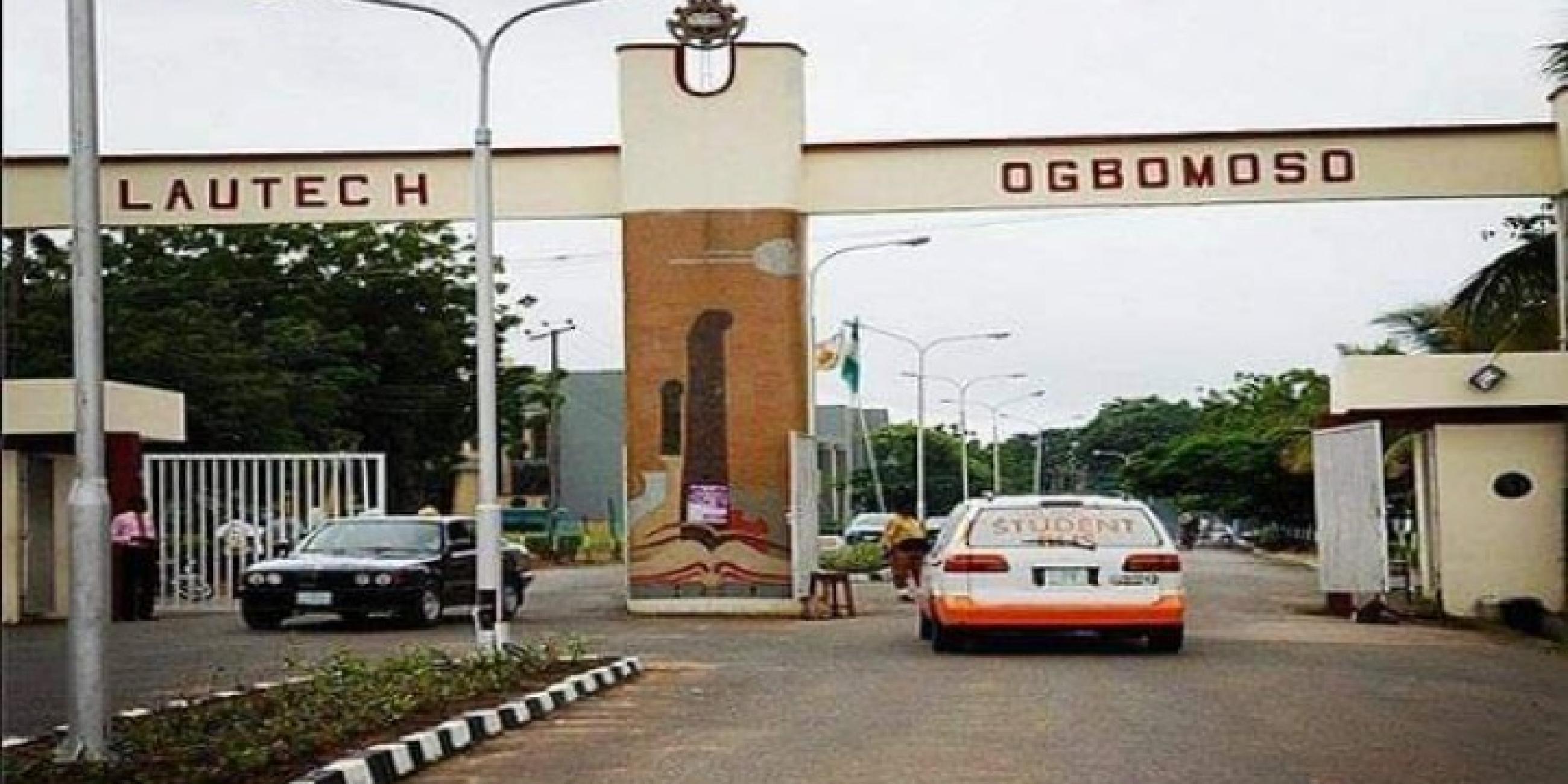
  • LAUTECH Nurses Drag EFCC, ICPC Over ₦18m Extortion, Withheld Results – SOS Petition

    Omo, wahala dey oo! Some concerned nurses from LAUTECH Open Learning don shout SOS to EFCC and ICPC over serious gbege. Dem claim say from 200 Level reach 500 Level, class executives dey collect huge levies for vague purposes, sometimes pay into personal accounts, without receipts or transparency.

    Dem talk say ₦18 million don vanish, some students been dey pay for projects, sports, entertainment, and final exams, but still results dey withheld. Some even get exemption letters, others dey suffer in academic limbo.

    Nurses demand full investigation, audit of all funds collected, protection for affected students, and immediate release of their results. Dem call am SOS – no more fear, no more intimidation.

    LAUTECH Nurses Drag EFCC, ICPC Over ₦18m Extortion, Withheld Results – SOS Petition Omo, wahala dey oo! Some concerned nurses from LAUTECH Open Learning don shout SOS to EFCC and ICPC over serious gbege. Dem claim say from 200 Level reach 500 Level, class executives dey collect huge levies for vague purposes, sometimes pay into personal accounts, without receipts or transparency. Dem talk say ₦18 million don vanish, some students been dey pay for projects, sports, entertainment, and final exams, but still results dey withheld. Some even get exemption letters, others dey suffer in academic limbo. Nurses demand full investigation, audit of all funds collected, protection for affected students, and immediate release of their results. Dem call am SOS – no more fear, no more intimidation.
    0 Comments ·0 Shares ·536 Views
  • N11.9 Million Disappear, Mawogi Health Centre Na Ghost Town – Residents Shout “Wahala oo!”, Call EFCC, ICPC Make Dem Enter Matter

    Residents of Mawogi community for Abaji Area Council, FCT, don dey shout tori as N11.9 million wey suppose build Primary Health Care Centre vanish. Civic tech organisation, MonITNG, report say facility dey overgrow with weeds and total neglect, even as community don provide sand, wood, labour and open special account to make project transparent. According to the report, after fund release, Head of Department of Health, Dr. Mansur Ashafa, allegedly tell project committee make dem transfer all money go private company, Shamgaj Integrated Service Limited. People talk say dem pressure dem to sign documents, but construction stop sharply, leaving health centre incomplete. MonITNG dey call ICPC and EFCC make dem investigate, warn say na human right matter be this as Mawogi residents dey suffer despite all their sacrifice. Wahala oo, who go answer this one?


    N11.9 Million Disappear, Mawogi Health Centre Na Ghost Town – Residents Shout “Wahala oo!”, Call EFCC, ICPC Make Dem Enter Matter Residents of Mawogi community for Abaji Area Council, FCT, don dey shout tori as N11.9 million wey suppose build Primary Health Care Centre vanish. Civic tech organisation, MonITNG, report say facility dey overgrow with weeds and total neglect, even as community don provide sand, wood, labour and open special account to make project transparent. According to the report, after fund release, Head of Department of Health, Dr. Mansur Ashafa, allegedly tell project committee make dem transfer all money go private company, Shamgaj Integrated Service Limited. People talk say dem pressure dem to sign documents, but construction stop sharply, leaving health centre incomplete. MonITNG dey call ICPC and EFCC make dem investigate, warn say na human right matter be this as Mawogi residents dey suffer despite all their sacrifice. Wahala oo, who go answer this one?
    0 Comments ·0 Shares ·643 Views
  • Bauchi Audit Exposes Universities, Polytechnics, Colleges, and Parastatals: How Did ₦Billions in Public Funds Go Unaccounted For, Why Were Revenues Unremitted, and Who Will Be Held Legally Responsible?

    How did institutions meant to uphold discipline, transparency, and public trust become hubs of financial disorder? An audit investigation by WikkiTimes reveals widespread financial mismanagement across Bauchi State’s universities, polytechnics, colleges, hospitals, agencies, and parastatals, raising urgent questions about accountability, oversight, and the future of public finance in the state.

    The Auditor-General’s report shows a consistent pattern: payments without documentation, unretired advances, missing revenue, inflated costs, forged or incomplete records, and expenditures without approval. These violations were not isolated to ministries or Government House—they extended deep into educational institutions and public agencies that are supposed to set standards in record-keeping, training, and ethical governance.

    At Sa’adu Zungur University, the state’s flagship institution, auditors recorded ₦63.5 million in payments without supporting documents, ₦12 million in unretired advances, ₦48 million in vouchers not presented for audit, ₦9.1 million in receipt discrepancies, ₦14.5 million in inflated diesel costs, and ₦84.2 million in unremitted tax deductions. Another ₦101 million was not posted to the cash book, making the trail of funds impossible to trace. An institution named after a symbol of moral discipline now stands accused of systemic financial indiscipline.

    At Abubakar Tatari Ali Polytechnic, auditors uncovered what they described as one of the most detailed cases of financial breakdown: ₦21.4 million in government revenue with no evidence of remittance, ₦13.4 million in undocumented payments, ₦15.1 million in vouchers withheld from audit, ₦28.6 million in store purchases not entered into ledgers, and multiple unretired advances and imprests. Additional red flags included ₦32.8 million in unauthorised payments, ₦5.7 million paid without documentation, and ₦5.2 million in soft loans without proof of recovery.

    Other institutions followed the same pattern. A.D. Rufa’i College of Legal Studies recorded millions in undocumented, unauthorised, and unacknowledged payments, alongside major store ledger discrepancies—echoing earlier reports of student exploitation. At the Bill and Melinda Gates College of Health Sciences, auditors flagged bank reconciliation gaps, voucher irregularities, and cash-book discrepancies. Health agencies, including the Specialist Hospital Board and Bauchi State Health Contributory Management Agency, were cited for diesel payments without retirement records and funds disbursed without approval.

    The audit further exposed revenue losses in parastatals. At Yankari Express Corporation, auditors recorded a staggering ₦165.5 million gap between revenue collected and bank lodgements, alongside missing vehicles, undocumented spare parts purchases, and multiple unsubmitted vouchers. At Yankari Game Reserve, findings included unauthorised payments, ghost beneficiaries, unaccounted revenue, undocumented diesel purchases, and unexplained bank withdrawals—suggesting deep-seated weaknesses in financial controls.

    Perhaps most alarming is what did not happen. According to the audit, missing vouchers remained missing, unremitted revenue was not accounted for, advances were not recovered, and disputed sums were not refunded. Explanations submitted by institutions failed to resolve the issues, leaving large portions of public funds in limbo.

    The report also outlines the legal consequences. Under the 1999 Constitution, all public spending must be authorised by law, with the Auditor-General empowered under Section 125 to refer violations to the House of Assembly. The ICPC Act criminalises abuse of office, while the EFCC Act classifies tax non-remittance and fund diversion as economic crimes—offences that remain prosecutable even after restitution.

    This investigation forces urgent questions: How did so many institutions operate for years without basic financial controls? Why were revenues collected but never remitted? Who authorised payments without records? And will the ICPC, EFCC, and lawmakers move from exposure to prosecution? As billions of naira remain unaccounted for, Bauchi’s audit report is no longer just a financial document—it is a test of whether public office will finally be matched with public accountability.

    Bauchi Audit Exposes Universities, Polytechnics, Colleges, and Parastatals: How Did ₦Billions in Public Funds Go Unaccounted For, Why Were Revenues Unremitted, and Who Will Be Held Legally Responsible? How did institutions meant to uphold discipline, transparency, and public trust become hubs of financial disorder? An audit investigation by WikkiTimes reveals widespread financial mismanagement across Bauchi State’s universities, polytechnics, colleges, hospitals, agencies, and parastatals, raising urgent questions about accountability, oversight, and the future of public finance in the state. The Auditor-General’s report shows a consistent pattern: payments without documentation, unretired advances, missing revenue, inflated costs, forged or incomplete records, and expenditures without approval. These violations were not isolated to ministries or Government House—they extended deep into educational institutions and public agencies that are supposed to set standards in record-keeping, training, and ethical governance. At Sa’adu Zungur University, the state’s flagship institution, auditors recorded ₦63.5 million in payments without supporting documents, ₦12 million in unretired advances, ₦48 million in vouchers not presented for audit, ₦9.1 million in receipt discrepancies, ₦14.5 million in inflated diesel costs, and ₦84.2 million in unremitted tax deductions. Another ₦101 million was not posted to the cash book, making the trail of funds impossible to trace. An institution named after a symbol of moral discipline now stands accused of systemic financial indiscipline. At Abubakar Tatari Ali Polytechnic, auditors uncovered what they described as one of the most detailed cases of financial breakdown: ₦21.4 million in government revenue with no evidence of remittance, ₦13.4 million in undocumented payments, ₦15.1 million in vouchers withheld from audit, ₦28.6 million in store purchases not entered into ledgers, and multiple unretired advances and imprests. Additional red flags included ₦32.8 million in unauthorised payments, ₦5.7 million paid without documentation, and ₦5.2 million in soft loans without proof of recovery. Other institutions followed the same pattern. A.D. Rufa’i College of Legal Studies recorded millions in undocumented, unauthorised, and unacknowledged payments, alongside major store ledger discrepancies—echoing earlier reports of student exploitation. At the Bill and Melinda Gates College of Health Sciences, auditors flagged bank reconciliation gaps, voucher irregularities, and cash-book discrepancies. Health agencies, including the Specialist Hospital Board and Bauchi State Health Contributory Management Agency, were cited for diesel payments without retirement records and funds disbursed without approval. The audit further exposed revenue losses in parastatals. At Yankari Express Corporation, auditors recorded a staggering ₦165.5 million gap between revenue collected and bank lodgements, alongside missing vehicles, undocumented spare parts purchases, and multiple unsubmitted vouchers. At Yankari Game Reserve, findings included unauthorised payments, ghost beneficiaries, unaccounted revenue, undocumented diesel purchases, and unexplained bank withdrawals—suggesting deep-seated weaknesses in financial controls. Perhaps most alarming is what did not happen. According to the audit, missing vouchers remained missing, unremitted revenue was not accounted for, advances were not recovered, and disputed sums were not refunded. Explanations submitted by institutions failed to resolve the issues, leaving large portions of public funds in limbo. The report also outlines the legal consequences. Under the 1999 Constitution, all public spending must be authorised by law, with the Auditor-General empowered under Section 125 to refer violations to the House of Assembly. The ICPC Act criminalises abuse of office, while the EFCC Act classifies tax non-remittance and fund diversion as economic crimes—offences that remain prosecutable even after restitution. This investigation forces urgent questions: How did so many institutions operate for years without basic financial controls? Why were revenues collected but never remitted? Who authorised payments without records? And will the ICPC, EFCC, and lawmakers move from exposure to prosecution? As billions of naira remain unaccounted for, Bauchi’s audit report is no longer just a financial document—it is a test of whether public office will finally be matched with public accountability.
    0 Comments ·0 Shares ·812 Views
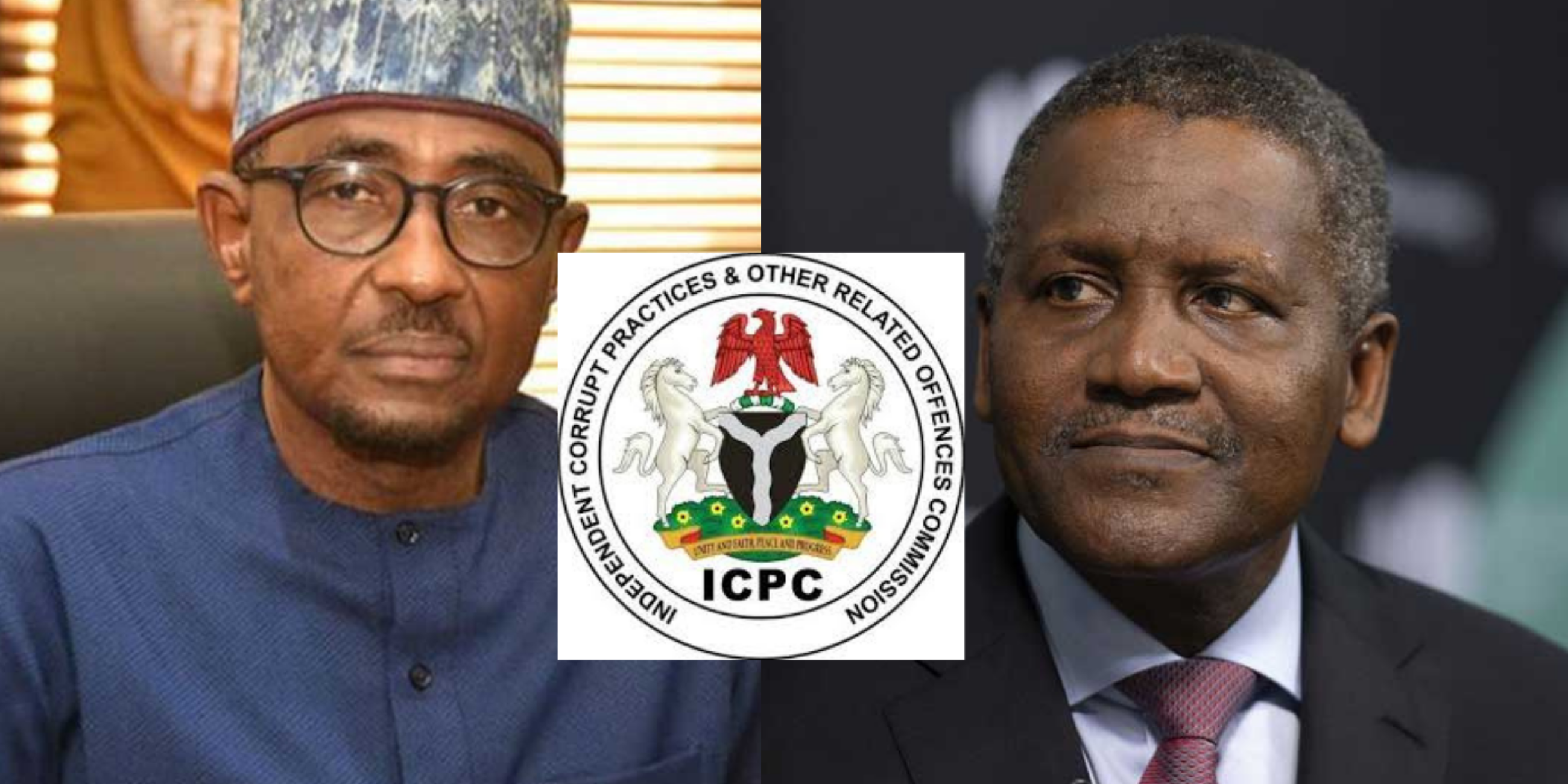
  • ICPC Rejects Dangote’s Petition Withdrawal, Continues Probe of Ex-NMDPRA Chief Farouk Ahmed

    The Independent Corrupt Practices and Other Related Offences Commission (ICPC) has confirmed that it will continue investigating allegations of corruption against Engineer Farouk Ahmed, the former Chief Executive Officer of the Nigerian Midstream and Downstream Petroleum Regulatory Authority (NMDPRA), despite the withdrawal of a petition by Africa’s richest man, Aliko Dangote.

    Dangote initially filed the petition in December 2025, accusing Ahmed of corruption, including the alleged misappropriation of public funds and spending approximately $5 million on his children’s education in Switzerland, despite lacking a verifiable lawful income to support such expenditure. The allegations sparked nationwide outrage and intensified scrutiny of Nigeria’s downstream petroleum sector.

    On January 5, 2026, Dangote’s legal team, led by Dr. O.J. Onoja, SAN, formally withdrew the petition, citing that another law enforcement agency had assumed responsibility for investigating the matter. However, the ICPC rejected the withdrawal, emphasizing that once a petition alleging corruption is received and an investigation commences, the process cannot be terminated at the discretion of the petitioner—particularly in cases of public interest and alleged abuse of office.

    In a press statement, ICPC spokesperson Okor Odey stressed that the commission’s investigation would proceed in line with its statutory mandate to ensure transparency, accountability, and the fight against corruption in Nigeria. The ICPC also highlighted that the inquiry serves the interest of the Nigerian people and cannot be halted simply because the petitioner withdraws.

    Following the accusations, Farouk Ahmed resigned from his position as NMDPRA Chief Executive, and President Bola Ahmed Tinubu appointed a successor. ICPC had earlier summoned Dangote to appear before a special panel of investigators in Abuja regarding his petition. Dangote had publicly criticized Ahmed’s alleged spending during a media briefing on December 14, 2025, highlighting the contrast between such expenditure and the economic struggles of ordinary Nigerians amid inflation and rising fuel prices.

    The ICPC’s decision to continue its probe underscores the agency’s commitment to holding public officials accountable, regardless of a petitioner’s withdrawal, and signals a robust approach to anti-corruption enforcement in Nigeria.

    ICPC Rejects Dangote’s Petition Withdrawal, Continues Probe of Ex-NMDPRA Chief Farouk Ahmed The Independent Corrupt Practices and Other Related Offences Commission (ICPC) has confirmed that it will continue investigating allegations of corruption against Engineer Farouk Ahmed, the former Chief Executive Officer of the Nigerian Midstream and Downstream Petroleum Regulatory Authority (NMDPRA), despite the withdrawal of a petition by Africa’s richest man, Aliko Dangote. Dangote initially filed the petition in December 2025, accusing Ahmed of corruption, including the alleged misappropriation of public funds and spending approximately $5 million on his children’s education in Switzerland, despite lacking a verifiable lawful income to support such expenditure. The allegations sparked nationwide outrage and intensified scrutiny of Nigeria’s downstream petroleum sector. On January 5, 2026, Dangote’s legal team, led by Dr. O.J. Onoja, SAN, formally withdrew the petition, citing that another law enforcement agency had assumed responsibility for investigating the matter. However, the ICPC rejected the withdrawal, emphasizing that once a petition alleging corruption is received and an investigation commences, the process cannot be terminated at the discretion of the petitioner—particularly in cases of public interest and alleged abuse of office. In a press statement, ICPC spokesperson Okor Odey stressed that the commission’s investigation would proceed in line with its statutory mandate to ensure transparency, accountability, and the fight against corruption in Nigeria. The ICPC also highlighted that the inquiry serves the interest of the Nigerian people and cannot be halted simply because the petitioner withdraws. Following the accusations, Farouk Ahmed resigned from his position as NMDPRA Chief Executive, and President Bola Ahmed Tinubu appointed a successor. ICPC had earlier summoned Dangote to appear before a special panel of investigators in Abuja regarding his petition. Dangote had publicly criticized Ahmed’s alleged spending during a media briefing on December 14, 2025, highlighting the contrast between such expenditure and the economic struggles of ordinary Nigerians amid inflation and rising fuel prices. The ICPC’s decision to continue its probe underscores the agency’s commitment to holding public officials accountable, regardless of a petitioner’s withdrawal, and signals a robust approach to anti-corruption enforcement in Nigeria.
    0 Comments ·0 Shares ·456 Views
  • Tinubu Government Denies ‘ADP4VIP’ Plot to Arrest and Detain Opposition Figures, Calls Allegations Fake and Baseless Disinformation

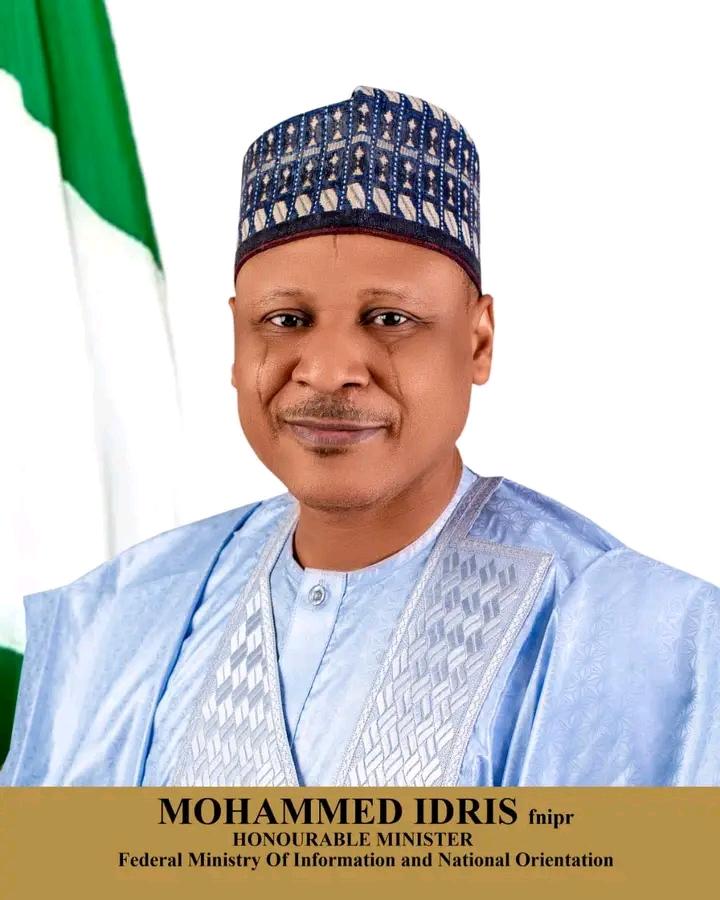
    The Federal Government has firmly denied allegations that it established a secret programme known as “ADP4VIP” to arrest, detain, or prosecute opposition politicians in Nigeria. In a statement issued on December 30, 2025, and signed by the Minister of Information and National Orientation, Mohammed Idris, the government described the claims as false, fabricated, and deliberately misleading. According to the government, the alleged programme—which purportedly involved a multi-agency task force comprising the EFCC, ICPC, and NFIU under the coordination of the Office of the National Security Adviser—does not exist. The administration said the forged document behind the claims was designed to portray lawful accountability as political persecution, particularly targeting members of the African Democratic Congress (ADC). Reaffirming President Bola Tinubu’s commitment to democracy, the rule of law, and constitutional freedoms, the government cited Section 40 of the 1999 Constitution, which guarantees freedom of association. It stressed that law enforcement and anti-corruption agencies operate independently and within legal boundaries. The government also warned Nigerians against the spread of misinformation and fake news as the 2027 general elections approach, cautioning that political actors may increasingly deploy disinformation for relevance. Despite accusations of a crackdown on opposition parties, the Tinubu administration insisted it remains focused on economic reforms, tackling insecurity, restoring investor confidence, and delivering measurable progress for Nigerians.
    Tinubu Government Denies ‘ADP4VIP’ Plot to Arrest and Detain Opposition Figures, Calls Allegations Fake and Baseless Disinformation The Federal Government has firmly denied allegations that it established a secret programme known as “ADP4VIP” to arrest, detain, or prosecute opposition politicians in Nigeria. In a statement issued on December 30, 2025, and signed by the Minister of Information and National Orientation, Mohammed Idris, the government described the claims as false, fabricated, and deliberately misleading. According to the government, the alleged programme—which purportedly involved a multi-agency task force comprising the EFCC, ICPC, and NFIU under the coordination of the Office of the National Security Adviser—does not exist. The administration said the forged document behind the claims was designed to portray lawful accountability as political persecution, particularly targeting members of the African Democratic Congress (ADC). Reaffirming President Bola Tinubu’s commitment to democracy, the rule of law, and constitutional freedoms, the government cited Section 40 of the 1999 Constitution, which guarantees freedom of association. It stressed that law enforcement and anti-corruption agencies operate independently and within legal boundaries. The government also warned Nigerians against the spread of misinformation and fake news as the 2027 general elections approach, cautioning that political actors may increasingly deploy disinformation for relevance. Despite accusations of a crackdown on opposition parties, the Tinubu administration insisted it remains focused on economic reforms, tackling insecurity, restoring investor confidence, and delivering measurable progress for Nigerians.
    0 Comments ·0 Shares ·512 Views
  • FG Reaffirms Unwavering Commitment to Rule of Law, Dismisses Fabricated Allegations of Targeting Opposition

    The Federal Government of Nigeria categorically states that it harbours no plans to unlawfully arrest, detain, or prosecute opposition figures. This clarification is in response to a fabricated document in circulation alleging the establishment of a non-existent multi-agency task force for a purported programme tagged “ADP4VIP” (Arrest, Detain, Prosecute for Very Important Persons).

    The baseless document falsely claims that a task force comprising the Economic and Financial Crimes Commission (EFCC), the Independent Corrupt Practices and Other Related Offences Commission (ICPC), and the Nigerian Financial Intelligence Unit (NFIU), coordinated by the Office of the National Security Adviser, aims to aggressively target prominent opposition figures without due process.

    The authors of this deliberate disinformation imprudently cite “multiple credible sources” to allege a planned “systematic weakening and neutralisation of opposition political activity,” particularly within the African Democratic Congress (ADC).

    The Federal Government wishes to state emphatically:

    1. There is no such programme as “ADP4VIP.”

    2. The administration of President Bola Ahmed Tinubu, GCFR, is firmly and successfully focused on its core agenda: implementing measurable economic reforms, defeating insecurity, expanding trade opportunities, and restoring investor confidence.

    3. The attempt by some opposition elements to frame lawful accountability as political targeting is a dangerous red herring designed to shield so-called VIPs from answering to our national laws and anti-corruption agencies.

    The Government underscores its foundational principles. Section 40 of the 1999 Constitution (as amended) guarantees every Nigerian the right to freely associate and assemble. President Tinubu swore an oath to uphold this Constitution and its protections, including the freedoms of association and religion. He is a democrat with considerable and positive footprints.

    Under President Tinubu's leadership, the Federal Government remains unwavering in its commitment to the rule of law, due process, and the independence of institutions. Nigeria is a constitutional democracy where law enforcement and judicial agencies are obligated to perform their duties professionally, without interference, and in the nation's best interest.

    Politicians and citizens are therefore enjoined to desist from engaging in disinformation, misinformation, and fake news, especially in an era where credibility is intrinsically linked to informational fidelity.

    With the 2027 general elections on the horizon, the public should anticipate an increase in fabricated narratives and political blackmail by actors who employ falsehood as a strategy for relevance. We urge all Nigerians to remain vigilant and to reject the politics of distortion and division.

    Every Nigerian retains the constitutional right to lawful association and political activity. Concurrently, our security and anti-corruption institutions retain the lawful mandate to operate in the nation's interest.

    As we draw the curtain on 2025 and step into a new year, this government will not be distracted by those invested in perpetual politicking. Nigerians deserve continuity, progress, and tangible results—and that is what the Tinubu Administration remains dedicated to delivering.

    Mohammed Idris, fnipr
    Honourable Minister of Information and National Orientation
    Federal Republic of Nigeria

    Tuesday, December 30, 2025.
    FG Reaffirms Unwavering Commitment to Rule of Law, Dismisses Fabricated Allegations of Targeting Opposition The Federal Government of Nigeria categorically states that it harbours no plans to unlawfully arrest, detain, or prosecute opposition figures. This clarification is in response to a fabricated document in circulation alleging the establishment of a non-existent multi-agency task force for a purported programme tagged “ADP4VIP” (Arrest, Detain, Prosecute for Very Important Persons). The baseless document falsely claims that a task force comprising the Economic and Financial Crimes Commission (EFCC), the Independent Corrupt Practices and Other Related Offences Commission (ICPC), and the Nigerian Financial Intelligence Unit (NFIU), coordinated by the Office of the National Security Adviser, aims to aggressively target prominent opposition figures without due process. The authors of this deliberate disinformation imprudently cite “multiple credible sources” to allege a planned “systematic weakening and neutralisation of opposition political activity,” particularly within the African Democratic Congress (ADC). The Federal Government wishes to state emphatically: 1. There is no such programme as “ADP4VIP.” 2. The administration of President Bola Ahmed Tinubu, GCFR, is firmly and successfully focused on its core agenda: implementing measurable economic reforms, defeating insecurity, expanding trade opportunities, and restoring investor confidence. 3. The attempt by some opposition elements to frame lawful accountability as political targeting is a dangerous red herring designed to shield so-called VIPs from answering to our national laws and anti-corruption agencies. The Government underscores its foundational principles. Section 40 of the 1999 Constitution (as amended) guarantees every Nigerian the right to freely associate and assemble. President Tinubu swore an oath to uphold this Constitution and its protections, including the freedoms of association and religion. He is a democrat with considerable and positive footprints. Under President Tinubu's leadership, the Federal Government remains unwavering in its commitment to the rule of law, due process, and the independence of institutions. Nigeria is a constitutional democracy where law enforcement and judicial agencies are obligated to perform their duties professionally, without interference, and in the nation's best interest. Politicians and citizens are therefore enjoined to desist from engaging in disinformation, misinformation, and fake news, especially in an era where credibility is intrinsically linked to informational fidelity. With the 2027 general elections on the horizon, the public should anticipate an increase in fabricated narratives and political blackmail by actors who employ falsehood as a strategy for relevance. We urge all Nigerians to remain vigilant and to reject the politics of distortion and division. Every Nigerian retains the constitutional right to lawful association and political activity. Concurrently, our security and anti-corruption institutions retain the lawful mandate to operate in the nation's interest. As we draw the curtain on 2025 and step into a new year, this government will not be distracted by those invested in perpetual politicking. Nigerians deserve continuity, progress, and tangible results—and that is what the Tinubu Administration remains dedicated to delivering. Mohammed Idris, fnipr Honourable Minister of Information and National Orientation Federal Republic of Nigeria Tuesday, December 30, 2025.
    0 Comments ·0 Shares ·558 Views
  • Integrity Shock as ICPC Scores NNPC Zero, Ranks National Oil Company Bottom Despite Fresh Profits and Reform Claims

    Nigeria’s anti-corruption watchdog, the Independent Corrupt Practices and Other Related Offences Commission (ICPC), has rated the Nigerian National Petroleum Company Limited (NNPCL) zero in its 2025 Ethics and Integrity Compliance Scorecard, placing it last among 357 federal ministries, departments and agencies assessed nationwide. The report found that NNPCL failed across all four integrity pillars—management culture, financial management, administrative systems, and anti-corruption mechanisms—classifying the national oil company as a high-risk institution. The outcome has intensified concerns over governance, transparency and accountability in Nigeria’s oil and gas sector, especially given NNPCL’s recent claims of improved profitability.
    The ICPC report also revealed mixed results across petroleum regulators, with the Nigerian Upstream Petroleum Regulatory Commission (NUPRC) emerging as the top-performing agency, while the Nigerian Midstream and Downstream Petroleum Regulatory Commission (NMDPRA) recorded weak compliance. Overall, only about 14% of federal agencies achieved substantial compliance, prompting the ICPC to signal tougher enforcement actions against persistently non-compliant institutions. Analysts warn that NNPCL’s zero score poses reputational risks and could undermine public trust and investor confidence unless urgent governance reforms are implemented.
    Integrity Shock as ICPC Scores NNPC Zero, Ranks National Oil Company Bottom Despite Fresh Profits and Reform Claims Nigeria’s anti-corruption watchdog, the Independent Corrupt Practices and Other Related Offences Commission (ICPC), has rated the Nigerian National Petroleum Company Limited (NNPCL) zero in its 2025 Ethics and Integrity Compliance Scorecard, placing it last among 357 federal ministries, departments and agencies assessed nationwide. The report found that NNPCL failed across all four integrity pillars—management culture, financial management, administrative systems, and anti-corruption mechanisms—classifying the national oil company as a high-risk institution. The outcome has intensified concerns over governance, transparency and accountability in Nigeria’s oil and gas sector, especially given NNPCL’s recent claims of improved profitability. The ICPC report also revealed mixed results across petroleum regulators, with the Nigerian Upstream Petroleum Regulatory Commission (NUPRC) emerging as the top-performing agency, while the Nigerian Midstream and Downstream Petroleum Regulatory Commission (NMDPRA) recorded weak compliance. Overall, only about 14% of federal agencies achieved substantial compliance, prompting the ICPC to signal tougher enforcement actions against persistently non-compliant institutions. Analysts warn that NNPCL’s zero score poses reputational risks and could undermine public trust and investor confidence unless urgent governance reforms are implemented.
    0 Comments ·0 Shares ·395 Views
  • Exclusive: Lagos Paid Tinubu-Linked Alpha-Beta Consulting ₦213 Billion Commission in Two Years

    SaharaReporters sources reveal that Alpha-Beta Consulting LLP, a firm linked to President Bola Tinubu, earned over ₦213 billion in commissions from Lagos State’s internally generated revenue over the past two years. The firm reportedly receives an 8% commission on all tax collections. In 2024, the firm earned approximately ₦100.2 billion, while in 2025, it received about ₦112.7 billion. Internal projections suggest even higher commissions in 2026 if the arrangement continues.
    Allegations against Alpha-Beta include systematic underreporting of employee salaries and tax underpayment, raising concerns over transparency and public fund management. Former employees and civil society groups, including the Committee for the Defence of Human Rights (CDHR), have escalated these claims to the police, EFCC, ICPC, and relevant finance ministries. The consultancy’s longstanding links to President Tinubu, who previously governed Lagos State, amplify scrutiny over the arrangement.
    Exclusive: Lagos Paid Tinubu-Linked Alpha-Beta Consulting ₦213 Billion Commission in Two Years SaharaReporters sources reveal that Alpha-Beta Consulting LLP, a firm linked to President Bola Tinubu, earned over ₦213 billion in commissions from Lagos State’s internally generated revenue over the past two years. The firm reportedly receives an 8% commission on all tax collections. In 2024, the firm earned approximately ₦100.2 billion, while in 2025, it received about ₦112.7 billion. Internal projections suggest even higher commissions in 2026 if the arrangement continues. Allegations against Alpha-Beta include systematic underreporting of employee salaries and tax underpayment, raising concerns over transparency and public fund management. Former employees and civil society groups, including the Committee for the Defence of Human Rights (CDHR), have escalated these claims to the police, EFCC, ICPC, and relevant finance ministries. The consultancy’s longstanding links to President Tinubu, who previously governed Lagos State, amplify scrutiny over the arrangement.
    0 Comments ·0 Shares ·307 Views
  • ICPC Must Uphold Justice, Fairness, and Rule of Law

    In this opinion piece, Muhammed Al-Ameen stresses the critical role of anti-corruption agencies like the Independent Corrupt Practices and Other Related Offences Commission (ICPC) in Nigeria’s fragile democracy. He argues that these institutions are vital to maintaining the integrity of the state, and their independence is non-negotiable.

    Independence and integrity of anti-graft agencies are essential; any political manipulation threatens democracy.

    ICPC under Dr. Musa Adamu Aliyu, SAN—a Senior Advocate of Nigeria—is increasingly seen as politically biased, ignoring court orders and engaging in selective justice.

    Senior Advocates are expected to uphold the law and serve as examples, but ICPC’s leadership has allegedly disregarded judicial processes, undermining public trust.

    Mishandling Aliko Dangote’s petition against Farouk Ahmed (NMDPRA), effectively defending the accused instead of conducting an impartial investigation.

    Ignoring an interim injunction by Kano State High Court protecting ALGON members from harassment.


    Such actions signal institutionalized lawlessness, where those knowledgeable of the law use it selectively for political purposes.


    Recommendations:

    Immediate intervention by the Legal Practitioners’ Privileges Committee (LPPC) regarding petitions against Dr. Aliyu.

    ICPC must comply with all outstanding court orders and rid itself of political interference.

    The Presidency and judiciary should ensure the ICPC functions as a neutral, accountable watchdog.


    Al-Ameen concludes that ICPC’s credibility and Nigeria’s democratic integrity are at stake. The agency must choose between strengthening the rule of law or becoming a tool for political vendettas.

    The piece calls for restoration of institutional sanity, fair enforcement of laws, and prioritizing the public’s interest over political expediency.
    ICPC Must Uphold Justice, Fairness, and Rule of Law In this opinion piece, Muhammed Al-Ameen stresses the critical role of anti-corruption agencies like the Independent Corrupt Practices and Other Related Offences Commission (ICPC) in Nigeria’s fragile democracy. He argues that these institutions are vital to maintaining the integrity of the state, and their independence is non-negotiable. Independence and integrity of anti-graft agencies are essential; any political manipulation threatens democracy. ICPC under Dr. Musa Adamu Aliyu, SAN—a Senior Advocate of Nigeria—is increasingly seen as politically biased, ignoring court orders and engaging in selective justice. Senior Advocates are expected to uphold the law and serve as examples, but ICPC’s leadership has allegedly disregarded judicial processes, undermining public trust. Mishandling Aliko Dangote’s petition against Farouk Ahmed (NMDPRA), effectively defending the accused instead of conducting an impartial investigation. Ignoring an interim injunction by Kano State High Court protecting ALGON members from harassment. Such actions signal institutionalized lawlessness, where those knowledgeable of the law use it selectively for political purposes. Recommendations: Immediate intervention by the Legal Practitioners’ Privileges Committee (LPPC) regarding petitions against Dr. Aliyu. ICPC must comply with all outstanding court orders and rid itself of political interference. The Presidency and judiciary should ensure the ICPC functions as a neutral, accountable watchdog. Al-Ameen concludes that ICPC’s credibility and Nigeria’s democratic integrity are at stake. The agency must choose between strengthening the rule of law or becoming a tool for political vendettas. The piece calls for restoration of institutional sanity, fair enforcement of laws, and prioritizing the public’s interest over political expediency.
    0 Comments ·0 Shares ·368 Views
  • A civil society organisation, the Association of Legislative Drafting and Advocacy Practitioners (ALDRAP), has formally urged the Economic and Financial Crimes Commission (EFCC) to reject the Director-General of the Legal Aid Council of Nigeria as a surety in the ongoing corruption case involving former Attorney General of the Federation and Minister of Justice, Abubakar Malami (SAN).

    In a petition dated December 24, 2025, and addressed to the EFCC Chairman in Abuja, ALDRAP based its request on Section 167(1) of the Administration of Criminal Justice Act (ACJA), 2015, which clearly outlines who qualifies to stand as a surety in criminal proceedings. The group argued that the Director-General of the Legal Aid Council does not meet the statutory and ethical requirements required under the law.

    The petition, signed by ALDRAP’s Secretary, Dr. Tonye Clinton Jaja, cited the 2024 Anti-Corruption Index published by the Independent Corrupt Practices and Related Offences Commission (ICPC). According to the group, the Legal Aid Council of Nigeria was among federal government agencies that recorded a zero percent (0%) score in the ICPC’s ethics and integrity assessment for the year.

    ALDRAP stressed that this poor rating raises serious concerns about the integrity, credibility, and suitability of the Legal Aid Council’s leadership to act as a surety for a defendant facing serious corruption allegations. The group argued that allowing a public official whose institution failed to meet basic anti-corruption benchmarks to guarantee the bail of a former justice minister accused of massive financial crimes would undermine public confidence in the justice system.

    “The implication is that a person heading an institution that scored zero percent in the ICPC anti-corruption index cannot be considered fit and proper to stand as surety for Malami, who is himself undergoing investigation and prosecution for corruption-related offences,” the petition stated.

    ALDRAP further reminded the EFCC of its mandate as a watchdog against corruption and urged the commission to ensure that all bail conditions strictly comply with the law and ethical standards. The group noted that it was incorporated in 2017 under the Companies and Allied Matters Act (CAMA) and is committed to promoting adherence to the 1999 Constitution and other relevant laws governing public accountability.

    Meanwhile, the petition comes against the backdrop of serious criminal charges filed against Malami by the Federal Government. SaharaReporters had earlier reported that Malami is facing 16 counts bordering on money laundering, conspiracy, and unlawful acquisition of assets, alongside his son, Abubakar Abdulaziz Malami, and an associate, Hajia Bashir Asabe.

    According to court documents, prosecutors allege that Malami and his co-defendants used corporate fronts and proxies, including Metropolitan Auto Tech Limited, Rahamaniyya Properties Limited, and Meethaq Hotels Limited, to conceal and launder illicit funds while Malami served as Nigeria’s chief law officer. The alleged offences span nearly a decade, from 2015 to 2025, covering both his time in office and the period after.

    The charges detail multiple financial transactions involving billions of naira, including over ₦1 billion allegedly concealed through Sterling Bank accounts, large cash collaterals used to secure bank loans, and payments for luxury properties in Abuja, Kano, Birnin Kebbi, and other locations. Prosecutors claim that no fewer than 30 high-value properties worth about ₦212.8 billion were acquired using proceeds of unlawful activities.

    The government further alleges that Malami and his associates violated provisions of the Money Laundering (Prohibition) Act 2011 (as amended) and the Money Laundering (Prevention and Prohibition) Act 2022, through systematic concealment, conversion, and retention of illicit funds.

    Against this backdrop, ALDRAP has expressed confidence that the EFCC will give its petition urgent and favourable consideration, insisting that the integrity of the bail process must not be compromised in a case of such national significance. The group warned that allowing questionable sureties could weaken anti-corruption efforts and send the wrong message to Nigerians about accountability at the highest levels of government.
    A civil society organisation, the Association of Legislative Drafting and Advocacy Practitioners (ALDRAP), has formally urged the Economic and Financial Crimes Commission (EFCC) to reject the Director-General of the Legal Aid Council of Nigeria as a surety in the ongoing corruption case involving former Attorney General of the Federation and Minister of Justice, Abubakar Malami (SAN). In a petition dated December 24, 2025, and addressed to the EFCC Chairman in Abuja, ALDRAP based its request on Section 167(1) of the Administration of Criminal Justice Act (ACJA), 2015, which clearly outlines who qualifies to stand as a surety in criminal proceedings. The group argued that the Director-General of the Legal Aid Council does not meet the statutory and ethical requirements required under the law. The petition, signed by ALDRAP’s Secretary, Dr. Tonye Clinton Jaja, cited the 2024 Anti-Corruption Index published by the Independent Corrupt Practices and Related Offences Commission (ICPC). According to the group, the Legal Aid Council of Nigeria was among federal government agencies that recorded a zero percent (0%) score in the ICPC’s ethics and integrity assessment for the year. ALDRAP stressed that this poor rating raises serious concerns about the integrity, credibility, and suitability of the Legal Aid Council’s leadership to act as a surety for a defendant facing serious corruption allegations. The group argued that allowing a public official whose institution failed to meet basic anti-corruption benchmarks to guarantee the bail of a former justice minister accused of massive financial crimes would undermine public confidence in the justice system. “The implication is that a person heading an institution that scored zero percent in the ICPC anti-corruption index cannot be considered fit and proper to stand as surety for Malami, who is himself undergoing investigation and prosecution for corruption-related offences,” the petition stated. ALDRAP further reminded the EFCC of its mandate as a watchdog against corruption and urged the commission to ensure that all bail conditions strictly comply with the law and ethical standards. The group noted that it was incorporated in 2017 under the Companies and Allied Matters Act (CAMA) and is committed to promoting adherence to the 1999 Constitution and other relevant laws governing public accountability. Meanwhile, the petition comes against the backdrop of serious criminal charges filed against Malami by the Federal Government. SaharaReporters had earlier reported that Malami is facing 16 counts bordering on money laundering, conspiracy, and unlawful acquisition of assets, alongside his son, Abubakar Abdulaziz Malami, and an associate, Hajia Bashir Asabe. According to court documents, prosecutors allege that Malami and his co-defendants used corporate fronts and proxies, including Metropolitan Auto Tech Limited, Rahamaniyya Properties Limited, and Meethaq Hotels Limited, to conceal and launder illicit funds while Malami served as Nigeria’s chief law officer. The alleged offences span nearly a decade, from 2015 to 2025, covering both his time in office and the period after. The charges detail multiple financial transactions involving billions of naira, including over ₦1 billion allegedly concealed through Sterling Bank accounts, large cash collaterals used to secure bank loans, and payments for luxury properties in Abuja, Kano, Birnin Kebbi, and other locations. Prosecutors claim that no fewer than 30 high-value properties worth about ₦212.8 billion were acquired using proceeds of unlawful activities. The government further alleges that Malami and his associates violated provisions of the Money Laundering (Prohibition) Act 2011 (as amended) and the Money Laundering (Prevention and Prohibition) Act 2022, through systematic concealment, conversion, and retention of illicit funds. Against this backdrop, ALDRAP has expressed confidence that the EFCC will give its petition urgent and favourable consideration, insisting that the integrity of the bail process must not be compromised in a case of such national significance. The group warned that allowing questionable sureties could weaken anti-corruption efforts and send the wrong message to Nigerians about accountability at the highest levels of government.
    0 Comments ·0 Shares ·443 Views
  • Court Orders Final Forfeiture of Goodluck Jonathan Estate Lands to FG

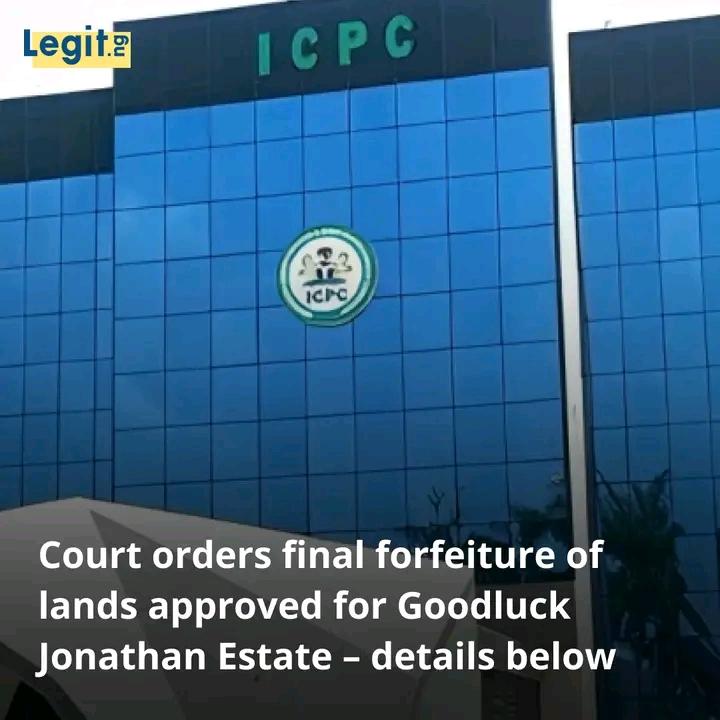
    The Federal High Court in Abuja has permanently forfeited lands approved for the Goodluck Jonathan Legacy Model Housing Estate to the Federal Government. Judge Mohammed Umar granted the ICPC’s request on December 11, 2025, directing supervision in collaboration with the Federal Mortgage Bank of Nigeria to ensure the housing units benefit end-users. The forfeited plots include Plot 5 in Kaba District (122,015.80 m², valued at N1.94 billion) and Plot 4 (157,198.30 m², valued at N3.34 billion), suspected to be proceeds of unlawful activity. A joint ICPC-FMBN committee will oversee completion of the project. This follows similar government action on ex-CBN Governor Godwin Emefiele’s estate, with public calls for transparency and productive use of recovered assets.

    #GoodluckJonathanEstate #ICPC #AssetRecovery #FederalGovernment #NigeriaNews #HousingDevelopment #FMBN #CourtForfeiture
    Court Orders Final Forfeiture of Goodluck Jonathan Estate Lands to FG The Federal High Court in Abuja has permanently forfeited lands approved for the Goodluck Jonathan Legacy Model Housing Estate to the Federal Government. Judge Mohammed Umar granted the ICPC’s request on December 11, 2025, directing supervision in collaboration with the Federal Mortgage Bank of Nigeria to ensure the housing units benefit end-users. The forfeited plots include Plot 5 in Kaba District (122,015.80 m², valued at N1.94 billion) and Plot 4 (157,198.30 m², valued at N3.34 billion), suspected to be proceeds of unlawful activity. A joint ICPC-FMBN committee will oversee completion of the project. This follows similar government action on ex-CBN Governor Godwin Emefiele’s estate, with public calls for transparency and productive use of recovered assets. #GoodluckJonathanEstate #ICPC #AssetRecovery #FederalGovernment #NigeriaNews #HousingDevelopment #FMBN #CourtForfeiture
    0 Comments ·0 Shares ·740 Views
  • Whistleblower Accuses Tinubu-Linked Alpha-Beta Consulting Of Systematic Tax Evasion, Petitions Police, EFCC, ICPC Over Under-Remitted Staff Taxes

    A former employee of Alpha-Beta Consulting Limited, Segun Oluwasanmi, has accused the Lagos revenue consulting firm—widely linked to President Bola Tinubu—of long-running and systematic tax evasion through the under-declaration of staff salaries and under-remittance of statutory taxes. The whistleblower has formally petitioned the Nigeria Police, the Economic and Financial Crimes Commission (EFCC), and the Independent Corrupt Practices and Other Related Offences Commission (ICPC), with copies sent to federal and Lagos State finance authorities. According to Oluwasanmi, Alpha-Beta allegedly split employees’ salaries into two parts, declaring and taxing only a smaller portion while concealing the remainder from tax authorities. Internal company correspondence attached to the petition, including an April 30, 2024 HR memo, reportedly confirms that a Lagos State Internal Revenue Service (LIRS) audit uncovered tax under-remittance. The whistleblower further alleged that the firm later rebranded undeclared salary components as “reimbursable” payments to evade scrutiny, a practice he said negatively affected employees’ professional credibility and violated multiple Nigerian laws. Civil rights group CDHR, chaired by human rights lawyer Femi Falana (SAN), described the alleged conduct as fraud against the Nigerian state and urged law enforcement agencies to investigate and prosecute Alpha-Beta’s management in accordance with the law.
    Whistleblower Accuses Tinubu-Linked Alpha-Beta Consulting Of Systematic Tax Evasion, Petitions Police, EFCC, ICPC Over Under-Remitted Staff Taxes A former employee of Alpha-Beta Consulting Limited, Segun Oluwasanmi, has accused the Lagos revenue consulting firm—widely linked to President Bola Tinubu—of long-running and systematic tax evasion through the under-declaration of staff salaries and under-remittance of statutory taxes. The whistleblower has formally petitioned the Nigeria Police, the Economic and Financial Crimes Commission (EFCC), and the Independent Corrupt Practices and Other Related Offences Commission (ICPC), with copies sent to federal and Lagos State finance authorities. According to Oluwasanmi, Alpha-Beta allegedly split employees’ salaries into two parts, declaring and taxing only a smaller portion while concealing the remainder from tax authorities. Internal company correspondence attached to the petition, including an April 30, 2024 HR memo, reportedly confirms that a Lagos State Internal Revenue Service (LIRS) audit uncovered tax under-remittance. The whistleblower further alleged that the firm later rebranded undeclared salary components as “reimbursable” payments to evade scrutiny, a practice he said negatively affected employees’ professional credibility and violated multiple Nigerian laws. Civil rights group CDHR, chaired by human rights lawyer Femi Falana (SAN), described the alleged conduct as fraud against the Nigerian state and urged law enforcement agencies to investigate and prosecute Alpha-Beta’s management in accordance with the law.
    0 Comments ·0 Shares ·613 Views
  • Former Alpha-Beta Consulting Employee Accuses Tinubu-Linked Lagos Revenue Firm of Bribery, Intimidation, Allowance Fraud and Police Interference

    A former employee of Alpha-Beta Consulting Limited, Segun Oluwasanmi, has accused the Lagos revenue consulting firm linked to President Bola Tinubu of systemic corruption, bribery, workplace harassment and manipulation of police processes. According to a petition filed through the Committee for the Defence of Human Rights (CDHR), the company’s Head of Human Capital Management allegedly demanded and collected a ₦150,000 bribe to process refunds of over ₦3.3 million in travel allowances owed to staff who attended an international training in Egypt. The petition further alleges irregular estacode calculations, unfair currency exchange rates, professional marginalisation, and attempts by the Lagos Police State Intelligence Department to intimidate the complainant. The matter has been reported to the Police, ICPC and EFCC, with calls for a full investigation and prosecution based on documentary evidence including bank records and WhatsApp messages.
    Former Alpha-Beta Consulting Employee Accuses Tinubu-Linked Lagos Revenue Firm of Bribery, Intimidation, Allowance Fraud and Police Interference A former employee of Alpha-Beta Consulting Limited, Segun Oluwasanmi, has accused the Lagos revenue consulting firm linked to President Bola Tinubu of systemic corruption, bribery, workplace harassment and manipulation of police processes. According to a petition filed through the Committee for the Defence of Human Rights (CDHR), the company’s Head of Human Capital Management allegedly demanded and collected a ₦150,000 bribe to process refunds of over ₦3.3 million in travel allowances owed to staff who attended an international training in Egypt. The petition further alleges irregular estacode calculations, unfair currency exchange rates, professional marginalisation, and attempts by the Lagos Police State Intelligence Department to intimidate the complainant. The matter has been reported to the Police, ICPC and EFCC, with calls for a full investigation and prosecution based on documentary evidence including bank records and WhatsApp messages.
    0 Comments ·0 Shares ·499 Views
  • ICPC Invites Aliko Dangote to Submit Evidence Against Ex-NMDPRA Boss Farouk Ahmed, Says Resignation Will Not Stop Corruption Probe

    The Independent Corrupt Practices and Other Related Offences Commission (ICPC) has formally invited Africa’s richest man, Aliko Dangote, to present documentary evidence supporting his corruption allegations against the former Managing Director of the Nigerian Midstream and Downstream Petroleum Regulatory Authority (NMDPRA), Alhaji Farouk Ahmed. The anti-graft agency stressed that Ahmed’s recent resignation does not affect the ongoing investigation, which is being treated as a matter of public interest. According to ICPC sources, a special panel of seasoned investigators has been constituted to handle the probe, with Dangote or his legal representative expected to adopt the petition and submit supporting documents. Dangote has accused Ahmed of abuse of office, illicit enrichment, diversion of public funds, and spending over $7 million on the education of his four children in Switzerland—expenses he claims cannot be justified by a public servant’s earnings. The ICPC said it would follow due process, isolate issues raised in the petition, and allow Ahmed to respond, warning that both proven corruption and frivolous petitions carry severe legal consequences under the ICPC Act. @
    ICPC Invites Aliko Dangote to Submit Evidence Against Ex-NMDPRA Boss Farouk Ahmed, Says Resignation Will Not Stop Corruption Probe The Independent Corrupt Practices and Other Related Offences Commission (ICPC) has formally invited Africa’s richest man, Aliko Dangote, to present documentary evidence supporting his corruption allegations against the former Managing Director of the Nigerian Midstream and Downstream Petroleum Regulatory Authority (NMDPRA), Alhaji Farouk Ahmed. The anti-graft agency stressed that Ahmed’s recent resignation does not affect the ongoing investigation, which is being treated as a matter of public interest. According to ICPC sources, a special panel of seasoned investigators has been constituted to handle the probe, with Dangote or his legal representative expected to adopt the petition and submit supporting documents. Dangote has accused Ahmed of abuse of office, illicit enrichment, diversion of public funds, and spending over $7 million on the education of his four children in Switzerland—expenses he claims cannot be justified by a public servant’s earnings. The ICPC said it would follow due process, isolate issues raised in the petition, and allow Ahmed to respond, warning that both proven corruption and frivolous petitions carry severe legal consequences under the ICPC Act. @
    0 Comments ·0 Shares ·453 Views
  • Former Alpha-Beta Employee Accuses Tinubu-Linked Firm of Cybersecurity Policy Forgery, Workplace Harassment, EFCC and Police Investigate

    A former employee of Alpha-Beta Consulting Limited, Segun Oluwasanmi, has accused the Lagos State tax consultancy firm—reportedly linked to President Bola Tinubu—of serious corporate misconduct, including forgery of electronic documents, cybersecurity policy manipulation, and sustained workplace harassment. Oluwasanmi alleged that the company’s Chief Technical Officer forged his signature on the firm’s Cybersecurity Policy in September 2023 after deliberately excluding him from the finalisation process. Despite an internal panel reportedly confirming the act, no disciplinary action was taken, prompting the Committee for the Defence of Human Rights (CDHR) to escalate the matter to the Nigeria Police, ICPC, and EFCC. The petition cites violations of the Cybercrimes Act and Criminal Code, warning that failure to act could undermine corporate governance and cybersecurity integrity within the tax consultancy firm.
    Former Alpha-Beta Employee Accuses Tinubu-Linked Firm of Cybersecurity Policy Forgery, Workplace Harassment, EFCC and Police Investigate A former employee of Alpha-Beta Consulting Limited, Segun Oluwasanmi, has accused the Lagos State tax consultancy firm—reportedly linked to President Bola Tinubu—of serious corporate misconduct, including forgery of electronic documents, cybersecurity policy manipulation, and sustained workplace harassment. Oluwasanmi alleged that the company’s Chief Technical Officer forged his signature on the firm’s Cybersecurity Policy in September 2023 after deliberately excluding him from the finalisation process. Despite an internal panel reportedly confirming the act, no disciplinary action was taken, prompting the Committee for the Defence of Human Rights (CDHR) to escalate the matter to the Nigeria Police, ICPC, and EFCC. The petition cites violations of the Cybercrimes Act and Criminal Code, warning that failure to act could undermine corporate governance and cybersecurity integrity within the tax consultancy firm.
    0 Comments ·0 Shares ·580 Views
  • BREAKING NEWS: ICPC Invites Aliko Dangote to Provide Evidence in the investigation of Former NMDPRA Chief Farouk Ahmed
    BREAKING NEWS: ICPC Invites Aliko Dangote to Provide Evidence in the investigation of Former NMDPRA Chief Farouk Ahmed
    love
    1
    · 0 Comments ·0 Shares ·363 Views
More Results
Fintter https://fintter.com