


 About
About
Is the Okada Ban Being Enforced Again in Abuja? Police Impound 21 Motorcycles, Arrest Riders as Security Agencies Crack Down on Restricted Roads
Is the long-standing ban on commercial motorcycles finally being enforced with renewed force in Abuja—and what does it mean for commuters, riders, and public safety in the nation’s capital?
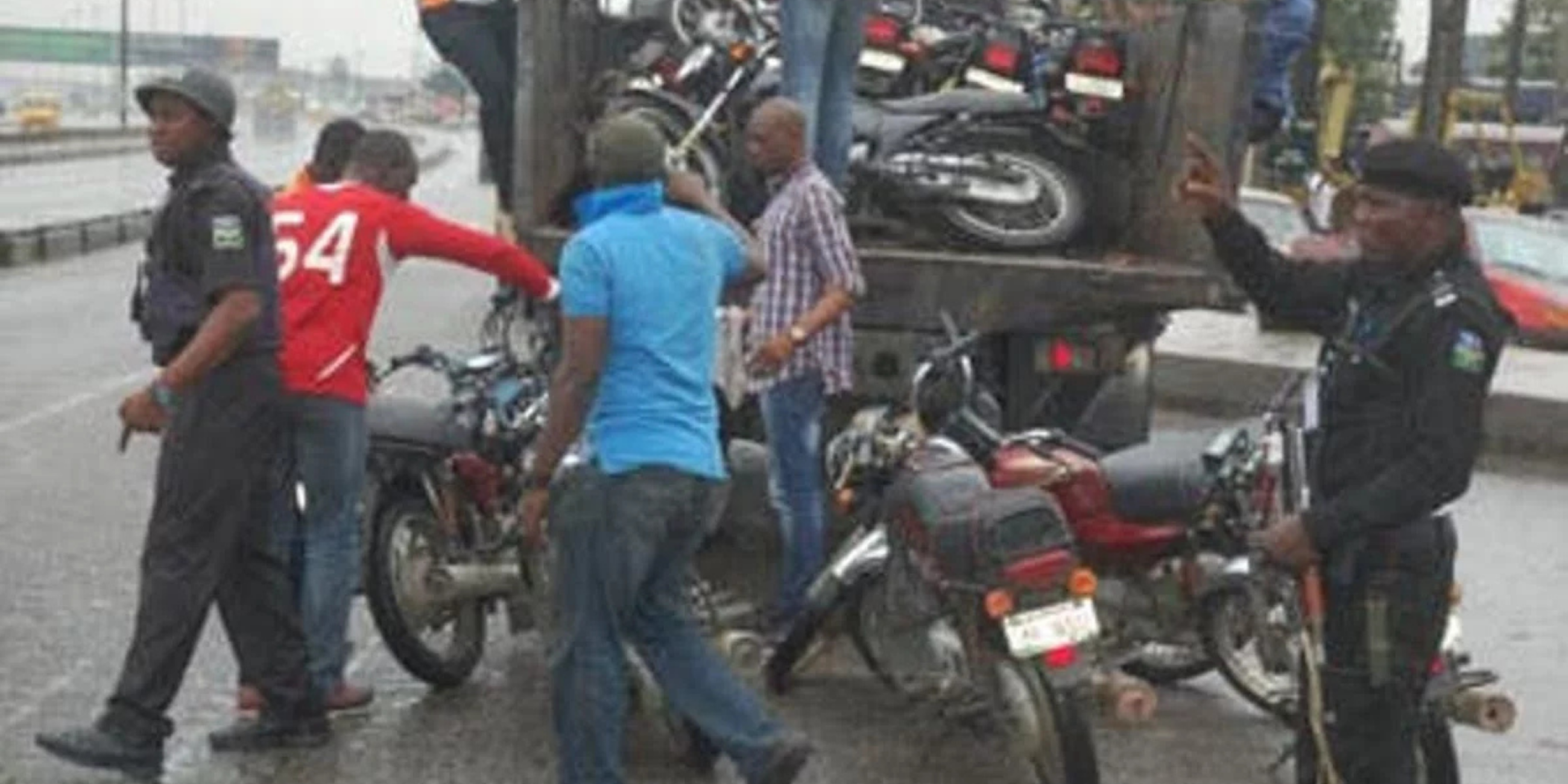
The Federal Capital Territory (FCT) Police Command, working with other security agencies, has impounded 21 commercial motorcycles and arrested their riders for violating restrictions on motorcycle operations along major roads and highways in Abuja. The enforcement, carried out on Thursday under the Operation Sweep initiative alongside officials of the Vehicle Inspection Office (VIO), targeted key corridors where commercial motorcyclists—popularly known as okada riders—were found flouting existing traffic and security laws.
According to a statement issued by the Police Public Relations Officer, Josephine Adeh, the arrested riders and seized motorcycles were apprehended strictly in line with “extant laws guiding traffic and security operations” in the FCT. The police described the action as part of a sustained inter-agency strategy aimed at curbing traffic-related crimes, preventing the use of commercial motorcycles for criminal activities, and strengthening public safety across Abuja.
But is this operation merely routine traffic enforcement—or a signal of a broader security clampdown? Authorities say the ban on commercial motorcycles along major highways remains in force, citing persistent concerns over accidents, robbery, and the ease with which criminals can use motorcycles to evade arrest. By focusing on major roads and restricted routes, the agencies involved insist they are prioritizing both road safety and crime prevention.
Reacting to the operation, the Commissioner of Police, FCT Command, Miller Dantawaye, reaffirmed the command’s commitment to strict enforcement of all traffic and security regulations designed to protect lives and property. He warned that continued defiance of the motorcycle ban would attract “decisive enforcement actions”, adding that similar operations would be intensified across the six Area Councils of the FCT.
The police also urged residents to cooperate with security agencies, comply with traffic directives, and promptly report suspicious activities through official emergency lines. Yet, questions remain: Will sustained enforcement reduce crime and accidents, or will it deepen the economic hardship of riders who rely on commercial motorcycles for survival? How will commuters in underserved areas cope with limited transport options if restrictions tighten further?
As Abuja grapples with balancing security, mobility, and livelihoods, the latest crackdown has reignited debate over the future of commercial motorcycles in the capital—testing whether enforcement alone can deliver safer roads without leaving thousands of riders stranded.
Is the long-standing ban on commercial motorcycles finally being enforced with renewed force in Abuja—and what does it mean for commuters, riders, and public safety in the nation’s capital?
The Federal Capital Territory (FCT) Police Command, working with other security agencies, has impounded 21 commercial motorcycles and arrested their riders for violating restrictions on motorcycle operations along major roads and highways in Abuja. The enforcement, carried out on Thursday under the Operation Sweep initiative alongside officials of the Vehicle Inspection Office (VIO), targeted key corridors where commercial motorcyclists—popularly known as okada riders—were found flouting existing traffic and security laws.
According to a statement issued by the Police Public Relations Officer, Josephine Adeh, the arrested riders and seized motorcycles were apprehended strictly in line with “extant laws guiding traffic and security operations” in the FCT. The police described the action as part of a sustained inter-agency strategy aimed at curbing traffic-related crimes, preventing the use of commercial motorcycles for criminal activities, and strengthening public safety across Abuja.
But is this operation merely routine traffic enforcement—or a signal of a broader security clampdown? Authorities say the ban on commercial motorcycles along major highways remains in force, citing persistent concerns over accidents, robbery, and the ease with which criminals can use motorcycles to evade arrest. By focusing on major roads and restricted routes, the agencies involved insist they are prioritizing both road safety and crime prevention.
Reacting to the operation, the Commissioner of Police, FCT Command, Miller Dantawaye, reaffirmed the command’s commitment to strict enforcement of all traffic and security regulations designed to protect lives and property. He warned that continued defiance of the motorcycle ban would attract “decisive enforcement actions”, adding that similar operations would be intensified across the six Area Councils of the FCT.
The police also urged residents to cooperate with security agencies, comply with traffic directives, and promptly report suspicious activities through official emergency lines. Yet, questions remain: Will sustained enforcement reduce crime and accidents, or will it deepen the economic hardship of riders who rely on commercial motorcycles for survival? How will commuters in underserved areas cope with limited transport options if restrictions tighten further?
As Abuja grapples with balancing security, mobility, and livelihoods, the latest crackdown has reignited debate over the future of commercial motorcycles in the capital—testing whether enforcement alone can deliver safer roads without leaving thousands of riders stranded.
Is the Okada Ban Being Enforced Again in Abuja? Police Impound 21 Motorcycles, Arrest Riders as Security Agencies Crack Down on Restricted Roads
Is the long-standing ban on commercial motorcycles finally being enforced with renewed force in Abuja—and what does it mean for commuters, riders, and public safety in the nation’s capital?
The Federal Capital Territory (FCT) Police Command, working with other security agencies, has impounded 21 commercial motorcycles and arrested their riders for violating restrictions on motorcycle operations along major roads and highways in Abuja. The enforcement, carried out on Thursday under the Operation Sweep initiative alongside officials of the Vehicle Inspection Office (VIO), targeted key corridors where commercial motorcyclists—popularly known as okada riders—were found flouting existing traffic and security laws.
According to a statement issued by the Police Public Relations Officer, Josephine Adeh, the arrested riders and seized motorcycles were apprehended strictly in line with “extant laws guiding traffic and security operations” in the FCT. The police described the action as part of a sustained inter-agency strategy aimed at curbing traffic-related crimes, preventing the use of commercial motorcycles for criminal activities, and strengthening public safety across Abuja.
But is this operation merely routine traffic enforcement—or a signal of a broader security clampdown? Authorities say the ban on commercial motorcycles along major highways remains in force, citing persistent concerns over accidents, robbery, and the ease with which criminals can use motorcycles to evade arrest. By focusing on major roads and restricted routes, the agencies involved insist they are prioritizing both road safety and crime prevention.
Reacting to the operation, the Commissioner of Police, FCT Command, Miller Dantawaye, reaffirmed the command’s commitment to strict enforcement of all traffic and security regulations designed to protect lives and property. He warned that continued defiance of the motorcycle ban would attract “decisive enforcement actions”, adding that similar operations would be intensified across the six Area Councils of the FCT.
The police also urged residents to cooperate with security agencies, comply with traffic directives, and promptly report suspicious activities through official emergency lines. Yet, questions remain: Will sustained enforcement reduce crime and accidents, or will it deepen the economic hardship of riders who rely on commercial motorcycles for survival? How will commuters in underserved areas cope with limited transport options if restrictions tighten further?
As Abuja grapples with balancing security, mobility, and livelihoods, the latest crackdown has reignited debate over the future of commercial motorcycles in the capital—testing whether enforcement alone can deliver safer roads without leaving thousands of riders stranded.
0 Comments
·0 Shares
·2K Views
